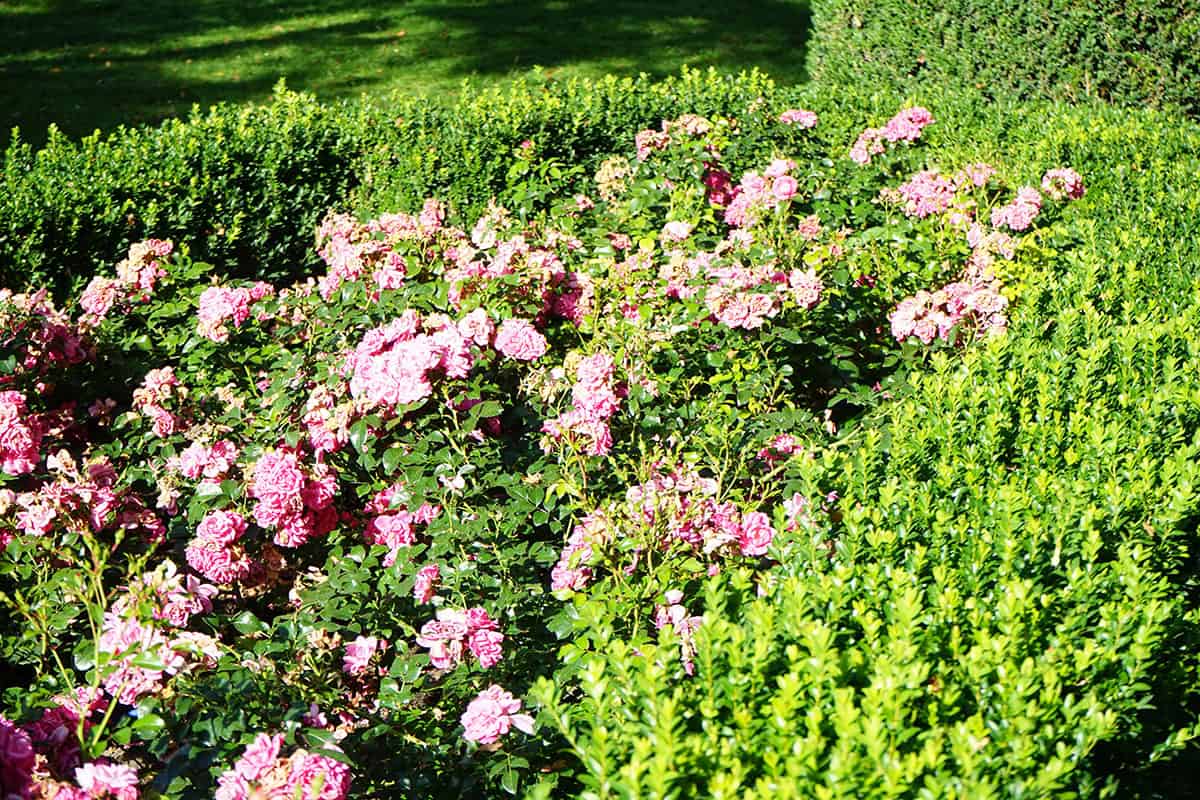
Bare patches and scraggly turf just don’t cut it. Low, spreading plants that flower and knit together across the ground can turn those awkward spots into something lively. Flowering ground cover plants pack open soil with color and texture, crowd out weeds, and help keep your soil in place. Looks good, works hard—what’s not to like?
Most stay under two feet, weaving themselves into a living carpet. They’re handy for slopes, paths, under trees, or those stubborn, dry strips where grass fizzles out. Some types help with erosion, slow down runoff, and even offer nectar for pollinators.
You’ll find options for blazing sun, deep shade, or bone-dry corners. Many play nicely with wildlife and barely ask for attention. A smart pick here can swap out patchiness for steady color and structure.
Table of Contents
- Flowering Ground Cover Plants
- Creeping Thyme (Thymus serpyllum)
- Moss Phlox (Phlox subulata)
- Creeping Phlox (Phlox stolonifera)
- Periwinkle (Vinca minor)
- Ajuga / Bugleweed (Ajuga reptans)
- Ice Plant (Delosperma cooperi)
- Candytuft (Iberis sempervirens)
- Creeping Jenny (Lysimachia nummularia)
- Snow-In-Summer (Cerastium tomentosum)
- Rock Cress (Aubrieta deltoidea)
- Creeping Mazus (Mazus reptans)
- Blue Star Creeper (Isotoma fluviatilis)
- Sedum / Stonecrop (Sedum spurium, Sedum acre)
- Basket Of Gold (Aurinia saxatilis)
- Hardy Geranium (Geranium sanguineum)
- Creeping Speedwell (Veronica repens)
- Serbian Bellflower (Campanula poscharskyana)
- Trailing Verbena (Verbena canadensis)
- Helianthemum (Rock Rose)
- Creeping Cinquefoil (Potentilla reptans)
- Sweet Alyssum (Lobularia maritima)
- Alpine Aster (Aster alpinus)
- Dianthus (Low-Growing Varieties)
- Erigeron (Mexican Fleabane – Erigeron karvinskianus)
- Phlox douglasii (Douglas Moss Phlox)
Flowering Ground Cover Plants
These spreaders fill gaps with thick foliage and bursts of bloom. They’ll tame weeds, soften harsh edges, anchor slopes, and chip away at lawn monotony with dependable flowers.
Creeping Thyme (Thymus serpyllum)
Sun-drenched spots and gritty soil suit this mat-forming herb. Tuck it between stepping stones or along a path—just keep foot traffic light. Most types stay under four inches and gradually expand their reach.
Early to midsummer brings a haze of pink or purple flowers. Brush the leaves and you’ll catch a whiff of their scent. Bees are regular visitors.
Once it’s settled in, creeping thyme shrugs off dry spells. Wet, heavy soil? That’s a no-go. Give it a trim after bloom to keep things tidy.
Moss Phlox (Phlox subulata)
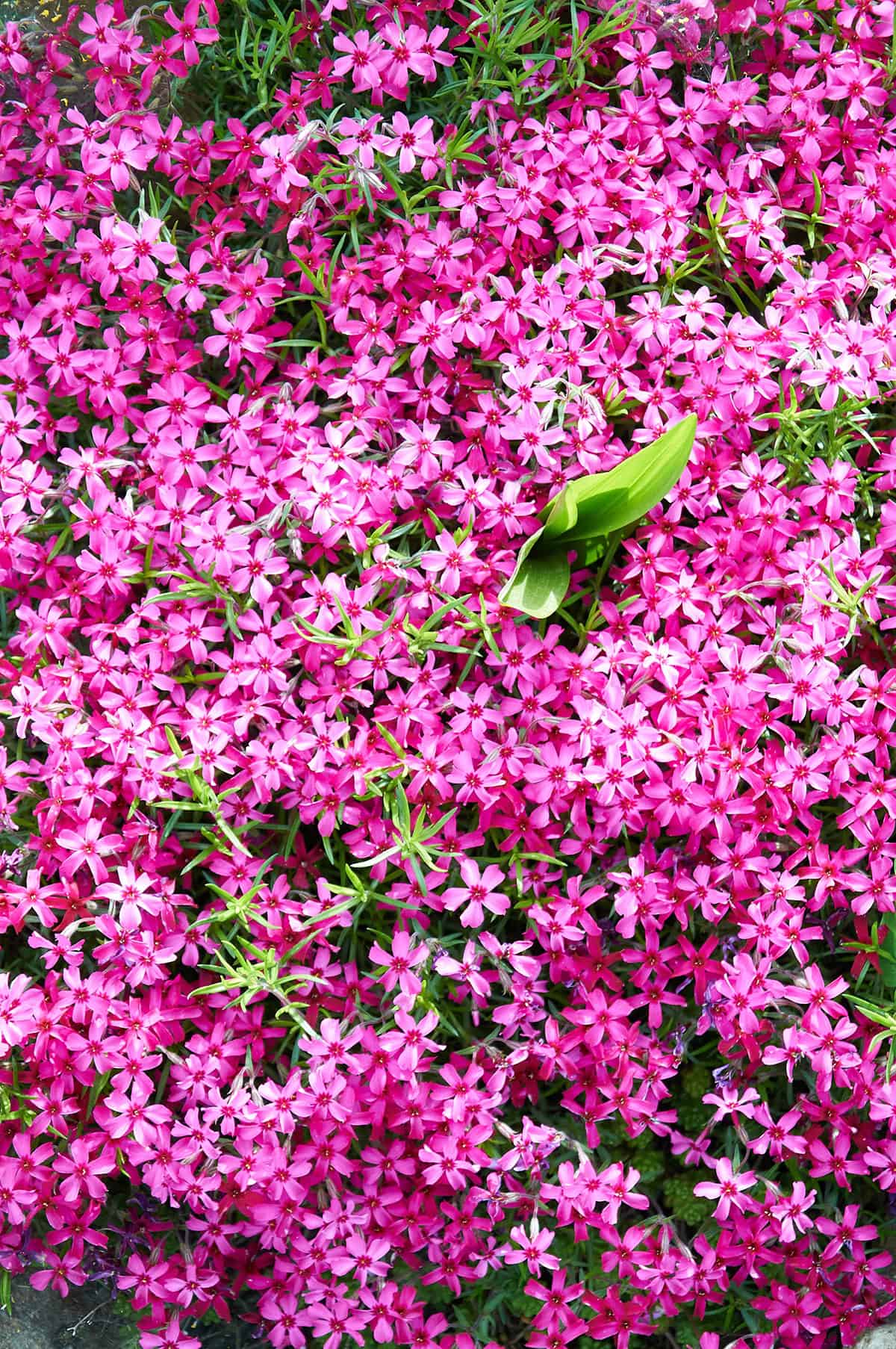
Year-round, this needle-leaved evergreen holds a low, dense carpet. Come early spring, it puts on a knockout flower show. Plants stay compact, around 4–6 inches.
Pink, purple, blue, or white blooms nearly smother the foliage. Slopes, rock gardens, or retaining walls—this one fits right in. Sandy, poor soil doesn’t faze it.
Strong sun means more flowers. Shear lightly after blooming for a neat look and fresh growth.
Creeping Phlox (Phlox stolonifera)
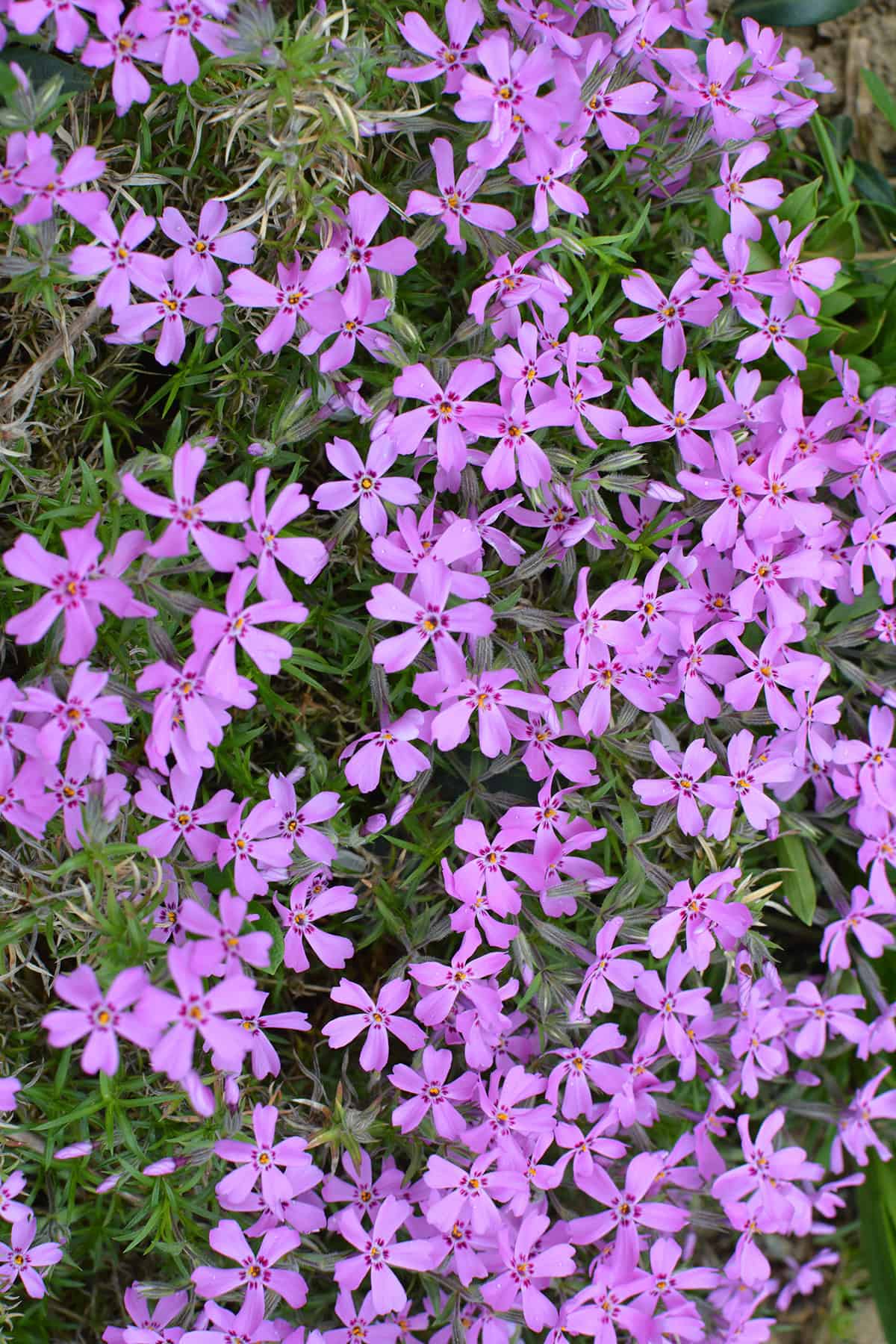
Dappled shade feels just right for this woodland creeper. Runners help it sprawl into loose mats, usually 6–12 inches tall. In milder winters, leaves stick around.
Mid to late spring, fragrant flowers stand above the foliage. Hues drift from blue to lavender and pink. Works well under trees or along shaded edges.
Keep soil moist but not soggy. Dry spells call for a little extra water.
Periwinkle (Vinca minor)
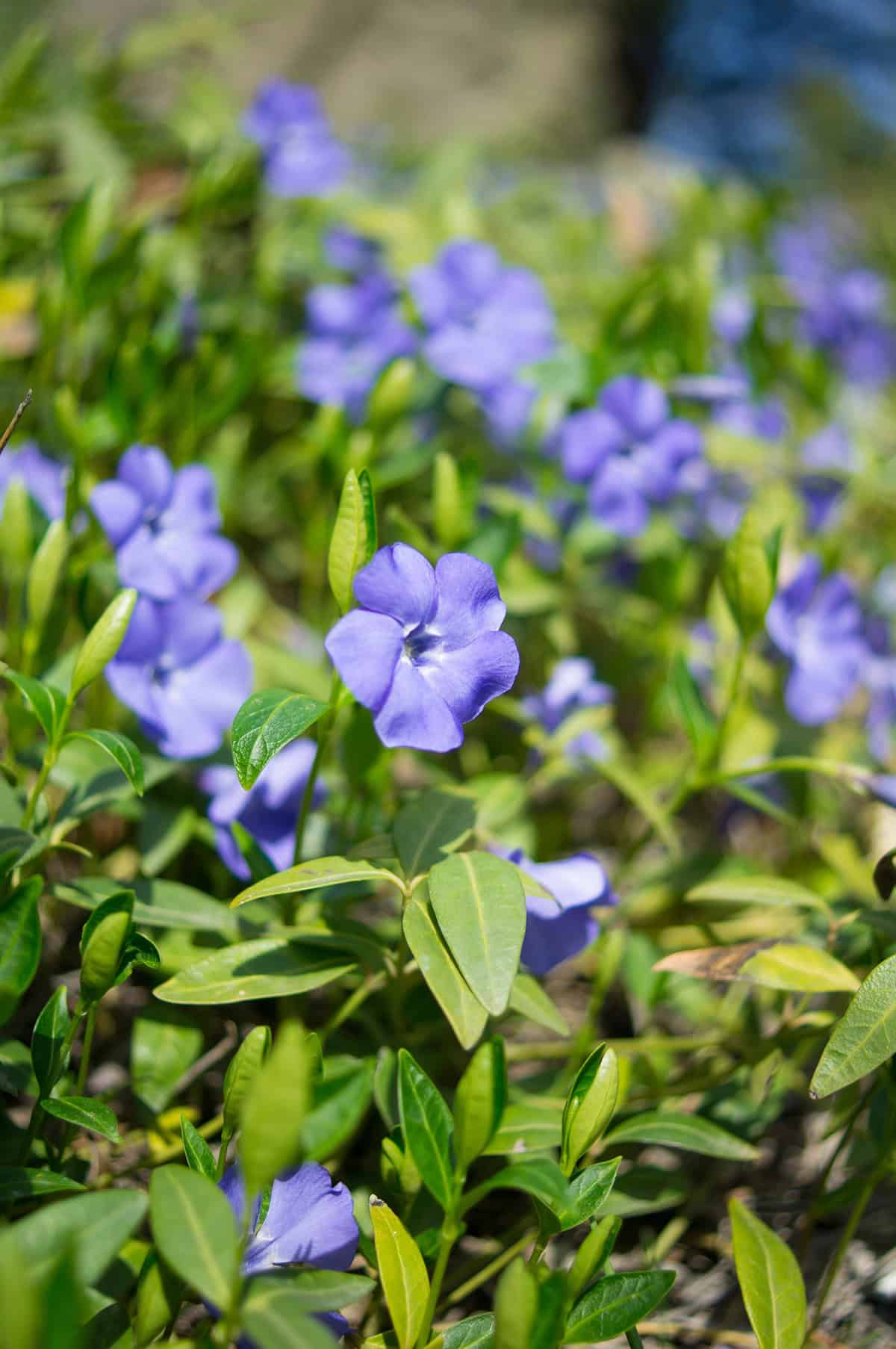
Shiny evergreen leaves knit together into a dense, weed-thwarting layer. Height hovers around 4–6 inches, with stems rooting as they trail—coverage happens fast.
Spring brings blue to violet blooms, and you might spot a few in summer too. Deep shade or dry conditions don’t bother it much. It’s tough to beat for adaptability.
Trim back runners if it starts to wander. Give wild spaces a miss—this one can get too ambitious.
Ajuga / Bugleweed (Ajuga reptans)
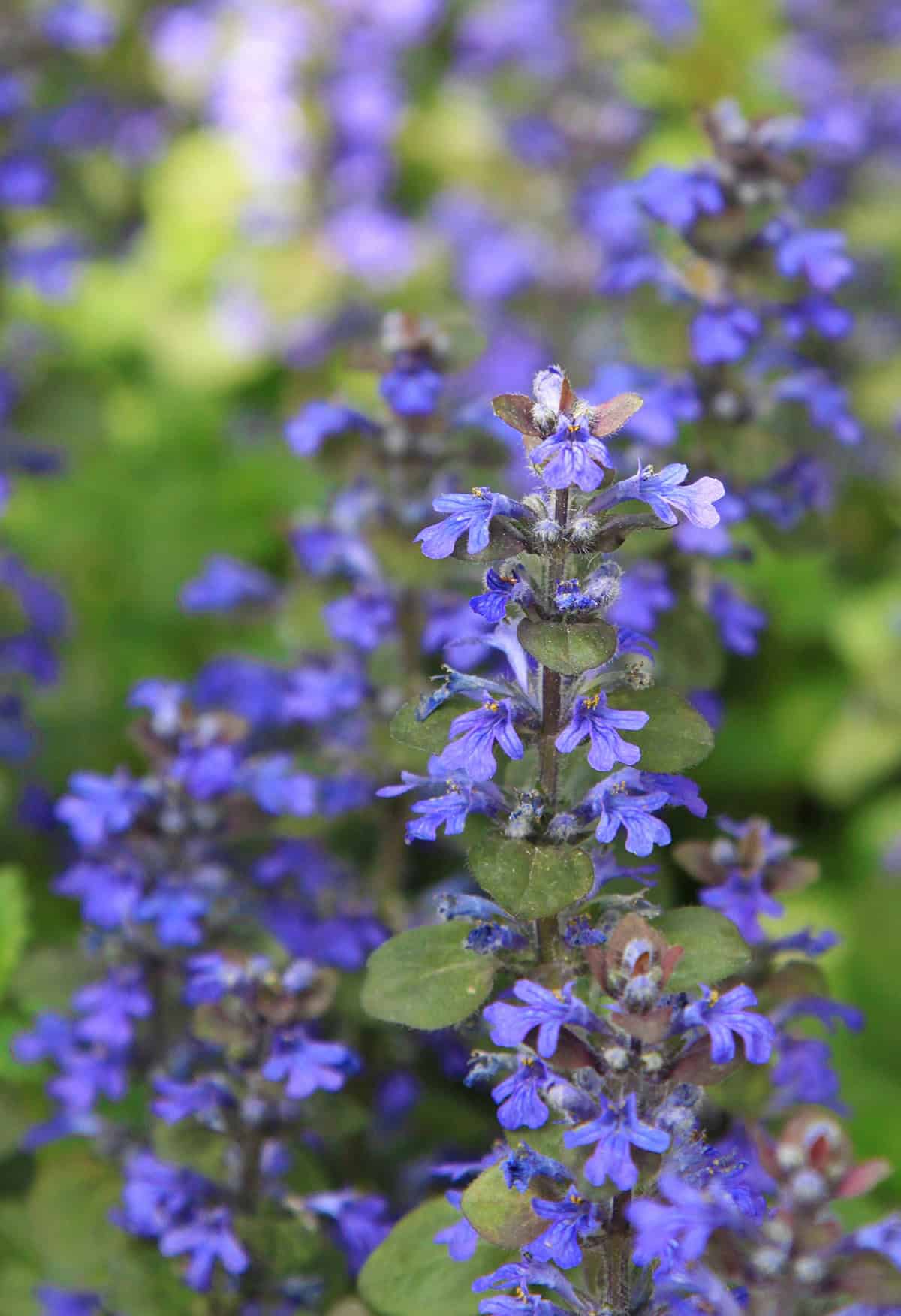
Low rosettes crowd together, forming a weed-smothering mat. Foliage shifts from green to bronze or deep purple, depending on the variety. Height tops out at about 4–6 inches.
Short blue flower spikes pop up in spring, with dark leaves making the blooms stand out. Sun or partial shade, it’s flexible.
Likes moist, well-drained soil. Every few years, divide clumps that get too dense to keep them vigorous.
Ice Plant (Delosperma cooperi)
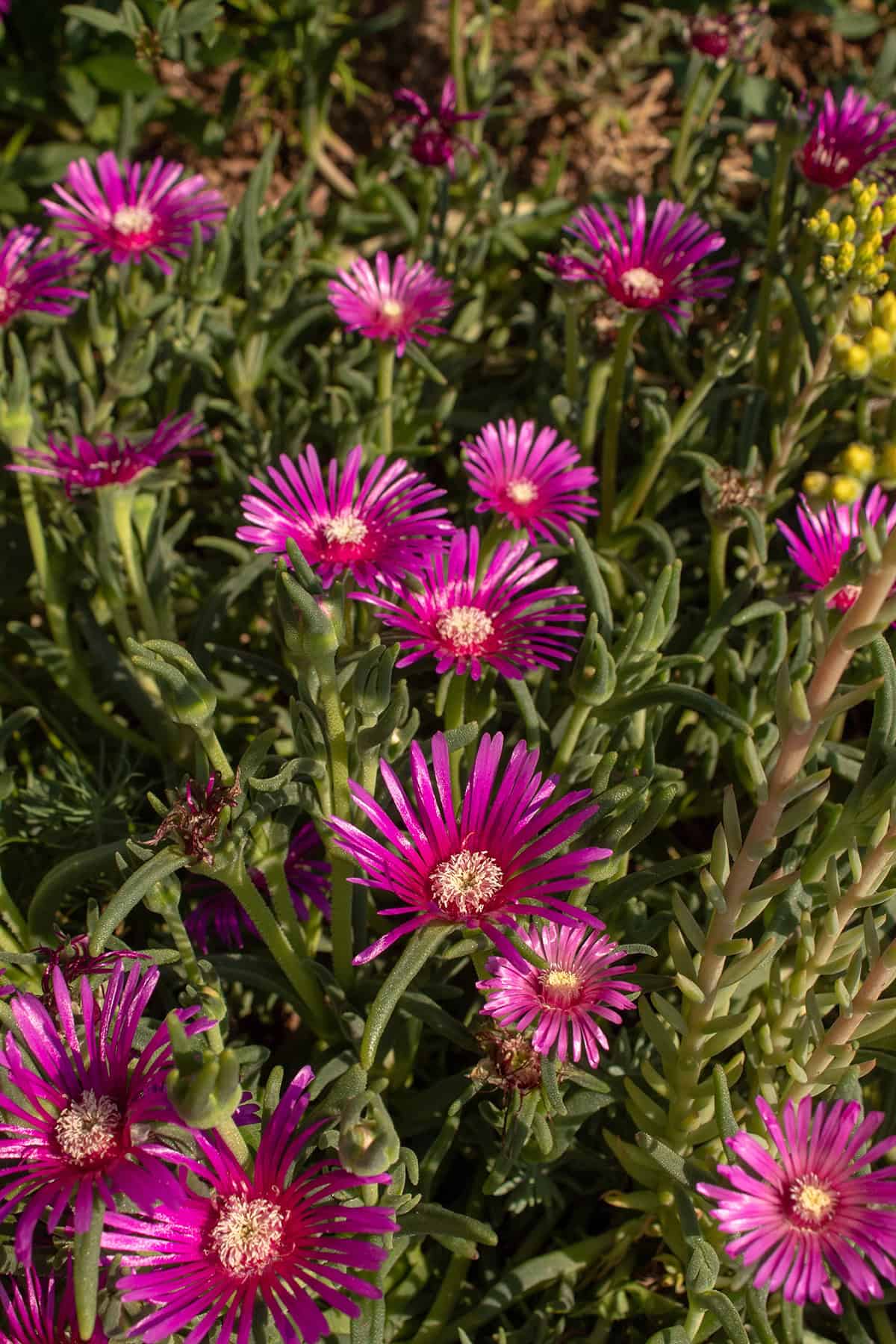
Thick, water-storing leaves mean this succulent handles drought with ease. It hugs the ground at 3–6 inches and sprawls over dry, rocky patches. Blazing sun is its comfort zone.
Summer brings a splash of vivid pink or purple, daisy-like flowers, often sticking around for weeks. Cooler weather can tint the foliage red.
Needs sharp drainage—heavy clay or soggy winters spell trouble.
Candytuft (Iberis sempervirens)
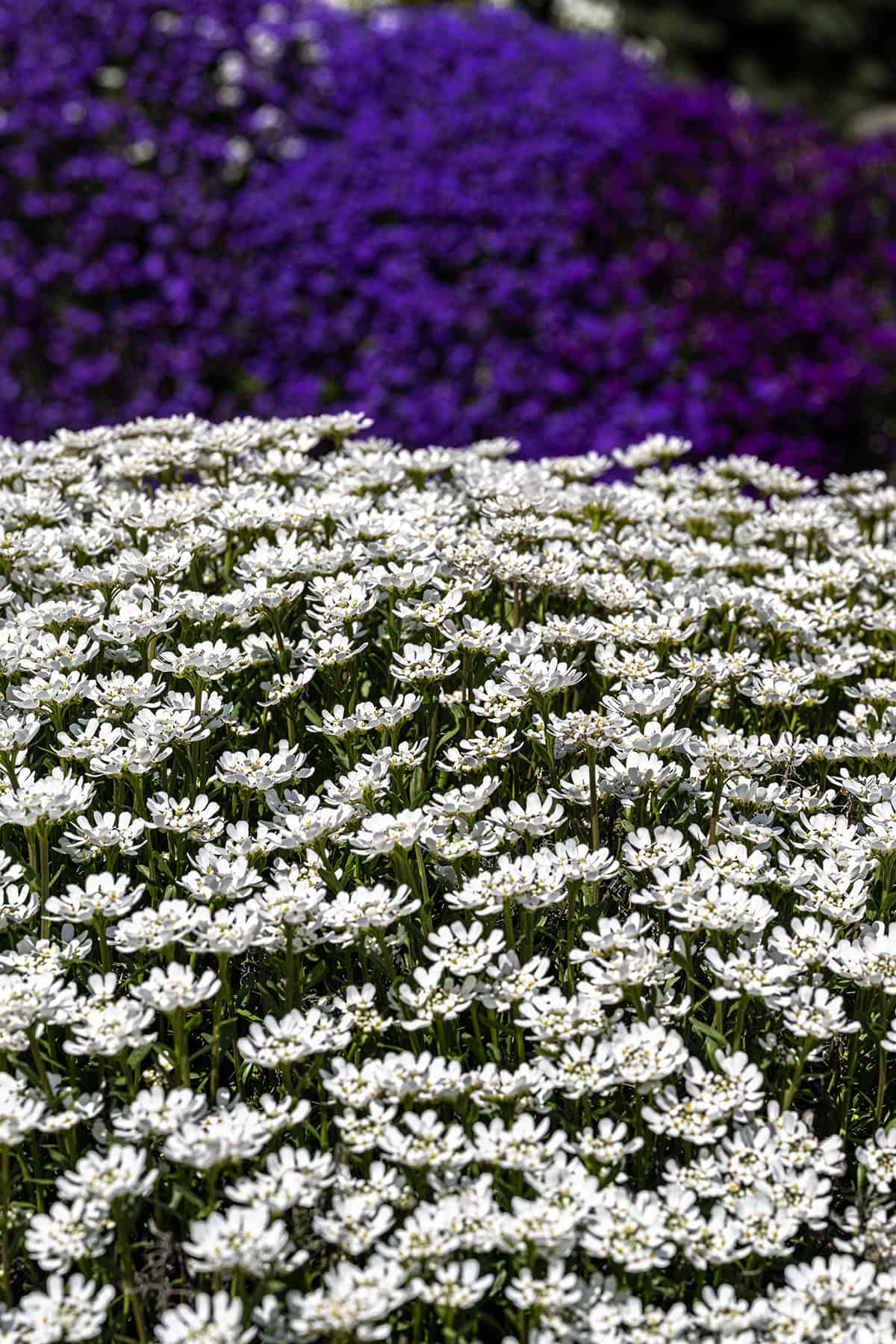
Neat evergreen mounds rise 6–12 inches, topped in spring with clusters of white blooms that linger for weeks.
Ideal for borders or rock gardens, it’s happiest in full sun and loose, well-drained soil. A quick shear after flowering keeps things compact.
Handles brief dry spells but hates soggy feet, especially in winter.
Creeping Jenny (Lysimachia nummularia)
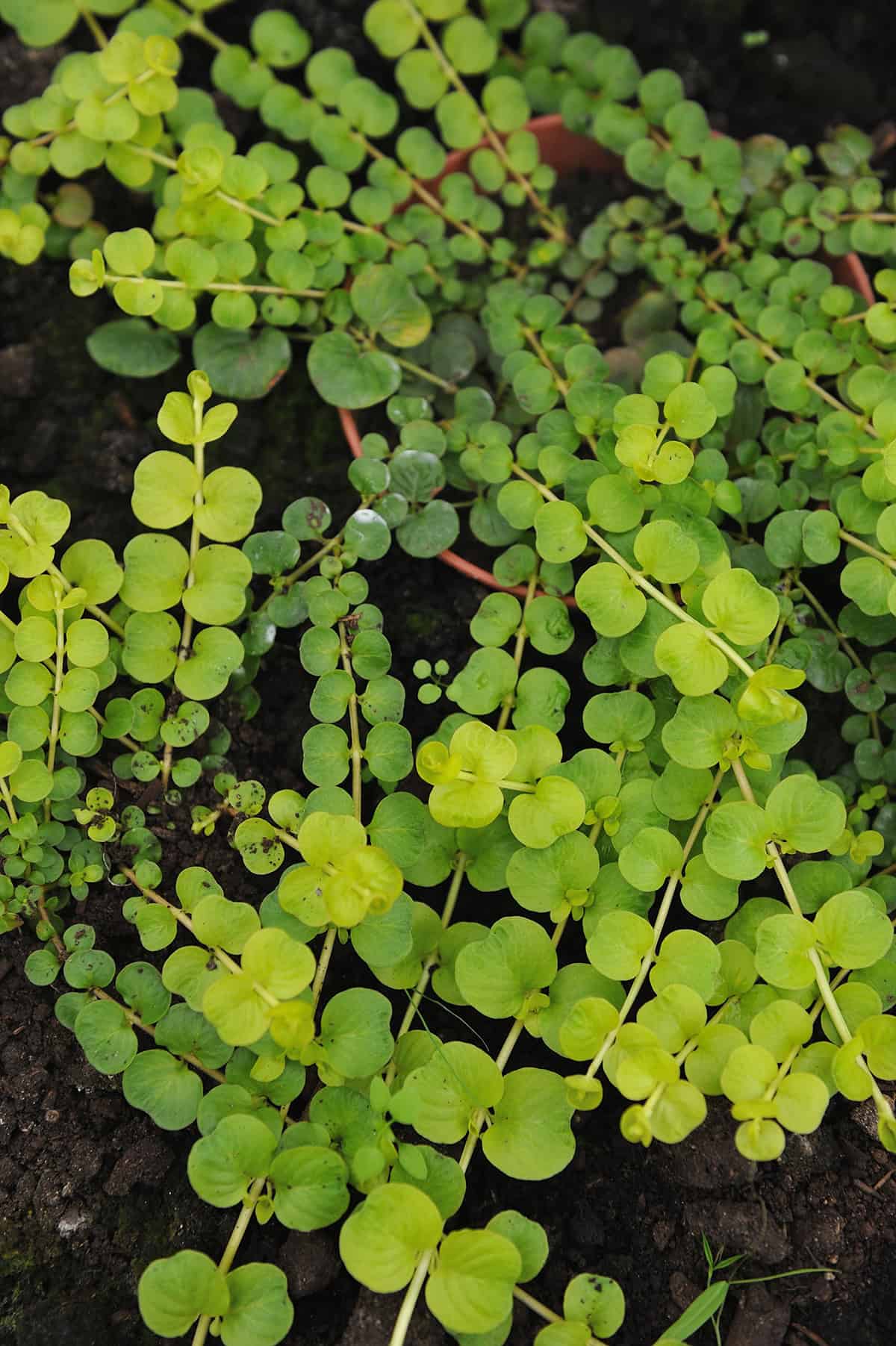
Coin-shaped leaves sprawl into a bright, low mat. Golden forms light up containers or borders, sticking to 2–4 inches tall.
Yellow flowers show up in early summer. Moist soil lets it spread quickly—try it near water or in a rain garden.
Consistent water brings out the best color. In rich soil, trim it back to prevent a takeover.
Snow-In-Summer (Cerastium tomentosum)
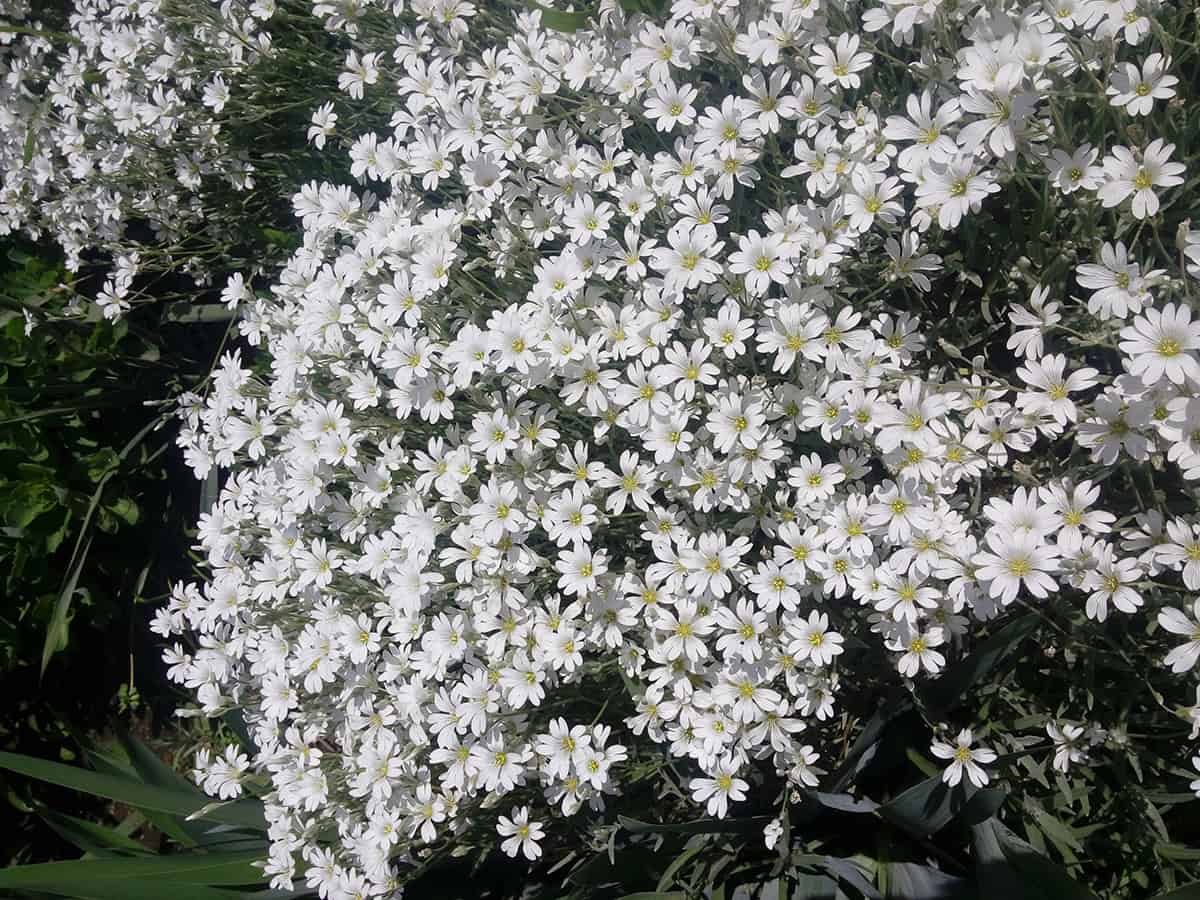
Silvery, softly hairy leaves hug the ground, creating a 6-inch-tall mat. The texture stands out against darker neighbors.
Late spring brings a flurry of white blooms, transforming the patch into a glowing carpet. Sun keeps it compact and healthy.
Good drainage is non-negotiable. Shear after bloom to neaten things up.
Rock Cress (Aubrieta deltoidea)
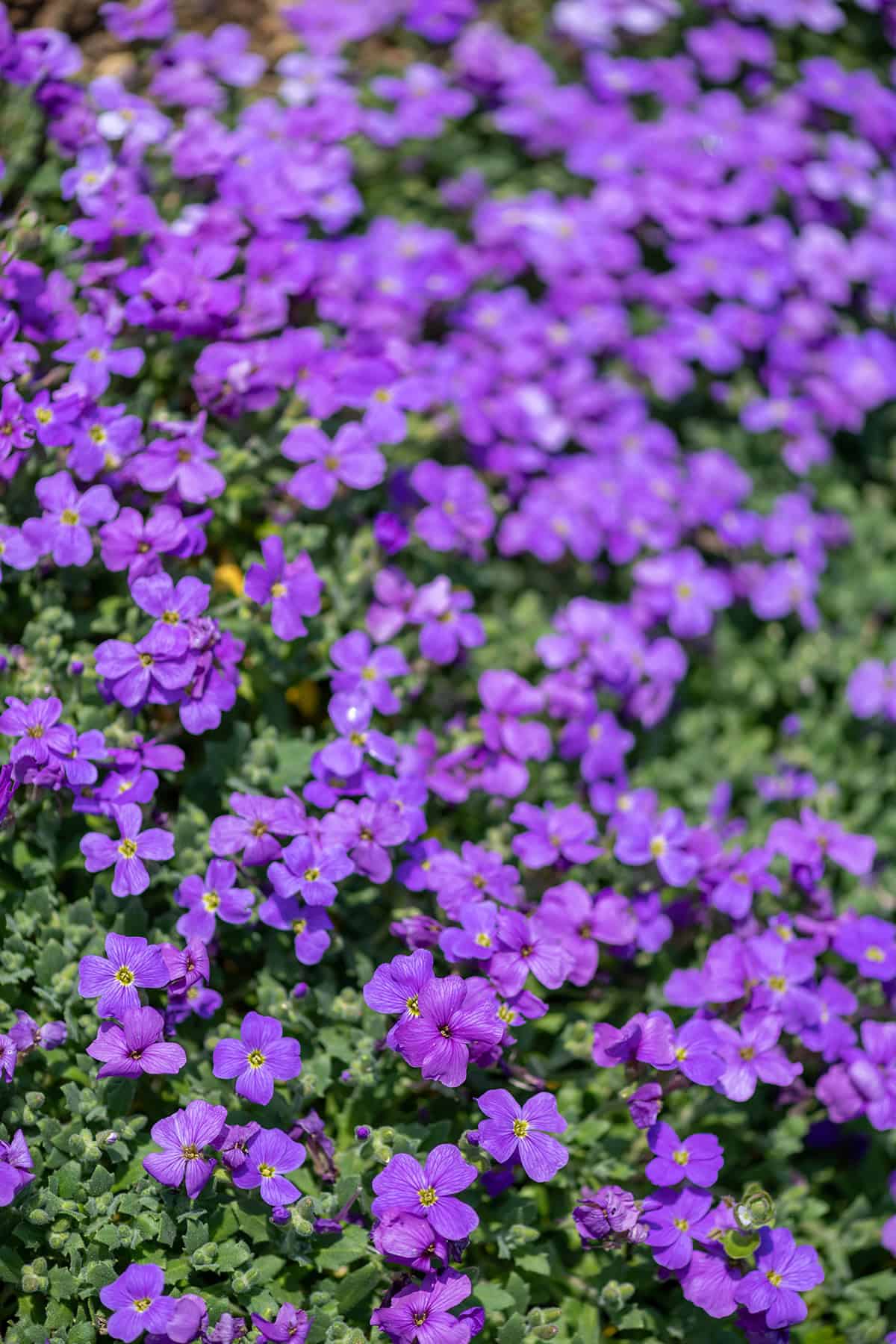
Walls and rocky ledges get a lift from this early spring bloomer, which cascades in mats about 4–6 inches high. Leaves often hang on through winter in mild spots.
Flowers in purple, pink, or blue pile on in early spring. Pair with bulbs for a color boost. Sun means more blooms.
Needs sharp drainage. Light trimming after bloom keeps it from getting woody.
Creeping Mazus (Mazus reptans)
Just a couple inches tall, this one snakes between stones and pavers, keeping its foliage fresh green throughout the season.
Late spring brings small blue or purple tubular flowers. It handles a little foot traffic and likes moist spots.
Partial sun or light shade works best. Keep it watered during dry stretches.
Blue Star Creeper (Isotoma fluviatilis)
Delicate blue star-shaped flowers scatter across a fine-textured mat from late spring into summer. Height rarely tops 2 inches.
Great between stepping stones or as a tiny-lawn alternative. Light foot traffic isn’t a problem. Sun or partial shade—either is fine.
Keep soil evenly moist. Winter may knock it back in cold regions, but roots usually bounce back.
Sedum / Stonecrop (Sedum spurium, Sedum acre)
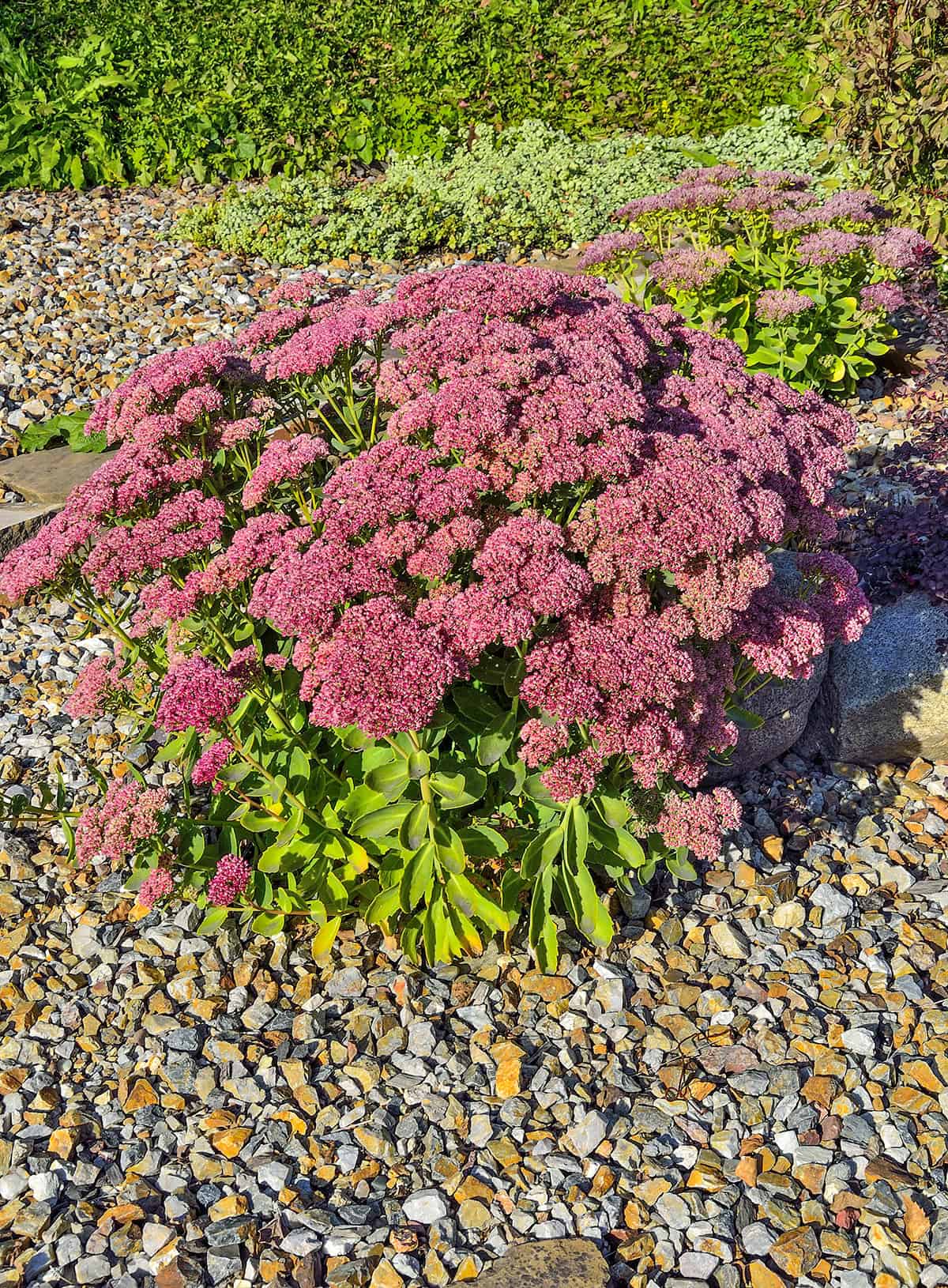
Fleshy leaves stash water, making these tough against drought. Sedum spurium grows a bit taller (4–6 inches), Sedum acre stays closer to the ground. Both spread steadily.
Summer brings starry yellow, pink, or red flowers. Fall can tint the foliage red or bronze. Poor soil? They don’t mind.
Sharp drainage and full sun keep rot at bay. Skip heavy watering, especially in muggy climates.
Basket Of Gold (Aurinia saxatilis)
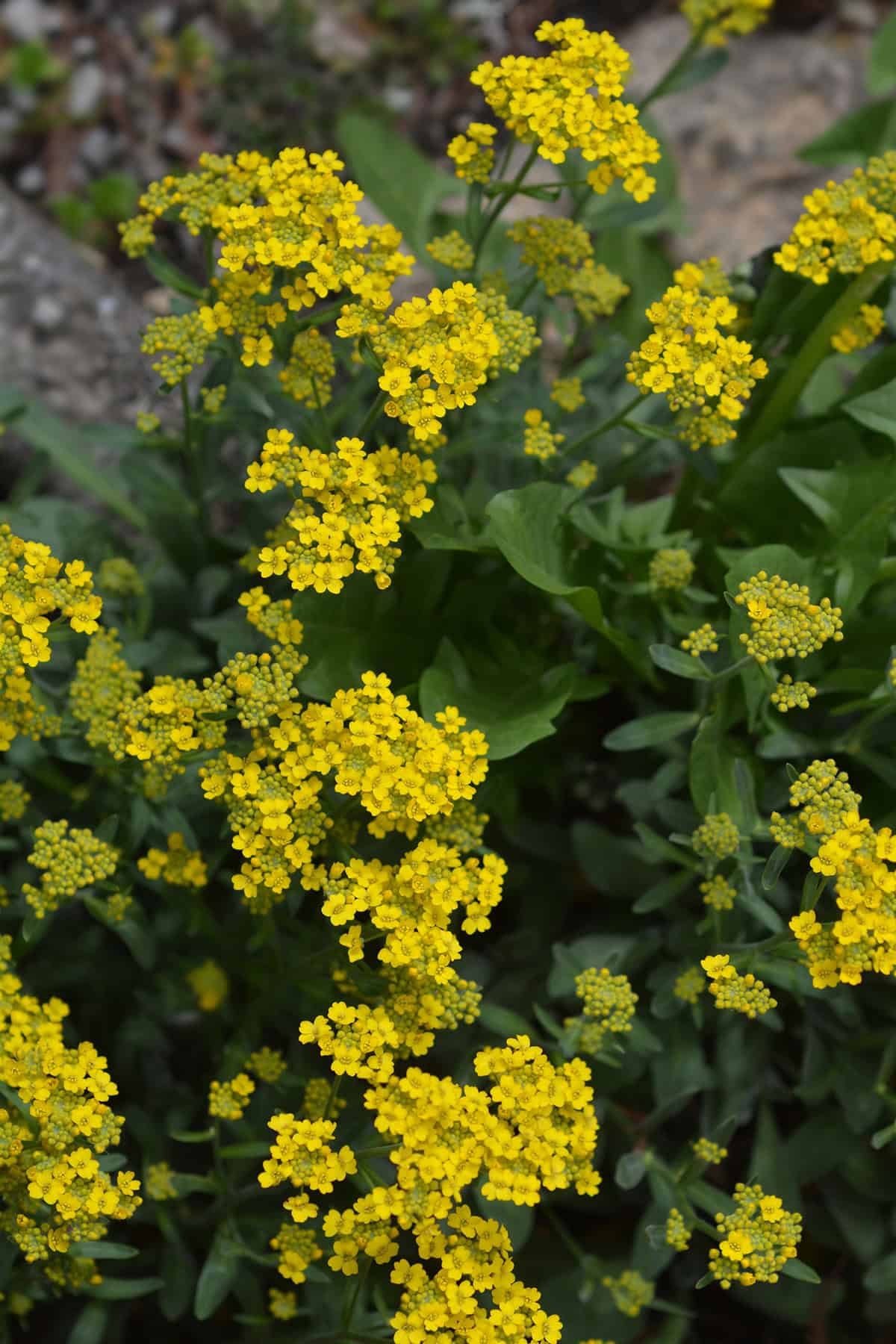
Mounds of gray-green leaves, 8–12 inches tall, set off a spring burst of bright yellow flowers—hard to miss, honestly.
Works along sunny borders or spilling over walls. Doesn’t need rich soil; in fact, lean conditions keep it sturdy.
Shear after flowers fade to keep it compact. Heavy clay just won’t work.
Hardy Geranium (Geranium sanguineum)
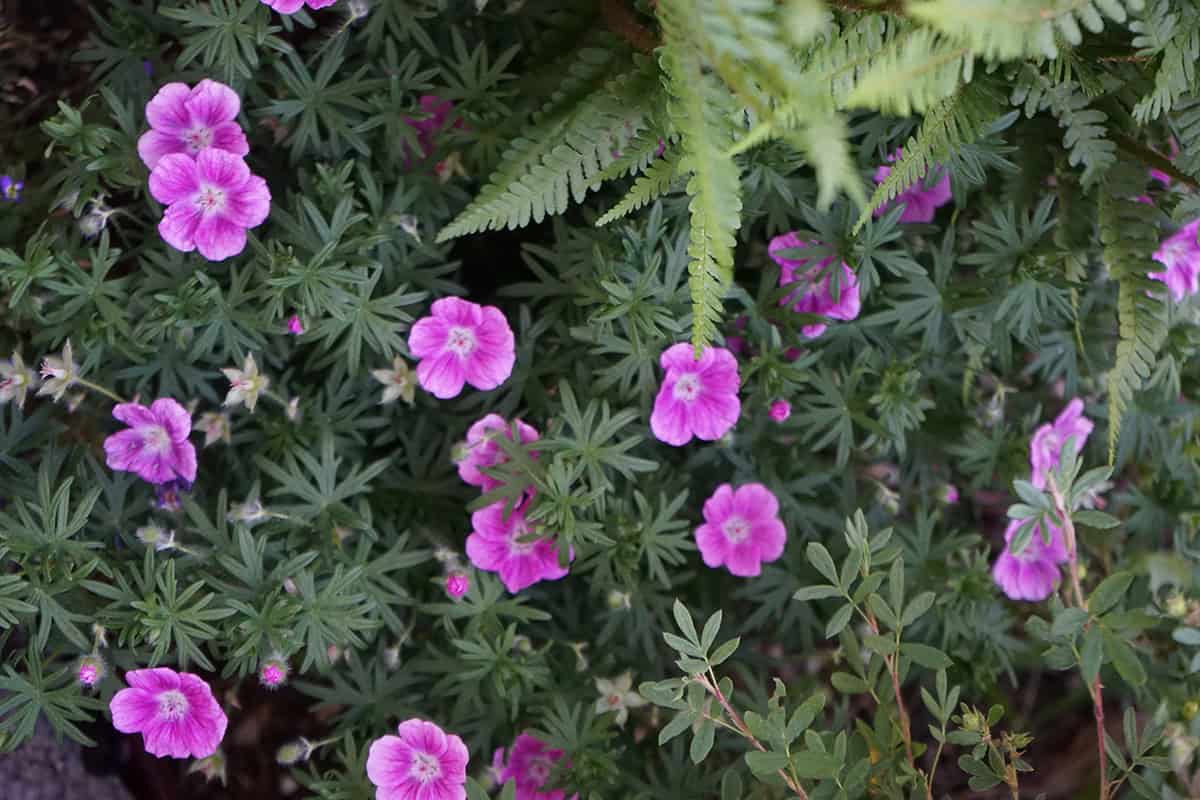
Low and spreading, this perennial sits at 8–12 inches tall. Deeply cut foliage forms a dense clump, sometimes turning red in autumn.
Magenta or purple flowers show up from late spring, sometimes repeating. Sun or partial shade are both fine.
Average, well-drained soil does the trick. Trim after the first flush for more flowers.
Creeping Speedwell (Veronica repens)
Glossy, tiny leaves form a tight, low mat (about 2 inches). It spreads slowly and stays tidy. Blue flowers brighten things in late spring.
Fits between stones or at path edges. Sun or partial shade is fine, but soil should drain well and stay a bit moist.
Light trim post-bloom keeps it dense. Not built for heavy trampling.
Serbian Bellflower (Campanula poscharskyana)
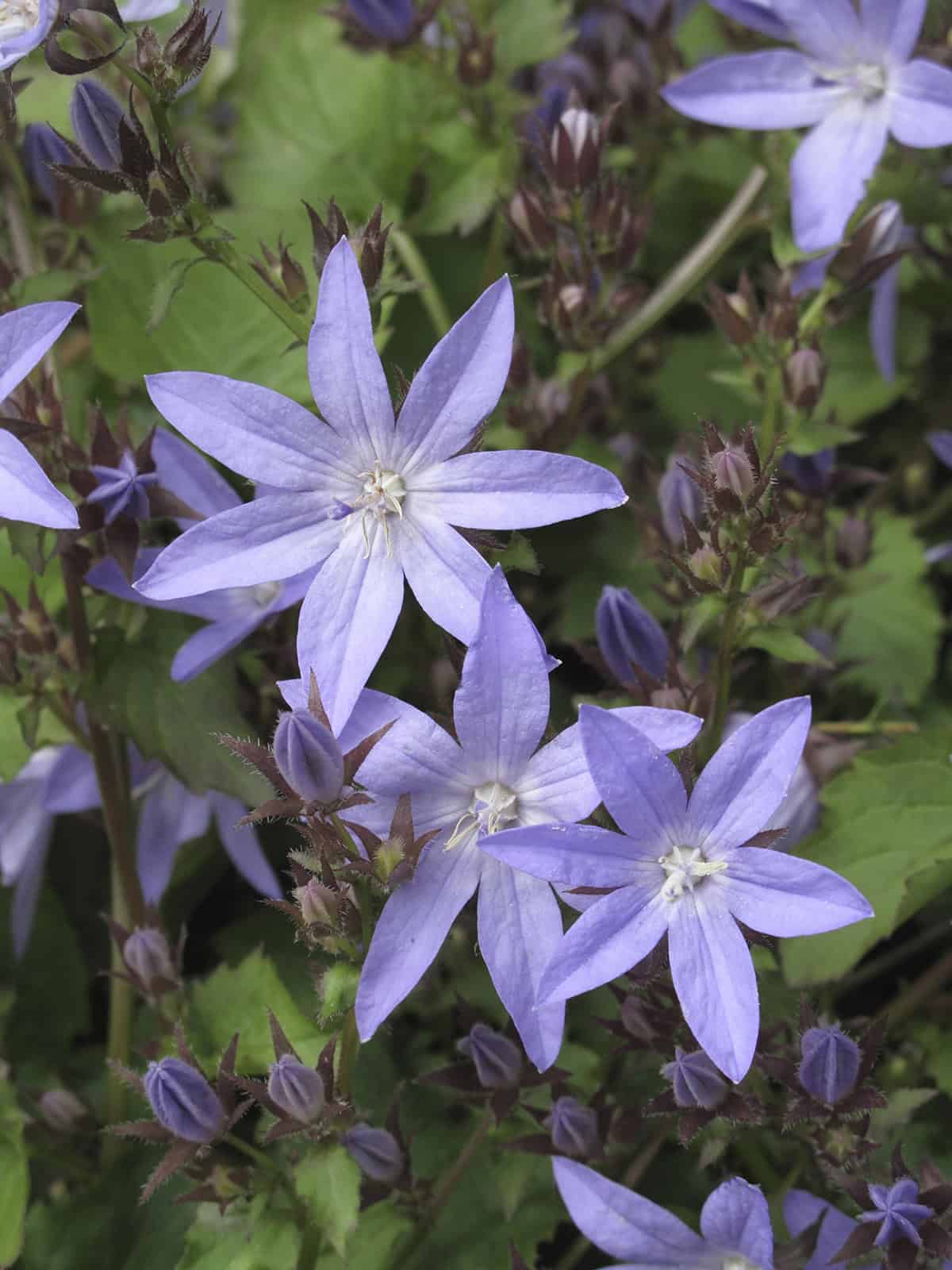
Trailing stems wander across the ground or tumble over walls, usually staying under 10 inches. Leaves create a soft green layer.
Starry lavender-blue blooms pop up from late spring into early summer. In mild winters, foliage lingers. Handles some shade, too.
Wants well-drained soil and moderate water. Cut back after flowering if it gets unruly.
Trailing Verbena (Verbena canadensis)
Spreading stems knit together a mat 6–12 inches tall, flowering from late spring through summer. Blooms come in purple, pink, or red.
Good for sunny borders or containers. Holds up to heat and brief drought. Drainage matters for healthy roots.
Deadhead for more blooms. Skip rich soil—it prefers things lean.
Helianthemum (Rock Rose)
This woody-based perennial keeps a low profile, 6–12 inches high, with narrow gray-green leaves. Dry, sunny spots suit it best.
Paper-thin flowers—yellow, orange, pink, or red—open in late spring and early summer. Each is fleeting, but new buds keep coming. Sun is essential.
Good drainage is crucial, especially in winter. A light shear after bloom helps keep its shape.
Creeping Cinquefoil (Potentilla reptans)
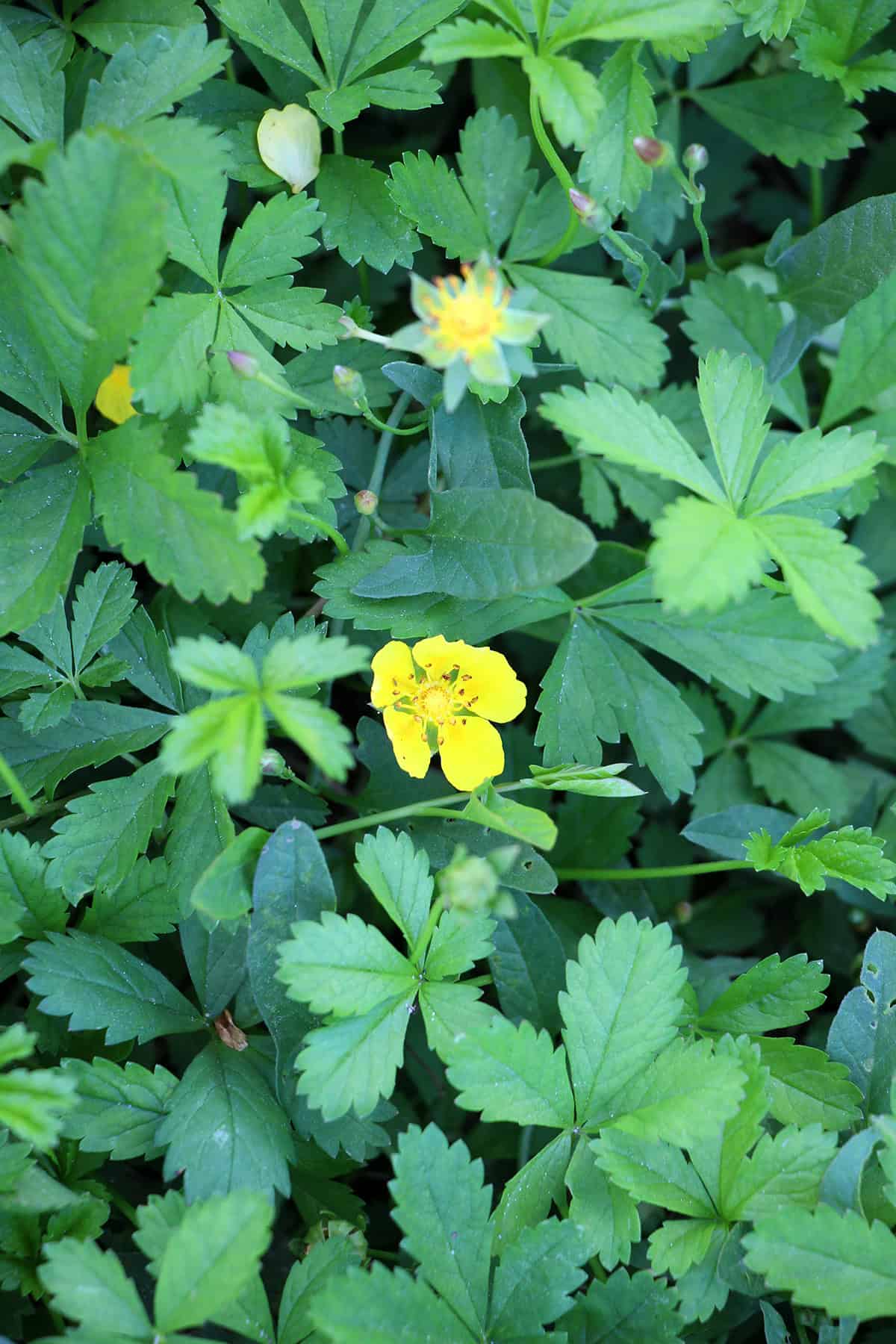
Trailing stems root as they go, forming a spreading mat under 6 inches. Leaves split into five leaflets.
Yellow, five-petaled blooms appear in summer. It’s not fussy about soil or light, but in rich ground, it can get pushy.
Trim back runners if it gets out of hand. Handy for quick coverage.
Sweet Alyssum (Lobularia maritima)
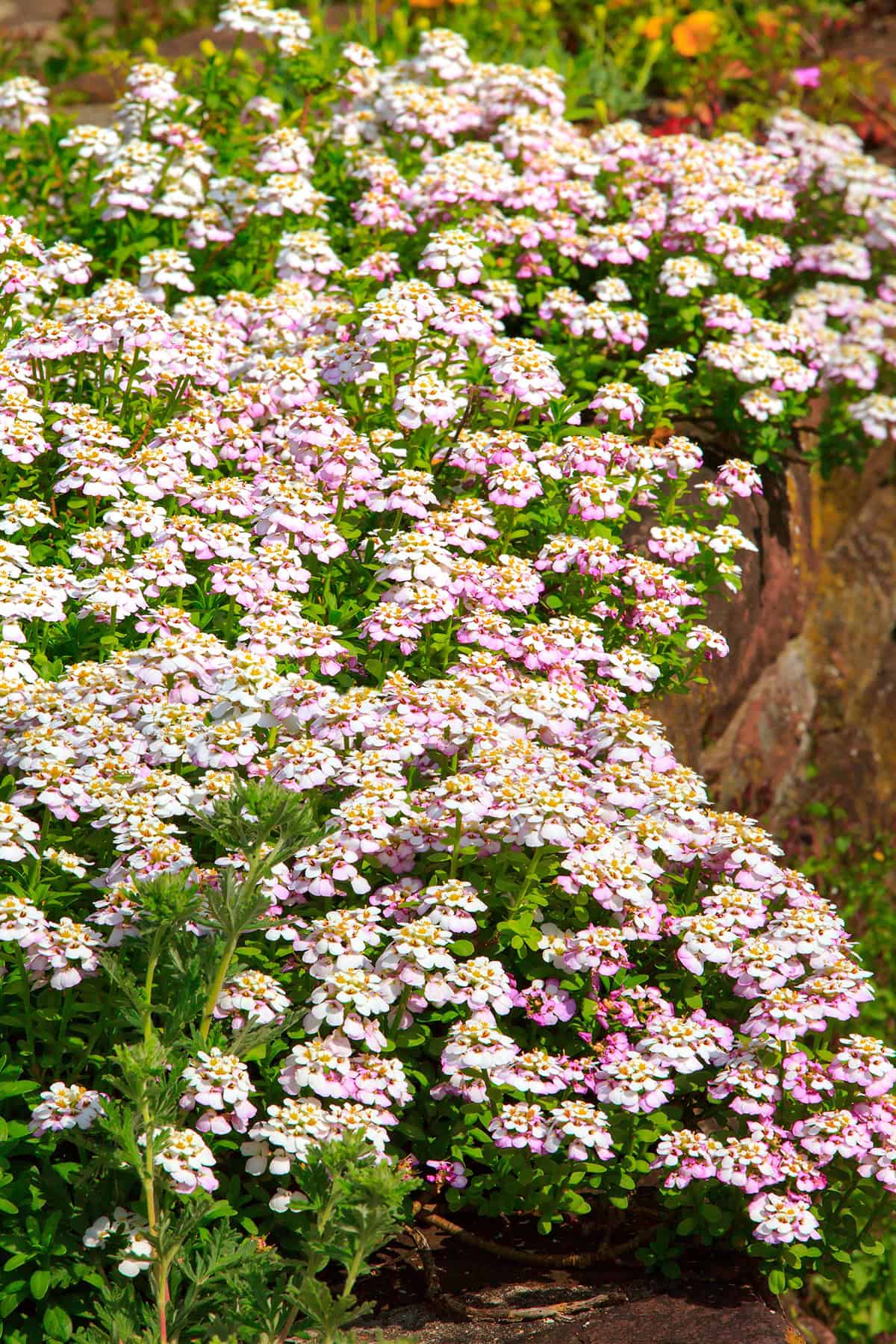
Low-growing, usually 3–6 inches tall, this one spreads gently. Clusters of tiny fragrant flowers—white, pink, or purple—bloom in cool weather.
Used as an annual ground cover in most places. Likes sun to partial shade and loose, well-drained soil.
Shear to spark a second flush. Regular water helps during hot spells.
Alpine Aster (Aster alpinus)
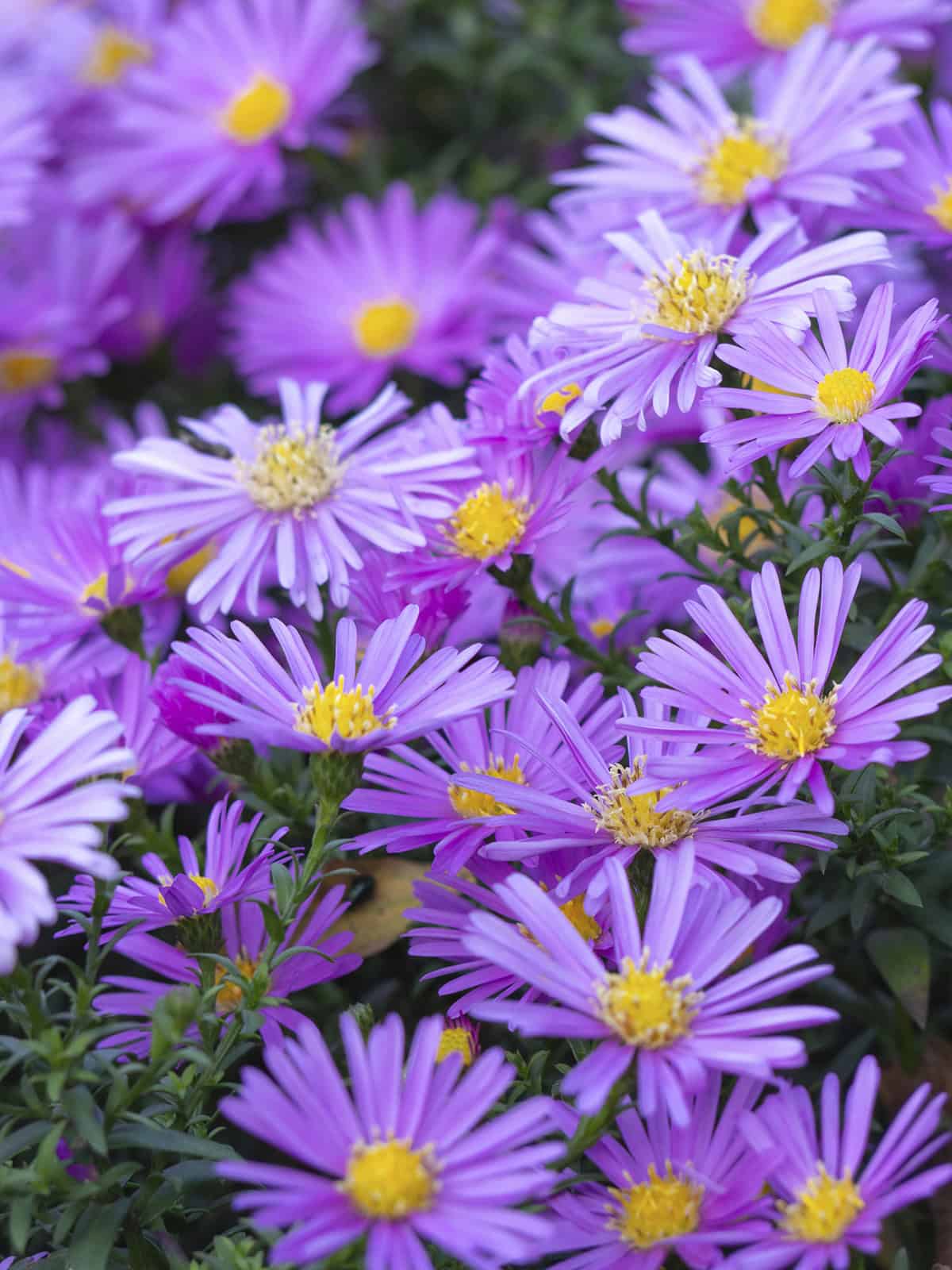
Compact and tidy, these stay around 8–12 inches. Narrow leaves form a low clump, perfect for rock gardens.
Late spring brings large, daisy-like flowers in purple or blue with yellow centers. Sun makes for stronger blooms.
Needs well-drained soil. Rich ground can make stems floppy.
Dianthus (Low-Growing Varieties)
Short mounds, 4–8 inches, with blue-green foliage that clumps densely. Many types keep some leaves through winter.
Late spring brings sweet-smelling flowers—pink, red, or white. Some repeat. Borders or rock gardens are their favorite spots.
Full sun and well-drained soil are key. Shear after bloom for fresh growth.
Erigeron (Mexican Fleabane – Erigeron karvinskianus)
Fine stems sprawl into loose mats, 6–12 inches high. Small daisies bloom from spring into fall where winters are mild, fading from white to pink.
Great for cracks in walls or between stones. Once established, it tolerates dryness. Sun gets you the most flowers.
Cut back if it gets sparse. It might self-seed where it’s happy.
Phlox douglasii (Douglas Moss Phlox)
Low cushions of evergreen needles huddle just a few inches off the ground, hugging rocks and gravel. The dense mat feels right at home tucked into alpine corners or edging paths where space is tight.
In early spring, bursts of bright pink, purple, or crisp white scatter across the foliage, catching the slanting sun. The flowers sprawl close to the ground, never towering, and keep the whole look neat and understated. Sunlight’s a must, and soggy roots spell trouble—drainage really can’t be ignored.
Clay-heavy earth just doesn’t work out. Damp winters? A little extra care goes a long way if you don’t want to lose it by spring.