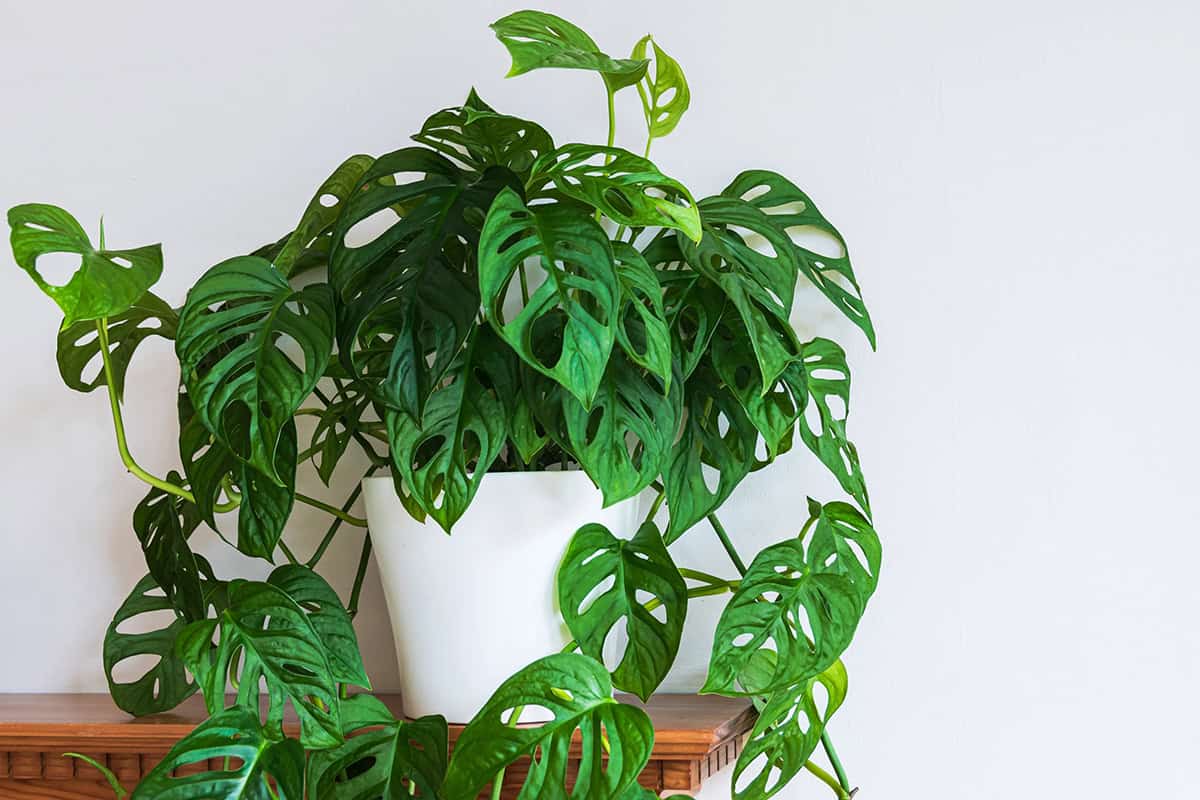
It is easy to understand why Monstera Adansonii has become such a popular houseplant. Keeping it alive is usually not the challenge. Keeping it full, vigorous, and covered in attractive foliage is where many owners run into trouble. The article below explains how to get the best results from your plant.
Table of Contents
Quick Care Summary
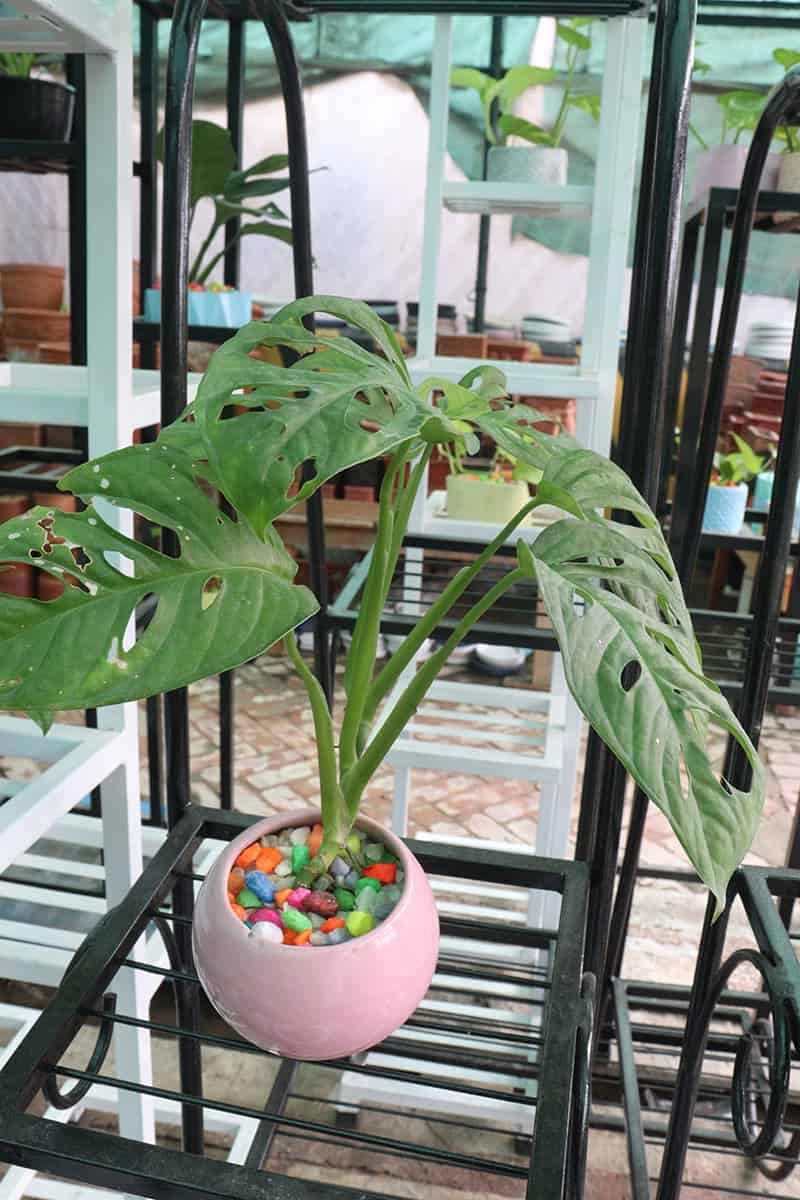
Adaptability is one of this vine’s strengths, but it still wants a few basics: filtered light, steady warmth, and a moderate humidity boost. The right soil mix—something loose and never swampy—makes all the difference. With these in place, growth can take off fast, and a little trimming goes a long way to keep things tidy.
Every part of the plant can irritate if chewed or handled roughly, so display it with care.
Light: Bright, indirect is best; medium works, but things slow down in dim corners.
Soil: Potting mix with peat or coco coir, plus perlite or bark for airiness.
Watering: Let the top inch or two dry out before watering; cut back in winter.
Temperature: 65–85°F—don’t let it shiver by cold windows.
Humidity: 50%+ is ideal; average is OK if you’re attentive.
Fertilizer: Balanced liquid, every month or so during the growing season.
Propagation: Take stem cuttings with a node, root in water or moist mix.
Some folks like to train these vines up a moss pole for bigger leaves, while others let them trail. Pruning helps shape it, and you’ll want to repot once roots start circling the pot.
Plant Overview
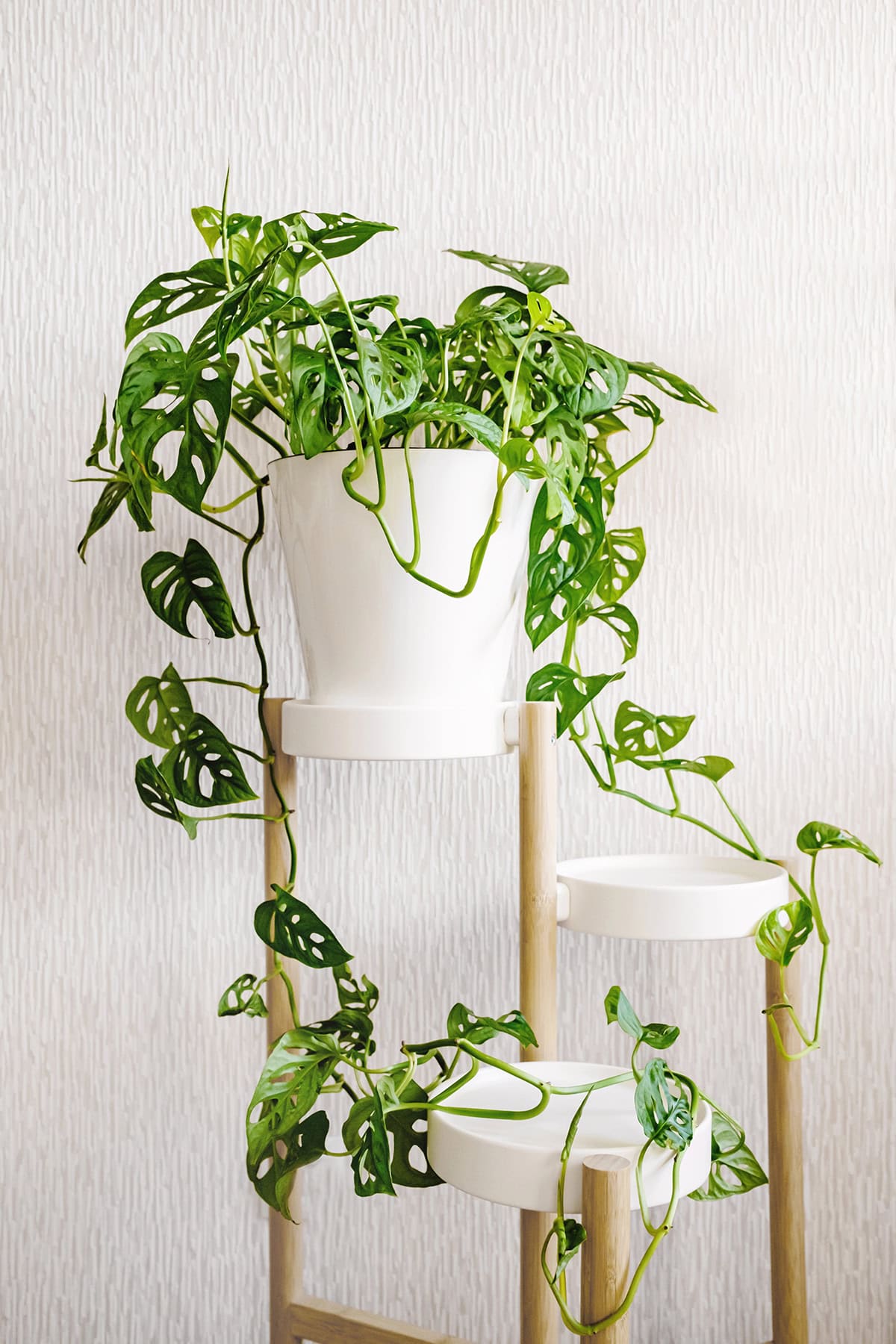
Distinct oval holes give each leaf a wild, sculptural vibe. Indoors, the plant’s compact, energetic growth is easy to manage. It’s not as massive as Monstera deliciosa but still makes a statement. Given some support, it’ll climb; left alone, it’ll spill gracefully from a pot or basket.
Botanical name: Monstera adansonii
Common names: Swiss cheese plant, Adanson’s monstera, five-hole plant
Plant type: Tropical perennial vine
Mature size: 3–8 feet tall indoors, 1–3 feet wide
Growth rate: Fast if you get the basics right
Toxicity: Not safe for pets or kids
Native region: Central and South America
Those signature holes get bigger as the leaves mature. Outdoors, the plant can scramble up trees and stretch over 10 feet, but inside, it’s much more restrained. You can coax it upward on a pole or let it dangle. Just a heads up: in tropical climates, related Monsteras can become invasive.
Filtered light and a humid, warm spot keep the foliage lush. The sap can be irritating, so wash your hands if you get any on your skin, and don’t let anyone snack on the leaves.
Light
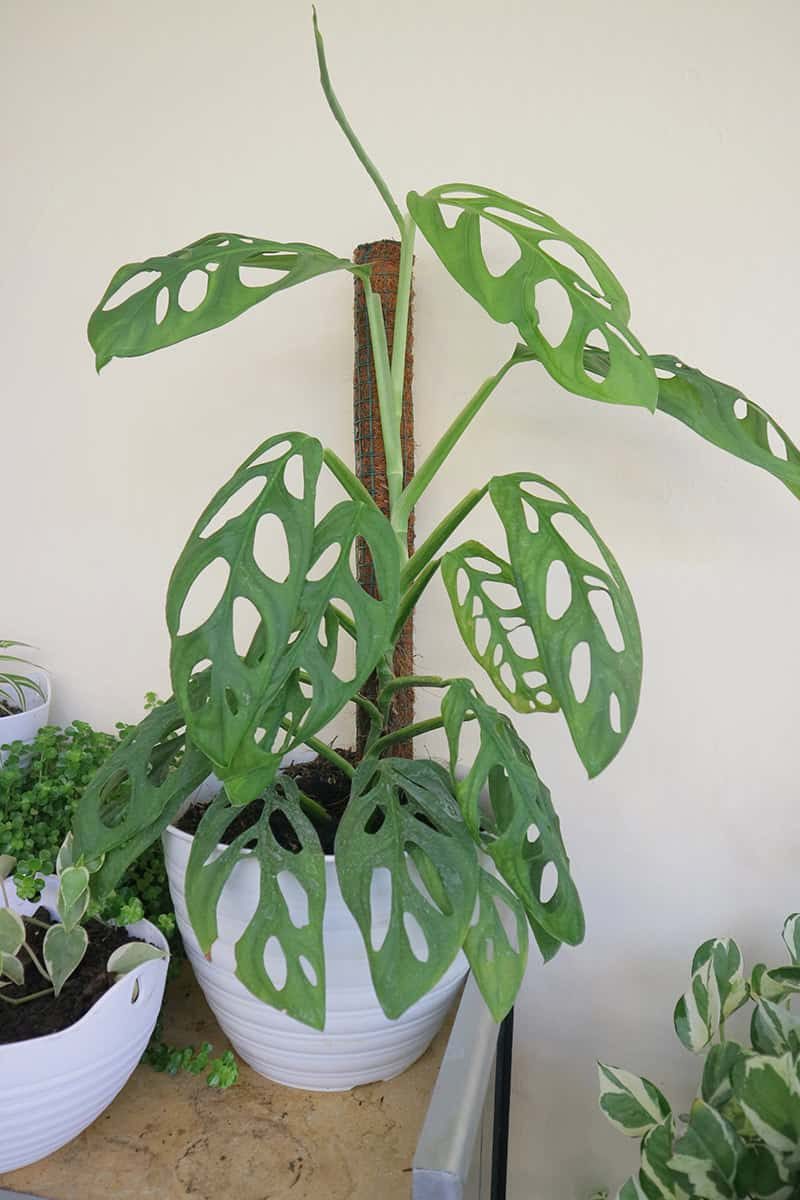
Think dappled sunlight, like what you’d find under a leafy tree. Near an east or north window is a safe bet, or soften intense sun with a sheer curtain if you’ve only got southern or western exposure.
Too much sun? Leaves start to bleach and develop crispy brown patches. If your plant’s looking washed out or the edges are burning, slide it farther from the window.
In dim spaces, growth slows and the leaves might come out solid instead of perforated. Filtered light keeps those holes coming and the plant looking its best.
No windows? A full-spectrum grow light set about a foot above the plant, on for 10–12 hours a day, can fill in the gaps.
Water
Moist, not soggy—aim for that balance. Stick your finger an inch or two into the soil; if it’s dry, go ahead and water until you see some draining out. If it’s still damp, wait a bit longer.
During winter or in cooler, darker rooms, you’ll notice the soil dries out more slowly. Always empty the saucer so the roots don’t sit in water.
Humidity helps, but don’t rely on it to keep the roots hydrated. Drainage holes are a must, and the type of pot matters—clay dries out quicker than plastic. Watch for yellowing or mushy stems (that’s too much water), or limp, droopy leaves (not enough).
Soil
Light, chunky soil lets the roots breathe and drains fast. Garden dirt is a no-go—it packs down and suffocates roots.
Mixes with peat or coco coir, plus a handful of perlite or orchid bark, work well. You want a pH between 5.5 and 7.0. The soil should feel fluffy, never sticky, after watering.
Let the top inch dry out before watering again. If you notice the mix staying soggy, swap it out. Refresh the potting mix every year or two, or when roots start circling the pot.
Temperature & Humidity
This plant thrives in daytime temps between 65°F and 80°F (18°C to 27°C). Nights can be cooler, but don’t let things dip below 50°F (10°C). Drafts and sudden chills? Not a fan.
If your place gets chilly, especially at night, pull the pot away from drafty windows or doors. Avoid parking it near heaters or AC vents, too—steady warmth is key for lush leaves.
Humidity makes a noticeable difference. Anything above 60% is great, but it’ll tolerate less if you’re careful. Dry air can crisp up the leaf edges and slow new growth. A humidifier, grouping with other plants, or a pebble tray under the pot all help.
Kitchens and bathrooms often have better humidity, so those are good spots. If air feels dry, mist the plant lightly or use a pebble tray, but don’t let the pot sit directly in water. Keeping the air moist helps those leaves look fuller and healthier.
Fertilizer
This isn’t a plant that wants a heavy hand with food. Use a balanced, water-soluble fertilizer (something like 10‑10‑10 or 20‑20‑20), but dilute it to half strength to avoid salt buildup.
Once a month in spring and summer is plenty. Skip feeding in fall and winter—growth slows and extra fertilizer can do more harm than good. Every few months, flush the soil with plain water to clear out any buildup.
If growth stalls or leaves fade in the warmer months, double-check your light and watering before reaching for the fertilizer bottle. Consistency matters more than high doses. Adjust only if you see a clear need.
Potting & Repotting
Drainage is non-negotiable—pick a pot with at least one good hole. Skip the gravel; it just messes with drainage. A bit of mesh or a broken pot shard over the hole keeps soil from escaping.
Go for a tropical houseplant mix that drains well but doesn’t dry out instantly. Toss in some perlite or orchid bark if the mix feels heavy. Slightly moist soil makes repotting easier.
Spring is the best time to move up a pot size—but only one size up. Oversized pots hold too much water and can stress the roots. Gently loosen tangled roots before settling the plant into fresh soil.
Set the root ball so it’s an inch or two below the rim, fill in around it, and press down just enough to remove air pockets. Water thoroughly and keep out of harsh sun for a few days while it settles in.
Pruning
Don’t be shy with the shears—snipping back stems keeps things bushy and under control. Always cut just above a leaf node; this encourages new branches and thicker growth.
Remove any yellow or damaged bits as soon as you spot them. Better airflow and light reach the healthy leaves, and you’ll avoid pest and disease issues. Toss anything unhealthy far from your other plants.
If vines get unruly, trim them a few inches above a node. Healthy cuttings can be rooted for new plants. Recovery is quickest with warm temps and bright, indirect light.
Disinfect your tools with alcohol before and after pruning. You can trim any time indoors, but spring and summer are best for bounce-back. Hold off on drastic cuts during darker months to avoid stressing the plant.
Propagation
Multiplying your collection is pretty straightforward. Pick a healthy vine with at least one node and a leaf. The node’s that little bump where roots want to sprout—if you miss it, nothing happens.
Cut just below the node using clean scissors. Set the cutting in water or a moist, airy potting mix, making sure the node’s under the surface and the leaf stays dry. Bright, indirect light is best for rooting.
Water propagation? Change the water every few days. Roots usually show up within a couple of weeks. Once they’re a few inches long, pot up in soil to avoid transplant shock.
For soil starts, use a fluffy mix and keep it just damp. High humidity speeds things up—a clear plastic bag can help, but air it out daily. New leaves mean roots are established, and you can treat it like any other plant.
Common Problems
Yellowing leaves? Almost always too much water. Feel the soil deep down—if it’s damp, hold off. Soggy roots can lead to rot, which smells bad and turns stems mushy.
Brown, crispy edges show up when the air’s too dry or watering’s inconsistent. Boost humidity or group with other plants. Keep the soil lightly moist, not drenched.
Leaves coming in small and solid, not perforated? Probably not enough light. Move the plant to a brighter spot, but skip direct sun to avoid burns.
Spider mites and mealybugs sometimes hitch a ride, especially in dry homes. Look for webbing, sticky patches, or tiny white fluff. Wipe leaves down and use insecticidal soap if needed.
Slow growth can mean it’s hungry or cold. Feed monthly during spring and summer and keep things warm. Chilly drafts stall new leaves and stress the plant.
Varieties
Set a pot near a sunny window and you might spot the classic green leaves with oval holes clustered along the center—these are the familiar Monstera adansonii most folks know. With a little warmth and humidity, it takes off, trailing or climbing wherever you let it.
Sometimes, nurseries slip in a laniata version, which immediately feels different to the touch—thicker, a bit heftier, and usually broader. The names get tossed around loosely, so if you’re hunting for a specific one, pay attention to that leaf texture rather than the label.
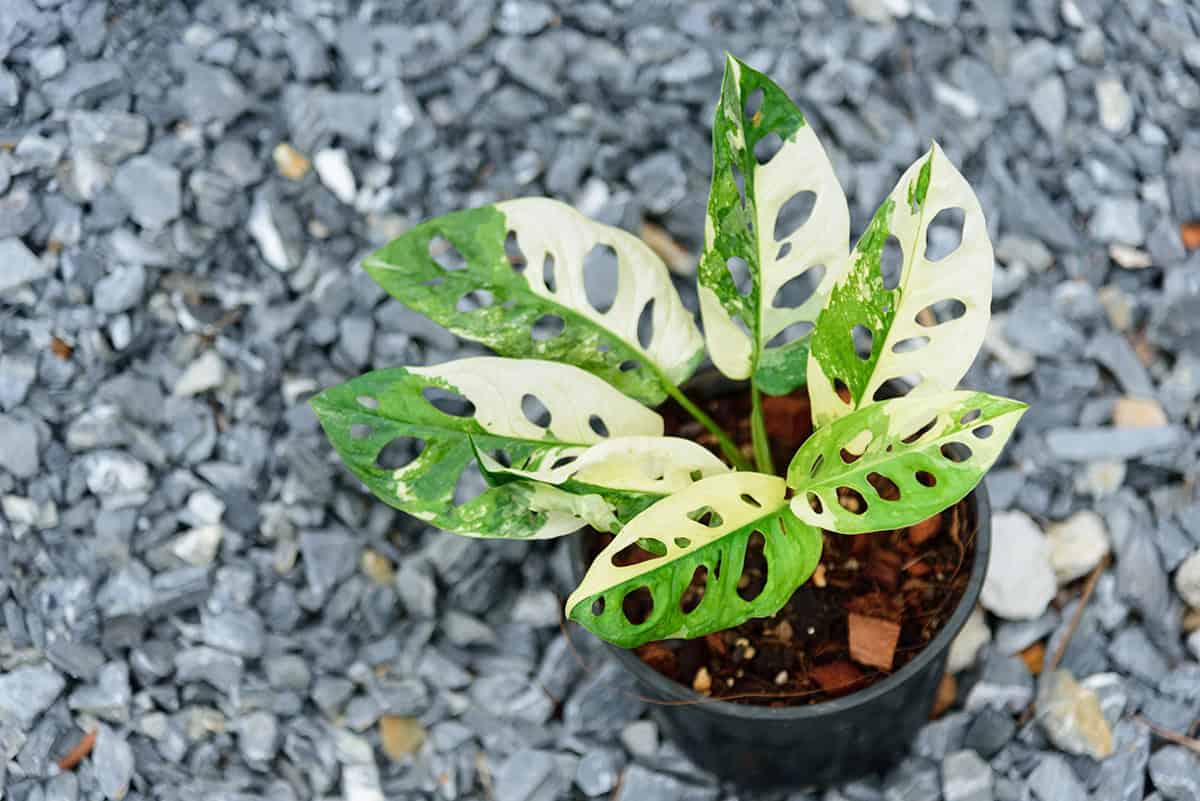
On rare days, a variegated specimen might show up, streaked with creamy whites or pale yellows. These always seem to cost more, and honestly, they’re fussier—needing brighter light and slower to fill a pot. Not surprising, considering how few make it to market.
Every so often, a compact or narrow-leaf batch turns up—perfect for cramped shelves or anyone tired of wrestling with sprawling vines. The leaves can look drastically different from one plant to the next. In the end, it’s about matching the plant’s quirks to your own space and sunlight.