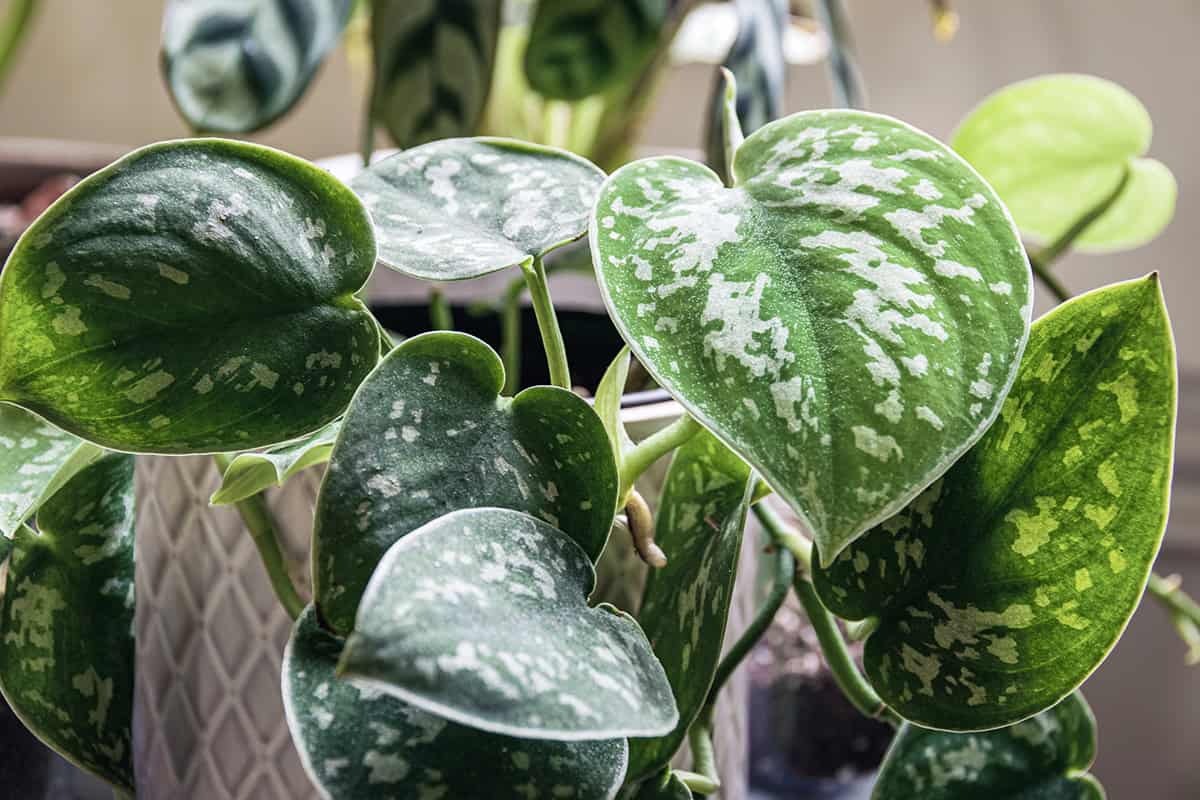
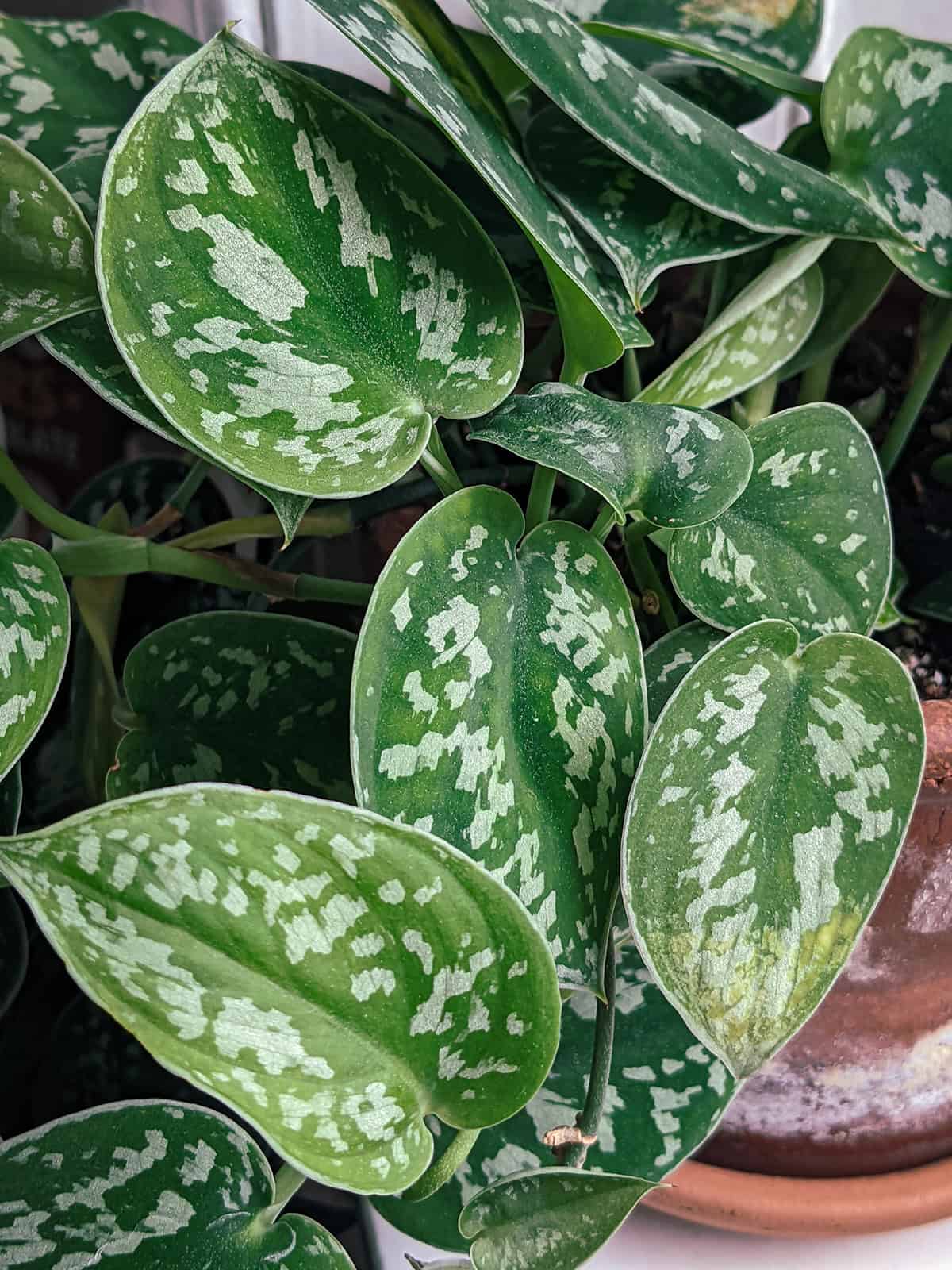
Scindapsus Pictus Exotica does not need bright flowers or giant leaves to get attention. The silver splashes across the foliage create a look that stands out even in a crowded plant collection. The article below explains how to keep those leaves looking their best.
Table of Contents
Quick Care Summary
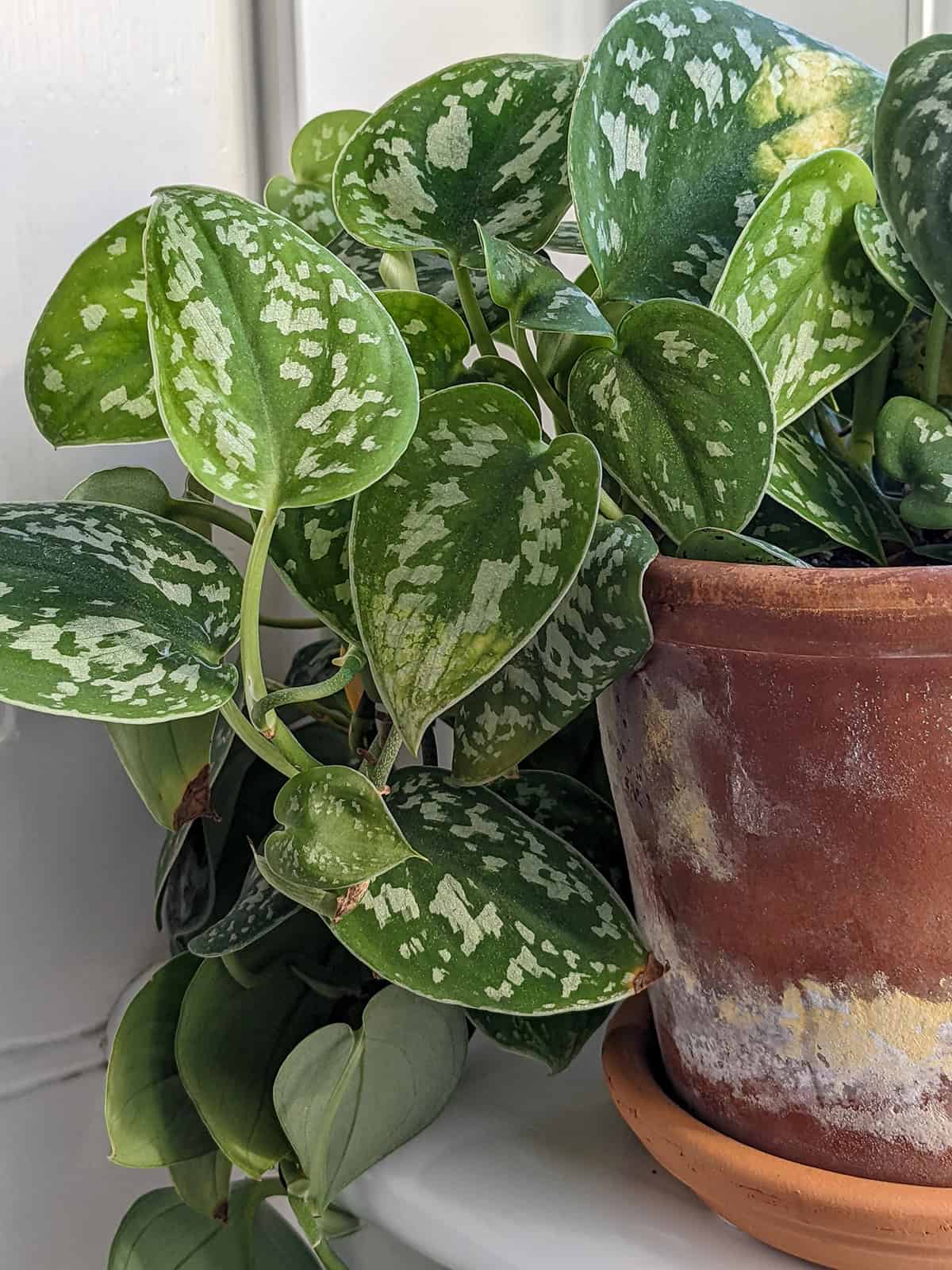
If you want a houseplant that doesn’t demand constant attention, Scindapsus pictus ‘Exotica’ fits the bill. Moderate light and a bit of consistency go a long way. No need for complicated routines—just keep an eye on the basics.
- Light: Needs bright, indirect exposure. Handles medium light, but don’t push it into the shadows. Direct sun? Not a good idea—leaves will scorch.
- Soil: Go for a mix that drains fast. Something with peat or coco coir and a handful of perlite keeps roots happy.
- Watering: Wait until the top 1–2 inches of soil are dry. Let water drain fully—no soggy bottoms.
- Temperature: Likes it between 65–85°F. Steer clear of drafts and sudden chills.
- Humidity: Moderate or higher is best. It’ll survive average indoor air, but more humidity means bigger leaves.
- Fertilizer: Once a month in spring and summer, diluted liquid fertilizer. Skip feeding in the off-season.
- Propagation: Snip a stem with at least one node and root it in water or damp soil.
Plant Overview
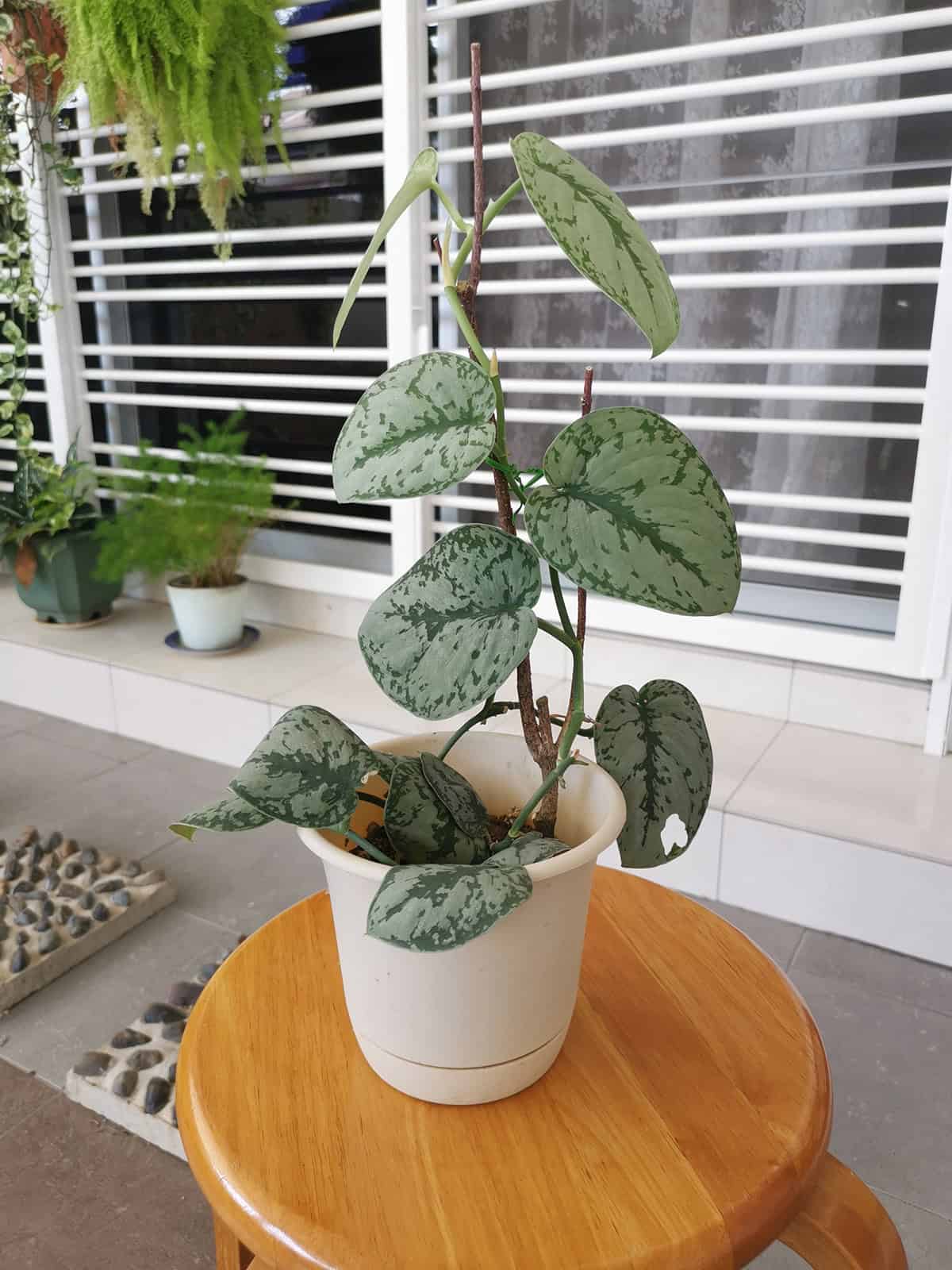
Those matte green leaves, splashed with silver, feel almost like modern art. Whether trailing from a shelf or climbing a moss pole, this vine adapts to different displays. It’s manageable indoors and responds well to a little shaping now and then.
Growth is steady but not wild, and with regular trims you can keep things tidy. Just a heads-up: the leaves are toxic if chewed, so keep it out of reach of pets and curious kids.
Botanical name: Scindapsus pictus ‘Exotica’
Common names: Satin pothos, Silver pothos, Silver vine
Plant type: Evergreen tropical vine
Mature size: 3–10 feet long indoors, depending on support
Growth rate: Moderate
Toxicity: Toxic to cats, dogs, and horses; not safe for pets or children if chewed
Native region: Southeast Asia
Light: Bright, indirect light; tolerates medium light
Soil: Well-drained, loose potting mix with organic matter
Watering: Allow top inch of soil to dry between water
Temperature: 65–85°F
Humidity: Prefers moderate to high humidity
Fertilizer: Balanced liquid fertilizer during active growth
Propagation: Stem cuttings rooted in water or soil
Light
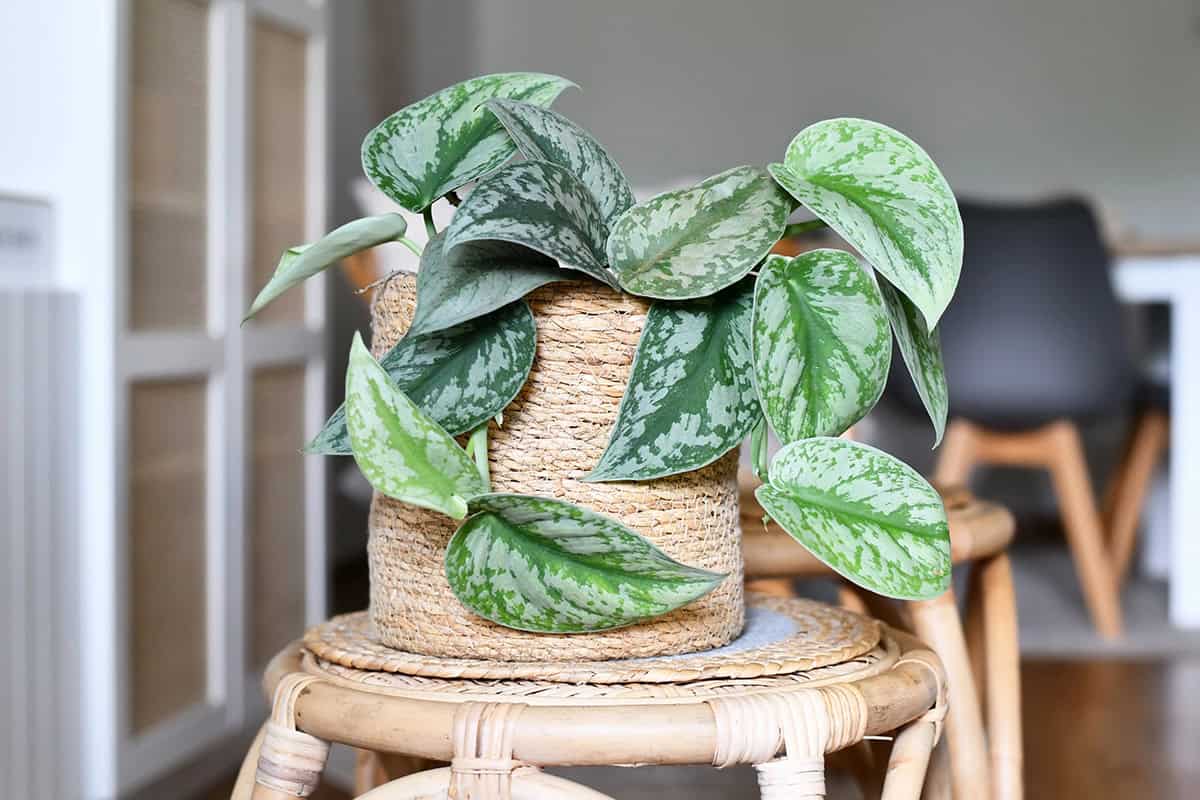
Soft, filtered sunlight does wonders for those silver patterns. An east or west window with a sheer curtain usually hits the sweet spot. Harsh rays? Not so much—leaves can end up faded or scorched.
Low light? Growth slows, leaves shrink, and the plant starts to look a bit stretched out. If you see the silver variegation fading or vines getting leggy, it’s probably craving more light.
Too much afternoon sun can bleach the foliage and leave crisp brown marks. If that happens, try moving it back a bit. For rooms with weak natural light, a grow light works—just keep the plant close, within a couple of feet.
Water
Forget sticking to a strict schedule—this one likes flexibility. Check the top couple inches of soil with your finger; if it’s dry, go ahead and water. Conditions at home change, so let the plant tell you what it needs.
Pour enough water so it runs out the bottom, then empty the saucer. Soggy roots are a recipe for rot. When days get shorter and temps drop, water less often and let the soil dry out a bit more between drinks.
Leaves looking limp or curled? That’s usually thirst. Yellowing and mushy stems, though, mean you’re probably overdoing it. Stay alert and tweak your routine as needed.
Soil
Rich, fluffy soil with plenty of air pockets keeps roots breathing. Heavy, compacted mixes just trap moisture and stifle growth.
Start with a standard indoor mix, but don’t be afraid to toss in extras—perlite, pumice, or even some bark chips. The goal is a blend that drains fast but doesn’t dry out in a flash.
Water should zip through the pot, not pool on top. Always use pots with drainage holes and dump any leftover water from saucers. Slightly acidic to neutral soil is fine—this plant isn’t too picky on pH.
Whenever you notice roots circling or poking out, or the soil gets tired and compacted, it’s time for a refresh. Repot every year or two to keep things lively.
Temperature & Humidity
A steady, warm atmosphere makes all the difference. Daytime temps between 65°F and 85°F are ideal, with nights dipping to 60°F or so. Avoid abrupt changes—cold blasts or blasts of hot air from vents aren’t great.
Chilly drafts or temperatures below 55°F can leave leaves looking sad and growth stunted. On the flip side, extreme heat above 90°F stresses the plant and dulls its color. Find a spot away from radiators, AC units, and drafty doors.
Humidity, if you can swing it, should hover around 50–70%. Dry air can crisp up the leaf edges or cause a bit of curling. Bathrooms and kitchens usually do the trick, but if your space is dry, a humidifier or clustering plants helps. Watch the leaves—they’ll let you know if the air’s too dry.
Fertilizer
Less is more here. Scindapsus pictus ‘Exotica’ isn’t a heavy feeder, and too much fertilizer can do more harm than good.
Stick to a balanced liquid feed—something like 10‑10‑10 or 20‑20‑20—at half strength, just once a month during the growing season. Skip the fertilizer altogether in fall and winter when growth slows down.
Always water before feeding if the soil’s dry to protect roots. Every few months, flush the pot with plain water to clear out any salt buildup, especially if you go the synthetic route.
Some folks like a slow-release fertilizer at the start of spring. If you try that, follow the package instructions closely. A light touch keeps foliage healthy without forcing weak, leggy growth.
Potting & Repotting
Drainage is non-negotiable—pick a pot with holes at the bottom. Go for a container just a bit larger than the current root ball; too big, and you risk soggy soil.
Use a mix that’s loose and drains well. Indoor potting soil works, but adding perlite or bark improves airflow. Skip the dense, heavy stuff—roots want room to breathe.
Water the plant the day before repotting so the roots come out easily and handle the change better. Slide it out gently, tease apart any circling roots, and set it in the new pot at the same depth. Fill in with fresh mix, press lightly, and water thoroughly.
Leave an inch at the top for easy watering. Wait until the top inch of soil dries before watering again. Repot every year or two, or when you see roots escaping or crowding the surface.
Pruning
Sometimes this vine gets a little wild. Prune whenever you want, but spring and early summer are best for a quick bounce-back. Trimming keeps growth bushy and prevents those long, leafless stretches.
Sharp, clean scissors are your friend. Snip just above a node to encourage new branches. Remove any yellowed or damaged leaves right at the base.
If vines look scraggly, cut them back by a few inches—fresh growth will fill in below the cut, making the plant look fuller.
Got healthy cuttings? Don’t toss them. Propagate by rooting those stem pieces in water or soil—easy way to multiply your collection.
Propagation
Fresh cuttings in spring or early summer root fastest, but you can propagate almost any time. Pick a healthy stem with a solid node and at least one leaf. Snip a section about one to three inches long, cutting just below the node.
Stick the cutting in water or damp potting mix, making sure the node is buried. Keep things lightly moist but not soggy, and set the container somewhere bright but out of direct sun.
Roots show up in two to four weeks, give or take. Once you see roots about an inch or two long, you can move water-rooted cuttings into soil. Keep humidity up and avoid harsh light while they settle in. When new leaves start popping out, you’re good to go.
Common Problems
Yellow leaves? Usually too much water. Mushy stems or a funky smell from the pot are dead giveaways. Let the soil dry out a bit more and double-check that water’s draining.
Crispy brown edges point to low humidity or letting the soil dry out too much. Boost the humidity and water when the top layer dries.
If the plant’s looking pale or leaves shrink, it’s probably not getting enough light. Move it closer to a window with filtered sun.
Black spots after a cold snap mean the plant got chilled. Keep it away from cold drafts and never let it touch freezing glass.
Pest issues—think spider mites or mealybugs—tend to crop up when the plant’s stressed. Wipe leaves down and treat early with insecticidal soap if you spot trouble.
Drooping doesn’t always mean it’s thirsty; soggy roots can wilt leaves too. Always check the soil before watering, and adjust as the seasons change.
Varieties
Step into any good plant shop and you’ll spot a handful of Scindapsus pictus types, each flaunting its own silver-green attitude. The silver patterning always catches the eye, but the way it plays out—bold, subtle, or somewhere in between—depends on the variety.
With ‘Exotica’, the leaves turn up big, plush, and heart-shaped, practically shouting for attention. Silver splashes take over wide stretches, so the whole thing reads dramatic and lush. Texture leans thick and a bit leathery, a real handful compared to the more petite cultivars.
On the daintier side, ‘Argyraeus’ leans into restraint. Here, you’ll get slim, delicate leaves with a dusting of tiny silver dots and a thin, silvery edge. The vibe is lighter, almost airy, making it an easy pick for smaller spaces or trailing from a basket.
‘Silvery Ann’—that one doesn’t really hold back on the silver. Some leaves end up nearly all silver, with just a hint of green around the edges. Depending on your lighting, the contrast can look sharp or surprisingly subtle; it’s a bit of a chameleon.
Other names pop up too, like ‘Silver Splash’, which breaks up deep green with scattered flecks of silver, giving a speckled, lively texture. Then there’s ‘Jade Satin’, which skips the silver entirely, instead offering rich, solid green leaves with a gentle, velvety gloss.
If you’re picking one out, it’s honestly about what grabs you—leaf size, the punchiness of the variegation, or just what fits in the corner you’ve got in mind.