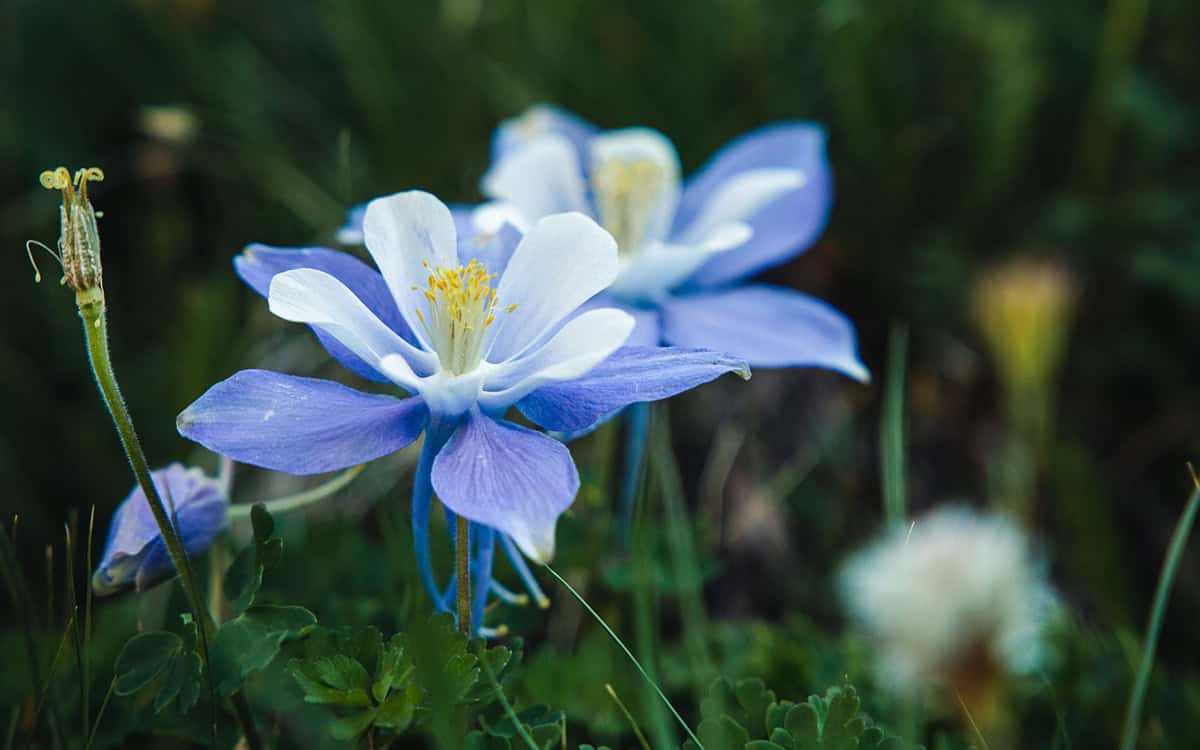
Columbine flowers dangle from slender stems like little lanterns, each one trailing a set of long, curved spurs that hold nectar for hummingbirds.
Each plant lives only three or four years, but it scatters seed freely, and a patch replaces itself season after season. Morning sun, afternoon shade and soil that drains well lead to the longest bloom in late spring.
Pale, squiggly trails on the leaves, left by leaf miners, are the most common worry, and the troubleshooting notes cover the fix.
Table of Contents
Quick Care Summary
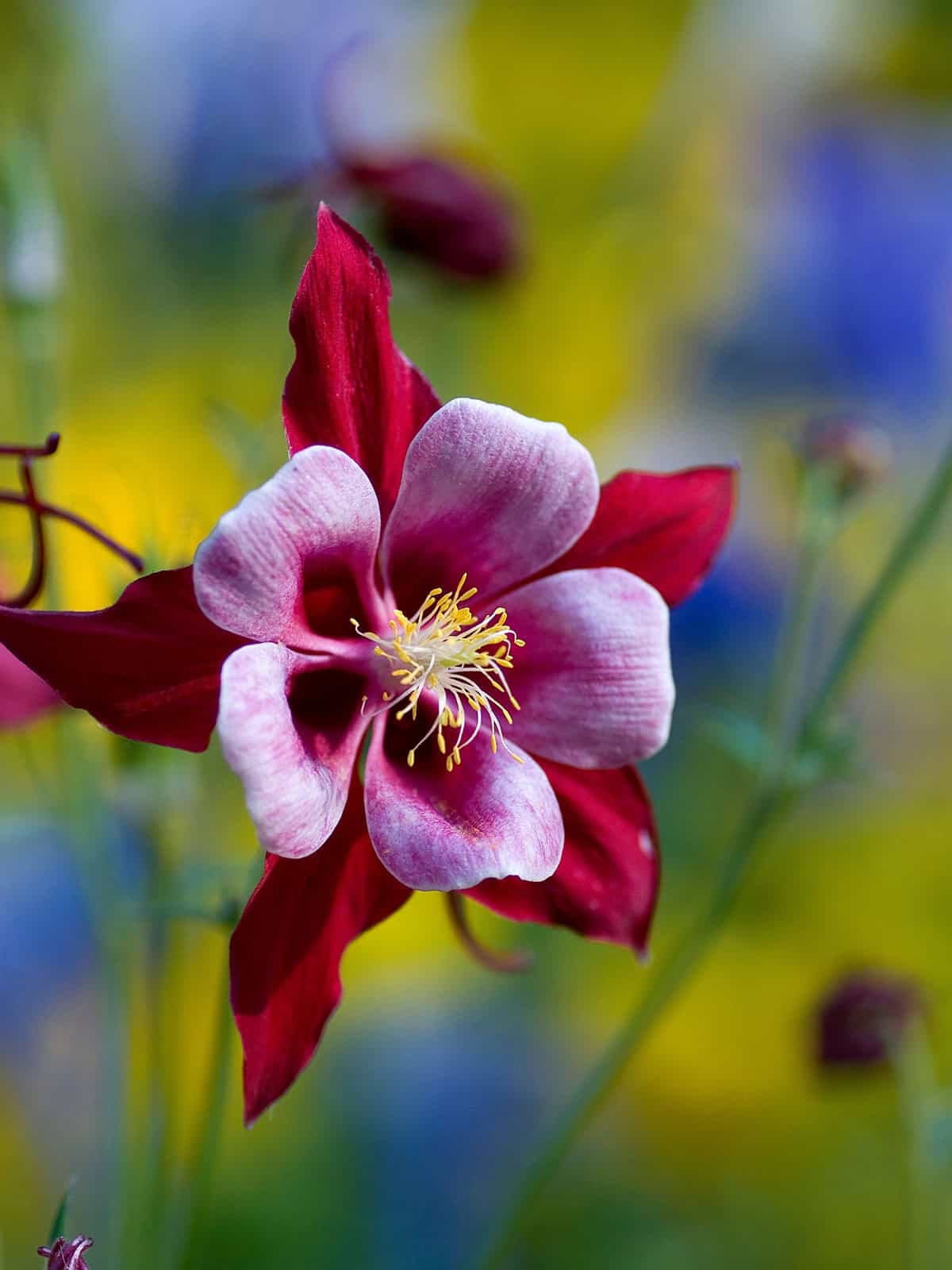
Columbine grows best in conditions close to its woodland and meadow origins, with moderate sun, steady moisture and room for seedlings.
- Light: Full sun in cool zones; partial shade where summers are hot
- Soil: Well-drained and lightly moist; average garden soil is fine
- Watering: About 1 inch per week; avoid soggy roots
- Temperature: Hardy in USDA Zones 3–8; prefers cool summers
- Humidity: Average outdoor humidity, with good airflow
- Fertilizer: One light feeding with balanced fertilizer in spring
- Propagation: Seed sown in fall, or cold-treated seed in spring
Peak bloom comes in late spring and early summer. Individual plants last two to four years, and self-sown seedlings fill the gaps.
Plant Overview
Spurred, nodding flowers in red, pink, yellow, white, purple and blue rise above mounds of lobed, blue-green leaves that resemble maidenhair fern. Hummingbirds, bees and moths visit the nectar-filled spurs.
Columbine fits woodland edges, cottage borders, rock gardens and native plantings.
- Botanical name: Aquilegia spp.
- Common names: Columbine, granny’s bonnet; eastern red columbine (A. canadensis)
- Plant type: Short-lived herbaceous perennial
- Mature size: 1–3 feet tall, 1–2 feet wide
- Growth rate: Moderate
- Toxicity: Seeds and roots are mildly toxic if eaten
- Native region: Woods and meadows across the Northern Hemisphere
Native species such as Aquilegia canadensis are among the most reliable in North American gardens. Hybrids cross freely, so seed from a trusted source matters for exact colors.
Light
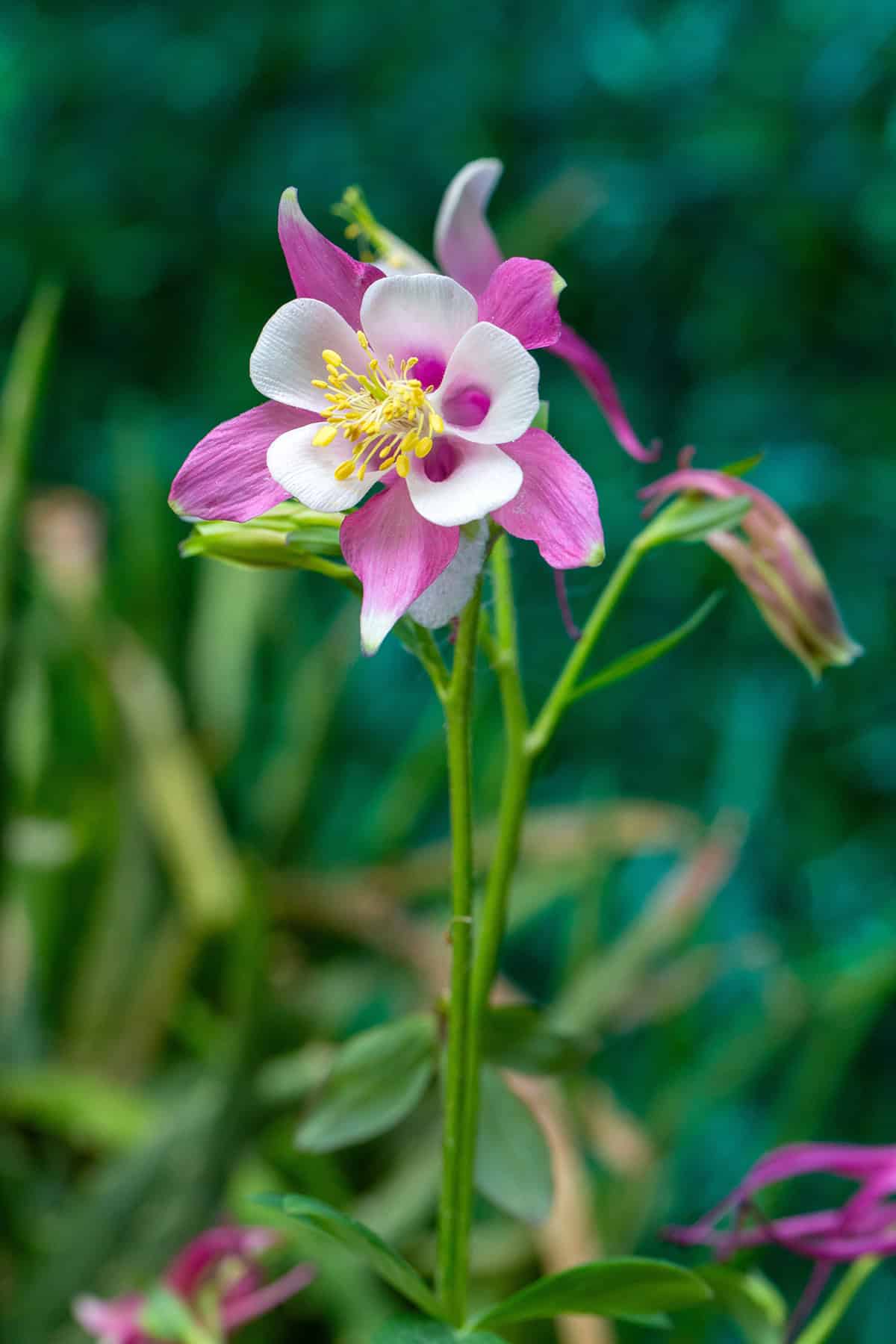
In cooler regions, columbine handles full sun well. In hot climates, afternoon shade prevents scorched leaves and a shortened bloom.
Morning sun followed by light shade after lunch produces sturdy stems and steady flowering. Woodland edges and beds with dappled light fit it well, and eastern red columbine thrives with some protection from harsh rays.
Crispy, faded leaves point to too much sun, and sparse flowers to too much shade. Container plants need four to six hours of light and may need a shadier spot as summer heats up.
Water
Young columbine needs steady moisture while it establishes. Check the top inch of soil and water when it is dry, but avoid soggy ground.
Established plants handle short dry spells. A deep watering once a week covers most areas, with more during hot, dry weather. Sandy or loamy soil lets excess water drain away from the crown.
Containers dry out faster, especially in sun or wind, and may need water every day or two in summer. Empty saucers after watering.
Soil
Loose, crumbly soil with good drainage produces healthy columbine. Water that pools after rain rots the roots, and dense clay needs compost mixed in before planting.
A sandy or loamy blend with some organic matter and a slightly acidic to neutral pH fits most species. Columbine blooms in average soil, and a little extra organic matter produces sturdier stems.
A thin layer of mulch holds moisture and cools the roots, as long as it sits an inch or two away from the stems. Soil in full sun dries quickly, so check it more frequently there.
Temperature & Humidity
Cool, mild days and chilly nights produce the best show. Between about 60°F and 75°F, growth is lush and blooms last longer, while hot spells shorten flowering and stress the plant.
Hardy in USDA Zones 3 to 8, columbine handles cold winters and light spring frosts. Afternoon shade and steady moisture help it through intense summers.
Humidity matters mainly in crowded beds with poor airflow. In muggy regions, space plants 12 to 18 inches apart to dry the leaves and limit mildew.
Fertilizer
Columbine needs little feeding, and too much fertilizer produces floppy stems and fewer flowers. One application of slow-release balanced fertilizer such as 10-10-10 in early spring, scratched lightly into the soil and watered in, is enough.
In poor ground, compost improves structure and adds gentle nutrients. Container plants lose nutrients faster through watering, and a diluted balanced liquid feed every four to six weeks during growth helps them.
Stop fertilizing once blooming ends, and let the plant put its energy into roots and seed.
Potting & Repotting
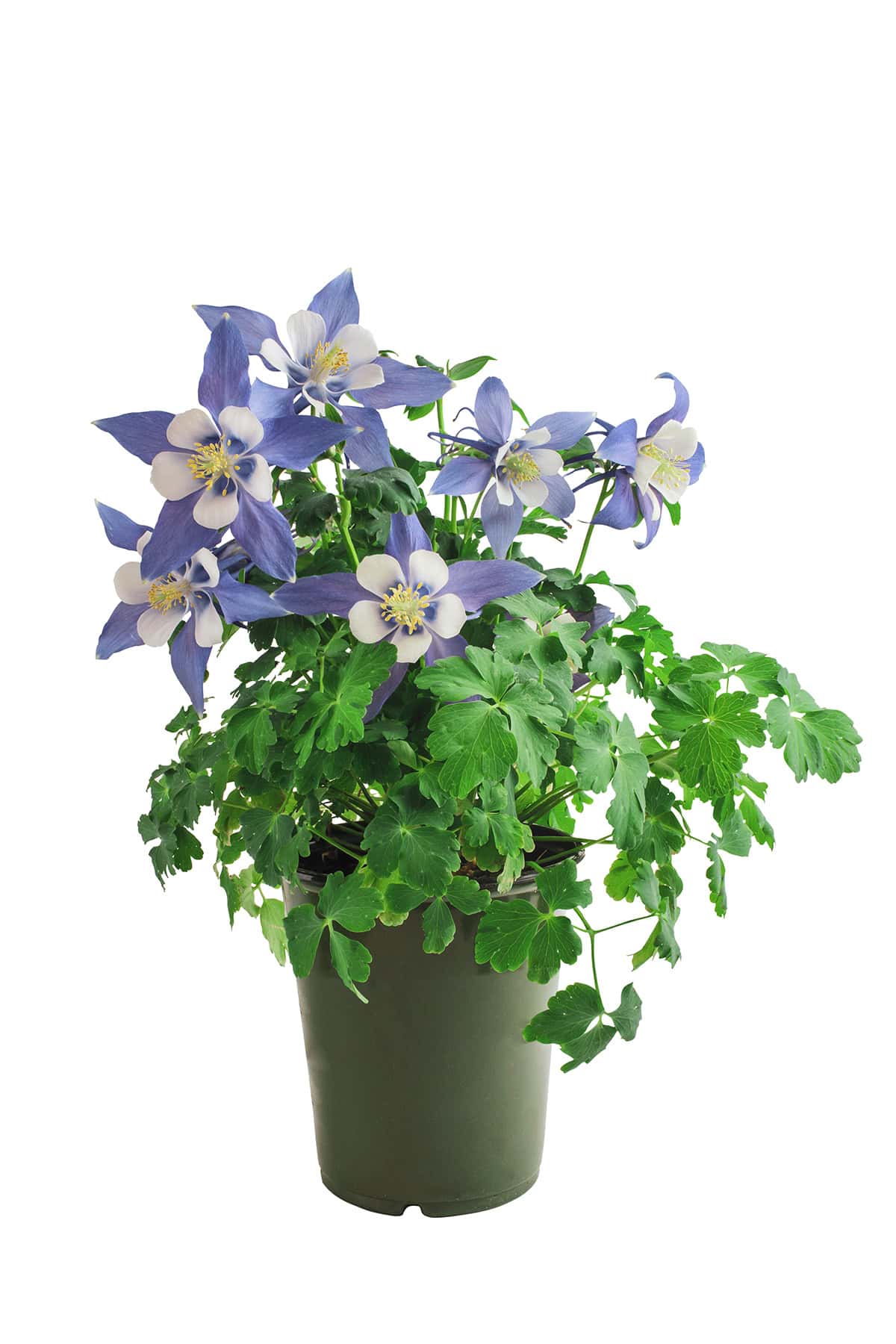
Columbine grows well in pots with good drainage. Choose a container at least 8 to 12 inches across with holes in the base, and fill it with potting mix blended with compost and grit such as coarse sand or fine bark.
Plant at the same depth as in the nursery pot, firm the soil gently and water deeply. Place pots in full sun in cool areas and in light shade in hot ones. Afternoon sun on a dark or metal pot overheats the roots.
Columbine has a modest root system, and fresh soil every couple of years is enough. Repot in early spring, trim dead roots and move up a size only if the plant is rootbound, since extra space holds wet soil.
Pruning
Once blooms fade, cut flower stems down to the base or to a healthy set of leaves. This tidies the plant, prevents excess self-seeding and occasionally triggers a smaller second flush of flowers. Leave a few stems if seedlings are welcome.
If the foliage looks ragged from leaf miners or summer heat, shear the whole plant back to a few inches above the ground. Fresh leaves regrow within a few weeks.
Bin any pruned material showing pests or disease, and clean tools before and after use. After frost blackens the plant in late fall, cut the stems to ground level and leave the crown intact for spring growth.
Propagation
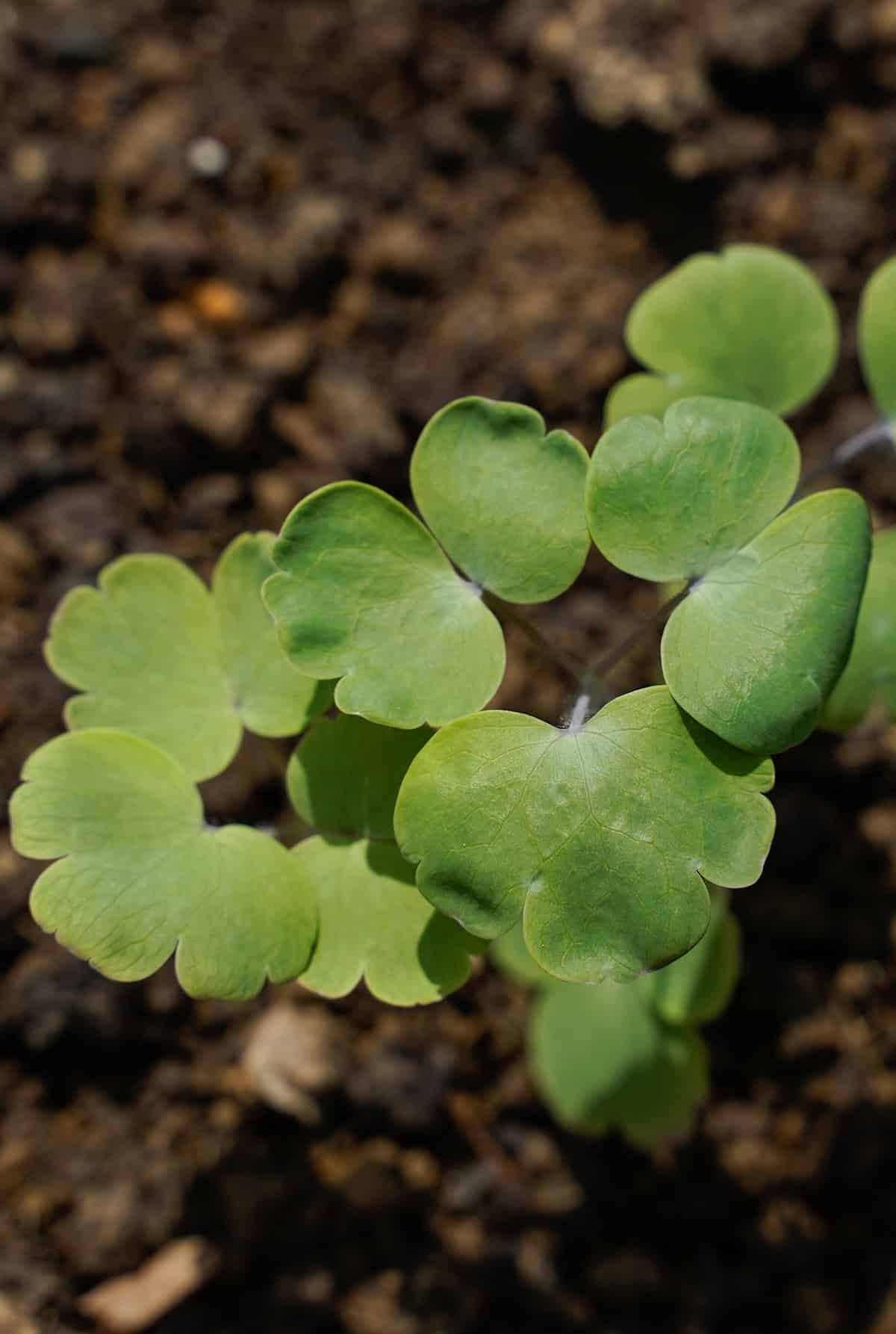
Columbine grows easily from seed, and most types self-sow around the parent plants. Hybrids rarely come true, so seedlings from mixed plantings show new colors and forms.
Sow seeds outdoors in fall or very early spring, since most need a cold period to germinate. Press them onto the soil surface, because they need light, and hold the soil moist. Flowers appear in the second year.
For an indoor start, chill the seeds in a damp paper towel in the refrigerator for three to four weeks, then sow them under lights. Transplant the seedlings outside after the last frost.
Mature plants divide in early spring, but the deep taproot resents disturbance, and divided plants recover slowly. Lift as much root as possible and water well afterward.
Common Problems
Leaf miners cause the most frequent damage. Their larvae tunnel through the leaves and leave pale, winding trails. Remove and bin affected foliage as soon as it appears, and cut badly damaged plants back after flowering for fresh growth.
Columbine sawfly larvae chew leaves down to the veins in late spring, and aphids and spider mites appear in dry spells. Hand-pick sawfly larvae, knock aphids off with a strong spray of water and use insecticidal soap for heavier infestations.
Powdery mildew, leaf spot and rust show up in damp, crowded beds. Good airflow and watering at the base prevent most cases.
Crown rot from poor drainage yellows the leaves and collapses the plant. Improve heavy soil with organic matter, and remove infected plants. Since columbine is short-lived, a few plants left to seed provide replacements as older ones fade.
Varieties
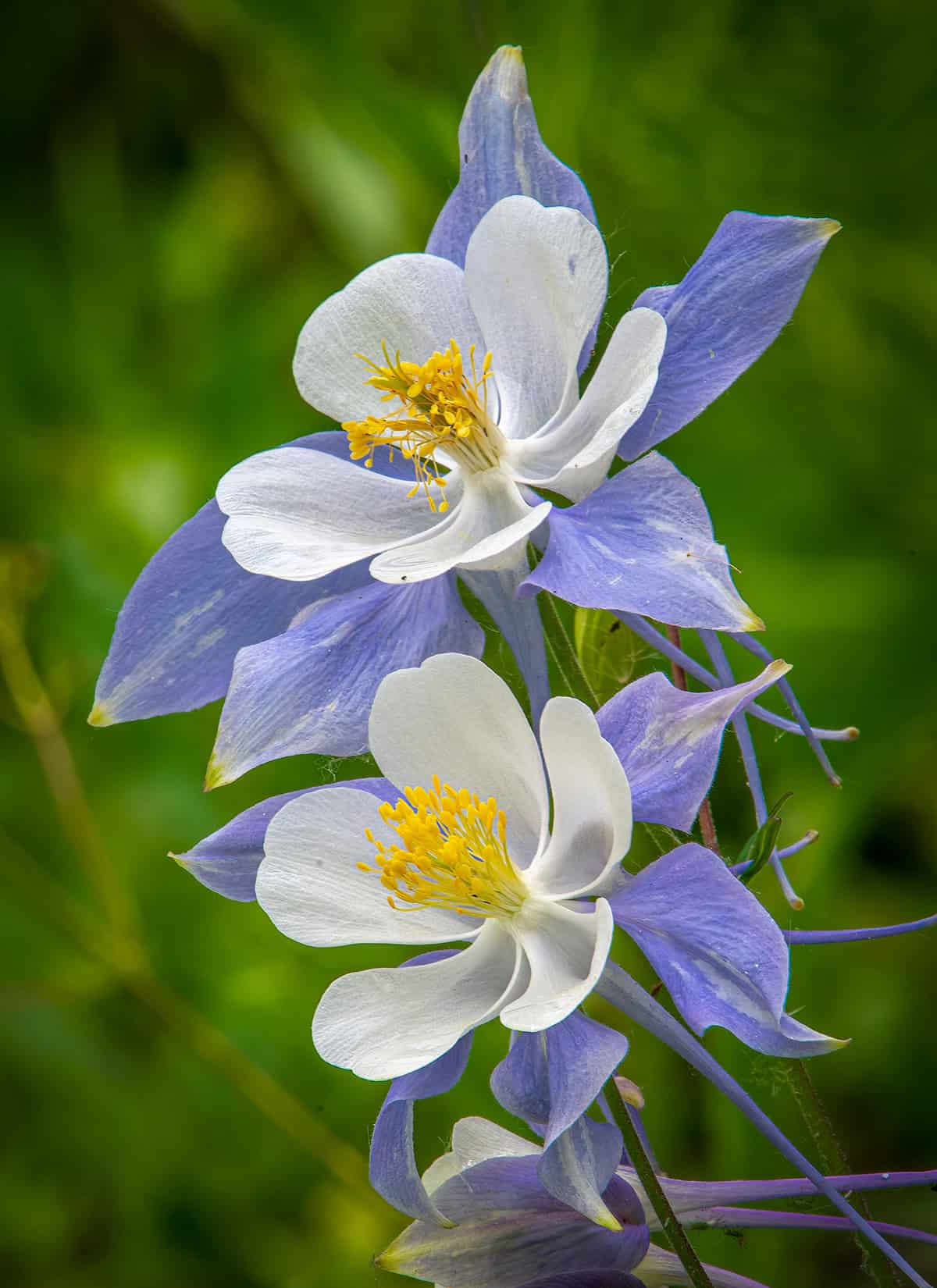
About 70 species of Aquilegia exist, along with countless hybrids and cultivars in blue, purple, red, pink, yellow, white and two-toned combinations.
Eastern red columbine, Aquilegia canadensis, has nodding red and yellow flowers loved by hummingbirds. It handles partial shade and average soil and self-seeds readily.
Colorado blue columbine, Aquilegia caerulea, carries upright blue and white flowers with extra-long spurs on 2-foot stems. It grows best in cool summers and light shade.
Many cottage-garden forms descend from European Aquilegia vulgaris. The ‘Winky’ series has upward-facing flowers on compact plants for containers, and ‘Black Barlow’ produces double, spurless, deep plum flowers. Dwarf species barely reach a foot for rock gardens, while tall hybrids such as the ‘McKana Giants’ reach about 3 feet.