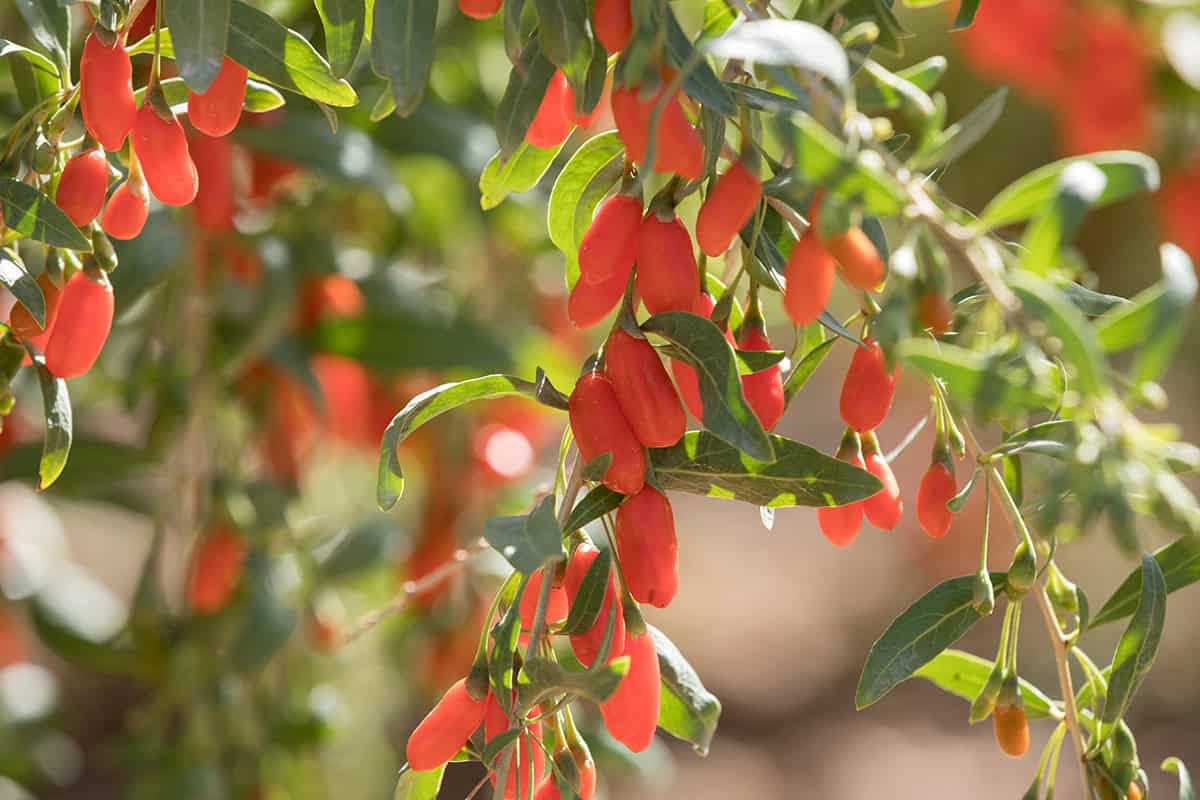
Goji berry, also known as wolfberry, grows into a sprawling, arching shrub with small purple flowers and glossy, bright red fruit.
Plants start bearing in their second or third year, and a mature shrub produces berries from midsummer into fall. Full sun, slightly alkaline soil and a hard annual prune produce the biggest harvests.
The roots spread by suckers, a habit worth planning around before choosing a spot, and the problems section explains how to contain them.
Table of Contents
Quick Care Summary
Strong sun and loose, well-drained soil cover the basics, in garden beds or large containers. Annual pruning raises yields, since berries form on new growth, and regular moisture produces plumper fruit.
- Light: Full sun, 6–8 hours; fruiting drops in shade
- Soil: Well-drained loam, slightly alkaline (pH 7.0–8.0)
- Watering: About 1 inch per week; avoid soggy soil
- Temperature: Hardy in USDA Zones 5–9; handles hot summers
- Humidity: Low to moderate
- Fertilizer: Light, balanced feeding in spring
- Propagation: Softwood cuttings, root suckers or seed
- Fruiting season: Midsummer to fall
Space plants 4 to 5 feet apart for airflow and easy picking, and harvest berries once they reach full, vivid red.
Plant Overview
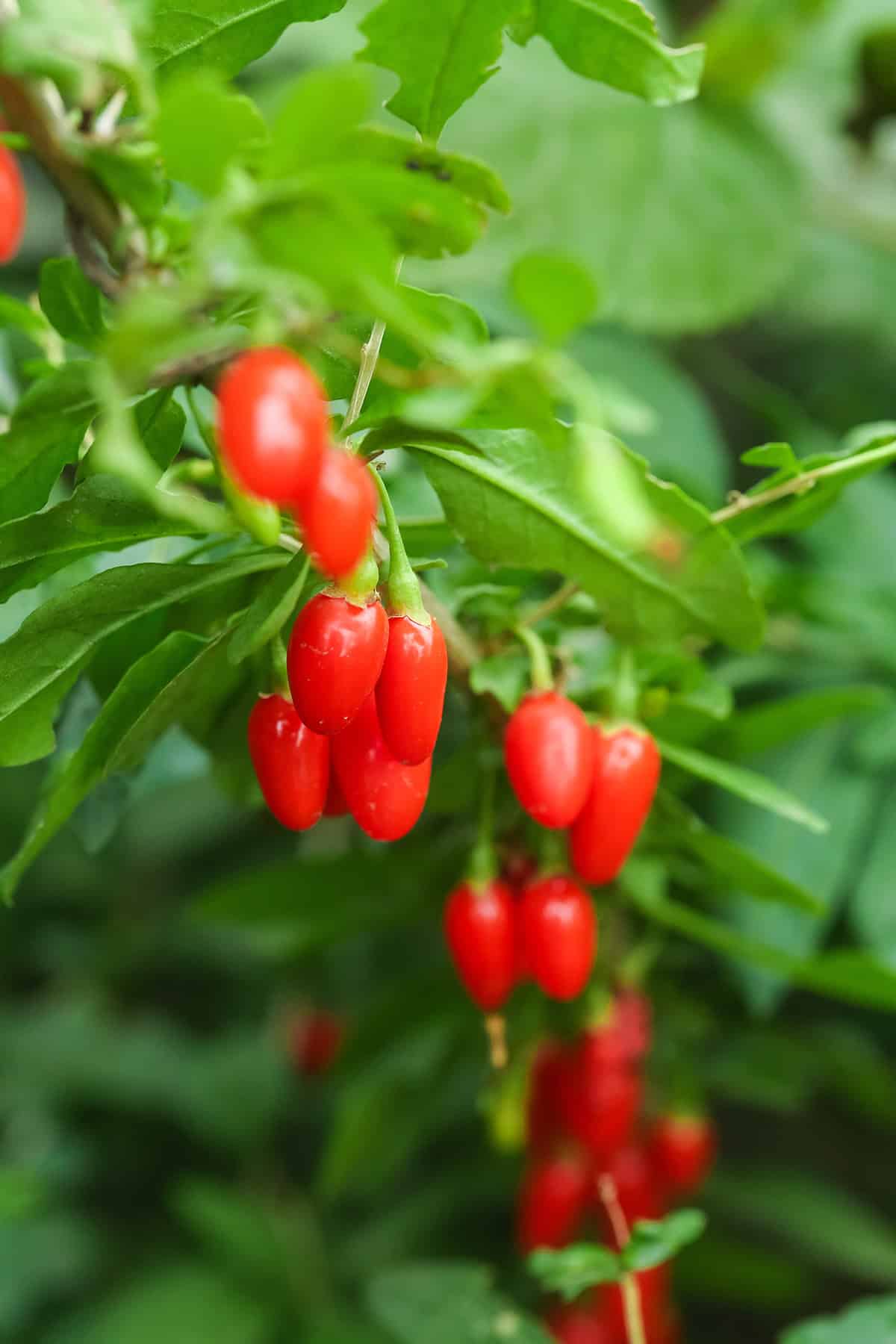
Goji berry grows as a deciduous shrub with long, arching stems, narrow leaves and small purple, star-shaped flowers. It belongs to the nightshade family, along with tomatoes and peppers, and most backyard plants are Lycium barbarum.
- Botanical name: Lycium barbarum
- Common names: Goji berry, wolfberry, matrimony vine
- Plant type: Deciduous woody shrub
- Mature size: 3–6 feet tall with pruning; up to 10–12 feet unpruned
- Growth rate: Moderate to fast
- Toxicity: Ripe fruit and young leaves are edible
- Native region: Northwestern China
Fresh berries last about two weeks in the refrigerator, and they also freeze and dry well. Their thin skins tear easily, so pick them gently.
Light
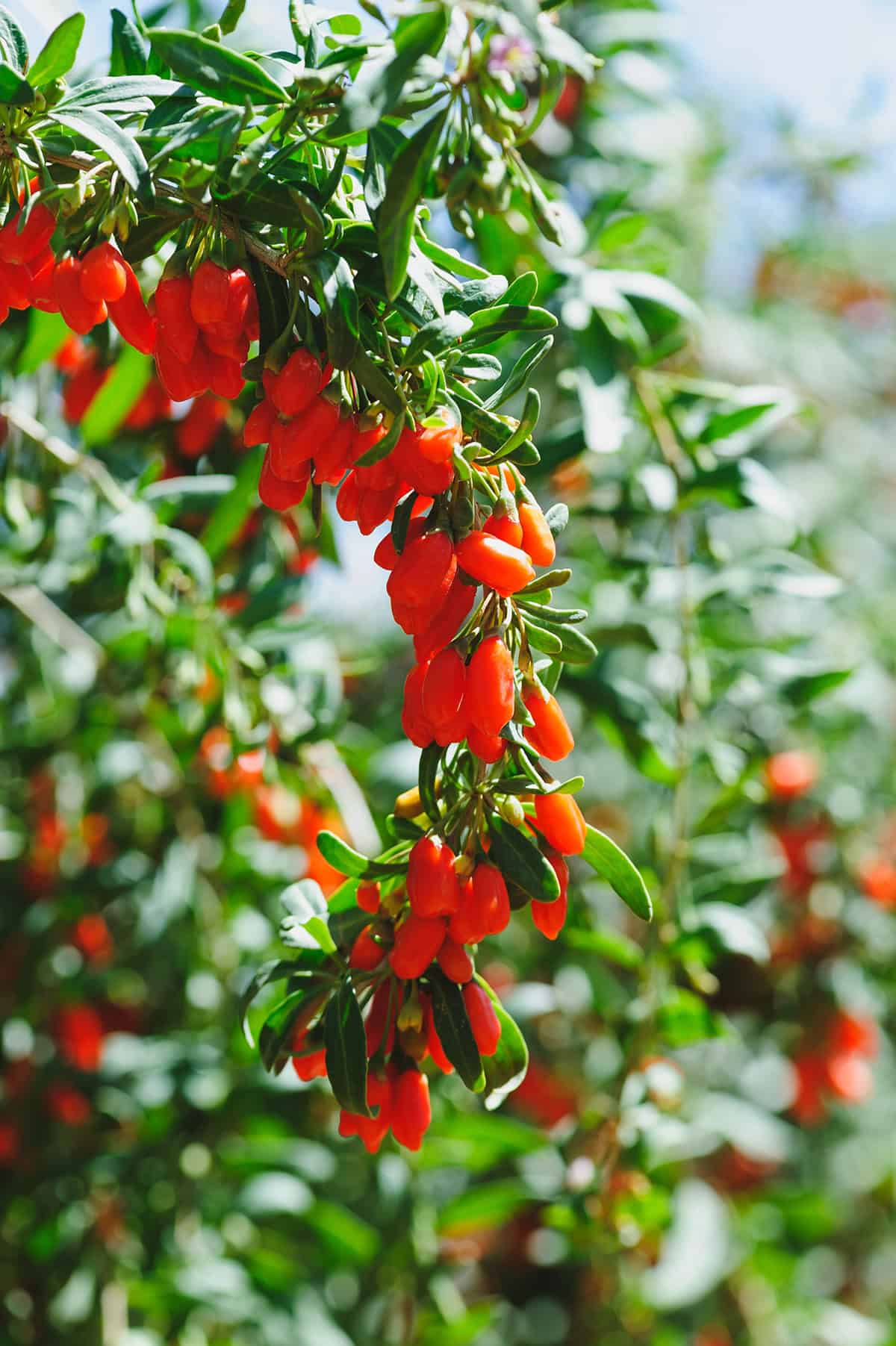
Six to eight hours of direct sun produce strong stems and a heavy berry set. Partial shade cuts the harvest and leads to leggy growth, and dense shade produces weak plants with few flowers.
Hot, dry summers produce the sweetest flavor, while cool, damp weather dulls sweetness and slows ripening. Open, sunny, breezy spots away from tall trees are best.
In very hot regions, light afternoon shade prevents leaf scorch, as long as the plant gets full morning sun. Rotate container plants weekly for even growth, and use a strong grow light for any indoor growing.
Water
Water goji deeply, then let the top couple of inches of soil dry before the next watering. Soggy soil rots the roots.
First-year plants need about an inch of water a week from rain or the hose. Sandy soil dries out fast, while clay holds water longer and needs careful watering.
Established shrubs handle short dry spells, but long droughts shrink and toughen the fruit. Even moisture between bloom and harvest produces the plumpest berries. A drip line or slow soak at the base waters the roots, while overhead sprinklers wet the leaves and encourage mildew.
Soil
Goji grows best in loose, well-drained loam with a slightly alkaline pH between 7.0 and 8.0. Test the soil before planting, and add garden lime to raise the pH of acidic ground.
Heavy clay that holds water damages the roots. Mix in compost or coarse sand, plant in a raised bed, and avoid spots where puddles linger after rain.
Crumbly soil that dries slightly between waterings lets the roots spread freely.
Temperature & Humidity
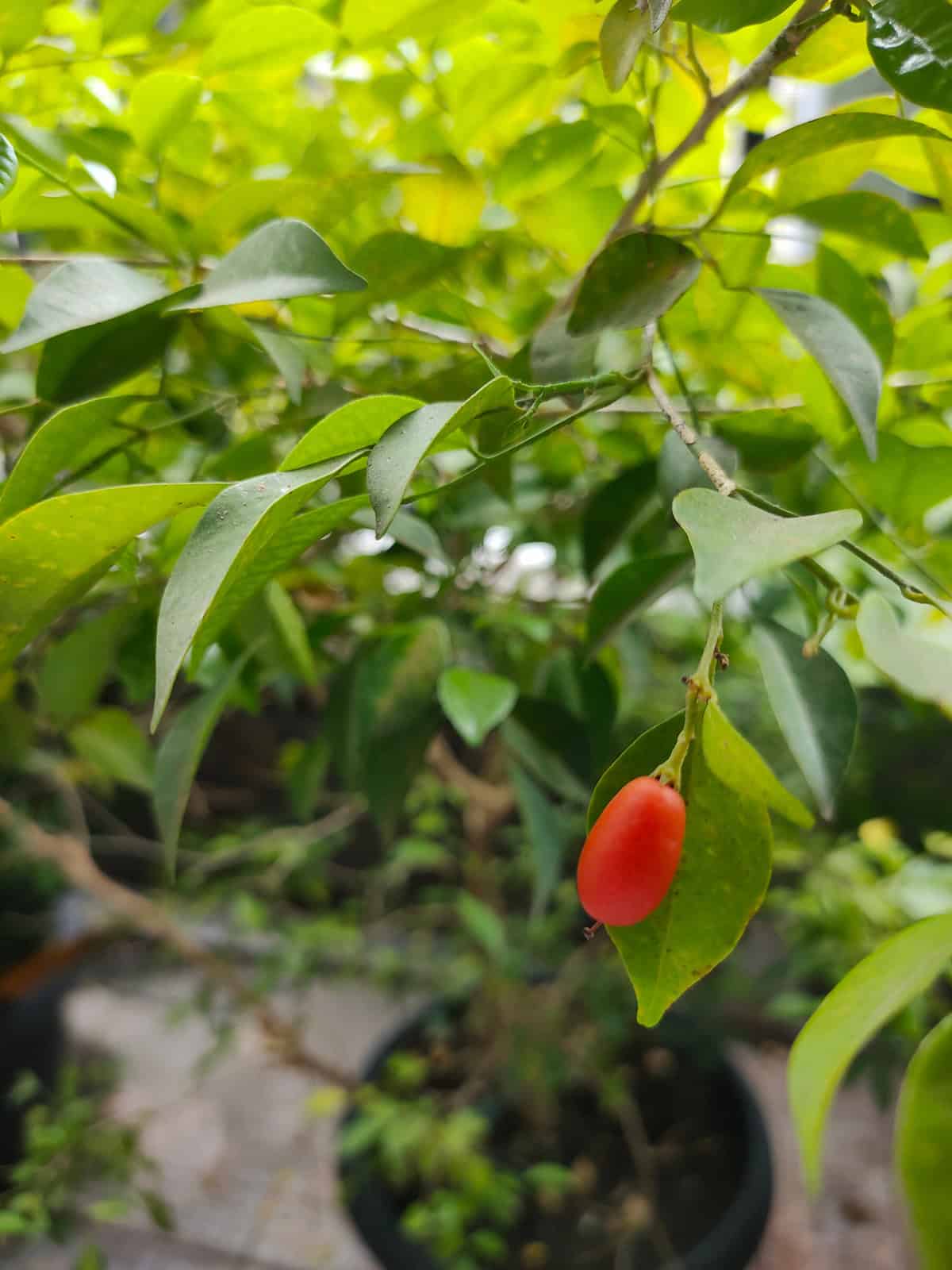
Goji tolerates a wide temperature range. Established plants survive cold winters in USDA Zones 5 to 9 and handle summer heat near 100°F. Tender new shoots suffer in late frosts, so cover young plants on cold spring nights.
Warm days and cool nights encourage flowering and fruit set, and hot, dry weather produces sweeter berries.
Dry air limits leaf disease, while high humidity with crowded growth leads to powdery mildew. Prune and space plants for airflow through the branches.
Fertilizer
Goji needs only moderate feeding. Too much fertilizer produces plenty of leaves and fewer berries.
In spring, a balanced fertilizer such as 10-10-10 is enough, split into light doses at bud break, at flowering and as the berries color. Use about 4 to 5 tablespoons per 10 square feet per year in total, and less in rich soil. Scatter it away from the main stem.
A thin layer of compost or well-aged manure in early spring feeds the plant slowly and builds the soil. Skip high-nitrogen products, and cut back the next year if plants grow large and leafy with little fruit. A soil test every few years shows what the bed lacks.
Growing in Containers
Large pots of 15 to 20 gallons hold goji berry well. Choose one with drainage holes and a wide base to prevent tipping as the shrub grows.
Fill it with a light, fast-draining mix of potting soil, compost and coarse sand or perlite, and avoid acidic, peat-heavy blends.
Place the pot in full sun, with light afternoon shade in very hot climates. Water when the top two inches dry, let the excess run out and empty the saucer. Feed lightly at bud break, bloom and early fruit set, and prune each year to fit the plant to its pot.
Potting & Repotting
Start with a container at least 18 inches wide and deep, filled with loose, compost-rich mix. Set the goji at the depth it grew before and water well to settle the soil.
Roots fill the pot in two to three years. Circling roots or roots poking from the drainage holes signal time to move up a size, or to replace some of the old soil with fresh mix.
Repot in late winter or early spring, before new growth begins. Water deeply afterward, wait a few weeks before fertilizing and check moisture every few days while the plant settles.
Pruning
Pruning encourages the new wood where berries form. Late winter or early spring, before buds break, is the best time, ideally in dry weather.
In the first year, remove weak or damaged stems and open the center to light and air.
From the second year, shorten side branches by 6 inches or more to trigger fresh shoots, and hold the height at an easy picking level. Pinched shoot tips in early summer promote branching and larger yields.
Suckers appear at the base by the third season. Pull them, or dig them up as new plants, and prune every year to hold the shrub in shape.
Propagation
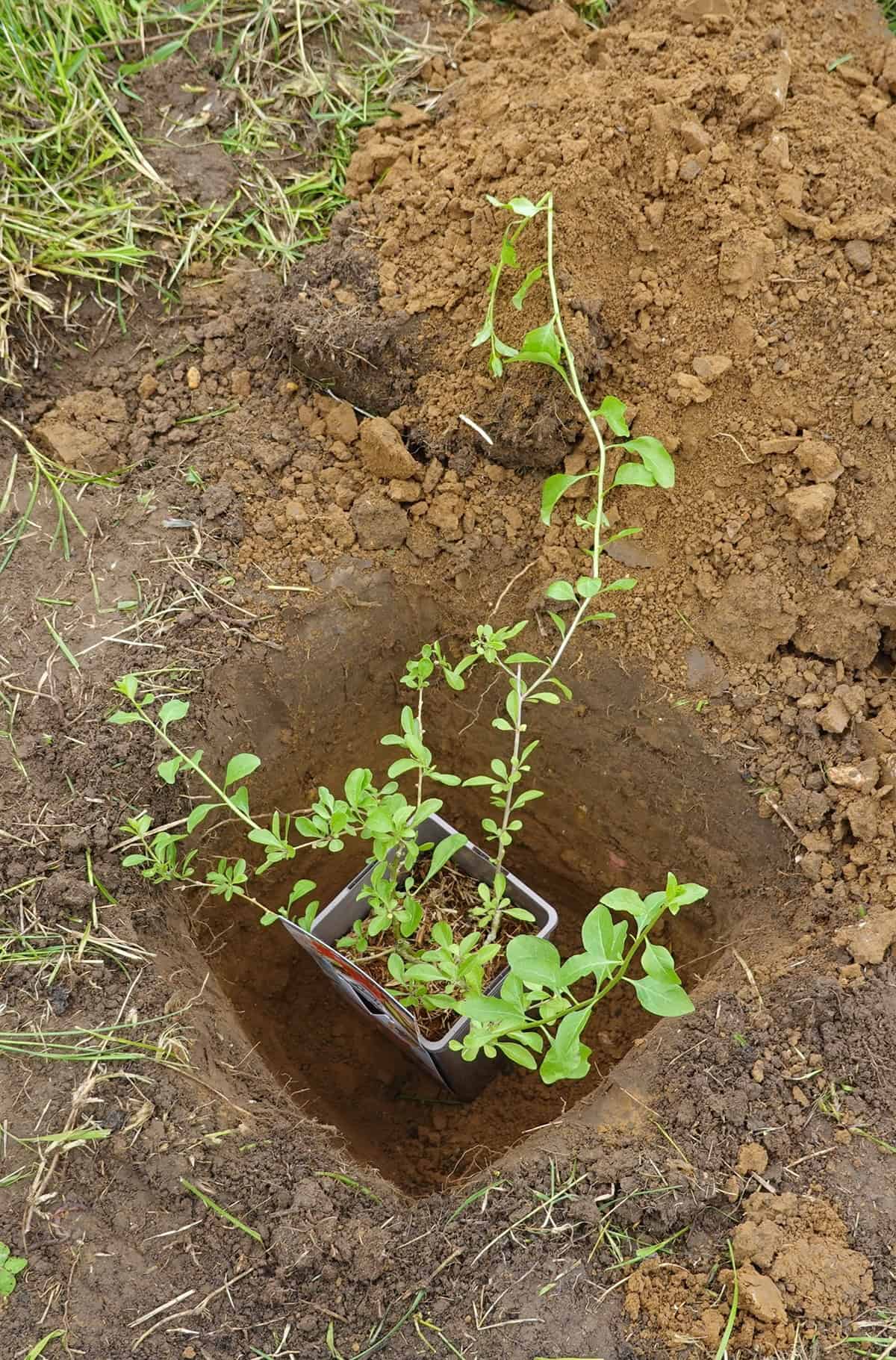
Softwood cuttings, root suckers and seed all produce new goji plants. Cuttings and suckers copy the parent, while seedlings vary in fruit quality.
Take 4- to 6-inch softwood cuttings in late spring or early summer. Strip the lower leaves, dip the ends in rooting hormone and set them in moist mix with high humidity and bright, indirect light.
Root suckers produce the quickest results. Dig them from established plants in early spring or fall, with a section of root attached, and replant them.
For seed, soak the seeds for a day in late winter and press them into moist, sterile mix at 65°F to 75°F under bright light. Sprouts appear in 10 to 21 days, and seedlings move outside after frost danger passes.
Fruiting & Harvest
Plants bear lightly in the second year, and harvests build through the third and fourth years.
Small flowers open in late spring, and berries ripen in waves between July and frost, which means picking a few at a time for weeks.
Pick berries once they color deep orange-red and soften slightly. Roll each one sideways off the stem instead of pulling straight up, which prevents bruising.
Bruised berries darken quickly, so collect them in shallow containers and refrigerate them right away. Fresh fruit lasts about two weeks chilled. Extra berries dry into chewy, raisin-like snacks or freeze well, and young leaves from spring trimmings make a mild tea.
Common Problems
Goji roots travel widely and send up suckers in neighboring beds. Pull extras each year, or plant inside a root barrier to contain the patch.
Heavy, soggy soil leads to root rot and stalled growth. Deep, infrequent watering and well-drained soil prevent it.
Aphids, spider mites and leafhoppers suck sap and weaken the plants. Check the undersides of leaves regularly, and treat heavy infestations with insecticidal soap or horticultural oil.
Goji gall mite causes raised bumps on the leaves and saps vigor, and severe infestations reduce fruit. Sulfur or horticultural oil applied in cool weather controls it.
Powdery mildew leaves white patches in dense, still growth. Thin the branches and remove infected leaves. Excess fertilizer produces a mass of leaves with little fruit, so balanced, moderate feeding is best.
Varieties
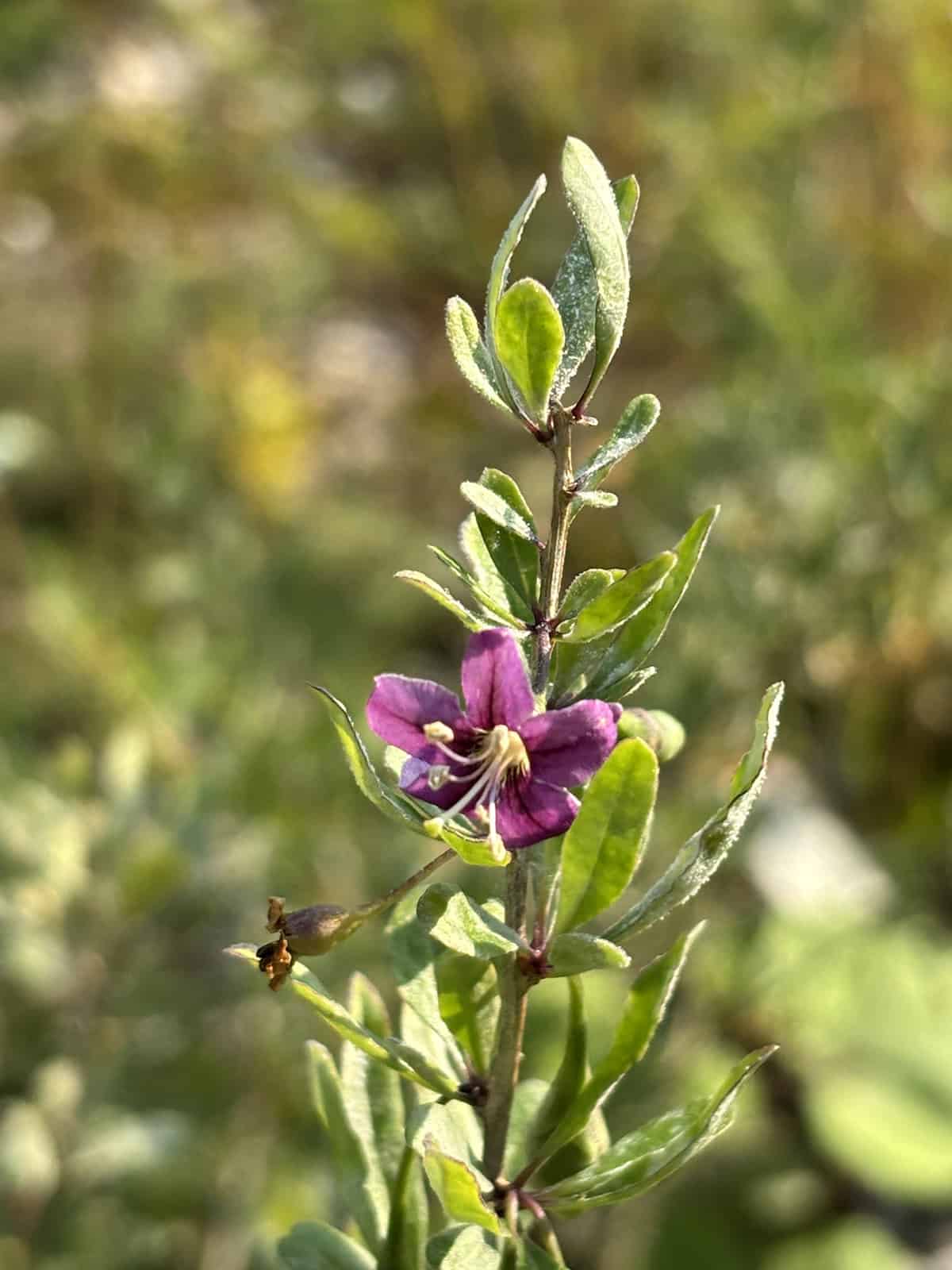
Nurseries sell goji mainly as Lycium barbarum, with the closely related Lycium chinense appearing now and then. Both belong to the nightshade family and differ slightly in taste, berry size and habit.
‘Crimson Star’, also sold as Ningxia No. 1, produces bright red, sweet berries and bears within one to two years.
‘Phoenix Tears’ carries slightly larger, mild-flavored berries on an upright plant that trains easily on a trellis.
‘Sweet Lifeberry’ has elongated, extra-sweet berries for fresh eating that also dry evenly, and it needs a hard winter prune to control its vigor. Named varieties produce more predictable fruit than generic seedlings, so ask about the source before buying unnamed plants.