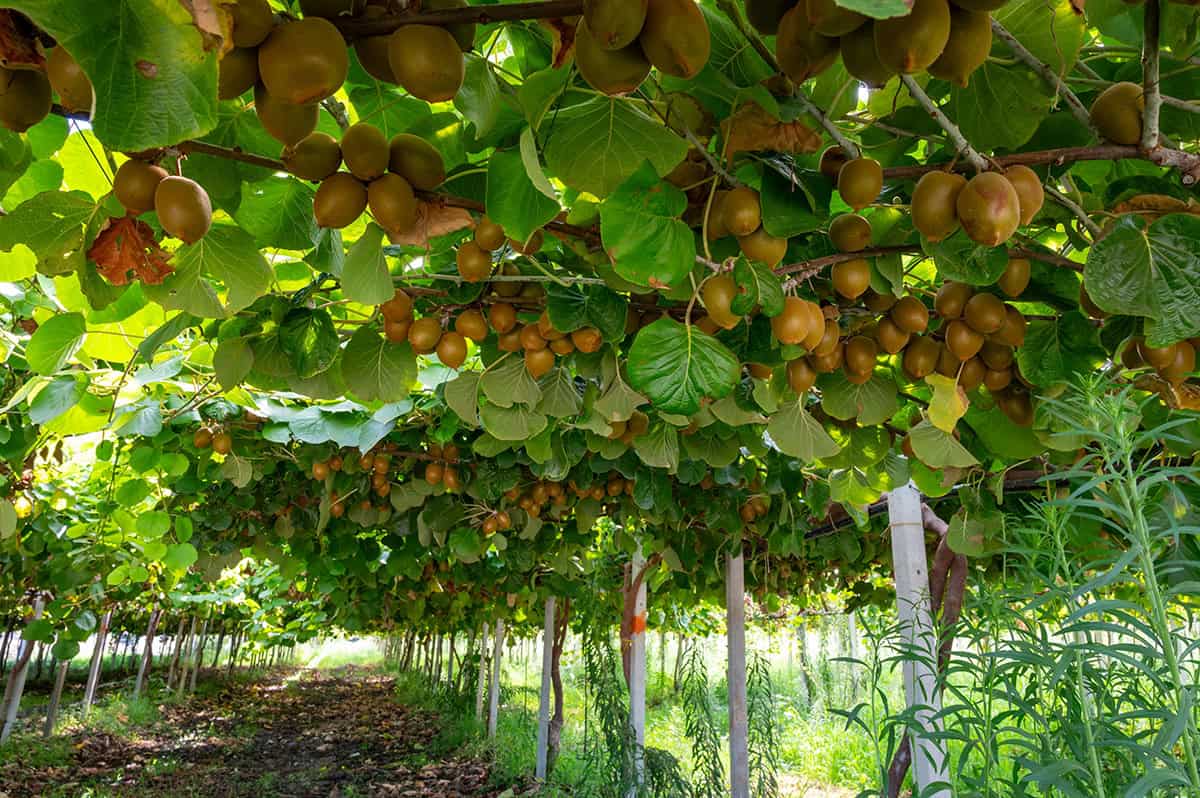
Growing kiwi at home is easier than many gardeners realize. Give the vine plenty of sunshine, sturdy support, and consistent care, and it will reward you with impressive harvests for years to come. Keep reading for practical tips on planting, watering, pruning, and maintenance.
Table of Contents
Quick Care Summary
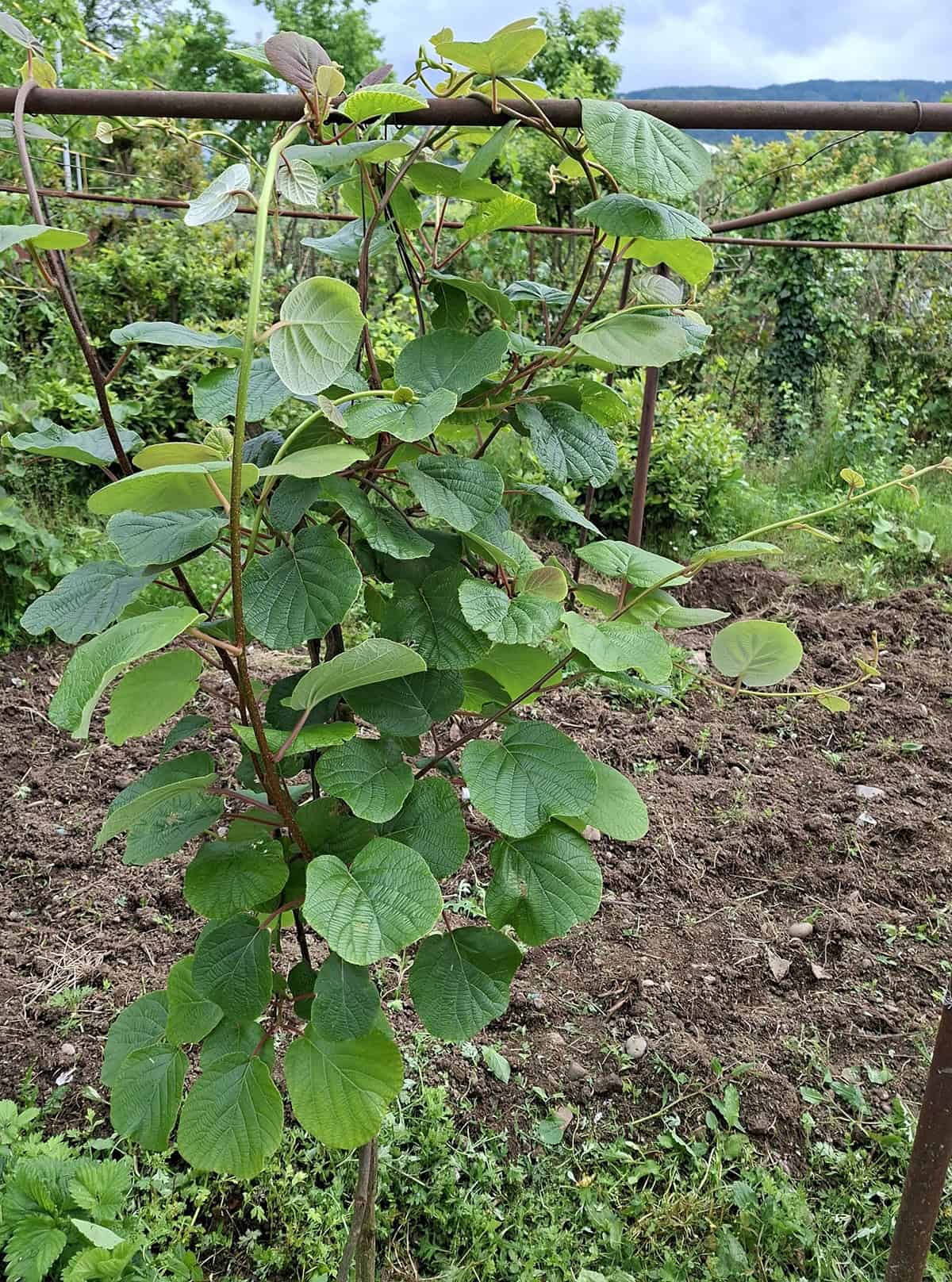
Give these vines space to run, firm support, and sharp pruners. Treat them a bit like grapes—train them hard, cut them back yearly, and expect a tangle if you slack off. Most types won’t fruit unless you’ve got both a male and a female.
Light: Needs full sun—flowers and fruit just don’t happen in the shade.
Soil: Fertile, drains well, ideally sandy loam or clay loam; pH 5.6–6.5.
Watering: Deep and regular, especially when it’s hot. Never let roots sit in soggy soil.
Temperature: Depends on the species; some take real cold, but even hardy types hate late spring frost.
Humidity: Typical outdoor humidity works; just keep the air moving to fend off disease.
Fertilizer: Nitrogen in spring and early summer, but don’t overdo it late in the season.
Propagation: Hardwood cuttings or nursery grafts.
USDA Zones: 3–9 (varies by species).
Fruiting Season: Fall—some types ripen on the vine, others need picking before they’re soft.
Vines can stretch 20 to 30 feet if you let them, so a strong trellis is non-negotiable. Prune hard in winter to keep them in check and get more fruiting wood; trim again in summer if they get unruly.
Plant Overview
Tough and woody, these vines climb with gusto if you give them something to grab. People grow them for fruit, shade, or just the sheer spectacle of their leaves. You’ll need both male and female plants for fruit unless you find a rare self-fertile one. Hardy kiwi handles the cold better than the fuzzy ones you see in stores.
Spacing matters—a crowded vine is a weak vine. Some types laugh at deep freezes, while others sulk if winters get too harsh. Fruit can be smooth or fuzzy, small or big, depending on which species you pick. Match your choice to your weather and your patience.
Botanical name: Actinidia deliciosa, Actinidia arguta, etc.
Common names: Kiwi, Chinese gooseberry, hardy kiwi.
Plant type: Deciduous perennial vine.
Mature size: 15–30 feet long, sometimes more.
Growth rate: Fast, once it settles in.
Toxicity: Fruit’s fine for people; vines aren’t listed as toxic.
Native region: China and East Asia.
Lighting Requirements
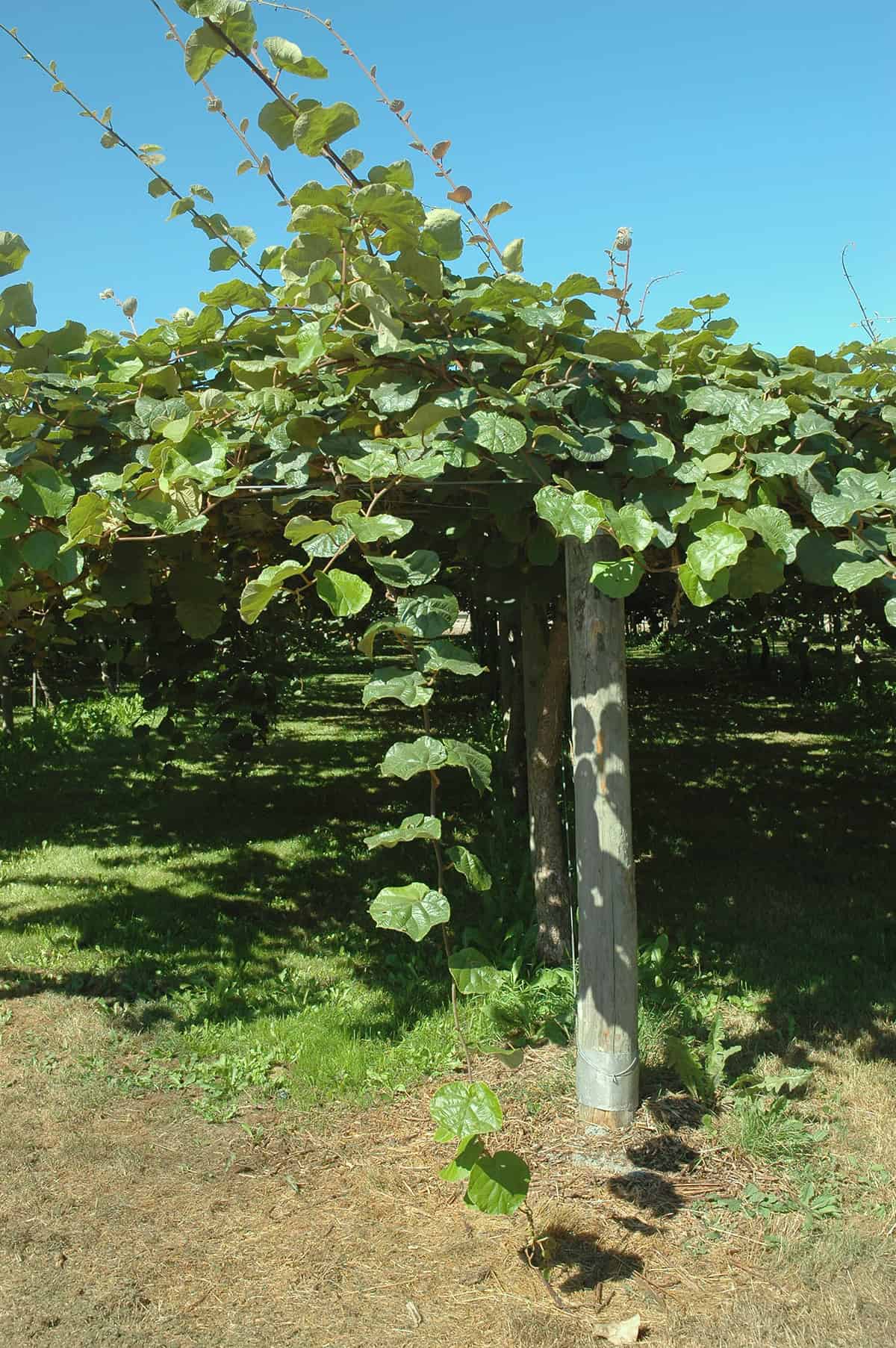
Sunlight fuels everything for these vines—flowers, fruit, strong growth. Six to eight hours of direct sun is the sweet spot. If you’re after sugar-packed fruit, don’t skimp on exposure.
In blazing inland summers, young plants can fry under harsh afternoon rays. A bit of late-day shade can help if you spot scorched leaves, but once roots are deep, mature vines shrug off heat better. Good air movement helps too, especially during sweltering spells.
Stick one in the shade and you’ll get floppy shoots and barely any flowers. Avoid planting near tall trees or buildings that hog the light. Open ground, with sun from all sides, is the way to go.
Watering Needs
When it comes to water, kiwi vines are thirsty but not fond of wet feet. Their fruit is mostly water, so dry spells shrink your harvest. Letting the soil dry out completely is a recipe for disappointment.
Soak the roots deep—think 12 to 18 inches—rather than sprinkling the surface. In most places, that’s once or twice a week, but heat and rain change the math.
Young vines especially can wilt fast, so keep an eye on them during their first couple of years. Their roots don’t reach far, so even a day or two of dryness can set them back.
Drainage really can’t be stressed enough. Soggy ground suffocates roots quickly and invites rot. If your soil’s heavy, you’ll need to improve it or plant in raised beds.
During heat waves, expect to water more. A good mulch layer helps slow down evaporation. As fall rolls in and growth slows, start backing off on water, then pick up again in spring when new shoots break out.
Soil Preferences
Roots need air as much as water, so soggy, heavy clay won’t cut it. Waterlogged soil can rot a kiwi vine in record time.
What works best? Fertile soil that drains well but still holds some moisture—sandy loam or sandy clay loam is a solid bet. If you’re stuck with pure sand, you’ll want to bulk it up with compost so it doesn’t dry out too fast.
Soil structure matters—aerated, loose ground lets roots spread deep and wide. Aim for a pH just on the acidic side, 5.6 to 6.5. Test before planting and adjust with sulfur or lime if you’re way off.
Mixing in organic matter helps almost any soil, whether you’re fighting sand or clay. Go for aged compost or fine bark, skip fresh manure (too salty). Drainage is always top priority; if your spot puddles after rain, go for raised beds.
Temperature and Humidity
Kiwi vines like their weather moderate—not too hot, not too cold. Growth really takes off between 50°F and 75°F. Hardy types can shrug off winter lows below zero, but the fuzzy supermarket kiwis get cranky below 10°F. Matching the right species to your local climate is the only way to avoid heartbreak.
Spring frost is the big killer—new shoots can blacken if temps dip to freezing, even briefly. It’s worth planting on a slight slope or away from frost pockets. Row covers help in a pinch if a late cold snap threatens.
Long stretches above 90°F can stress vines and knock back fruit set. Keeping the soil evenly moist helps them cope with heat. Humidity isn’t usually a problem, but crowded, damp air can invite disease—keep things breezy around the vines.
Fertilization Guidelines
Feeding kiwi vines is about timing and restraint. They need nitrogen to get going in spring, but too much, especially late, just gives you a mess of soft shoots and not much fruit.
Test your soil before you start, and every few years after. Keep pH in the 5.6–6.5 range. Lime or sulfur can nudge things up or down as needed, but don’t guess—test.
First-year vines only need a light touch—just a bit of balanced fertilizer in early spring, scattered around but not against the trunk.
On older plants, split your nitrogen: once in early spring, once in late spring, then stop. Feeding too late pushes tender growth that winter will just kill off.
Compost is your friend—finished stuff, not fresh manure. It keeps nutrients steady and the soil loose. Watch the leaves: pale means too little nitrogen, burnt edges can mean too much or salt buildup. Adjust as you go; there’s no set-it-and-forget-it here.
Growing in Containers
For pots, size matters—a 15 to 25 gallon container with big drainage holes is the bare minimum. Set up your trellis or stake right away, because these vines don’t wait around. They need depth and room to stretch their roots. Use a rich potting mix with compost, not dense garden dirt that will turn to concrete.
Full sun is non-negotiable—six to eight hours or more. Water when the top two inches of soil feel dry, but don’t let the root ball bake. Fertilize every month or so from spring through late summer, then ease off so the plant can harden up for winter.
If winter gets colder than your vine’s rating, drag the pot into a garage or shed. If you have to leave it out, wrap the pot in burlap or foam to protect roots. Prune hard every winter to keep the vine from taking over and to renew fruit wood. With both male and female vines (or a self-fertile one), expect fruit within three to five years.
Potting and Repotting
Starting a kiwi in a big pot gives you some flexibility early on. Pick one at least 18 to 24 inches across with good drainage. Heavy pots help keep top-heavy vines from toppling.
Loose, airy potting mix is key—pine bark with a bit of peat, or a standard nursery blend, both work. Keep pH in the 6.0–6.5 zone. Avoid heavy garden soil that stays wet too long.
In hot weather, daily water might be needed if the plant’s still in a small container. Kiwi roots hate drying out but also can’t stand soggy soil. Ease up on water in cooler weather, but don’t let the root ball turn bone dry.
A slow-release fertilizer twice per growing season is enough. Go with something balanced like 18-6-12, and stick to the label. Too much nitrogen just makes for floppy, weak growth.
When roots start circling or crowding, it’s time to upgrade the pot. Move up a size, replace most of the old mix, stake the stem, and tie it up straight.
Pruning Practices
Pruning isn’t optional—it’s how you keep kiwi vines from swallowing your garden and actually get fruit. Yearly cuts are a must, both to rein in growth and to renew fruiting wood. Skip a year, and you’ll be untangling a mess with barely any harvest.
In winter, go after the fruiting laterals—cut them back to 8–10 buds, and clear out anything weak or damaged. Pick one strong trunk and a few main arms to train along your trellis. This setup lets in light and air, which is half the battle.
Summer’s about keeping things in check. Shorten wild shoots, clip off water sprouts that shade fruit, and thin the canopy so sunlight gets through. Don’t chop too much late in the season—next year’s crop depends on what you leave.
Hardy kiwis can put on several feet of growth in a season, so don’t be shy. The balance is always between leafy growth and fruit; too much of one, you lose the other. Keep your pruners sharp and clean to avoid spreading disease.
Propagation Methods
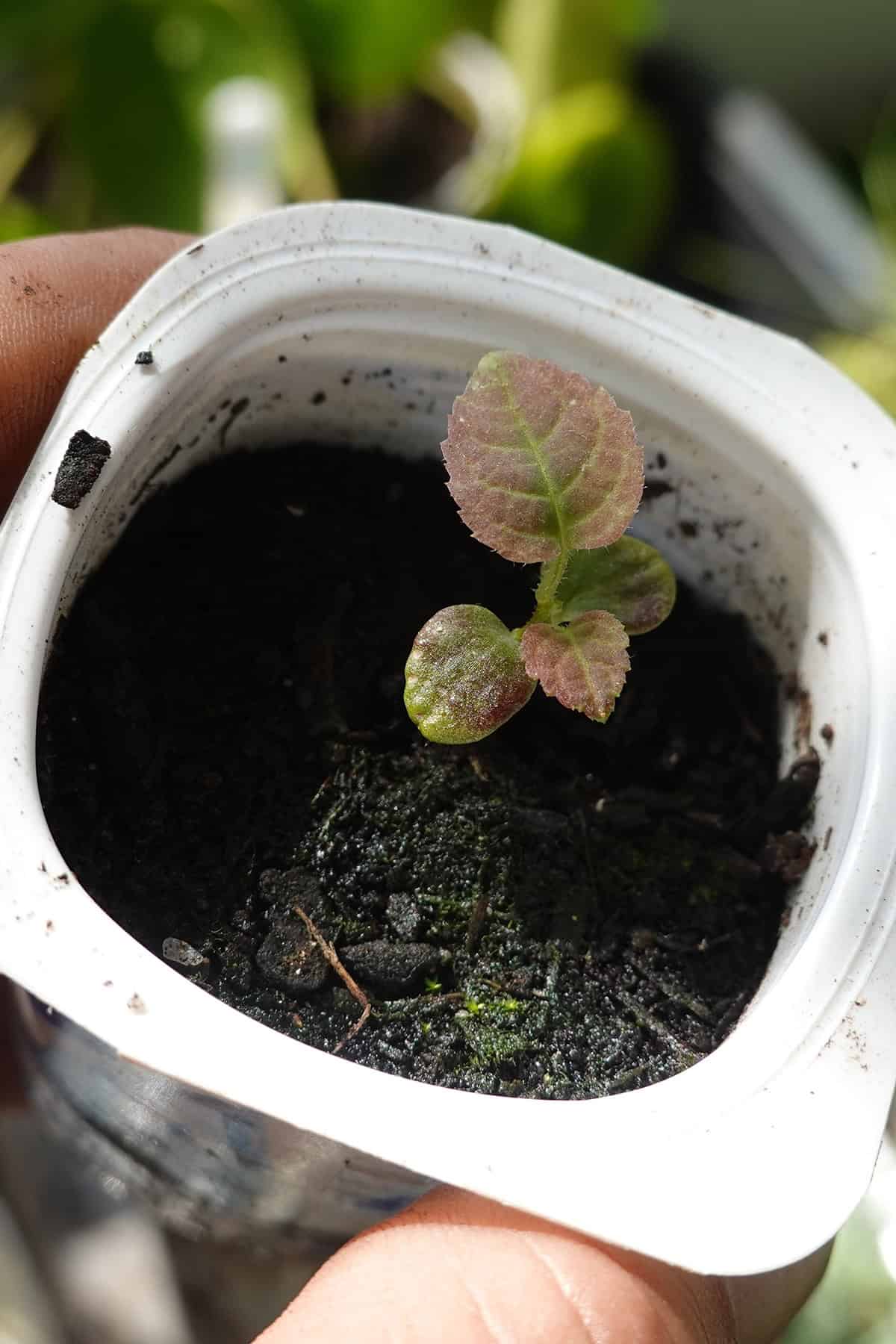
There are a handful of ways to make new kiwi vines—softwood cuttings, hardwood cuttings, grafting, or even seed—but most folks stick with cuttings if they want predictable results and a faster path to fruit.
Softwood cuttings work best in early summer when stems are firm but still bendy. Snip pieces 6–8 inches long, strip off the lower leaves, and stick them in a moist, airy rooting mix. Keeping humidity high and light bright (but indirect) helps them root.
Hardwood cuttings are another route, taken in winter when the vine’s dormant. Use healthy one-year wood, cut into chunks with several buds, and plant them in a nursery bed or pot with sharp drainage. They’re slower to root, but reliable in milder climates.
Grafting is mostly for nurseries or those who want to match a great fruiting variety with a strong rootstock. It’s usually done in late winter while everything’s still asleep. This way, you know exactly what you’re getting.
Seeds are a gamble. Sure, they’ll sprout, but you might end up with a male vine or something with weird fruit. Use seed only if you’re feeling adventurous.
Fruiting and Harvesting
No male, no fruit—it’s that simple. Male vines provide pollen, females give you kiwis. One male can handle pollinating several females if their bloom times line up. Some newer types are self-fertile, but even then, cross-pollination can bump up fruit size.
You’ll wait three to five years for your first crop. They need a long, frost-free stretch, especially the fuzzy types (Actinidia deliciosa). Hardy kiwis (A. arguta) endure colder winters but still need protection from late frosts during bloom.
Ripening time depends on the species and your climate. Fuzzy kiwis usually get picked firm in late October, then soften in storage. Hardy kiwis can sweeten right on the vine, but once soft, they don’t keep long.
Best way to tell if they’re ready? Taste and feel. Harvest when fruit is firm but gives a little—too hard and it won’t ripen off the vine, too soft and it won’t store. Let them soften at room temperature before eating. Store firm fruit cold (32–35°F) to stretch out your stash.
Common Problems
Soggy ground spells trouble for kiwi vines—roots crave just as much air as moisture. If water lingers for days, roots end up suffocating, and before long, root rot sneaks in. Oddly enough, leaves might wilt, yellow, or even drop off, even though the soil feels wet to the touch.
Too much watering only digs the hole deeper. It’s smarter to seek out spots where water doesn’t pool, and to break up heavy clay with generous helpings of compost or other organic matter before you even think about planting.
Sudden cold snaps can be brutal. Late frosts have a nasty way of zapping new shoots and flower buds. If you catch sight of blackened tips or wilted baby leaves after a chilly night, that’s probably the culprit.
Blustery days aren’t kind either. Without sturdy support, those long, eager shoots are liable to snap. Even the fruit isn’t safe—constant rubbing against stems or wires leaves scars and dings, which just drags down the quality.
Bugs come out swinging in the heat. Japanese beetles seem to have a personal vendetta against kiwi leaves, chewing them into ragged lace. If they get out of hand, vines weaken and fruit yields take a hit.
Hand-picking beetles works if you don’t have too many plants. For aphids and other soft-bodied pests, a careful spray of insecticidal soap can help—just make sure every leaf gets covered, and always double-check the label so you don’t scorch the foliage.
When leaves start to look pale, or fruit sets poorly, nutrients might be out of whack. Low nitrogen shows up as faded leaves, while boron shortages sometimes mess with fruiting. A soil test before planting can save a lot of headaches down the road.
Popular Varieties
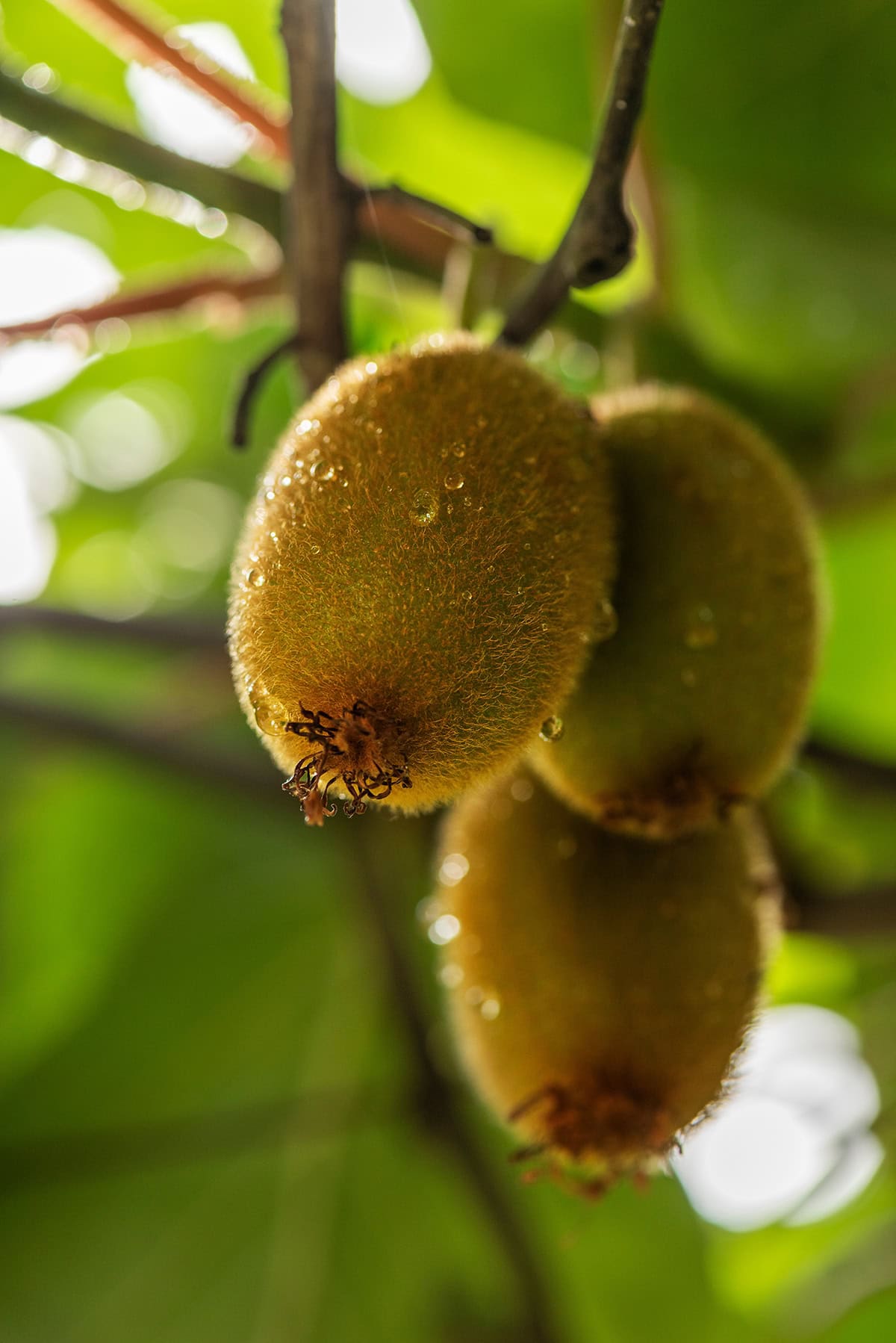
Depending on where you live and what you’re after, the world of kiwi offers some genuinely distinct personalities. Think of the classic fuzzy kiwi (Actinidia deliciosa)—that’s the one you’ll spot in supermarkets, the familiar brown fuzz giving way to bright green flesh. ‘Hayward’ dominates home gardens in milder pockets, known for its hefty size. For pollination, ‘Matua’ steps in as a solid male companion, though it’s not the main event.
Switching gears, golden kiwi (Actinidia chinensis) brings a smoother skin and golden interior, but it’s a bit picky about the weather—really wants warmth, not a hint of frost. Some gardeners find it a challenge outside reliably temperate zones, which, honestly, adds to its allure if you can pull it off.
Now, for those battling colder winters, hardy kiwis like A. arguta and A. kolomikta change the game. These little guys, often called kiwiberry or grape kiwi, skip the fuzz and offer up bite-sized, smooth-skinned fruit you can eat whole. ‘Ananasnaya’ stands out for its flavor and steady performance, while ‘Geneva’ and ‘Ken’s Red’ have built their own reputations in chillier backyards.
Curiously, ‘Issai’—a partially self-fertile A. arguta—sometimes manages fruit solo, though it definitely appreciates a partner for better crops. It’s not the most vigorous grower, but for some, the convenience wins out.
Up where winters bite hardest, Arctic kiwi (A. kolomikta) doesn’t flinch. Some male plants even throw a surprise with pink-variegated leaves, adding a splash of color to the garden long before any fruit appears.