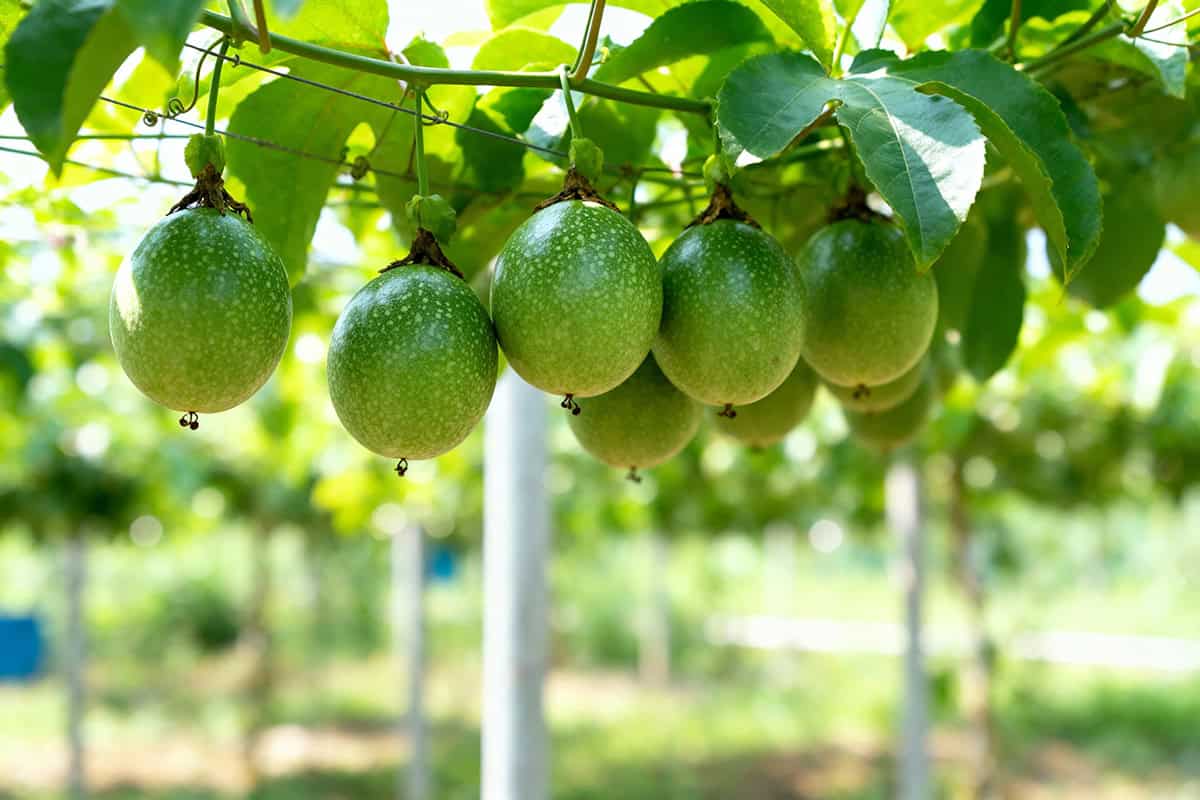
A healthy passion fruit vine quickly becomes one of the highlights of the garden. Long climbing stems, striking blooms, and colorful fruit create interest through much of the year. This guide explains the care routine that encourages steady growth and reliable harvests.
Table of Contents
Quick Care Summary
There’s a wild energy to this vine—it’ll take off if you let it, so strong support is a must from day one. Sun, warmth, and consistent moisture keep it happy. Prune often or you’ll end up with a jungle instead of a garden.
- Light: Needs full sun for a heavy crop; can limp along in light shade
- Soil: Sandy loam that drains quickly; pH sweet spot: 6.5–7.5
- Watering: Keep it moist but not soggy
- Temperature: Loves the heat; hates frost
- Humidity: Does best with some humidity in the air
- Fertilizer: Balanced feed during the growing season
- Propagation: Seed, cuttings, or layering
- USDA Zones: 9–11 for Passiflora edulis; a few types can handle cooler spots
- Fruiting Season: Late summer into fall in warm areas
Set up a sturdy trellis or fence before you plant—this vine can stretch anywhere from 12 to 30 feet, depending on how happy it is. Prune after fruiting to keep things under control.
Soil moisture needs to stay even, especially when it’s flowering or setting fruit. Don’t drown it, though—bad drainage leads to root rot. Feed it while it’s growing to keep the flowers and fruit coming.
Plant Overview
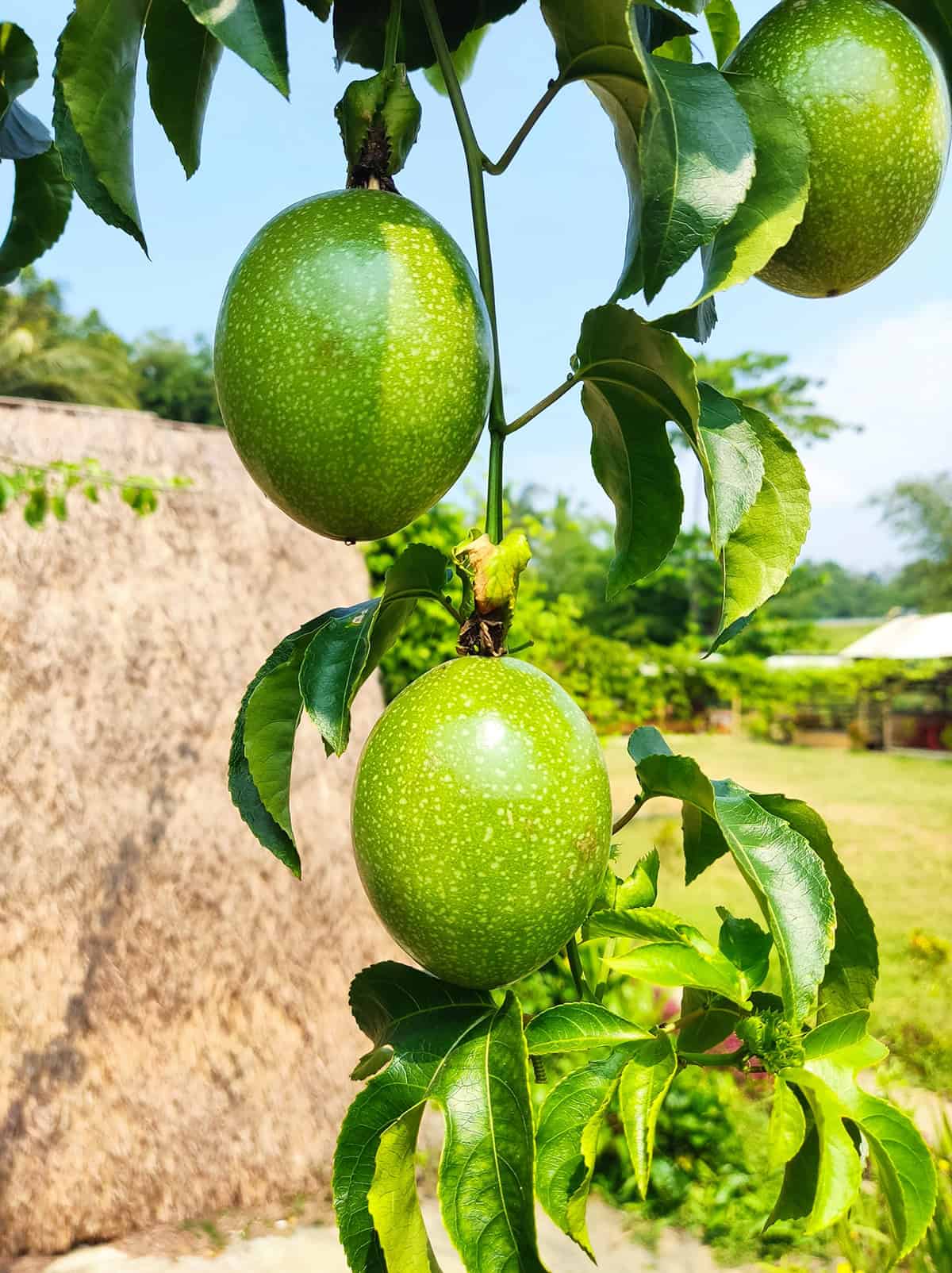
Those round or oval fruit with their tough rinds and tropical scent—Passiflora edulis is grown as much for its looks as its flavor. Some call it passionfruit vine, others just passiflora; either way, it’s a showstopper.
Climbing fast, this tropical-to-subtropical perennial needs something to cling to. Trellises, fences, even walls—if it can grab on, it’ll climb. Its roots stay near the surface, so soil that drains well is non-negotiable.
- Botanical name: Passiflora edulis
- Common names: Passion fruit, passion fruit vine, passionfruit plant, purple granadilla
- Plant type: Evergreen perennial vine
- Mature size: 15–30 feet long with support
- Growth rate: Fast if it’s warm enough
- Toxicity: Rind and unripe fruit can upset the stomach; pulp’s the good part
- Native region: Southern Brazil, Paraguay, northern Argentina
Some vines produce purple fruit with richer flavor; others, yellow fruit that often resist disease better and thrive in hotter regions.
- Light: Full sun by the coast; a bit of afternoon shade inland helps
- Soil: Sandy loam, drains fast, pH 6.5–7
- Watering: Deep and regular, but don’t let it sit wet
- Temperature: Likes it between 68–82°F
- Humidity: Prefers it on the higher side
- Fertilizer: Balanced feed while it’s growing
- Propagation: Seed, cuttings, or grafting
- USDA zones: 9–11 for reliable outdoor growth
- Fruiting season: Late summer to fall in warm regions
Light
Bright, direct sun is the difference between a leafy vine and one loaded with fruit. Aim for at least six hours of full sun daily—more is better, as long as leaves aren’t burning.
Inland, where summer heat gets brutal, a little afternoon shade can save leaves from crisping up. Coastal gardeners rarely need to worry about this. If you notice long stretches between leaves, it’s probably craving more sun.
Growing indoors? Set your pot near a sunny, south- or west-facing window. Grow lights can fill in the gaps when winter days get short. Just keep them close enough for brightness but not so close they scorch the leaves.
Young vines handle changes best when you ease them into more light over a week or two. Sudden exposure can shock them and cause leaves to drop.
Without enough sun, you’ll get lots of green but not much else. Flowers and fruit need direct, reliable sunlight to really show up.
Water
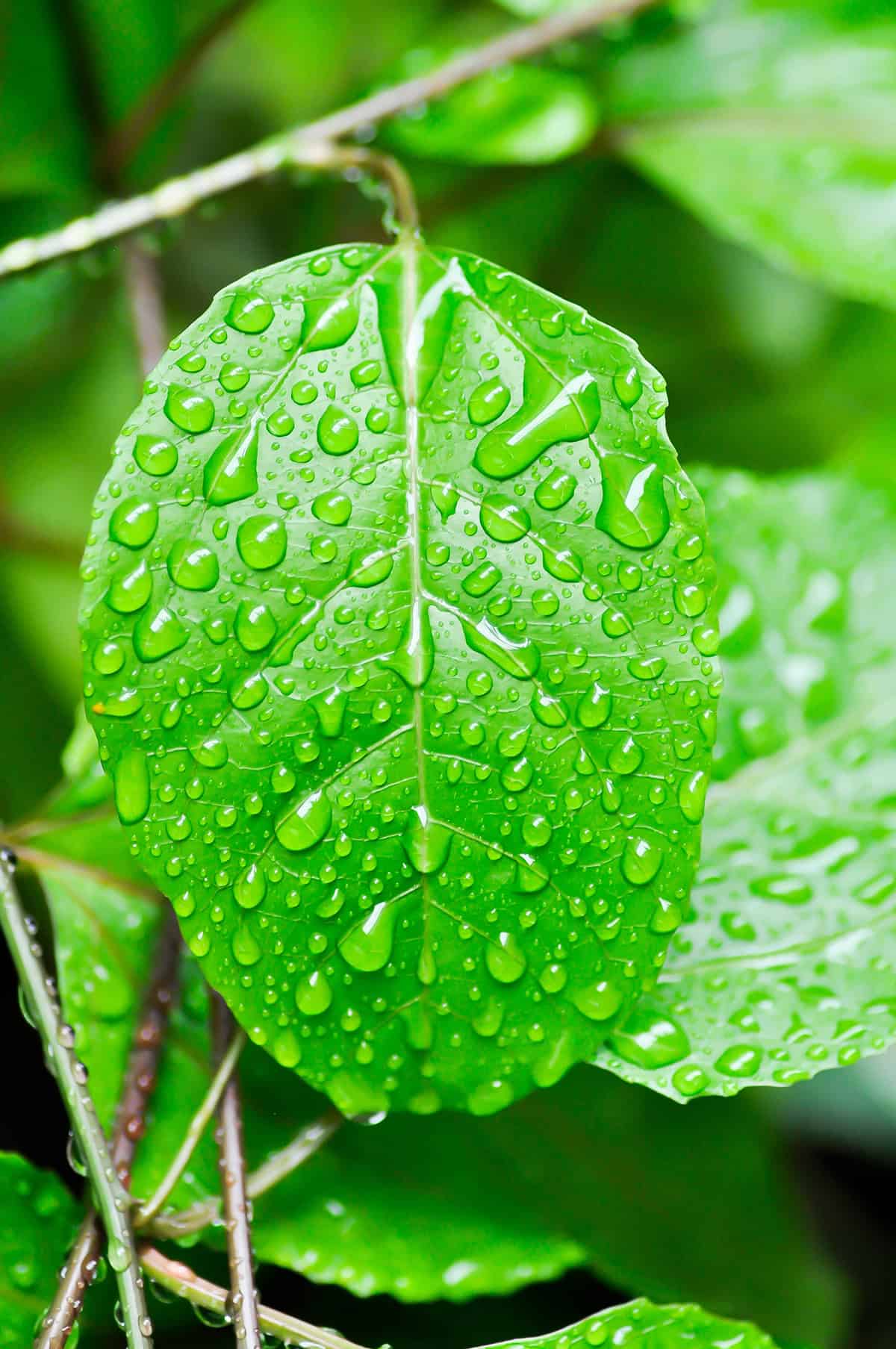
Keeping the soil evenly moist is key—let it dry out too much and the vine sulks, but soggy roots spell trouble. Water deeply so the moisture reaches the whole root zone, but wait until the top inch feels dry before watering again.
In warm weather, watering once or twice a week is usually enough. Hot, dry spells (or young plants) might need more frequent attention. When things cool down, ease off. Stick a finger in the soil to check before you reach for the hose.
Good drainage is everything. Sandy loam with a bit of organic matter holds moisture without turning swampy. Mulch helps keep roots cool and moist, but don’t pile it up against the stem—rot loves that.
Potted vines dry out faster than those in the ground, so check them often. Never let containers sit in water. Consistent moisture leads to better fruit, while erratic watering can cause flowers to drop or fruit to stay small.
Soil
Roots want room to breathe, not to swim. Loose, sandy loam that drains fast is ideal. Heavy clay? That’s a recipe for root rot and lackluster growth.
Shooting for a pH between 6.5 and 7.0 keeps nutrient uptake humming along. The vine will tolerate more acidic or slightly alkaline soil, but fruit production can suffer if the pH drifts too far.
Drainage trumps richness for these vines. Purple types, especially, are quick to fail in wet, heavy ground. If your soil’s dense, consider raised beds or mounds to keep roots drier.
Roots tend to sprawl near the surface, so a light mulch layer helps guard against heat and moisture loss. Just don’t let it touch the stem—crown rot is a pain to fix.
Avoid planting in compacted ground. Loosen up at least a foot deep before setting the vine in. That gives roots a fighting chance to anchor and spread out.
Temperature & Humidity
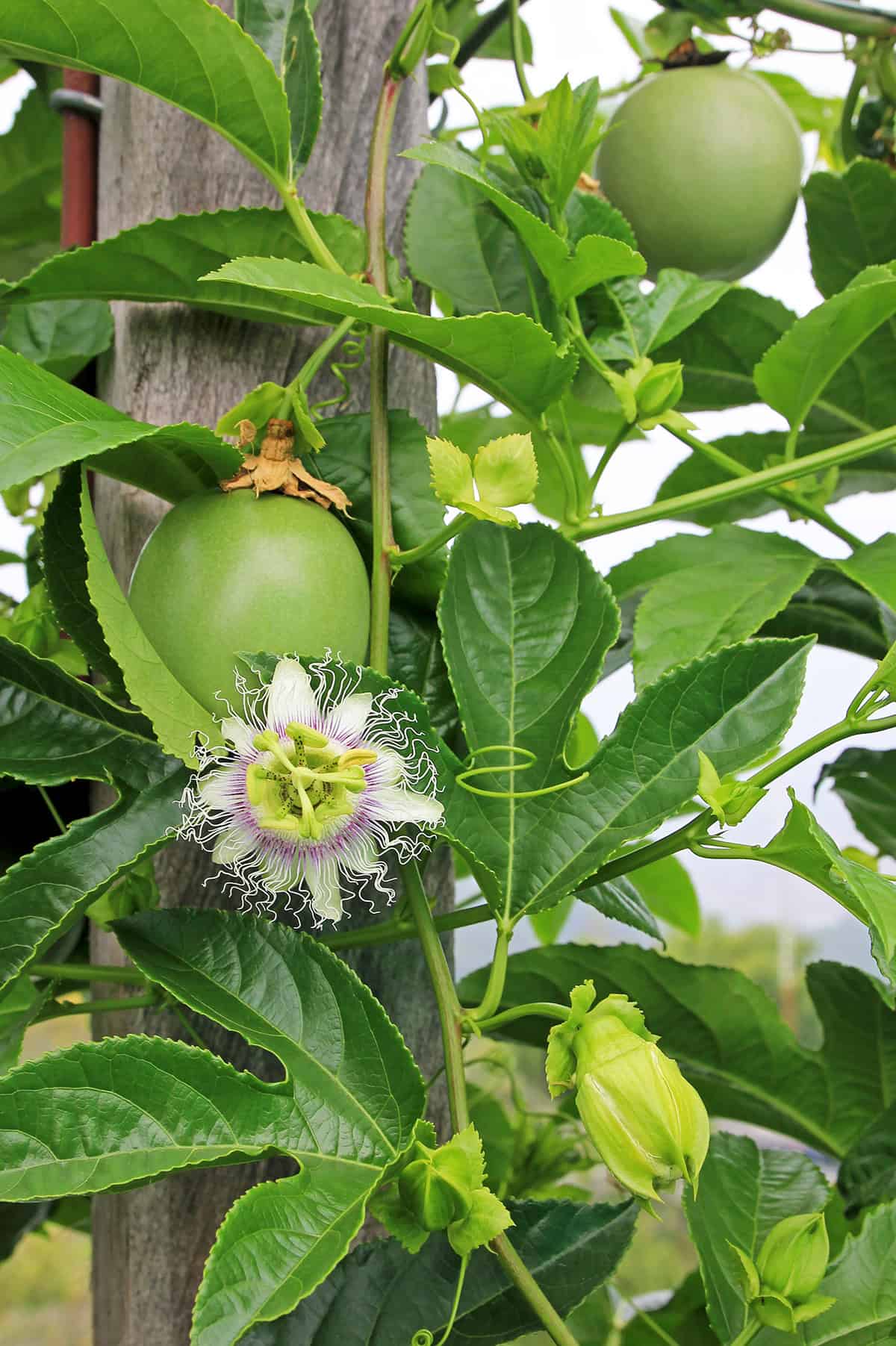
Warmth fuels growth and fruiting—temperatures between 65°F and 85°F are the sweet spot. Once things dip below 55°F, growth slows. A hard frost? That can knock the vine back to the ground.
Zones 9b and up are the natural home for most passion fruit vines. In cooler areas, a big pot lets you haul the plant indoors before the first freeze. Bright rooms above 60°F work best. Drafty spots near doors or windows are risky.
Humidity keeps the leaves lush and flowering steady. Dry air can cause leaves to drop and fruiting to slow. In arid regions, deep watering and mulch go a long way to keep roots cool. Good air movement helps fend off disease when humidity runs high.
Fertilizer
Nutrient-hungry vines need regular feeding if you want a real harvest. A balanced fertilizer—something with similar amounts of nitrogen, phosphorus, and potassium—does the job. Start in early spring and repeat every four to six weeks through summer.
Young plants seem to like lighter, more frequent doses. Mature vines need more food, but don’t overdo it all at once. Go easy on nitrogen—too much and you’ll get leaves at the expense of fruit.
Cold soil in winter can lock up nutrients, sometimes causing leaves to yellow between the veins. Once things warm up, a balanced feed usually sorts that out. If not, consider checking the soil pH—staying near 6.5 to 7 is best.
Adding compost each year keeps nutrition steady and the soil lively. Keep fertilizer and compost a bit away from the main stem to protect those shallow roots. Always water well after feeding to move nutrients into the root zone.
Growing in Containers
For patios or balconies, a big pot gives the vine plenty of space to work with. Look for a container that holds at least 15 to 20 gallons and has solid drainage holes. Fill it with a rich, free-draining mix and aim for a near-neutral pH.
Find a sunny spot—full sun near the coast, or a little afternoon shade if you’re inland and it gets scorching. Set up a trellis or obelisk in the pot right from the start. As stems grow, tie them loosely for support and to keep fruit off the ground.
Water deeply when the top couple inches of soil feel dry. Pots dry out faster than garden beds, so stay alert but don’t let roots sit in water. Feed with a balanced fertilizer every month or so during spring and summer.
Cold snaps are tough on potted vines. Move the container inside or to a sheltered nook if frost is coming. Purple types shrug off a bit of chill better than yellow, but neither likes freezing. Prune back in late winter to manage size and encourage new fruiting wood.
Potting & Repotting
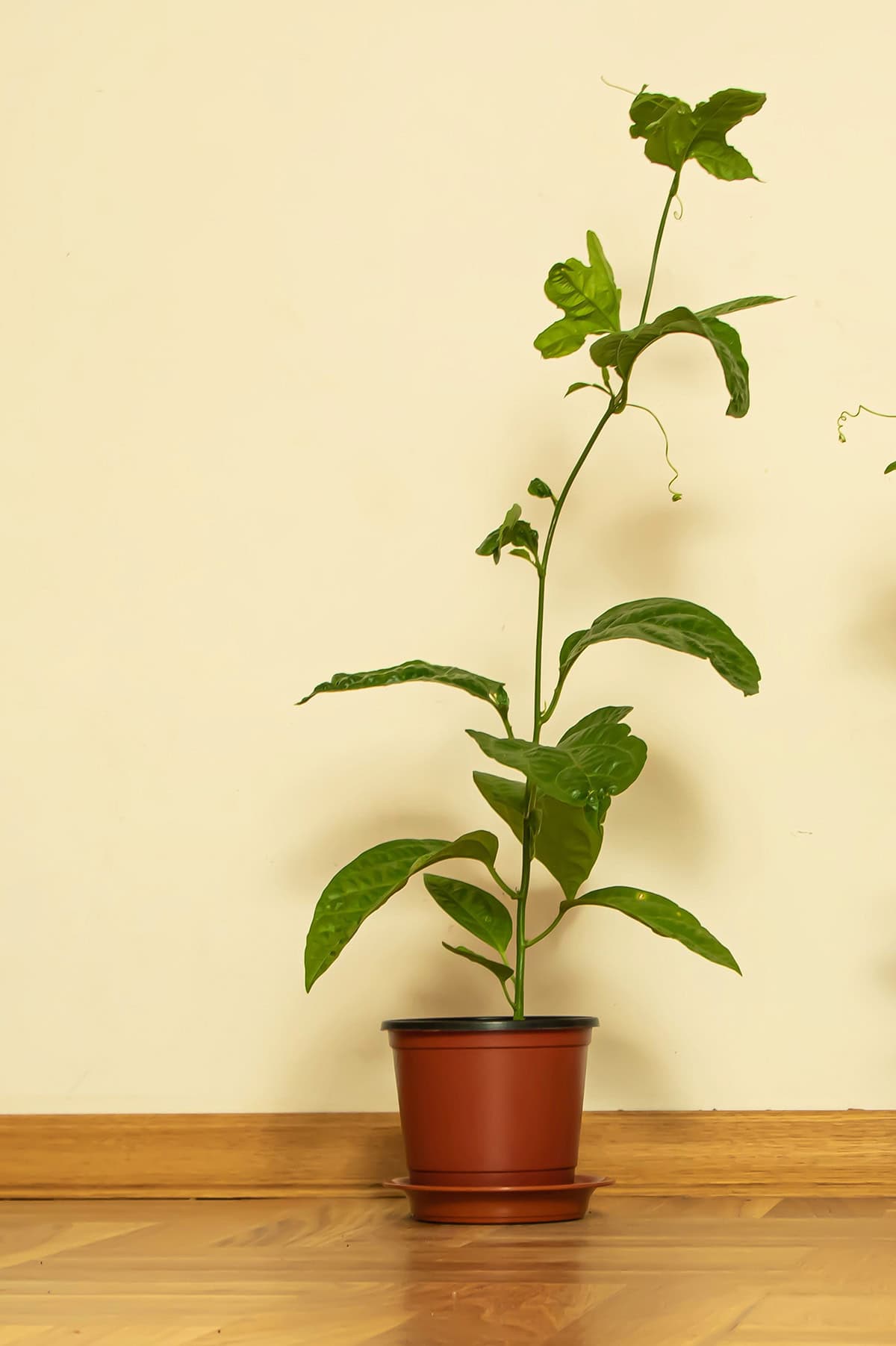
Start with a container that drains well—gravel at the bottom helps. Use a loose, rich potting mix and skip heavy garden soil. Plant so the root ball sits at its previous depth; firm the soil, water well, and let extra water drain away. Don’t leave pots in standing water.
Take a look at the roots every year. If they’re circling the pot or packed tight, size up to a slightly bigger container. Loosen any tangled roots before adding fresh soil. Water in well to settle everything.
Repotting every two to three years works for most climates, or sooner if growth stalls or fruit shrinks. Choose a container sturdy enough to support both vine and trellis. After moving, keep the soil moist but not soggy and give it plenty of sun and warmth.
Pruning
Pruning is less about perfection and more about keeping chaos at bay. Left unchecked, passion fruit vines will smother everything in reach, and tangled stems block light and air, inviting disease.
Late winter or early spring is the best time to get in there, before growth surges. In really warm regions, trimming after harvest works too. Start by cutting out anything dead, weak, or overcrowded. Shorten long shoots to keep a tidy framework.
Side shoots can be cut back to two or three buds from the main stem. Always use sharp, clean tools and cut just above a healthy bud. If you need to reduce size drastically, leave a few strong stems to carry next season’s crop. After frost, cut back to live wood once things warm up.
Pinching back soft tips in summer helps direct energy to fruit instead of more vine. Don’t scalp too many leaves, though—fruit needs sugar from that foliage. Burn or trash diseased prunings to keep pests and problems from returning.
Propagation
Seeds, cuttings, or grafted plants—each route has its quirks. Seeds are cheap and easy, but cuttings and grafts get you fruit faster and more reliably.
For seeds, grab them from ripe fruit, rinse off the pulp, and let them dry for a day. The tough seed coat slows things down, so a quick rub with sandpaper helps water get in.
Sow seeds half an inch deep in loose, well-draining mix. Keep the soil moist but not soggy, and aim for warmth (70–85°F). Sprouting can take anywhere from two to four weeks.
Once seedlings have several true leaves, transplant them to a sunny, well-drained spot, spacing them 8 to 10 feet apart. Set up a trellis before planting, and keep young vines well-watered until roots settle in.
Cuttings clone the parent, giving predictable results. Snip a 6-inch piece of healthy stem, strip the lower leaves, and stick it in moist potting mix. Warmth and humidity speed rooting, usually within a few weeks.
Grafted plants are the pro’s choice, especially where soil diseases are a headache. Buy grafted vines from a reputable nursery if you need extra vigor or disease resistance.
Fruiting & Harvest
Spring and early summer bring those wild, intricate flowers. Bees and other pollinators usually do the work, though some yellow types require cross-pollination for a decent crop. Purple varieties often set fruit on their own.
If fruit set disappoints, planting a second vine can boost pollination and yield. Warm days between 68°F and 82°F are prime time for flowering and fruit development.
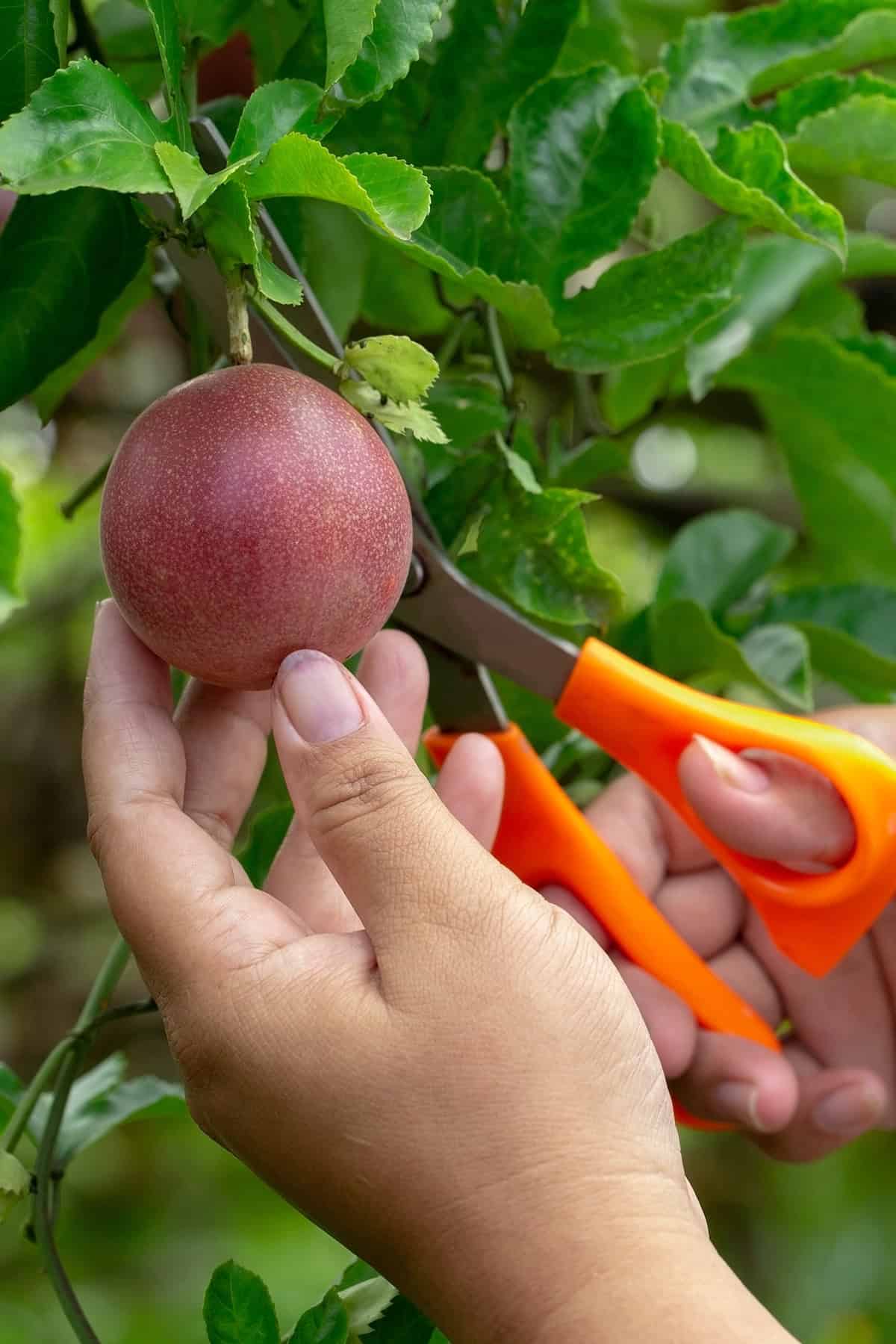
Ripening takes about seven or eight weeks after pollination. Ripe fruit shifts from green to deep purple or yellow, depending on the type. A bit of wrinkling in the skin? That’s usually the sign of peak flavor.
Some gardeners let fruit fall to the ground before picking, which tends to mean it’s fully ripe. Otherwise, twist fruit gently from the vine when it feels heavy and colored up. Don’t yank—roots are shallow and easily disturbed. Store at room temperature for a couple weeks, or chill to keep longer.
Seed-grown vines take two to three years to start producing. Cuttings and grafted plants often reward you sooner, especially with good care.
Common Problems
Young shoots seem to attract all the wrong attention—aphids, whiteflies, and those relentless spider mites zero in on fresh growth, draining sap and sapping the plant’s energy. A quick evening spray with insecticidal soap or neem oil usually keeps things in check, plus it spares the leaves from sunburn.
Chewed leaves and ragged edges? That’s usually the handiwork of caterpillars. Dusting the soil with diatomaceous earth helps fend off crawling pests, while beneficial nematodes work quietly below the surface, targeting larvae before they cause trouble. It’s worth peeking under leaves now and then—catching issues early makes a world of difference.
When disease crops up, fruit production can nosedive. Woodiness virus is particularly rough—thick, distorted fruit and blotchy leaves are telltale signs. There’s no real fix, so pulling up and destroying affected vines is the only way forward. Keeping insect vectors at bay helps slow its march.
Too much water hanging around the roots spells disaster. Wilting, yellowing, and leaf drop despite soggy soil almost always point to root rot. Swapping out dense soil for something lighter and only watering once the surface dries up can help dodge this mess.
Stressful weather or uneven care? It’s not unusual for fruit to drop before ripening. Inconsistent watering, off-balance nutrients, or wild temperature swings are common culprits. A steady hand with moisture and a balanced feed during growth can really tip the odds in your favor.
Varieties
Some gardens just feel livelier with passion fruit scrambling along a fence, but not every type thrives everywhere. The color of the fruit, how much cold the vine can take, and the way it grows all play into which one ends up working best for you.
Tucked into subtropical backyards, Passiflora edulis—the purple-skinned one—often steals the show. When winter’s not too harsh, these round or oval fruits develop a deep hue and a flavor that’s both sweet and tart. It’s a favorite for eating fresh off the vine. And, if your area gets the occasional light frost, this one usually bounces back better than the more tropical sorts.
Head further into the tropics and the yellow variety, Passiflora edulis flavicarpa, takes over. These vines don’t hold back—they grow fast, cover a lot of ground, and their bright yellow fruit packs a punchier tang. Juice makers tend to lean toward this kind, probably because the yield is generous and the flavor stands out.
Some folks go for named cultivars like Panama Gold and Panama Red. The Gold version is especially robust, pumping out big, yellow fruits and rarely slowing down. Panama Red, on the other hand, leans toward purple or reddish fruit and seems happiest in steamy, frost-free places. Both need warmth to really shine.
Up north, where winters bite a bit harder—think USDA zones 7 to 9—Passiflora incarnata (maypop) sometimes surprises people. The fruit is smaller, sure, but the vine shrugs off cold much better than its tropical cousins.
Honestly, picking the right passion fruit comes down to your yard’s quirks: how cold it gets, how hot summers run, and whether you care more about fruit size or vine toughness. Even pollination can be a little unpredictable, depending on which species you plant.