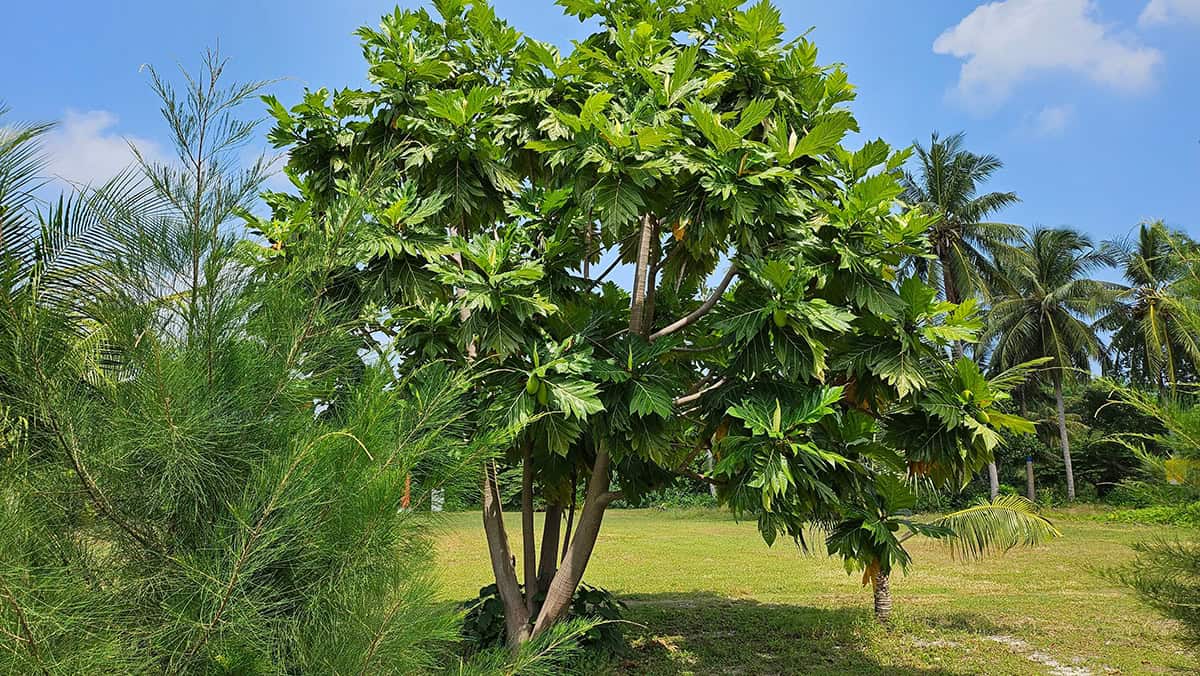
Planting a breadfruit tree is an investment that pays off year after year. A healthy tree produces an abundance of large fruits while adding lasting beauty to the yard. Good growing habits early on help avoid many common problems later. Keep reading for practical tips that make breadfruit care much easier.
Table of Contents
Quick Care Summary
Sticky heat and lush air—breadfruit just won’t settle for less. If you can offer warmth, moisture, and elbow room, you’ll get those big, starchy fruits on cue.
Growth takes off with strong sun and regular attention. Pruning isn’t just for shape—it keeps fruit within reach and lets air slip through, which discourages fungus from setting up shop.
- Light: 6–8 hours of direct sun, minimum; more if you can manage
- Soil: Deep, drains fast; sandy loam is ideal but flexible if water moves through
- Watering: Moist but never soggy; check often, especially in heat
- Temperature: 60–95°F; frost is a dealbreaker
- Humidity: High is best; anything under 50% and leaves start to protest
- Fertilizer: Balanced feed in the growing season; organic matter keeps roots happy
- Propagation: Root suckers, cuttings, air layering, or seeds (if you luck into a seedy type)
- USDA Zones: 10–12; South Florida is about as far north as it’ll go
- Fruiting Season: Usually late summer into fall, but it shifts by region and tree
Plant Overview
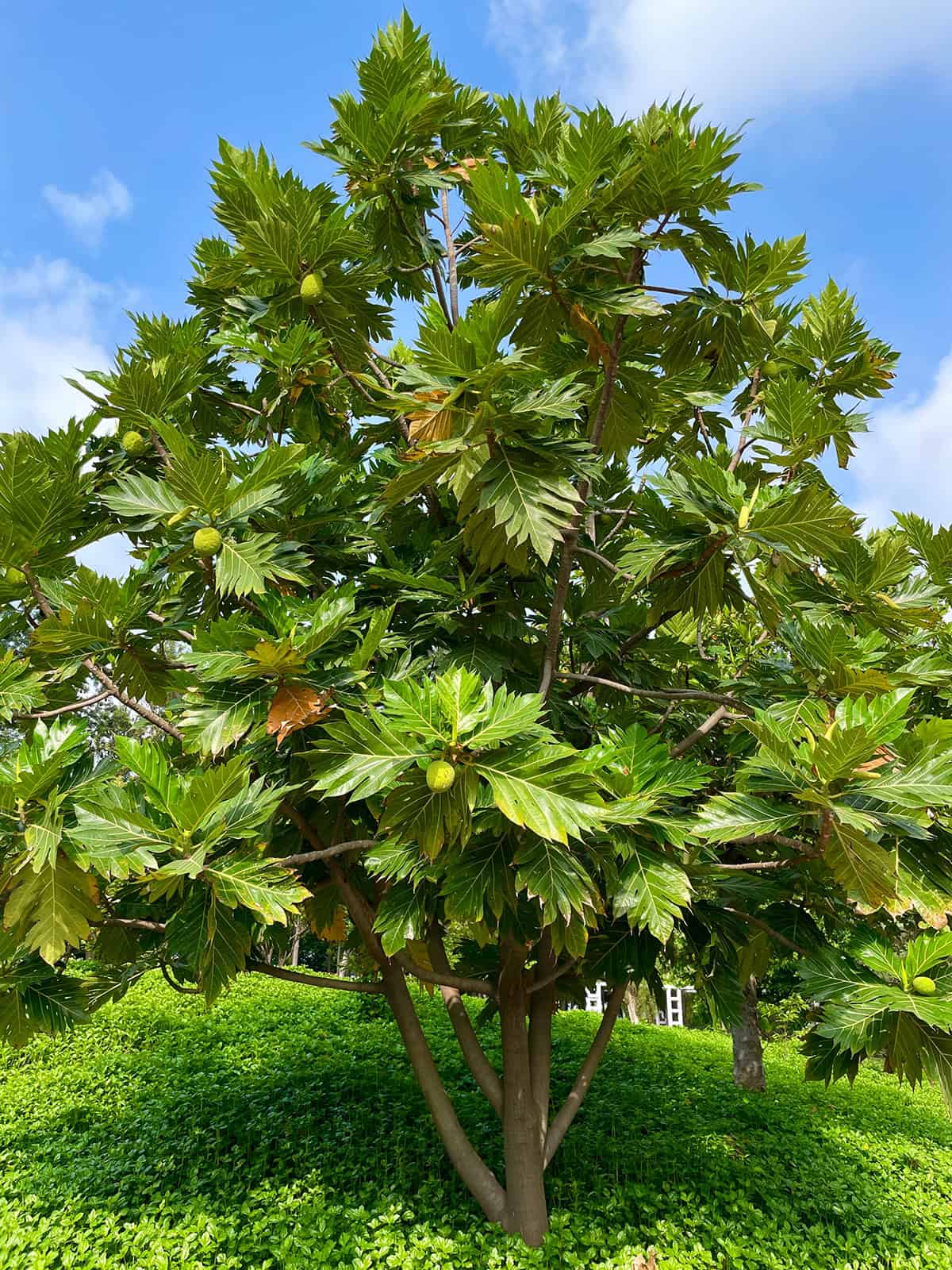
Under the canopy of a mature breadfruit (Artocarpus altilis), you’ll find dense shade and—eventually—enough fruit to feed a crowd. The flavor’s somewhere between fresh bread and potato, with a hint of plantain if you catch it at the right stage. It’s part of the same family as jackfruit and mulberry, which makes sense when you see the massive leaves and spreading form.
Mature trees often tower 40 to 50 feet, with a reach to match. In true tropical heat and humidity, growth can be surprisingly quick. Once roots settle in, fruiting isn’t far behind.
Plant Profile
- Botanical name: Artocarpus altilis
- Common names: Breadfruit, ʻulu
- Plant type: Tropical fruit tree
- Mature size: 40–50 ft tall, wide canopy
- Growth rate: Moderate to fast in ideal climates
- Toxicity: Fruit edible when cooked; sap may irritate skin
- Native region: South Pacific
Breadfruit’s at home in frost-free, humid lowlands. It adapts to plenty of well-drained soils, which is why you’ll find it in backyard gardens, mixed farms, and agroforestry plots across the tropics.
Light
Sunlight can make or break a breadfruit’s ambitions. At least six hours of direct sun is the bare minimum—eight is better. If the canopy gets enough light, you’ll see more fruit and a sturdier, fuller shape.
Don’t tuck it beside tall buildings or under big trees. Shade will slow it down and cut fruiting. Younger trees might cope with a bit of dappled shade, but as they mature, they want nothing blocking their sky.
In those scorching inland areas, a little late-day shade might help leaves from crisping. Along the coast or in true tropics, full exposure is rarely a problem. For potted trees, chase the brightest spot you’ve got and rotate the container now and then so growth doesn’t lean.
Water
Moisture is a constant need, especially while the roots are settling in. Dry spells can stall growth or cut your crop in half. During the first couple of years, deep watering two or three times a week is usually about right if rain is scarce.
Older trees shrug off brief dry spells but still show their best with regular water. The trick is to keep soil moist several inches down—never soggy, never bone-dry. In hot stretches, check more often; soil dries out fast.
Drainage is non-negotiable. If roots sit in water, diseases like Phytophthora can take hold. When rain doesn’t quit, back off on irrigation and keep an eye out for pooling. In places with 60 to 150 inches of rain annually, nature usually covers most of your watering chores.
Soil
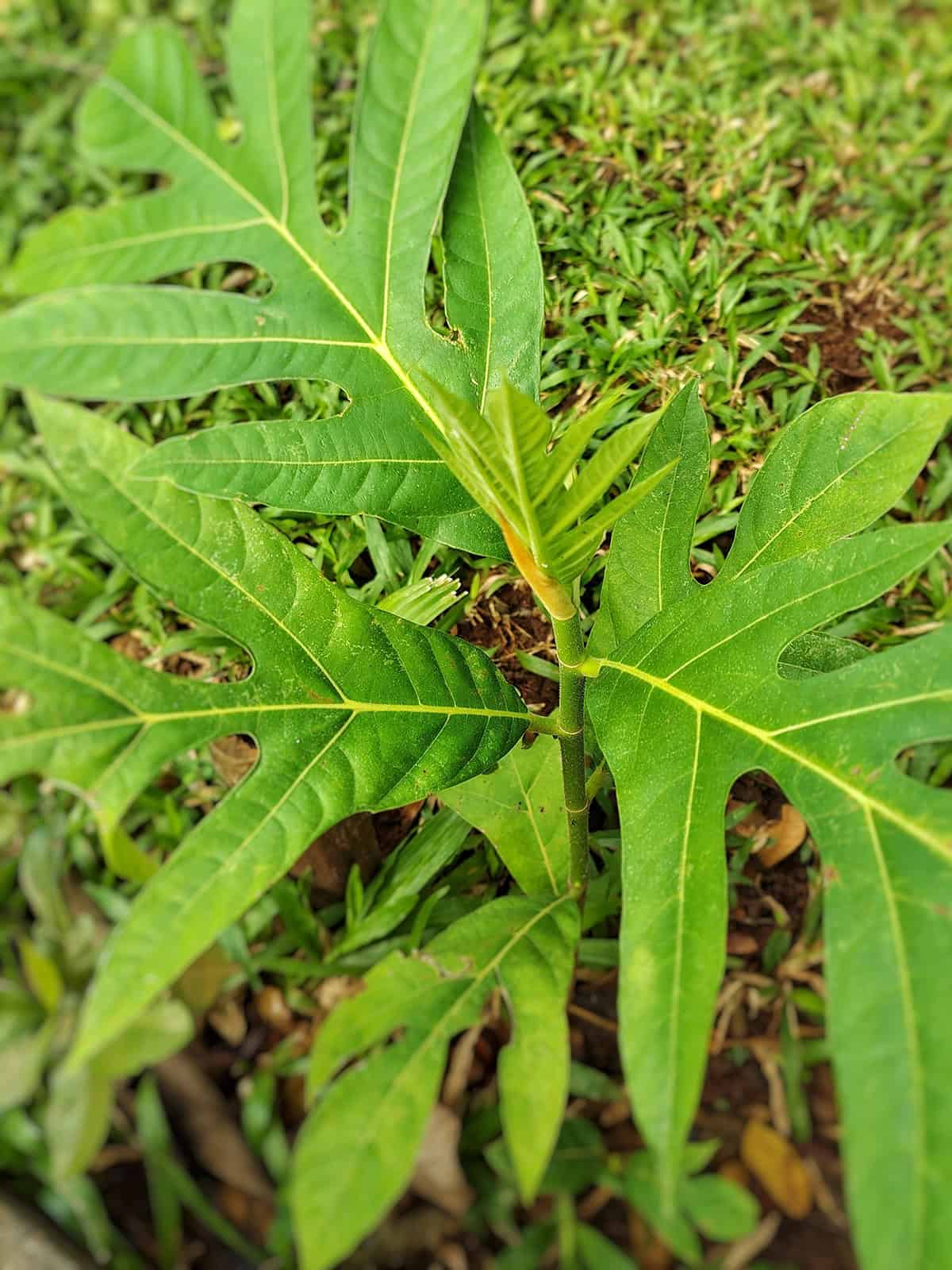
Loose, deep soil that drains well is the sweet spot. Standing water after a storm? That’s a red flag. Roots need air as much as water, and poor drainage just invites trouble.
Sandy loam is a classic choice, holding enough moisture but letting excess escape. Mix in organic matter for extra root support and to keep the topsoil loose—shallow, lateral roots love to spread out just below the surface.
A pH from 6.0 to 7.5 works for most plantings. If you’re unsure, test before planting. That way, you can sort out any major issues before roots get established.
Heavy clays need work—compost helps, and sometimes a raised bed or mound is the only way to keep things draining. Breadfruit isn’t super picky about soil type as long as it’s deep, fertile, and not compacted. Good prep early on pays off for years.
Temperature & Humidity
Heat and humidity are the breadfruit’s comfort zone. Mid-70s to low 90s Fahrenheit (21–32°C) is where you’ll see the best growth and fruiting. Drop below 60°F and growth slows; frost is usually fatal, especially for young trees.
Only plant outdoors in USDA Zones 10–12. If you’re on the edge, find a spot with shelter from cold winds—maybe near a south-facing wall. Cold air pooling at night is bad news.
Humidity above 60% keeps leaves lush and fruit forming. Dry air can trigger leaf drop or stress, particularly in young trees trying to get established.
Annual rainfall between 60 and 150 inches is ideal. In drier places, regular irrigation is a must, but don’t let the soil stay soggy even if the air is muggy.
Wind dries things out and can snap branches. If you’re planting in an exposed spot, a windbreak will save you headaches and lost fruit.
Colder climates? Breadfruit can go in a big pot and live indoors during chilly months. Keep it in bright light, warm temps, and crank up the humidity if your air is dry.
Fertilizer
Nutrient needs shift as breadfruit matures. Young trees want more frequent feeding; older ones can get by with less if your soil is already rich. Poor soils call for a stricter schedule.
A balanced fertilizer—something like 8-3-9 or 10-10-10—during active growth does the trick. Every six to eight weeks in warm weather is typical. Always spread fertilizer around the root zone, not up against the trunk.
For trees that are already bearing, potassium becomes more important for fruit size and taste. Too much nitrogen, though, and you’ll get leaves at the expense of fruit.
Compost or well-rotted manure also helps, both as a slow-release feed and to keep soil texture in good shape. A couple inches over the roots once or twice a year is plenty. Keep an eye on pH—6.1 to 7.4 is best—and test soil every few years to catch any drift.
Growing in Containers
Container growing is an option, especially for folks without tropical ground to spare. Just know you’ll end up with a smaller tree and probably fewer fruit than you’d get in the ground.
Pick a big pot—25 to 50 gallons, minimum—with plenty of drainage holes. Fill it with a loose, well-drained mix: compost plus something chunky like pine bark or perlite works well.
Set the pot where it’ll soak up full sun most of the day. Breadfruit hates cold; bring the container indoors if nights threaten to dip below 40°F.
Water thoroughly, but let the top few inches dry before going again. Pots dry out fast, especially in heat, so check often.
Feed every two or three months in the growing season with a balanced fertilizer, and scale back when things cool off. Pruning keeps it manageable and helps air circulate.
Every few years, repot to refresh soil and trim back roots if needed. Fungal issues can pop up in crowded pots, so don’t let things get too dense.
Potting & Repotting
Starting breadfruit in a container? Go for a wide, sturdy pot with solid drainage. A 20–25 gallon size works for young trees, but they’ll outgrow it eventually.
The soil should drain fast but hold enough moisture for roots to stay hydrated. Mix quality potting soil with coarse sand or perlite. Heavy garden soil is a mistake—it compacts and suffocates roots in pots.
Plant at the same depth as before, tamp gently, and water deep. Full sun is key, but shield from harsh winds since big pots can tip when the canopy fills out.
Repot every couple years as long as you can manage the size. Either move up to a bigger container or trim roots and refresh the mix. Early spring, before growth takes off, is the best time.
Once your tree gets too big for its pot, it’s time to find a permanent spot in the ground if your climate allows.
Pruning
If you want fruit you don’t need a ladder for, get ahead of height early. Unpruned breadfruit can shoot up and spread wide, making harvest a pain. Start shaping while the tree’s young—an open, sturdy framework pays off later.
Once the main stem hits 6 to 8 feet, cut it back to encourage side branches. Pick three to five strong, well-spaced limbs for your main structure, and clear out weak or crowded shoots.
Always use sharp tools and make clean cuts to avoid tearing bark. Remove dead, damaged, or crossing branches anytime, but save major pruning for the dry season if you can—it’s less stressful for the tree.
To lower overall height, trim back taller branches to a side shoot, not just a stub. This lets in more light and air, which helps fruit ripen evenly and discourages disease.
Don’t take off more than a third of the canopy in a year. Big cuts can set fruiting back for a season. Regular, moderate pruning keeps trees productive and at a size you can manage.
Propagation
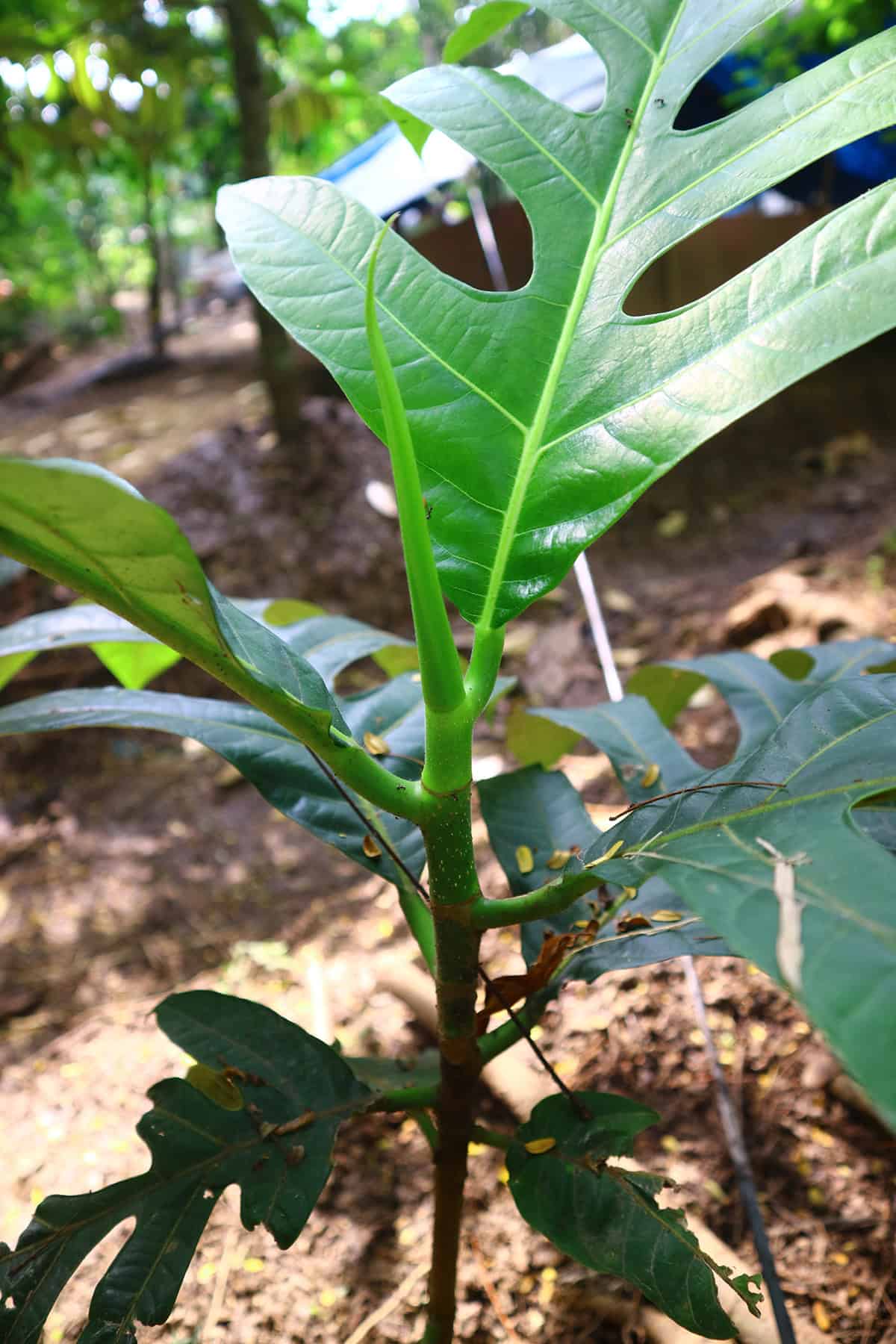
Multiplying breadfruit isn’t too tricky if you stick to vegetative methods—most varieties are seedless anyway. Root suckers, cuttings, air layering, and grafting all work, depending on what you’re after and what you’ve got.
Older trees often send up root suckers. Once these shoots hit a foot or two tall, dig them up with a chunk of root attached and replant in moist, well-drained soil. Keep them watered until new growth takes off.
For root cuttings, find a healthy root about an inch thick, cut 6–10 inch sections, and lay them horizontally in a nursery bed. Warmth and steady moisture boost your odds.
Air layering is another solid bet. Pick a healthy branch, wound a short section, wrap it with damp moss and plastic, and check for roots in a few weeks. Once roots form, snip below and pot up the new plant.
Commercial growers often graft a favorite variety onto tough rootstock for consistency and vigor. This way, you get reliable fruit and a resilient tree.
Fruiting & Harvest
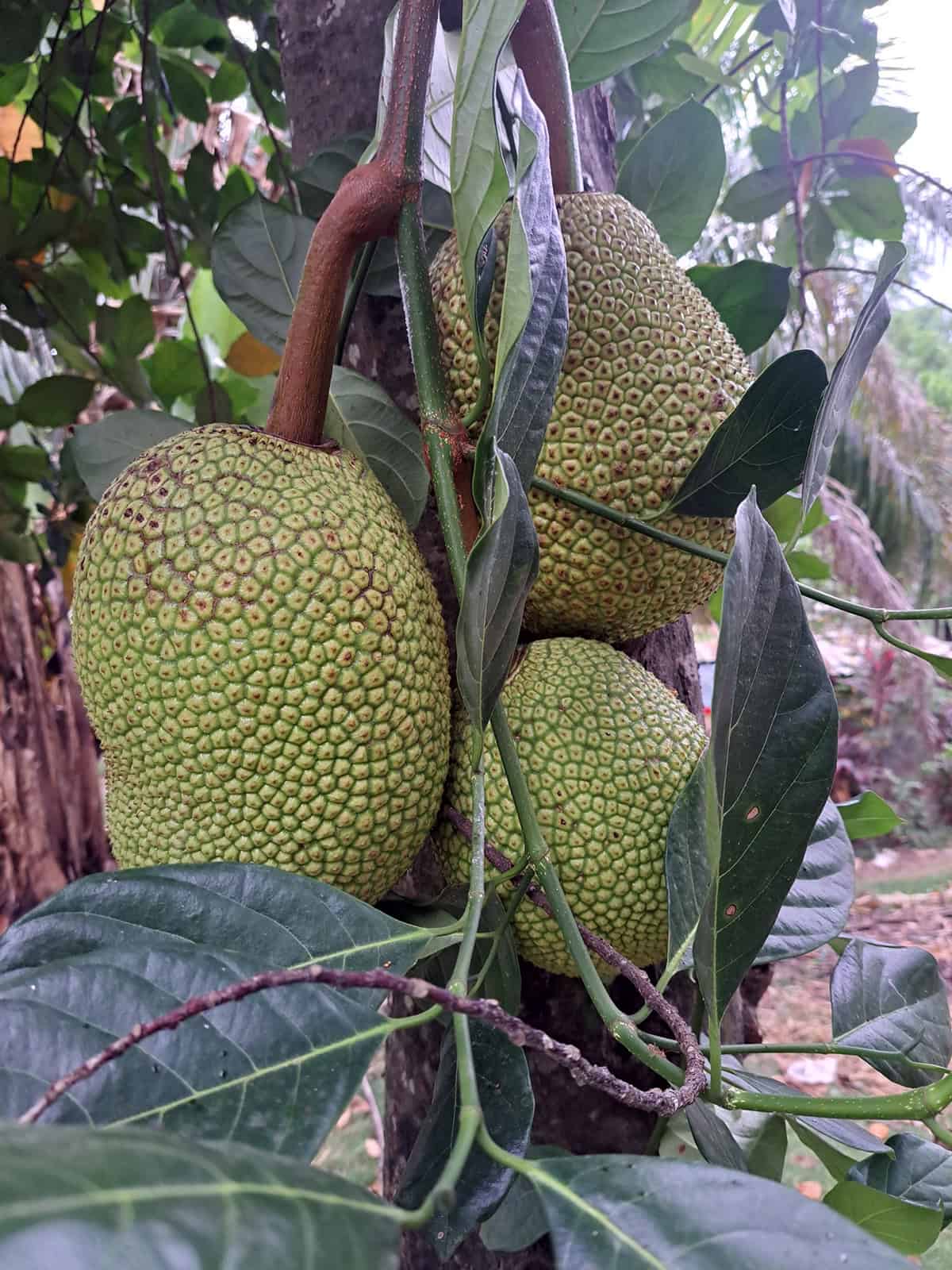
In the right climate, breadfruit can start producing in as little as three to five years. Once mature, a single tree can crank out dozens—sometimes hundreds—of fruit a year if it’s well cared for. The fruit itself is hefty, round or oval, with green, bumpy skin and starchy flesh inside.
From flower to harvest, expect about 15 to 20 weeks. When the fruit’s ready for cooking, it feels firm and heavy, with the skin turning from bright to dull green and a hint of yellow. If you nick the stem, latex should ooze out.
Best time to pick? When the surface flattens out and small drops of sap bead up. Use a sharp blade and support the fruit as you cut—bruising hurts quality. Fallen fruit usually isn’t worth saving.
Harvest at different stages depending on your recipe. Firm fruit is perfect for roasting or boiling; riper, softer ones suit sweet dishes. Fresh breadfruit keeps a few days at room temp, or you can cook and freeze it for later.
Common Problems
A sticky sheen on the leaves or a dusting of black mold often signals trouble—mealybugs, aphids, or scale insects have likely moved in, sucking sap from tender shoots. These pests can really drag down growth and, honestly, fruit production just never bounces back if they get out of hand.
Getting ahead of them means peeking under leaves and along new stems every week or so. Sometimes a sharp blast of water is all it takes to knock off a small swarm. If the sticky mess keeps coming back, though, horticultural oil or insecticidal soap (make sure you coat every nook and cranny) usually turns the tide.
Humidity brings its own headaches. Anthracnose, for example, shows up as dark, sunken blotches that can wreck both fruit and foliage. Crowded branches and soggy conditions only make things worse.
Thinning out the canopy to let air move through, trimming any branches that droop too close to the ground, and scooping up fallen fruit or dead leaves can help keep things drier and less inviting for fungus. Overhead watering? Best to skip it. And, really, clean tools matter more than most folks think when you’re trying to stop disease in its tracks.
Popular Varieties
Across the Pacific, the sheer diversity of breadfruit can be overwhelming—farmers have tinkered with selection for generations, chasing better yields, smoother textures, and hardier trees. In Hawaiʻi, the term ʻulu covers a surprising range of types, from those with pillowy, seedless flesh to the denser, more starchy giants that seem made for roasting.
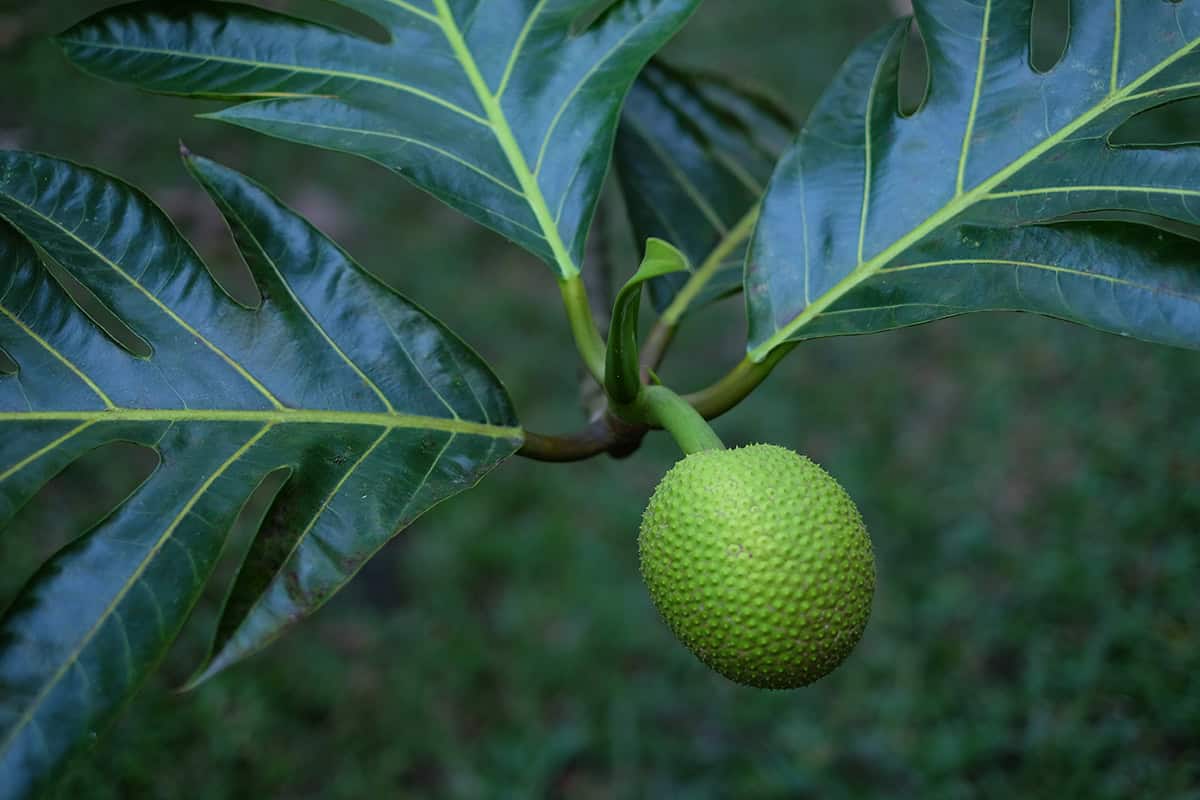
In backyards and gardens around Hawaiʻi, names like ‘Ma‘afala’, ‘Ulu Fiti’, and ‘Puou’ pop up with regularity. ‘Ma‘afala’ keeps things manageable—trees stay on the smaller side and put out fruit in abundance, which is handy if you’re short on space. ‘Ulu Fiti’ stretches taller, shrugging off gusty weather. Then there’s ‘Puou’, with its almost perfectly round fruit, smooth-skinned and hiding a soft, creamy center.
Venture beyond Hawaiʻi and the story shifts with the landscape. From low-lying atolls to volcanic slopes, growers have coaxed breadfruit into adapting to everything from heavy rains to thin, acidic soils. Not every variety will thrive above 1,500 feet, and some just seem to prefer a particular patch of ground. It’s not just about flavor—fruit size, the feel of the skin, and even when you can harvest all swing wildly depending on which type you stumble across.
Every now and then, you’ll run into breadnut (Artocarpus camansi), which looks like a prickly cousin and, technically, it is. Instead of the usual seedless flesh, breadnut packs its fruit with hefty edible seeds. Some folks grow it just for those—roasted or boiled, they’re oddly satisfying.
Choosing the right tree isn’t always straightforward. If you’re after something for fresh snacking or maybe grinding into flour, the classic seedless ʻulu types are probably your best bet. But if you’re curious (or just hungry for something different), seeded forms like breadnut bring a whole new texture and set of possibilities to the table.