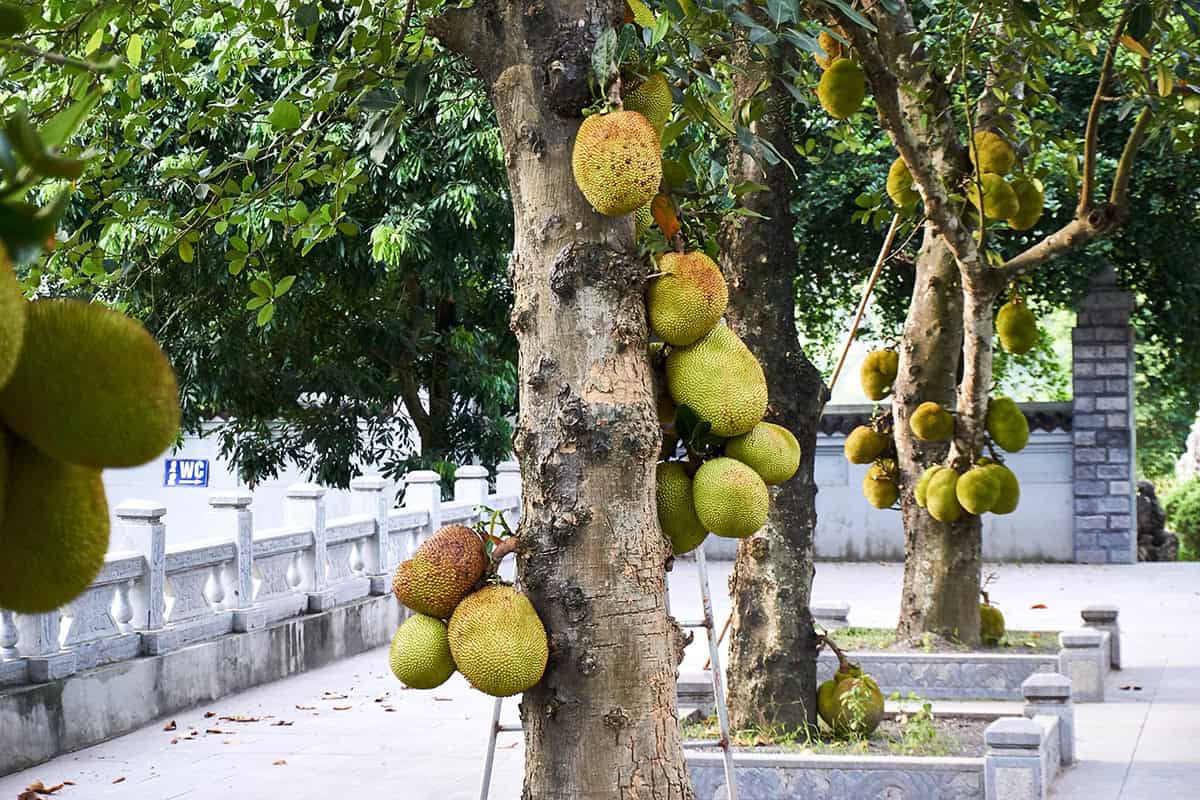
A healthy jackfruit tree brings more than fresh fruit to the garden. Its broad canopy creates welcome shade, and its bold foliage adds a lush tropical look throughout the year. Giving it the right start helps it reward you for many seasons. Explore this guide for easy growing and care tips.
Table of Contents
Quick Care Summary
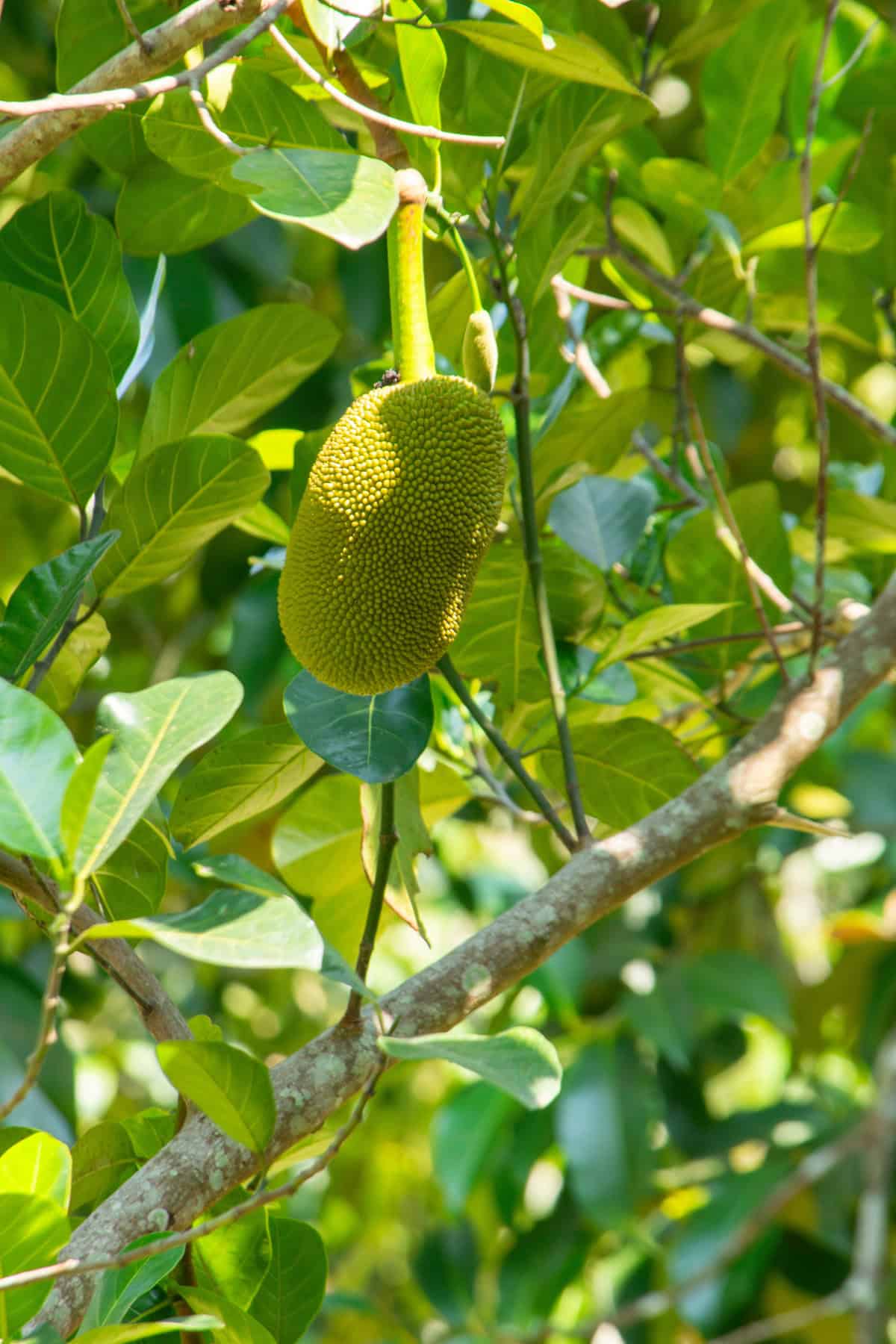
Jackfruit isn’t complicated if you nail the basics. Warmth and space are non-negotiable—don’t squeeze it into a corner or try to coddle it through frost. These trees want room and heat, and they’ll outgrow your expectations if you let them.
Plant Overview
- Botanical name: Artocarpus heterophyllus
- Common names: Jackfruit, jak
- Plant type: Evergreen tropical fruit tree
- Mature size: 30–40 ft tall in home landscapes
- Growth rate: Moderate to fast in warm climates
- Toxicity: Milky sap may irritate sensitive skin
- Native region: South Asia, likely India
Sunlight is the main driver here. More sun means sturdier branches and better fruit, plain and simple.
Care Essentials
- Light: Full sun
- Soil: Well-drained sand, loam, or rocky soils
- Watering: Moderate; keep it moist, not soggy
- Temperature: Can’t handle frost; loves the heat
- Humidity: Thrives in humid air
- Fertilizer: Balanced feedings a few times a year
- Propagation: Seed or grafted trees
- USDA zones: 10–11
- Fruiting season: Mostly summer into fall
Flooded soil? Forget it. Jackfruit roots won’t tolerate standing water—not even for a few days.
Young trees beg for water during dry spells, but once they’re settled, you can ease up. Just don’t let the soil turn into a swamp. Fertilize gently at first, then ramp up as the tree gets bigger.
Seeds work, but grafted trees are the surest bet for good fruit. If you’ve got the heat and space, you’ll get fruit in a handful of years.
Plant Overview
The sheer presence of jackfruit is hard to miss—big leaves, straight trunk, and those enormous fruits clinging to both branches and trunk. Artocarpus heterophyllus is a spectacle, especially when loaded with fruit that can tip the scales at 10 to 60 pounds.
In places where frost never shows up, this tree keeps its leaves year-round. Left unchecked, it’ll soar to 30 or 40 feet, but regular pruning brings it down to a more reasonable size. Early growth might seem slow, but once the roots settle in, the pace picks up.
- Botanical name: Artocarpus heterophyllus
- Common names: Jackfruit, jak
- Plant type: Evergreen fruit tree
- Mature size: 30–40 ft tall in home landscapes
- Growth rate: Moderate to fast in warm climates
- Toxicity: Milky sap may irritate sensitive skin
- Native region: India and South Asia
Thick, glossy leaves and a trunk that sometimes sprouts fruit right from the bark—it’s a bit wild. Each jackfruit forms from a cluster of fused flowers, and the sheer size is something you have to see to believe.
- Light: Full sun
- Soil: Well-drained sand, loam, or rocky soils
- Watering: Regular moisture; don’t drown it
- Temperature: Needs warmth; even a hint of frost is trouble
- Humidity: Loves it humid
- Fertilizer: Balanced, especially when growing fast
- Propagation: Seed or grafting
- USDA zones: 10–11
- Fruiting season: Summer through fall
Lighting Requirements
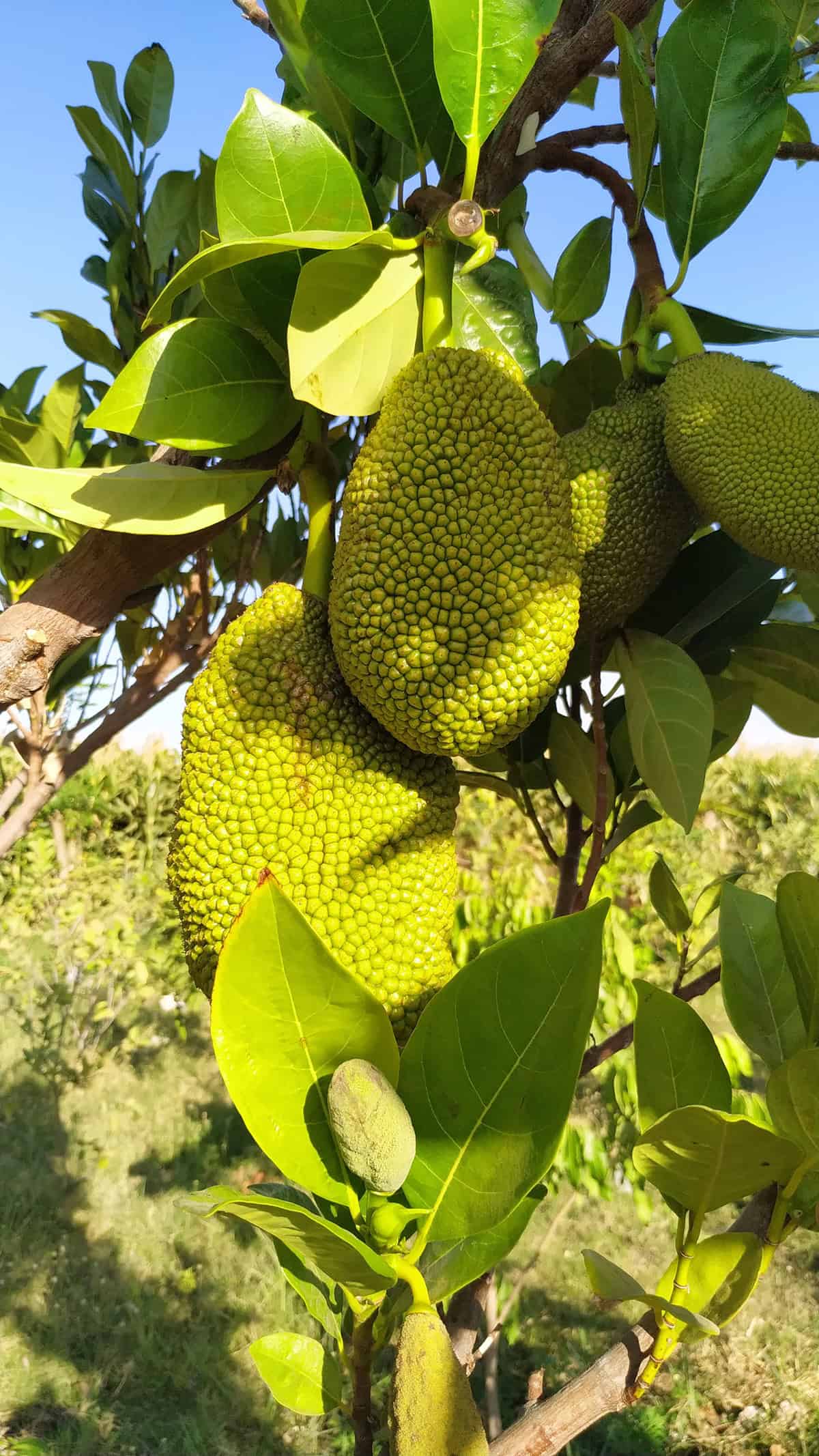
The mood here is bright—jackfruit craves sunlight, and lots of it. Six to eight hours of direct sun is the bare minimum. Tuck it in a shady spot or near tall buildings and you’ll see fewer flowers, skinny branches, and disappointing fruit.
Pick the sunniest, most open spot you can. Shade stunts growth and fruiting, and there’s just no way around it. For young trees, a bit of shade cloth during brutal heat waves isn’t a bad idea, but don’t baby them for long.
Growing indoors? Honestly, it’s a stretch. Even with grow lights blasting for 10 to 12 hours a day, the results usually disappoint. If you’re trying it in a container, park it by the brightest window you’ve got.
Cloudy or cool spells can slow down flowering and delay harvests. The best fruit comes from steady, year-round sun and warmth.
Watering Needs
Moisture keeps young jackfruit trees happy, especially in their first few years. During dry spells, water them a couple times a week. The top few inches of soil should feel moist—not bone dry, but never swampy. Check with your finger; it’s not rocket science.
Once the tree settles in, it handles short droughts, but you’ll get better fruit if you keep up with deep watering during long dry periods. Let the water soak down to the deeper roots—don’t just wet the surface. When rain returns or the weather cools, back off a bit.
Standing water is a dealbreaker. Roots rot fast if the soil stays soggy, and the tree can crash in just a few days of waterlogging. Mulch helps keep moisture in, but don’t pile it against the trunk—leave a gap to avoid rot.
Soil Preferences
Fast-draining soil is the real secret here. Jackfruit roots absolutely hate sitting in water. After a heavy rain, the ground should dry out quickly—if puddles linger, it’s not the right spot.
Sandy or sandy loam soils work great, and even rocky ground is fine as long as water moves through. Rich loam is nice, but honestly, texture beats fertility every time.
If your yard tends to flood, build a mound a couple feet high to keep the roots above trouble. Compacted or sticky clay soils are a headache—roots suffocate and fruit production tanks.
Aim for a pH between 6.0 and 7.5. A little on the alkaline side is okay if drainage is sharp. In really alkaline areas, chelated iron might be needed to keep the leaves green.
When planting, skip the urge to dump in loads of compost. Use mostly the native soil so roots adapt. Loosen the area around the hole to help roots spread.
Mulch with a two- to four-inch layer, but always keep it away from the trunk. Over time, this keeps moisture steady and builds up the topsoil.
Temperature and Humidity
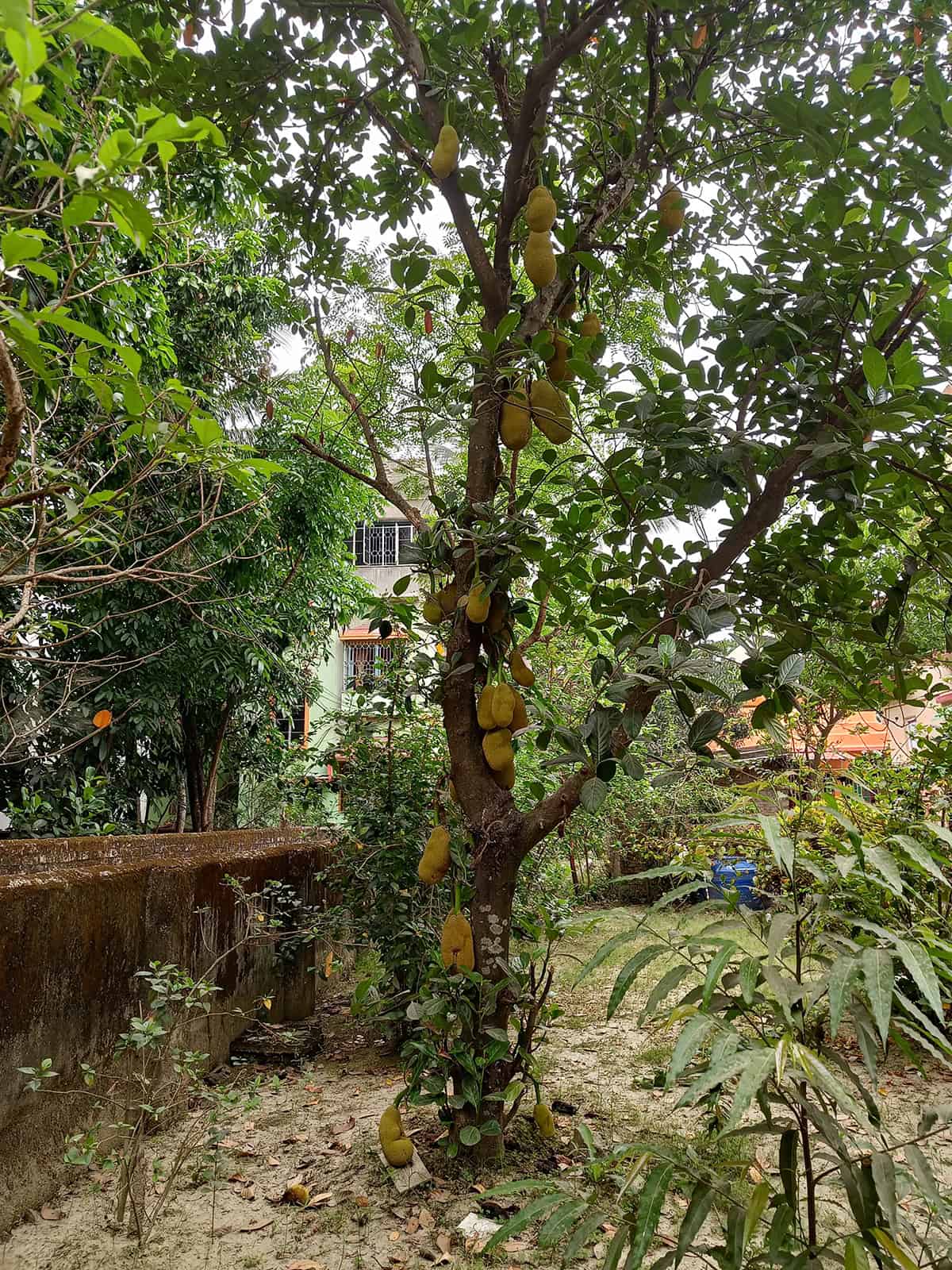
Warmth is everything—jackfruit puts on its best growth between 70°F and 90°F (21°C to 32°C). Once temps dip below 60°F, things slow down. Leaves can take a hit at 32°F, and a hard frost near 28°F is usually fatal.
This tree is happiest in places where the cold never really arrives. USDA zones 10 and 11 are ideal; zone 9 might work if you’ve got a sheltered spot and some luck. Young trees need protection from sudden cold snaps—frost cloth, or even planting near a heat-reflecting wall, can help.
Humidity matters, too. Moderate to high humidity keeps leaves healthy and fruit developing. Dry air can stress young trees, so water more during droughts. In muggy regions, good air movement helps keep fungal problems in check.
Fertilizer Guidelines
Jackfruit likes a steady diet, but not a feast. Start feeding once new growth appears after planting. Go with a balanced fertilizer—something like 6-6-6 or 8-3-9, with trace elements included.
For the first year, about a quarter pound per tree every couple months does the trick. Scatter fertilizer over the root zone, not right up against the trunk, and water it in.
Bump up the amount as your tree gets bigger. Older trees usually need feeding two or three times between bloom and after you’ve picked fruit. Don’t overdo the nitrogen late in the year; too much can mean fewer flowers and less fruit.
Micronutrients—especially iron in high pH soils—are worth watching. Foliar sprays with minors help keep leaves looking good. Chelated iron drenches can keep yellowing at bay in tough soils.
If your soil is already rich, you might be able to cut back a bit. Watch the leaves and growth, and adjust as needed.
Container Cultivation
City patios and small yards don’t have to miss out—jackfruit can work in a container, though it’s a project. Choose a deep, wide pot; anything less than 18 inches deep just cramps the roots, and you’ll notice the tree stalling out.
Go for a heavy, stable pot with big drainage holes. These trees get top-heavy, so flimsy containers are a bad idea.
The soil mix should be loose and fast-draining. Blend in sand or perlite with organic matter. Skip pure garden soil; it compacts and suffocates roots.
Sunlight is still non-negotiable. At least six to eight hours of direct sun, even for potted trees. When frost threatens, shuffle the container to the warmest, most protected spot you have—leaves can burn at just above freezing.
Water when the top couple inches of soil are dry. Don’t let water pool in the saucer. Ease up on watering during winter when growth slows.
Feed every two months while the tree is actively growing. Follow the label for amounts, and increase as the tree fills out. Repot every few years to keep roots from circling and choking themselves.
Pruning keeps things manageable. Container-grown jackfruit stays smaller, but regular shaping is still needed for decent fruit.
Potting and Repotting
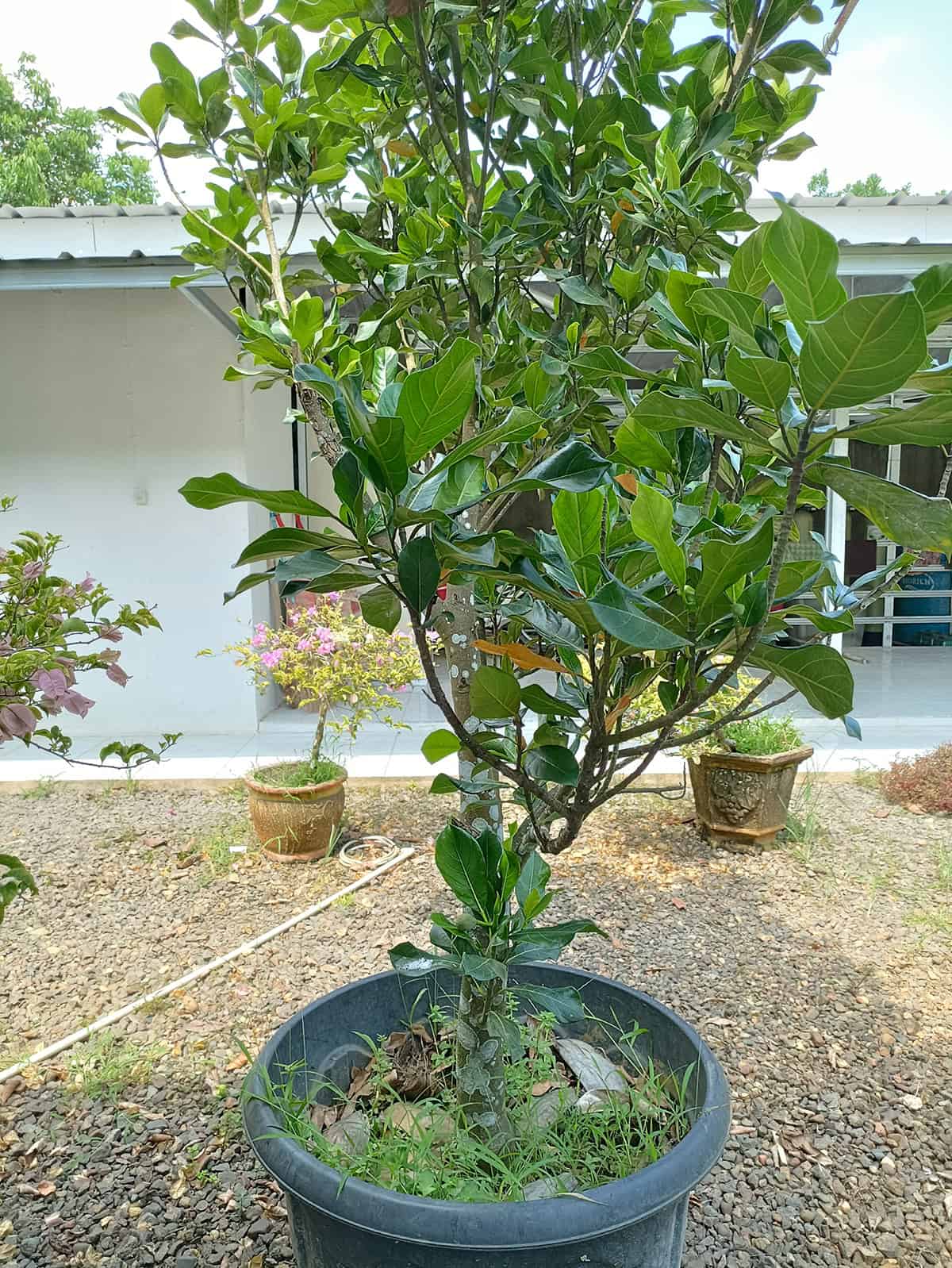
If you’re going the container route, start with a pot that’s at least 15 to 25 gallons—no skimping here. Drainage holes are a must. As roots fill out, step up to bigger containers.
Mix up a fast-draining potting blend—sand, pine bark, perlite, whatever keeps water moving. Heavy soils just don’t work. Plant with the root crown a bit above the soil line to avoid rot.
Full sun is still the rule. Cold snaps? Move the pot indoors or into shelter if you can, since even a light frost can do serious damage.
Every couple years, or when you notice roots circling and growth slowing, it’s time to repot. Slide the tree out gently, loosen up the roots, and snip off anything dead or damaged. Upgrade to a pot a few inches wider, settle it in, and water deeply.
Once you see new growth, resume light feeding. It’s not complicated, but skip this step and you’ll see the tree stall.
Pruning Techniques
Jackfruit left to its own devices will get massive—too big for most backyards. Keeping it between 8 and 14 feet tall makes harvests safer and reduces broken limbs.
Start shaping early. Pick three or four strong side branches with wide angles and remove the weak or crowded shoots. This sets up a sturdy structure to handle heavy fruit.
Trim back vertical shoots to limit size and open up the canopy. More light inside means better flowering and fruit set. Always clean your shears; jackfruit can pick up diseases from dirty tools.
Prune once or twice a year, usually after picking fruit. Cut out dead or damaged wood first, then shorten long branches to keep things balanced. On young trees, limit fruit to one per main branch until the tree is well established.
Propagation Methods
There’s more than one way to start a jackfruit tree, but most folks stick with seeds or grafted plants. Each method brings its own quirks—some faster, some more predictable.
Seeds are easy and cheap. Use fresh ones from a healthy tree—jackfruit seeds lose their spark fast. Plant them in deep pots to give the taproot room, and keep things warm and moist.
Seedlings can fruit in three or four years if conditions are good, but don’t expect them to be identical to the parent. Flavor, size, and yield can all be a bit of a gamble.
Grafting is for those who want guaranteed results. By joining a scion from a known variety onto a tough rootstock, you get a tree that matches the parent in fruit and growth. Side veneer grafting is common, but cleft and chip budding can work too.
Grafted trees fruit faster and more predictably. Pick rootstock that’s vigorous and upright.
Cuttings are possible, but honestly, it’s hit or miss. Semi-hardwood cuttings with rooting hormone and humidity sometimes take, but most home growers skip this method.
Your climate, space, and goals should steer your choice. Each method has its place, depending on what you’re after.
Fruiting and Harvest
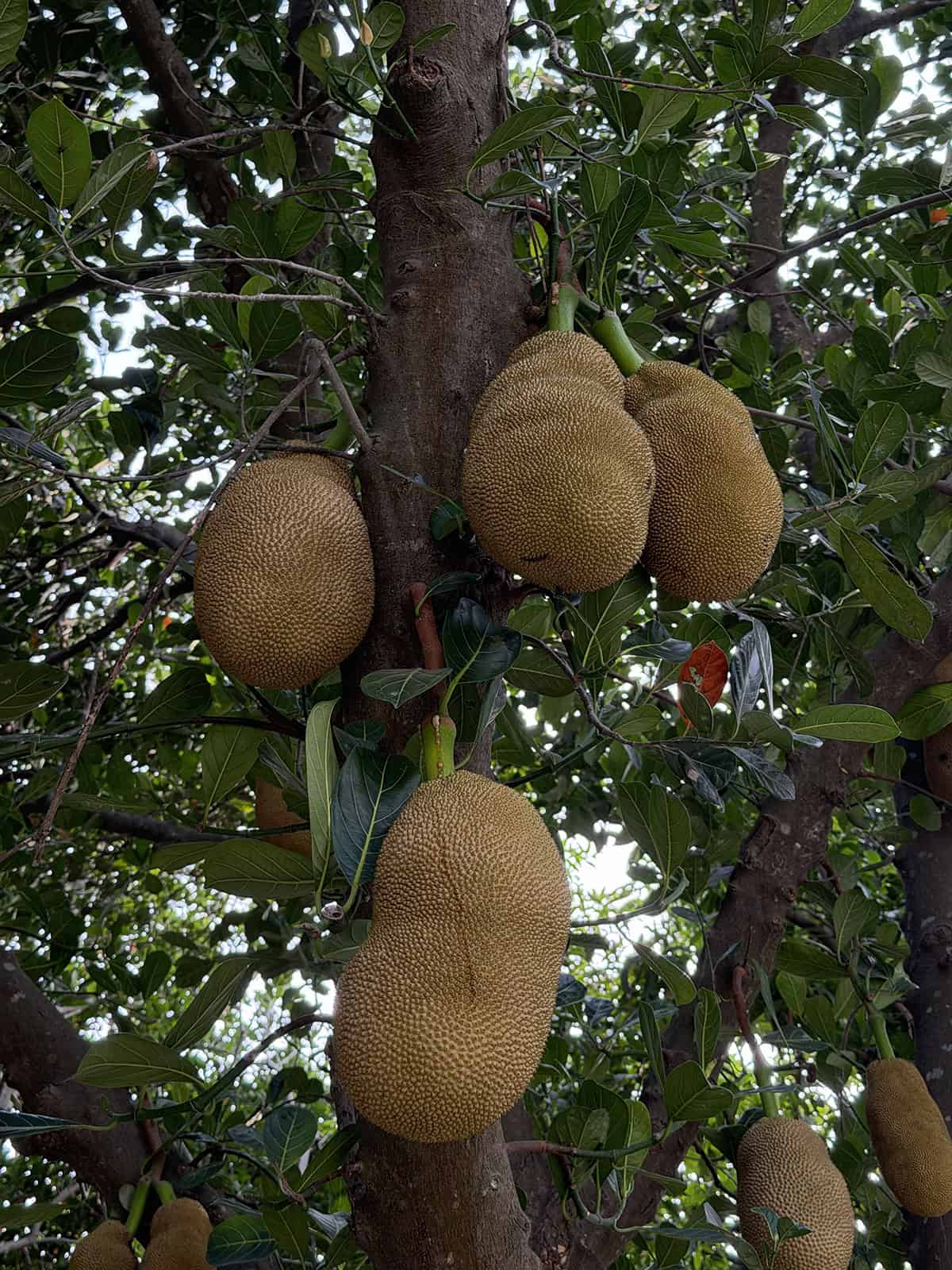
In the thick of summer, when the heat hangs heavy, grafted jackfruit trees can surprise you with their first real crop just a few years in—maybe three or four if luck’s on your side. Seedlings, though, seem to take their sweet time. Consistent warmth keeps the blooms coming and helps fruit set without much fuss.
Once these trees hit their stride, they’re capable of producing a wild number of fruits each season. Some older trees, given attentive care, can really go overboard—over a hundred fruit in a year isn’t out of the question. The sheer scale is hard to grasp until you spot one of the giants: sometimes over 35 inches long, pushing past 50 pounds, all depending on the quirks of the variety and how well the tree’s been looked after.
Judging ripeness isn’t always straightforward. You’ll want to keep a close eye as harvest nears. The skin starts shifting from a deep green to a paler yellowish tone, and those prickly spines smooth out just a bit. If you tap the fruit, you’ll get a dull, hollow thud instead of a sharp one. The scent? It gets bolder, almost impossible to miss.
If you’re planning to ship fruit, it’s best to pick them as soon as they start to yellow. For your own kitchen, waiting until the color deepens and the aroma fills the air gives you the richest flavor. Use a sharp blade or pruning saw to cut, leaving a stub of stalk for easier lugging.
Heavy fruit sometimes needs extra support—slings or ties help keep branches from snapping under the load. These monsters bruise easily, so handle each one gently. Any rough treatment shortens their shelf life and knocks down quality.
Common Problems
Sometimes, the first thing you notice is a flush of flowers turning black and dropping away—frustrating, but fairly common in young jackfruit. The tree produces both male and female blooms, but males show up first and fall off, with the females only sticking around once the tree’s got a few years under its belt.
Wet spells bring their own headaches. Fungal issues like Rhizopus rot tend to flare up after rain, especially if humidity lingers. If you spot soft, dark patches or any sign of rot, it’s best to remove those fruit right away and thin out the canopy to keep air moving.
Scale insects can be a real nuisance, clustering on leaves and stems. Their feeding saps the plant’s strength, and the sticky mess they leave behind often invites black sooty mold. Horticultural oil or insecticidal soap helps manage them, but steer clear of spraying in the heat of the day.
Growth that’s slow or stunted? That’s often a soil or water issue. Roots sitting in soggy ground will struggle, while dry spells can trigger leaf drop and sluggish growth. Well-drained soil and a layer of mulch go a long way to keep moisture levels steady.
Cold snaps pose a real threat anywhere outside the tropics. Even a brief dip below freezing can finish off a young tree. If you’re in a borderline zone, it’s worth giving your plants some protection—covers, windbreaks, or just tucking them into a sheltered spot can make all the difference.
Popular Varieties
Stroll through a jackfruit orchard in Florida and you’ll spot a patchwork of shapes and shades. Some trees hang with hefty, knobbly fruits that seem to defy gravity, while others tuck away smaller, golden bulbs with a sugary scent. Texture and taste can swing wildly—firm, almost meaty segments on one tree, melting sweetness on another. It’s not just a matter of preference; local weather and what people want at the market tend to steer the decision. You’ll want to hunt down a reputable nursery, though. Starting with the right stock matters more than you’d think.
Among the crowd, NS1 tends to steal the show. Its fruit lands somewhere between medium and large, the flesh a rich yellow that’s both sturdy and satisfyingly sweet. J-31 isn’t far behind, especially in balmy spots, and it’s known for pumping out heavy crops with a bite that holds up in the kitchen. These two get a lot of attention from growers who don’t want to gamble on unpredictable harvests or trees that eat up the whole yard.
On the fringes, you might stumble across J-30 or the quirkily named Gold Nugget at a specialty nursery. J-30 brings a kind of easygoing sweetness, never too much, never bland, and the fruit fits comfortably in your arms. Gold Nugget, on the other hand, leans small but punches above its weight with vivid color and a flavor that lingers. Out in the tropics, plenty still stick with seedlings, but if you’re after fruit that doesn’t leave you guessing, those named varieties are hard to beat.