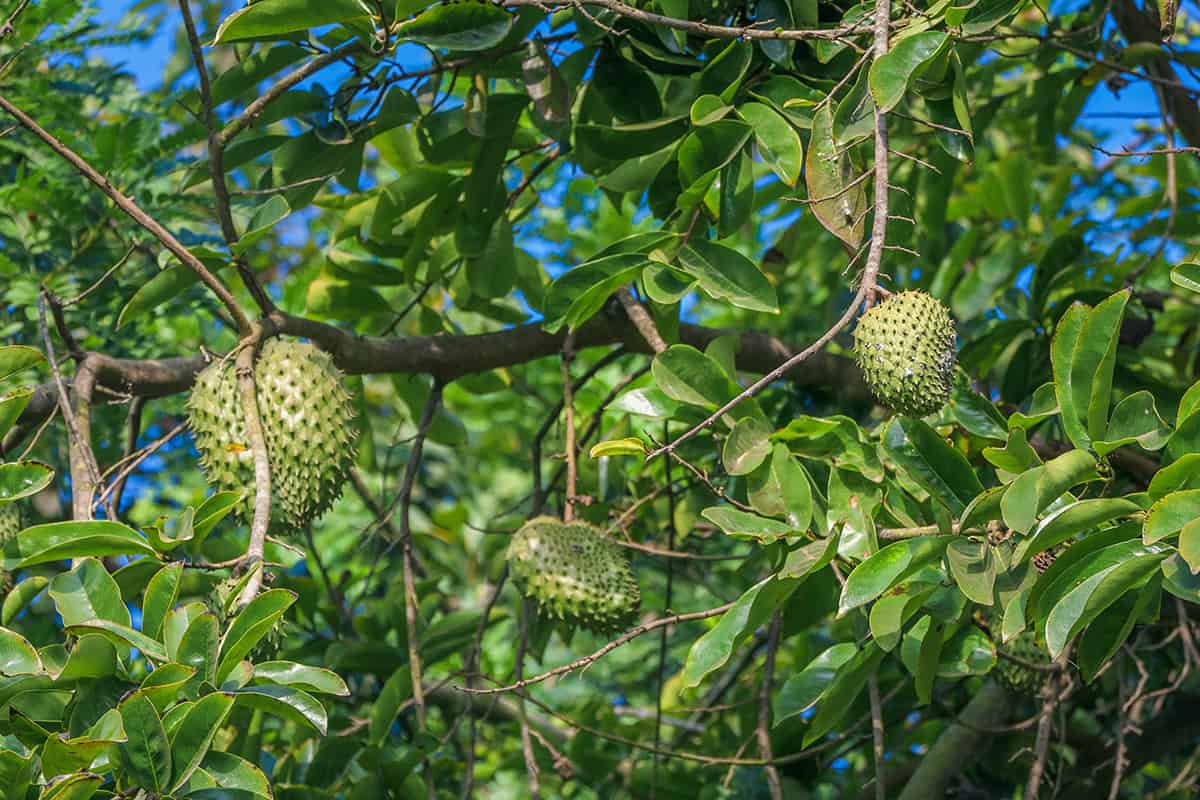
Planting a soursop tree is a great way to enjoy fresh tropical fruit right at home. The key is giving it the growing conditions it prefers and staying consistent with seasonal care. Healthy trees reward that effort with vigorous growth and flavorful harvests. This guide walks you through every important step.
Table of Contents
Quick Care Summary
Humidity and heat are the backdrop for any healthy soursop. These trees stretch out wide, so they need room. Rich, loose soil and steady moisture (never swampy) help roots anchor and fruit develop. Frost is a deal-breaker.
Plant Overview
- Botanical name: Annona muricata
- Common names: Soursop, graviola, guanabana
- Plant type: Tropical evergreen fruit tree
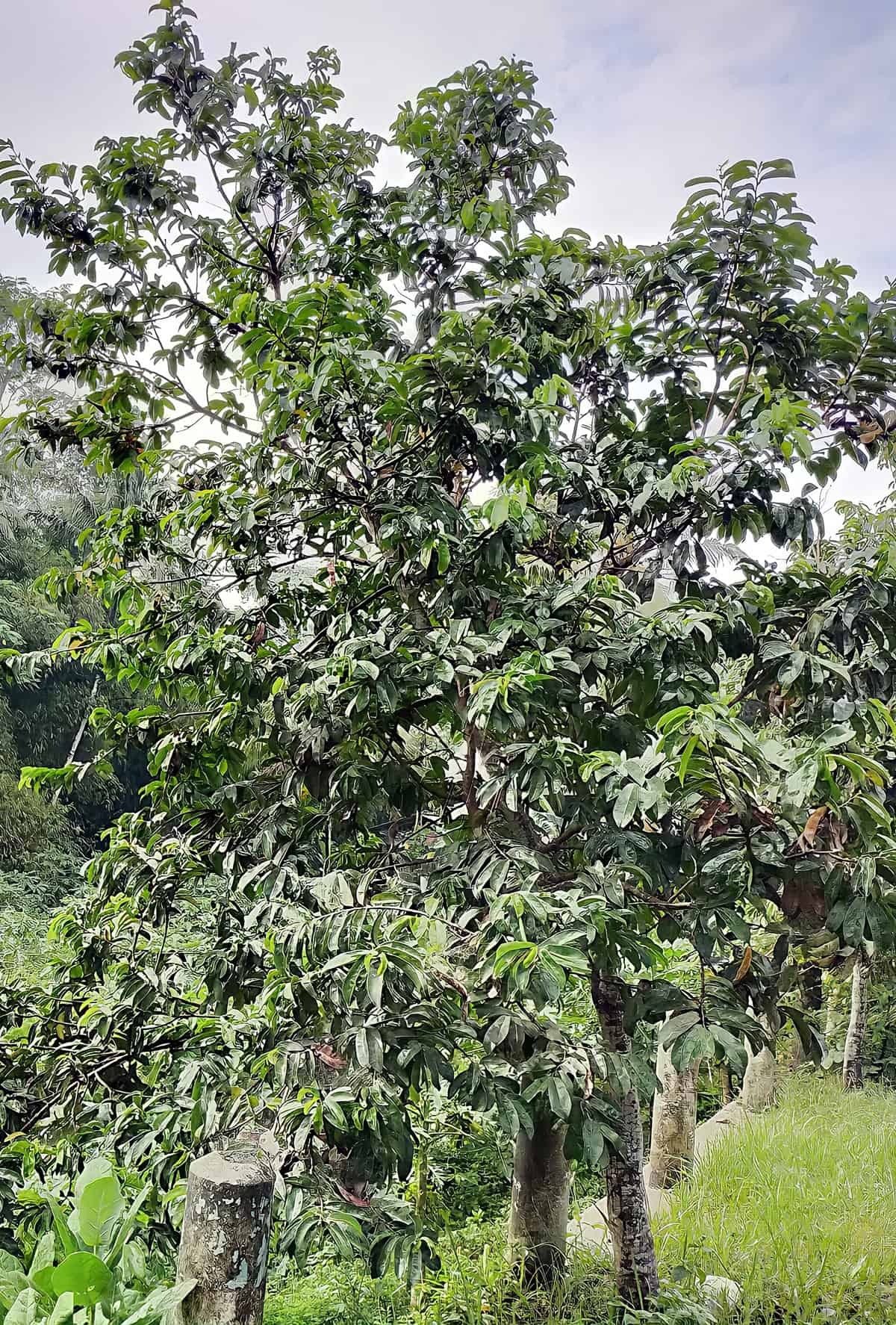
- Mature size: 15–30 feet tall, 10–20 feet wide
- Growth rate: Moderate in warm climates
- Toxicity: Seeds and leaves contain compounds that may be toxic if consumed in large amounts
- Native region: Tropical Americas
Shelter is key—wind can snap loaded branches. Cold snaps? Bad news for leaves and young wood. Pick your site with care.
Care Essentials
- Light: Full sun for best growth and fruit
- Soil: Well-drained, fertile, slightly acidic soil
- Water: Even soil moisture; avoid waterlogged roots
- Temperature: 70–90°F preferred; sensitive to frost
- Humidity: High humidity supports leaf health
- Fertilizer: Balanced fertilizer during active growth periods
- Propagation: Fresh seed or grafted plants
- USDA zones: 10–11
- Fruiting season: Late summer to early winter in tropical climates
Keep an eye out for heavy fruit—branches can snap under the load. Fruit is ready when it softens and the green shifts from glossy to dull.
Plant Overview
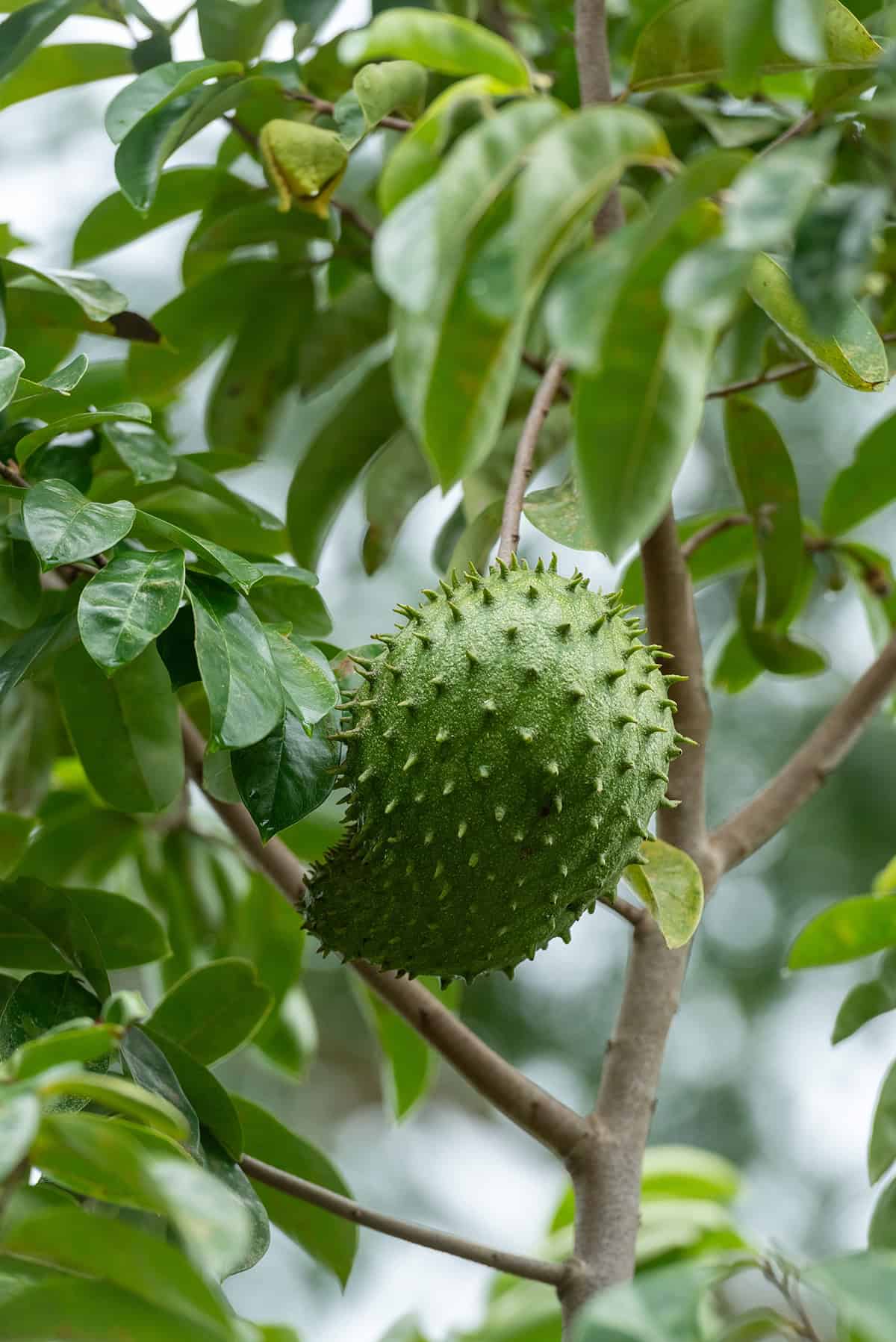
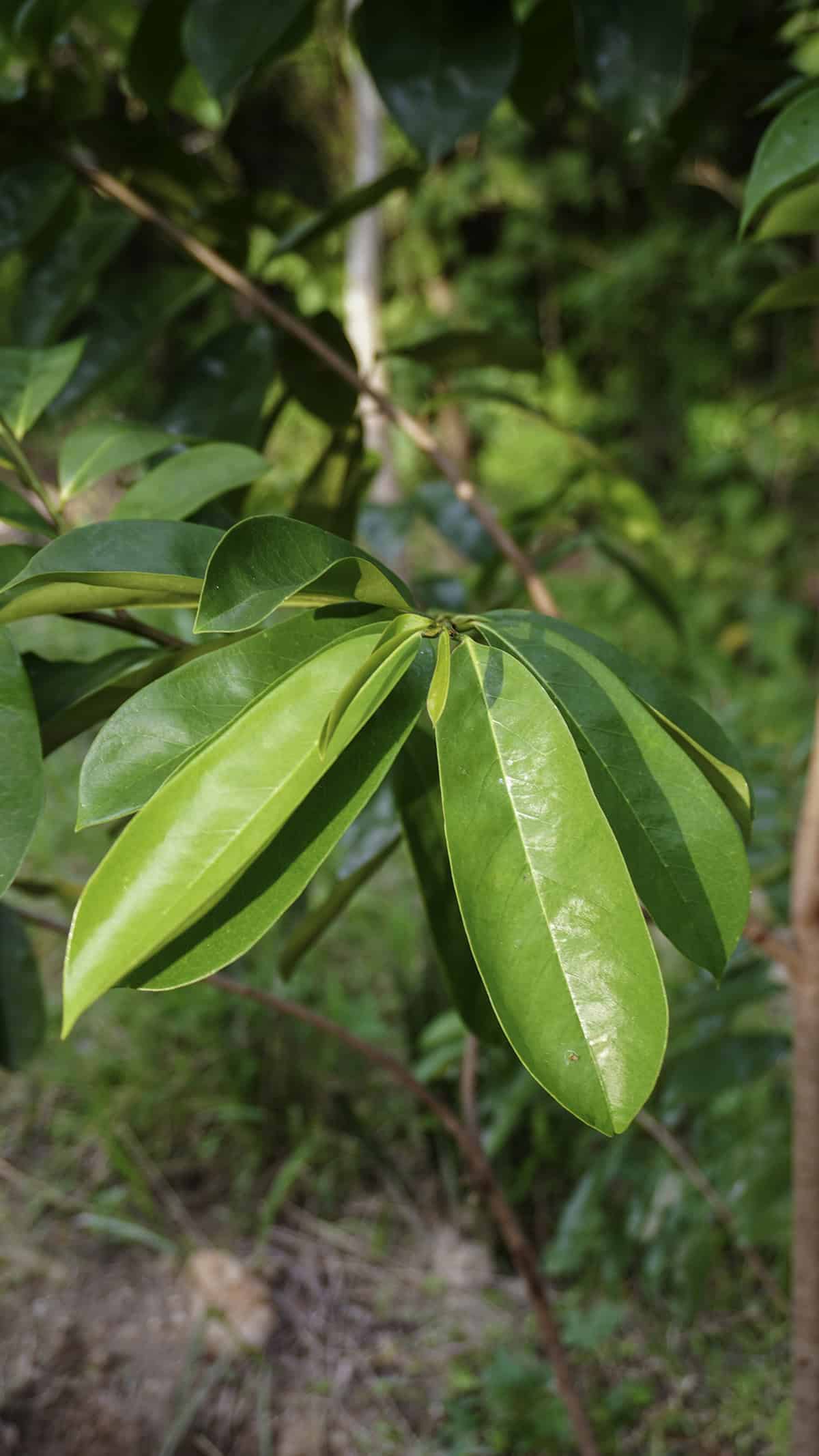
Broad, glossy leaves and striking, spiny fruit—graviola, or soursop, stands out in any warm garden. Related to sugar apple and atemoya, it’s a member of the Annonaceae family. Some folks grow it for shade, but let’s be honest: it’s the fruit most people want.
Soursop hates cold. The fruit’s green armor hides a soft, white flesh with a flavor that’s mellow, sweet, and just a bit tart. In the right spot, you’re looking at harvests from late summer through early fall.
Plant Profile
- Botanical name: Annona muricata
- Common names: Soursop, graviola, guanabana
- Plant type: Evergreen tropical fruit tree
- Mature size: 15–30 feet tall, often pruned smaller
- Growth rate: Moderate; fruit often within 3–5 years from seed
- Toxicity: Seeds and bark contain toxic compounds; remove seeds before eating
- Native region: Tropical Americas
Pruning can keep things compact—8 to 12 feet is doable. Flowers pop up on both old and new wood, so pruning isn’t just about size. Handle fruit gently; it bruises easily and doesn’t keep long.
Quick Care Summary
- Light: Full sun
- Soil: Well-drained, slightly acidic to neutral
- Watering: Regular water; avoid drought stress
- Temperature: Prefers warm, frost-free conditions; sensitive below 50°F
- Humidity: High humidity preferred
- Fertilizer: Balanced fertilizer with micronutrients
- Propagation: Seed or grafted plants
- USDA zones: 10–11
- Fruiting season: Late summer to early fall
Light
A soursop tree’s mood lifts with sunlight—lots of it. Shoot for 6 to 8 hours of direct rays daily. That’s how you get glossy leaves and a steady parade of flowers.
Tropical sun doesn’t faze mature trees, but seedlings and saplings can get crispy in scorching, dry heat. A bit of afternoon shade helps them settle in. Avoid crowding: nearby trees or tall fences can cast too much shadow, and that means fewer flowers and smaller fruit.
Container-grown soursop? Park it in the brightest spot you’ve got. South-facing patios or yards are ideal. Indoors, only the sunniest window will do—don’t kid yourself with a dim corner.
Chronic shade? Expect leggy growth, weak branches, and a disappointing fruit tally.
Water
Getting watering right is trickier than it sounds. Young soursops want consistently moist soil, especially in year one. When the top couple inches feel dry, it’s time to water.
Deep soaks are better than quick sprinkles—roots need moisture down where they grow. Older trees, once established, can handle a bit of dryness, but a long drought will shrink your fruit and stress the tree.
Ease up on the hose when the weather cools or growth slows. Too much water? That’s a fast track to root rot and yellowing leaves. But don’t let things get bone dry during flowering or fruit set; uneven moisture leads to weird-shaped, undersized fruit.
If your garden gets deluged, make sure water isn’t pooling near the trunk. Slightly mounded soil helps. Mulch can lock in moisture, but keep it clear of the base to avoid rot.
Soil
Loose, airy soil is the dream for soursop roots. Compacted earth or standing water spells trouble. Sandy or loamy mixes that drain well set the stage for healthy growth—roots need to breathe, not swim.
Slightly acidic is best: somewhere between 5.0 and 6.5 pH. A basic soil test can save you headaches later. Compost works wonders for structure and drainage, but skip heavy clay unless you’re committed to serious amending.
Water that lingers after rain? Not ideal. A raised mound can help keep roots high and dry. And don’t ignore soil depth—shallow, stripped sites won’t cut it for a tree that wants to dig in.
Temperature & Humidity
Warmth is non-negotiable. Soursop trees are happiest when the mercury hovers between 70°F and 90°F. Dip below 50°F, and you’re flirting with leaf drop or worse—frost can wipe out young trees overnight.
But it’s not just about heat. High temps with bone-dry air can stall fruit set. The sweet spot? Warm, humid days—think 70s to mid-80s with enough moisture in the air to keep leaves lush and flowers fertile.
Dry climates take some extra effort: more irrigation, windbreaks, and maybe a sheltered nook near the house to trap a little humidity.
Fertilizer
Feeding soursop isn’t complicated, but it pays to be consistent. Young trees perk up with regular doses of balanced fertilizer—something like 8-3-9 or 6-6-6, with micronutrients mixed in.
Every six to eight weeks during the growing season, scatter fertilizer under the canopy, steering clear of the trunk, and water it in. As your tree bulks up, space out feedings to three or four times a year, bumping up the amount as needed.
Go easy on the nitrogen. Too much, and you’ll get a lush, leafy tree with little fruit. Sandy or alkaline soils often need extra magnesium, iron, or zinc—yellow leaves between the veins are a hint you’re missing something.
Soil tests are worth doing if you’re unsure. And if your tree’s stressed—maybe from drought or disease—hold off on fertilizing until it bounces back.
Growing in Containers
Limited space or chilly winters? Soursop can adapt to container life, if you’re willing to fuss a bit. Start with a tough, roomy pot—15 to 25 gallons at least, with generous drainage holes.
Container roots tend to circle and tangle, so loosen them up before planting. The soil mix should be light and quick-draining; standard potting soil plus coarse sand or perlite usually works. Avoid garden dirt, which compacts and holds too much water.
Full sun is still essential. Find the warmest, brightest spot you can, and keep the tree out of cold drafts. If temperatures threaten to dip below 40°F, move the pot indoors or into a greenhouse.
Let the top couple inches of soil dry before watering again, and always let excess drain away. Fertilize a few times a year when the tree is actively growing. Prune lightly to keep things manageable—container soursops won’t get as big as their in-ground cousins, but they can still put on a show.
Potting & Repotting
Repotting isn’t just a chore—it’s a rescue mission for root-bound soursop. Pick a heavy, wide pot (18–24 inches across is a good start) with plenty of drainage. As the tree outgrows its home, size up gradually; a too-big jump can slow things down.
Potting mix should be loose and airy, with a bit of acidity. Skip the gravel-in-the-bottom myth—it doesn’t help drainage. Every couple of years, check for circling roots or those poking through the drainage holes. That’s your cue to repot.
Handle the rootball gently, teasing apart any tangles and trimming damaged roots. Settle the tree at the same depth as before, backfill with fresh mix, and water well. After repotting, let the tree recover in bright but indirect light for a few days before resuming regular feeding.
Pruning
Shaping a soursop isn’t about making it pretty—it’s about getting fruit where you want it and keeping the tree within reach. Start early: if your sapling is a single stick, chop it at about three feet to push out strong side branches.
As those branches stretch, pinch them back at around 20 inches to encourage a sturdy, open framework. For older trees, prune once a year before new growth kicks in. Cut out dead wood, weak limbs, and any branches that cross or rub.
Keep an eye on vertical shoots that shoot for the sky—cut them back to control height. Wide-angled branches are your friends; narrow forks can split under a heavy crop.
Always cut just outside the branch collar, using sharp, clean tools. If you’re dealing with disease, disinfect your pruners between cuts.
Propagation
Starting soursop from seed is straightforward, and that’s how most home growers do it. The catch? Seedlings don’t always match the parent for fruit quality, but they’re usually healthy and vigorous.
Scoop out seeds from ripe fruit, rinse them clean, and sow about half an inch deep in moist, well-drained soil. Warmth speeds things up—germination can take two to four weeks if conditions are right.
Seed-grown trees need patience: three to five years is typical before you see fruit. If you’re after predictability—same fruit every year—nursery-grown grafted trees are the way to go.
Grafting is reliable but tricky for beginners. Cuttings? Rarely worth the trouble at home, unless you’ve got a misting setup and time to experiment.
Start seeds in containers with good drainage. Once the young plants have put out several leaves and a solid root system, transplant carefully. And whatever you do, keep them away from cold—soursop is unforgiving with frost.
Fruiting & Harvest
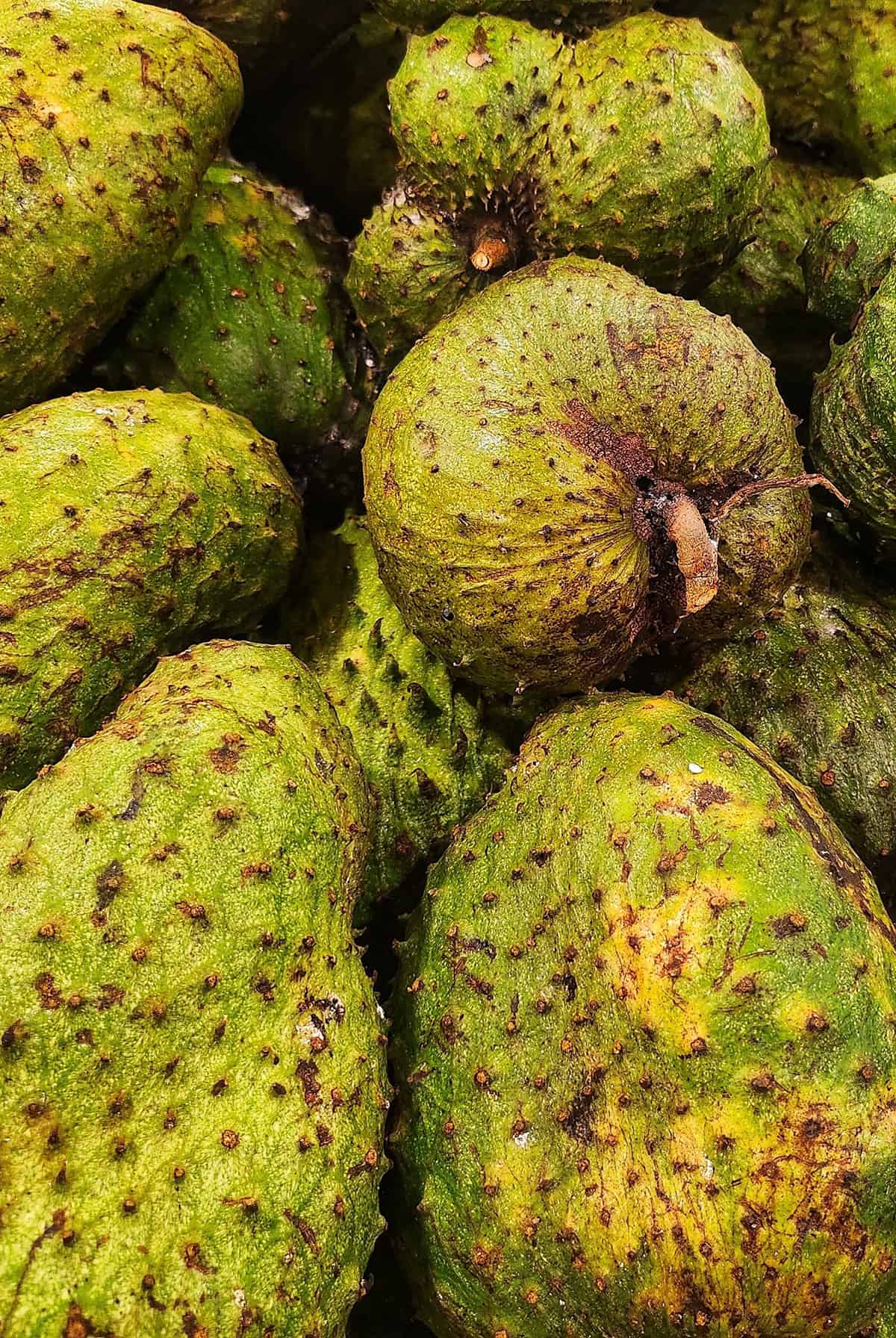
Humidity hangs in the air, and with it comes the promise of soursop fruit—sometimes more than once a year if the climate stays warm. Waiting three to five years from seed can feel endless, but grafted trees sometimes jump the line, rewarding patience sooner. Down at sea level in places like Hawaiʻi, a good year means baskets overflowing: a mature tree, plied with enough water, might hand over dozens of hefty, spiny fruits. Some trees are less generous, but even two dozen fruits, each weighing in at several pounds, is nothing to complain about.
The flowers, with their brief window of opportunity, depend on insects to do the heavy lifting. Sometimes, though, you’ll need to step in; hand pollination can turn a lackluster crop into something worth bragging about. Keep the soil moist (but not soggy) and feed the tree a balanced fertilizer—steady care keeps the harvest coming.
When it’s time to pick, color tells the story: the skin shifts from deep green to a lighter hue, and those intimidating spines soften up. Press gently—if the fruit gives a little, it’s ready. Don’t risk waiting too long on the tree; soursop bruises if you so much as look at it the wrong way.
Snip the fruit free with pruners, leaving a stub of stem. It’ll finish ripening indoors at room temperature, softening over a few days. Once it’s tender, stash it in the fridge and use it soon—soursop doesn’t wait around.
The white pulp tastes sweet with a hint of tartness, perfect for eating fresh or whirled into juice. Just don’t forget to fish out the black seeds before diving in. That flavor, mild yet tangy, works wonders in drinks and desserts.
Common Problems
Cold snaps and howling wind spell trouble for soursop. Frost bites young shoots, and flowers don’t stand a chance. Even routine gusts can shred the big leaves, leaving the tree ragged and fruit production down. A sheltered spot, tucked away from the worst of the weather, gives these trees a fighting chance.
Too much water, though, and root rot creeps in. You’ll see yellowing leaves, sudden leaf drop, and maybe blackened patches near the trunk’s base. The fix? Well-drained soil and a careful hand with the hose—overwatering is a common misstep.
Let things dry out too much, and the tree throws a fit: leaves drop, fruit shrinks, and disease moves in. Deep, infrequent watering works best, letting the topsoil dry out between soakings.
Aphids, mealybugs, scale, and fruit borers show up uninvited, sucking sap or burrowing into fruit. Sticky residue, sooty mold, and twisted leaves are your warning signs. Insecticidal soap keeps early infestations in check, but you’ll need to stay on top of it.
Sometimes the fruit blackens and rots before you get a taste. Poor air circulation and dampness make things worse, especially if the skin’s already damaged. A little pruning opens things up, and any diseased fruit should go straight to the compost—no second chances.
Popular Varieties
Walk through a nursery and you’ll spot soursop mostly offered as seed-grown trees—never quite the same twice. Size, sweetness, and even the pulp’s texture can swing wildly from one plant to another. Local selections sometimes lean juicy and lush, others feel a bit firmer or more fibrous. Grafted trees? If you can find them, they’re a safer bet for folks who want to know what they’re getting into.
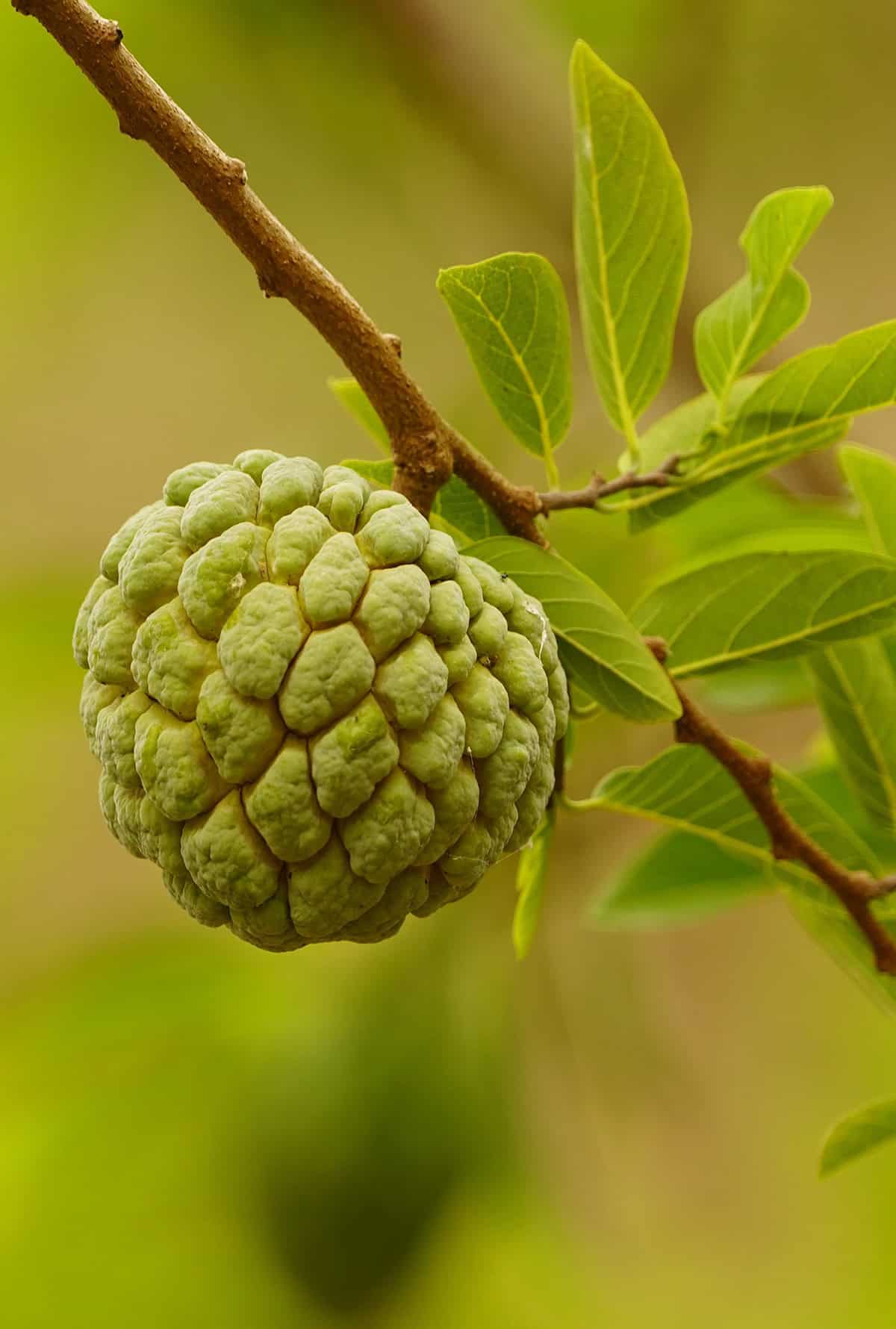
The family tree here gets a bit tangled. Soursop’s a cousin to cherimoya (Annona cherimola) and the sugar apple, or custard apple (Annona squamosa). All three bring that creamy, tropical vibe, but don’t expect them to behave the same way in your garden. Cherimoya shrugs off a little chill, while sugar apple prefers things hot and can handle a dry spell, though its fruit tends to be smaller and a bit sweeter.
Every so often, you’ll spot hybrids in the mix. Atemoya, for example, is what happens when breeders cross cherimoya and sugar apple—chasing better texture and more forgiving growing habits. Regional strains pop up too, sometimes bred for bigger harvests or fewer seeds. If you’re thinking of planting, probably worth chatting with local growers; the best variety for you really comes down to your climate and soil quirks.