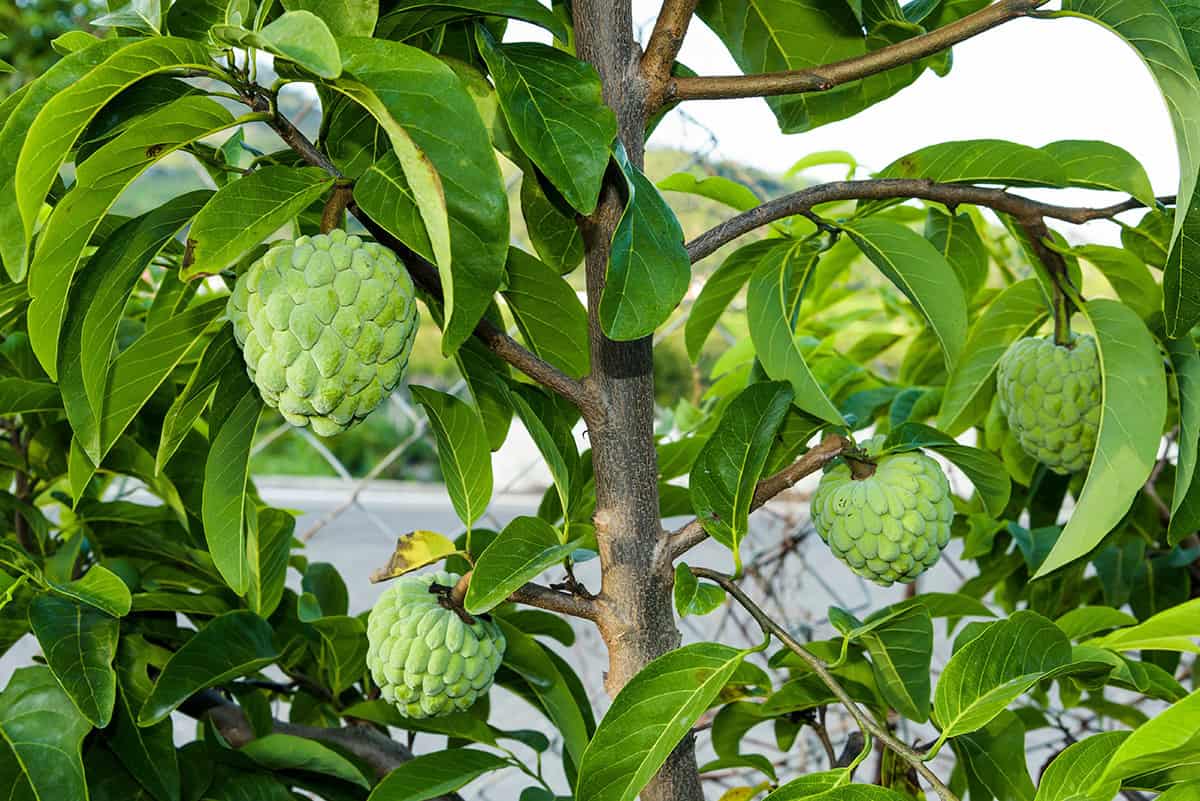
A custard apple tree is a rewarding choice for gardeners who enjoy growing tropical fruit at home. Its fragrant flowers, attractive foliage, and sweet fruit make it a standout in the landscape. A little care during the early years helps it stay healthy and productive. Read on to learn everything you need to grow a thriving custard apple tree.
Table of Contents
Quick Care Summary
Think steady heat, open sky, and soil that doesn’t hold puddles. Left alone, custard apple trees top out around 15 to 20 feet. Good airflow and spacing make a real difference for both fruit and tree health.
- Light: Full sun, at least 6–8 hours daily
- Soil: Well-drained sandy or loamy soil; avoid waterlogged sites
- Watering: Moderate and regular; reduce during dormancy
- Temperature: 73–94°F (23–34°C) for best growth
- Humidity: 70% or higher during flowering
- Fertilizer: Balanced fertilizer with nitrogen, phosphorus, and potassium; lighter nitrogen after year three
- Propagation: Seed, grafting, or budding
- USDA Zones: 10–11; frost-free areas
- Fruiting Season: Mid-summer through fall
Scout out the warmest, driest spot in your yard that won’t turn swampy after rain. Custard apples just won’t put up with soggy roots or cold snaps below 30°F.
Fifteen to 20 feet of breathing room from buildings and other trees is about right. This keeps the canopy healthy and fruit within reach. Pruning helps with both size and branch strength, especially once the fruit starts weighing things down.
If you want reliable fruit, don’t ignore pollination or let things dry out during bloom. Drought and dry air can really mess with yield and fruit quality.
Plant Overview
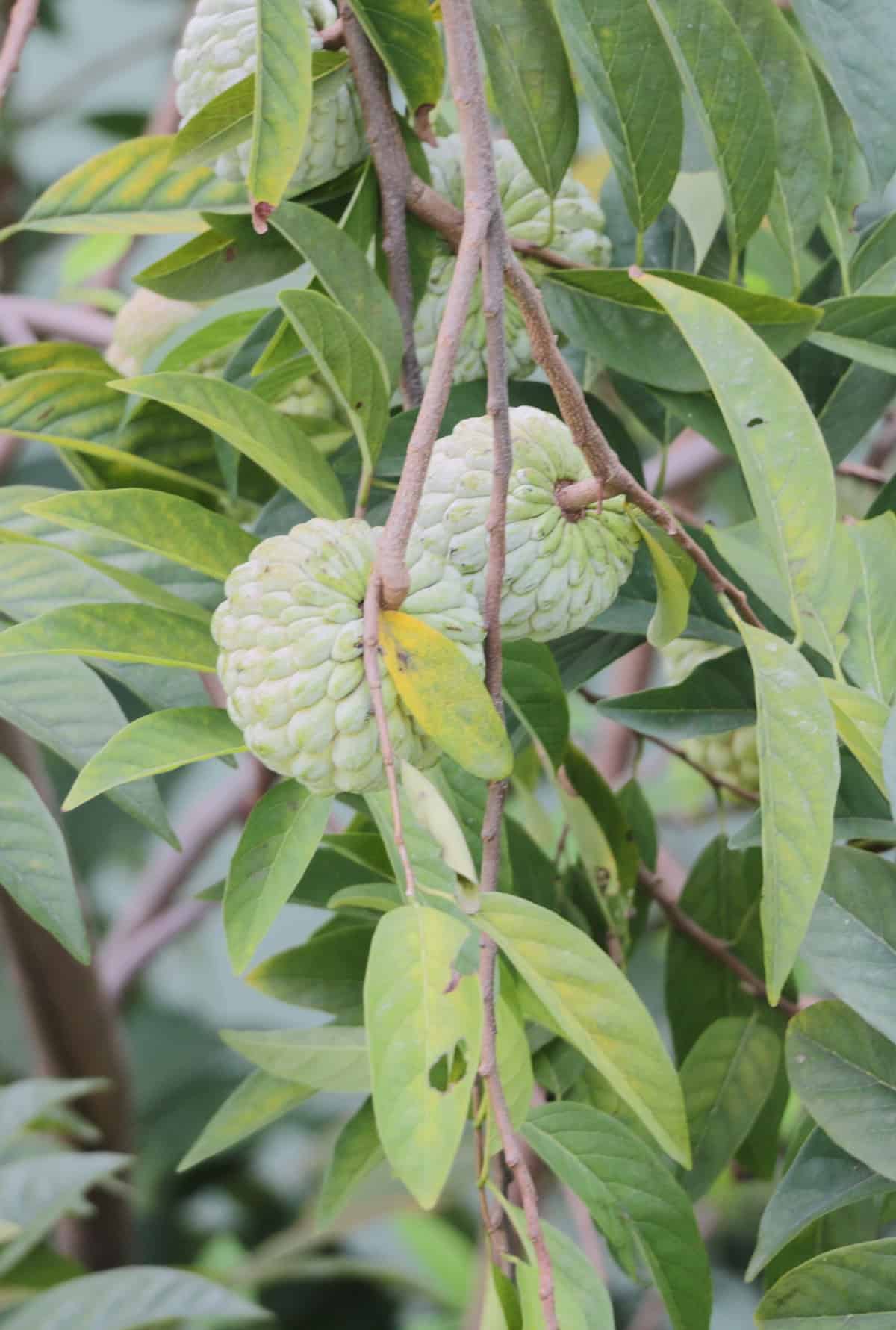
Sweet, creamy fruit is the real star here, but the tree itself—Annona squamosa—stays pretty compact. Known as sugar apple or sitaphal in some places, it’s a good fit for warm, frost-free gardens.
The tree’s tidy size means it won’t take over your yard. You’ll spot round or heart-shaped fruit, white on the inside with shiny black seeds, ripening as summer turns to fall.
Plant Details
- Botanical name: Annona squamosa
- Common names: Custard apple, sugar apple, sweetsop, sitaphal
- Plant type: Deciduous or semi-deciduous fruit tree
- Mature size: 15–20 feet tall and wide
- Growth rate: Moderate
- Toxicity: Seeds are toxic if crushed and ingested
- Native region: Tropical Americas
Quick Care Summary
- Light: Full sun
- Soil: Well-drained sandy or loamy soil
- Watering: Moderate; avoid waterlogged soil
- Temperature: 73–94°F preferred; sensitive to frost
- Humidity: 70% or higher supports fruit set
- Fertilizer: Balanced fertilizer during active growth
- Propagation: Seed, grafting, or budding
- USDA zones: 10–11
- Fruiting season: Mid-summer to fall
When you’re planting, go for a spot that’s both sunny and protected. Warmth and a dry spell before flowering usually mean more fruit later. With some patience, you’ll be picking your own within a few seasons.
Light
Nothing beats direct sunlight for this tree. A spot that soaks up at least 6 to 8 hours of sun each day is ideal—flowers and fruit just won’t develop right without it.
Shade isn’t a total dealbreaker for young trees, but too much of it leads to spindly branches and a disappointing fruit count. If you’re stuck with only partial sun, expect less.
In places where the afternoon sun feels like an oven, young trees might scorch. Some light shade in the hottest hours can help until roots settle in. Once established, they handle the heat better.
Trying to grow indoors? That’s a tough sell unless you’ve got crazy-bright light—think south-facing windows or powerful grow lights. Even then, outdoor sun gives far better results. Container growers should shuffle plants to the brightest spot outside when it’s warm.
Water
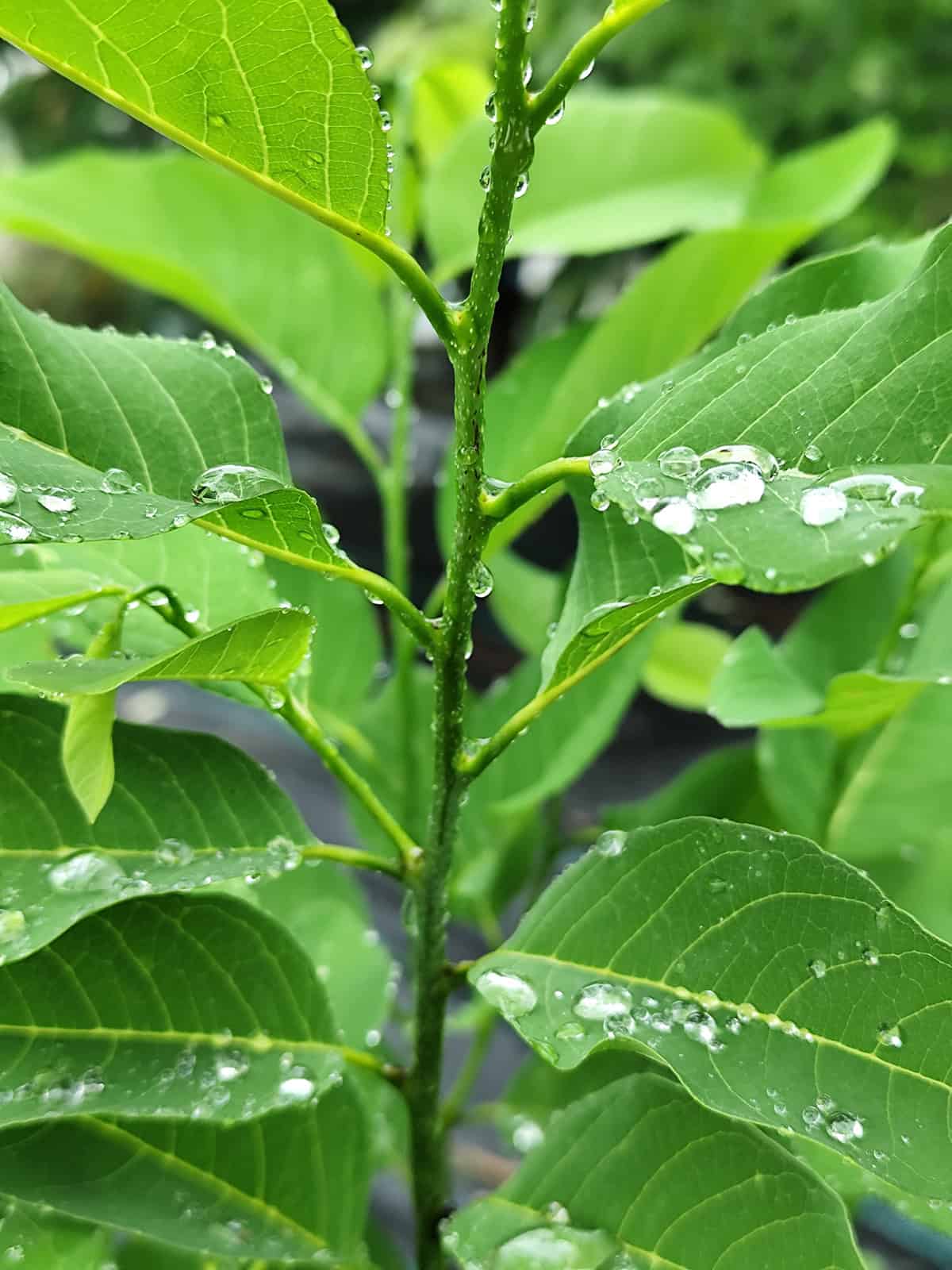
The roots need steady moisture, but they hate soggy conditions. Aim for soil that’s evenly moist—never swampy. Standing water is a recipe for root rot.
During the first year, young trees want frequent drinks. Check the top couple inches of soil; if it’s dry, it’s time to water. Deep watering builds tough roots that can handle dry spells down the road.
Older trees can shrug off short dry periods, but a long drought? That’ll shrink your fruit and cut your yield. When the tree’s blooming and fruiting, up the water a bit. Dryness during flowering can mean fewer fruits.
Once the weather cools and growth slows, ease up on watering. Let the surface dry out a little between soakings, but don’t go bone dry. Drainage always matters—roots suffocate in wet, heavy soil.
Sandy soils dry out fast, so you’ll water more often. Heavier soils hold water longer, so watch for yellowing or wilting—could be too much. Rainfall and temperature should guide your schedule, not just the calendar.
Soil
Roots thrive when the ground drains quickly. If puddles linger after rain, pick another spot or raise the planting area. Soggy ground just spells trouble—root rot, stunted growth, the works.
Sandy, loamy, or even light limestone soils work, as long as the water doesn’t stick around. Too much nitrogen, especially in rich soils, pushes leafy growth at the expense of fruit. A little restraint with fertility keeps things balanced.
Slightly acidic to neutral pH—think 6.0 to 7.5—is the sweet spot. Extreme pH messes with nutrient uptake. If you’re unsure, a soil test helps. Lime or sulfur can nudge things in the right direction if needed.
Heavy clay is a headache unless you amend it for drainage. Raised beds or mounds are a solid fix in soggy areas. Planting a bit high keeps roots drier during wet spells.
Mixing in compost helps with both structure and moisture, but don’t overdo it. You want roots to spread, not just circle a rich pocket. Consistent soil means healthier, more productive trees.
Temperature & Humidity
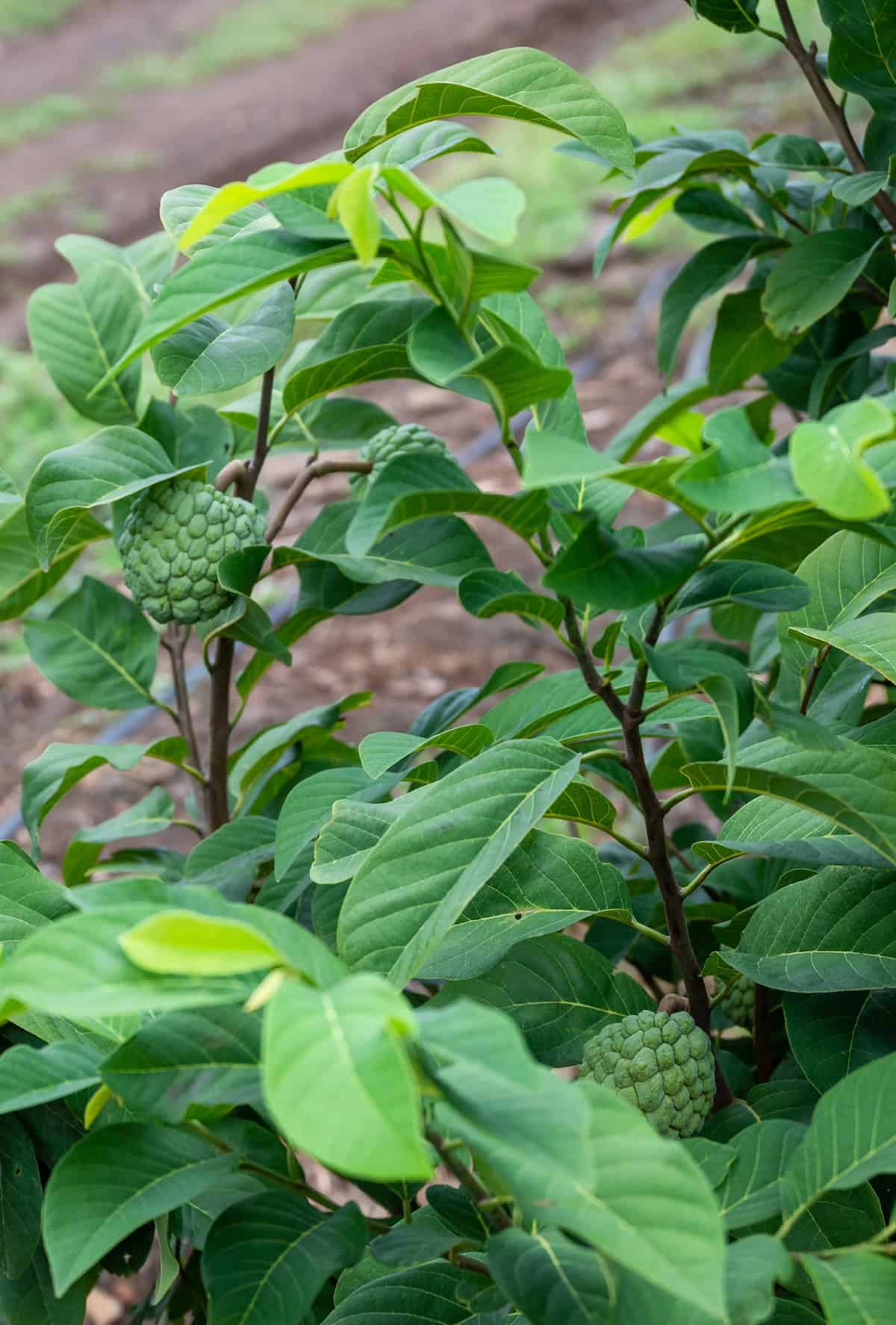
Warmth is non-negotiable—days in the 73°F to 94°F range are where this tree thrives. Flowers and fruit just don’t develop well if things stay cool.
Frost is the real enemy. Young trees can get zapped at 30–32°F, and even mature ones start suffering below 28°F. Covers or sheltered planting spots help in borderline climates.
Cool spells slow everything down, and you might see some leaf drop in mild winters. Once spring heats up, recovery is quick. If your garden has a cold pocket, avoid it.
Humidity matters, too. Flowering and early fruit set need 70% or higher. Dry air—especially with wind—drops flowers and cuts fruit set. Windbreaks can help hold in moisture and keep things stable.
Even in humid weather, don’t let soil get soggy. Root rot is always lurking if drainage isn’t right.
Fertilizer
Feeding helps, but it’s easy to overdo it. Young trees want more frequent, balanced fertilizer—something with nitrogen, phosphorus, and potassium.
For the first few years, feed every six to eight weeks during the growing season. A 6-6-6 or 8-3-9 mix works fine. Scatter it under the canopy and water it in.
Once fruiting starts, go lighter on nitrogen to keep leaf growth in check. Too much green, not enough fruit otherwise. Three or four feedings a year is plenty after that.
Micronutrient sprays—magnesium, zinc, manganese—can help with leaf color and fruit, especially in spring and early summer. Spray when it’s not blazing hot.
Skip fertilizer during cold snaps or if the tree looks stressed from cold. In naturally rich soils, cut back to avoid soft, sappy growth. Watch the leaves and fruit for clues if you need to adjust.
Growing in Containers
No yard? Big container works, but you’ll need at least 20 to 30 gallons and plenty of drainage holes. Wet roots spell disaster.
Keep the pot in full sun—six to eight hours minimum. Temperatures between 70°F and 90°F keep things moving. Below freezing, especially for young trees, is risky, so be ready to move them or protect them.
Use a mix that drains fast. Good potting soil plus coarse sand or perlite is the way to go. Skip heavy garden dirt—it packs down and suffocates roots.
Water deeply, then wait until the top inch or two dries out before watering again. Overwatering in cool weather is a common mistake.
Fertilize with a balanced product every couple months in spring and summer. After three years, cut back on nitrogen for better flowering.
Prune just enough to keep things tidy and let light reach the middle. Every few years, repot to refresh the soil and keep roots from circling.
Potting & Repotting
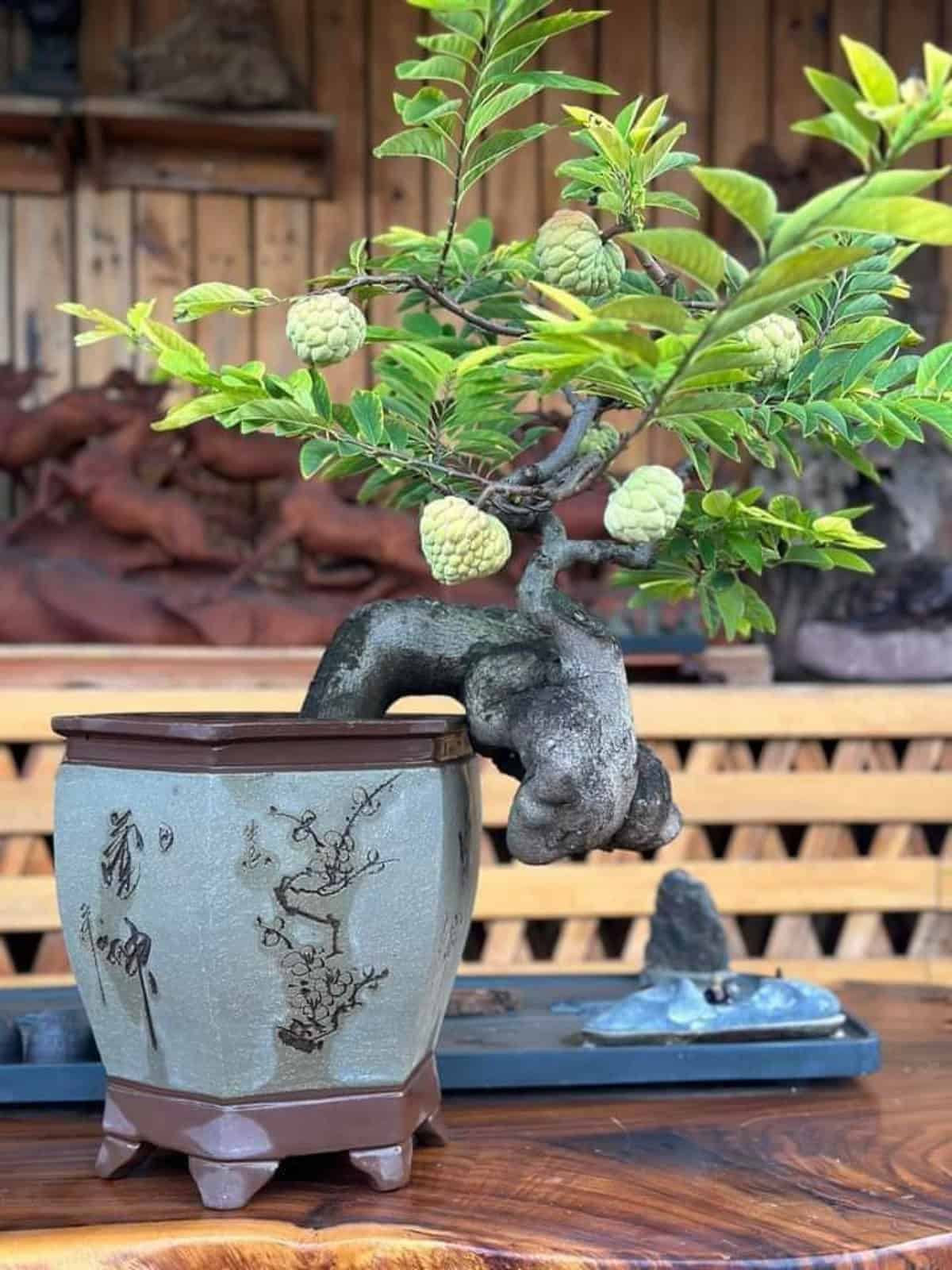
Pick a pot with solid drainage—roots can’t stand sitting in water. Start small: a 12- to 16-inch-wide container is fine for young trees, filled with a gritty, well-draining mix.
Oversized pots aren’t helpful early on; too much soil holds water and can rot roots. Step up to bigger pots gradually as the tree grows.
Repot every couple of years. Move up just a few inches in diameter each time. Knock off some old soil, but don’t tear up the roots unless they’re circling hard.
If you spot circling roots, gently loosen them before replanting. Trim only what’s dead or damaged. Water well after repotting, then let the top layer dry before watering again.
Once the tree settles in, get it back in full sun. In colder places, bring the pot inside before freezes hit.
Pruning
Taming the tree early pays off—size control and better fruit are the goals. Start shaping it in the first year.
Pick three or four sturdy side branches to build the main structure, spaced evenly around the trunk. Take out weak, crowded, or awkwardly angled shoots.
Keeping the tree under 12 feet makes harvest way easier. Cut back long branches to outward-facing buds to limit height and balance growth.
Late winter or early spring is the prime time to prune, before new shoots pop. In warm places where the tree drops leaves, prune after harvest. Avoid heavy cuts when flowers or fruit are present.
Dead, damaged, or sick-looking wood should go as soon as you see it. Water sprouts and vertical shoots that block light in the center can be trimmed, too.
Clean, sharp tools are essential. Disinfect between trees to prevent spreading problems. Make cuts close to the branch collar, not leaving stubs.
Younger trees only need a light touch each year. Older ones benefit from a bit more thinning to keep structure and yields steady.
Propagation
Seeds are the easy route for home growers, though you never quite know what you’ll get. Use fresh seeds from ripe fruit—old ones rarely sprout.
Rinse seeds clean, dry them for a day, and plant about an inch deep in a fresh, well-drained mix. Keep things moist and warm (above 70°F). Germination usually takes three or four weeks.
Seedlings don’t always match the parent for fruit quality. If you want predictable results, grafting is the way to go. Most nurseries graft named varieties onto seedling rootstock for uniformity.
Veneer or cleft grafting during active growth works best. Healthy, vigorous rootstock is key. Line up the cambium layers well and secure tightly. Shade the graft until it takes.
Shield budding is another method, especially where humidity stays high. Once the graft or bud union is solid, prune away shoots below it so all the energy goes up. Grafted trees usually fruit sooner than those from seed.
Fruiting & Harvest
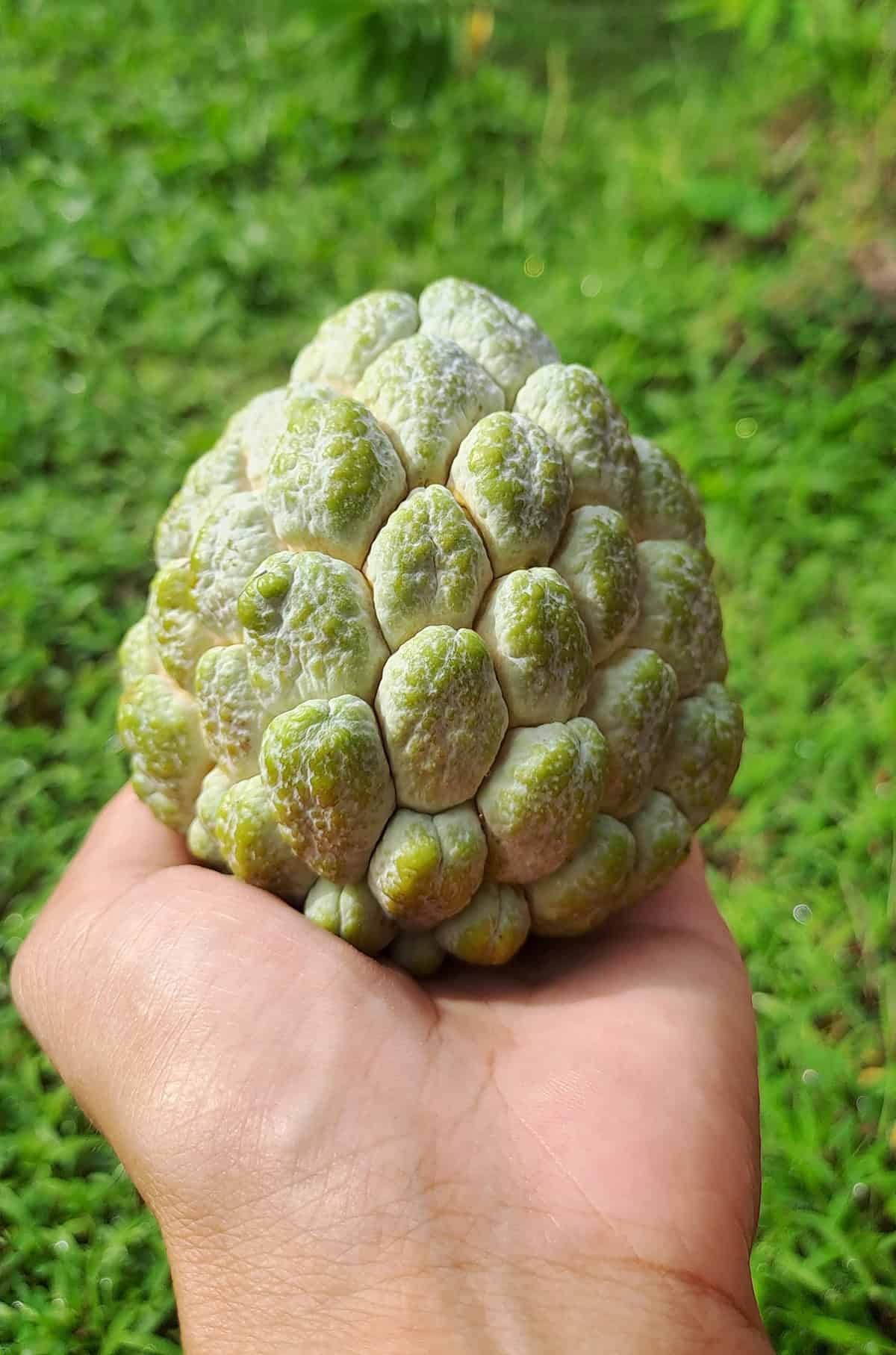
Three or four years after planting from seed, the anticipation for custard apples finally pays off—unless you’ve got a grafted tree, which tends to jump the line and fruit a bit sooner. Blossoms typically pop open as spring settles in, coaxed by warm days. If the air stays dry and breezes are mild, fruit set usually gets a nice boost.
Yields often hinge on pollination. In spots where insects aren’t doing much, it’s almost routine to grab a brush and hand-pollinate in the evening. Swapping pollen from a just-opened male flower to a receptive female one can make all the difference, especially for bigger, more consistent fruit.
As summer deepens and autumn edges in, the fruit shifts—skin softens, color lightens, and those familiar segments begin to loosen their grip. You’ll want to pick when a gentle squeeze leaves a dent, but before splits appear. Miss that window, and the fruit can go from perfect to ruined overnight.
Good pruning and a balanced fertilizer schedule keep production steady. Once fruiting starts, keep nitrogen in check or you’ll end up with lots of leaves and not much else. Water matters, too: steady moisture through bloom and harvest, never boggy soil. In a solid year, a healthy tree can surprise you with a haul of 20 to 50 fruits.
Common Problems
A cold snap can spell disaster, especially for young custard apple trees—frost at just 30°F can wipe them out. Older trees shrug off light chills but start dropping branches if nights get too cold. Choosing a spot away from frost pockets and wrapping up young trunks on icy nights is just part of the territory.
Too much water? That’s a quick route to root rot. A week of soggy soil is enough for leaves to yellow, wilt, and the whole tree might check out. Quick drainage is non-negotiable, and low-lying spots that stay wet after rain are best avoided.
When the air dries out during flowering, fruit set suffers. Wind doesn’t help either, sometimes scarring the fruit or knocking off blossoms. Windbreaks and keeping the soil evenly moist from bloom to harvest can help, though it’s not always easy.
Salt sneaks in through soil or irrigation water, burning leaf tips and, over time, stripping the tree bare. It’s a slow decline that’s tricky to reverse.
Fertilizer can be a double-edged sword. Too much nitrogen and you’ll get lush foliage with hardly any flowers. Skimping on nutrients leaves you with stunted fruit and spindly growth. After that third year, it’s worth tweaking your feeding routine.
Pests? Scale, mealybugs, fruit borers—they’re all regulars. Leaves get chewed, fruit gets ruined. Regular checks and quick action are the only way to keep things under control.
Popular Varieties
Wander through a nursery and you’ll spot an odd assortment of Annona fruits—some knobby, some heart-shaped, some with a kind of mysterious glow to their skin. Names like Annona reticulata, sugar apple (Annona squamosa), and atemoya pop up on faded tags. They don’t just look different; the way they taste, how they feel on the tongue, and even how much chill they can shrug off varies quite a bit.
With Annona reticulata—bullock’s heart, as some call it—you’re looking at fruit shaped almost like a Valentine, skin stretched thin over soft, almost pudding-like flesh. Bite in and you get mellow sweetness, not too bold, just gentle and smooth. These trees don’t stay small, and they’re happiest where frost is a distant rumor.
Then there’s sugar apple, with its quirky, segmented globe that practically falls apart in your hands when ripe. Inside, white pulp clings to glossy black seeds, and the taste? Rich, custardy, a bit decadent. Some folks chase down ‘Lessard Thai’ for its hefty green fruit, while others swear by the reddish ‘Kampong Mauve.’
Atemoya, now, that’s a bit of a wildcard—born from sugar apple and cherimoya, it’s got a foot in both worlds. Cooler nights don’t bother it as much. ‘Gefner’ seems to fruit without much coaxing, but with other types you might find yourself out there with a paintbrush, playing pollinator if you want a harvest.
Frankly, picking one comes down to what your winters are like and how much room you’ve got to spare. Local extension agents usually have a few opinions, so it’s worth checking in before digging any holes.