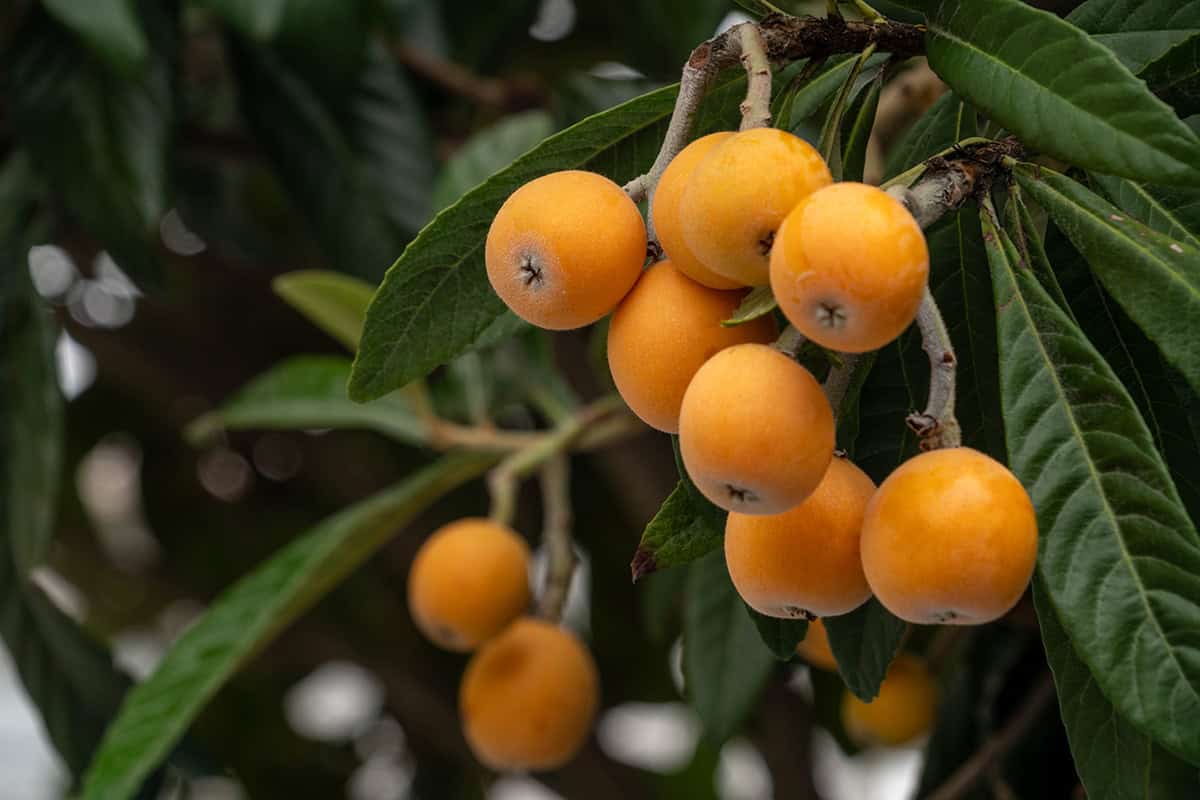
Loquat flowers in late fall, an odd choice for a fruit tree, and its small, sweet-tart orange fruit ripens in late winter and spring when little else is ready to pick.
The large, leathery, deeply veined leaves hold their color all year on this evergreen tree. Full sun, well-drained soil and a winter mild enough to spare the blossoms produce the best crops.
Of all its diseases, fire blight causes the most damage, and the problems section explains how to spot and stop it.
Table of Contents
Quick Care Summary
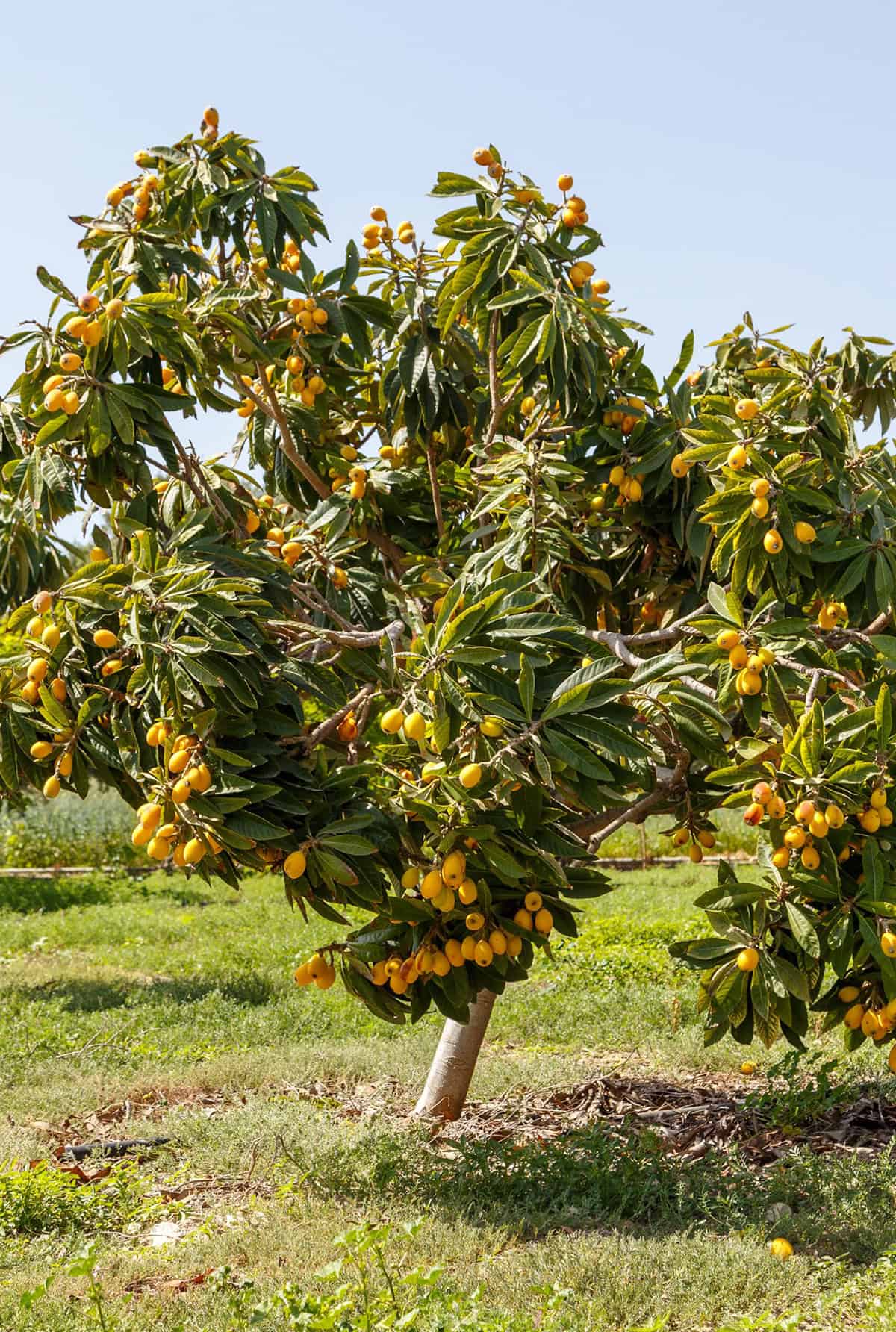
Loquat forms a small evergreen tree that supplies both fruit and shade, and it grows best with sun, space, gentle winters and free-draining soil. Blooms appear in fall or early winter, and fruit follows in late winter or spring. Unpruned trees reach 15 to 25 feet in height and spread.
- Light: Full sun for the best fruit; tolerates partial shade
- Soil: Well-drained sandy or loamy soil; pH 6.0–7.5
- Watering: Deep and moderate, especially in dry spells
- Temperature: Mature trees hardy to about 10–12°F; flowers damaged below 27°F
- Humidity: Average
- Fertilizer: Balanced blend 2–3 times a year
- Propagation: Grafted plants for fruit; seed for rootstock
- USDA Zones: 8–10
- Fruiting season: Late winter through spring
Protect the trunk from string trimmers and mowers with a grass-free circle around the base, and thin crowded branches for light and airflow.
Plant Overview
Eriobotrya japonica, known as loquat, Japanese medlar or pipa, forms a dense, upright canopy of bold, leathery leaves. It serves as a fruit tree, shade tree, specimen, privacy screen or patio accent.
Originally from China, it now grows in warm regions worldwide. Fragrant white flowers open in fall, and the fruit ripens to yellow or orange and softens in spring.
- Botanical name: Eriobotrya japonica
- Common names: Loquat, Japanese medlar, pipa
- Plant type: Evergreen fruit tree or large shrub
- Mature size: 10–30 feet tall and wide
- Growth rate: About 1–2 feet per year
- Toxicity: Seeds contain cyanogenic compounds and are toxic if crushed and eaten
- Native region: Central and southern China
Light
Six or more hours of direct sun produce the best growth and fruit crop.
In partial shade, the canopy thins, branches grow upright and fruit quality drops.
Where summer heat reaches 95°F and above, afternoon shade protects the leaves, and deep watering helps the tree through heat spells.
Open sky and good airflow produce healthier trees, so avoid spots shaded by buildings or large trees. Morning sun dries dew quickly and limits disease. Potted trees need the brightest location available, ideally facing south or west, with a regular partial rotation.
Water
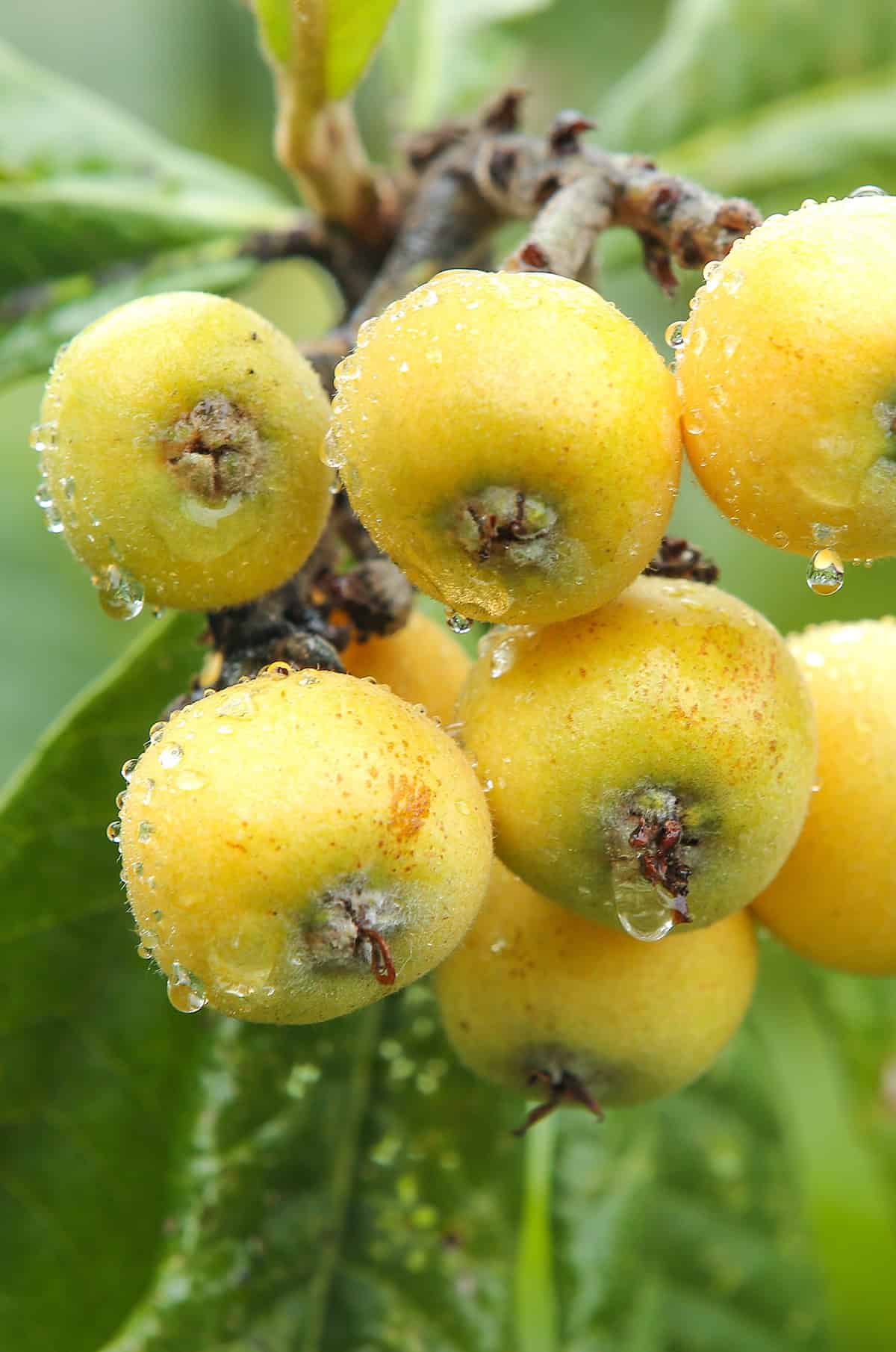
Young loquat trees need steady moisture, especially in their first year. Water on a regular schedule, with the soil moist but never soggy.
Deep watering beats shallow sprinkling. Soak the soil 12 to 18 inches deep, then wait until the top few inches dry before watering again.
Older trees handle short dry spells, but long droughts shrink the fruit and dull its flavor. Increase watering when rain is scarce between late summer and harvest.
Soggy soil damages the roots, so cut back on irrigation when water lingers after rain, and check the soil by hand before watering. A 2- to 6-inch layer of wood chips or bark mulch holds moisture and evens out soil temperature, as long as it sits away from the trunk.
Sandy soil dries fast and needs more frequent watering, while clay holds water longer and needs fewer, deeper soaks.
Soil
Drainage matters most. Loquats grow in sandy, loamy and some clay soils, but the roots need air, and constantly soggy ground stunts them.
Limestone and slightly alkaline soils also grow loquats, and yellow leaves from iron deficiency there respond to chelated iron.
A pH between 6.0 and 7.5 is best, and minor swings outside that range rarely cause problems. A soil test through a local extension office answers any questions.
Avoid sites that flood or hold water. In heavy soil or where the water table is high, plant on a mound 2 to 3 feet tall.
Backfill mostly with native soil instead of pure compost, which encourages roots to spread outward. Mulch the root zone and leave a gap at the trunk.
Temperature & Humidity
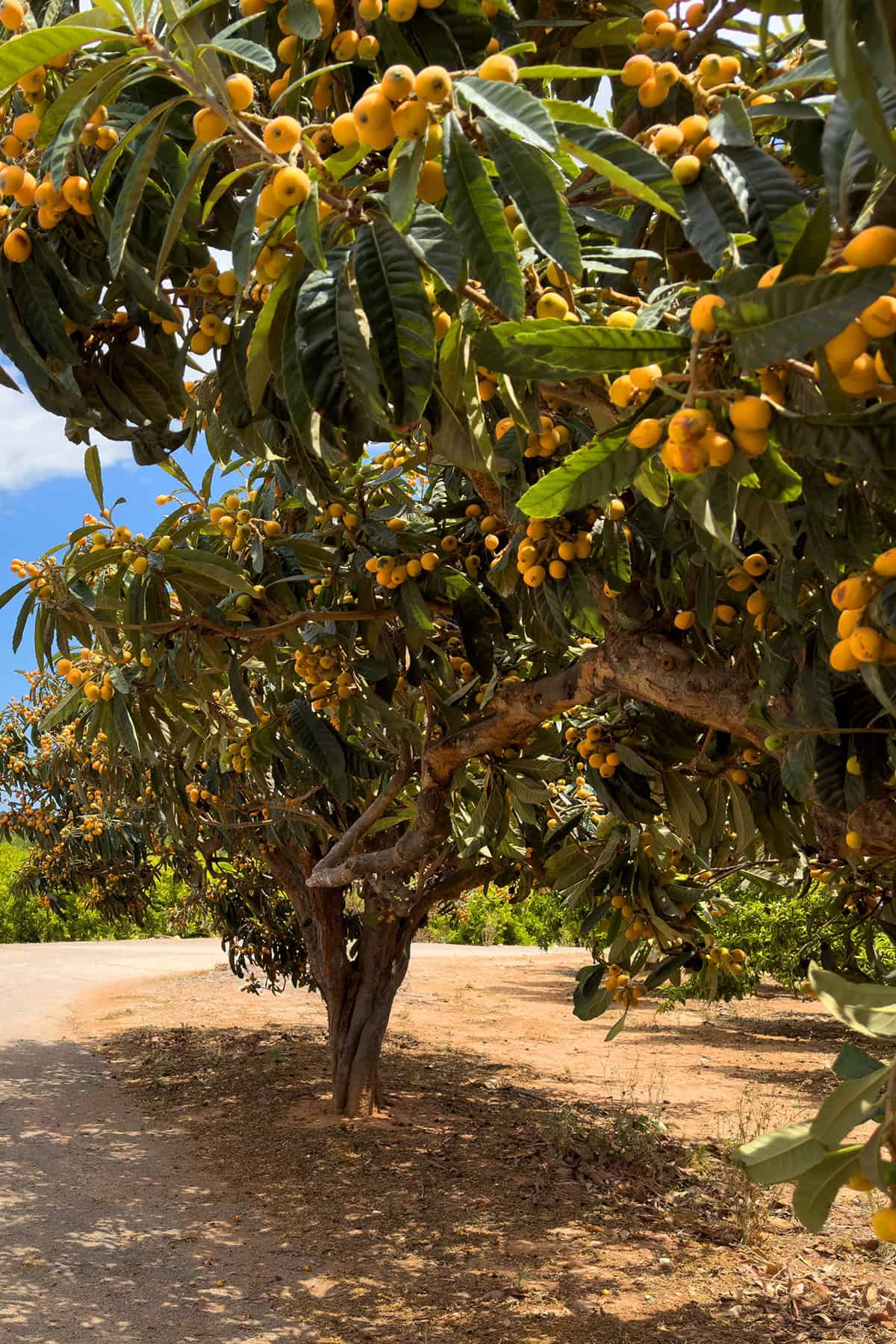
Loquats grow best in USDA Zones 8 to 10. Mature trees survive freezes down to about 12°F, but flowers and young fruit are more sensitive, and temperatures below 27°F to 28°F destroy a crop.
Plant in a spot sheltered from harsh winds, ideally where early morning sun misses the tree after a freeze, since rapid thawing damages blooms. Frost cloth protects flowers in cooler areas, and potted trees move to shelter when cold threatens.
Summers above 95°F scorch the leaves, and deep watering plus afternoon shade help. Average humidity is fine as long as the soil drains.
Fertilizer
Young trees benefit from light, steady feeding for the first few years. In year one, apply about a quarter pound of a balanced fertilizer such as 6-6-6 every couple of months, and increase the amount gradually as the tree grows.
Established trees need two or three feedings a year, before bloom in late fall, in early spring and in early summer, with a balanced 6-6-6 or 8-3-9 blend.
Excess nitrogen produces soft growth vulnerable to fire blight. Supplement iron, zinc or manganese where soils lack them, and use chelated iron drenches in warm months on alkaline soil.
Spread fertilizer under the canopy, a few inches from the trunk, and water it in.
Growing in Containers
Loquats grow in large containers of 15 to 25 gallons with good drainage. Heavy pots resist tipping in wind.
Use a well-drained, slightly acidic to neutral potting mix blended with coarse sand or fine bark, and skip garden soil.
Place the pot in full sun, with some afternoon shade in scorching climates. When temperatures threaten to drop below 27°F during bloom or fruiting, move the pot into shelter.
Water deeply and let the top couple of inches dry between waterings, which happens quickly in pots, and water less during cool spells. Fertilize lightly every six to eight weeks during the growing season, then ease off in late summer to avoid tender, frost-prone growth.
After harvest, thin crowded branches for a compact, open canopy. Every few years, refresh the soil and trim circling roots.
Potting & Repotting
For young trees, start with a sturdy 18- to 24-inch pot with plenty of drainage, filled with a loose mix of potting soil and coarse sand or pine bark.
Set the top of the root ball at or slightly above the soil surface, press the mix down gently and water thoroughly.
Every couple of years, move the tree up one pot size. Once it reaches the largest pot wanted, root prune instead. Slide the tree out, trim a few inches off the outer roots, replace some old mix with fresh and return it to the same container.
Bright sun encourages flowering and fruiting, and watering should ease off in cold, wet weather.
Pruning
Early shaping builds a sound structure, either a strong central leader or an open center with a balanced canopy.
Prune in late winter or early spring. In frost-prone spots, wait for new shoots before cutting out winter damage. Remove dead, broken or diseased branches first, with cuts just above healthy wood.
Thin crowded areas for light and airflow, and remove crossing or rubbing limbs. Avoid topping, since large stubs invite decay, and follow the tree’s natural shape.
After harvest, shorten long shoots if height becomes a problem, but remove no more than a third of the canopy in a year. Disinfect tools between cuts on diseased trees. Older trees need only regular cleanup, and the removal of lower branches raises the canopy into a tidier, tree-like shape.
Propagation
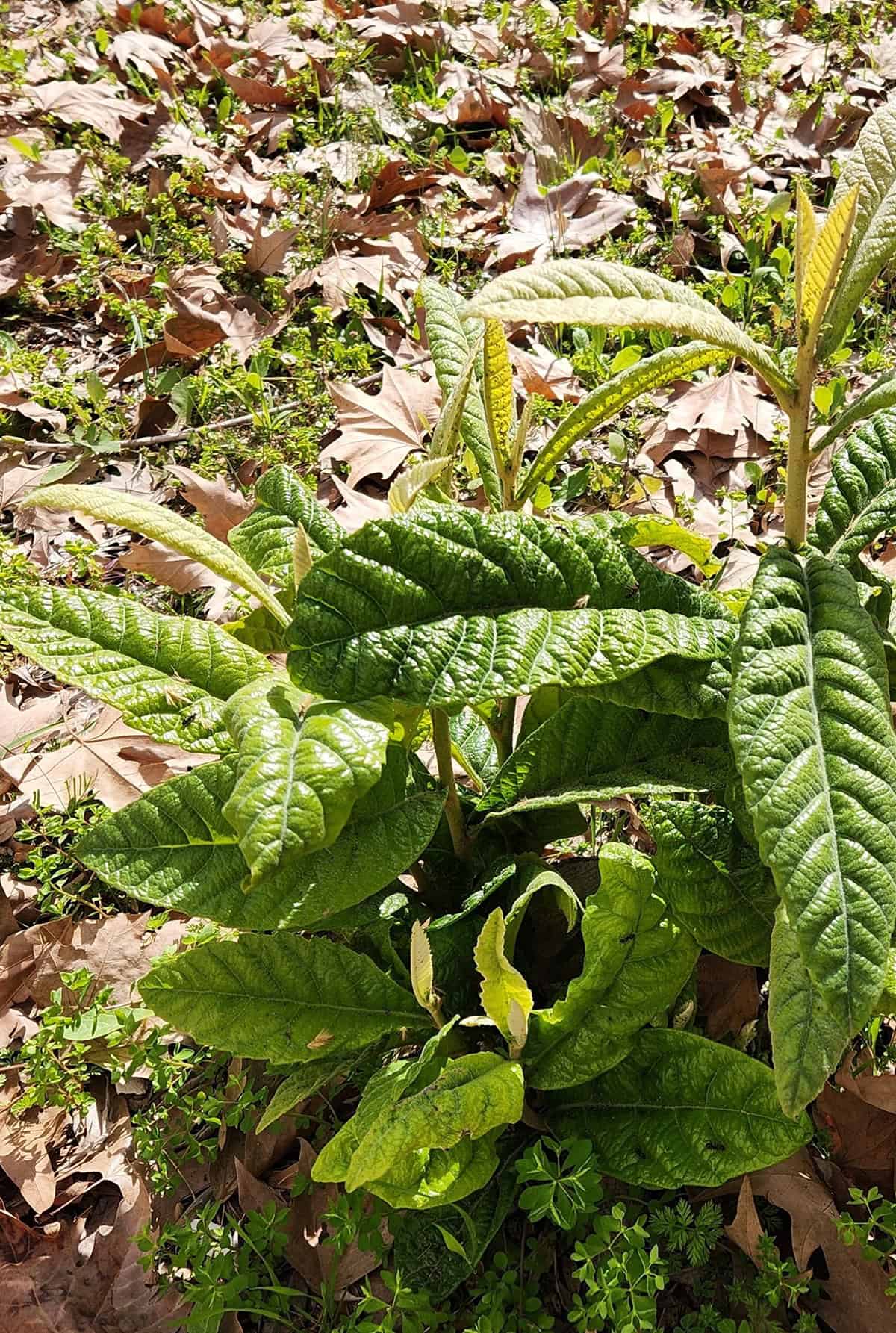
Loquat seeds sprout easily, but seedlings rarely match the parent and take six to eight years to bear, so seed mainly produces rootstock.
Grafted trees preserve a variety’s flavor, size and yield and fruit within a year or two of planting. Nurseries graft onto seedling rootstock with cleft, veneer or whip grafts, and chip or shield budding succeeds when the bark slips.
Semi-hardwood cuttings treated with rooting hormone in a moist, well-drained medium root unpredictably. Air layering takes patience but produces a true copy of a favorite tree.
Start with healthy, disease-free material for any method to limit fire blight and other problems.
Fruiting & Harvest
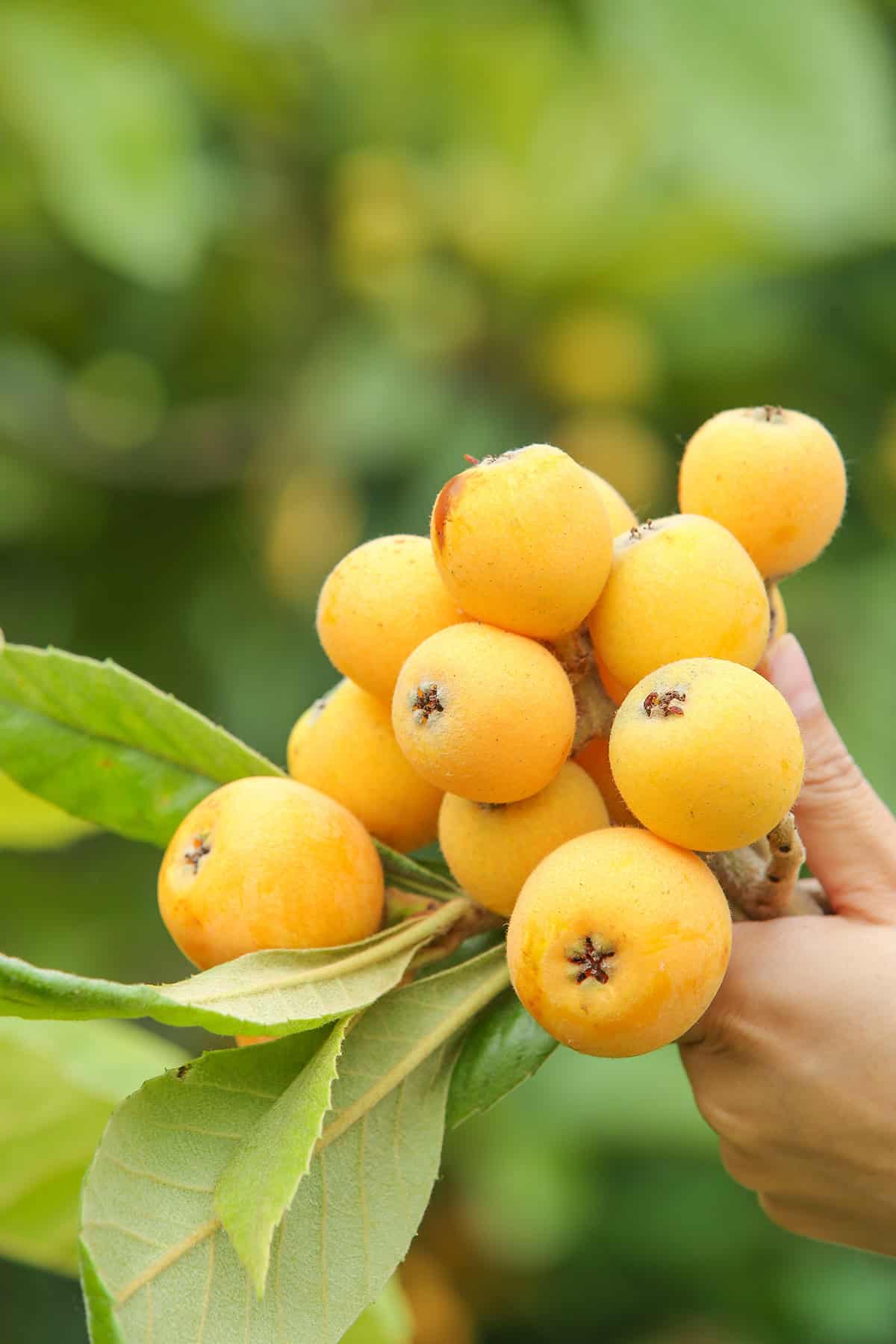
Loquat trees bloom in fall, and fruit ripens in late winter or early spring in warm regions. Temperatures below 28°F damage flowers and young fruit. Mature trees yield anywhere between a few dozen and several hundred pounds, with size and care deciding the total. Dry spells shrink the fruit, though the flavor holds up well.
Ripe fruit colors deep yellow to orange and softens slightly. Taste is the real test, since loquats get no sweeter after picking. Large seeds take up much of each fruit, and russet patches on the skin are cosmetic.
Harvest clusters once most fruit has colored. Snip whole bunches with sanitized pruners, or twist off individual fruits gently, since the thin skin tears and bruises easily. Morning harvests, while it is cool, are best.
Fresh loquats last about a week in the refrigerator, unwashed until use. Eat them fresh, or seed them and cook the flesh into jam or desserts. Late harvests lose fruit to birds and insects.
Common Problems
Aphids swarm new growth and leave curled leaves and sticky honeydew, and black scale clusters on stems and leaf undersides and invites sooty mold.
A strong spray from the hose knocks off small outbreaks, and horticultural oil controls active aphids and scale. Regular checks of leaf undersides catch trouble early.
Fruit flies and codling moths lay eggs in ripening fruit, and the larvae tunnel inside and cause early drop. Thin crowded clusters and bag them before they color.
Fire blight blackens shoots so they look scorched, collapses blossoms and kills branch tips, especially in warm, wet weather. Cut infected wood well below the visible damage, clean tools between cuts and avoid heavy nitrogen, which encourages soft, vulnerable growth.
Poor drainage yellows the leaves and weakens the tree, and better drainage and careful irrigation correct it.
Popular Varieties
Named loquat varieties produce better fruit than seedlings, and they differ in skin color, flesh color, sweetness and seed count.
‘Advance’ produces yellow-skinned fruit with white flesh on a naturally compact tree. ‘Champagne’ has pale yellow skin and juicy, sweet-tart white flesh, and it crops best with a second variety nearby for cross-pollination.
‘Big Jim’, from California, bears large, orange-fleshed fruit, and ‘Wolfe’, bred in Florida, has thin yellow skin and sweet, mild flesh. ‘Variegata’ has green leaves streaked with white and grows mainly as an ornamental.
Local climate and space narrow the choice, and nearby extension offices know which loquats succeed in the area.