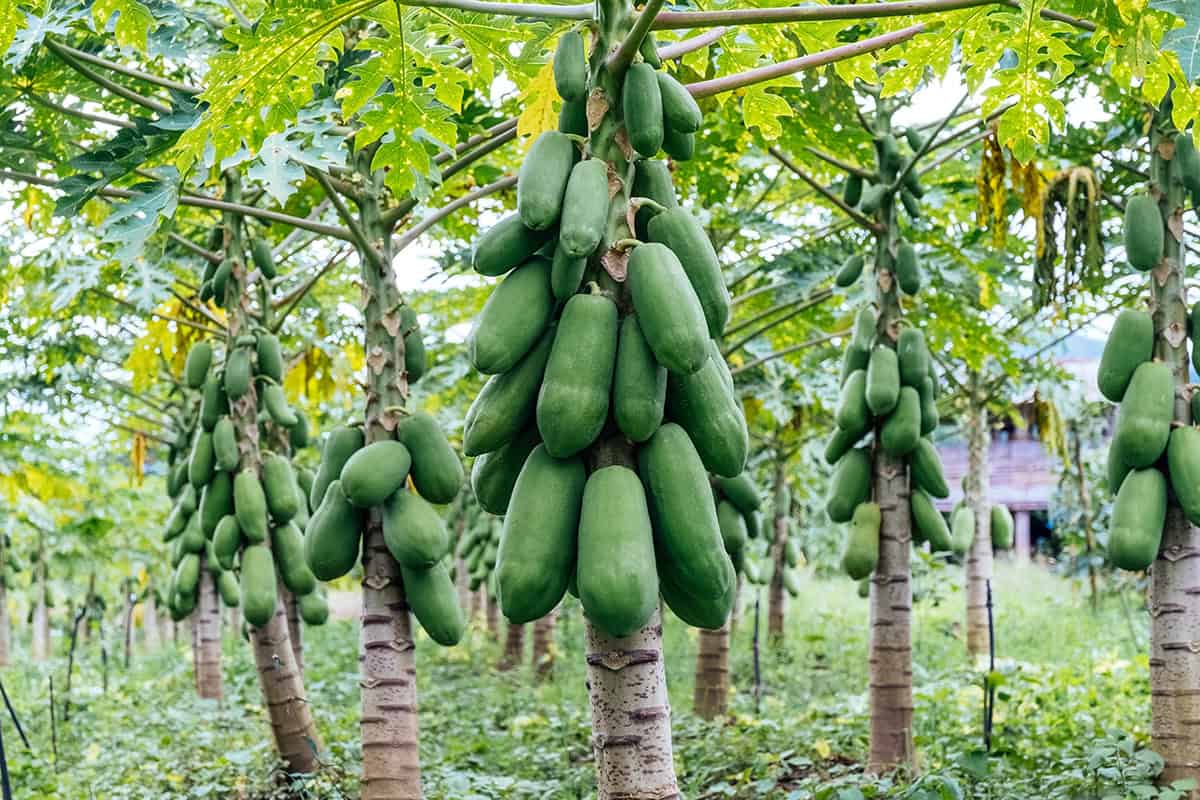
Every productive papaya plant begins with a strong foundation. Proper planting, watering, fertilizing, and occasional pruning all help support steady growth and abundant harvests. Those straightforward practices keep the plant growing at its best. Dive into this guide to learn how to grow and care for a healthy papaya plant.
Table of Contents
Quick Care Summary
When papaya gets what it wants, it races from seed to fruit. Cold, soggy roots, and wind are dealbreakers. Focus on warmth, sun, and gentle but steady feeding.
- Light: Full sun; at least 6–8 hours daily
- Soil: Well-drained sandy or loamy soil; tolerates various pH levels
- Watering: Even moisture; avoid soggy or flooded soil
- Temperature: Ideal range 70–90°F; damage below 31°F
- Humidity: Prefers moderate to high humidity
- Fertilizer: Small, frequent applications of balanced fertilizer
- Propagation: Seed or nursery plant; plant more than one for pollination if not bisexual
- USDA Zones: 9B–11
- Fruiting Season: Often 7–11 months after planting in warm climates
A spot with warmth and shelter, plus sharp drainage, is the sweet spot. Soil too wet? Build a mound to lift the roots. In chilly climates, papaya does fine in a big pot that can come inside if frost threatens.
Water often, but don’t drown the roots. Light, regular feeding supports fast growth and fruit. If you’re not seeing fruit, check the flowers—plant sex matters here.
Papaya Plant Overview
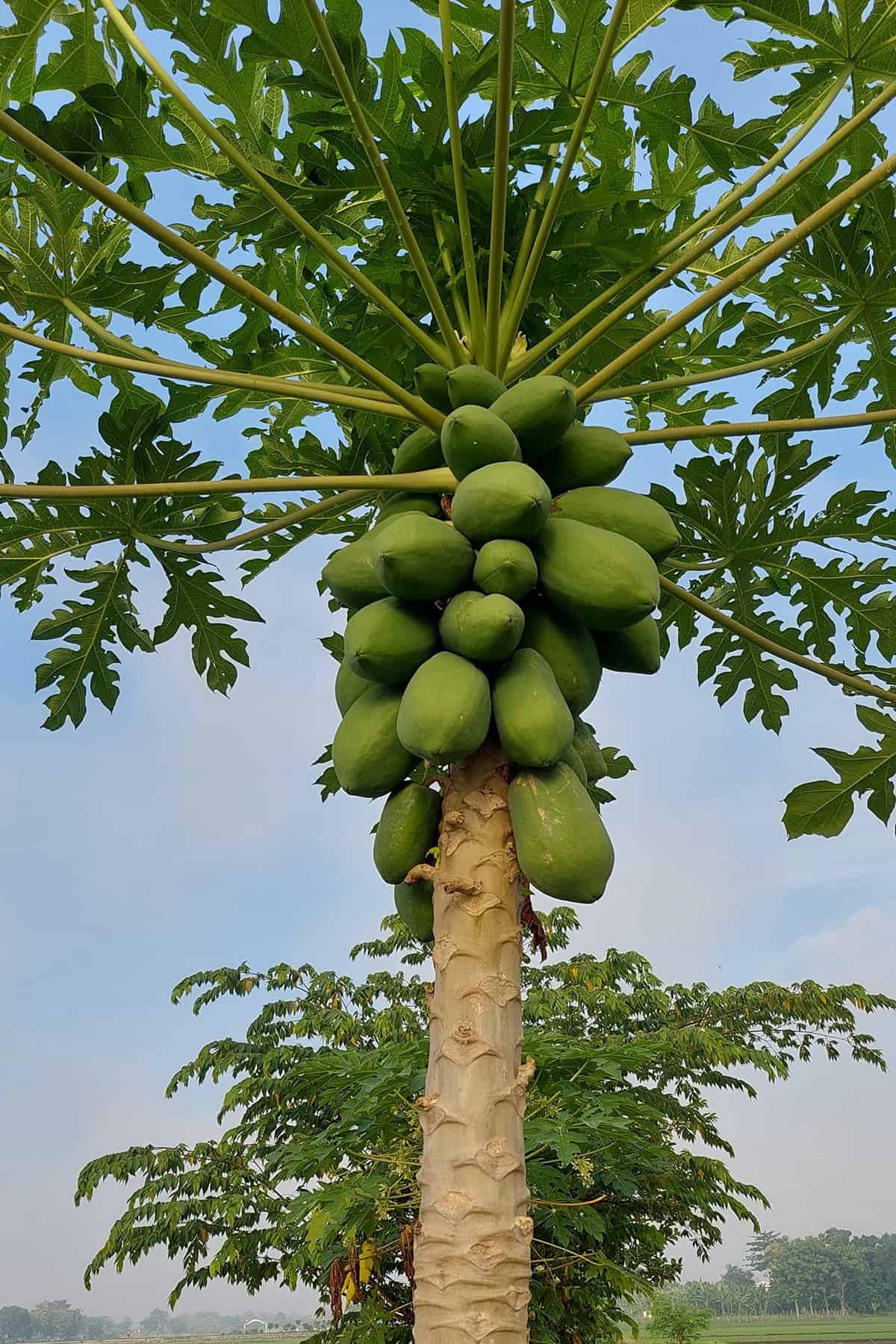
As a tropical fruit, papaya grows at breakneck speed, offering up sweet, buttery fruit. It’s called Carica papaya in the botanical world. Despite the “tree” label, it’s more of a giant, short-lived herb than a true woody tree.
You’ll see a single, upright trunk topped with a mop of big, lobed leaves. The silhouette is a bit palm-like. Heights usually land between 10 and 20 feet, though in truly frost-free spots, they might stretch a bit higher.
From seed, papaya doesn’t waste time. Flowering can start in as little as six months if things stay warm. Places with year-round warmth are ideal, since any cold spell can slow the show or even halt fruiting.
Plant Overview
- Botanical name: Carica papaya
- Common names: Papaya, pawpaw
- Plant type: Tropical fruit tree; short‑lived perennial
- Mature size: 10–20+ ft tall; 3–10 ft wide
- Growth rate: Fast
- Toxicity: Unripe fruit and sap may irritate skin in sensitive people
- Native region: Central America and southern Mexico
Quick Care Summary
- Light: Full sun, at least 6 hours daily
- Soil: Well‑drained sandy or loamy soil
- Watering: Even moisture; avoid waterlogged roots
- Temperature: 70–90°F preferred; damage below 31°F
- Humidity: Moderate to high
- Fertilizer: Light, frequent feeding
- Propagation: Seed or nursery plants
- USDA zones: 9B–11
- Fruiting season: Often year round in warm climates
Light
Papaya thrives where sunlight is relentless. At least six to eight hours of direct sun is the minimum—more is even better for sturdy stems and plenty of flowers.
In cooler places, a south or west-facing spot soaks up the longest sun. If you’re somewhere scorching, a little afternoon shade can prevent leaf burn, but don’t tuck the plant into deep shadow.
Inside? Park it by a bright window with actual sun, not just brightness. A sunroom works, or you can supplement with a strong grow light right above the leaves.
Shade from trees or buildings is a problem—plants stretch, leaves pale, and fruit suffers. The canopy needs to catch as much sky as possible, with space around it for air to move. That’s your best bet for a healthy, productive plant.
Water

Moisture is a balancing act. Papaya roots want soil that’s damp but never soggy. Standing water is a death sentence, but drying out completely is no good either.
If your soil is sandy or rocky, expect to water more often—sometimes every day in summer. Cooler weather means less frequent drinks.
In heavier soils, let the top inch or two dry before watering again. Puddles near the trunk are a red flag.
When water is erratic, flowers drop, leaves yellow, and fruit can turn out small or lumpy. Once buds appear, keep the watering schedule steady.
Drainage is everything. If your spot floods after rain, raise the planting area. Water should always be able to escape fast.
Soil
Roots need breathing room, not a swamp. Papaya fails in heavy, wet, or compacted soils.
Loose, crumbly, and well-aerated soil—ideally sandy loam—delivers the best results. If you’re stuck with clay, you’ll have to work in compost or other amendments to loosen things up.
The soil should hold moisture but never stay drenched. Constant wetness leads to dropped flowers and fruit, while bone-dry sand stresses the plant.
Keep pH between 5.5 and 7.0 for best nutrient uptake. Adjust if you’re outside that range; a soil test is worth it before planting.
Mixing in organic matter like compost or well-rotted manure helps with structure and moisture. Raised beds can be a lifesaver in soggy or high-rainfall regions.
Pull weeds before planting. They compete for water and nutrients. A thin layer of mulch keeps soil moisture steady, but don’t pile it up against the stem.
Temperature and Humidity
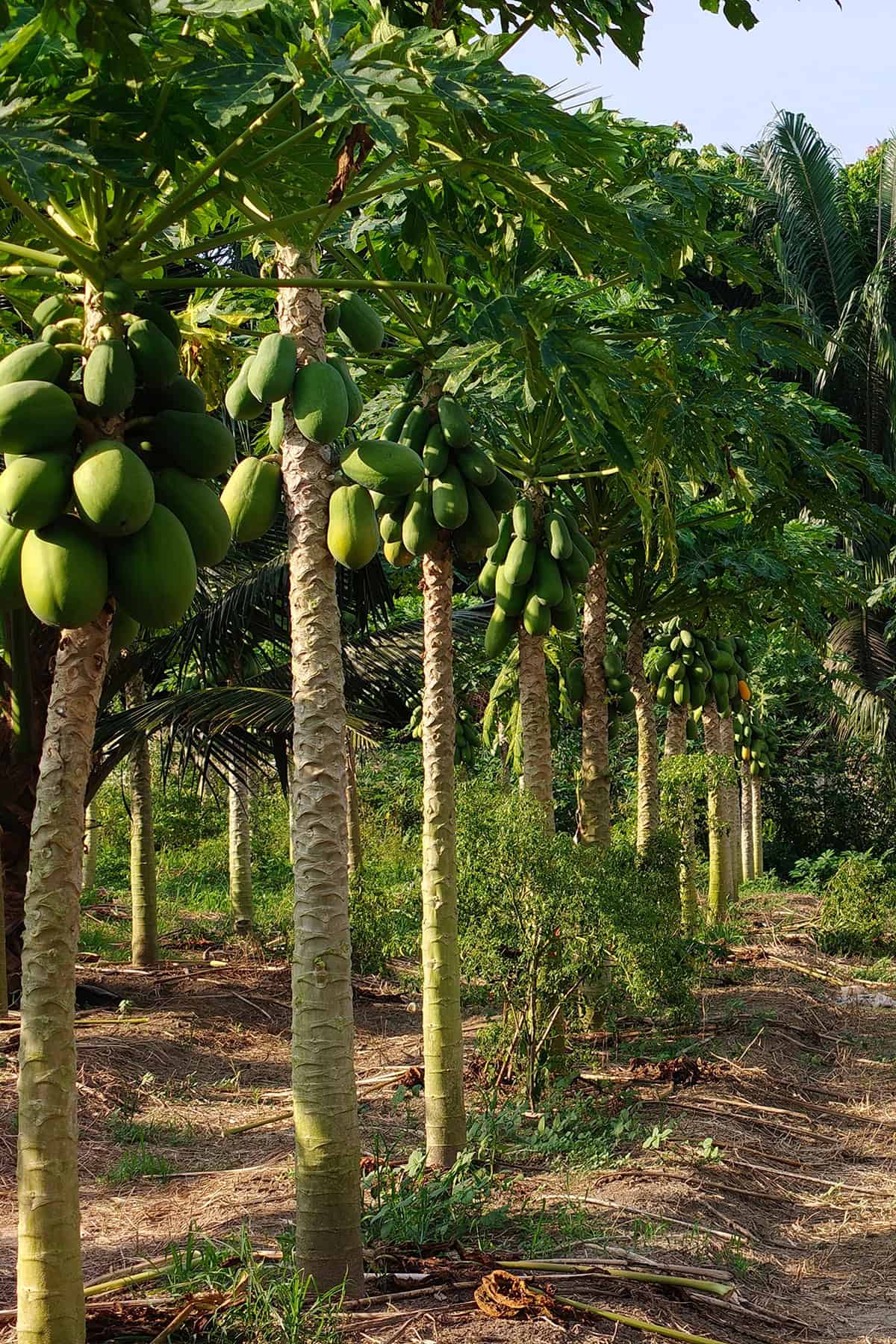
Warmth is non-negotiable for papaya. Ideal air temperatures hover between 70°F and 90°F (21–32°C). Growth slows as temps dip below 60°F, and even a touch of frost can do real damage.
Gardeners in USDA zones 9–11 can keep papaya outdoors all year if they pick the right spot. In borderline areas, frost protection is a must—try planting near a south-facing wall for extra warmth.
Humidity shapes papaya’s comfort zone, too. Moderate to high humidity keeps leaves happy and flowers from dropping. Dry air, especially with wind, can stress young plants.
Wind strips moisture and chills leaves, so shelter is important in exposed gardens. Inside or in a greenhouse, keep things warm and avoid big temperature swings.
Roots need warmth as much as leaves do. If the soil drops below 60°F, growth slows and root problems crop up quickly.
Fertilizer
Papaya is a hungry, fast grower. It needs a steady stream of nutrients for lush leaves and decent fruit. Skimping on fertilizer leads to weak growth and disappointing harvests.
Go with a balanced fertilizer—something like 10-10-10 or 14-14-14. Small, regular doses every two to four weeks during the warm season are best. Big, infrequent feedings just don’t work as well.
Scatter fertilizer around the root zone, but don’t let it touch the trunk. Water it in well each time.
Young plants need less than mature ones. As the trunk thickens and flowers show up, increase the amount, following the label for your plant’s size.
Trace minerals matter, too. If leaves yellow, it might be a sign you’re missing magnesium, iron, or manganese. Use a fertilizer with micronutrients or add them separately.
Composted manure is a good organic option, but don’t pile it against the stem. Too much nitrogen can make fruit watery and bland, so don’t overdo it.
Growing in Containers
Limited space or cold winters? Papaya can do surprisingly well in a big pot. Containers let you control soil, drainage, and even temperature—plus, you can drag the whole thing inside if a freeze threatens.
Pick a container that holds at least 15 to 25 gallons, with plenty of drainage holes. Wet roots are a killer, so make sure water can escape.
A light, well-draining potting mix is essential. Something meant for tropical fruit or citrus is a safe bet. Avoid heavy garden soil; it compacts and suffocates roots.
Give the plant a spot with at least six hours of direct sun daily. Rotate the pot every now and then so the trunk grows straight instead of leaning.
Container plants dry out faster, so check soil moisture often. Water when the top inch feels dry, and make sure water reaches all the roots.
Feed with small, regular doses of balanced fertilizer every couple of weeks while it’s growing. Cut back when things cool down.
Tall plants in pots can tip over, especially in wind. Set the pot somewhere protected, or stake the trunk for support. If roots start circling or growth slows, move up to a bigger pot.
Potting and Repotting
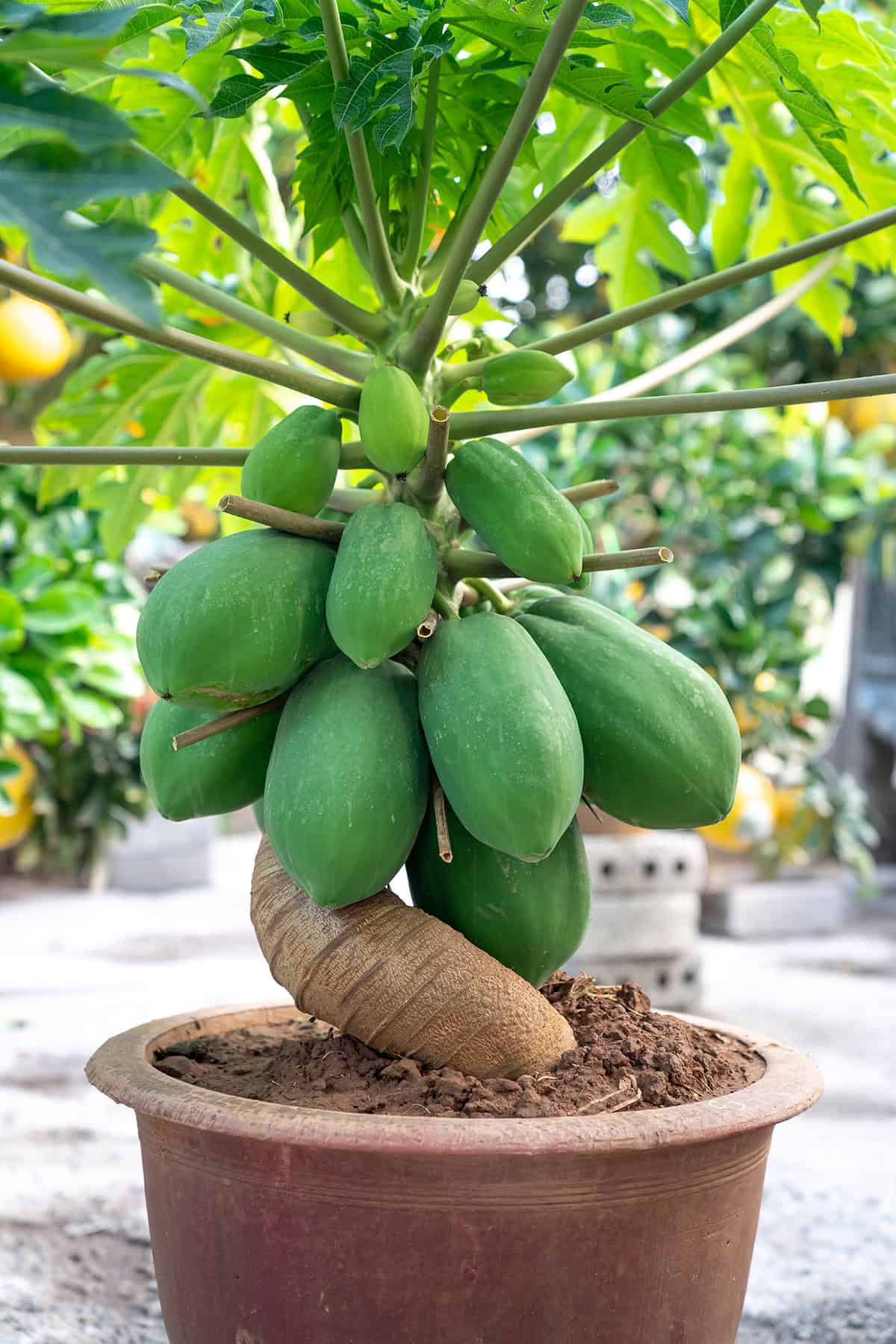
Container-grown papaya is a solid option for colder climates or anyone wanting to dodge frost. The pot should be deep—15 to 25 gallons is about right—and must have drainage holes. Shallow pots stunt the taproot and limit growth.
Use a loose, well-drained mix made for fruiting or tropical plants. Skip the gravel at the bottom; it actually makes drainage worse. Set the plant at the same depth it was growing before.
Spring is the best time to repot young papaya, just as new growth starts. Gradually increase pot size to avoid leaving roots sitting in too much wet soil. Once papaya is mature, it resents being moved, so only repot if you have to.
If roots are circling or tangled, tease them out gently and trim any damaged parts before planting in fresh soil. Press the mix in firmly, water well, and leave an inch or two at the top for easy watering.
Full sun and wind protection help container papaya thrive. They’ll dry out quicker than in-ground plants, so stay on top of watering.
Pruning
Papaya doesn’t need much pruning. The main job is getting rid of dead, diseased, or damaged leaves, which you should cut close to the trunk with sharp, clean tools.
As the plant gets taller, lower leaves naturally yellow and drop. Removing these improves airflow and helps keep pests down. Sunlight should reach the fruit, so keep the canopy open.
If the plant gets too tall to manage, some growers lop the main stem about three feet up to encourage new shoots. You’ll usually get several—pick the strongest and prune away the rest.
Only try this on healthy plants, and keep rain off the cut to avoid rot. Watch for weak or crowded new growth and thin it out.
Heavy pruning during cold or wet spells isn’t a good idea; it can slow flowering and fruiting. Stick to light, regular maintenance instead.
Always clean your tools before and after pruning to avoid spreading disease.
Propagation
Most folks start papaya from seed. Scoop seeds out of a ripe fruit, rinse off the pulp, and let them dry for a day. Fresh seed sprouts faster and produces sturdier plants. Keep leftover seeds in a cool, dry spot.
Plant seeds about half an inch deep in small pots of light, well-draining soil. Keep the mix moist (but not soggy) and the pots in full sun with warmth—aim for 70°F to 90°F. Sprouting usually takes two to three weeks.
Wait until seedlings are about a foot tall before putting them outside. Pick a sunny, well-drained location and space plants 8 to 10 feet apart so roots and air can move freely. Bad drainage is a recipe for rot.
Papaya plants can be male, female, or bisexual, but you won’t know which until flowers show up—usually five or six months in. Plant two to four seedlings per spot, then thin to one healthy female or bisexual plant once you can tell.
Cuttings are possible, though less common. Take a healthy shoot from a mature plant and root it in warm, moist soil. This method keeps specific traits but takes a bit more care than starting from seed.
Fruiting and Harvest
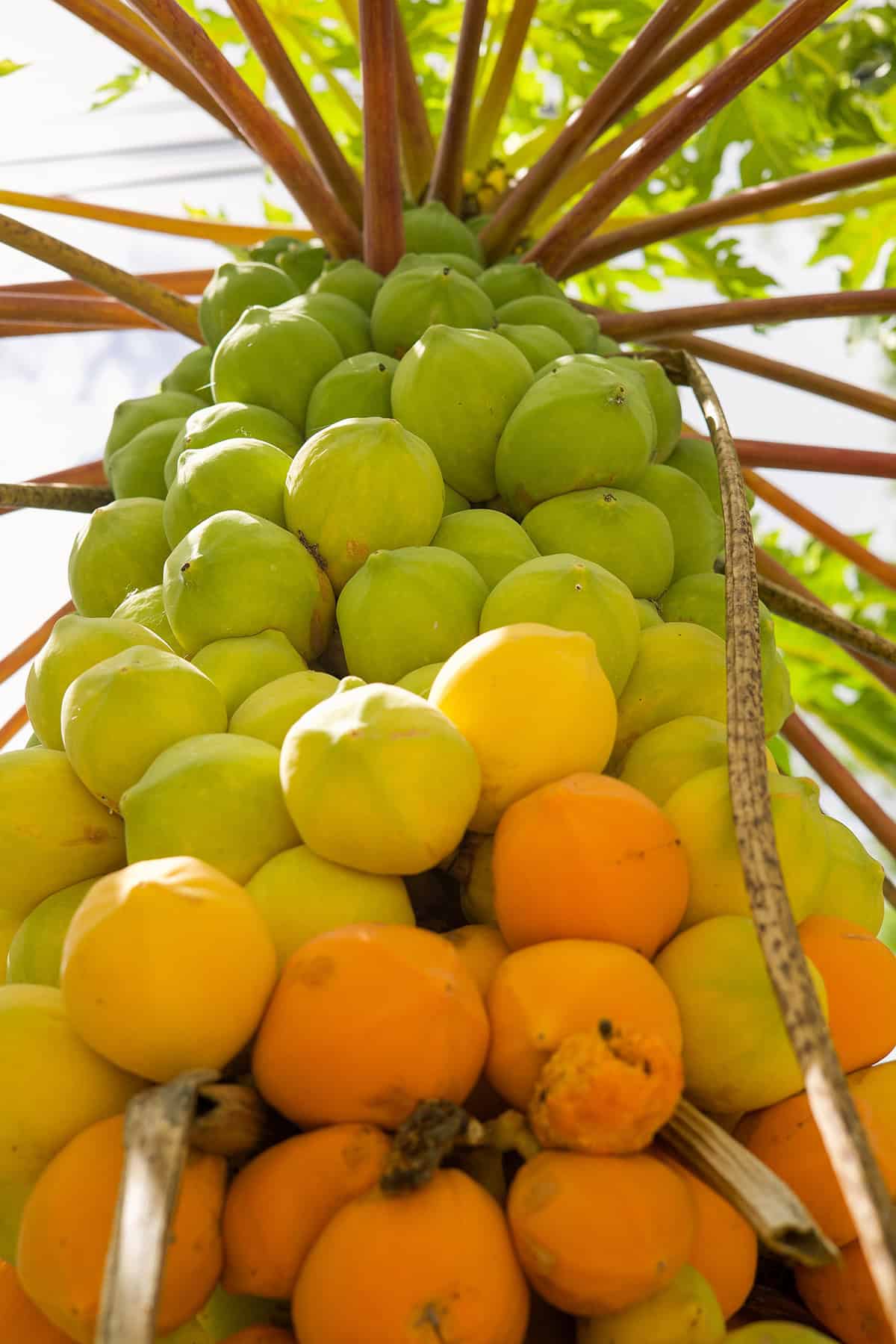
The anticipation for papaya fruit isn’t long—plants in warm climates can surprise you with a crop in as little as 7 months, though sometimes it stretches out closer to a year. Along the trunk, clusters of flowers transform into fruit, hugging the stem. Under the right conditions and with a bit of luck, a single plant might churn out dozens in one go, but that really depends on weather, care, and even whether you’ve got a female or hermaphrodite plant.
Spring usually kickstarts the action, with flowers popping open and fruit beginning to swell as summer heats up. When temperatures hover between 70°F and 90°F, the process hums along smoothly. Any cold snap, though, and everything slows down—growth, fruit set, the whole works. Watering and a bit of fertilizer, not too heavy-handed, help keep things moving.
Spotting the right moment to harvest takes a bit of trial and error. The skin starts to blush from green to yellow or orange, and a gentle squeeze gives just a hint of softness. Don’t yank—use a sharp knife and cut close to the trunk, sparing the plant from wounds. Sometimes, letting the fruit sit on the counter for a couple days brings out the best flavor.
Not every papaya needs to be fully ripe. Some folks prefer them green and firm, tossing slices into salads or curries. Homegrown ones, picked just shy of peak, usually taste richer than anything you’ll find at the store.
Stash ripe papayas in the fridge, but don’t forget about them—flavor and texture start to fade after a week. Picking fruit regularly keeps the plant’s energy focused on new growth and more fruit, rather than letting old fruit linger and sap strength.
Common Problems
Papayas can be a bit touchy. Sudden cold, especially below 31°F, leaves foliage limp and fruit scarred. Even a brief chill slows roots and can halt flowering for weeks. Gusty winds? The soft trunks snap before you know it, and a dry spell spells dropped leaves and fruit scattered on the ground.
Too much water, especially in heavy soils, is just as rough—roots suffocate, leaves yellow, and the whole plant might collapse overnight. Nematodes, those invisible pests, chew away underground, leaving the plant weak and prone to toppling.
When papaya ringspot virus shows up, it’s hard to miss: leaves look blotchy, fruit gets those odd circular marks, and growth grinds to a crawl. No fix here—pull up the plant and get it out before it infects the rest.
Humidity brings out the worst in fungal diseases. Anthracnose, for instance, creates nasty, sunken patches on fruit that go mushy fast. Better airflow and quick picking help, and watering from below keeps spores from spreading.
Fruit flies are sneaky. They slip eggs inside young papayas, and by the time you notice, larvae are already feasting inside, turning flesh to mush. Bagging fruit and clearing fallen debris helps, but it’s a constant battle.
Yellowing leaves often mean the plant’s hungry, especially for nitrogen. Gentle, regular feeding keeps growth steady and fruit coming, but overdoing it can backfire just as easily.
Popular Varieties
Warmth hangs in the air, and that’s when ‘Red Lady’ really shines—those reddish-orange fruits show up fast, sometimes just months after planting if the weather’s right. The sweetness is hard to miss, and the size? Let’s just say you won’t be disappointed. People keep coming back to this one for a reason.
Step into the heavier, almost tropical vibe of ‘Maradol’. The fruit gets big—really big—and the salmon-hued flesh is a favorite in markets that prize both yield and flavor. These plants don’t love to be crowded, and if your nights are chilly, they’ll sulk. Give them room and steady heat, and they’ll repay you with baskets of fruit.
Uniformity and predictability—some gardeners crave it, and that’s where ‘Tainung No. 1’ gets its reputation. This hybrid’s all about steady harvests and holding up against some of the usual papaya pests. In reliably warm areas, it’s a workhorse, though maybe not the flashiest.
Markets and nurseries often stock Solo-type papayas, which lean smaller and are easy to slice up for breakfast. The texture’s smooth, and the sweetness is clean, but a word of caution: some strains just can’t handle ringspot virus, so local disease issues matter more than you might think.
Colder nights or tight patios? Dwarf and semi-dwarf papayas fit the bill. These compact plants don’t just squeeze into containers—they’re easier to shield from frost, too. For gardeners pushing the climate envelope or with limited space, going small makes a surprising amount of sense.