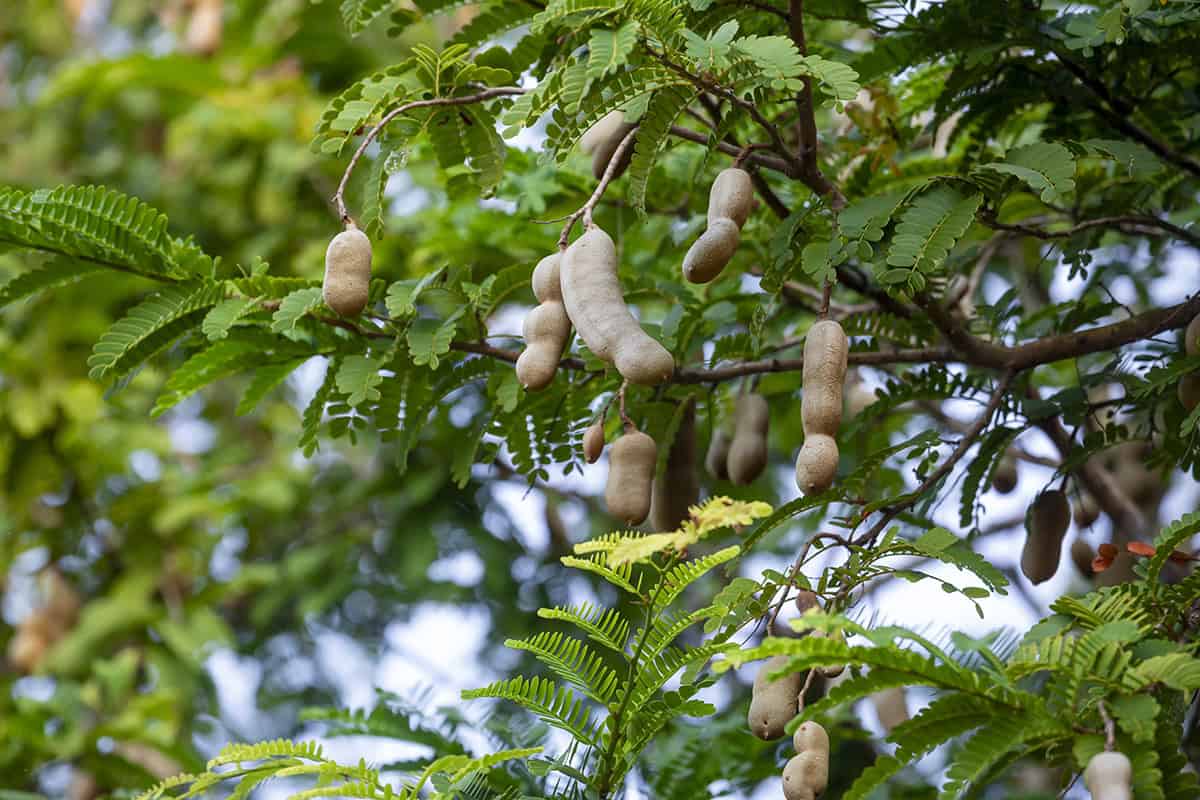
Tamarind trees are known for their impressive lifespan and dependable performance in warm regions. Once established, they need surprisingly little attention beyond basic maintenance. A solid care routine keeps them growing vigorously for years. Read the full guide to help your tamarind tree flourish.
Table of Contents
Quick Care Guidance
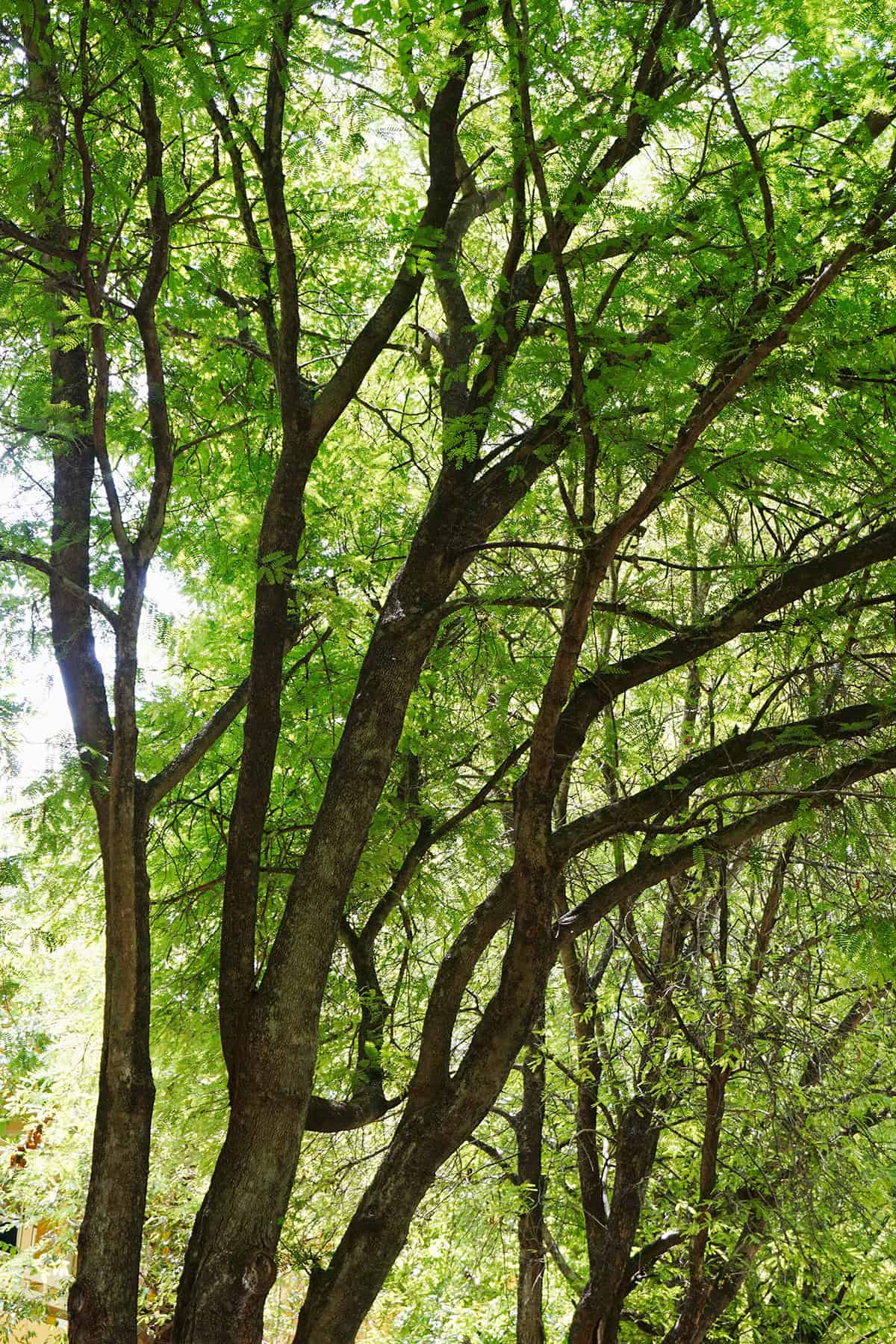
Warmth and sunlight are non-negotiable. In climates where frost is rare, tamarind trees settle in almost like they own the place. They handle wind and drought once they’re established, but the first few years are when they’re most needy.
Direct sun all day is best—don’t tuck it behind anything tall. Cold snaps are trouble, especially for young trees. If you’re in a borderline zone, you’ll need a plan for freezes.
Quick Care Summary
- Light: Full sun
- Soil: Fast-draining; sandy, loam, or even clay if it doesn’t stay soggy; pH flexible
- Watering: Regular while young; drought-tolerant when older
- Temperature: Tropical/subtropical heat preferred; frost is a no-go
- Humidity: Likes it on the higher side but manages in less
- Fertilizer: Balanced, and only during active growth early on
- Propagation: Seeds, cuttings, grafting, air-layering
- USDA Zones: 10A–11
- Fruiting Season: Late fall to early summer, climate depending
Plant Overview
- Botanical name: Tamarindus indica
- Common names: Tamarind
- Plant type: Evergreen tropical
- Mature size: 40–65 feet tall, 40–50 feet wide
- Growth rate: Moderate
- Toxicity: Edible fruit, no major worries
- Native region: Tropical Africa, Madagascar
If fruit quality matters, look for grafted or air-layered starts. Train young trees to a single trunk and spaced branches—makes life easier later. And don’t plant where falling pods will annoy you or your neighbors.
Essential Plant Details
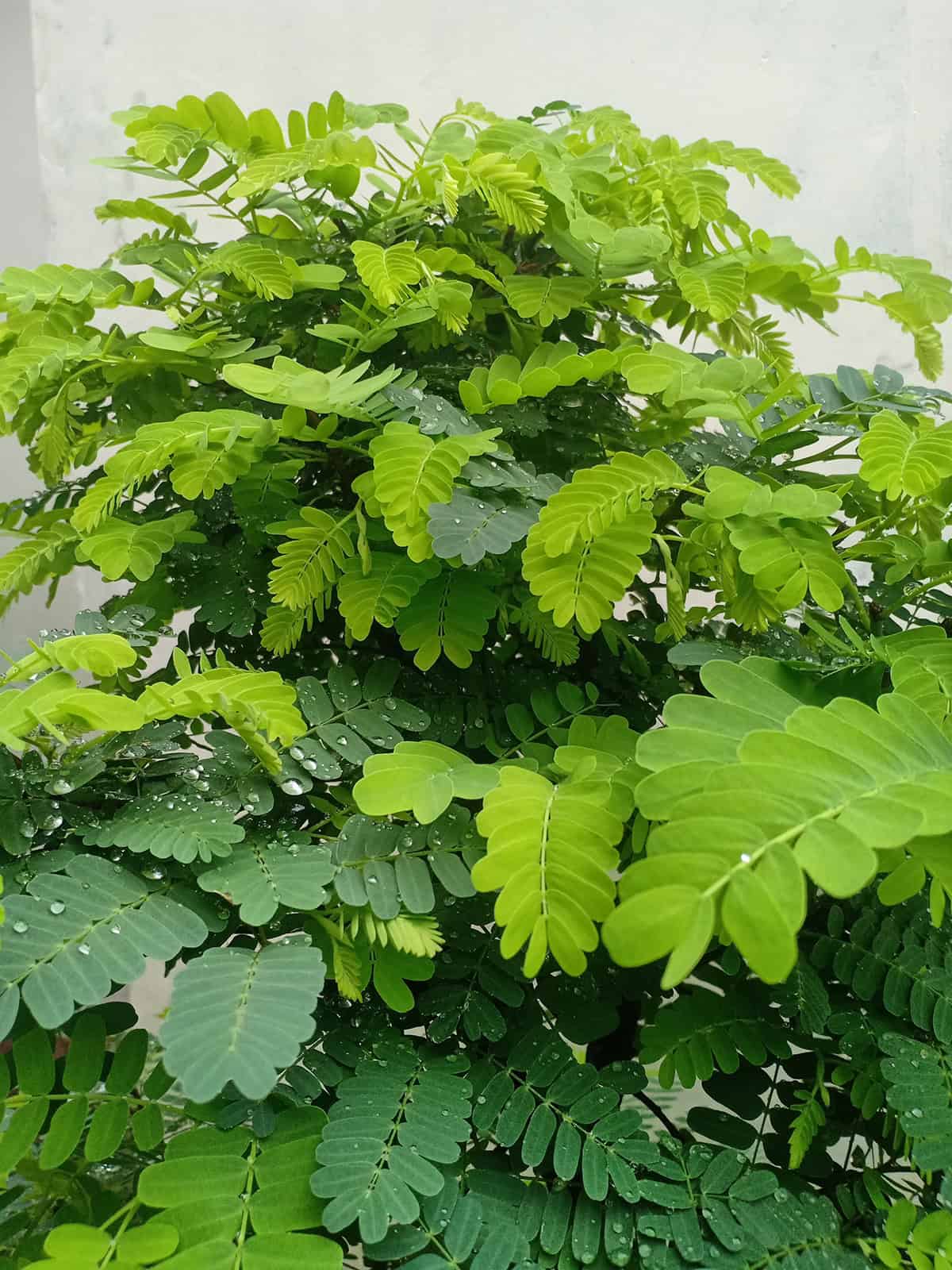
Under the right conditions, tamarind trees become sprawling, umbrella-like fixtures in the landscape. Their airy, blue-green leaves cast filtered shade, and the thick trunk develops real presence with age. Some folks plant them just for the look, others for the pods—and honestly, both reasons make sense.
- Botanical name: Tamarindus indica
- Common names: Tamarind, tamarind tree
- Plant type: Tropical fruit tree
- Mature size: 80–100 feet tall, up to 40 feet wide
- Growth rate: Slow to moderate
- Toxicity: Pulp is edible; seeds and leaves show up in traditional remedies
- Native region: Old World tropics, now just about everywhere warm
Centuries-old trees aren’t rare in the right climate. Feathery leaves, a dense crown, and pale yellow blossoms signal a healthy specimen. Pods show up late spring to mid-summer, depending on where you are.
- Light: Full sun
- Soil: Drains well, handles alkaline
- Watering: Moderate; let the top layer dry before watering again
- Temperature: Needs warmth, no frost
- Humidity: Moderate to high preferred
- Fertilizer: Balanced during growth
- Propagation: Seed or cuttings
- USDA zones: 10–11
- Fruiting season: Usually April through July
Once roots are deep, tamarind shrugs off dry spells. Give it elbow room for roots and canopy; crowding leads to problems down the road.
Lighting Requirements
The mood around a tamarind tree is all about sunshine. You want at least 6 to 8 hours of direct light daily—more is better. When planted out in the open, away from buildings or taller trees, the canopy fills in thick and the tree’s energy goes into both growth and fruit.
If you stick it somewhere shaded, you’ll notice slower growth and fewer flowers. Weak, spindly branches? That’s usually a sign it’s begging for more sun.
Trying it indoors or in a greenhouse? South-facing windows are your friend, but even then, you may need to supplement with grow lights during the darker months. Compact, lush growth depends on strong light.
Seedlings can handle some shade, but don’t push it. If you’re in a hot-sun climate, a little protection at midday for the youngest plants helps prevent leaf burn.
Watering Needs
It’s easy to drown a tamarind if you’re overzealous, but drying it out too much isn’t great either. Young trees crave deep, thorough watering, then a break—wait until the top couple inches of soil are dry before you go again. This back-and-forth encourages roots to dig deep and anchor the tree.
During that first year, expect to water once or twice a week, more if it’s blazing hot. Let rain do the work when it can.
Older trees shrug off dry spells, but fruit set and leaf health are better with consistent moisture. Long, bone-dry periods can leave the tree looking tired and less productive.
Don’t dump water at the trunk—focus on the drip line, where most of the feeder roots hang out. Mulch helps keep the soil cool and slows evaporation, but keep it back from the base to avoid rot.
Too much water, especially in heavy soil, is a recipe for root problems. Let the soil breathe.
Soil Preferences
Root health depends on soil that drains fast and doesn’t suffocate. After a big rain, if puddles linger, that spot’s not right for tamarind. Sandy loam is ideal, but the tree adapts if water moves through easily. Slightly alkaline soils don’t faze it.
Heavy clay? That’s a challenge. You’ll need to amend with sand or organic matter, or mound the planting area so the crown sits higher than ground level. This way, roots won’t sit in muck after storms.
Roots spread wide and deep, so don’t crowd them with pavement or foundations. Give at least three feet of breathing room from hardscapes to avoid cracked sidewalks or stunted growth.
Fertility doesn’t need to be sky-high. A bit of compost at planting is plenty. Overly rich soil isn’t necessary—just make sure it drains well and isn’t compacted.
Temperature and Humidity
Tamarind thrives when the air feels like summer year-round. Best results come with temperatures between 70°F and 95°F (21°C to 35°C). Short dips below that won’t ruin things, but frost is a dealbreaker for young trees.
Below 40°F (4°C) is pushing it. Mature trees might drop leaves and look rough after a cold snap, but usually recover. Prolonged chills, though, slow everything down.
Living somewhere with sketchy winters? Containers are your backup plan—move them inside before the cold hits. Bright windows, away from drafts, are best.
Dry air can be a problem, especially indoors. If leaves start dropping or tips brown, try misting or set up a humidity tray. Outdoors, as long as you’re watering well, the tree usually copes.
Fertilization Tips
Honestly, tamarind isn’t a heavy feeder. In decent soil, it’ll get by with very little help. Focus more on watering and mulch than on dumping fertilizer.
If you’re curious or suspect a deficiency, a simple soil test will tell you what’s missing. Only add what’s needed—overdoing it can backfire.
If you do fertilize, do it in spring through mid-summer, while the tree is actively growing. Skip late feedings; you don’t want tender new growth heading into cooler weather.
Slow-release, balanced fertilizers are safest. Spread them over the root zone (not right up against the trunk) and water in well.
A thin layer of compost under the canopy once a year does wonders for mature trees—plus, it helps the soil structure over time.
If you’re unsure, err on the side of less. Too much fertilizer can stress the tree and waste your money.
Container Growing Methods
Pots open up tamarind to anyone with a patio or balcony, and make it possible to dodge frost. Mobility is the main advantage—move it when the weather turns or if it needs more sun.
Pick a big, tough container with plenty of drainage. For starters, 18–24 inches wide works, but you’ll need to size up as the tree grows. Deep pots are a must for the taproot.
Mix up your own soil: potting mix plus coarse sand or perlite for drainage. Soggy roots are a death sentence here. Keep the pot in the brightest spot you’ve got.
Water when the top two inches are dry, and let excess drain away. In winter, back off on water but don’t let it go bone dry.
A balanced fertilizer every couple months during the growing season keeps things moving. Stop feeding as days get shorter.
Prune to control size and encourage a strong structure. Repot every few years—roots fill up the space faster than you’d think.
Don’t expect fruit right away in a pot. It can take a while, and hand pollination may help if you’re growing indoors. If possible, set the pot outside for the warmest months to encourage flowering.
Potting and Repotting
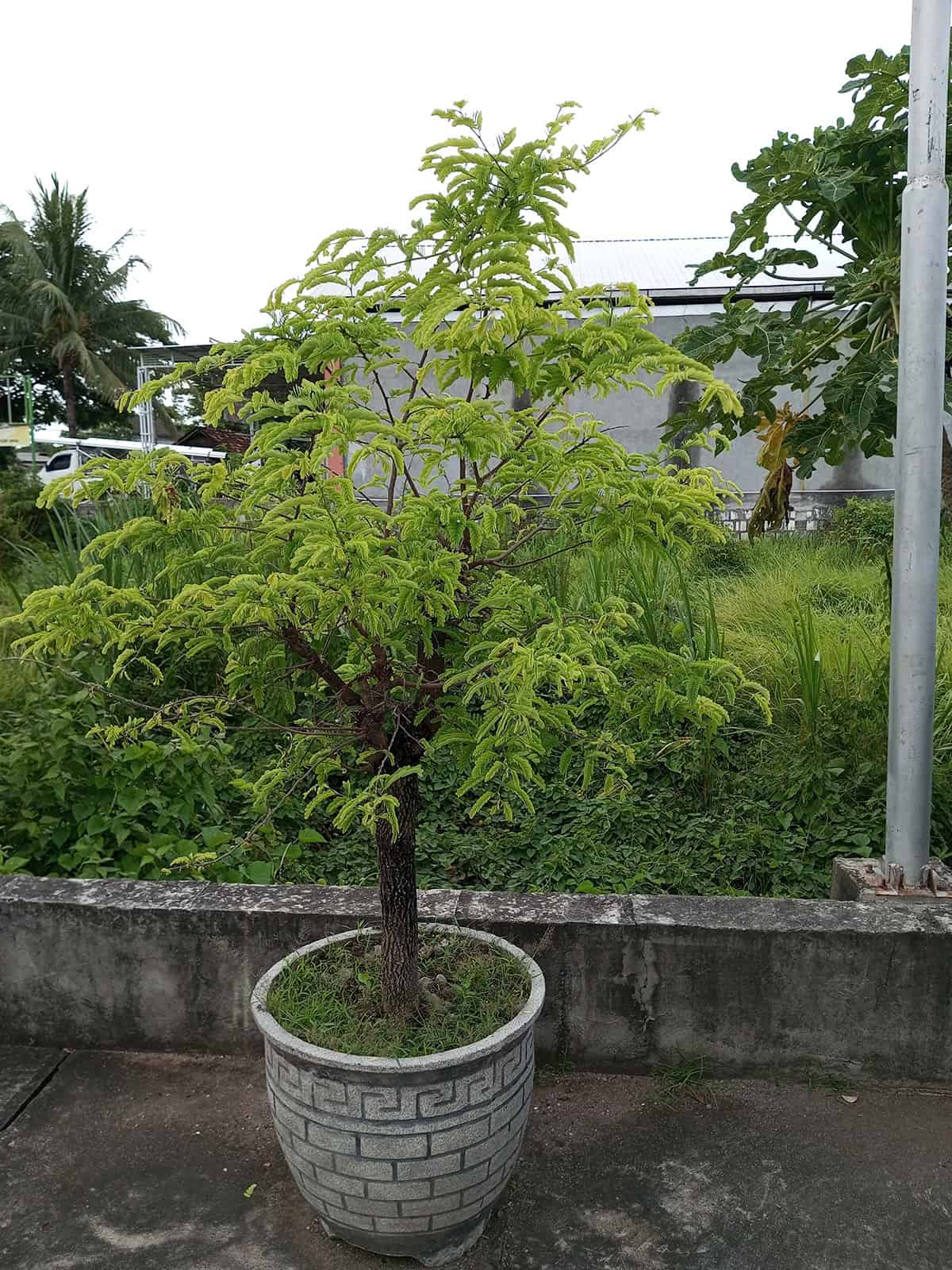
Container-grown tamarind really appreciates a roomy, deep pot with lots of drainage holes. The taproot wants space to stretch, so don’t skimp on depth. Use a mix that drains fast—sand, loam, and compost blended together works well.
Every couple of years, check if roots are circling or crowded. That’s your cue to repot. Go up a few inches in diameter, loosen any tight roots, and trim if needed before settling it into fresh mix.
Set the root ball just below the rim, firm up the soil, and water thoroughly so everything settles. After repotting, keep the tree in bright light and shielded from cold snaps until it bounces back. Extra moisture for a few weeks helps the roots adjust.
Pruning Techniques
Pruning a tamarind isn’t something to rush. Every cut is a wound, so sharp, clean tools are a must. Start shaping early—train one strong trunk and space out the main branches. Side branches that are too thick can cause weak spots, so keep them under half the trunk’s diameter.
Always remove dead, broken, or sickly wood first. Make cuts just outside the branch collar, not flush to the trunk, so the tree can heal up naturally.
If the canopy gets too dense, thin it out to let in light and air. But don’t go overboard—taking off more than a quarter of the canopy at once stresses the tree.
Older trees mostly need tidying up for safety and clearance. If it’s outgrowing its spot, it might be time to rethink placement rather than hacking it back hard.
Propagation Methods
Starting tamarind from seed is straightforward, though you’ll wait longer for fruit and might get surprises in pod quality. Seeds from ripe pods need the sticky pulp removed—soak them in warm water for a day to soften the tough coat, or very lightly sand them to help water get in.
Plant seeds about an inch deep in moist, well-draining mix. Keep things evenly moist and warm; sprouts usually show up in one to three weeks.
Seed-grown trees are great for shade or as ornamentals, but fruit can be unpredictable. If you want consistent fruit, vegetative propagation is the way to go.
Cuttings root best when taken from semi-hardwood in warm, humid conditions. Grafting or air layering copies the parent exactly and usually leads to earlier fruit. These techniques suit folks who want reliable crops without the gamble of seedlings.
Fruit Production and Harvest
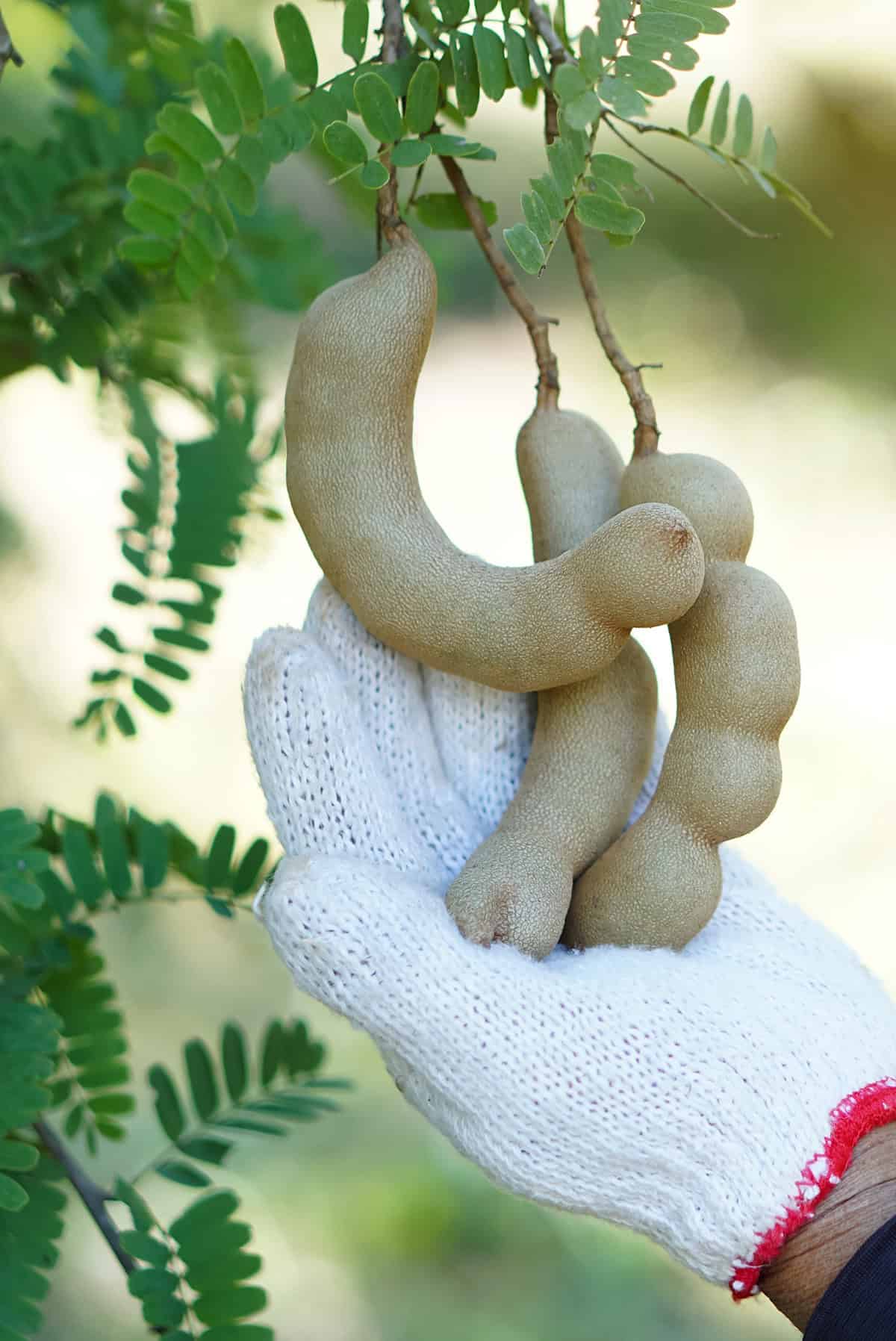
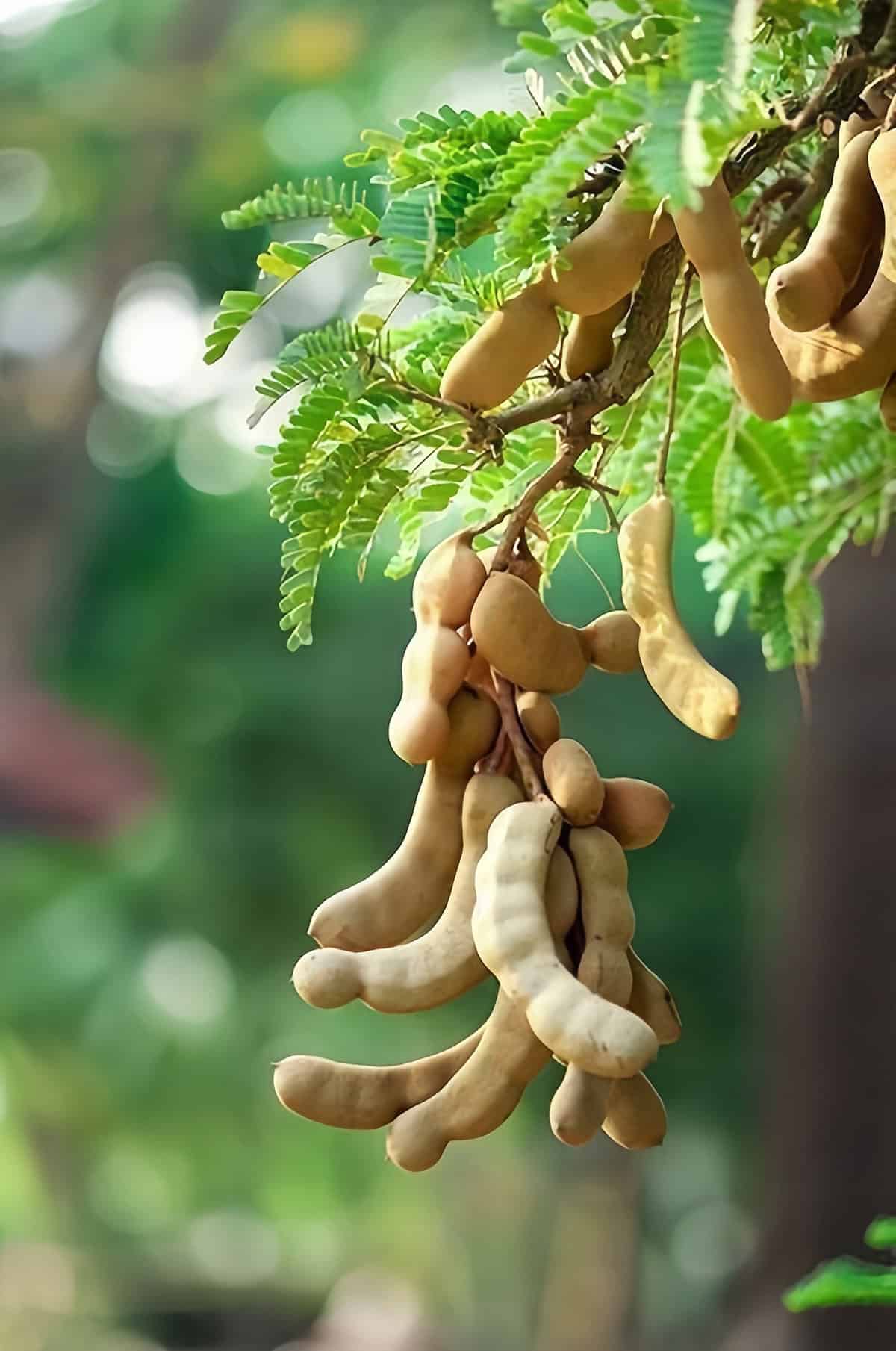
Years pass before you see those first tamarind pods dangling from mature branches—usually not until six or eight years if grown from seed, but grafted trees sometimes surprise you sooner. The pods themselves twist and arch along the older limbs, a bit like brittle ornaments waiting for the right moment.
At first, they’re green, tough, and almost stubborn to the touch. Over time, brown creeps in, the shell dries out, and the pod rattles a little if you tap it. The pulp inside grows richer and tangier as the weeks roll by, but timing is everything—wait too long and you’ll find the pods have split on the branch, spilling their sticky treasure.
Late spring or early summer, in most tropical spots, is when folks start checking the trees daily. Pods that feel crisp and oddly weighty are ready for picking. Grab a pair of clean pruning shears and snip the clusters off, taking care not to nick the wood. The shells can crack if you jostle them, so gentle is best. Stash the harvest somewhere cool and dry, and you’ll have fresh fruit for weeks. If you scoop out the pulp and seal it up, it’ll last even longer.
With good sun and warmth, a thriving tamarind can throw off a hefty crop each year. Pruning and fertilizer—nothing fancy, just regular attention—keep the tree productive and the pods plump.
Common Issues
Some days, you’ll spot tiny clusters of scale or mealybugs clinging to the undersides of leaves or crawling along the younger shoots. They’re after the sap, and if you let them be, new growth can weaken and leaves might yellow. Sometimes a sticky residue collects on surfaces below, which is always a giveaway.
Catch them early and a strong blast of water or a few minutes picking by hand might be enough. If it gets out of hand, horticultural oil or insecticidal soap comes in handy. It’s worth acting fast—leaf drop and stunted growth aren’t worth the wait-and-see approach.
Fallen fruit can make a sticky mess, especially if trees are planted near patios or driveways. Not ideal for anyone who dislikes cleanup duty. Skipping early pruning often leads to awkward branch angles and weak structure down the line, so it pays to space out the main limbs along a single trunk for strength and fewer headaches later.
Notable Varieties
Wander through tamarind orchards and you’ll notice two distinct personalities: some pods lean sweet, others pucker the tongue with their tang. Sweet selections, especially popular for snacking, tend to show up in places like Thailand—Si Thong and Makham Waan come to mind, both famous for their thick, inviting pods and deep brown pulp. These trees thrive under relentless sun, craving warmth and dry air to really show off.
Meanwhile, in India, Africa, and the Caribbean, it’s the tart types that rule. Their pulp packs a punch, perfect for stirring into chutneys, drinks, or anything that needs a lively kick. Most trees grown from seed land somewhere in this sour camp, so you never quite know what flavor you’ll get until harvest.
Some folks chase after bigger pods, thicker pulp, or just more fruit, and that’s where improved selections step in. Researchers have spent years picking apart different genotypes, trying to squeeze out better yields or more reliable quality. Grafted trees usually take the guesswork out of it—what you see is what you get, at least most of the time.
Craving guaranteed sweetness? Honestly, it’s worth tracking down a named cultivar from a grower you trust. Seedlings might be cheaper, but the flavor gamble can leave you with more sour surprises than you bargained for.