A tea plant is one of those timeless garden favorites that rewards patience. With the right care, it keeps producing fresh leaves for years and becomes even more beautiful as it matures. This guide covers everything you need to grow a healthy tea plant with confidence.
Table of Contents
Quick Care Summary
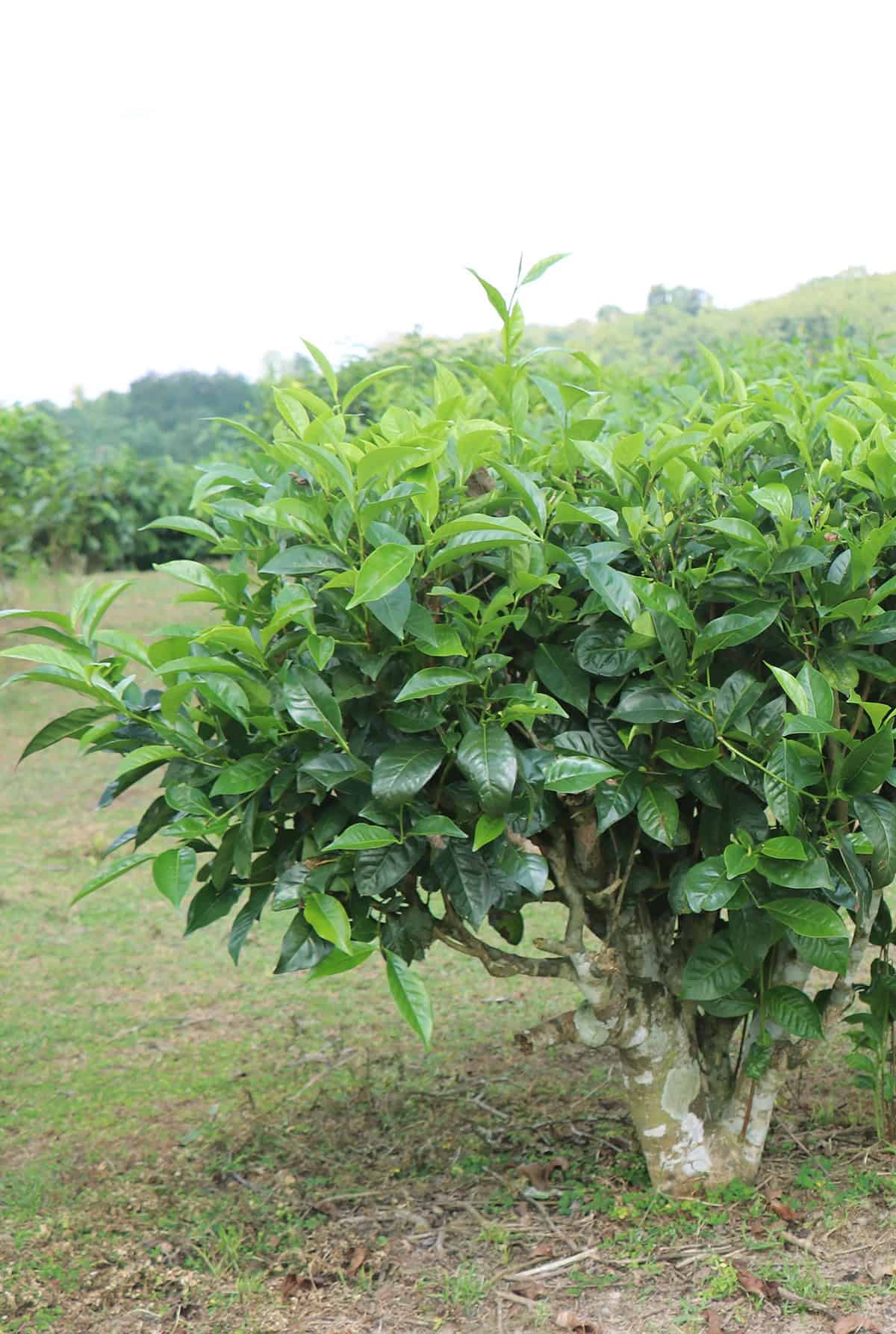
Whether you’re planting in the ground or a big pot, Camellia sinensis likes things mild, moist, and acidic. With a good setup, you’ll have a healthy shrub and your own tea leaves in a few years.
- Light: Full sun or partial shade; afternoon shade helps in scorchy climates
- Soil: Acidic, well-drained, pH 4.5–5.5
- Watering: Keep it evenly moist—2–3 times a week while it’s getting established
- Temperature: Grows best where it’s temperate; protect from hard frost
- Humidity: Moderate to high is best
- Fertilizer: Acid-forming or camellia-type; follow the label
- Propagation: Semi-hardwood cuttings or seeds
- USDA Zones: 7–9 usually, but some varieties can handle zone 6 if you’re careful
Spring is a good time to plant, after the frost is gone. In mild places, early fall works too. Pick a spot sheltered from wind. Young tea plants need steady moisture to develop their shallow, fibrous roots.
If you’re planting more than one, give them some elbow room—hedges go 2–4 feet apart, solo plants about 6 feet. Keep them pruned down to waist level for easier picking.
Skip harvesting leaves in late fall and winter. And don’t expect much the first few years; three or four seasons in, you’ll start to get your own tea.
Plant Overview
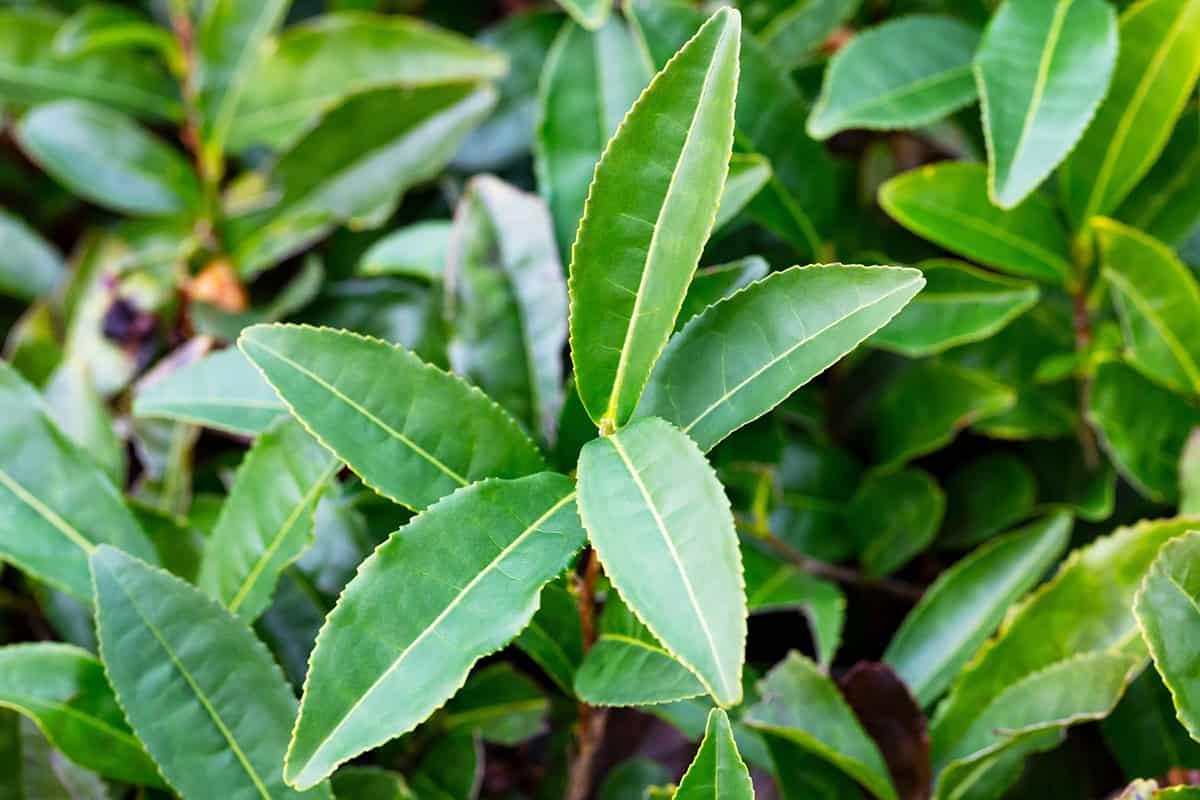
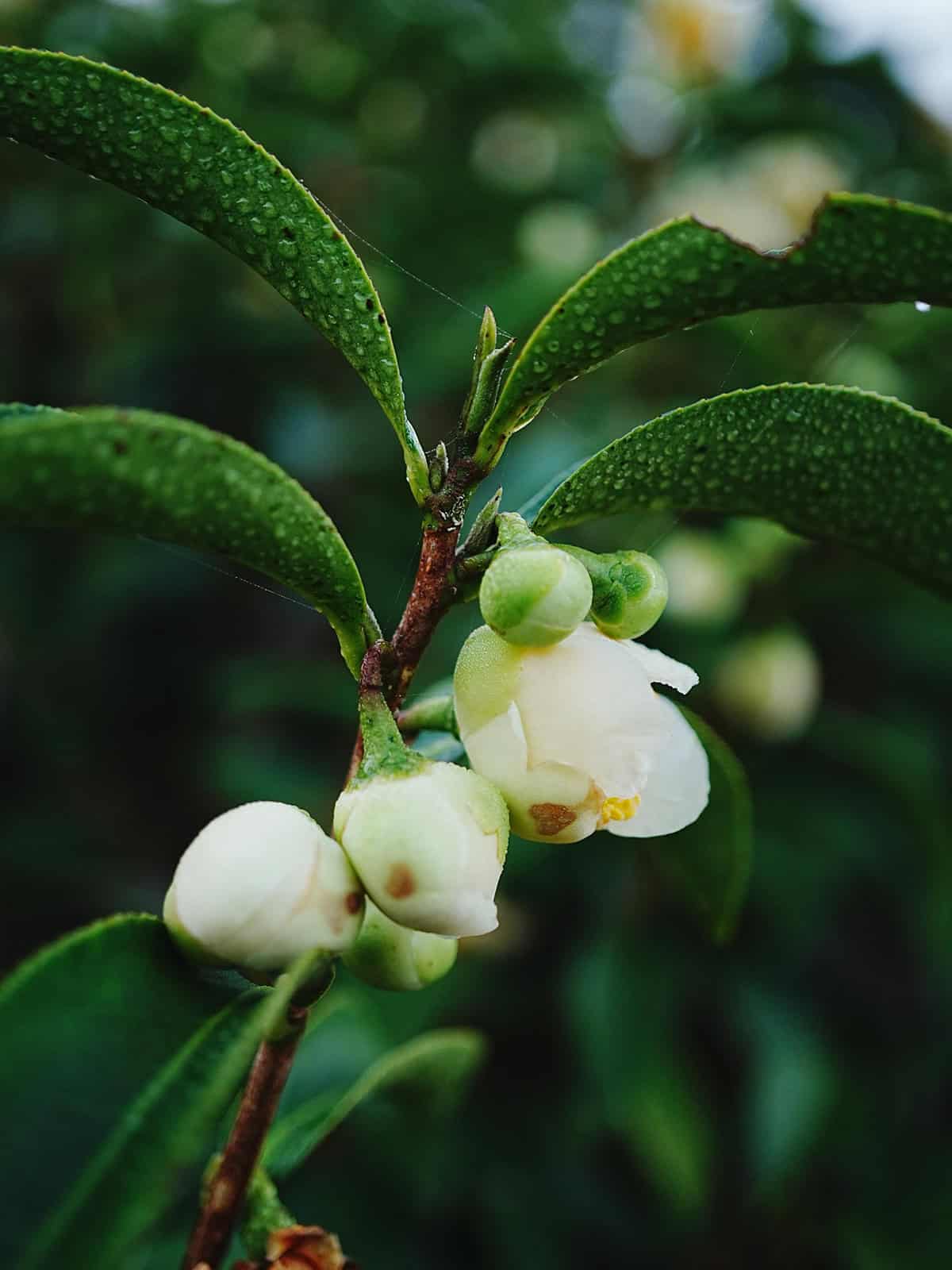
Those glossy green leaves and small white flowers in fall? That’s your tea bush. Camellia sinensis is evergreen and can be pruned down to a manageable shrub, though left alone, it could become a small tree.
There are two main types grown for tea: the China variety (sinensis), which is compact and handles cold better, and the Assam type (assamica), which is bigger and thrives in warmth.
Plant Details
- Botanical name: Camellia sinensis
- Common names: Tea plant, Tea camellia, Tea bush
- Plant type: Evergreen shrub or small tree
- Mature size: 4–8 ft pruned, taller if you let it go
- Growth rate: Moderate
- Toxicity: Not toxic to people; contains caffeine
- Native region: East and Southeast Asia
Pruning to waist height keeps things practical for regular picking. It takes a few years before you can start, but with care, these shrubs can keep producing for decades.
Quick Care Summary
- Light: Full sun or partial shade
- Soil: Acidic, well-drained, pH 4.5–5.5
- Watering: Consistent moisture, but don’t drown it
- Temperature: Likes it mild; shelter from deep freezes
- Humidity: Prefers it on the higher side
- Fertilizer: Acid-loving plant food
- Propagation: Cuttings or seeds
- USDA zones: 7–9, with some cold protection if needed
Light
The mood of your tea bush shifts dramatically with light. Six hours of sun is a good baseline, but in places where the afternoons get punishingly hot, a bit of shade can be a lifesaver. Dense leaves, strong shoots—these happen when the plant gets enough light, but not so much that the leaves burn.
For indoor growers, finding a sunny window (south or west) is ideal. Weak natural light? Go for a full-spectrum grow light, but keep it close to the plant. Too much moving around can stress the leaves, so pick a spot and stick with it.
Water
Drought is a dealbreaker for tea. Shallow roots mean you can’t let the soil dry out, but soggy feet are just as bad. Deep watering a couple of times a week usually does the trick when it’s dry, but check the soil before you water again—stick a finger in and see if it’s still damp.
Fast-drying sandy soils will need more attention, while heavier soils hold onto water longer (sometimes too long). Mulch with bark or wood chips to lock in moisture and keep the roots cool. In winter, cut back on water, but don’t let things get bone dry.
Soil
Acidity is non-negotiable. A pH between 4.5 and 5.5 keeps the plant happy and the leaves high quality. If your soil’s too alkaline, growth slows and the flavor suffers. Test it before planting; you might need to amend.
Loose, quick-draining soil is best. Heavy clay is a pain—mix in pine bark, composted wood chips, or coarse organic matter to open it up. Blueberry growers’ tricks work here too.
In pots, reach for acidic mixes labeled for camellias or azaleas. Regular potting soil is often too limey. A blend of peat and pine bark keeps things right. Avoid using garden soil in containers; it compacts and strangles the roots.
To keep acidity steady, consider elemental sulfur or ammonium fertilizers if your pH creeps up. Mulch thickly with bark or wood chips to lock in moisture and keep that low pH. Good soil equals a strong, productive root system.
Temperature & Humidity
The plant feels at home in climates where temperatures hover between 60°F and 85°F. Short heatwaves above 90°F can be rough, especially if the air’s dry. Afternoon shade is a must in scorching regions.
Outside in zones 7–9, tea can handle year-round life, provided you pick a sheltered spot. In zone 7, a cold snap below 10°F means you’ll want to break out the frost cloth or tuck the plant near a south-facing wall. Cold winds are tough on the leaves.
Humidity helps—low humidity leads to crispy leaves and poor growth. Mulch and steady watering go a long way in dry climates. Indoors, a humidifier or pebble tray under the pot can make a difference.
Sudden cold spells can cause leaf drop or even damage new buds. Keep potted plants away from heaters and drafts. The more stable the environment, the better the plant will do.
Fertilizer
Feeding is a bit of a balancing act. Small, regular doses are better than big, infrequent ones—think every other month during the growing season. Nitrogen is key for lush new leaves, but don’t neglect phosphorus, potassium, or magnesium.
A balanced fertilizer with 6–10% nitrogen works for most gardens. Start with 1/8 to 1/4 pound for young shrubs, bumping up to 1–2 pounds for mature plants.
If yellowing leaves with green veins show up, iron deficiency may be the culprit, especially in alkaline soils. Use chelated iron or iron sulfate as needed.
Some folks spray a foliar feed a few times during the warm months. Ease up on feeding as fall approaches—overdoing it late in the season can hurt more than help.
Growing in Containers
Patio, balcony, or just short on space? Containers work well, but you’ll need to stay on top of soil, water, and winter care. Moving pots around lets you dodge frost or blazing sun—a real advantage.
Pick a deep pot (at least 5 gallons) with plenty of drainage holes. Shallow roots want width, but they’ll fill the space quickly.
The soil mix should be acidic and drain well—look for camellia or azalea blends, or make your own with peat and pine bark. Keep the pH between 4.5 and 5.5.
Set the container where it gets good sun, but shift it to afternoon shade if the heat gets intense. Rotate the pot now and then so growth stays even.
Water when the top inch of soil feels dry. Containers dry out fast in summer, so check often.
Feed with slow-release fertilizer for acid-loving plants in spring and early summer. Skip the fertilizer in fall.
When frost threatens, bring the pot inside or wrap it up. Container roots freeze much faster than those in the ground.
Potting & Repotting
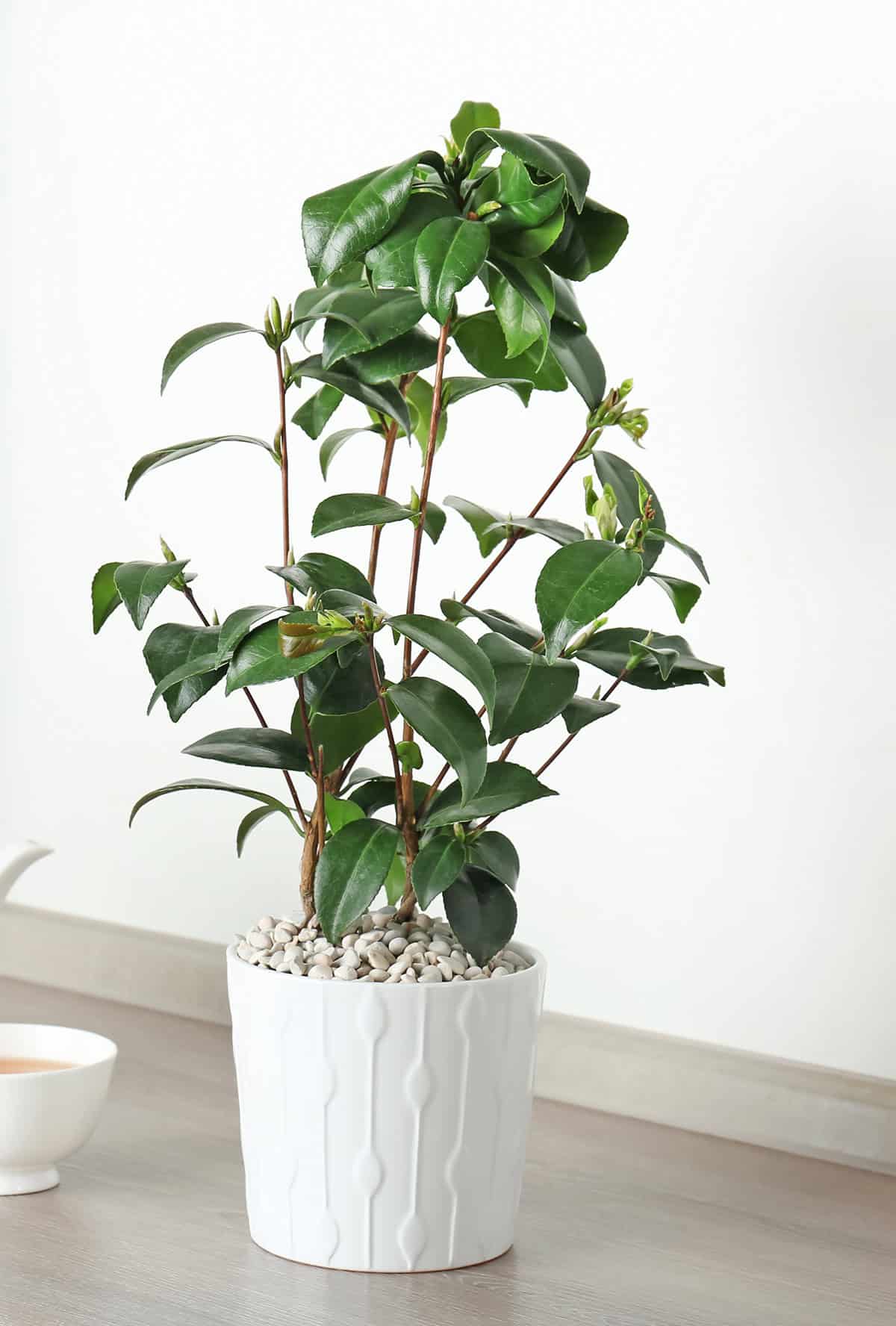
Drainage is everything. Go for pots with multiple holes, skip the attached saucers, and don’t bother with gravel at the bottom—a pottery shard over the hole is enough to keep soil in.
Loose, acidic potting mix is the way to go. Don’t pack it too tightly around the roots. Set the root ball so it sits just below the rim, about 1–2 inches down.
Young plants benefit from annual repotting each spring, moving up just one size at a time. Older shrubs only need a new pot every two or three years; in between, replace the top few inches of soil.
When repotting, gently tease out any circling roots and trim if necessary. Plant at the same depth as before, firm the soil, and water right away.
Afterward, give the plant a week or two in light shade before moving it back to its usual spot. Wait for new growth before resuming regular feeding. In cool months, keep watering light to avoid soggy roots.
Pruning
Keeping the plant compact and productive depends on regular pruning. A dense, low shrub is easier to harvest and generally healthier.
Start shaping in early spring, before new growth appears. Cut main stems down to about 4 or 5 feet to encourage side shoots—this keeps leaves within reach.
Take out any weak, crossing, or damaged branches at the same time. Opening up the center a bit helps air and light get in, which means fewer fungal headaches.
Avoid major pruning late in the year; the plant needs time to recover before winter sets in. In cold climates, hold off from October till late winter so roots can toughen up.
Once the plant’s mature, a light trim after each harvest keeps the canopy flat and encourages fresh shoots. Little and often is better than big, drastic cuts.
Propagation
Starting new tea plants from cuttings is the go-to method if you want clones of your best bush. Seeds are an option, but they’re unpredictable—sometimes the leaves or growth just aren’t the same.
Cuttings should come from healthy, vigorous plants at least three to five years old. Snip a semi-hardwood piece about 4–6 inches long, with a couple of leaf nodes. Strip the lower leaves, leaving just one or two at the tip, and stick the end in a moist, acidic medium (pH 4.5–5.5).
A mix of peat, perlite, and vermiculite gives good drainage and air flow. Keep things humid and warm—65°F to 75°F is ideal. Roots might show up in a few weeks, but sometimes it takes months for a strong plant to develop.
Let cuttings grow in pots for up to a year. Gradually introduce them to outdoor conditions over several weeks, shielding them from cold and wind. When they’re tough enough, plant them out in their final spot with acidic, well-drained soil.
Fruiting & Harvest
Autumn sometimes surprises with delicate white blossoms dotting mature tea shrubs, a fleeting display that’s mostly for the bees. Those round seed capsules that follow? They’re more about propagation than anything you’ll taste in your cup. Honestly, it’s the leaves you’re after—so keep your sights set on lush, steady foliage.
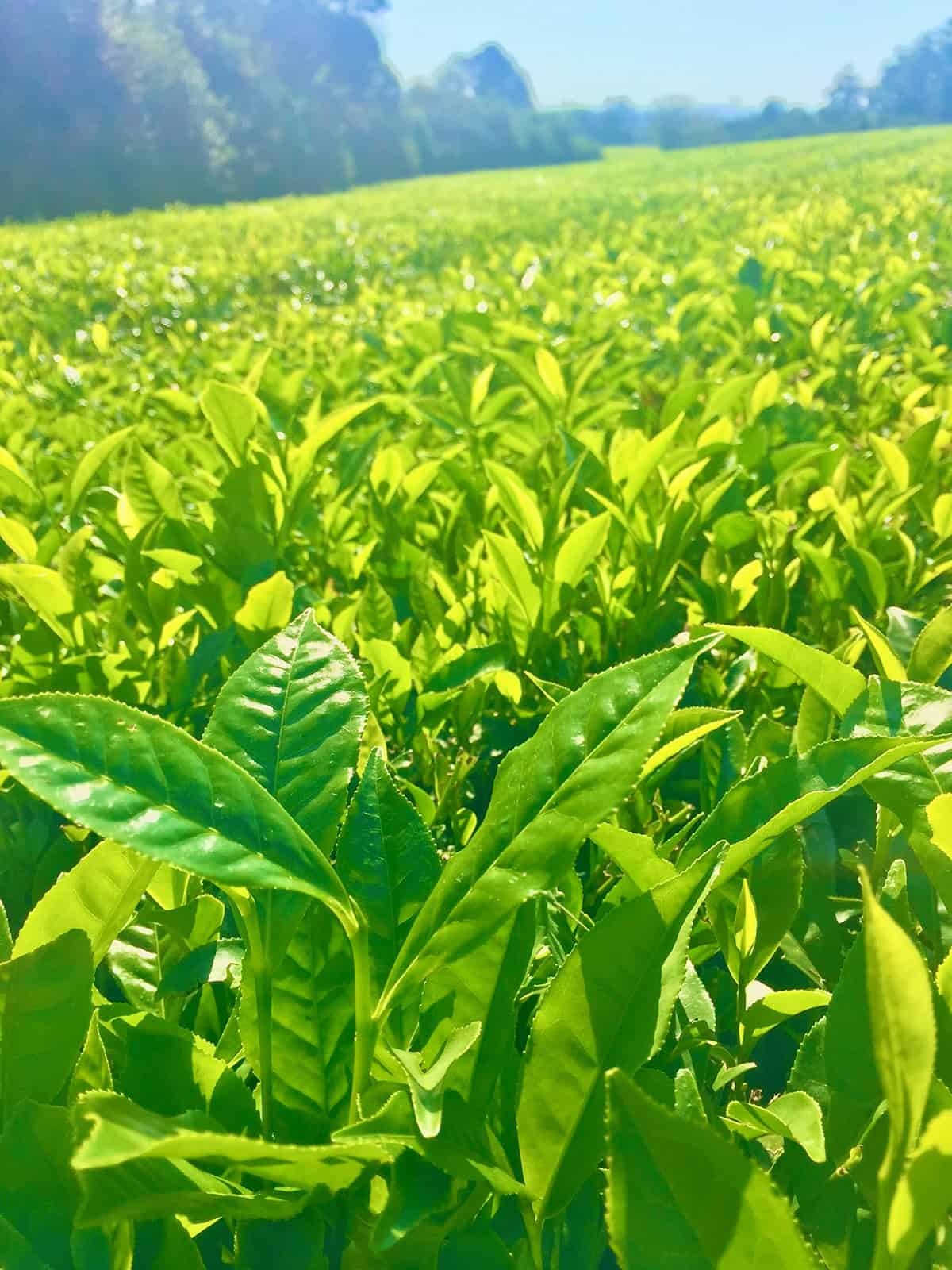
Timing the harvest is a bit of a dance with the seasons. Once your plant’s pushing out vigorous new shoots, usually as days warm up, you’ll want to check in every week or two. The real prize: those top two leaves and the tender bud, snipped with clean shears or pinched off by hand. That’s where the best flavor hides.
Processing can’t really wait. For green tea, you’ll need to heat the leaves right away to halt oxidation, then roll and dry. Black tea? Let it oxidize fully before drying. Oolong and white teas land somewhere in between, each technique nudging the final flavor, aroma, and color in its own direction. Funny enough, all these teas come from the same plant—just handled differently.
Common Problems
Some mornings, you’ll spot trouble before you even finish your coffee. Warm, damp spells can bring on a mess of fungal diseases, especially if airflow’s poor. Crowded plants and soggy leaves are practically an invitation for problems.
Raised gray or green patches with dark edges sometimes pop up on older leaves—classic algal leaf spot. Damp weather only makes it worse. Prune out those blotchy sections, and do your best to keep the foliage dry.
When young leaves start looking pale and blistered, that’s usually blister blight moving in. The spots swell, warping the tender shoots. Snip out the infected growth, and if things get bad, a labeled fungicide might be your best bet.
Yellowing leaves, weak stems, and a plant that just gives up overnight? Root rot could be to blame, often from soggy, poorly drained soil. Acidic, well-drained beds and a careful hand with the watering can help sidestep this headache.
Then there are the bugs. New shoots sometimes get mobbed by aphids, leaving leaves curled and sticky. Spider mites bring a speckled, bronzed look, while tea scale leaves yellow patches and stubborn leaf drop in its wake.
A sharp spray of water, a bit of horticultural oil, or insecticidal soap usually keeps most pests in check. Flip over leaves and take a close look now and then—catching issues early can save you a world of trouble.
Popular Varieties
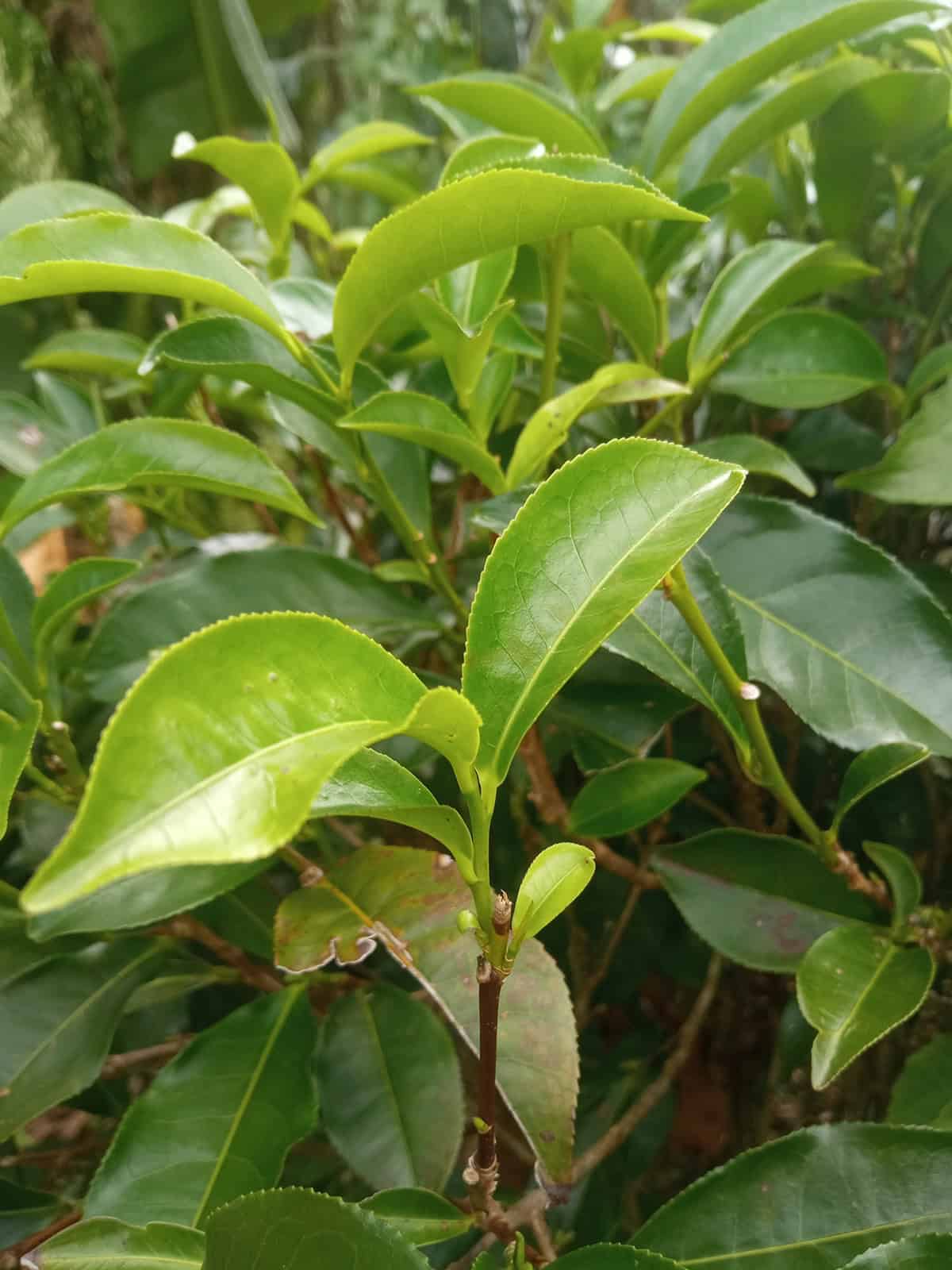
Wander through a tea garden, and the first thing you’ll notice is the huge range of leaf shapes and sizes. That’s no accident—most plants trace their roots to either Camellia sinensis var. sinensis or Camellia sinensis var. assamica. Local climate really calls the shots when it comes to which one flourishes.
Some plants, like the Chinese type (Camellia sinensis var. sinensis), seem to shrug off chilly winds and even a touch of frost, surviving down to USDA Zone 6. Their smaller, finer leaves have a reputation for versatility. With the right handling, these leaves can become anything from delicate green or white teas to more robust oolongs or blacks.
In contrast, humid afternoons and sultry nights suit Camellia sinensis var. assamica just fine. Originating from India’s Assam region, these tea bushes stretch out with broader, lush leaves—hardy if you’re gardening in Zone 7 or warmer. Assamica types often pack a punch in the cup, and it’s not surprising they anchor so many classic black teas.
Beyond those two, the world of cultivated varieties sprawls out—some bred for higher yields, others for their ability to survive a surprise cold snap, and a few just because they play nicely with container life. Whether you’re squeezing a bush onto a balcony or planting out a whole hedge, picking the right variety comes down to your weather, your space, and honestly, whatever tea you’re dreaming of sipping.