Growing wasabi takes patience, but watching it develop into a mature plant is incredibly rewarding. Every stage becomes easier when you understand its growing habits and care requirements. Explore this guide for helpful tips that set your wasabi plant up for success.
Table of Contents
Introduction
Growing wasabi is a long game. You are usually waiting 18 to 24 months, sometimes longer, for a harvestable rhizome, and that rhizome is the part used for fresh wasabi. Along the way, you can also harvest leaves and stems, which makes the plant more useful than many people expect.
For most home growers in the US, success comes from controlling conditions rather than planting and hoping. If your summers are hot or your soil stays heavy and wet, wasabi in containers is often the better path. If you already have a shaded greenhouse, cool patio, or protected north-facing bed, your odds improve a lot.
Quick Care Summary
Wasabi likes bright shade to full shade, never harsh direct afternoon sun. Keep the root zone evenly moist at all times, though never stagnant or muddy.
Use a rich, loose, sharply draining mix with a slightly acidic to neutral pH, roughly 6.0 to 7.0. Aim for cool air, about 46 to 70 degrees Fahrenheit, and high humidity around 90 percent if possible.
Feed lightly with a balanced fertilizer during active growth. Expect slow progress, and plan on using starts or offsets instead of seed whenever you can.
Plant Overview
Botanical Identity And Common Names
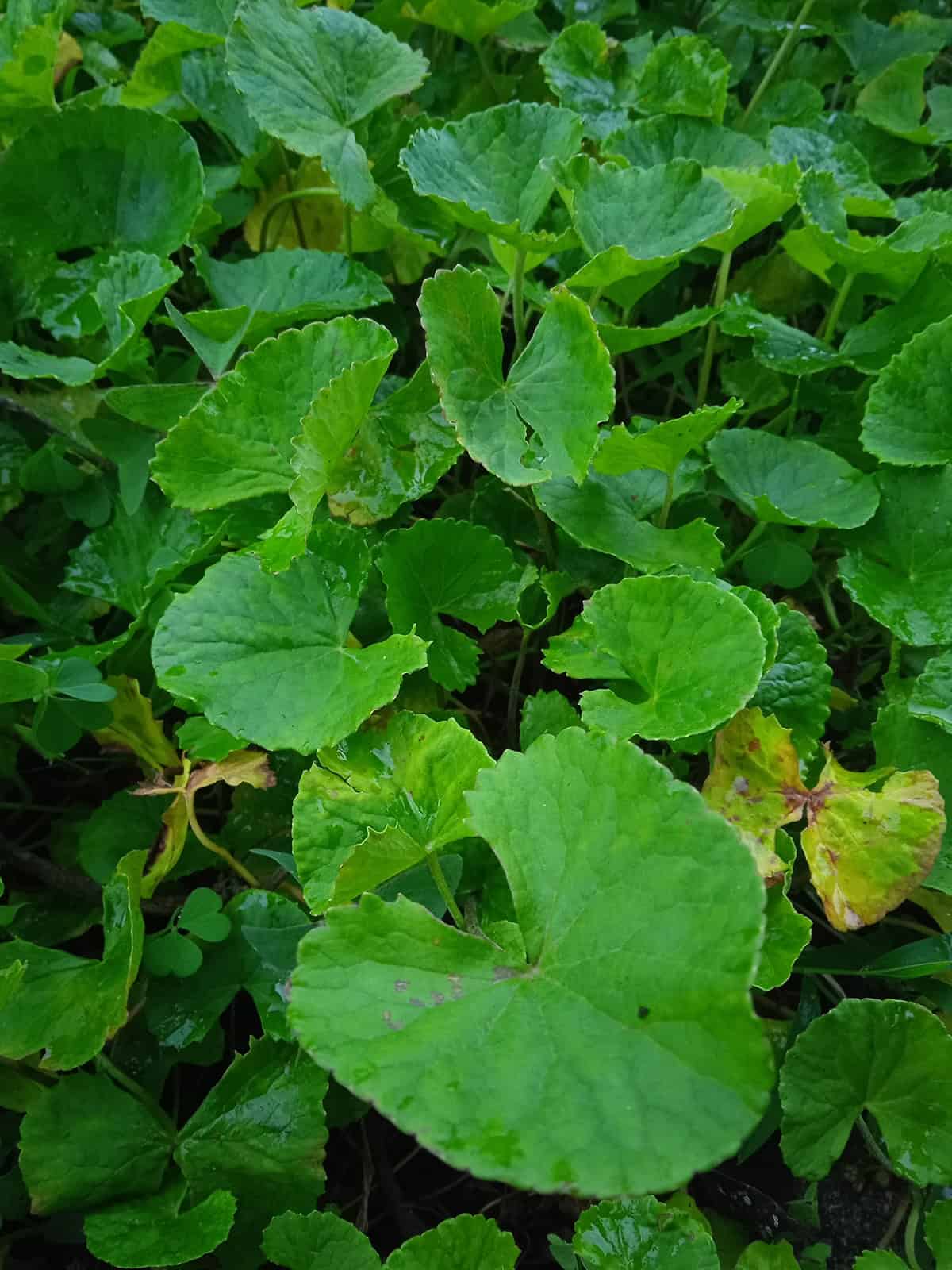
The wasabi plant is most often listed botanically as Wasabia japonica or Eutrema japonicum. You will also see it called japanese horseradish, though that common name can be misleading because real wasabi is a different plant from standard horseradish.
In practical gardening terms, you are growing a cool-loving, semi-aquatic perennial in the Brassicaceae family. The edible rhizome is the prize, though leaves, stems, and leaf stalks are also usable.
Mature Size Growth Rate And Native Range
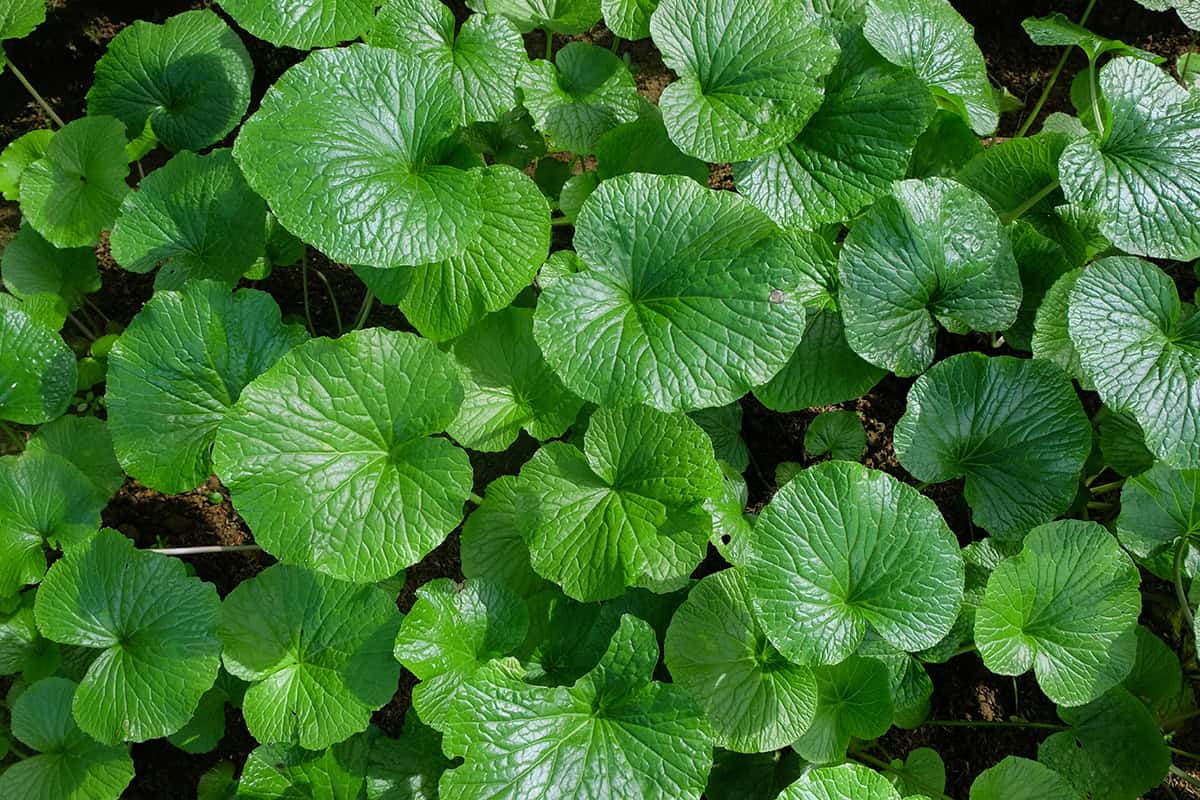
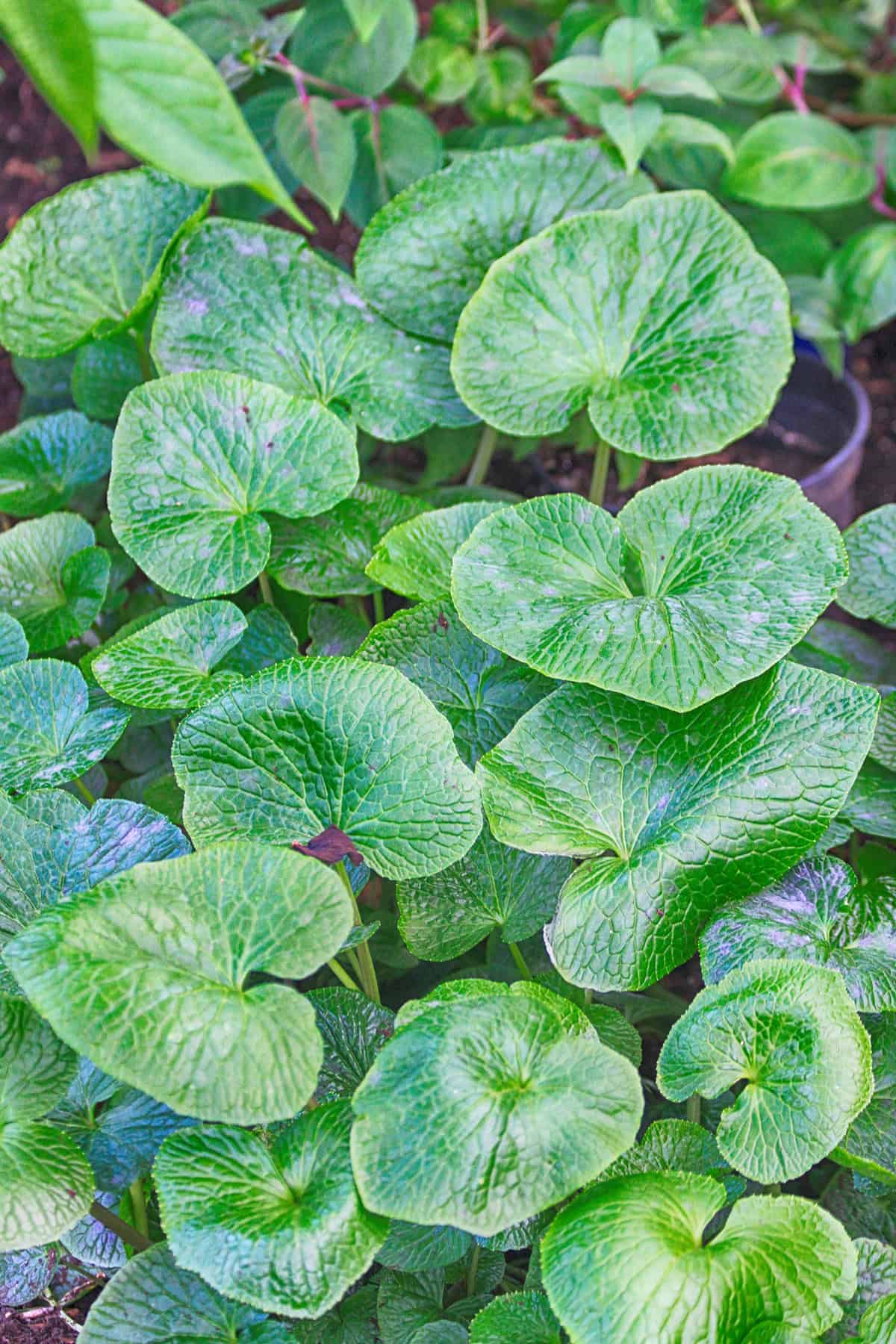
A mature plant usually reaches about 6 to 12 inches tall, with broad, heart-shaped leaves on long stems. Growth is slow, especially if temperatures drift out of range or moisture fluctuates.
True wasabi is native to cool, shaded streamside areas in Japan, with related habitat across parts of Korea and Sakhalin. That native range explains nearly every care rule.
Light Soil Water Temperature And Humidity At A Glance
Give it shade, steady moisture, and excellent drainage. If you remember only one thing, remember this, wet is good, waterlogged is not.
Keep temperatures cool, ideally 46 to 70 degrees Fahrenheit. Once conditions climb much above 80 degrees, stress rises fast.
Fertilizer And Propagation Basics
Feed lightly. Heavy fertilizing pushes weak growth and can make an already touchy plant even harder to manage.
For propagation, offsets and nursery starts are far easier than wasabi from seed. Most home growers should start there.
Light
Wasabi wants filtered light, not deep darkness and not direct sun. Morning light can be acceptable in cool climates, though I have seen leaves scorch quickly when plants catch strong afternoon exposure.
Aim for 70 to 90 percent shade. Under shade cloth, beneath open tree canopy, or in a bright but sun-protected greenhouse tends to work well. If leaves look pale, bleached, or limp by midday, your light is too intense.
Water
This is where many home growers lose plants. Wasabi needs constant moisture around the roots and rhizome, though stagnant conditions invite rot fast.
Water often enough that the mix never dries out. In warm weather, container plants may need checking daily. Use a potting setup that drains freely, then water thoroughly and consistently. If the plant wilts between waterings, growth usually stalls.
Soil
Standard garden soil is rarely ideal. Wasabi grows best in a loose, rich medium that holds moisture evenly while draining excess water quickly.
A mix with fine bark, compost, coarse sand, and perlite or small gravel works better than dense potting soil. Keep pH around 6.0 to 7.0. If your mix stays soggy for hours after watering, it is too heavy.
Temperature & Humidity
Cool conditions are not optional. Wasabi performs best between 46 and 70 degrees Fahrenheit, struggles in sustained heat, and can be damaged by hard freezes.
If your summer days regularly move past 80 degrees, outdoor growing gets risky unless you have a very protected microclimate. High humidity helps a lot, especially indoors, though airflow still matters. Stagnant, humid air with poor ventilation is a disease recipe.
Fertilizer
Wasabi is a light feeder. A diluted balanced fertilizer during active growth is enough for most home setups.
Feed every 4 to 6 weeks at low strength, or use a gentle slow-release product sparingly. Too much nitrogen gives you lush top growth without improving the rhizome. I have had better results with modest feeding and steady moisture than with any aggressive fertilizer plan.
Growing in Containers
For many US growers, containers are the most realistic way to grow wasabi at home. They let you control drainage, shade placement, temperature swings, and water more precisely.
Use a deep container with strong drainage holes. Wasabi rhizomes and roots want more depth than shallow herb pots provide. Containers also make it easier to move plants out of heat waves or winter cold. If your climate is marginal, that mobility matters.
Potting & Repotting
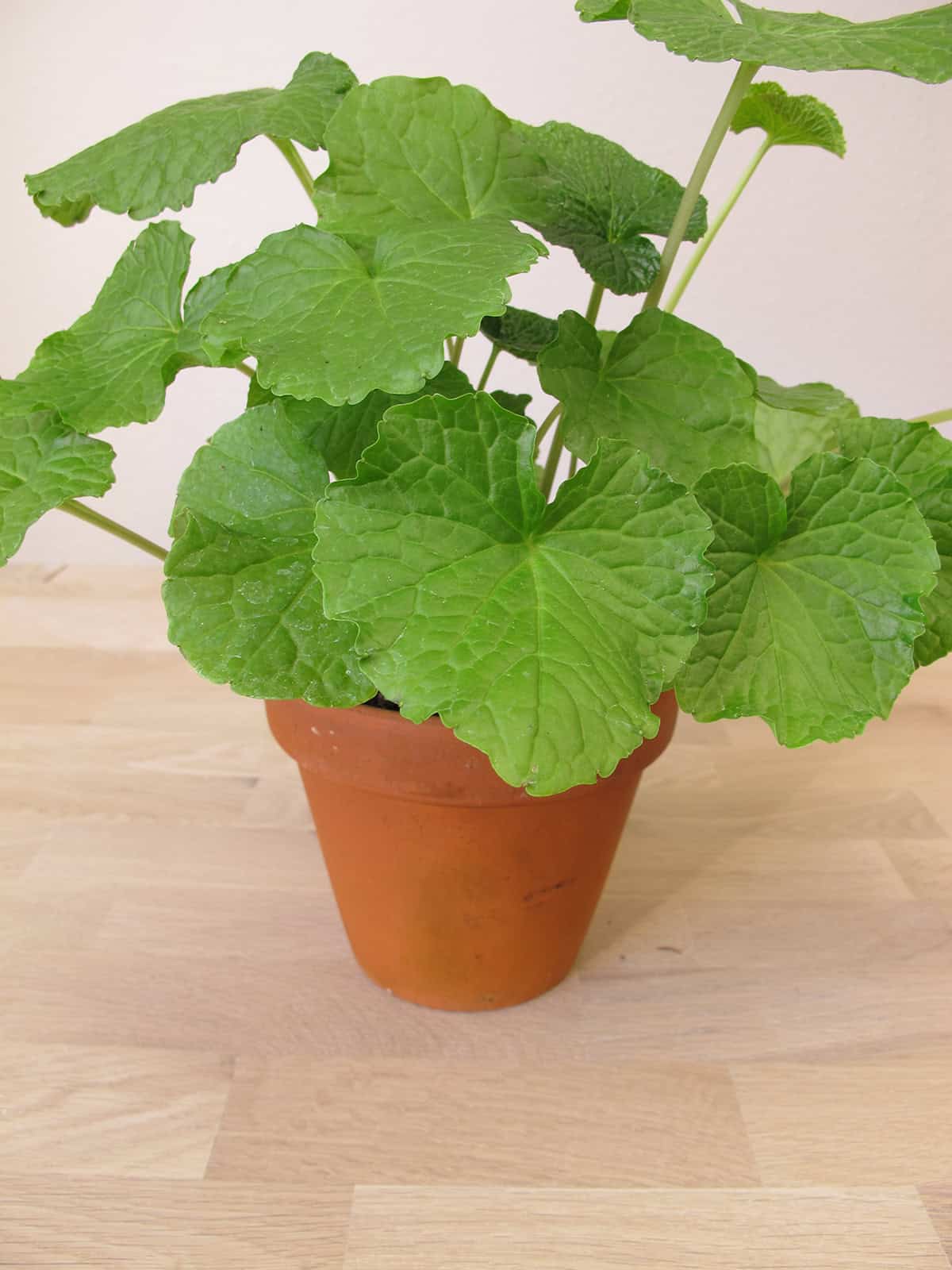
Pot wasabi so the crown sits slightly above the soil line, with the roots spread gently downward. Burying the crown too deeply can encourage rot.
Repot when roots fill the container, growth slows noticeably, or the plant doubles in size. Refreshing the mix yearly is often worthwhile because these plants are sensitive to compacted, stale media. Always move up only one pot size at a time.
Pruning
Pruning is mostly cleanup. Remove yellowing, damaged, or diseased leaves promptly so airflow stays better around the crown.
You can also harvest outer leaves and stems lightly during the season. Do not strip the plant hard while it is trying to build a rhizome. On a slow crop like this, patience pays off.
Propagation
The easiest way to propagate wasabi is from offsets or small plantlets produced around a mature crown. That is the most practical route for home gardeners.
Separate offsets carefully once they have a few roots of their own. Replant them immediately into a cool, moist, shaded setup. Wasabi seeds are much less predictable, often need cold stratification, and usually test your patience more than your skill.
Fruiting & Harvest
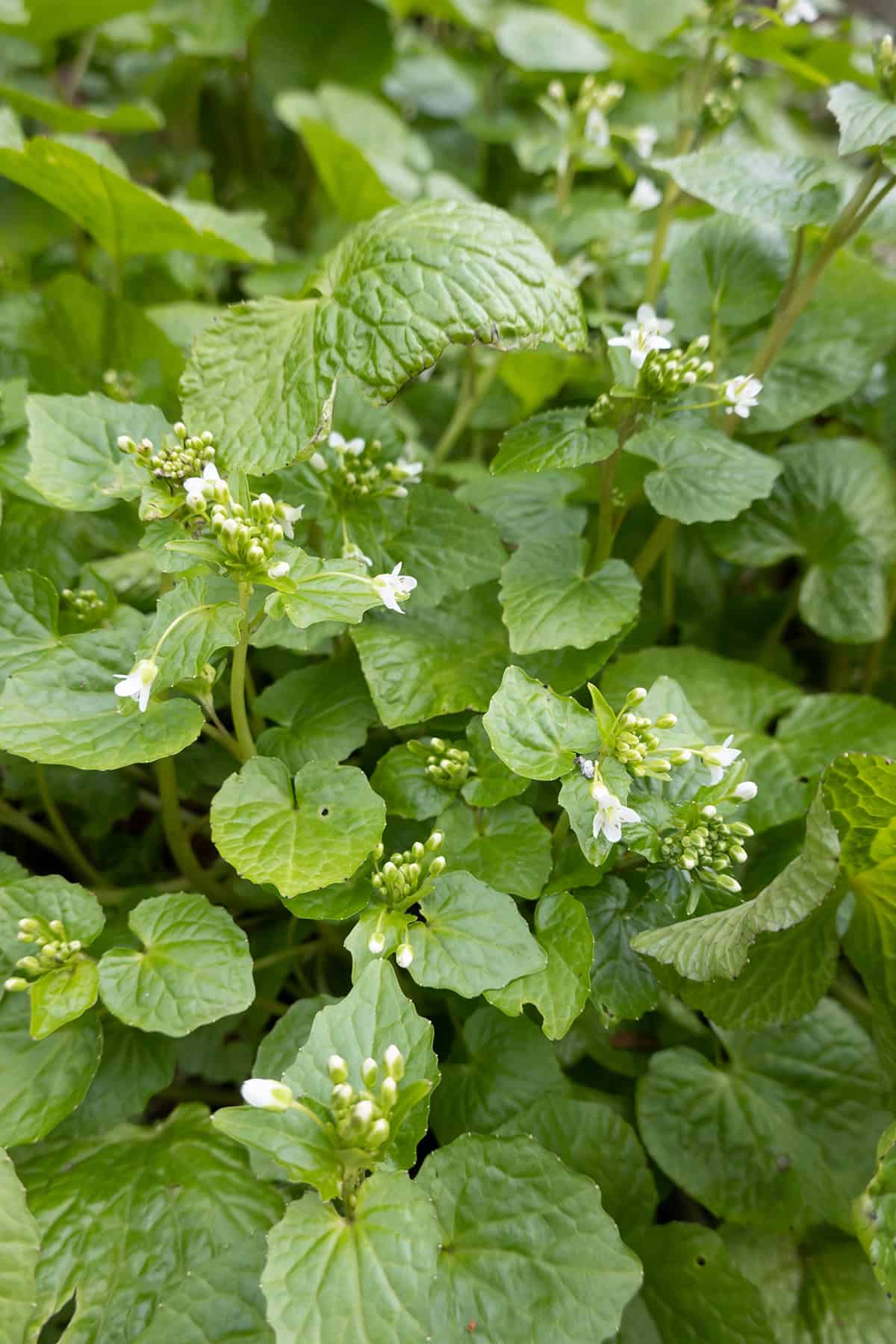
Wasabi may flower in spring, producing small white blooms and later seed pods. Fruiting is not the main goal for most growers, and seed set can be inconsistent.
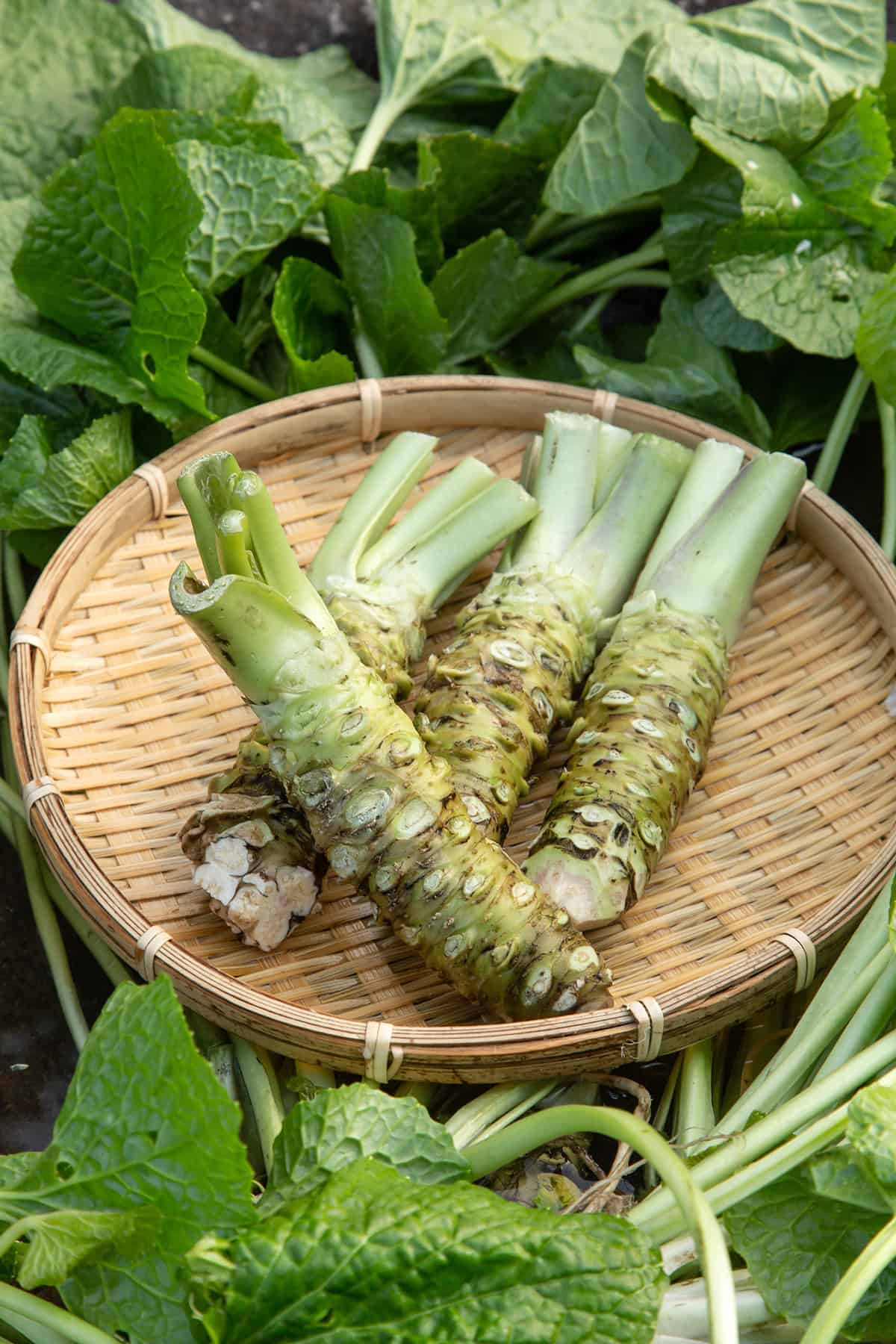
For harvesting wasabi, the rhizome is usually ready after 18 to 24 months, sometimes up to 36 months depending on variety and conditions. Leaves and stems can be harvested earlier and used fresh, cooked, or pickled. When the rhizome is thick, firm, and well developed near the crown, you are getting close.
Common Problems
Rot is the biggest threat. Root and rhizome problems usually come from warm conditions, poor drainage, or a crown buried too deeply.
Aphids may cluster on tender new growth, and slugs and snails can shred leaves fast in shady, moist spaces. Heat stress shows up as limp foliage, scorched edges, or stalled growth. Cold damage appears as blackened tissue after a freeze. When a plant declines, check temperature, moisture, drainage, and airflow before you reach for any treatment.
Varieties
The two wasabi varieties you are most likely to encounter in the US are Daruma and Mazuma. Both are true wasabi, with similar care needs.
Daruma is often chosen for cultivation because it can be a bit more adaptable in managed systems. Mazuma is well regarded for flavor, though it may take longer to mature. If you are buying starts, choose healthy plants first and variety second, because strong stock matters more than chasing a name.