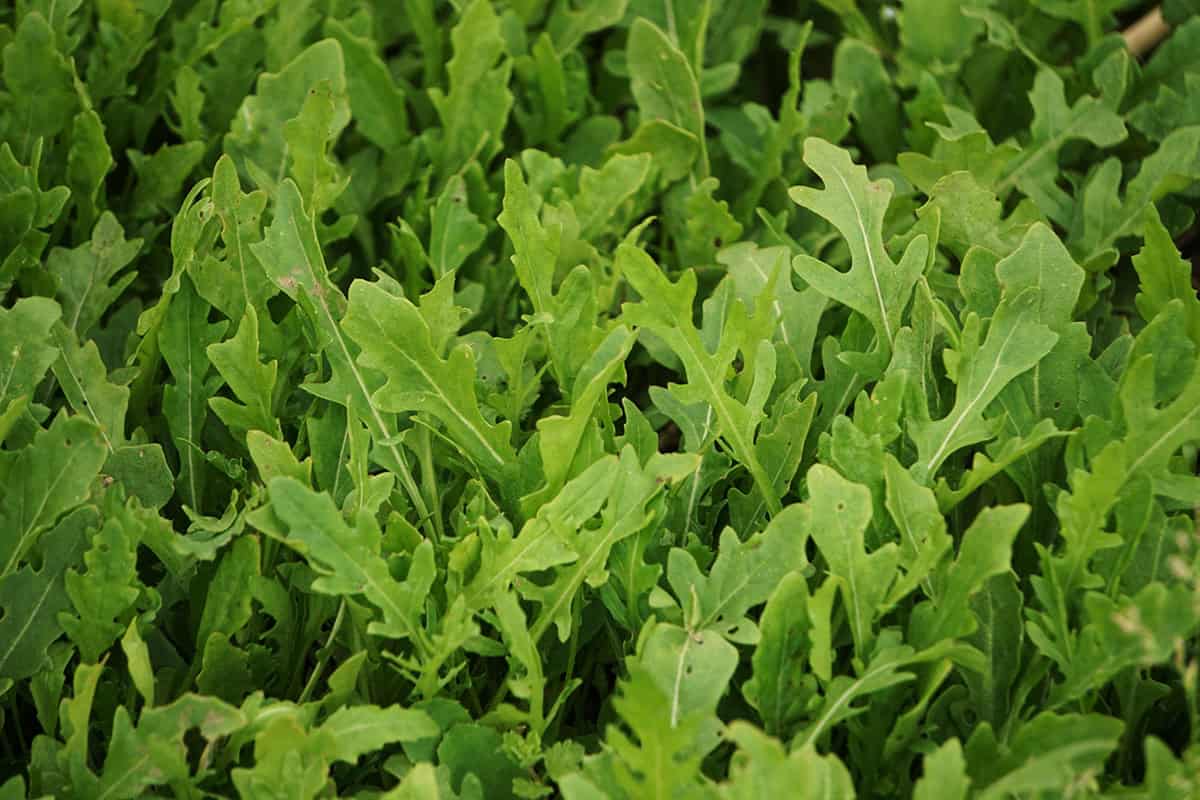
You don’t need a large backyard to grow arugula successfully. A container on a patio, balcony, or sunny windowsill is enough to produce fresh harvests throughout the season. Check out this guide for practical growing tips that are easy to follow.
Table of Contents
Variety Selection
Leaf shape, taste, and how fast a plant bolts—these traits vary more than you’d think between arugula varieties. It helps to know which species or cultivar you’re sowing, especially if you care about flavor or need to dodge hot weather.
Common Types And Flavor Differences
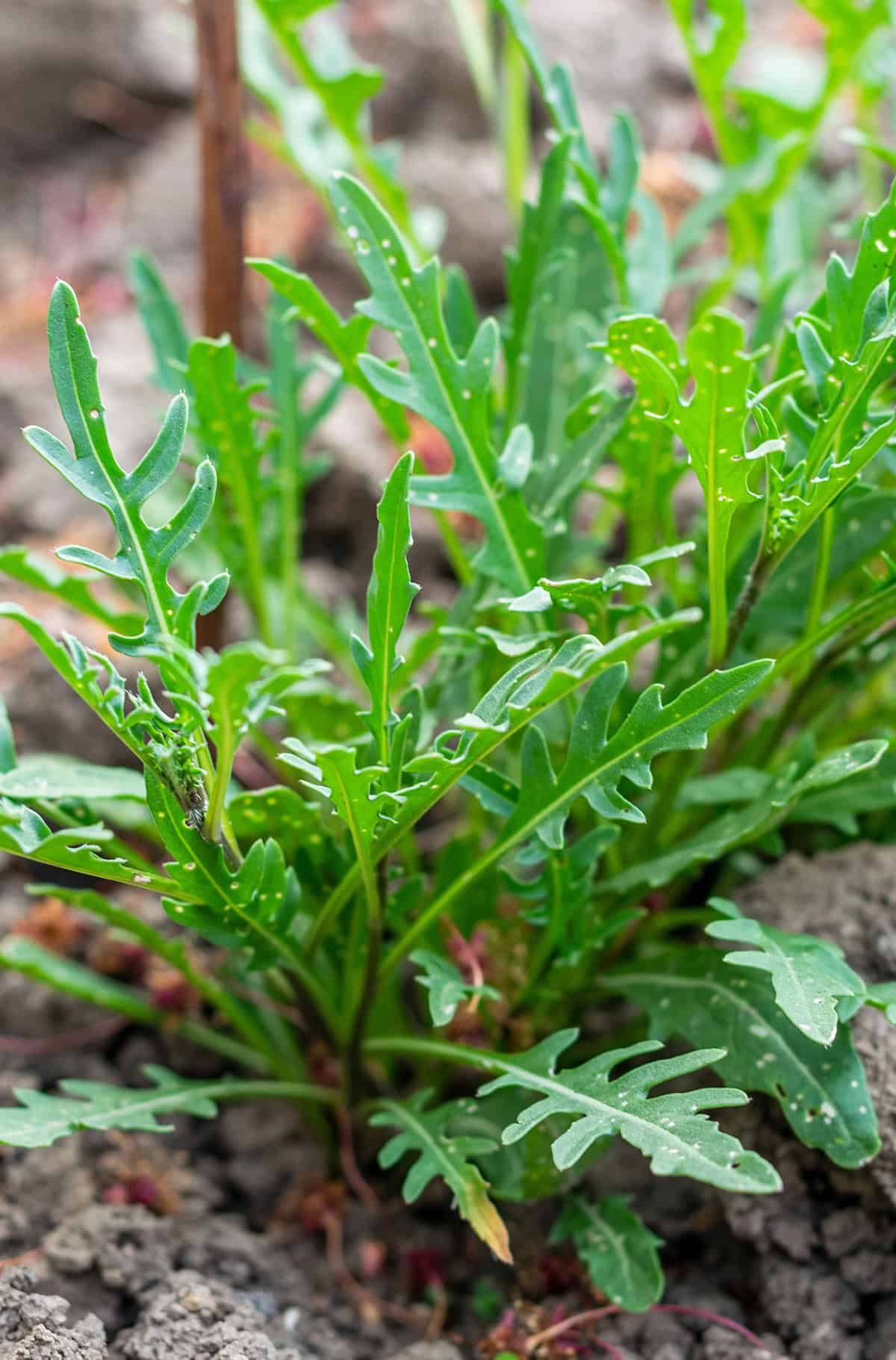
Supermarket arugula in the US? That’s usually Eruca sativa (sometimes written Eruca vesicaria), with its broad, lobed leaves and a peppery flavor that’s gentler when picked young. Then there’s wild arugula, Diplotaxis tenuifolia, which brings finer, deeply cut leaves and a sharper, lingering kick. Both belong to the mustard family, which probably explains their spicy edge.
Seed packets can be a maze of names. “Garden rocket,” “roquette,” “rucola,” and “rocket” all point to Eruca sativa. “Wild arugula” or “wild Italian rocket” typically means Diplotaxis tenuifolia. If flavor’s a big deal for you, check the Latin name before you buy.
Best Picks For Baby Leaves, Heat Tolerance, And Slow Bolting
Astro and Garden, both Eruca sativa types, shoot up fast and are mild enough for salad blends—handy for beginners or anyone after quick baby greens. Sylvetta, on the other hand, takes its time but shrugs off heat longer than most, so it’s better for late spring. Italian Rocket (often just called wild Italian rocket) packs a punch and doesn’t mind a bit of warmth. Runway’s another quick grower, especially if you want big leaves in a hurry.
Botanical Names And Common Names Explained
Most cultivated arugula is Eruca sativa, sometimes labeled Eruca vesicaria subsp. sativa in older catalogs. Wild types fall under Diplotaxis tenuifolia. Both are in the Brassicaceae family—cousins to cabbage and kale.
In India, Eruca sativa seed oil goes by taramira and pops up in traditional remedies and cosmetics. If you’re shopping internationally, keep an eye out for these alternate names—they can throw you off if you’re not expecting them.
Planting
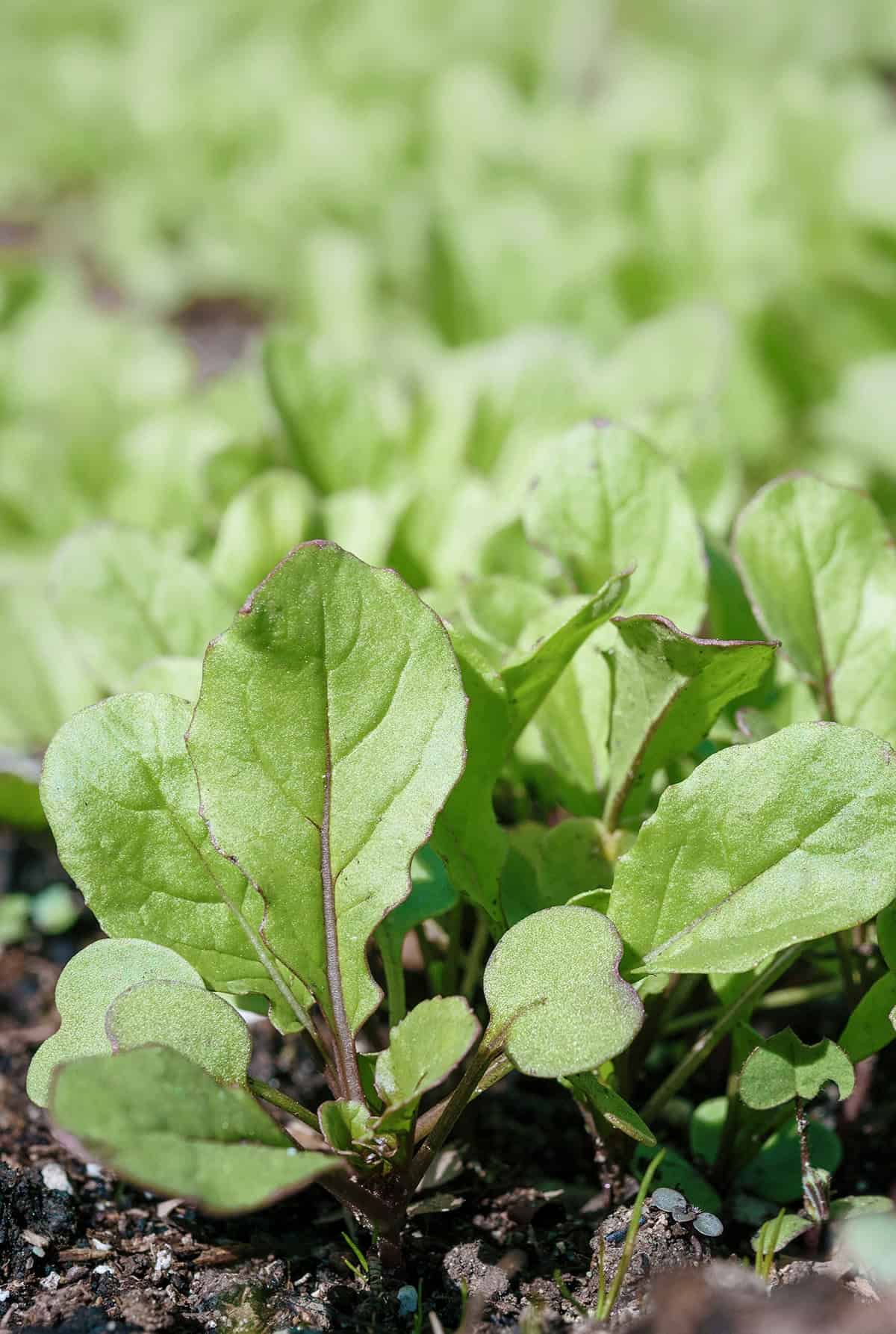
Getting arugula off to a good start comes down to timing, soil prep, and steady moisture. Nail those, and you’ll see better leaves and a longer picking season.
When To Plant Arugula
These seeds don’t mind a chill—germination happens at soil temps as low as 40°F. In most US regions, early spring (late February to April) is fair game. You can sneak in a second round in late summer, about six to eight weeks before your first frost, for a fall or early winter harvest.
Hot midsummer spells trouble. Once the soil climbs above 70°F, arugula bolts fast, and the leaves get tough and way too bitter. Stick to succession sowing every couple of weeks during cool stretches for a steady supply.
Where To Plant Arugula
Well-drained soil with a touch of compost is ideal. Slightly acidic conditions (pH 6.0–7.0) keep it happy. If you’ve recently grown cabbage, kale, or other Brassicas in a spot, skip it—pests and diseases linger in the soil more than you’d expect.
Cool weather calls for full sun. As the season warms, some afternoon shade can help keep things tender and delay bolting.
Container And Drainage
Windowsills, raised beds, or a deep-enough pot—arugula doesn’t mind. Just make sure containers are at least six inches deep and have drainage holes. Shallow pots dry out in a flash, messing with flavor and growth. Terra cotta dries out even quicker than plastic or glazed ceramic, so you might need to water more often if you go that route.
Potting mix works best in containers; garden soil compacts and stunts the roots.
Soil
Mixing in two or three inches of compost into the top six inches of soil before sowing makes a noticeable difference—leaves get more tender and plants grow faster. Heavy clay? Raised beds or containers are usually less hassle.
Sowing Seeds
Skip transplants—direct sowing is quicker and easier. Scatter seeds a quarter inch deep, about an inch apart, in rows spaced ten inches. Broadcasting works if you want a dense patch for cut-and-come-again harvests. Under decent conditions, you’ll see sprouts in about a week, maybe a bit longer if it’s chilly.
Spacing
For full-size leaves, thin seedlings to about six inches apart once they’re a couple inches tall. Toss the extras in your next salad. If you’re just after baby leaves, crowd them a bit and harvest early before the patch gets congested.
Growth Time
Baby leaves show up in four weeks or so, full-size leaves in six to eight. Keep sowing every two to three weeks if you want a constant supply instead of one big harvest.
Light
Light needs shift with the season, and managing sun exposure can make a real difference in how long your arugula keeps producing.
Full Sun Vs Partial Shade
Six hours of sunlight (or more) in spring and fall gives you lush, vibrant leaves with balanced flavor. Partial shade slows growth a bit and can make plants less robust, but it’s workable if that’s what you’ve got.
Using Shade To Delay Bolting
When daytime highs start pushing into the mid-60s°F and beyond, afternoon shade becomes a secret weapon against bolting. A bit of shade cloth (30–40%) or dappled light from a nearby shrub can cool things down enough to stretch your harvest by a week or two.
Row covers, while mostly for pest control, also buffer temperatures a little. If you’re already using them for flea beetles, you’ll get some bonus cooling, too.
Seasonal Light Adjustments
Maximize sun in early spring, then start shading as the heat builds. Fall crops can soak up full sun again as days get shorter and cooler. In milder climates (USDA zones 8+), arugula can overwinter under a cold frame or low tunnel with hardly any fuss about shade.
Water
Leaf quality depends heavily on how consistently you water. A simple routine goes a long way toward keeping arugula tasting good and growing well.
Keeping Soil Evenly Moist
Soil should stay moist but not soggy. In cool spells, watering every two or three days is usually enough, but rainfall might let you stretch it. If the top inch feels dry, it’s time to water—go deep to encourage strong roots. Skimping leads to shallow roots and plants that wilt at the first sign of sun.
How Water Stress Affects Flavor And Growth
Letting arugula dry out ramps up the bitterness and toughens the leaves. It also makes plants bolt faster. Keeping the soil steady—never bone dry, never swampy—keeps things palatable and productive.
Watering Containers Vs Garden Beds
Containers dry out faster than garden beds, especially in warm weather. Sometimes daily watering is needed for potted arugula. Check every morning during a heatwave, and don’t let the soil go dust-dry. A thin mulch layer helps lock in moisture, whether you’re growing in beds or pots.
Feeding
Arugula isn’t a heavy eater. If you prepped the soil well, you might not need to feed at all during a short crop cycle.
Compost And Soil Fertility Basics
A decent dose of compost before sowing usually covers the plant’s needs for four to eight weeks. Compost feeds slowly and helps hold moisture, which arugula likes. Two to three inches mixed into the top layer before planting is usually plenty.
When Extra Fertilizer Helps
If your soil is sandy or you skipped the compost, a diluted balanced liquid fertilizer (half strength, 10-10-10 or fish-based) once or twice during the season can perk up leaf size and color. Apply a couple of weeks after germination if things look a little lackluster.
Avoiding Overfeeding
Piling on nitrogen gets you lush, fast growth, but it also speeds up bolting and can dull the flavor. Plus, pests love those extra-tender leaves. If your plants look deep green and are filling in nicely, you’re set. Only add more if things look pale or stunted, and you’re sure water isn’t the issue.
Harvest, Regrowth, And Problems
Harvesting at the right time and knowing how to handle common setbacks can stretch your arugula season and keep plants coming back for more.
How To Harvest Arugula
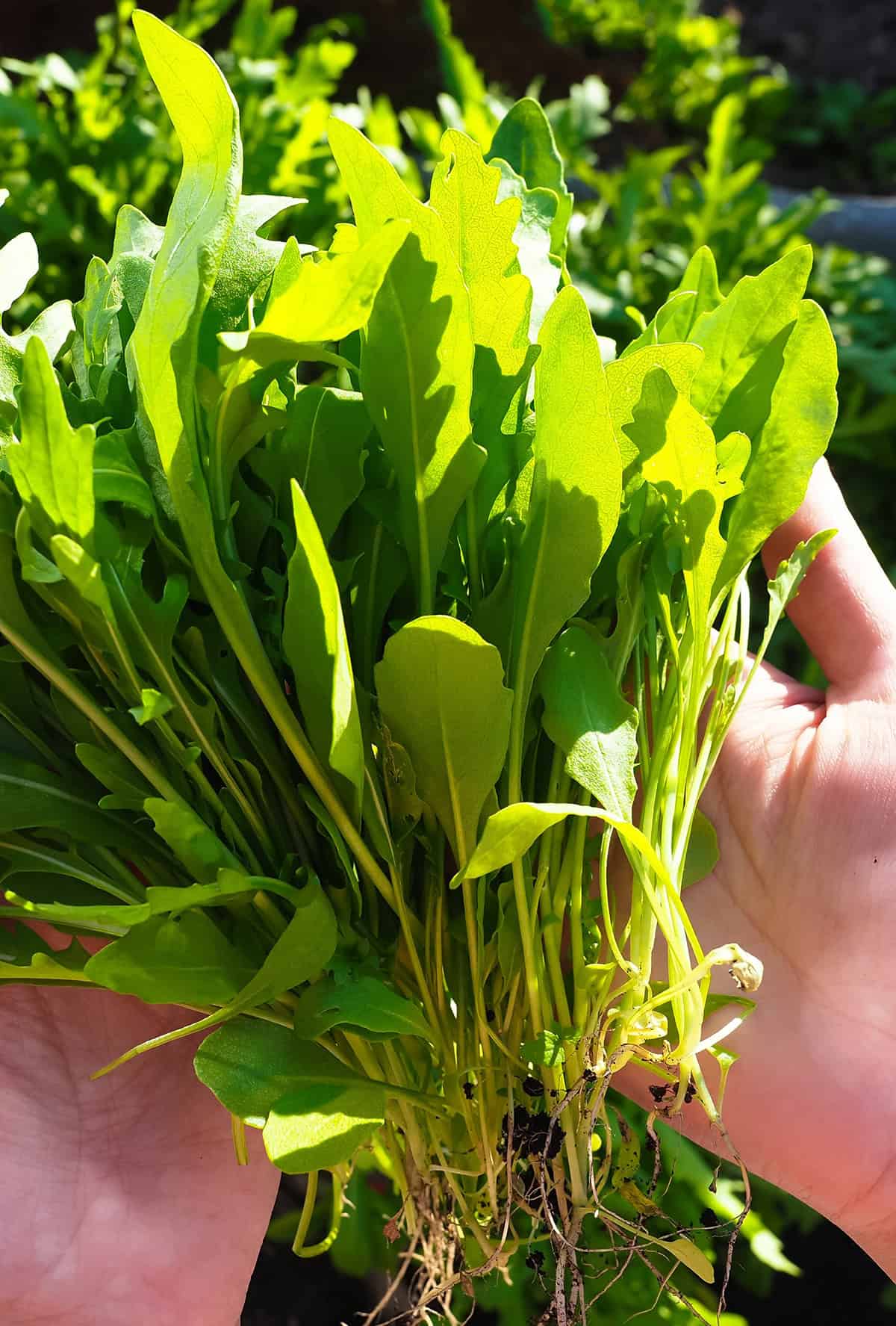
Grab scissors and snip outer leaves or cut whole stems just above the soil. Leaving the crown intact lets roots and the growing point recover for another round. Morning harvests are best—leaves are crisper and less wilted then.
Continuous Harvest And Cut-And-Come-Again Regrowth
With cut-and-come-again, you trim a bit at a time, leaving the plant to regrow. Cut back to about an inch above the soil, and you’ll see new leaves in a week or so if it’s cool. Usually, you get two or three good harvests before the flavor gets too strong or leaves toughen up, by which point your next sowing should be ready.
Harvesting Baby Leaves Vs Mature Leaves
Baby leaves, picked at two to three inches, show up about three to four weeks after sprouting. They’re mild and soft—perfect for salads. Wait another couple of weeks for mature leaves if you want more flavor and heft. For mild greens, harvest early and often; for that signature peppery punch, let them bulk up but harvest before flowering kicks in.
Edible Flowers And Saving Seeds
Once bolting starts, arugula puts out white flowers—edible, with a gentle peppery taste. Toss them in salads or use as a garnish. To save seeds, let a few plants flower and set pods, then collect them once dry but before they burst. Stored cool and dry, the seeds keep for three to five years.
Common Pests
Tiny holes peppering arugula leaves—almost like the aftermath of a tiny hailstorm—usually mean flea beetles have moved in. These little jumpers can be relentless, especially in spring when their numbers explode. Floating row covers, set up right at planting, offer a solid defense while seedlings are most vulnerable. Once plants get some size and can shrug off minor munching, you can pull the covers for later successions.
Sometimes, it’s cabbage worms that leave their mark: ragged bites, messy green droppings, and a general look of neglect. If you spot a few, picking them off by hand works surprisingly well. For bigger outbreaks, Bt (Bacillus thuringiensis) is a go-to—safe for pollinators and natural predators, but tough on caterpillars.
Common Diseases And Prevention
On damp, chilly mornings, yellow, blocky spots edged with gray fuzz underneath? That’s downy mildew making itself at home. Airflow matters here. Give the plants room, steer clear of overhead watering if you can, and cull any suspect leaves fast. Some types, like Bellezia, seem to shrug off this disease more easily.
White rust is sneakier—chalky blisters underneath, pale patches up top, and suddenly the leaves start to twist. It can sweep through a bed before you know it. Best move is to yank infected plants right away (don’t even think about composting them), switch up your planting spots each year, and clear out old stems and debris after harvest to keep things in check for next season.
Common Problems, Pests and Diseases
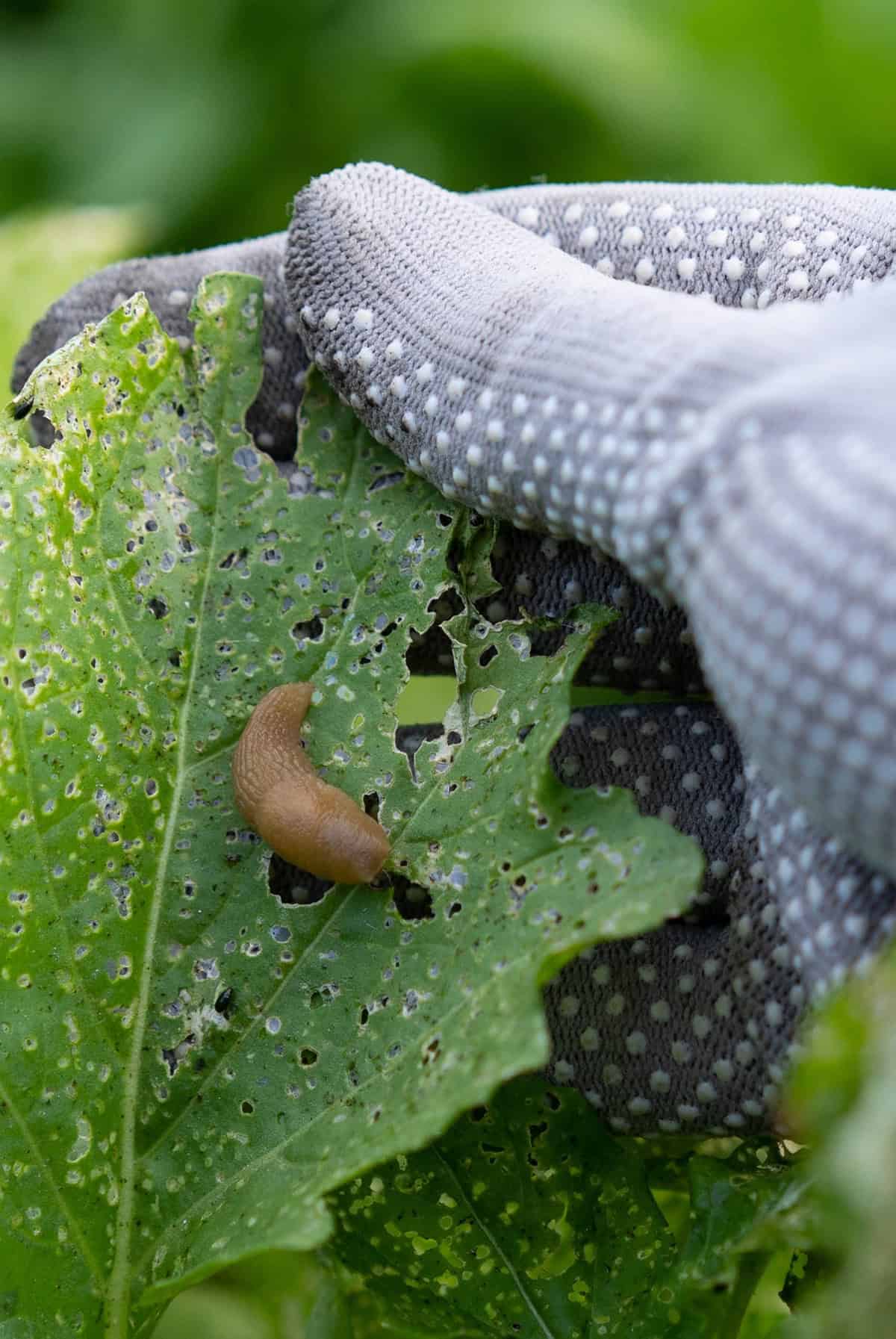
Most headaches with arugula in the backyard patch boil down to bad timing, temperature swings, or relentless bugs—not so much mysterious plant diseases. Honestly, if you get the season right, a lot of the drama never even starts.
That sudden leap to a tall, spindly flower stalk—yep, bolting—catches everyone off guard at least once. When leaves go from peppery to nearly inedible overnight, blame the heat. No sense trying to rescue a plant that’s bolted; just yank it and try again in a cooler spot or wait until autumn. Succession planting helps dodge the worst of the hot spells.
Sometimes, though, the leaves taste harsh even without the obvious sign of bolting. Usually, it’s just stress from dry soil or waiting too long to pick. Arugula’s best young, so keep watering steady and don’t hesitate to harvest early and often.
Seedlings that stretch and fade to pale green are practically begging for more sun. Shuffling pots to a brighter corner or thinning out the crowd can make all the difference—no need to overthink it.
Flea beetles can squeeze through the tiniest openings, so if you spot their telltale damage despite using row covers, check every seam and edge. Tossing down a thick mulch under the cover can trip them up, making it harder for those little pests to reach the leaves.
When the same patch keeps getting hammered by downy mildew or white rust, it’s time to move on—at least for a season or two. Rotating arugula (and its Brassica cousins) to a fresh spot breaks the cycle, and honestly, it’s about the easiest disease fix going.