A thriving cardamom plant adds beauty long before it produces its famous spice. Its graceful leaves create a rich tropical look that stands out in any garden. Explore this guide for simple growing and care advice that leads to lasting success.
Table of Contents
Quick Care Summary
Bright shade or dappled light, warmth above 70°F, and consistently moist, humus-rich soil with sharp drainage set the stage for success. Humidity isn’t optional, especially indoors—dry air will trip you up faster than you’d expect.
Unless you live in USDA zones 10 to 12 or have a greenhouse, container growing is the way to go. Once temperatures dip, it’s time to bring the plant inside. Cold drafts and dry roots are a recipe for disappointment.
Wide pots matter more than deep ones since the rhizomes like to spread. Don’t let the root ball dry out, and if you’re dreaming of pods, you’re in for a long haul—cardamom needs years of heat and humidity to flower and fruit.
Plant Overview
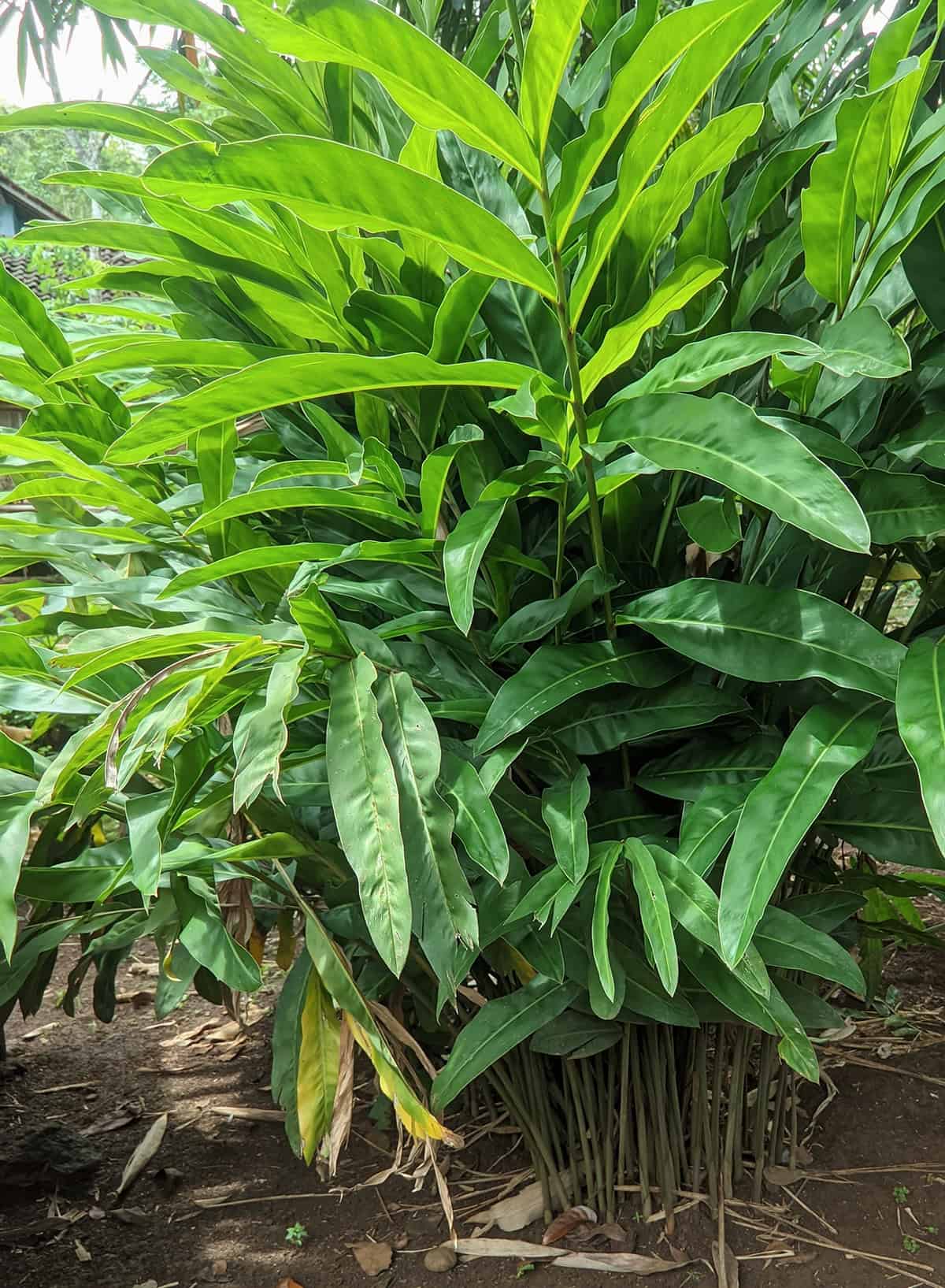
With its upright, leafy shoots and aromatic underground rhizomes, Elettaria cardamomum brings tropical vibes to any space. Outdoors, it can reach impressive heights—sometimes up to 15 feet—but in containers or indoors, expect a more modest 2 to 4 feet, unless you’re working with greenhouse magic.
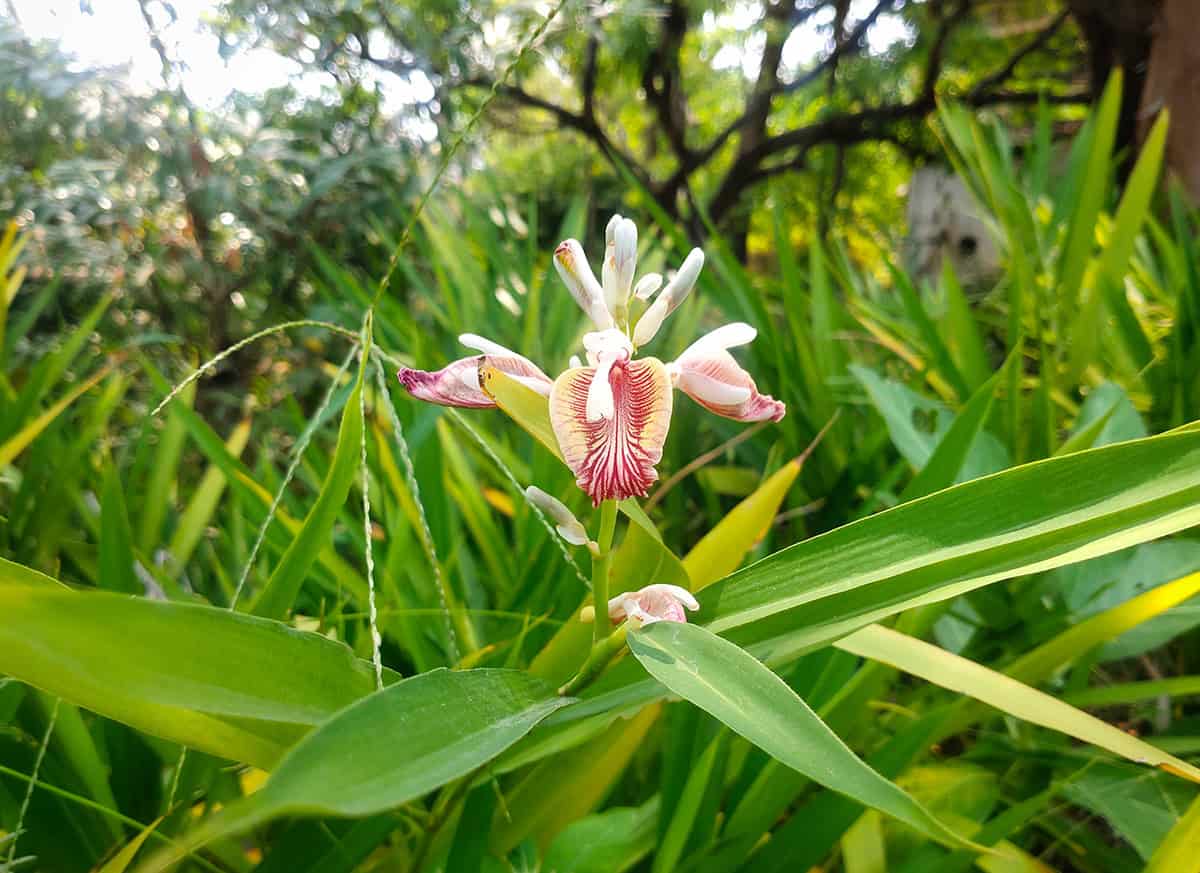
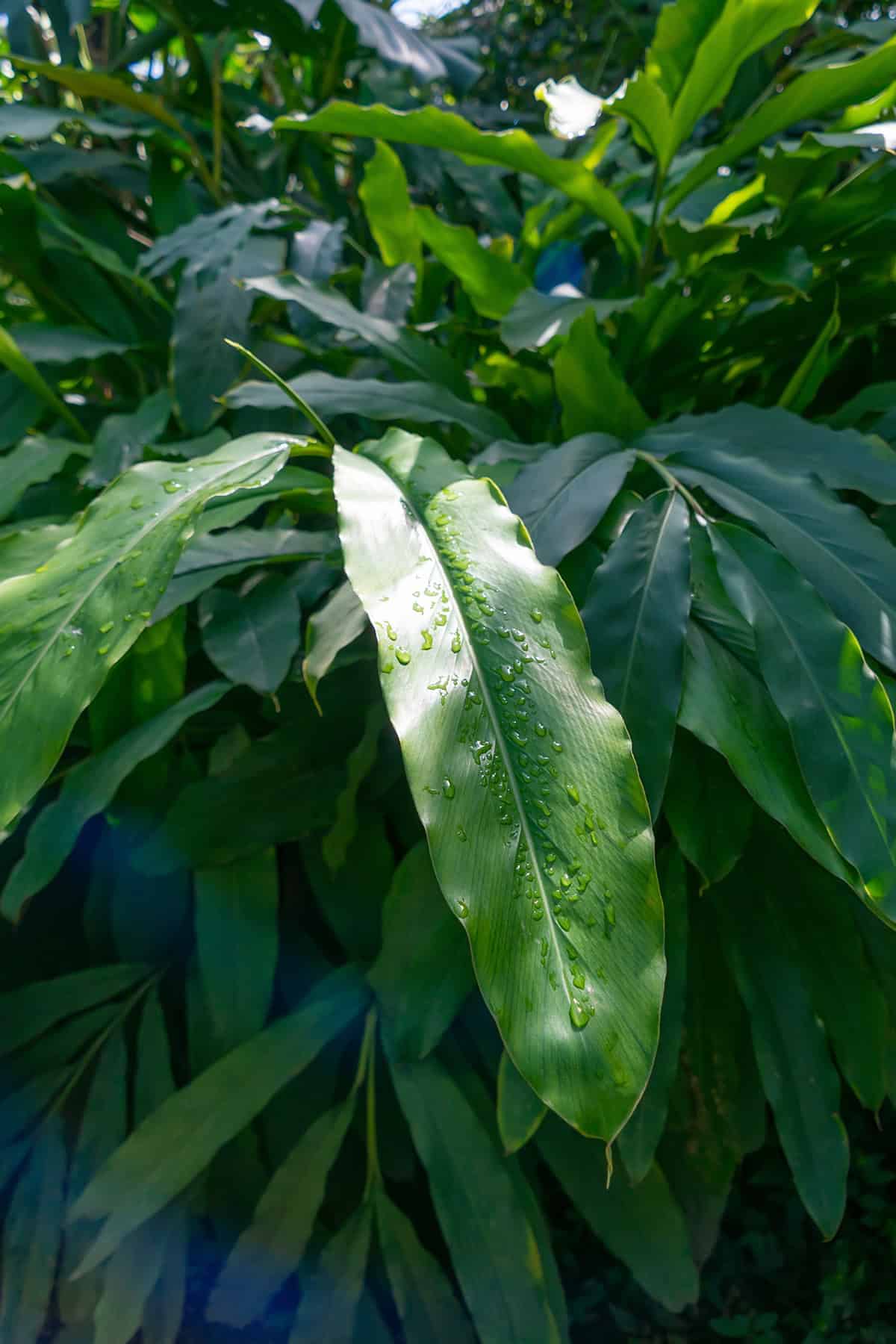
The foliage is long, glossy, and lance-shaped. Once mature, the plant might send up separate stems from the base, dotted with pale yellow-white flowers streaked with purple or pink. Those are the beginnings of the prized cardamom pods.
Confusion crops up often with lookalike ginger relatives. If you’re after edible pods, double-check you’re starting with true Elettaria cardamomum from a reliable source—lots of imposters out there.
Light
Filtered, dappled light—imagine the kind you’d find beneath a thick canopy—lets cardamom thrive. Direct, harsh afternoon sun? That’ll bleach and crisp the leaves in no time, even if the soil’s moist. Morning rays are usually gentler, but once it’s midday, move your plant out of the line of fire.
Indoors, a spot near a bright but curtained window works well. If stems get leggy and leaves spread wide apart, chances are it’s craving a bit more light.
Water
Cardamom likes its soil to feel like a wrung-out sponge—never soggy, never bone dry. Letting the top inch of soil stay lightly damp is ideal. If the pot feels feather-light and leaf tips curl or brown, you’ve waited too long. On the other hand, if the soil turns sour or stays slick for days, you’re overdoing it or the drainage is off.
During growth spurts, water deeply and let excess drain away. Cooler conditions indoors mean you can ease up a little, but don’t let the root ball dry out.
Soil
Loose, rich, moisture-retentive soil with good drainage is the sweet spot. Compost or leaf mold in a loamy base works wonders. Slight acidity—pH between 5.5 and 6.5—keeps it happy. Dense, heavy mixes suffocate the rhizomes and lead to trouble.
For pots, a blend of quality potting mix, compost, and a bit of fine bark or perlite usually does the trick. If water puddles on top, your mix needs loosening up.
Temperature & Humidity
Warmth isn’t up for debate—cardamom stunts when nights get cool and only really grows when temps stay in the 70–85°F range. Once things dip below 60°F, you’ll see leaves dull and growth stall. Prolonged chills can do real harm.
Humidity is a constant battle indoors. Brown leaf tips and ragged edges signal the air’s too dry. Pebble trays, humidifiers, grouping plants, or an actual greenhouse all help more than a quick mist. Flowering and fruiting demand both warmth and humidity, not just for a few days, but consistently.
Fertilizer
Regular feeding during the growing season keeps cardamom lush. Balanced organic fertilizer is usually enough, but if you’re after flowers, a little extra phosphorus can help on older plants.
Twice a month in spring and summer is plenty. An annual top-up with rich compost keeps the root environment ideal. If leaf tips brown from salt, give the pot a thorough flush and back off the feeding. Soft, pale growth? Could be underfeeding, but also check the light.
Growing In Containers
For most U.S. growers, containers are just more practical. You get control over soil, humidity, and can shuffle the plant indoors or out as needed. Pick a pot at least 12 to 14 inches wide to give those spreading rhizomes room. Good drainage is non-negotiable.
Potted cardamom dries out quickly in sunny weather and wilts fast when it gets cold. If you summer it outside, bring it in before nights dip into the low 60s. In homes, the most humid, brightest spot—often a bathroom or sunroom—outperforms the living room every time.
Potting & Repotting
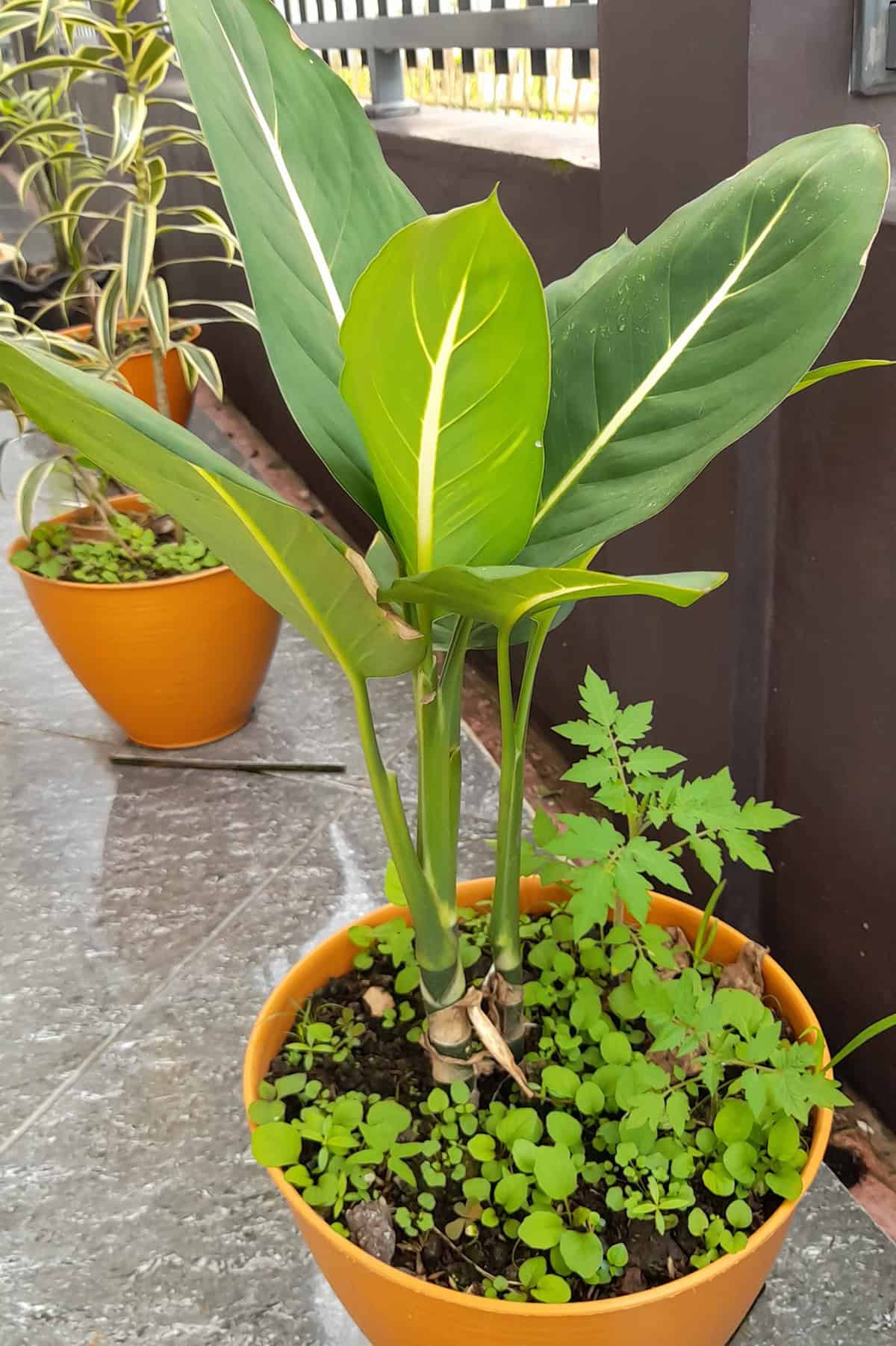
Spring or early summer is the least risky time to repot, since the plant can bounce back fast. When roots crowd the pot edge, watering gets tricky, or growth slows despite good care, it’s probably time.
Don’t jump to a huge new pot unless the plant’s totally rootbound. Move up one size, keep rhizomes at their original depth, and avoid burying the crown. After repotting, keep things moist and shielded from strong sun for a couple weeks while roots settle in.
Pruning
Pruning cardamom is mostly about tidying up. Snip off yellow, damaged, or dead leaves at the base. Old flower stalks can go once they’re spent. If things get crowded, thinning a few stems or dividing the clump is better than a drastic haircut.
When you notice you’re removing loads of brown leaves, take it as a sign to check your watering, humidity, and temperature—pruning alone won’t fix the underlying issue.
Propagation
Division is the go-to for propagating cardamom—quicker and more reliable than seeds. Just lift a mature clump, slice the rhizome into pieces with a healthy growth point and some roots, then replant in moist, rich soil. Keep things warm and don’t let it dry out until established.
Seeds are slow and can be finicky. Fresh seeds sprout better than old ones, but even then, patience is required. Sow them shallow, keep the medium very moist and warm (bottom heat helps), and expect a wait—seedlings take years to mature.
Fruiting & Harvest
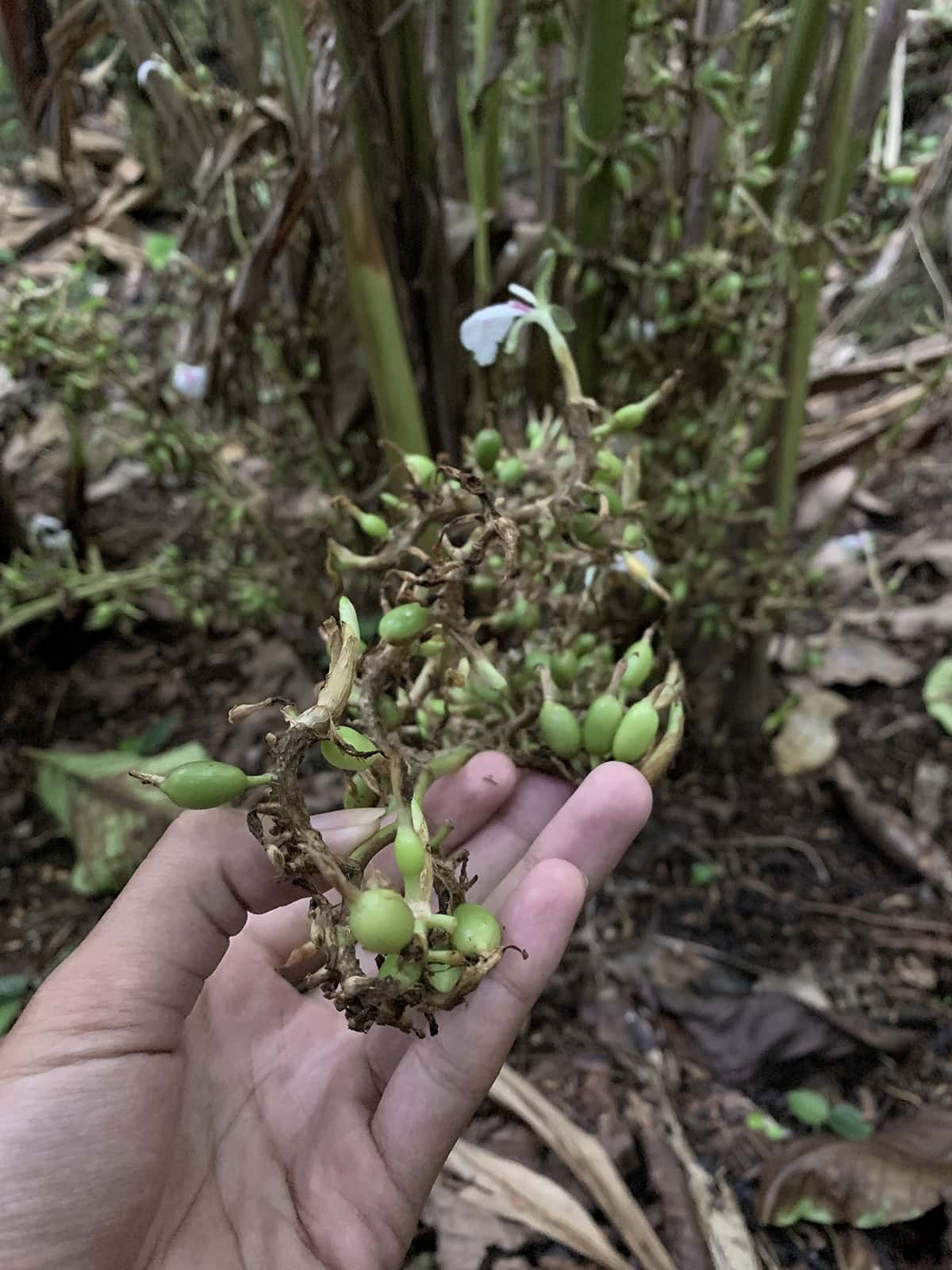
Getting cardamom to fruit indoors or in containers is a tall order. Even with perfect care, you may never see pods. The plant needs years of steady warmth, humidity, and a robust root system before it’ll flower. In the tropics, flowering stems rise from the base and, after pollination, can finally produce pods.
Harvest pods as they start to loosen from the stem—don’t wait for them all to ripen at once or you’ll lose quality. Dry them in a shaded, airy spot, then store airtight away from light and heat.
Common Problems
Environmental stress is the usual culprit. Brown tips? Humidity’s too low or watering’s inconsistent. Yellowing leaves might mean drainage issues, not enough nutrients, or cold roots. Wilting after a cold snap? Temperature shock, most likely.
Watch for root rot in heavy or poorly drained soil. Sour smells or collapsing stems mean it’s time to check the rhizomes and cut away any rot. Pests like spider mites, scale, and mealybugs love dry indoor air—look for webbing or sticky spots under leaves and along stems.
Cardamom mosaic virus is a more serious threat—mottled, distorted leaves and weak growth are the warning signs. If you suspect it, isolate and discard the plant to protect your others.
Varieties
Cracking open a pod of green cardamom—technically Elettaria cardamomum—unleashes that sweet, almost piney aroma you’ll recognize from chai or Scandinavian pastries. This is the one most home cooks reach for, the classic choice for desserts and spice blends.
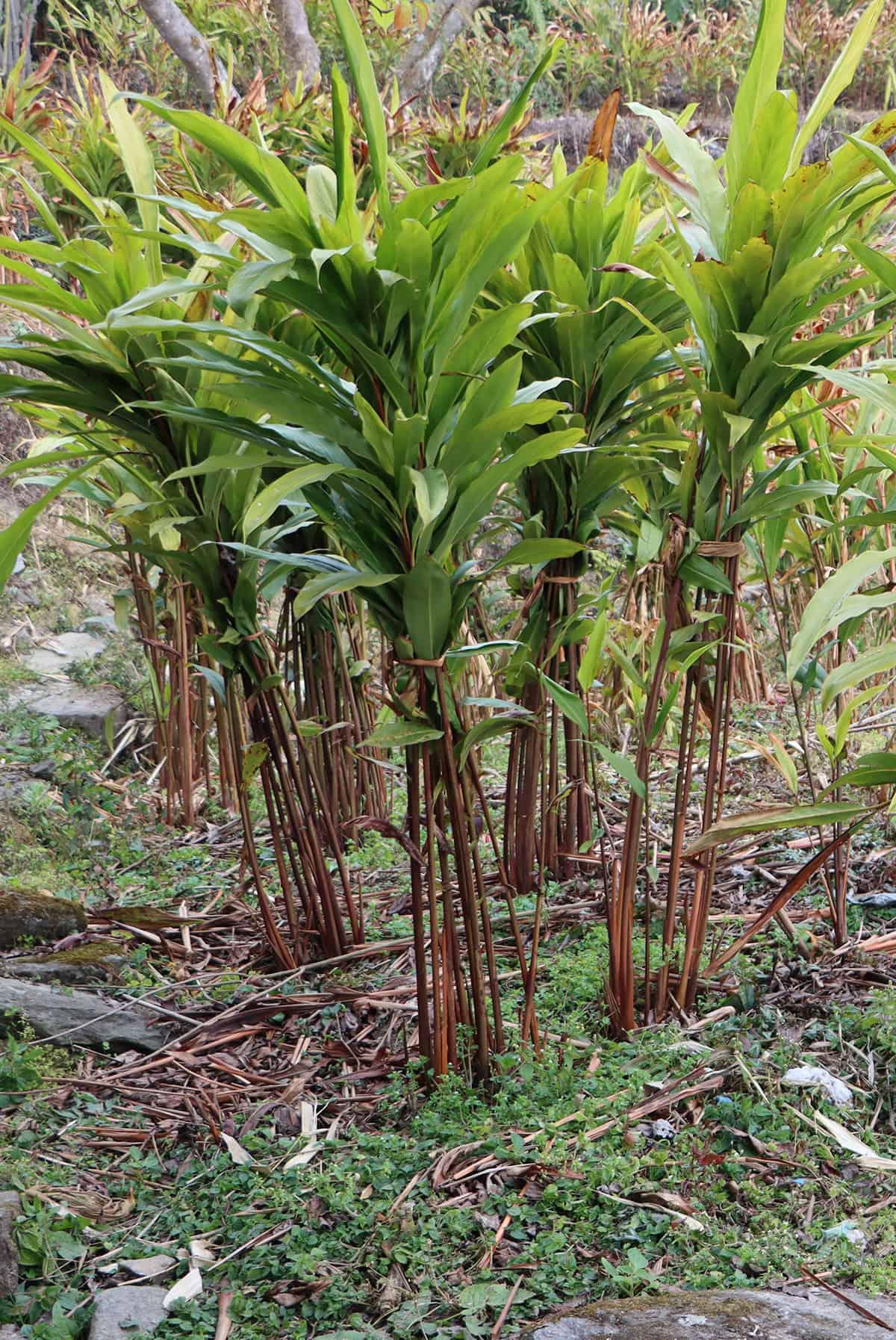
In contrast, black cardamom (Amomum subulatum) throws a curveball: bigger, rougher pods, a flavor that leans smoky and bold, and a tendency to show up in hearty stews or biryanis instead of cookies. It’s a different beast altogether, and the way it grows can diverge a bit depending on where you’re trying to cultivate it.
Labels can get pretty confusing in the spice aisle. Sellers sometimes toss the term “cardamom” around for anything remotely similar, and plenty of ginger relatives sneak in under that name. If you don’t see Elettaria cardamomum or Amomum subulatum spelled out, it’s worth double-checking before handing over your cash.