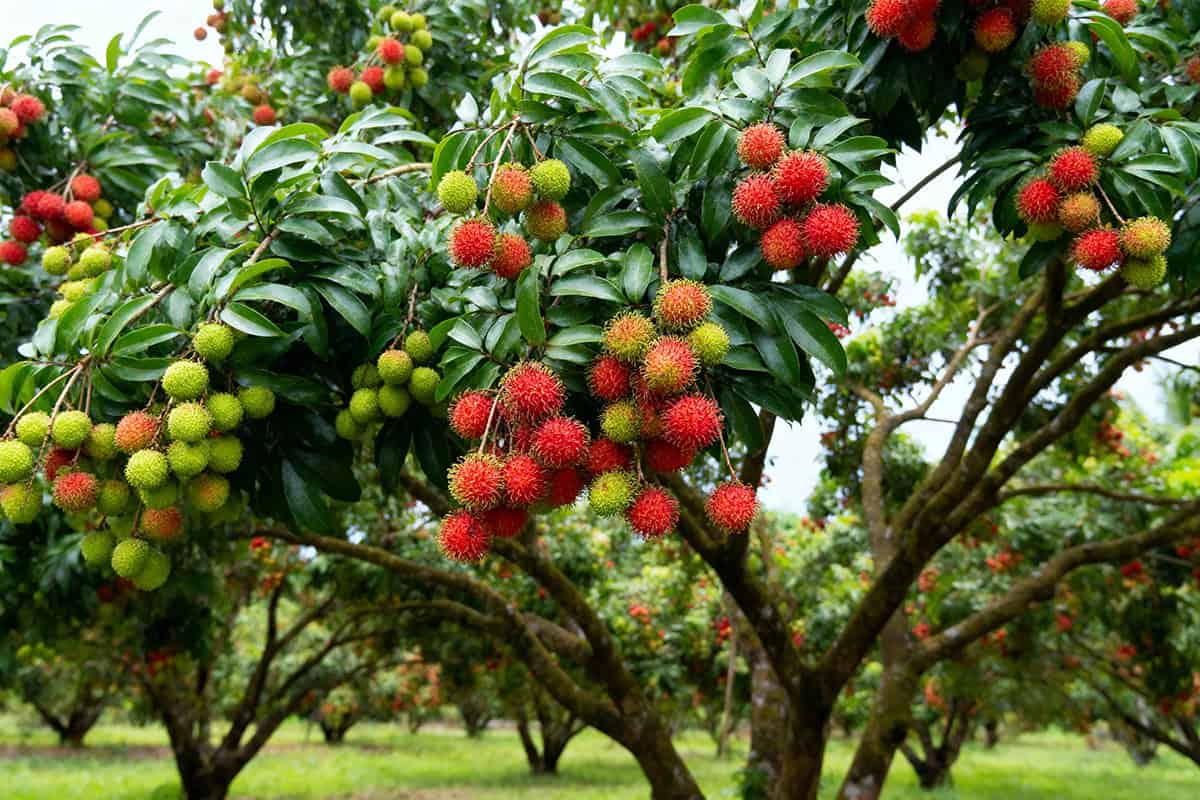
A rambutan tree performs best when it receives warmth, humidity, and plenty of sunlight throughout the year. Consistent watering and nutrient-rich soil encourage strong growth without making maintenance complicated. Once established, it becomes an impressive addition to the landscape. Read on to discover the best care routine.
Table of Contents
Quick Care Summary
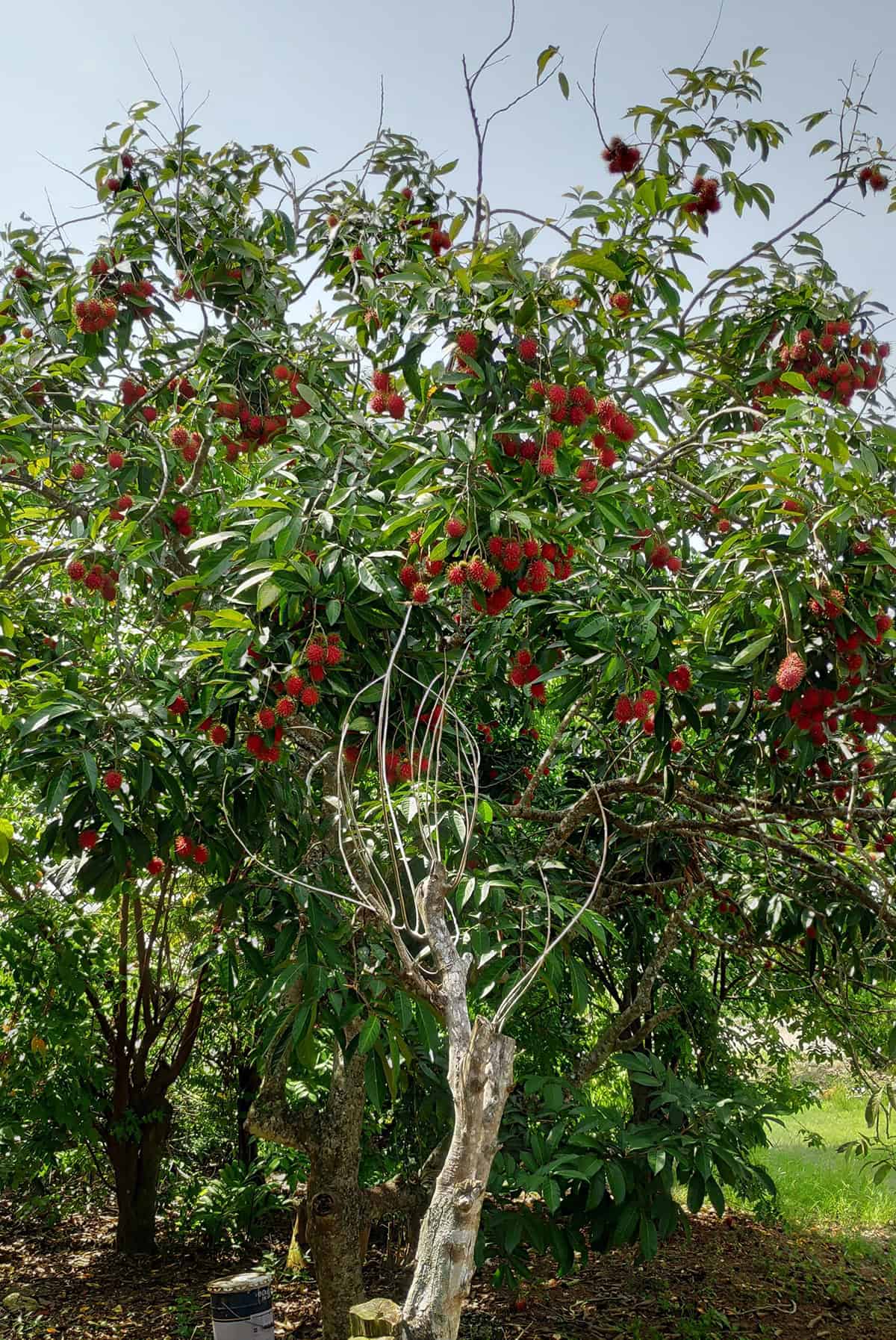
Rambutan’s not subtle about its needs: warmth, humidity, and steady moisture. Cold or drought? It’ll sulk or worse. If you’re short on space or live where frost is a thing, plan ahead.
Light: Needs as much sun as you can give. Maybe a touch of shade if things get scorching.
Soil: Deep, loose, rich in organic stuff—think loam with a pH around 5.5–6.5.
Watering: Keep the soil evenly moist. Dry roots, unhappy tree.
Temperature: Sweet spot is 70–90°F. Below 50°F is risky territory.
Humidity: Shoot for 70% or higher. Dry air means leaf drop and sad fruit.
Keep up with feeding, especially when the tree’s pushing new growth or setting fruit.
Fertilizer: Balanced formulas during growth; more potassium as flowering and fruiting approach.
Propagation: Grafted trees are a safer bet for good fruit. Seeds are a gamble.
USDA Zones: 10–12 if you’re planting outside. Otherwise, a greenhouse or sunroom is your friend.
Fruiting Season: Late spring through summer in most tropical spots.
Wait until the skin turns fully red or yellow to pick. Rambutan won’t ripen off the tree. Store cool (50–54°F) and humid, and you’ll squeeze out maybe two weeks of shelf life.
Plant Overview
Belonging to the Sapindaceae family, rambutan (Nephelium lappaceum) often gets called “hairy lychee”—those soft spines and the flavor make it easy to see why. Clusters of red or yellow fruit, all with that juicy, translucent flesh, hang from mature trees.
Warmth and humidity are essential. Given stable heat and moisture, you’ll see steady growth and a rounded, dense canopy that can last for decades if you treat it right.
Botanical name: Nephelium lappaceum
Common names: Rambutan, hairy lychee
Plant type: Evergreen tropical fruit tree
Mature size: 40–60 feet tall in the ground, but manageable with pruning
Growth rate: Moderate, assuming conditions are right
Toxicity: The flesh is edible; skip the seed and rind
Native region: Southeast Asia
Clusters of fruit dangle from woody stems, each with a thin rind covered in those signature spines. Inside, the aril wraps around a single seed—sweet, loaded with vitamin C.
Frost is a dealbreaker. Without consistent warmth, flowering and fruit set won’t happen. In the right spot, fruit colors up red or yellow, depending on the variety, when it’s ready to pick.
Light
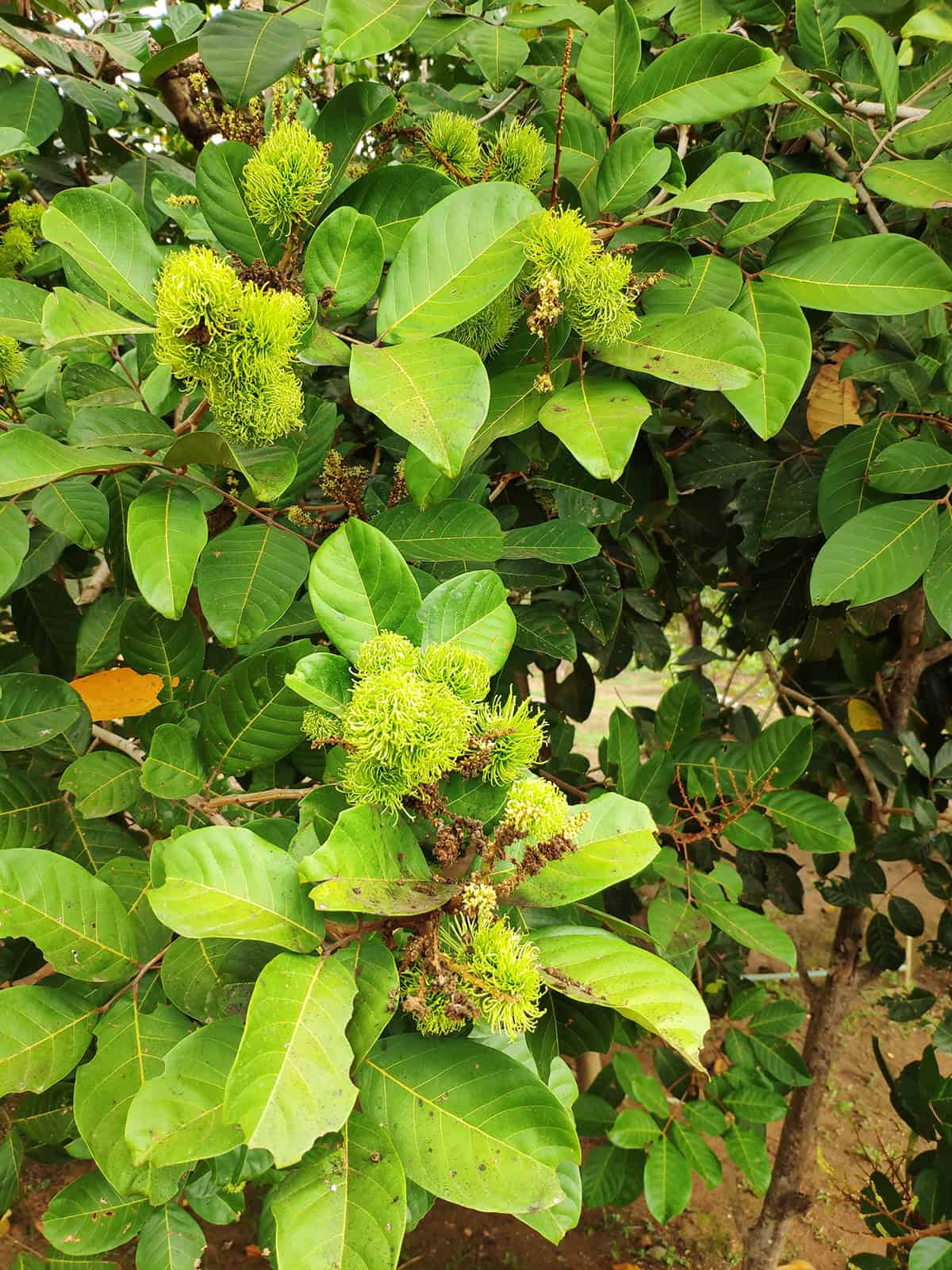
A rambutan’s mood lifts in strong sunlight—growth surges, fruit sets, and the whole canopy thickens. Stake out a spot with full sun most of the day, aiming for 6–8 hours of direct exposure.
Shade isn’t the enemy for young trees, especially if summer’s brutal, but too much of it? That’ll cut down flowering and shrink your harvest. Dim conditions also mean weaker branches—nobody wants that.
Tropical climates with full sun encourage blooms, especially after a short dry spell. That post-dry-season flush is key for fruiting. Low light delays everything and shrinks the fruit.
Indoors or in a greenhouse, crowd your rambutan near a south-facing window or under powerful grow lights. Consistency is everything here. If leaves start looking pale or shoots stretch out, it’s probably craving more sun. Leaf scorch can happen in extreme heat, but with steady moisture, healthy trees usually handle tropical sun just fine.
Water
The rhythm of watering shapes rambutan’s roots. You want the soil moist, not soggy—roots rot fast in standing water. Check six inches down; dry? Time to water.
Baby trees need the most attention their first couple years. Right after planting, daily checks for two weeks keep them from drying out. After that, weekly monitoring works, but stay flexible with rain and heat.
It’s better to water deeply and less often than to sprinkle all the time. Deep watering encourages roots to dive, making the tree tougher in dry spells. Always target the drip line, not right at the trunk.
Drip irrigation makes life easier—slow, steady, and efficient. If that’s not an option, a soaker hose or even a bucket with holes will do. Early morning watering helps limit evaporation and keeps diseases at bay.
Soil
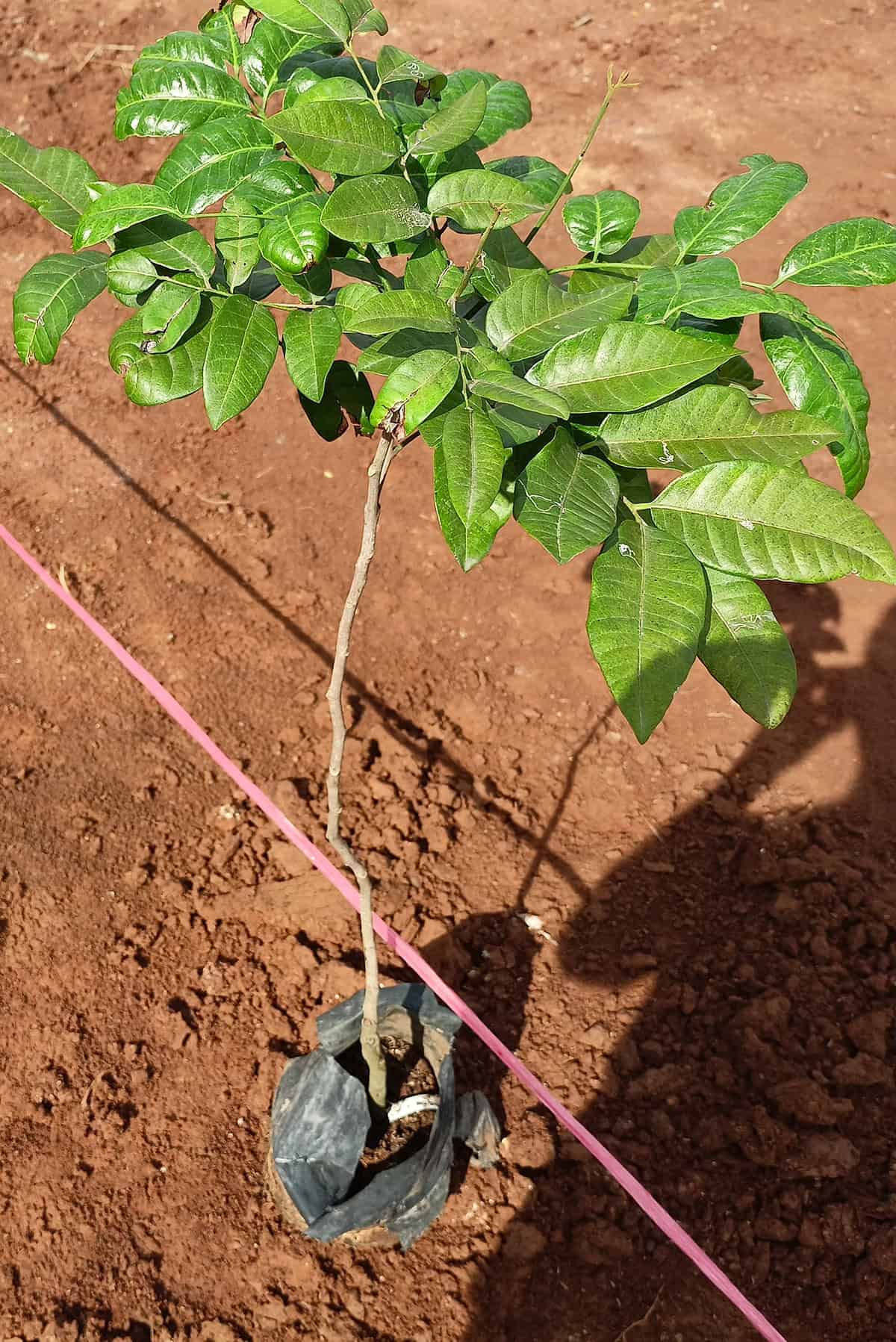
Roots breathe easier in soil that drains fast but doesn’t dry out in a blink. Soggy ground? Rambutan roots will rebel. Avoid spots where puddles linger after rain.
A mix with good structure—loam, ideally—gives the best shot at healthy growth. Heavy clay suffocates roots and holds too much water, while pure sand leaves them thirsty and hungry.
pH matters: keep it slightly acidic, 5.5 to 6.5. Test before planting and tweak with lime or sulfur if you need to. In alkaline soils, rambutan just can’t take up nutrients well.
Sloped land helps if you get lots of rain; otherwise, raised beds are a workaround for slow-draining flats. Don’t just dig a small hole and fill it with fancy mix—roots need to venture into native soil for real stability.
Before planting, work in compost or other organic material at least a foot deep. It’ll help with both nutrients and moisture. When you mulch, keep it a few inches from the trunk to avoid rot.
Temperature & Humidity
Rambutan’s comfort zone is all about warmth and moisture in the air. Temperatures shouldn’t dip below 68°F (20°C) if you want reliable growth and fruit.
Daytime highs between 75°F and 90°F (24–32°C) keep the tree happy. Drop below 50°F (10°C) and you’ll see it struggle, especially if chilly nights linger. Chilling injury shows up as bronzed or darkened fruit skin.
Frost is a dealbreaker—just a short cold snap can set a young tree back or ruin a crop. In borderline climates, a greenhouse or a moveable container is your only real option.
Humidity can’t be ignored. 70–90% relative humidity feels about right. Dry air? Expect leaf scorch, fewer flowers, and browning fruit.
Moist air even helps fruit last longer after picking. Low humidity speeds up skin darkening and spoils quality. To boost humidity, regular irrigation, mulch, and windbreaks all help.
Equatorial regions with steady rainfall and low evaporation—those are rambutan’s natural home. Drier or cooler areas will need extra work to keep heat and humidity up, year-round.
Fertilizer
Nutrition shapes everything from leaf size to fruit sweetness. Young trees are hungry—feed them more often than mature ones. Balanced, steady feeding gives you a fuller canopy and better fruit.
First three years? Go with a balanced fertilizer every couple of months. Something like 10-10-10 or 12-12-12, plus micronutrients, spread under the canopy and watered in.
Older trees need a shift in priorities. As fruiting season approaches, fertilizers with more potassium (like 8-6-32) help with fruit quality and sweetness.
Don’t overdo the nitrogen once you’re after fruit. Too much and you’ll get a leafy monster with sparse crops.
Stick to feeding from early spring to midsummer, while the tree’s actively growing. Late-season fertilizer just encourages soft, cold-sensitive growth.
Compost or well-rotted manure once or twice a year can’t hurt—healthier soil, less need for synthetic stuff.
Growing in Containers
Container growing is totally doable if you manage the climate and space. Go for a pot at least 20–24 inches wide, with plenty of drainage. Heavy containers prevent wind from toppling your top-heavy tree. Repotting every couple years keeps roots happy and soil fresh.
Mix matters: use a rich blend that holds moisture but drains fast—potting soil, compost, and a bit of coarse sand or perlite. Roots hate compacted or soggy conditions. When you transplant, keep the root flare just above the soil.
Full sun is still the goal. Indoors, a south-facing window or strong grow lights are essential. Temperatures should hover between 70°F and 90°F. Drafts or cold? Not a chance.
Water when the top inch dries out, and let excess drain away. Humidity’s a challenge indoors—a humidifier or pebble tray helps. Feed every six to eight weeks while the tree’s growing, and cut back in the cooler months.
Potting & Repotting
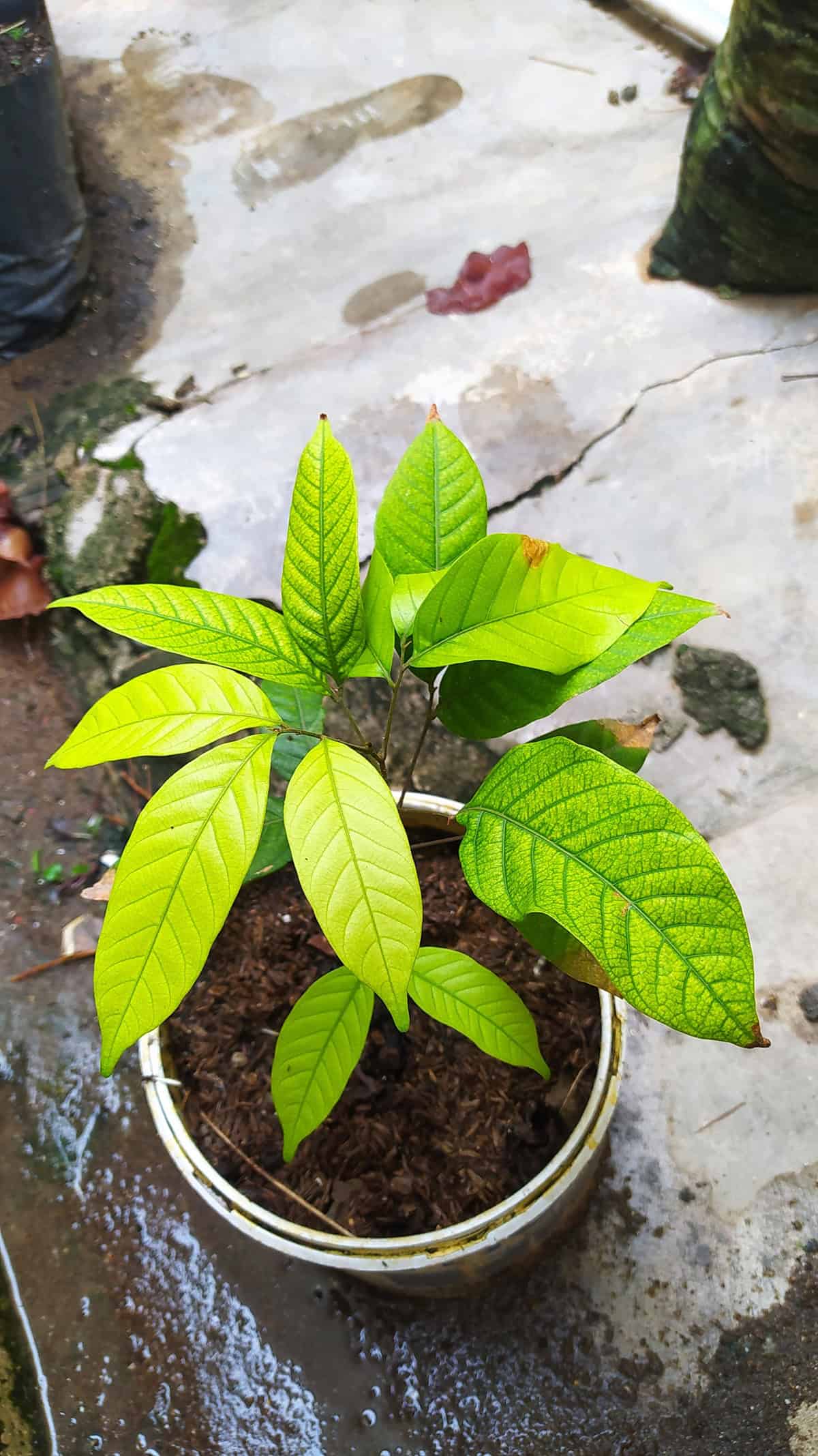
For those outside the tropics, big containers offer a workaround. Pick a pot with wide drainage holes and enough space for roots to stretch. Young trees do best in something at least 18–24 inches across.
Loose, airy potting mixes—especially those made for tropicals or fruit trees—are worth the extra effort. Garden soil’s a no-go: it compacts, drains poorly, and can bring pests along for the ride.
Once roots start circling or fill the pot, it’s time to size up. Don’t wait too long—rootbound trees stall out. Repot when the weather’s warm and the tree’s actively growing.
A bit of mesh over the drainage hole keeps soil in place. Add fresh mix so the root ball sits an inch or two below the rim, set the tree at the same depth, then fill in and tamp gently.
Give it a good soak after repotting. Let it recover in bright, indirect light for a few days, and only resume feeding after you see new growth.
Pruning
Pruning isn’t just about looks—it makes fruit easier to reach and lets sunlight hit lower branches, boosting flower and fruit set. Once or twice a year is usually enough.
Best time? After harvest or during a dry spell. Avoid going heavy right before dormancy or cold weather, since that stresses the tree and can hurt next year’s crop. Sharp tools—pruners, loppers, saw—make cleaner cuts.
Start by clearing out dead, diseased, or broken branches. Branches that rub or form narrow forks can split under fruit weight, so cut those out too. Strong, wide-angled branches are keepers.
Thin out by cutting back to main limbs or the trunk—no stubs, and don’t cut flush. Leave the branch collar to help the wound seal. Big limbs (over two inches) need a three-cut approach to avoid tearing bark.
Shorten the tallest leaders to keep the tree at a manageable height. Horizontal branches are better than upright ones for fruiting. Shrink the tree gradually over a few seasons if it’s outgrown its space.
Disinfect tools after cutting diseased wood. Household disinfectant between cuts helps keep infections from spreading.
Propagation
There’s more than one way to start a rambutan, but each has its trade-offs. Seed, air layering, and grafting all work, but the results aren’t equal.
Seeds from ripe fruit need to be fresh—viability drops fast. Plant in moist, well-drained soil; if it’s warm, they’ll sprout in two to three weeks.
Seedlings test your patience—five to eight years before fruit, and you never quite know what you’ll get. Fruit size, sweetness, yield… it’s a genetic lottery. Fine for adventurous home growers, but not for those who crave consistency.
For predictable fruit, air layering or grafting is the way to go. These methods give you a tree identical to the parent, with faster, more reliable crops. Commercial orchards stick with grafted plants for good reason: uniformity and an earlier payoff.
Fruiting & Harvest
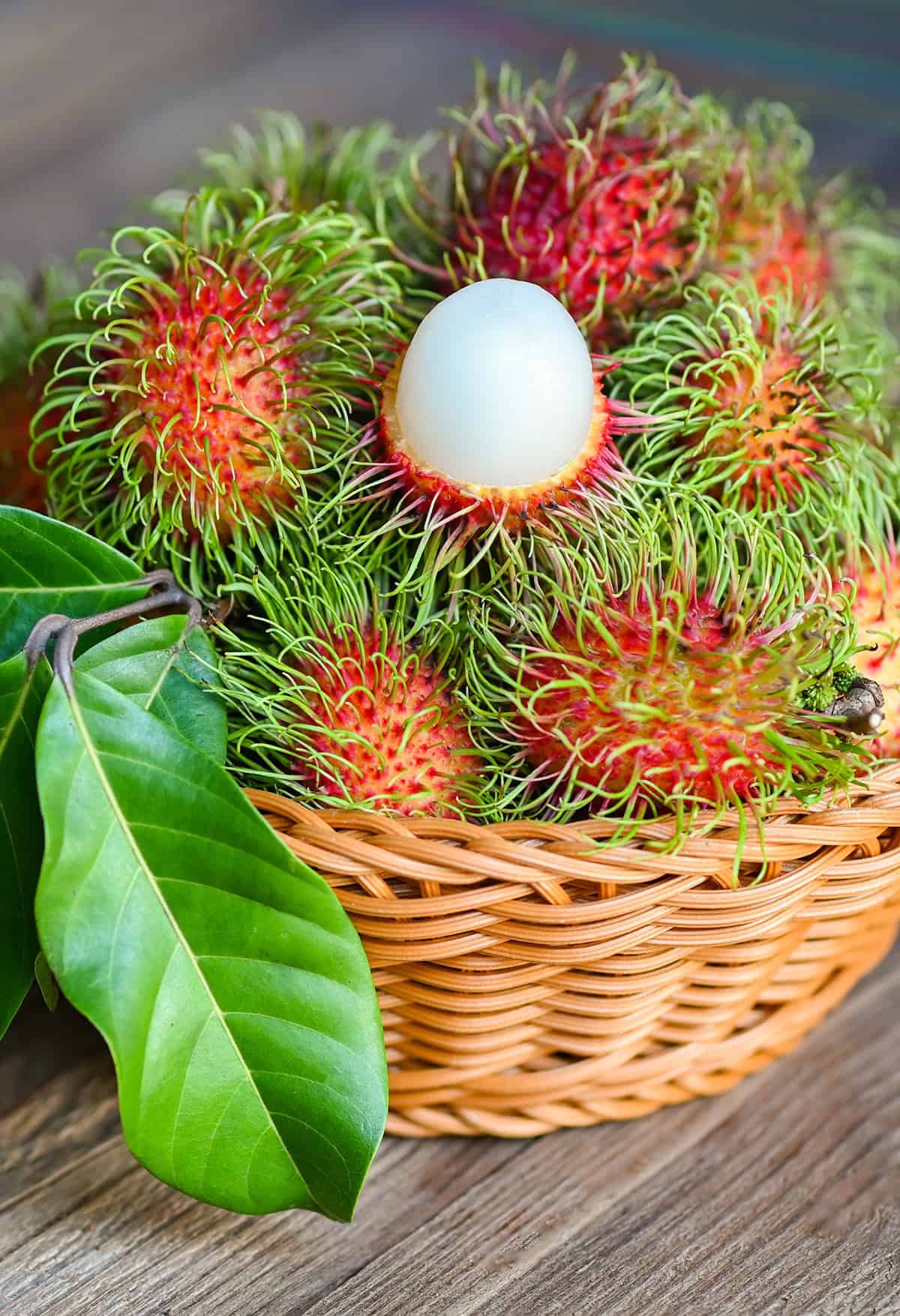
Hot, humid afternoons in the tropics bring a certain anticipation—the rambutan clusters swelling at the tips of branches, their spiny skins slowly shifting from green to that unmistakable red. If you’ve started from seed, patience is required; it’s usually four to six years before fruit appears, though grafted trees can surprise you sooner. In climates with clear seasons, you might catch a lighter, second crop from early or late varieties, but most folks see just one main flush each year.
After a stretch of dry weather, the trees burst into bloom. Fruit sets in clusters, each orb wrapped in a tough, bristly rind. Inside, the flesh is sweet and translucent, clinging to a single seed. Ripeness? It’s all in the rind. Wait until it blushes deep red or red-yellow—depends on the type—before reaching for the shears.
Cutting entire clusters with sharp, clean tools works best. Tugging at individual fruits just bruises them and can leave ugly scars. Handle them gently; rough treatment leads to brown skins and short shelf lives.
Storage makes a world of difference. Rambutan holds up best at 50–54°F and high humidity—think 90–95 percent. Leave them out at room temp, and you’ll watch them shrivel and darken in just a couple of days. With decent cold storage, they’ll stay good for nearly two weeks. Commercial growers sometimes stretch that a bit with special controlled environments, but at home, you’re working against the clock.
Common Problems
Too much water spells trouble. When the soil stays soggy, rambutan roots suffocate, and soon enough, yellow leaves and sluggish growth follow. Root rot sneaks in fast if drainage isn’t up to par, so it’s worth checking your site after heavy rains.
Humidity and warmth invite fungal headaches. Dark, sunken blotches on fruit or leaves? That’s probably anthracnose, especially after wet spells. Powdery mildew, on the other hand, dusts young shoots and flowers with a pale fuzz. Better airflow helps—don’t be shy about pruning out dense or infected growth.
Sap-sucking insects are another headache. Mealybugs, scale, and aphids can leave leaves curled and sticky. If you spot sooty mold, it’s usually their handiwork. A strong spray of water knocks numbers down, and horticultural oils can help if things get out of hand.
Fruit flies are relentless. Tiny punctures and mushy spots on the fruit usually mean larvae are already inside. Traps can bring numbers down, but harvesting as soon as the fruit colors up is your best bet.
Stressed trees just can’t catch a break. Skimping on nutrients, letting humidity drop, or wild weather swings all make them more vulnerable. Regular checks and quick responses—those really do make a difference.
Popular Varieties
Some names pop up again and again among rambutan enthusiasts, but only a handful actually show up in backyard groves or small farms. It’s not just about looks—differences in sweetness, how the flesh clings to the seed, and even when the fruit ripens all play a part. If you’re after predictability, grafted trees from trusted nurseries are the way to go.
With ‘Rongrien’, the first thing that stands out is that shock of bright red, bristling fruit. The flesh is sweet and, for once, doesn’t stubbornly stick to the seed. You’ll notice these trees don’t usually let you down, especially if the air stays sticky and warm.
Under the skin of ‘Seechompoo’, the flesh feels firmer than most, and the color deepens to a striking red as it ripens. Growers tend to seek it out for its solid, sweet flavor and how good it looks in a crate. It matures in neat, even clusters, making it a favorite for those who sell at fresh markets.
The darker tones of ‘Binjai’ set it apart, along with a heftier layer of flesh that leans sweet with barely a hint of tartness. Seeds slip out with minimal fuss. This one seems to thrive best close to sea level in the tropics, where growth can be almost unruly.
Not everything comes in red—yellow and orange types are around, though you’re less likely to find them in big plantations. Some local trees will fruit once, others twice a year, all depending on the quirks of the weather and variety. Matching your choice to your climate’s quirks? That’s honestly half the battle.