Allergy season indoors has its own triggers, and a badly chosen houseplant adds pollen, mold or dust to the list. The safest picks flower rarely, have smooth leaves that wipe clean, and tolerate drier soil, which limits mold.
Air purification claims for houseplants come from sealed-chamber lab tests, and a living room needs far too many pots to match those results.
Use the twenty plants here as a shopping list, then check the pet notes before you buy.
Table of Contents
- 20 Best Houseplants For Allergies
- Areca Palm
- Spider Plant
- Snake Plant (Sansevieria)
- Peace Lily
- Aloe Vera
- Bamboo Palm
- Dracaena
- Chinese Evergreen
- Rubber Plant (Ficus elastica)
- English Ivy
- Boston Fern
- Parlor Palm
- Lady Palm (Rhapis excelsa)
- Golden Pothos
- Philodendron
- Calathea
- Peperomia
- Prayer Plant (Maranta leuconeura)
- ZZ Plant (Zamioculcas zamiifolia)
- Cast Iron Plant (Aspidistra elatior)
20 Best Houseplants For Allergies
Each plant on this list scores well on three allergy-friendly traits, namely little or no pollen, leaves that hold up to regular dusting and a low risk of moldy soil. Light watering and a quick leaf wipe every couple of weeks matter as much as the species itself.
Areca Palm
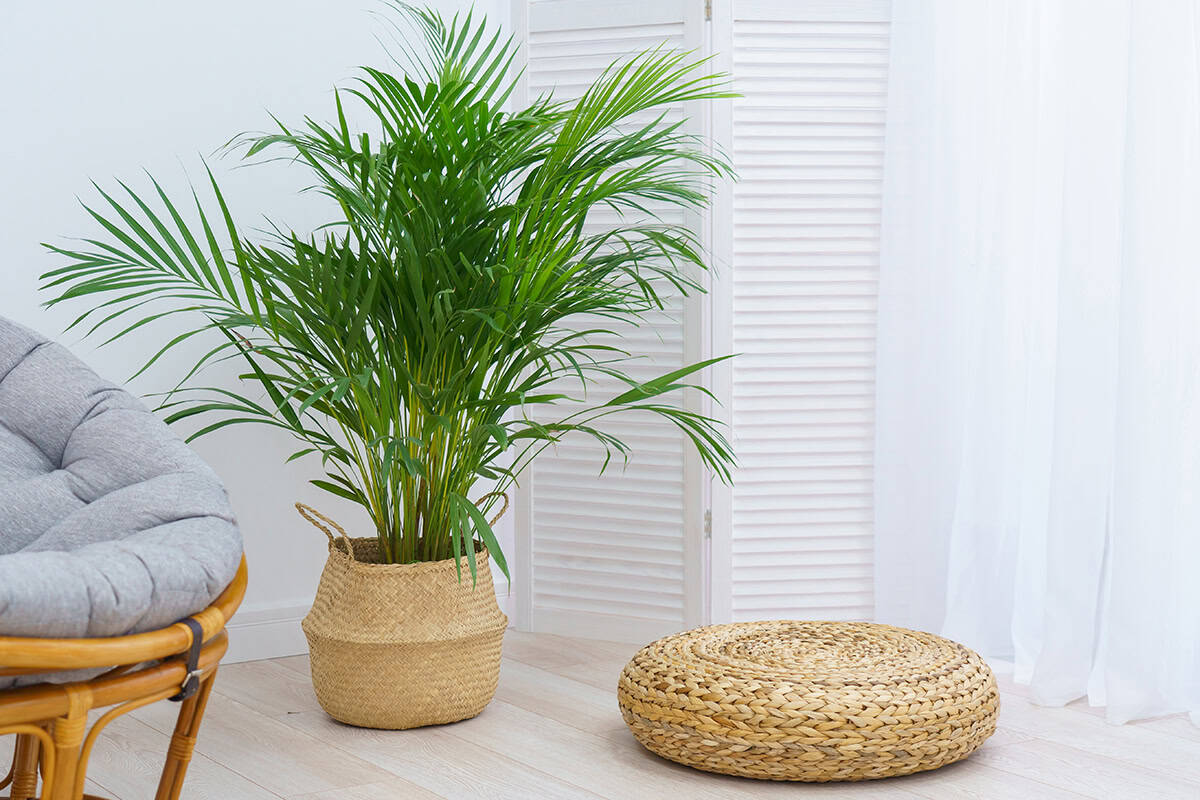
Areca palm releases a steady amount of moisture through its fronds, which helps in a room dried out by winter heating. Indoor plants rarely flower, so pollen poses little concern. Grow it in bright, indirect light and water when the top inch of soil dries. Dust collects on the fronds, so rinse the plant in the shower every month or two. It’s also safe for cats and dogs.
Spider Plant
Spider plants produce small white flowers with very little pollen. The arching leaves wipe clean in seconds, and the plant tolerates a range of light levels. Water when the top inch of soil dries. The ASPCA lists it as nontoxic to cats and dogs, a plus in homes with pets.
Snake Plant (Sansevieria)
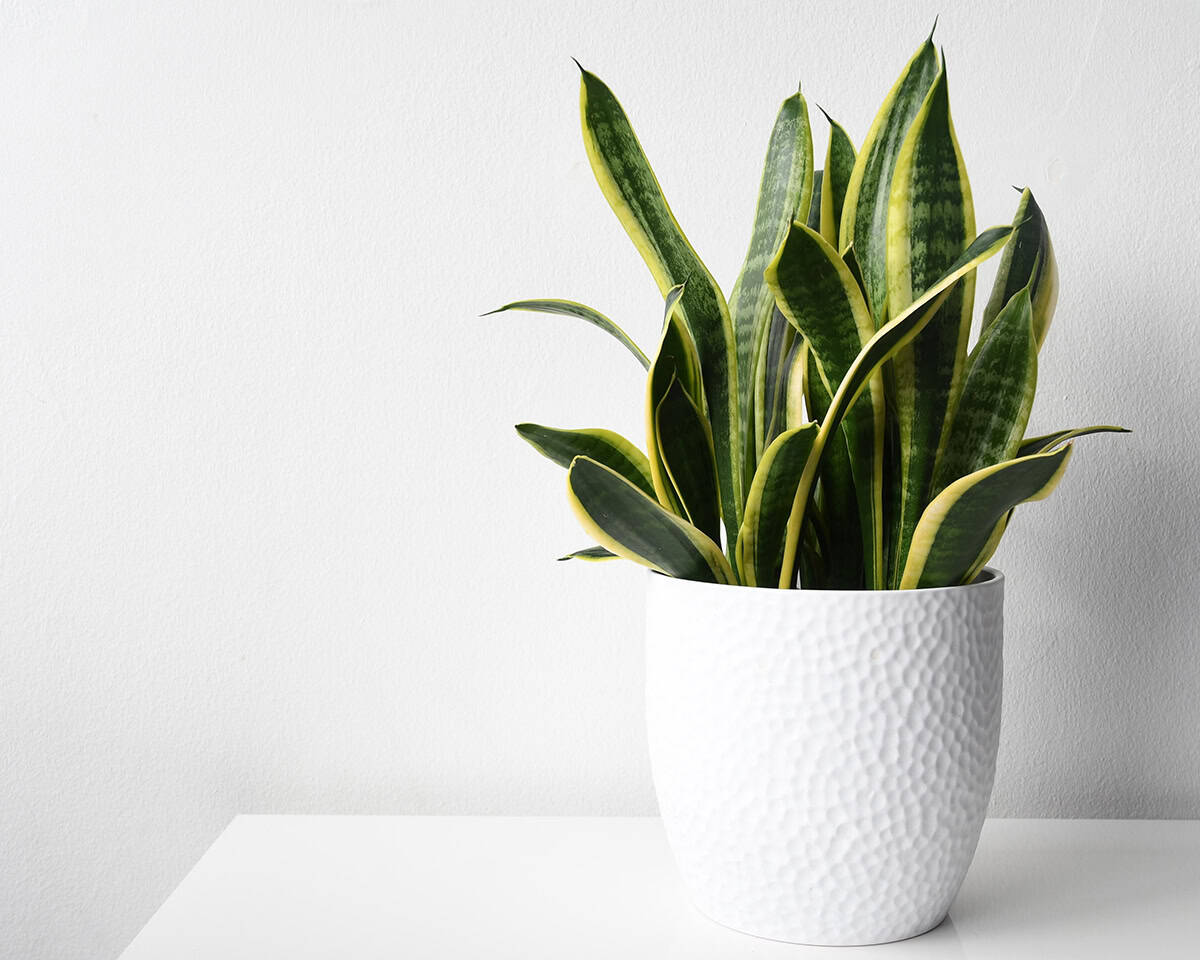
Snake plant needs water only every two to three weeks, which means the soil spends most of its time dry and mold-free. Its stiff, upright leaves gather little dust and wipe clean easily. Bright, indirect light speeds growth, though the plant tolerates dim corners. Snake plant contains saponins and is mildly toxic to pets.
Peace Lily
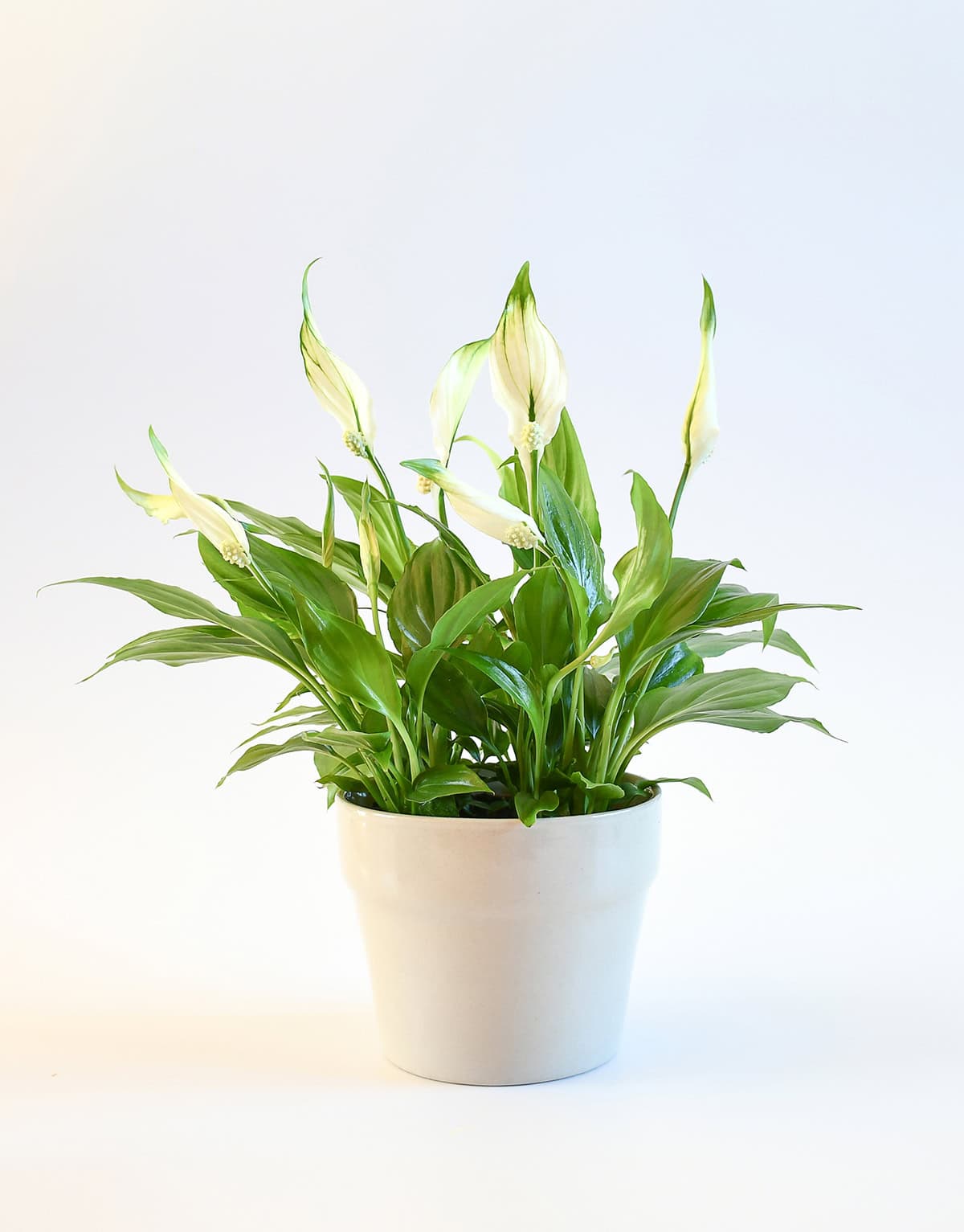
Peace lily earns its spot for its smooth, glossy leaves, which trap dust that a damp cloth removes easily. The white spathes produce pollen, though, so allergy sufferers do well to snip spent flowers early or choose a plant out of bloom. It tolerates low to medium light and droops visibly when thirsty, a handy watering cue. The leaves contain calcium oxalate crystals, harmful to cats and dogs.
Aloe Vera
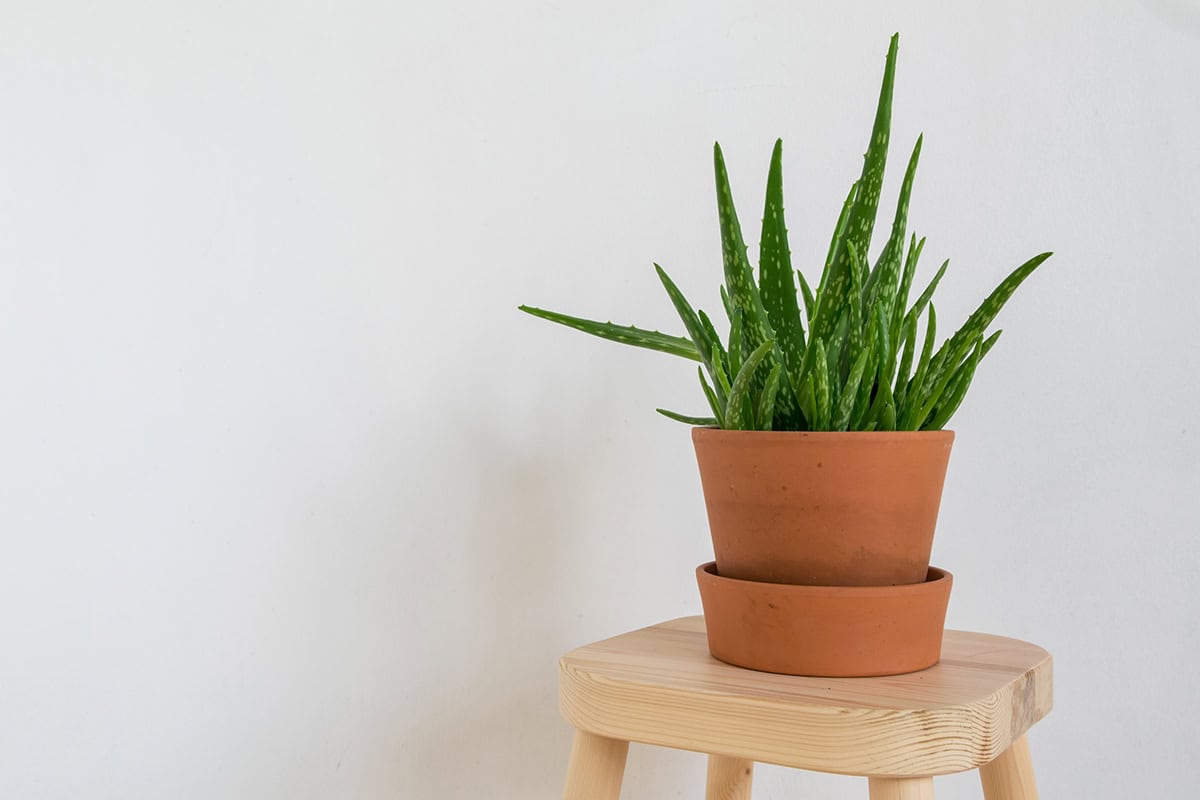
Aloe vera rarely blooms indoors and needs watering only every two to three weeks, which leaves little chance for mold in the soil. The gel inside the leaves soothes minor burns and dry skin. Place it in a sunny window with a gritty cactus mix. Pets that chew the leaves risk stomach upset.
Bamboo Palm
Bamboo palm handles medium light and adds humidity to dry indoor air, which eases scratchy throats in winter. Water when the top inch of soil dries and empty the saucer to prevent soggy roots. Wipe or rinse the fronds every few weeks, since dust settles in their folds. It’s nontoxic to cats and dogs.
Dracaena
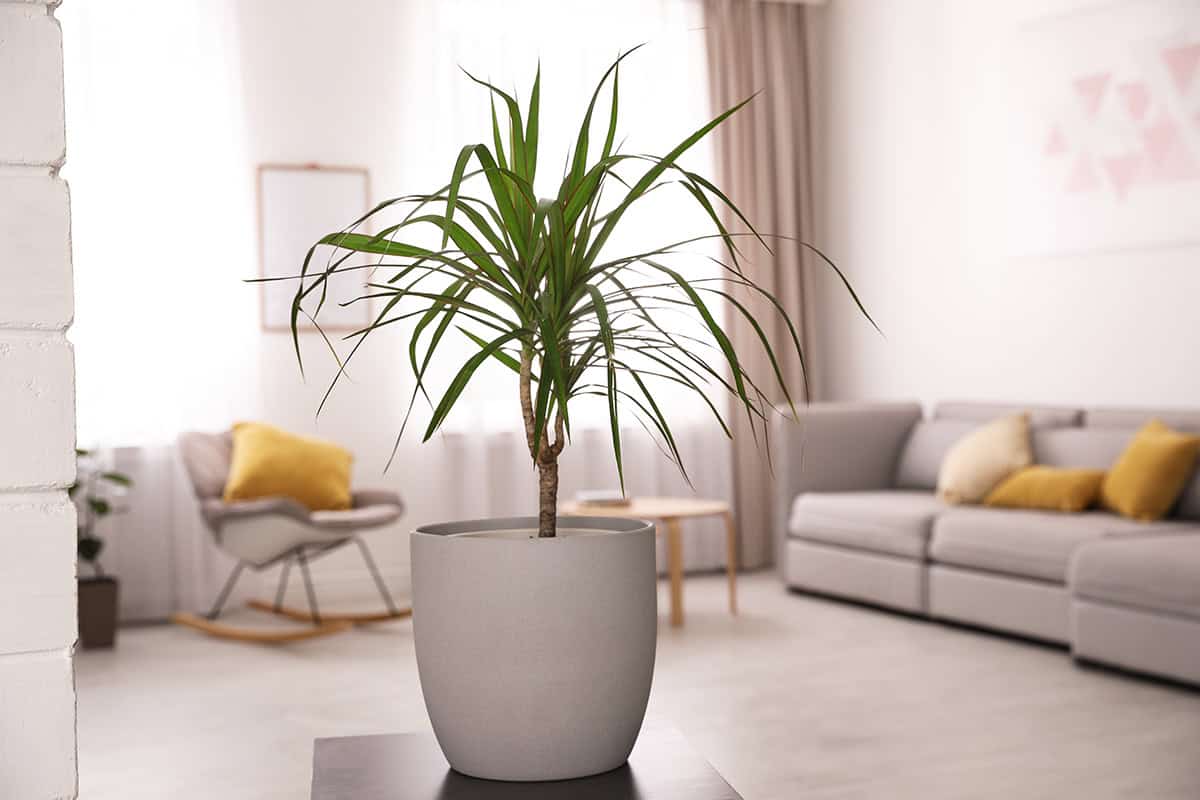
Dracaenas rarely flower indoors, and their long, strappy leaves hold up well to regular dusting. Most types, such as corn plant and Madagascar dragon tree, grow in medium, indirect light. Let the top half of the soil dry before watering. The ASPCA lists dracaenas as toxic to cats and dogs.
Chinese Evergreen
Chinese evergreen tolerates low light and the occasional missed watering. Drier soil between waterings means fewer fungus gnats and less mold. Its patterned leaves have a smooth surface that wipes clean fast. The sap irritates pets, so place it on a high shelf in homes with cats.
Rubber Plant (Ficus elastica)
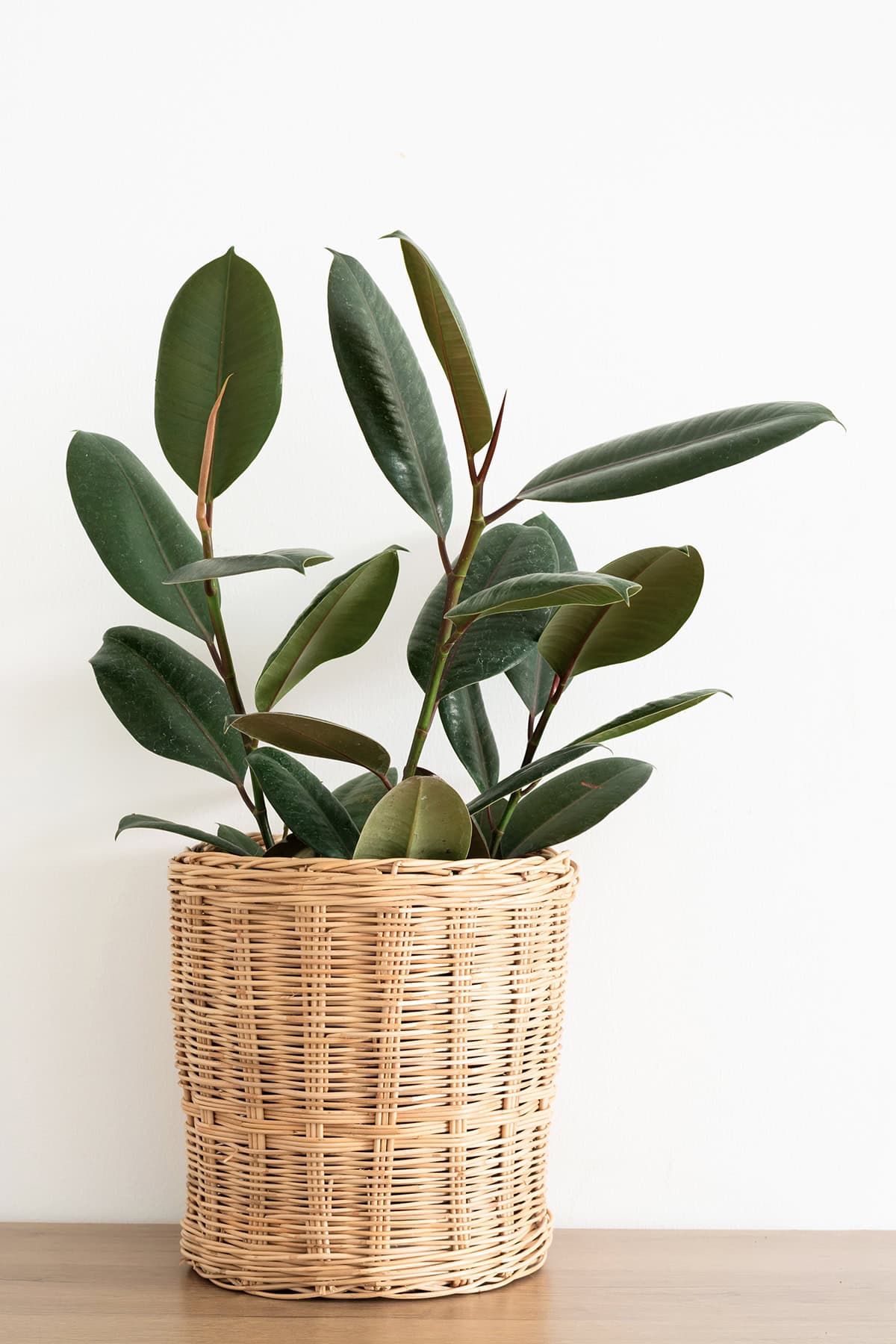
Rubber plant has some of the easiest leaves to clean on this list, broad and leathery with nowhere for dust to hide. Bright, indirect light and moderate watering support steady growth. Ficus sap contains latex, a real concern for anyone with a latex allergy, so wear gloves when pruning. The sap also irritates pets.
English Ivy
English ivy shows up on many allergy lists because of lab tests on airborne mold, though results in a real home are modest. It grows best in bright, indirect light with evenly moist soil, and the trailing vines climb or spill from shelves. Rinse the leaves now and then to deter spider mites. The leaves and sap irritate skin and are toxic to pets.
Boston Fern
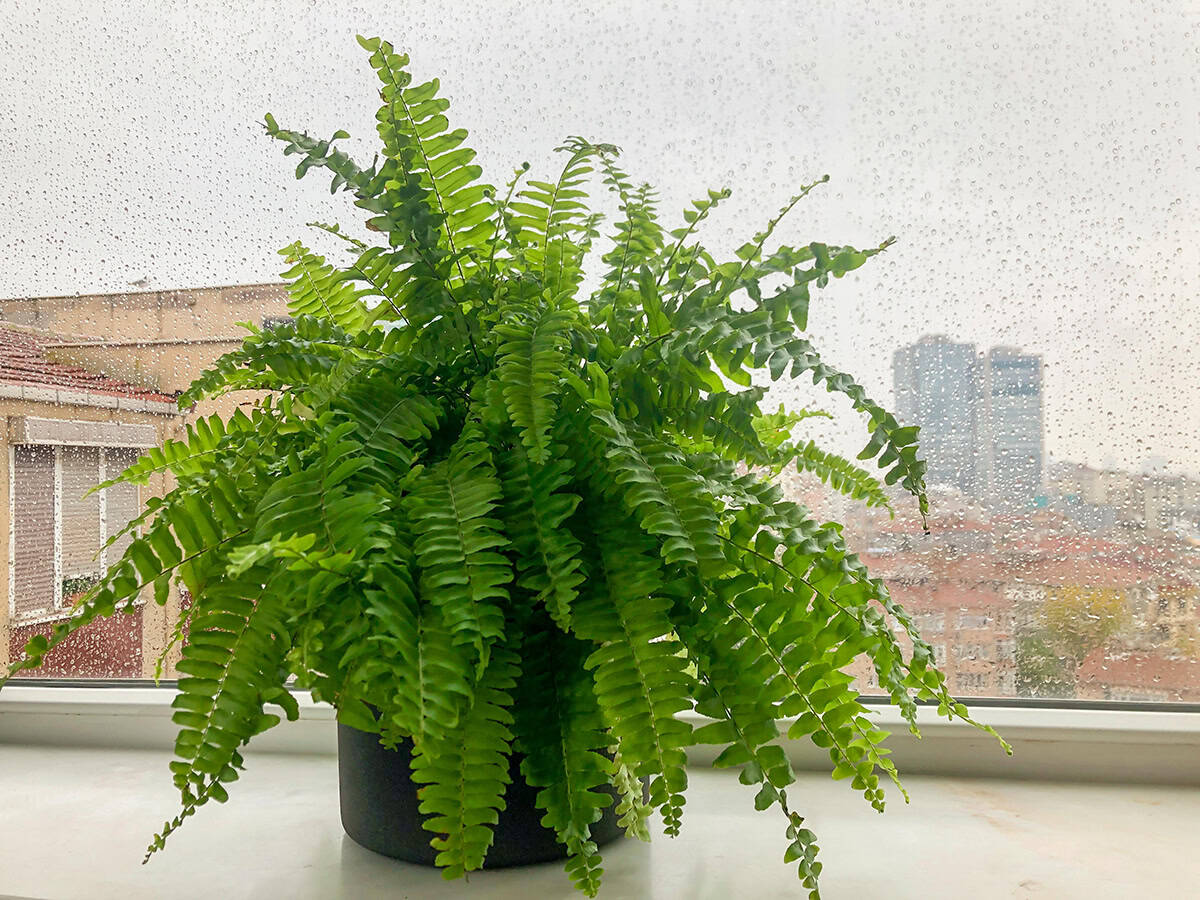
Boston fern has no flowers, and indoor plants rarely produce spores. Humid air around the fronds helps in dry rooms, but the soil needs steady moisture, so use a pot with good drainage and water only when the surface dries slightly. Bright, indirect light and a cool room support lush fronds. Cats and dogs face no risk from this fern.
Parlor Palm
Parlor palm grows slowly in low to medium light and needs water only when the top inch of soil dries. Indoors it occasionally sends up small yellow flower clusters, which shed little pollen and snip off easily. The fine fronds collect dust, so a lukewarm shower every month or so helps. It’s safe for cats and dogs.
Lady Palm (Rhapis excelsa)
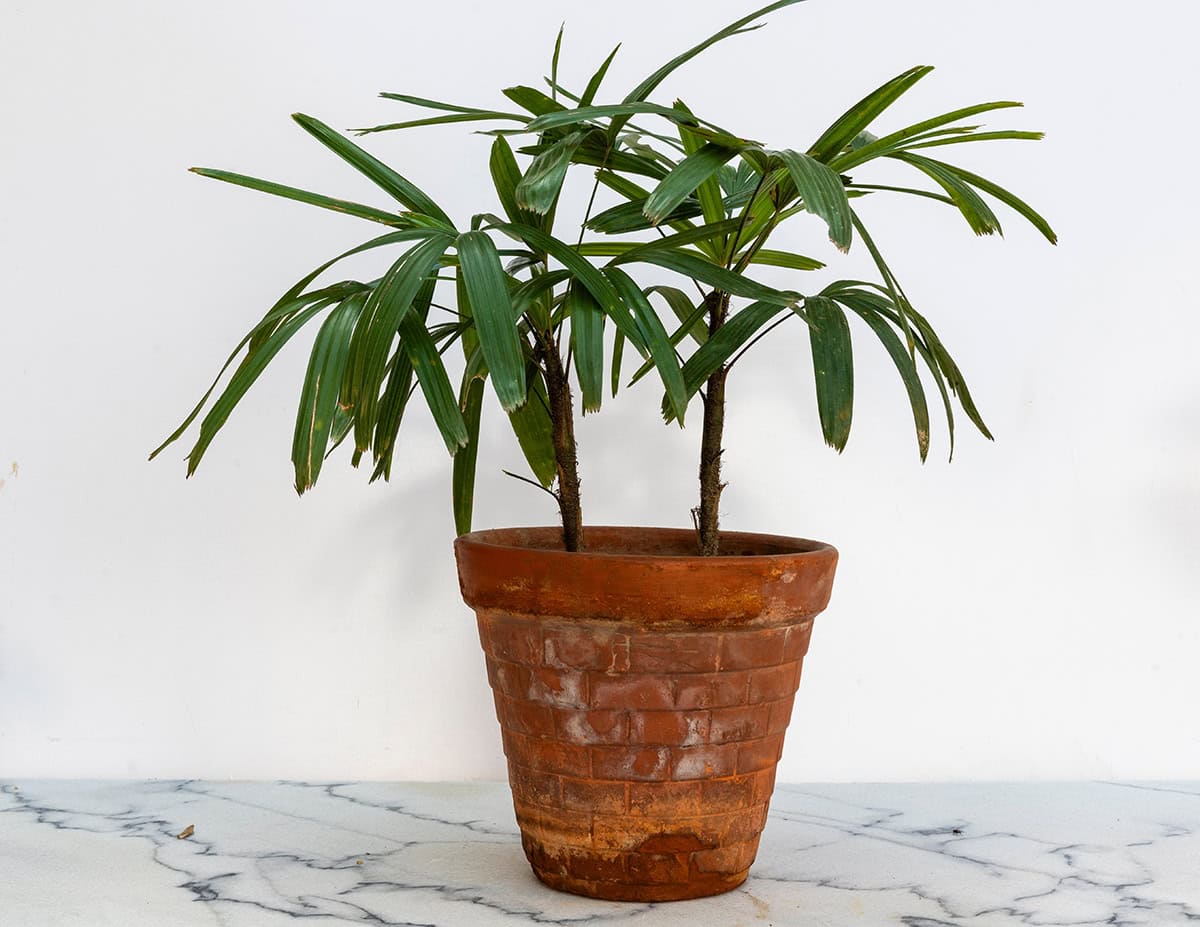
Lady palm grows slowly in medium, indirect light and holds up well to dry indoor air. Its fan-shaped leaves make dusting quick with a soft brush or damp cloth. Water when the top inch of soil dries, and use a pot that drains freely. Lady palm ranks as nontoxic to pets.
Golden Pothos
Golden pothos grows in nearly any light short of deep shade and needs water only when the top third of the soil dries. The smooth, heart-shaped leaves dust off easily. Indoor pothos almost never flowers, so pollen poses no issue. Its leaves contain calcium oxalate, which irritates the mouths of pets and small children.
Philodendron
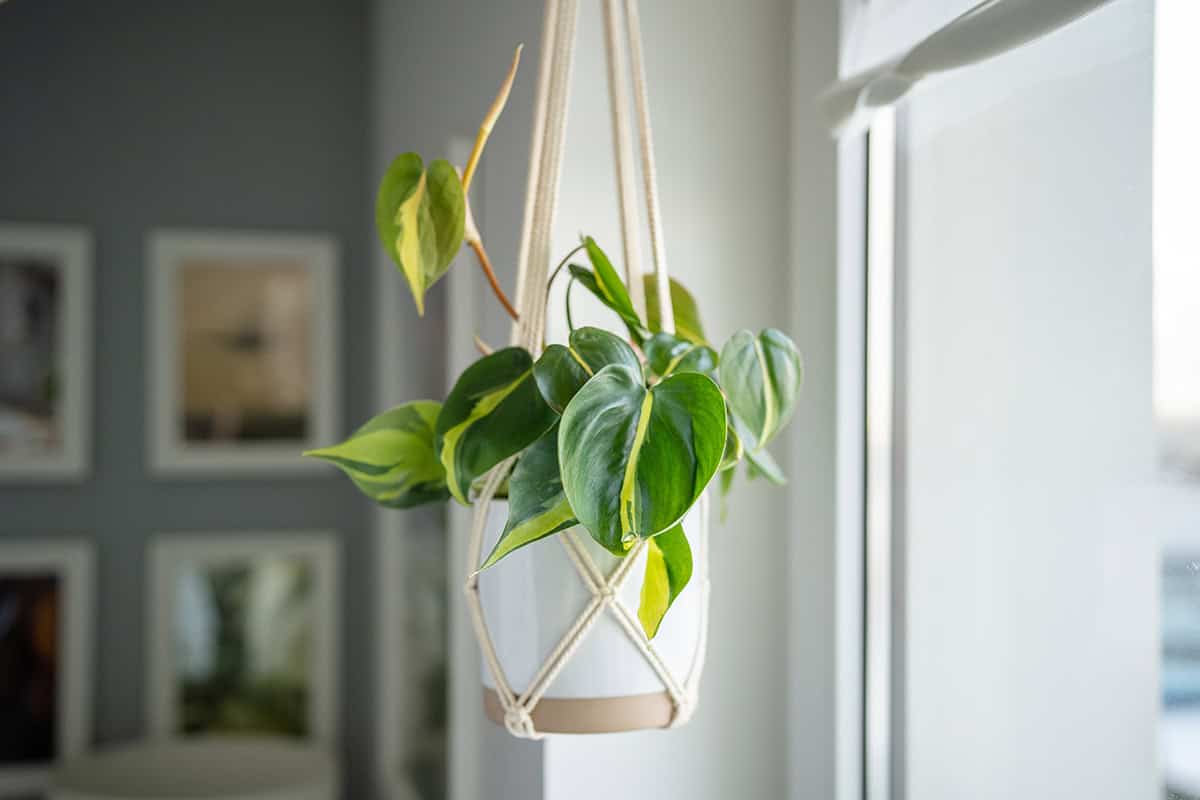
Heartleaf philodendron and its relatives rarely flower indoors and grow well in medium, indirect light. Allow the top inch or two of soil to dry before watering, which discourages fungus gnats and mold. The leaves wipe clean quickly with a damp cloth. Like pothos, philodendron contains calcium oxalate and belongs out of reach of pets.
Calathea
Calatheas rarely bloom indoors, and the ASPCA lists them as safe for cats and dogs. They want bright, indirect light, steady moisture and higher humidity. Filtered or distilled water prevents brown leaf edges. Wipe the patterned leaves gently, since rough handling scuffs them.
Peperomia
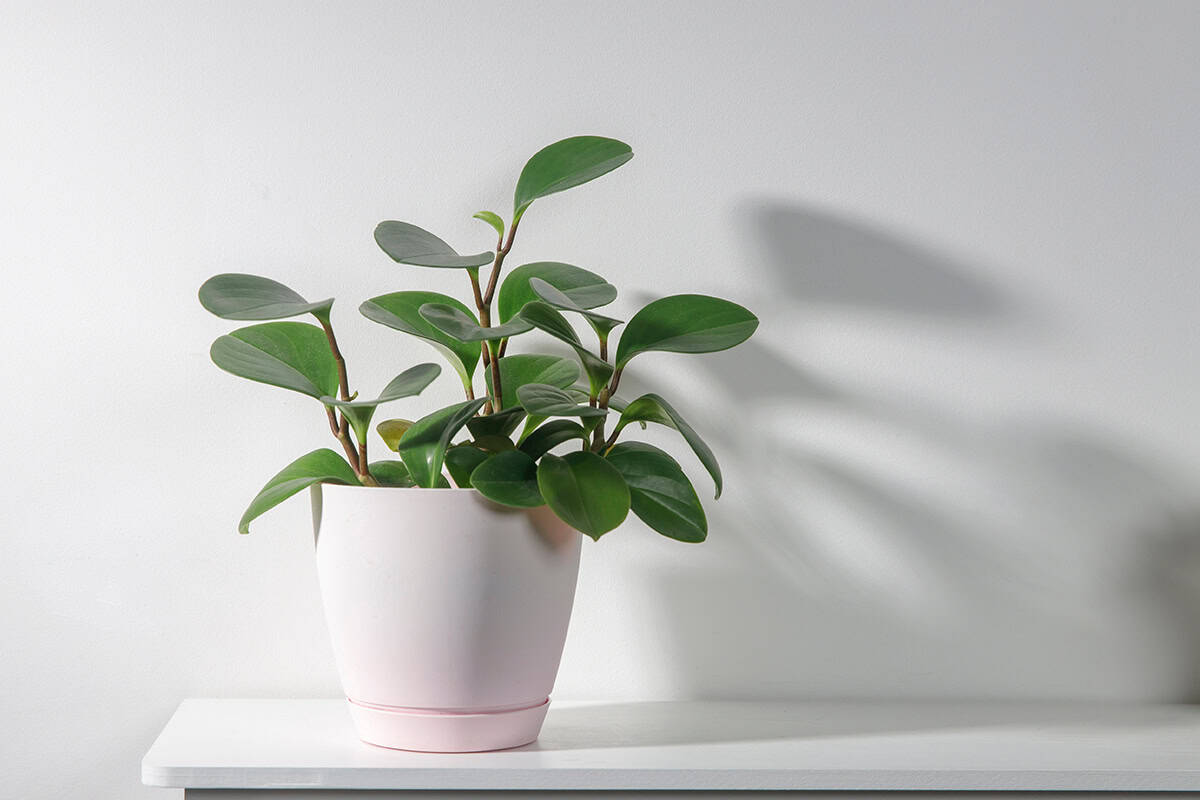
Peperomias store water in thick leaves and stems, so the soil dries between waterings and mold has little chance to form. Their thin flower spikes shed very little pollen. Most types grow well in medium, indirect light on a desk or shelf. Pet owners have no toxicity concerns with this one.
Prayer Plant (Maranta leuconeura)
Prayer plant folds its leaves upward each evening, a habit behind its common name. It rarely flowers indoors and poses no risk to cats or dogs. Bright, indirect light, even moisture and filtered water support the colorful leaf patterns. Water when the top of the soil dries, and avoid soggy soil to prevent mold.
ZZ Plant (Zamioculcas zamiifolia)
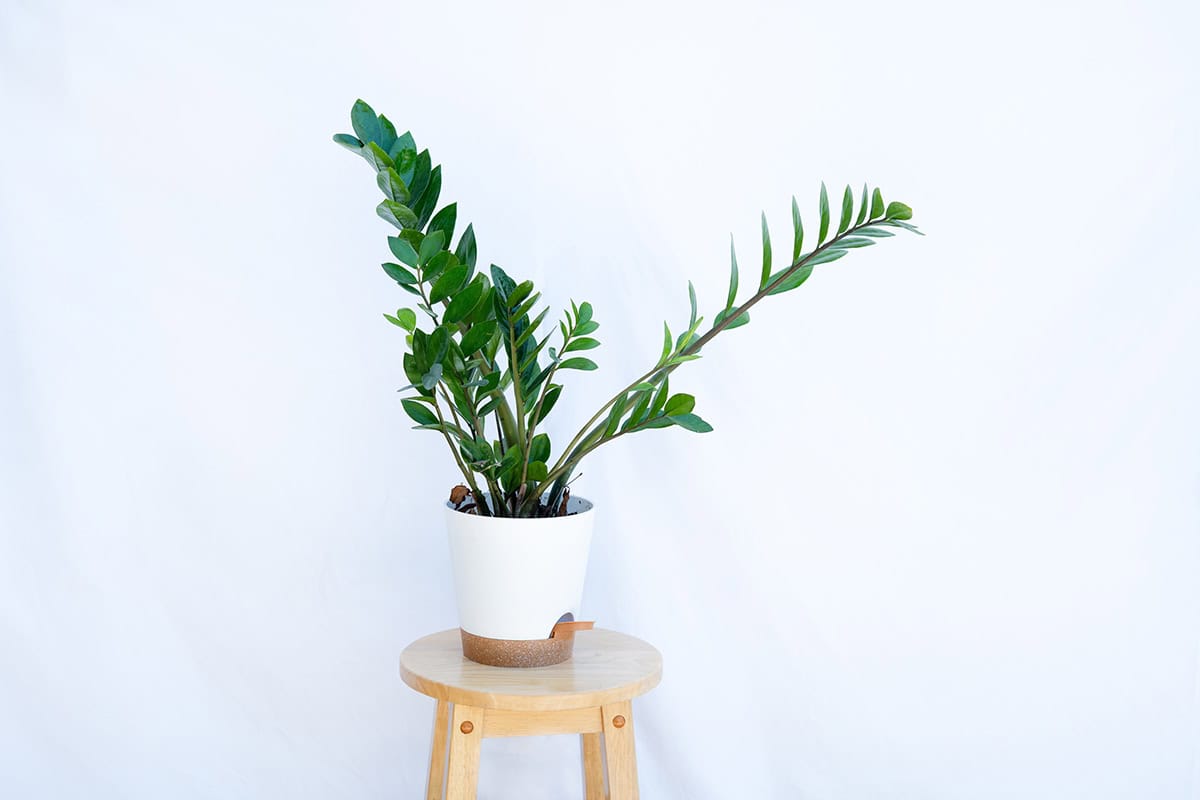
ZZ plant needs water only every two to three weeks, so its soil spends long stretches dry. The thick, waxy leaflets shrug off dust and wipe clean in a few strokes. It tolerates low light and handles offices with only fluorescent lighting. ZZ plant contains calcium oxalate and is toxic to pets.
Cast Iron Plant (Aspidistra elatior)
Cast iron plant earns its name by surviving low light, drafts and missed waterings. Its small purple flowers appear at soil level, hidden under the leaves, and produce little pollen. Water when the top couple of inches of soil dry, and wipe the wide leaves every few weeks. It’s nontoxic to cats and dogs.