Lucky bamboo sits on countless office desks, and a jade plant by the front door shows up in shops across Asia and beyond.
Plant symbolism draws on feng shui, Victorian flower language and old European folklore, and each plant carries its own story.
Care notes sit beside the lore for every plant, since a thriving plant counts as the luckiest kind.
Table of Contents
- Best Plants For Good Luck
- Lucky Bamboo
- Jade Plant (Crassula Ovata)
- Money Tree (Pachira Aquatica)
- Snake Plant (Sansevieria)
- Basil
- Peace Lily
- Aloe Vera
- Lavender
- Orchids
- Rubber Plant (Ficus Elastica)
- Calathea (Prayer Plant)
- Rosemary
- Pothos (Devil’s Ivy)
- Citrus Trees (Lemon, Orange)
- Four-Leaf Clover (Oxalis)
- Feng Shui Bamboo Palm
- Chrysanthemum
- Eucalyptus
- Tulsi (Holy Basil)
- Ferns (Especially Boston Fern)
- Peony
- Lotus
Best Plants For Good Luck
The beliefs below come from tradition and folklore rather than science. Each plant still earns its place as an attractive, mostly easy houseplant or garden plant.
Lucky Bamboo
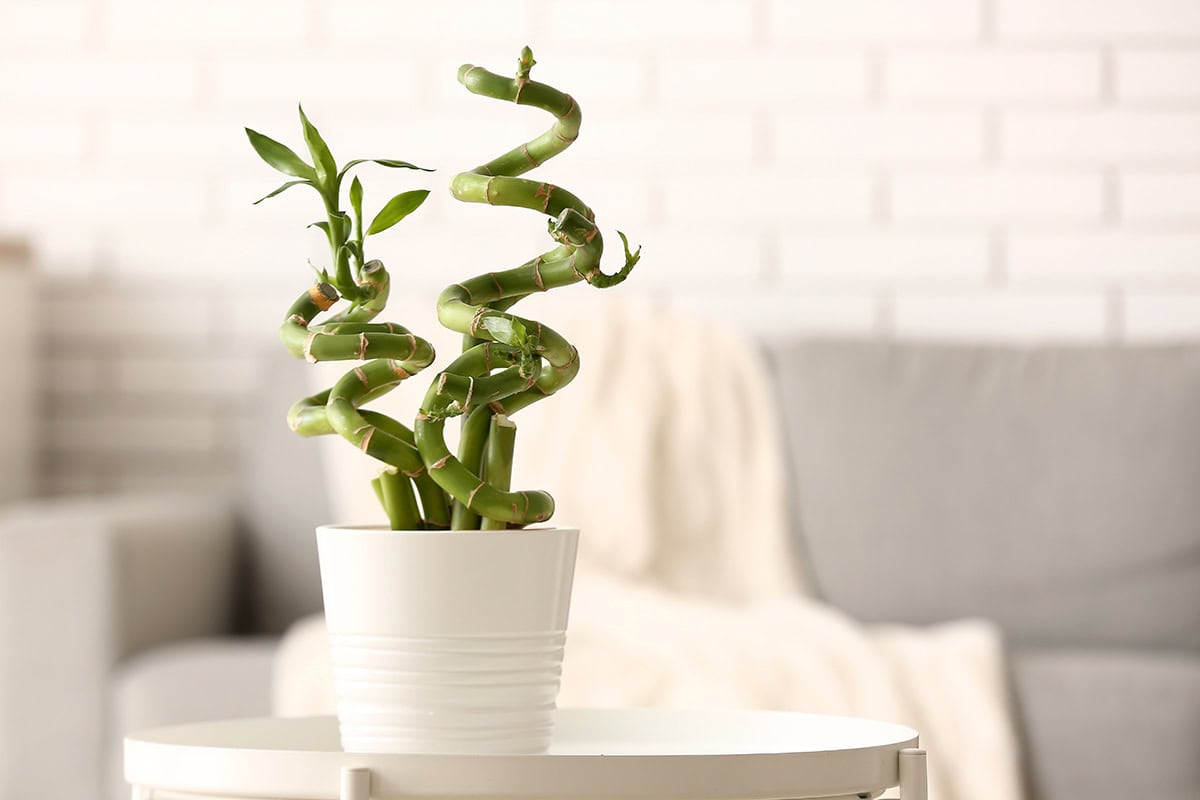
Lucky bamboo, Dracaena sanderiana, belongs to the dracaena family rather than true bamboo. In feng shui, the number of stalks carries meaning, with three for happiness, five for wealth and eight for growth, while four stalks are avoided. It grows in water or soil in bright, indirect light, and distilled or filtered water prevents yellow leaf tips.
Jade Plant (Crassula Ovata)
Jade plant goes by money plant and friendship plant thanks to its round, coin-like leaves. Feng shui tradition places it near a home or shop entrance to welcome prosperity. This South African succulent wants four or more hours of direct sun and water only once the soil dries out completely.
Money Tree (Pachira Aquatica)
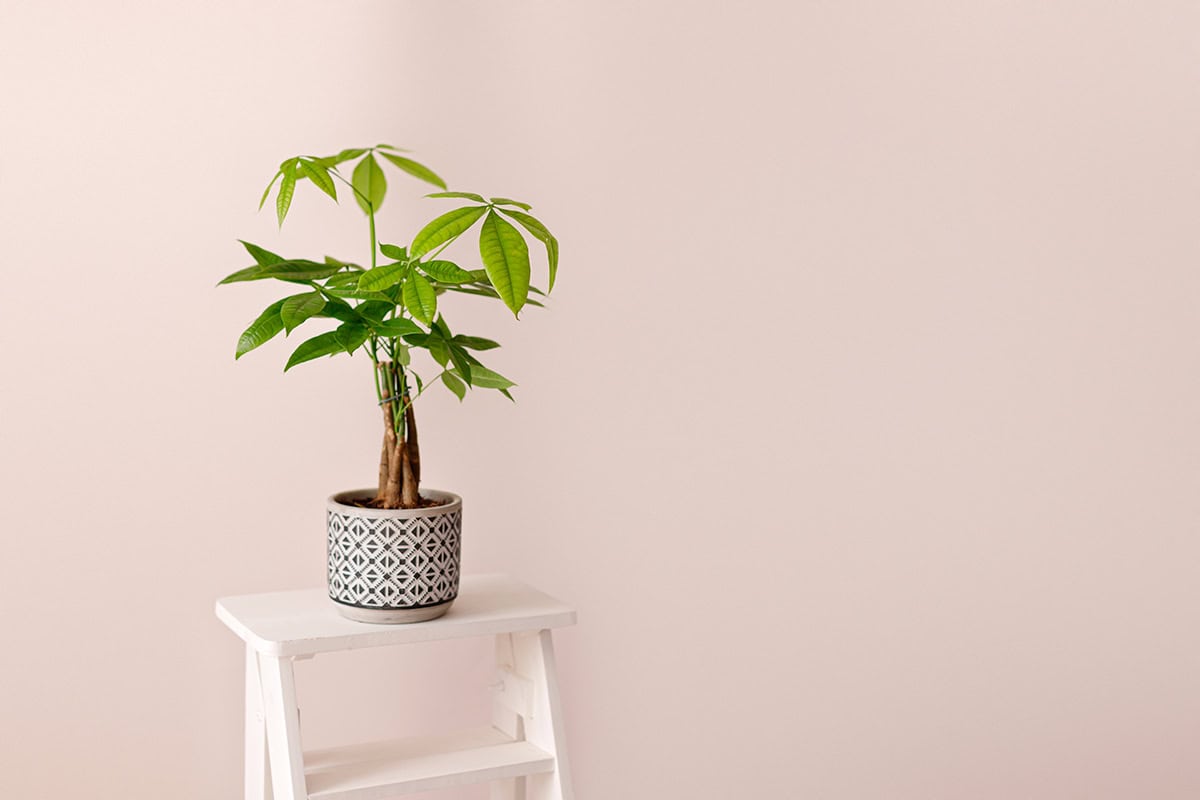
Money trees sold as houseplants feature several braided trunks, a style that took off in Taiwan in the 1980s and spread as a symbol of good fortune. Native to Central and South American wetlands, the plant grows in bright, indirect light. Water once the top couple of inches of soil dry, and rotate the pot so the canopy fills out evenly.
Snake Plant (Sansevieria)
Snake plant, also called mother-in-law’s tongue, carries a reputation as a protective plant in several traditions, with sharp, upright leaves said to guard against negative energy. It tolerates low light and needs water only every few weeks. Bright, indirect light speeds growth.
Basil
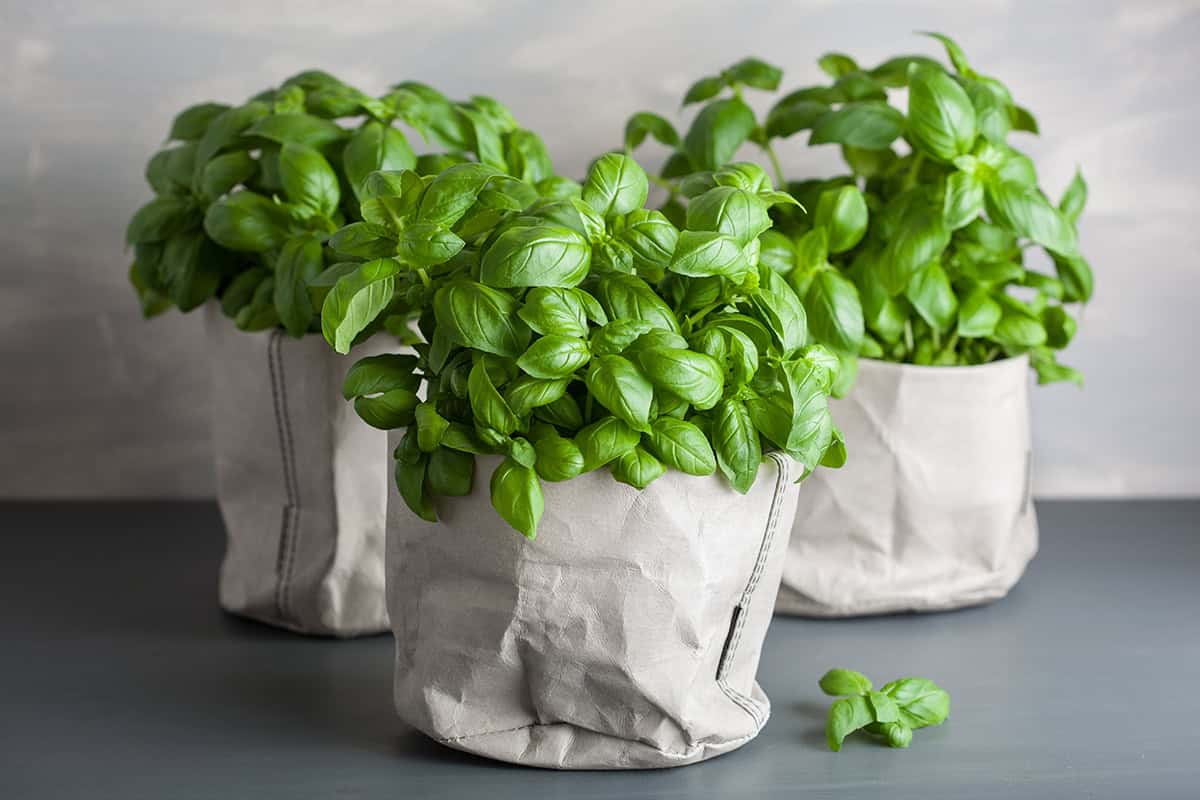
Basil stands for love and good fortune in Italian and Mediterranean folklore, and some households still place a pot by the door. It needs at least six hours of sun and moist, well-drained soil. Pinch the flower buds to encourage more leaves for the kitchen.
Peace Lily
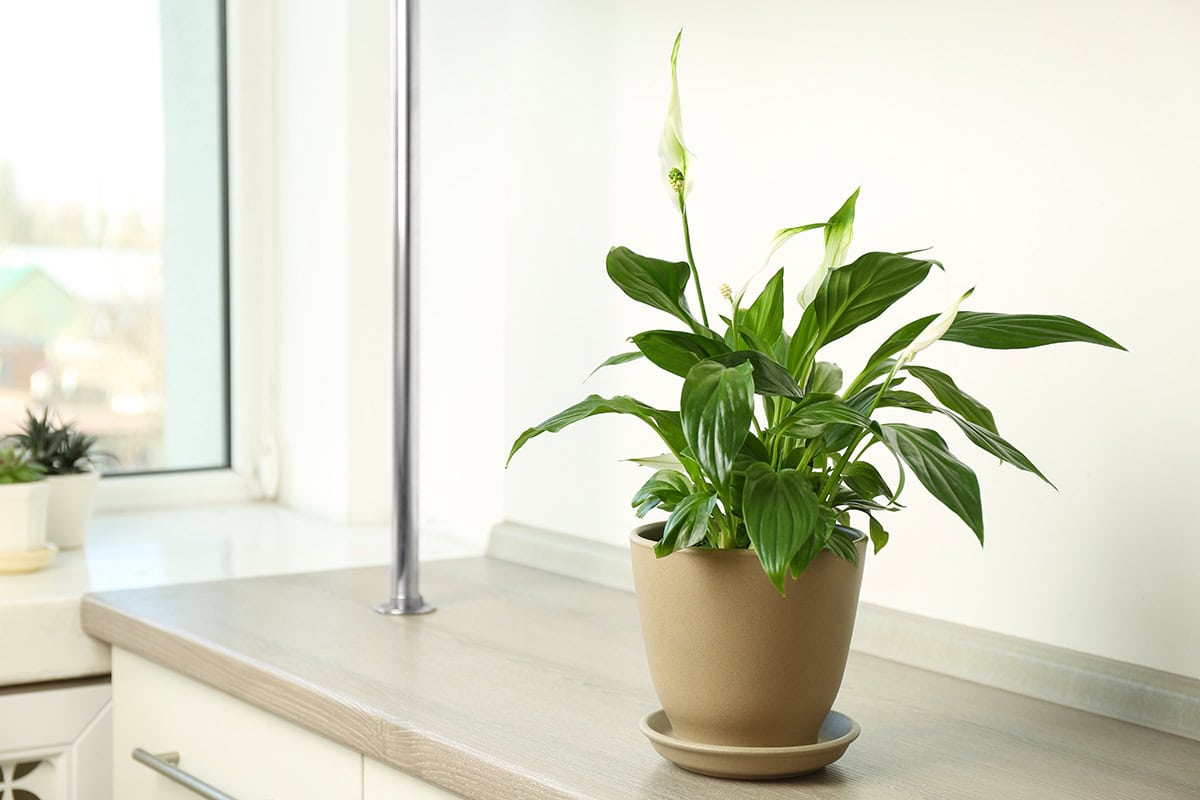
Peace lily symbolizes calm and harmony, and its white spathes appear in many sympathy arrangements. It tolerates low light and droops visibly when thirsty, then perks up within hours of watering. The leaves contain calcium oxalate and harm cats and dogs if chewed.
Aloe Vera
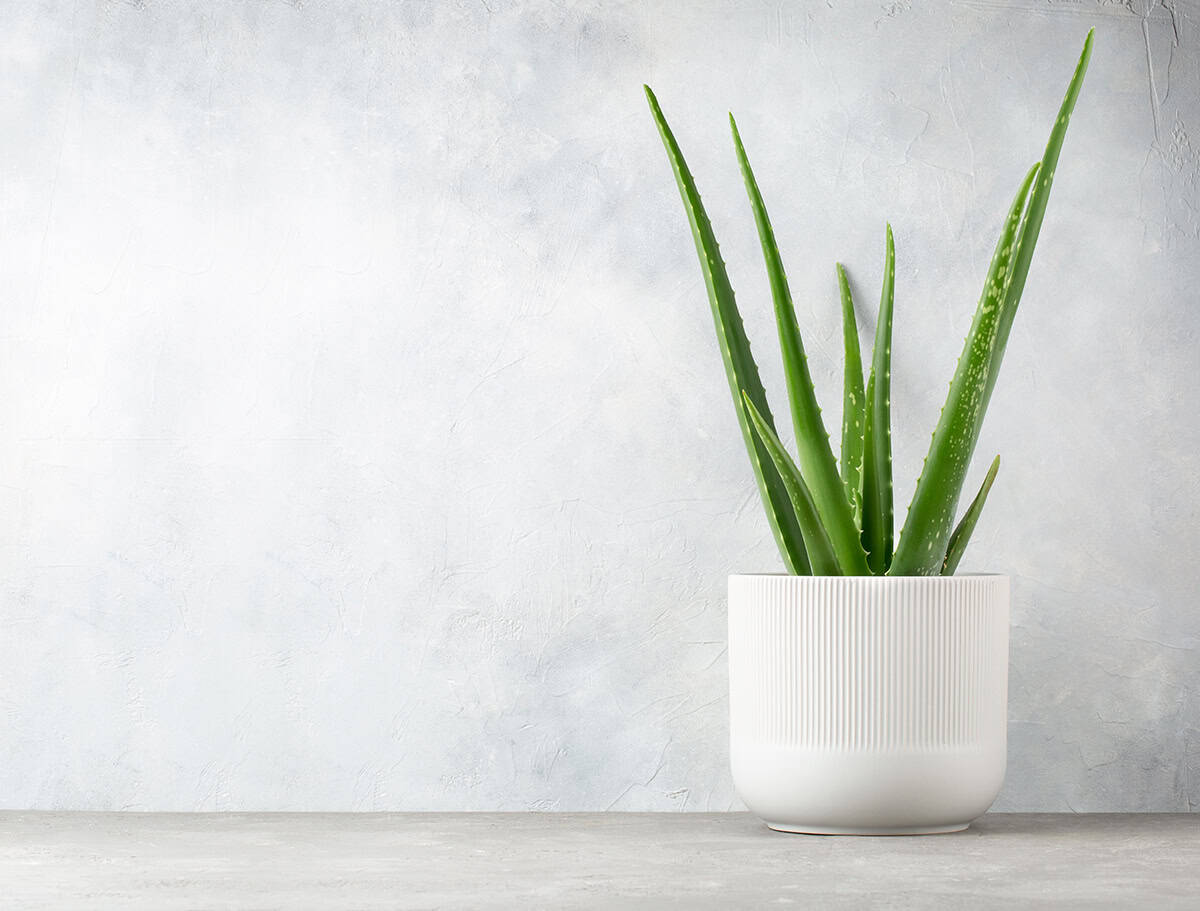
Aloe vera has symbolized healing and protection since ancient Egypt, where it was called the plant of immortality. The gel inside the leaves soothes minor burns and sunburn. Grow it in a sunny window and gritty cactus mix, and water every two to three weeks.
Lavender
Lavender stands for calm and devotion, and dried bundles hung by the door were once thought to ward off bad luck. Its scent eases stress for many people. Lavender needs full sun and sharp-draining soil, and it grows best outdoors or on a very bright windowsill.
Orchids
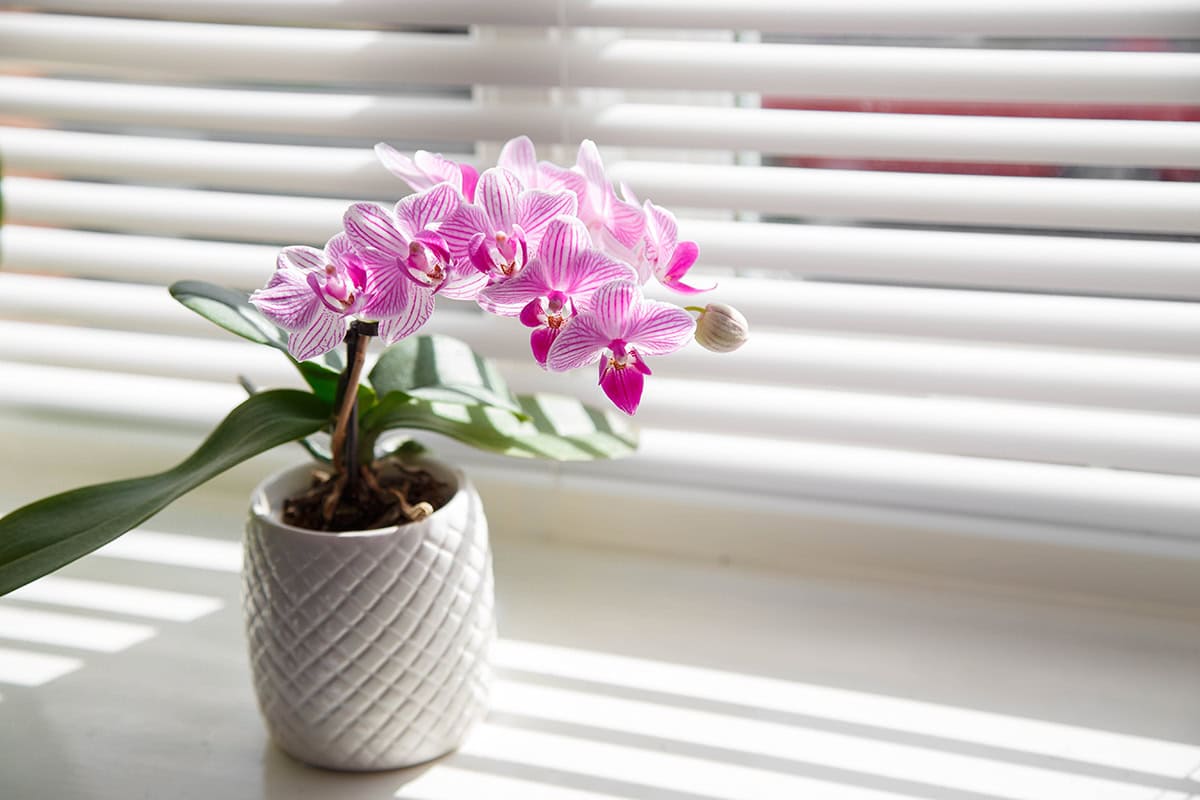
Orchids symbolize luxury, love and refinement, and in feng shui they represent fertility and family harmony. Moth orchids, the easiest type, bloom for two to three months at a stretch. Grow them in bright, indirect light and bark mix, and water once the bark is nearly dry.
Rubber Plant (Ficus Elastica)
Rubber plant’s round, glossy leaves stand for abundance in feng shui, with placement suggested in a home’s wealth corner. It grows best in bright, indirect light with water once the top inch or two of soil dries. The sap irritates skin and pets.
Calathea (Prayer Plant)
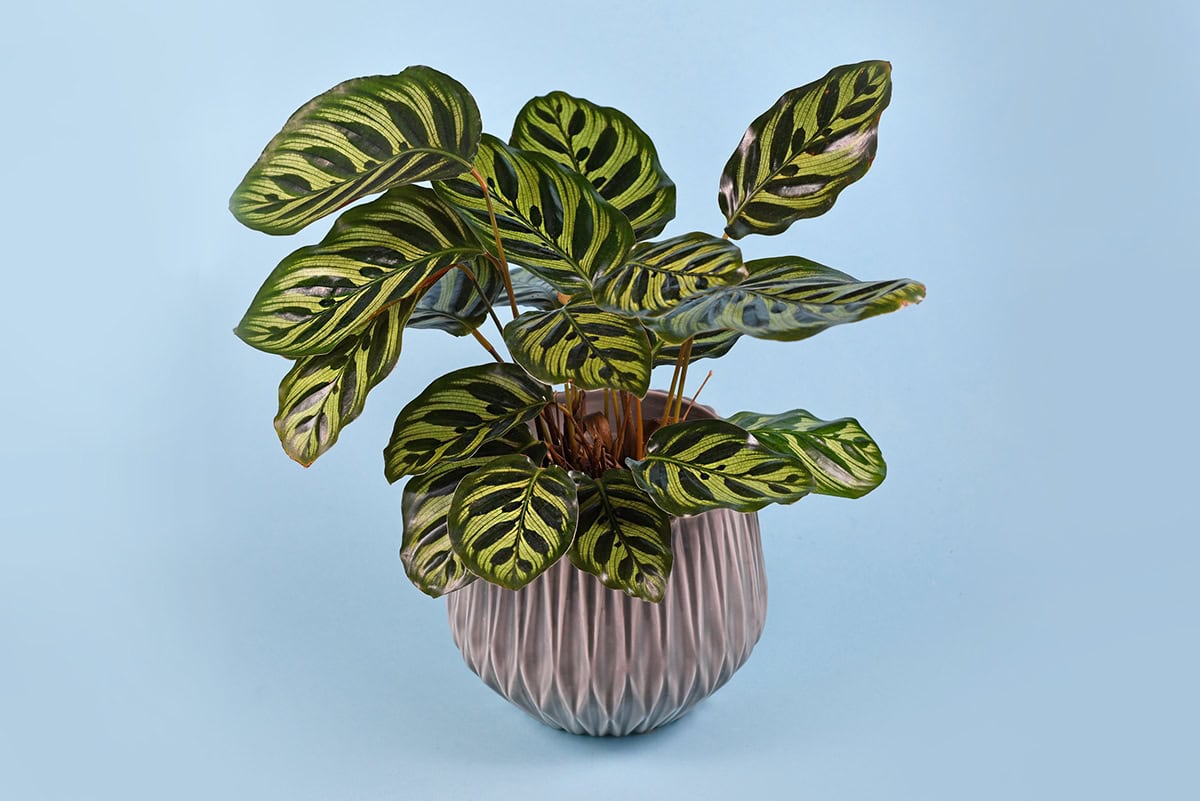
Calatheas and their close relatives, true prayer plants, lift their leaves at night as if in prayer, a habit linked with gratitude and new beginnings. They need bright, indirect light, steady moisture and high humidity. Filtered water prevents brown leaf edges, and the plants are safe for pets.
Rosemary
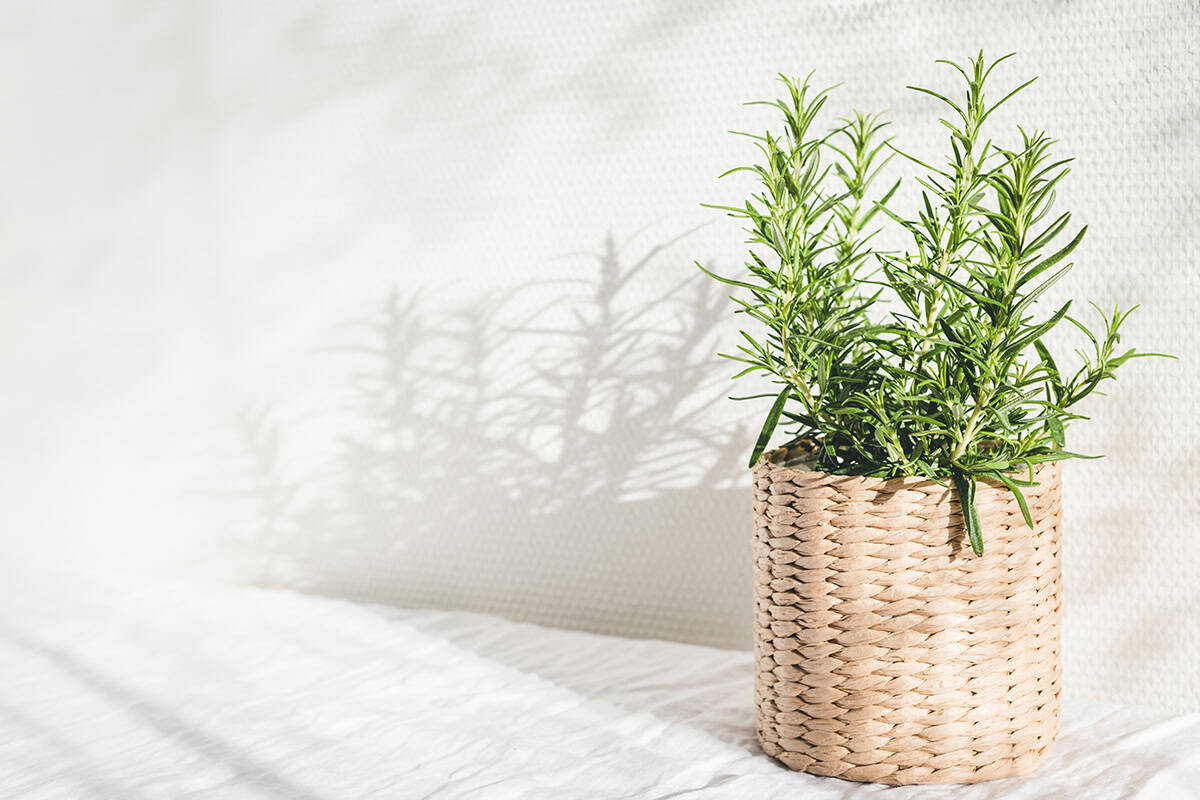
Rosemary has stood for remembrance and loyalty since ancient Greece, and brides once carried sprigs for luck. Indoors it needs a very sunny window, cool winter temperatures and soil that dries between waterings. Snip sprigs for cooking to encourage bushier growth.
Pothos (Devil’s Ivy)
Pothos earned the nickname money plant in parts of South and Southeast Asia, where its fast growth stands for steady prosperity. The trailing vines grow in low to bright, indirect light and need water once the top inch of soil dries. Cuttings root easily in water, which makes pothos an easy gift.
Citrus Trees (Lemon, Orange)
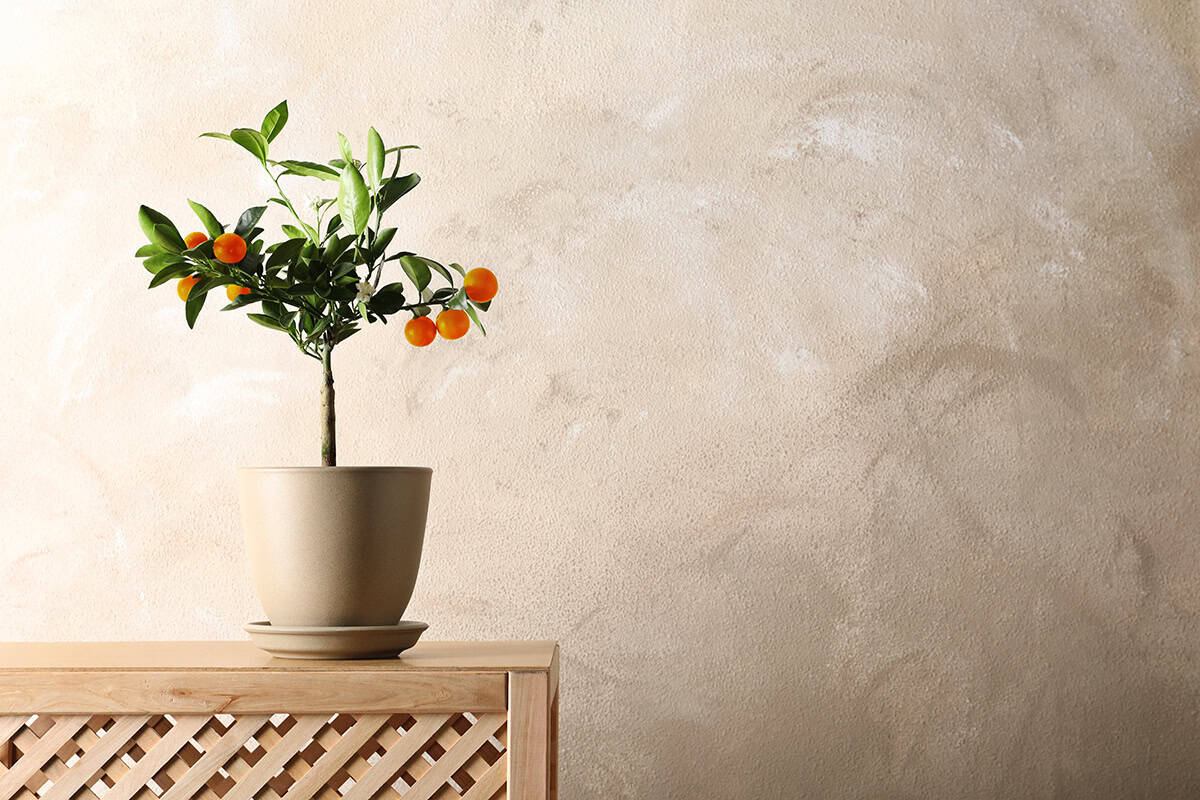
Kumquat and mandarin trees are traditional Lunar New Year gifts, since their golden fruit symbolizes wealth and good fortune. Meyer lemon and calamondin grow best indoors. They need six to eight hours of direct sun, a large pot with drainage and regular feeding with citrus fertilizer.
Four-Leaf Clover (Oxalis)
The plant sold as lucky clover, Oxalis tetraphylla, naturally grows four leaflets on every stem, a reliable stand-in for the rare four-leaf clover found in lawns. Each leaflet carries a purple band near the center. Grow it in bright, indirect light and moist soil, and let it rest when the leaves die back.
Feng Shui Bamboo Palm
Bamboo palm, Chamaedorea seifrizii, shows up in feng shui guides as a symbol of growth and good energy thanks to its upright, cane-like stems. It handles medium light and needs water once the top inch of soil dries. Cats and dogs face no harm from the fronds.
Chrysanthemum
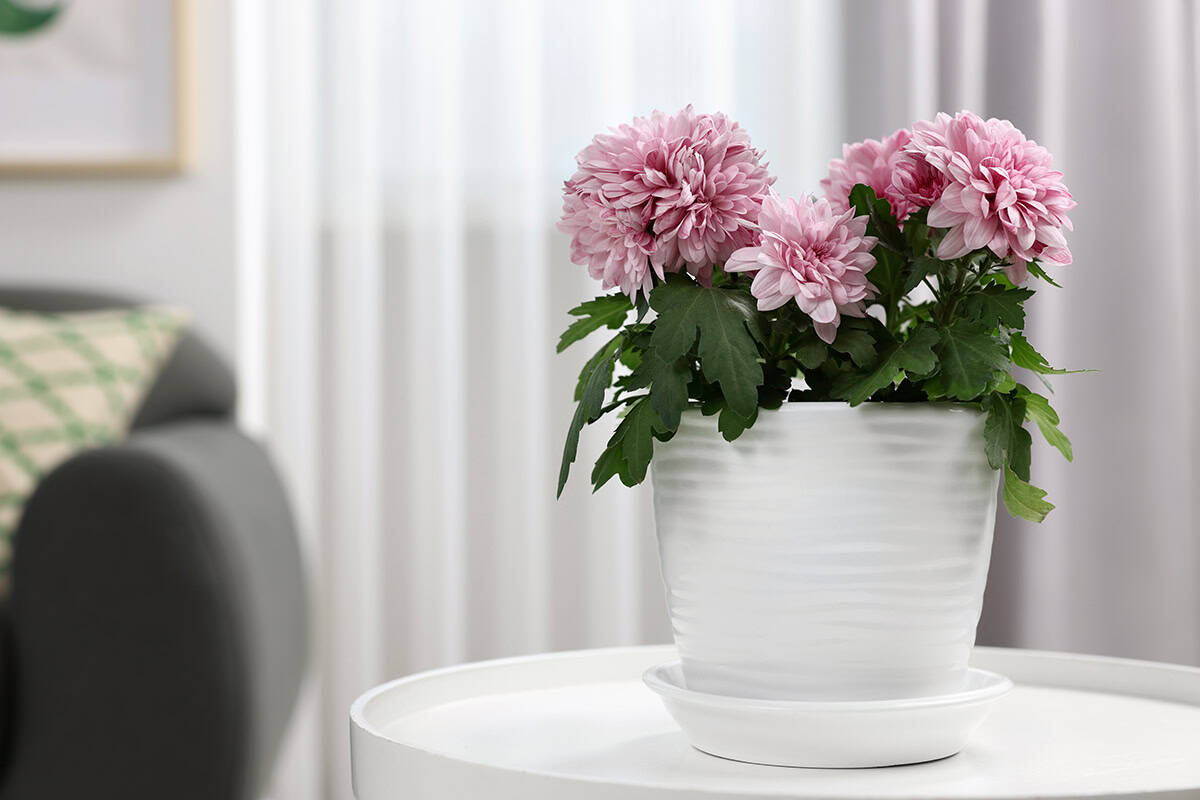
Chrysanthemums represent longevity and joy in China and Japan, and Japan’s imperial seal features a stylized chrysanthemum. Potted mums bloom for weeks in bright light. Plant garden mums outdoors in full sun and well-drained soil for flowers that return each fall.
Eucalyptus
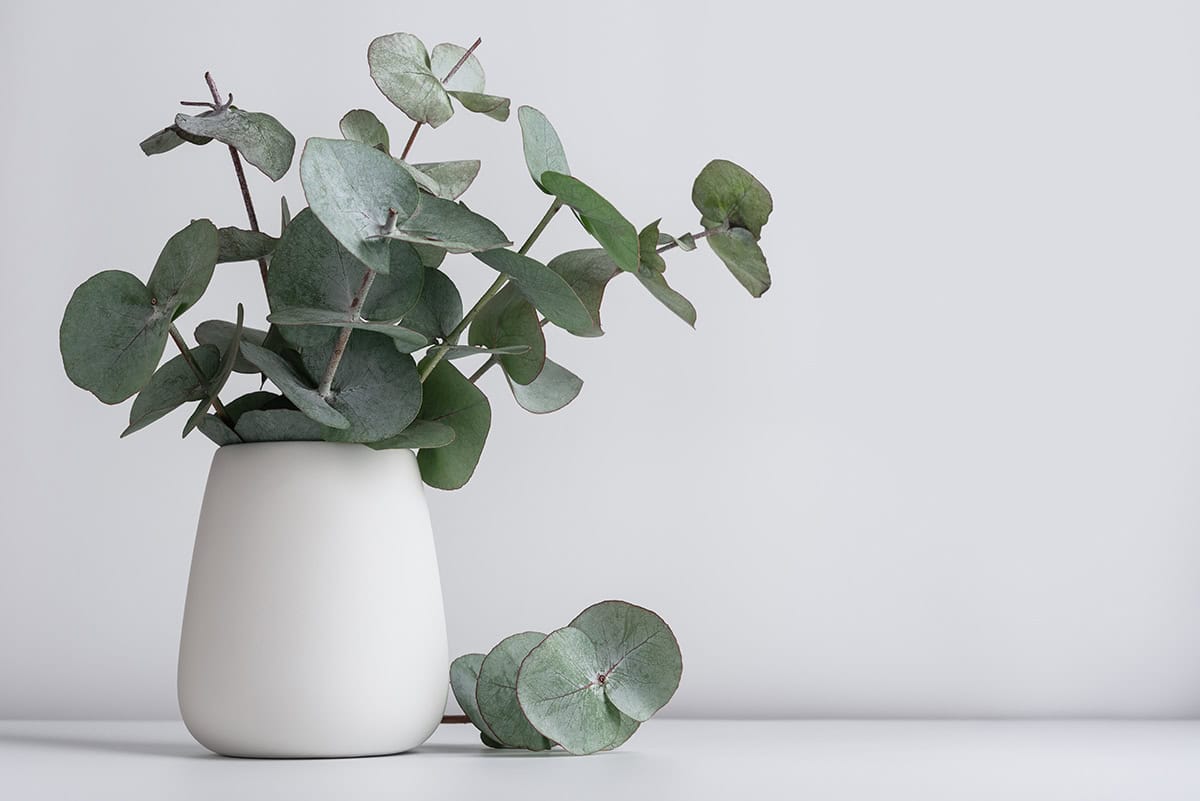
Eucalyptus stands for healing and protection, and bundles hung in the shower release a fresh scent with the steam. As a potted plant, it needs full sun, plenty of water and a large container, since it grows fast. Indoors it lasts best on a sunny porch or bright window during winter.
Tulsi (Holy Basil)
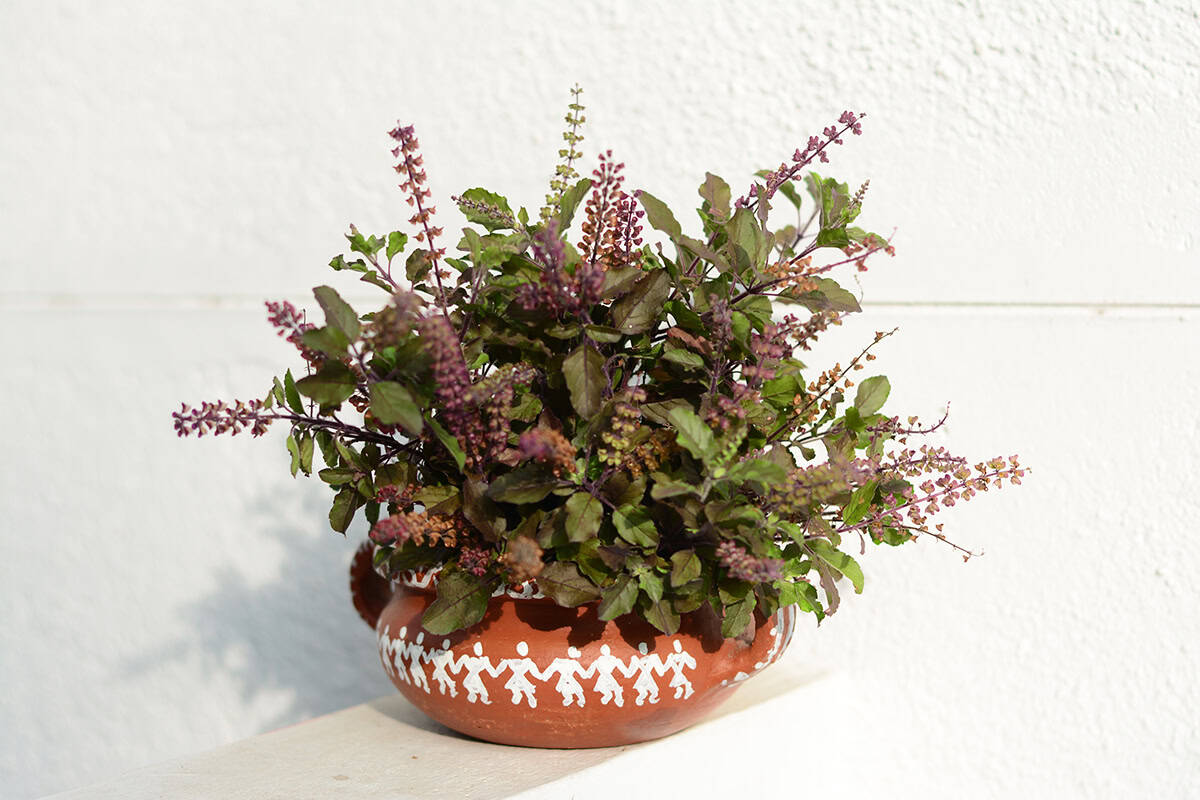
Tulsi holds a sacred place in Hindu homes, where it grows in a courtyard planter and receives daily prayers for protection and well-being. It needs warm temperatures, full sun and regular water, and it dies back at the first frost. Pinch the flowers to prolong leaf growth for tea.
Ferns (Especially Boston Fern)
Ferns symbolize sincerity and new life in Victorian flower language, and Boston ferns were a fixture in parlors of that era. They need bright, indirect light, steady moisture and high humidity. A cool bathroom with a window makes an excellent home.
Peony
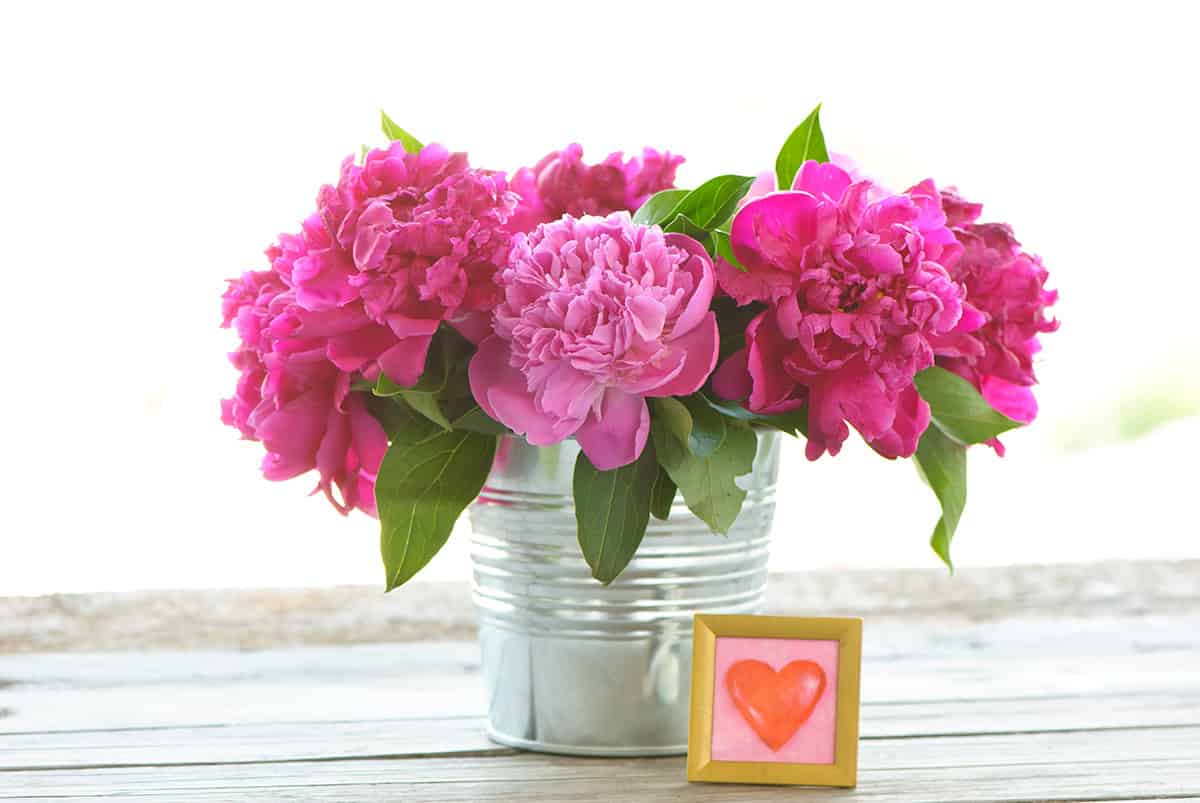
Peonies stand for prosperity, honor and romance, and in China the peony ranks as the king of flowers. These long-lived perennials need full sun, well-drained soil and cold winters to bloom well. Plant the tuberous roots in fall, with the eyes no more than 2 inches below the soil surface.
Lotus
The lotus symbolizes purity and spiritual awakening in Buddhism and Hinduism, since its spotless blooms rise from muddy water. It grows in ponds or large water containers in full sun. The round leaves and flowers stand well above the water surface, and the plant goes dormant in winter.