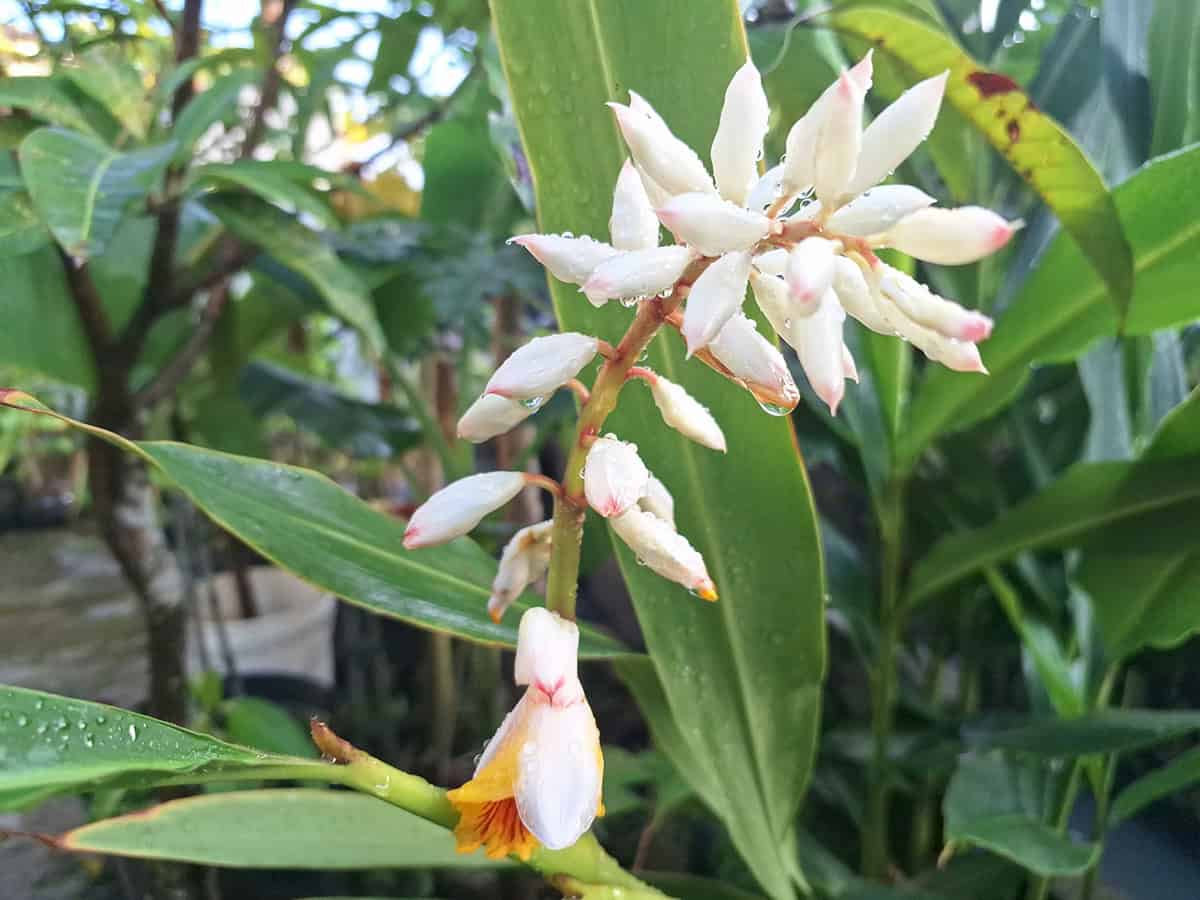
Galangal brings a zesty, almost citrusy heat to food, and honestly, it looks fantastic in a pot or tucked into a border. If you’ve got a bit of patience and don’t mind getting your hands dirty, you can absolutely grow it at home. Here’s what’s worth knowing, and a few pitfalls you’ll want to dodge.
You grow and care for galangal by planting healthy rhizomes in loose, rich soil, giving warm temperatures, partial sun, steady moisture, and light fertilizer until harvest. It likes gentle light and regular water. Roots really take off in soil that drains well and doesn’t get cold or soggy.
You’ll see how soil affects root size, how much sun changes leaf color, and whether you’re better off with a pot or a patch of garden. Timing for harvest? That’s in here, too. Plus, a few tips for catching problems before they turn into headaches.
Table of Contents
Soil
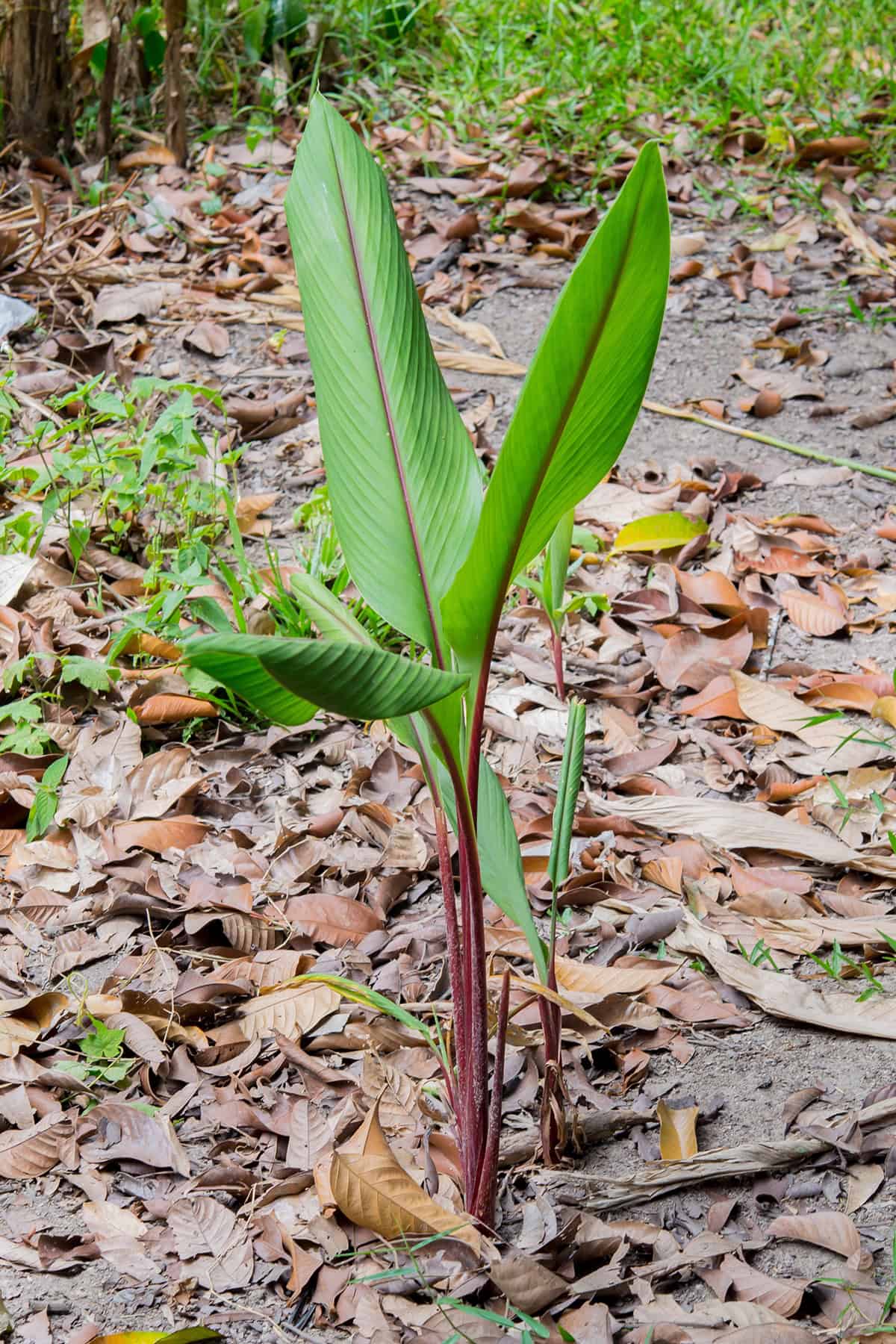
If you want strong roots, you’ll need loose, airy soil that drains well but doesn’t dry out. The stuff should crumble in your hand—tight, heavy ground just chokes the plant and opens the door to rot. If your yard is mostly clay, raised beds or big pots are the way to go.
Compost or leaf mold does wonders. It keeps things fluffy and moist without turning the soil into a swamp. You’ll usually get chunkier rhizomes if you work in plenty of organic matter from the start.
Galangal likes a pH that’s just a bit acidic or neutral. If you’re not sure, a quick soil test saves headaches later. Avoid big swings in pH; this plant gets cranky if the soil chemistry jumps around.
Don’t forget drainage. Water deep, then let the soil breathe. Soggy ground invites all sorts of trouble. If you can, rotate where you plant each year to keep the soil lively.
Planting
Pick out rhizomes that feel solid and show a few buds. If they’re soft, shriveled, or fuzzy with mold, skip them. Farmers markets sometimes have good stock, but check that it’s meant for planting, not just eating.
Warmth is key. Wait until the soil’s above 65°F and all risk of frost is gone. If you’re in a chilly zone, you might want to start them inside and move them out when nights stop dipping.
Plant each piece about two inches deep—don’t bury them too much—and keep the buds pointed up. Give them space, since they’ll spread out under the soil. Loose ground is your friend here.
Sun matters for color and growth. Aim for partial shade: a couple hours of sun is good, but don’t roast them. Steady moisture helps, but again, drainage is non-negotiable.
Recommended Varieties
Most folks pick from two main types. Greater galangal (Alpinia galanga) is the classic for cooking—big rhizomes, upright stems, and a gentle heat that works in everything from soup to curry.
Then there’s lesser galangal (Alpinia officinarum), which stays smaller and packs a sharper punch. Some people use it for traditional remedies. If you’re working with tight space or pots, this one’s worth a look.
Sometimes you’ll see “Thai” or “Indonesian” galangal at nurseries. Usually, those are just regional names for greater galangal, not different plants. Check the Latin name if you want to be sure what you’re getting.
In warm spots like Florida, both types do fine. They all want similar soil, water, and sun. Healthy, fresh rhizomes make all the difference at planting time.
Light
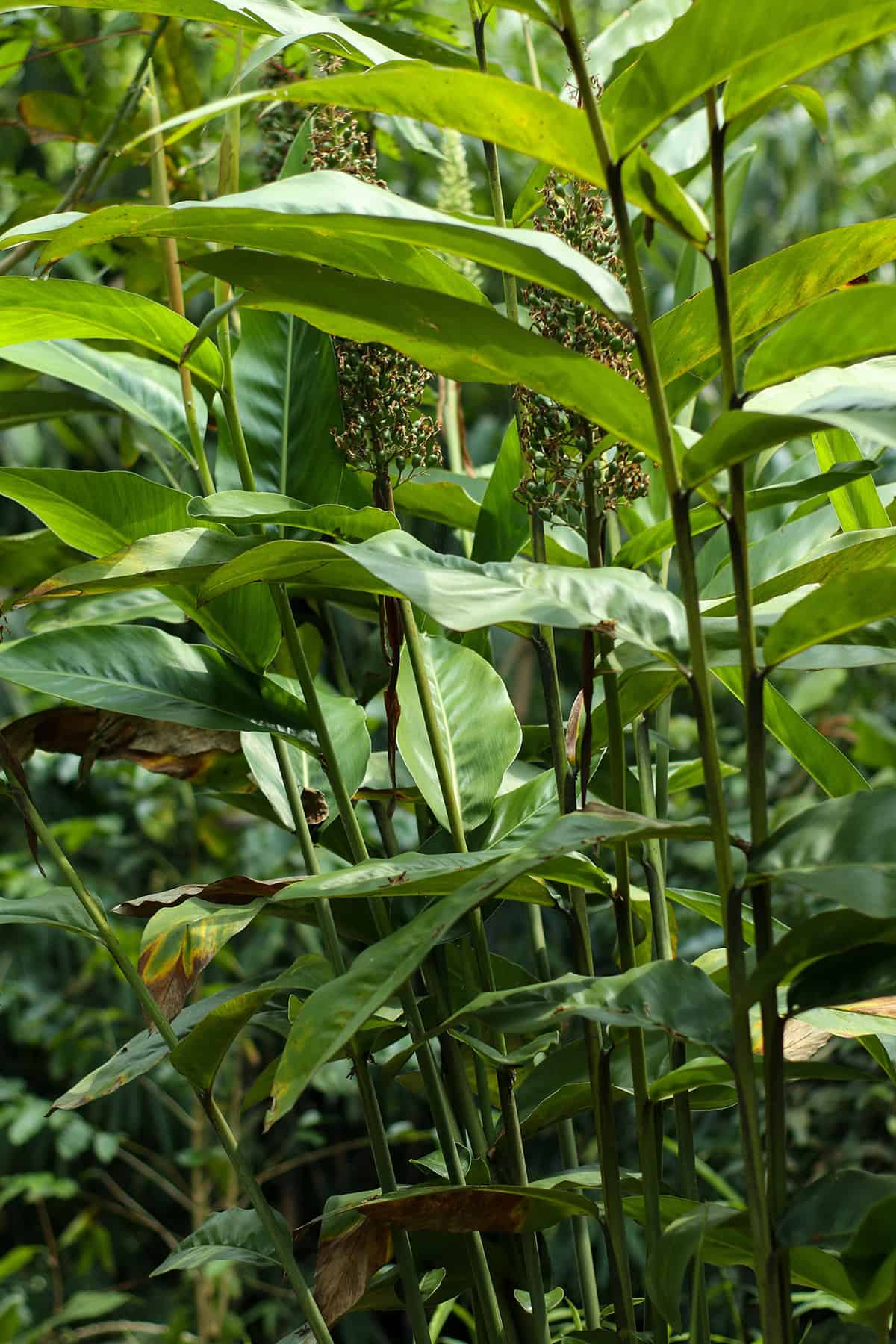
This plant really does best with strong, steady light. Without it, the leaves go limp and the rhizomes don’t bulk up much.
Outside, aim for bright sun with a touch of shade in the hottest part of the day. Six to eight hours of direct sun seems to hit the sweet spot, but if you’re in a scorcher of a climate, some afternoon shade keeps the leaves from burning up.
Inside, window light usually isn’t enough. A full-spectrum grow light helps—shoot for about twelve hours of “daylight.” Keep it close, but not so close that the plant cooks.
If you notice the plant leaning or stretching, spin the pot every week or so. Don’t shock it by moving it straight from shade to sun; ease it in or you’ll get crispy leaves.
Water
Keep the soil evenly moist, but not soggy. If it’s drenched, roots rot; if it dries out, the plant sulks. Stick your finger in the soil—if it feels barely damp, you’re good.
Loose soil is key so water drains through. Raised beds and pots make this much easier. If you’re using a container, make sure water can actually escape.
How often you water? That depends on the weather. Hot spells and rapid growth mean more frequent watering. When it’s cool or the plant’s not growing much, ease off. Don’t just follow a calendar—check the soil.
Plants in partial shade hold moisture longer. Full sun dries things out fast, and you might see yellowing leaves if you fall behind. Adjust how much you water rather than how often, so you don’t drown the roots.
When the plant goes dormant (leaves fade or die), cut back on water. Just keep the soil barely damp until you see new shoots. Clean water and drainage are your best defense against root rot.
Feeding
Galangal isn’t a heavy feeder, but it does appreciate steady nutrition. Mix in compost before planting to get roots off to a strong start. A balanced fertilizer with a bit more nitrogen and potassium than phosphorus works well—think ginger family rules.
Feed lightly every month or so during the warm season. If you’re growing in pots, use a diluted liquid feed to avoid salt buildup. In the ground, slow-release granules are easier.
Watch the leaves—if they’re pale, you might need a little more nitrogen. Too much fertilizer? You’ll get soft, watery growth and weak rhizomes. Once leaves start to yellow at the end of the season, stop feeding.
Compost tea or aged manure are solid organic options. Go easy, though. If your soil’s healthy, you won’t need much else.
Growth Time
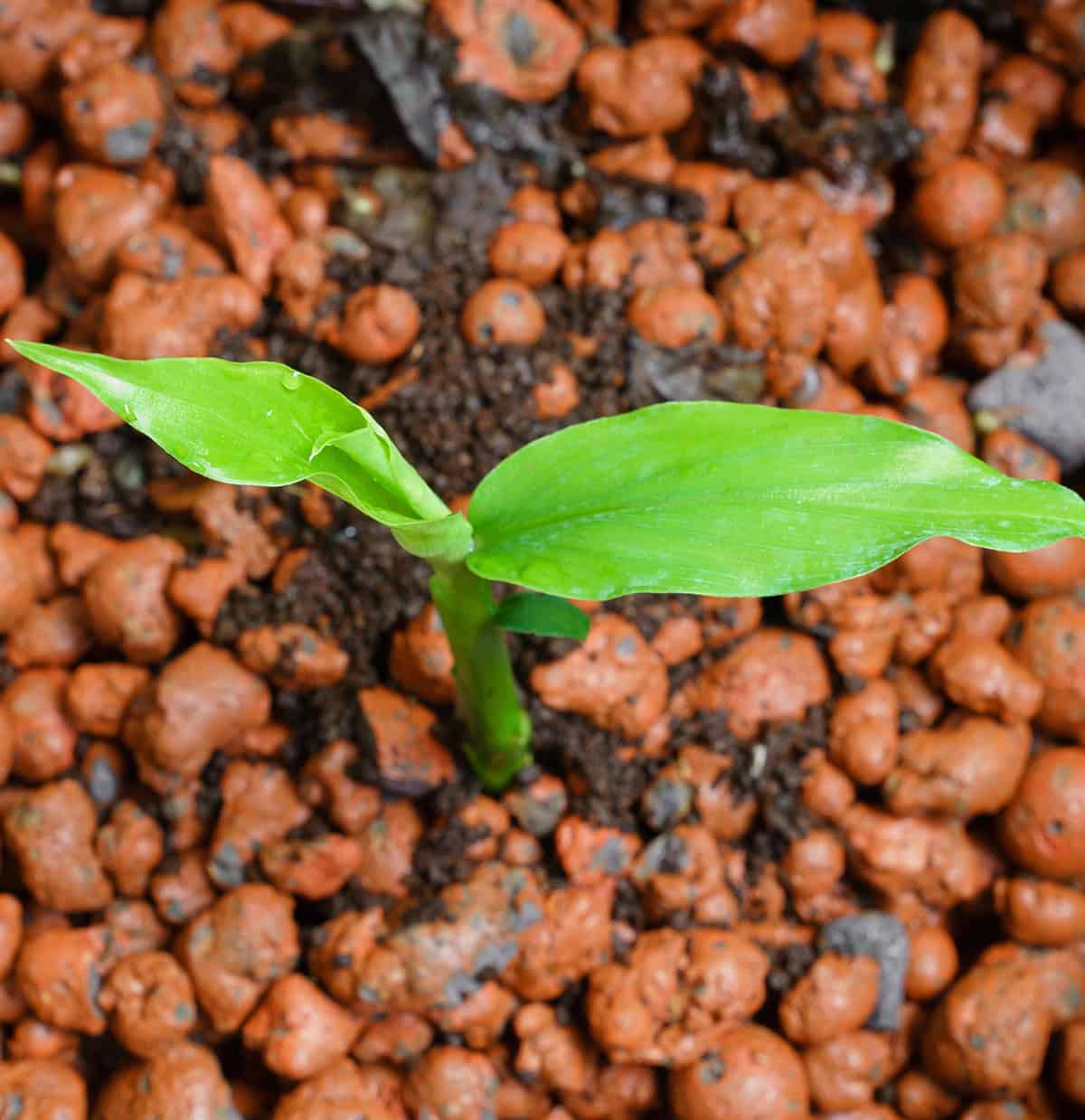
Galangal takes its sweet time. It’s a tropical perennial, so it needs plenty of heat before you’ll see much happening. Cold weather just stalls it out.
Usually, you’re looking at 9 to 12 months for mature rhizomes. If you’re impatient, you can nab a few young pieces after 4 to 6 months, but they’ll be milder and smaller. The longer you wait (and the steadier the conditions), the better the harvest.
Frost knocks back the top growth, but the underground bits usually survive and bounce back in spring. If you’re in a short-season spot, pots or greenhouses help stretch things out.
Light also changes the timing. Some shade (around 25–40%) keeps stress down and growth steady. Too much shade, though, and you’ll get all leaves, no rhizomes.
Growing Galangal In Containers
If you’re short on garden space, pots work just fine for galangal. You get more control over warmth, water, and where the plant sits. Go for a sturdy pot at least 12 to 16 inches wide—shallow pots just don’t cut it for root spread.
Set the pot somewhere it’ll catch six to eight hours of good light daily. Warmth is important, too. Use a loose, fast-draining potting mix; heavy garden soil will just bog things down. Drainage holes are a must.
Plant a fresh rhizome just under the surface, buds up. Keep things moist but not sopping wet. Feed monthly with a balanced fertilizer when the plant’s growing. If you see growth slow, back off on water and food. You can sneak a few rhizome pieces without killing the whole plant, which is handy.
Harvest
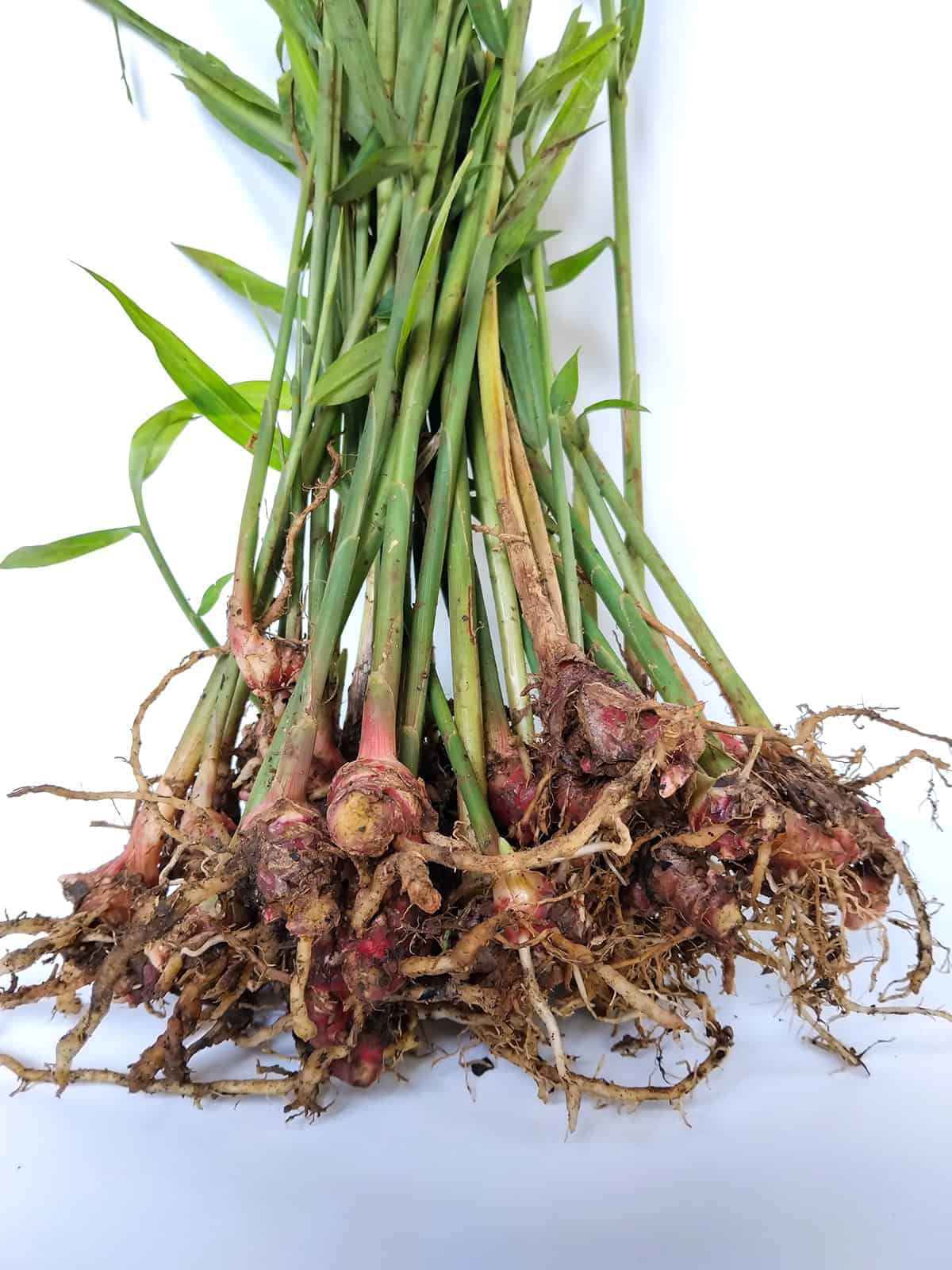
Once your plant’s been growing for about four months, you can start pulling young rhizomes. They’re tender and great for fresh recipes. Don’t take it all—leave some in the ground to keep things going.
For bigger, mature rhizomes, hang on until the leaves yellow and die back. That’s usually late in the warm season, or early fall if you’re somewhere cooler. The plant’s sending all its energy underground at this point.
Use a fork or your hands to gently loosen the soil a few inches out from the stems. Be careful not to slice or bruise the rhizomes. Take what you need, and if frost isn’t coming soon, you can tuck the rest back in.
Give harvested rhizomes a rinse and let them air dry. For short-term use, stick them in the fridge in a breathable bag. If you want to keep them longer, freezing or storing dry in a cool spot works well.
Common Problems And Troubleshooting
Leaf color tells you a lot about what’s going on. If you’re seeing yellow, that’s usually too much water or lousy drainage. Try letting the soil dry out a bit more between waterings, and make sure that pot isn’t trapping water at the bottom.
If you catch a whiff of something sour or spot mushy rhizomes, that’s rot setting in—roots probably stayed soggy for too long. Cut away anything soft or blackened, back off on watering, and swap in some fresh, airy soil.
Every now and then, pests sneak in—spider mites, mealybugs, scale, the usual suspects. Look for webbing, sticky stuff, or cottony blobs on stems. Just wipe the leaves with a damp cloth, and if things get out of hand, hit them with a little insecticidal soap.
If shoots seem slow or spindly, temperature’s probably the culprit. Galangal just doesn’t like the cold. Try to keep things above 65°F and steer clear of chilly drafts.
Leaves looking washed out or the plant’s just not thriving? That’s often a sign it’s hungry. Use a balanced fertilizer while it’s actively growing, but don’t go overboard—too much can burn the roots and crisp up those leaf tips.