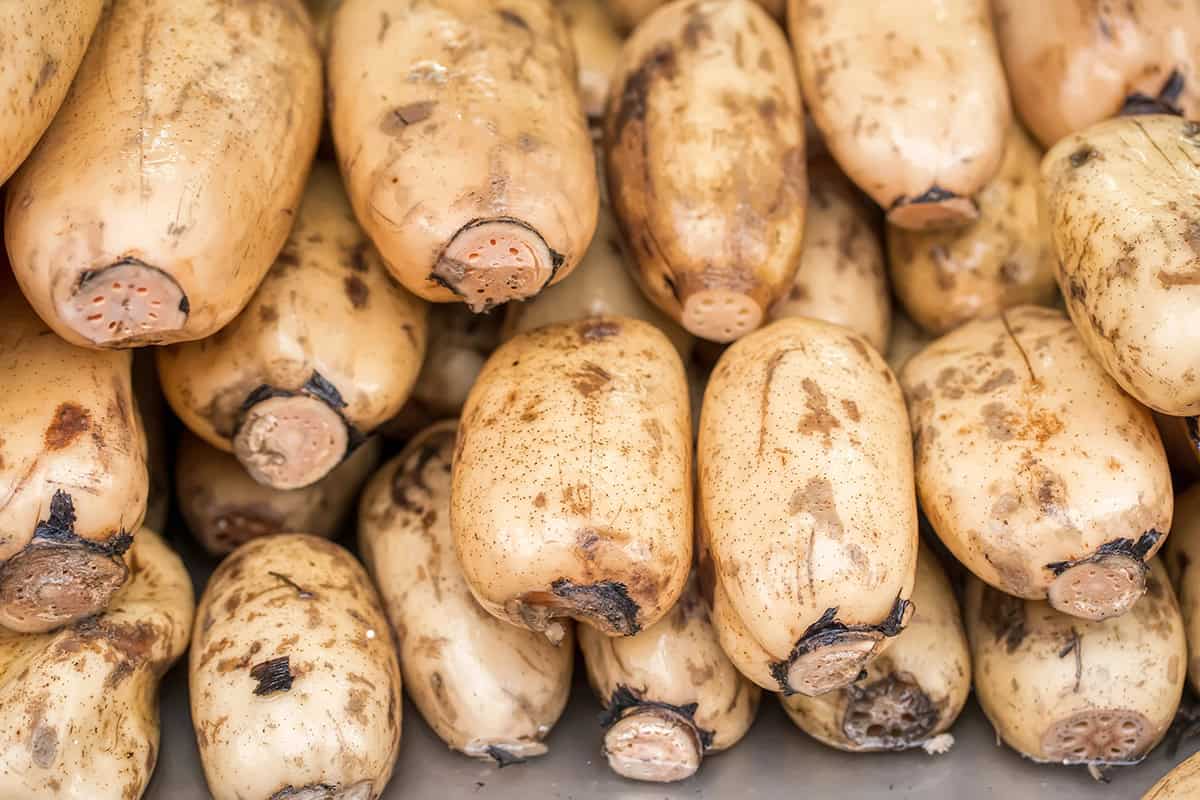
If you want crisp, mild roots and a plant that just loves water, lotus root is worth a shot. It comes from American lotus, a hardy aquatic perennial with those thick, starchy rhizomes you see in markets. Basically, you’re growing lotus root by sinking healthy rhizomes in heavy loam under warm, shallow water with plenty of sun and a steady trickle of nutrients. The process is pretty straightforward, but you’ll need some patience.
Getting off to a good start is half the battle. Picking the right variety, using dense soil, and making sure the water stays calm—that’s what really gets those rhizomes spreading. Light is what pushes those big leaves, while the depth of your setup keeps the temperature right and things stable. Maturity takes a while, so it’s good to know what you’re in for before you start dreaming of huge harvests.
Ponds or big containers both work. If you keep an eye on water quality and protect the young shoots, care isn’t complicated. When you harvest makes a difference in texture and yield. You’ll spot problems early if you know what to look for, and fixing them before they get out of hand keeps everything moving along.
Table of Contents
Recommended Varieties
Most folks go with Nelumbo nucifera—it’s the classic for thick, crisp rhizomes and pretty reliable yields. You’ll see it grown for food all over warmer regions. This one needs full sun, calm water, and that rich, sticky soil.
If you’re somewhere cooler, Nelumbo lutea (American lotus) is a solid bet. It handles changing water depth and different soils better than most. You can eat the roots, seeds, and even young leaves if you want. It grows fast, though, so make sure you’ve got enough space or a way to keep it in check.
Some cultivars of Nelumbo nucifera are made for smaller spaces—think short runners, less sprawl. They’ll still give you decent lotus root if you keep the soil deep enough and the water warm. With these, you get more control over when and how you harvest.
When picking, just line up your choice with how long your warm season lasts and what kind of water setup you have. If you get long, hot summers, you’ll get bigger roots. Shorter seasons? Go for hardy types that don’t waste time putting on size.
Soil
Heavy, fertile soil is the way to go—something that won’t float away or get stirred up. Lotus root needs loam or clay, enough weight to keep the rhizomes anchored. Skip sandy or loose stuff; it just doesn’t hold together under water.
You don’t need super-rich soil, just something natural and solid. Garden soil without peat is usually fine. Avoid anything with bark or perlite; those float and can mess up young shoots trying to get established.
Lotus will put up with a range of pH, but neutral to slightly acidic is best. Too acidic or too alkaline, and you’ll see slow growth or weird roots. Keep things steady, and roots should form nice and even.
Soil depth matters too. In a container or pond, you want a few inches of soil above the rhizomes. Containers make it easier to keep things compact and keep the plant from taking over.
After planting, press the soil down gently to get rid of air pockets. That stable contact keeps roots from drying out or rotting later on.
Planting
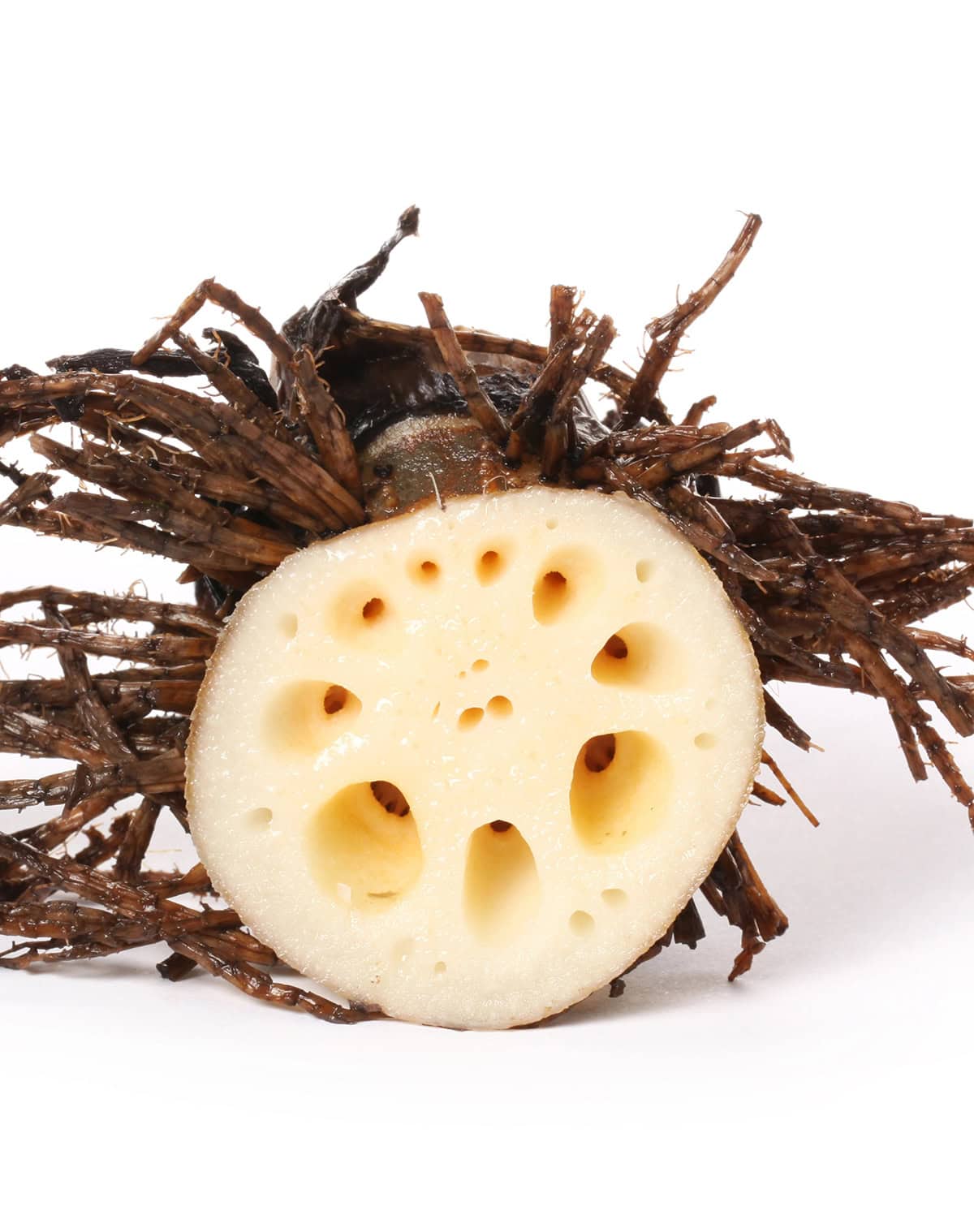
Start with rhizomes that look firm, with at least one good growth tip showing. Use a wide container or pick a calm spot in your pond so it doesn’t take over. Sun is non-negotiable—shade will just stunt them. Warmth right from the start helps a lot, too.
Lay the rhizome flat in the soil, just barely covered. Don’t bury it deep or you’ll wait forever for shoots. Water should be just over the soil, shallow at first. You want things steady, not deep, while the plant gets going.
Once leaves pop up, you can slowly add more water. Mature plants handle deeper water, sometimes several feet. Try to keep them out of wind, since that can shred leaves. Give them room—crowding equals smaller, lower-quality roots.
Pack the soil gently around the rhizome so it doesn’t float. Skip the fertilizer for now; too much will just make leaves, not roots. Still water, little movement, and careful placement—that’s what sets up a good crop.
Water
Lotus root likes still, shallow water that stays put. Calm water keeps the stems upright and leaves intact. Shoot for 12 to 24 inches above the soil at first. Once they’re settled, they can handle up to 6 feet of water, but don’t rush it.
A spot without wind or waves is best. Sheltered ponds, lined beds, or big tubs all work. The roots want soft, mucky soil that’s always underwater. If the water moves too much, growth stalls and rhizomes get disturbed.
Try to keep the water clear enough so light can get through. Full sun is still key—don’t let trees or buildings shade your setup. Warmer water helps things along, especially early on. If you’re growing in containers, you’ll probably need to top off the water more often, since it evaporates fast.
Keep the water level steady. Big swings stress the plant and can lead to cracked or weird-shaped roots. The goal: quiet, sun-drenched water that never dries out.
Light
Lotus needs a ton of sun—no getting around it. Aim for full sun most of the day, minimum six hours, but eight is even better. That direct light gets you bigger roots and stronger leaves.
If it’s shaded, growth slows down and roots stay small. You might get some leaves, but they’ll be weak, and flowers probably won’t show up. Pick a spot that’s as open as you can manage.
Sun angles change with the seasons, which matters in cooler places. Try to set containers where they get the most sun, or move them if you have to. Indoors, you’ll need solid grow lights, close enough for real brightness but not so close they scorch the plant.
In really hot areas, the plant can take the heat as long as the roots are cool and wet. Wind is more of a problem than sun, so find a spot that’s bright but not exposed. If you keep the light balanced, growth should stay on track all season.
Growth Time
Once you plant, it’s a waiting game. Rhizomes in warm soil and water start sending up leaves in a few weeks. The first signs are up top, but all the real action is underground. Sun and water temperature make a big difference here.
Through spring and summer, rhizomes bulk up. You’ll see thicker sections as the plant stores energy. The more sun, the faster this happens. If the water’s cold, though, expect a slower timeline.
Usually, you’re looking at four to six months before roots are ready. If your season’s long and hot, maybe closer to eight. Harvest when leaves start dying back and the rhizomes feel solid. Use a sharp spade and go easy to avoid breaking them.
In colder places, plants go dormant after harvest. The roots can sit in mud till things warm up again. Replant when the water’s about 70°F. It’s a yearly cycle, so you’ll get a feel for the timing after a round or two.
Growing Lotus Root In Containers
If you’re short on pond space, containers are totally doable. Go for a wide, heavy-duty container with no holes. Shallow and broad is better than deep—gives the rhizomes room to stretch. Dark-colored containers help cut down on algae and keep temps steady.
Fill with heavy garden soil or clay loam. Skip light mixes—they float and make a mess. Set the rhizome at a slight angle, tip just above the soil, and cover gently. Add water slowly so you don’t stir everything up.
Keep water over the crowns at 12 to 24 inches once leaves show. Warmth helps them establish faster. Full sun, again, is a must for decent growth.
Roots can get crowded in containers, so check them if you reuse pots. If they’re circling, trim or guide them before planting. Handle by the root ball or container, not the stems—they snap easily.
Feed with slow-release aquatic fertilizer tablets, pushed deep in the soil. Only fertilize during active growth, and stop as the season winds down. Keep water levels steady and you’ll get straighter, cleaner roots.
Harvest

Six to nine months after planting, it’s usually time to dig. Roots should feel firm and have some heft by late fall if you’re in a warm spot. Cooler areas might need a full season. Leaves turning yellow is your cue.
Lower the water or drain it before you start digging. Mud makes it easier to pull rhizomes without snapping them. Use your hands to loosen soil and lift roots gently. Sharp tools can nick the skin and shorten storage life.
Once you’ve got them out, rinse the mud off with clean water—don’t scrub too hard or you’ll damage the skin. Small cuts invite rot, so handle with care. For short-term storage, keep them in cool water or damp sand somewhere chilly.
Common Problems And Troubleshooting
If growth seems sluggish, it’s usually because the plants aren’t getting enough sunlight or they’re cramped. Lotus roots are pretty needy when it comes to sun—think several hours, not just a quick blast. When the containers start feeling crowded, it’s time to upgrade to something wider and shallow. That usually perks things up.
Soft rhizomes and yellowing leaves? That’s often root rot, and it tends to show up if the water’s gotten stale or the soil is packed too tight. Swapping out the water every so often and using a loose, loamy mix with a bit of clay can help. If you spot mushy roots, just cut them out and toss them—no point letting it spread.
Leaves turning yellow but the roots look fine? That’s likely a sign your lotus wants more nutrients, especially when it’s warm out. A little aquatic fertilizer goes a long way, but don’t overdo it or you’ll just end up with murky water and unhappy plants.
When the water’s chilly—under 70°F—lotus roots drag their feet. Moving containers somewhere warmer in spring can help jumpstart things. For ponds, though, sometimes you just have to wait for the weather to catch up.
Every now and then, bugs like aphids or leaf beetles might show up and chew on the leaves. They rarely do real damage, though. A strong spray of water or picking them off by hand usually handles it. Definitely steer clear of harsh sprays or chemicals—they’ll just mess with the roots and water quality.