A beautiful garden does not have to come with a painful price tag. Many of the most charming outdoor spaces are built through creativity, patience, and smart choices rather than expensive purchases. Read the article to see 35 ideas worth borrowing.
Table of Contents
- Budget-Friendly Garden Ideas To Make The Garden/Yard Look Better
- Add Fresh Mulch
- Clean Lawn Edges
- Paint The Fence
- A Gravel Walkway
- Plant Low-Cost Annual Flowers
- Trim Overgrown Shrubs
- Install Solar Path Lights
- Group Plants In Clusters
- Mulch Around Trees
- Paint Outdoor Furniture
- A Small Patio Seating Area
- Overseed Patchy Grass
- Decorative Gravel For Bare Spots
- Build A Simple Raised Bed
- Matching Front Door Planters
- A Flower Border Along The Fence
- Pressure Wash Patios And Paths
- Low-Maintenance Shrubs
- Hang String Lights
- Paint The Garden Shed
- Ground Cover Instead Of Weeds
- Defined Garden Bed Edges
- Layer Plants By Height
- Install Window Boxes
- Frame Walkways With Plants
- A Small Rock Garden
- Replace Old Mulch
- Symmetrical Planting Layout
- Hide Utility Boxes With Plants
- Install A Basic Trellis
- Add Perennials To Empty Spaces
- Weed And Clear Garden Beds
- Plant A Privacy Hedge
- Stone Garden Borders
- Fill Empty Corners With Pots
Budget-Friendly Garden Ideas To Make The Garden/Yard Look Better
Quick, affordable tweaks can make a surprising difference—sometimes in just a day or two. Focus on tidying, sharpening up edges, adding a few reliable plants, and using materials that don’t break the bank but still bring in structure and color.
Add Fresh Mulch
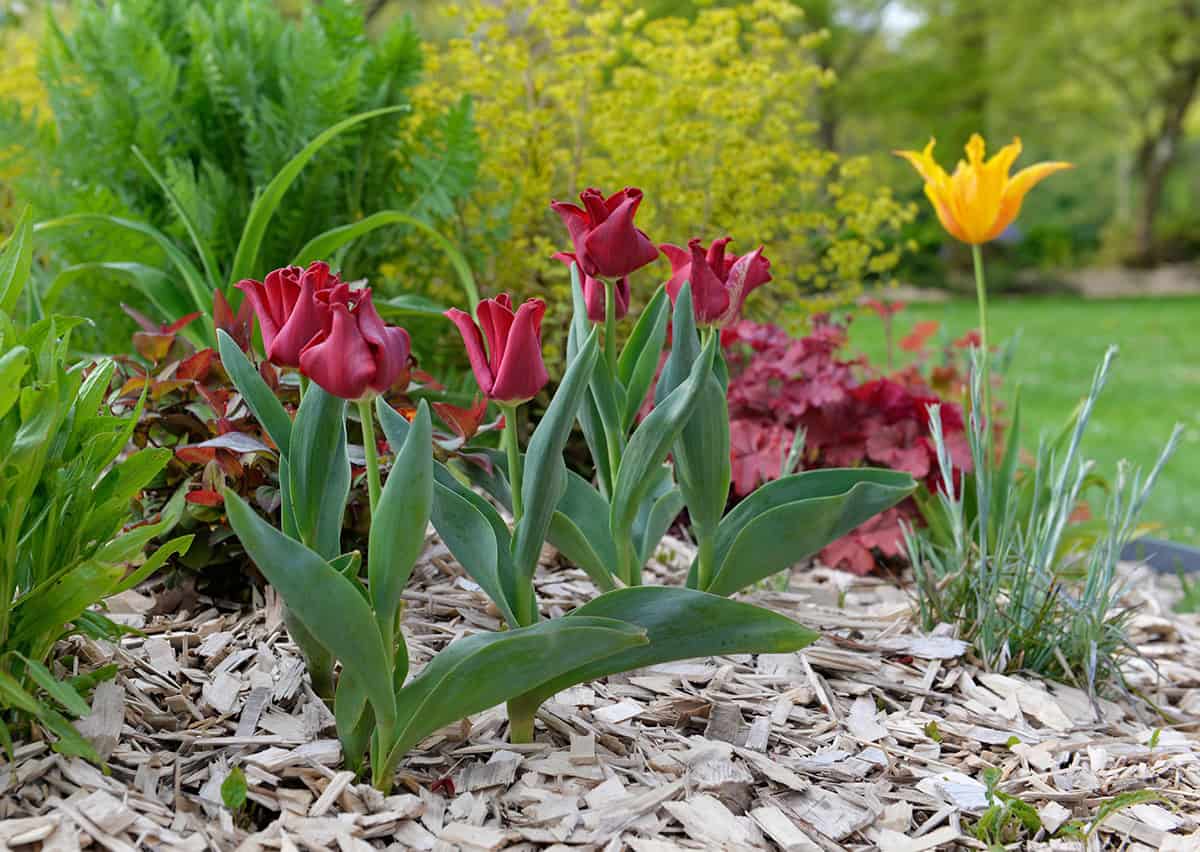
There’s a certain satisfaction in seeing garden beds with a crisp layer of mulch—it just feels finished. Besides, mulch keeps weeds down and helps soil stay moist. Shredded bark, wood chips, or pine straw from local sources usually won’t cost much.
Lay down two or three inches, but don’t pile it against stems or trunks. Even a thin layer can revive a tired bed. If you can get bulk delivery or access city compost, you’ll save even more. Spring and fall are good times to tackle this.
Clean Lawn Edges
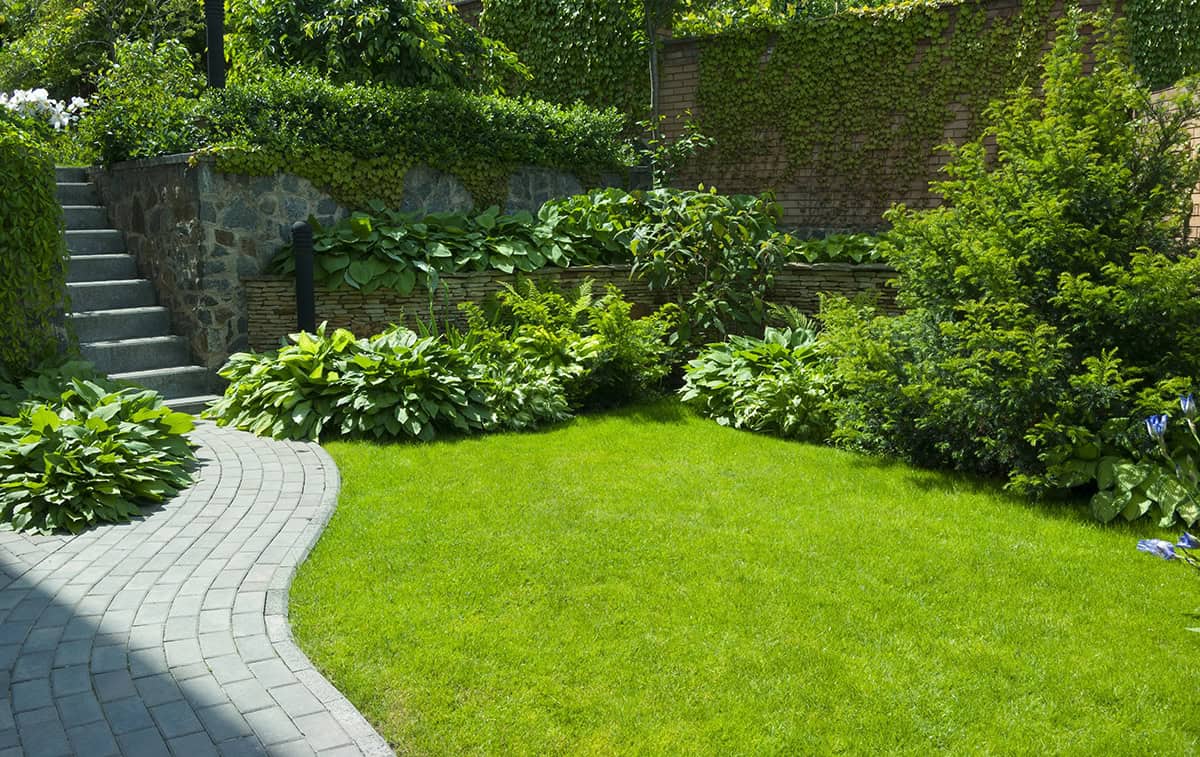
Well-defined edges between grass and beds instantly sharpen up the whole yard. With just a spade or edging tool, you can get that crisp line that makes everything look intentional.
Slice a vertical edge where grass meets soil, then pull back any rogue turf. Once or twice a year is usually enough. A bit of mulch along the border really makes the contrast pop.
Paint The Fence
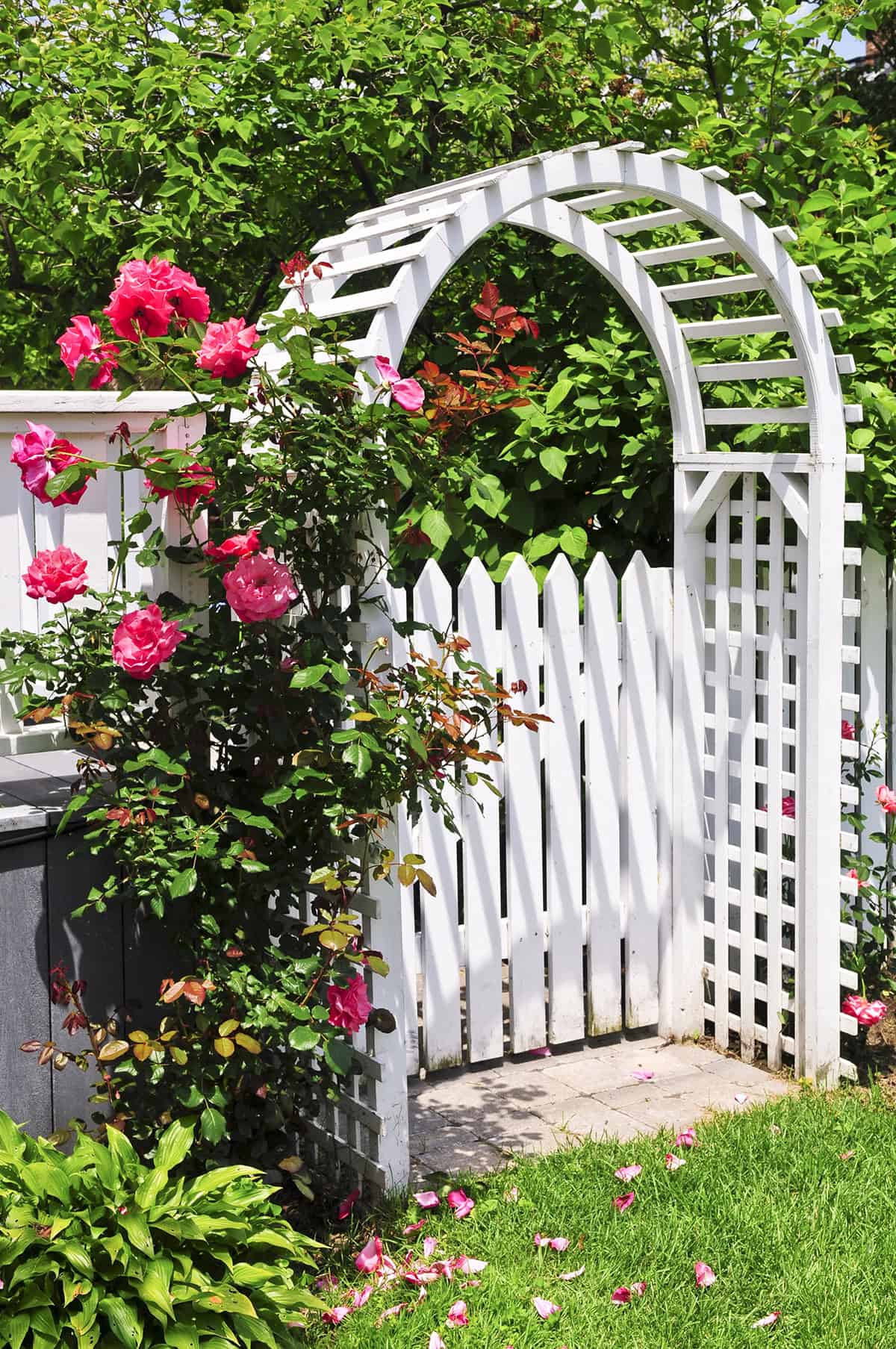
Fresh paint or stain can rescue a tired fence for way less than replacing it. Dark neutrals help greenery stand out, while lighter tones can make a small yard feel bigger.
Prep is key—scrub off dirt and loose paint, let it dry, then go in with an outdoor-rated paint or stain. Usually, a couple coats gets the job done.
A Gravel Walkway
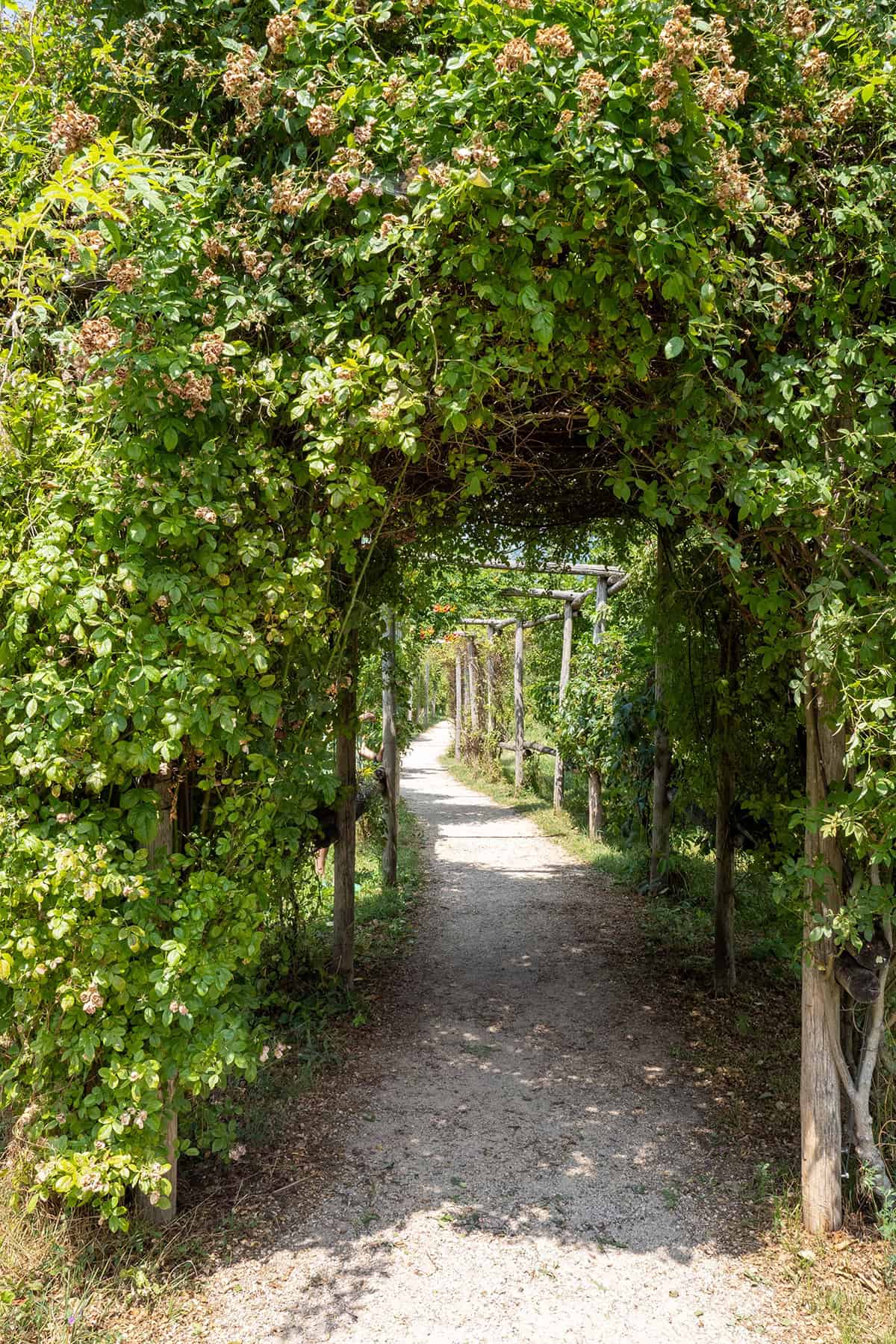
Nothing says “pathway” like a stretch of gravel winding through the yard. It’s practical, drains well, and is a lot cheaper than pavers or concrete. Pea gravel or crushed stone both do the trick.
Mark out your path, clear the grass, level things out, and use landscape fabric to keep weeds at bay. Edging helps keep the stones where they belong. Suddenly, you’ve got structure and fewer muddy patches.
Plant Low-Cost Annual Flowers
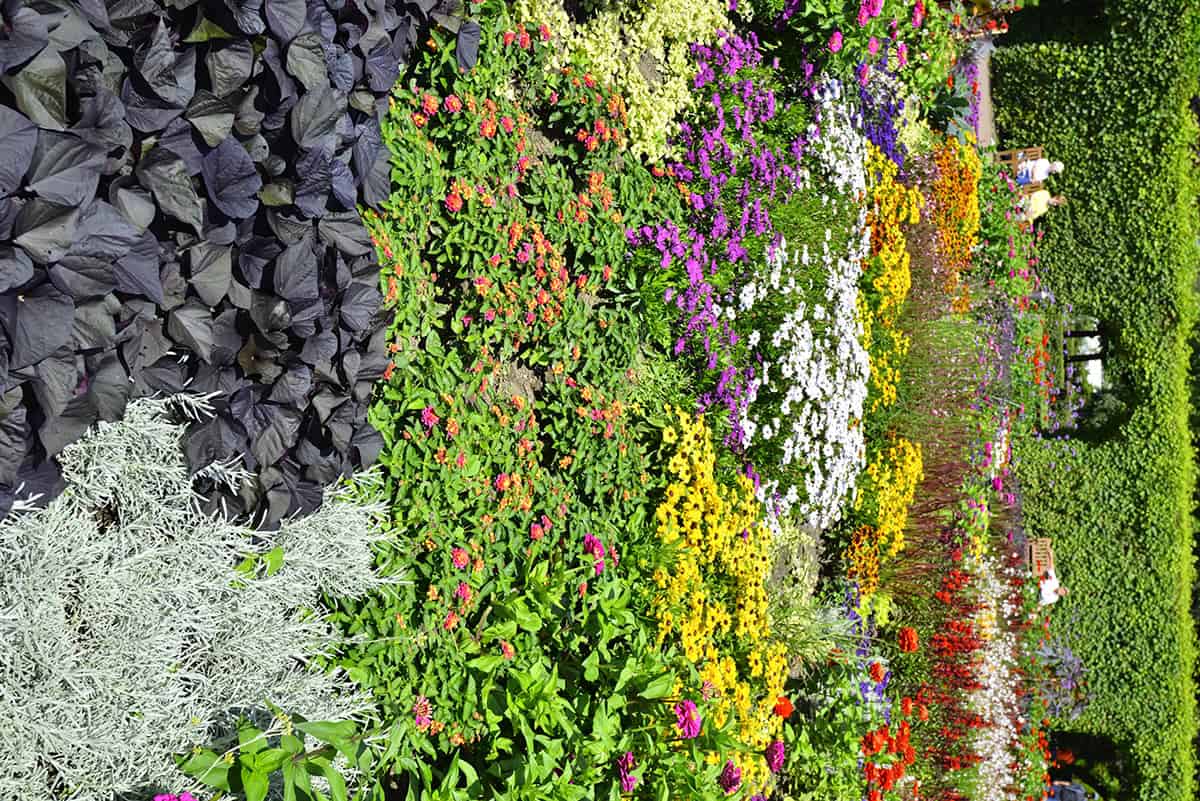
Annuals are the shortcut to instant color without a big commitment. Flats from the nursery are usually affordable, or you can start some from seed if you’re patient.
Pick what works for your sun and heat—marigolds, petunias, zinnias. Clusters make a bigger impact than singles. They’re great for filling in while slower perennials get established.
Trim Overgrown Shrubs
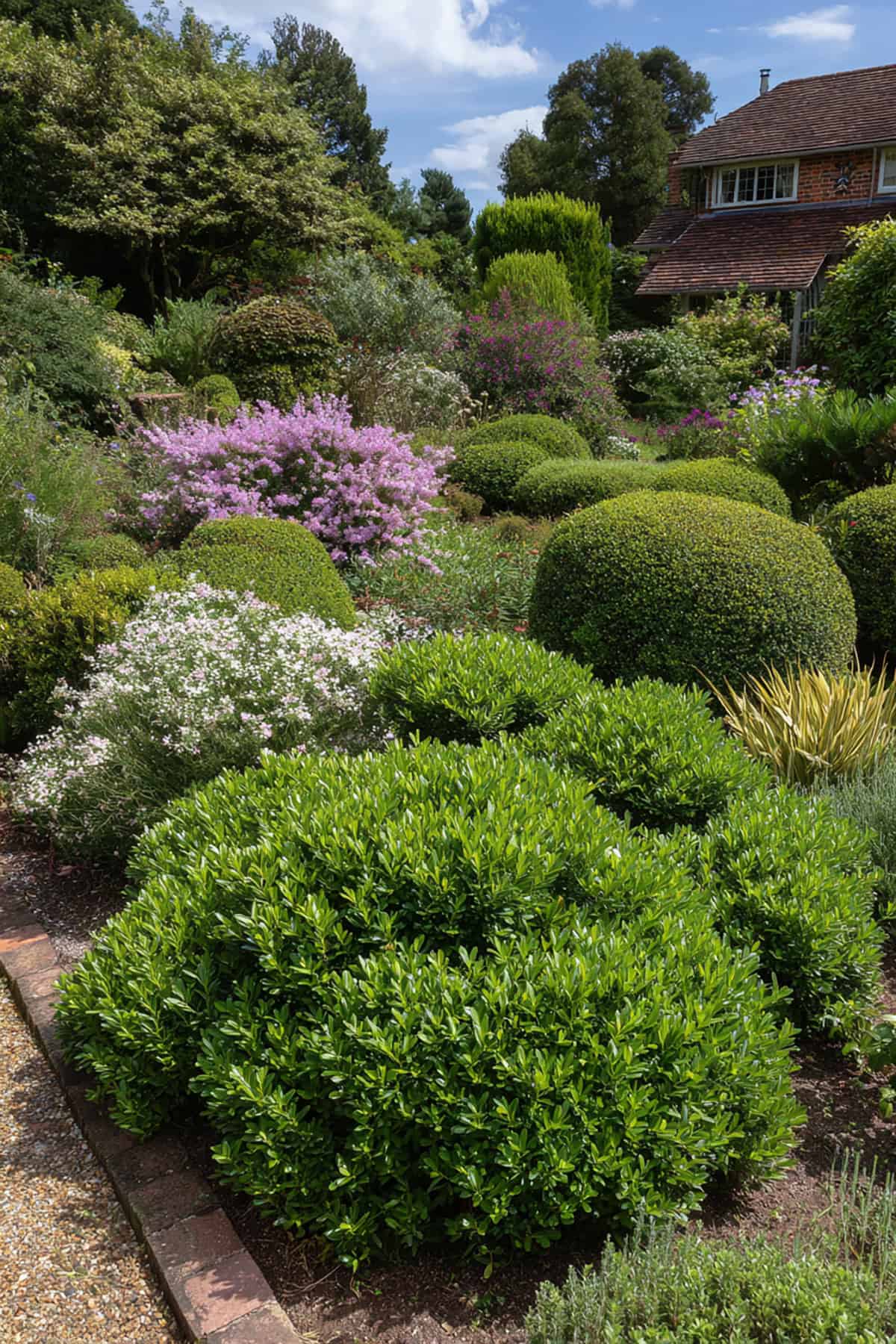
When shrubs start swallowing windows or walkways, it’s time for a trim. A good pruning not only tidies up but helps the plant, too. All you really need are sharp pruners or loppers.
Start with dead or tangled branches, then shape things up a little at a time—don’t go overboard. Keeping up with this saves you from bigger headaches down the road.
Install Solar Path Lights
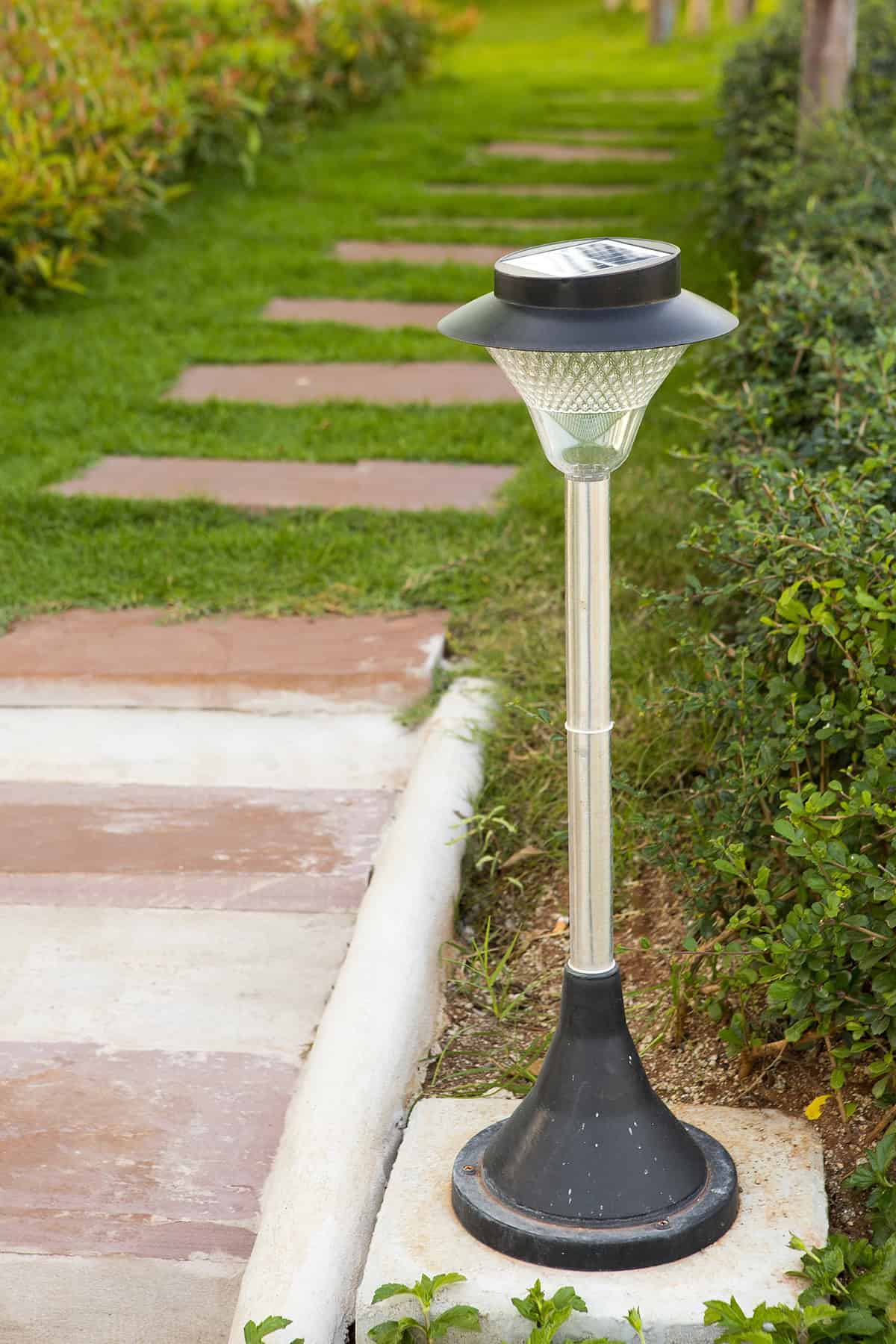
Solar lights bring a gentle glow without the hassle of wiring. Lining a path or highlighting a bed, they soak up sun all day and flick on at dusk.
Stick with simple designs and don’t crowd them. Even spacing looks best. A few lights go a long way for both looks and nighttime safety.
Group Plants In Clusters
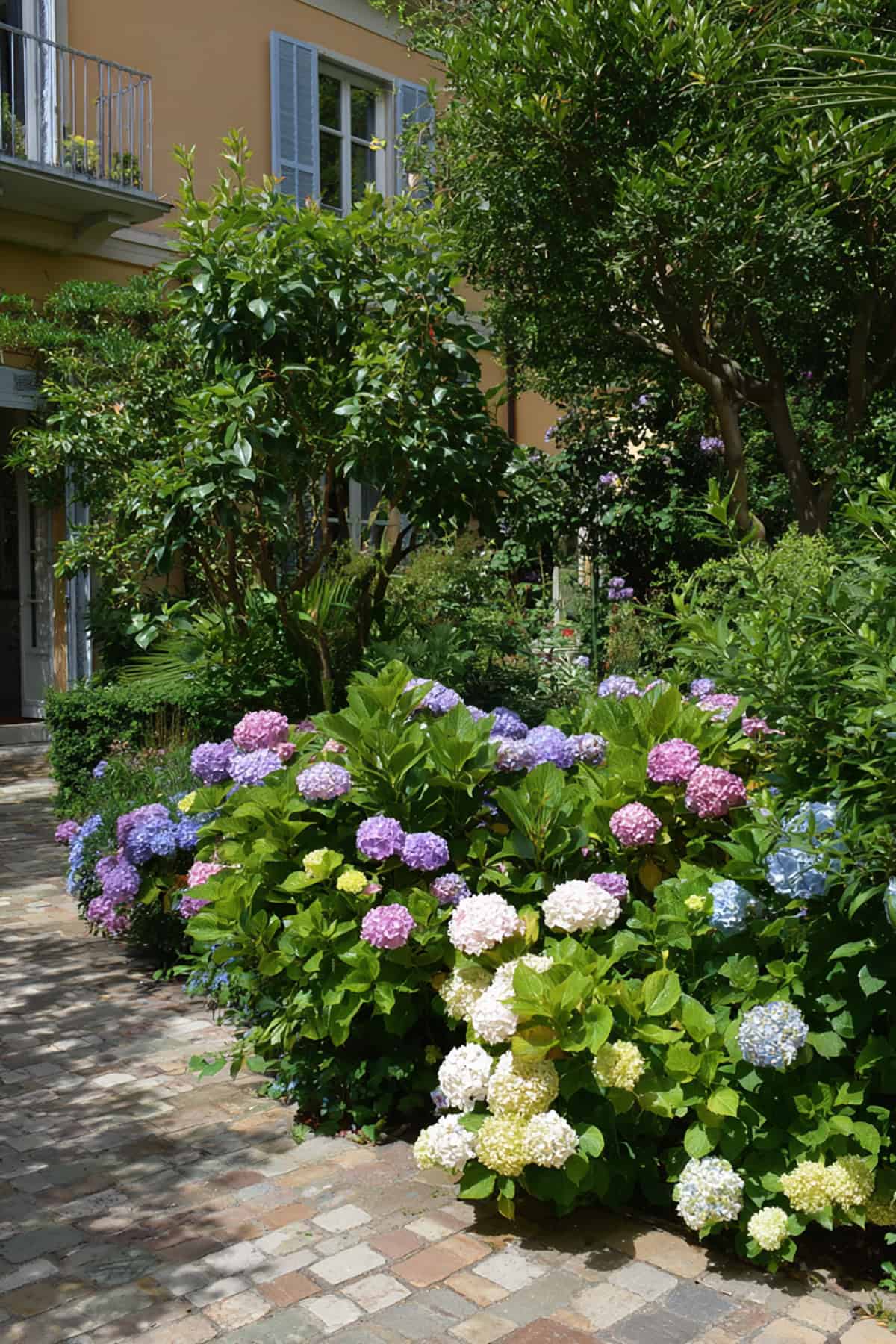
Planting in groups just looks more pulled together than scattering singles everywhere. Odd numbers—three or five—feel natural and intentional. Maintenance gets easier, too.
Layer taller ones behind, shorter up front. Repeat the same combos in a few spots for a sense of unity. You get more impact for less money this way.
Mulch Around Trees
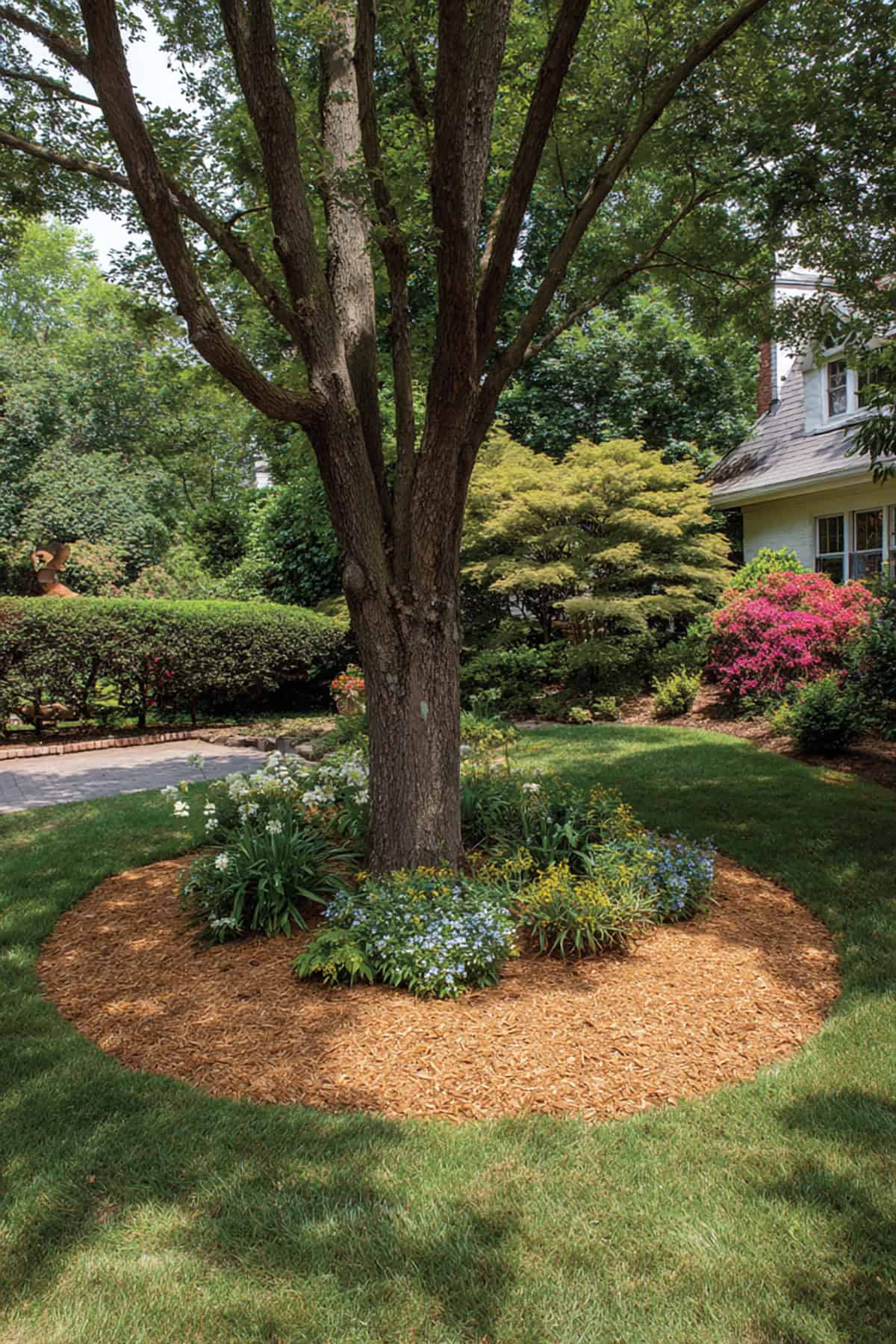
Tree trunks surrounded by bare dirt give off a neglected vibe. A wide mulch ring not only tidies things up but protects roots and keeps mowers at bay.
Clear grass in a circle, lay down a couple inches of mulch (not too close to the trunk), and skip the volcano look—a flat ring is better. It’s a small touch that makes a big difference.
Paint Outdoor Furniture
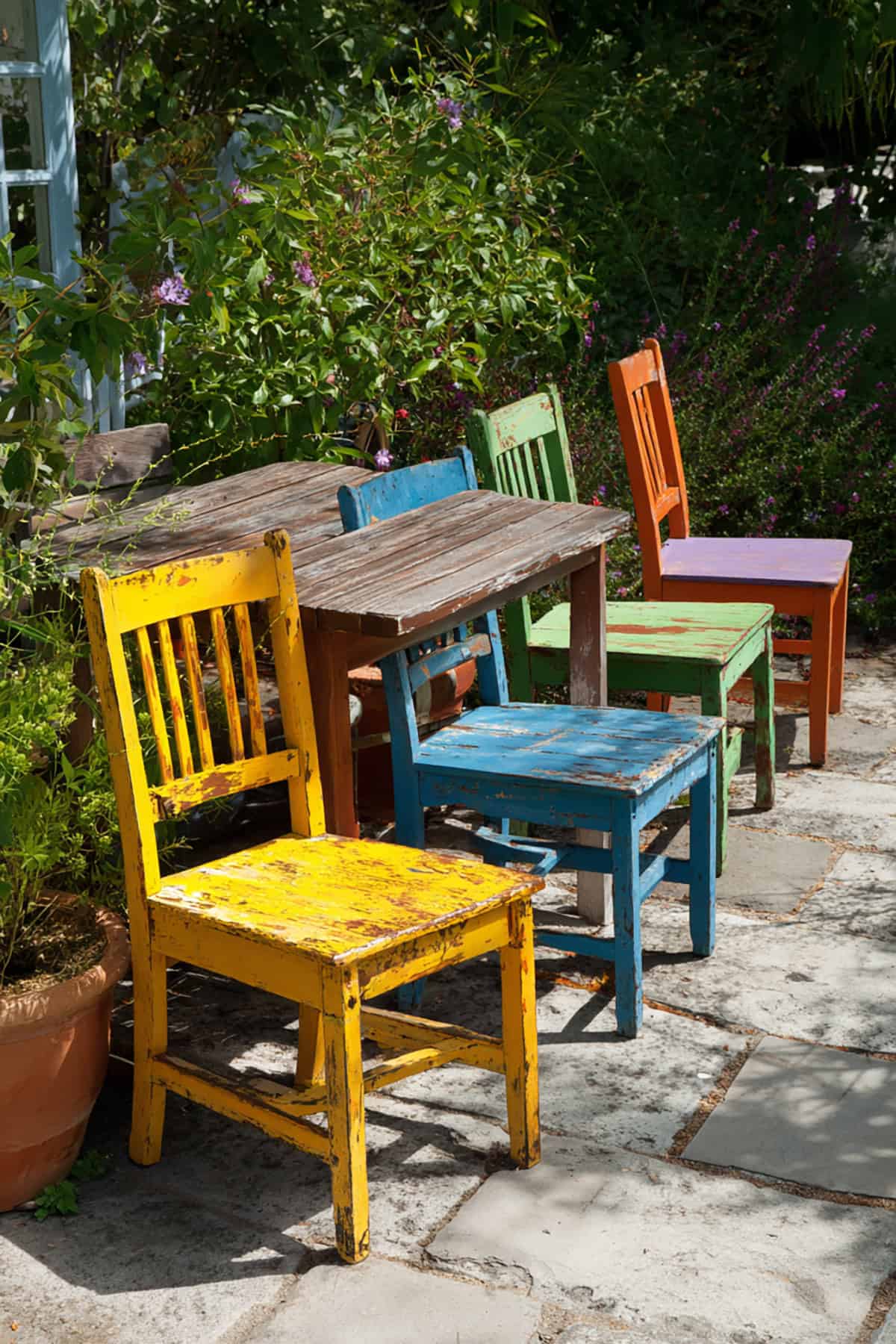
Outdoor chairs and tables can look pretty sad after a few seasons, but a fresh coat of paint can bring them back to life. Sand rough spots, pick a fun color, and use exterior paint.
Metal might need a rust primer, wood usually likes a base coat. Let it dry well. Suddenly, that old bench is a standout piece—no need to buy new.
A Small Patio Seating Area
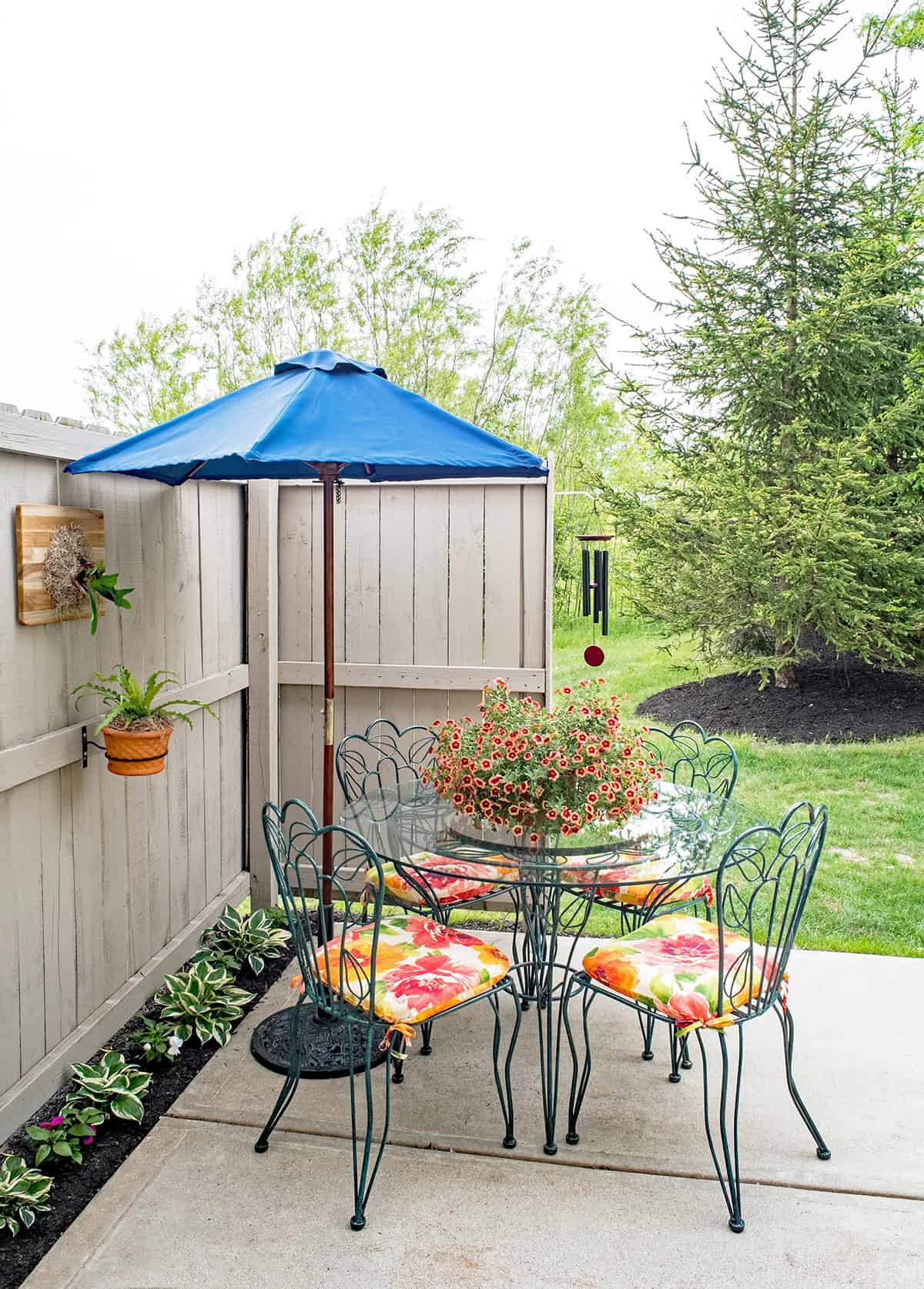
Defining a spot to sit turns a patch of yard into an outdoor room. Gravel, a few pavers, or a simple platform—whatever fits. Keep it scaled to your space.
Two chairs and a table, maybe some cushions, and you’ve got a place to actually enjoy the view. Doesn’t have to be fancy to make you want to linger outside.
Overseed Patchy Grass
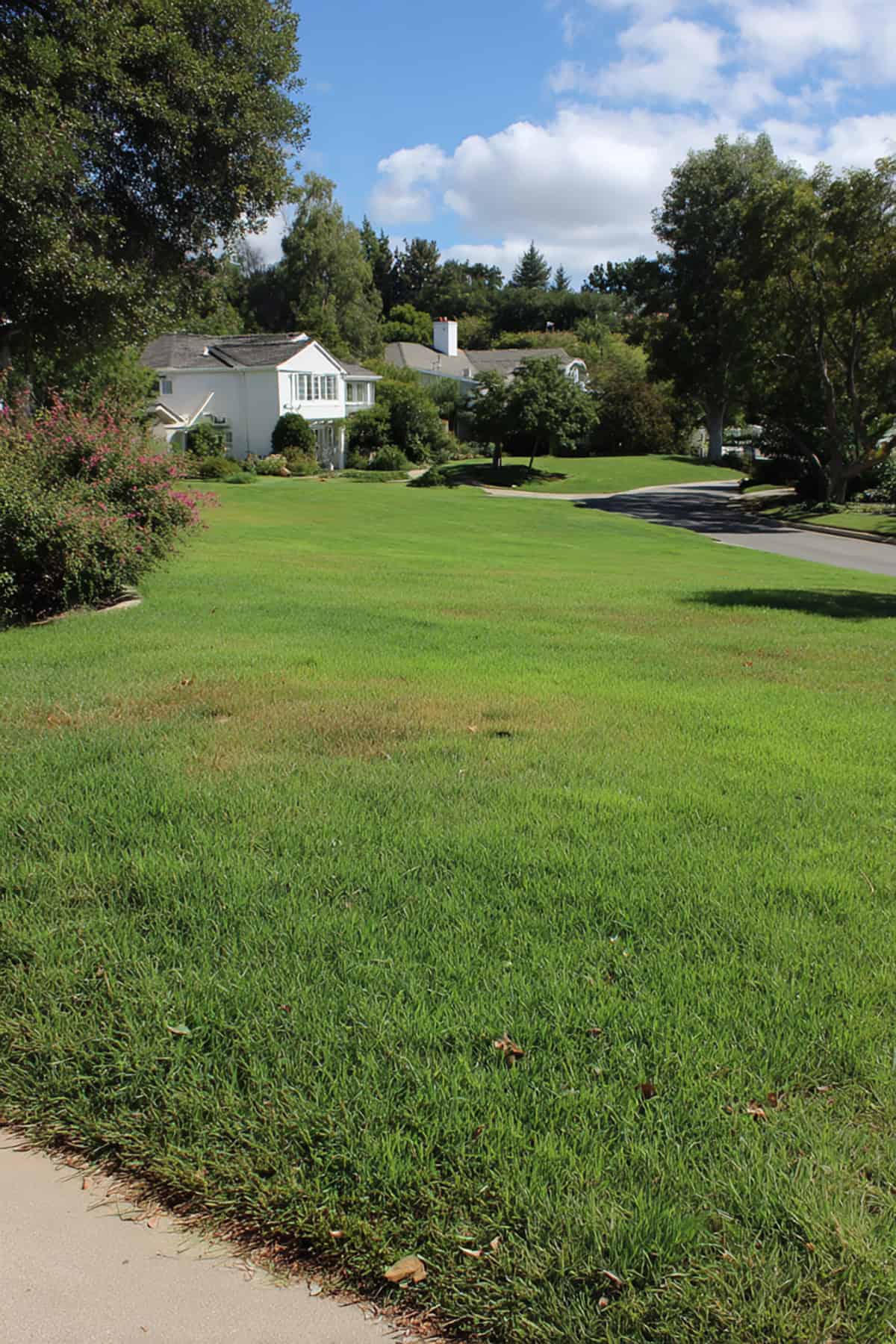
Bare spots in the lawn are just depressing. Overseeding thickens things up without redoing the whole yard. Early fall or spring is usually best for cool-season grasses.
Cut the grass short, rough up the soil, toss down seed, and keep it watered. Healthier turf keeps weeds out and looks a lot better for not much money.
Decorative Gravel For Bare Spots
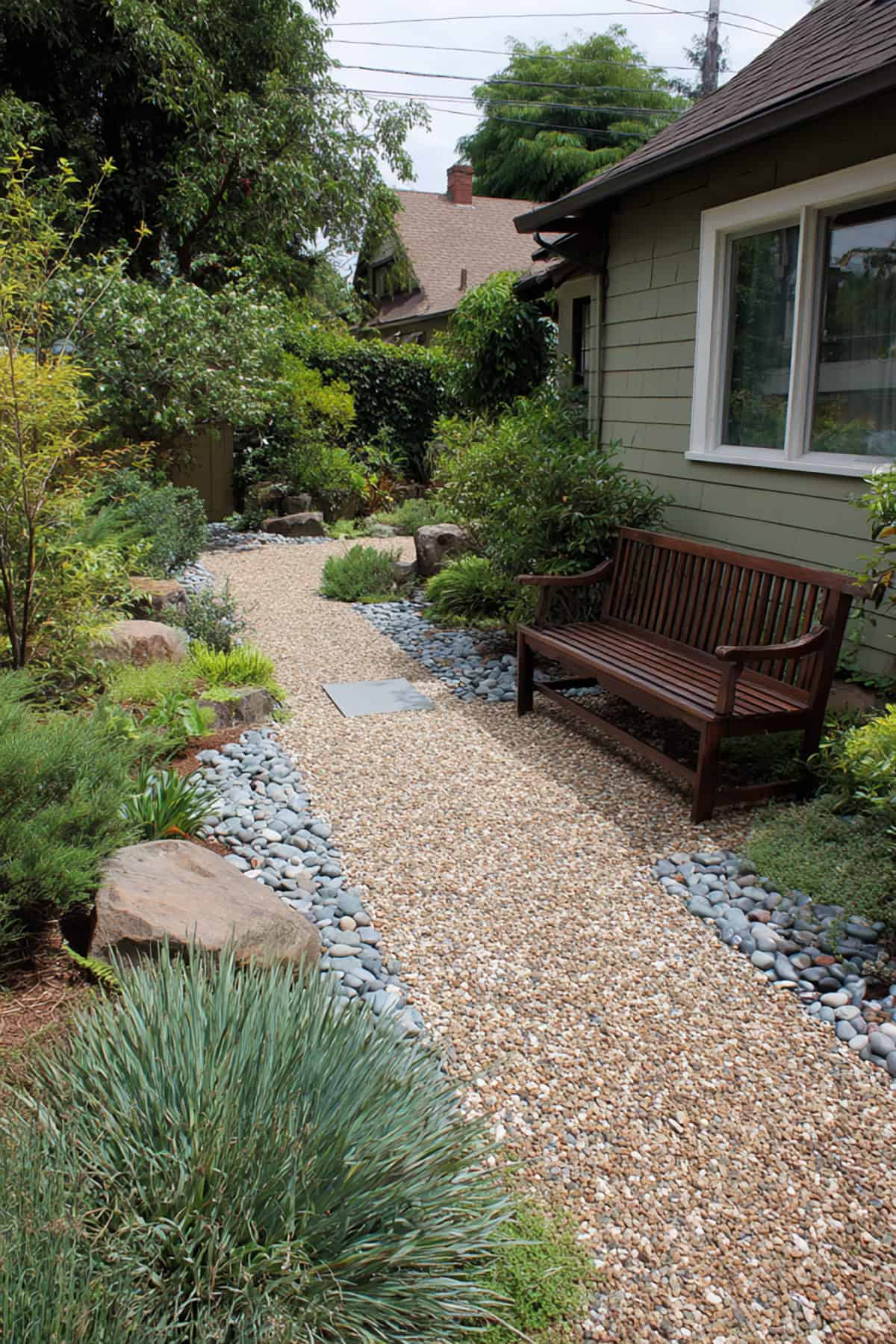
Sometimes grass just won’t grow, no matter what. Shady corners or high-traffic zones can be a pain. Decorative gravel is an easy fix.
Pull weeds, level the area, lay down fabric, and cover with gravel that matches your other hardscaping. Lighter tones can brighten gloomy spots and you’ll deal with less mud and maintenance.
Build A Simple Raised Bed
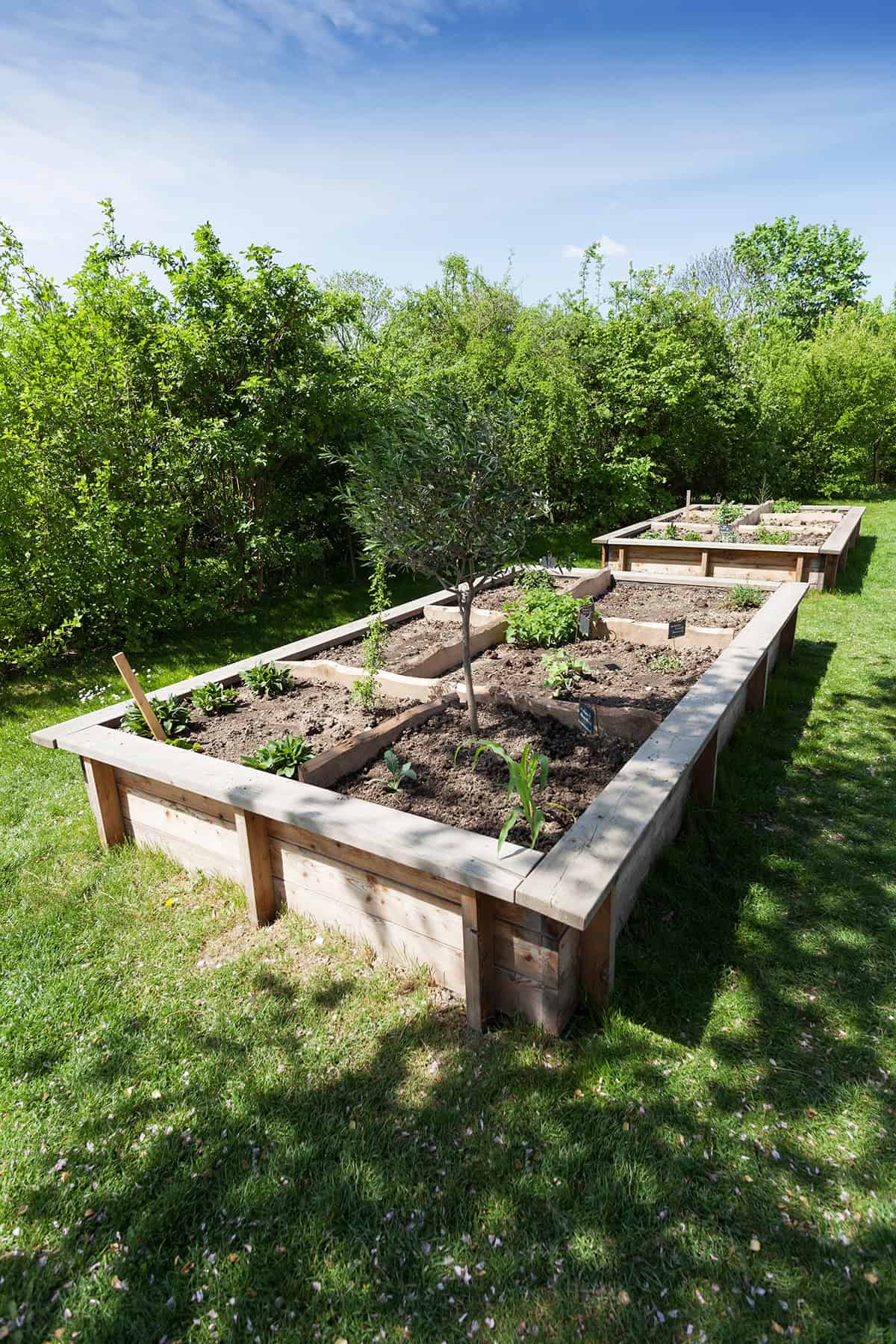
Nothing organizes a garden like a raised bed. Basic lumber or concrete blocks are all you need—no fancy carpentry required. Stick to a simple rectangle and put it where it’ll get sun.
Good soil and compost are worth the splurge here. Start with easy veggies or low-fuss flowers. One well-placed bed can be surprisingly productive without draining your wallet.
Matching Front Door Planters
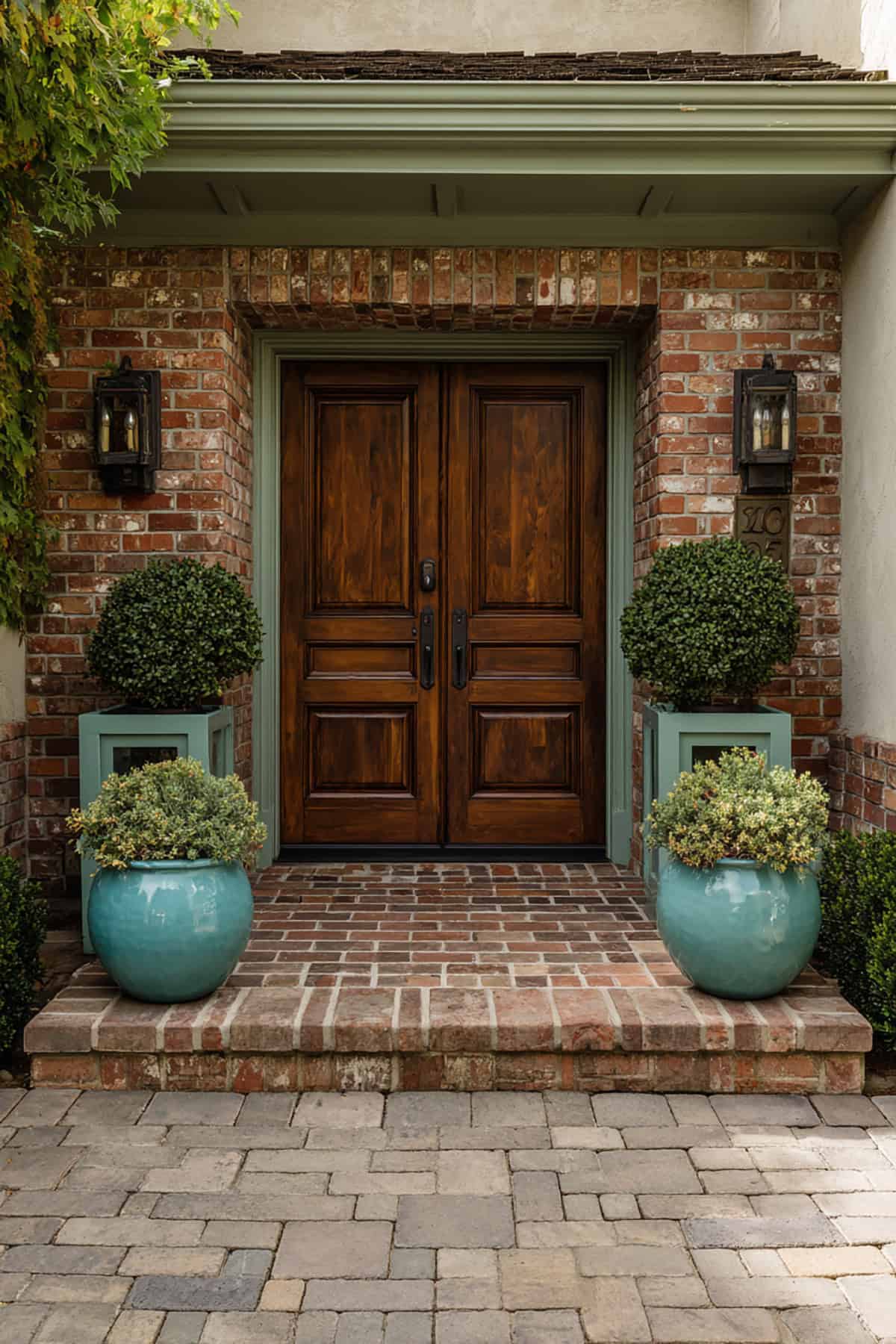
Symmetry at the front door just feels welcoming. A pair of matching planters—maybe classic urns, maybe modern cubes—can really frame the entrance.
Seasonal flowers or evergreens both work, just keep them balanced with the door’s size. Swap out plants as the seasons change to keep things fresh.
A Flower Border Along The Fence
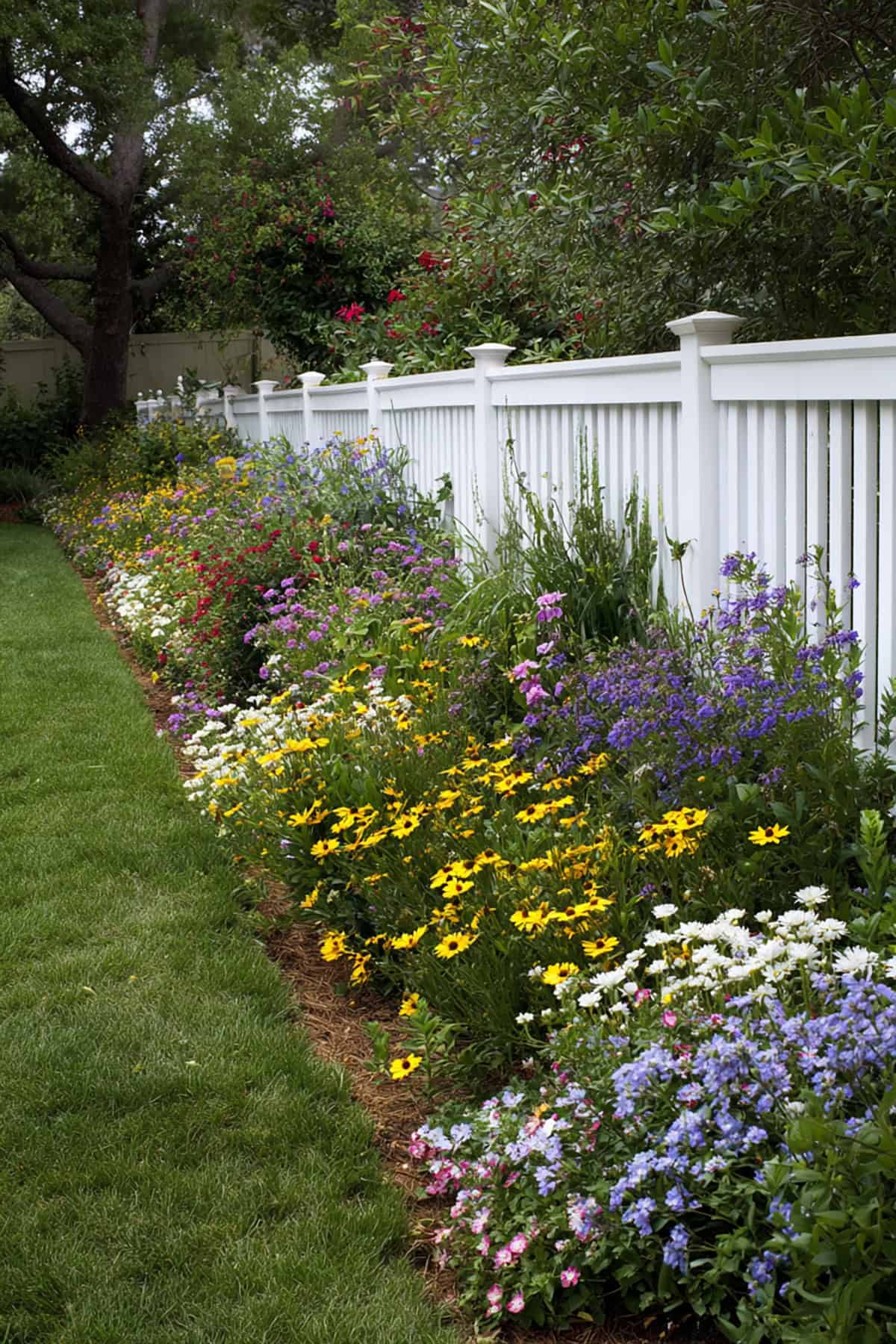
Fences can look pretty stark, but a border of flowers along the base softens the whole scene. Mix perennials and annuals for color that keeps going.
Prep the soil, add compost, and don’t crowd the plants. Taller ones in back, smaller up front. This trick hides rough boards and adds depth, especially in narrow yards.
Pressure Wash Patios And Paths
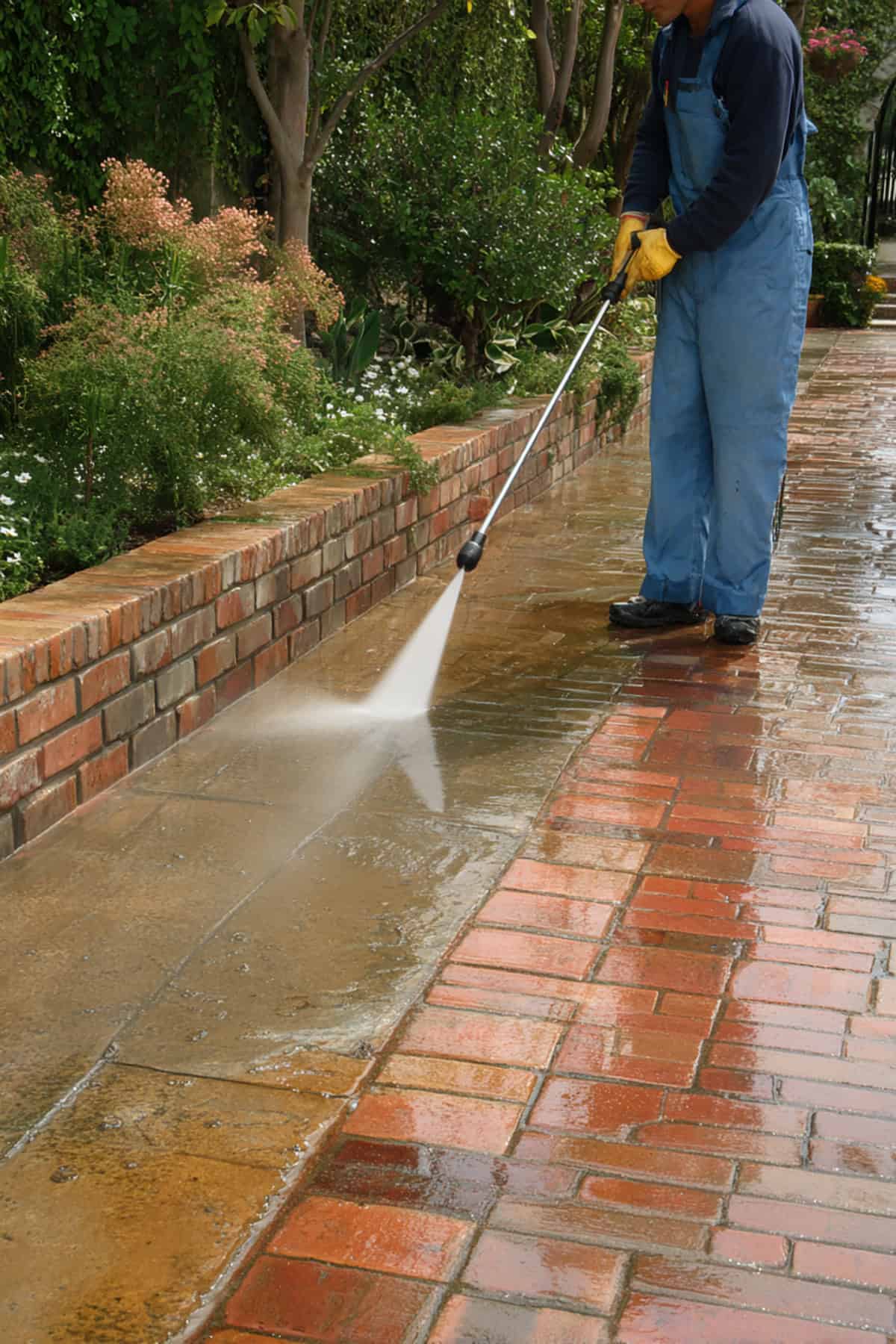
Patios and walkways collect grime fast. A good blast with a pressure washer can make them look almost new. Renting one is cheap compared to ripping out concrete.
Sweep first, then use steady strokes—don’t get too close or you’ll scar the surface. It’s a fast way to make everything feel brighter and cleaner.
Low-Maintenance Shrubs
Plants that don’t need constant attention are a lifesaver. Go for shrubs that fit your climate and soil—natives are usually a safe bet.
Group them for more impact and give them space to grow. Less pruning and watering means more free time and fewer replacement costs.
Hang String Lights
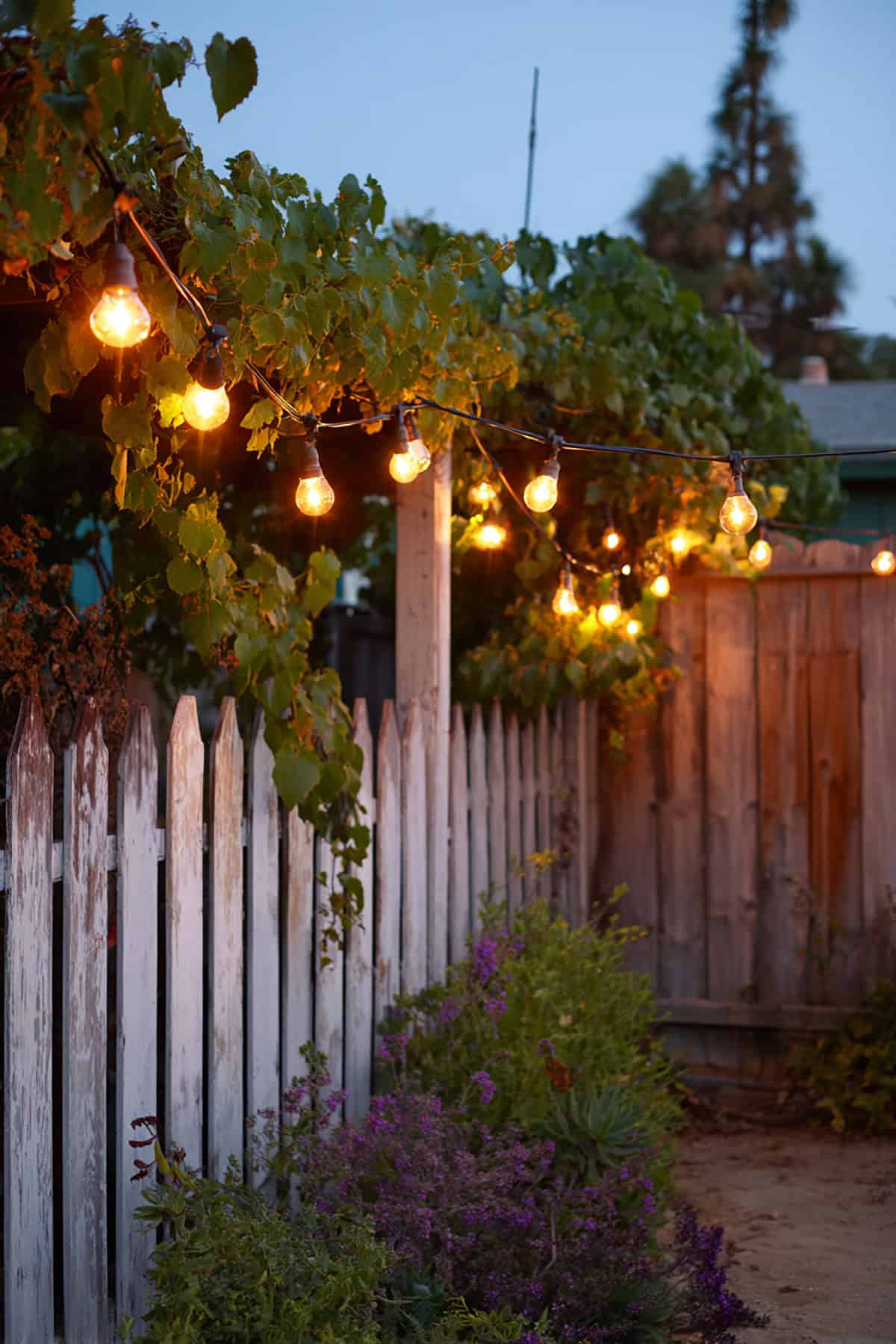
String lights instantly add a cozy glow—just the thing for evenings outside. Drape them along fences, pergolas, or between posts, but make sure they’re rated for outdoors.
Keep the lines tidy and cords secure. Plug into a protected outlet. Suddenly, the yard feels inviting well after sunset.
Paint The Garden Shed
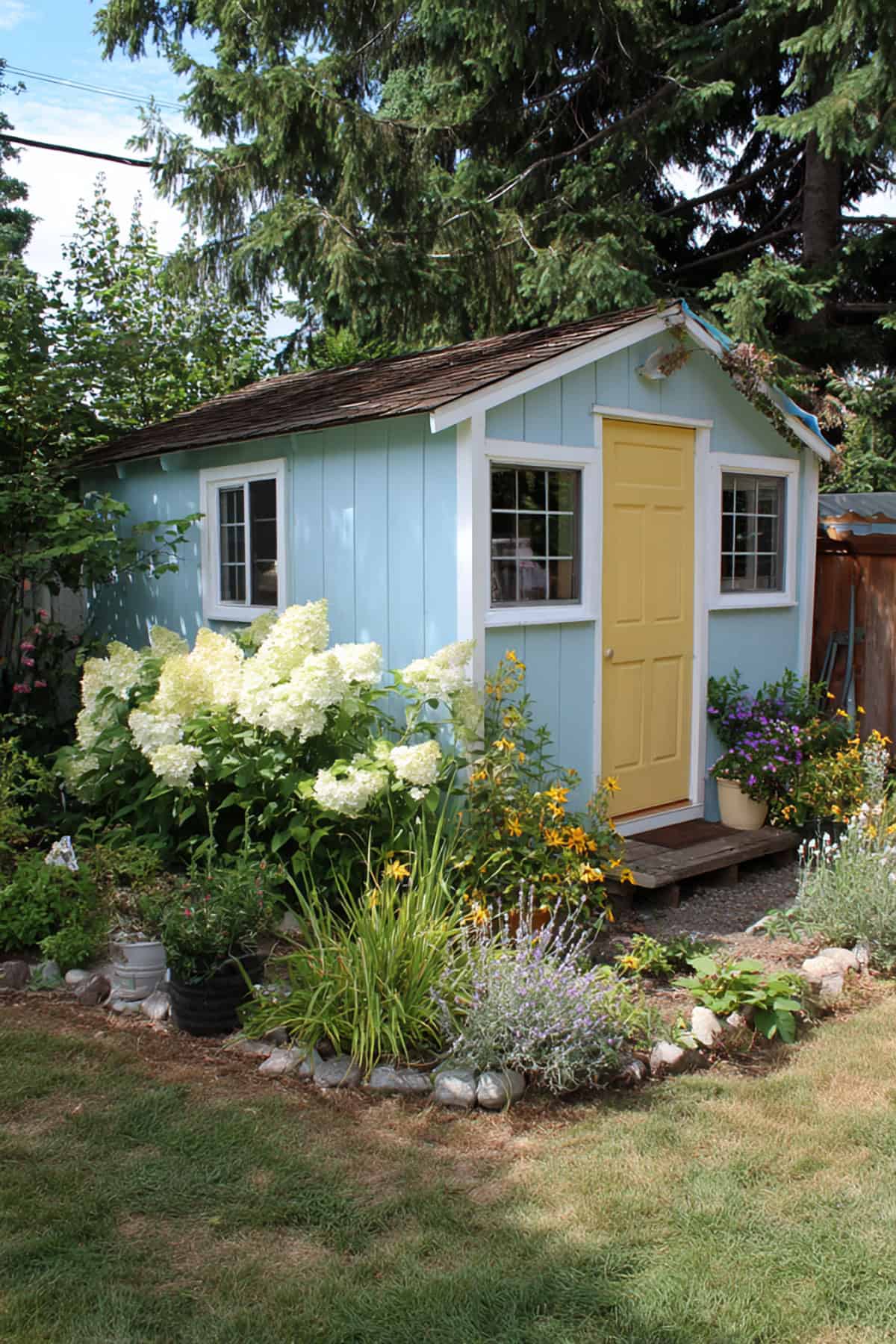
Garden sheds get faded and shabby fast. A fresh coat of paint, in a color that works with your house, makes it part of the landscape again.
Clean and sand first, fix any damage, then roll on an outdoor paint. One solid coat is usually enough to revive the whole structure.
Ground Cover Instead Of Weeds
Open soil is just an invitation for weeds. Ground cover plants fill in those gaps, crowding out weeds and making the garden look finished.
Pick something that fits your sun and soil—creeping thyme or vinca are solid options. Space them so they’ll spread but not smother each other. Less weeding, less erosion, less hassle.
Defined Garden Bed Edges
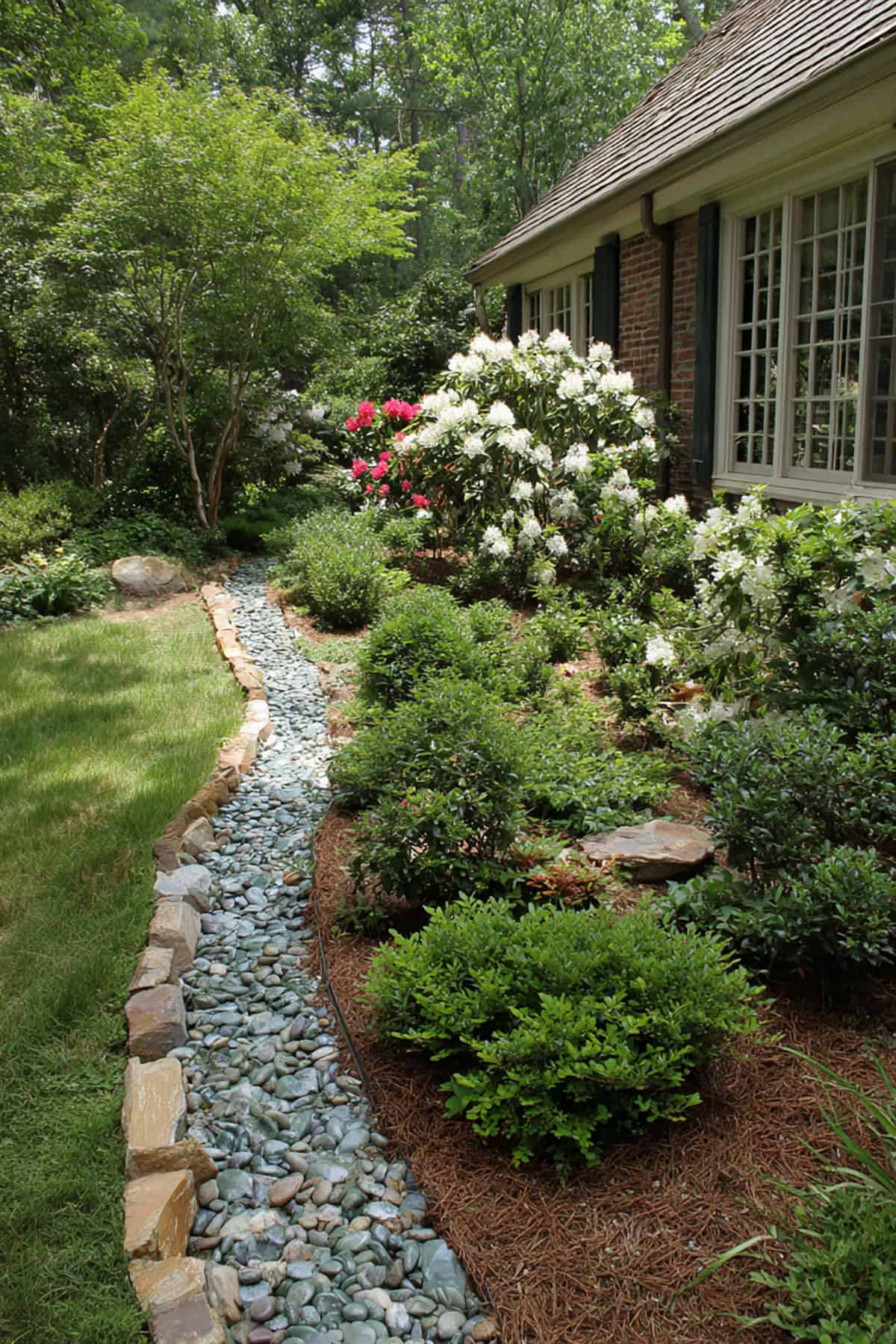
Clear boundaries between beds and lawn keep everything looking intentional. Metal, plastic, stone, or even just a crisp cut edge—pick what fits your budget and style.
Set edging slightly below the soil so it’s not a tripping hazard. Both straight and gentle curves work, depending on your taste.
Layer Plants By Height
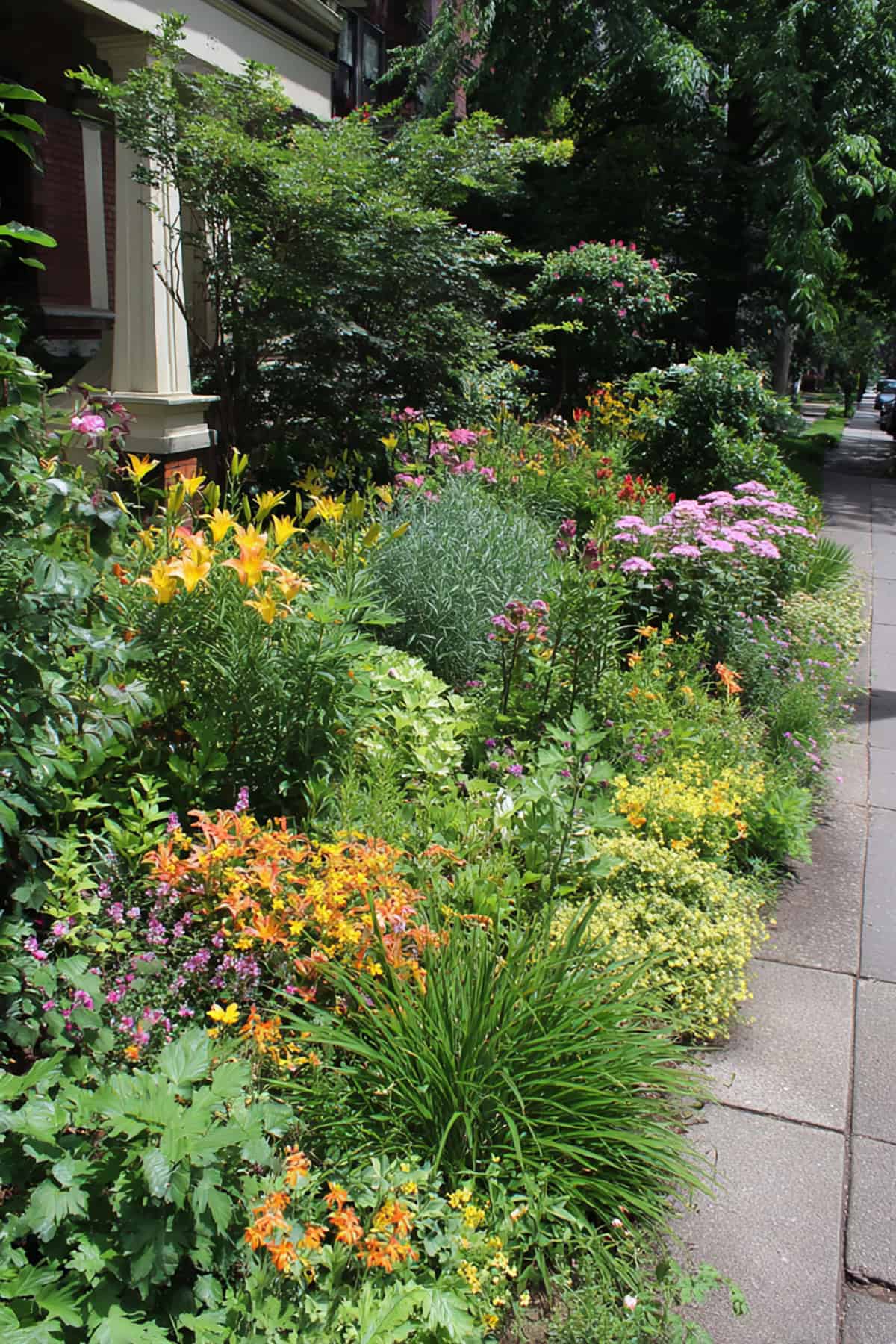
Depth in a garden bed comes from mixing up plant heights. Tuck tall ones in the back, mediums in the middle, and low growers up front so nothing gets lost.
Check mature sizes to avoid blocking views or paths. Layering keeps things organized and lets sunlight reach everyone.
Install Window Boxes
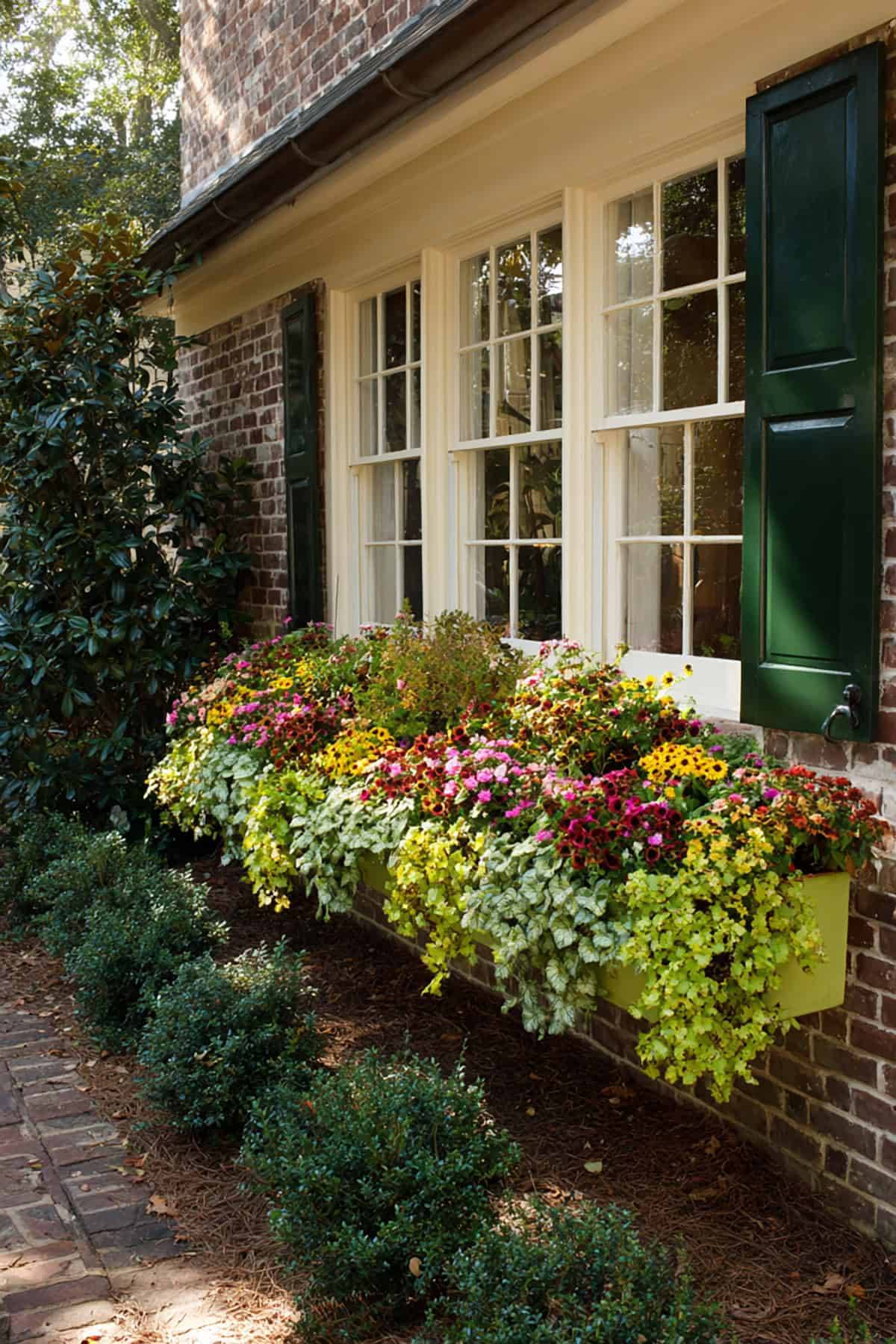
Adding window boxes brings color right up to eye level, especially handy if you’re short on ground space. Go for sturdy, weather-resistant materials.
Mount them securely, fill with a mix of trailing and upright plants, and make sure drainage is sorted. Regular watering is key for lush displays.
Frame Walkways With Plants
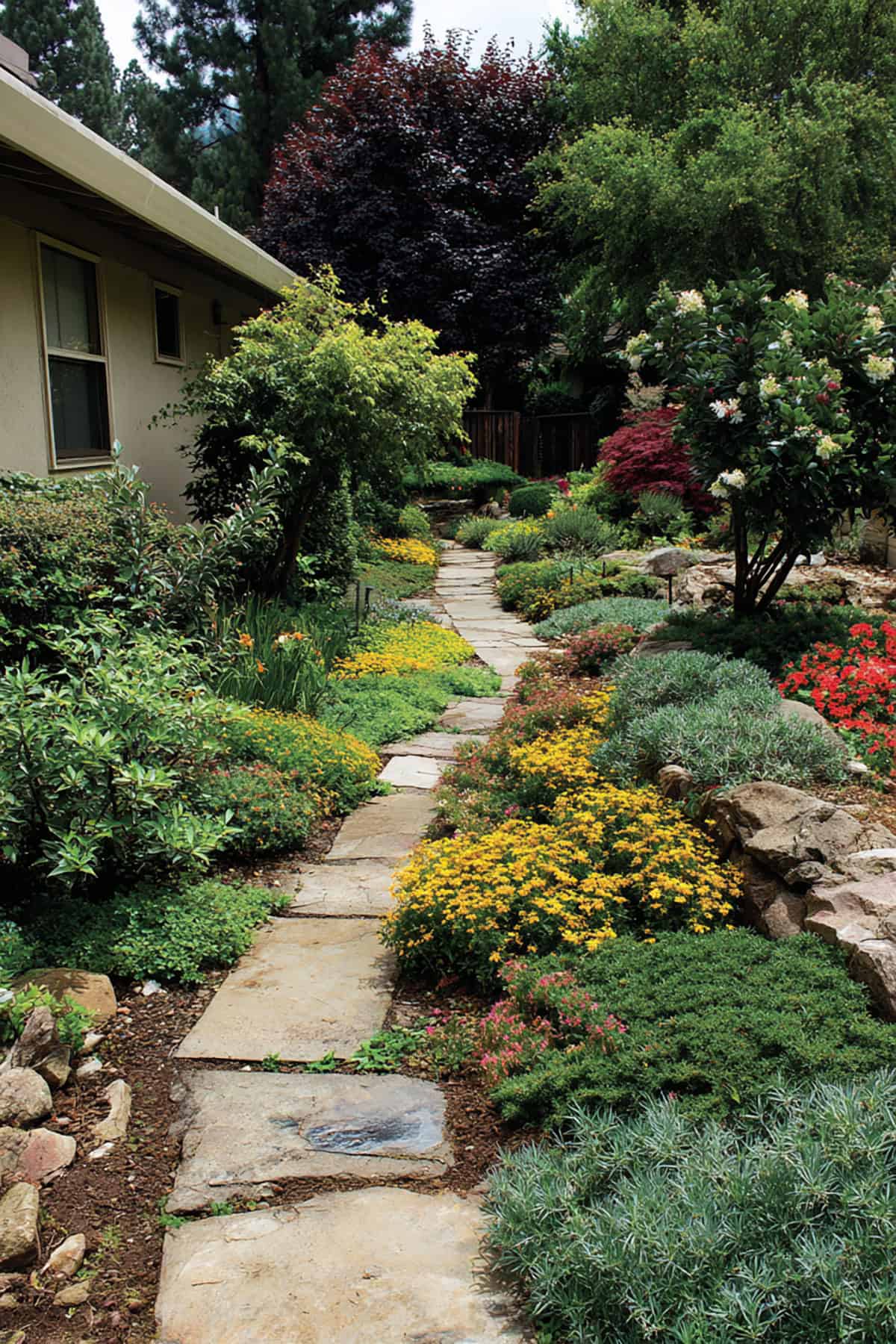
Guiding the eye—and your feet—with low plants along walkways softens hard lines and makes paths feel more welcoming. Stick with varieties that won’t spill over too much or mind a little foot traffic.
Keep things trimmed and the path clear. It’s a small touch that ties different parts of the yard together.
A Small Rock Garden
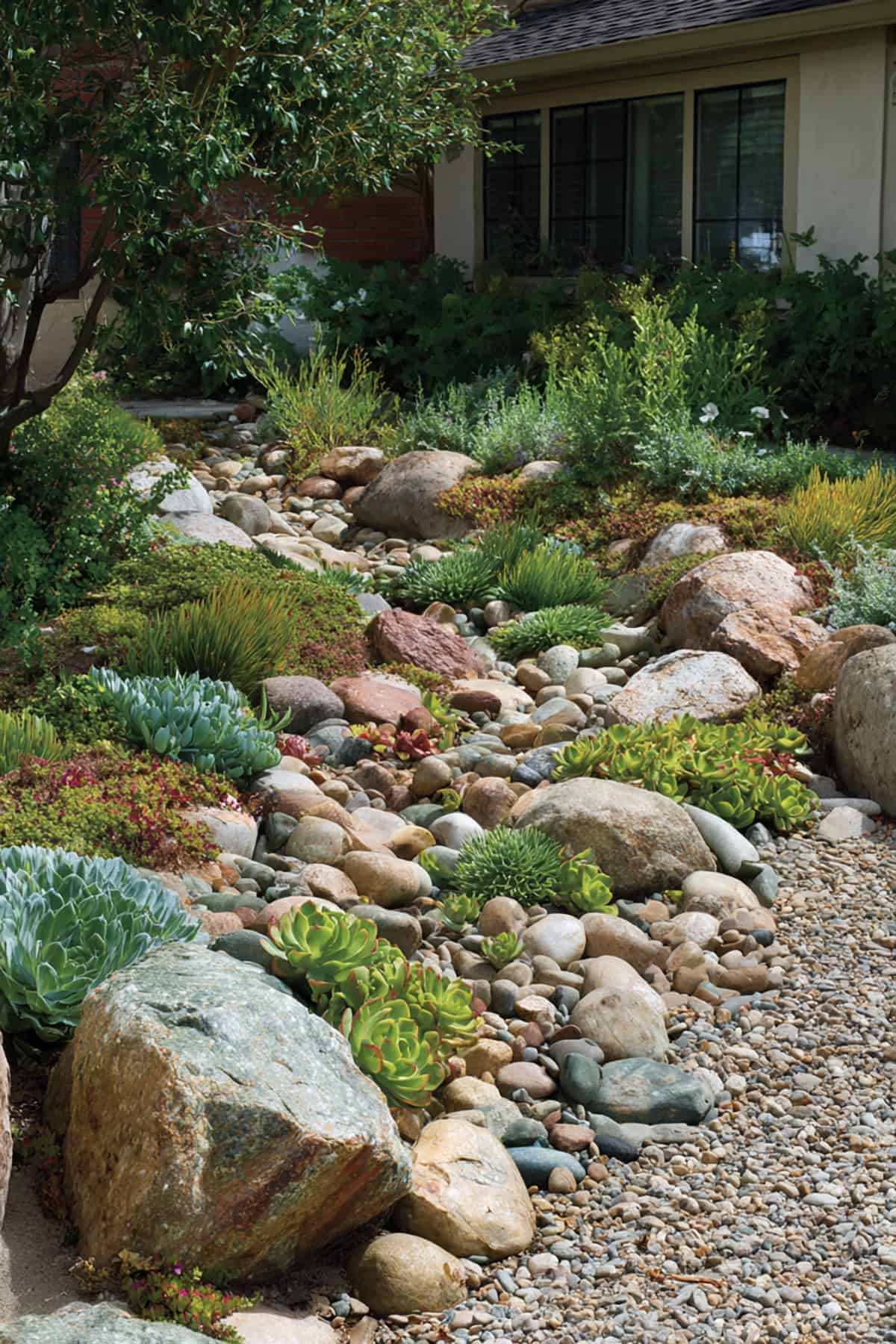
Dry, awkward corners or slopes can be tough to plant, but a pocket rock garden turns them into a feature. Stick with stones in a similar color family for a cohesive look, and tuck in drought-tolerant plants here and there.
Good drainage is a must, so prep the soil and place bigger rocks first. Fill in with smaller stones and tough plants. It’s low water, low fuss, and adds a ton of texture—even in a tight spot.
Replace Old Mulch
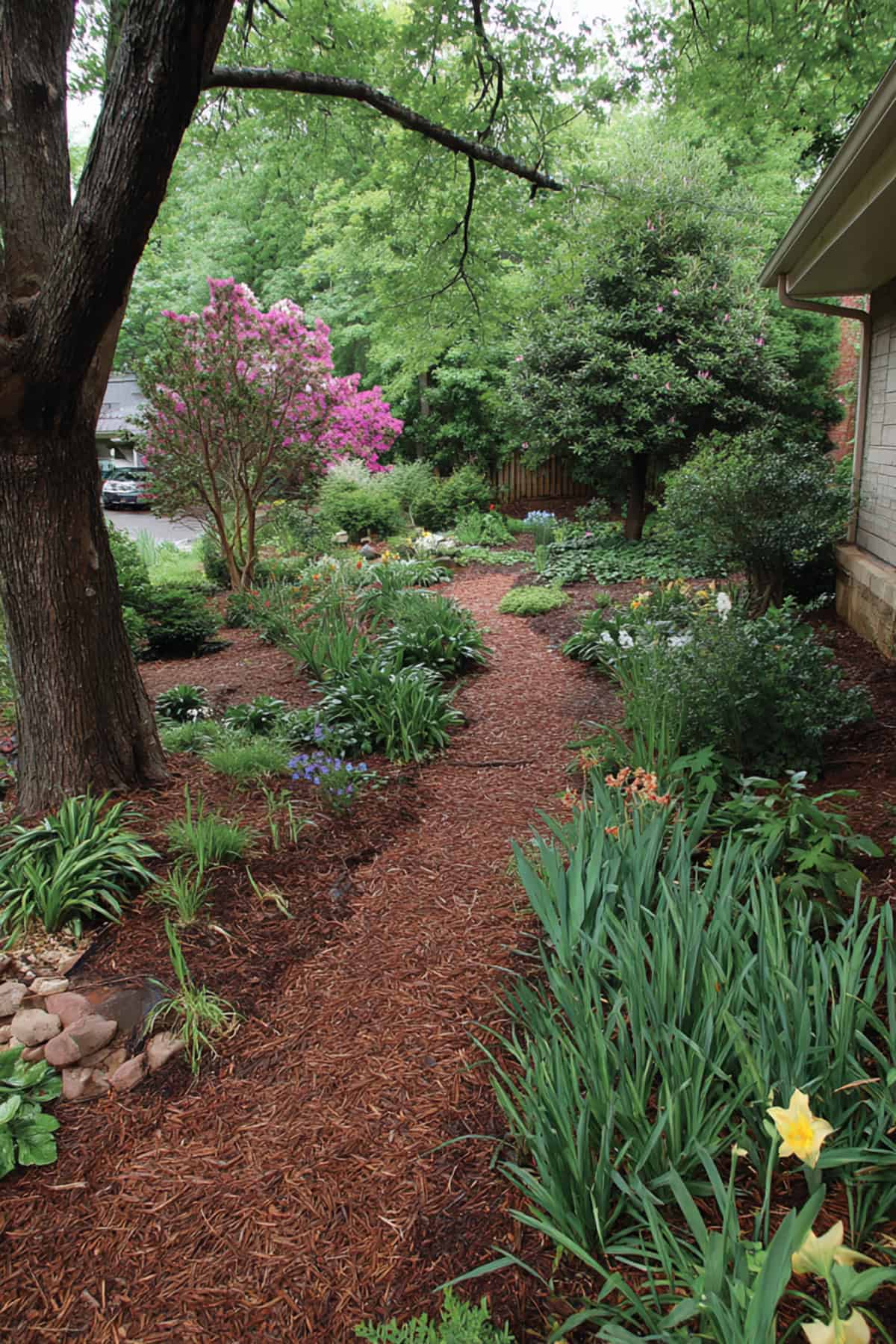
That tired, compacted mulch? It’s probably overdue for a refresh. Start by raking to loosen what’s there, then scoop out any buildup if it’s piled more than three inches deep.
Toss on a fresh layer—suddenly, the beds snap back to life. For a pulled-together look, stick with the same mulch type throughout. Careful not to heap it against stems or trunks; plants hate that.
Symmetrical Planting Layout
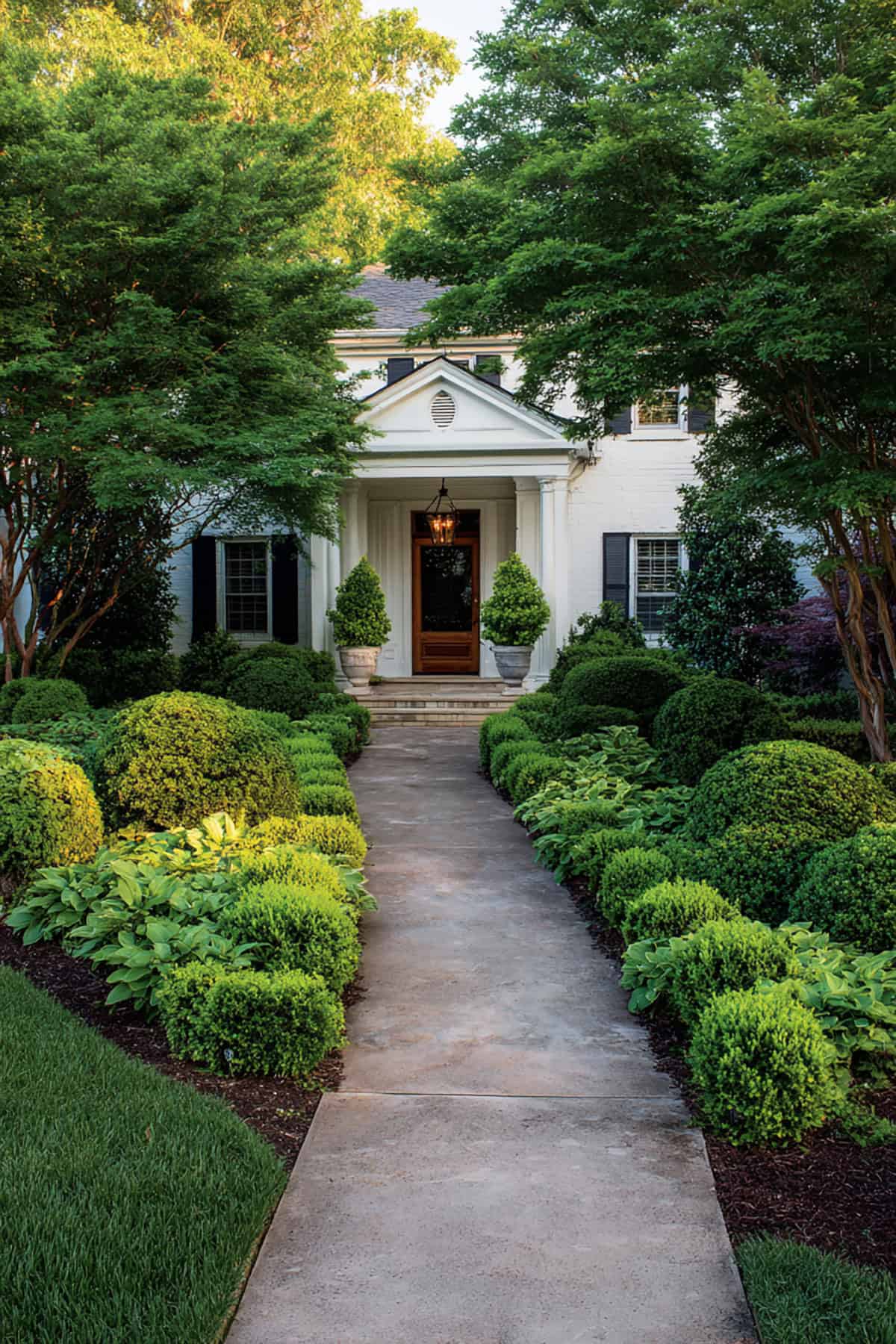
Walking up to an entry flanked by matching greenery just feels right—there’s a calm to that order. Double up on shrubs or planters of similar size, keeping lines crisp and spacing even.
Go for straight edges, balance heights, and don’t let things get lopsided. This approach especially fits homes with a formal vibe and, honestly, makes planning a whole lot easier.
Hide Utility Boxes With Plants
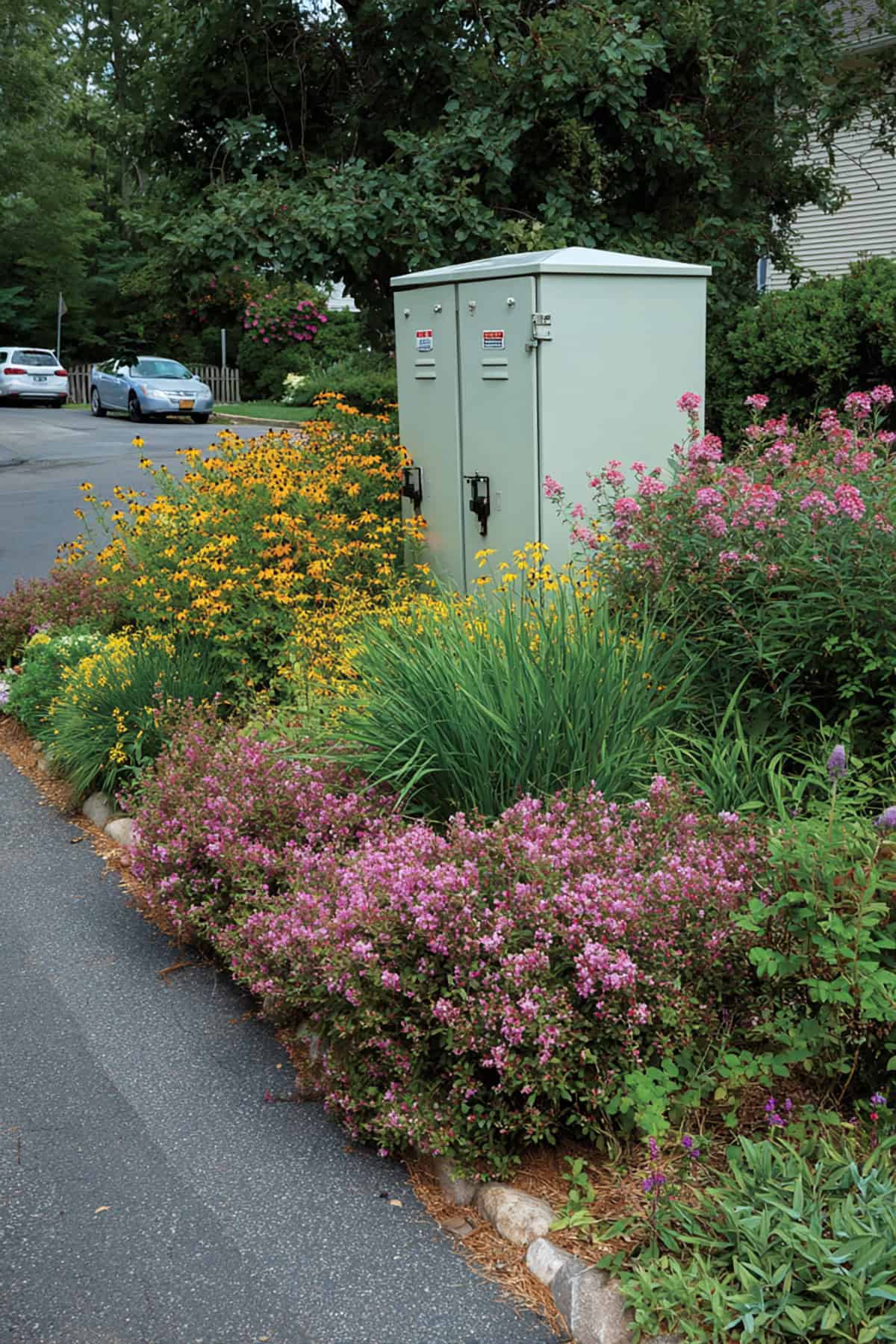
Utility boxes—always in the wrong spot, right? Disguise them with a cluster of shrubs or tall grasses, but don’t crowd the equipment; maintenance still needs a clear path.
Match plant choices to the site’s sunlight and soil. Leave enough breathing room so service folks aren’t cursing your landscaping. The end result? Less mess, more green, and no need for construction.
Install A Basic Trellis
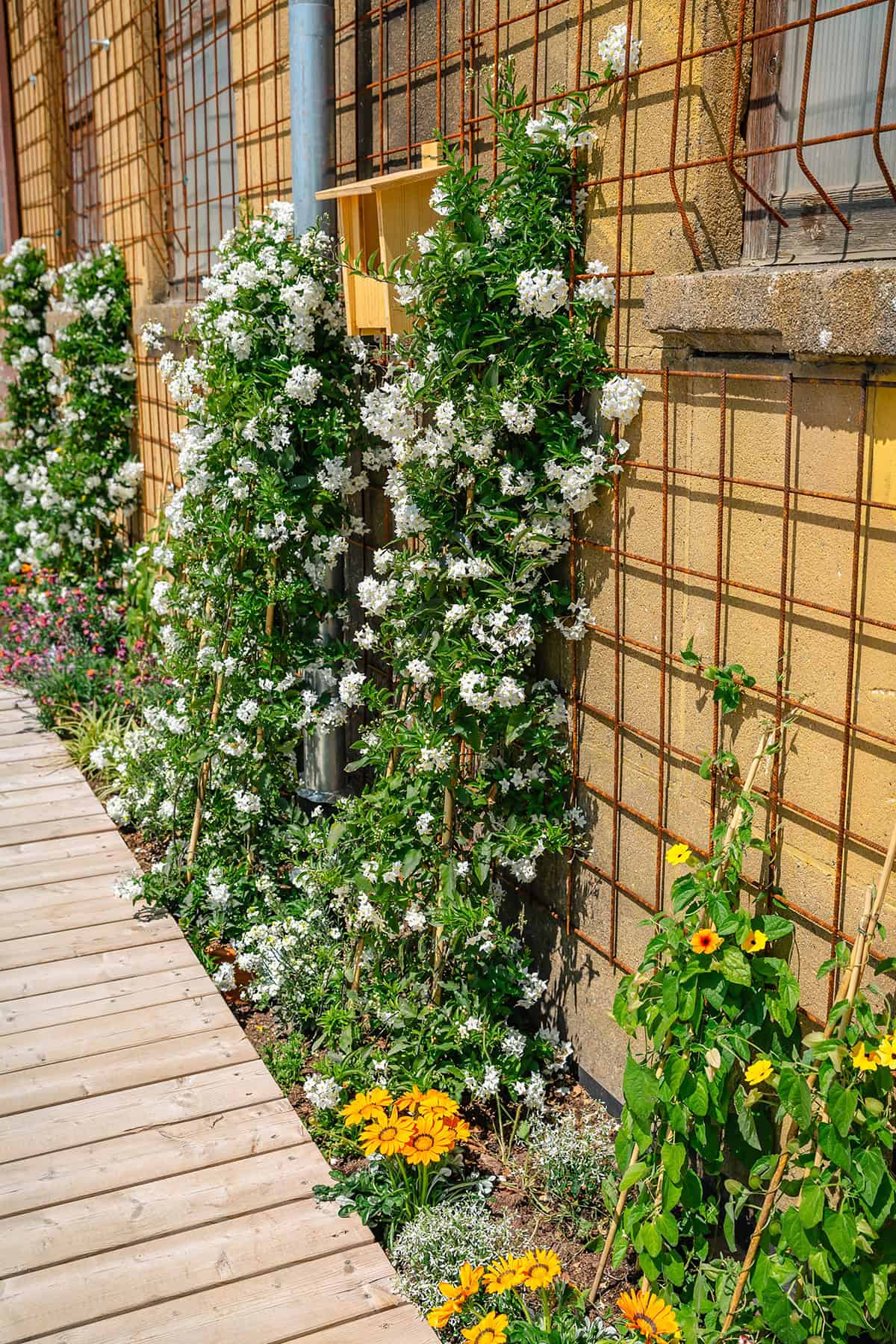
Sometimes a blank wall or fence just begs for a little vertical lift. Fasten up a simple trellis—wood or metal, whatever fits—and let climbing vines do their thing.
Pick vines that won’t sulk in your climate, and give them a gentle nudge along the supports as they settle in. Suddenly, you’ve got height and movement, all without eating up precious ground space.
Add Perennials To Empty Spaces
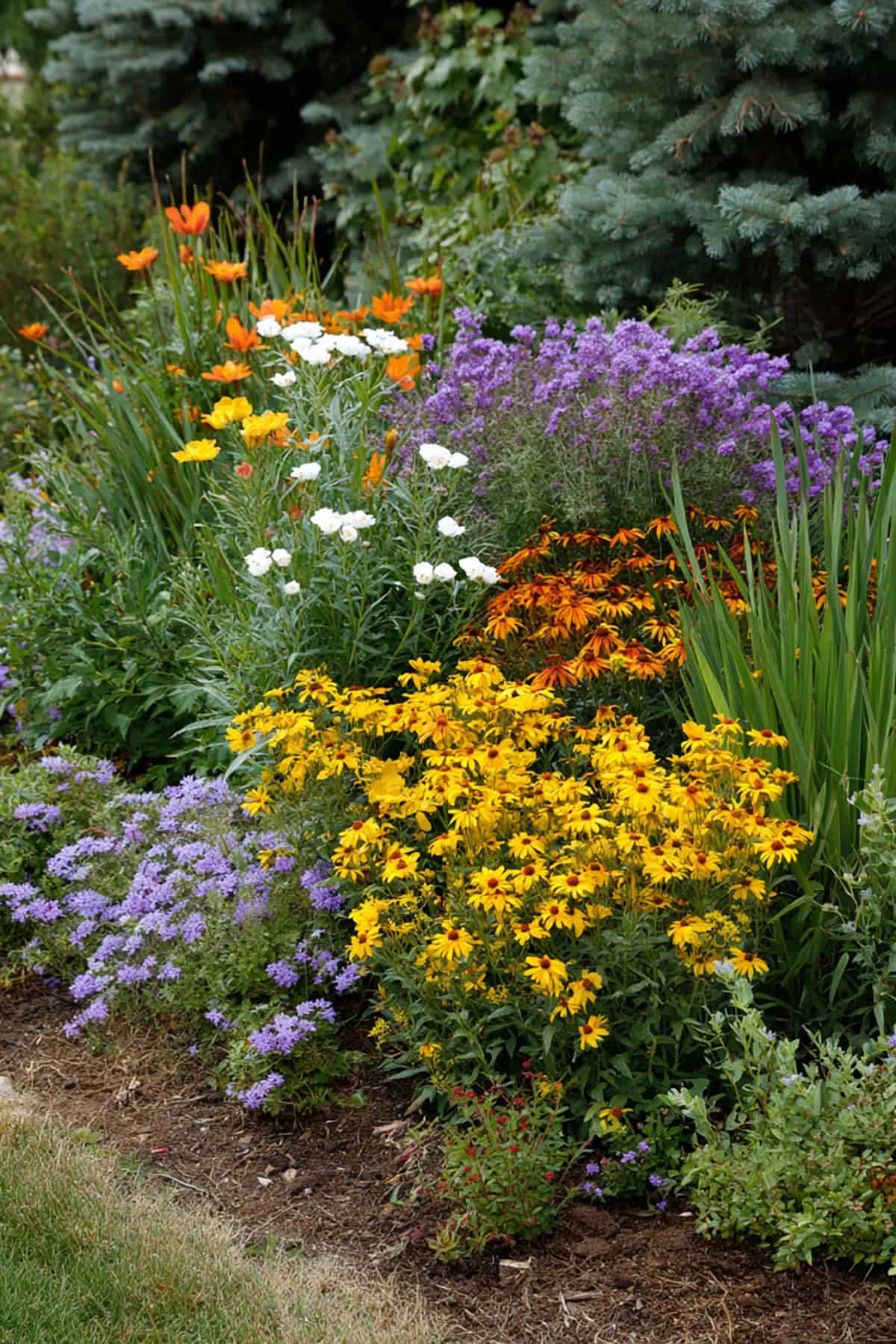
Bare spots in beds can make the whole garden look half-finished. Drop in some perennials and, year after year, they’ll fill the gaps with less fuss than annuals ever could.
Go for tough varieties that shrug off local weather, and don’t forget to prep the soil with a bit of compost. Plant with future growth in mind—cramped roots aren’t happy roots.
Weed And Clear Garden Beds
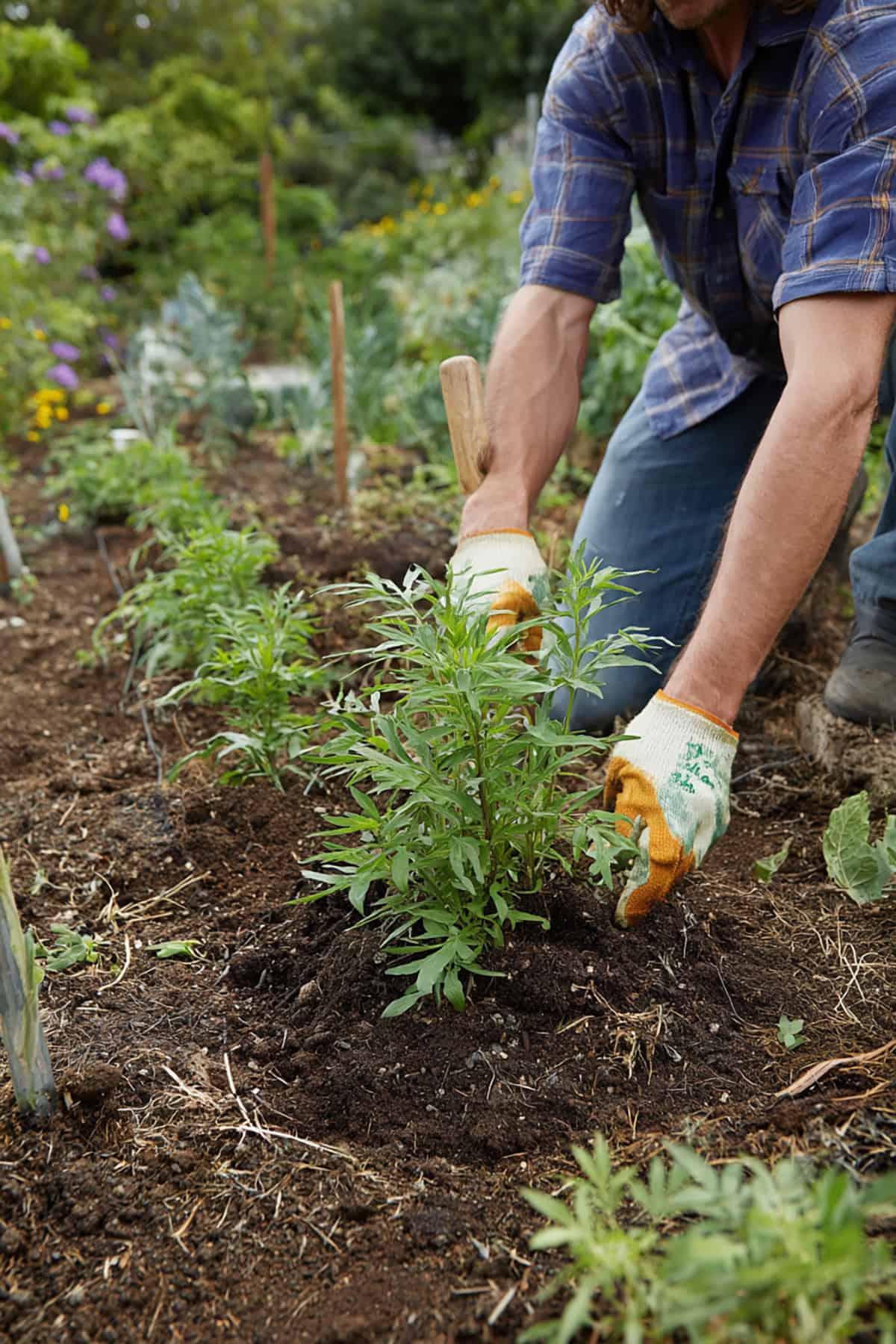
Weeds sneak in fast, stealing water and light. Yank them out by hand or grab a simple tool, and keep the beds free of debris as you go.
It’s easiest when the soil’s a little damp—roots come loose, and you’re less likely to break a sweat. Bag up the weeds so they don’t make a comeback.
Plant A Privacy Hedge
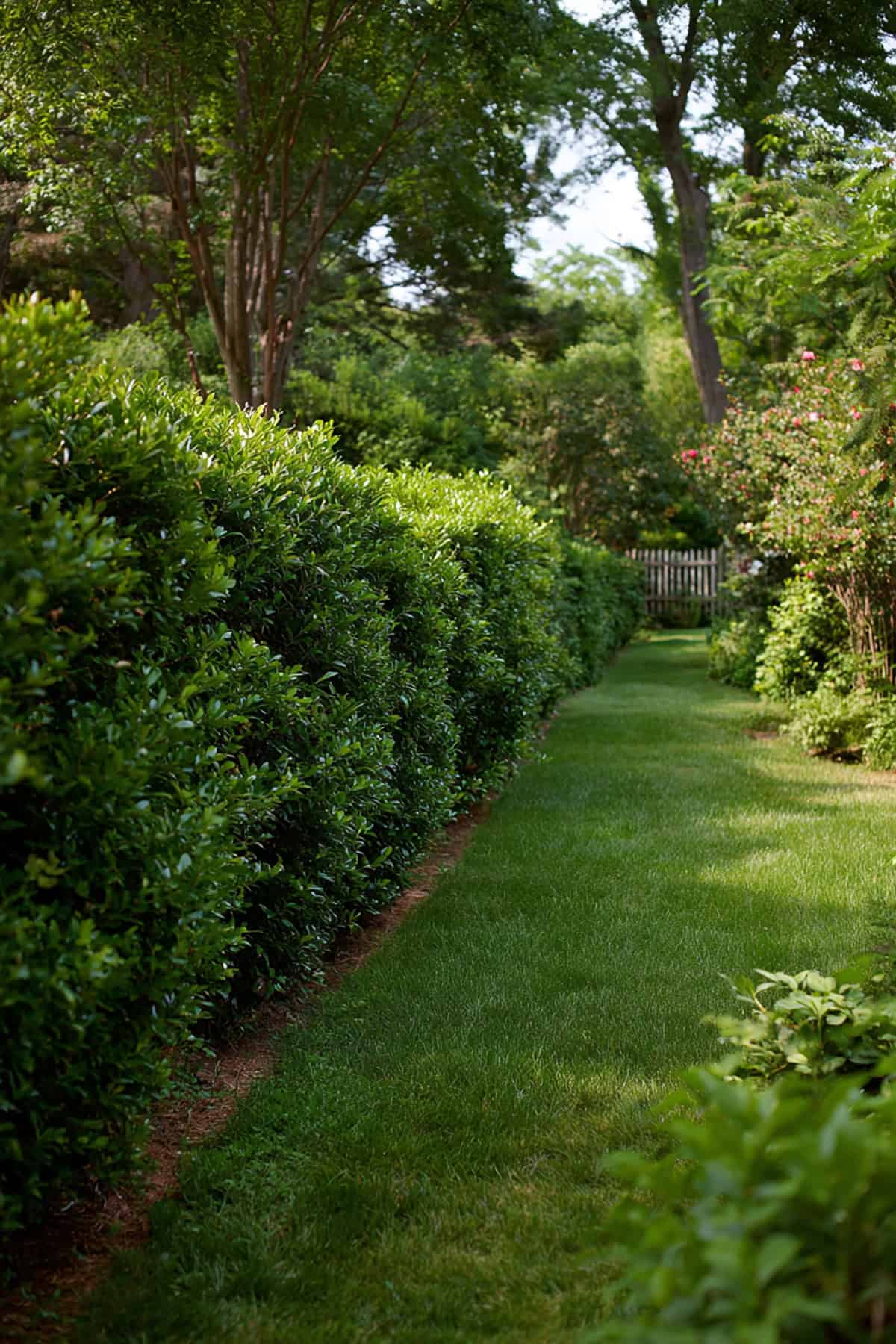
Sometimes you just want a little distance from the neighbors. Dense, leafy shrubs planted in a row can do the trick. Give them room to grow and water well until they settle in.
Prune here and there to keep things tidy. Compared to a fence, this route’s usually easier on the wallet and softens the property line.
Stone Garden Borders
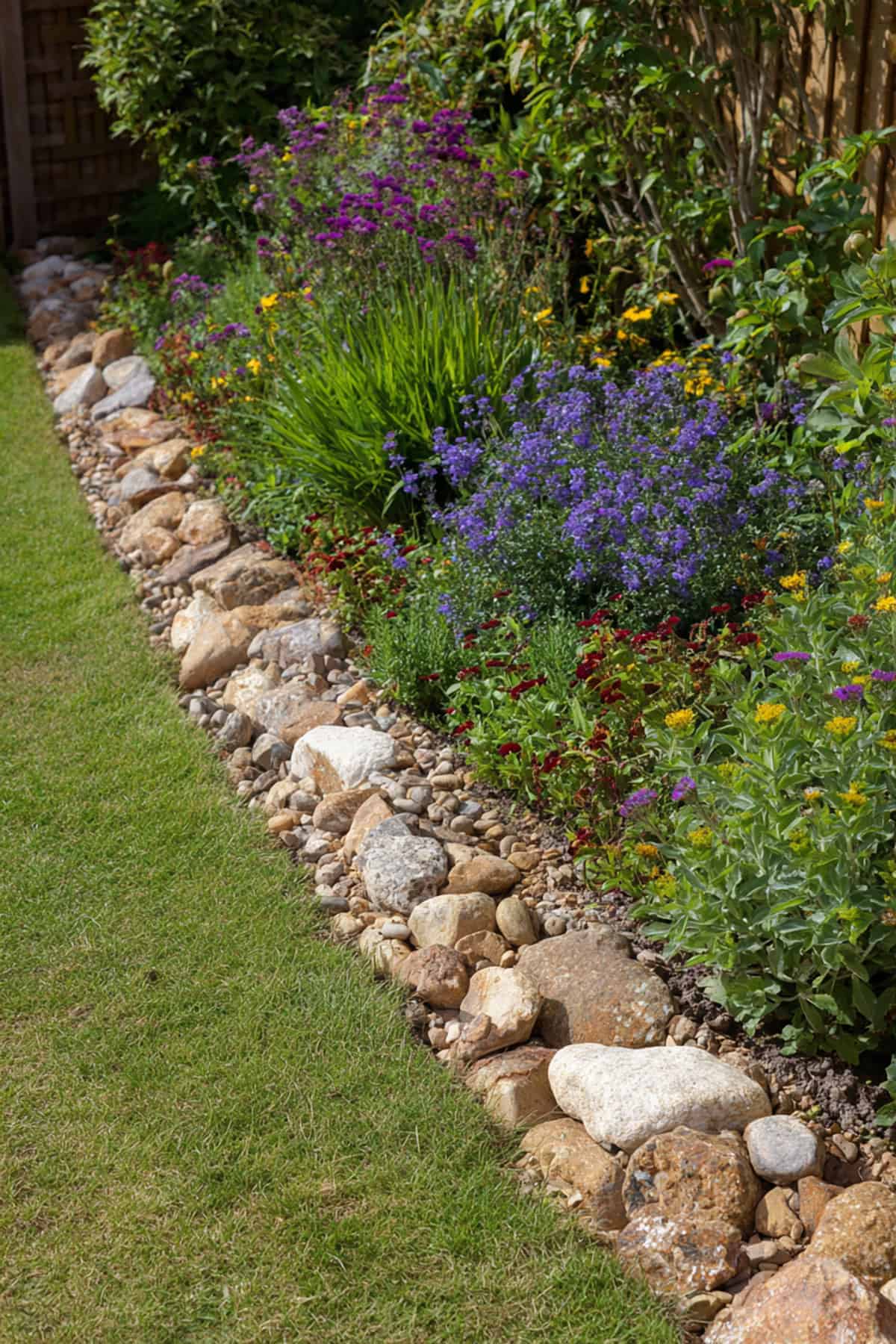
Nothing sharpens up a bed like a line of stone edging. Whether you go with rough fieldstone or cheap concrete, the trick is to keep things simple—no need to overthink it.
Press each stone firmly into the dirt, checking the height as you go so it doesn’t wobble. These borders last ages, add texture, and don’t cost much if you stick to basic materials.
Fill Empty Corners With Pots
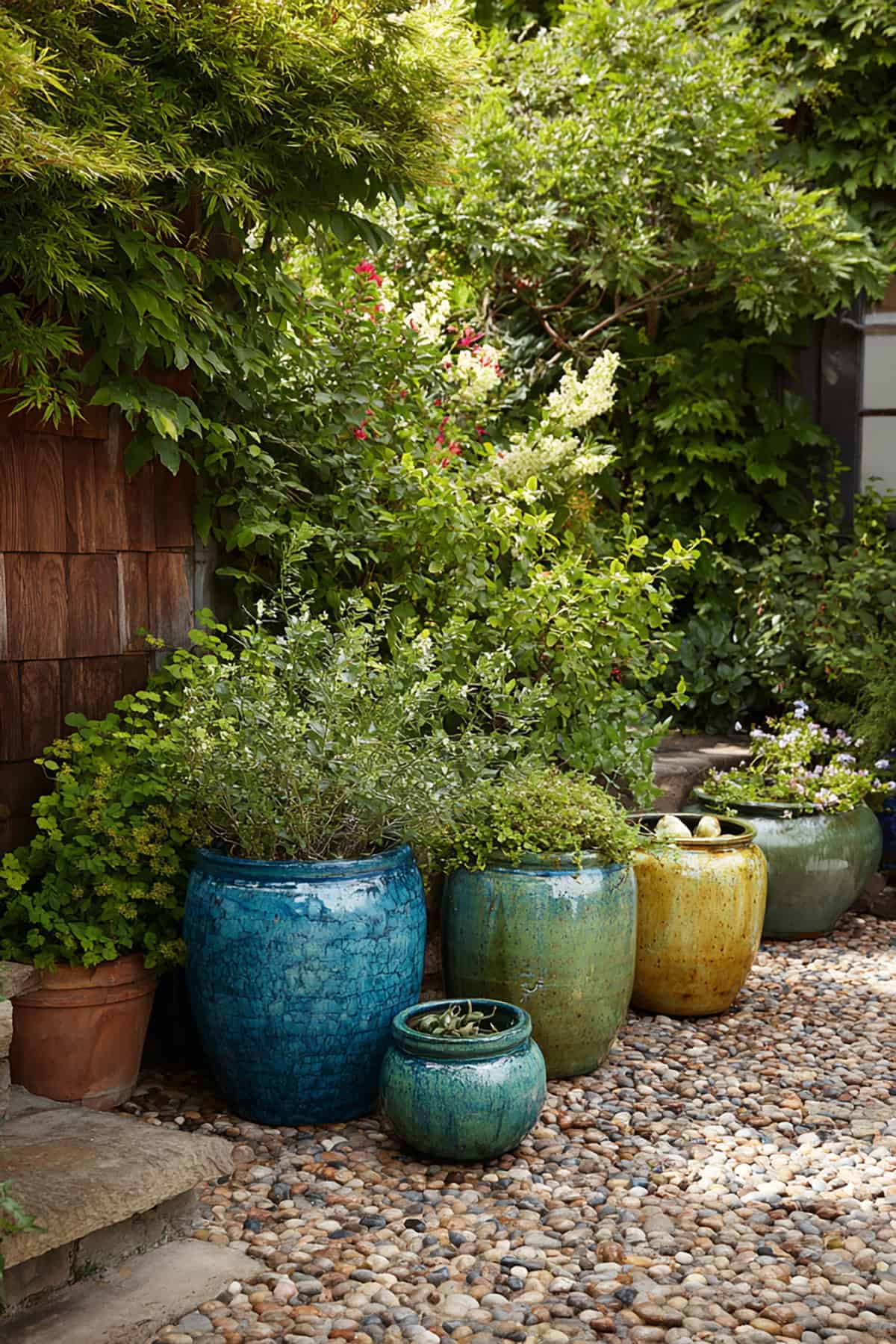
Neglected corners have a way of dragging down the whole vibe. Try anchoring those spaces with oversized pots—think bold, weatherproof containers that can handle a little neglect and still look good.
Mixing upright plants with something that spills over the edge keeps things from feeling too stiff. If you stick to colors that echo your main beds, it all feels intentional instead of random. Just don’t forget to water, especially in summer.
Honestly, pots are a lifesaver when you want options. Change your mind? Shift them around. No digging, no commitment, just instant impact wherever you need it.