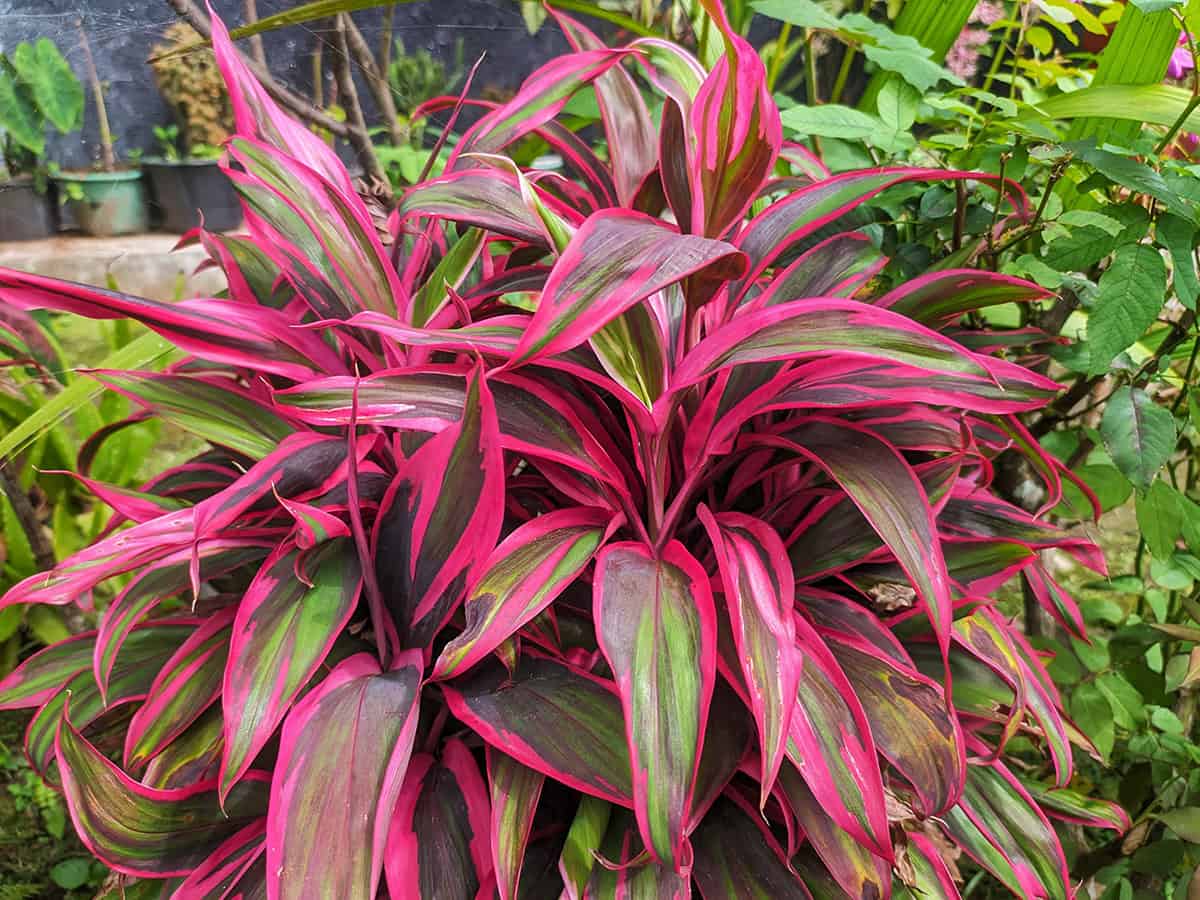
Vivid streaks of red, pink, burgundy, and green slice through the long, slender leaves of the ti plant, giving any room or garden a jolt of tropical drama. Indoors, it works as a bold accent; outdoors, in warm climates, this upright shrub can reach several feet and command attention with its form.
For Cordyline fruticosa to really shine, it needs bright, indirect light, fertile and well-draining soil, steady moisture, warmth, and a good dose of humidity. Try to keep the soil moist but not soggy, especially when it’s actively growing. Anything below 60°F is risky territory—cold drafts will set it back fast.
Table of Contents
Quick Care Summary
Strong, indirect light keeps those leaf colors saturated—especially the reds and pinks—while too much midday sun indoors can leave burn marks. Partial shade works, but the vibrancy may fade a bit.
Soil should be fertile and drain well, just moist enough but never waterlogged. Water when the top inch dries out. The plant appreciates warmth, ideally between 65–85°F, and doesn’t cope with chilly drafts. Humidity indoors is a plus.
During spring and summer, feed with a balanced, water-soluble fertilizer every month or so, then hold off in fall and winter. Snip off any damaged leaves to keep things tidy.
- Light: Bright indirect; partial shade is okay
- Soil: Fertile, draining, slightly acidic
- Watering: Even moisture; let top inch dry out
- Temperature: 65–85°F; steer clear of cold
- Humidity: Moderate to high
- Fertilizer: Balanced liquid feed in active months
- Propagation: Cuttings or stem sections rooted in moist mix
Plant Overview
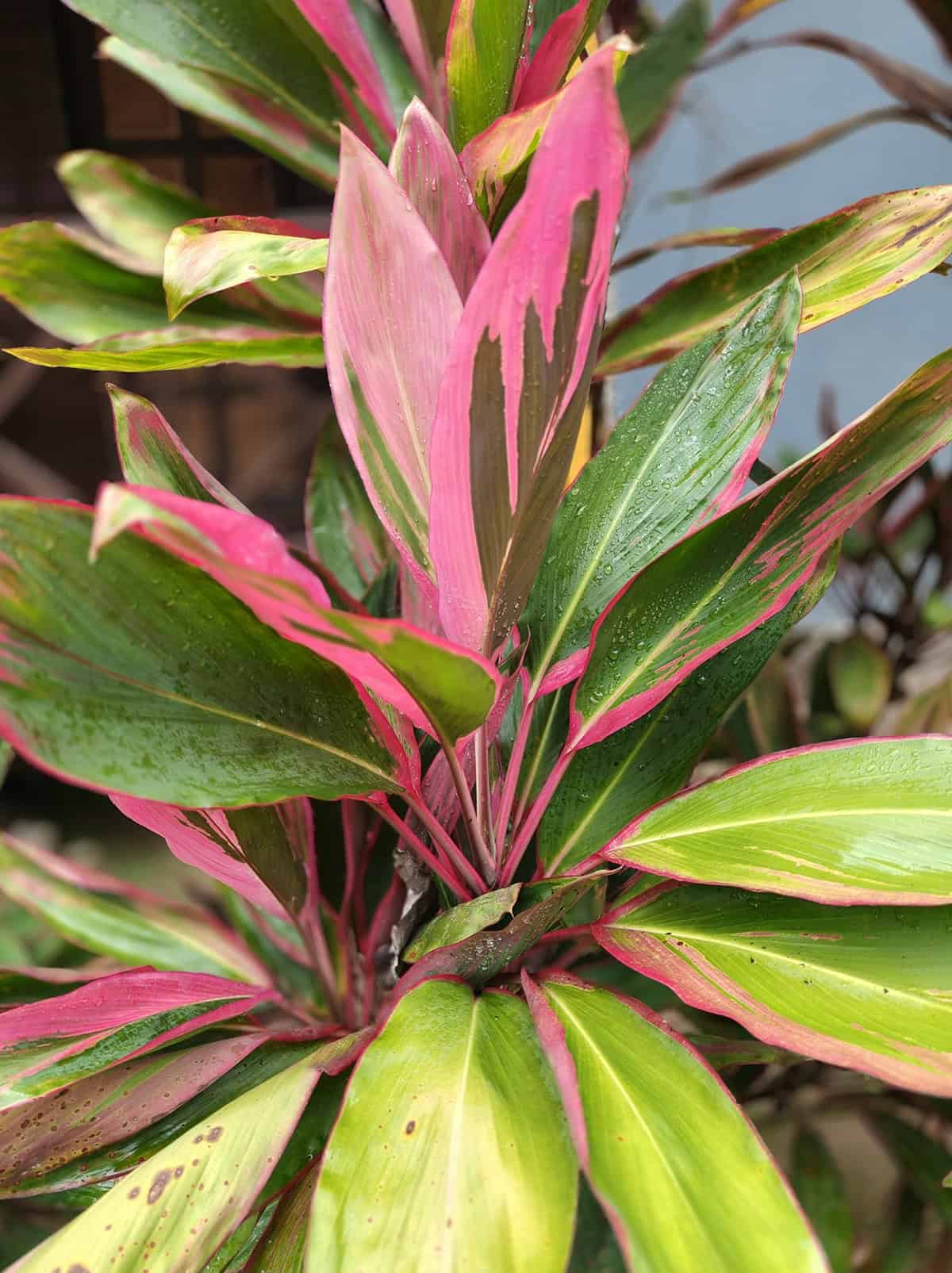
It’s hard to miss the upright, architectural lines and wild colors—deep greens, fiery reds, pink blushes, and wild variegations. Outdoors in the tropics, mature plants can tower overhead, forming woody canes topped with leafy crowns. Sometimes, clusters of small white or lavender flowers appear, followed by red berries, though indoors, flowering is rare and plants stay more compact.
Native to Southeast Asia and the Pacific Islands, this evergreen perennial can be grown in the ground in frost-free regions or as a container specimen where winters bite. Cold snaps will damage leaves and stems, so stable warmth is key.
- Botanical name: Cordyline fruticosa
- Common names: Ti plant, Hawaiian ti, cabbage palm, good luck plant
- Plant type: Evergreen perennial shrub
- Mature size: 9–15 feet tall outdoors; 3–8 feet wide
- Growth rate: Moderate
- Toxicity: Toxic to pets if ingested
- Native region: Tropical Southeast Asia and Pacific Islands
Light
Color intensity really depends on the lighting. Place the plant where it gets plenty of bright, indirect rays—reds and pinks will practically glow. Low light leaves the foliage dull and the stems stretched.
Near an east or west window is usually just right. For south-facing spots, filter the sun with a sheer curtain to prevent crispy edges. Outdoors, a little morning sun with afternoon shade usually works best, especially in hot climates, since harsh sunlight can leave ugly brown patches.
During winter, move it closer to a window or set up a full-spectrum grow light for about 10 to 12 hours a day. Too little light? Leaves lose color and stems get leggy. Too much? Scorched, bleached spots will show up fast.
Water
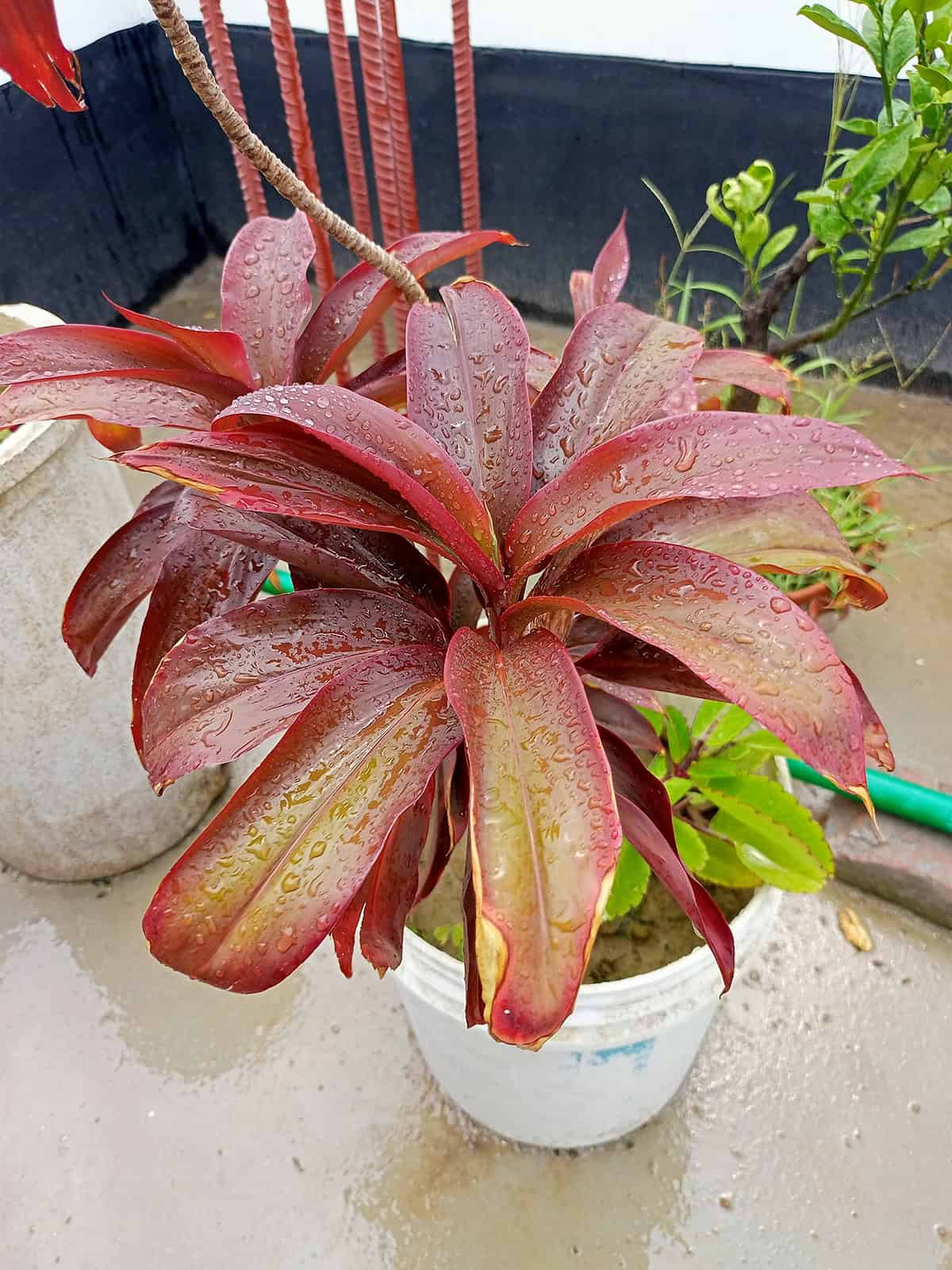
It’s a balancing act—roots need steady moisture but rot quickly if waterlogged. Before watering, poke a finger into the soil; if the top inch is dry, it’s time for a drink. If it’s still damp, wait another day. During active growth, keep moisture consistent, but ease up in cooler months.
Drainage matters. Always empty saucers after watering, and don’t let the pot sit in runoff. Rainwater is the gold standard, since tap water’s fluoride and chlorine can cause leaf tip browning. If you’re stuck with tap, let it sit out for a day before using. Humidity and watering needs shift with temperature, light, and pot size—there’s no one-size-fits-all here.
Soil
Roots thrive in loose, airy soil that holds moisture but never stays soggy. Anything dense or compacted spells trouble—rot sets in fast. Go for a slightly acidic to neutral pH, somewhere between 6.0 and 6.5, to help with nutrient uptake.
Most commercial potting mixes do the trick, but adding coarse sand, perlite, or fine bark improves drainage. Heavy garden soil in pots? Not a great idea—it clings to water and suffocates roots. If you’re planting outside, make sure the bed drains well after rain. Amending clay with compost and coarse material or using raised beds can help a lot.
Temperature & Humidity
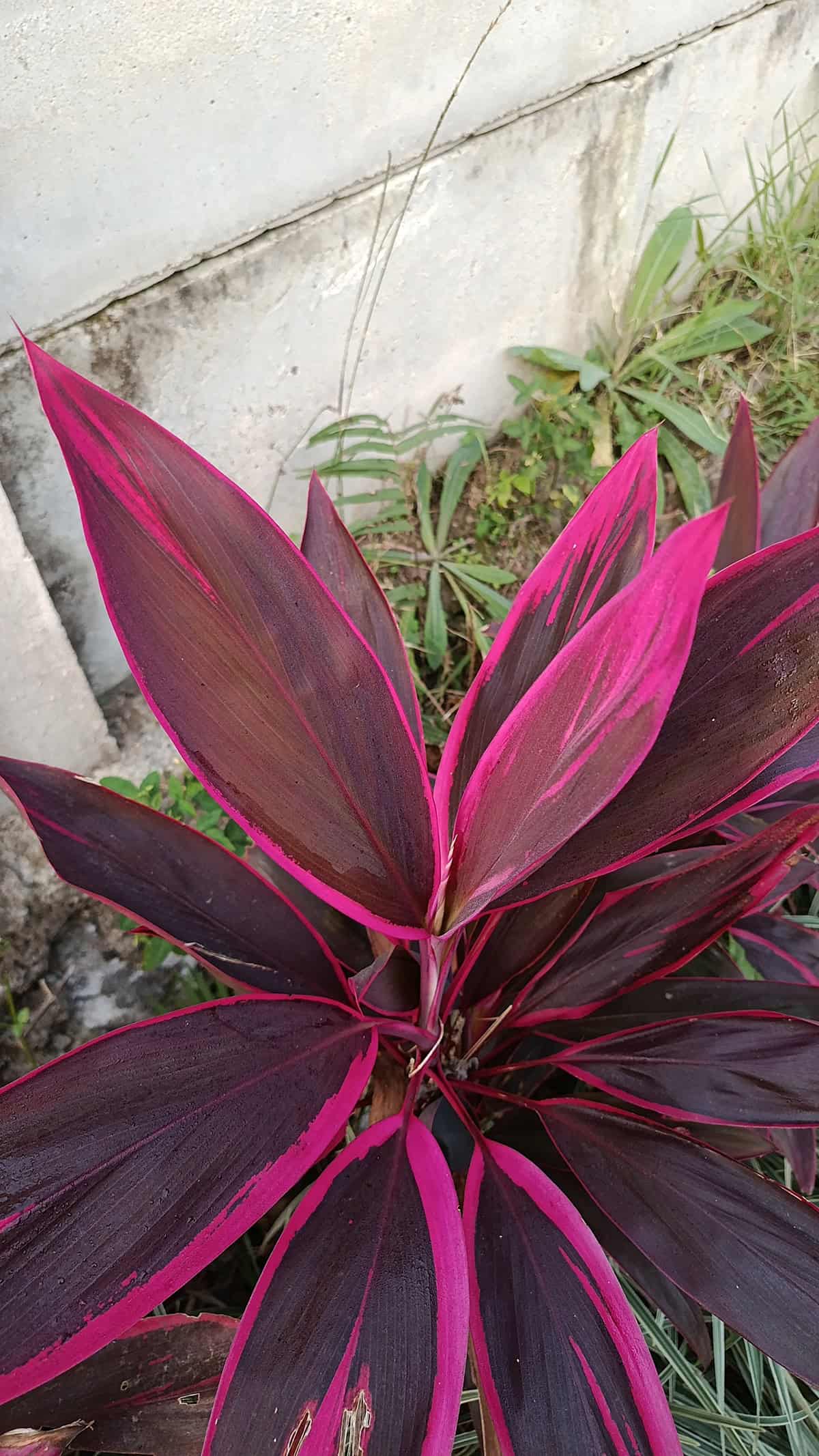
Steady warmth keeps ti plants happy. Aim for 65–85°F (18–29°C) and avoid anything below 50°F. Sudden chills or cold drafts can dull leaves or cause them to drop. Indoors, keep away from drafty doors, vents, and cold windows. If there’s a frost warning outside, move containers in before nightfall.
Humidity is another big one—50–70% is ideal. Dry air brings on brown tips and curled edges. A humidifier, pebble tray, or grouping plants together can help keep the air moist. Just don’t overdo it with watering; soggy soil plus cool air is a recipe for root issues.
Fertilizer
During spring and summer, a diluted, balanced water-soluble fertilizer (10-10-10 or 20-20-20) every four to six weeks is enough. For indoor plants, err on the side of caution and dilute more than the label suggests.
Watch for leaf burn or brown tips—those are signs of overfeeding or salt buildup. Every few months, flush the pot with distilled or rainwater to clear out excess salts, letting it drain completely. When autumn hits and growth slows, stop fertilizing. Resume only when you see new shoots in spring.
For outdoor plants, a slow-release granular fertilizer in early spring works. Scatter it over moist soil, not touching the stem, then water it in well.
Potting & Repotting
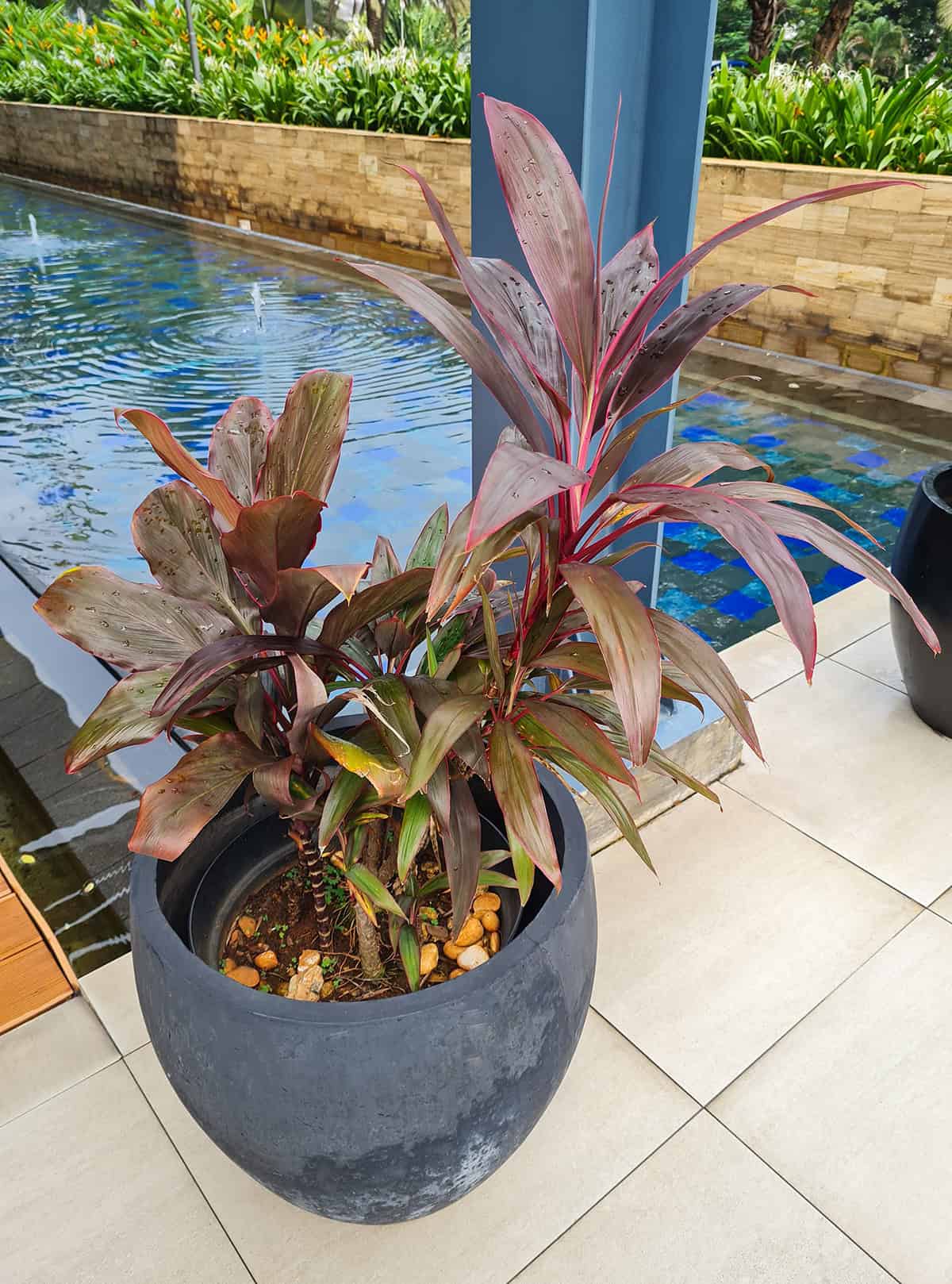
Drainage is non-negotiable. Pots need holes, and materials like sturdy plastic or glazed ceramic work well for both indoor and outdoor setups.
Mix standard potting soil with perlite or coarse sand to keep things loose and airy. The container shouldn’t be much bigger than the root ball—just 1 to 2 inches wider. Too much space can leave soil wet and roots unhappy. Firm the mix around roots gently, but don’t pack it down tight.
After potting, water thoroughly and let excess drain before replacing the saucer. Never let water sit at the bottom. Repot every couple of years, or sooner if roots are circling or poking through the drainage holes. Spring is the best window, since growth rebounds fastest then.
Top-heavy plants may need a heavier or wider pot for stability. Always refresh the soil during repotting to keep nutrients and structure up to par.
Pruning
A quick trim here and there keeps growth lush and compact. Spring and early summer are best for major cuts, but you can tidy up whenever you spot yellow or brown leaves. Always use sharp, clean shears—no hacking with dull blades.
Snip off damaged leaves close to the cane, and to rein in height, cut tall stems just above a leaf node. New shoots will sprout below the cut, adding fullness. When a plant gets leggy, chop the cane back to 6–12 inches above the soil. As long as roots are healthy and it’s warm enough, new growth will pop up.
Disinfect tools with rubbing alcohol before and after use. If you’re sensitive, gloves help—sap can be mildly irritating. Don’t remove more than a third of the plant at once; slow and steady shaping is less stressful for the plant.
Propagation
Stem cuttings are the go-to for most home growers—reliable, straightforward, and easy on the parent plant. Pick a healthy stem with several nodes, snip a 4–8 inch piece with clean shears, and strip off the lower leaves. Let the cut end dry for a few hours before planting.
Stick the cutting into moist, well-drained potting mix or set it in a jar of water. Keep the mix just damp, never soggy. Warmth and bright, indirect light encourage roots, which usually show up in a few weeks.
Another option: cut mature canes into short sections and lay them horizontally in moist soil. Buds along the cane will eventually send up new shoots. Temperatures between 70 and 85°F and high humidity boost success, especially inside.
Once roots and new growth appear, pot up each cutting in fresh, fertile soil and ease them into brighter light gradually. That’s really all it takes to multiply your ti collection.
Common Problems
Dry, crispy brown tips? Usually, that’s what you’ll see when humidity drops too low or if your water’s loaded with salts or fluoride. Some tap water just doesn’t do these plants any favors. If you notice those brittle ends, try switching to rainwater or distilled—it’s a bit of extra work, sure, but the difference can be real.
When leaves start yellowing, it’s often a sign that things are too wet down below. Roots need to breathe, and soggy soil chokes them out. Letting the top layer of soil dry out before watering again can help a lot more than you’d think.
Little invaders like mealybugs, spider mites, and scale tend to hide out underneath leaves, draining energy and fading color. Outside, slugs and snails might leave ragged holes overnight. It’s worth flipping a few leaves or checking after dark if things look off.
Sticky, dark spots can pop up during muggy stretches, especially if leaves stay wet. Fungal and bacterial trouble spreads fast in still, damp air. Getting some movement around your plant and steering clear of overhead watering can really cut back on these outbreaks.
If stems feel mushy near the base and leaves wilt despite wet soil, root rot’s probably at play. Heavy, dense soil or pots without drainage just don’t cut it. Trimming away the rotten parts and replanting in something loose and airy gives your plant a fighting chance.
Chilly nights or a draft can leave leaves limp and washed-out. Anything below 60°F tends to stress these plants, and sudden cold snaps can stall new growth or scar the foliage. Keeping them somewhere cozy makes all the difference.
Varieties
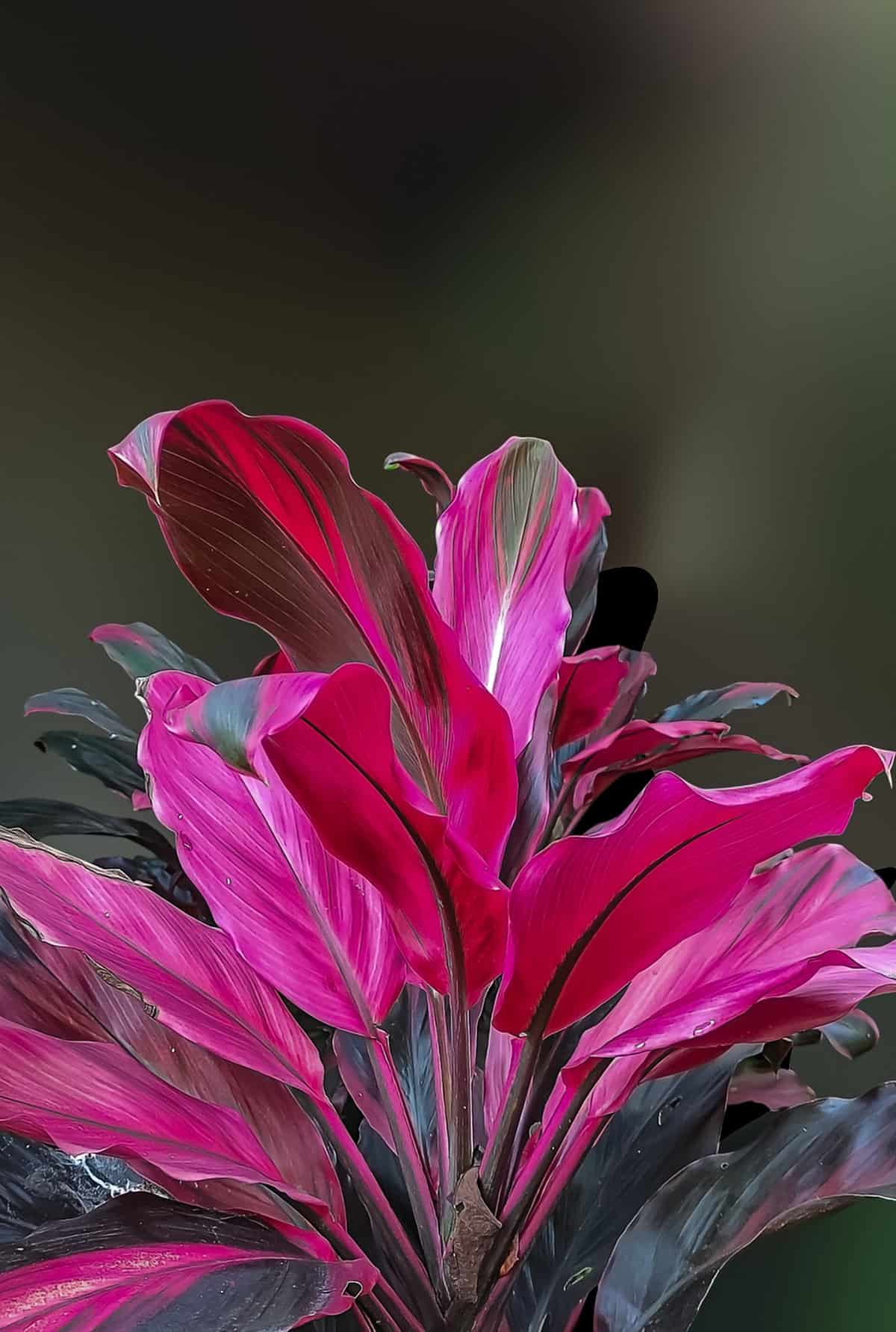
From deep shade to sunlit corners, the range of Cordyline fruticosa cultivars can really shake up a space. Breeders have chased after wild leaf colors and forms, so you’ll spot everything from neat little container types to lanky giants stretching ten feet high if the climate allows. The leaves? Always strap-shaped, but the palette is all over the place.
With ‘Electric Pink’, it’s the punchy maroon leaves and electric pink margins that steal the show. Those narrow blades shoot up in a tight clump, delivering a jolt of color that’s impossible to ignore—especially near a front door or on a patio where you want something that actually pops.
Then there’s ‘Cha Cha’, which feels almost playful with its arching leaves swirling through apricot, yellow, and green. When the foliage is fresh, the warmer hues dominate, mellowing out as the plant settles in. It’s a handy option when you want to soften a sharp edge or coax a little light into a gloomy spot outside.
Red-leaved types lean into moodier territory, with foliage that runs from burgundy and crimson to purple, sometimes streaked with cream or green. Some cultivars unfurl leaves that stretch out nearly 30 inches, while others keep things compact and tidy. It’s worth weighing up mature height, color, and how much sun your spot gets—these details can make or break how well a cordyline fits in.