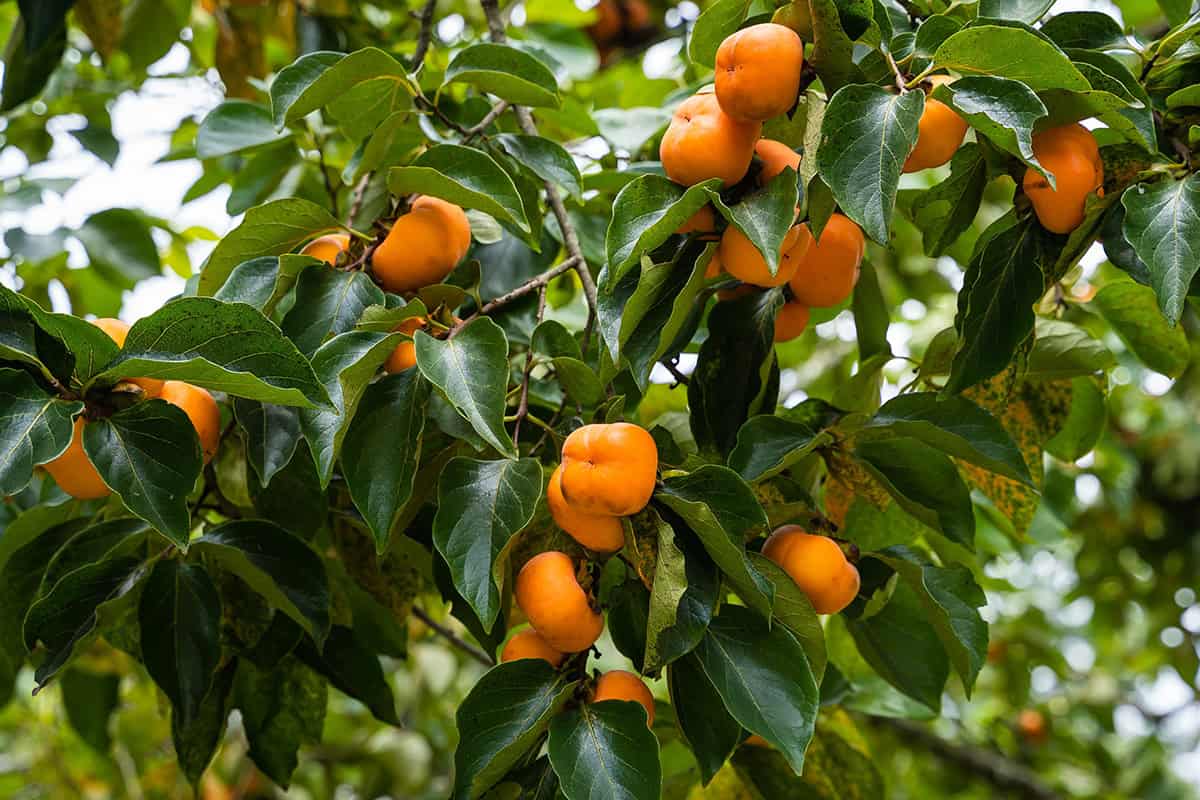
Healthy persimmon trees begin with good planting practices and consistent care during their early years. Sunlight, proper watering, and occasional pruning all play an important role in long-term success. This guide walks through each step in a clear and practical way.
Table of Contents
Quick Care Summary
Matching species to climate really is the secret. Native types laugh at cold winters, while Asian kinds lean toward milder zones. Where you plant matters—sun, drainage, and elbow room above all.
Light: Needs full sun for decent fruit and healthy growth.
Soil: Prefers well-drained ground; loam, sandy, or even clay is fine if it drains.
Watering: Moderate—keep things evenly moist while the roots settle in.
Temperature: Americans handle deep freezes; many Asians can’t take much below 10°F.
Humidity: Not picky; average outdoor air works.
Fertilizer: Go easy—light feeding in early spring, skip the heavy nitrogen.
Propagation: Named varieties by grafting; seeds or rootstock for natives.
USDA Zones: 4–9 for American; 7–10 for most Asian.
Fruiting Season: Late summer through fall.
Give these trees 20 to 30 feet of space unless you’re growing a compact Asian variety. A little pruning goes a long way—mainly to clear out damaged or crossing limbs. When there’s a heavy fruit set, thinning helps avoid that every-other-year bearing pattern.
Pollination is a mixed bag. Quite a few American types need both male and female trees, while certain Asian cultivars don’t care. Still, pollinated trees usually reward you with bigger, more predictable crops.
Plant Overview
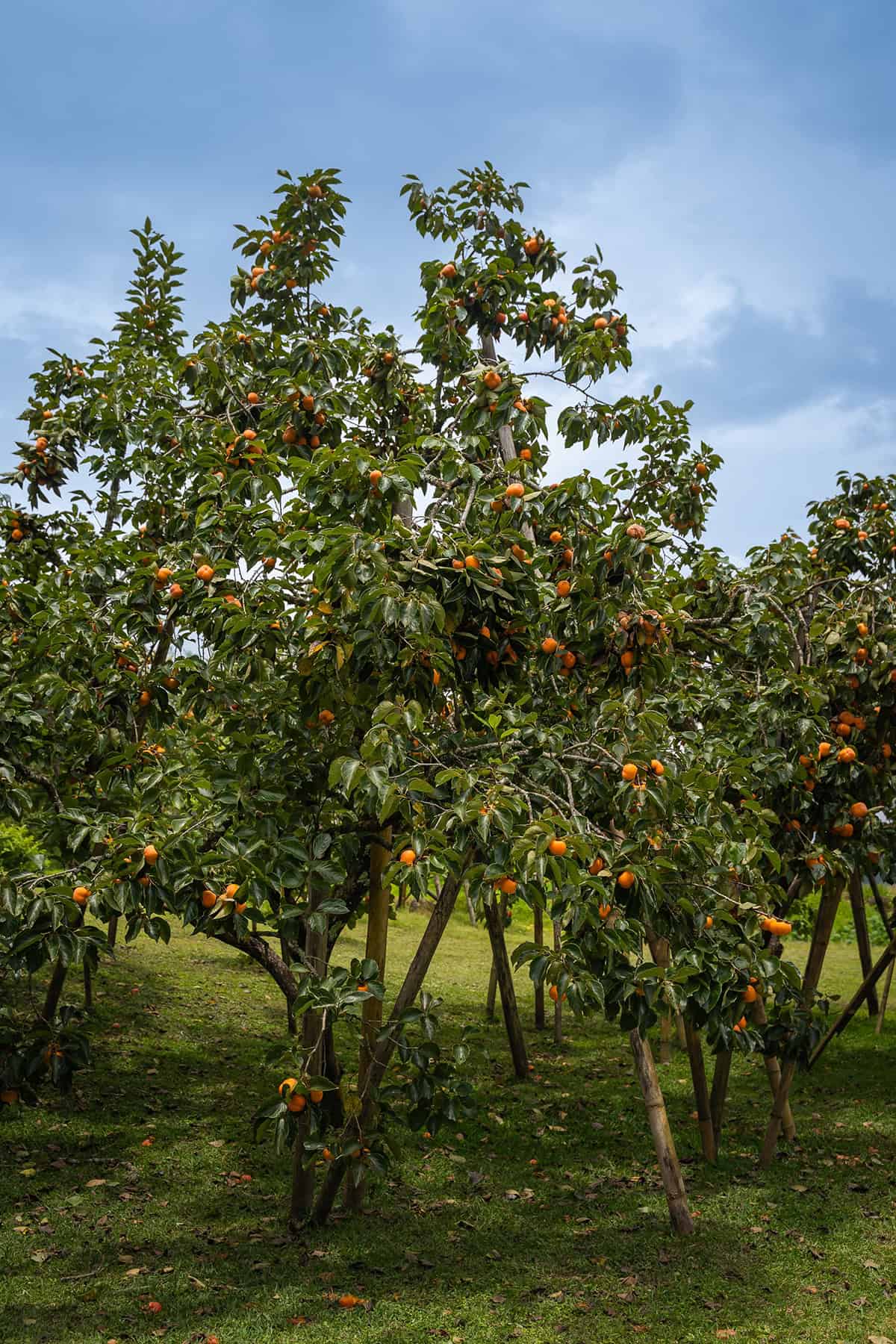
Autumn rolls in and persimmon trees turn heads with fiery leaves and hanging fruit. American and Asian types have their own personalities—size, climate preference, and all. Full sun and deep soil give them the best shot at strong roots and steady growth.
Botanical name: Diospyros virginiana (American), Diospyros kaki (Asian)
Common names: Persimmon, American persimmon, Asian persimmon
Plant type: Deciduous fruit tree
Mature size: 20–50 feet tall, 15–30 feet wide
Growth rate: Slow to moderate
Toxicity: Ripe fruit is a treat; unripe fruit, not so much (very astringent)
Native region: Eastern United States (American); China (Asian)
Spring and summer bring out glossy green leaves, while autumn paints the tree in shades of yellow, orange, or scarlet. Some need both male and female trees for fruit. Grafted ones tend to fruit much sooner than those grown from seed.
Light: Full sun
Soil: Well-drained, slightly acidic to neutral
Watering: Regular for young trees; once established, they’re pretty drought-tolerant
Temperature: Handles heat; Americans tough out zone 4 winters
Humidity: Not fussy about humidity
Fertilizer: Moderate—don’t overdo it
Propagation: Grafting, seed, rootstock
USDA hardiness zones: 4–9, depending on species
Fruiting season: Late summer to late fall
Light
Sunlight is non-negotiable. Aim for six to eight direct hours daily. That’s what keeps growth steady and fruit production up.
Short on light? You’ll notice fewer flowers, limp branches, and pale leaves. Fruit lingers, smaller and slower to ripen, if it even shows up. In places with short growing seasons, every extra ray helps ripen fruit before frost.
Hot climates don’t bother them much. Even in blazing sun, leaves hold up fine as long as the roots stay watered. Young trees might need a little shade at first, but mature ones are tough.
Open air and sunlight on all sides of the canopy make a world of difference. That’s what keeps growth even and fruit looking its best.
Water
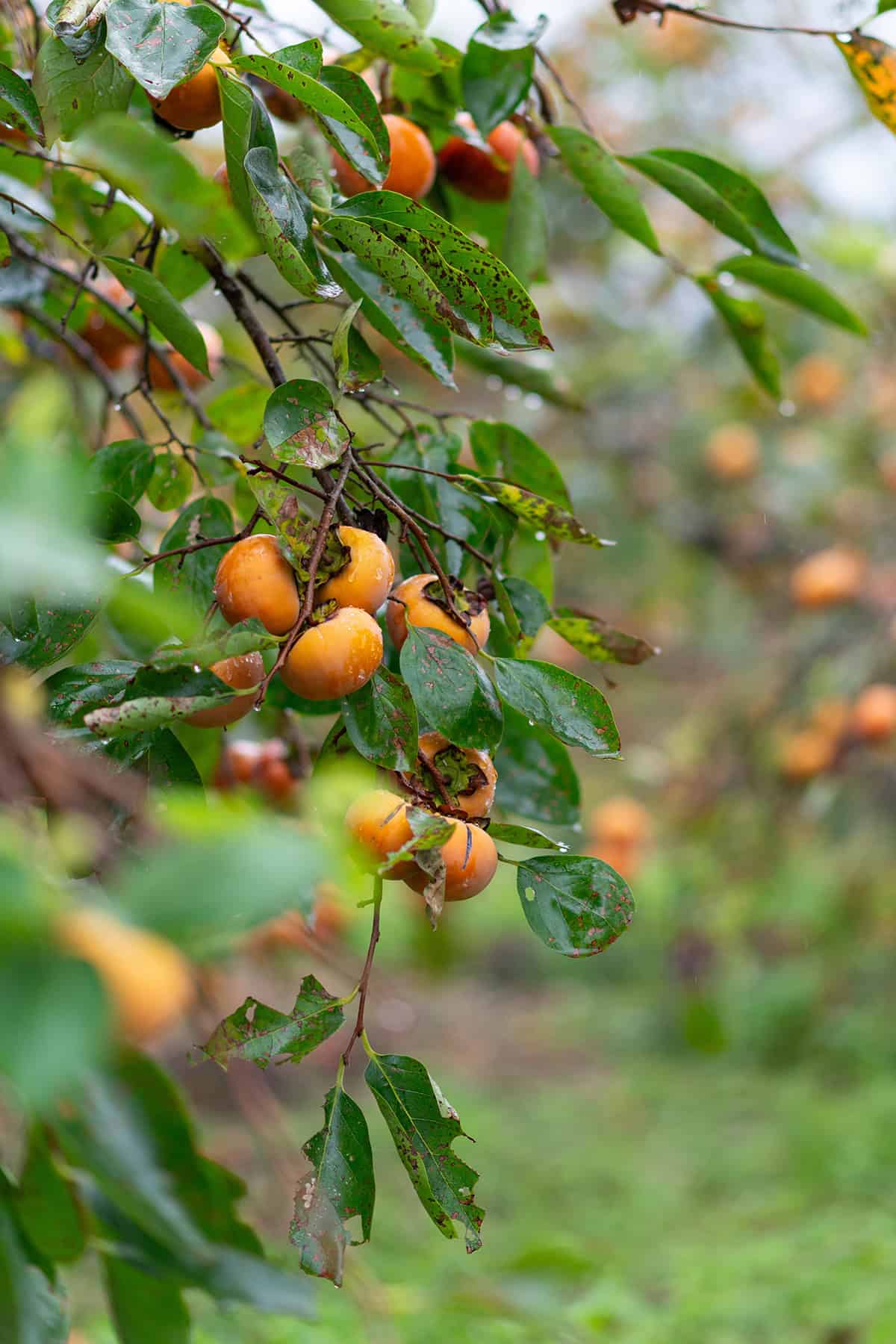
Getting the watering right matters most in the first few years. Deep, slow soaks beat frequent, shallow sprinkles every time. Roots dig deeper, and the tree gets sturdier.
Aim the water at the drip line, letting it seep down a good foot or two. Drip irrigation or a slow hose works best—fast, shallow watering just encourages weak roots.
Droughts call for a deep soak about once a month. Sandy soils dry out faster, so you might need to water more. If you’re dealing with clay, less is more—those soils hold onto moisture. Always take recent rain into account.
Waterlogged soil is a deal-breaker. Roots rot, and fruit production tanks. Mulch helps—spread a couple inches around the base, but keep it from touching the trunk. It keeps the soil cool and damp and keeps weeds in check.
Soil
Persimmons aren’t picky about soil texture, but they draw the line at soggy ground. Whether you’re working with sand, loam, or clay, drainage is the real issue.
If puddles linger after rain, rethink the spot or build a raised bed. That’s the kind of environment that spells trouble for roots.
Aiming for a pH between 6.0 and 7.5 is ideal. Test before planting, and don’t be afraid to tweak with lime or sulfur if you’re off the mark.
Soil that’s moist but not soggy gets young trees off to a strong start. Too dry and fruit might drop early. Compost can help loosen up heavy or quick-draining soils.
American persimmons have a reputation for thriving in rough spots—roadsides, neglected fields, you name it. Asian types settle in once their roots are established, but they’ll thank you for a good start.
Before you plant, work the soil down 18 to 24 inches. Get rid of rocks and break up any hardpan. Roots need room to stretch.
Temperature & Humidity
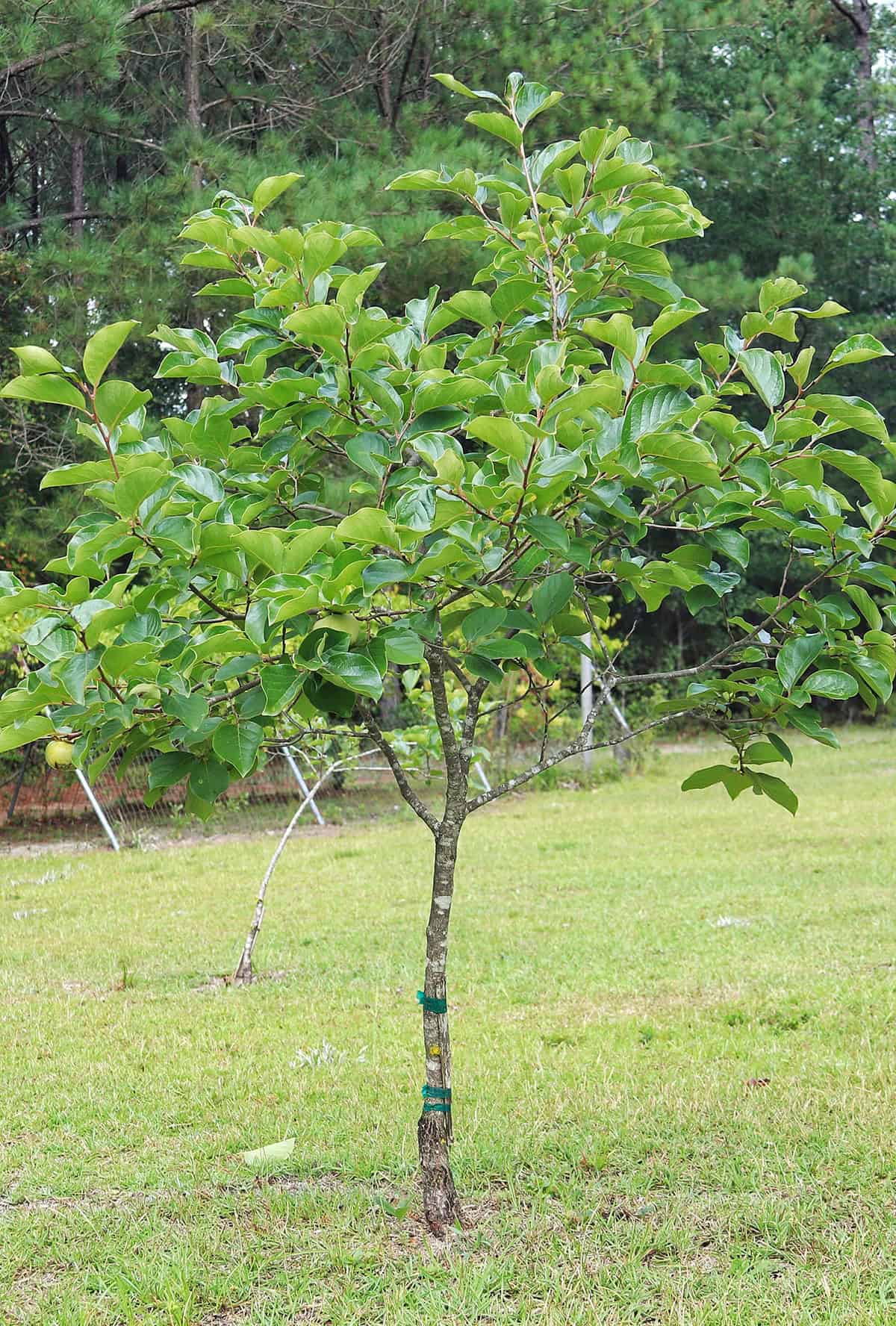
Once settled, persimmons can shrug off a surprising range of temperatures. American types handle brutal cold—down to -20°F or even -25°F. Asian varieties, on the other hand, get cranky below 10°F.
Choose wisely for your region. Hardy natives or cold-tolerant Asians are the ticket for northern gardens. Sudden warm spells in winter, followed by sharp freezes, can really mess with less hardy trees.
Blistering summers aren’t a problem. As long as the soil stays reasonably moist, fruit sets well even when highs push into the 90s.
Humidity isn’t usually a big deal, but stuffy, wet air can bring on fungal issues like leaf spot or powdery mildew. Give the tree room and thin the canopy a bit for better airflow.
Dry climates demand regular irrigation during the growing season. Extended droughts shrink fruit and can trigger early fruit drop. Keeping the soil evenly moist in spring helps set up good leaf and fruit development.
Fertilizer
Persimmons are easy on the fertilizer. Too much, and you’ll end up with floppy growth and less fruit. Small, steady feedings in early spring do the trick.
A balanced fertilizer (10-10-10 is common) suits young trees. In places with heavy rain, a second light dose in early summer can help.
General rule: about half to one pound of fertilizer per year of tree age, capping at 8–10 pounds for a mature tree. Scatter it under the canopy, steering clear of the trunk.
Hold off fertilizing new plantings until April or May. Skip fertilizer spikes—they just dump nutrients in one spot.
If your soil’s already rich, you might not need to fertilize every year. Too much nitrogen makes for leafy trees and bland fruit. Soil tests every few years keep you on track.
Growing in Containers
Limited space? Persimmons can handle life in a container, especially while young. The taproot wants depth, so pick a pot that holds at least 15 to 25 gallons and has plenty of drainage holes. Heavy pots are less likely to tip as the tree fills out.
Mix up some well-drained soil with compost and a bit of coarse sand or pine bark. Skip overly rich blends—too much nitrogen leads to poor fruit and wild growth.
Full sun is still a must. Rotate the container every so often to keep the canopy even.
Water when the top couple inches of soil feel dry. Pots dry out faster than garden beds. Ease up on water after leaves drop in fall.
Go light on fertilizer—once in early spring is enough. Too much and you’ll get more leaves than fruit.
Prune in late winter to keep things compact. Stick to a few main branches. Repot every two or three years to refresh the soil and check the roots.
If winter gets harsh, tuck the pot somewhere sheltered. American types handle cold better for those in chilly zones.
Potting & Repotting
Starting a persimmon tree in a pot? Go with something at least 18 to 24 inches wide and deep. Drainage holes are a must—soggy roots won’t last.
Pick a potting mix that drains well. Regular fruit tree soil works, or blend standard potting soil with coarse sand or pine bark. Water deeply, then let the top few inches dry out before the next round.
Every couple of years, move the tree up to a bigger pot. If roots circle the pot, loosen them gently before replanting.
Older trees want to stretch out, so eventually, they’ll outgrow containers. Once you move them into the ground after frost risk passes, give them a little time to get used to open air and sun.
Pruning
Shaping starts in late winter, before new growth. That’s when you can really set up a strong frame without stressing the tree. Early training makes a difference—pick three or four well-spaced main branches and take out the rest. Keeping the center open lets sunlight and air reach everywhere.
Older trees only need a light touch—remove dead, broken, or crossing branches, and trim back vigorous upright shoots if the tree’s getting too tall. Clean cuts just above an outward-facing bud work best.
Summer pruning is rare. Most fruit forms at the branch tips, so heavy cuts then can mean fewer persimmons. Only cut in summer if you’re dealing with damage or wild growth.
Sharp, clean tools are key. Big cuts heal slow, so avoid removing thick branches unless you have to. A balanced canopy means healthier fruit and fewer problems down the line.
Propagation
Starting new persimmons can be done from seed, cuttings, or grafting. Seed’s fine for rootstocks. Collect ripe fruit in fall, clean the seeds, and chill them at about 45°F for two or three months. Sow in warm soil after that—germination isn’t always great, but it works.
Seedlings put down a strong taproot, so transplant when they’re 6 to 8 inches tall. Grafted trees beat seed-grown ones to fruit by years—expect 3 years for grafted, up to 9 for seed-grown.
Grafting’s the way to clone a favorite variety. Do it during dormancy on rootstocks at least a third of an inch thick, using healthy scion wood with a couple of buds. Softwood cuttings can also root with bottom heat and hormone, but success depends on the cultivar.
Fruiting & Harvest
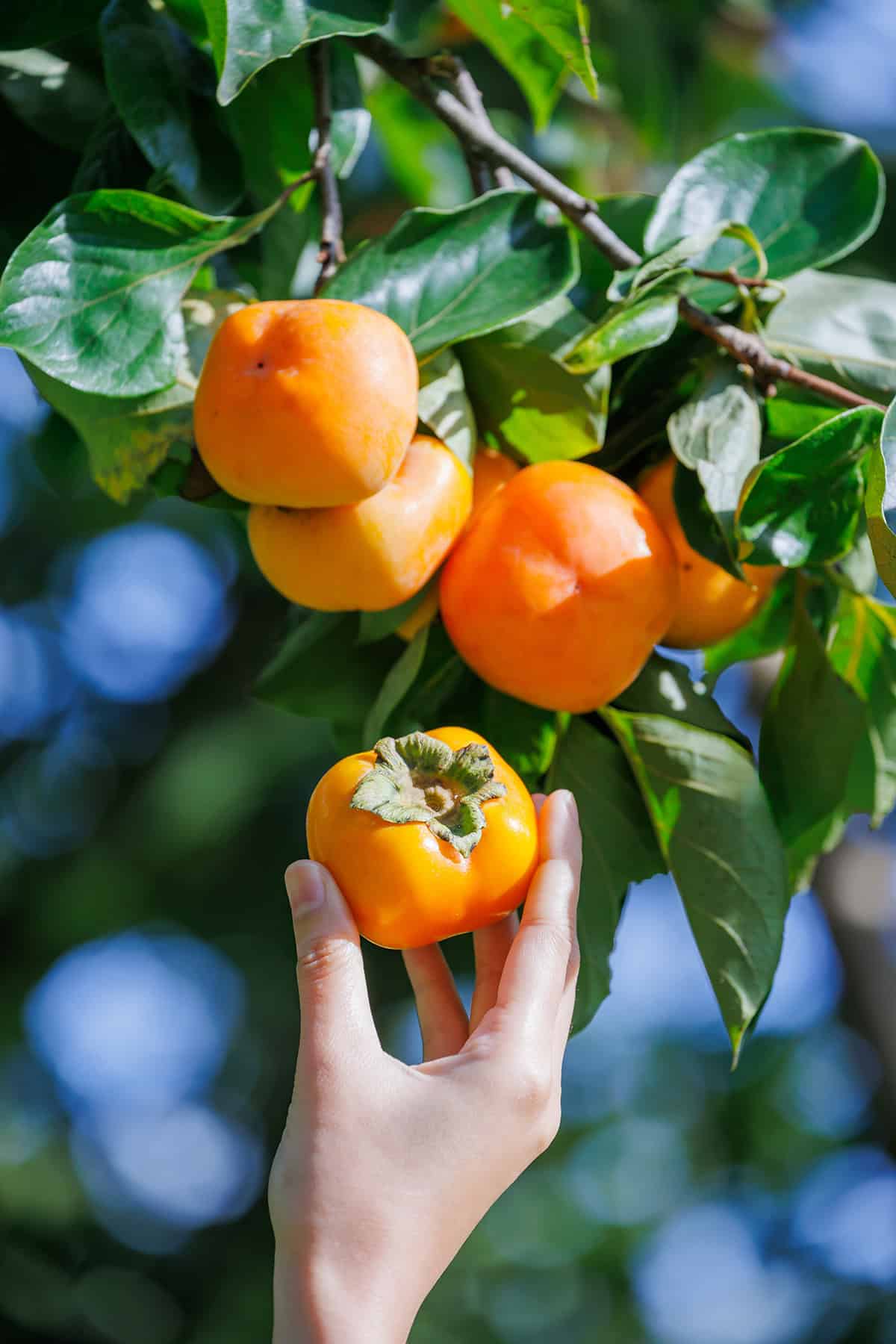
In early summer, the canopy bursts with new shoots, each one a potential host for clusters of small green fruits. Grafted trees usually start showing off their first real crop after three to five years—though if you went the seed-grown route, patience is a must. Native persimmons, those stubborn originals, demand both male and female trees for a proper harvest. Some Asian cultivars, on the other hand, don’t seem to care much about pollination, but you’ll notice the yield and fruit quality jump if bees and pollen get involved.
When branches get heavy with fruit, you sometimes see the classic biennial swing: one year loaded, the next year almost empty. Thinning the crop early—spacing the fruit about six inches apart while they’re still tiny—can help even things out. Overdoing it with nitrogen fertilizer is a common misstep; it’s tempting, but it often leads to fruit dropping before it’s ripe.
Native types offer up small, plum-sized globes, their flavor hidden behind a stubborn astringency until they’re meltingly soft. The Asian varieties, especially Fuyu and Jiro, are a whole different experience—bigger, often peach-sized, and sweet even while still firm. Not everyone likes waiting for full softness, and with these, you don’t have to.
The old advice about letting frost sweeten persimmons? Best ignored. Frost can wreck immature fruit, leaving you with a mushy mess. Instead, go by color and a hint of give—each variety has its own sweet spot. If you pick them just as they turn, they’ll finish ripening indoors, no rush, just a little patience at room temperature.
Common Problems
A sudden carpet of fallen green fruit under the tree can be a real heartbreaker. Heat waves, dry spells, too much rain, or an overzealous hand with the fertilizer bag—any of these can prompt a mass drop. Some Asian types, especially those that set fruit without pollination, are even more prone to losing their crop early. Keeping the soil evenly moist and resisting the urge to overfeed goes a long way.
Winter can be brutal for certain Asian persimmons. While American types shrug off deep freezes, many Asian cultivars start to suffer when the thermometer dips below 10°F. Late frosts in spring can be just as damaging, wiping out flowers in a single cold snap. If your winters are harsh, stick with the hardier selections.
Pests have a way of finding even the best-tended trees. Scale insects latch onto stems, sapping energy. Psyllids twist leaves into odd shapes, and fall webworms chew through foliage, though mature trees usually tolerate the damage.
If you spot sawdust-like debris at the trunk’s base, it’s time to worry—persimmon borers drill into the wood, sometimes killing young trees outright. Regular checks, especially in warm areas, and protecting trunks from scrapes or mower damage can help keep them at bay.
Hot sun on exposed bark sometimes leads to sunburn, which in turn attracts pests like ambrosia beetles. In really sunny spots, a coat of diluted white latex paint on the trunk can make a surprising difference. Poor drainage is another hidden enemy, quietly stressing roots and opening the door to decline. Most headaches can be avoided with a well-chosen site, a light hand with fertilizer, and a habit of looking things over now and then.
Varieties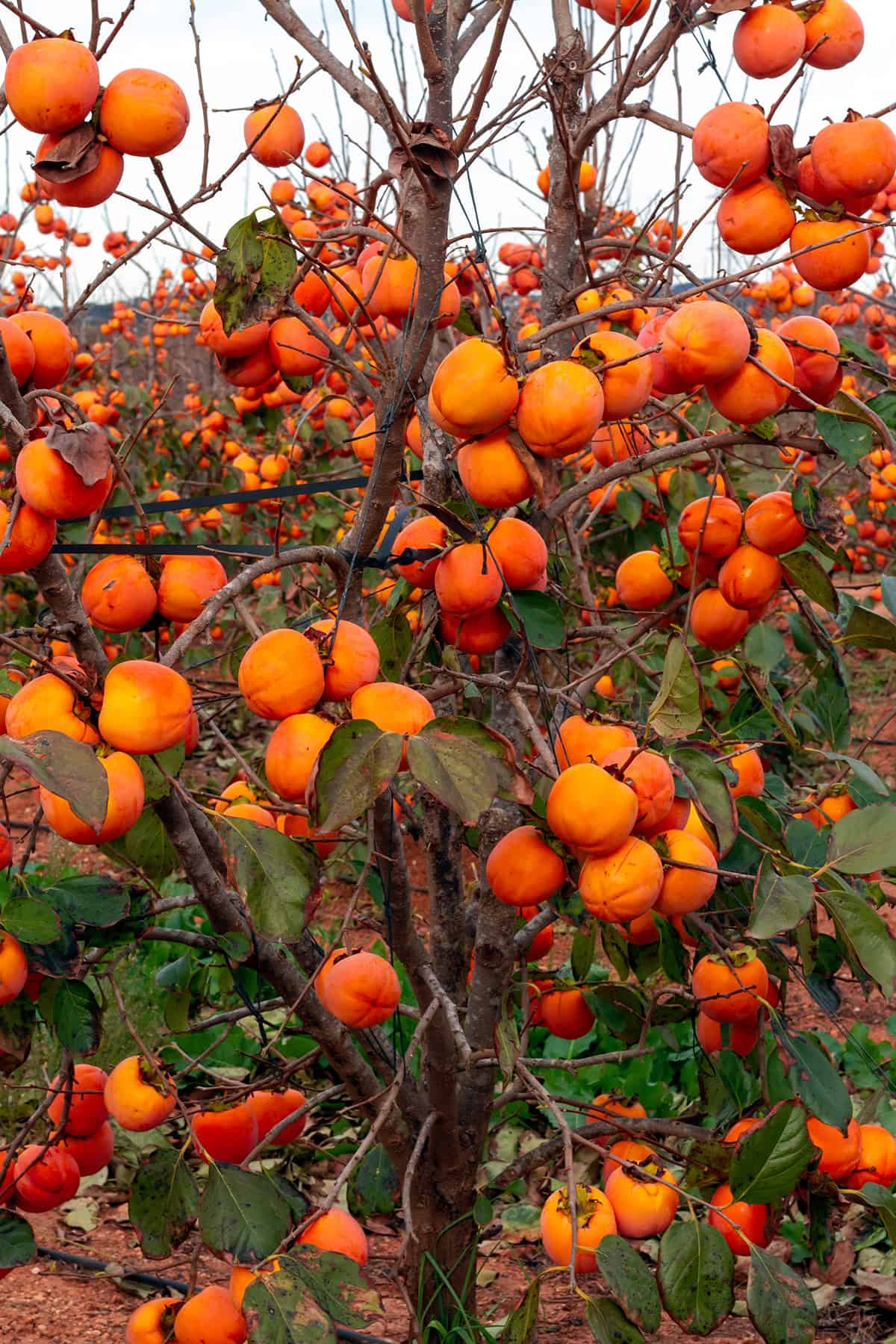
On a chilly morning, American persimmon trees (Diospyros virginiana) stand out for their resilience, shrugging off deep winter freezes that would finish off more delicate types. Their fruit—small, glossy, sometimes almost translucent orange—tends to be intensely sweet once it’s gone fully soft, but you’ll want to wait; biting in too soon can give you a mouthful of tannic astringency. One thing to keep in mind: these trees usually need both a male and female nearby to set fruit reliably.
Meanwhile, Asian persimmons (Diospyros kaki) bring a whole different vibe. Think of the larger, almost tomato-sized fruit you see at markets—those are usually Japanese varieties. Many of these trees will fruit on their own without a pollination partner, which is convenient. But they’re a bit picky about winter, so if your area gets harsh, double-check your USDA zone before planting.
Labels can get confusing, though. You’ll run into “astringent” and “non-astringent” tags. The astringent types—like the classic ‘Hachiya’—are downright unpleasant until they’re squishy-soft, but after that, the flavor is lush and sweet. Non-astringent kinds such as Fuyu or Jiro? Totally different experience. They’re crisp, mild, and sweet even when freshly picked and still firm.
Some folks want a persimmon you can bite into like an apple. Others are after that custardy, jammy texture for baking or eating with a spoon. It’s really about your own taste and what your climate will allow. There’s no single “best” choice—just the one that feels right for you.