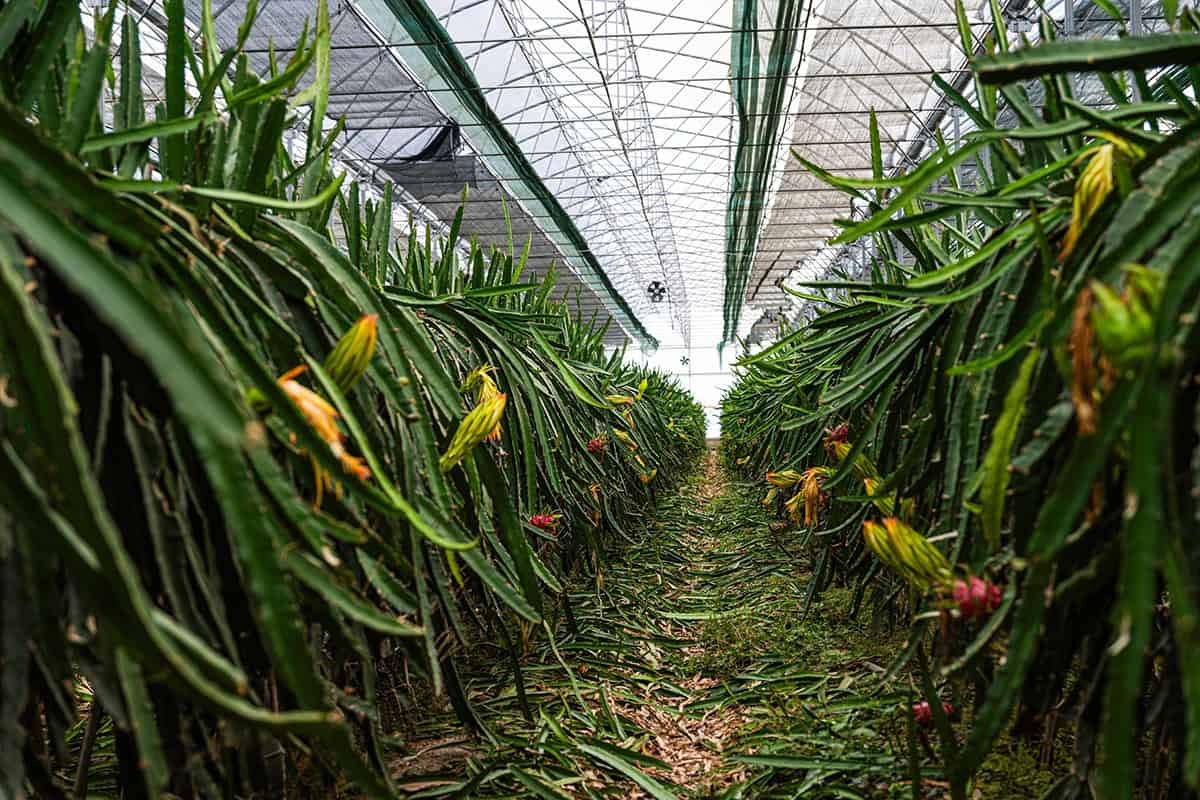
Dragon fruit may have an exotic appearance, but growing it is much less intimidating than it looks. A little attention throughout the growing season keeps the plant thriving and encourages plenty of blooms. Continue reading for straightforward advice that makes success easier.
Table of Contents
Quick Care Summary
Bright sunlight is non-negotiable—at least six to eight hours daily. In searing climates, a bit of afternoon shade spares the stems from sunburn.
Soil should be gritty and drain in a flash. Let it dry out between waterings; soggy roots are a recipe for disaster. Good airflow doesn’t hurt, either.
Water deeply, then wait until the soil’s nearly dry before watering again. During spring and summer, when the plant is pushing out new growth and flowers, you’ll water more. Ease up in winter, but don’t let the stems shrivel.
Warmth is crucial. Frost will knock this cactus out fast. Moderate humidity is fine—just keep the air moving.
A balanced fertilizer during active growth does wonders. Once the flowers fade, hold off on feeding. A solid trellis or post is essential; these stems get heavy and sprawl everywhere.
Propagation is simple—cuttings root fast and bear fruit sooner than seeds.
- Light: Full sun; 6–8 hours a day
- Soil: Gritty, well-drained cactus or sandy loam
- Watering: Deep, infrequent; minimal in winter
- Temperature: Warm; frost-free (USDA Zones 10–11)
- Humidity: Moderate, with airflow
- Fertilizer: Balanced feed while growing
- Propagation: Cuttings or seeds
- Fruiting Season: Late spring to fall, depending on your climate
Plant Overview
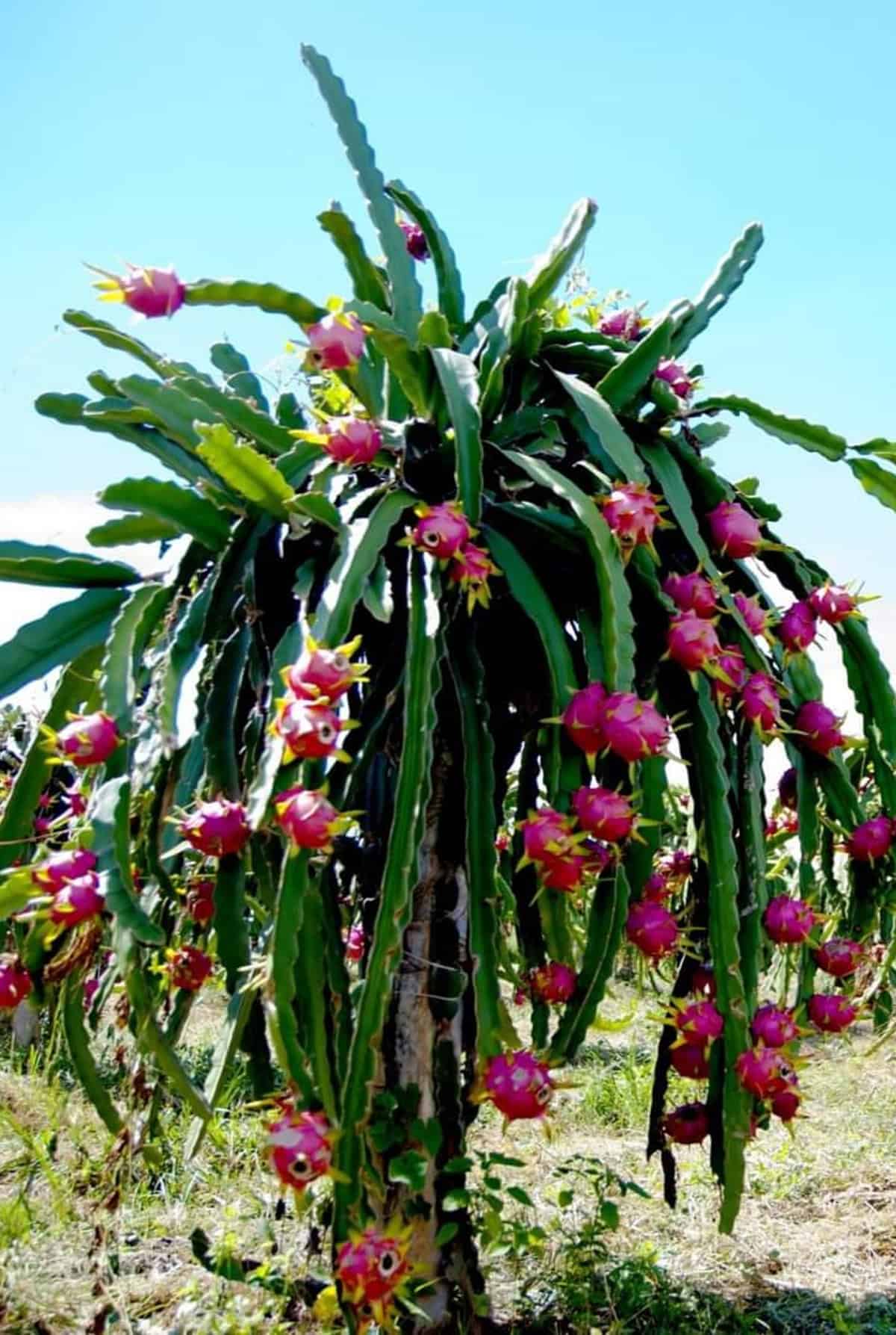
Twisting and climbing, dragon fruit grows on a cactus called Hylocereus undatus (and its close relatives). You might see it labeled as pitaya, pitahaya, or even strawberry pear at the market. Its night-blooming flowers are huge and fragrant, and the fruit is unmistakable—bright, scaled, and dramatic.
With a strong support, these cacti can stretch up to 20 feet if left unchecked. Most home growers keep things trimmed for easier picking. Stems are thick, three-sided, and dotted with small spines.
Hot, frost-free regions are ideal. While a brief chill won’t always kill it, consistent cold is a dealbreaker. Full sun is best for fruit, though young plants appreciate a little shade in scorching weather.
- Botanical name: Hylocereus undatus and hybrids
- Common names: Dragon fruit, pitaya, pitahaya, strawberry pear
- Plant type: Perennial climbing cactus
- Mature size: 15–20 ft with support
- Growth rate: Fast in warmth
- Toxicity: Fruit is safe; spines can prick
- Native region: Central and South American tropics
- Light: Full sun or very light shade
- Soil: Sandy or loamy, rich in organics, drains fast
- Watering: Let soil surface dry out between waterings
- Temperature: 65–77°F preferred; frost is dangerous
- Humidity: Moderate; tolerates some dryness
- Fertilizer: Balanced, every 1–2 months while growing
- Propagation: Cuttings are easiest; seeds are slow
- USDA zones: 10–11
- Fruiting season: Summer to early fall in warm spots
Light
Sunlight is the engine for growth and fruiting. Find the sunniest patch you can—six to eight hours of direct light is the sweet spot.
Temperatures between 65°F and 77°F keep the plant happy. It can handle heat up to 100°F, but relentless sun in arid places can scorch those fleshy stems. In those cases, a bit of afternoon shade makes a difference.
Young cuttings tend to sulk if thrown into direct sun right away. Give them filtered light for a month or two, then gradually up the exposure. Not enough sun? Expect floppy growth and few flowers.
Inside, south- or west-facing windows work, but if your space is gloomy, a full-spectrum grow light is your friend. Keep it close, but not so close that the plant cooks.
More sun means more flowers—and since blooms open at night, you might even catch the spectacle if you’re lucky. Skimping on light equals smaller harvests, plain and simple.
Water
Getting water right is trickier than it sounds. Dragon fruit stores moisture in its stems, but it still likes a good drink when growing. Let the top inch or two of soil dry out before you water again—don’t just stick to a calendar. Your finger is the best gauge.
In warm weather, in-ground plants usually need water every week or so. Containers dry out faster—sometimes every five days. When temperatures drop, cut back. In winter, you might only water every few weeks if things stay dry.
Soak thoroughly, then let excess drain away. Never let the pot or ground stay soggy. That’s a fast track to root rot and sad, mushy stems.
When buds and fruit are forming, increase water a bit—keep soil lightly moist, not soggy. After harvest, ease off again.
Soil
Gritty, quick-draining soil is non-negotiable for dragon fruit. Dense or heavy ground spells trouble for the roots. If clay is all you’ve got, you’ll need to work in lots of coarse sand or gravel.
Sandy loam is ideal, but as long as water drains quickly, the plant is pretty adaptable. Mixing in perlite or small gravel with your native soil helps. Raised beds or mounds can be a lifesaver in rainy spots or where the water table is high.
A pH between 5.5 and 7.0 is about right—slightly acidic to neutral. If your soil runs alkaline, watch for nutrient deficiencies and consider supplements.
Tossing in some compost or well-rotted manure before planting gives roots a boost. Just keep rich amendments a few inches from the stem to avoid rot.
For containers, opt for a cactus mix with extra perlite. Big drainage holes are a must. Don’t let pots sit in water, ever.
Temperature & Humidity
Dragon fruit is happiest when nights are mild and days are warm—think 65°F to 77°F. It’ll tolerate brief spikes up to 100°F if you keep the soil moist. Anything below freezing, though, and you’re rolling the dice. Even a light frost can scar stems, but if roots stay healthy, the plant might bounce back. Extended cold? Not likely.
In cooler climates, containers are your best bet—just drag them inside before frost hits. Outdoors, plant in the sunniest, most protected spot you have.
Humidity isn’t usually a dealbreaker. The plant adapts to both muggy tropics and drier subtropics. But in dry, hot wind, stems can scorch—some afternoon shade helps. Stuffy, humid air with poor circulation, on the other hand, can invite fungal disease. Keep things pruned and spaced for airflow. Drainage is always key. Stable warmth and moderate humidity will keep flowers and fruit coming.
Fertilizer
Once you spot new growth, it’s time to feed. Wait about a month after planting before the first dose. A balanced fertilizer—something like 6-6-6, 8-3-9, or 8-4-12 with magnesium—works well.
During year one, go light: about a quarter pound per plant every two months. Scatter it around the base, avoiding direct contact with the stem.
Mature plants need less frequent feeding but can handle a bit more per dose. Two to four applications a year usually does the trick. Don’t overdo it; too much fertilizer leads to salty soil and unhappy roots.
Adding compost or aged manure once or twice a year keeps soil healthy. In high-pH areas, minor element sprays with iron, zinc, and manganese can help—yellow stems often signal a deficiency.
If you can, test your soil before choosing a fertilizer. Plants use nutrients in several forms, whether you go organic or synthetic. Keeping things balanced supports strong stems and steady fruit.
Growing in Containers
Containers open up possibilities—patios, balconies, anywhere with good sun. You control the soil and can whisk the plant indoors if the weather turns nasty.
Pick a hefty pot, 20–25 gallons at least, with plenty of drainage holes. Terracotta or thick plastic pots help keep things stable as the plant gets heavier.
Cactus or succulent mix is the way to go. Mix in extra sand and perlite if needed. Roots won’t tolerate soggy soil, so skip anything dense or peaty.
Install a sturdy trellis or post when planting. These stems climb fast and get heavy. A central post with a frame on top works well.
Full sun is best, but in blazing climates, a touch of afternoon shade saves the stems. Protect from freezing temps.
Water when the top couple inches of soil are dry. Cut back in winter. Fertilize every two months during growth, using a balanced blend with magnesium and trace elements.
Prune after harvest to keep things tidy and improve airflow. Remove weak or crowded stems. Repot every few years if roots fill the pot.
Potting & Repotting
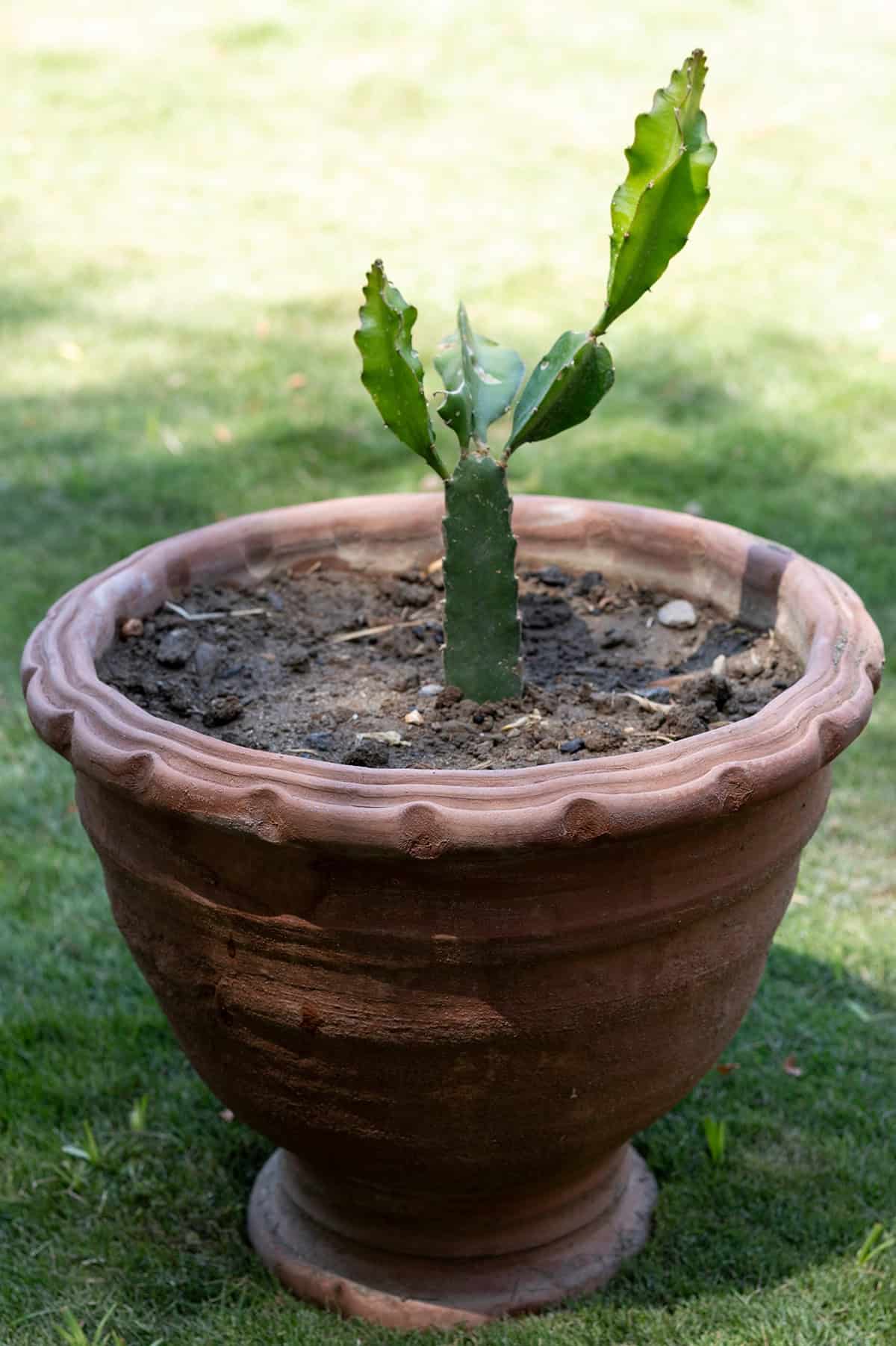
Go for a heavy, stable pot—these plants get top-heavy as they mature and can easily tip over a flimsy container. Drainage holes are a must to keep roots from sitting in water.
Cactus or succulent mix is best, but if you’re using regular potting soil, mix in sand or perlite so it drains fast. The soil should feel loose and dry out between waterings.
Repot when roots start circling the pot or poking out the bottom. Move up to a pot two or three inches wider. Keep the plant at its previous soil level to avoid stem rot.
After repotting, water once to settle the soil, then give the plant a few days in bright but indirect light. Once you see new growth, resume your usual feeding routine.
Pruning
Training starts early. Pick a strong stem and guide it up the trellis, snipping off side shoots until it reaches the top. Tie it gently to keep things upright. Once it’s at the top, pinch the tip to encourage branching.
As the plant matures, the canopy thickens fast. Without regular pruning, the tangle of stems blocks light and airflow, which means fewer flowers and smaller fruit.
Any dead, damaged, or diseased stems should go as soon as you notice them. Cut back anything touching the ground or crowding the support. Keep a handful of healthy, spaced branches for best results.
Prune once or a few times a year, depending on how wild the growth gets. Use sharp tools for clean cuts to avoid rot. If you’re in a rainy area, treat big wounds. Throw out pruned stems far from your plant to avoid pests and disease.
Propagation
Most folks go with cuttings for quick, predictable results. Seeds are an option, but they take their sweet time and don’t always match the parent plant.
For seeds, scoop them from ripe fruit, clean off the pulp, and let them dry for a day. Sow on moist, well-drained soil and keep in bright, indirect light. Patience is key—fruiting takes years.
Cuttings, on the other hand, get you there faster. Snip a healthy stem 6 to 15 inches long, then let it dry in shade for about a week until the cut end calluses.
Stick the callused end a few inches deep in sandy, well-drained soil or cactus mix. Keep the soil just barely moist. Roots show up in a few weeks, followed by new growth.
Once established, move the plant to its permanent home with a solid trellis. Warmth and bright light will keep it growing strong.
Fruiting & Harvest
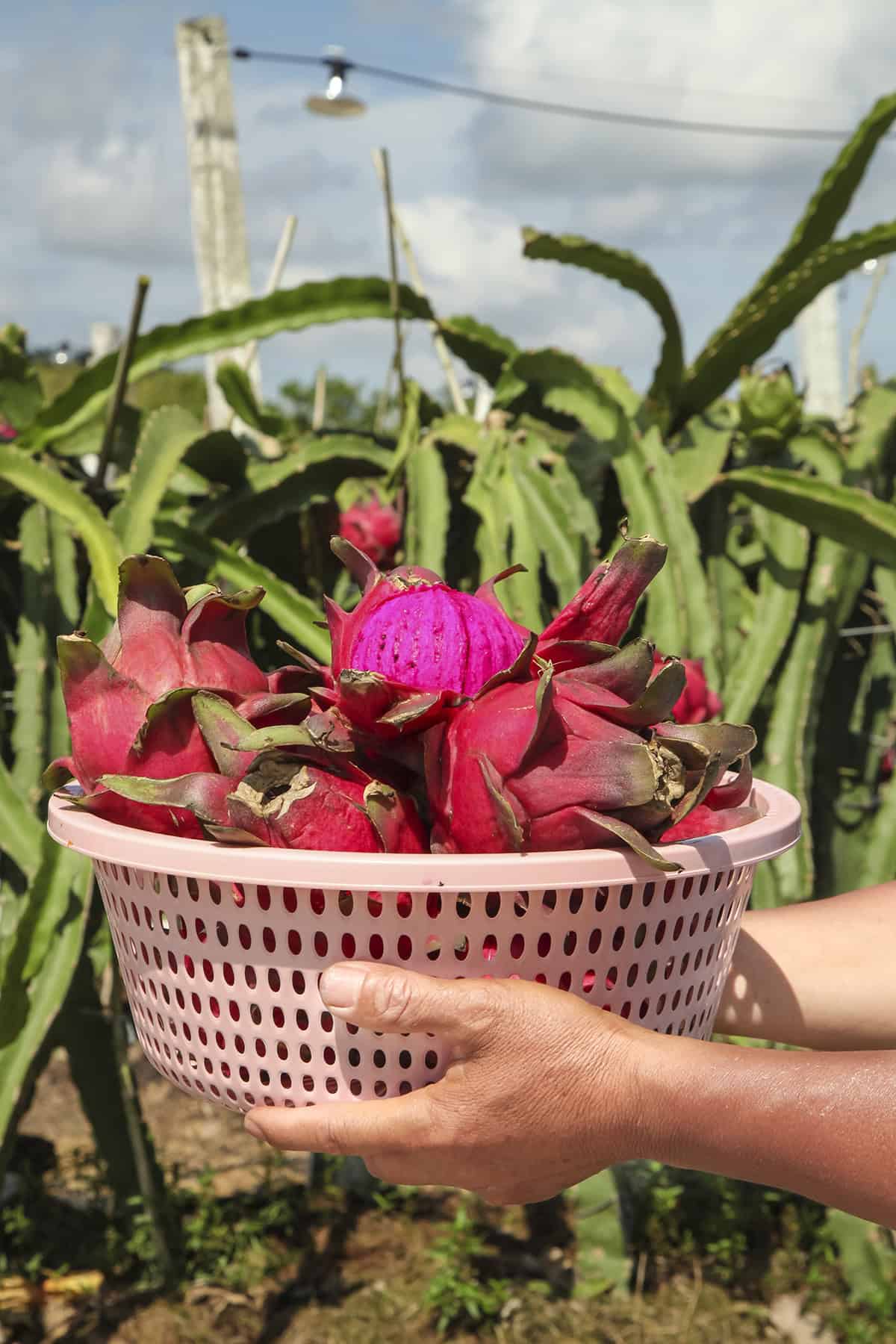
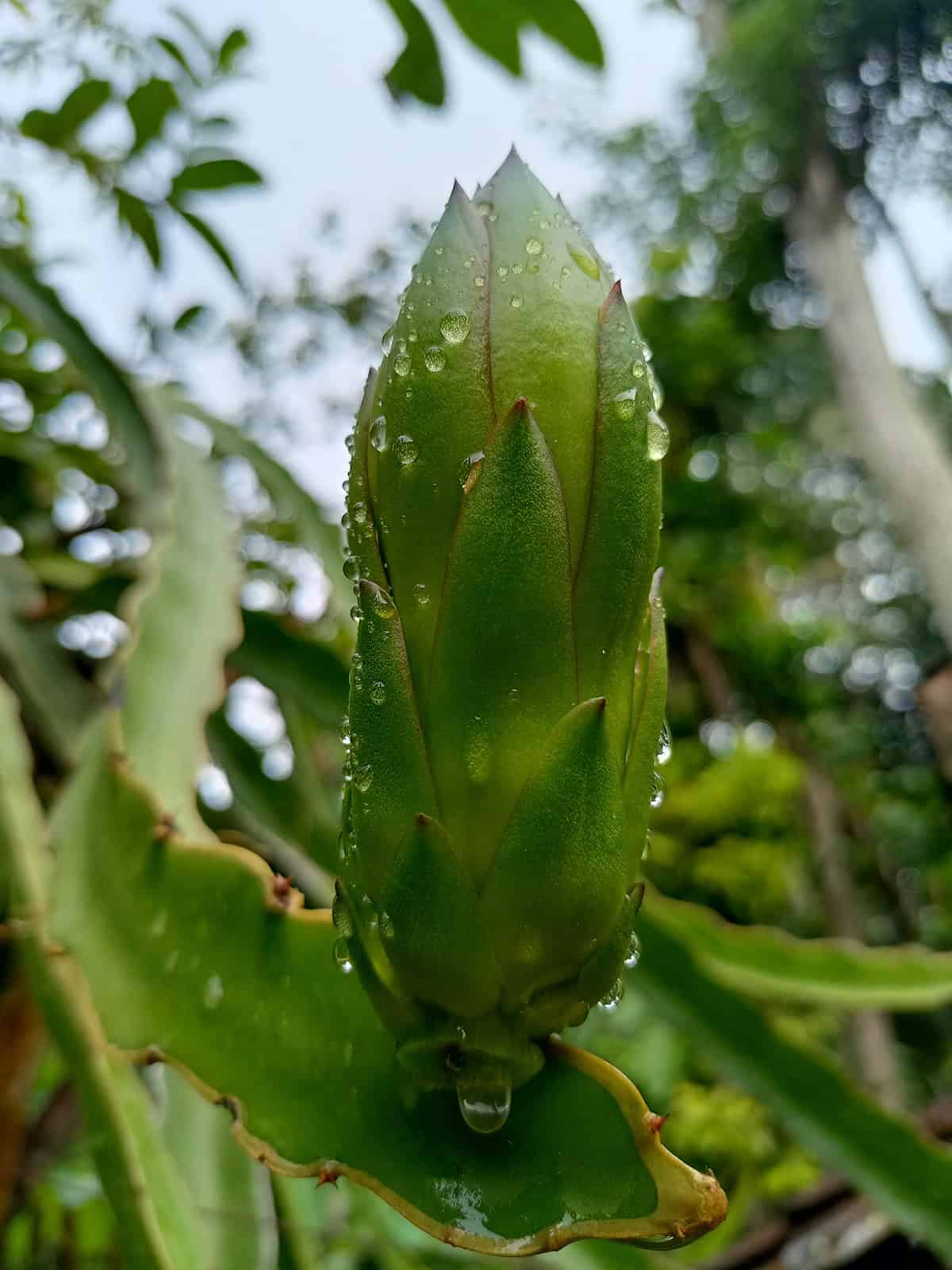
Night falls and the buds finally unfurl—dragon fruit flowers, massive and ghostly white, fill the air with a heady fragrance. They’re fleeting, closing up shop by late morning, so if you want to see the spectacle, you’ll need to be up late (or very early). Not all types play nice on their own; a few insist on cross-pollination, which means you might be out there with a paintbrush or relying on a second plant for any hope of fruit.
Once pollinated, the pace picks up. Fruit swells fast—sometimes in just a month, maybe a little longer. The skin shifts to a bold red or yellow, scales at the tips start to dry out, and that’s pretty much your cue. Don’t expect any post-harvest miracles; if it’s not fully colored, it won’t ripen further on the counter.
Cutting the fruit from the stem is the way to go. Twisting can leave ugly scars on the plant, so sharp pruners are worth the trouble. The fruit itself bruises easily, so treat it gently. Tucked into the fridge, it’ll keep for maybe two weeks, but honestly, it rarely lasts that long.
Biting into dragon fruit? It’s a mild, sweet thing—almost understated—with tiny seeds giving it a kiwi-like crunch. The white-fleshed ones tend to be subtle, while the red or magenta types bring a bit more sweetness. It’s best chilled, straight from the fridge, or tossed into whatever salad or smoothie you’re making.
Common Problems
Warm, humid weather turns dragon fruit into a bit of a diva. Too much moisture, stagnant air, or not enough sun, and issues start piling up fast.
Canker is a real headache, especially when humidity ramps up. Fungal spots—yellow or brown, sometimes sunken—show up on stems and fruit, eventually cracking and drying out. The only real move is to cut out the bad bits right away and thin things out so air can move through.
Soggy soil spells trouble for the roots. If the base of the stem goes soft, pale, or mushy, root rot is probably the culprit. The irony? The plant wilts even while the soil feels wet. Quick-draining soil and letting things dry out a bit between waterings usually helps.
Sometimes, fruit just refuses to set. Poor pollination is often to blame, especially with varieties that want a partner. Hand pollinating at night actually works, if you’re willing to give it a try.
Then there are the bugs—mealybugs, ants, thrips, scale insects—sucking sap and leaving sticky residue behind. Stems might look twisted or off. A strong spray of water or a round of insecticidal soap usually knocks them back, unless you let things get out of hand.
And if you move your plant from shade to blazing sun too quickly, sunburn’s almost inevitable. Bleached, dry patches show up on the stems. Easing them into stronger light is the safer bet.
Varieties
Step into a nursery or specialty collection, and you’ll see a wild range of dragon fruit types—some with pale flesh inside vivid red skins, others with dazzling magenta interiors, and a few with yellow, almost spiky exteriors hiding sweet white pulp. Sweetness, size, and pollination quirks shift from one type to the next, and honestly, that’s part of the fun.
In the world of red-skinned, white-fleshed varieties—think Hylocereus undatus—names like ‘Honolulu Queen’ and ‘Moonlight’ cactus tend to pop up. These can fruit reliably, though a few stubborn sorts really want a pollen buddy nearby to hit their stride.
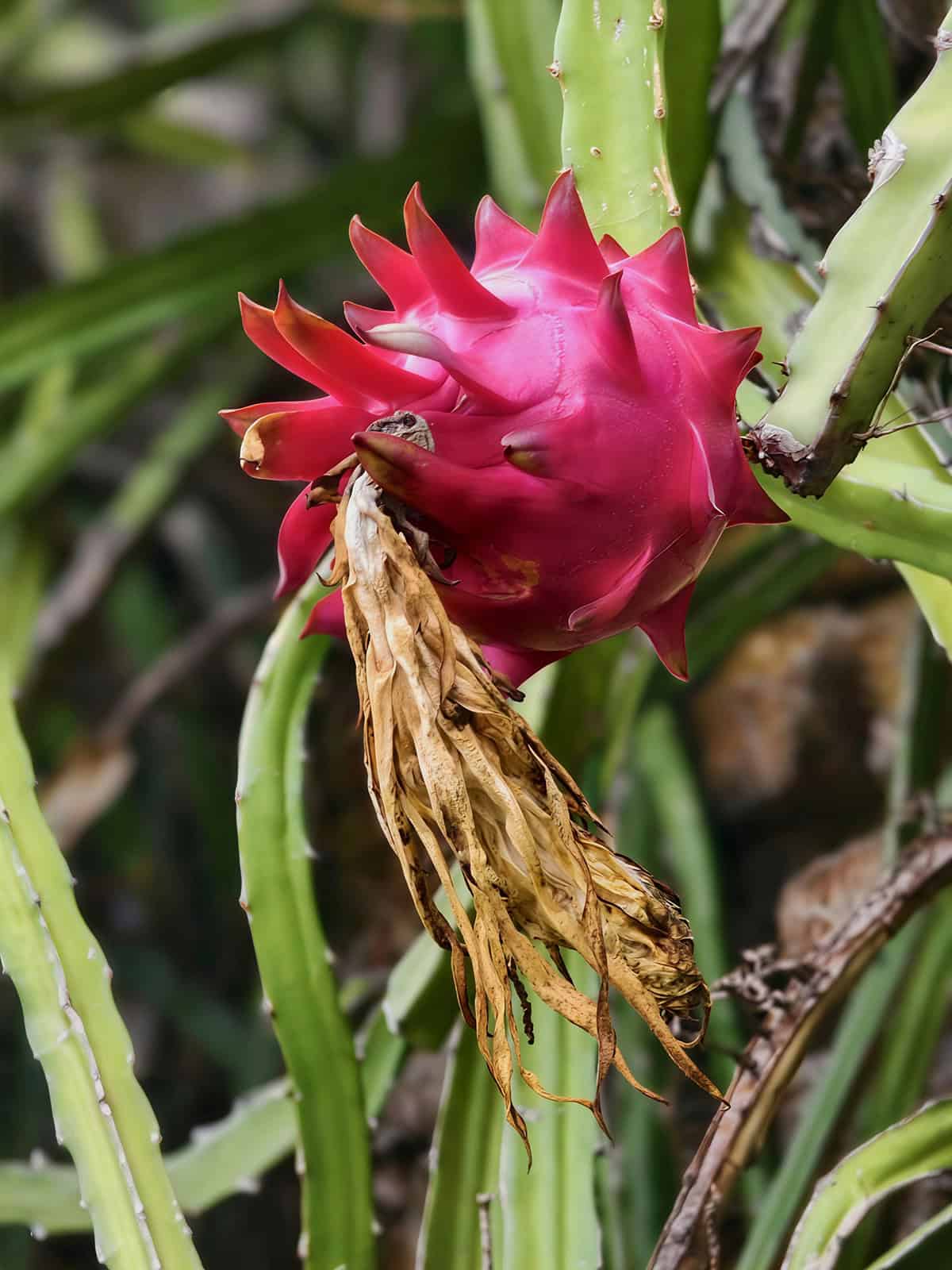
Then there are the deep-hued, red-fleshed cultivars—Hylocereus costaricensis and Hylocereus guatemalensis—which slice open to reveal a bold magenta that practically begs for attention in a fruit bowl. They’re not just pretty, either; the sugar content edges a bit higher, making them a hit for anyone with a sweet tooth.
Yellow dragon fruit, usually tagged as Hylocereus megalanthus, really doesn’t blend in. The skin’s a striking yellow, dotted with tiny spines, and the fruit itself runs smaller but packs a punch in sweetness compared to its red-skinned cousins.
Pollination gets a bit tricky—some plants just won’t set fruit unless another compatible type is close by. If you’re aiming for a bigger harvest, mixing two or three different varieties in the same patch can make a surprising difference. Their night-blooming flowers lure in moths and bats, but for backyard growers, a little hand pollination sometimes feels like a secret hack.
Personal taste, local climate, and garden space all come into play when picking which to grow. Warmer spots with gentle winters? You’ll have the most options to play with.