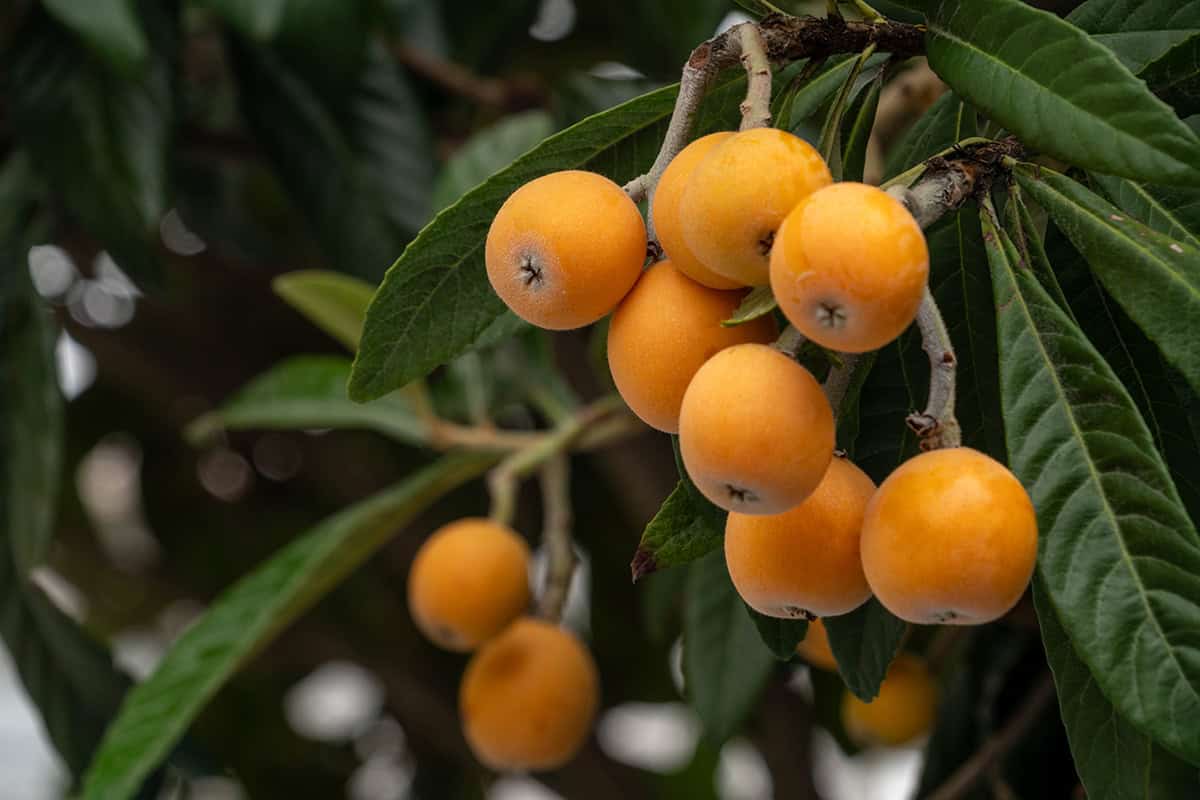
Planting a loquat tree is a great way to enjoy fresh fruit straight from your backyard. It grows best with plenty of sunlight, well-drained soil, and regular care during its early years. Healthy trees reward that attention with vigorous growth and flavorful harvests. Keep reading for practical tips that make growing loquats easy.
Table of Contents
Quick Care Summary
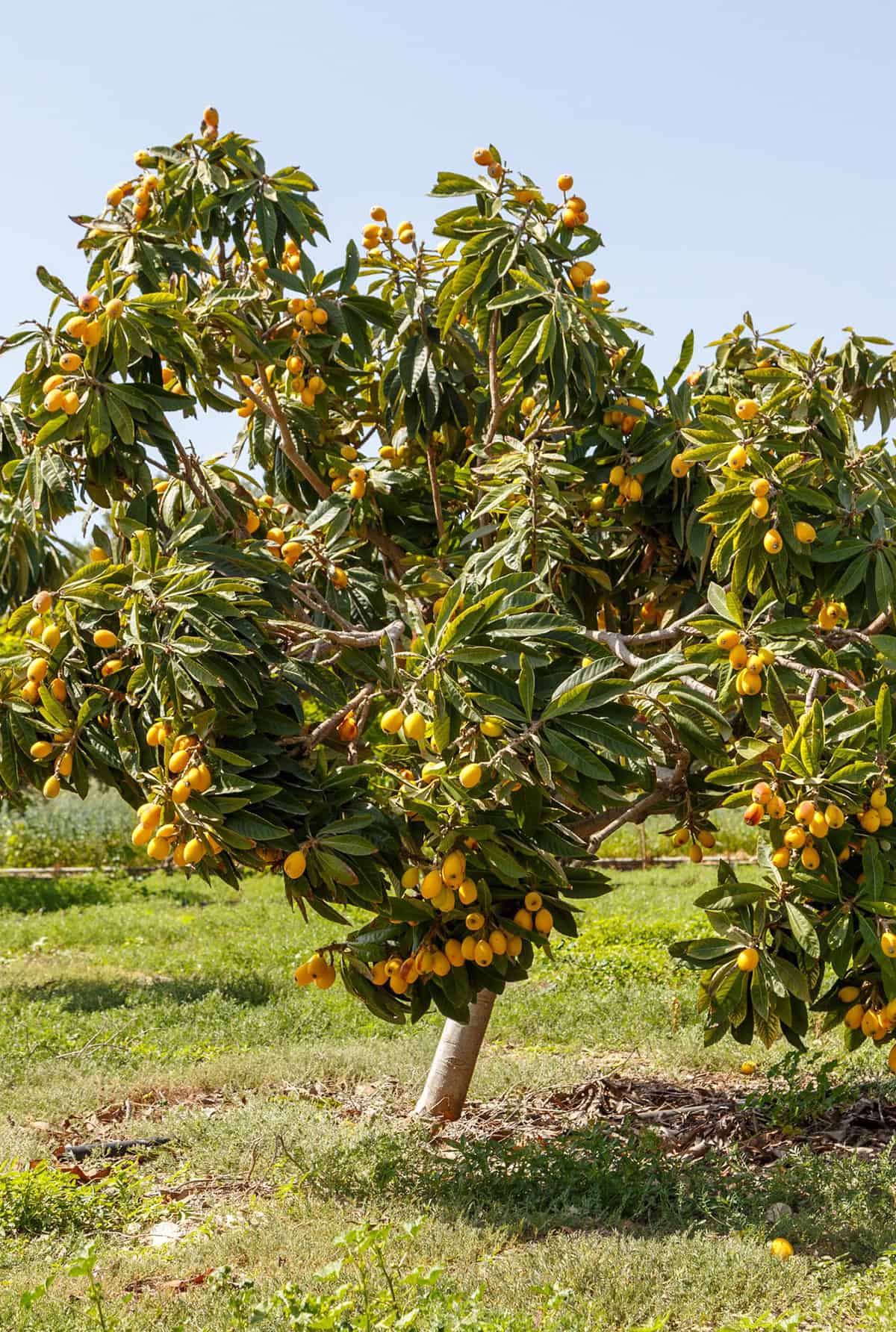
Picture a small evergreen tree that doubles as a fruit source and a bit of shade. Loquats love sun and space, thriving in climates where winters are gentle and the soil drains freely.
Blooms show up in fall or early winter, fruit follows in late winter or spring. Expect a mature tree to stretch 15–25 feet in both directions, unless you keep it in check with pruning.
- Light: Needs plenty of sun for decent fruit; will tolerate some shade
- Soil: Drains well; sandy or loamy both work
- Watering: Moderate, but deep—especially if it’s dry
- Temperature: Prefers mild winters; mature trees can handle about 10°F (-12°C)
- Humidity: Fine with average humidity; hates soggy ground
- Fertilizer: Balanced blend in early spring and early summer
- Propagation: Grafted plants if you want good fruit; seed mostly for rootstock
- USDA Zones: 8–10
- Fruiting Season: Late winter through spring
Keep the trunk safe from string trimmers and mowers. No grass right up to the bark. Thin out crowded branches so air and light can move through.
Plant Overview
With its bold, leathery leaves and springtime fruit, Eriobotrya japonica—better known as loquat, Japanese medlar, or pipa—brings a lot to the garden. Some folks grow it for the fruit, others just for the shade.
Originally from China, it’s now at home in warm spots around the globe. It fits as a specimen tree, privacy screen, or an accent by the patio.
Plant Profile
- Botanical name: Eriobotrya japonica
- Common names: Loquat, Japanese medlar, pipa
- Plant type: Evergreen fruit tree or large shrub
- Mature size: 10–30 feet tall and wide
- Growth rate: About 1–2 feet per year
- Toxicity: Seeds are toxic if crushed and eaten
- Native region: Central and southern China
The leaves form a dense, upright canopy, and those fragrant white flowers in fall are a bonus. Come spring, the fruit turns yellow or orange and softens up—time to harvest.
Quick Care Summary
- Light: Sun to partial shade
- Soil: Well-drained, not picky about type
- Watering: Needs water during dry spells; don’t drown it
- Temperature: Hardy to 12°F; flowers suffer below 27°F
- Humidity: Moderate is fine
- Fertilizer: Go by soil test, balanced blend
- Propagation: By seed, graft, or semi-hardwood cuttings
- USDA hardiness zones: 8b–10
- Fruiting season: Spring, usually April–May
Light
Bright, direct sunlight for much of the day really brings out the best in these trees. Six hours or more is ideal, especially if you’re after a decent fruit crop.
Sure, they’ll tolerate a bit of shade, but expect a sparser canopy and a lighter harvest. In too much shade, branches tend to grow upright and fruit quality slips.
If you’re gardening where summers get brutal—think 95°F and up—afternoon shade can be a lifesaver for the leaves. Water well during heat spells to help the tree cope.
Open sky and good airflow make for healthier growth. Avoid spots shadowed by buildings or big trees. Morning sun is especially handy for drying off dew and keeping disease at bay.
For potted or indoor trees, aim for the brightest window you’ve got—south or west is best. Give the pot a quarter-turn now and then for even growth.
Water
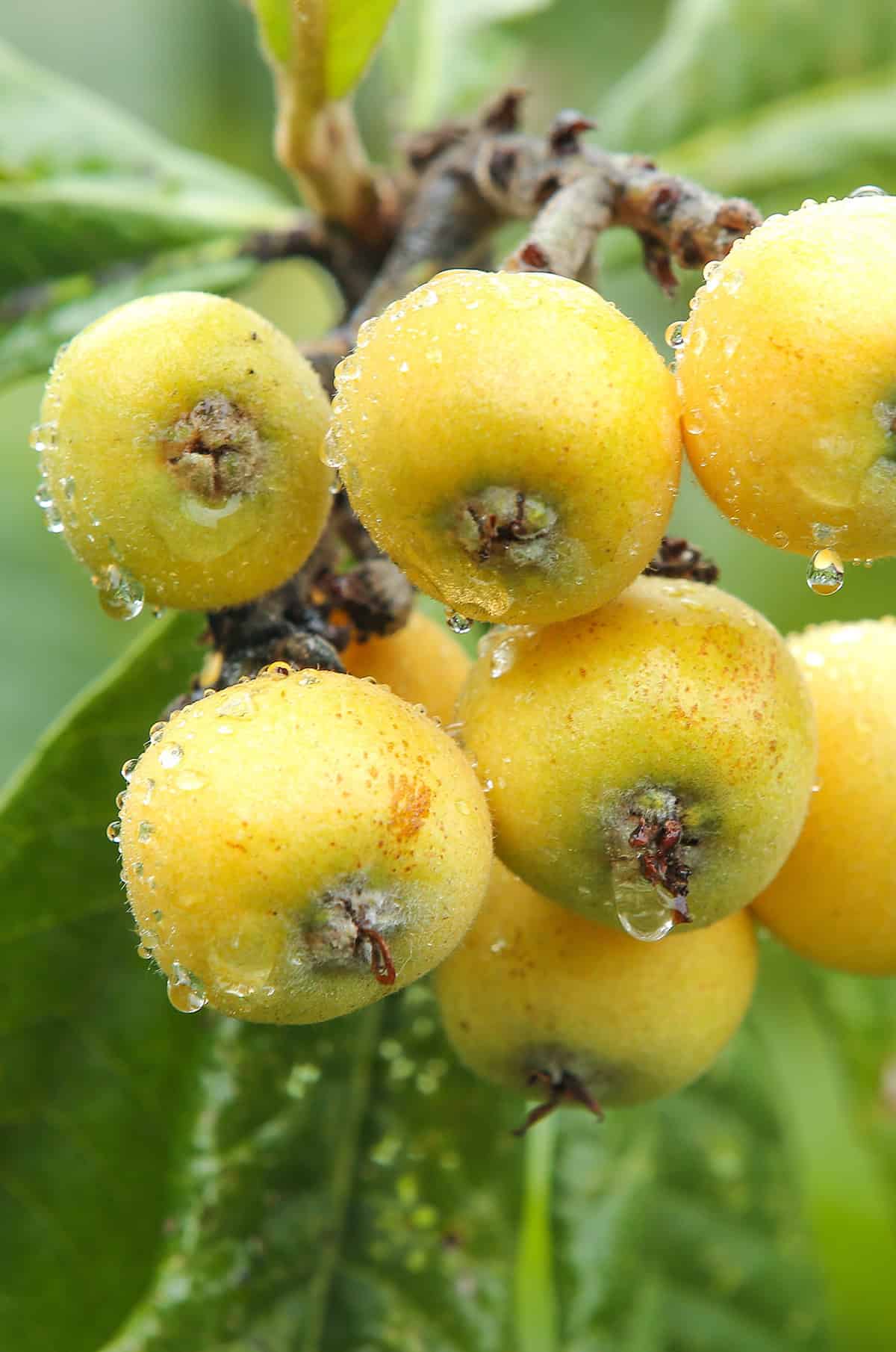
Loquat trees appreciate steady moisture, especially when young. First-year trees need a regular schedule; keep the soil moist but not soggy. Roots want oxygen, so don’t drown them.
Forget the shallow sprinkling—deep watering is the ticket. Let water soak down 12–18 inches, then wait until the top few inches dry out before watering again.
Older trees are tougher, handling short dry spells without fuss. Long droughts, though, shrink fruit and dull the flavor. If rain is scarce from late summer through fruiting, up your watering game.
Drainage is non-negotiable. Soggy soil spells trouble. If water lingers after rain, cut back on irrigation and check the soil by hand before adding more.
A mulch layer (2–6 inches of wood chips or bark) over the roots helps hold moisture and keeps soil temps steady. Just keep mulch away from the trunk to avoid rot.
Sandy soils dry out fast, so water more often. Clay holds water longer—space out waterings, but make them deep. Adjust for the weather, not just the calendar.
Soil
It’s all about drainage. Loquats aren’t picky about soil type—sandy, loamy, even some clay—but roots need to breathe. Consistently soggy ground leads to sad, stunted trees.
In limestone or slightly alkaline soils, loquats still get by. If leaves start yellowing (iron deficiency), a dose of chelated iron usually sorts it out.
Aim for a pH between 6.0 and 7.5, though minor swings outside that range rarely cause drama. If you’re not sure about your soil, a quick test through your local extension office can help.
Skip spots that flood or stay wet. If your soil’s heavy or your water table’s high, mound up a planting bed two or three feet to give roots a break.
Don’t overdo it with amendments. Fill the hole mostly with native soil, not pure compost, so roots spread out naturally. Mulch the root zone, but leave a gap at the trunk.
Temperature & Humidity
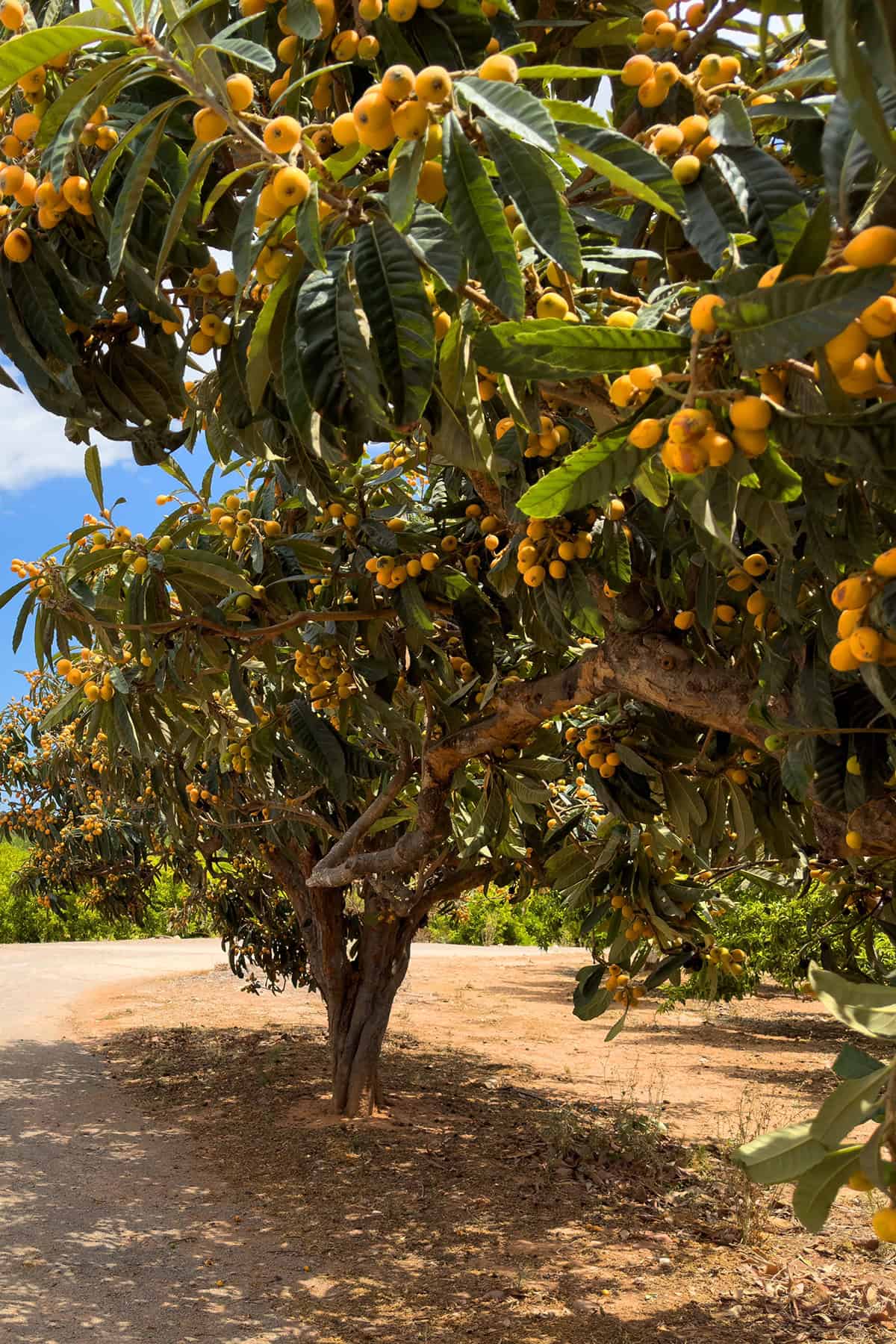
Loquats are happiest in USDA zones 8 to 10, where they can ride out winter without much fuss. Mature trees will take a freeze down to about 12°F, but flowers and baby fruit are more sensitive—anything below 27–28°F can wipe out a crop.
Pick a planting spot that’s sheltered from harsh winds and doesn’t catch early morning sun after a freeze. Sudden thawing can be rough on blooms. In cooler areas, a frost cloth now and then can save the day. If you’re growing in a pot, just move the tree somewhere warmer when cold threatens.
Summers that climb past 95°F can scorch leaves, so deep watering and a bit of afternoon shade help. Moderate humidity is fine, and as long as the soil drains, loquats adapt to typical garden conditions.
Fertilizer
A little feeding goes a long way. Young trees benefit from light, steady fertilizer for the first few years. Once established, fewer applications do the trick—just aim for a boost before bloom and again during fruit set.
Start with about 1/4 pound of a balanced fertilizer (like 6-6-6) every couple of months in year one. Bump up the amount as the tree grows, but don’t get carried away.
For older trees, two or three feedings a year usually suffice: just before blooms in late fall, again in early spring, and one more time in early summer. Stick with a balanced blend—6-6-6 or 8-3-9 works.
Go easy on nitrogen; too much can make the tree vulnerable to fire blight. If your soil lacks micronutrients, supplement with iron, zinc, or manganese as needed. In alkaline soils, chelated iron drenches during warm months can help.
Always water after fertilizing to move nutrients into the soil. Spread fertilizer under the canopy, but keep it a few inches from the trunk.
Growing in Containers
Limited space? Loquats can handle pot life if you pick a big enough container (15–25 gallons is a good start) and pay attention to drainage. Heavy pots are better—they won’t tip over in the wind.
Go for a well-drained potting mix, slightly acidic to neutral. Blend in coarse sand or fine bark for extra drainage. Skip garden soil; it compacts and holds too much water.
Full sun is best, but in scorching climates, some afternoon shade keeps leaves from frying. When temperatures threaten to dip below 27°F during bloom or fruiting, drag the pot into shelter.
Water deeply and let the top couple inches dry out before watering again. Pots dry out quicker than ground soil, so check often. Cut back on watering during cool spells.
Fertilize lightly every 6–8 weeks during the growing season with a balanced blend. Ease up in late summer to avoid tender, frost-prone growth.
Prune to keep the canopy compact and let light in. After harvest, thin out crowded branches. Every few years, refresh the soil and trim roots if they start circling.
Potting & Repotting
Container growing works well where ground space is tight or winters get too cold. Pick a sturdy pot with plenty of drainage. For young trees, 18–24 inches wide is a solid starting point.
Fill with a loose, well-drained mix—potting soil blended with coarse sand or pine bark. Avoid heavy garden dirt; it compacts and suffocates roots.
Plant so the top of the root ball sits at or just above the soil surface. Press the soil down gently and water thoroughly, letting any excess drain away.
Every couple of years, give the tree a new pot one size up, unless it’s already as big as you want. In that case, root prune: slide the tree out, trim a few inches off the outer roots, swap out some old soil for fresh, and put it back in the same container.
Bright sunlight encourages flowering and fruiting, but ease off on watering if the weather turns cold and wet.
Pruning
Taming a loquat isn’t tricky, but a little shaping early on pays off. Focus on structure while the tree’s young—either a strong central leader or an open center works, as long as the canopy stays balanced.
Late winter or early spring is the usual pruning window. In frost-prone spots, wait for new shoots before cutting out winter damage. Start with any dead, broken, or diseased branches, making cuts just above healthy wood.
Thin out crowded spots to let air and light into the canopy, and remove any limbs that cross or rub. Avoid chopping the top off—big stubs invite problems. Stick to the tree’s natural lines.
After picking fruit, trim back long shoots if height’s becoming an issue, but don’t take off more than a third of the canopy in a single year. Too much nitrogen makes for soft, disease-prone shoots. If you spot disease, disinfect your tools between cuts.
Older trees don’t need much shaping, but regular cleanup helps. Raising the canopy by removing lower branches can make for a tidier, tree-like shape.
Propagation
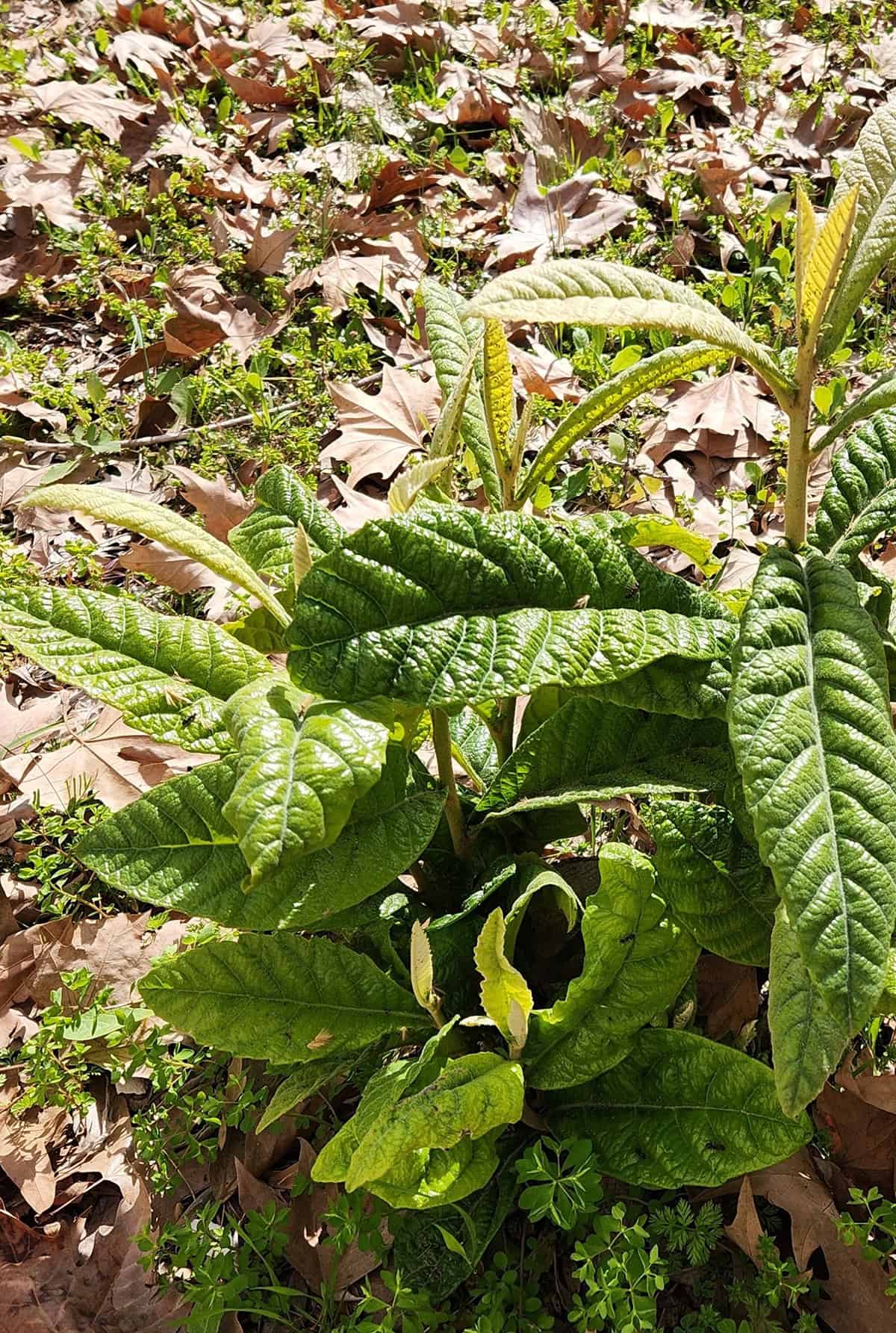
Starting loquats from seed is easy enough, but don’t expect the fruit to match the parent. Seedlings often take 6–8 years to bear, so this route mainly suits those growing rootstock.
For fruit you can count on, grafted trees are the way to go. Grafting preserves the variety’s flavor, size, and yield, and you’ll usually get fruit within a year or two after planting.
Nurseries generally graft onto seedling rootstock, using techniques like cleft, veneer, or whip grafts. Budding methods (chip or shield) can work too, especially when the bark’s slipping.
Cuttings are possible but unpredictable. Semi-hardwood cuttings from healthy branches, treated with rooting hormone and kept in a moist, well-drained medium, sometimes take—sometimes not.
Air layering is another option for cloning a favorite tree. It takes patience, but you’ll get a true copy when roots finally form on the branch.
Whatever method you try, start with healthy, disease-free material. That goes a long way toward avoiding fire blight and other headaches down the road.
Fruiting & Harvest
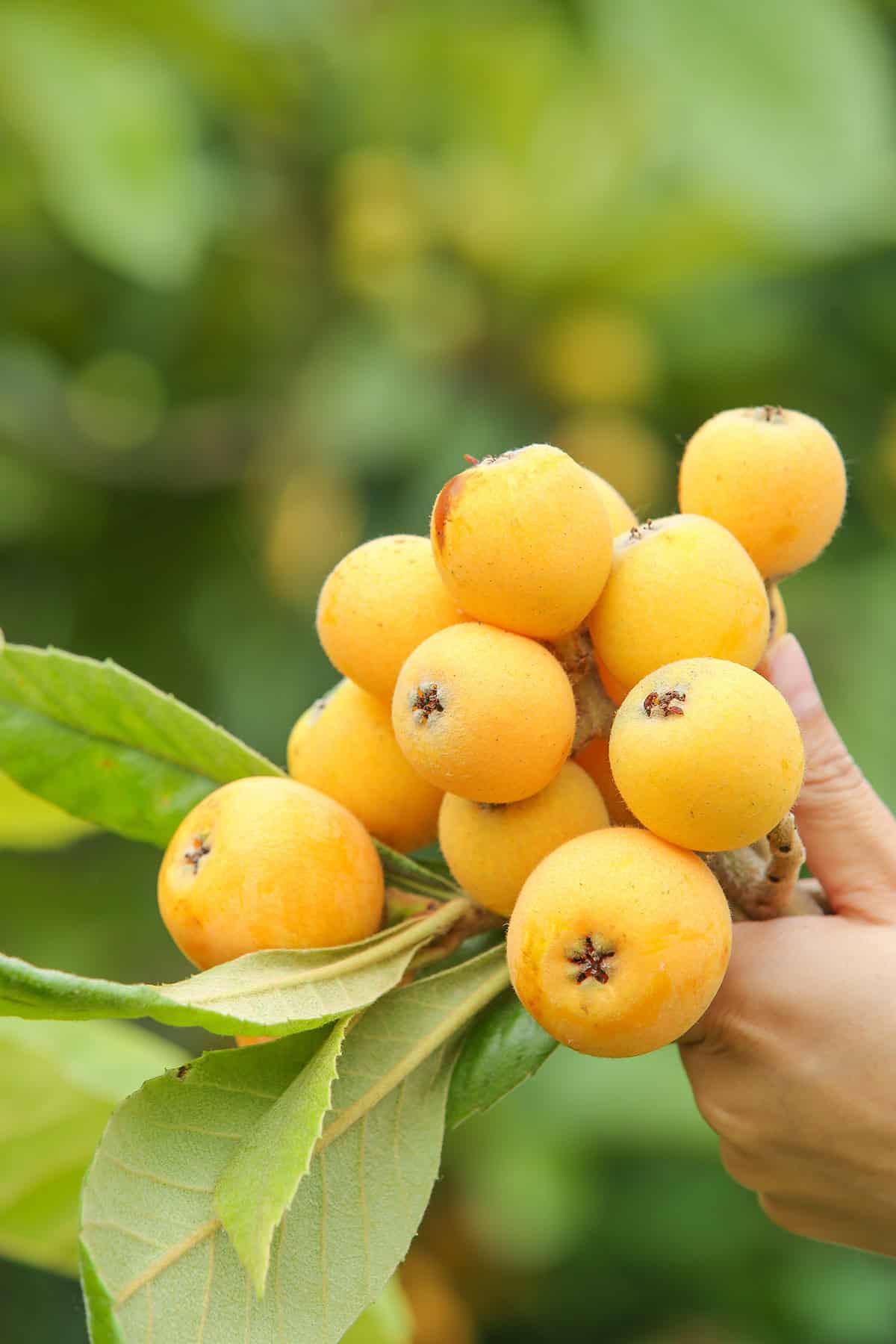
Late winter or early spring in warm regions brings the first signs of ripening loquat fruit, often right as the chill in the air starts to fade. Trees usually bloom in the fall, but any dip below 28°F can spell trouble for the delicate flowers or barely-formed fruit. Production swings wildly—some mature trees crank out just a few dozen pounds, while others are loaded with hundreds, all depending on their size and how much attention they get. Dry spells tend to shrink the fruit, but the flavor? Still holds up surprisingly well.
When you’re checking for ripeness, color and feel tell most of the story: look for a deep yellow to orange hue and a bit of give when squeezed. Flavor is the real test, since loquats won’t sweeten up after they’re picked. The seeds inside take up a lot of space, so heavier fruit often means more flesh. Sometimes the skin shows russet patches, but that’s just cosmetic—it won’t mess with the taste.
Clusters that are mostly colored up are ready to come off the tree. Some folks snip entire bunches with sanitized pruners, while others prefer to twist off individual fruits, careful not to rip the thin skin. These fruits bruise easily, so a gentle touch matters. If you can, pick in the morning when it’s still cool.
Fresh loquats won’t last much longer than a week in the fridge. Hold off on washing them until you’re ready to eat to avoid soggy skin. Some people love them straight from the bowl, others scoop out the seeds and cook the rest into jam or desserts. If you wait too long to harvest, birds and bugs will beat you to it.
Common Problems
Pests seem to have a particular fondness for loquat leaves and fruit. New growth often ends up swarmed by aphids, leaving behind curled leaves and sticky sap. Black scale lurks on stems and the underside of leaves, sapping strength and bringing in sooty mold.
For small outbreaks, a strong blast from the hose can knock pests off. Horticultural oil works best when aphids or scale are active, but catching them early is key. Regularly checking the hidden parts of leaves helps spot trouble before it gets out of hand.
Fruit doesn’t always get off easy, either. Fruit flies and codling moths send their larvae tunneling inside as the fruit ripens, sometimes causing it to drop before you even notice. Thinning out crowded clusters and bagging them up before they turn color can help keep the worst at bay.
Disease occasionally sneaks in, too. Fire blight, sometimes called pear blight, leaves shoots blackened and scorched-looking. Blossoms collapse, and branch tips die back, especially when the weather turns warm and wet.
Cutting out infected wood—well below where the damage shows—is the only way to slow fire blight, and it’s smart to clean your tools between cuts. Overdoing it with nitrogen fertilizer just encourages soft, vulnerable growth, so it’s better to go easy.
Soggy soil spells trouble for loquat roots. Poor drainage can leave leaves yellow and the tree struggling. Fixing drainage and dialing in irrigation helps keep roots in good shape.
Popular Varieties
Sunlight dappling through glossy leaves sets the stage for a surprising range of loquat cultivars—each with its own quirks. Some thrive in tight city gardens, while others sprawl across bigger landscapes, demanding room to breathe. Named varieties usually outshine seedling-grown trees when it comes to fruit quality, and honestly, the differences in skin color, flesh, and even seed count can be pretty striking.
Among the standouts, ‘Advance’ tends to yield yellow-skinned fruit with white flesh and just a couple of seeds—handy for those who don’t want to fuss with too many pits. It manages to set fruit solo, though a pollinator nearby won’t hurt. The ‘Champagne’ cultivar leans toward a lighter color palette, with pale yellow to almost orange skin and flesh that’s subtle in flavor; this one’s a bit needy, often requiring a partner tree for decent harvests.
Texture lovers might gravitate toward ‘Oliver,’ whose fruit carries a thick orange skin and matching flesh, while ‘Wolfe’ swings the other way with thin yellow skin and a sweeter, milder taste. For anyone short on space (or just into patio gardening), ‘Premier’ keeps things compact, rarely topping six feet. Meanwhile, ‘Variegata’ isn’t shy about showing off—its green leaves streaked with white catch the eye, and yes, it still manages to produce fruit worth eating.
Local climate and space constraints can really narrow down your options, so it’s worth checking with nearby experts or extension offices to figure out which loquat types will actually thrive where you live.