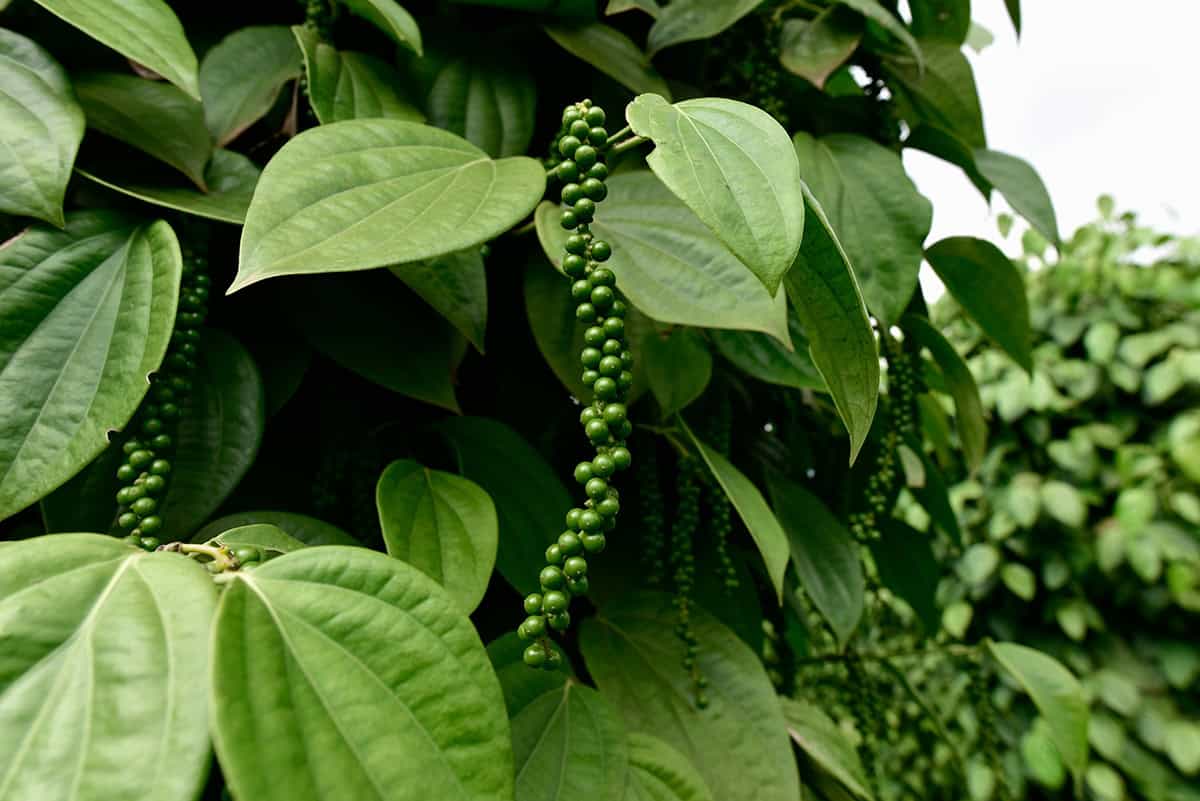
Black pepper isn’t just a grocery store staple. It’s a fascinating tropical vine that grows well with consistent warmth and moisture. Keep reading to discover the growing habits and care routine that help it flourish.
Table of Contents
Quick Care Summary
Set your expectations for a plant that wants bright, indirect light and warmth—think 75 to 85°F, with humidity above 60%. Rich, airy soil that drains well (pH 5.5–6.5) is key. Water enough to keep things moist but not soggy. Feed with balanced liquid fertilizer during the growing months, and remember: a trellis is non-negotiable. Even with great care, don’t expect peppercorns for at least three years.
Plant Overview
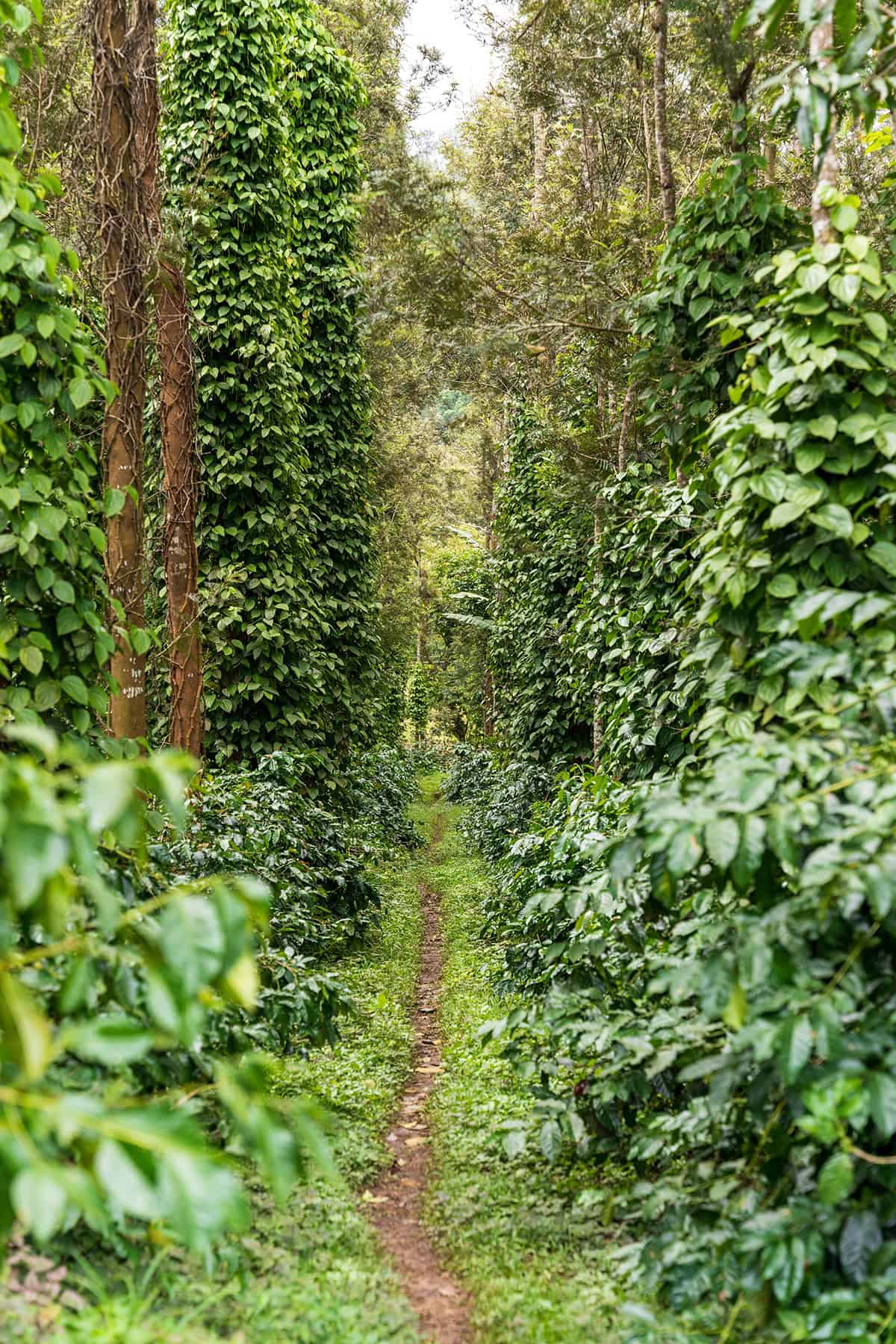
Native to the lush forests of India’s Malabar Coast, Piper nigrum is a woody vine that can scramble up to 30 feet in the wild, wrapping itself around trees and anything else in reach.
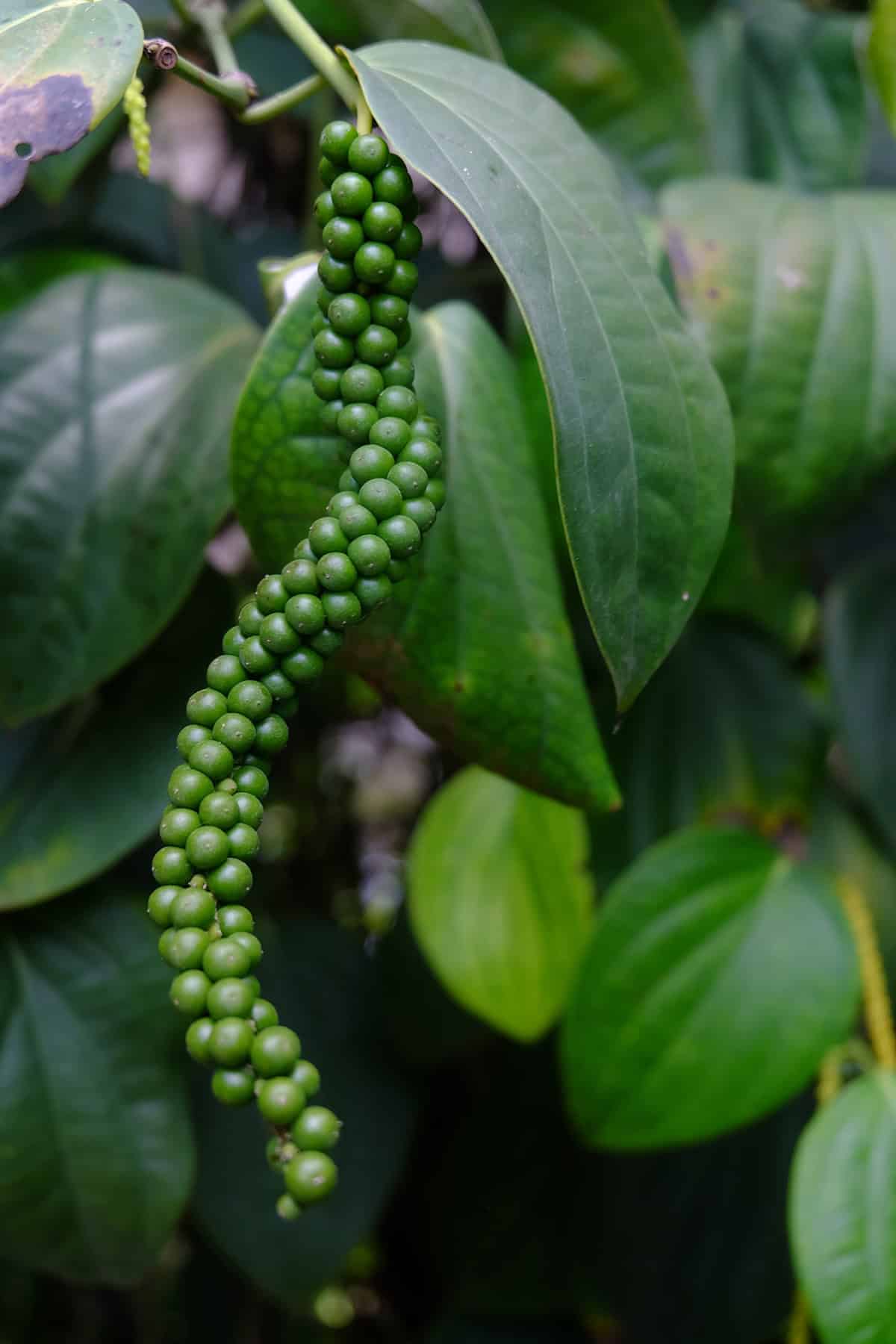
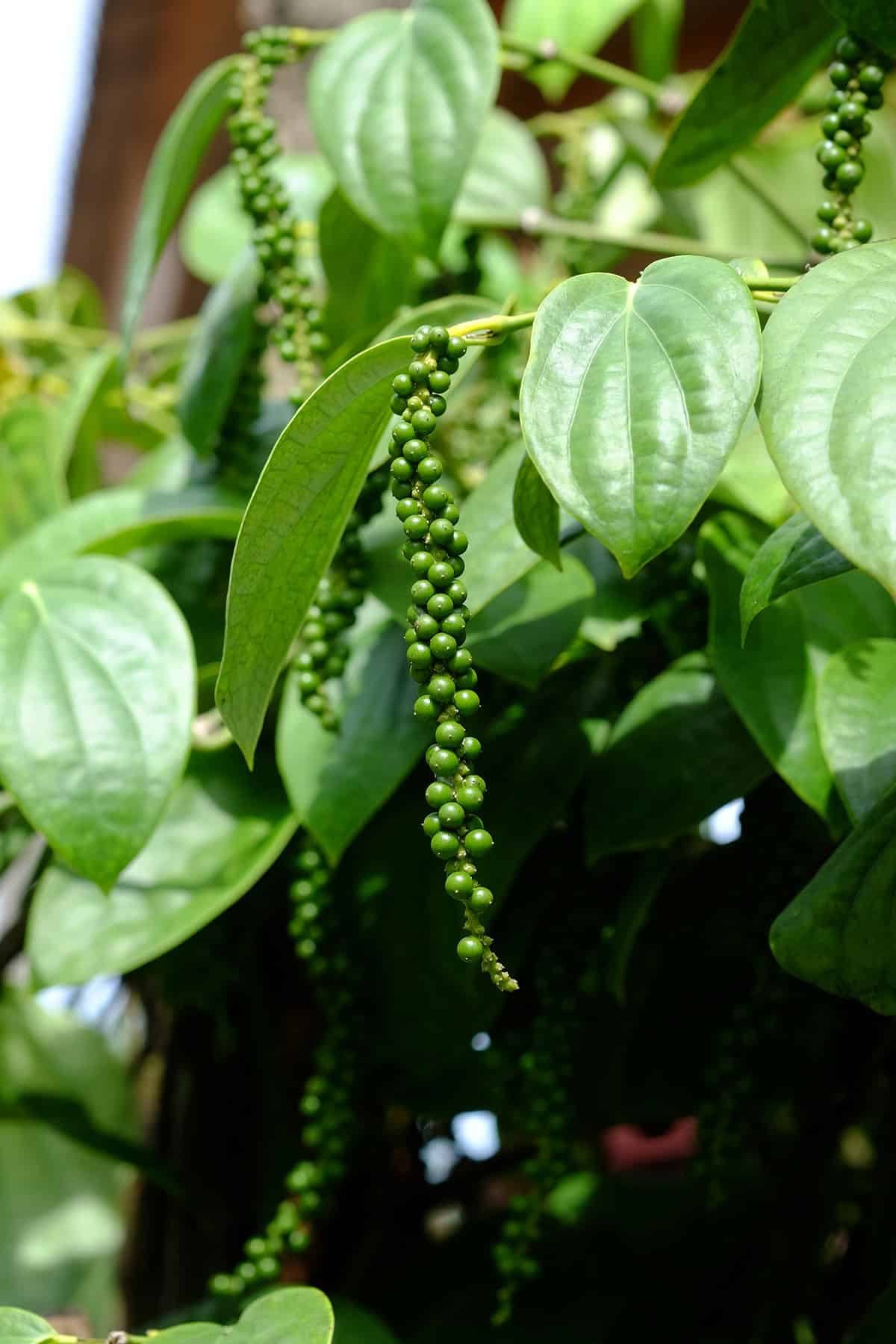
What most people care about, of course, are the peppercorns—clusters of tiny fruits that dangle along thin spikes, changing color as they mature. Depending on how and when you harvest and process them, you’ll get black, green, or white pepper from the same plant.
Left to its own devices, the vine sends out both clinging roots and long, flexible stems that love to climb. Indoors, it still wants to stretch upward, even if you’re keeping it far more compact than it would be outdoors.
Across South Asia, it’s called kali mirch in Hindi. For thousands of years, black pepper has been a coveted trade good, earning the nickname “king of spices” long before supermarkets existed.
Light
Filtered sunlight sets the stage for healthy growth. In the wild, pepper vines thrive under the dappled shade of taller trees, soaking up bright but indirect rays for much of the day.
Inside, a spot near a south- or east-facing window usually does the trick. Aim for four to six hours of indirect light. If the sun’s too harsh, especially in the afternoon, a sheer curtain will spare the leaves from burning.
On a patio or in a greenhouse, some midday shade is a good idea. A 30–40% shade cloth can help keep the foliage from getting crispy while letting enough light through.
Low light is a dealbreaker. The plant might hang on, but growth will crawl and flowers (and peppercorns) are unlikely without enough brightness.
Water
Moisture needs careful attention. The soil should stay evenly damp—never soggy, never dry as a bone.
Check the top inch or two of soil; if it’s dry, it’s time to water. Pour until water runs out the bottom, but don’t let the pot sit in a puddle. Soggy roots are a fast track to rot.
Letting the soil dry out completely stresses the plant and can cause leaves to drop, especially during active growth.
When things cool down and growth slows, cut back on watering, but don’t stop altogether. In warm, bright conditions, you might find yourself watering every five to nine days—it really depends on your setup.
Soil
Soil that’s both rich and drains well is the sweet spot. Most bagged potting mixes benefit from a little tweaking before they’re ready for this vine.
A blend of quality potting mix, a scoop of perlite for drainage, and a handful of compost for nutrients usually hits the mark. Keep the pH slightly acidic (5.5–6.5) for best results.
It’s a bit counterintuitive, but adding organic matter like compost helps soil hold moisture while still draining excess water—exactly what pepper roots want. Compost is easy to work with and makes a noticeable difference for home growers.
Skip dense, heavy soils that compact or hold too much water. Outdoors, a layer of organic mulch can help keep soil moist and temperatures steady, but avoid piling it high enough to smother the roots.
Temperature & Humidity
Warmth is non-negotiable. Black pepper likes it between 75 and 85°F. Brief dips to 60°F are survivable, but anything below 50°F is risky and slows growth to a crawl.
Humidity is another hurdle. While the tropics offer 70–90% humidity, most homes are much drier. You’ll need to get creative.
Grouping plants, using a pebble tray with water, or running a small humidifier nearby can help boost moisture around your pepper vine. Misting? It’s a short-term fix at best and doesn’t really move the needle.
Drafts and blasts of hot or cold air do more harm than good. Avoid placing your plant near vents or drafty windows. Unless you live in USDA zones 10–12, this vine is best kept indoors or in a greenhouse year-round.
Fertilizer
Regular feeding pays off during the growing months, usually spring through early fall. Skimp on nutrients and growth will slow, making flowers and fruit even less likely.
A balanced liquid fertilizer—something with roughly equal N-P-K—applied at half strength every couple of weeks is safer than dumping on a full dose monthly. Too much fertilizer can burn roots and set the plant back.
If you’re hoping for flowers down the line, a mild shift toward higher phosphorus can help. Organic options like fish emulsion or compost tea are gentle on roots and improve soil health.
Skip the fertilizer when growth stalls in winter. Feeding a dormant plant just builds up salts in the soil. Occasionally flushing the soil with plain water helps clear out any buildup.
Growing In Containers
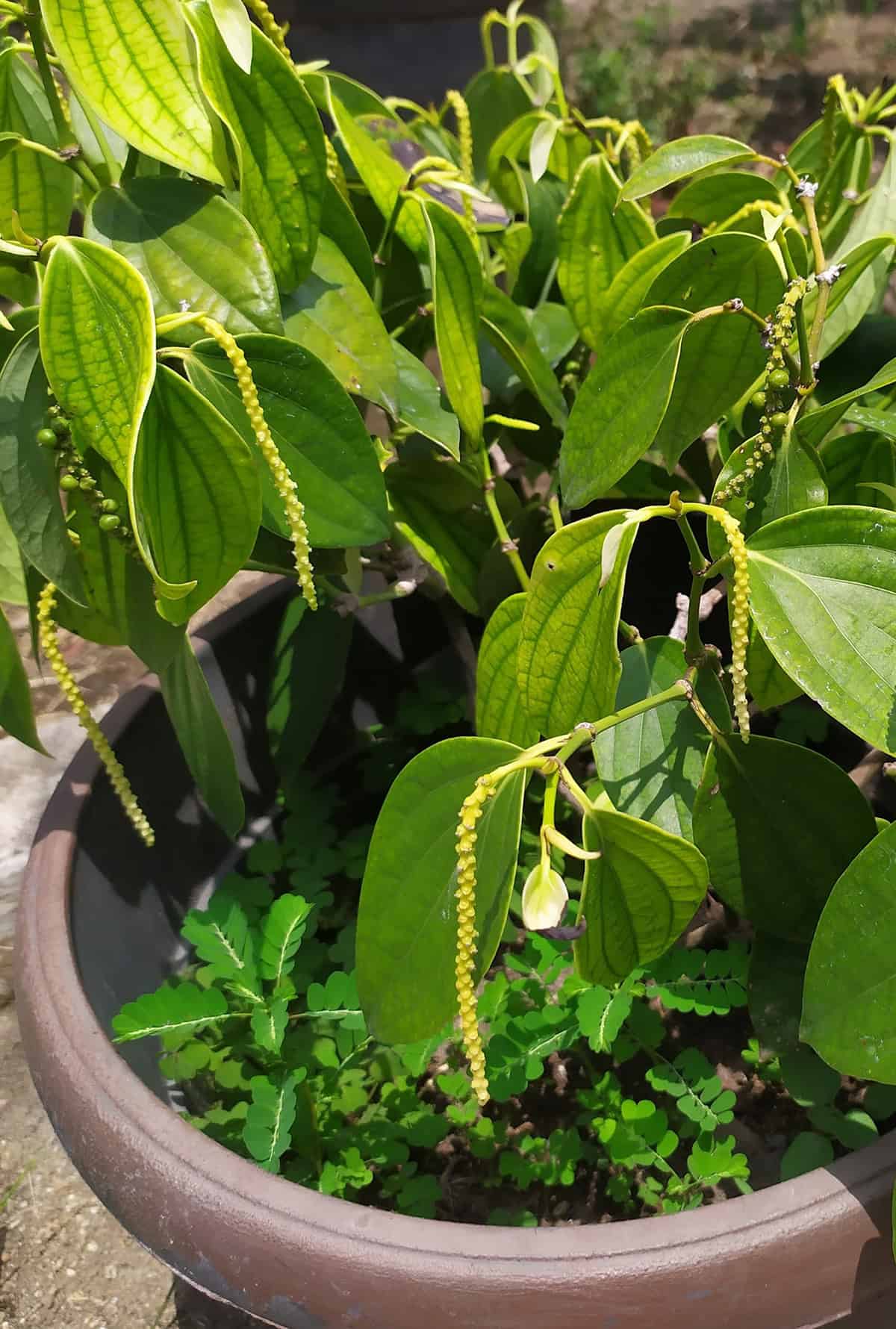
Containers make life easier for most growers in cooler climates. You can chase the sun, protect the plant from cold snaps, and keep the roots under control.
Start with a pot at least 12 inches wide and deep. As the plant fills out, move up a size. Drainage holes are essential—stagnant water is a death sentence for pepper roots.
Don’t wait to add a trellis or some kind of vertical support. This vine wants to climb, not sprawl. A bamboo stake, moss pole, or even a simple wooden frame gives it something to grab. Guide the stems upward early, or you’ll be wrestling with a tangled mess later.
When summer rolls around, you can give your plant some fresh air on a sheltered patio or balcony, as long as you bring it back inside before nights get chilly (below 60°F).
Potting & Repotting
First thing after bringing one home: check for roots poking out the drainage holes or circling the pot’s surface. If it’s cramped, move it up a size or two before settling it in.
Repotting every year or two is usually enough for established plants, with spring being the ideal season. Use fresh mix with compost and perlite, and water the plant the day before to make the process less stressful.
Try not to disturb the roots too much. Loosen any tightly wound ones, keep the plant at the same depth, and firm the new soil gently. Afterward, water well and keep it out of harsh sun for a few days to recover.
Jumping up too many pot sizes at once can leave soil wet for too long and risk root rot, so go up gradually.
Pruning
Given the right conditions, pepper vines can get unruly. Regular pruning keeps things under control and boosts productivity in containers.
Late winter or early spring is the best window—right before new growth kicks in. This timing encourages fresh side shoots, which are the main sites for future fruit.
Start by snipping off dead or diseased stems. If you’ve got a main stem shooting up without much branching, pinch the tip at a leaf node to encourage more lateral growth. More side branches generally mean more peppercorns down the line.
Thin out crowded spots to improve airflow and reduce the risk of fungus. Never cut away more than a third of the plant at once, or you risk stressing it. Always clean your tools with rubbing alcohol before you start to avoid spreading disease.
Propagation
Stem cuttings are the go-to for starting new black pepper plants at home. Seeds are slow, fussy, and rarely worth the trouble. Healthy cuttings root faster and grow true to the parent plant.
Snip a four- to six-inch stem with a couple of leaf nodes. Strip off the lower leaves to expose the node where roots will form. Rooting hormone can help, but isn’t strictly necessary.
Stick the cutting in moist perlite, a peat-perlite blend, or a propagation mix. Cover loosely with a clear plastic bag or use a propagation dome to keep humidity high while roots develop.
Warmth and indirect light speed things along—above 70°F is ideal. Keep the medium damp but not soggy. Rooting usually takes between four and eight weeks. Once you spot new leaves, you can move the cutting to a regular potting mix and a slightly bigger container.
Fruiting & Harvest
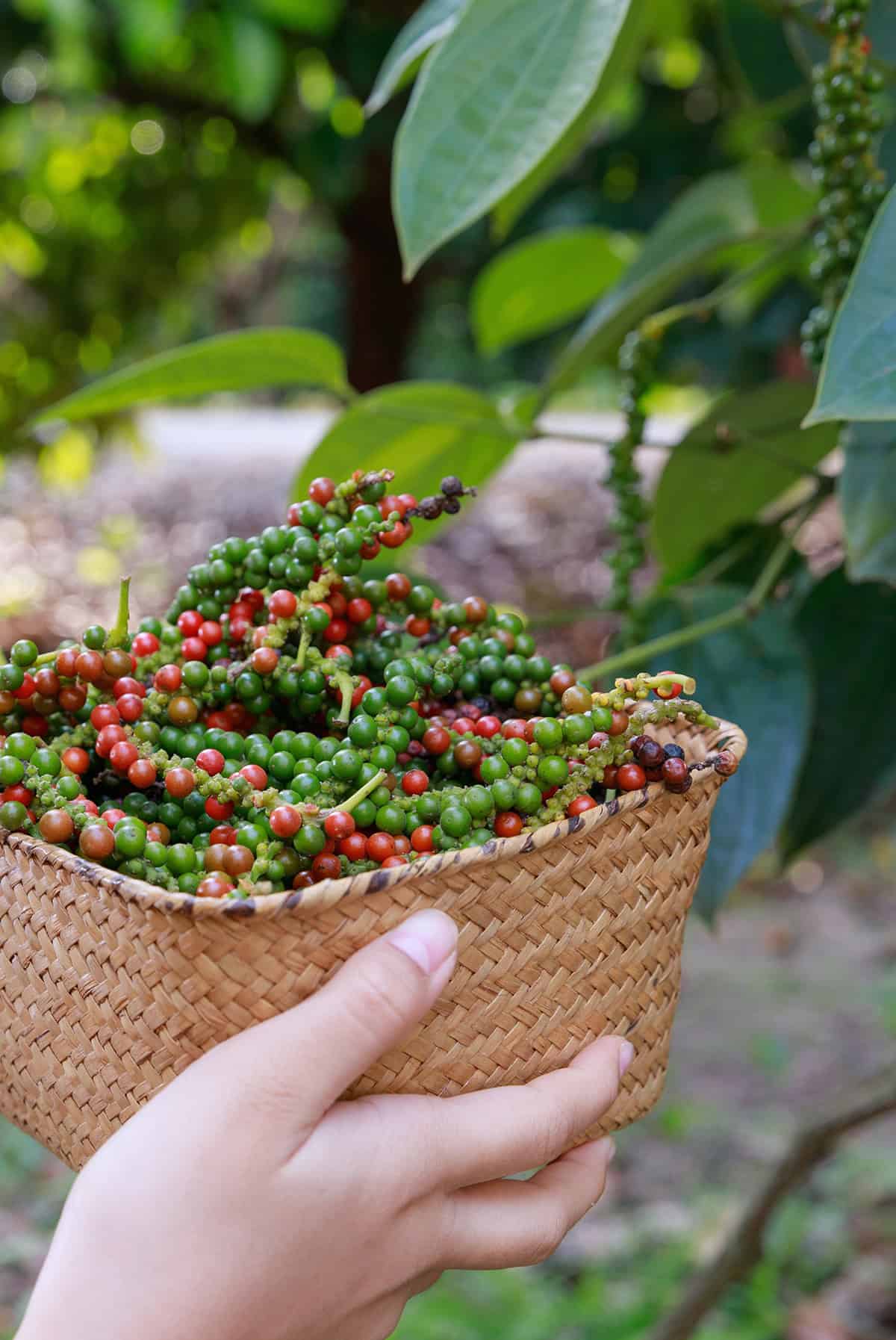
Patience really gets tested here. Indoors, even under ideal conditions, those black pepper vines from cuttings won’t start producing peppercorns for three to five years—sometimes longer if you started from seed. If you run into anyone advertising a harvest in year one, well, you’d be wise to question that.
When the plant finally decides to bloom, it sends out these slim, dangling flower spikes. Over time, clusters of tiny green berries start to form. At the green stage, it’s possible to pick them for fresh use or for pickling—they’re sharp and bright. Letting them ripen further, the color shifts toward yellowish-red as they sweeten up.
For classic black peppercorns, timing matters: pick the berries when they’re mature but still mostly green, then dry them out until they wrinkle and darken. That’s what locks in the aroma. If white pepper is more your thing, you’ll need to wait for those berries to turn fully red, then strip off the outer skin before drying—fiddly, but worth it for the milder flavor.
Spikes should come off the plant when most berries are ripe but before they start splitting or dropping. Lay them out in a single layer somewhere warm and breezy, and let them dry down for several days.
Once dry, stash the peppercorns in a jar or tin with a tight lid, somewhere cool and out of the sun. They’ll keep their punch for a year, maybe even longer if you’re lucky.
Common Problems
Indoors, you dodge a lot of the outdoor headaches, but it’s not a free pass. Skipping on airflow or getting sloppy with watering can still trigger issues you’d rather avoid.
If something smells off or leaves start yellowing and drooping even though the soil’s wet, root rot might be brewing. Waterlogged pots are the culprit more often than not. The fix? Unpot the plant, cut away any mushy black roots, and move it into a fresh, drier mix.
Insects do show up. Aphids like to crowd new shoots and hide under leaves, while spider mites spin fine webs dotted with tiny specks. A hard blast of water usually knocks them down, and if they stick around, insecticidal soap or neem oil tends to finish the job.
Scale insects are sneaky—brown bumps clinging to stems and leaf undersides, quietly sucking sap. Dabbing them with rubbing alcohol on a cotton swab gets rid of most.
Flea beetles chew little holes in leaves and are more of a problem outdoors or in greenhouses. Occasionally, slugs or weevils show up as well. Catching these early by checking the foliage regularly makes life a lot easier.
Honestly, just keeping the leaves clean, letting air circulate, avoiding soggy soil, and isolating any new arrivals before they join the group goes a long way toward preventing most pest and disease disasters.
Varieties
It’s a bit of a rabbit hole, picking among the cultivated types of Piper nigrum. The variety you choose can really set the tone for how your plant handles life indoors or in a pot.
Some folks swear by Panniyur-1, a hybrid from India that’s got a reputation for cranking out impressive yields. It’s no shrinking violet—grows fast, seems to settle into container living without much drama, and you’ll actually find it outside of its home turf if you poke around specialty sources.
Now, if flavor’s your hill to die on, Karimunda tends to win that argument. It’s not the biggest producer, but the taste? Hard to beat. The vines are more old-school, though, so you’ll need to rig up a sturdy trellis or they’ll flop all over the place.
Bragantina, a less common sight, hails from Brazil and pops up now and then in American specialty nurseries. It seems to handle humidity with ease and doesn’t throw a fit over less-than-perfect conditions, which is a relief if you’re not living in a greenhouse.
About white pepper—don’t go hunting for a separate plant. It’s just black pepper processed differently. Let the berries ripen until they’re red, soak them to slip off the skins, then dry. That’s it. Same plant, new trick.
If you’re serious about getting started, skip the mystery seed packets. A healthy cutting from a nursery that actually knows what they’re doing is worth its weight in peppercorns. “Black pepper” on a generic label? That’s a gamble you probably don’t need.