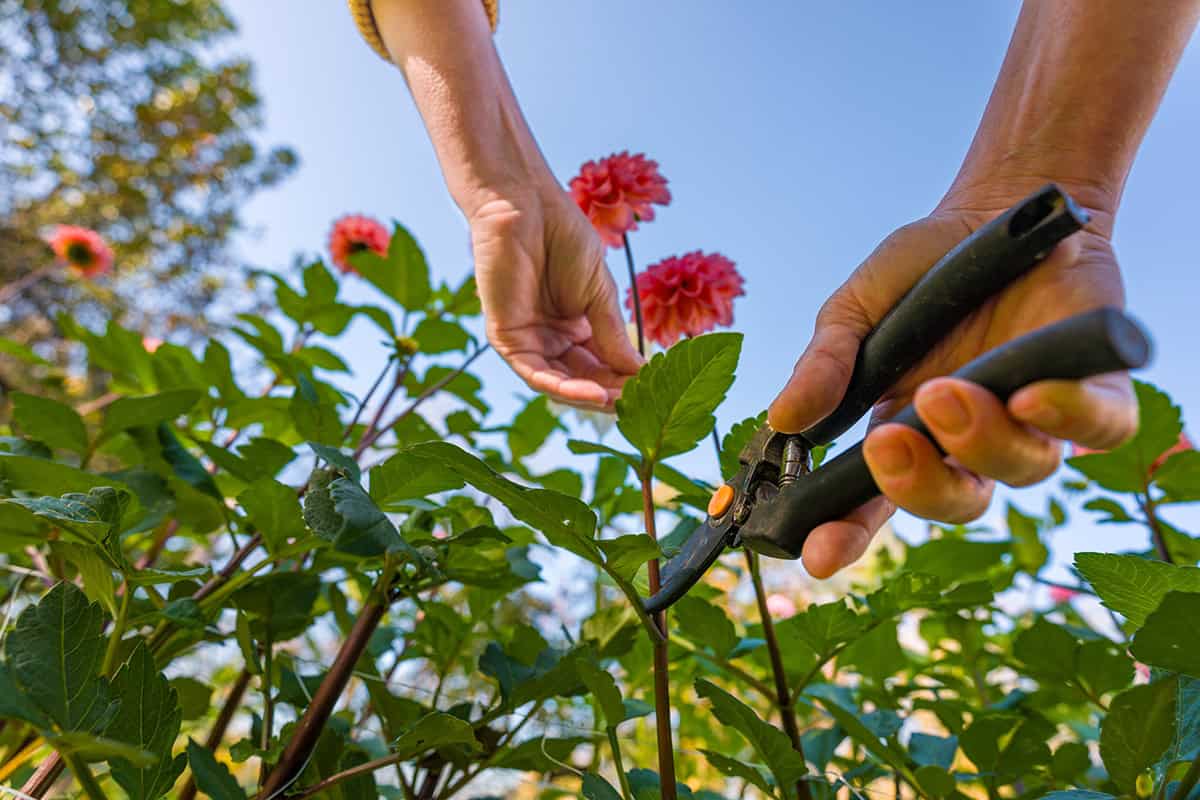
Plenty of flowers look gorgeous outdoors and disappoint the minute they enter the house. Short stems, weak necks, and petals that drop overnight leave little for a vase. A good cutting flower needs more than a pretty bloom. See which 25 varieties pass the test.
Table of Contents
Best Flowers For Cutting
Every bouquet needs its cast of characters—structure, mass, and a few blooms that keep looking sharp long after you’ve forgotten to change the water.
Spring bulbs, summer annuals, and a handful of florist favorites with sturdy stems make arranging at home less of a hassle. That mix carries you from spring’s first flush right through the last gasp of autumn.
Roses
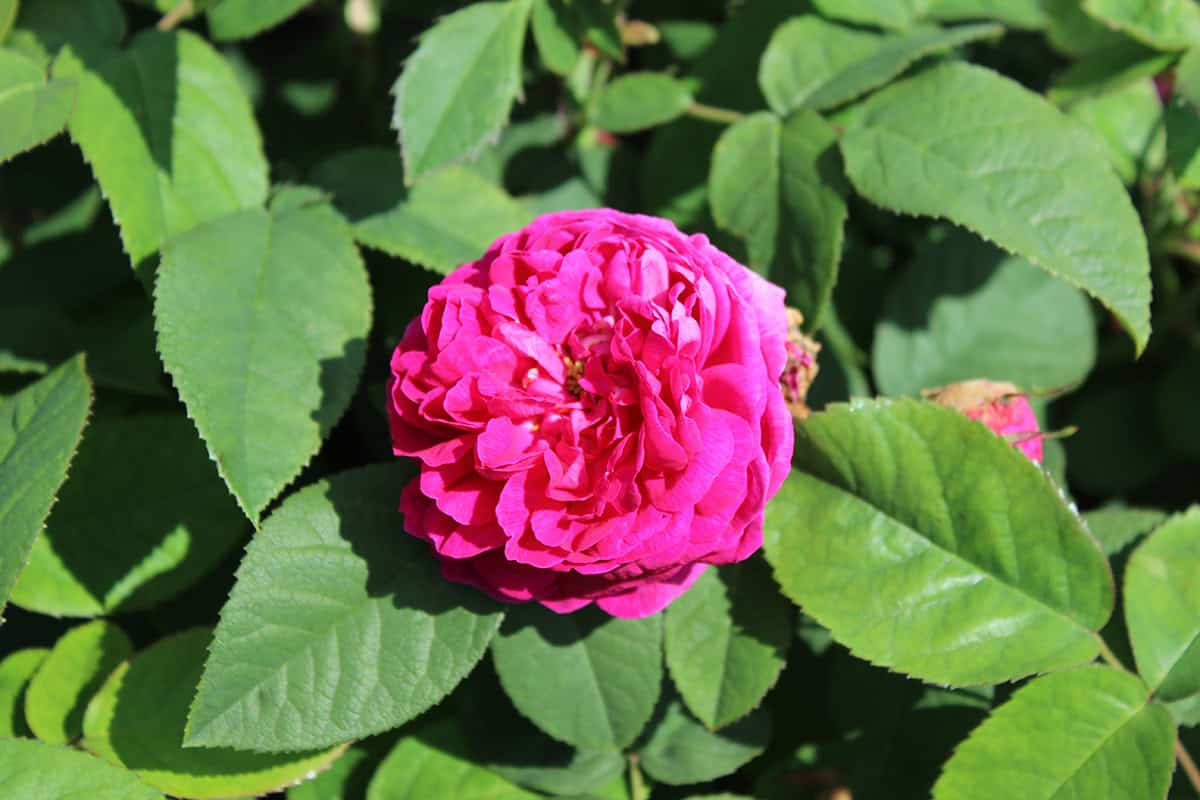
There’s a reason roses are always in the conversation—they straddle the line between garden drama and vase reliability. For best results, snip stems early in the morning when the buds are just opening, not blown wide.
Shrub and garden types offer branching stems and repeat flushes, plus fragrance and color galore. Watch for thorns and those fleeting old-fashioned varieties—some picks need a careful eye.
Dahlias
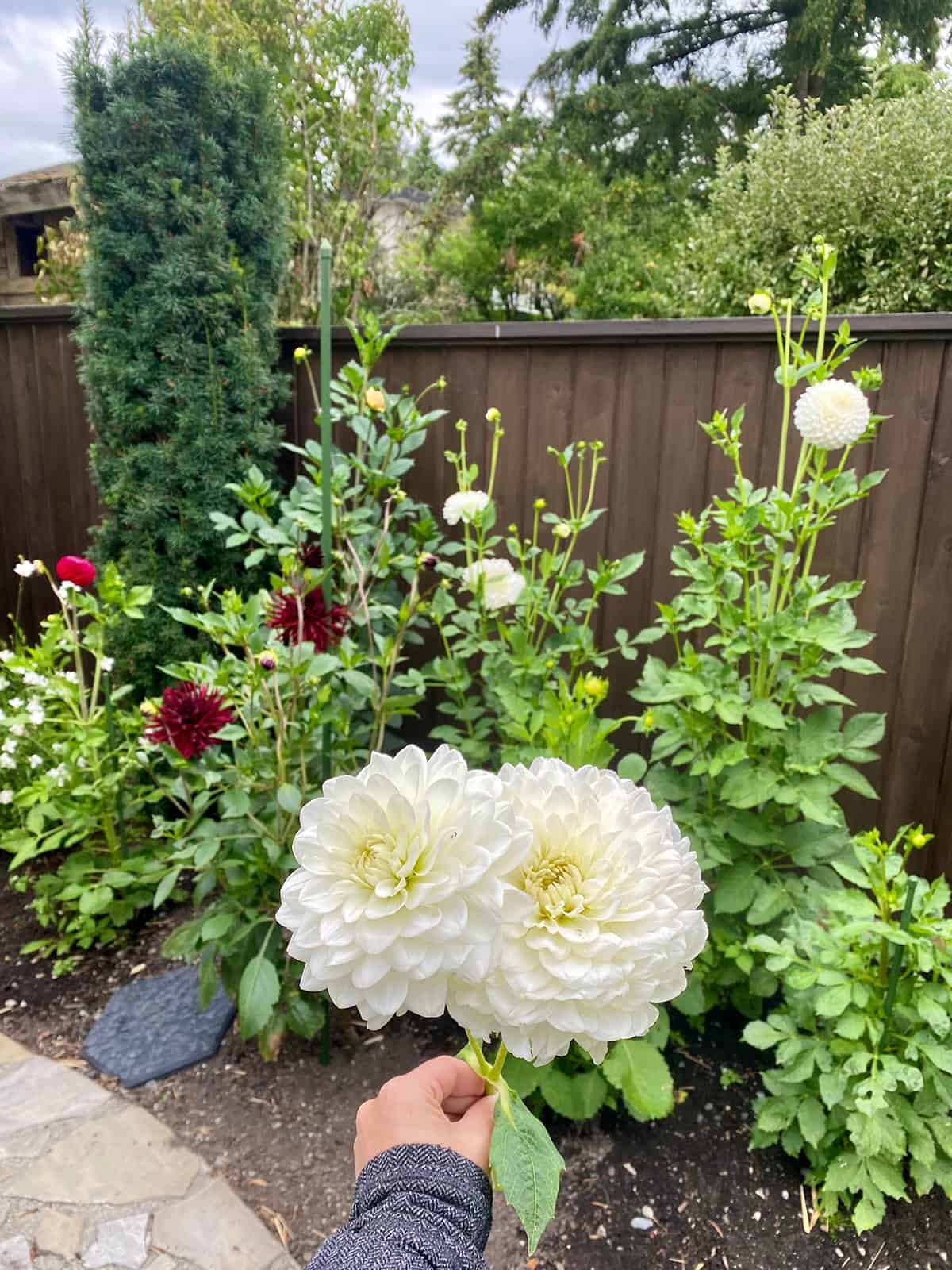
Late summer’s main attraction, dahlias pump out masses of showy blooms in every size and color. Their production is relentless, and those bold flowers pull a bouquet together in seconds.
Snip when fully open—these don’t keep opening after harvest. Vase life isn’t legendary, but with the sheer volume of blooms, that’s a fair trade. Few match dahlias for nonstop production.
Peonies
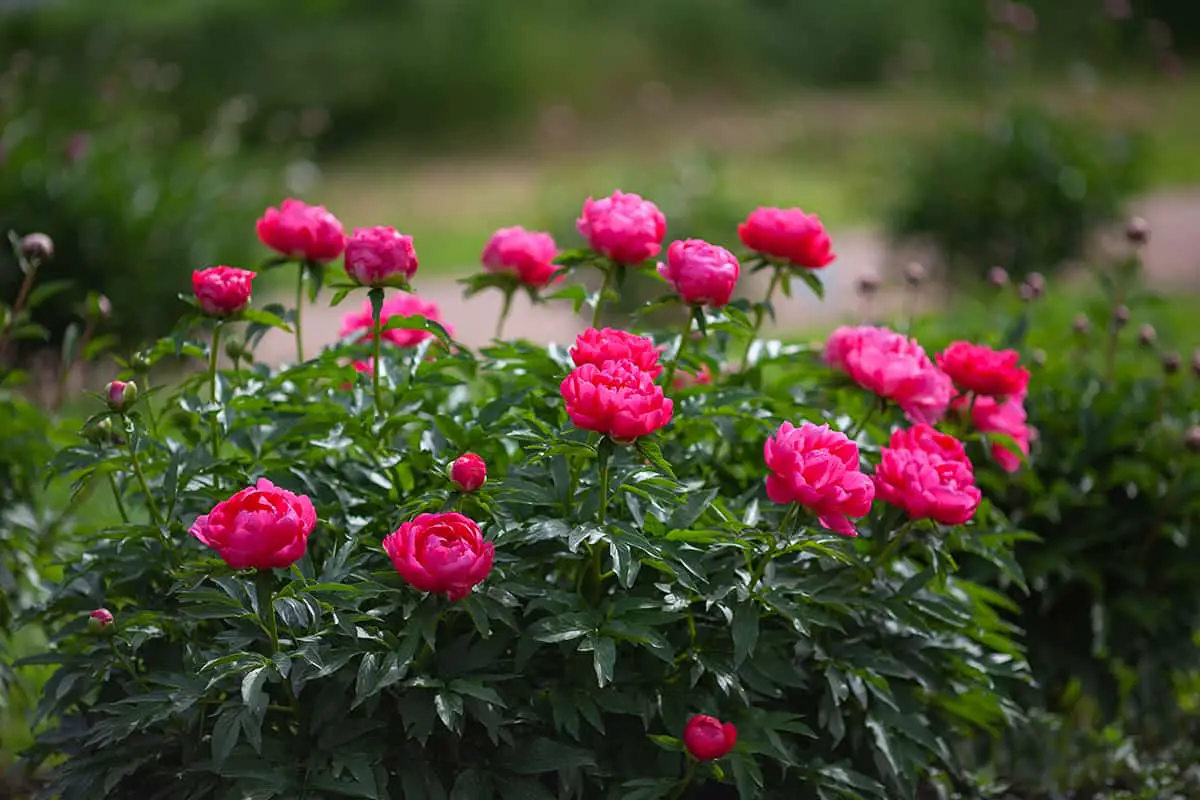
Peonies bring heavyweight presence to spring bouquets—just a single stem can anchor an arrangement. Their season is a flash, so think of them as a concentrated reward rather than a steady supply.
Harvest at the marshmallow-bud stage for best results. Once settled in, peonies return each year, though patience is required—these aren’t instant-gratification plants.
Zinnias
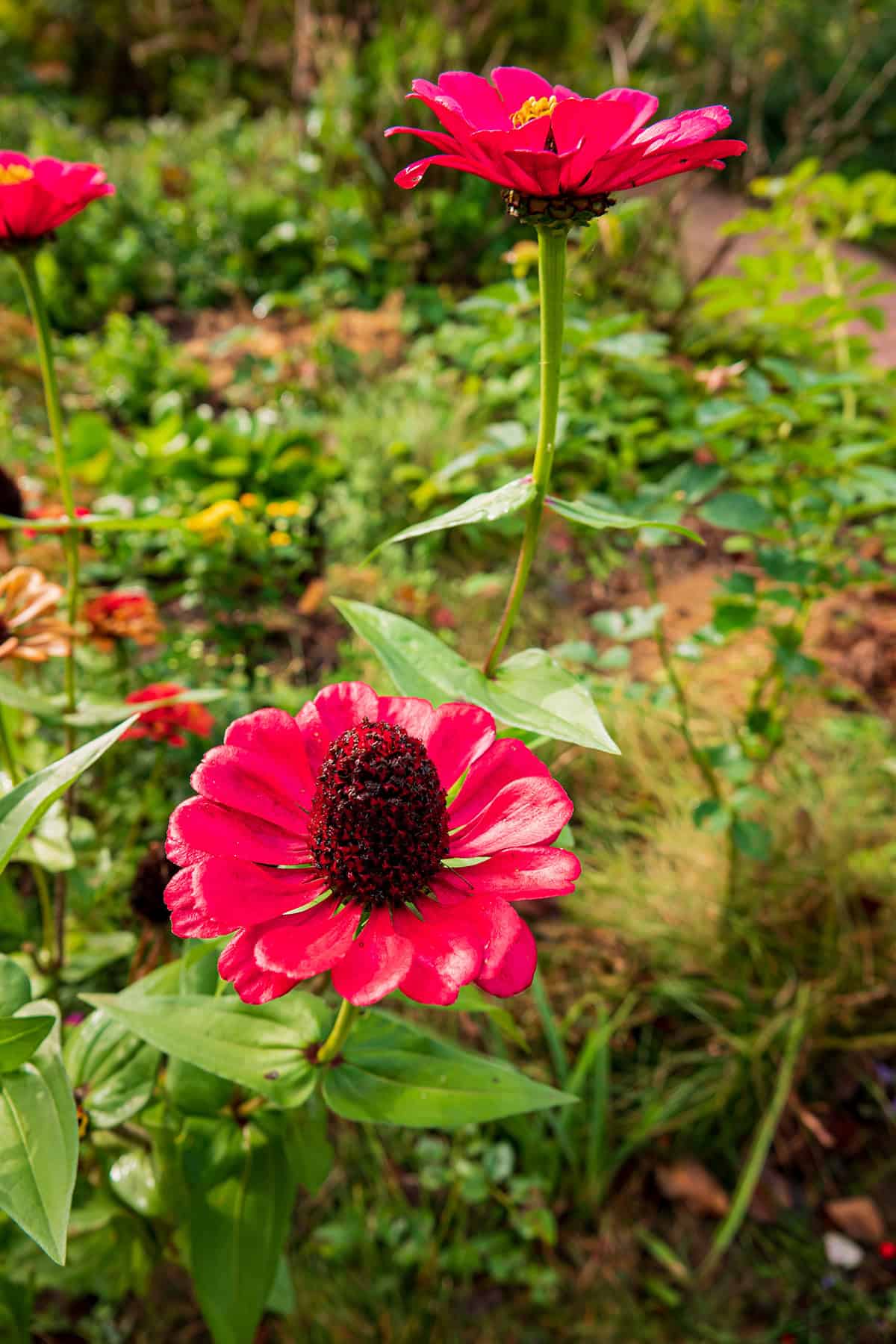
Heat-loving and branchy, zinnias are seed-grown overachievers. Regular cutting triggers more blooms, so you’re never short on stems.
For vase longevity, test the stem just below the bloom—if it’s firm, snip away. Zinnias are colorful, easy, and practically made for home bouquets. Honestly, it’s hard to imagine a cutting garden without them.
Sunflowers
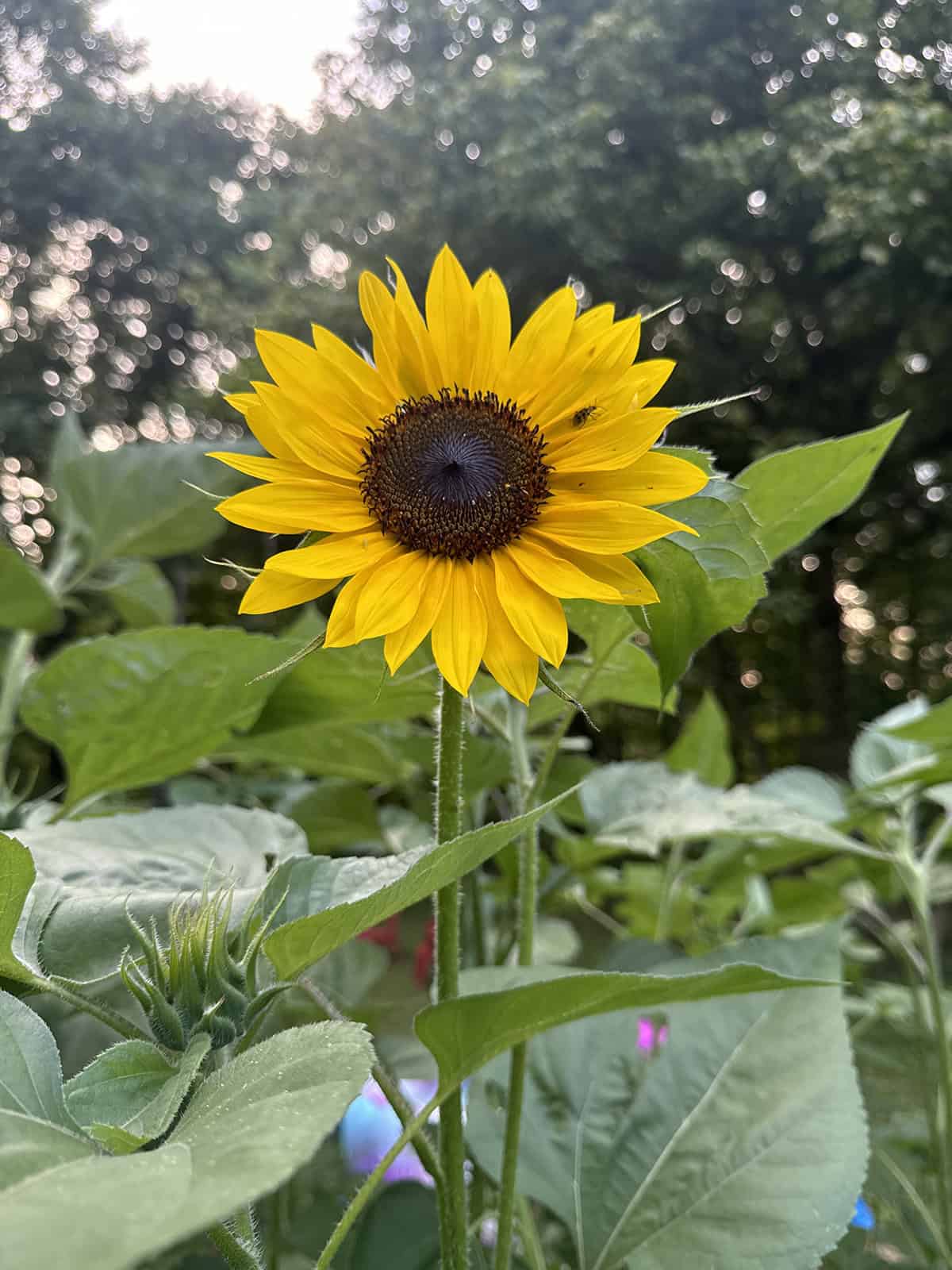
Sunflowers deliver big impact and vertical drama. The cut-flower types have pollenless blooms and longer stems that suit vases better than the giant garden kinds.
Single-stem varieties are punchy and simple, while branching types stretch the harvest window. They’re a bit stiff in mixed bouquets, but for a bold summer bunch, nothing really compares.
Cosmos
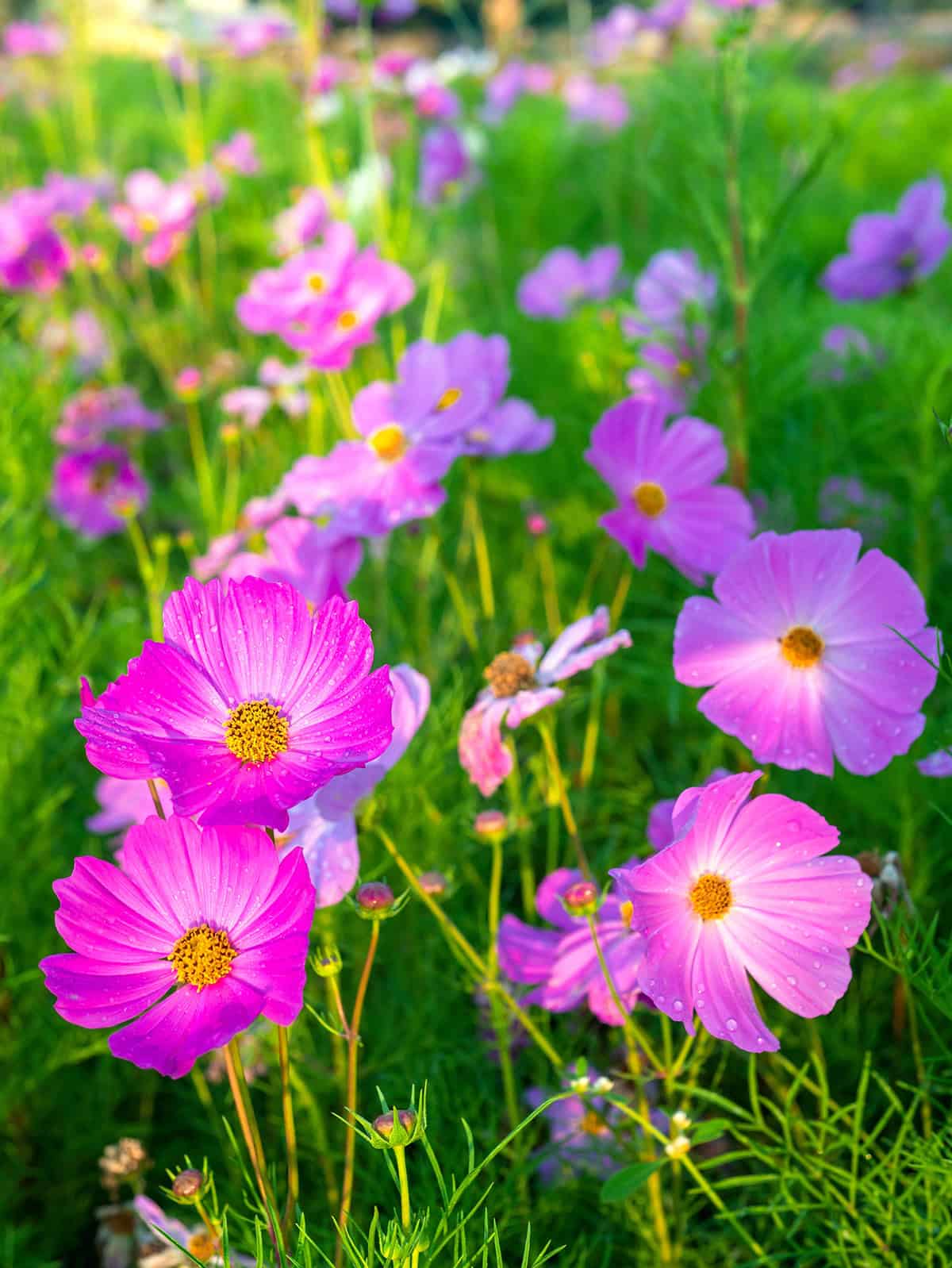
For movement and a touch of whimsy, cosmos are unbeatable. Their airy stems weave through heavier blooms and keep things from looking too stiff.
Wait until stems are sturdy and blooms are open before cutting. They fill space fast and just keep going with regular snipping.
Snapdragons
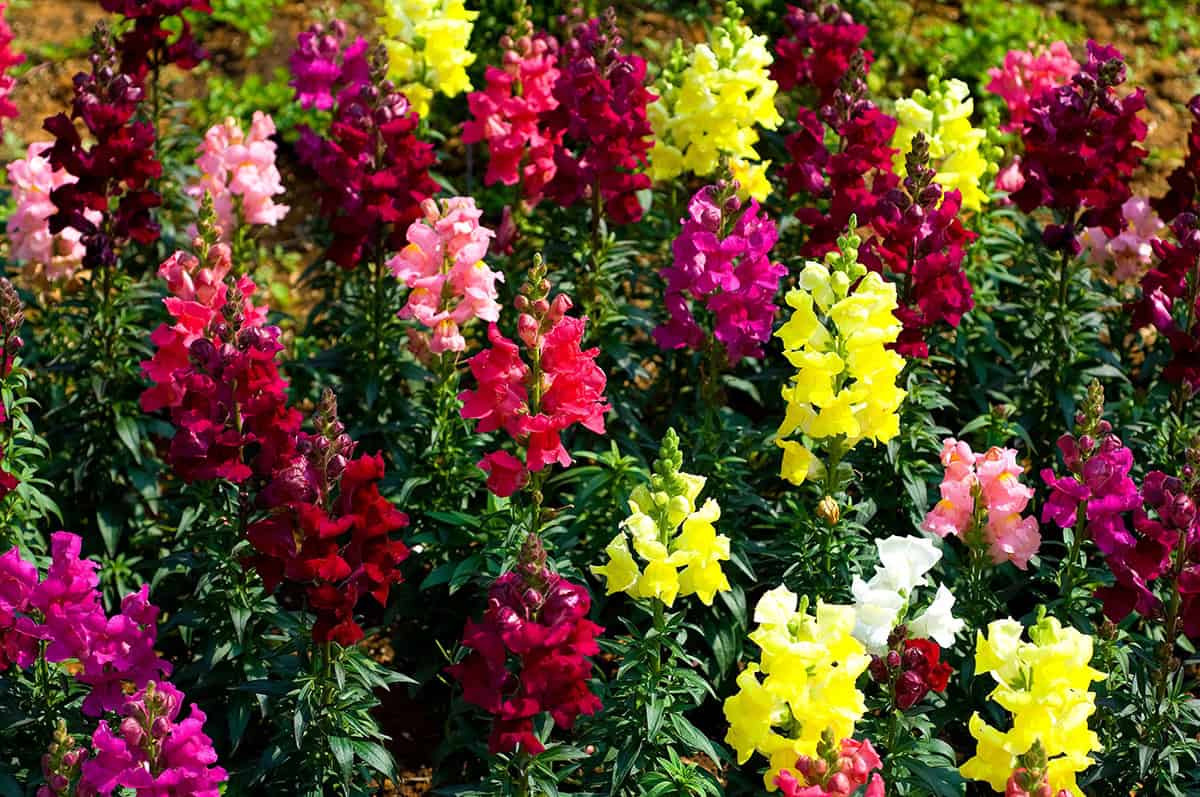
Snapdragons add vertical interest and a painter’s palette of color. Their spires give structure and their vase life holds up nicely.
Staggered sowings keep the harvest coming. Snip when lower flowers are open and the tops are still tight. Their tidy lines and reliable stems make them a go-to, not just a novelty.
Lisianthus
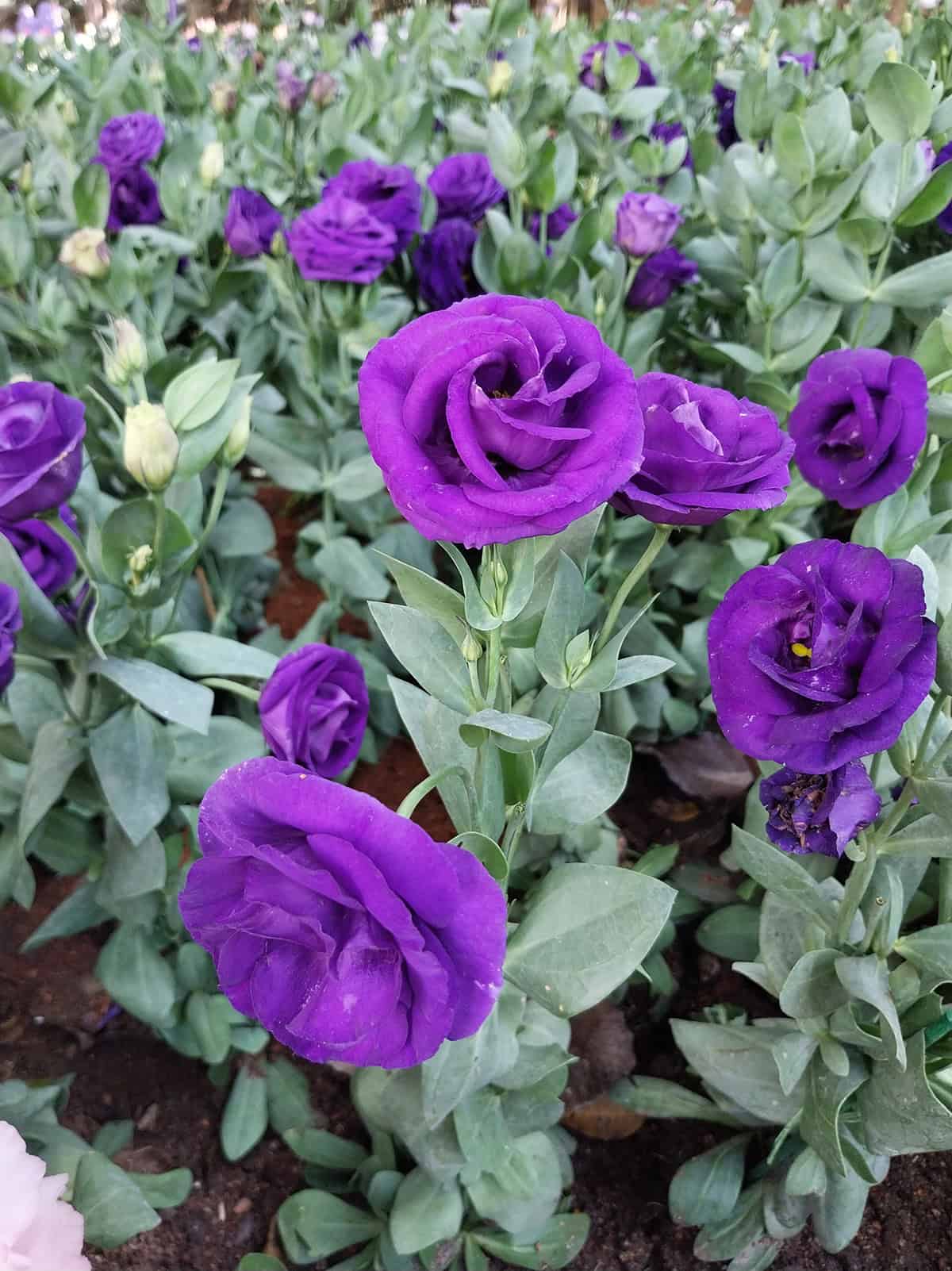
Lisianthus, sometimes called eustoma, brings a refined, almost rose-like bloom to arrangements. The stems are lighter and branch more, making them easier to use in mixed bouquets.
They’re slow to grow, but the reward is long-lasting elegance and a just-picked-from-the-florist vibe. For weddings or any arrangement that needs polish, lisianthus punches above its weight.
Ranunculus
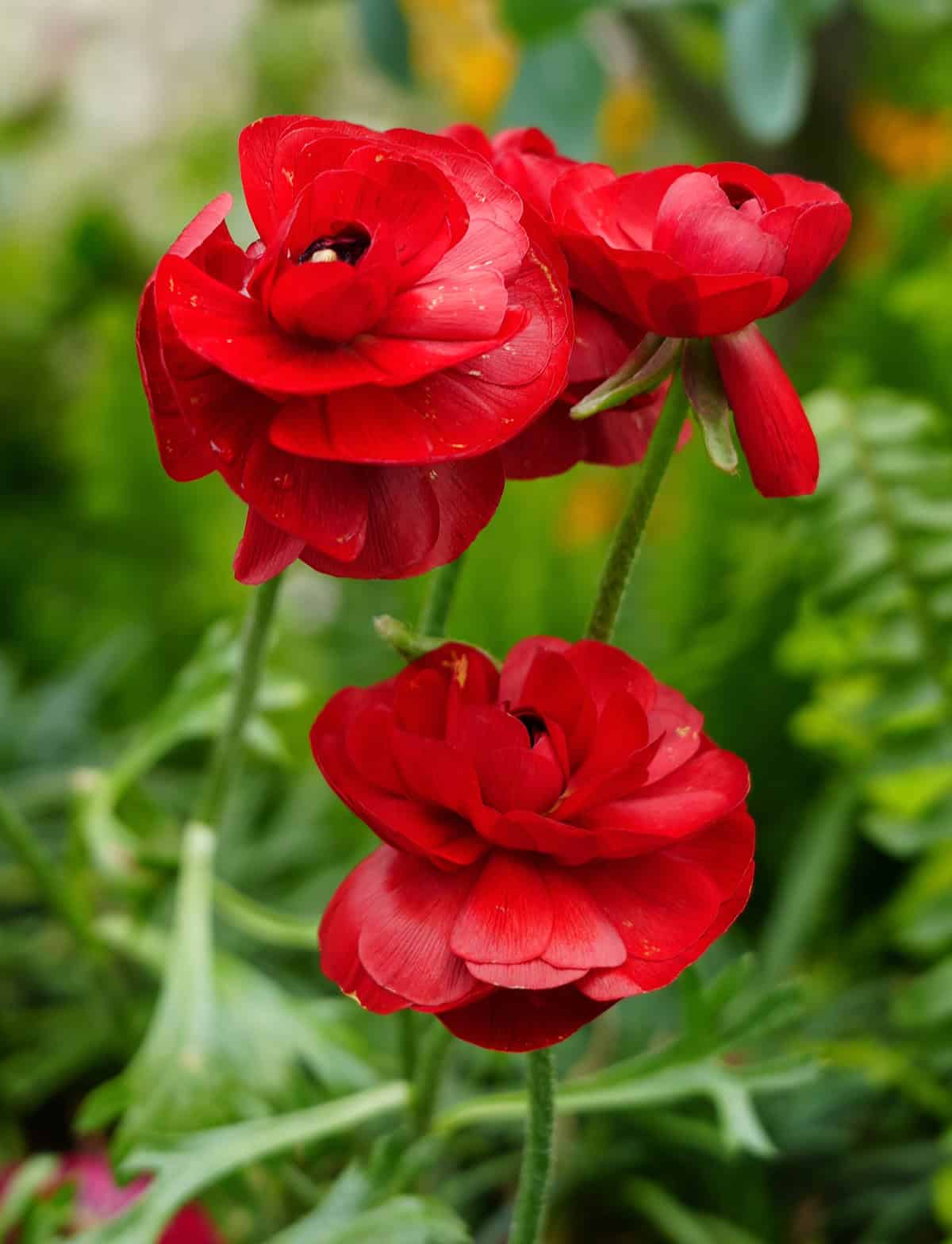
Ranunculus packs layers upon layers into each bloom, rivaling roses for complexity. Cool spring weather brings out their best.
Cut when buds are showing color and feel soft. Stems are just right for hand-tied bouquets. If your climate allows, don’t skip these—they’re a spring highlight.
Tulips
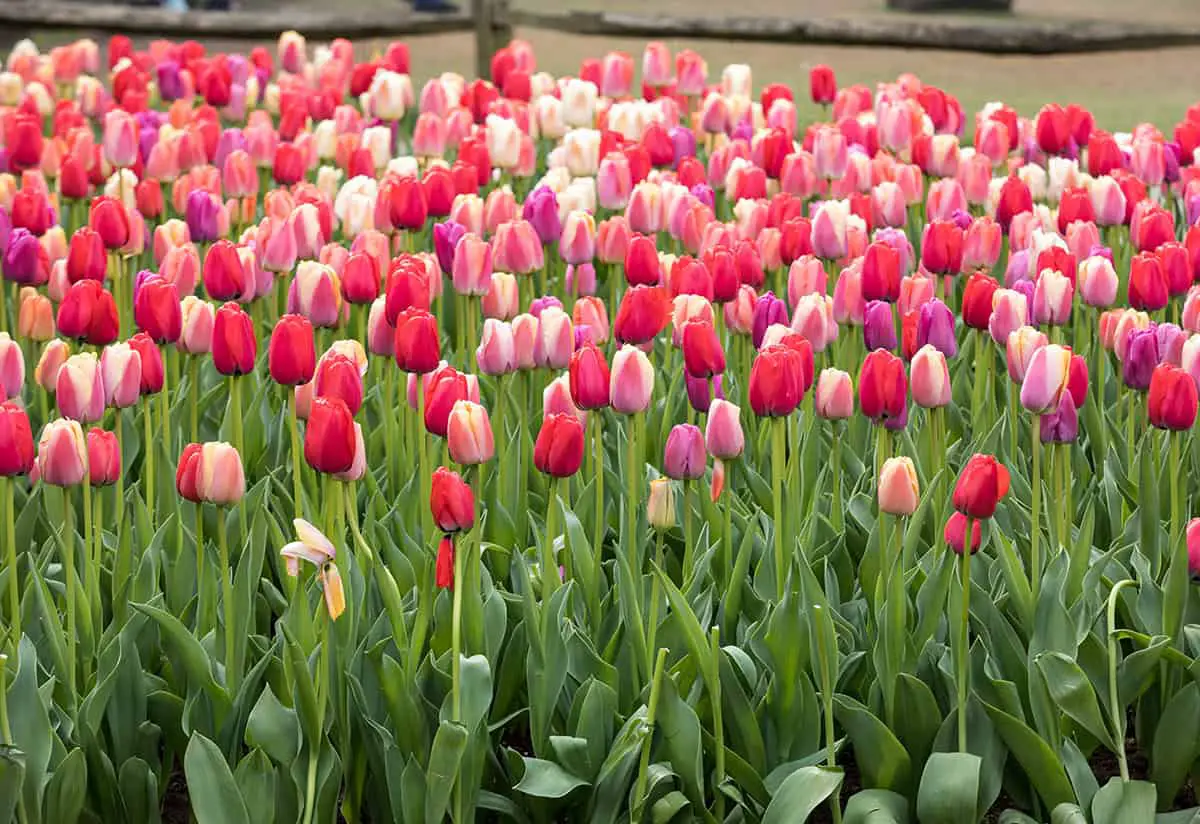
Tulips keep things crisp and simple, with clean stems and bold color blocks. Arranging is straightforward, but watch out—they’ll keep growing after you cut them, so plan your vase height accordingly.
Harvest at the colored bud stage for a longer show. They’re a one-and-done crop, but their early splash is worth a generous planting.
Hydrangeas
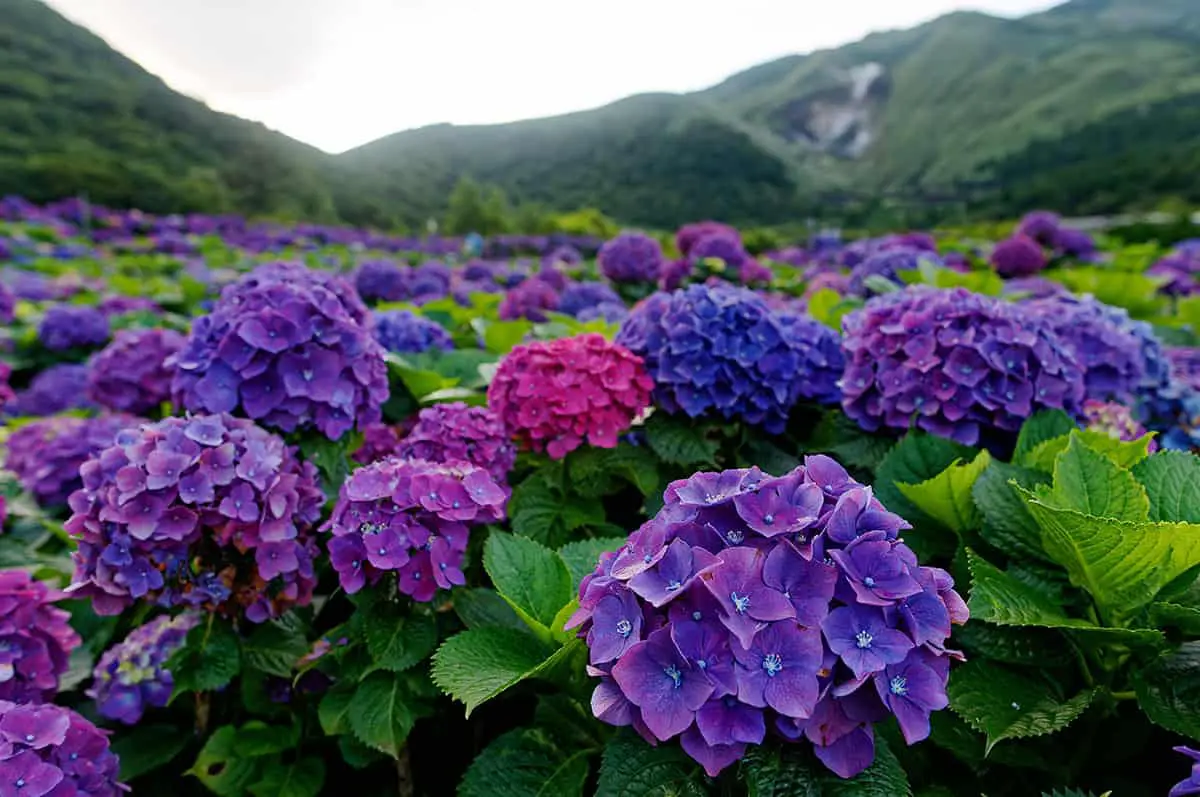
Hydrangeas fill space in a hurry, perfect for big vases or event centerpieces. Just a handful can do the work of a dozen smaller stems.
Timing is everything—cut when florets are papery and mature, not freshly soft. They shine in late-summer arrangements, though for smaller, casual bunches, they can be a bit much.
Lilies
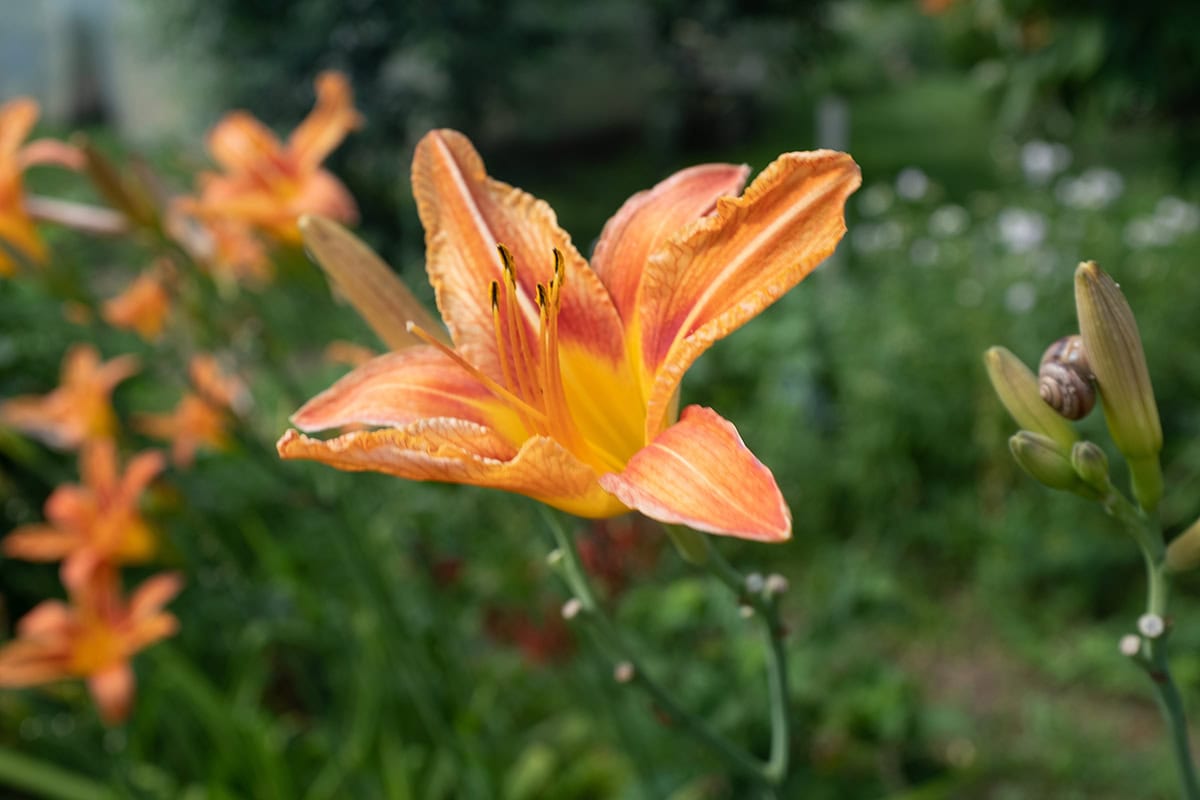
Drama, scent, and height—lilies bring all three. Tall stems suit large arrangements, and their fragrance is unmistakable.
Remove those pollen-heavy anthers to dodge stains, and don’t strip all the leaves if you want your bulbs to come back strong. Oriental and Asiatic types both hold up well in water.
Gladiolus
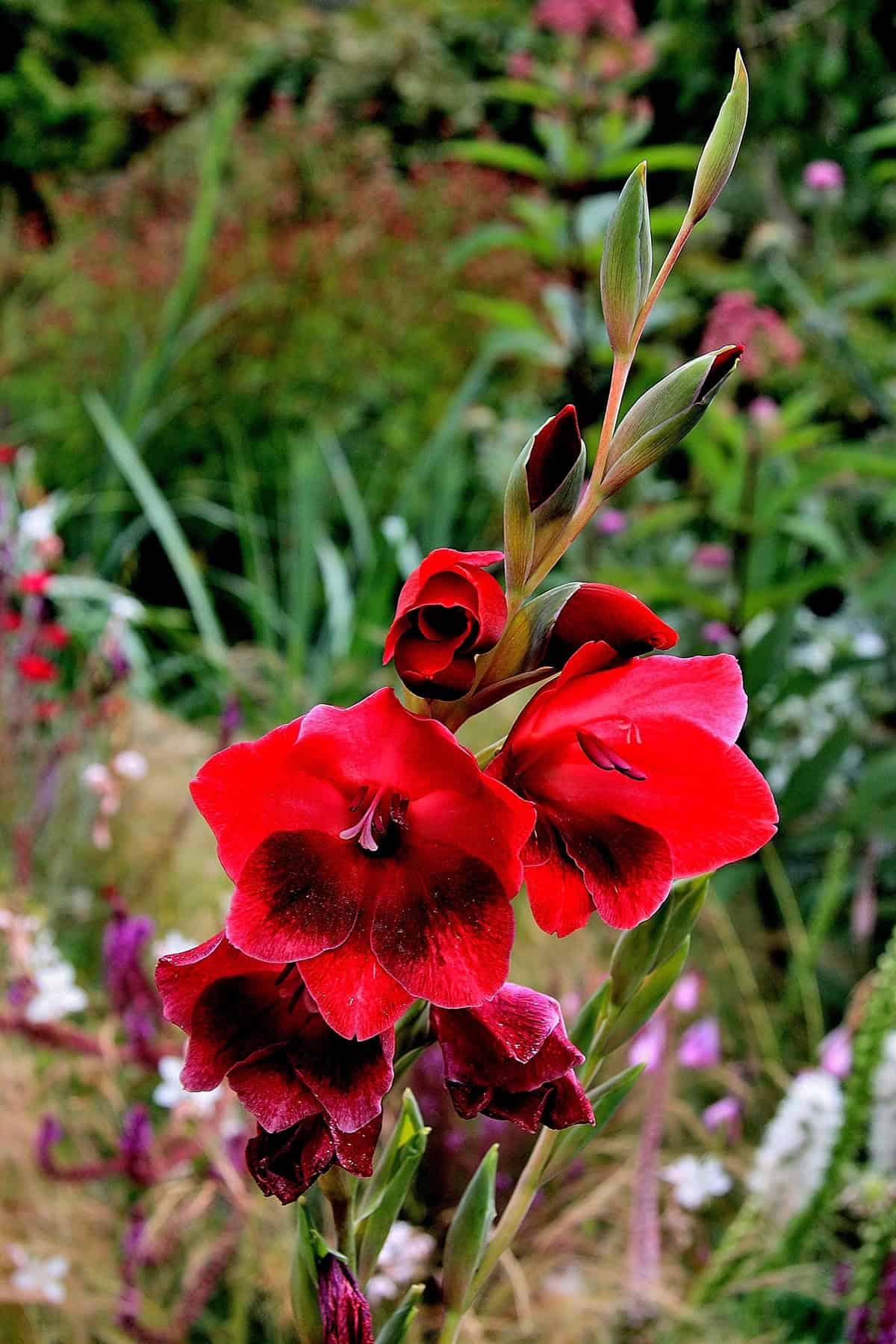
Gladiolus delivers line and a formal vibe, towering above most other stems. They’re statement-makers in big vases.
Snip when the lowest florets are coloring up. Like snapdragons, flowers keep opening after cutting. Maybe not the trendiest, but still a powerhouse when you want height.
Delphiniums
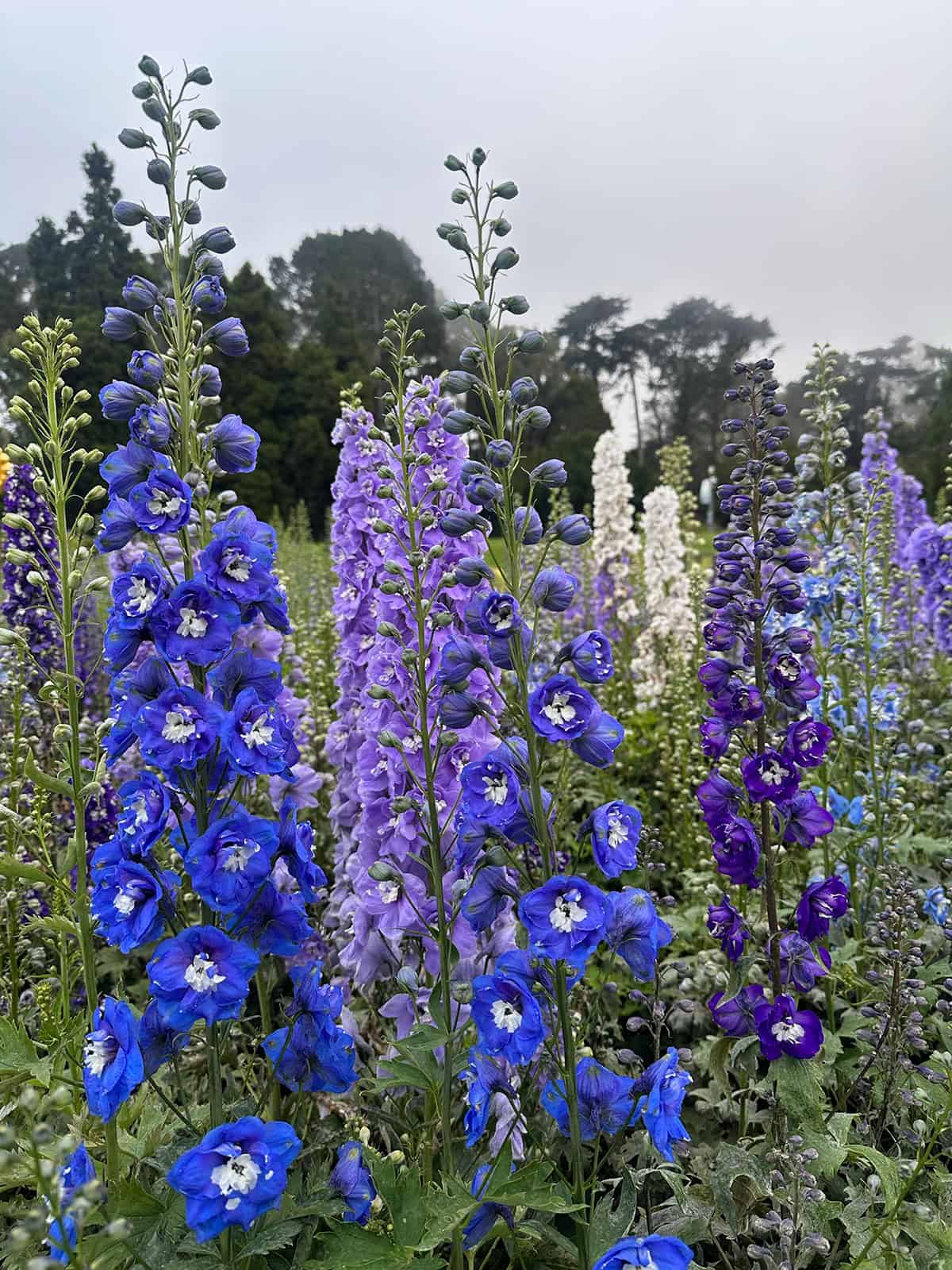
Nothing else brings those electric blues and purples like delphiniums. Their tall spikes command attention and instantly cool down a summer bouquet’s palette.
They’re a bit fragile, so handle with care. But for anyone chasing true blue in arrangements, delphinium is indispensable.
Stock
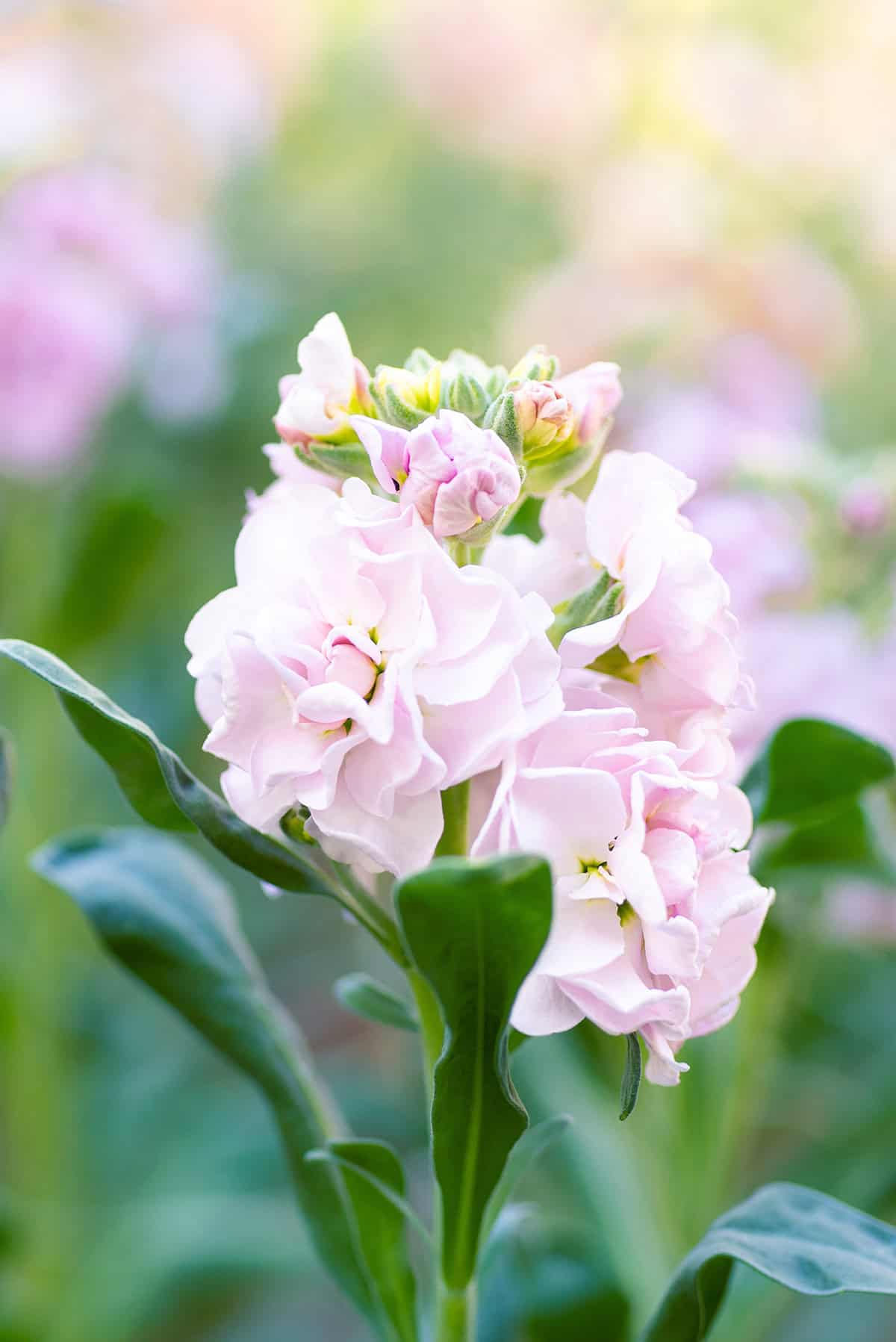
Stock is all about scent. Those dense spikes have a soft, painterly color range and a springtime vibe.
It won’t keep blooming like zinnias, but the fragrance and tidy form more than make up for it. In a mixed bouquet, stock adds heft without looking messy.
Chrysanthemums
Chrysanthemums are unsung heroes—reliable, versatile, and long-lasting. You’ll find everything from simple daisies to lush, full-petaled types.
Vase life is excellent, and mums stretch the season when other annuals are fading. If you care about bouquets that don’t wilt overnight, give them some space.
Carnations
Carnations, or dianthus, surprise a lot of gardeners. Modern varieties have impressive staying power, and some even come with a spicy, clove-like scent.
They’re especially useful for arrangements that need to hold up in warm rooms. Flashy? Maybe not. Dependable? Absolutely.
Alstroemeria (Peruvian Lily)
Alstroemeria cranks out stems like few other perennials. Once it’s settled in, you’ll have armloads of blooms with minimal fuss.
Smaller than most true lilies, these fit everyday bouquets without overwhelming them. For anyone after low-maintenance, long-lasting stems, Peruvian lily is a solid bet.
Sweet Peas
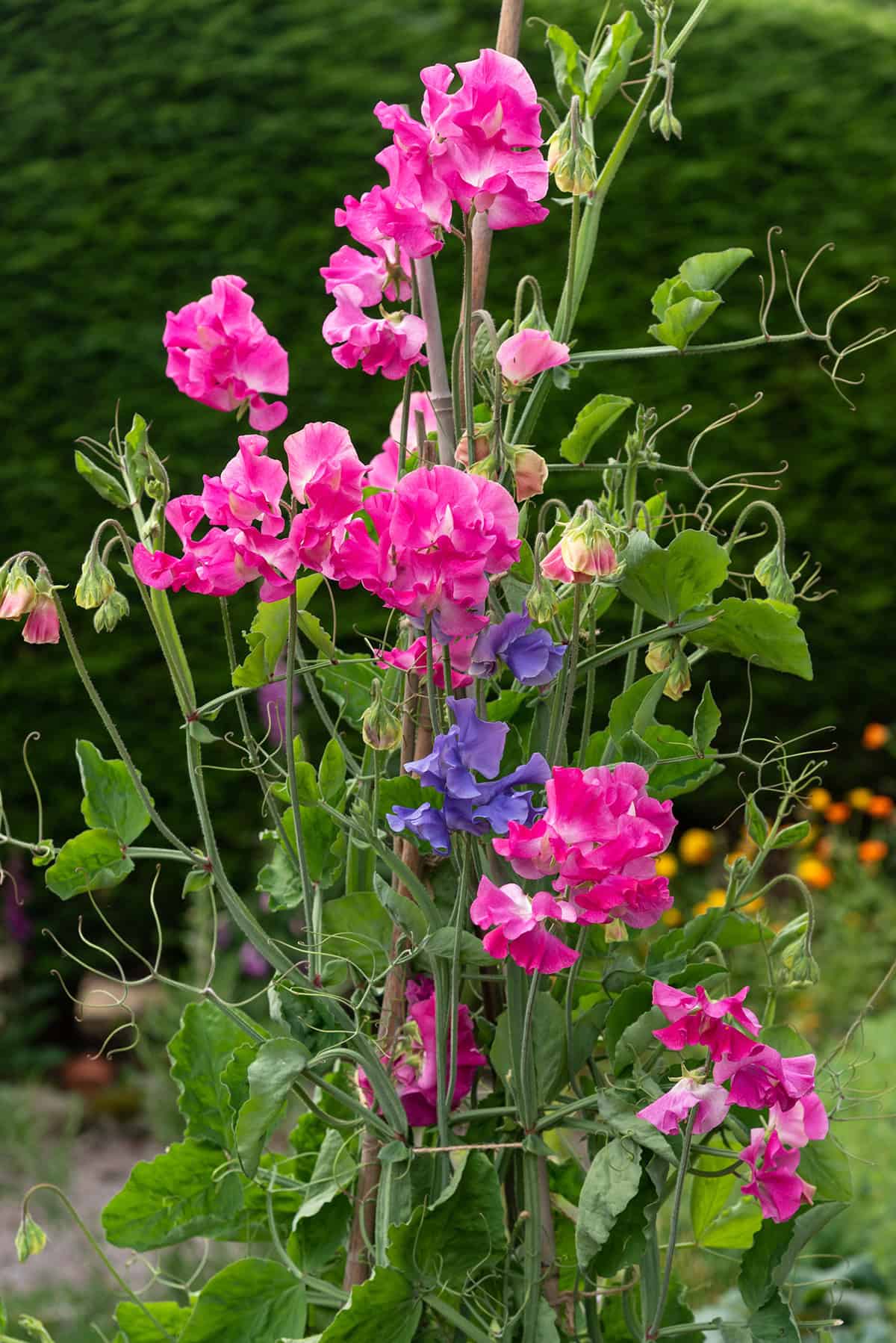
Sweet peas are grown for their scent—nothing else perfumes a room quite the same way. The blooms are delicate, but the fragrance is worth the extra care.
They like cool weather and need regular picking. Vase life is brief, but for spring weddings or just a special moment, they’re hard to resist.
Asters
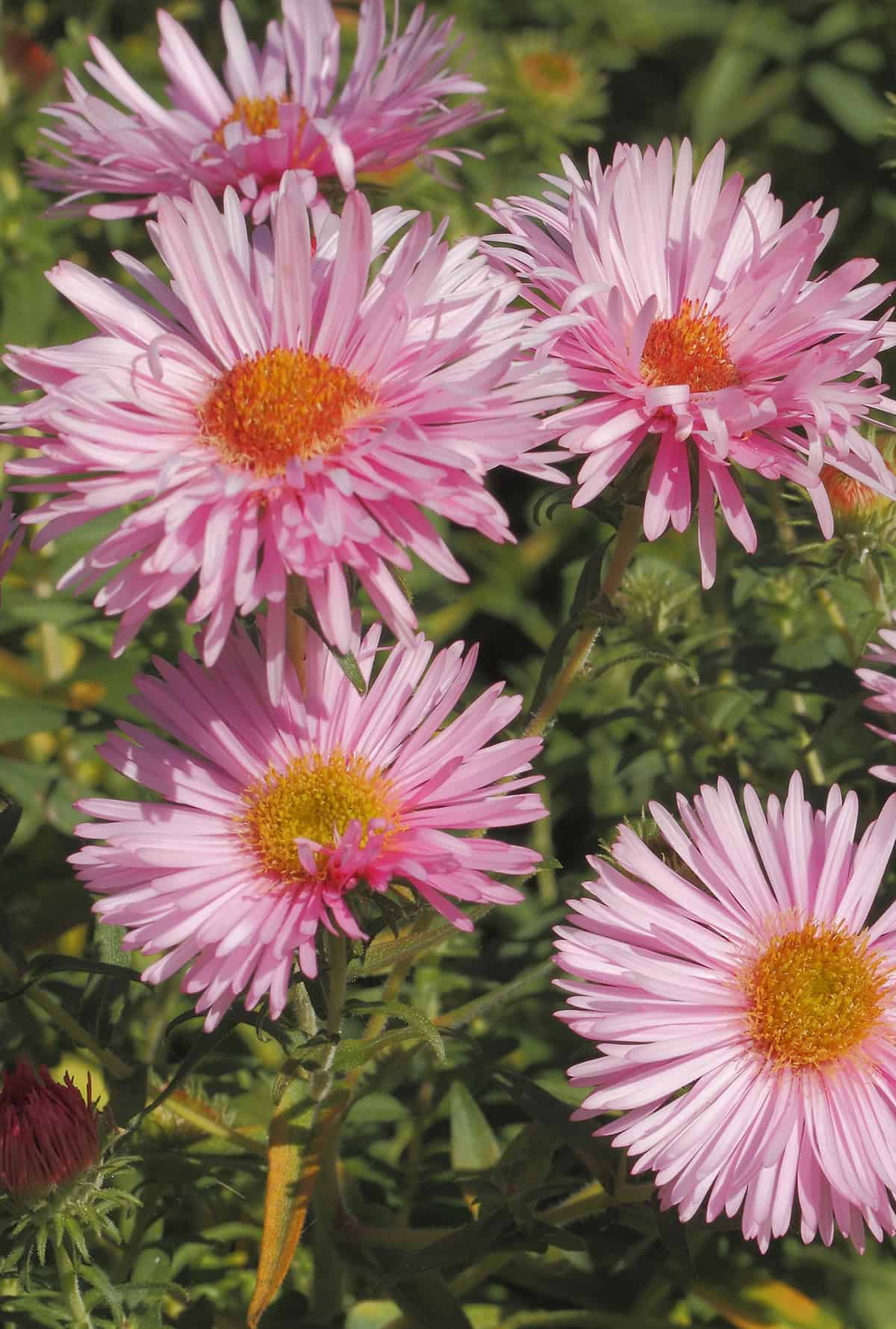
Asters step up when summer stars start to fade, bridging the gap into fall with daisy-like blooms and reliable stems.
They’re best as supporting players, filling out bouquets around bigger focal flowers. Plants are generous with stems, making them a practical fit for any cutting patch.
Scabiosa
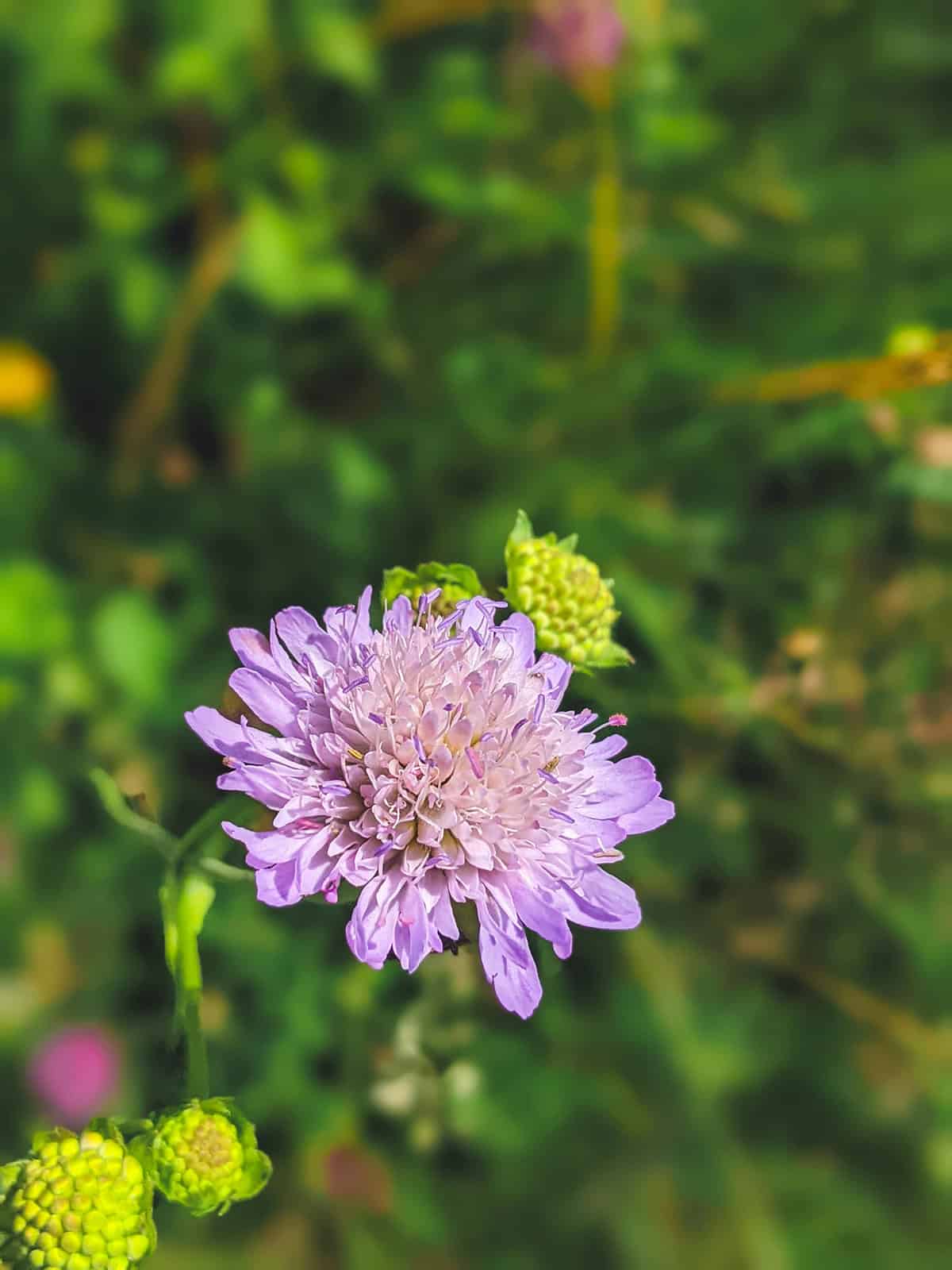
Scabiosa brings a delicate, airy quality, with wiry stems and pincushion blooms that slip easily into hand-tied bunches. The seed heads of Scabiosa stellata add a whole new layer of interest.
These fit better in loose, informal designs than in tight, formal arrangements. If you like versatility from fresh bloom to dried pod, scabiosa delivers.
Strawflowers
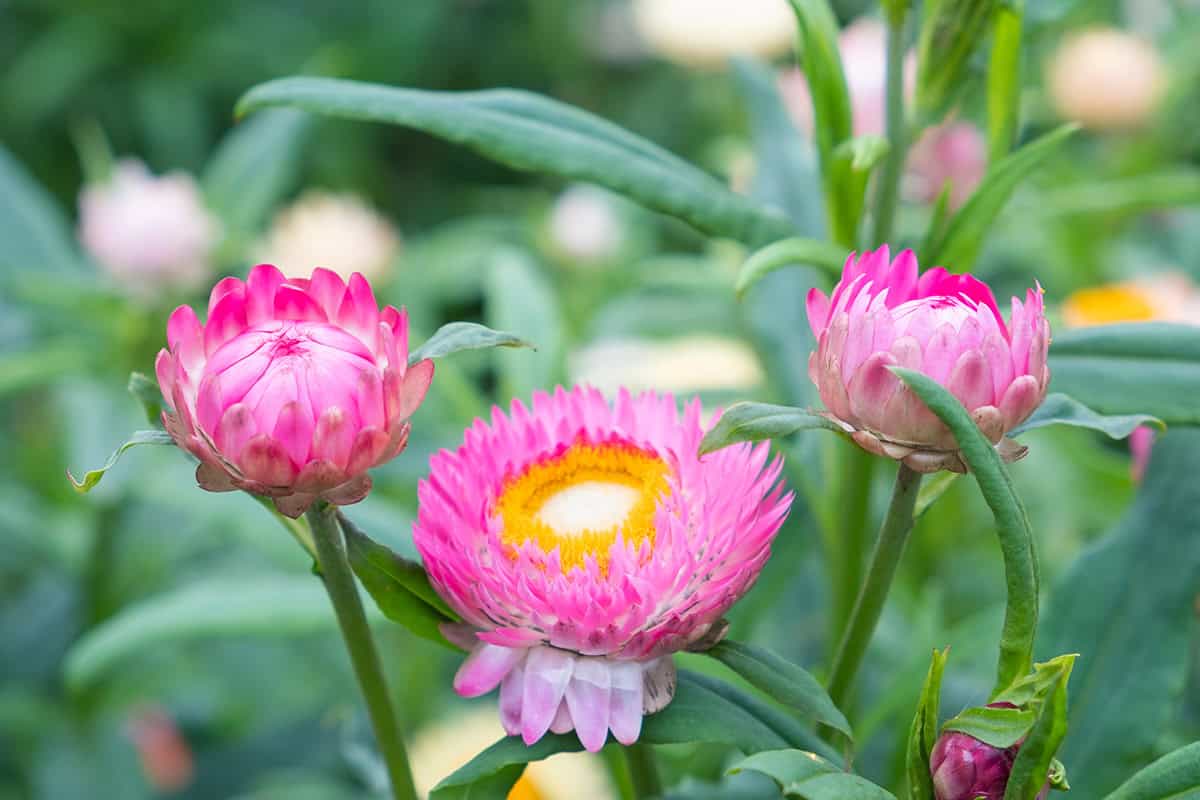
Strawflowers, or xerochrysum, are a two-for-one: fresh color in the vase and dried flowers that last for ages. They hold their shape and color better than most papery blooms.
For drying, cut when they’re just starting to open. For fresh use, let them open a bit more. They’re productive and weather-hardy, earning a permanent spot in many cutting gardens.
How To Choose The Right Stems For Your Vase
Getting the right bouquet starts long before the flowers hit the water. Stem strength, harvest timing, and how long they last in a vase matter way more than just bloom size. That’s where home-grown flowers either shine or fall short.
Personally, I sort my harvest into three mental buckets: those that last, those that refill quickly, and the ones I’ll only cut for their scent or when I’m feeling fancy. Keeps the vases full and the effort worthwhile.
Best Picks For Long Vase Life
For blooms that don’t quit, chrysanthemums, lisianthus, carnations, alstroemeria, snapdragons, and strawflowers are my go-tos when I don’t want to remake a bouquet midweek.
Hydrangeas, if cut at the right stage, and tulips taken at bud, also hold up well. For maximum longevity, recut the stems, strip any leaves below the waterline, and keep arrangements out of sun and heat.
Best Picks For Repeat Harvests
If you’re after a steady stream of stems, zinnias, cosmos, dahlias, sweet peas, snapdragons, scabiosa, and strawflowers lead the pack. These relentless bloomers keep buckets full and bouquets fresh.
Alstroemeria and branching sunflowers also stretch the picking window. Want a garden that never leaves you empty-handed? Focus your space here.
Best Picks For Fragrance And Event Arrangements
Step into a room and roses, sweet peas, stock, and a few select carnations waste no time announcing themselves. Lilies? They’ll flood the air too, but honestly, they’re better off in grander settings—think big halls or formal displays.
Bridal bouquets and event pieces take a different route. Peonies, ranunculus, lisianthus, roses, and hydrangeas carry an unmistakable sense of polish. Throw in something airier—scabiosa or cosmos, maybe—and suddenly the whole thing feels lighter, less weighed down. That’s the kind of mix that doesn’t scream for attention but still steals it.