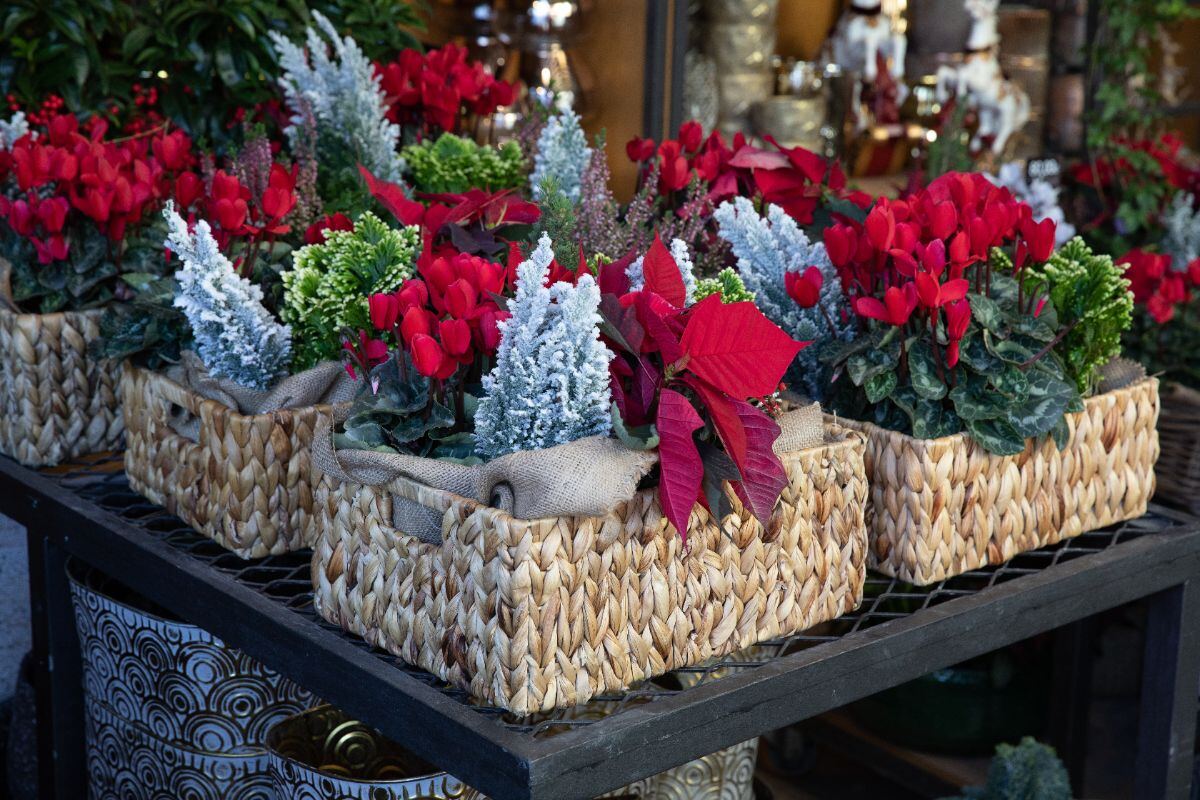
Christmas houseplants last longest in bright, filtered light, steady room temperatures and pots that drain freely, with watering matched to each species. A poinsettia sulks in a cold draft, and an amaryllis bulb rots in soggy soil, even though both look healthy on the day they come home.
Cyclamen likes a cool room, and Christmas cactus drops its buds after a sudden move. Care notes for all seven holiday favorites, plus what to do with each one once the season ends, are waiting below.
Table of Contents
- Best Light for Christmas Houseplants
- Keep Plants Away from Heat and Drafts
- How Often to Water Holiday Plants
- Check Drainage Before Watering
- Maintain Comfortable Indoor Humidity
- Poinsettia Care
- Amaryllis Care
- Cyclamen Care
- Christmas Cactus Care
- Norfolk Island Pine Care
- Paperwhite Narcissus Care
- Kalanchoe Care
- Keep Flowers and Bracts Looking Fresh
- Should You Fertilize During Winter?
- Remove Faded Flowers and Damaged Leaves
- Watch for Common Houseplant Pests
- What to Do After Christmas
- How to Keep Poinsettias for Next Year
- How to Save and Rebloom Amaryllis
- How to Keep Cyclamen After Flowering
- Common Christmas Houseplant Care Mistakes
Best Light for Christmas Houseplants
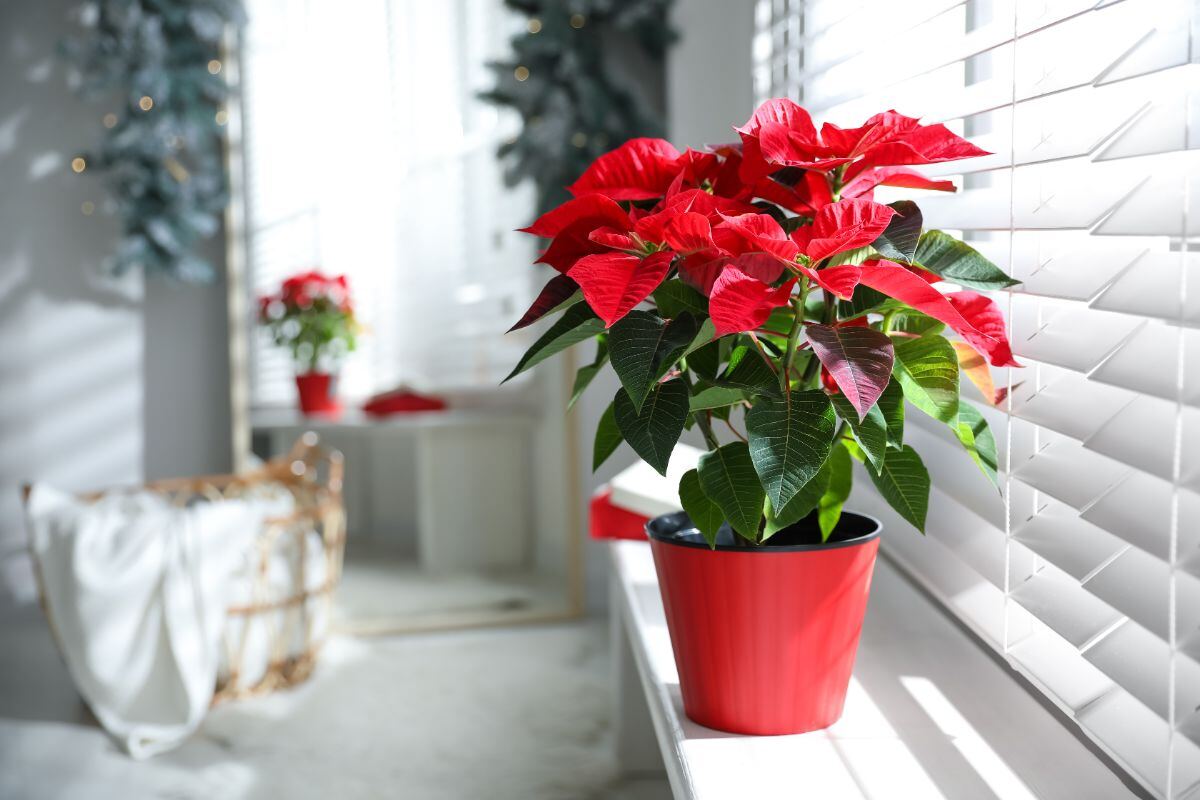
Bright light supports winter blooms, though the strongest afternoon sun may scorch plants placed close to glass. Poinsettias, cyclamen, Christmas cactus, and Norfolk Island pines do well near a bright window with filtered light. Amaryllis and paperwhites benefit from especially bright positions as their flower stalks grow; a quarter-turn every few days helps keep those stalks upright.
Distance from the window matters in winter. A plant several feet into a room receives much less daylight than one near the glass. If leaves lean sharply toward the window or new growth looks pale and stretched, the plant needs a brighter spot. Leaves touching a cold pane may suffer damage despite adequate light.
Keep Plants Away from Heat and Drafts
Steady temperatures protect holiday plants from premature leaf and flower drop. Heating vents, fireplaces, exterior doors, and drafty windows create abrupt changes that are especially hard on poinsettias and Christmas cactus buds. A shelf that seems convenient for display may receive a blast of hot air each time the furnace starts.
Most of these plants suit ordinary indoor temperatures, roughly 65–75°F during the day. Cyclamen prefers a cooler room, especially at night, and its flowers fade faster in sustained heat. During transport, cold exposure also deserves attention: a poinsettia left in a freezing vehicle may shed leaves after it reaches home. A bright position away from direct airflow gives each plant a more stable setting.
How Often to Water Holiday Plants
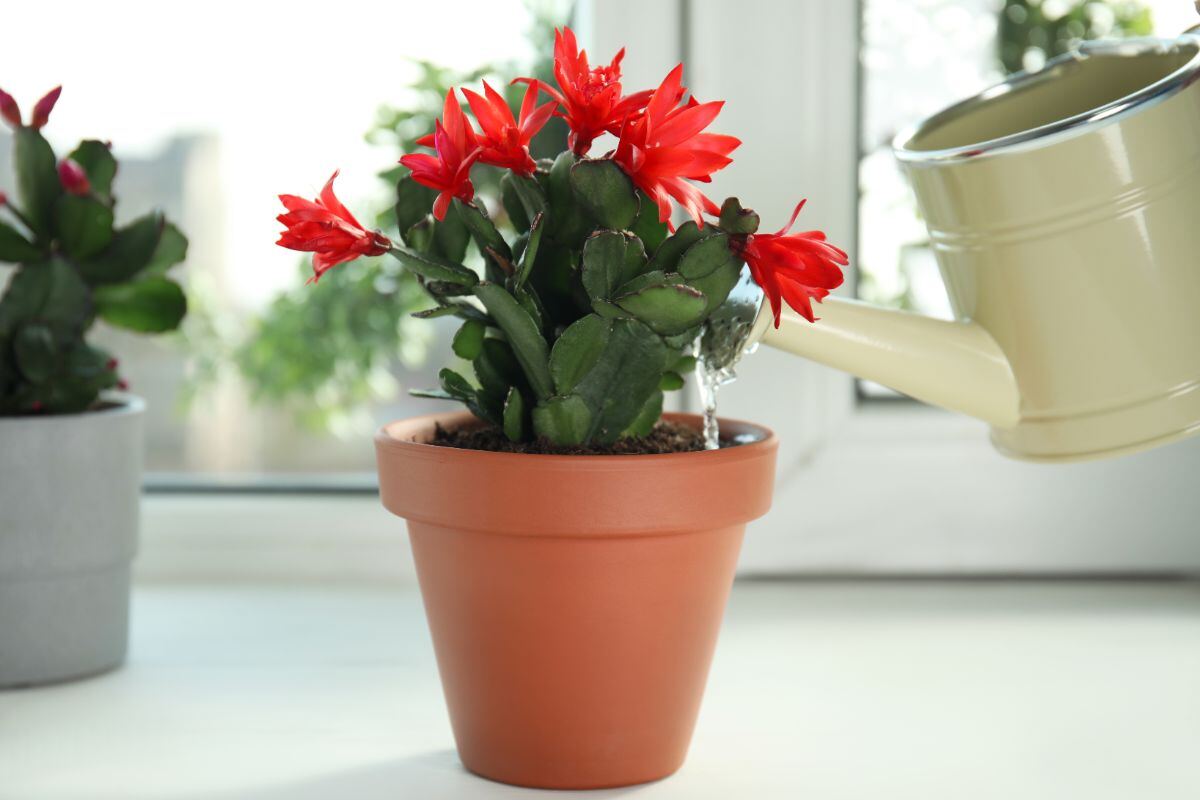
Soil condition gives a better watering signal than a fixed weekly schedule. Poinsettias and Norfolk Island pines need water when the upper inch of potting mix becomes dry. Christmas cactus should dry slightly at the surface, while kalanchoe needs a longer drying interval between thorough waterings. Active cyclamen prefers evenly moist soil without prolonged saturation.
Amaryllis needs modest moisture until growth begins, followed by more regular watering as leaves and flowers develop. Paperwhites grown in soil also need consistent moisture. Pot size, indoor heat, and light affect how quickly each container dries. A finger inserted into the mix and a check of the pot’s weight give useful clues; a light pot with dry soil is ready for water.
Check Drainage Before Watering
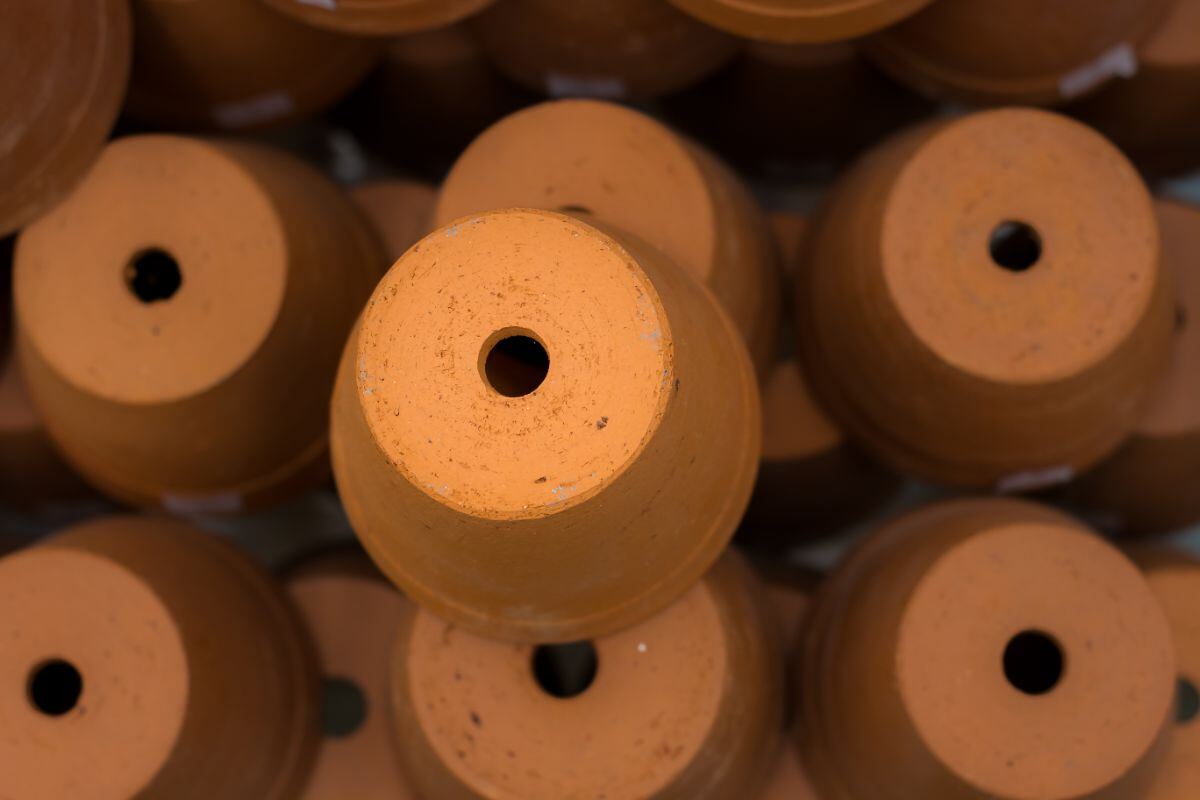
Water must leave the pot after each thorough watering. Many holiday plants arrive in decorative foil or an outer container that hides standing water. Before watering, the inner pot should have open drainage holes, and any foil wrapping should be loosened or removed so excess water has a path out.
A practical routine is to lift the nursery pot from its cover, water it over a sink, and return it after drainage slows. Water left in a saucer should be emptied promptly. This is particularly important for amaryllis bulbs and kalanchoe roots, which suffer in persistently wet mix. A dry soil surface offers little reassurance if the bottom of the container remains submerged.
Maintain Comfortable Indoor Humidity
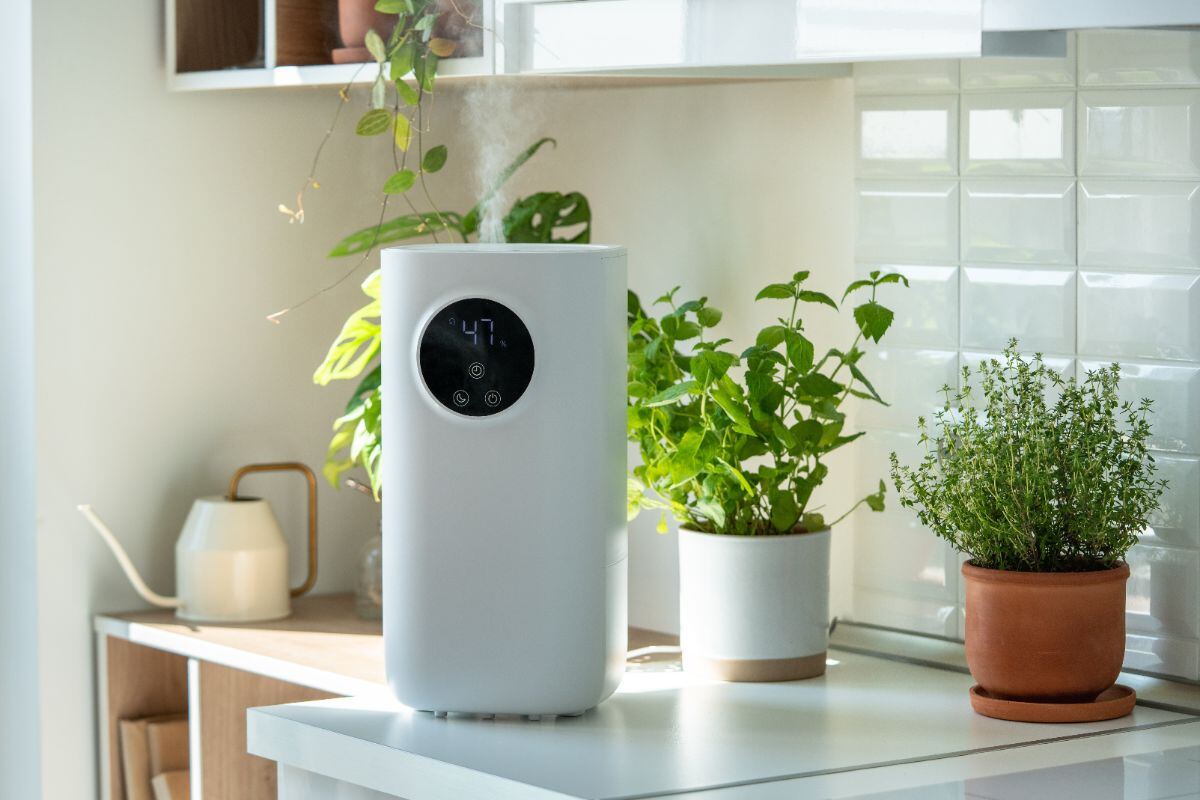
Moderate indoor humidity helps foliage and buds stay in good condition during the heating season. Norfolk Island pine and Christmas cactus are especially susceptible to very dry air; brown needle tips or shriveled buds warrant a closer look at their surroundings. A room humidifier raises humidity more reliably than occasional misting.
Plants grouped near one another also experience a slightly less dry local environment, provided air still circulates around their leaves. A pebble tray is useful only when the pot rests above the waterline. A hygrometer gives a clearer reading than guesswork: around 40–50% humidity suits many homes and these plants, while condensation on windows signals that the room may be too damp.
Poinsettia Care
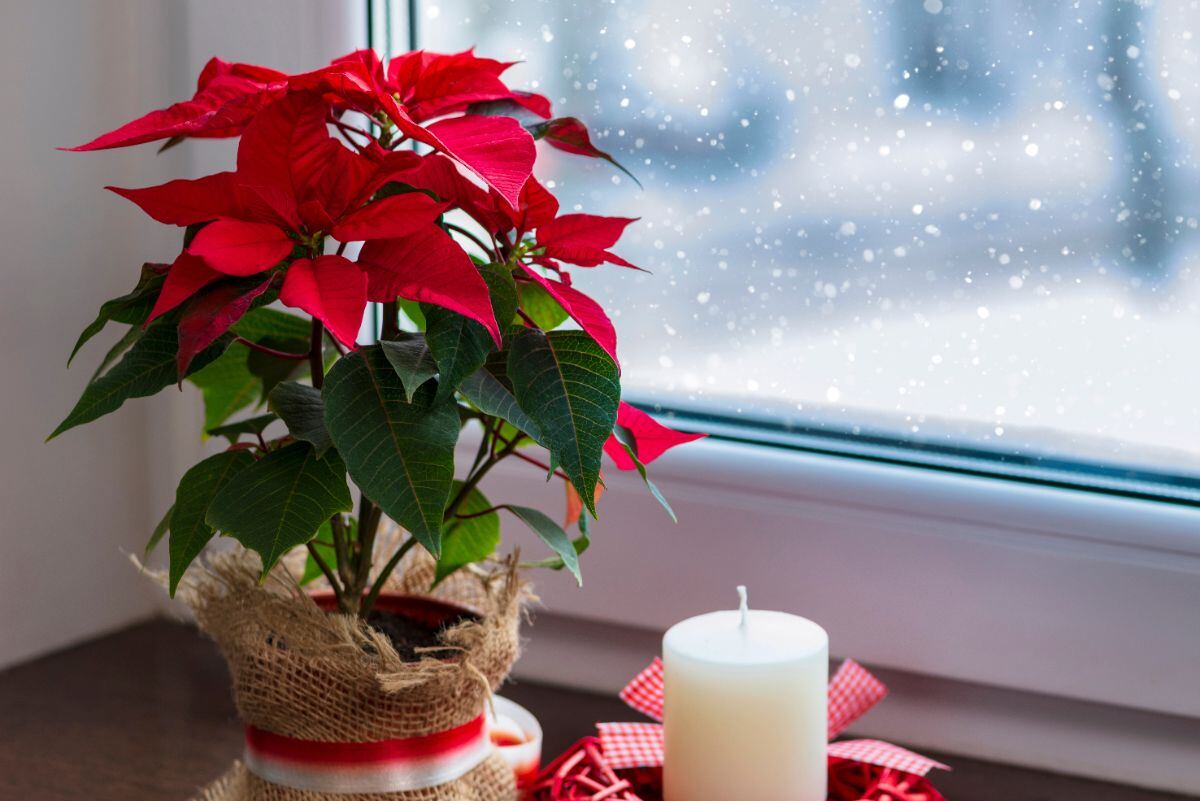
A poinsettia holds its colored bracts longest in bright light and a stable, warm room. The red, pink, or white display consists of modified leaves surrounding small flowers. Sudden cold, hot drafts, and prolonged dryness commonly trigger leaf drop, so its display position deserves more attention than its festive pot cover.
The soil should be watered thoroughly once its upper inch dries, with excess water drained away. Yellowing lower leaves alongside consistently wet soil point toward overwatering; crisp leaves and a light, dry pot suggest the opposite. Poinsettia sap may irritate skin, and the plant should be kept out of reach of pets that chew foliage. A healthy plant needs no fertilizer during its holiday display.
Amaryllis Care
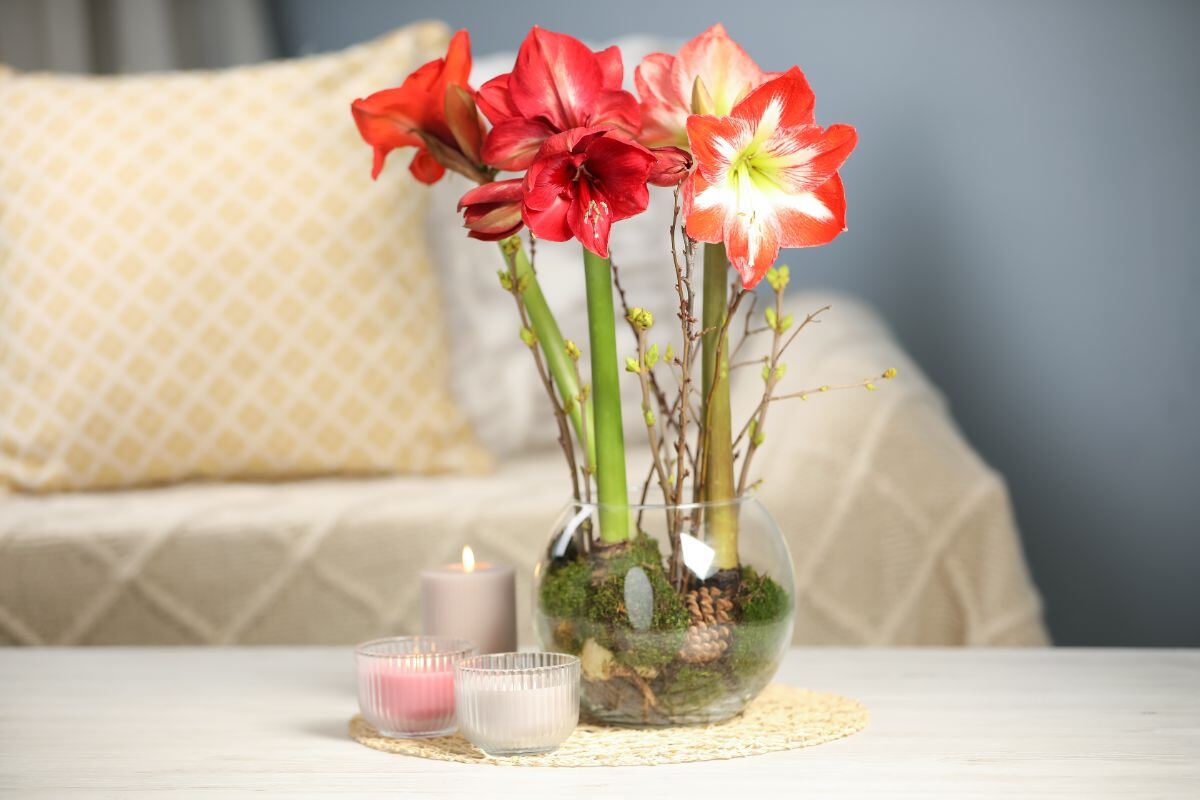
An amaryllis grows best in bright light with the upper third of its bulb exposed above the potting mix. That exposed neck helps keep the bulb dry, while a sturdy pot supports its tall stalks. Water sparingly after planting until growth starts, then water when the top of the mix begins to dry.
Turning the pot every few days limits leaning. If a heavy flower stalk still tilts, a discreet stake offers support without damaging the bulb. Flowers last longer away from a heat source and harsh midday sun. Once an individual bloom fades, removing it prevents seed formation; the green leaves should remain because they replenish the bulb for a future flowering season.
Cyclamen Care
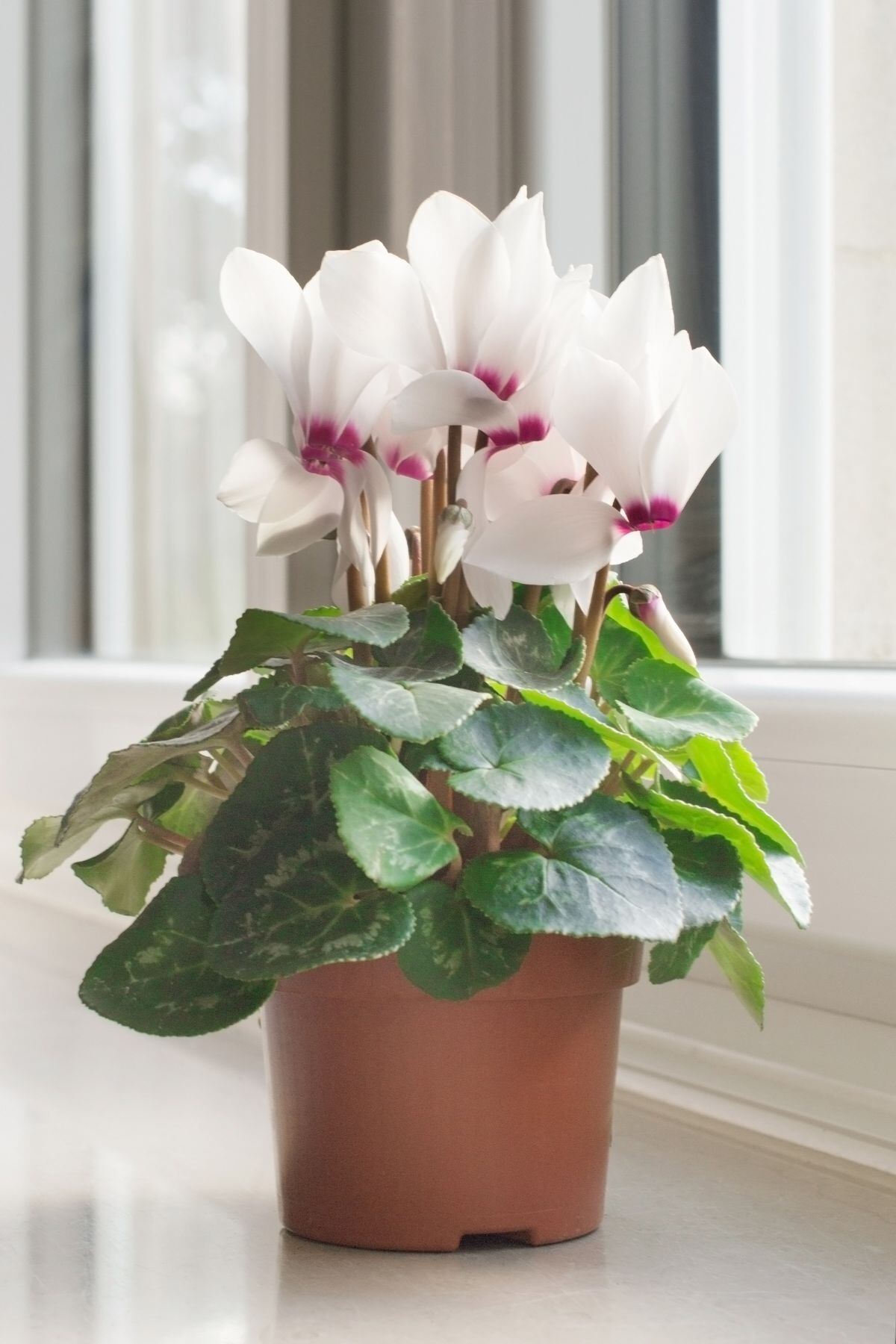
Cool conditions extend a florist cyclamen’s flowering period. A bright room with daytime temperatures around 60–65°F and cooler nights suits it better than a heated mantel. Heat and dry soil quickly lead to drooping flowers, while wet soil around the tuber invites rot.
Water when the soil surface begins to dry, directing water onto the mix near the pot’s edge. Bottom watering also keeps moisture off the crown: the pot sits briefly in shallow water, then drains fully. Yellow leaves and spent flower stems should be removed from their bases without tearing the tuber. Cyclamen is toxic to pets if eaten, so its cool display spot also needs to be inaccessible to them.
Christmas Cactus Care
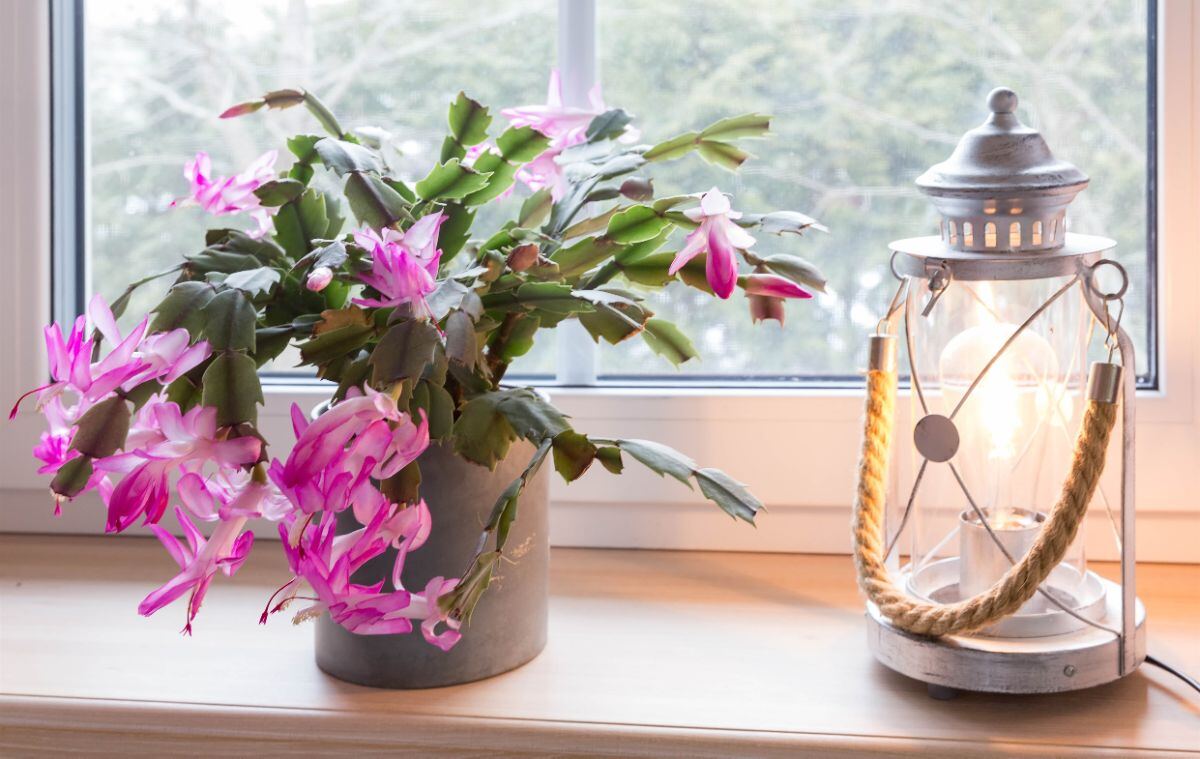
Christmas cactus needs bright, indirect light and steady moisture while it carries buds. Unlike a desert cactus, it grows with regular water during active growth; the upper portion of its potting mix should dry slightly between waterings. A well-draining mix prevents its roots from remaining saturated.
Bud drop follows abrupt changes in temperature, light, or watering. Once buds appear, leaving the pot in one suitable position reduces disruption, particularly beside doors opened to cold outdoor air. After flowering, slightly reduced watering suits its slower growth. In early fall, longer uninterrupted nights and cooler temperatures encourage the next round of buds; artificial light shining on the plant late into the evening interferes with that cycle.
Norfolk Island Pine Care
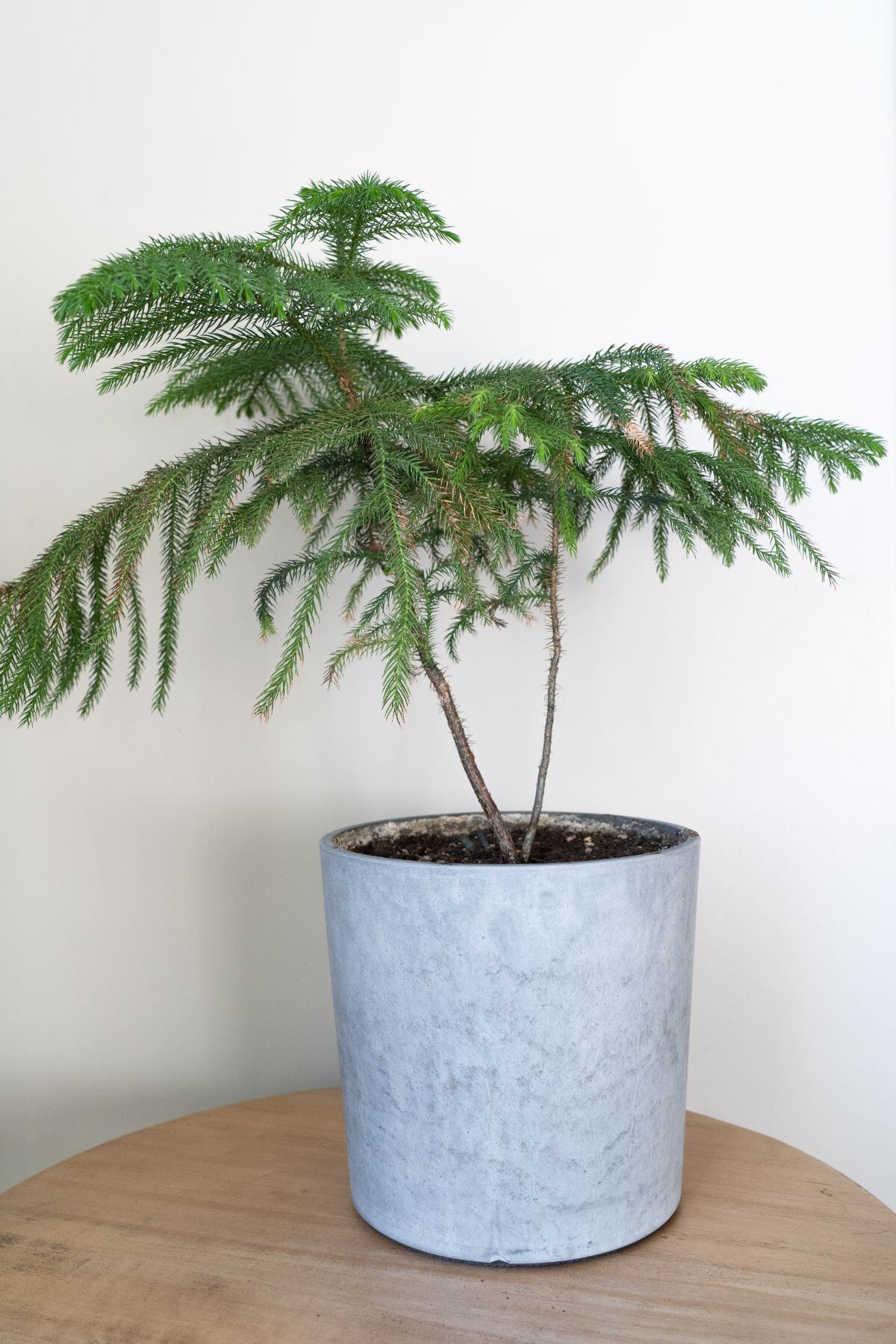
A Norfolk Island pine needs bright light, evenly managed moisture, and protection from dry heating air. Its soft branches are living foliage, so heavy ornaments or hot string lights may bend or damage them. A bright window out of direct vent airflow is a suitable display spot.
Water when the top inch of soil dries, then let the pot drain. Browning that starts at branch tips may reflect dry air, drought, or accumulated salts; checking both soil moisture and room conditions helps identify the cause. The tree also benefits from an occasional quarter-turn so growth stays balanced toward the light. Branches that turn completely brown will not regain their green needles.
Paperwhite Narcissus Care
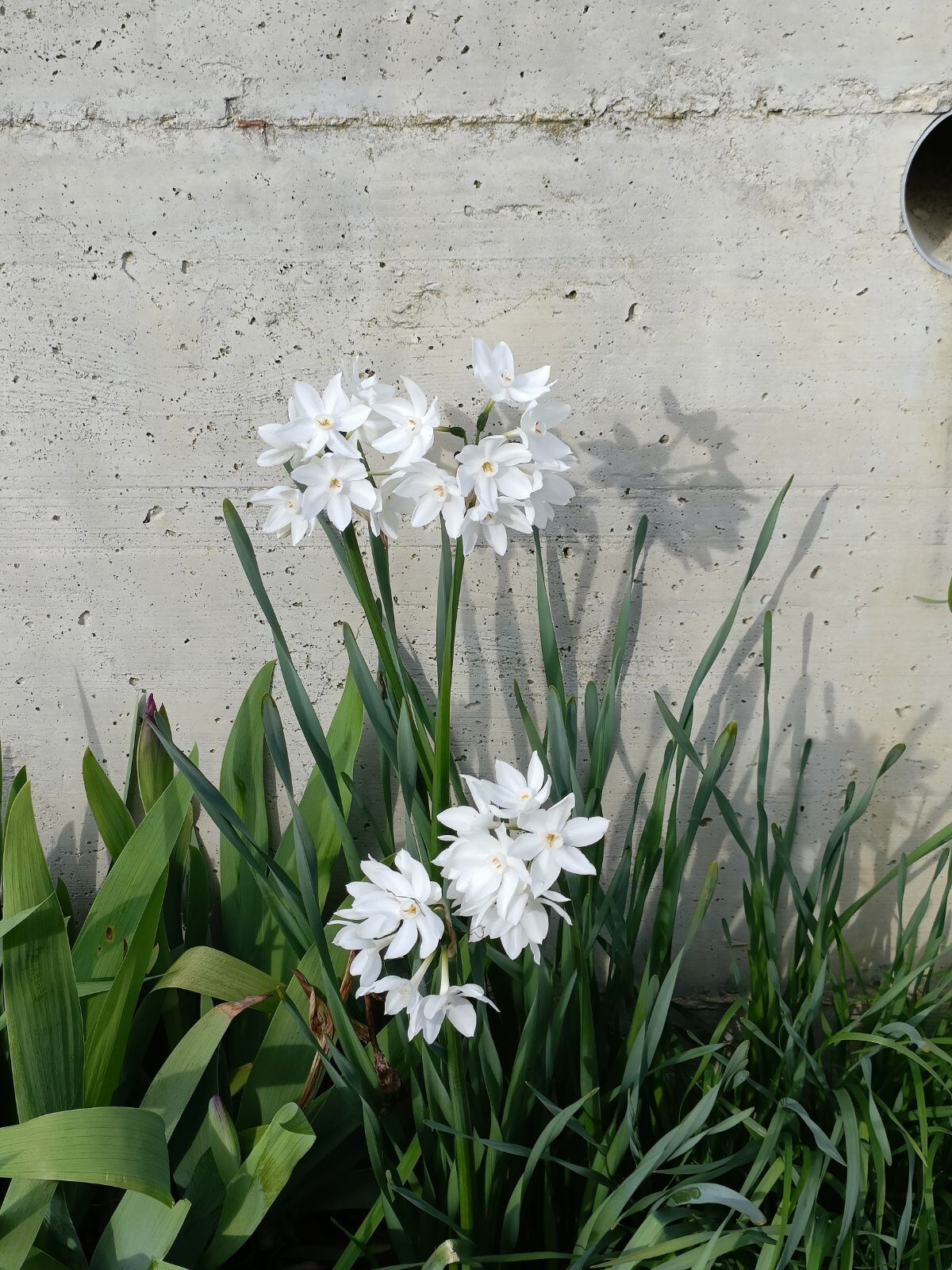
Paperwhites produce sturdy growth in bright light and cool indoor temperatures. Bulbs grown in pebbles need water reaching the base of their roots while the bulb bases remain above the waterline. In potting mix, they need evenly moist soil and a container with drainage holes.
Warm rooms and low light encourage tall, weak stalks that lean before the flowers open. Moving the container to a cooler, brighter place helps keep growth compact; a small support ring holds stems together if they become top-heavy. Paperwhite fragrance is strong, so placement also affects how pleasant the display is in a small room. Their bulbs and foliage are toxic to pets and should remain out of reach.
Kalanchoe Care
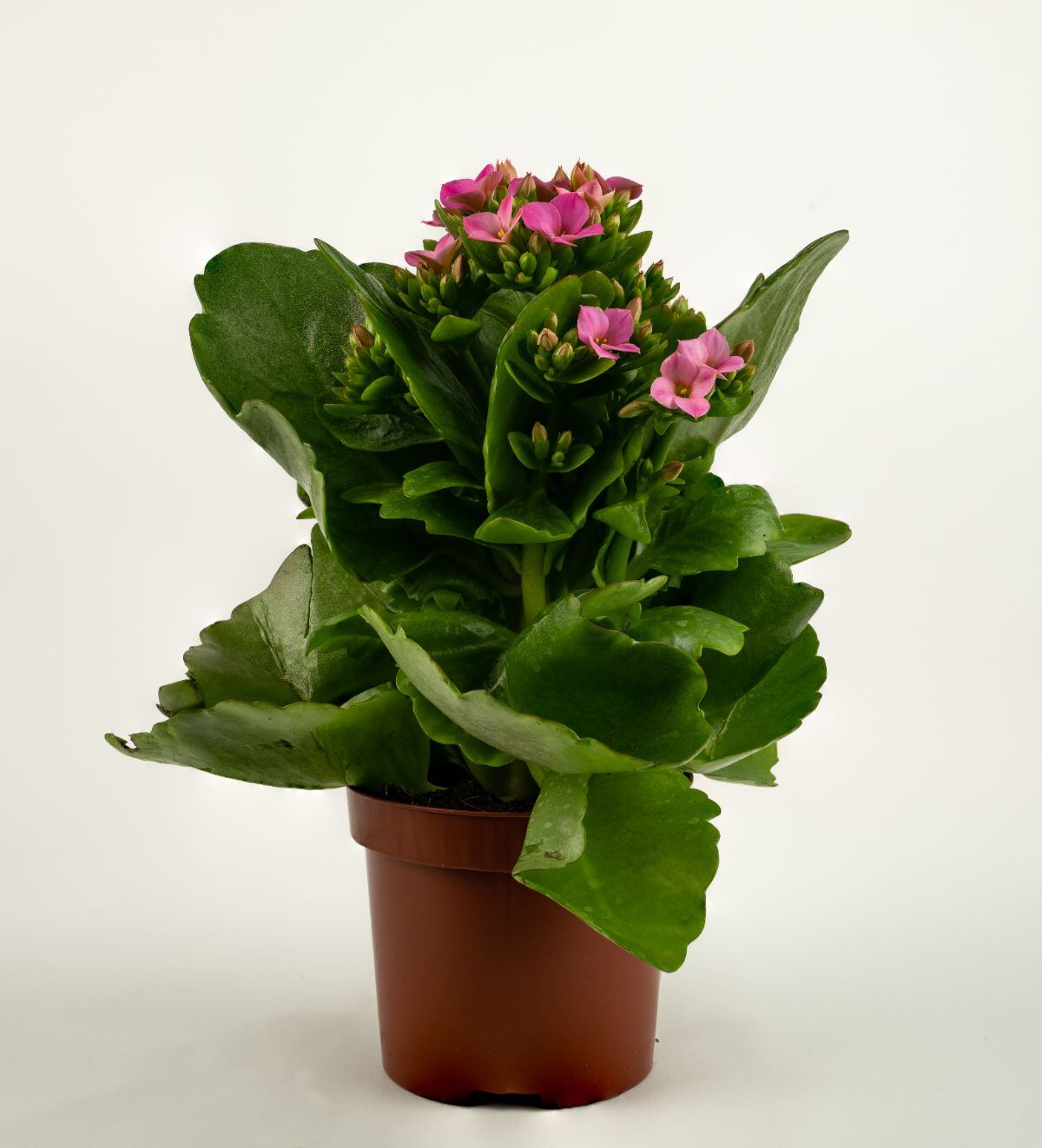
Flowering kalanchoe needs bright light and a drying period between waterings. Its fleshy leaves store water, making frequent watering a greater risk than a brief spell of dry soil. Once the mix dries through its upper portion, a thorough watering followed by complete drainage suits the plant.
A sunny window provides light for compact growth, though leaves should be protected from abrupt exposure to intense afternoon sun. Small flower clusters last for weeks in a room away from direct heat. As clusters fade, trimming their stems keeps the plant tidy without removing healthy leaves. Kalanchoe is toxic to cats and dogs, an important consideration when selecting a display shelf.
Keep Flowers and Bracts Looking Fresh
Cooler display positions, within each plant’s preferred range, help flowers and bracts last longer. Amaryllis and paperwhite blooms fade faster above a radiator, while poinsettia bracts suffer when the whole plant dries out. Direct blasts of heat also shorten the display life of kalanchoe flower clusters.
Careful handling prevents avoidable damage. Poinsettia bracts crease, and cyclamen petals bruise when plants are crowded against decorations or window coverings. Water should be directed to the soil unless a species needs another method; wet blossoms may spot or decay. On amaryllis, removing a fading flower while leaving the remaining buds undisturbed preserves the developing display.
Should You Fertilize During Winter?
Most newly purchased holiday plants need no fertilizer while they are flowering. Their growers have supplied nutrients for the immediate display period, and feeding a stressed or dormant plant does little to improve its blooms. Fertilizer should never be used to compensate for dim light, poor drainage, or damaged roots.
Plants kept after the holidays have different needs as growth resumes. An amaryllis benefits from regular feeding while its leaves are actively growing and rebuilding the bulb. Poinsettias and Norfolk Island pines may receive a diluted houseplant fertilizer during active spring and summer growth, following the label. Dormant cyclamen and resting bulbs should remain unfertilized until new growth appears.
Remove Faded Flowers and Damaged Leaves
Spent blooms and dead foliage should be removed promptly so decay does not spread through crowded growth. On cyclamen, a faded flower stem is best removed at its base. Kalanchoe flower stalks may be cut back after their clusters finish, while individual spent amaryllis blossoms should be taken off before seedpods develop.
A clean pair of scissors handles soft stems and damaged leaves without pulling on healthy tissue. Entirely yellow leaves are ready for removal, but green amaryllis leaves must stay attached after flowering to nourish the bulb. Discard removed material and check beneath remaining leaves for damp patches or pests. If a plant has disease symptoms, tools should be cleaned before they touch another plant.
Watch for Common Houseplant Pests
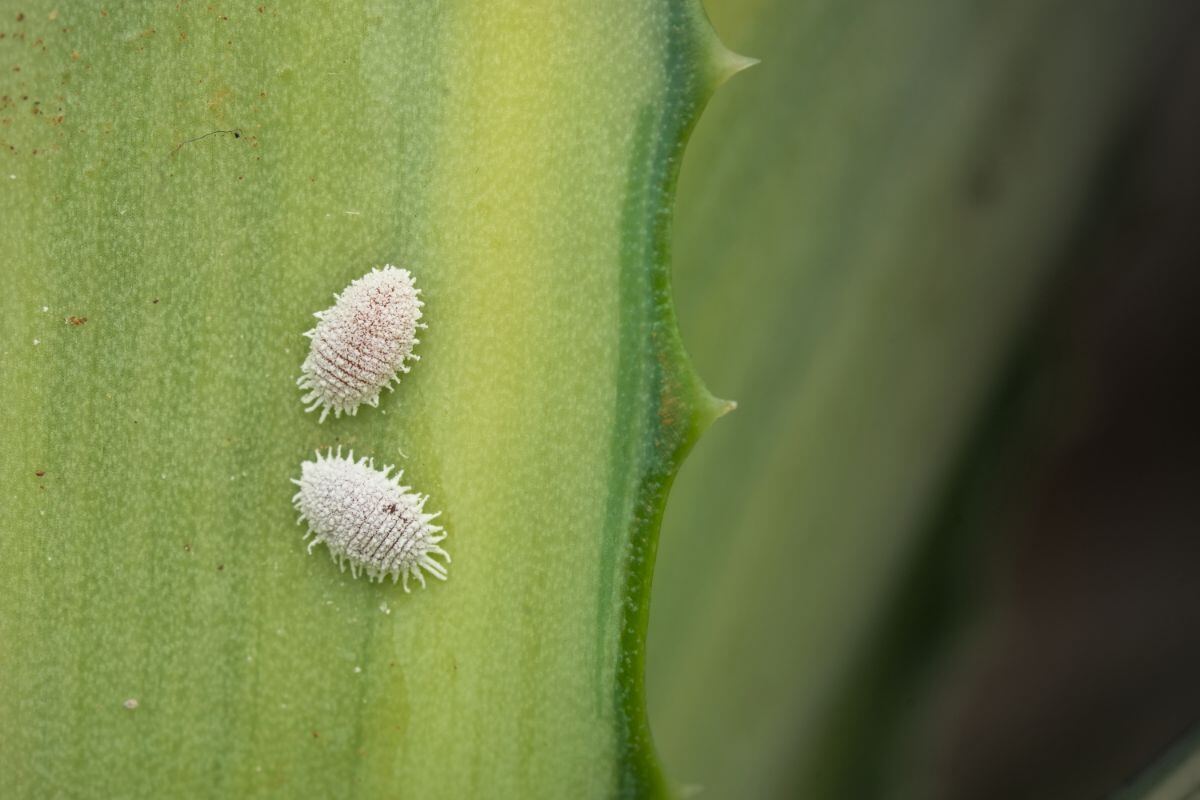
New holiday plants should be inspected before they join an existing indoor collection. Whiteflies may fly up from poinsettias when disturbed; mealybugs appear as white, cottony patches in leaf joints. Fine webbing and pale stippling suggest spider mites, particularly where heated air is dry.
The undersides of leaves and tight spaces near stems deserve close attention during routine watering. An infested plant should be separated from others while the pest is identified. Small numbers of mealybugs may be removed with a cotton swab dipped in rubbing alcohol, applied carefully to the insects. For a larger infestation, an indoor-plant treatment labeled for the pest should be used according to its directions.
What to Do After Christmas
Healthy holiday plants need continued care after their decorations come down, though their next stage differs by species. Norfolk Island pine remains an indoor foliage plant, and Christmas cactus continues its regular light and watering routine. Kalanchoe also remains a houseplant once its spent flower stems are trimmed.
Flowering bulbs require closer attention to their leaves. Amaryllis foliage must keep growing to replenish the bulb. Paperwhites forced indoors have a less dependable second display, especially when grown without soil. Cyclamen may enter dormancy as temperatures rise, while a poinsettia remains leafy with good care. When moving plants to a new position, the transition should preserve suitable light and avoid cold drafts.
How to Keep Poinsettias for Next Year
A saved poinsettia needs months of healthy growth followed by long, uninterrupted nights to develop colored bracts again. After its holiday display, it should remain in bright light with watering whenever the upper inch of soil dries. Once active growth starts in spring, pruning encourages a fuller shape, and light feeding supports new leaves.
Starting around late September or early October, the plant needs approximately 14 hours of complete darkness every night for about eight to ten weeks, plus bright light during the day. Even a lamp switched on briefly during its dark period may disrupt bract development. Temperatures should remain comfortably warm, and the soil should never stay waterlogged during this routine.
How to Save and Rebloom Amaryllis
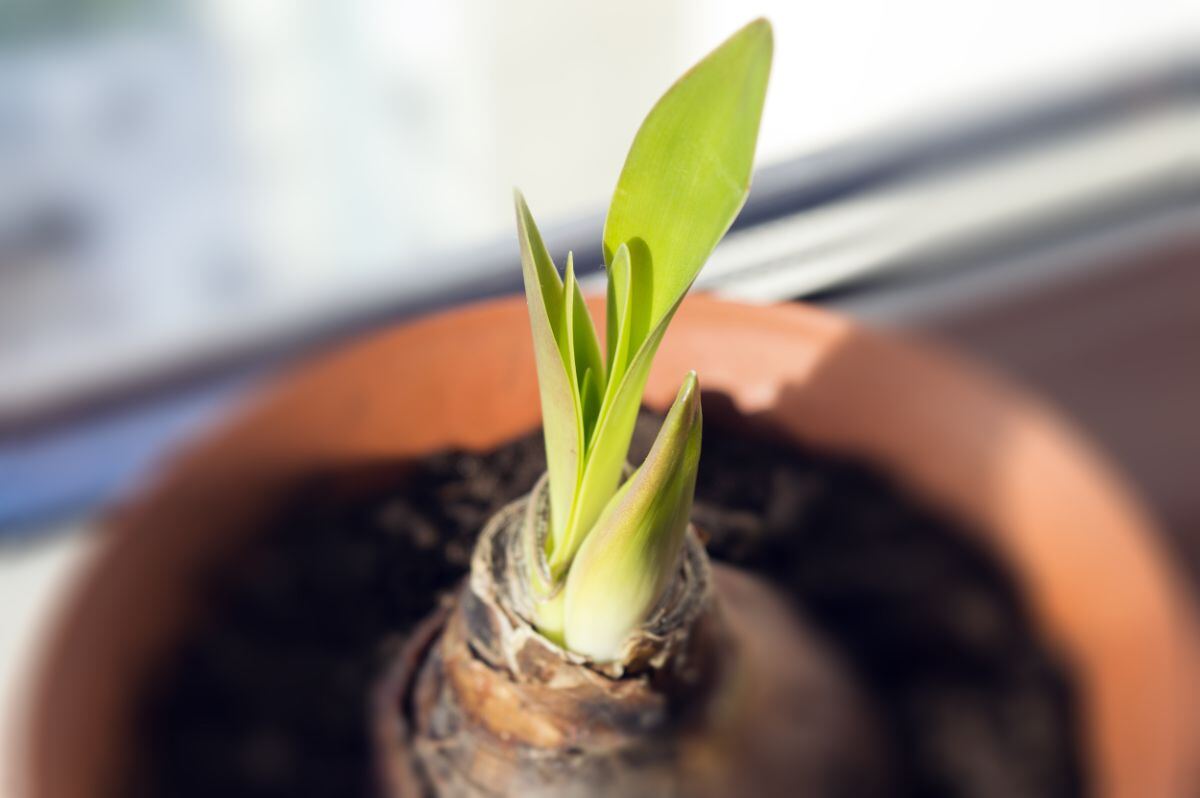
Green leaves are the key to saving an amaryllis bulb after its flowers fade. The spent flower stalk should be cut back, while the leaves remain in bright light with regular water and fertilizer during active growth. After frost danger passes, a sheltered outdoor position may provide strong summer light if the plant is introduced gradually.
For winter flowering, watering may be stopped in late summer or fall to begin a rest period. Once the foliage yellows, it should be removed, and the bulb should spend roughly eight to ten weeks in a cool, dry place above freezing. Fresh potting mix, warmth, and careful watering restart growth. Flowering follows on the bulb’s own schedule, so timing varies.
How to Keep Cyclamen After Flowering
A florist cyclamen may rest when warm weather arrives and its leaves begin to yellow. Watering should decrease as growth stops, allowing the potting mix to become drier without leaving the tuber in a wet container.
Once the leaves die back, the tuber belongs in a cool, shaded place during dormancy. New leaves signal the time to resume watering gradually and return the pot to bright, indirect light.
The tuber’s top should sit near the soil surface if repotting becomes necessary. Cool temperatures support renewed growth and flowering; a hot room remains a poor location even after the plant has recovered. A tuber that has become soft or mushy is unlikely to recover.
Common Christmas Houseplant Care Mistakes
The most damaging holiday-plant mistakes involve hidden standing water and unsuitable display spots. A decorative outer pot may hold drainage long after the soil surface looks dry, while a bright window may expose leaves to freezing glass.
Checking the entire container and the air around a plant prevents both problems. Treating every species alike creates quieter setbacks.
Kalanchoe needs its mix to dry between waterings, while flowering cyclamen needs steadier moisture and cooler conditions. Removing green amaryllis leaves after bloom weakens next year’s bulb; moving a budding Christmas cactus repeatedly increases the risk of bud drop.
When a plant declines, its soil, drainage, light, and nearby heat sources provide the most useful first checks.