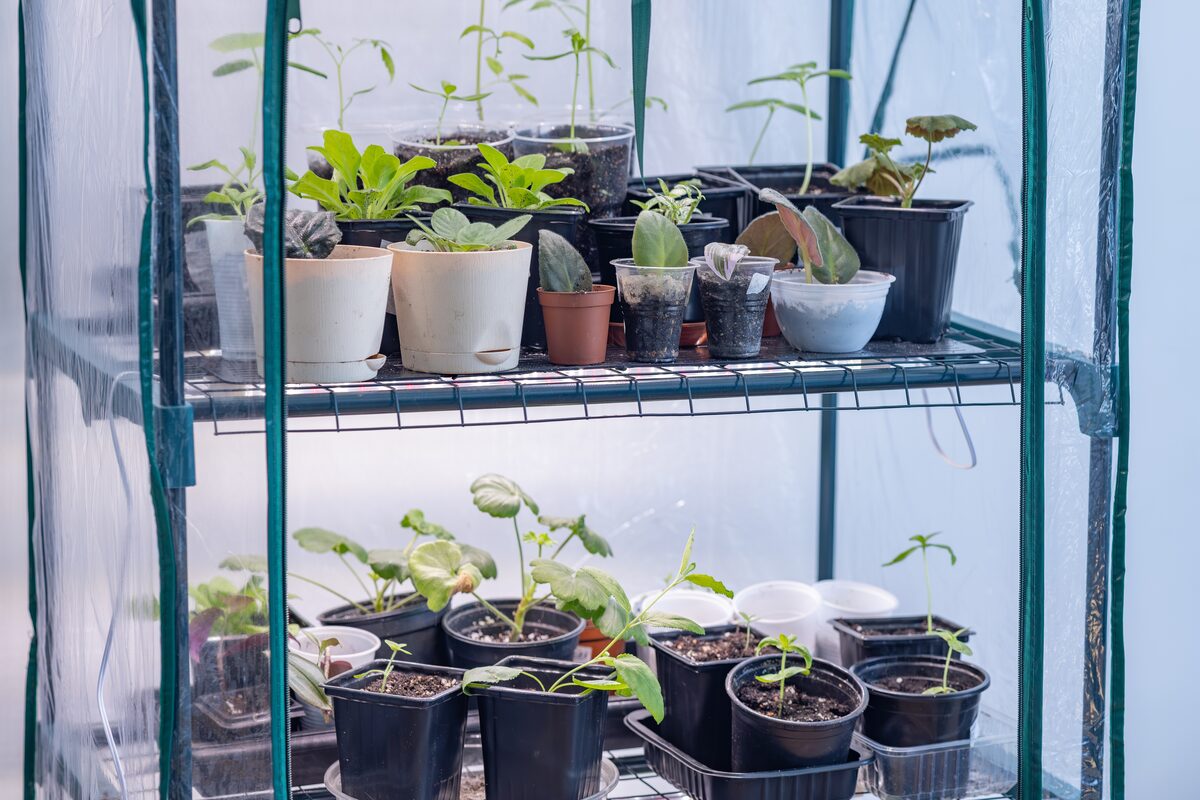
January is the month for slow seeds. Onions, leeks, celery, petunias, begonias, and lisianthus need two to four months indoors before they are big enough to plant out.
Timing rests on your average last frost date. Count back the weeks listed for each plant, and a January start fits gardens with a last frost between March and May.
Each of the 15 seeds below has its sowing window, germination needs, and one tip for strong seedlings. Grab a seed tray and read on.
Table of Contents
Onions
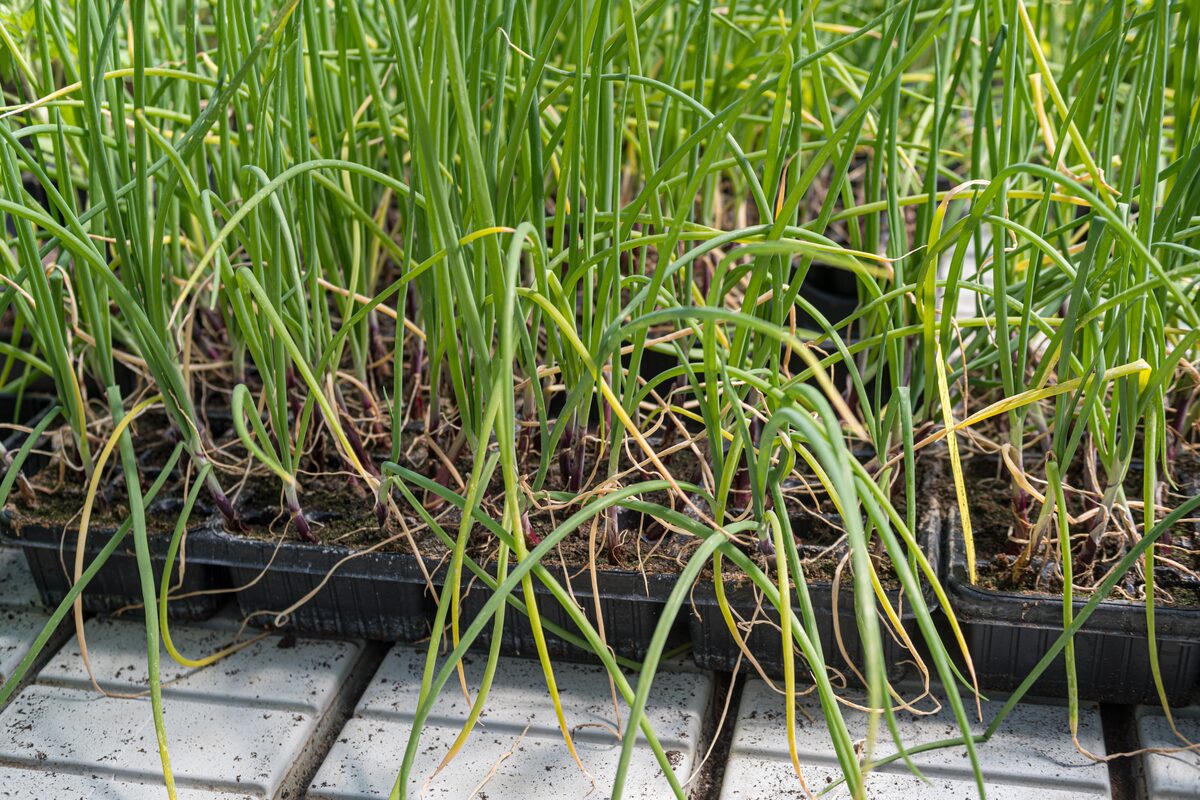
Because onions need the longest head start of any crop here, they lead the January sowing list. In January, onion seed goes into flats 10 to 12 weeks ahead of the average last frost. Onions (Allium cepa) sprout in a week or two at 65 to 75°F, and the grassy seedlings need a bright window or grow light.
Sow thickly in a shallow tray, then trim the tops to about 3 inches whenever they flop. Trimming thickens the stems and makes transplanting easier.
Long-day types fit northern gardens, while short-day types belong in the South. Set seedlings outdoors about 4 inches apart as soon as the ground thaws and dries enough to dig.
Leeks
Leek seedlings (Allium porrum, also listed as Allium ampeloprasum) look like thin grass for weeks, which is why they need 10 to 12 weeks indoors. Germination follows in one to two weeks at ordinary room temperature.
Sow in a deep tray or small cells, and snip the tops back to about 4 inches as they grow.
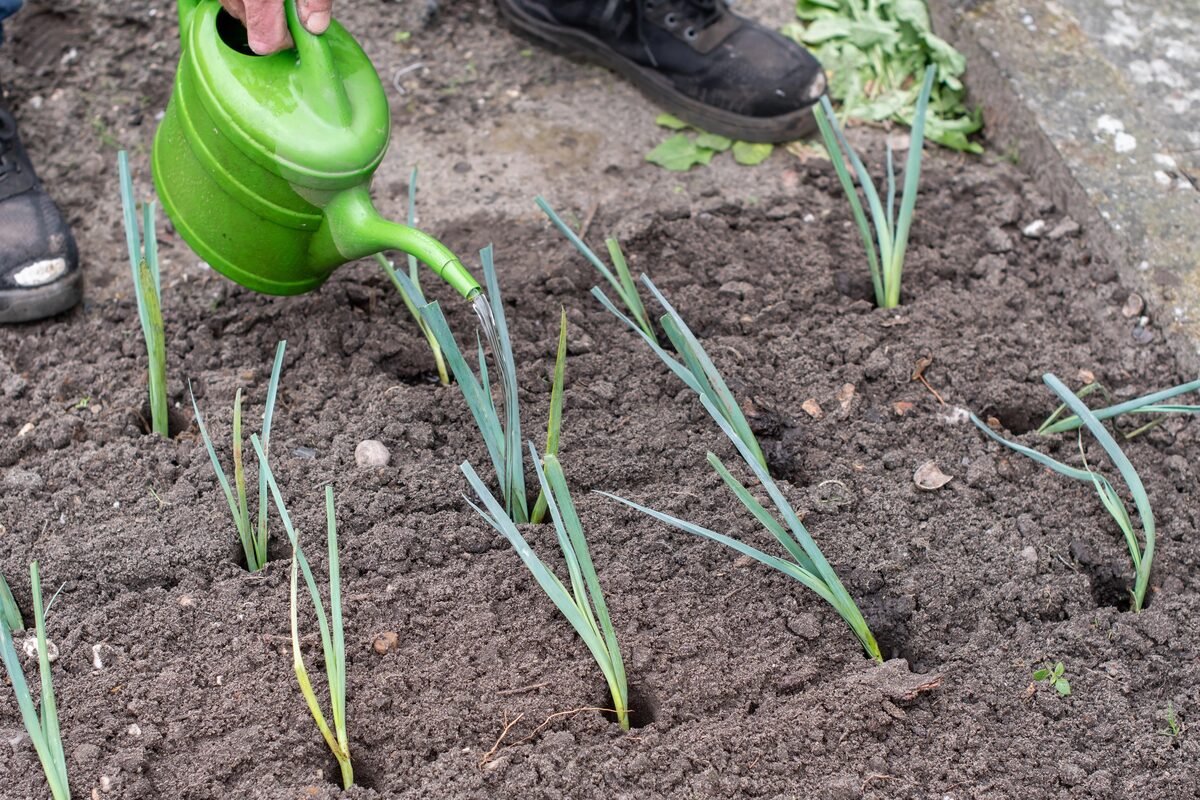
At transplant time, drop each seedling into a deep hole or trench. Soil falls in around the stem over the season and blanches a longer white shaft. Mature leeks reach 18 to 30 inches tall in rich, moist beds and shrug off light frost.
Shallots
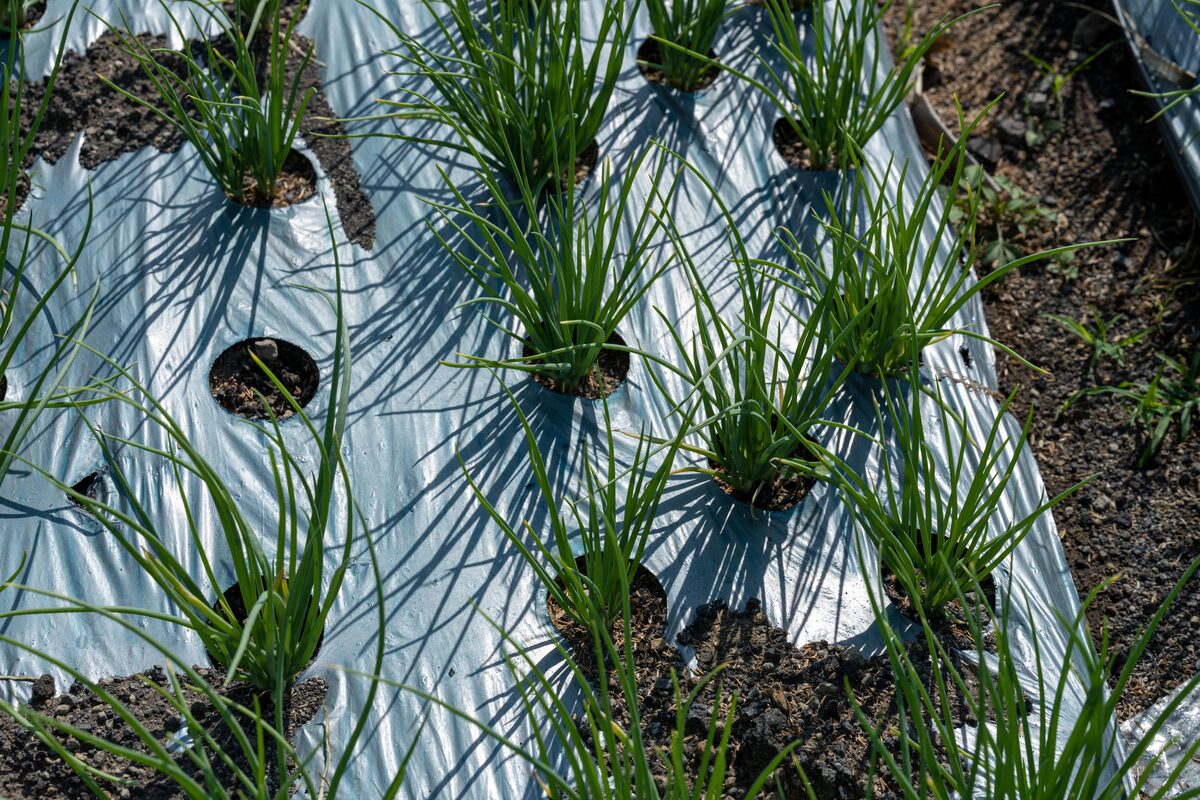
Because shallots grown from true seed form bulbs in a single season, a January sowing ends in a summer harvest. Treat shallots (Allium cepa Aggregatum Group) like onions, sown the same week at 65 to 70°F.
The grassy stage lasts for weeks. Hold the light a couple of inches above the tips and trim the tops for sturdier plants.
Move them out once the soil is workable, about 6 inches apart in a sunny bed. Each seedling multiplies into a small cluster of bulbs, and the tops flop over when the crop is ready to lift.
Celery
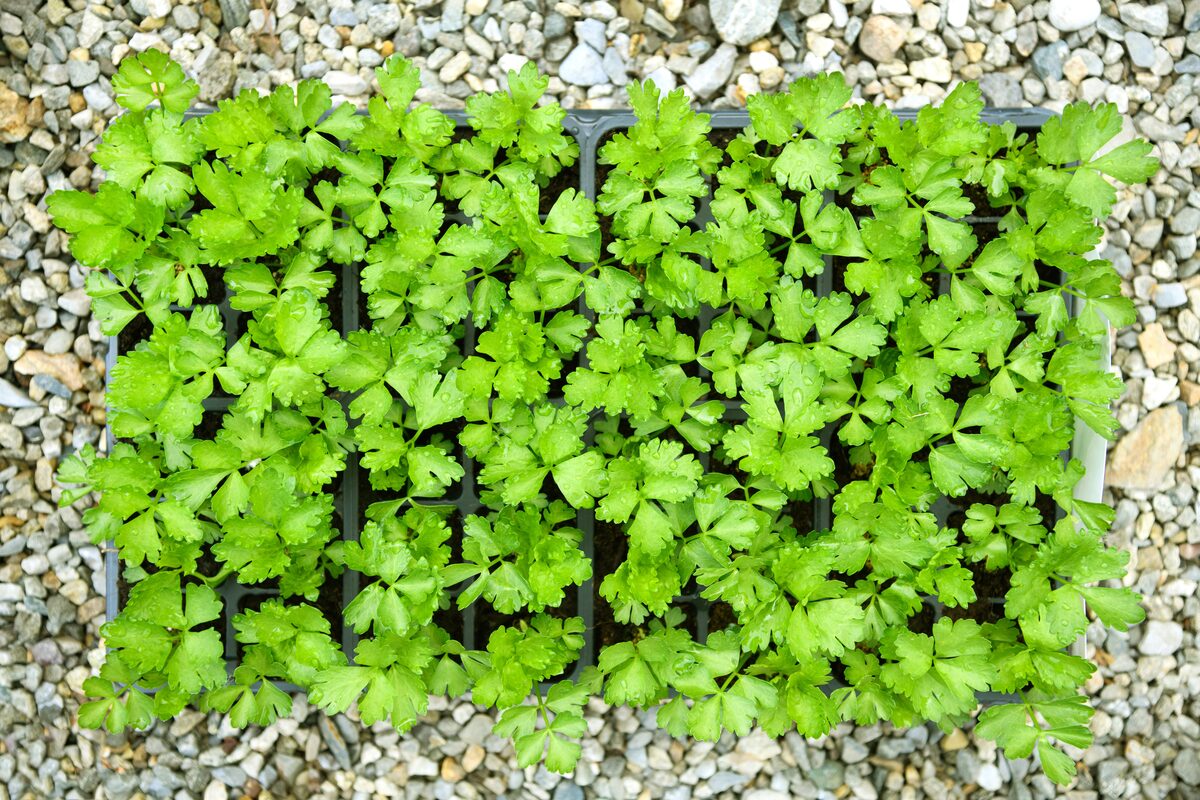
Ten to 12 weeks of indoor growth stand between celery seed and a transplant-ready plant. Celery (Apium graveolens) germinates slowly, over two to three weeks, and sprouts best in light, so scatter it over damp mix with no covering.
A warm spot near 70°F and steady moisture help during that wait. Dry spells at this stage trigger bolting later.
Mature stalks grow 18 to 24 inches tall and want rich soil, bright sun, and constant water. Plant them out after frost danger passes, about 8 inches apart.
Celeriac
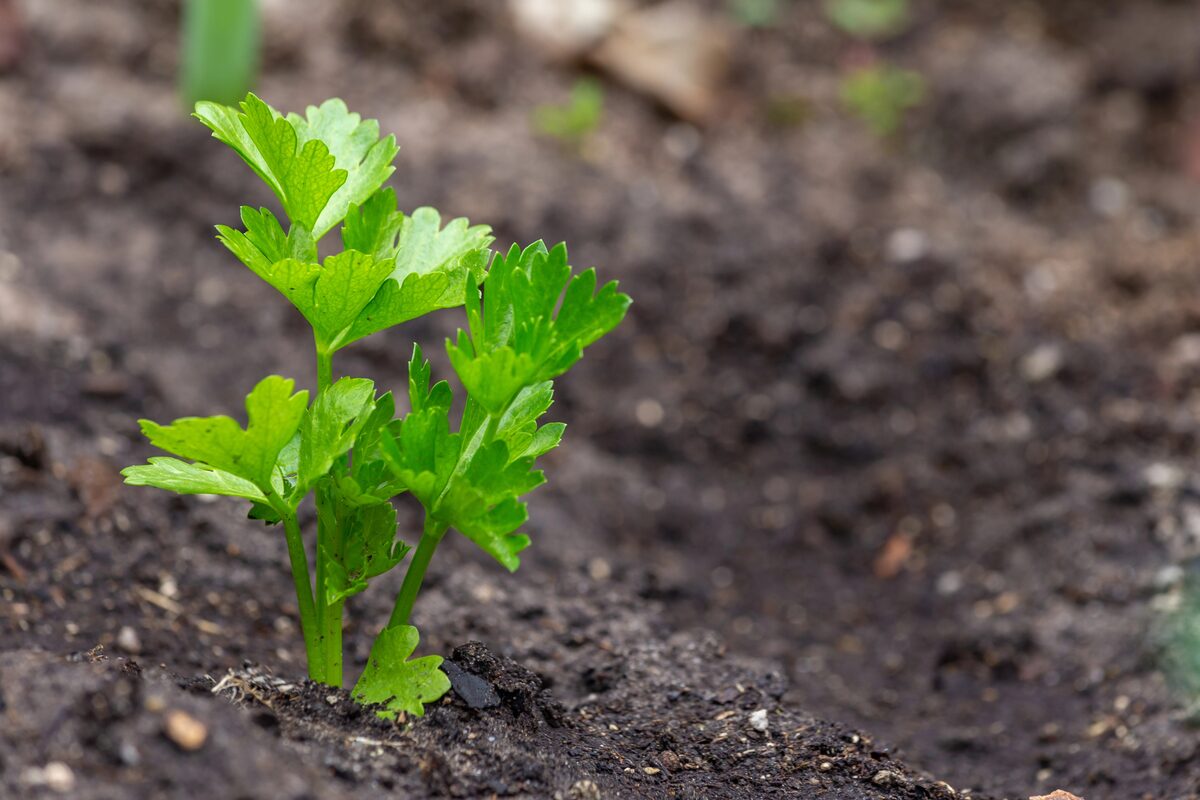
Under a grow light, celeriac (Apium graveolens var. rapaceum) sits through a long, slow start. Sow it about three months ahead of your frost-free date and press the tiny seed onto the mix, since light helps it sprout.
Germination stretches over two to three weeks at about 70°F, so mist the surface whenever it dries. The swollen root needs a long season, which is the reason for the early start.
Transplant into rich, moisture-holding soil in sun, about 10 inches apart. Roots reach softball size by fall, and a thick summer mulch helps hold the water they need.
Pansies
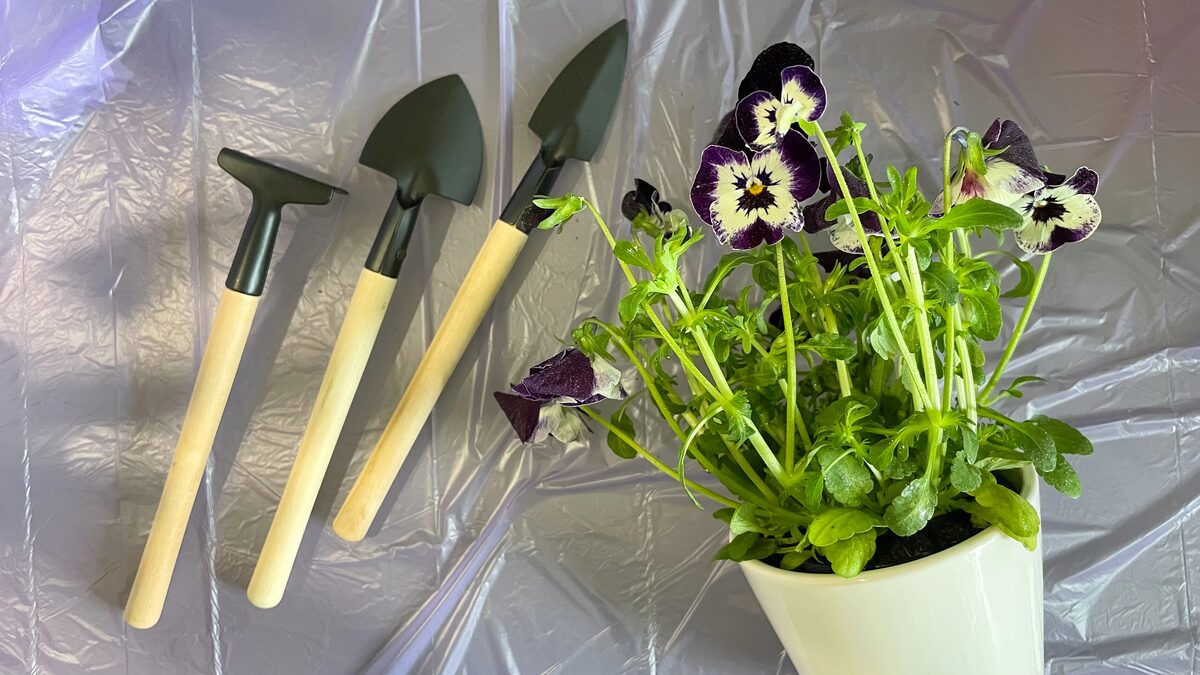
After five slow vegetables, the list moves to flowers, and pansies are the hardiest of them.
Why start pansies (Viola × wittrockiana) in January? Seedlings need about ten weeks to reach planting size, and the seed wants a light covering, since darkness aids germination. Seeds sprout in one to two weeks at 65 to 70°F.
Once seedlings emerge, move trays to a cooler spot around 55 to 60°F for compact plants. Pinch the tips if they stretch.
Pansies tolerate light frost, so they go outdoors four to six weeks ahead of other bedding plants. They grow 6 to 9 inches tall in sun or partial shade and fill window boxes and bed edges in early spring.
Snapdragons
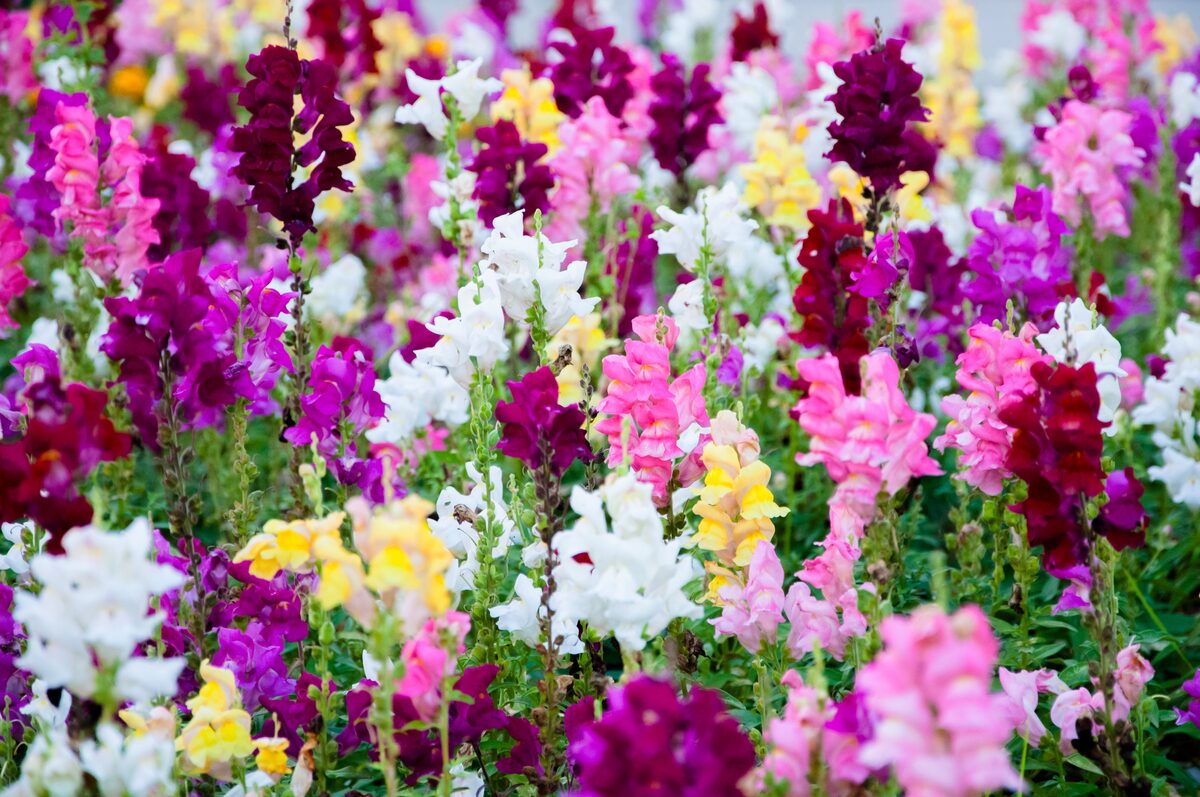
Snapdragon seed (Antirrhinum majus) is fine as dust and germinates in light, so it sits on top of the mix. Start it in January or early February, gently pressed into the surface.
Seedlings appear in one to two weeks at 65 to 70°F but grow slowly at first. Pinch young plants at about 4 inches tall for more branches and more flower spikes.
Varieties range from 8 inches to 3 feet tall and bloom through cool spring weather in sun. Tall types belong in cutting gardens, and dwarf types fit pots.
Petunias
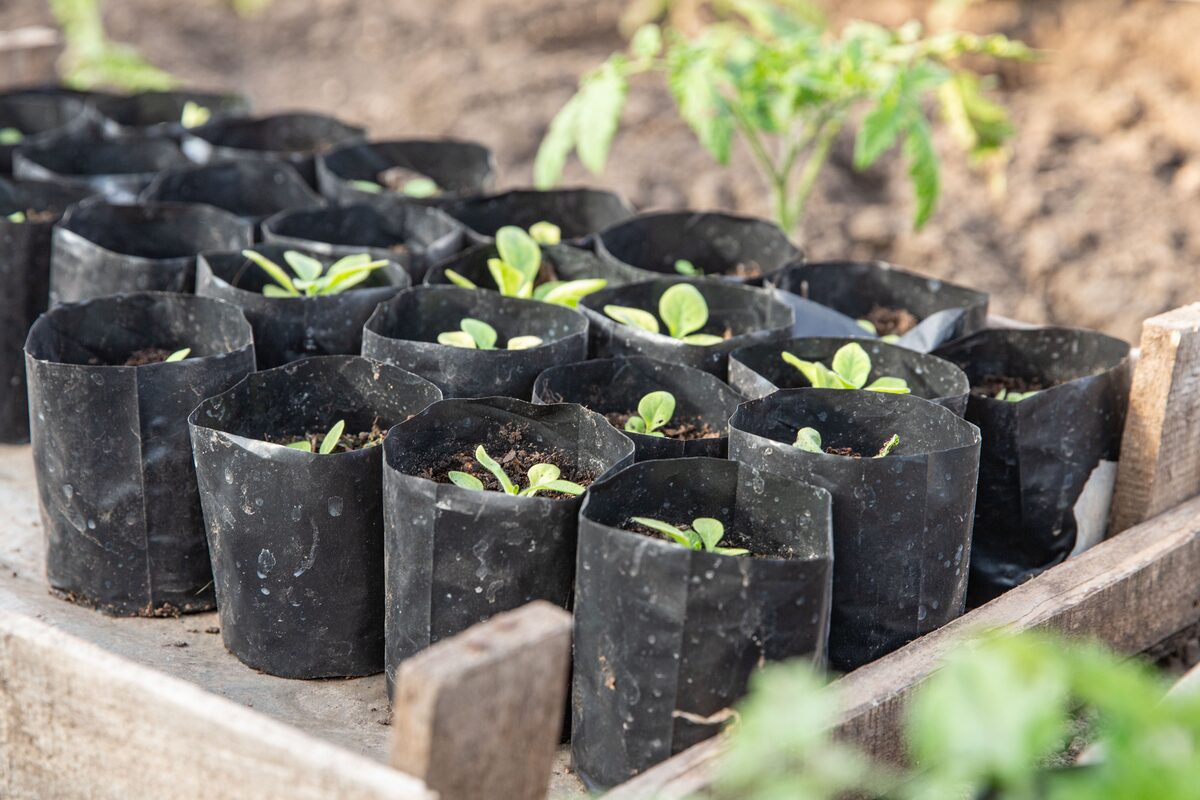
Is January too early for petunia seed? Petunias need that long, because the seedlings start tiny and take 10 to 12 weeks to reach transplant size.
Petunia (Petunia × atkinsiana) seed is dust-fine and needs light to germinate, so scatter it on moist mix and leave it uncovered. Sprouts appear in one to two weeks at 70 to 75°F.
Water from below to protect the delicate seedlings. Plants move outdoors after frost danger passes and spill from hanging baskets and window boxes all summer.
Wax Begonias
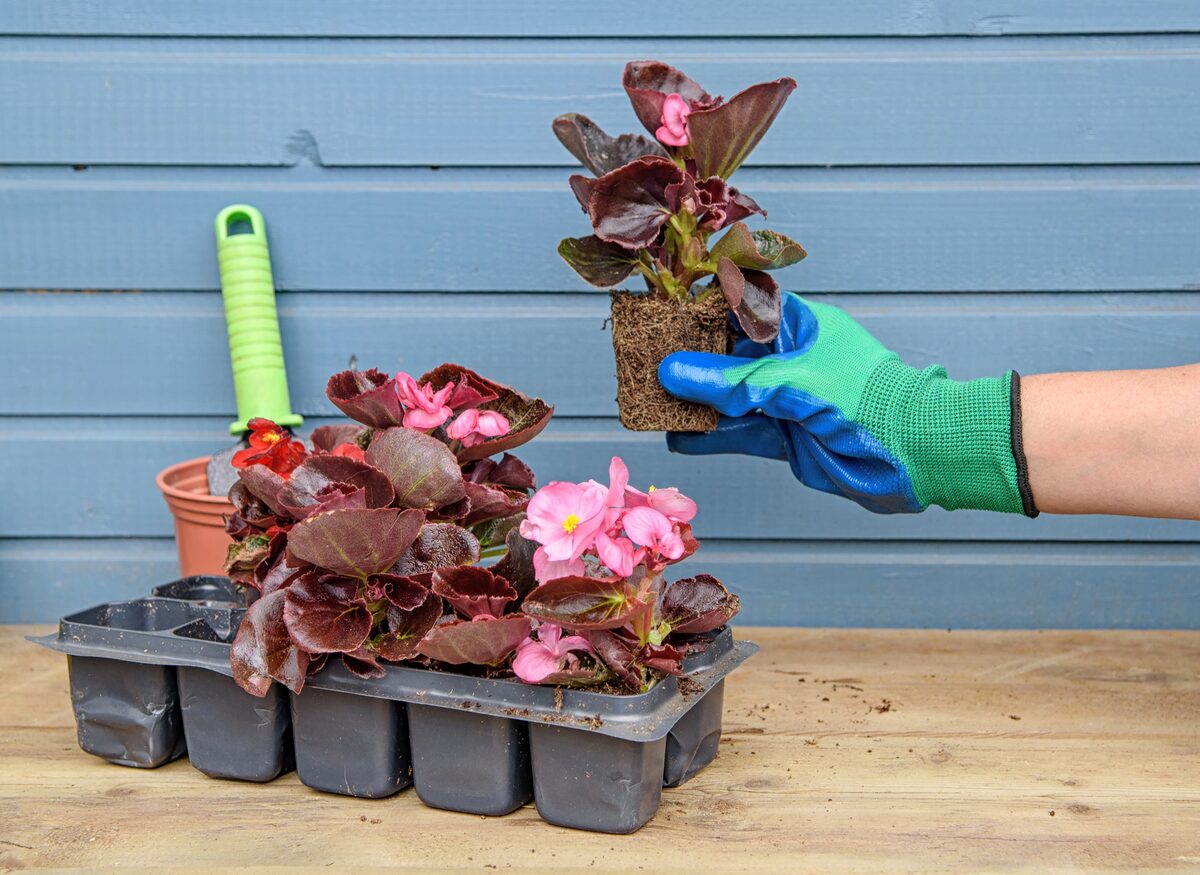
If any bedding plant demands a head start, it is the wax begonia (Begonia semperflorens group), which needs 12 to 16 weeks indoors. The nearly microscopic seed germinates only with light on it, so sprinkle it over the surface and leave it bare.
Expect sprouts in two to three weeks at 70 to 75°F, and a clear dome holds humidity steady. Bottom watering prevents the seedlings from washing away.
Plants form mounds 6 to 12 inches tall and bloom from late spring until frost in shade or part sun. Green or bronze leaves brighten shady borders and containers.
Geraniums
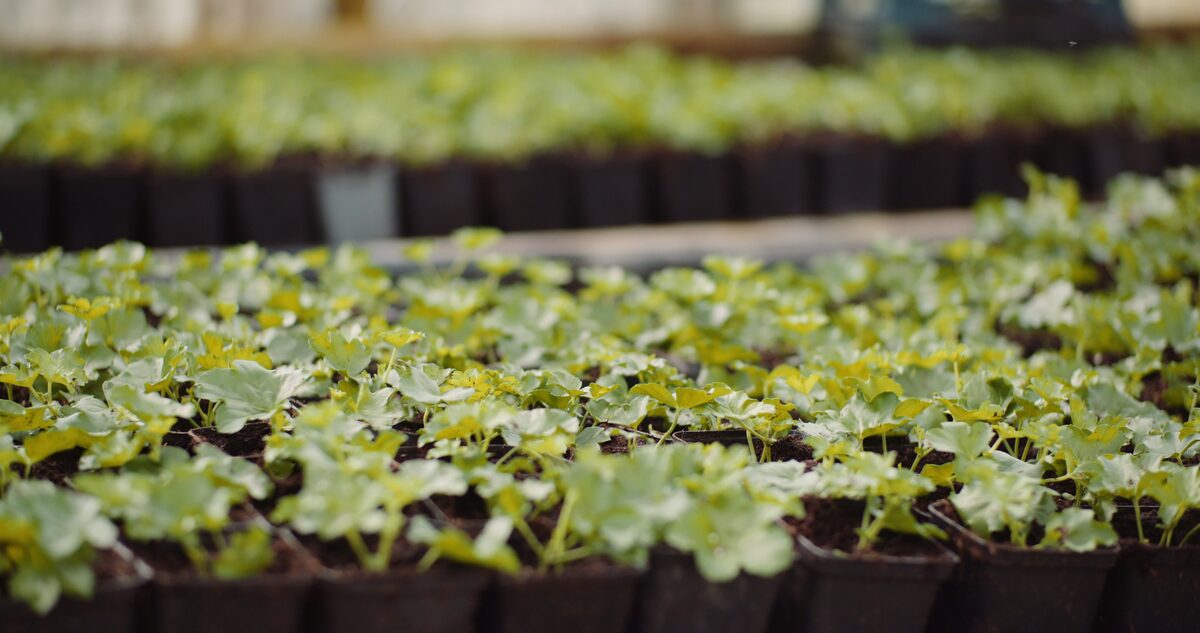
Start seed geraniums (Pelargonium × hortorum) three to four months before planting-out time, with a light covering of mix. Hold the trays near 70 to 75°F, and sprouts appear in one to three weeks.
Seedlings grow slowly, so the long lead time pays off. Pinch the growing tips once plants have several sets of leaves for a bushy shape.
Expect bushy plants 12 to 18 inches tall in sun or light shade. Let the soil dry between waterings, since soggy roots rot. Terracotta pots on a porch step show off the round flower clusters all summer.
Lisianthus
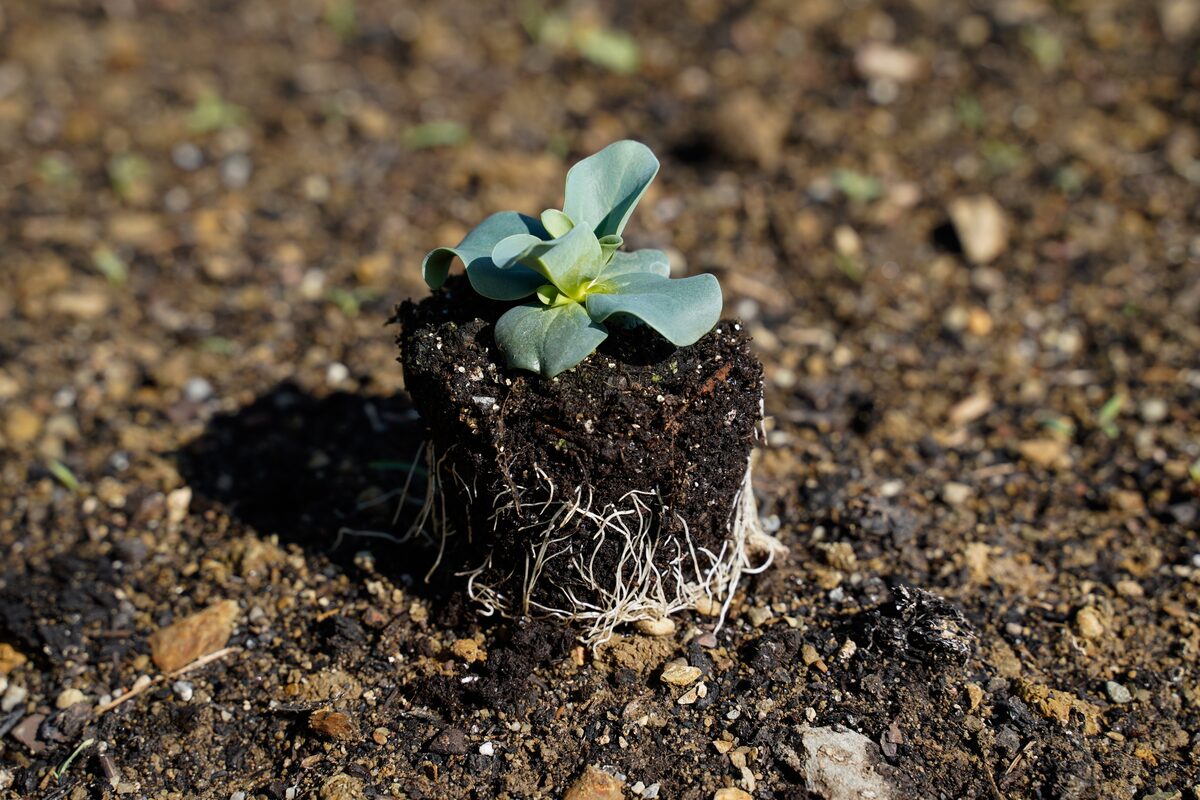
Looking for a vase flower worth the wait? Lisianthus (Eustoma grandiflorum) needs 12 to 16 weeks or more, one of the slowest starts in the garden. Light triggers germination, so the tiny seed sits uncovered on top.
Germination takes two to three weeks at 70 to 75°F, followed by months of slow rosette growth. Nights near 60°F help seedlings avoid stalling.
Plants reach 1 to 2 feet and flower in summer in full sun. The ruffled, rose-like blooms last a long time after cutting.
Lavender
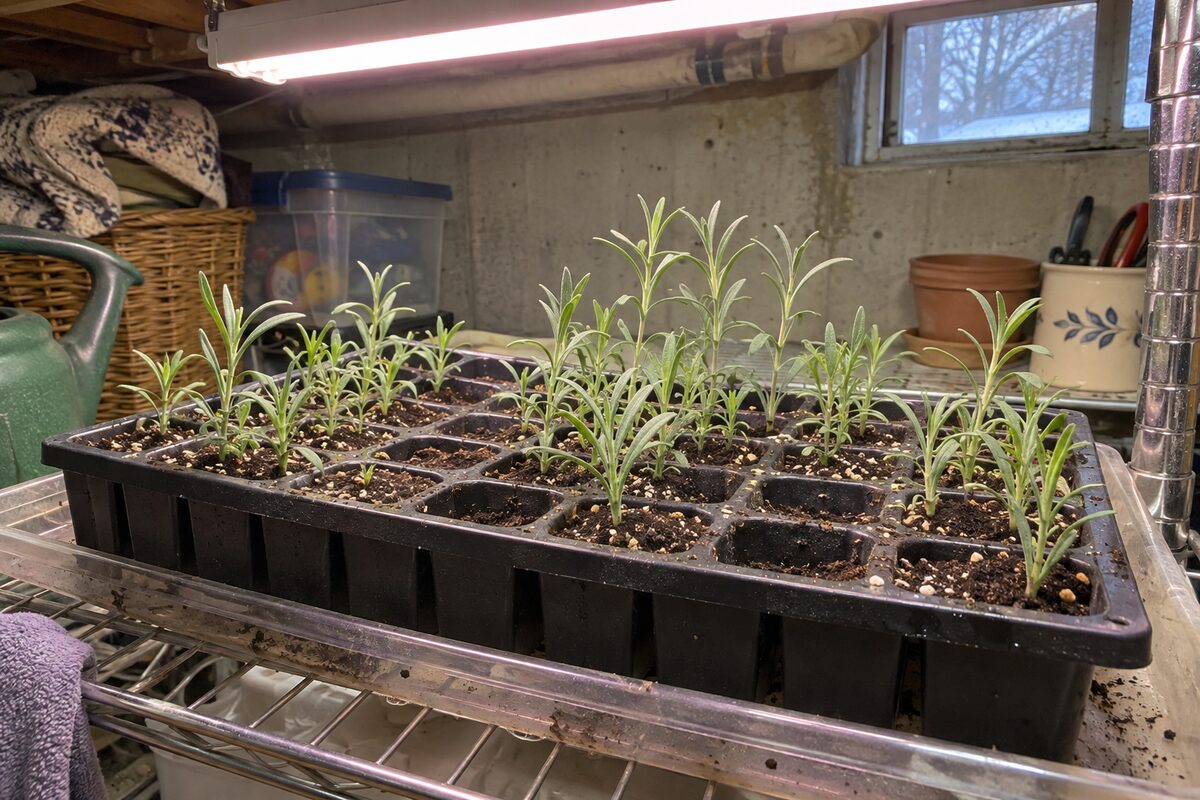
Since lavender seed (Lavandula angustifolia) sprouts slowly and unevenly, a sowing in mid-January allows for the wait. Expect two to six weeks for sprouts at about 65 to 70°F.
Cover the seed lightly and water just enough to dampen the mix. A few weeks of chilling in the refrigerator before sowing speeds germination for many growers.
Mature lavender grows 1 to 3 feet tall in zones 5 to 9 and need full sun and lean, gritty soil. Space them 12 to 18 inches apart along a path, where the gray-green leaves release scent when brushed.
Hot Peppers
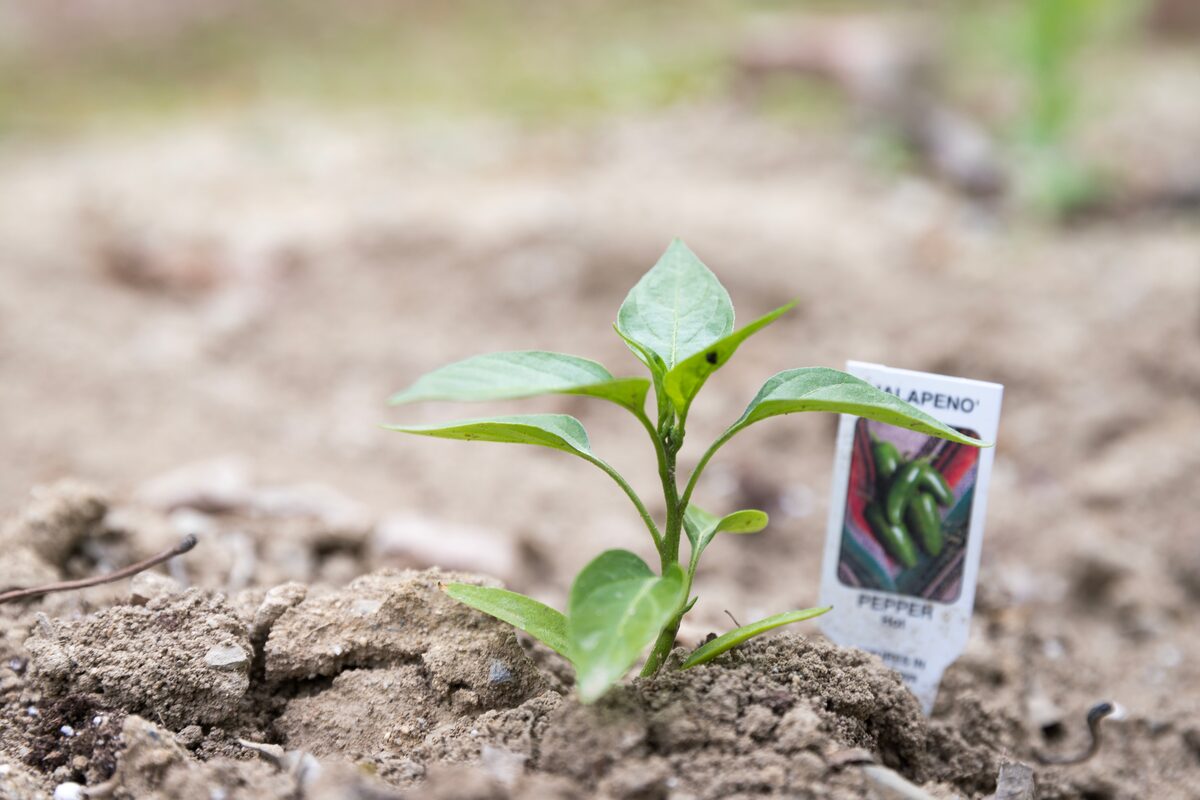
Back in the vegetable flats, hot peppers need the earliest start of any summer crop. Eight to 10 weeks before the last frost is the sowing window for most hot peppers (Capsicum), and very hot types need longer. A heat mat at 80 to 85°F speeds germination, which otherwise drags on for weeks.
Seedlings grow best under lights 14 to 16 hours a day. Pot them up once into 3-inch containers and harden them off slowly.
Wait to transplant until nights hold above 55°F. Jalapeños, cayennes, and habaneros all produce well in raised beds and large pots on a sunny patio.
Globe Artichokes
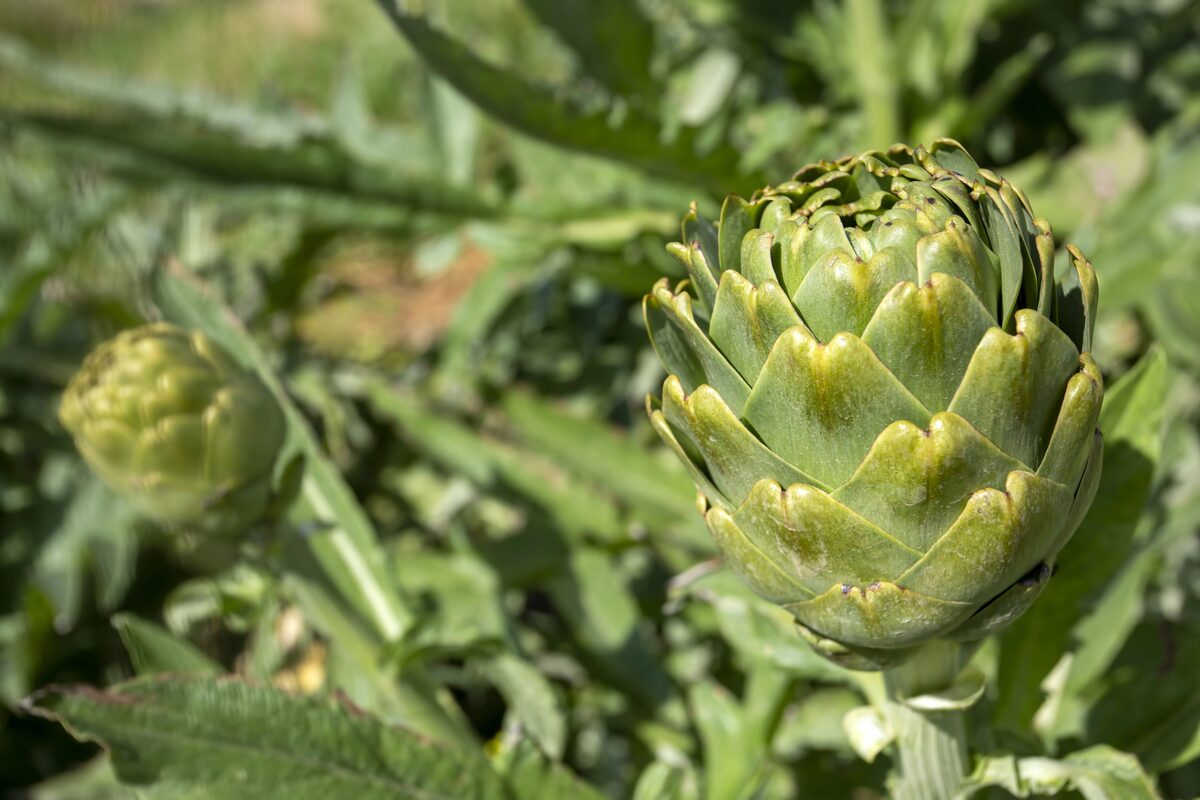
To grow globe artichokes (Cynara cardunculus var. scolymus) as annuals, sow them in late January or February at 70 to 75°F. Seeds sprout in one to two weeks.
After transplanting, the young plants need about 10 days below 50°F to trigger bud formation. That chill is why they go into the garden early, while spring nights are still cool.
Plants grow 3 to 4 feet tall and wide in sun and rich soil, so space them 3 feet apart. Harvest the edible buds before the scales open.
Alpine Strawberries
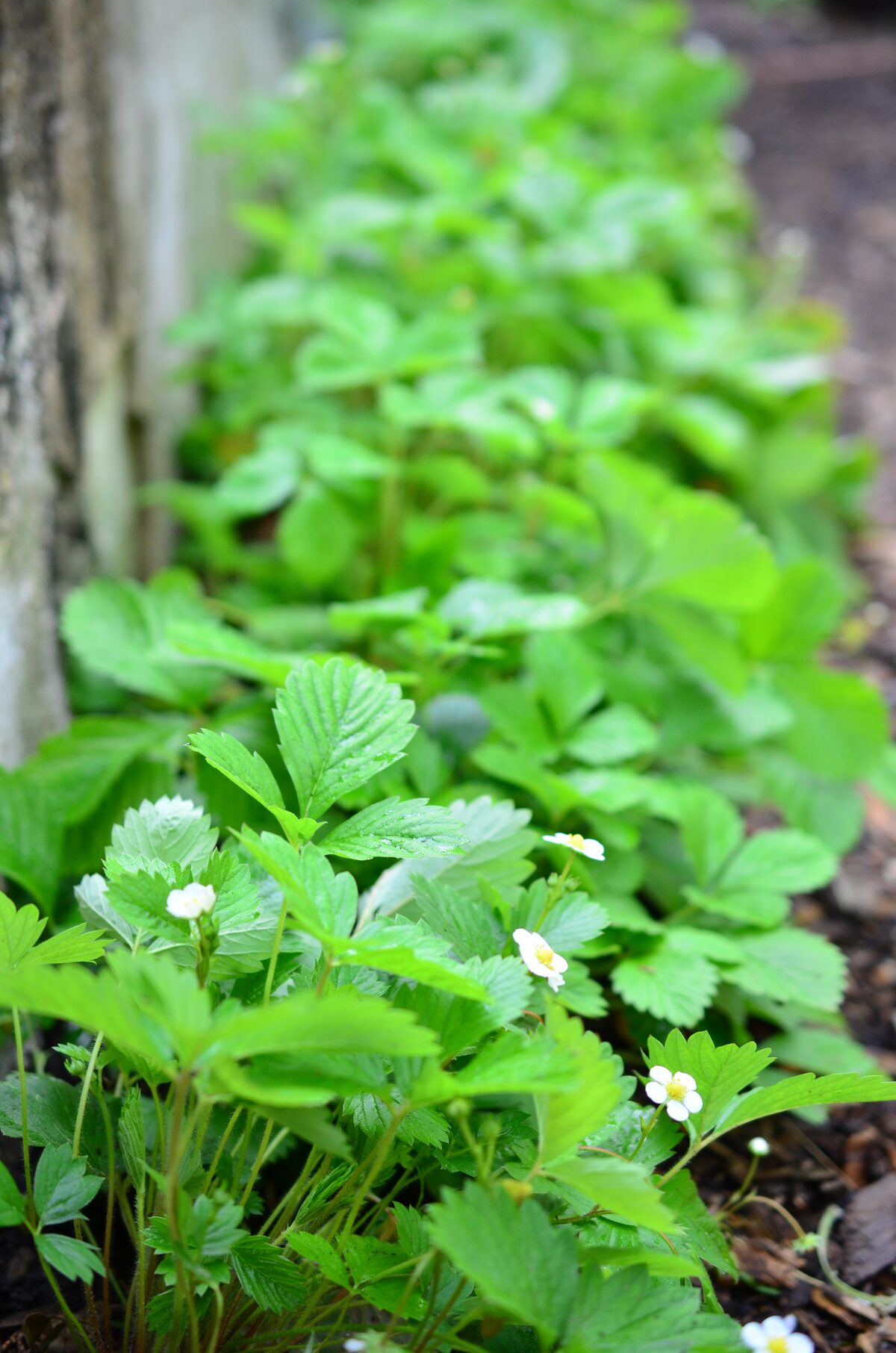
On a sunny sill or a cold frame shelf, alpine strawberries (Fragaria vesca) start as pinprick seedlings that need 10 to 12 weeks under lights. Germination is slow and uneven, three to six weeks, so hold the mix evenly damp.
Press the seed onto the surface, since light helps, and a few weeks of chilling beforehand improves sprouting.
Plants form neat clumps 6 to 12 inches tall with small, fragrant fruit from early summer until fall. Most alpine types send out no runners, which makes them tidy edging for a path or pot in sun or dappled shade.