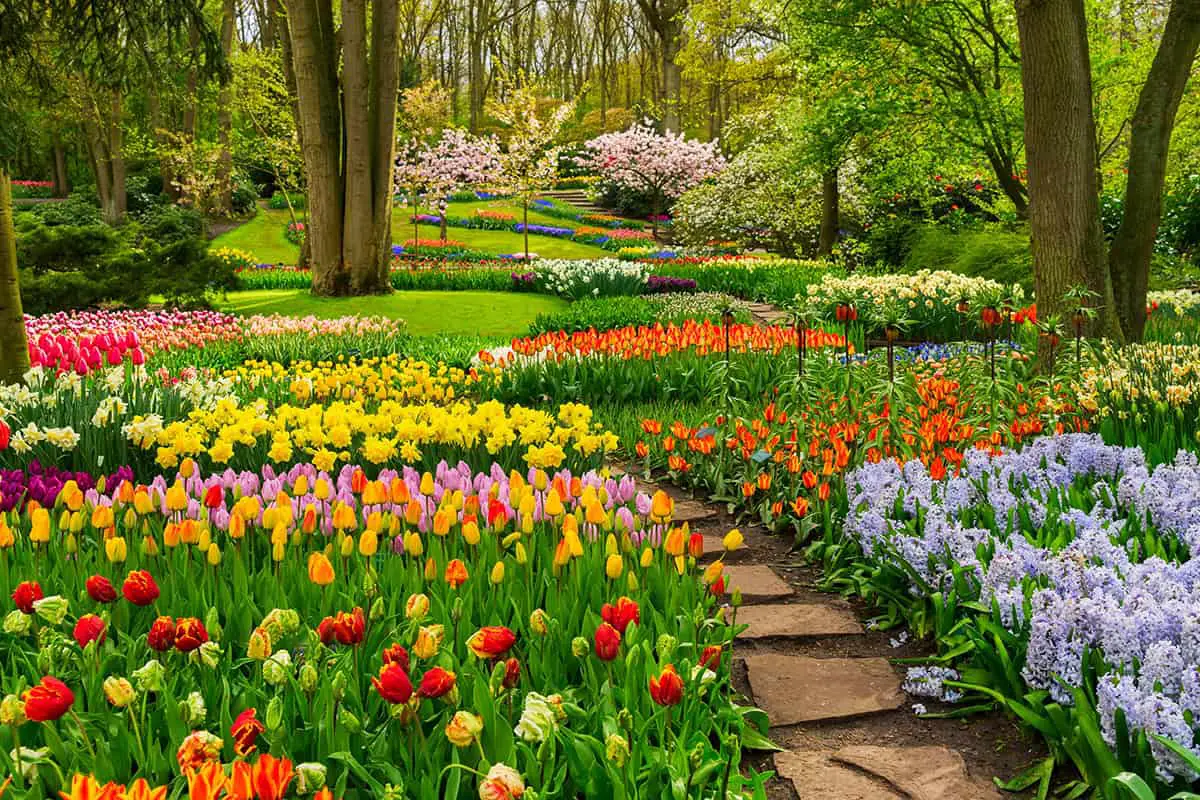
May in the U.S. is when gardens and markets start to feel abundant, with spring and early summer flowers hitting their stride. If you’re after blooms that look genuinely fresh, are easy to source, and actually fit the season, this month is hard to beat for both homegrown stems and cut flowers.
Weather plays tricks with bloom times. Southern gardens might see these flowers peaking weeks before they do up north, where late frosts can delay everything. I always check what’s happening locally—what’s fading in Atlanta could be just budding in Minneapolis.
Without further ado, here is the list of flowers that bloom in May.
Roses
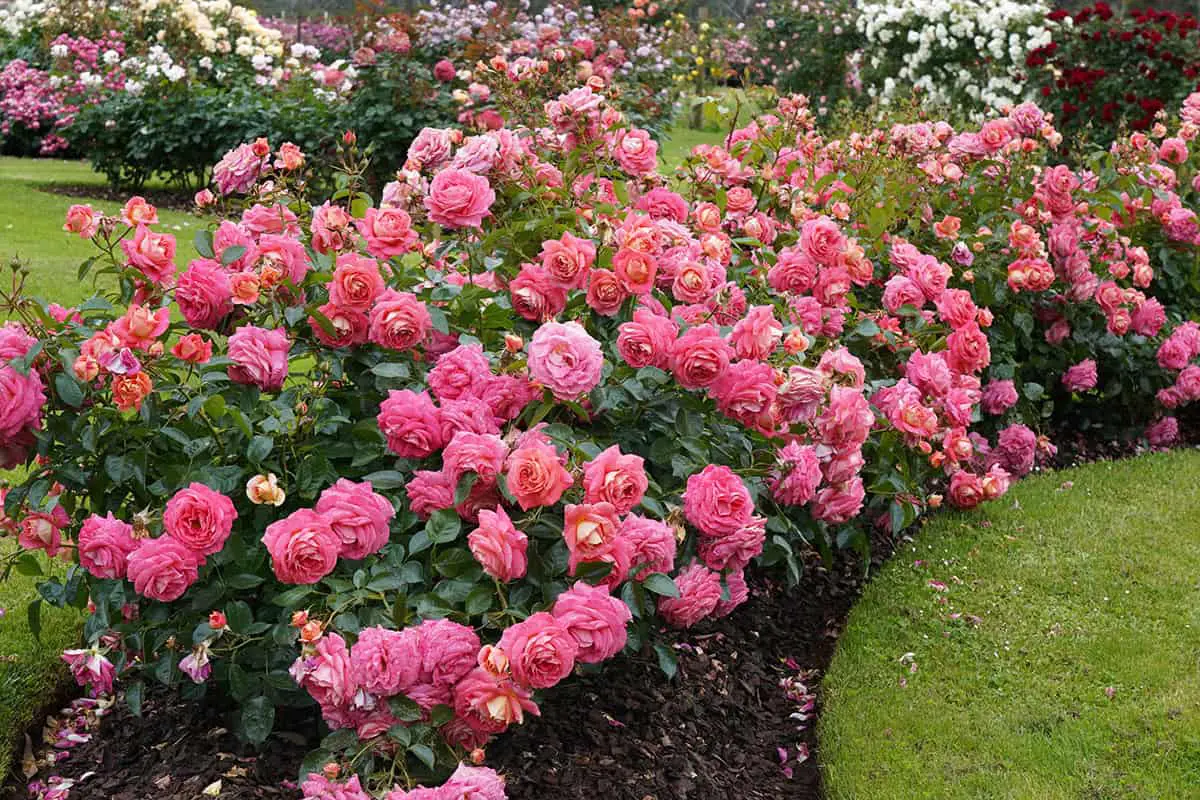
Late spring’s arrival is never subtle when roses start to open. Shrub and climbing types, especially, seem to wake up overnight in May. Stems look fuller, leaves are cleaner, and the color is often richer than anything you’ll get in early spring. The mild weather gives buds time to develop before the heat of summer, so petals last longer and fragrance seems stronger.
Cut roses in May? You’ll notice the difference. The shapes are relaxed, the scent is more pronounced, and it’s usually clear by now which varieties are worth keeping. Some bushes are loaded, while others just don’t deliver.
Deadheading keeps things tidy, but don’t ignore black spot or aphids—May is when they start showing up. Watering at the base in the morning helps, especially as humidity climbs.
Peonies
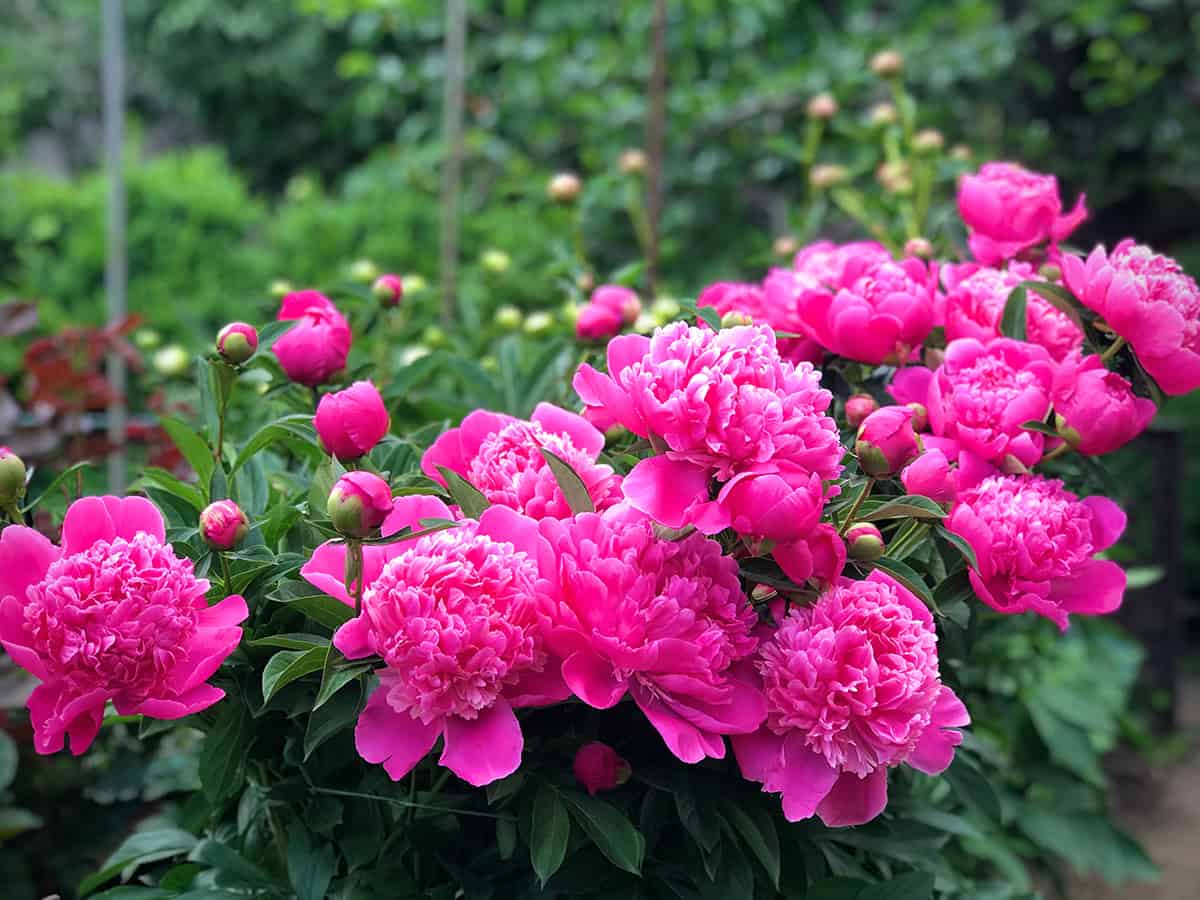
It’s hard not to get a little obsessed with peonies this month. Their season is brief, but when those heavy buds start to crack open, the whole garden feels different. Some years, a cool spring stretches the show; a sudden warm snap and you’ll blink and miss it. I check the buds every morning—one day they’re tight and green, the next, they’re on the verge of bursting.
Cutting a few stems early lets you enjoy them indoors, but I always leave some outside for that over-the-top garden display. Forms range from simple singles to blowsy doubles, and May is when you really see the difference.
Support rings are a lifesaver after rain. If you’re buying, look for buds that give a little when squeezed—not hard as marbles. Those are the ones that open best.
Tulips
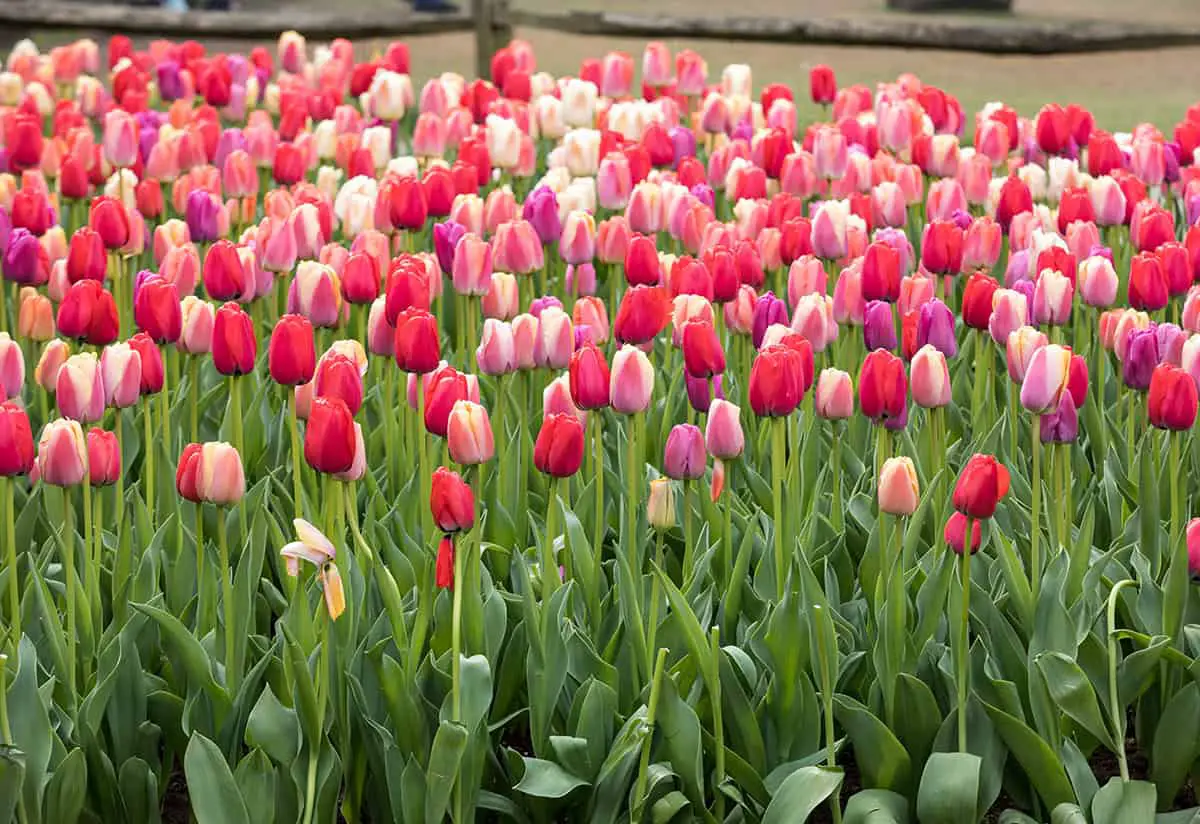
Cooler regions get a second act from tulips in May, with late-blooming varieties stretching the season. Parrot types, doubles, Darwin hybrids—they’re the showstoppers now, often with taller stems and unexpected shapes. Northern gardens, especially, see tulips at their peak instead of winding down.
Local cut tulips are usually fresher, and don’t be surprised if they keep growing in the vase—stems twist and reach for the light, which can be a pleasant surprise or a little chaotic, depending on your taste.
Once the color’s gone, let the leaves yellow in place. Cutting them too early pretty much guarantees fewer flowers next year.
Lilacs
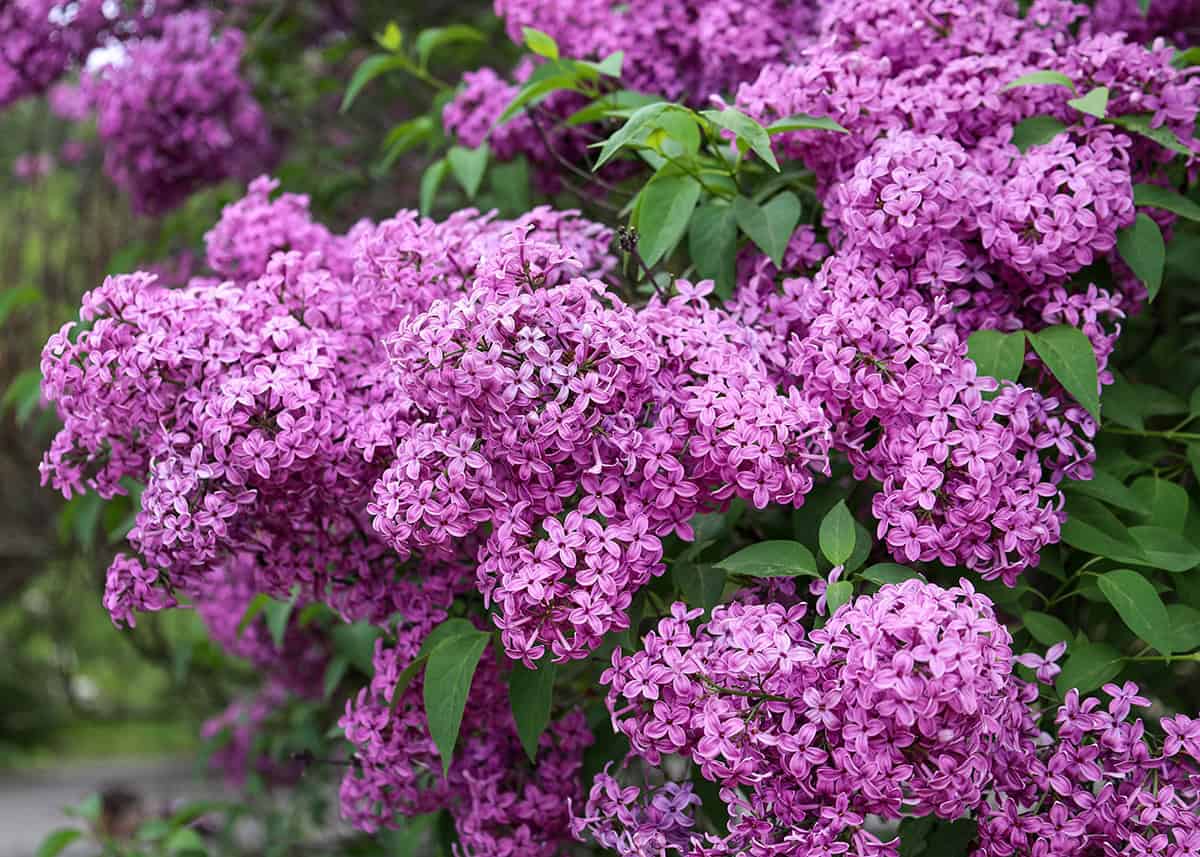
Nothing signals May in the Northeast and Midwest quite like lilacs. That scent—strong enough to catch you before you even see the blooms—makes even a small planting feel like an event. The flowers don’t last long, but maybe that’s why people wait for them so eagerly every year.
For cut stems, timing matters. Early mornings are best, and woody stems need a sharp, angled cut before you drop them in water. Wait too long or let them dry out, and they wilt almost instantly.
Pruning? Get it done right after flowering. Next year’s buds form fast, and late pruning means you’re cutting off your own show before it starts.
Irises
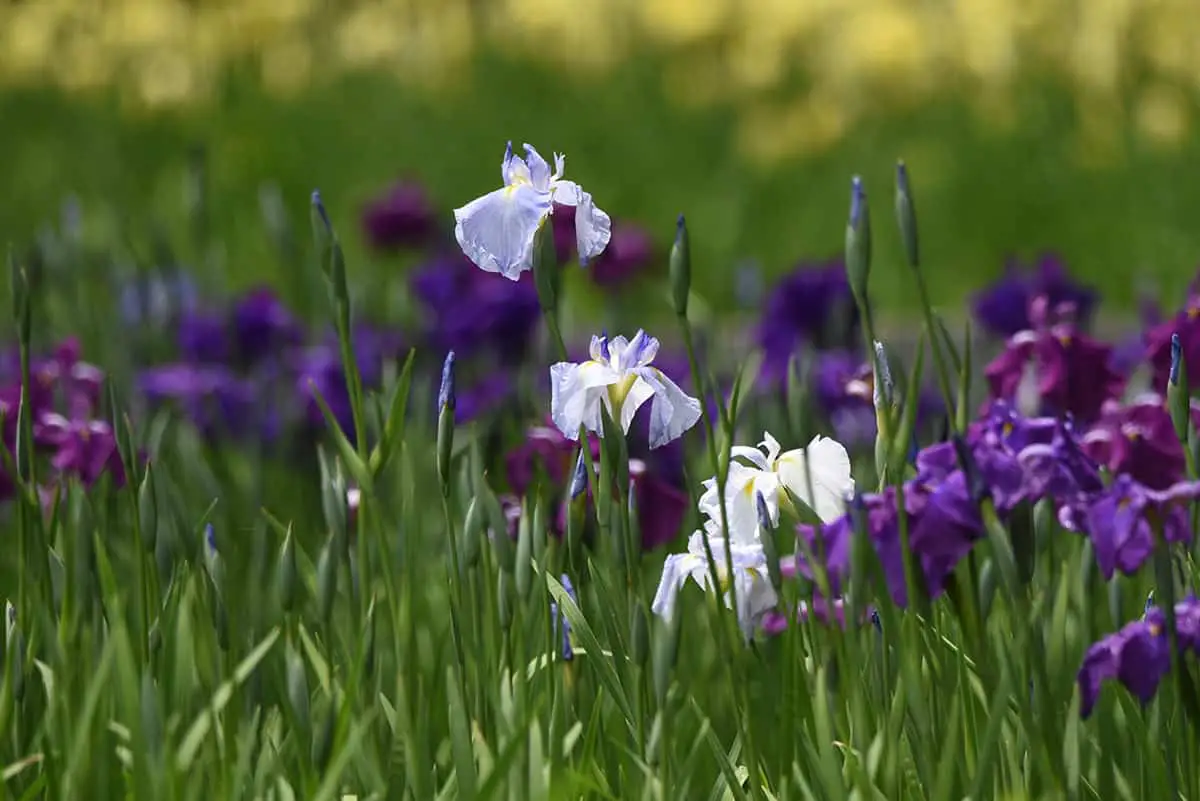
Irises bring a kind of upright drama to May gardens, especially when bearded types start to flower. The range of colors is way broader than most expect—inky purples, bronzes, pale blues, even crisp whites. In mixed beds, they add height without crowding out everything else.
Siberian iris goes for a neater look, with refined flowers and tidy foliage that doesn’t flop after blooming. In soggy spots, they usually hold up better than bearded types.
One thing I’ve learned: don’t bury the rhizomes too deep. If you get leaves but no flowers, chances are they’re crowded or shaded out.
Geraniums
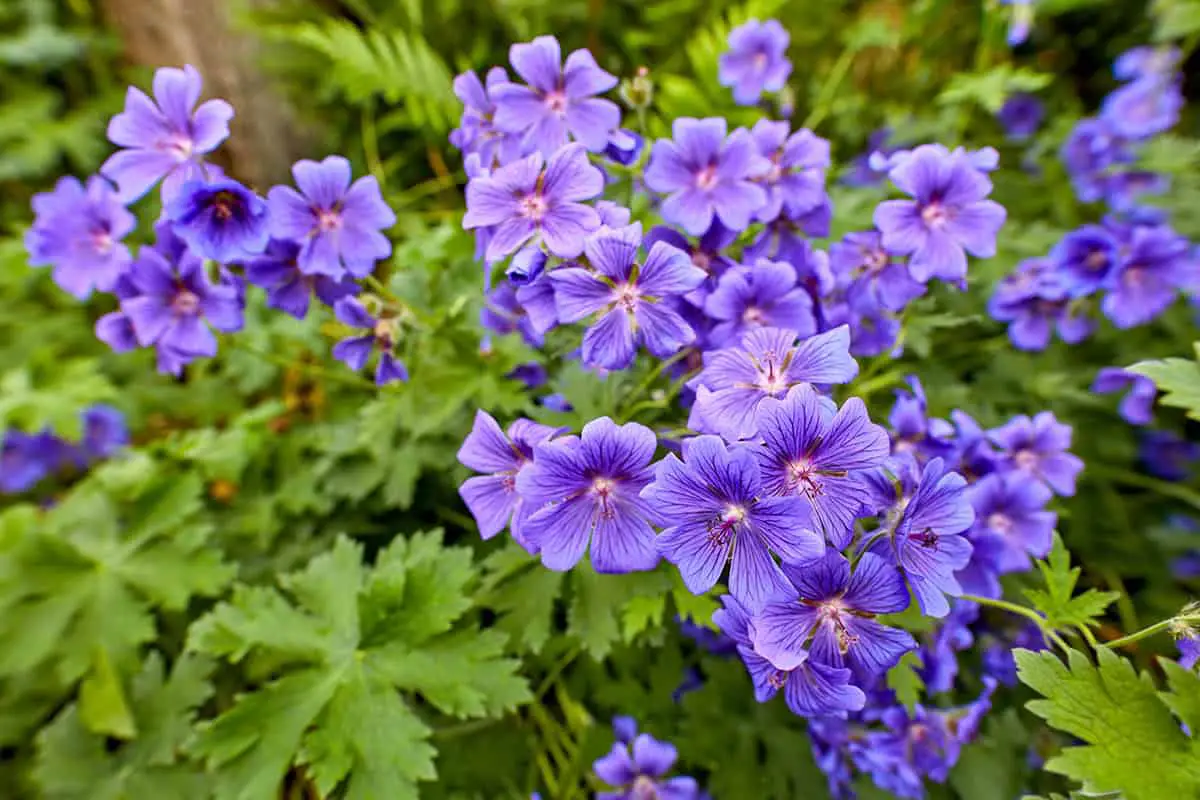
May is when geraniums start showing up everywhere—window boxes, sunny beds, porch pots. Most of what garden centers call geraniums are actually pelargoniums, and they’re popular for a reason. Colors run from deep red to salmon, pink, and white, with some foliage almost as interesting as the blooms.
These are the plants I grab when I want fast color and don’t want to fuss. They fill out containers quickly once nights warm up and bounce back from a trim if they start getting leggy.
Hold off on putting them out full-time until frost is gone. Good drainage is more important than rich soil, and picking off spent blooms keeps new clusters coming well into summer.
Dahlias
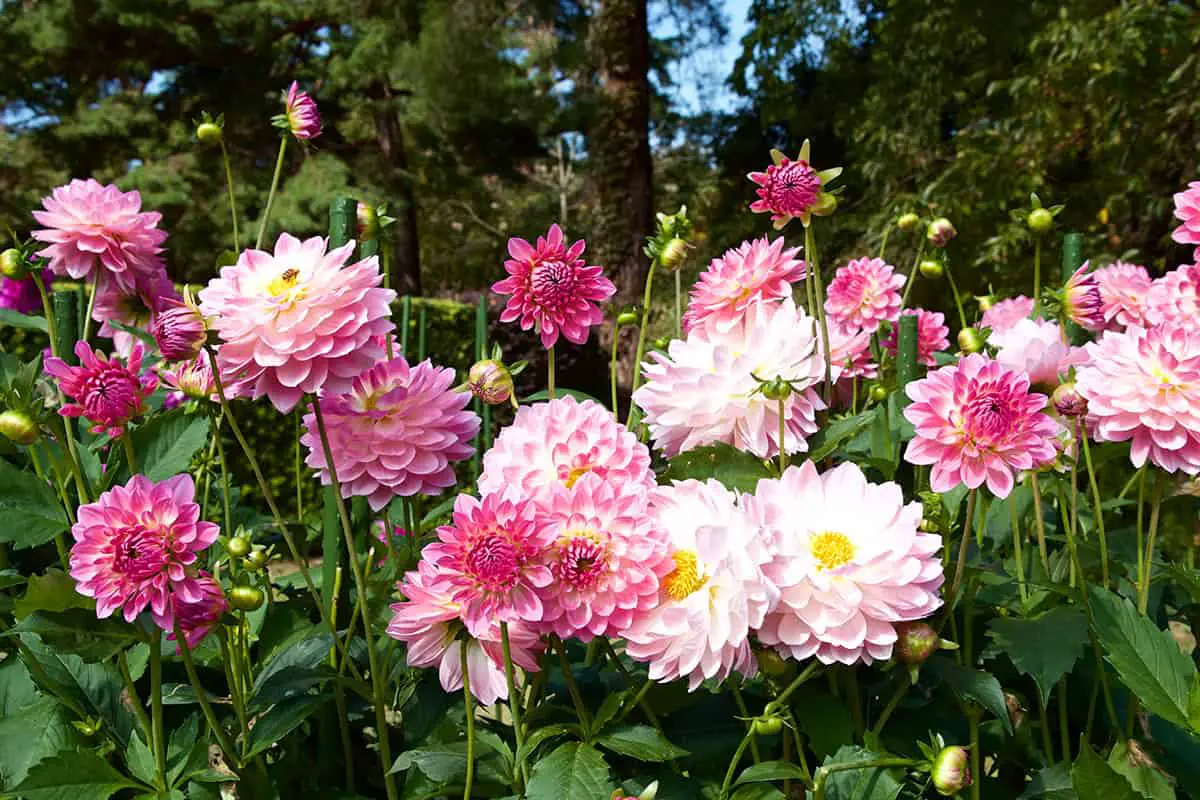
May isn’t about dahlia flowers yet—it’s about getting them in the ground. Gardeners are usually planting tubers or young starts now, right after the last frost. In warmer places, you might see a few early blooms, but for most, this is prep time.
Soil warmth matters. Cold, soggy ground spells trouble for tubers. I always put stakes in at planting since wrestling a full-grown dahlia later is a headache. Sun and drainage are non-negotiable, and it’s easy to overwater before shoots show up. Treat May as your setup window for those big summer and fall flowers.
Hyacinths
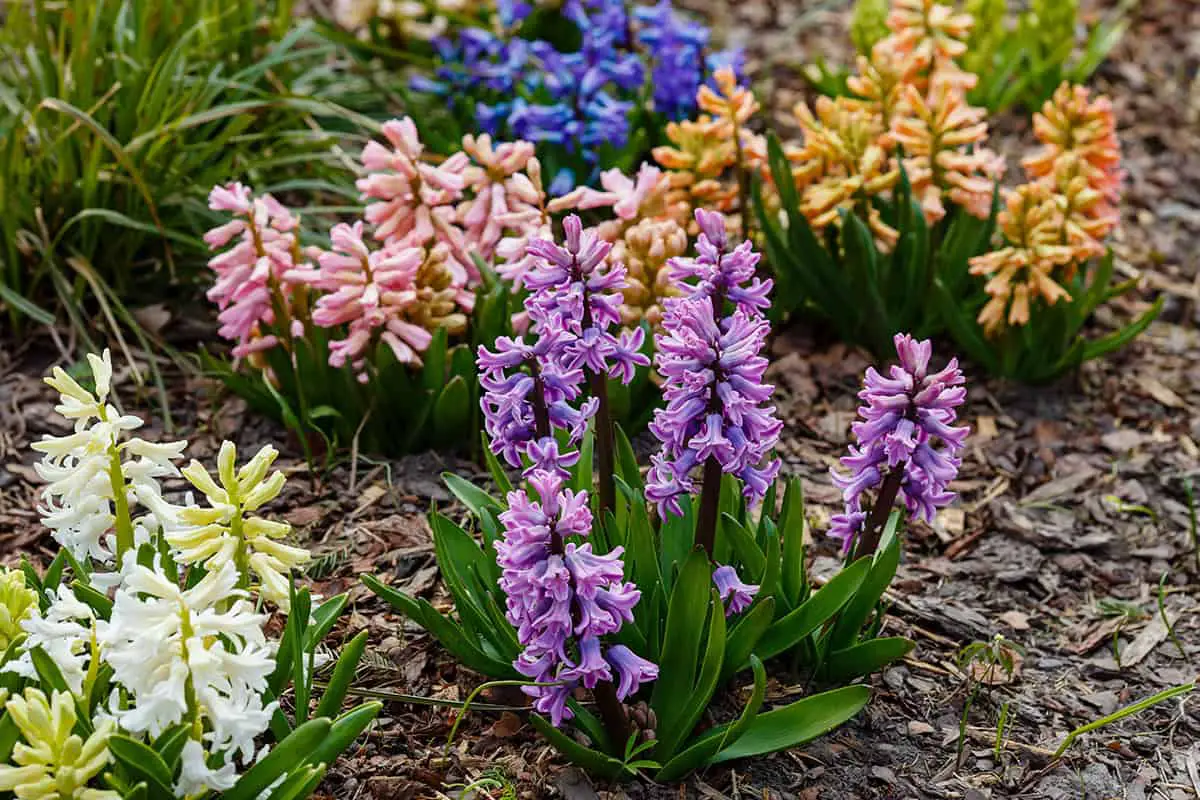
Hyacinths might get pegged as early spring flowers, but in cooler areas they’re sometimes still blooming into May. Dense spikes and a scent that’s impossible to ignore make even a handful stand out, especially after a chilly spring.
In the North, they can look surprisingly fresh in beds and pots. Down South, they’re usually wrapping up by now. The fragrance is what sticks with people—a few stems by the door are plenty. I’ve found they look best when not crowded by taller bulbs; those thick spikes deserve some space.
After they finish, snip off the spent blooms but leave the leaves to yellow. The bulbs need that downtime to recharge.
Poppies
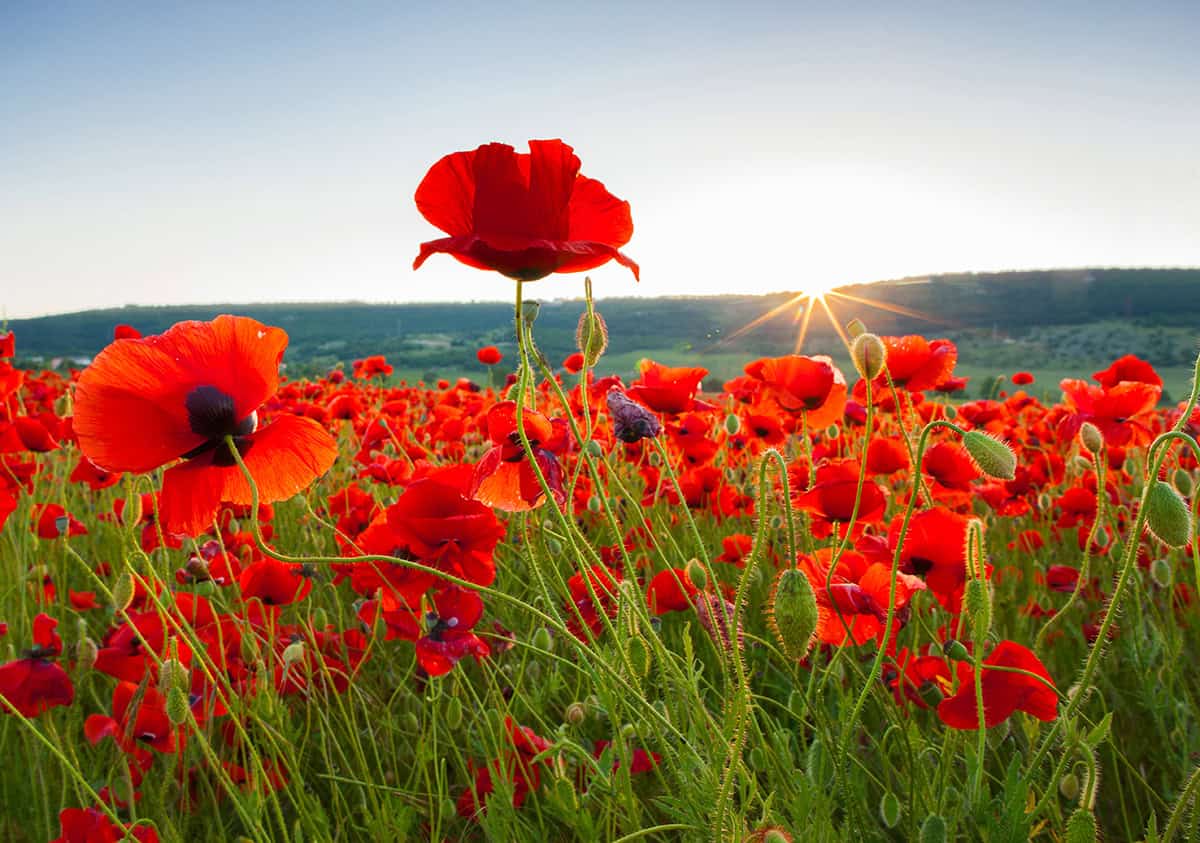
May gardens get a dose of airiness from poppies. Depending on your location and the type—Oriental, native, or woodland varieties like celandine—this can be their best month. The petals are almost absurdly delicate, like tissue paper, and blooms open in quick succession, so the display keeps shifting.
Celandine poppy is a different vibe entirely, lighting up shady spots with yellow flowers, while the big perennial types go bold in full sun. I’ve noticed poppies hate being moved, so direct sowing or planting young is the way to go. Leave seed heads if you like a bit of wild self-sowing in the garden.
Bluebells
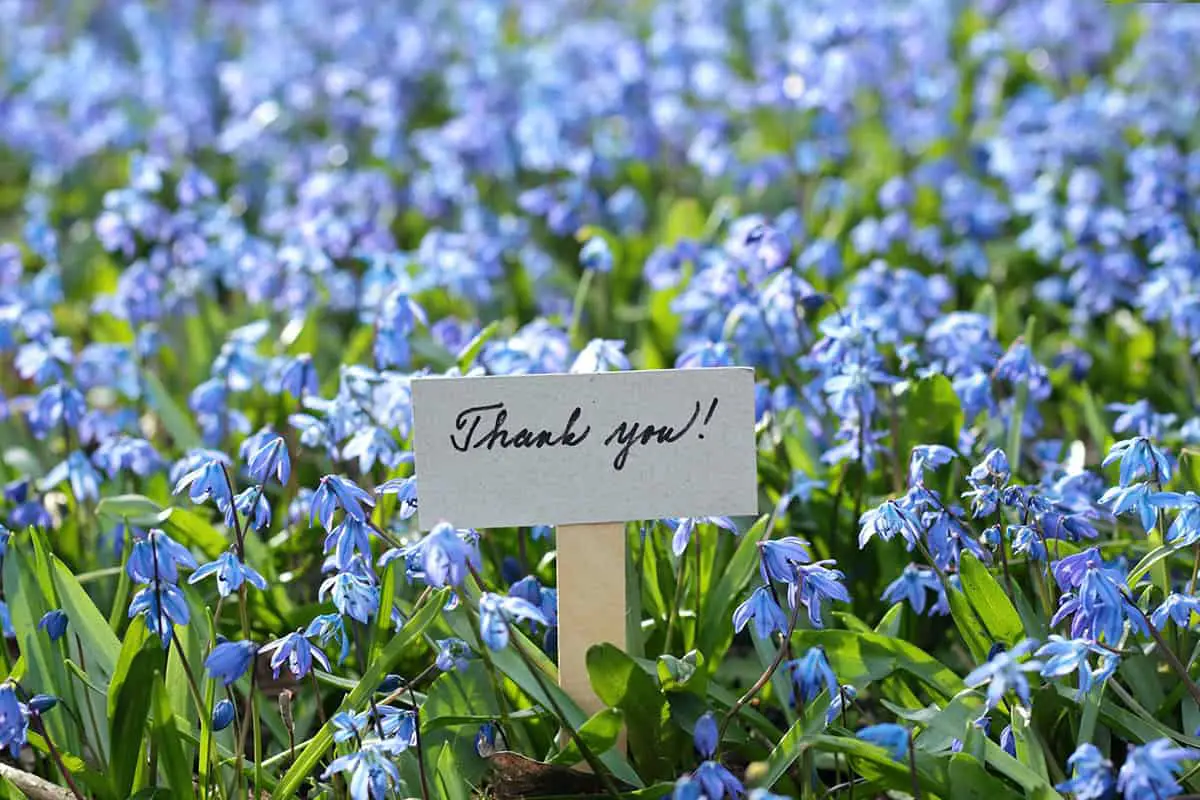
Filtered sunlight slipping through new leaves, a hush beneath the trees—suddenly the ground glows blue. Those bell-shaped blooms, dangling in clusters, lean into shadowy corners and seem to thrive where the light stays gentle. Not the kind of flower that shouts for attention; they’re subtle, more like a quiet suggestion running through the undergrowth.
It’s the sweep of color that really gets me. Not dots, but a whole wash, almost like a watercolor left out in the rain. When bluebells take over a patch, the effect is soft and dreamlike, never stiff or forced. They don’t compete—just settle in and transform the mood of a path or the edge of a thicket.
Spring moisture and a bit of shelter matter more than you’d think. I’ve watched them sulk and vanish in sunny, dry beds, yet under oaks or maples, where the soil stays cool and the light shifts, they linger and multiply. Timing is everything: they grab the spotlight early, then vanish as summer plants wake up and fill the gaps.