Squirrels dig up freshly planted bulbs, steal tomatoes a day before they ripen and leave half-eaten squash on the patio table. Traps and sprays help only up to a point.
Planting what they dislike is a quieter defense. Toxic bulbs like daffodils and hyacinths go untouched, and strong-scented herbs make a bed less appealing to a curious nose. Daffodils lead the list for good reason, and the herbs further down double as kitchen staples.
Table of Contents
Daffodils
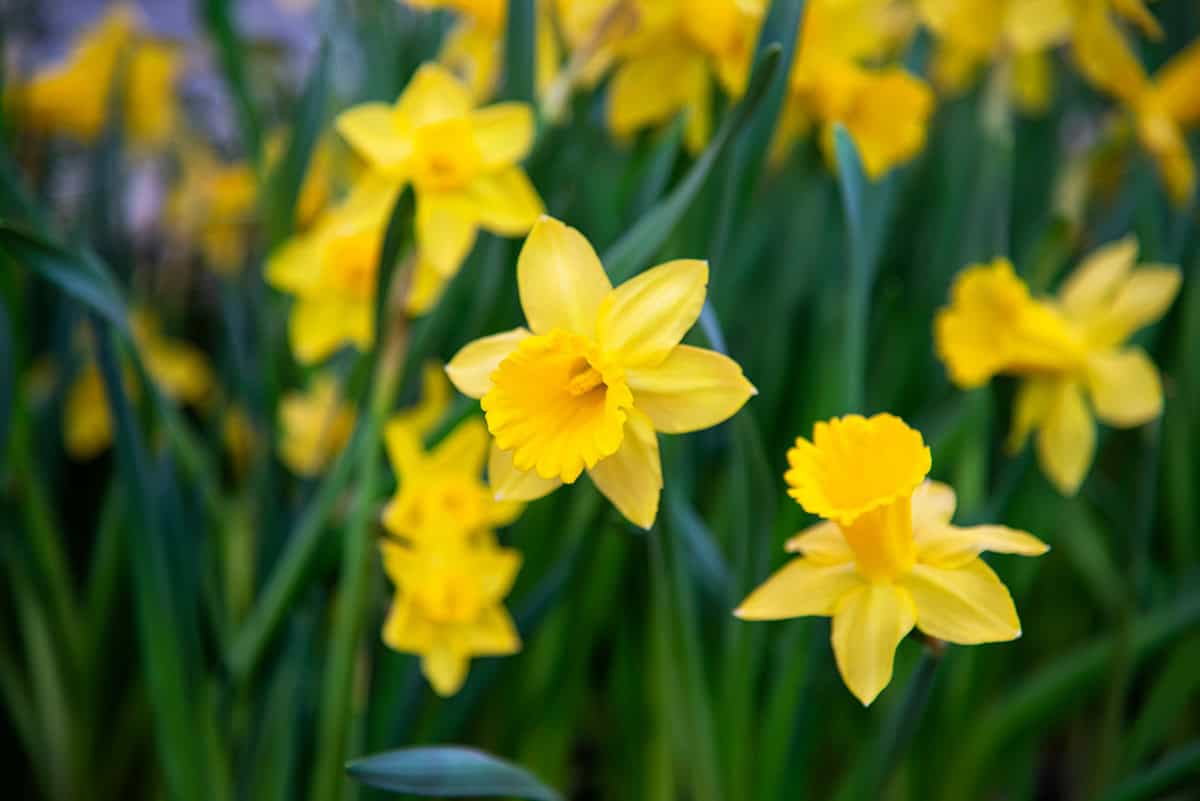
Daffodil bulbs contain lycorine, a bitter, toxic compound, and squirrels learn to leave them alone. That makes daffodils the most reliable squirrel-proof bulb in the garden.
Plant them in drifts or rings around tulips and crocuses, which squirrels love to dig up. Interplanting daffodils with those favorites helps protect them.
Set bulbs about three times as deep as they are tall in fall, in well-drained soil and full sun to part shade. They return and multiply for years with almost no care.
Fritillaries
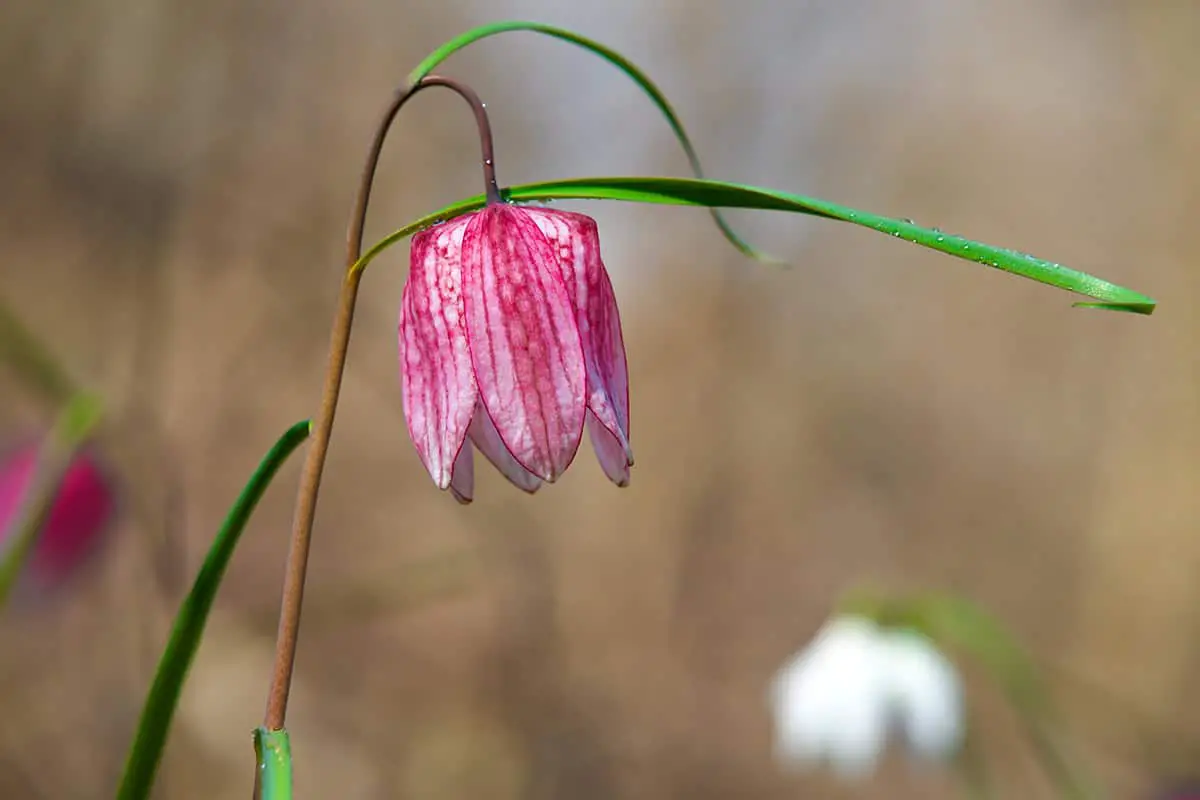
Spring-blooming fritillaries carry nodding, bell-shaped flowers. Snake’s head fritillary (Fritillaria meleagris) has a checkered pattern commonly compared to guinea hen feathers, and crown imperial (Fritillaria imperialis) towers up to 3 feet with a ring of orange or yellow bells.
Crown imperial bulbs have a strong, musky odor that squirrels, voles and moles avoid. The bulbs of both species are toxic.
Plant bulbs in fall in rich, well-drained soil. Snake’s head fritillary takes partial shade and moist ground, and crown imperial prefers full sun. Set crown imperial bulbs on their sides, since water collecting in the hollow top leads to rot.
Snowdrops
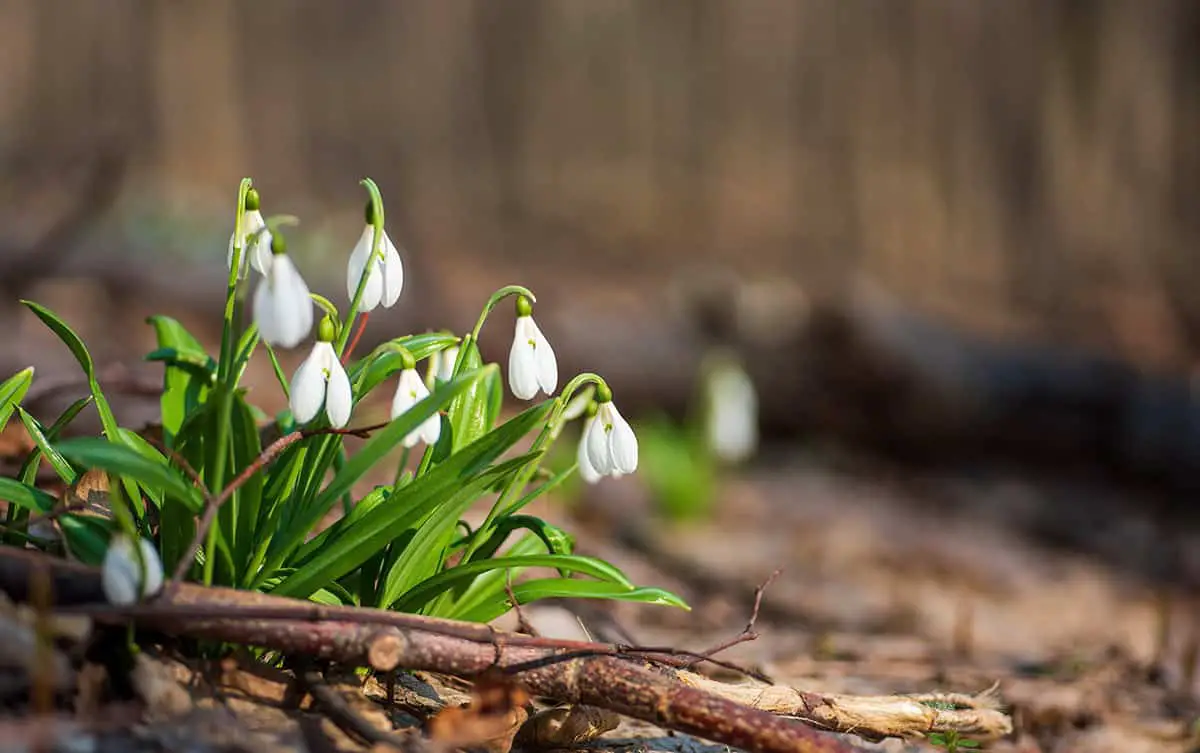
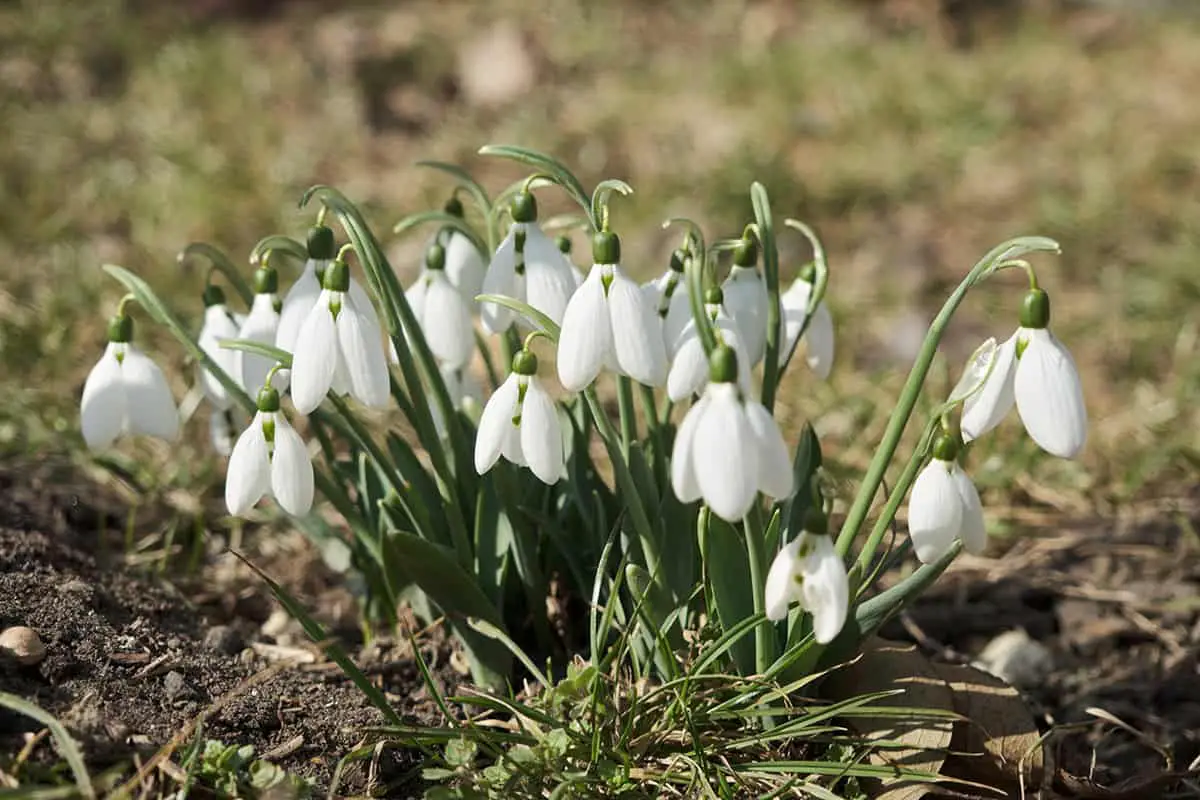
Snowdrops push up white, nodding flowers in late winter, at times right through the snow. Like daffodils, the bulbs contain toxic alkaloids, and squirrels and other rodents leave them alone.
They prefer cool conditions, partial shade and moist, well-drained soil. Clumps spread and naturalize over time, and division right after flowering speeds that along.
Hyacinth
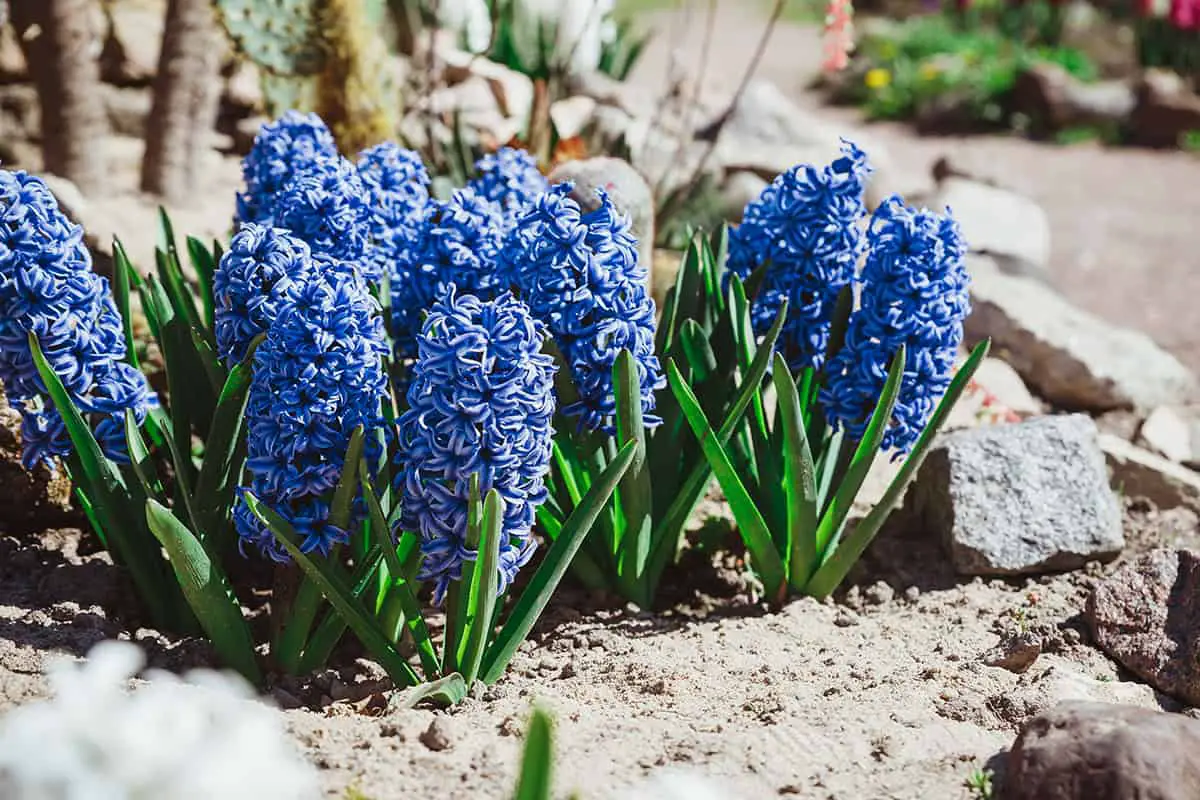
Hyacinths (Hyacinthus orientalis) bloom in mid-spring with dense, intensely fragrant spikes. The plant belongs to the asparagus family and comes from southwestern Asia. Its bulbs are toxic and irritate the skin, and squirrels rarely touch them.
Plant bulbs 6 to 8 inches deep in fall, firm the soil well and water it in. Settled soil leaves fewer loose spots for squirrels to test. Wear gloves when handling the bulbs.
Lily of the Valley
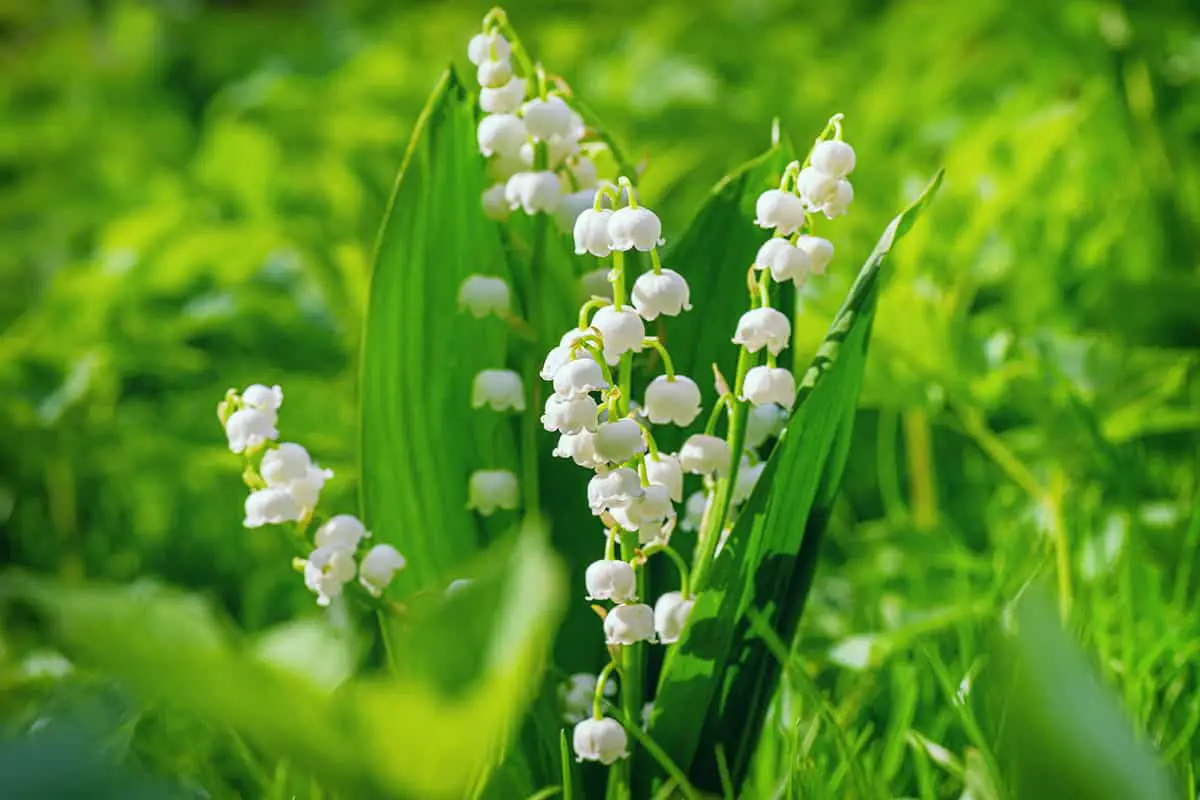
Sweetly scented, bell-shaped flowers hang from lily of the valley each spring. Every part of the plant is poisonous, and squirrels and deer avoid it.
It spreads into a dense ground cover through underground rhizomes, which fills shady beds and leaves little bare soil for digging.
Plant it in moist, rich, well-drained soil in partial to full shade. Hot, dry sites struggle. Its aggressive spread makes it a poor choice next to delicate perennials, and its toxicity matters in yards with pets or small children.
Geraniums
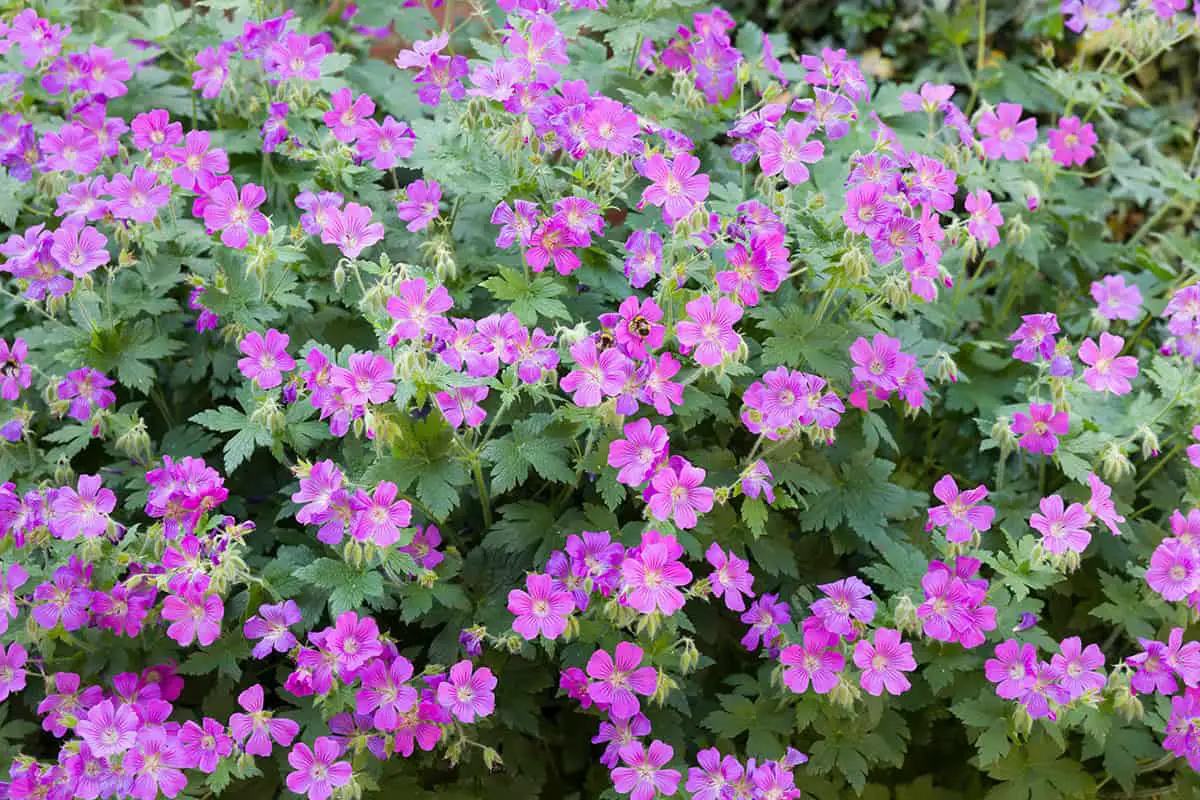
Zonal and scented geraniums (pelargoniums) have a sharp smell that squirrels seem to dislike. Gardeners plant them around beds and in containers as a mild deterrent.
They need full sun and well-drained soil to bloom well. In cold climates, they’re tender, and two options protect them before the first frost. Dig them up and store them, or move potted plants indoors to a sunny window.
Pinch spent flowers and leggy stems regularly for a fuller plant.
Marigolds
Marigolds have a pungent scent that squirrels reportedly dislike, though results vary from garden to garden.
Research has also cooled the old idea that they repel insects. According to University of Illinois Extension, marigolds may fall short as insect repellents, though they attract helpful insects such as hoverflies and ladybugs.
They’re easy to grow from seed in full sun and well-drained soil. Treat them as one layer of defense alongside fencing, netting or bulb cages.
Mint
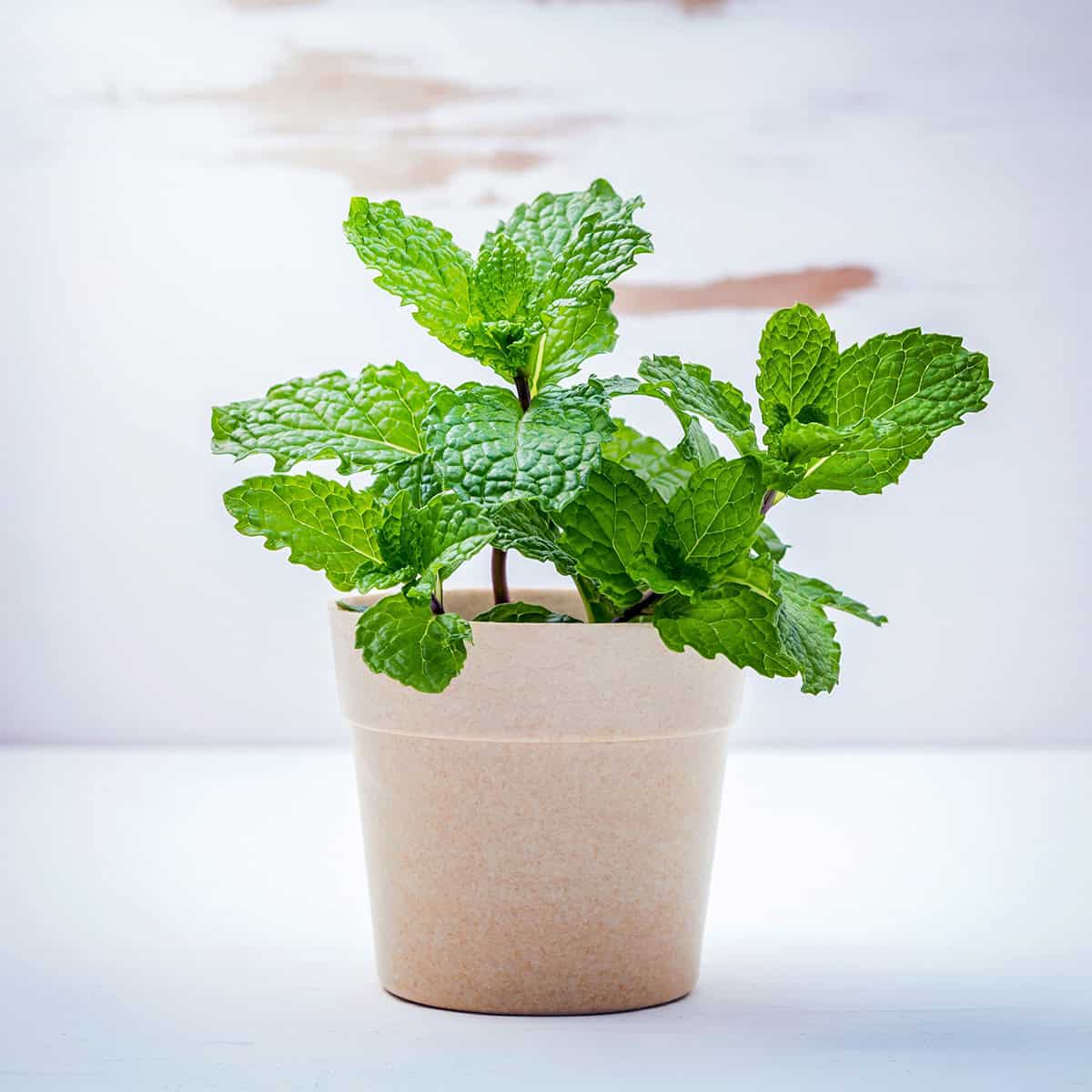
Mint’s strong menthol scent puts off many animals, squirrels included. Plant it along garden edges or set pots of it near vulnerable crops.
It grows in sun or part shade and moist, well-drained soil, and it spreads aggressively by runners. Pots or sunken containers hold it in check.
Oregano
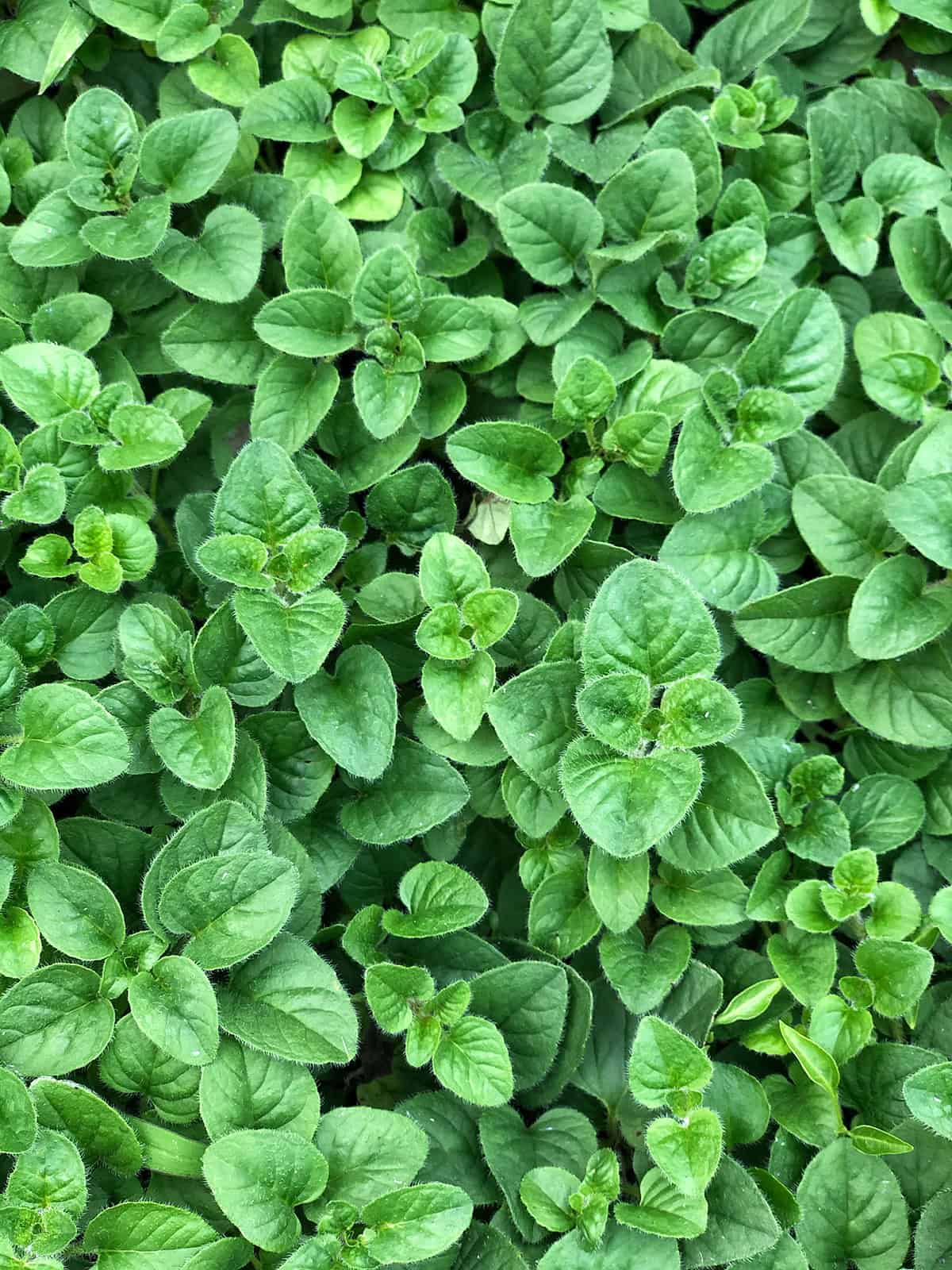
Oregano’s strong scent masks the smell of nearby food plants, which makes a bed less interesting to a hungry squirrel. Plant it around the perimeter or beside crops squirrels target.
Full sun and well-drained soil are all it needs. Water regularly until established, after which it handles drought well. Clip it regularly for bushy growth and a steady supply for the kitchen, and enjoy the bees its summer flowers attract.
Garlic
Squirrels dislike the pungent smell of garlic, and gardeners plant it around beds or blend it into homemade sprays.
Plant cloves in fall, pointed end up, about 2 inches deep and 4 to 6 inches apart in rows. Choose full sun and loose, well-drained soil, water when dry and pull weeds as they appear.
Harvest the bulbs the following summer, once the lower leaves brown.
Lavender
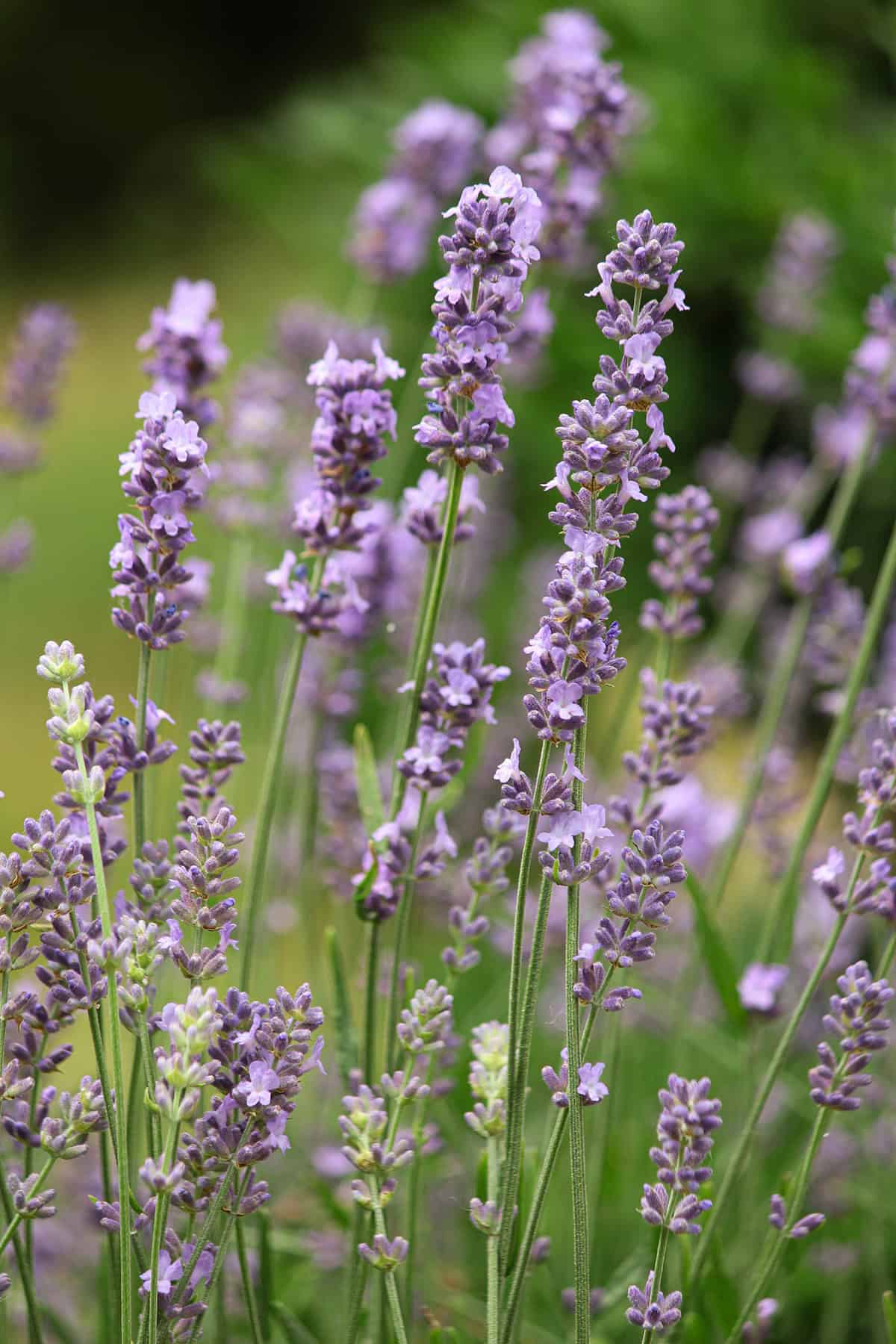
Lavender’s fragrance appeals to people and bees, and squirrels and deer tend to steer clear of it.
Plant it in full sun and sharp, well-drained soil, with space between plants for air flow. Heavy, wet soil kills lavender faster than cold. Cut plants back by about a third after flowering to slow woody growth.
Lining paths and bed edges with lavender releases scent every time someone brushes past. Utah State University Extension has a helpful guide on how to grow English lavender in your garden.
Thyme
Thyme’s strong aroma adds one more scent layer to a squirrel-resistant border, and it doubles as a kitchen herb.
It thrives in warm, sunny spots and well-drained soil and handles drought once established. Tuck it between pavers, along edges or near plants squirrels target.
Rosemary
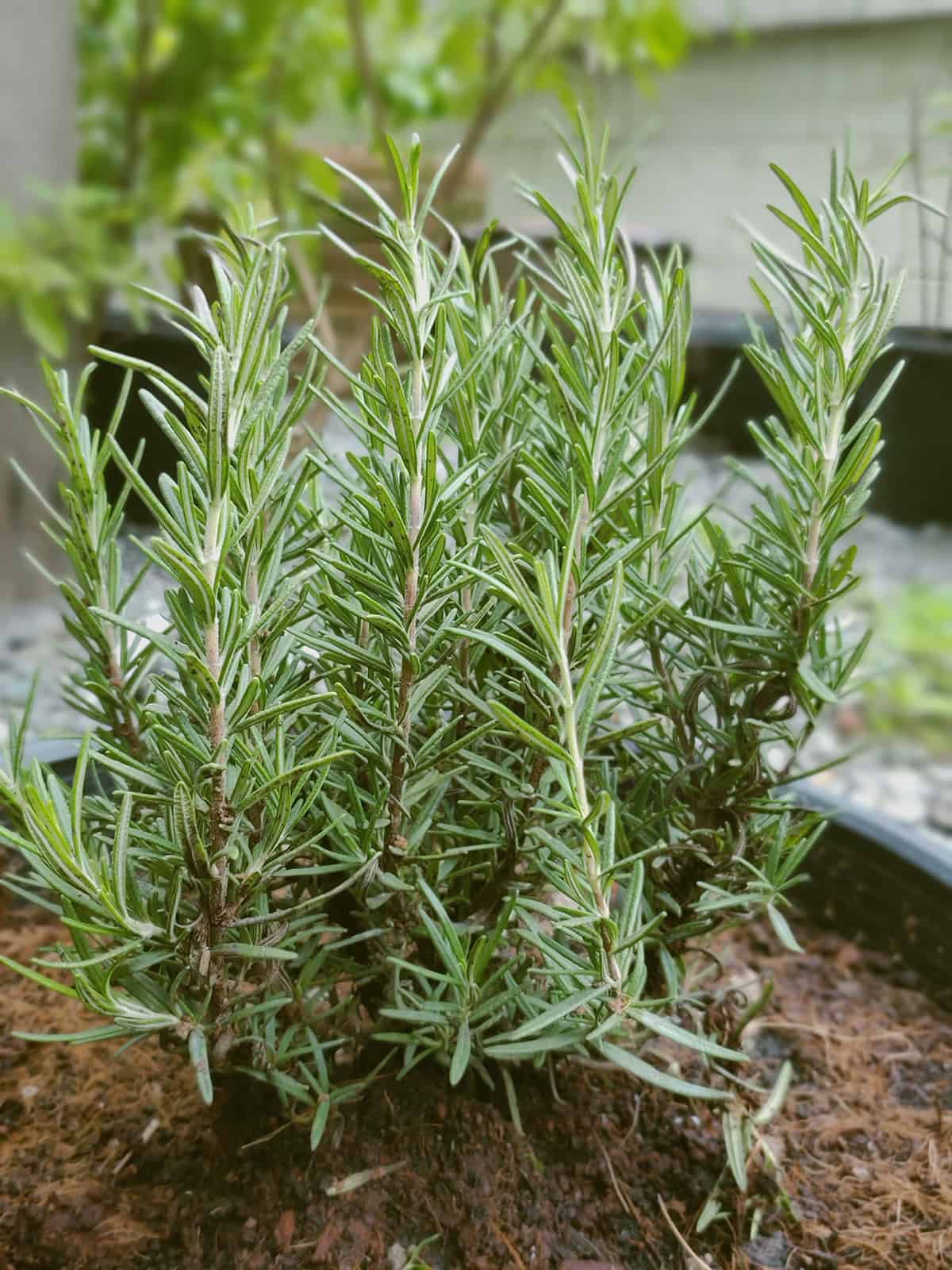
Rosemary’s resinous scent is another one squirrels tend to avoid. The shrubby herb needs full sun and well-drained soil, and it handles drought well once established.
Water when the soil dries, and avoid soggy ground. In cold regions, grow it in a container and move it indoors for winter. Prune regularly to encourage branching and hold its shape.
Onions
Onions and other alliums have a sulfur smell that squirrels dislike. Plant them around the edge of a vegetable bed or tuck them between other crops, where they double as a harvest. Ornamental alliums add the same protection to flower beds.
They need full sun, loose, well-drained soil and regular water. For transplants started indoors, trim the roots to half an inch and the tops to about four inches before planting outside in early spring. Set them two inches deep and three to four inches apart.