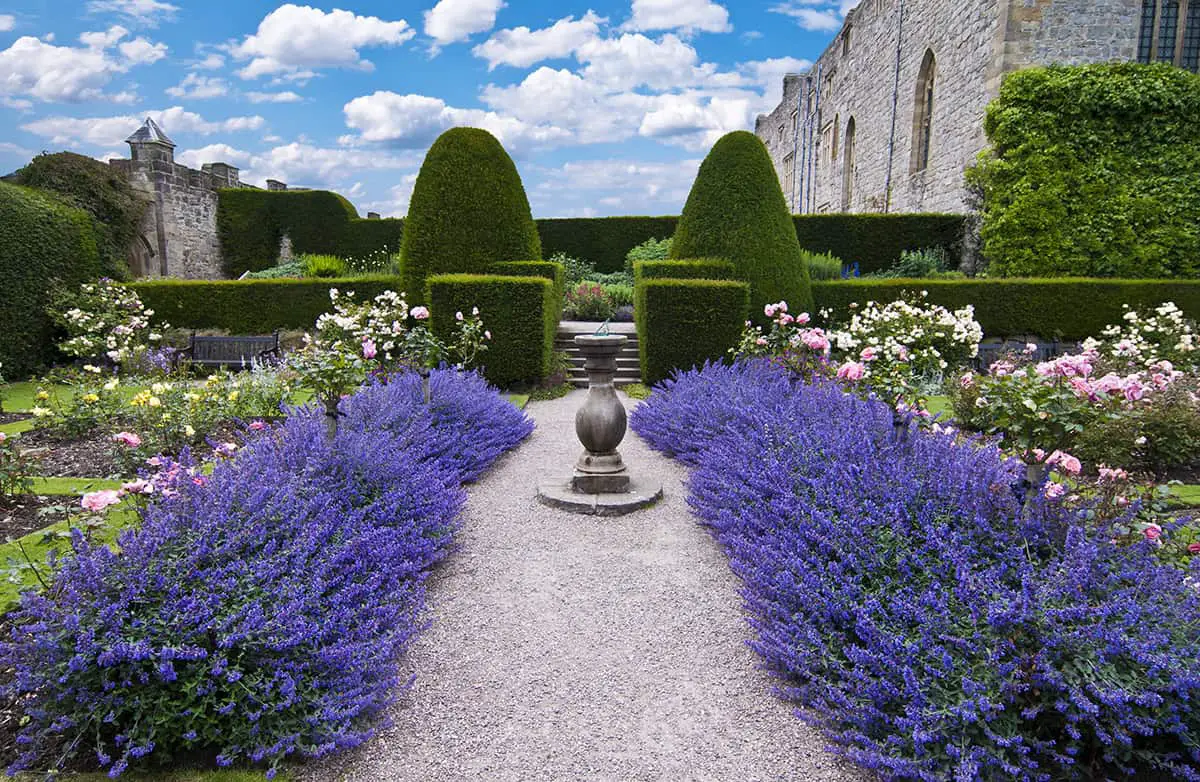
A low row of lavender along a path smells wonderful every time someone brushes past, and it hums with bees for most of the summer.
The plants ask for very little, apart from sharp drainage and a proper pruning date. The planting steps at the end cover spacing and that all-important cut, which decides how many years the hedge looks its best.
Table of Contents
Why You Should Plant Lavender Hedges
A lavender hedge earns its spot through color, scent and very little upkeep.
Attractive Appearance

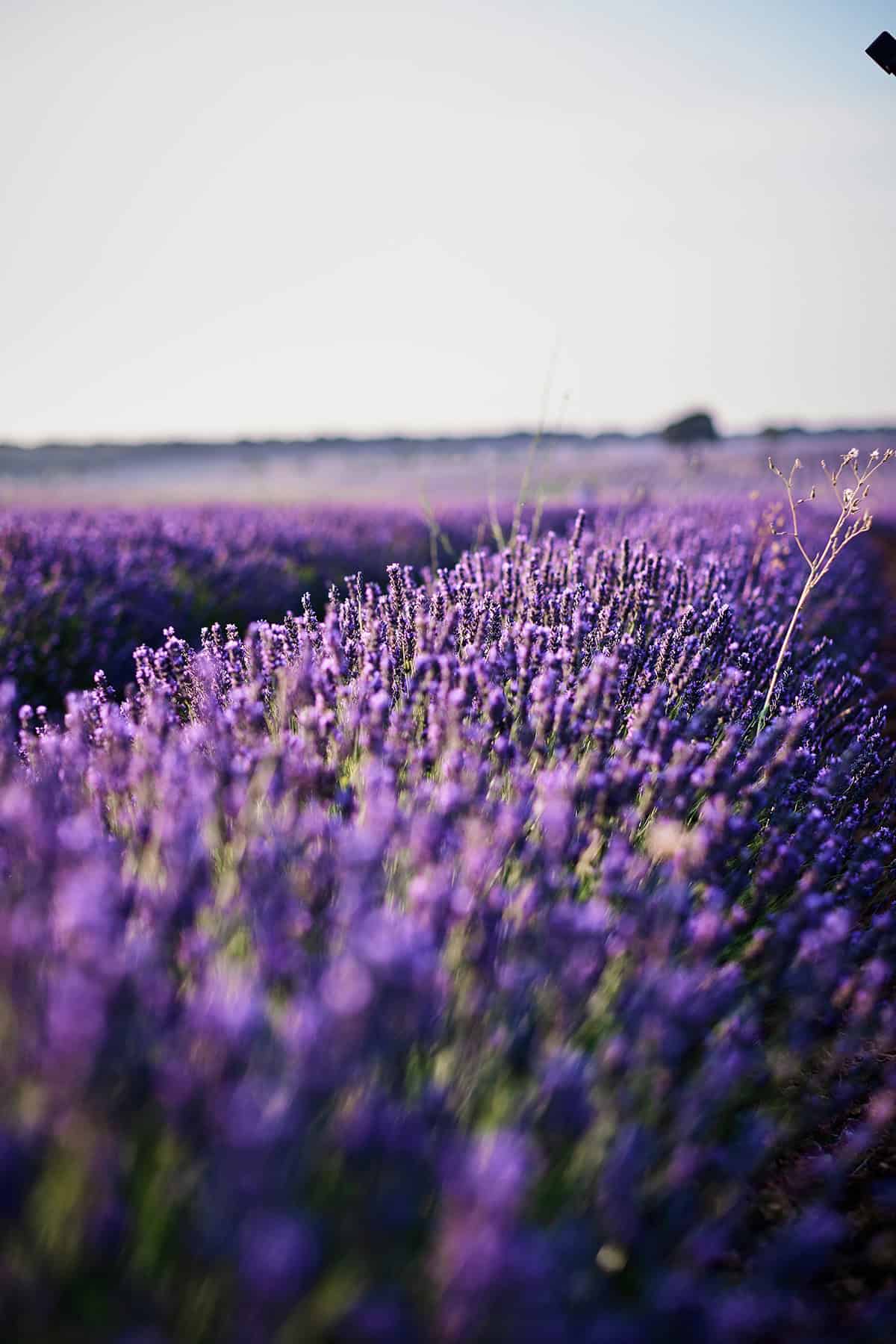
Purple flower spikes rise above silvery-green foliage in early to midsummer, and the evergreen leaves hold color through winter in mild climates. Well-pruned plants grow into neat, rounded mounds that edge paths, beds and patios beautifully.
Fragrance
Lavender smells calming and fresh, and the scent peaks during bloom. Brushing past the plants releases it, which makes a hedge along a walkway especially rewarding. Cut stems dry well for sachets and bundles indoors.
Pollinator-Friendly
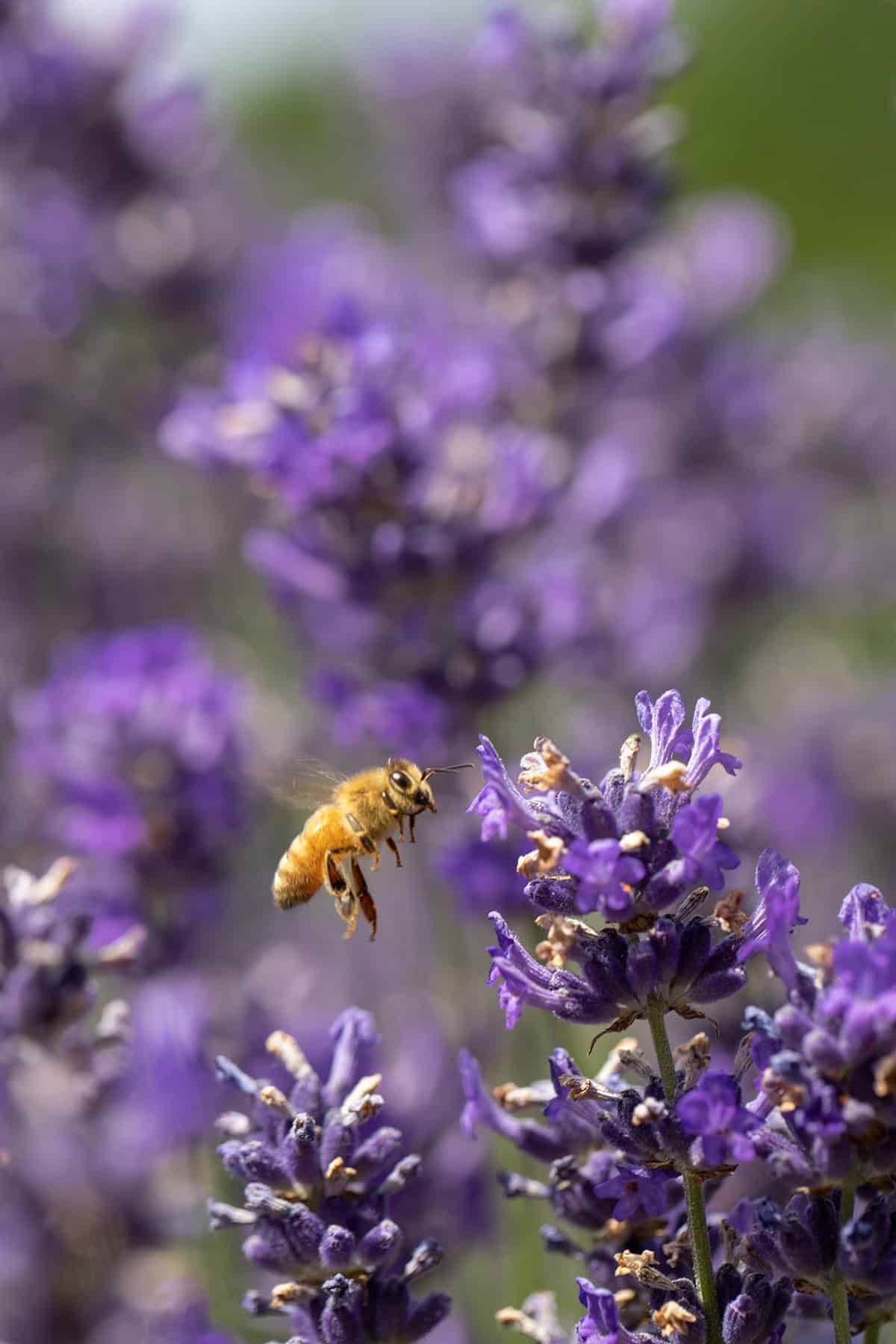
Bees, butterflies and other pollinators flock to the flowers. A long hedge supplies nectar for weeks, and the extra pollinator traffic benefits fruit trees and vegetables nearby.
Low Maintenance
Established lavender needs little water, little or no fertilizer and only one main pruning a year. It grows in poor, sandy or rocky soil and shrugs off most pests and diseases. Wet, heavy soil is its only real enemy.
Pest Deterrent
Deer and rabbits rarely eat lavender, thanks to its strong oils, and dried flowers in sachets help repel clothes moths. Claims about mosquitoes and ticks rest on little evidence, and a hedge near a patio adds fragrance more than real protection.
Versatility
Lavender fits formal gardens as clipped edging and cottage gardens as a loose, billowy row. Compact varieties such as ‘Hidcote’ and ‘Munstead’ handle small urban spaces, and taller lavandins fill large borders.
Culinary Uses
English lavender flowers flavor shortbread, lemonade, tea and honey, and a pinch goes a long way. Choose a culinary variety such as ‘Munstead’ or ‘Hidcote’ if you plan to cook with it, since stronger, camphor-heavy types taste bitter.
Medicinal Properties
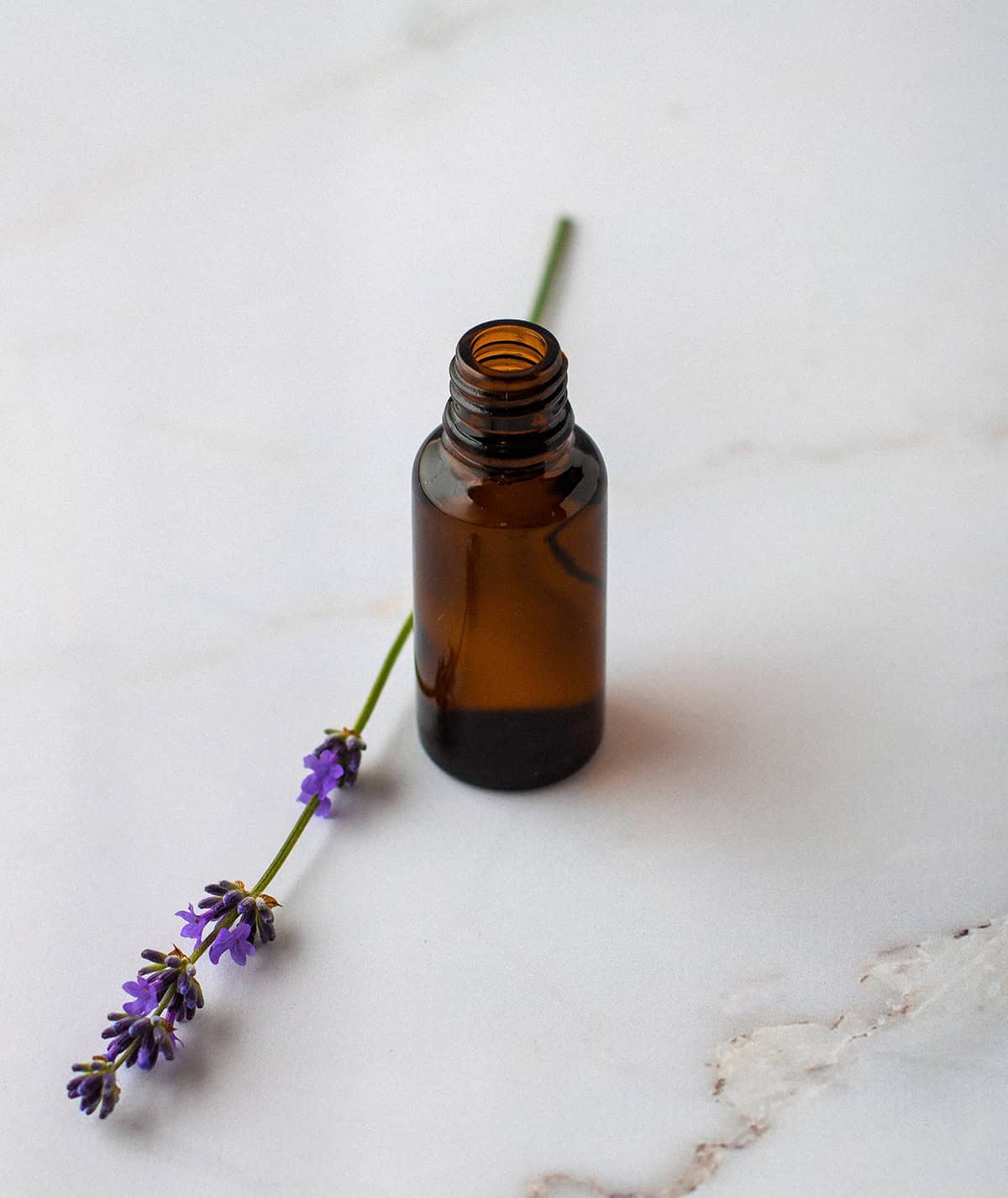
Lavender has a long history in herbal remedies, and its essential oil is a staple of aromatherapy for relaxation and better sleep. Research on its calming effects is promising, though it’s no substitute for medical care.
Erosion Control
Lavender’s woody roots help hold soil on sunny slopes and banks, where its drought tolerance and love of lean soil are a real advantage. Plant rows across the slope for the best effect.
How to Plant a Lavender Hedge
Select the Right Species
English lavender (Lavandula angustifolia) is the hardiest choice, reliable in USDA zones 5 to 8, and compact varieties such as ‘Hidcote’ and ‘Munstead’ make tidy hedges. Lavandins (Lavandula x intermedia) grow larger for a taller screen.
Prepare the Soil
Lavender needs fast-draining, sandy or gravelly loam with a pH of 6.5 to 8. Add lime to acidic soil, and in heavy clay, plant on a raised mound or berm so water drains away from the crowns.
Choose a Sunny Location
Full sun, at least six to eight hours a day, produces the most flowers and the densest growth. Good air flow helps prevent root and crown rot in humid summers.
Space the Plants
Set plants 12 to 18 inches apart for a continuous hedge, or about 2 feet apart for larger lavandins.
Planting
Plant in spring after frost. Dig each hole just as deep as the root ball, set the plant with its crown level with the ground and backfill. Avoid burying the stems or piling wood mulch against them, and use gravel mulch instead.
Watering
Water right after planting, then every few days for the first few weeks while roots establish. After that, let the soil dry between waterings. Established plants need water only in long droughts.
Pruning
Prune right after the main flowering in late summer, and shear the plants back by about a third into a rounded shape. Leave a few inches of leafy green on every stem, since lavender rarely regrows from old, bare wood. A light shaping in spring tidies any winter damage.
Planting from Cuttings
Take 3 to 4 inch cuttings from non-flowering shoots, strip the lower leaves and dip the ends in rooting hormone. Plant them in moist, gritty potting mix and transplant once roots form in four to six weeks. Cuttings produce plants identical to the parent, which helps a hedge look uniform.
Maintenance
Even well-pruned lavender grows woody and sparse with age. Expect to replace plants every eight to ten years, and fill gaps with new plants of the same variety.
Variation
Spanish lavender (Lavandula stoechas) has rabbit-ear bracts on top of each flower and a different scent. It’s less hardy, best in zones 7 to 9, and grows well in containers.