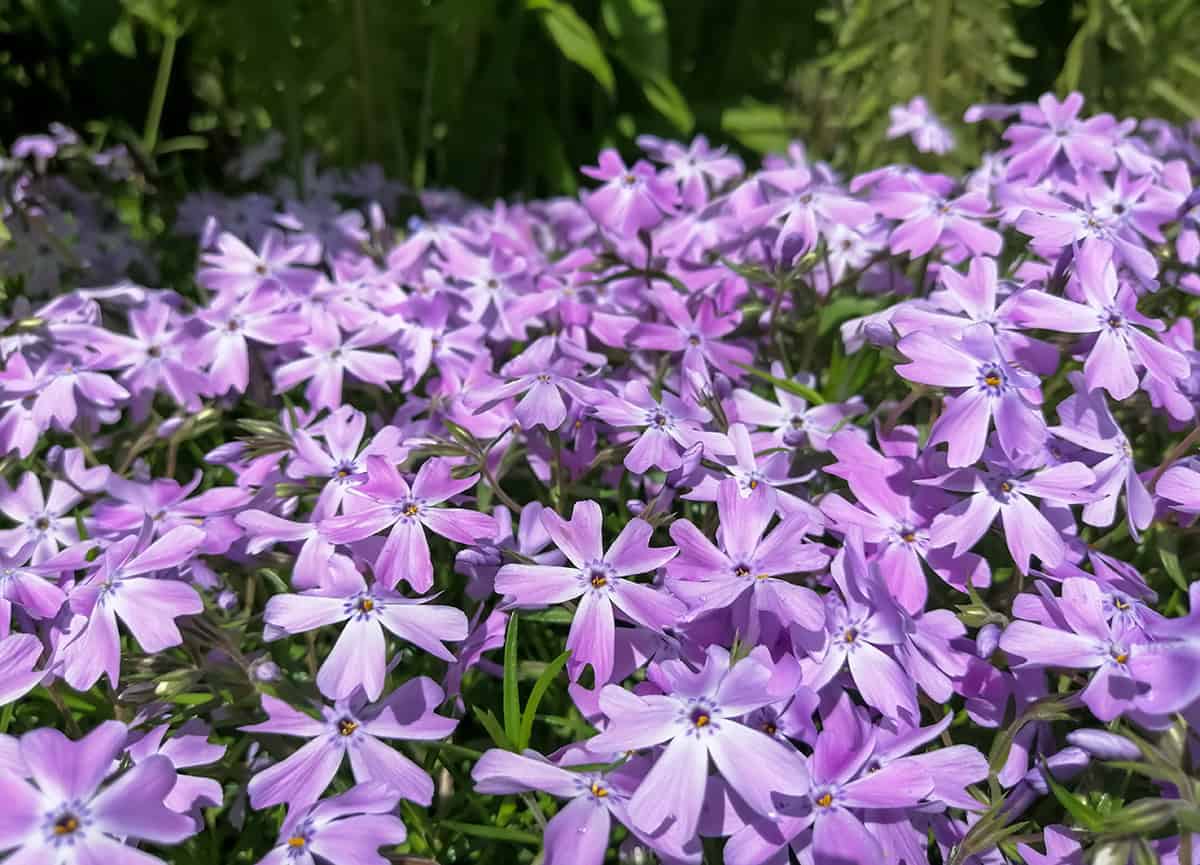
Every April, creeping phlox throws a blanket of pink, lavender or white over slopes and rock walls.
The plant asks for little in return. A sunny spot with sharp drainage covers most of its needs, and a quick haircut after flowering handles the rest.
Light, soil and water come first, with division and cuttings covered further down the page.
Table of Contents
Light
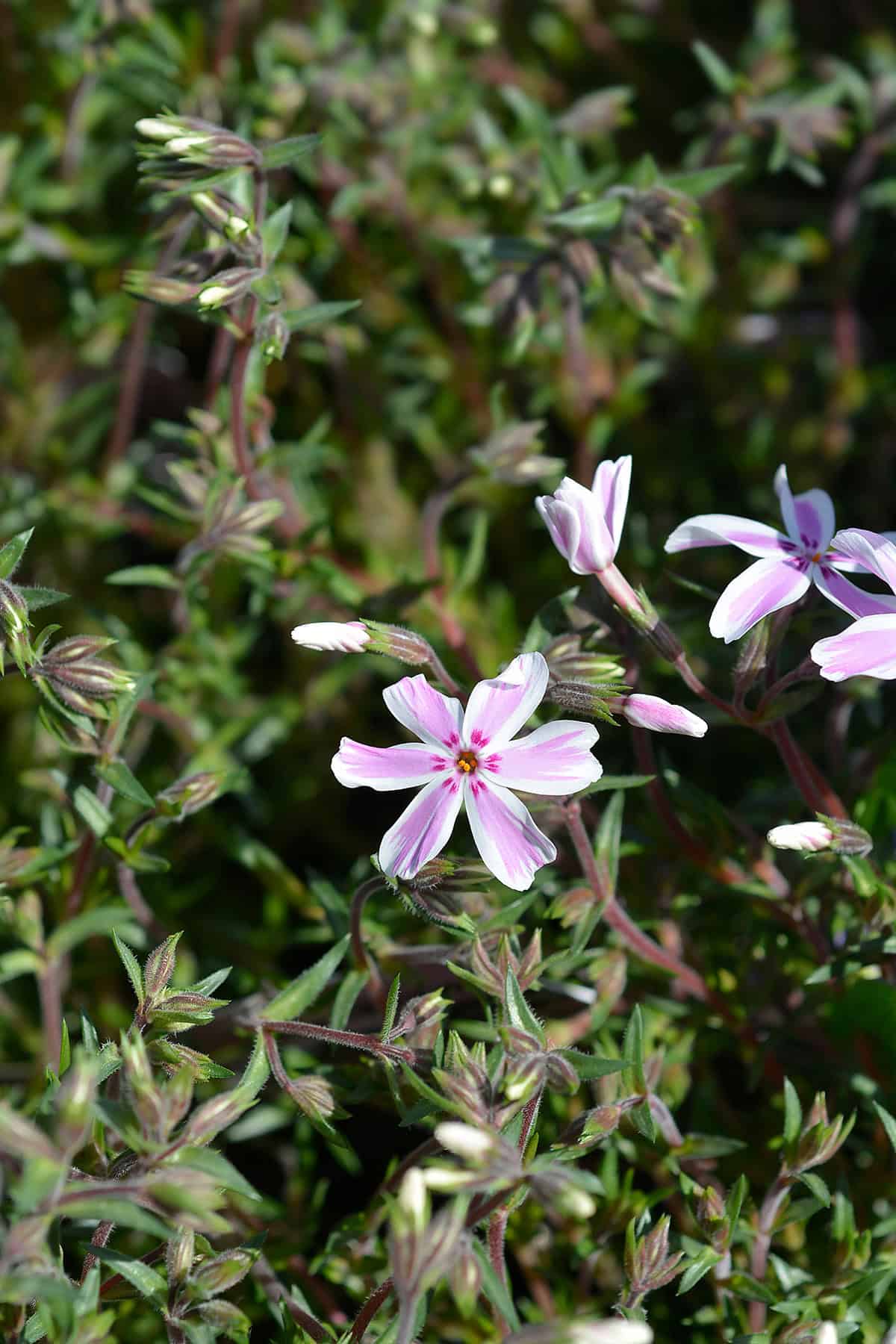
Sun drives a thick, flower-packed mat of creeping phlox. Aim for at least six hours of direct light a day.
Partial shade is fine in regions with scorching summers, where a little afternoon shade protects the foliage. More sun still means denser growth and brighter color.
In deeper shade, plants grow thin and patchy and bloom far less.
Before planting, watch how the sun moves across the bed over a full day. A spot that looks bright at noon may lose its light by midafternoon.
Soil
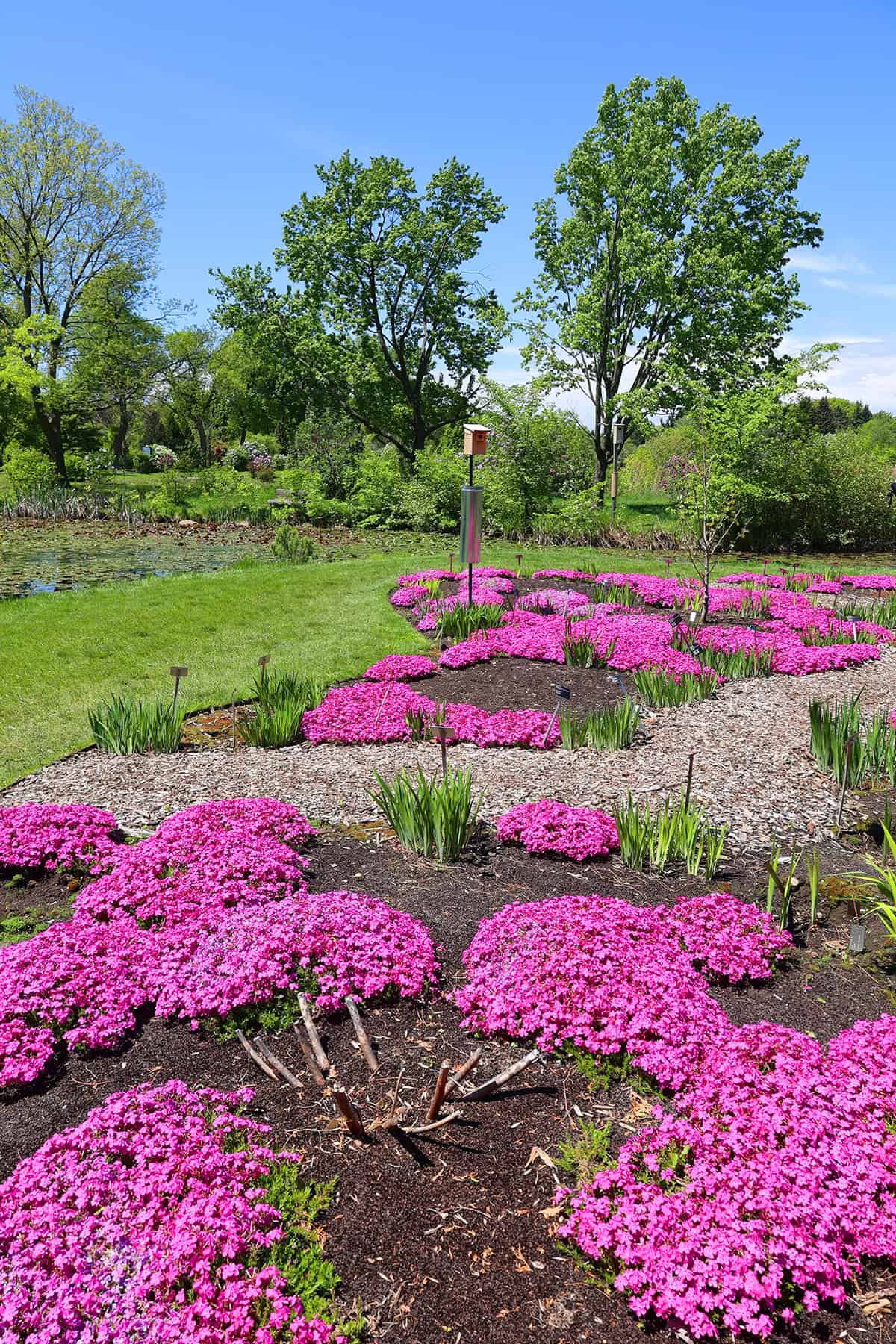
Fast drainage matters more than fertility for creeping phlox. Roots sitting in water rot quickly, so loose sandy or loamy soil is the best match, and rich soil is unnecessary.
Heavy clay is the main problem. Mix compost or coarse grit into dense soil before planting to loosen it and improve drainage.
A pH between 6.0 and 7.0 is the target, and the plant tolerates a little above that. A cheap test kit clears up any doubt.
Water new plantings regularly during their first few weeks. Once roots are established, creeping phlox handles dry spells well, which is why it thrives on slopes and in rock gardens.
Water
Young plants need steady moisture while roots get established. Aim for soil that is damp to the touch and never waterlogged.
After the first season, let the top inch of soil dry between waterings. Established mats ride out short droughts easily, while standing water quickly rots the crowns.
Water in the morning and aim at the base of the plant. Foliage that sits wet overnight invites fungal disease.
Hot, windy weather dries soil faster, so check it with a finger during heat waves and water when the top inch is dry.
A thin layer of mulch or pea gravel holds moisture and cools the roots. Two inches is plenty, spread a short distance from the stems.
Temperature And Humidity
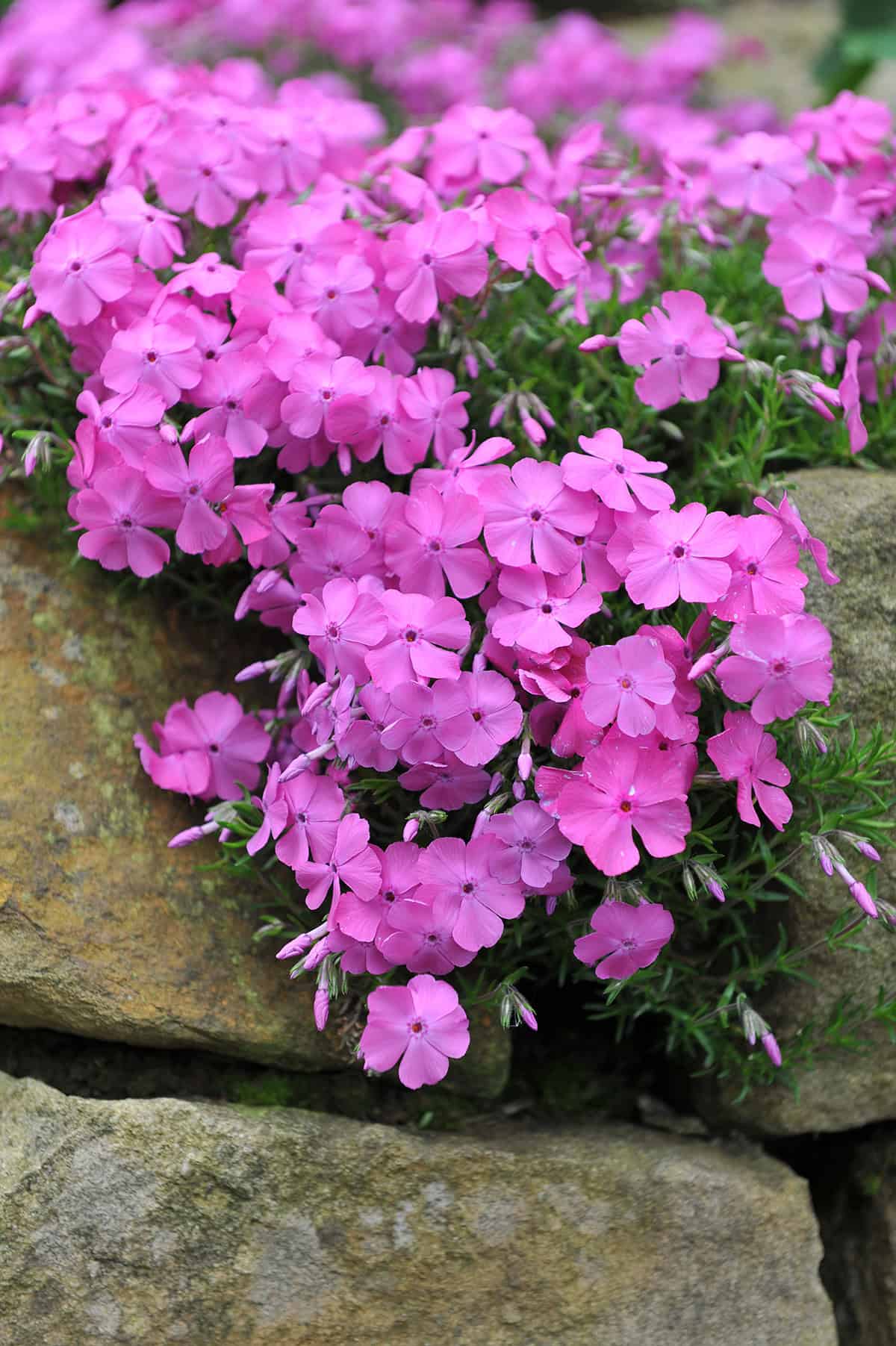
Hardy in USDA zones 3 to 9, creeping phlox handles cold winters and hot summers alike.
Cool spring nights help the flower colors look their richest. In hot climates, a bit of afternoon shade reduces summer stress.
Moderate humidity is best. Creeping phlox resists mildew better than tall garden phlox, especially with good air movement, and in very humid weather it helps to water the soil only.
During long stretches with no rain, an occasional deep watering helps. A light trim after flowering also opens up the mat and improves airflow in muggy summers.
Fertilizer
Creeping phlox needs very little feeding. Too much fertilizer pushes leafy growth at the expense of flowers.
In poor soil, scratch a light dose of balanced fertilizer such as 10-10-10 into the top inch around the plant in early spring, before new growth begins.
A soil test shows whether the bed needs any fertilizer at all. In most gardens, a thin layer of compost once a year covers its needs.
Water well after feeding to protect the roots from fertilizer burn.
Propagation
The simplest way to make more creeping phlox is division. Early spring and early fall are the best times.
Lift a mature clump with a spade or garden fork and break it into smaller pieces, each with its own roots. Replant the divisions right away and water them well.
Stem cuttings root readily too. In early summer, snip healthy stems with several leaf nodes, push them into moist, well-drained mix and water lightly until roots form.
Plants also self-seed, though the seedlings rarely match the parent’s color. For a specific shade, stick with division or cuttings.
Stems that touch the ground also root where they lie. Dig these rooted runners and move them to bare spots in the bed.
Pruning
Trim creeping phlox right after it finishes blooming in spring. A haircut at this stage tidies the mat and prevents leggy, open growth.
Cut dead or damaged stems back to healthy growth, and shear off spent flower stems. Shortening the stems by up to half after bloom encourages dense new growth.
Thin crowded sections to let in light and air. Use clean, sharp shears for every cut.
Brown or diseased patches in midsummer should come out right away to stop problems from spreading.
Potting And Repotting
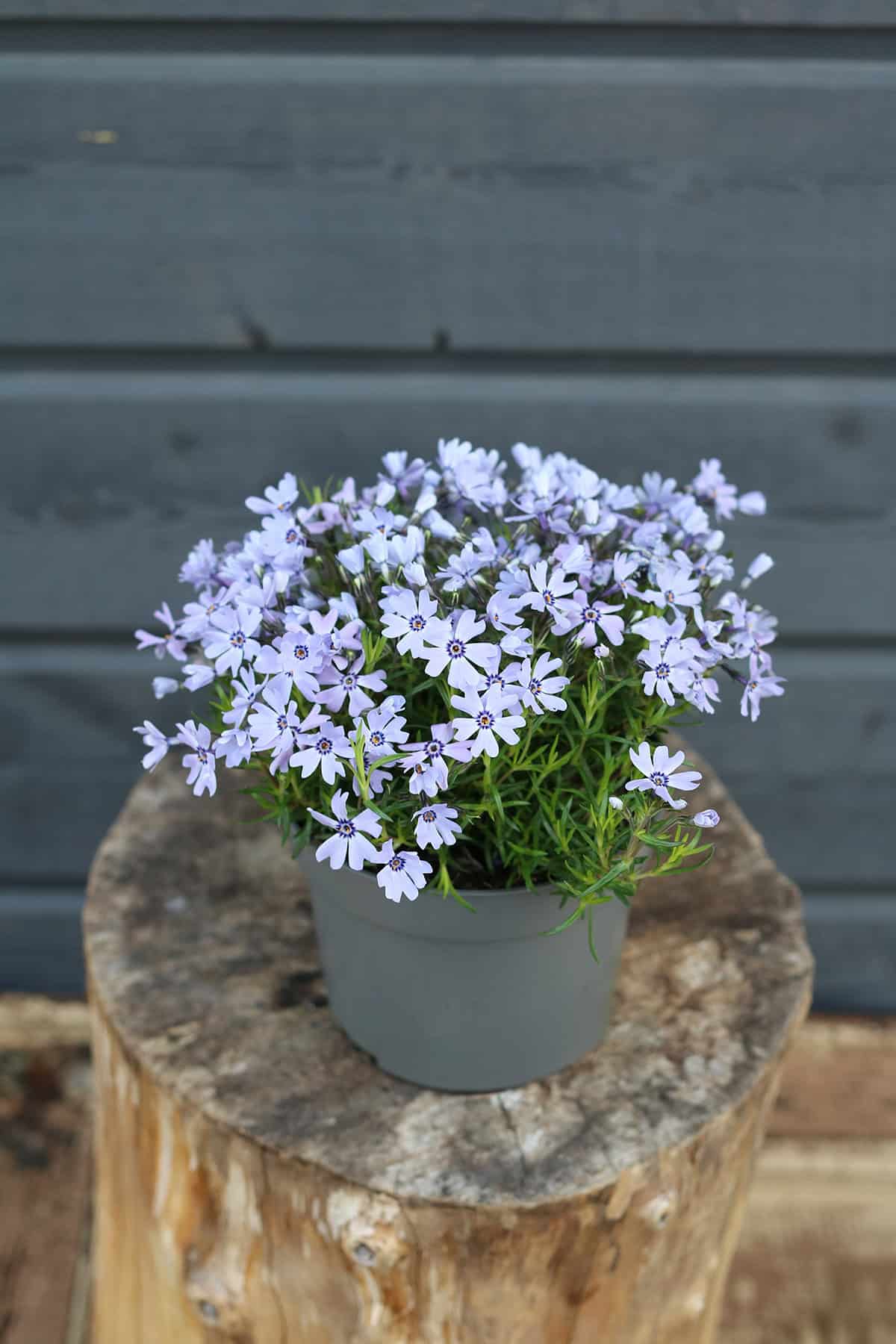
Wide, shallow containers with drainage holes make a good home for creeping phlox. Soggy roots are the main thing to avoid.
Fill the pot with a fast-draining potting mix. Water when the top inch dries, and empty the saucer after each watering.
Place the container in full sun, with at least six hours of direct light.
Repot in spring when roots fill the pot or the mix dries out within a day. Ease the plant out, shake off old soil, check the roots and move it to a slightly larger pot with fresh mix.
Water thoroughly after repotting to settle the soil. A few days in light shade helps the plant recover before it goes back into full sun.
Slow-release fertilizer is optional, and a light hand matters. Extra feeding makes the plant leggy and sparse.
Common Problems & Troubleshooting
Yellow, limp leaves point to overwatering, the most common creeping phlox problem. The plant hates soggy soil, so drainage comes first.
Powdery mildew and root rot show up in humid weather or crowded plantings. Space plants for airflow and water at the base.
Spider mites and aphids appear now and then, though pests are minor overall. Sticky leaves or fine webbing are the giveaway, and a blast of water or a mild insecticidal soap clears most infestations.
Weeds and grass creep into the mat and compete with the phlox. Pull them by hand, and add a thin layer of mulch around the edges, clear of the crown.
Brown, patchy foliage comes from drought stress or a nutrient shortage. Water regularly until the plant is established, preferably in the morning, and feed only lightly in early spring. A bare center in an older mat is a sign the clump needs dividing.
Plant Varieties
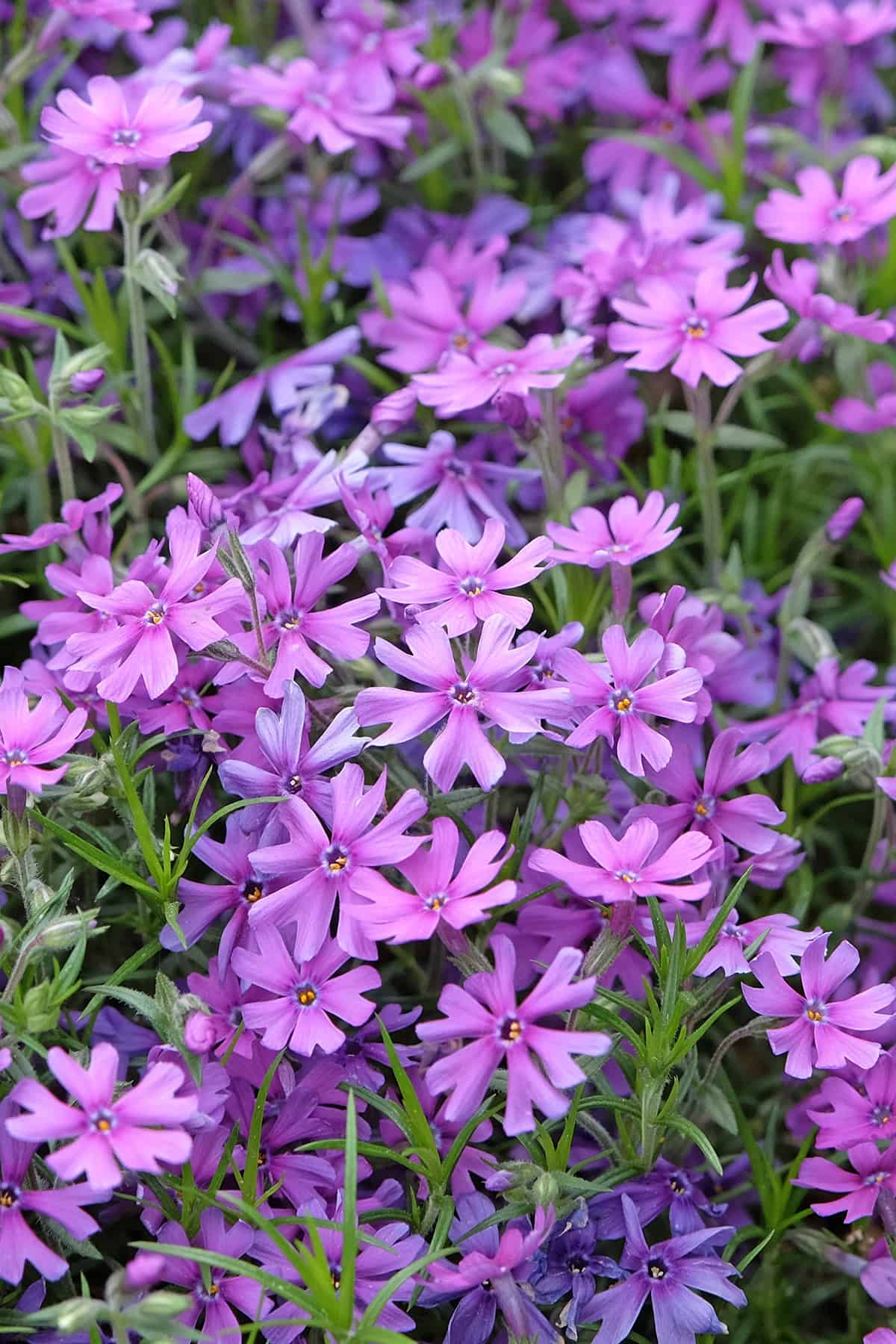
Several kinds of creeping phlox are sold for gardens, each with its own size, color range and growth habit.
Phlox subulata, or moss phlox, is the classic choice. Its low, needle-leaved mats bloom in spring in pink, lavender, blue-purple, red and white.
Phlox stolonifera, also known as creeping phlox, grows a little taller and prefers partial shade. It spreads by stolons that root as they travel along the ground.
Most types flower between mid-April and May, and the showiest cultivars cover the ground in color for several weeks.
Garden centers carry cultivars bred for disease resistance and unusual colors, including ‘Emerald Blue’, ‘Candy Stripe’ and ‘Snowflake’.
Choose based on color and spread, since the care needs are nearly identical across types.