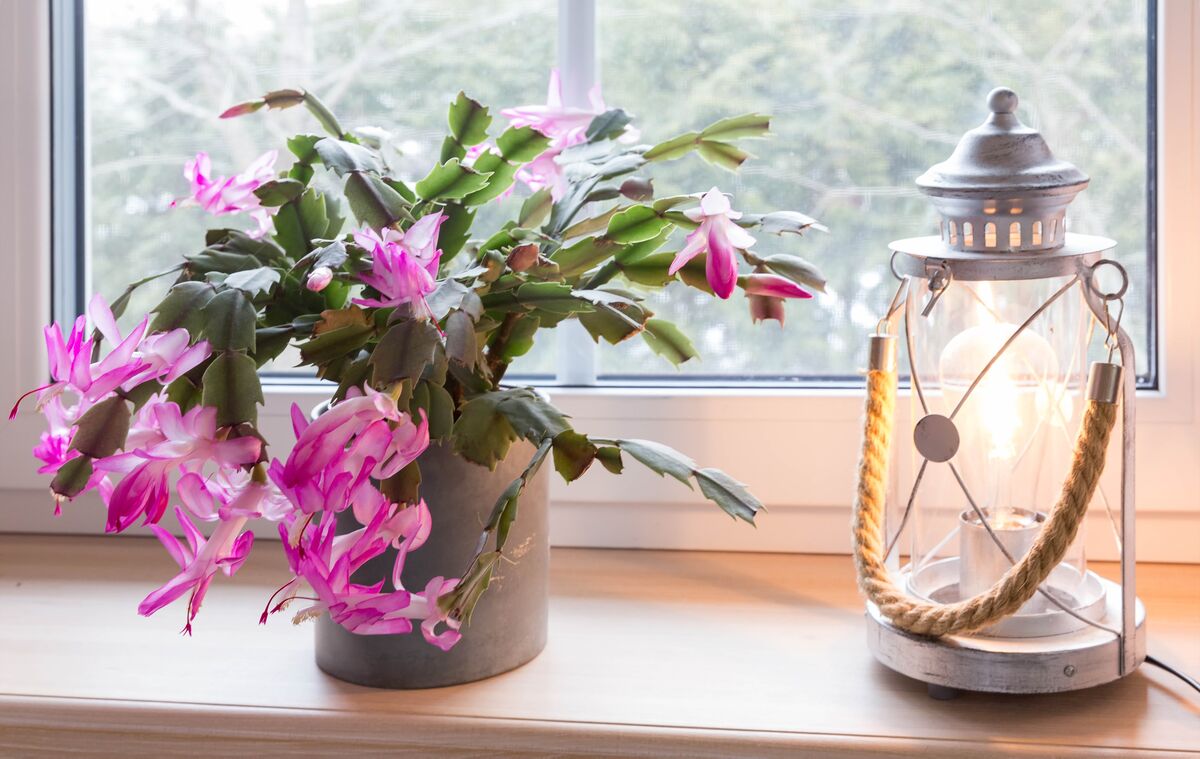
Christmas cactus buds fall off when something around the plant changes after the buds have formed. A move to a new spot, hot air from a vent, a cold draft, a pot left too wet or too dry, and dry winter air are the common triggers.
Each cause leaves its own clues on the fallen buds, and Thanksgiving cactus reacts the same way, so one set of fixes covers both plants. Below, every cause is matched with what to look for and what to change, followed by a weekly routine that holds the remaining buds on until they open.
Table of Contents
What Bud Drop Looks Like
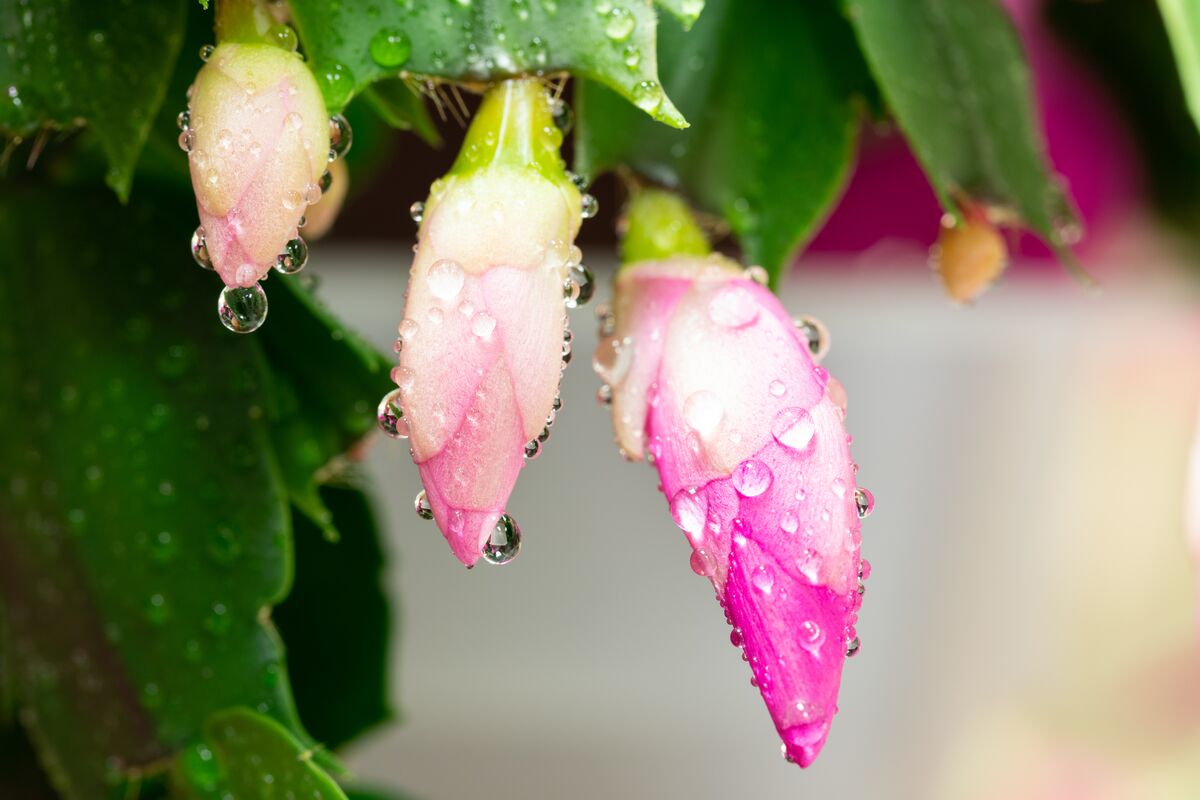
Two or three lost buds over a whole season are the plant’s own thinning and no cause for worry. Christmas cactus buds falling off in a steady shower over several days are a different story, especially when buds at every stage hit the tabletop at once.
Healthy buds look firm and glossy, with a colored tip pushing out from the end of a stem segment. A stressed bud goes dull, softens at its base and snaps off at the lightest touch. Shriveled, papery buds point toward dry air or thirst, and buds that drop while still plump hint at a sudden shock such as a cold draft.
Check the tiny stalk where each fallen bud joined the stem. A clean break suggests an environmental cause, and mushy brown tissue there calls for a look at the roots.
Christmas or Thanksgiving Cactus
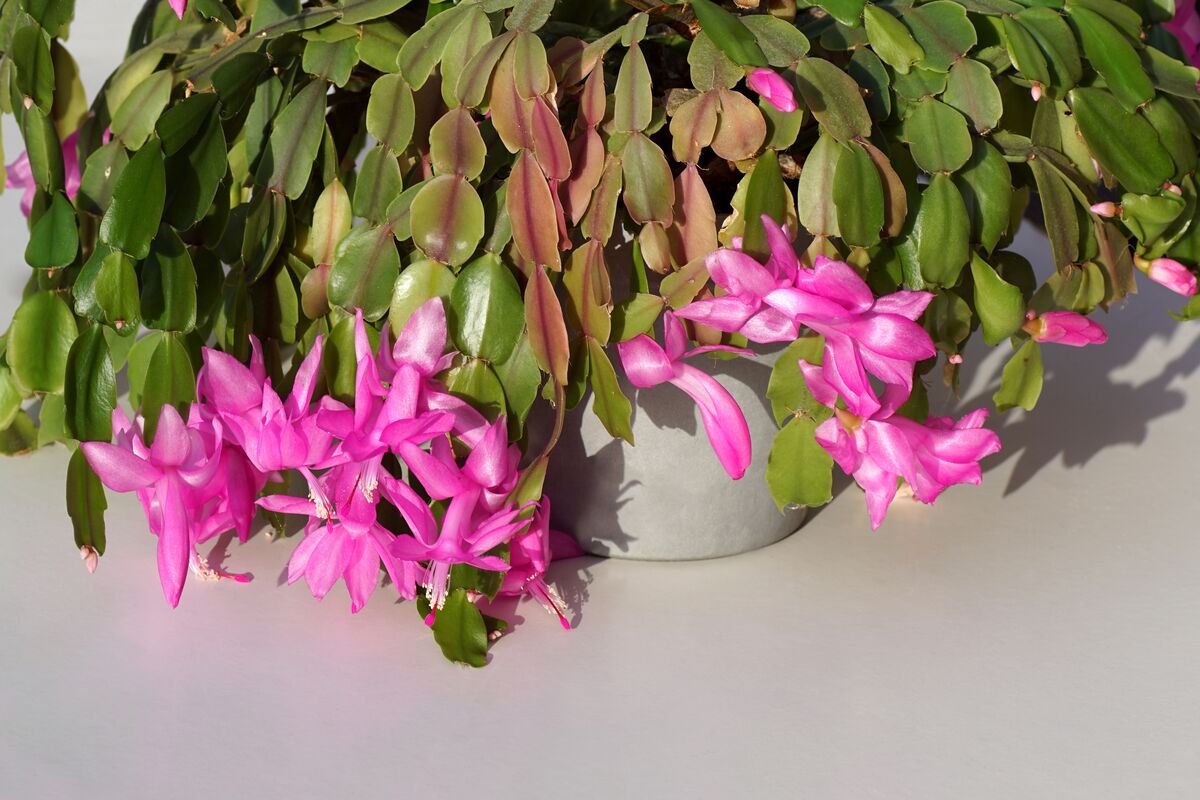
Which holiday cactus is sitting on your windowsill? Look closely at the edges of the flat stem segments. Thanksgiving cactus, Schlumbergera truncata, carries sharp, claw-like points along each edge, and it is the type most stores sell as Christmas cactus.
True Christmas cactus, Schlumbergera × buckleyi, has rounded, scalloped edges and blooms around December. Thanksgiving cactus flowers about a month earlier.
Both plants respond to the same bloom triggers and drop buds for the same reasons, which means Thanksgiving cactus bud drop and Christmas cactus bud drop share one set of fixes. Identifying the type mainly clarifies timing. A plant shedding buds in early November is most likely the Thanksgiving kind, already deep into its bloom cycle.
Moving the Plant After Buds Form
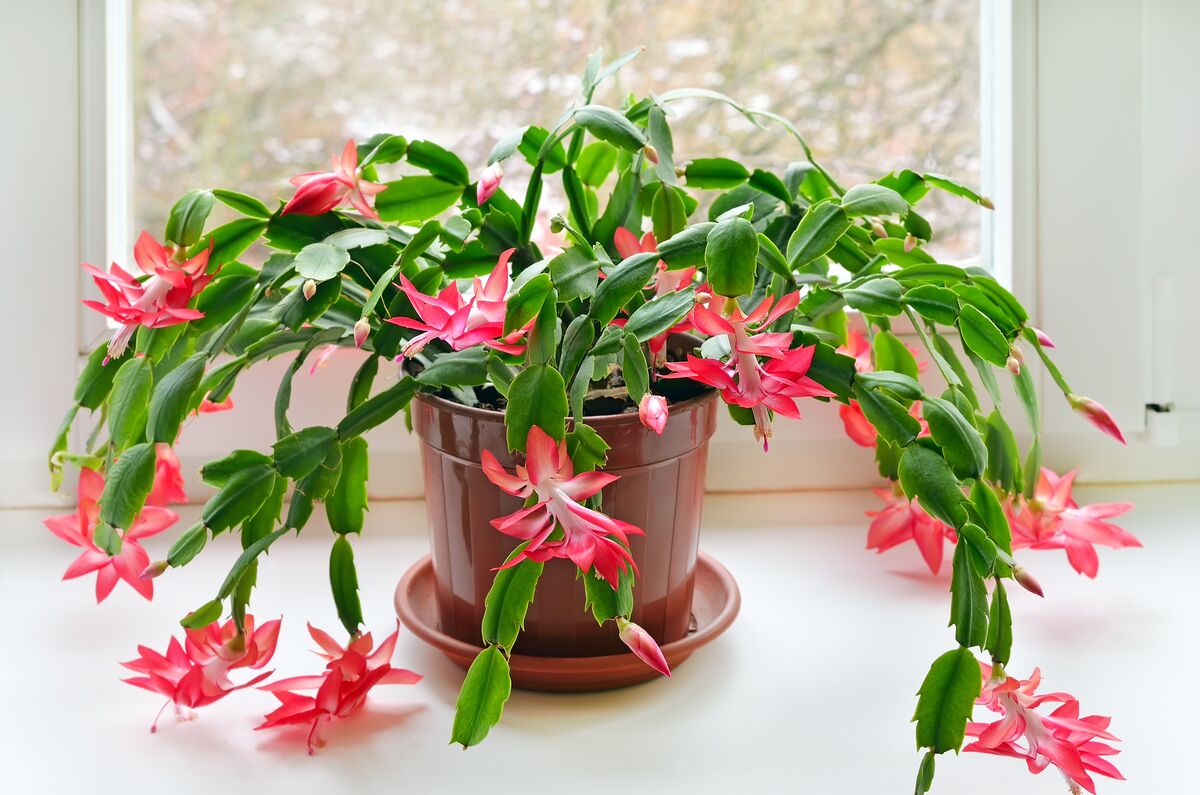
When a budded pot travels to a new spot, the buds lose their bearings, and this is the trigger most owners set off by accident.
Pick a final spot before the buds appear, then leave the pot exactly where it sits until the last flower fades. Each bud angles itself toward the light source as it develops. Rotate the plant or carry it to another room, and the buds suddenly face the wrong way and may drop.
The classic mistake happens on the drive home from the store, or when a budded plant goes to the dining table as a holiday centerpiece. Avoid even a quarter rotation on the sill.
Mark the side of the pot that faces the window with a small strip of tape. After dusting or watering, set it back down with the tape pointed in the same direction.
Temperature Swings and Drafts
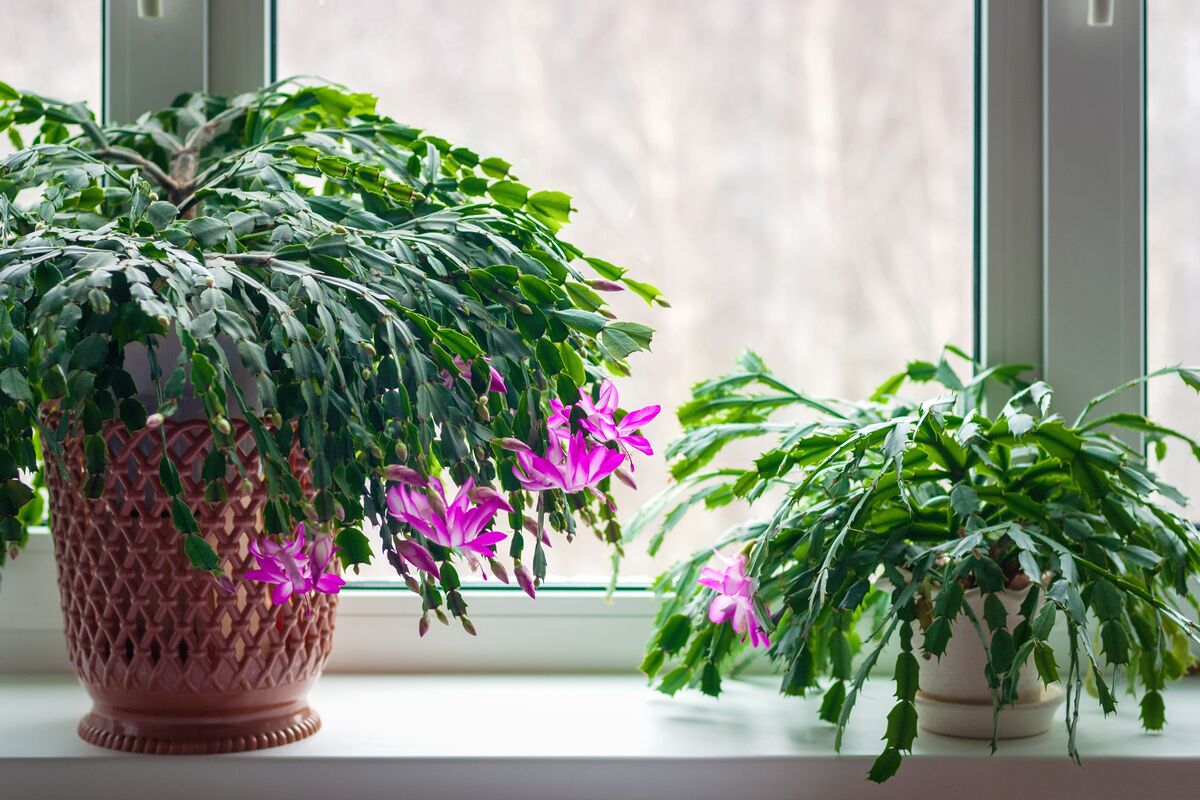
A forced-air vent under the windowsill ranks among the most common culprits behind holiday bud drop. Hot air from vents, fireplaces and radiators dries the buds directly, and cold drafts from an opening door or a leaky window shock them from the other side.
Once buds form, aim for roughly 60 to 70°F by day with slightly cooler nights. That gentle evening dip is welcome. Abrupt swings are what knock buds loose.
Hold your hand near the plant on a cold evening. A chill against the skin or a stream of warm air means the location is wrong, and the safest fix is a shift of an inch or two along the same sill, with the same side still facing the light.
Watering Mistakes
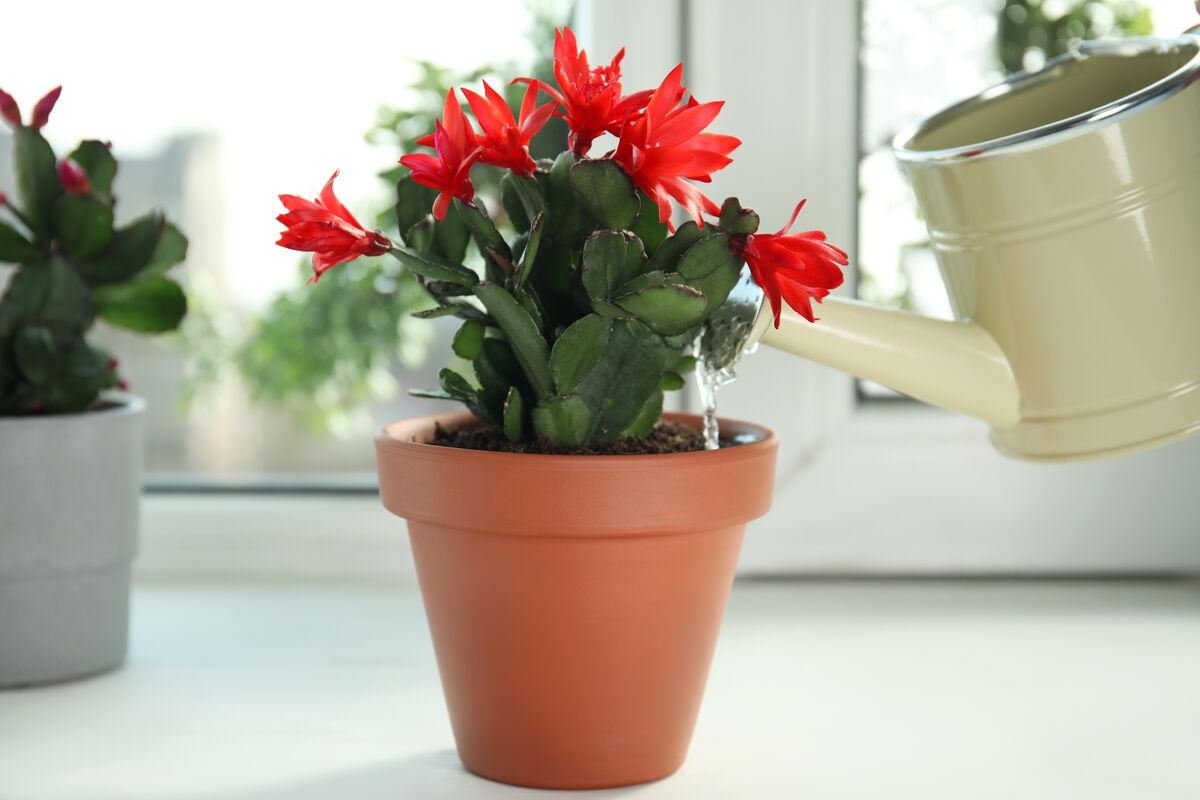
Damp through the middle and loose on top, the mix in a budded pot hits the right balance. Water when the top inch is dry to the touch, then pour slowly until water runs from the drainage hole. Empty the saucer or decorative sleeve soon afterward, because a pot left sitting in water starves the roots of air and invites rot.
Underwatering causes its own trouble. A plant carrying buds needs steady moisture to fill out those flowers, and a pot allowed to dry out completely sheds them fast.
Push a finger into the mix every few days during bloom season. Heated rooms pull moisture from the surface quickly, and a watering schedule carried over from summer rarely matches December conditions.
Dry Indoor Air
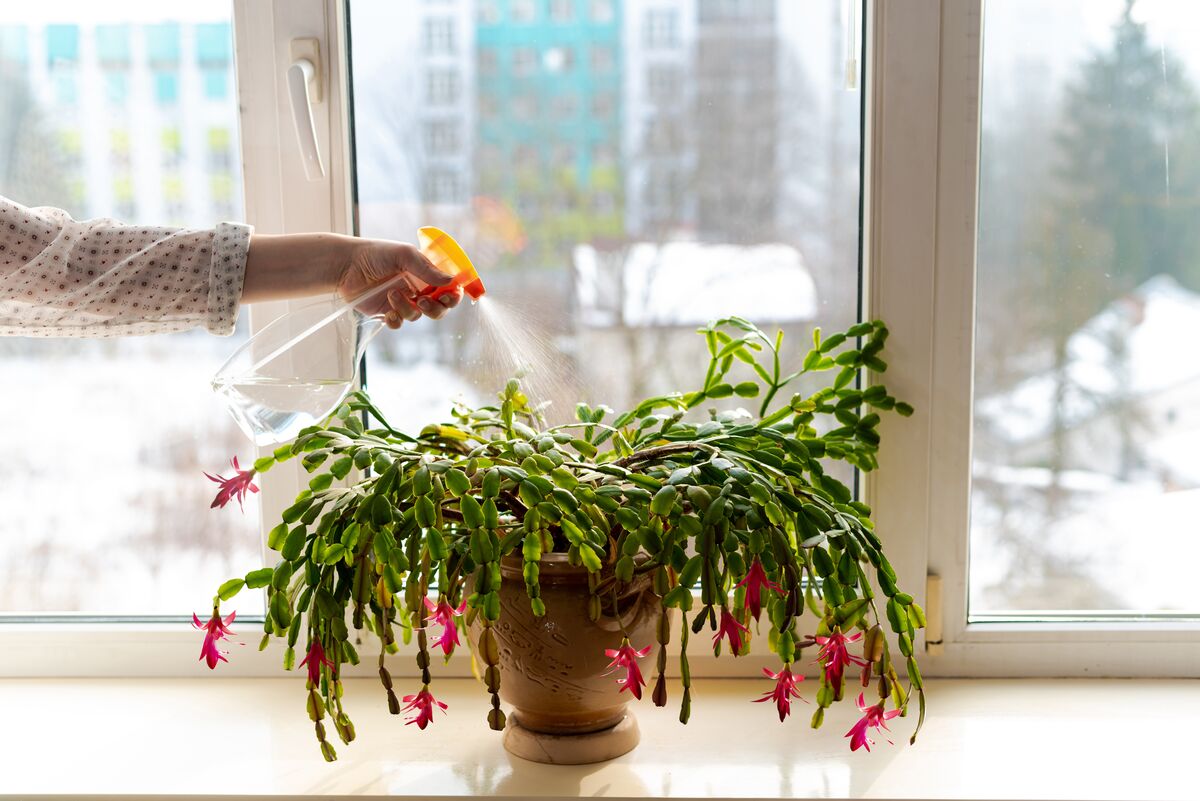
Inside a heated living room in midwinter, the air grows dry enough to wither tender buds. Low humidity pulls moisture from the soft bud tissue, and the buds shrivel, yellow and drop before opening.
Set the pot on a pebble tray, which is a shallow dish of gravel with water added to just below the top of the stones. The pot base rests on the pebbles and never touches the water itself, which protects the roots from rot.
Grouping houseplants also raises the moisture around them, since leaves release water vapor into the shared air. Three or four pots clustered on one side table make a small humid pocket around each plant.
Light Changes and Too Much Sun
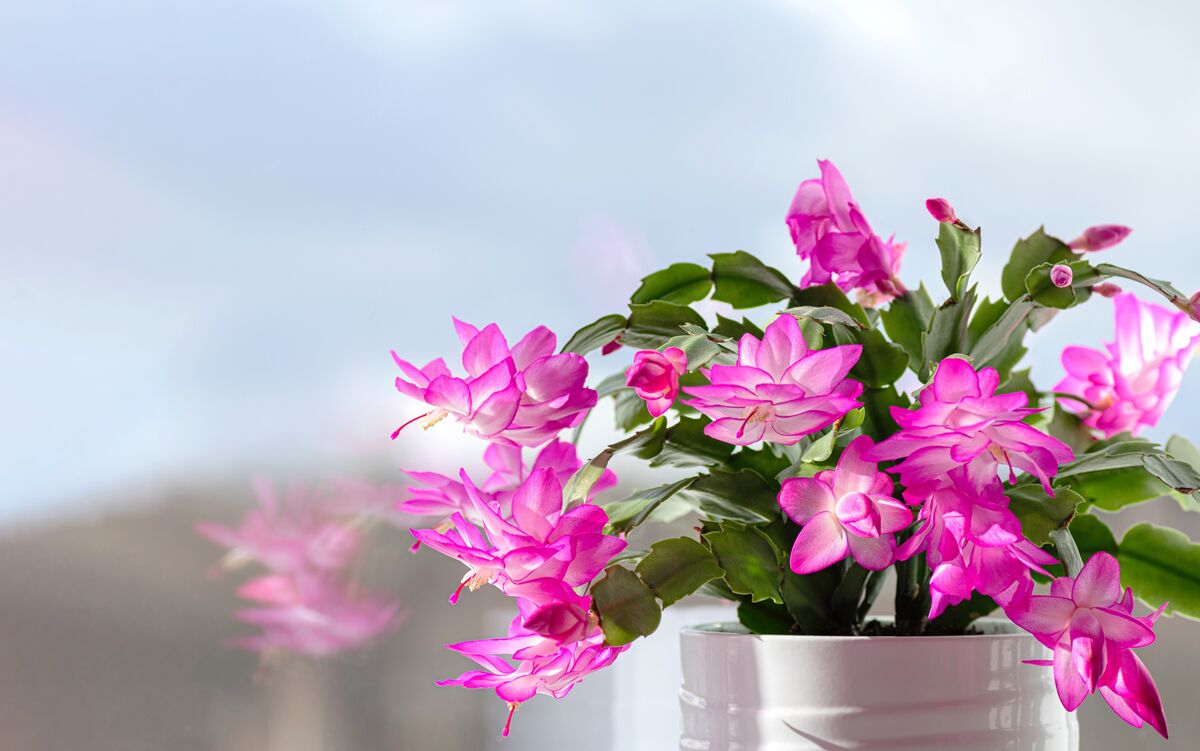
During the weeks of bud swell, the plant wants bright indirect light from one steady direction. An east window fits well, as does a spot a few feet back from a south or west window.
Hot direct sun landing on the buds scorches them and dries the whole plant fast. A sunny afternoon behind glass heats a sill surprisingly quickly in late fall, and a sheer curtain softens that glare.
Sudden light changes cause trouble too. Pulling back blinds that were always closed, or setting a new lamp beside the pot, shifts the direction the buds are aimed. Before buds set, any lamp switched on in the room at night breaks the long dark stretch the plant relies on as its bloom cue.
Root Problems and Repotting
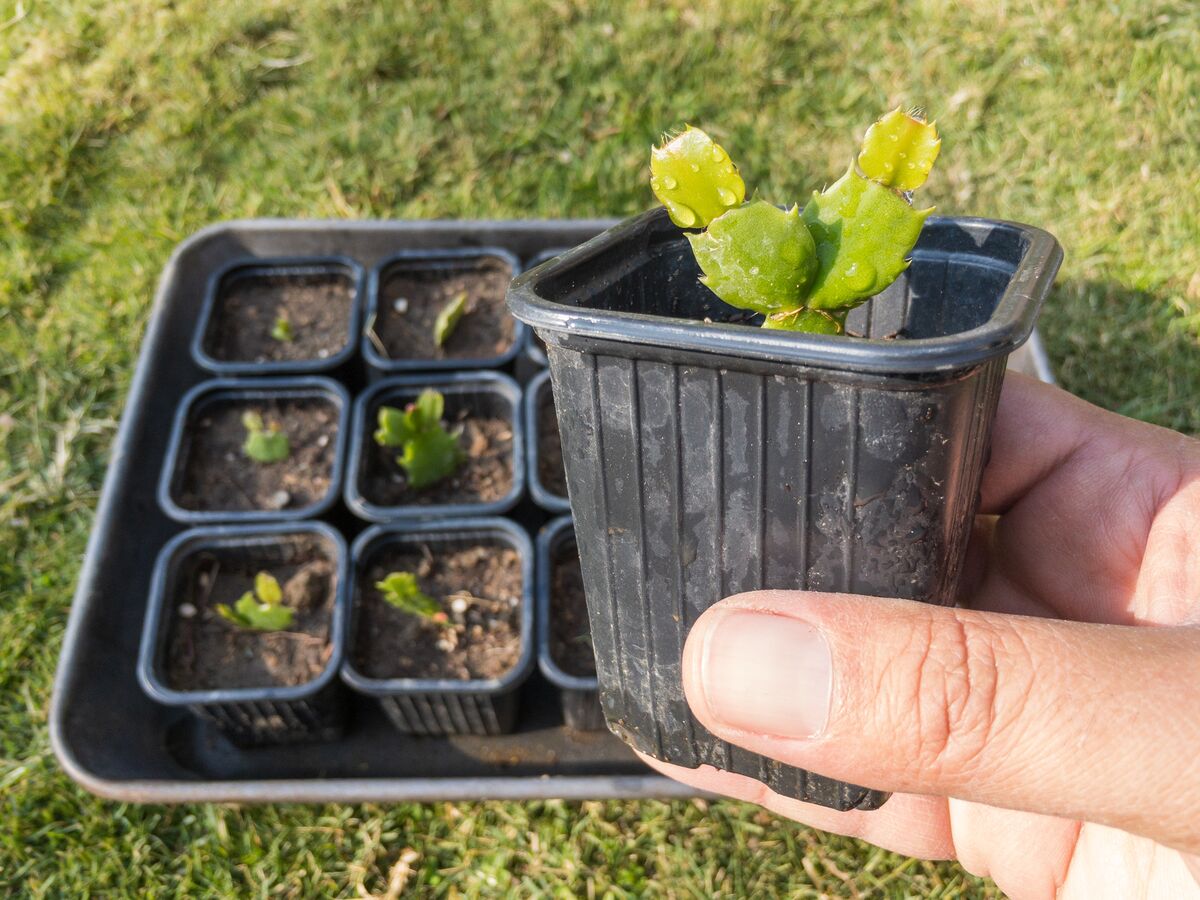
Because every bud depends on healthy roots, trouble underground shows up on top as falling buds. Root rot from soggy soil is the main culprit, and limp, wrinkled segments with a sour smell from the pot point straight toward it.
Hold off on repotting while the plant carries buds or flowers, since disturbing the roots mid-bloom invites heavy drop. Repot only in spring after flowering ends, into a well-draining cactus mix or an orchid-bark blend, in a container with a drainage hole.
A plant that looks rotted right now needs drier conditions. Let the upper layer of mix dry before the next drink, pour off any trapped water, and save the root cleanup for spring.
How to Keep Buds on Until They Open

Consistency carries a budded plant through to full bloom. Run down this list once a week until the flowers open.
1. Leave the pot in one spot, with the same side facing the window.
2. Hold daytime temperatures near 60 to 70°F, with slightly cooler nights.
3. Shield the plant from heat sources and drafty doors.
4. Water when the top inch of mix is dry, and empty the saucer.
5. Raise humidity with a pebble tray or a cluster of plants.
6. Filter strong sun through a sheer curtain.
7. Skip fertilizer and repotting until spring.
Expect a couple of buds to fall even under good care. A plant kept on this steady routine holds onto the rest and opens them over the following weeks.
Getting New Buds Next Year
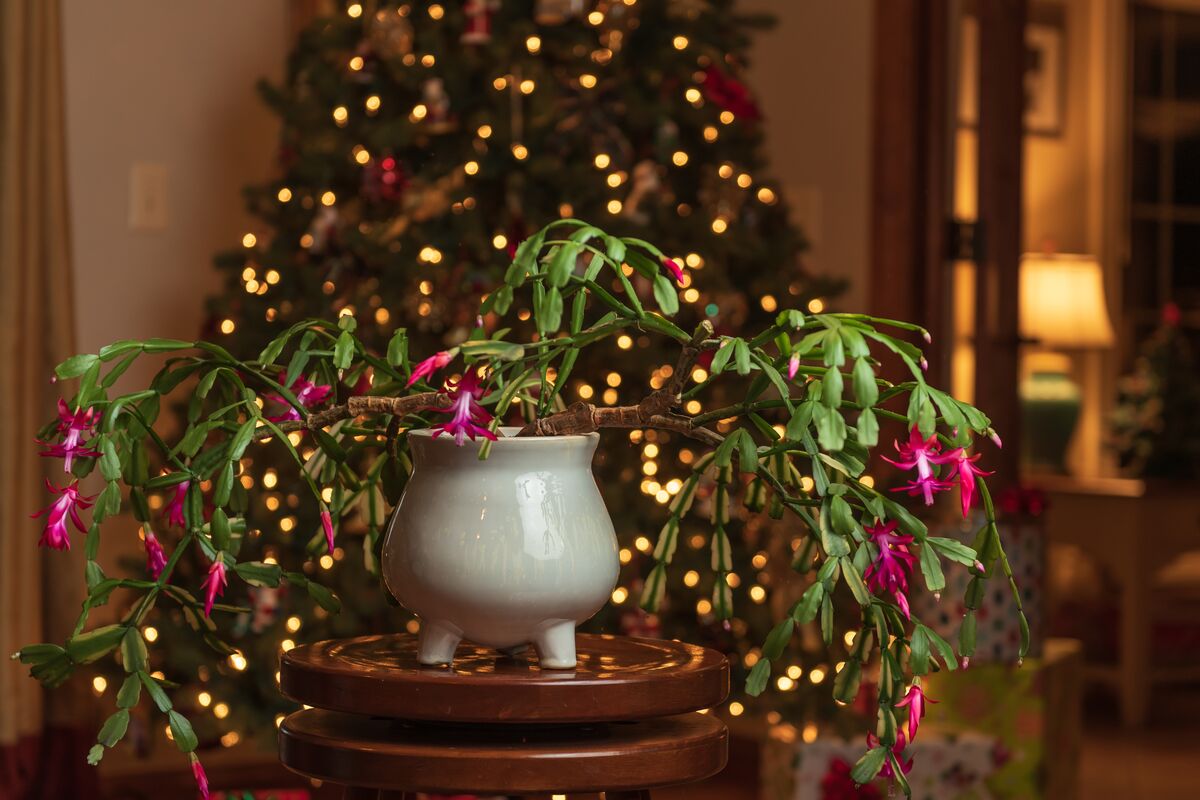
By late September, the plant begins measuring night length to decide when to bloom. Buds set after about six weeks of long nights with 12 to 14 hours of uninterrupted darkness, cool nights around 50 to 55°F in fall, or both.
A spare bedroom left dark after sunset handles the darkness requirement, as does a cool porch before frost arrives. One lamp switched on each evening interrupts the cue, and a room nobody uses at night is the safer choice.
Good holiday cactus care through the rest of the year sets up those buds. Feed with a houseplant fertilizer in spring and summer, stop in late summer, and repot in spring only once the roots have filled the pot.