Pansies and sweet peas go into the ground while mornings are still frosty, and zinnias, marigolds and sunflowers wait until the soil warms in late spring.
Perennials such as coneflower and columbine settle in over the summer and return stronger each year.
Most of the 26 are annuals for fast color, though the last eight come back year after year.
Table of Contents
Flowers To Plant In Spring
Hardy annuals that tolerate chilly mornings and perennials that settle in for the long haul all go into the ground in spring. The picks range across nonstop color, fragrance and plants for bees and butterflies.
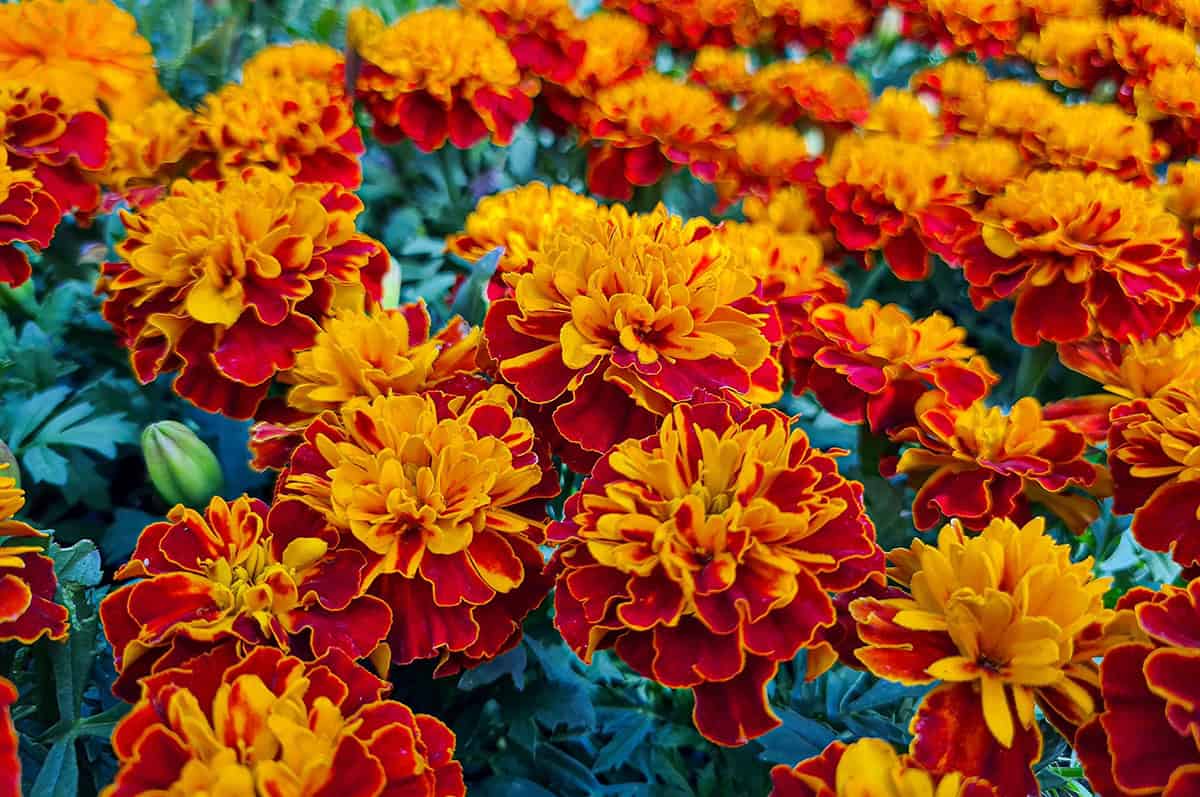
Marigolds
Reliable, unfussy marigolds shrug off heat and poor soil, and their orange and yellow blooms stand out in beds and pots.
Full sun produces the most flowers. French marigolds suppress root-knot nematodes in vegetable beds, which makes them a popular companion plant. Snip off faded flowers for a longer show.
Short types fit borders, and tall African marigolds fill larger spaces. Sow seeds directly in the ground after the last frost.
Zinnias
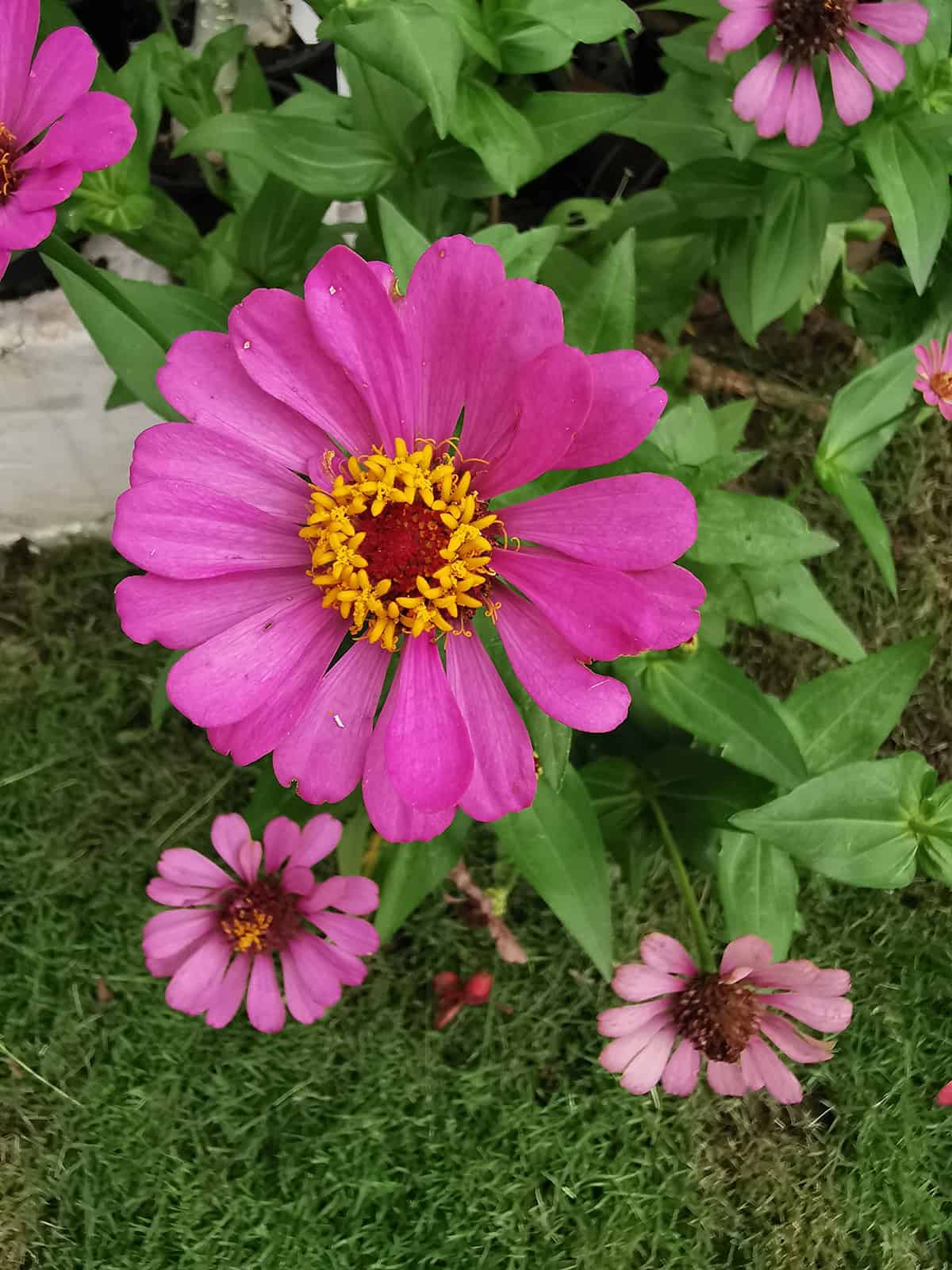
Warm days set off a bold display from zinnias, in a nearly endless range of pastels, reds and purples. Sturdy stems make them a bouquet favorite.
Full sun and well-drained soil are best. Water at the base, since wet leaves invite mildew, and deadhead for a steady supply of blooms.
Dwarf zinnias fit pots, and tall types reach 3 to 4 feet at the back of a border.
Petunias
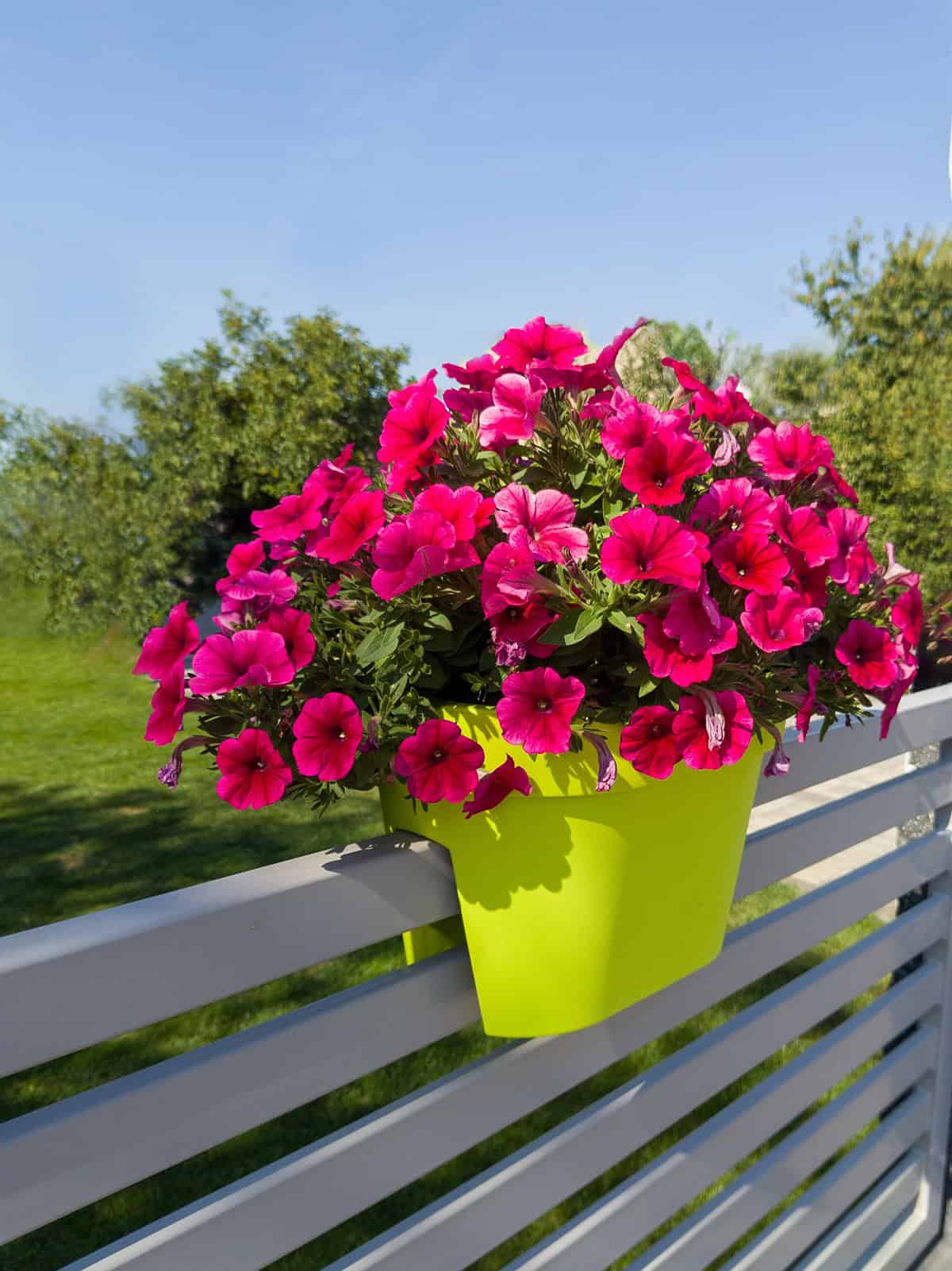
Petunias bloom nonstop from late spring until frost, with trumpet flowers that spill from baskets, beds and window boxes in solid colors, stripes and bicolors.
Plenty of sun is best, though light shade is fine. Use well-drained soil and water regularly at the base.
Trailing types such as Wave petunias fill containers, and upright types make tidy borders. Pinch back older varieties now and then for bushier plants.
Geraniums
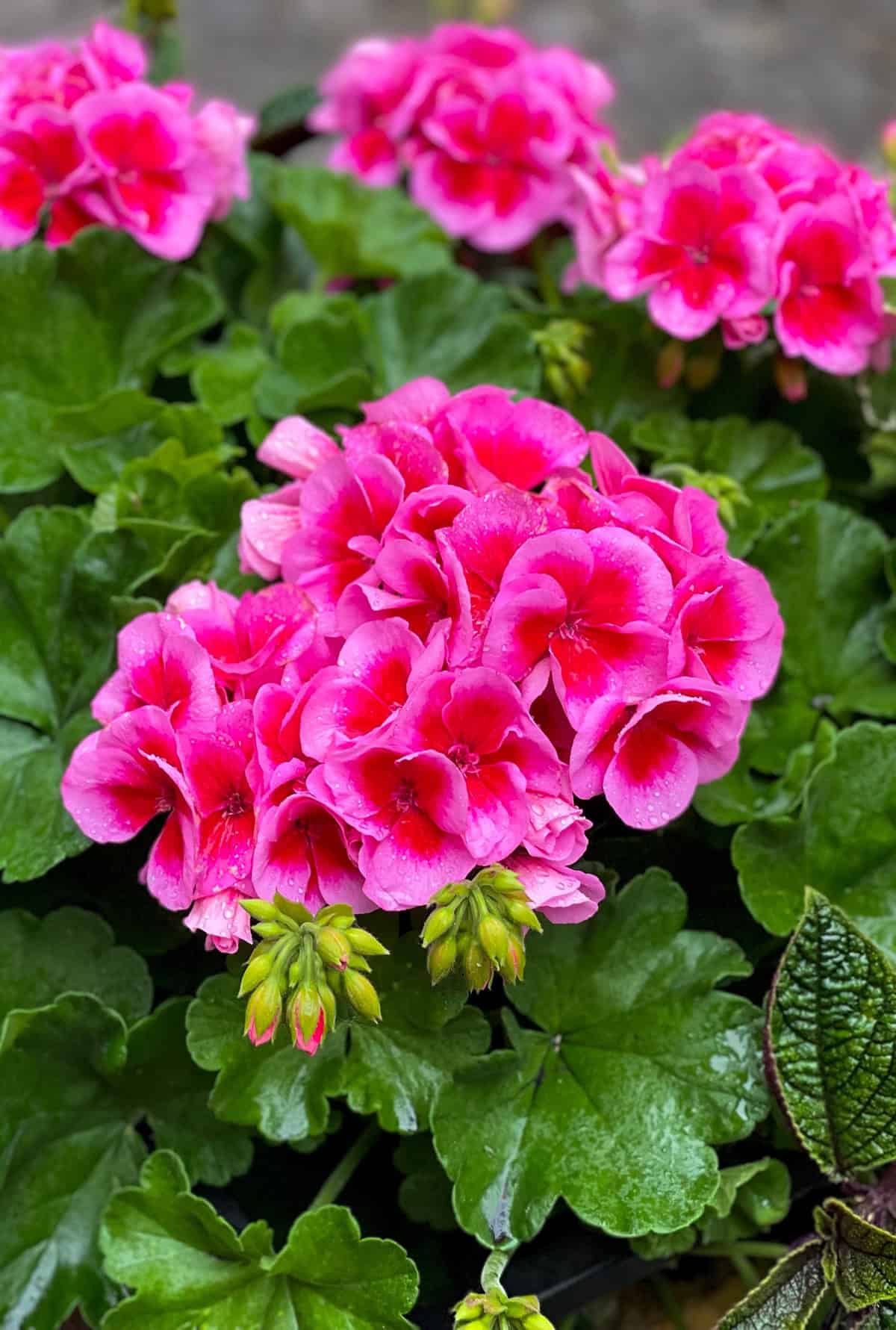
Bright flower clusters, scented leaves and easy care explain why annual geraniums (Pelargonium) show up everywhere, in pots, beds and borders.
Six hours of sun is ideal, in loose, well-draining soil. Water when the topsoil dries.
Snip off spent blooms for continued flowering. In cold regions, move plants indoors before frost and grow them on a sunny windowsill until spring.
Impatiens
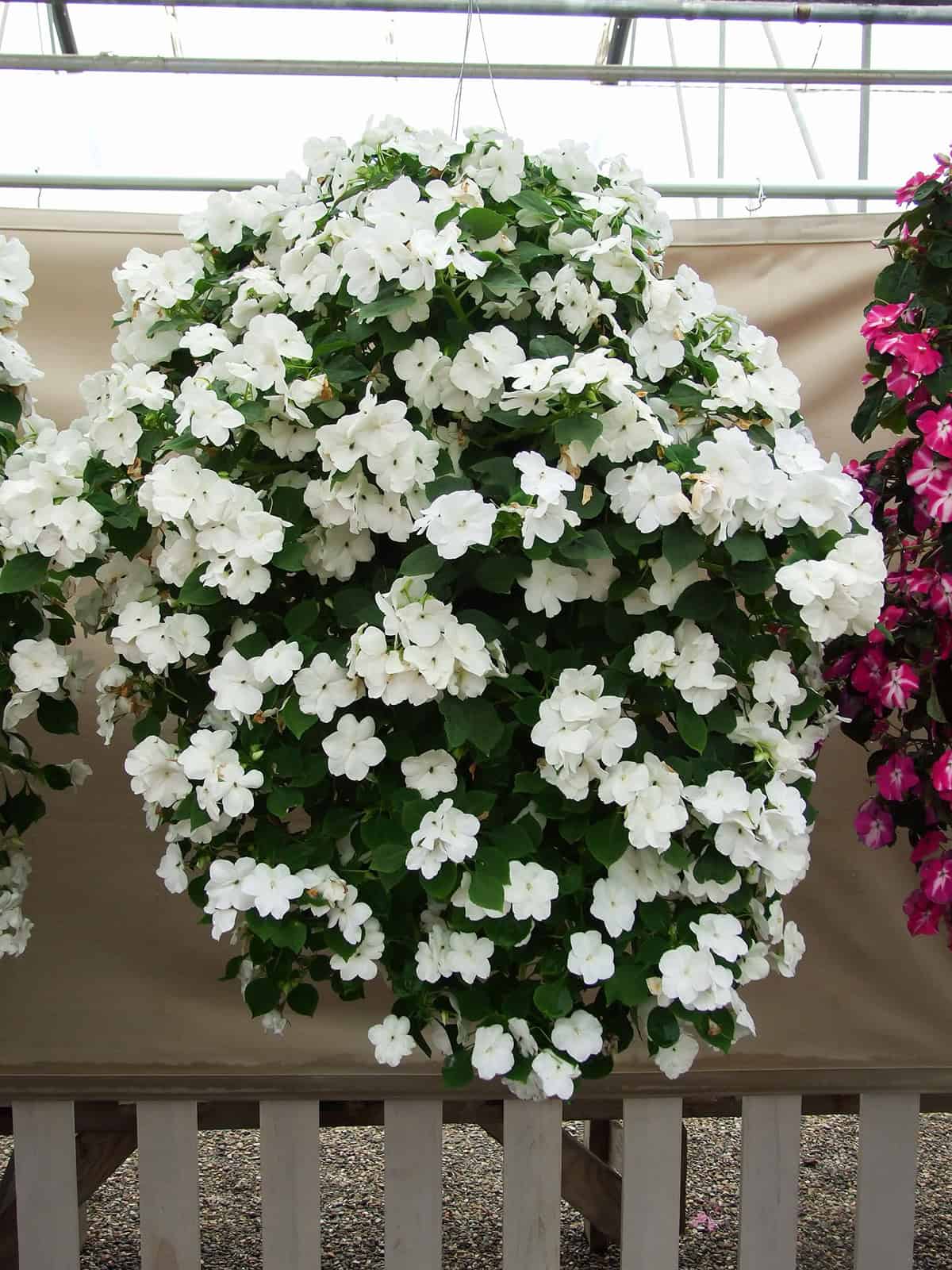
Shady spots come alive with impatiens, which cover themselves in soft pink, red, purple or white petals where most annuals struggle.
Moist, well-drained soil and shelter from harsh afternoon sun are essential. Heat and dry spells cause quick wilting, so water regularly and avoid soaking the soil.
Compact plants fit containers, the ground under trees and shady borders. In areas hit by impatiens downy mildew, New Guinea impatiens or the resistant Beacon series are safer choices.
Begonias
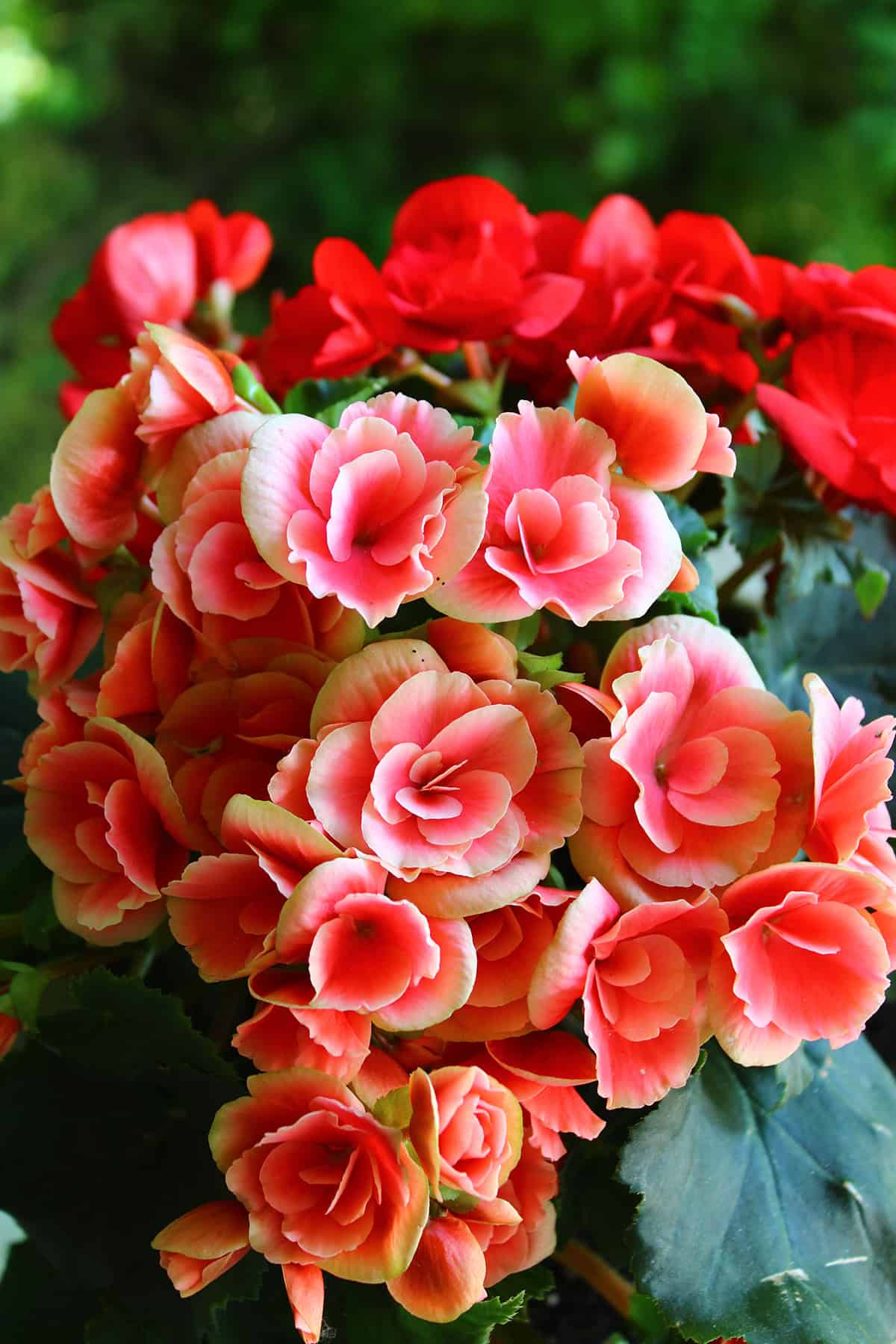
Begonias adapt to a range of light, from sun-tolerant wax types to shade-loving tuberous ones. Waxy leaves and showy flowers make them at home in beds and pots.
Well-drained soil and steady moisture are best, with the top of the soil drying slightly between waterings.
Choose fibrous, tuberous or rex types to match your site. Pinch back the stems for fuller plants.
Cosmos
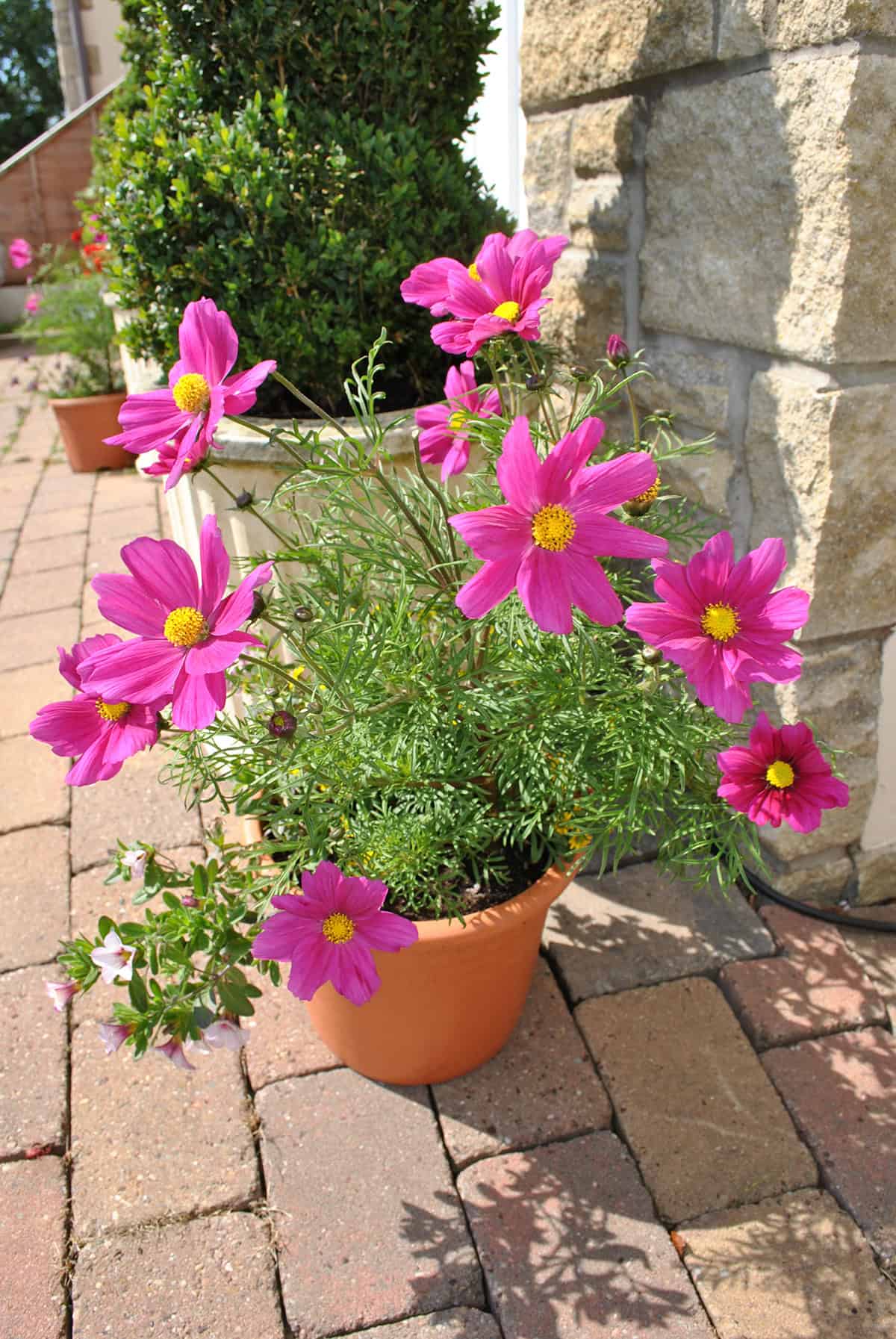
Cosmos grows fast and produces daisy-like flowers in pink, white and purple, even in poor soil. Feathery foliage lends the garden a soft, airy look.
Full sun is best, and established plants handle drought. Sow seeds outdoors after frost, and cosmos self-seeds for the following year.
Tall types flop with no support, while shorter cosmos fit borders. Cutting flowers for a vase prompts even more blooms.
Sunflowers
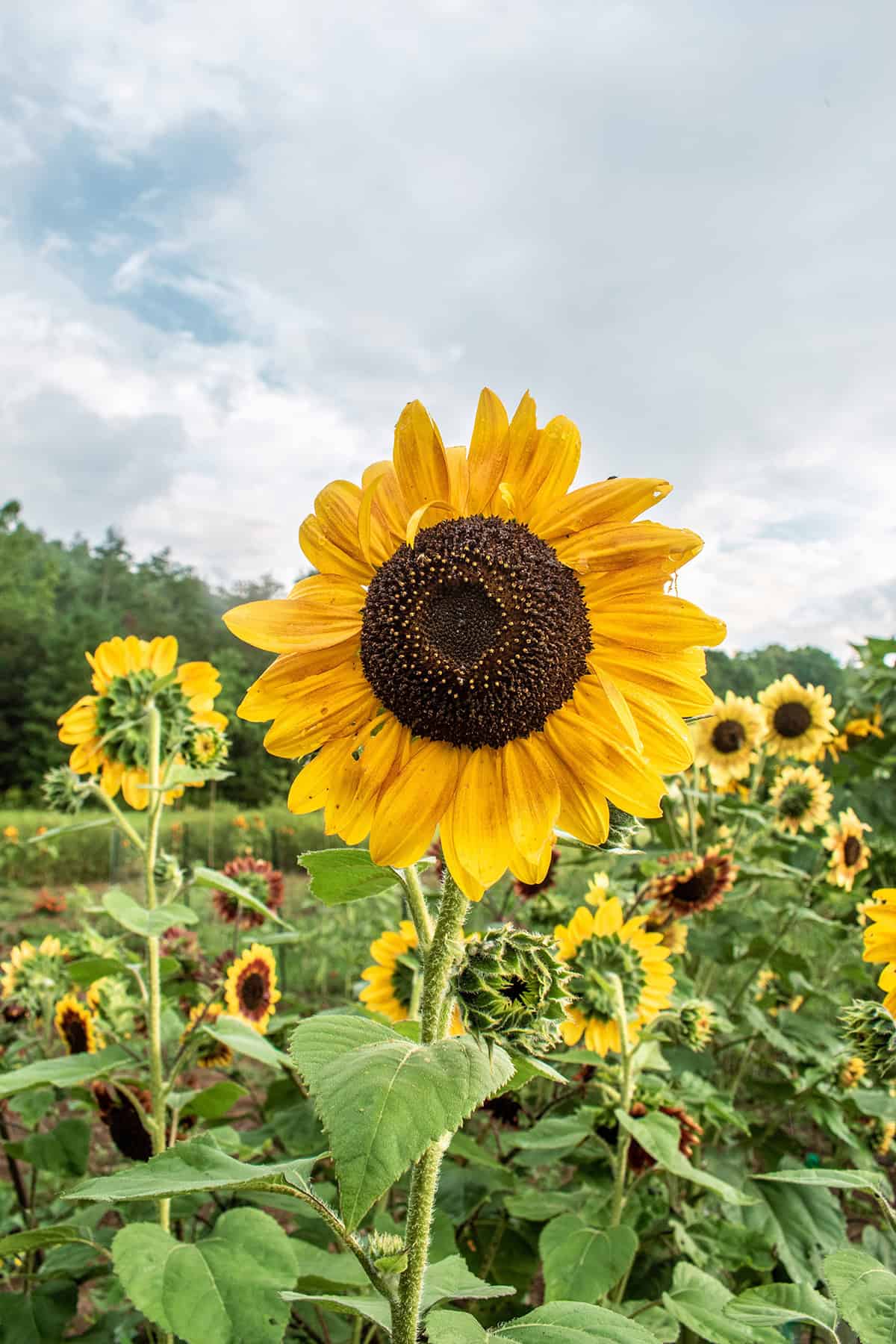
Towering stems and giant golden heads make sunflowers the showstoppers of summer. Young flower buds follow the sun across the sky, and mature heads settle facing east.
Full sun and well-drained soil are essential. Space plants generously for their roots, and stake tall types in windy spots.
Dwarf sunflowers fit pots and small gardens, and birds and pollinators visit every type.
Morning Glories
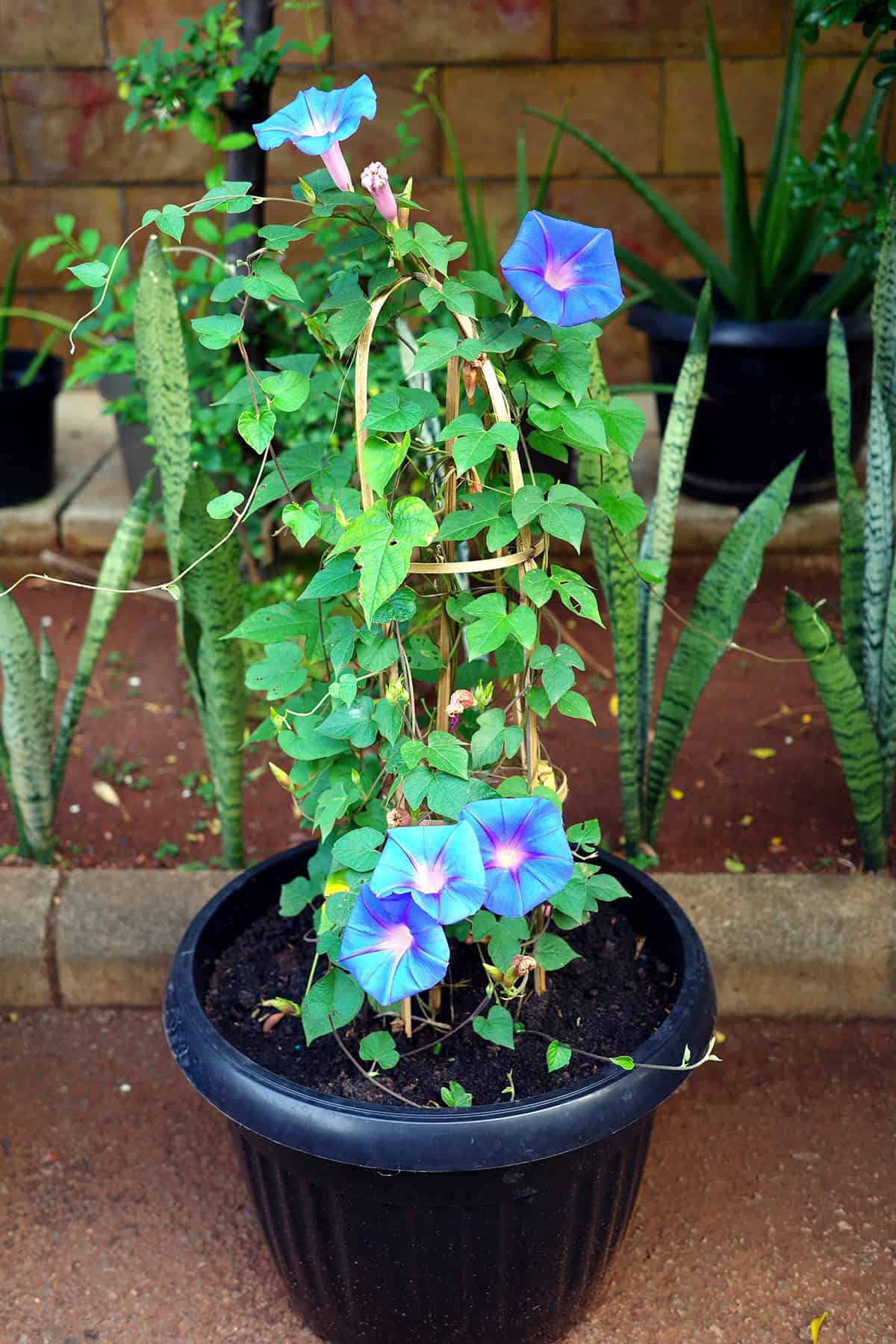
Fast-climbing morning glories cover trellises and fences with heart-shaped leaves and flowers that open at sunrise and close by afternoon.
Full sun and average soil are enough. Sow seeds where you want the vines, since they dislike transplanting, and soak or nick the seeds overnight for faster sprouting.
Vines reach 10 feet or more in a season and self-seed readily. The seeds are toxic, so plant them away from children and pets.
Nasturtiums
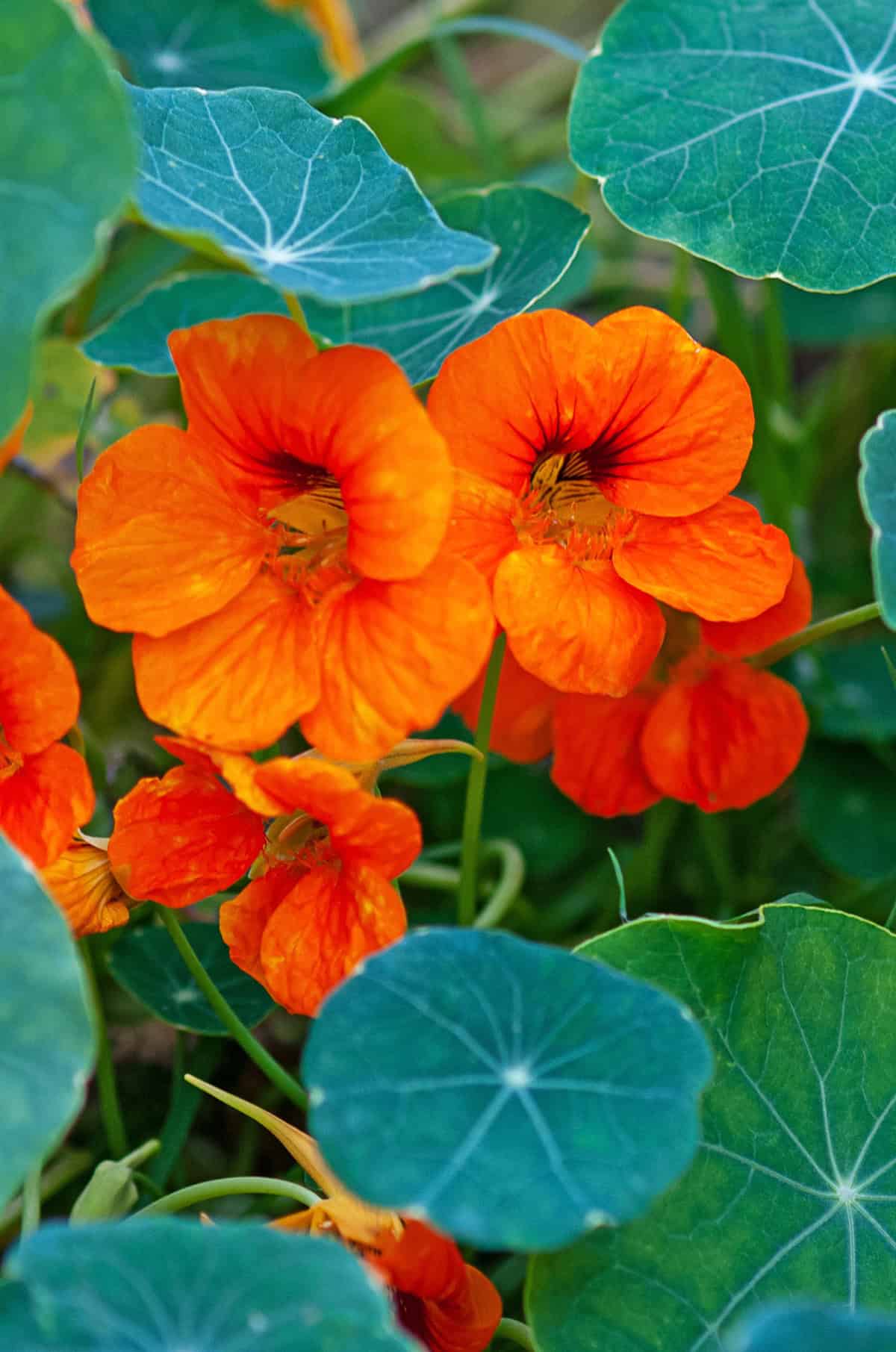
Round leaves and vivid orange, yellow and red flowers make nasturtiums a treat, and both leaves and blooms are edible with a peppery bite.
Poor soil produces the most flowers, since rich soil and fertilizer push leaves. They grow easily in pots, borders and hanging baskets.
Direct-sow after frost. Trailing types cover ground or cascade over edges.
Sweet Peas
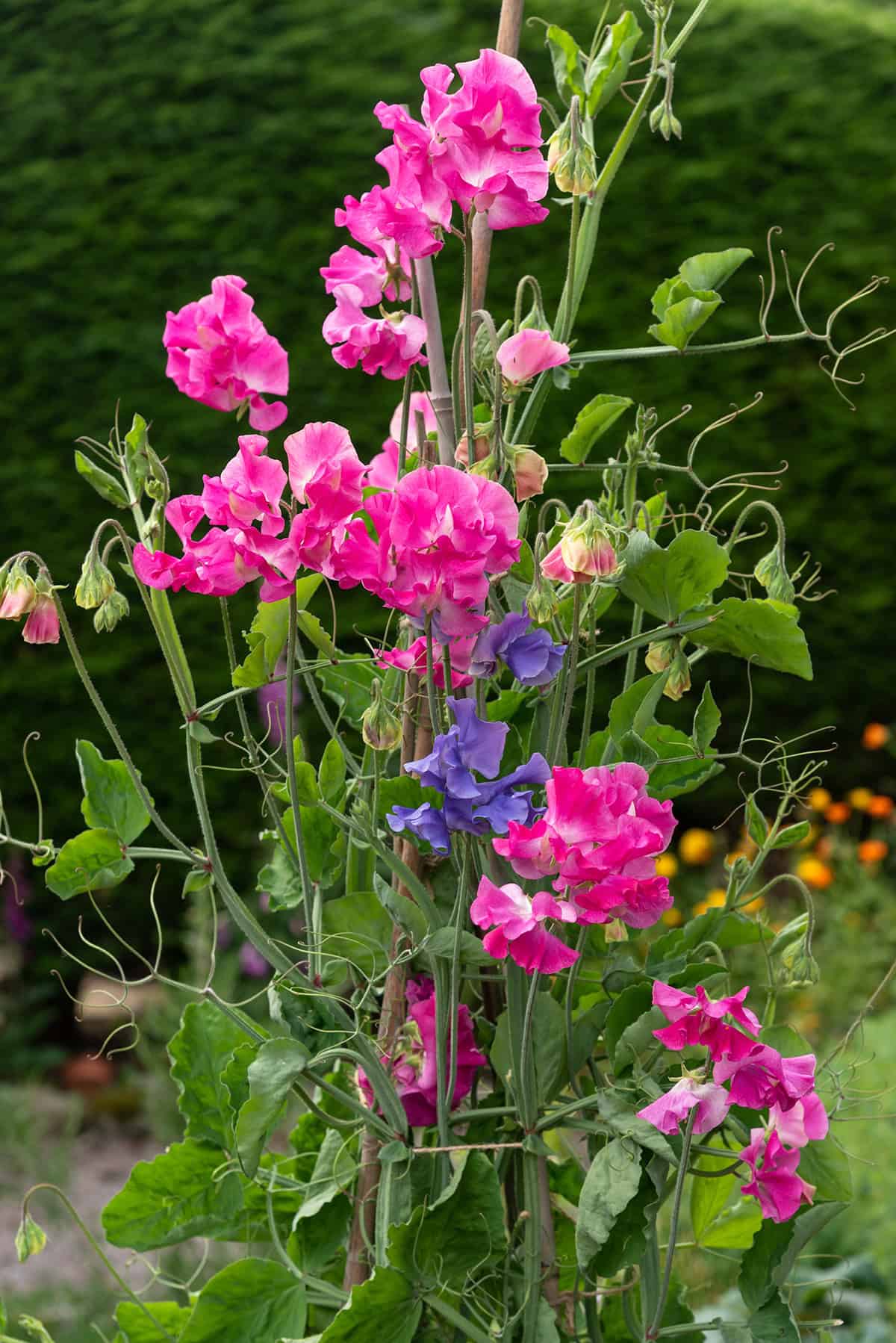
Sweet peas climb trellises and fences with a little help, and their pastel or bold blooms carry a famous fragrance.
They need cool weather, so plant them as soon as the soil is workable in early spring. Rich, well-drained soil and steady moisture are best, and mulch cools the roots.
Provide netting or stakes to climb, and cut blooms for bouquets to encourage more.
Pansies
Pansies add early color with their cheerful, face-like markings and handle chilly spring days easily.
Sun or partial shade is fine, in rich, well-drained soil that is moist and never soggy.
Use them in borders and window boxes, and pinch off old flowers for blooms into early summer.
Violas
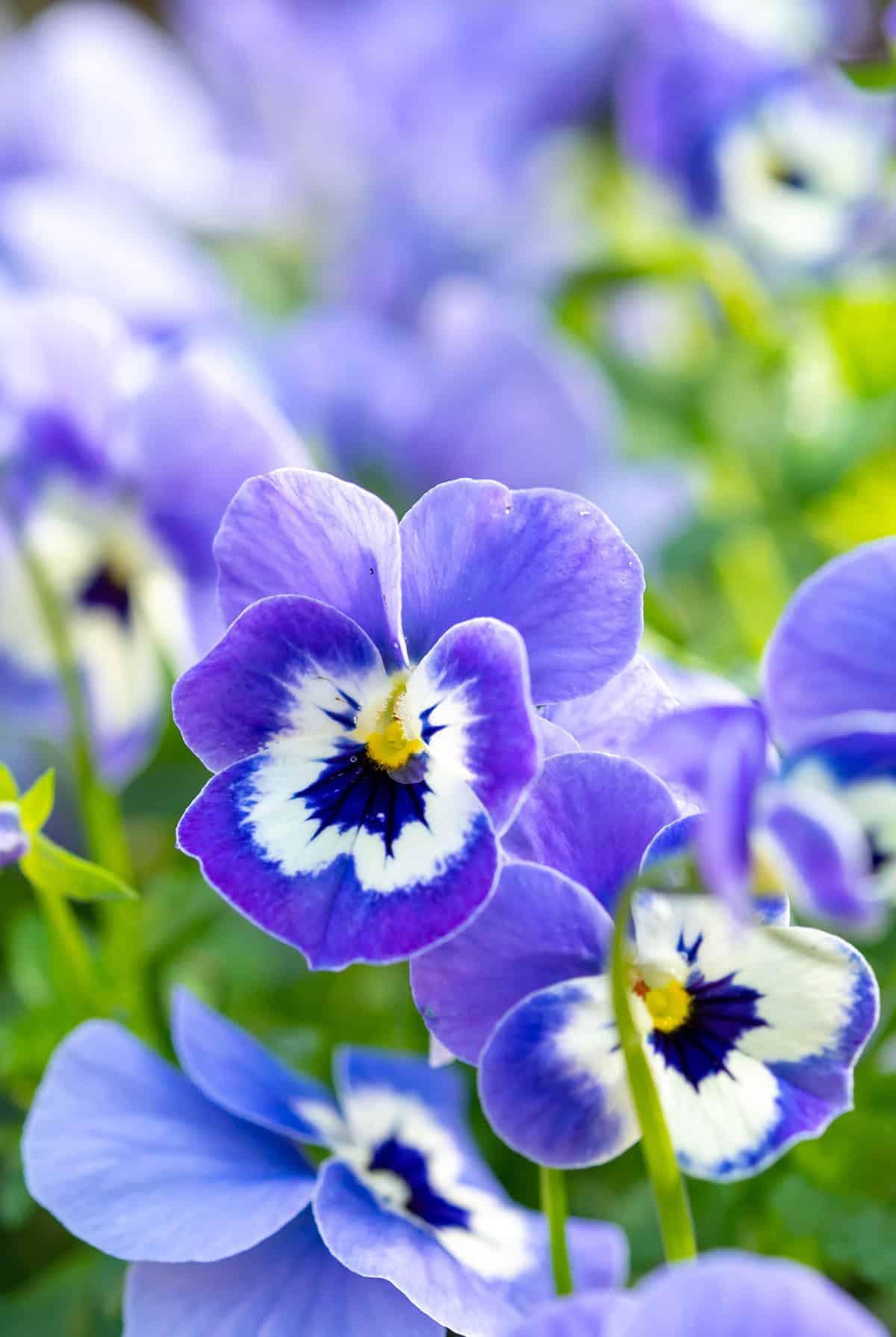
Violas look like smaller, hardier pansies and bloom for longer. They self-seed, so new plants appear the following year.
Cool weather is ideal, in sun or light shade and moist, fertile soil.
Use them for edging, rock gardens and containers. The small blooms attract early pollinators.
Dianthus
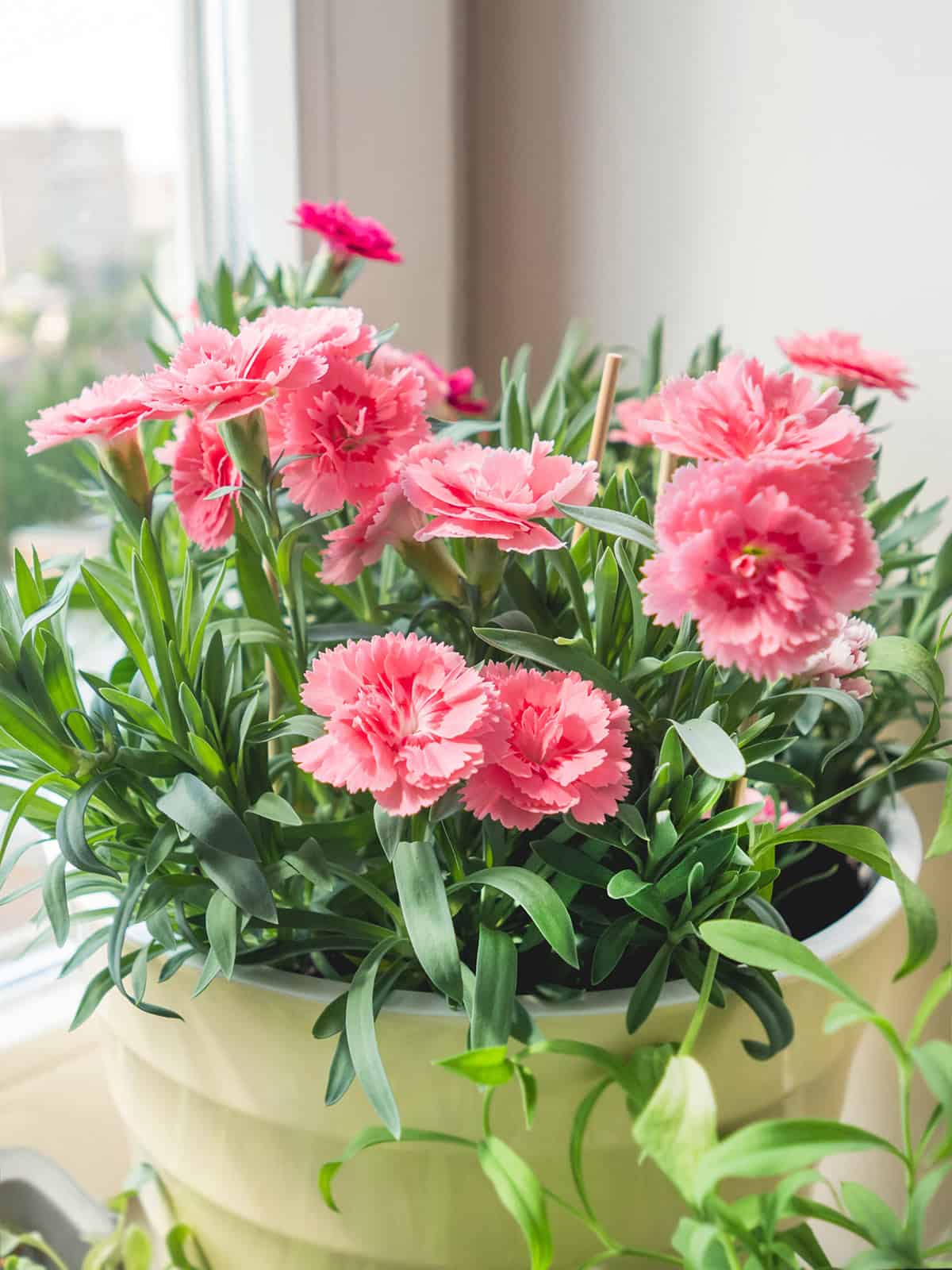
Spicy-scented flowers with fringed petals in pink, red or white set dianthus apart.
Full sun and soil that drains well are essential. Let the soil dry slightly between waterings, and deadhead for more blooms.
The compact plants fit borders and rock gardens. Some types are perennial, and others grow as annuals or biennials.
Alyssum
Low mats of tiny white, pink or purple flowers with a sweet scent make alyssum a favorite of pollinators.
Full sun is best, though a little shade is fine. Established plants need only light watering.
Edge paths, fill gaps or tuck it between rocks. Alyssum flowers from spring into fall in cool-summer climates, and a midsummer shearing revives it after heat stalls the bloom.
Snapdragons
Tall snapdragon spikes open their flowers from the bottom up, in nearly every color except blue.
Plant them early in spring, since they prefer cool weather, in sun and well-drained soil.
Snapdragons fit borders, cutting gardens and pots. Pinch back young plants for more branches and flowers.
Lobelia
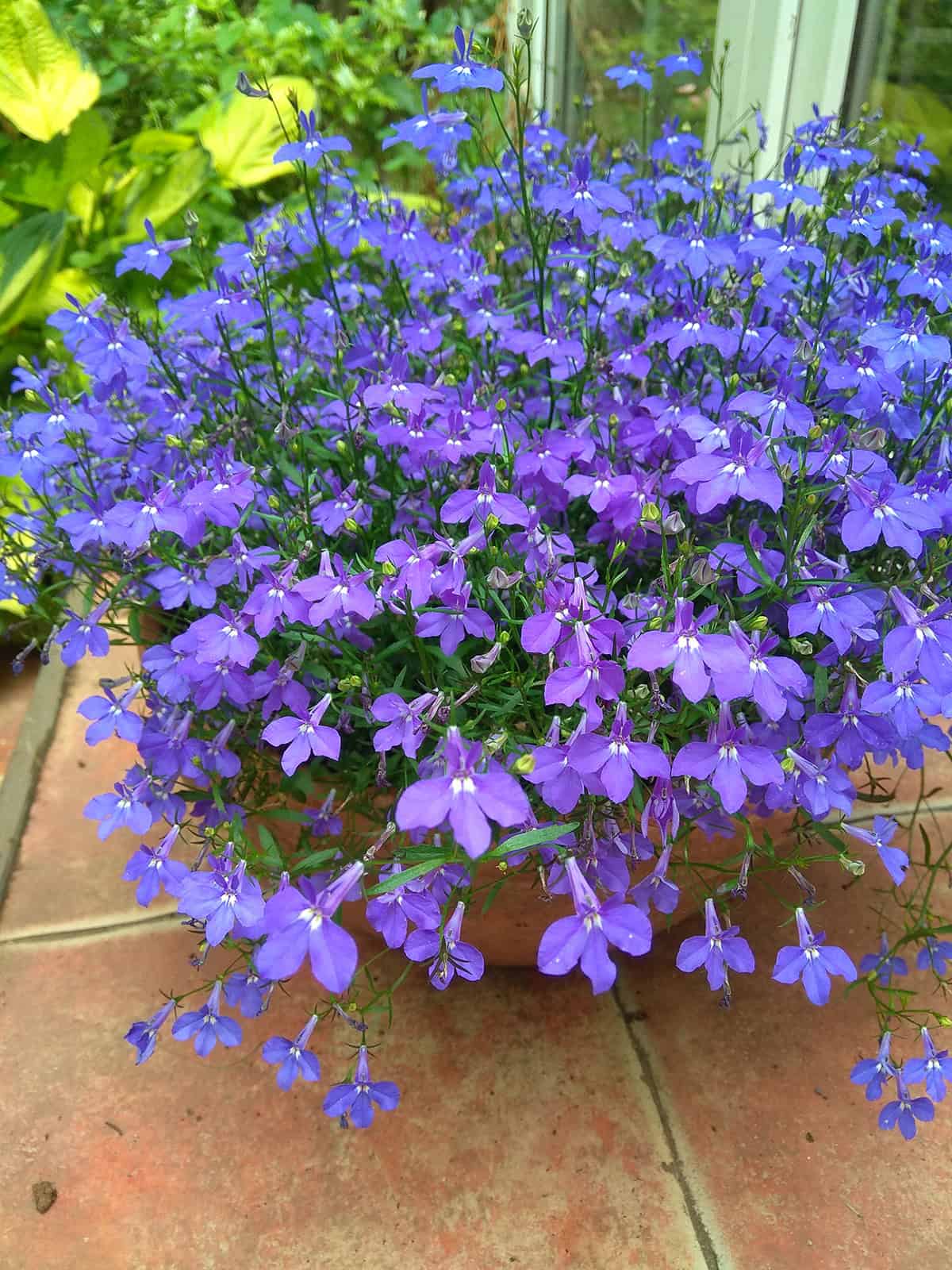
Small blue, purple or white flowers cover lobelia, a favorite for hanging baskets, window boxes and border edges.
Cool temperatures and some afternoon shade extend its season in hot climates. Water so the soil is evenly moist and never soggy.
Trailing types spill over edges nicely. Shear scraggly plants back for a fresh flush of blooms.
Calendula
Daisy-like calendula flowers in yellow and orange handle chilly weather and bloom into fall in cool-summer regions.
Full sun and average soil are enough. Sow seeds directly outdoors in early spring.
The edible petals brighten salads and tea. Deadhead for more flowers and slower seed set.
Phlox
Phlox comes in tall border types and low ground covers, and the flower clusters draw butterflies and hummingbirds.
Full sun is best, with light shade fine. Fertile, well-drained soil and regular water during dry spells produce healthy plants.
Creeping phlox covers slopes and gaps between stones with spring color, while tall garden phlox fills summer beds.
Delphiniums
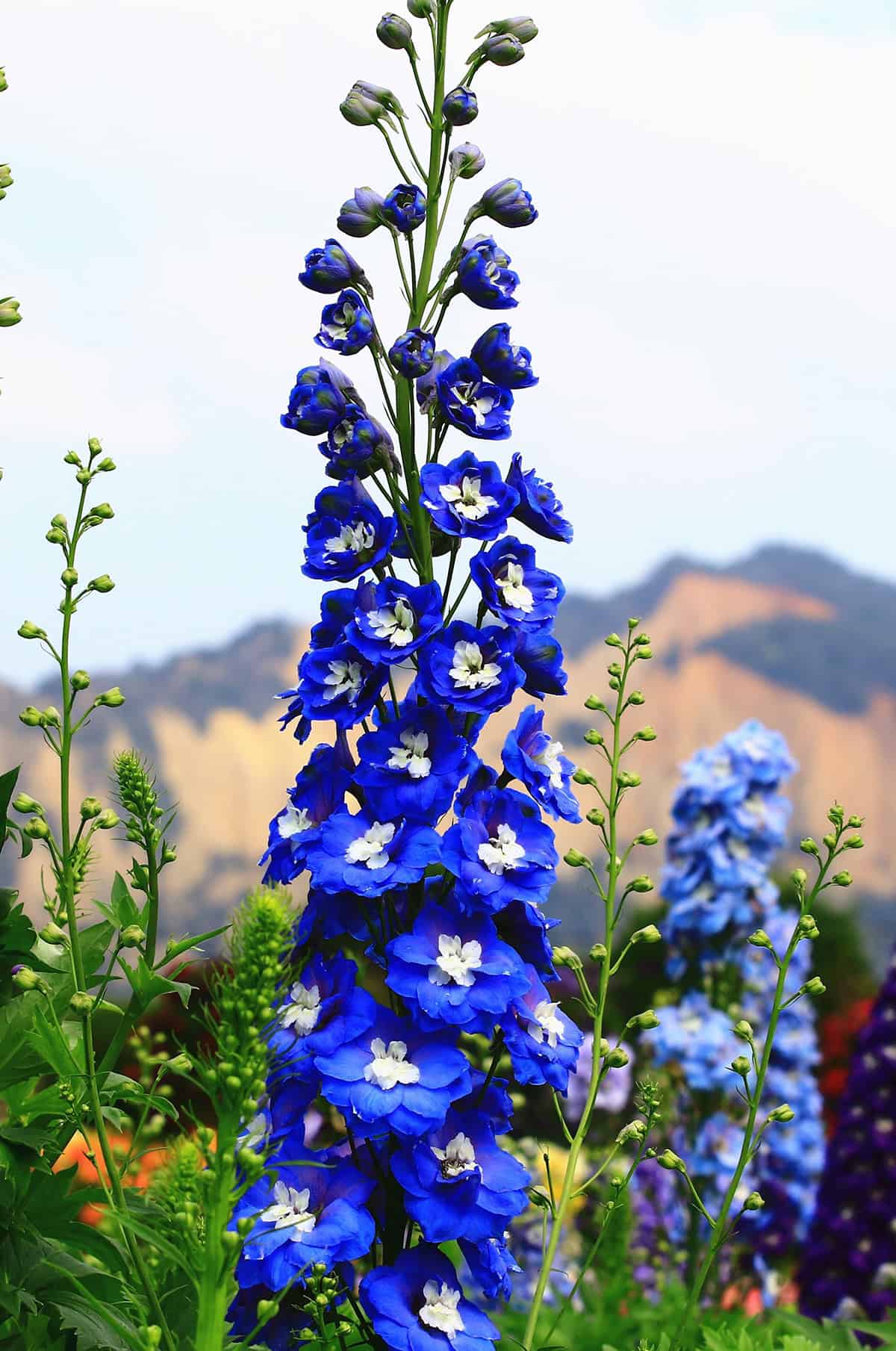
Tall spikes of blue, purple or white delphiniums create vertical drama in the border.
Cool summers, rich soil and plenty of sun are best. Tall stems snap in wind, so staking is a must.
Feed and water regularly, and cut back spent spikes to trigger a second round of flowers. All parts are toxic if eaten.
Black-Eyed Susans
Gold petals around dark centers make black-eyed Susans a tough perennial, and they bloom from midsummer into fall.
Full sun and average soil are enough, and established plants handle drought with little care.
Use them in borders, meadows and wild corners. Pollinators love them, and they last well in a vase.
Shasta Daisies
Classic white petals and yellow centers appear on Shasta daisies from early to midsummer, year after year.
Sun and well-drained soil are best. Snip off old blooms to extend the season.
Sturdy stems make them good for arrangements, and they fit cottage and cutting gardens.
Coneflowers (Echinacea)
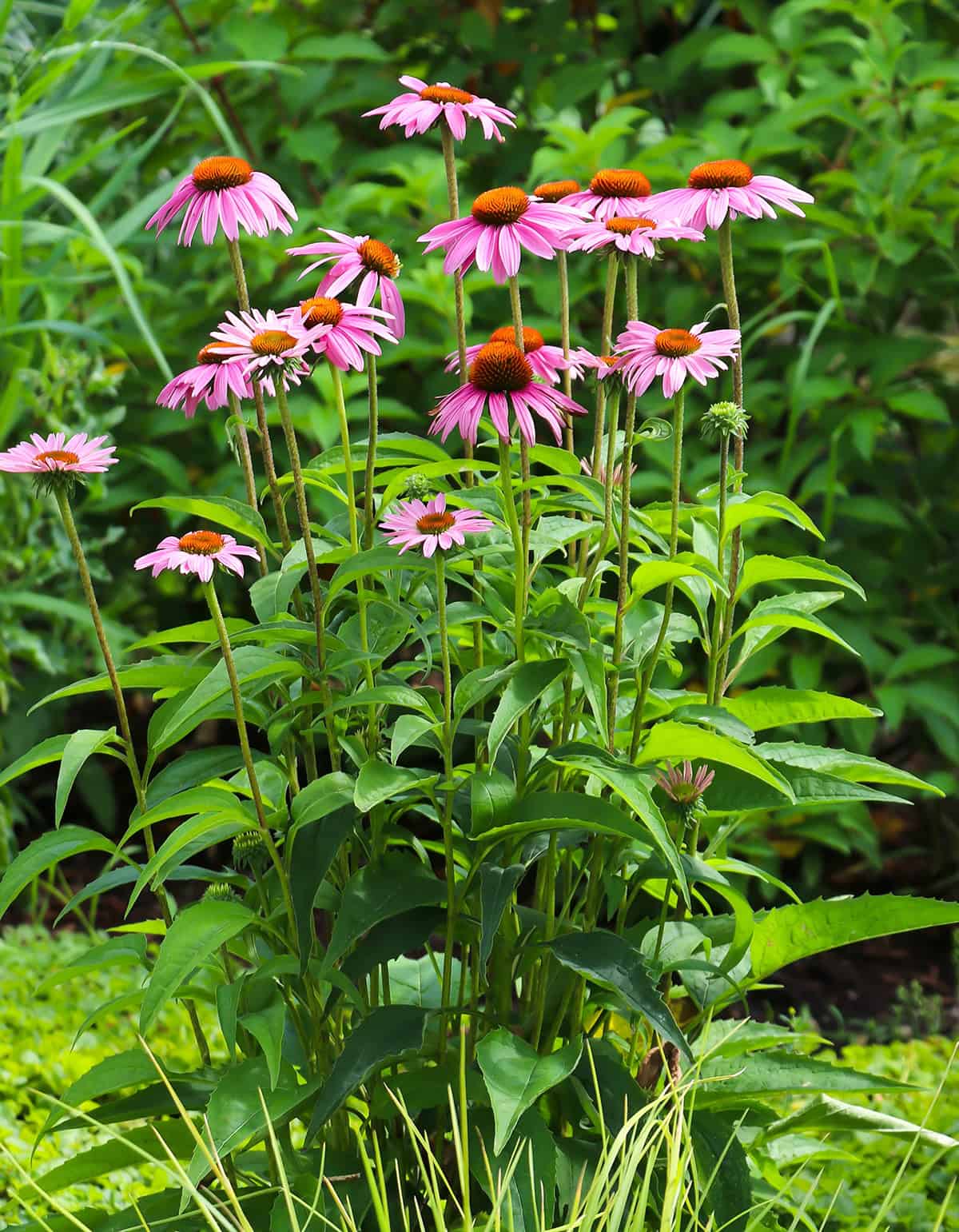
Long-lived coneflowers produce purple, pink or white petals around raised centers that attract bees and butterflies.
Full sun is best, and established plants handle dry spells with very little care.
Plant them in borders or wildflower patches, and leave the seedheads for birds in fall.
Coreopsis
Yellow or gold daisy-like coreopsis blooms appear all summer, and many types reseed on their own.
Full sun and well-drained soil are key, and established plants handle heat and drought.
Compact forms fit tight spaces, and tall ones fit looser plantings. Deadhead to limit self-seeding.
Columbine
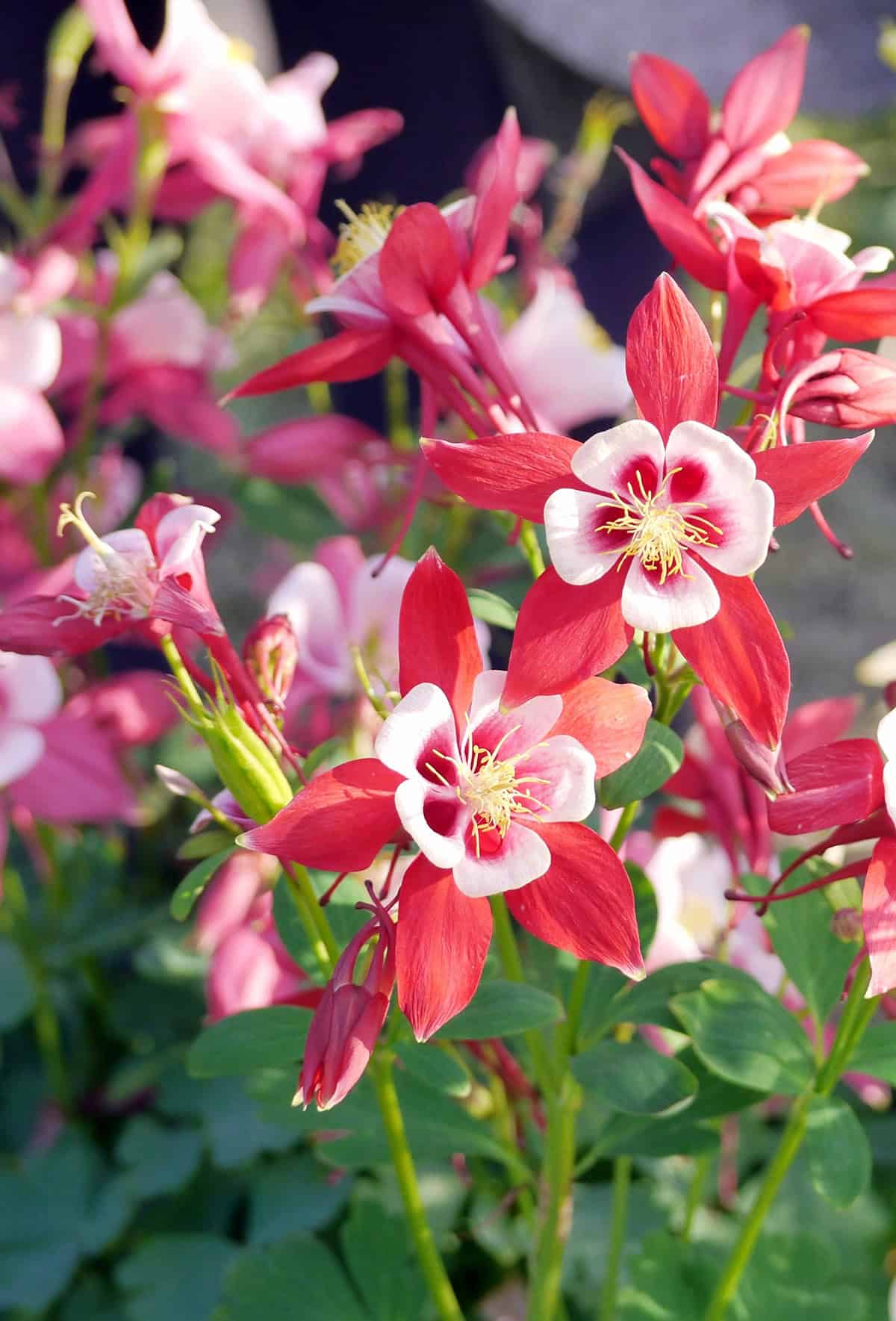
Spurred columbine flowers come in many colors and bloom in late spring and early summer.
Partial shade and well-drained soil are ideal, and the plants grow happily in rocky or woodland spots.
Columbines reseed and naturalize when left alone. Hummingbirds love the flowers, which add an unusual shape to shady corners.
Lavender
Fragrant purple spikes over soft gray-green foliage make lavender a garden favorite, and the flowers also flavor baked goods and tea.
Full sun and sharp drainage are essential. Heavy clay and overwatering kill the roots, so choose a sandy or gravelly spot.
Plant it in a border, an herb garden or a pot by the door. A trim after flowering produces a tidy shape and fresh growth.