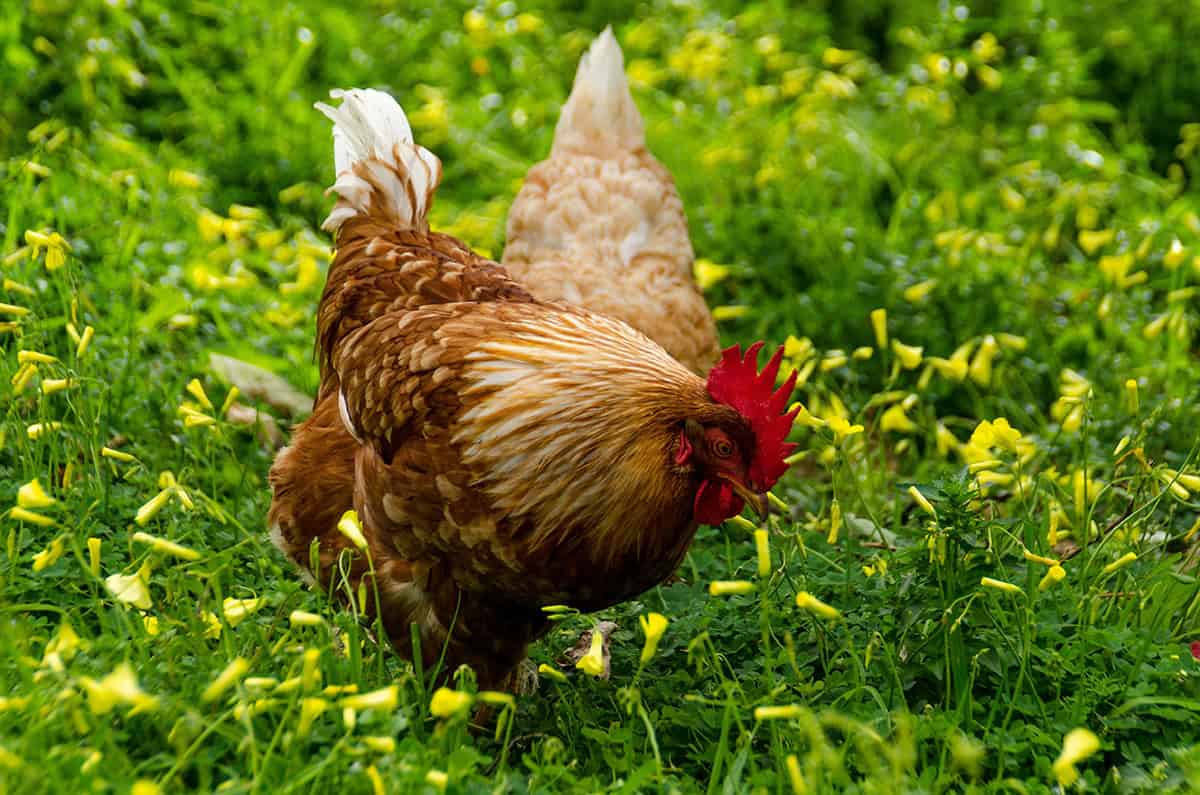
Kitchen-garden extras that people skip, like carrot tops, beet greens and broccoli leaves, make excellent chicken treats.
Grown on purpose, a few rows of greens and squash cut the feed bill and add variety to the flock’s diet.
Leafy greens take up most of the twenty-five spots, and squash, corn and borage fill the rest.
Table of Contents
- 25 Best Garden Plants To Grow As Chicken Food
- Kale
- Swiss Chard
- Collard Greens
- Spinach (Feed In Moderation Due To Oxalates)
- Lettuce (Romaine, Butterhead)
- Cabbage
- Mustard Greens
- Broccoli (Leaves And Stalks)
- Beet Greens
- Turnip Greens
- Carrot Tops
- Radish Greens
- Dandelion Greens
- Comfrey (High In Protein And Minerals)
- Alfalfa
- Chickweed
- Clover
- Amaranth (Leaves And Seeds)
- Sunflower (Leaves And Seeds)
- Squash (Flesh And Seeds)
- Pumpkin (Flesh And Seeds)
- Zucchini
- Cucumber
- Corn (Fresh Or Dried Kernels)
- Borage (Flowers And Leaves Are Edible And Loved By Chickens)
25 Best Garden Plants To Grow As Chicken Food
Treats and garden greens supplement a complete layer feed and should make up no more than about 10% of the daily diet. Wash produce from treated gardens, and hang greens or use a treat feeder to cut down on waste.
Kale
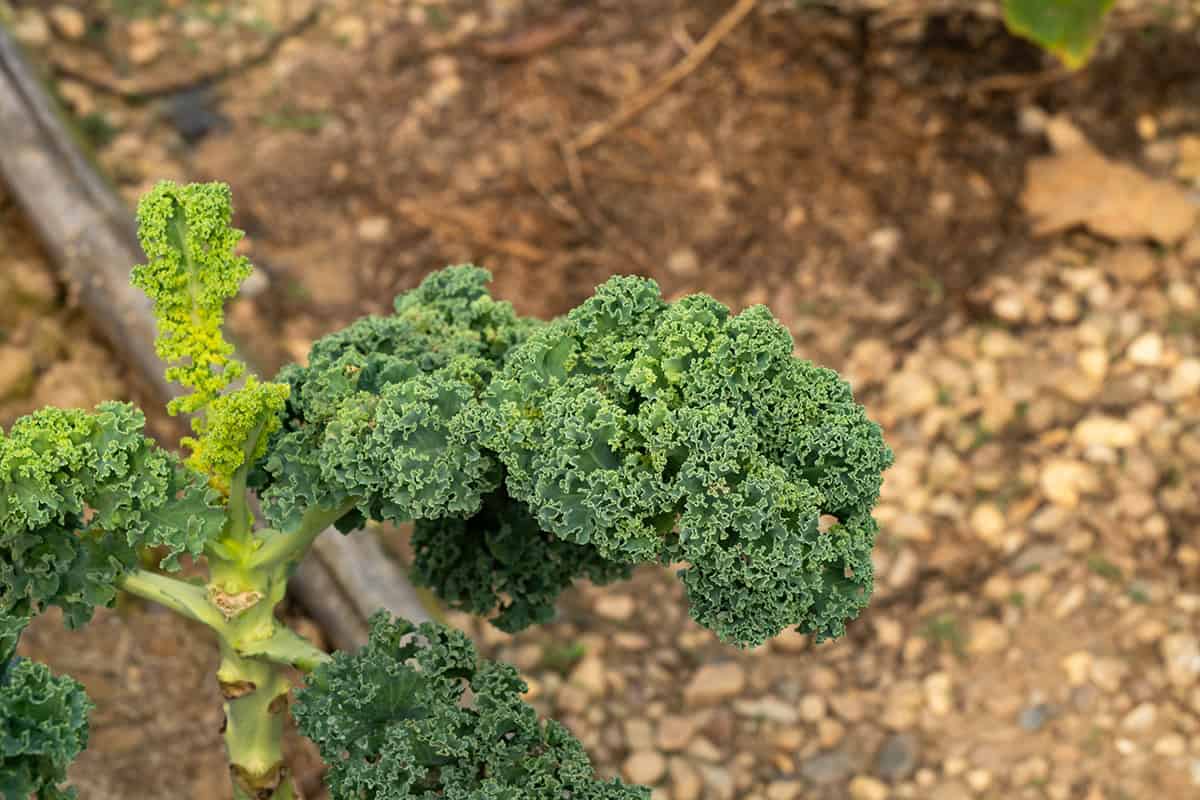
Kale supplies vitamins A, C and K, and chickens eat both the leaves and tender stems, raw or lightly cooked. It produces from spring through fall and survives frost, which stretches the harvest well into winter.
Hang a whole plant or a bundle of leaves in the run, and the flock strips it clean in an hour or two.
Swiss Chard
Swiss chard carries calcium, iron and vitamins A and K in its broad leaves and colorful stems. It regrows quickly after cutting, so a short row supplies greens all season.
Chard contains oxalates like spinach, so mix it with other greens rather than serving it alone every day.
Collard Greens
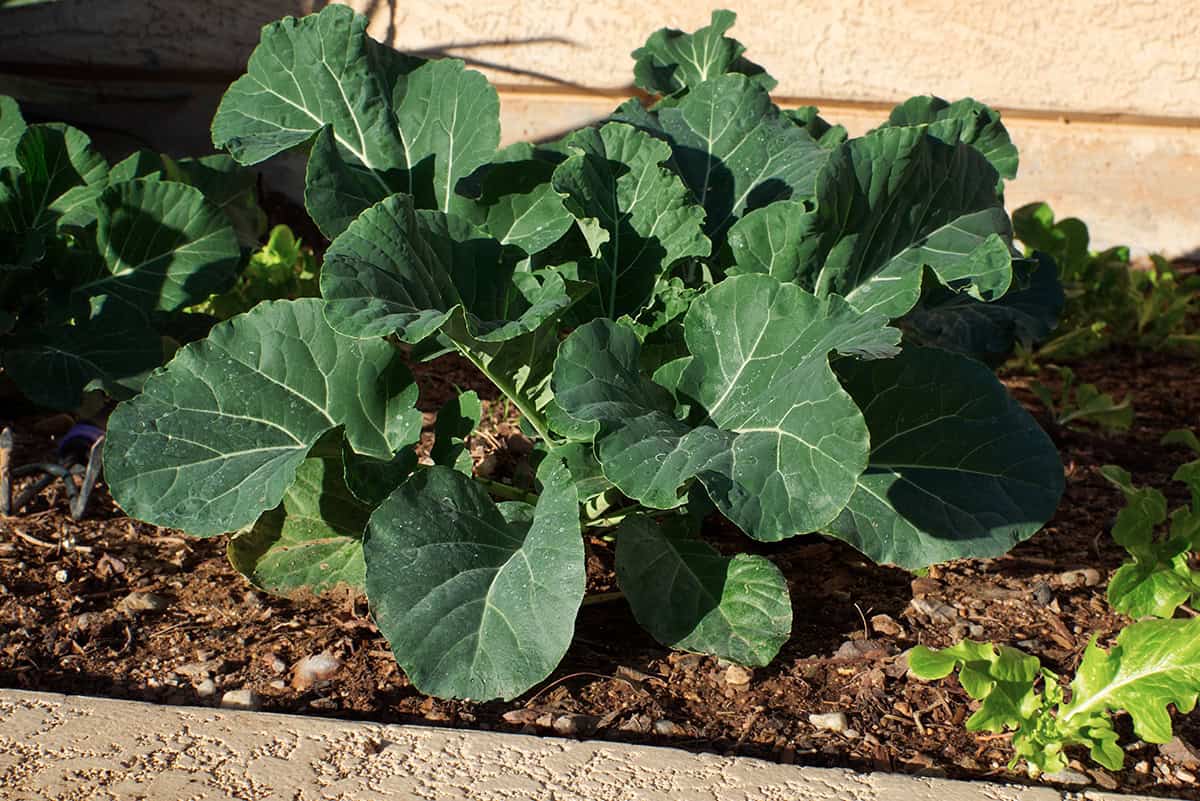
Collard greens supply calcium and fiber and produce well after light frosts. Plant in spring or late summer for long harvests.
Chickens peck at the leaves and tough midribs, which occupies them for a good while. Harvest the lower leaves first and let the center grow on.
Spinach (Feed In Moderation Due To Oxalates)
Spinach grows best in cool weather and carries vitamins A and K and iron. It also contains oxalates, which bind calcium and interfere with strong eggshells when fed in large amounts.
Serve small handfuls mixed with other greens, a few times a week at most.
Lettuce (Romaine, Butterhead)
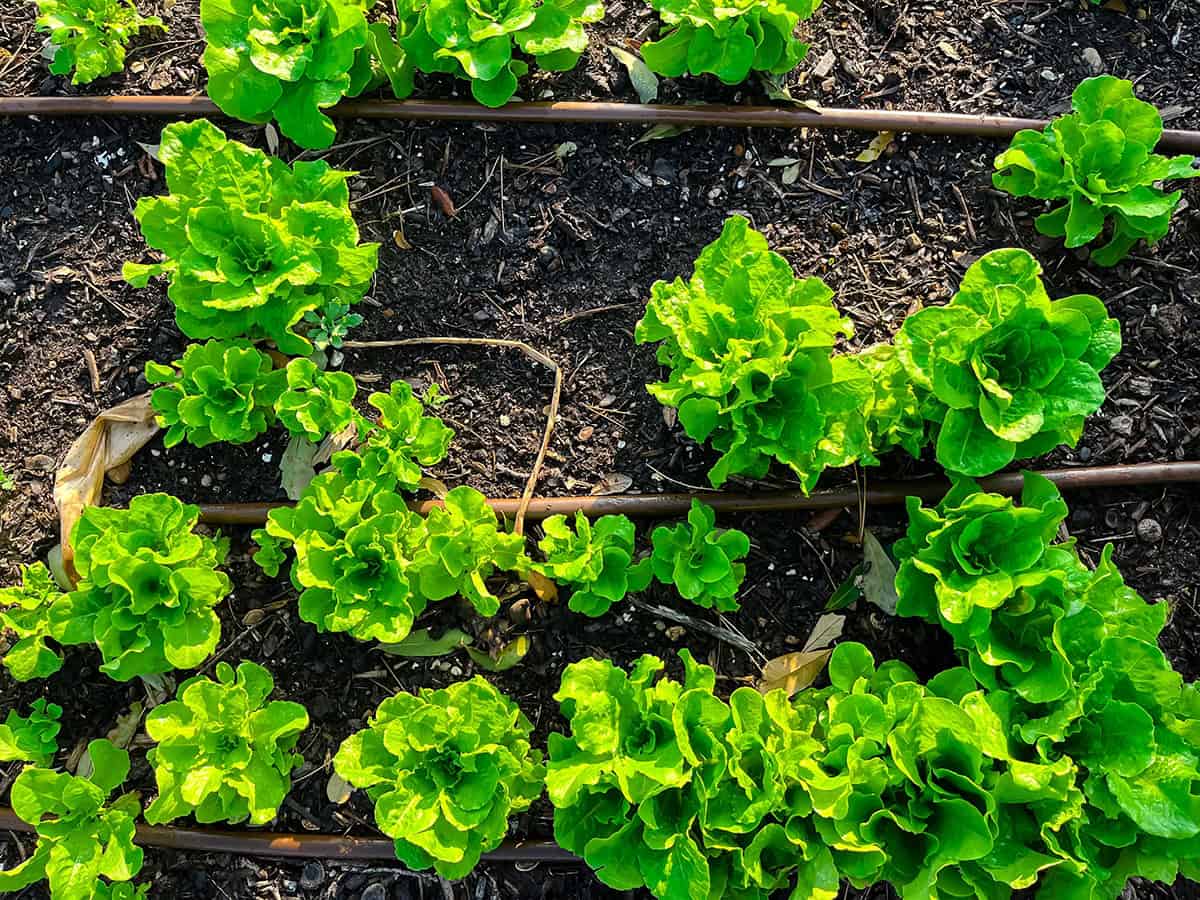
Romaine, butterhead and leaf lettuces supply vitamins and plenty of water on hot days. Iceberg holds little nutrition, so skip it.
Lettuce grows quickly in beds or containers, and chickens eat the leaves, ribs and cores. Sow a new row every few weeks for a steady supply.
Cabbage
A whole cabbage hung from a string in the run becomes a pecking toy that occupies bored hens for hours. Cabbage supplies vitamins C and K and fiber.
Grow it in spring or fall, when cool weather produces firm heads. Feed it in moderation, since brassicas in very large amounts affect thyroid function.
Mustard Greens
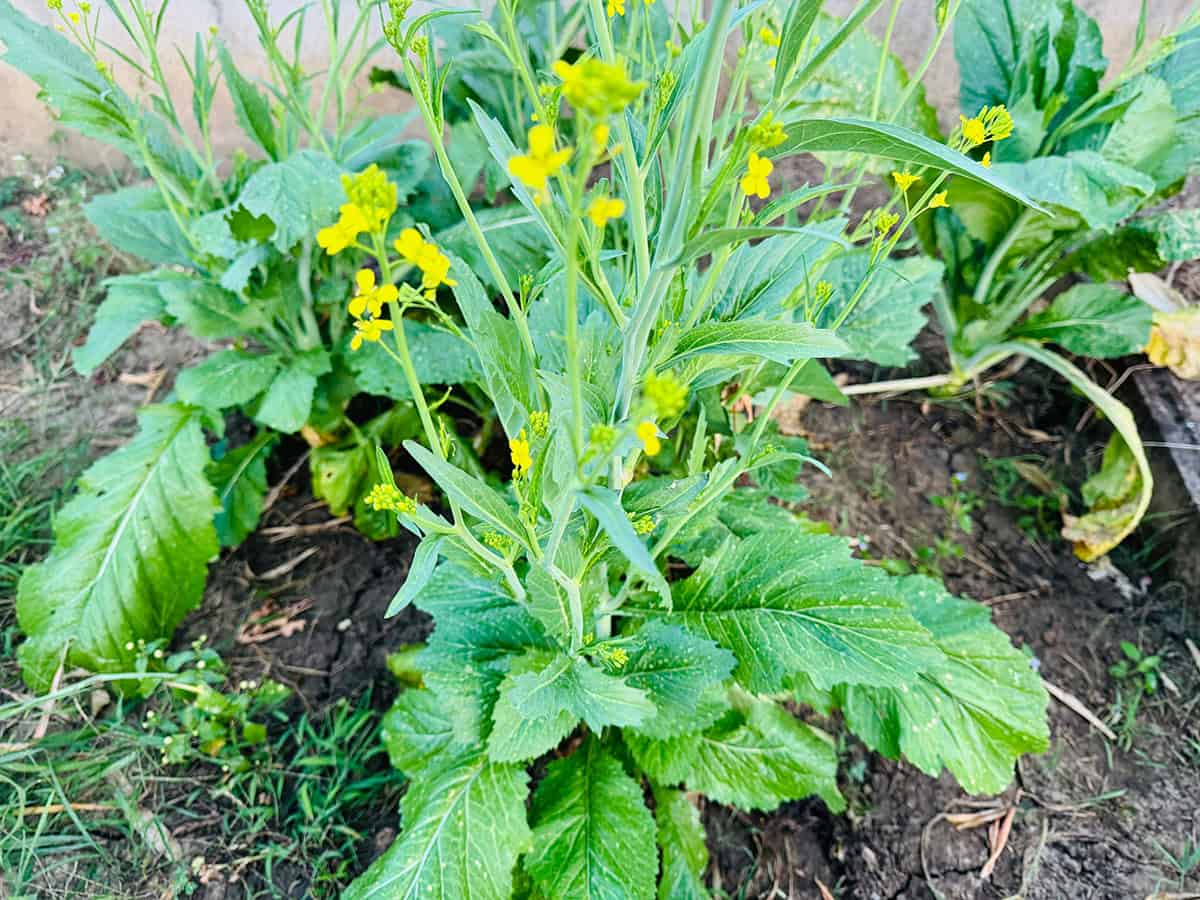
Mustard greens carry a peppery bite and plenty of vitamins A and C. Some chickens take a little time to warm up to the flavor, so mix them with milder greens at first.
They grow fast from seed and handle cool weather well, though they bolt quickly in summer heat.
Broccoli (Leaves And Stalks)
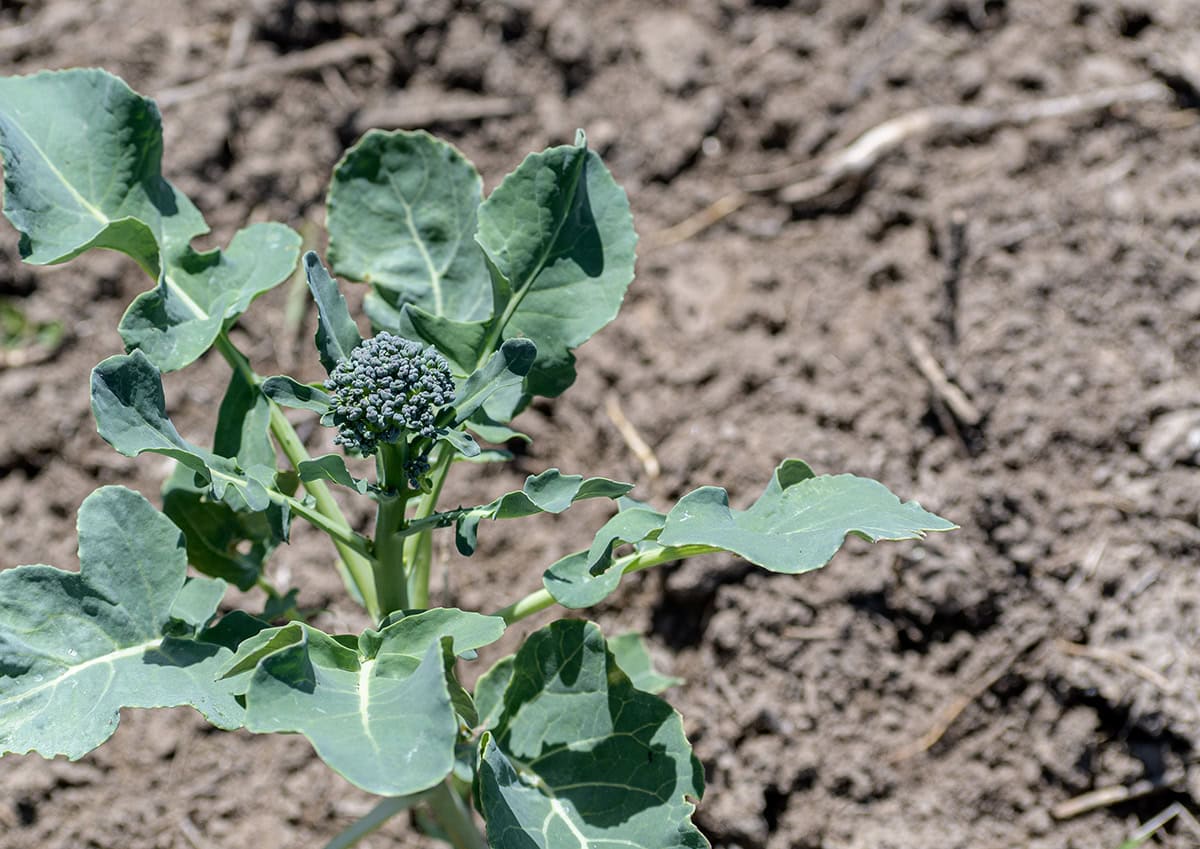
Broccoli leaves and stalks, commonly tossed out after harvest, make a nutritious treat raw or cooked. They supply vitamins A and C.
Chop thick stalks into smaller pieces, or hang the whole plant in the run after harvest for the flock to pick over.
Beet Greens
Beet tops carry vitamin K, iron and manganese, and a single beet harvest puts two crops to use. Like chard, beet greens contain oxalates, so mix them with other greens.
Chop older, tougher leaves before tossing them into the run.
Turnip Greens
Turnip greens supply calcium and vitamin K, both helpful for strong eggshells. The plants grow fast in cool weather and regrow after cutting.
Toss the roots to the flock too, chopped or halved, once the greens are harvested.
Carrot Tops
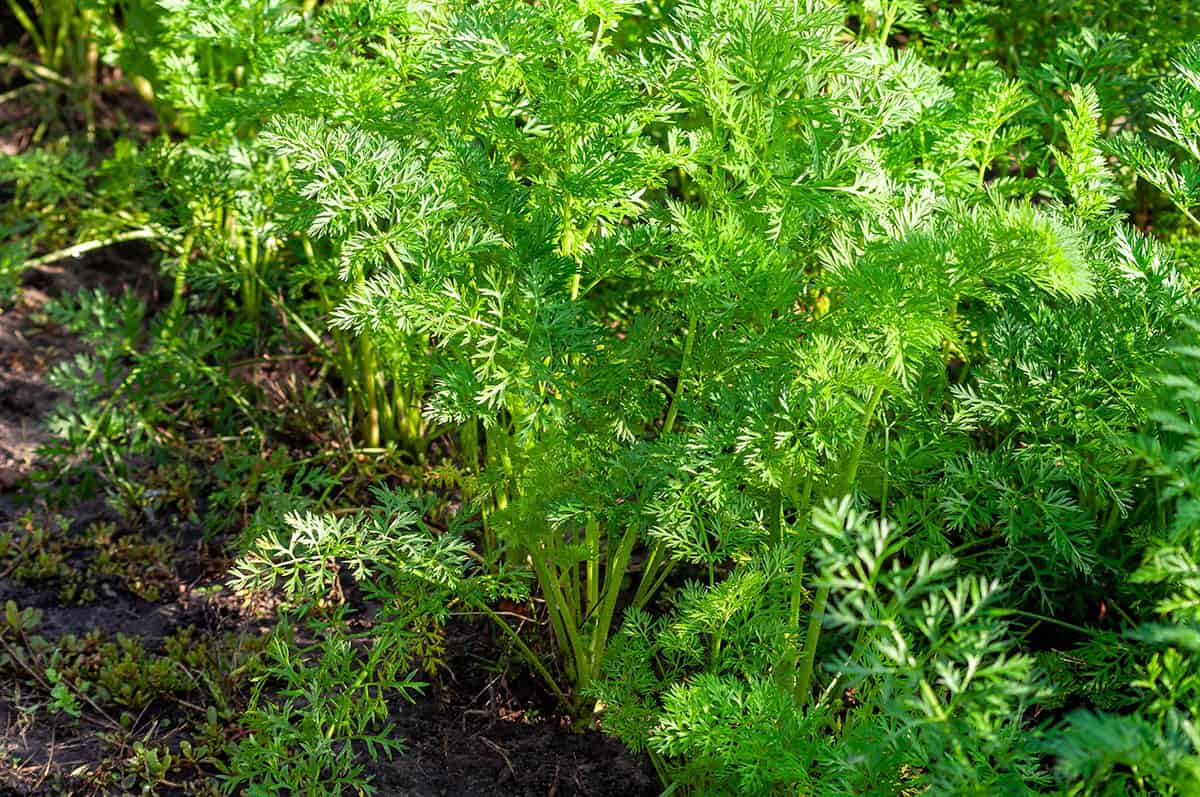
Carrot tops carry potassium and vitamins, and chickens peck at both the feathery greens and the stems. Chop the tougher stems for easier eating.
Thinning a carrot row in early summer produces a handful of tender tops at the same time. Cull carrots and peels make a treat as well.
Radish Greens
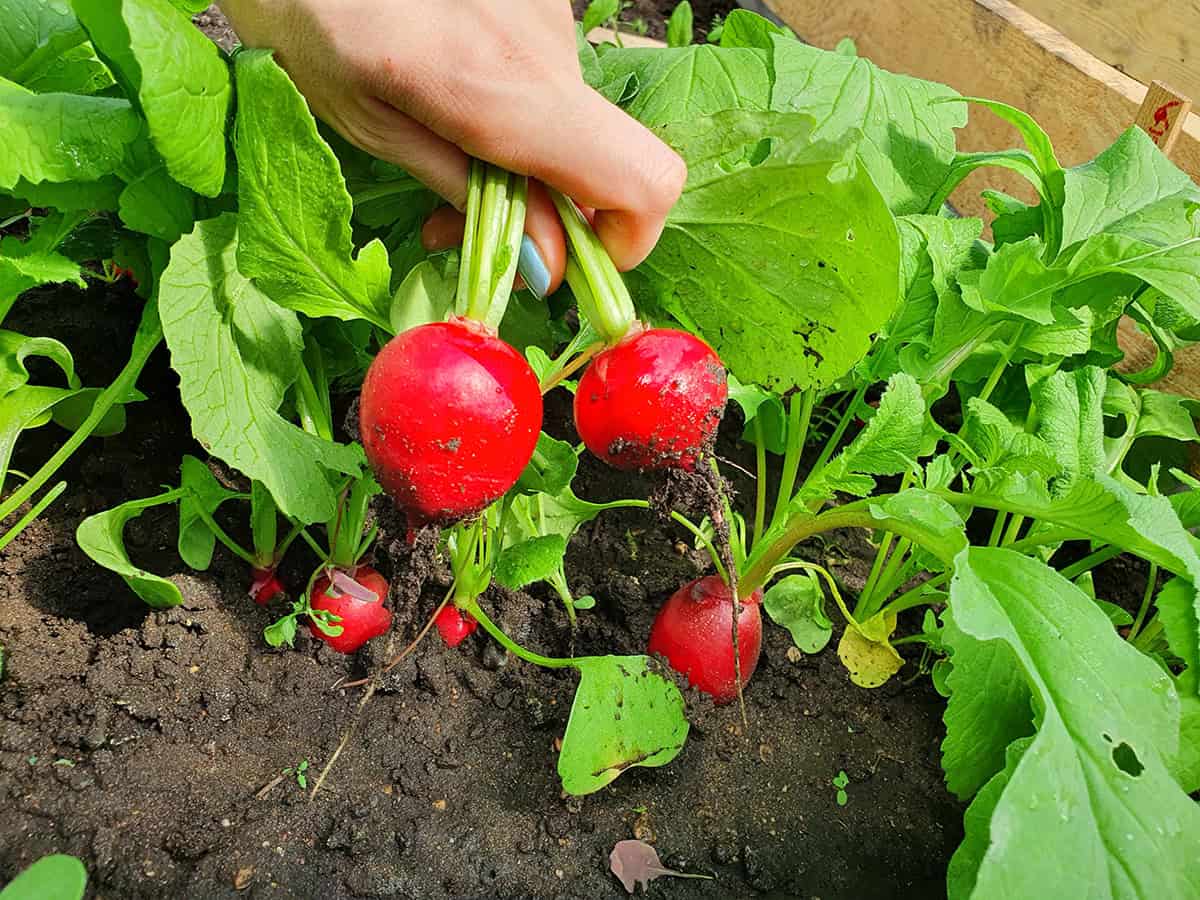
Vitamins, minerals and a mild peppery flavor come packed in radish greens. Radishes sprout within days and mature in about a month, which makes them one of the fastest chicken crops.
Feed the leafy tops along with any split or overgrown roots.
Dandelion Greens
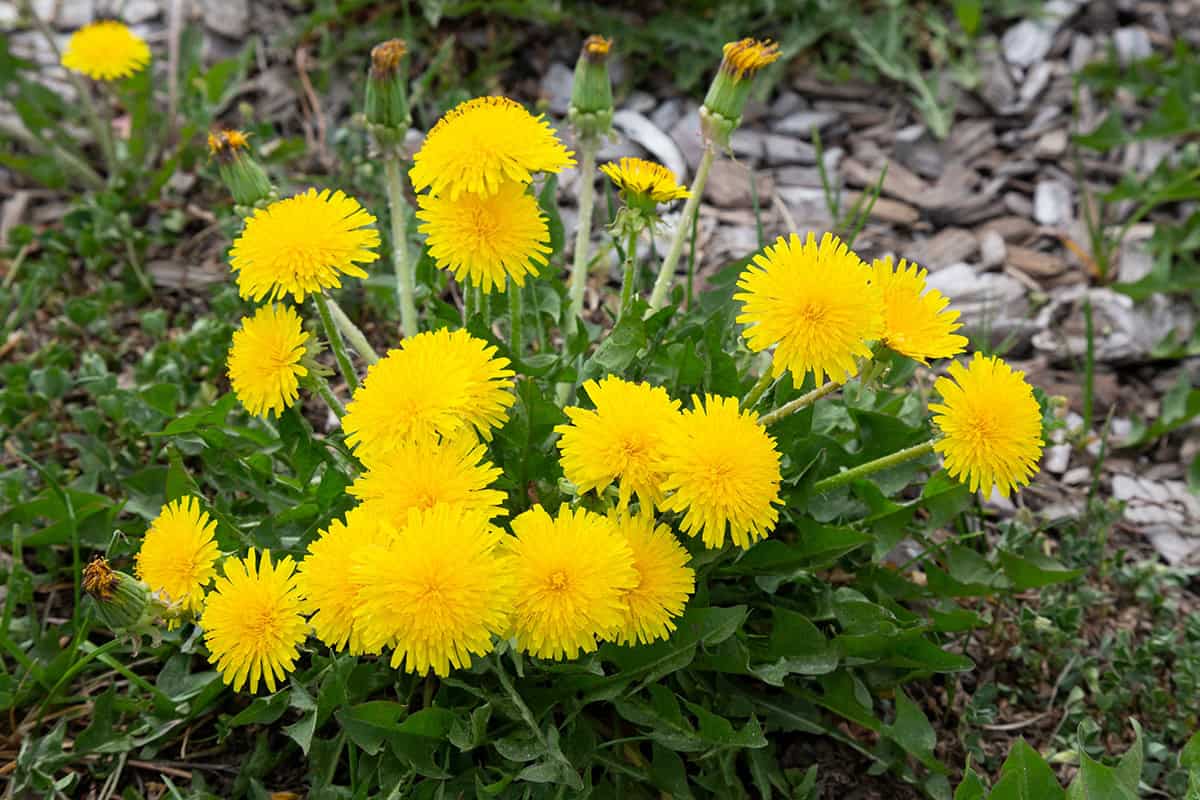
Dandelion leaves supply vitamins A and C, calcium and iron, and chickens eat them eagerly along with the flowers. A patch left to grow in a rested section of the run supplies greens nearly year-round in mild climates.
Pull dandelions only from areas free of herbicides and lawn chemicals.
Comfrey (High In Protein And Minerals)
Comfrey grows huge, fast leaves rich in protein, calcium and potassium. It regrows after several cuttings each season.
Comfrey also contains pyrrolizidine alkaloids, which damage the liver over time, so serve it as an occasional treat rather than a daily green. Extra leaves speed up the compost pile for the rest of the garden.
Alfalfa
Alfalfa, a protein-rich legume, supports egg production and feather growth. Grow it in a patch for fresh cuttings, or sprout the seeds indoors for winter greens.
Cut it before flowering, when the shoots are tender. Established plants handle drought with their deep taproots.
Chickweed
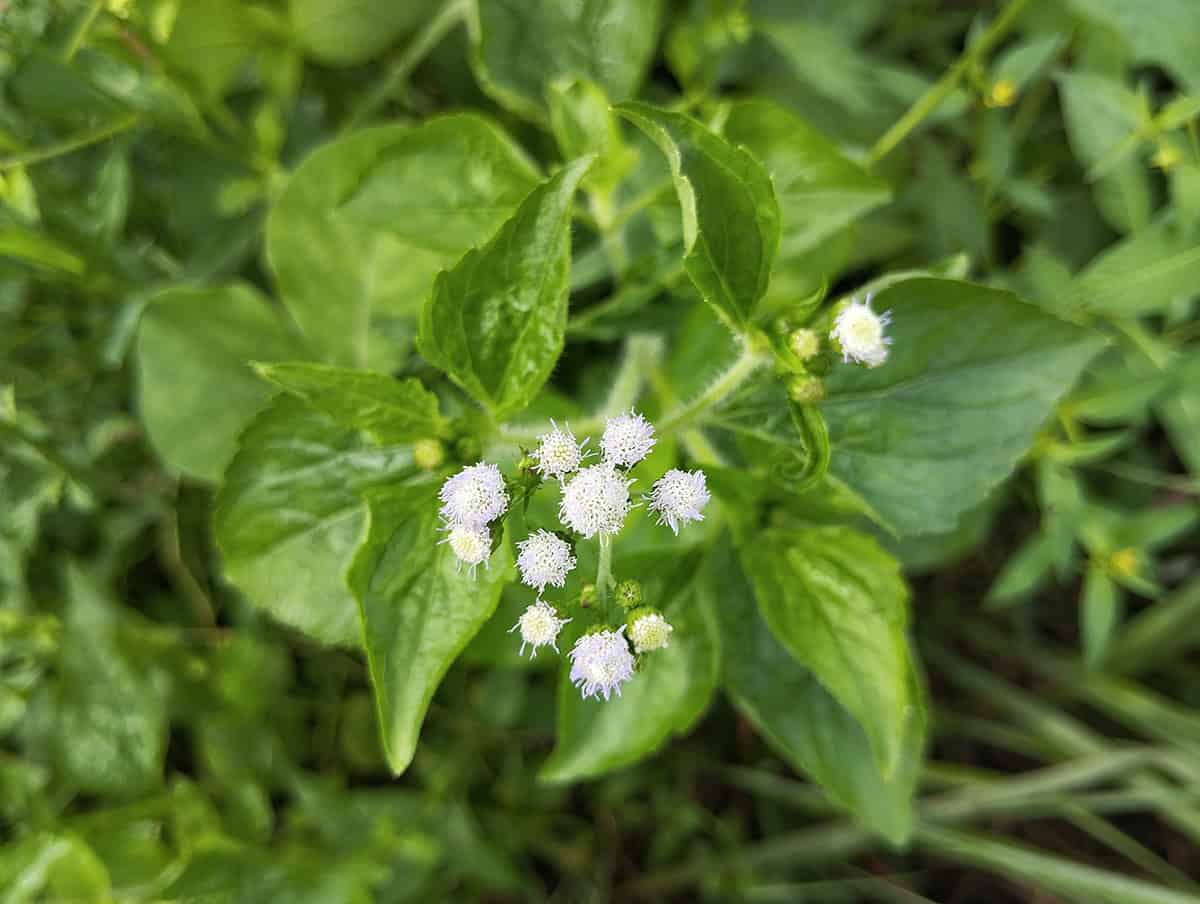
Chickweed carries its name for good reason, since chickens love the tender leaves and tiny white flowers. It supplies vitamins and minerals.
It grows with almost no effort in cool, damp, shady spots and self-sows freely. Pull handfuls in spring and fall, when it grows fastest.
Clover
White and red clover supply protein and minerals, and chickens graze the young leaves and flowers. Clover also fixes nitrogen and holds up to scratching.
Sow it in a rested section of the run or as a living ground cover around the coop. It grows in most soils.
Amaranth (Leaves And Seeds)
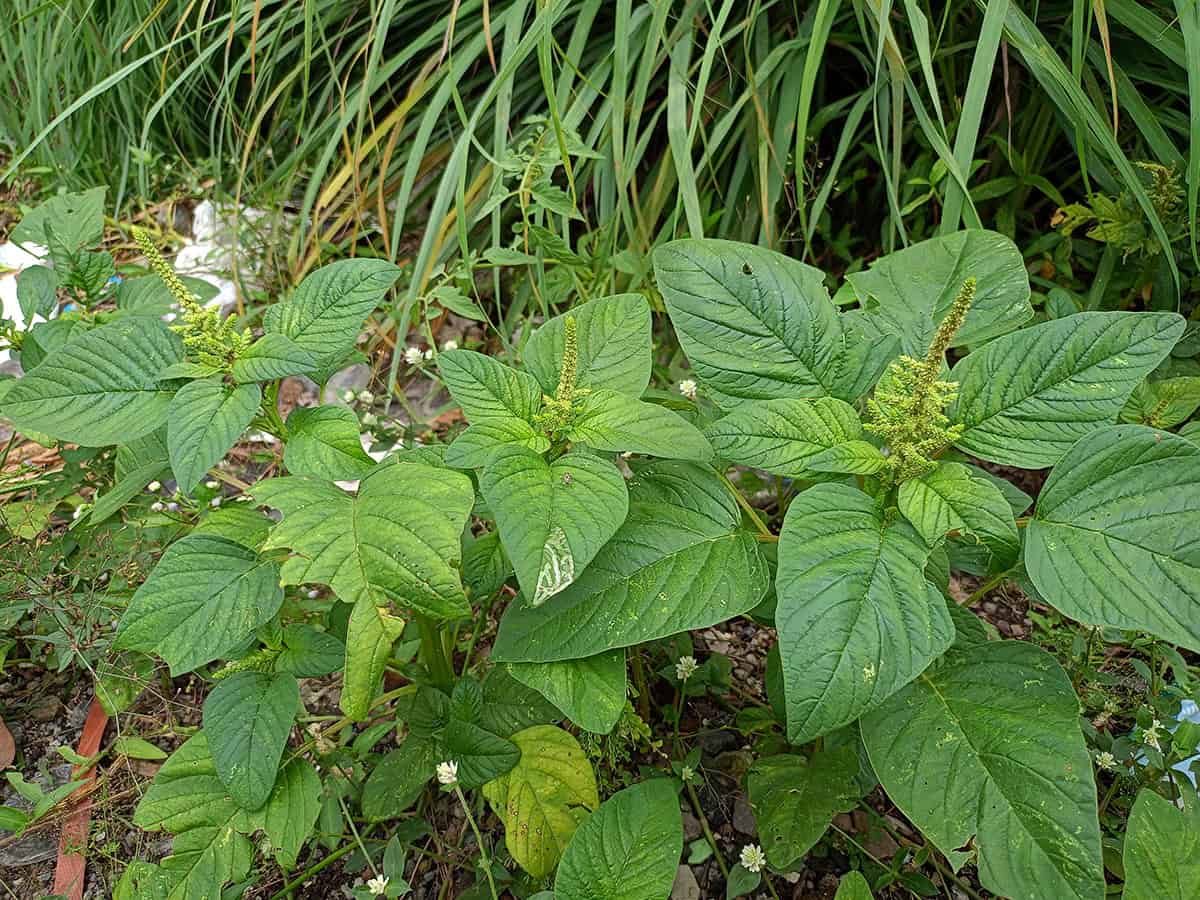
Amaranth produces edible leaves rich in calcium and vitamin C, then heavy seed heads packed with protein. One planting supplies greens in summer and seed in fall.
It thrives in heat and poor soil. Hang the dried seed heads in the run as a winter treat.
Sunflower (Leaves And Seeds)
Sunflowers shade the run in summer, and chickens eat both the leaves and the seeds. The seeds carry protein and fat, a good boost during molting.
Cut the heads once the backs yellow and the seeds firm up, then hang them in the run for the flock to pick clean.
Squash (Flesh And Seeds)
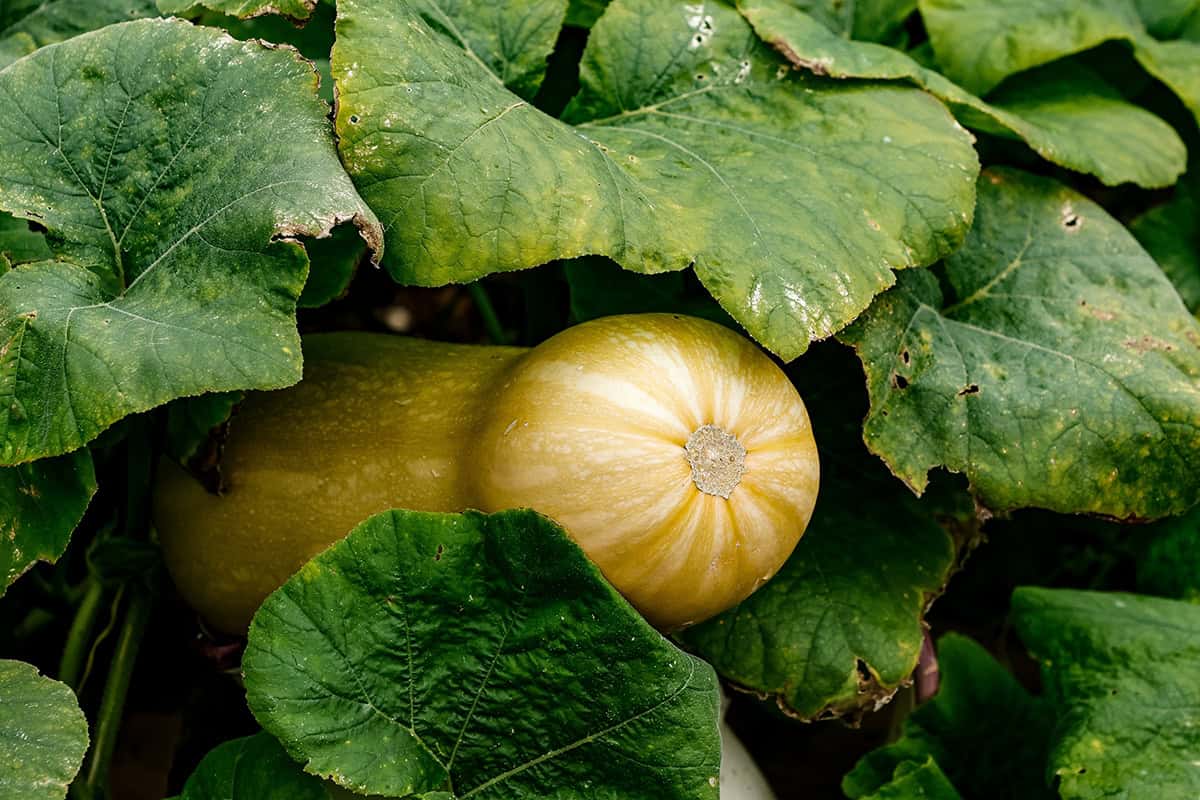
Winter and summer squash supply vitamins, minerals and moisture, and chickens eat the flesh, seeds and skin. Split a squash in half to get them started.
Winter squash stores for months, a handy source of fresh food when the garden goes dormant.
Pumpkin (Flesh And Seeds)
Pumpkins rank as a fall favorite, and chickens eat the flesh, seeds and stringy pulp. Claims that pumpkin seeds deworm chickens lack solid evidence, so rely on a vet-recommended dewormer when worms show up.
Leftover carving pumpkins double as a fine treat as long as they show no mold. Whole pumpkins store for months, and the vines need space and full sun.
Zucchini
Zucchini plants produce more than most families eat, and the extras make a hydrating, easy treat. Feed slices raw, split oversized fruits lengthwise, or grate them for young birds.
A compact bush variety fits a large container or small bed.
Cucumber
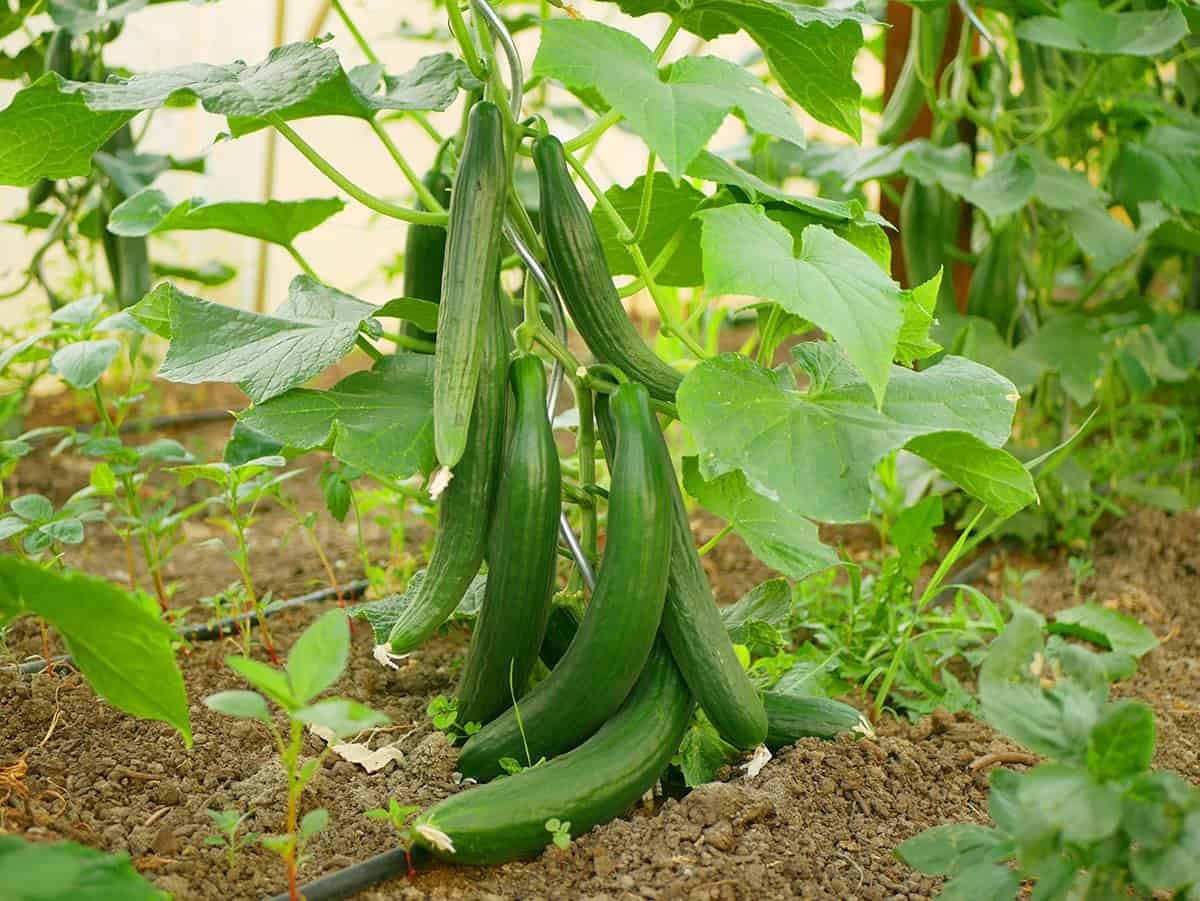
On hot days, cucumbers boost water intake, and chickens eat the skin, seeds and flesh. Halve them lengthwise so the flock reaches the soft centers.
Train the vines up a trellis to save space. Overgrown yellow cucumbers end up as good chicken food too.
Corn (Fresh Or Dried Kernels)
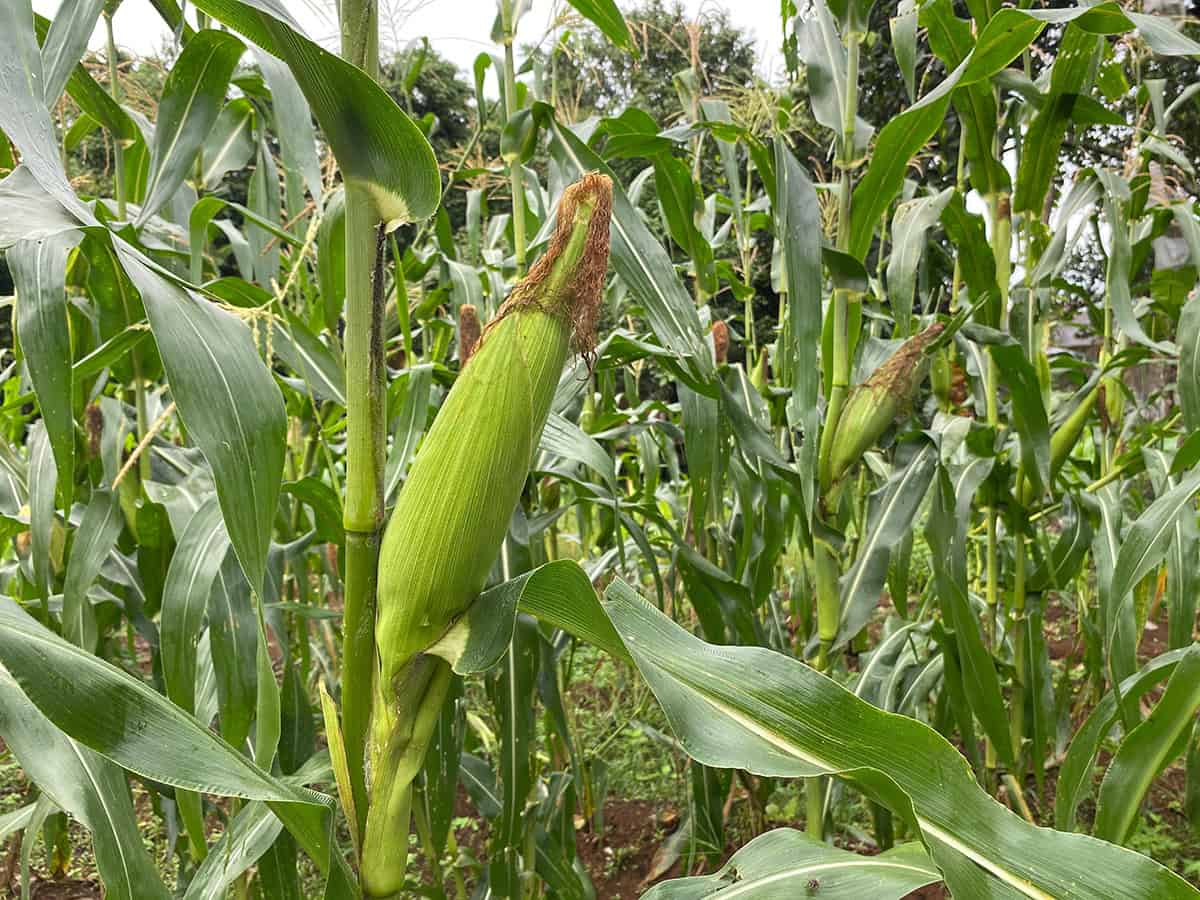
Corn supplies plenty of energy, and chickens love both fresh ears and dried kernels. On cold days, cracked corn serves as a good scratch treat.
It runs low in protein, so limit it to a small part of the diet to prevent overweight hens. Grow sweet corn for the table and toss leftover cobs to the flock, or grow field corn to dry for winter.
Borage (Flowers And Leaves Are Edible And Loved By Chickens)
Borage grows fast with fuzzy leaves and star-shaped blue flowers, both safe for chickens. Bees visit the flowers all summer.
It self-sows freely and thrives in average soil and full sun. It returns year after year with little effort.