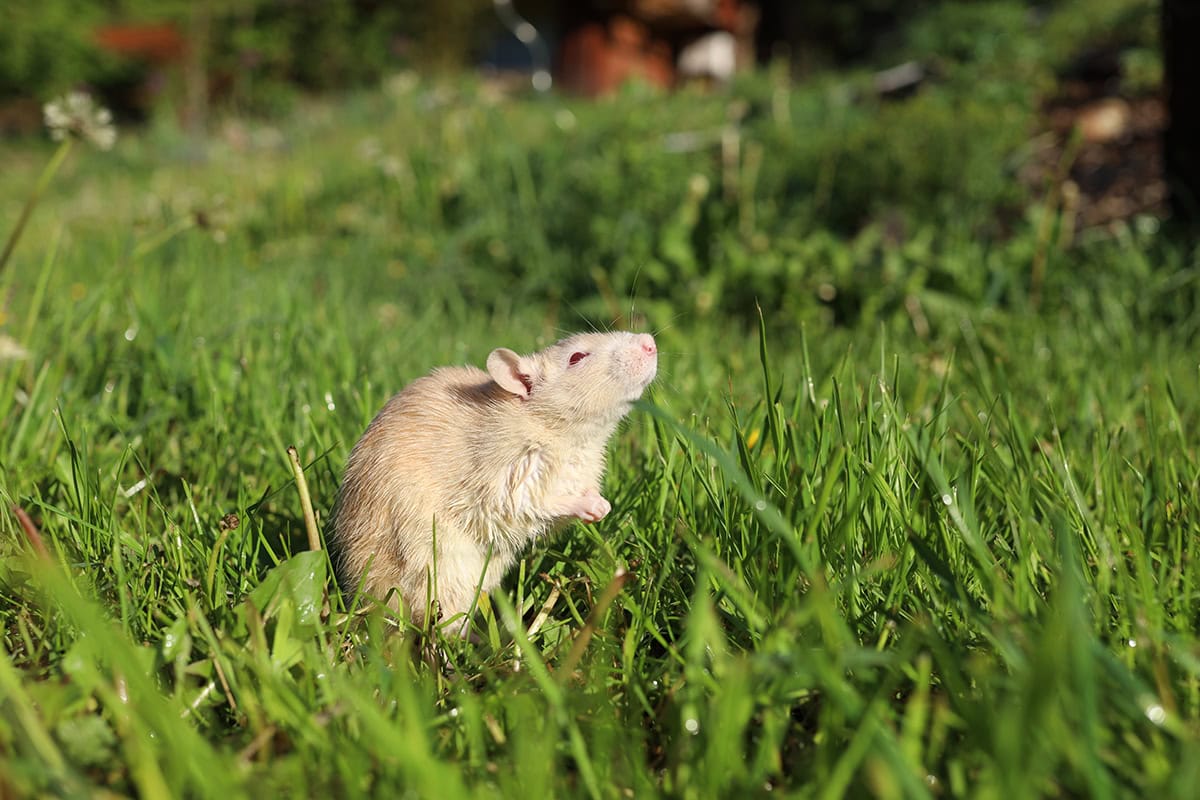
Keeping rodents out of your home doesn’t have to mean harsh chemicals or expensive gadgets. With the right plants, you can create a natural, safe, and effective barrier. Here are 25 of the best options.
Table of Contents
- 25 Best Plants That Repel Mice And Rats
- Peppermint
- Spearmint
- Lavender
- Rosemary
- Sage
- Oregano
- Thyme
- Lemongrass
- Basil
- Catnip
- Eucalyptus
- Bay Laurel (Bay Leaf Plant)
- Marigold
- Chrysanthemum
- Garlic
- Onion
- Chives
- Tansy (Use With Care—Can Be Toxic If Ingested)
- Wormwood (Artemisia) (Also Use Cautiously)
- Geranium (Especially Scented Varieties)
- Camphor Plant
- Rue (Effective But Toxic—Avoid Where Pets Roam)
- Mint-Scented Pelargonium (Scented Geranium)
- Allium (Ornamental Varieties)
- Coriander (Cilantro)
25 Best Plants That Repel Mice And Rats
Plenty of plants with strong scents or unique compounds can help keep mice and rats at bay. Adding these herbs, flowers, and shrubs around your space just might convince rodents to move along.
Peppermint
Peppermint’s sharp, fresh aroma is almost impossible to ignore—and that’s exactly why mice and rats hate it. The menthol in peppermint oil is a natural turn-off for rodents.
Try planting peppermint along your home’s foundation or in garden beds. Crushing the leaves releases even more scent, or you can use peppermint oil on cotton balls in problem areas indoors.
Spearmint
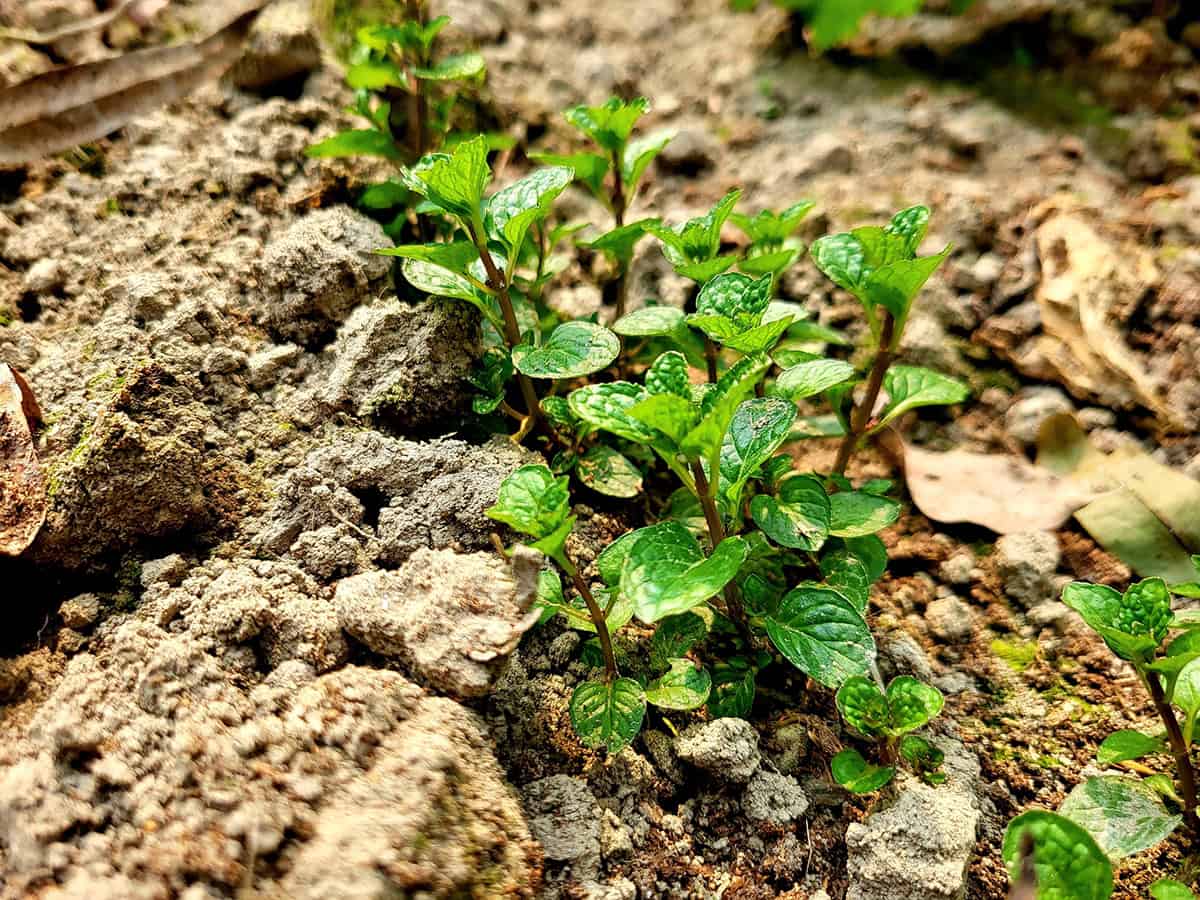
Compared to its stronger cousin – peppermint, the fragrance here is sweeter and less intense. Rodents still tend to avoid areas where the aromatic oils are concentrated. Dense growth helps create a living barrier around garden edges, while trimmed stems and fresh leaves can be used near problem spots inside the home.
Lavender
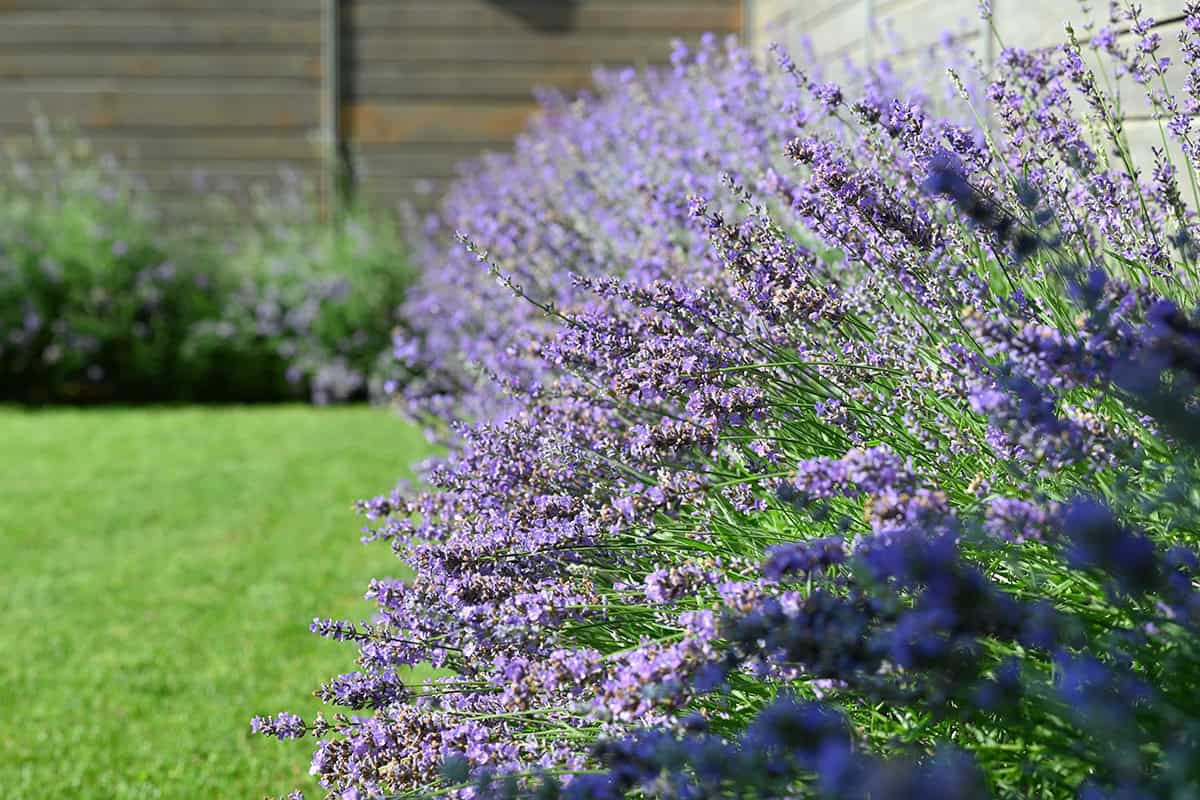
Warm afternoons bring out the fragrance hidden within every flower spike. While people value that scent for its calming qualities, rodents generally head in the opposite direction. Beds near patios, doors, and walkways are ideal locations. Dried bundles continue releasing fragrance long after harvest.
Rosemary
Woody stems and needle-like foliage carry a bold aroma throughout the year. Rodents rarely appreciate the intensity.
Container plantings near entrances work particularly well because the scent stays concentrated where mice and rats are most likely to pass. Cut sprigs retain their fragrance surprisingly well indoors.
Sage
Soft, silvery foliage of sage introduces an earthy scent that becomes stronger when handled. Mice and rats generally avoid areas where that aroma is present.
Tucked beside doorways or planted along pathways, sage serves a practical purpose while blending easily into herb gardens. A few harvested leaves can also be scattered around storage areas.
Oregano
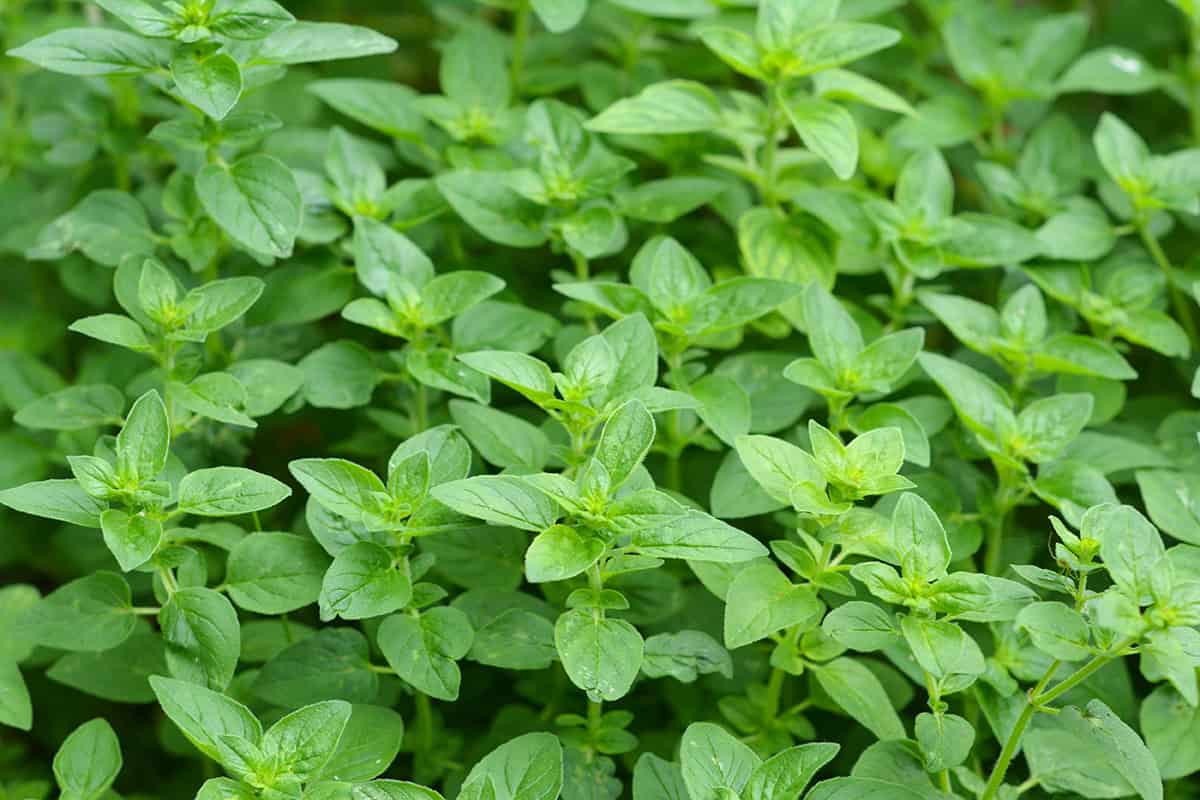
Oregano’s savory, spicy smell isn’t just for pizza. Mice and rats dislike it just as much as some bugs do.
Use oregano as a border in veggie beds, or crush the leaves to target indoor trouble spots. The scent lasts a while, whether you use it fresh or dried.
Thyme
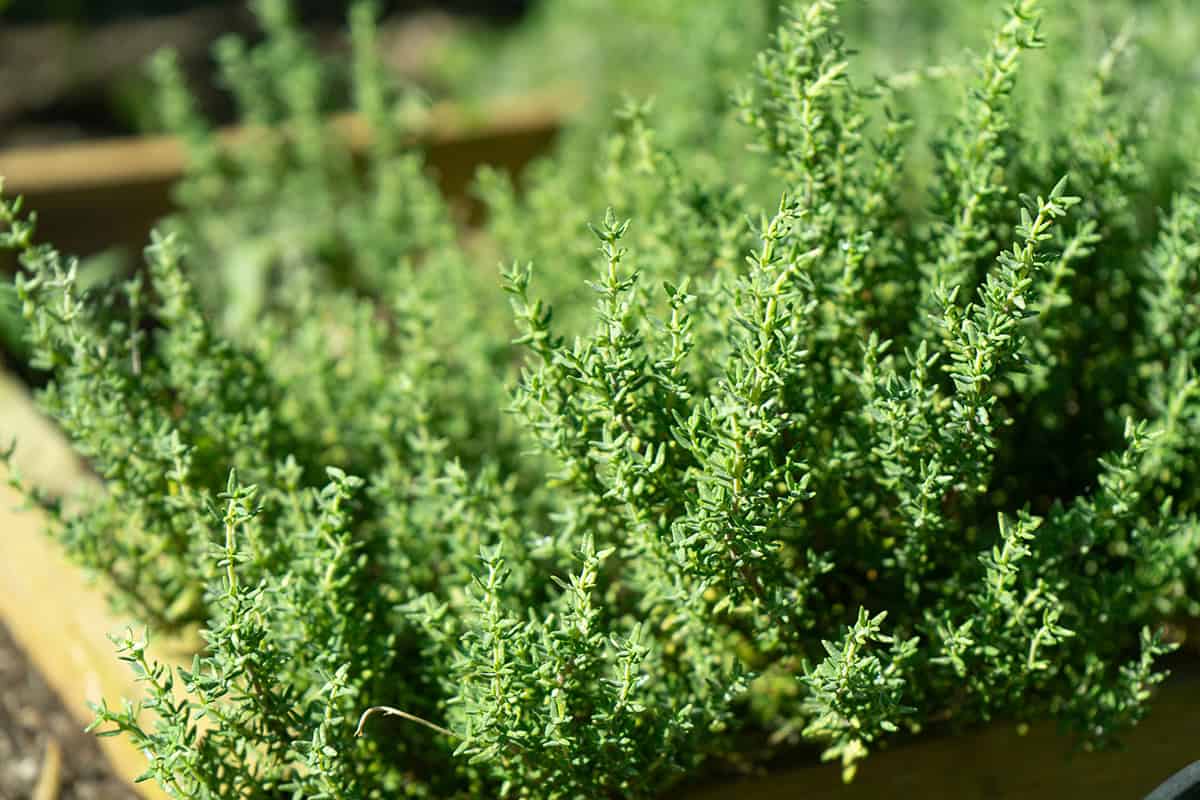
Thyme’s tiny leaves pack a punch with their sharp, herbal fragrance. Thymol, found in thyme, actually shows up in some commercial repellents.
Grow it as a low edging along paths, or scatter sprigs in cabinets. The scent is strong for rodents, but most people find it pleasant enough.
Lemongrass
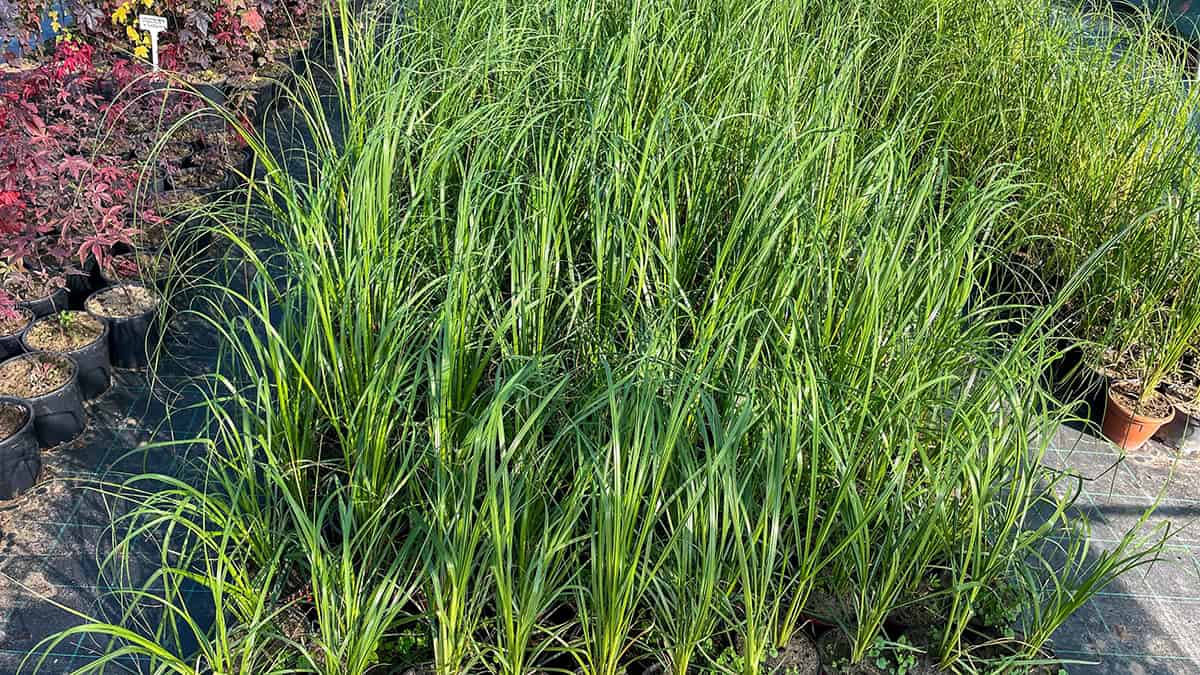
Lemongrass smells like citrus, which most folks enjoy—mice and rats, not so much. The citral in lemongrass is what does the trick.
It does well outside in warm areas or in pots you can move inside. Place fresh stalks or leaves in places where rodents might sneak in.
Basil
Basil’s scent is great in the kitchen and not so great for rodents. Sometimes the smell alone is enough to make mice and rats head the other way.
It’s easy to grow in pots or beds. Harvest some leaves and stash them near entry points, or dry a few sprigs for storage areas. No need to overthink it.
Catnip
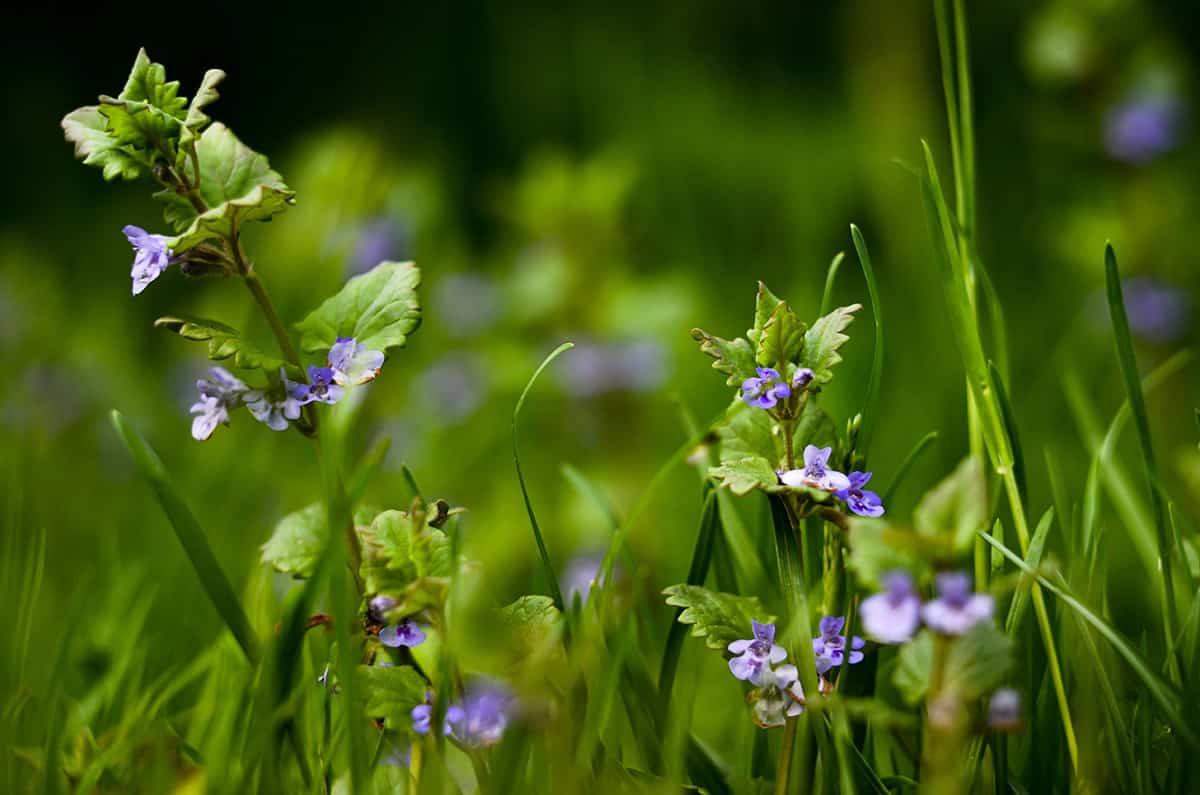
Catnip is famous for making cats go wild, but it’s a total turnoff for mice and rats. Nepetalactone, the essential oil, is the culprit.
Plant catnip around flowerbeds if you want fewer rodents. Dried catnip in sachets works for cupboards or corners, too—just keep it away from your own cats unless you don’t mind a little chaos.
Eucalyptus
Few plants produce an aroma as sharp and distinctive as eucalyptus. The powerful oils found in the leaves have long been associated with natural pest deterrence.
Mice and rats typically avoid areas where that scent dominates. Fresh cut branches continue releasing fragrance for extended periods, making them useful indoors as well.
Bay Laurel (Bay Leaf Plant)
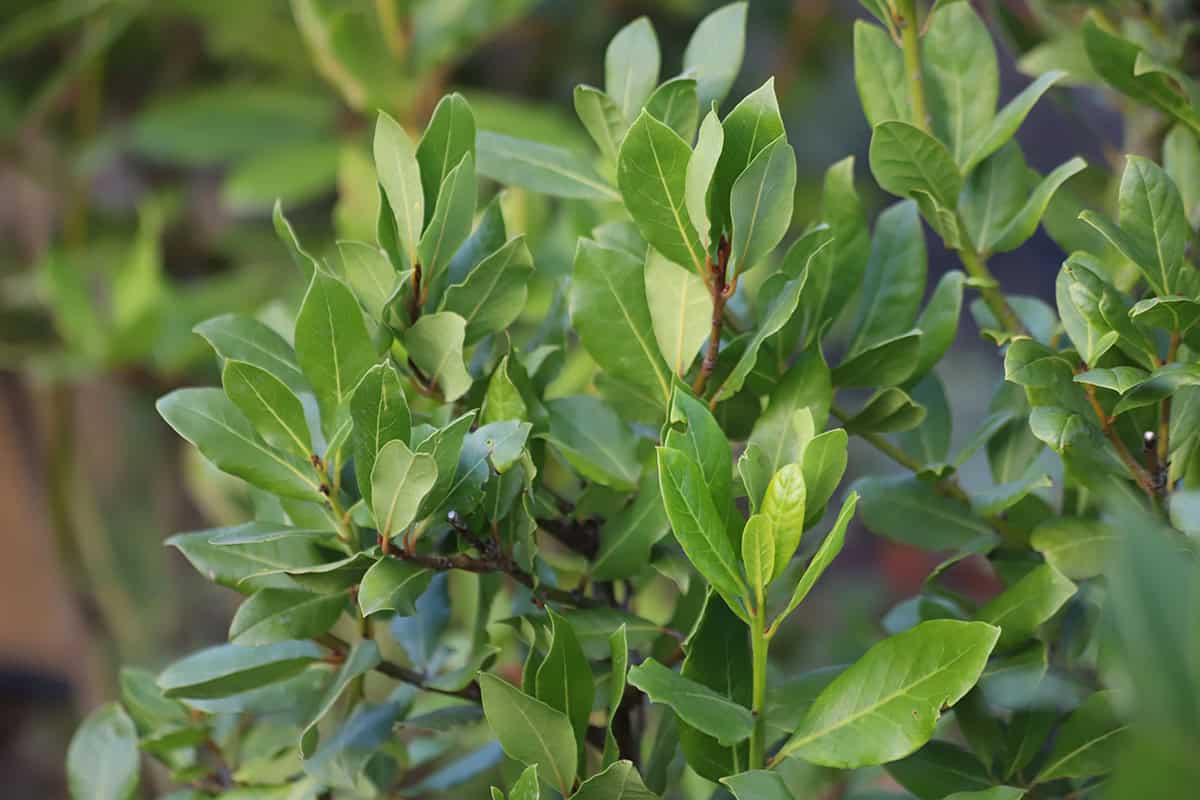
Bay laurel’s tough, aromatic leaves are a kitchen staple—and a rodent repellent. Mice and rats hate the pungent scent, and the leaves can even be toxic if they eat them.
Place whole bay leaves in cupboards or pantries. The plant itself does well in pots and adds a little greenery to your kitchen or patio.
Marigold
Bright flowers may grab the attention of gardeners, but the scent is what attracts here. Marigolds produce compounds that many pests find unpleasant, including rodents. Positioning them around vegetable gardens creates a decorative border while introducing another layer of protection around vulnerable crops.
Chrysanthemum
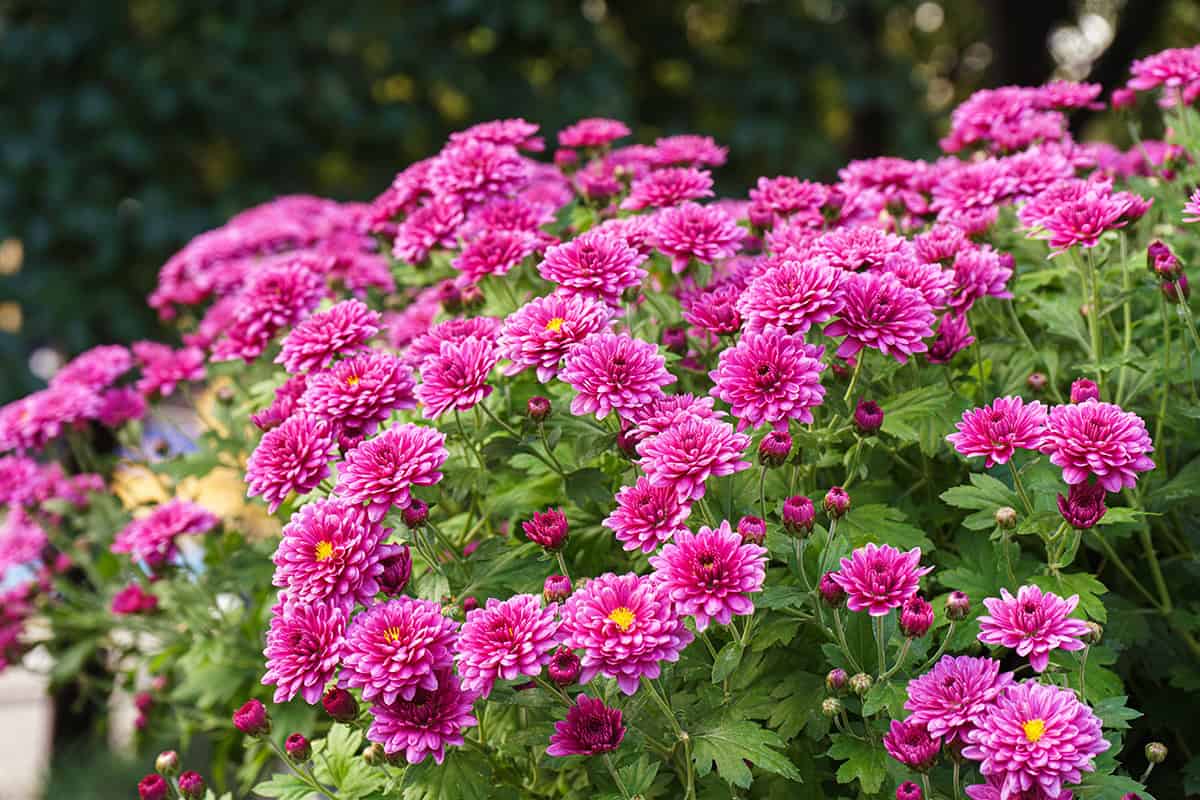
Chrysanthemum’s decorative flowers have a smell that tends to keep rodents away. Their pyrethrins show up in lots of commercial repellents, too.
Plant them near entryways to discourage mice and rats. Cut flowers indoors can offer a little extra backup.
Garlic
Garlic’s smell is notorious. Mice and rats want nothing to do with it, whether it’s growing or already harvested.
Crushed or sliced garlic is especially effective inside. Garlic plants are easy to tuck into garden rows, and you’ll get to use them in the kitchen, too.
Onion
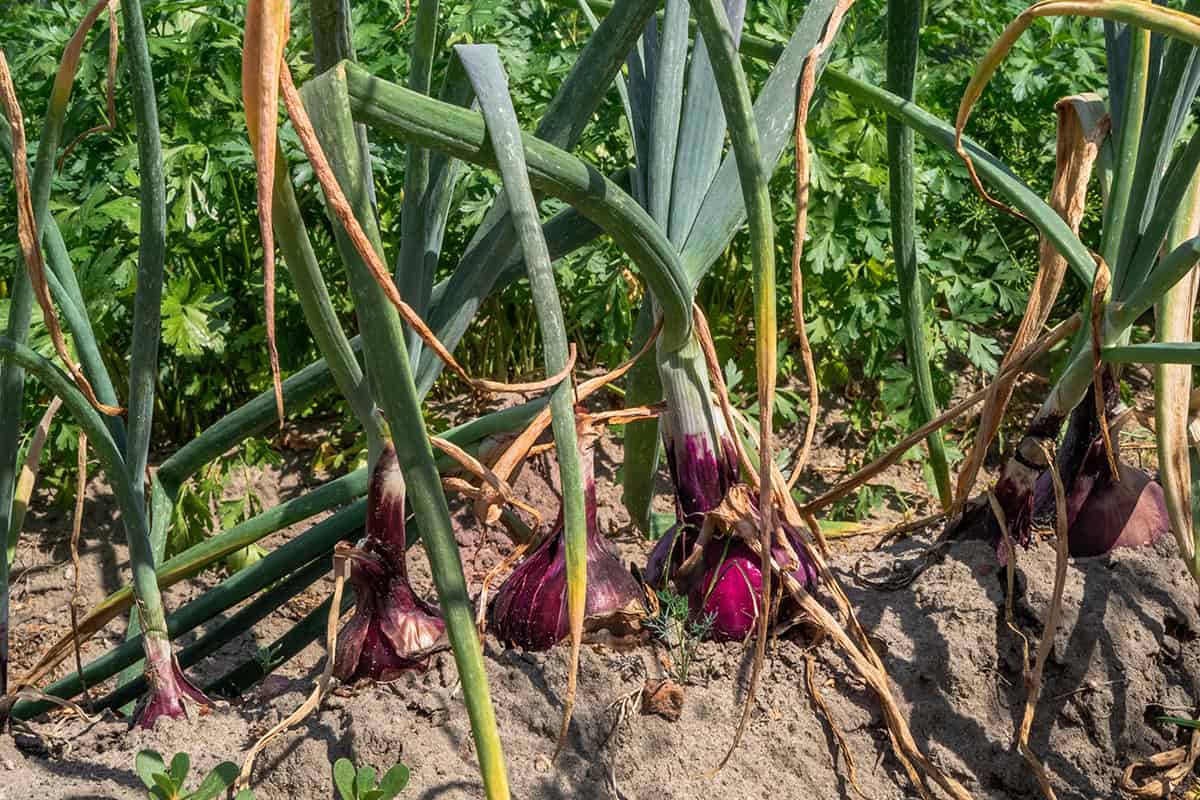
The sharp smell released by onions is difficult for rodents to ignore. Mice and rats generally avoid areas where that odor is concentrated, especially when bulbs or cut pieces are present. Interplanting onions throughout the garden can help spread that deterrent effect across a larger area.
Chives
Chives, like other alliums, have a sharp flavor and scent that rodents dislike.
Use chives as a border in the garden. Inside, dried or fresh chive leaves can help keep mice out of pantries or food storage spots.
Tansy (Use With Care—Can Be Toxic If Ingested)
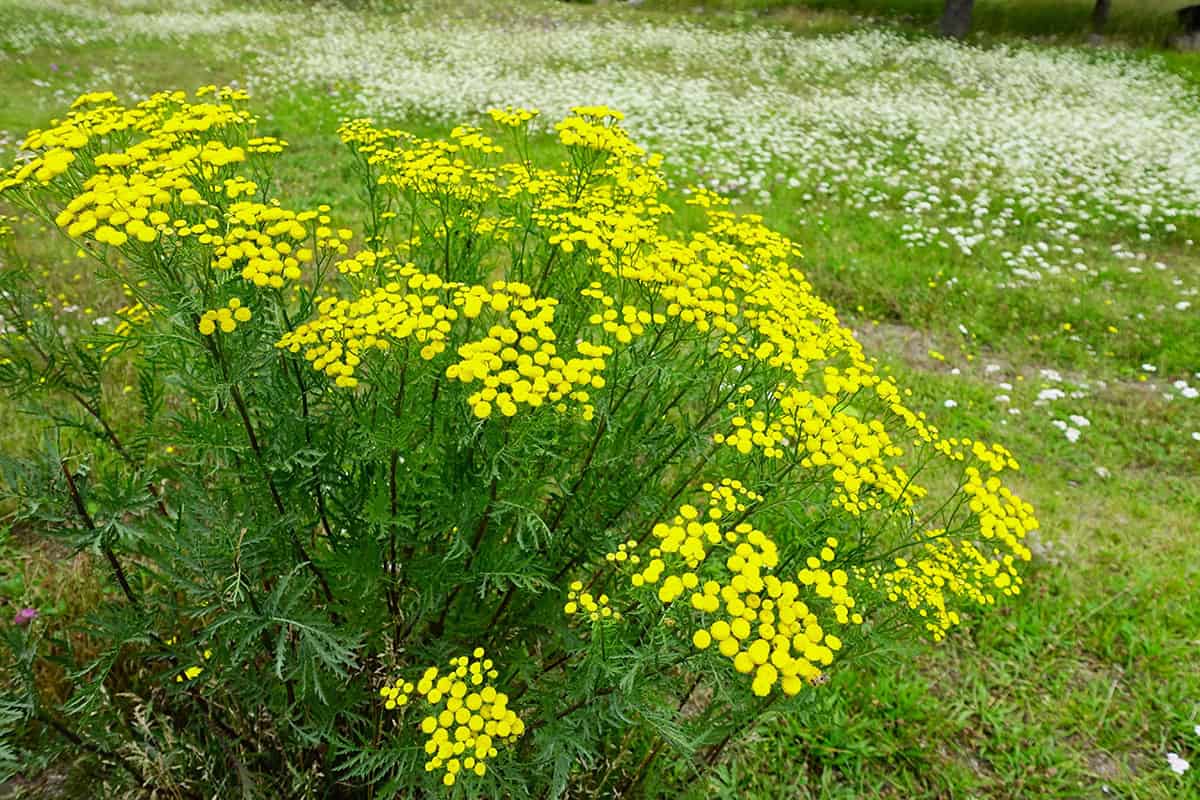
Tansy’s ferny leaves and yellow flowers smell strong enough to put off a lot of pests, rodents included. It’s got compounds that are toxic if eaten, so be careful.
Grow tansy out of reach of kids and pets. Dried sprigs in corners can help, but don’t use it where food is prepped.
Wormwood (Artemisia) (Also Use Cautiously)
Wormwood’s silvery leaves and bitter scent are pretty distinctive. It contains absinthin and other compounds that are toxic to rodents, and the smell alone can keep them away.
Plant it along borders but steer clear of edible beds. Indoors, just use a little and keep it away from pets and children.
Geranium (Especially Scented Varieties)
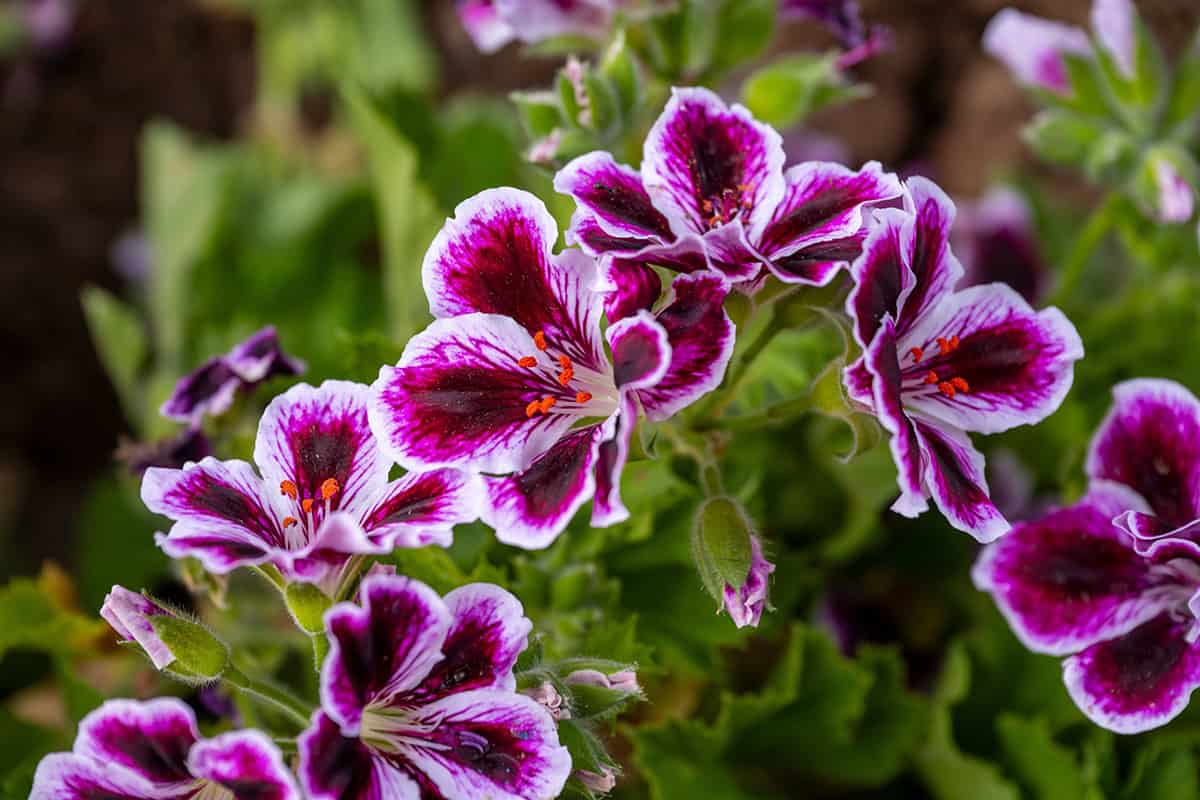
Scented geraniums can smell like lemon, rose, or mint, and rodents usually can’t stand any of them.
Grow them in pots near doors or patios. Crush a few leaves now and then to refresh the scent if you want some extra help indoors.
Camphor Plant
The medicinal aroma associated with camphor has a long history in natural pest deterrence. Mice and rats tend to avoid areas where that scent remains strong and consistent.
Fresh leaves can be harvested and placed near known travel routes, while established plants provide year-round coverage in suitable climates.
Rue (Effective But Toxic—Avoid Where Pets Roam)
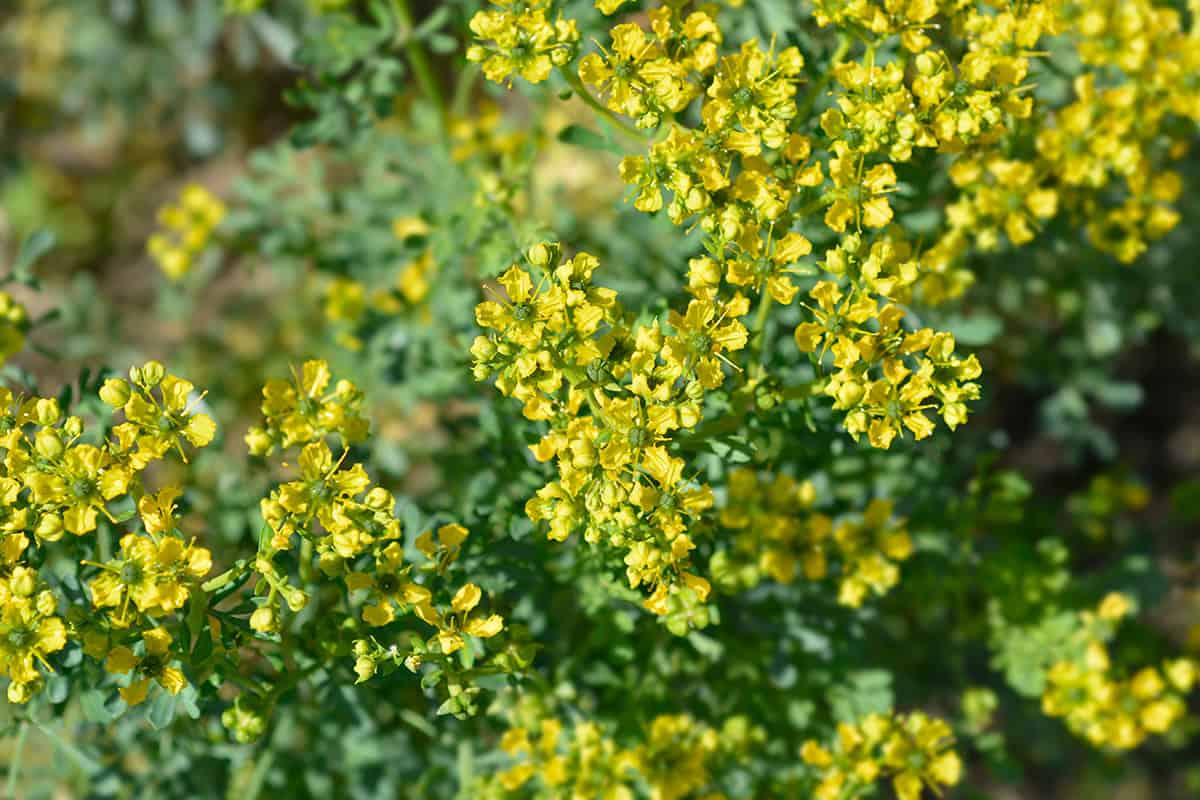
Rue is a hardy evergreen with a strong scent that keeps rodents at bay. Its oil is toxic if eaten by pets or kids, so use it with caution.
Plant rue in out-of-the-way corners or along fences. Dried leaves last a long time, but don’t use them where animals might chew.
Mint-Scented Pelargonium (Scented Geranium)
This geranium smells like classic mint, though it’s not a true mint. Rodents still don’t like it.
Grow mint-scented pelargonium in planters on decks or patios. Pinch the leaves now and then to keep the scent going and help block common entry points.
Allium (Ornamental Varieties)
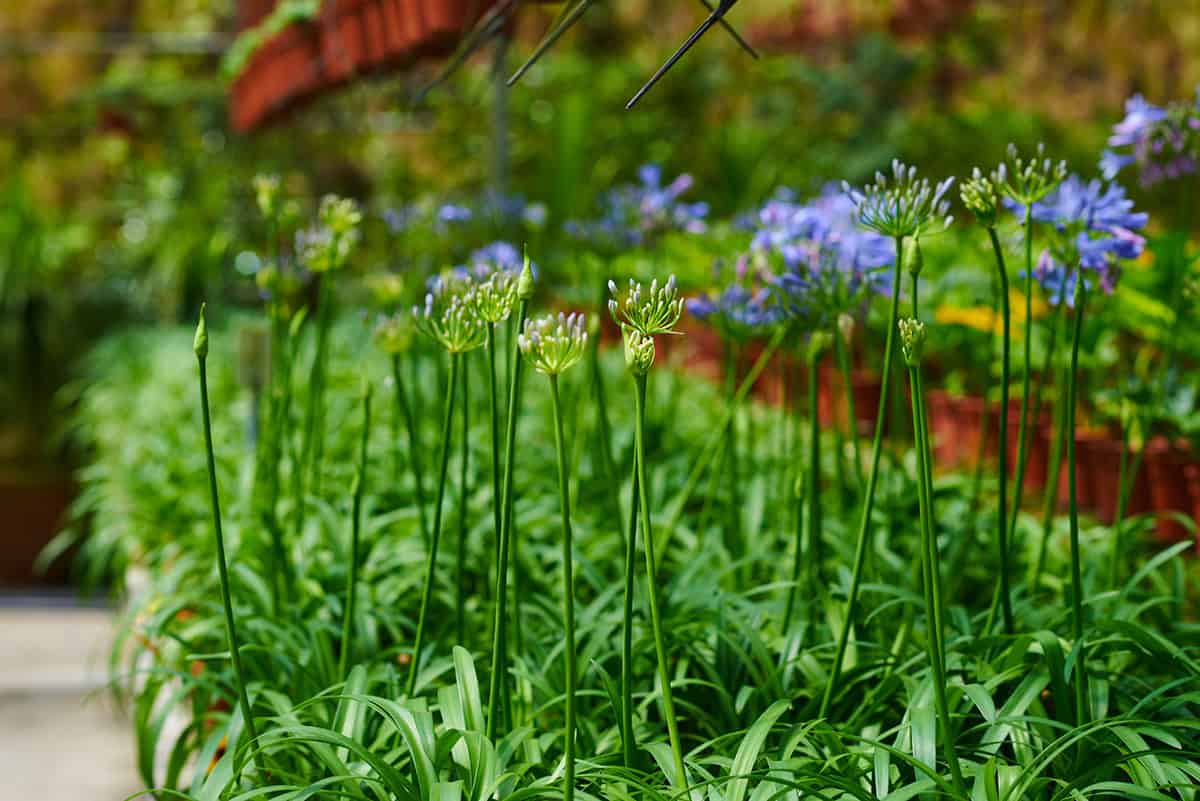
Rodents rarely appreciate the same onion-like scent that gives ornamental alliums their distinctive character. Large globe-shaped flowers may be the visual highlight, but the fragrance contributes to their pest-deterrent reputation.
Gardeners frequently use alliums around vegetable beds, sheds, compost areas, and other locations where rodent activity can occur.
Coriander (Cilantro)
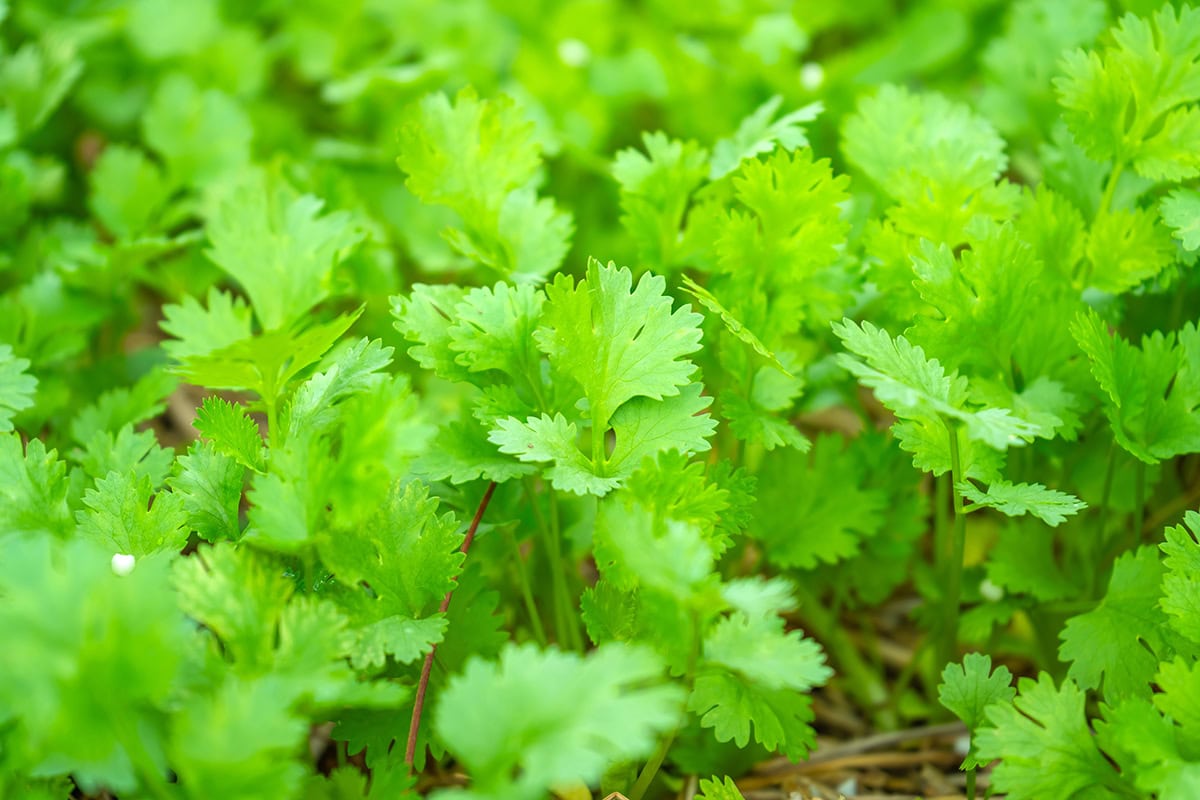
Coriander, or cilantro, has a spicy, citrusy scent that rodents just don’t care for. Try it as a companion plant in the veggie garden.
Fresh leaves and crushed stems or seeds can help in pantries and kitchen drawers. Replace cuttings every week or so to keep the effect going.