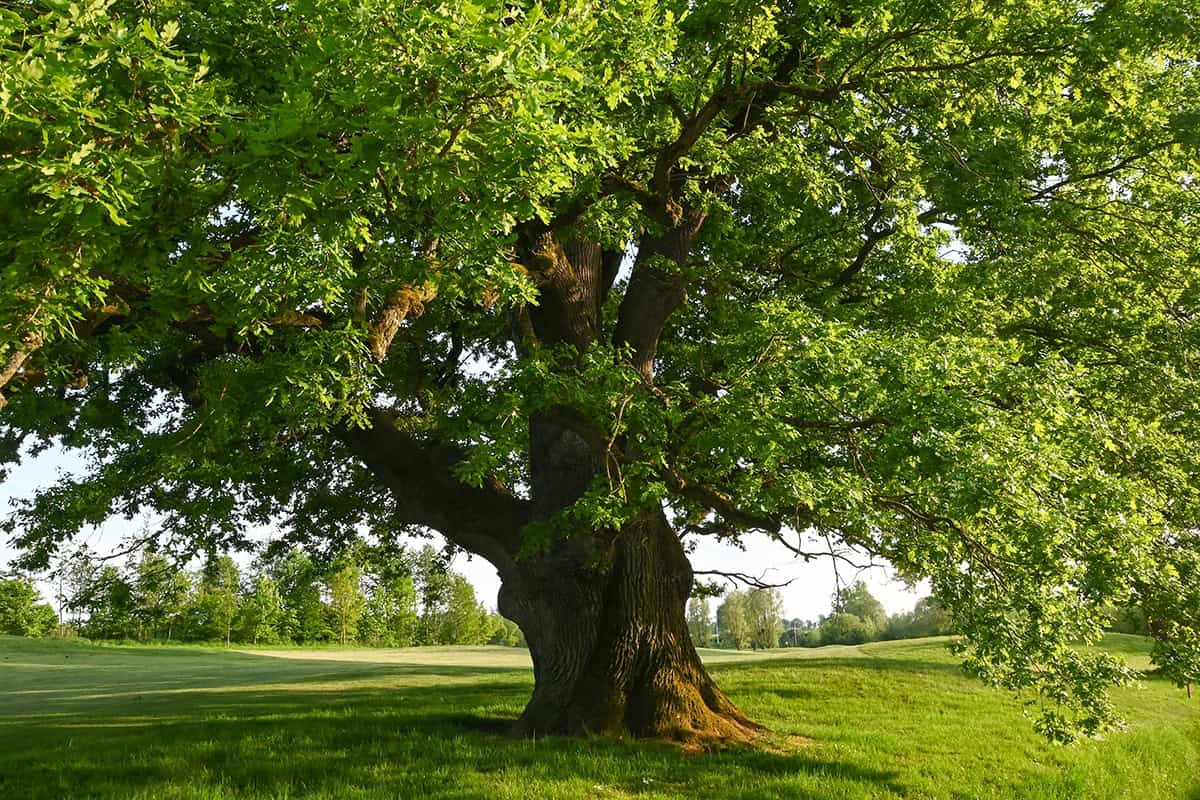
An acorn on the ground can become a strong oak that lasts for generations. You can guide that growth with the right conditions and care. To grow and care for an oak tree, you need proper light, well-drained soil, consistent watering during early years, and protection from pests.
You will learn how to match the tree to your climate, give it the nutrients it needs, and prune it for balanced growth. Each step will help you avoid common mistakes that slow development or damage the tree.
From choosing the right spot to managing long-term maintenance, you will see how simple actions can shape a healthy oak. With the right approach, your tree can thrive for decades.
Table of Contents
Light
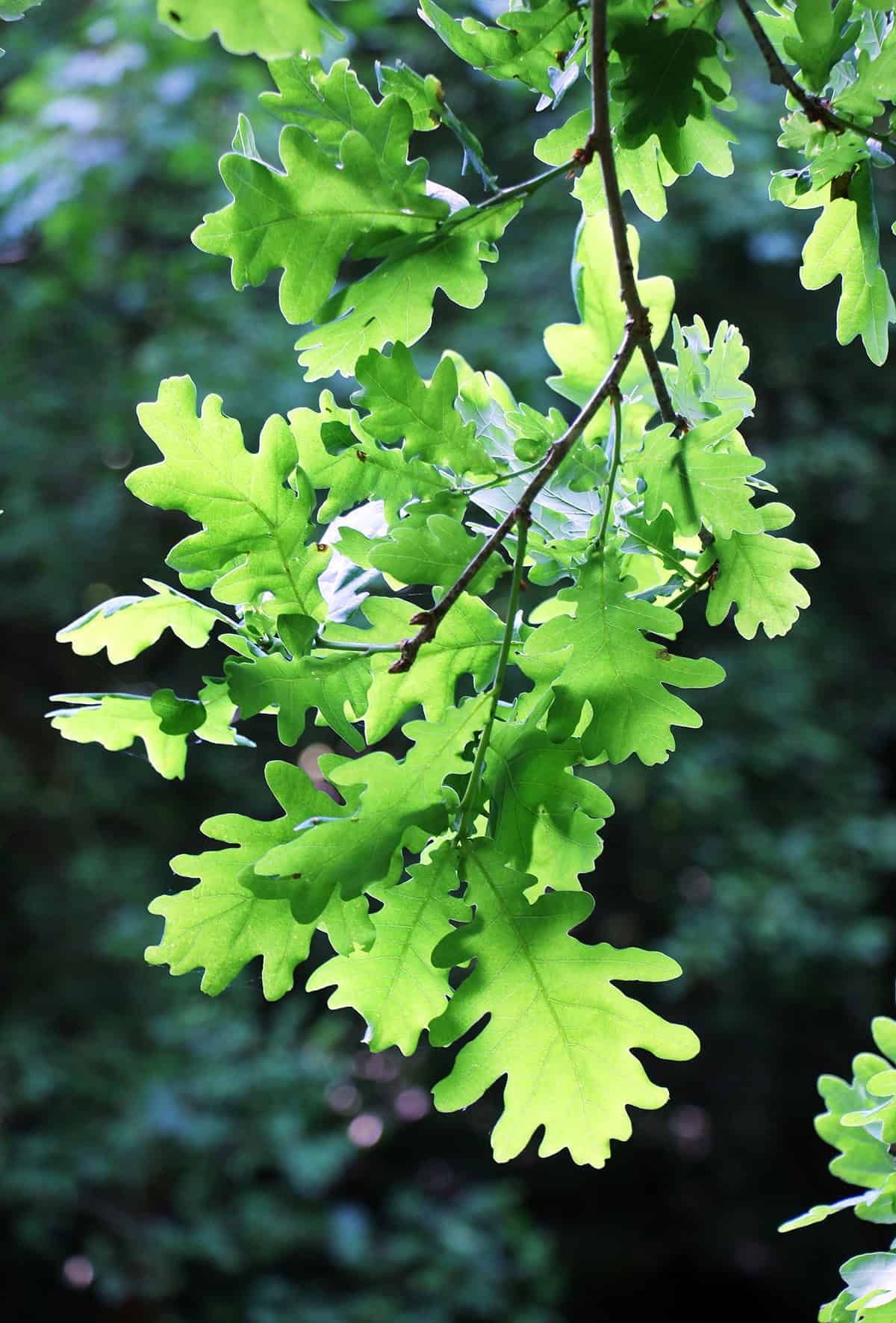
Your oak tree needs the right amount of sunlight to grow strong and healthy. Most oak species perform best in full sun, which means at least six hours of direct light each day. This level of light supports dense foliage and strong branch development.
Some oaks can tolerate partial shade, especially when young. However, too much shade can slow growth and reduce acorn production in mature trees. Choose a planting site with open exposure to avoid competition for light.
If you plant in a mixed woodland, make sure taller trees do not block sunlight from reaching the canopy. Oaks that receive uneven light may develop lopsided growth and weaker limbs.
Live oaks and white oaks adapt well to bright, open areas. Northern red oaks also prefer sunny slopes or open fields. Matching the species to the light conditions in your area improves long-term health.
Monitor your tree as it grows. If surrounding vegetation begins to shade it, you may need to thin nearby plants to maintain proper light levels. Consistent sunlight is key to a sturdy, well-shaped oak.
Soil
The soil you choose plays a key role in the health of your oak tree. Most oak species grow best in well-drained, loamy soil. Poor drainage can lead to root rot and slow growth.
You should test the soil pH before planting. Oaks usually prefer slightly acidic to neutral soil with a pH between 6.0 and 7.0. Very alkaline soil can limit nutrient uptake.
If your soil is heavy clay, you can improve drainage by mixing in coarse sand or organic matter. This helps roots access oxygen and prevents water from pooling.
Avoid planting in compacted ground. Roots need space to spread and access water evenly. Loose, aerated soil supports stronger and deeper root systems.
In sandy soils, water drains quickly, so you may need to water more often until the tree is established. Adding organic compost can help the soil hold moisture longer.
Water
Young oak trees need steady moisture during their first few years. You should water deeply so the roots grow down into the soil. Shallow watering can lead to weak root systems.
After planting, give the soil a thorough soak. This helps settle the roots and remove air pockets. Water again when the top few inches of soil become dry.
Established oaks usually need less frequent watering. They can tolerate short dry periods once their roots spread wide. However, long droughts may still require supplemental water.
Always check the soil before adding water. Overwatering can cause root problems and limit oxygen in the soil. Dry soil several inches down is a better sign to water than surface dryness.
During hot, dry weather, water slowly at the base of the tree. This allows moisture to reach the deeper roots. Avoid wetting the trunk for long periods to reduce disease risk.
Temperature And Humidity
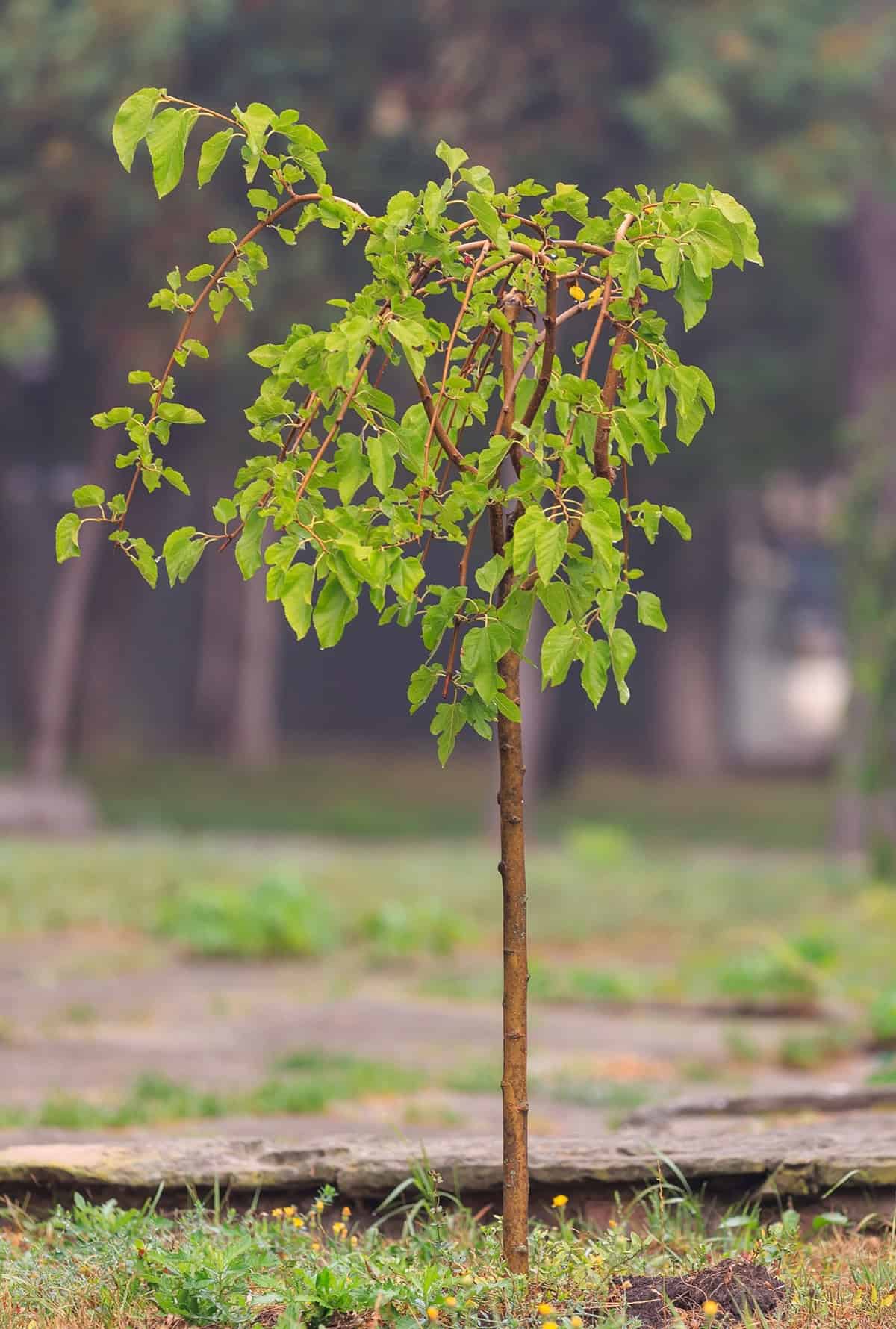
Oak trees adapt to a range of climates, but they perform best in moderate temperatures. Extreme heat can stress the tree and slow growth. Prolonged cold can damage young trees before they establish strong roots.
You should protect young oaks from sudden temperature changes. Rapid swings between warm and cold can cause bark injury. This damage can allow pests or fungi to enter the tree.
Relative humidity affects how much water your oak loses through its leaves. Low humidity increases water loss and can cause leaf scorch. High humidity can encourage fungal diseases if airflow is poor.
If you live in a hot, dry area, you should water more often during peak heat. In humid climates, allow more space between trees for better air movement. This helps reduce disease risk.
Urban heat and reflected sunlight from pavement can raise tree temperatures. You can reduce this heat load with mulch and nearby vegetation. These steps help keep moisture in the soil and protect roots.
Fertilizer
Young oak trees benefit from extra nutrients during their first few years. You should apply fertilizer only if the soil is low in essential elements. A soil test helps you know exactly what your tree needs.
Choose a balanced or nitrogen-rich formula when the soil test shows a deficiency. Common options include 16-6-12 or 12-24-12. Avoid high-phosphorus products unless the test confirms a shortage.
Apply fertilizer evenly over the root zone, which often extends beyond the canopy. Keep it at least a foot away from the trunk to prevent damage. Water the area afterward to help nutrients reach the roots.
If your oak grows in a lawn that receives regular turf fertilization, you may not need extra feeding. Excess fertilizer can cause rapid, weak growth and may harm nearby plants or water sources.
Established oaks in healthy soil often thrive without additional fertilizer. Monitor leaf color, growth rate, and canopy density to decide if future applications are necessary.
Propagation
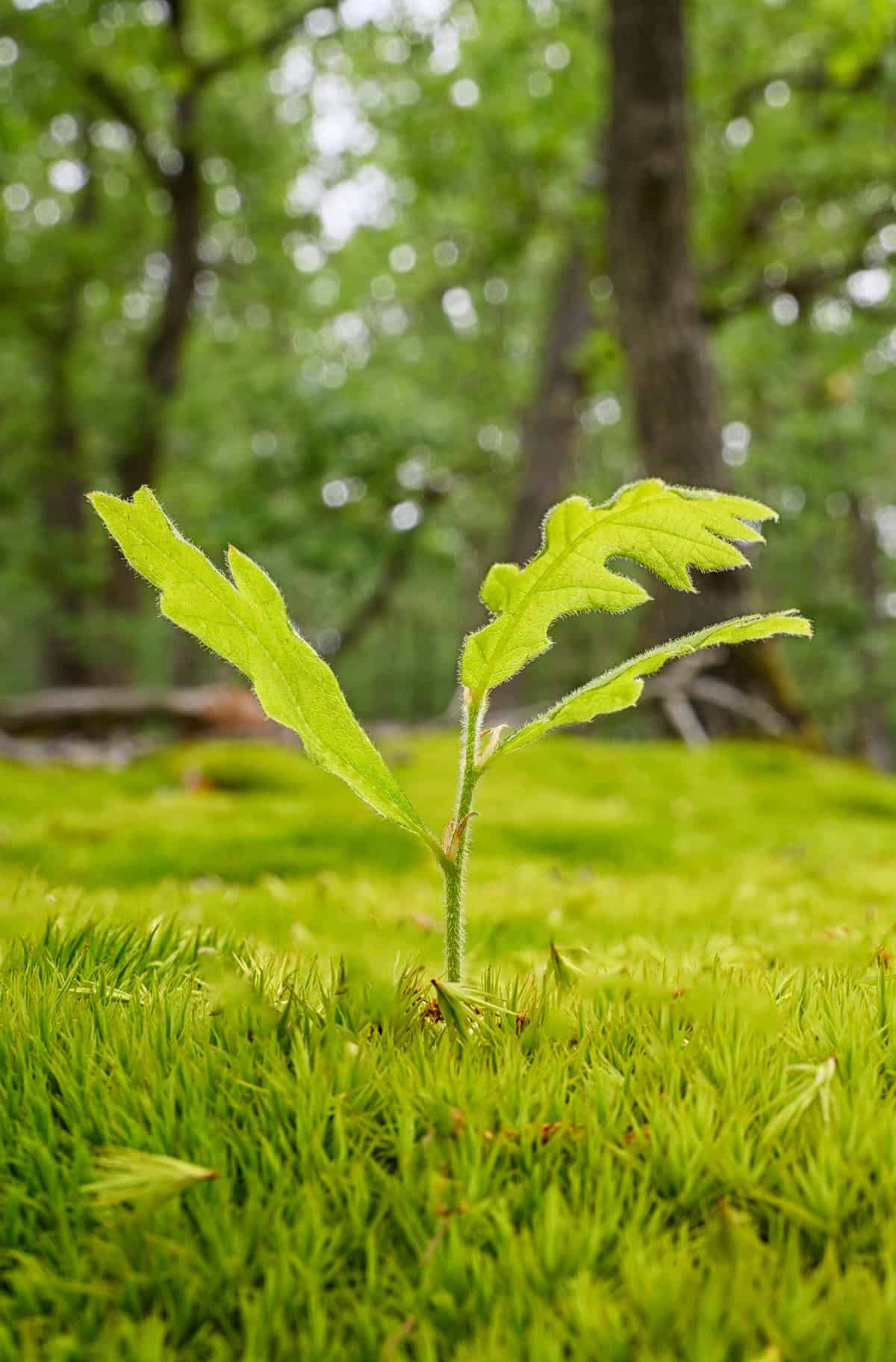
You can grow an oak tree from acorns or cuttings. Acorns must come from healthy, mature trees. Collect them in autumn when they fall naturally. Discard any that float in water, as they are likely not viable.
Store viable acorns in a cool, slightly moist environment until planting. Refrigeration in a sealed container with damp sand works well. This prevents them from drying out before you sow them.
Plant acorns in pots or directly in the ground. Place them about one inch deep with the pointed end down. Keep the soil moist but not waterlogged. Germination may take several weeks to months.
Hardwood cuttings are another option for some oak species. Take six-inch cuttings from vigorous shoots after leaf drop in fall. Use clean, sharp tools to prevent damage or disease.
Root cuttings in a well-drained, sterile medium. Keep them in a sheltered location with consistent moisture. Once roots form, you can transplant them to larger containers or directly outdoors.
Pruning
Healthy oak trees benefit from timely and careful pruning. You remove damaged, diseased, or crossing branches to maintain strong structure. This also improves airflow and light penetration.
You should prune during late winter when insect activity is low. This reduces the risk of oak wilt infection. Avoid pruning in spring and early summer when disease-carrying beetles are active.
Make each cut just beyond the branch collar without damaging it. This allows the tree to seal the wound naturally. Never leave long stubs or cut flush against the trunk.
Remove branches with narrow angles to prevent weak attachments. Eliminate multiple leaders to develop a single, strong central trunk. This ensures better stability as the tree matures.
Seal fresh cuts on oak trees with a tree wound dressing or paint. This creates a barrier that helps prevent the spread of oak wilt fungus.
Keep your tools sharp and clean before use. Disinfect between trees to avoid transferring pests or diseases. Work from the top down and step back often to assess shape and balance.
Potting And Repotting
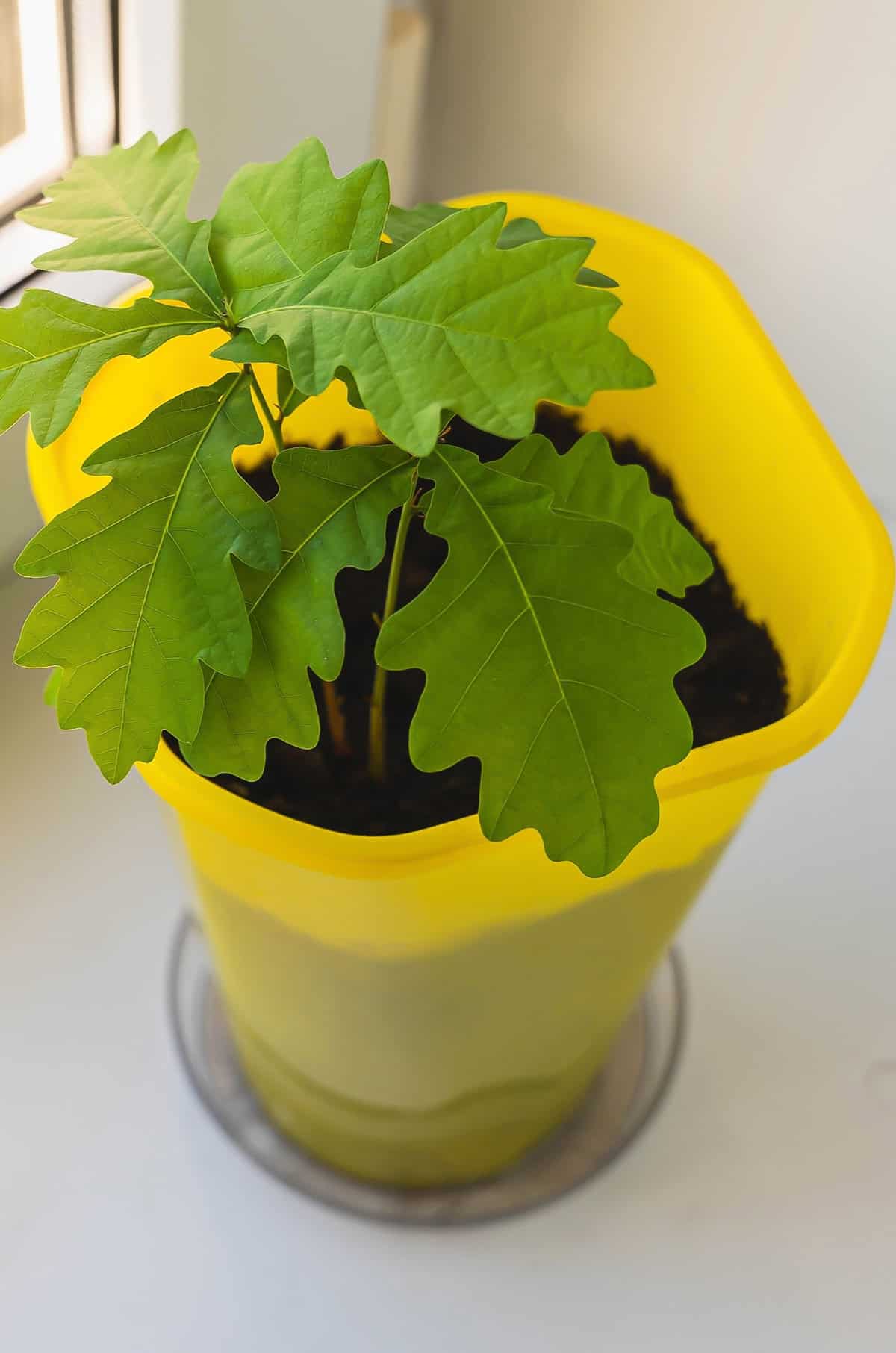
You can start an oak tree in a container if you have limited space or want to control early growth. Choose a deep, sturdy pot with drainage holes. The container should allow the taproot to grow straight without hitting the bottom too soon.
Use a well-draining soil mix that holds moisture without becoming soggy. A blend of loam, sand, and compost works well for young oaks. Avoid heavy clay soils that may compact in a pot.
When repotting, inspect the root system carefully. Remove the tree from its container and check for circling or girdling roots. Trim or straighten them so they do not restrict future growth.
You should repot when the roots fill the container or growth slows. Select the next pot size up to give the roots more room. Do not jump to a very large container, as excess soil can hold too much water.
After repotting, place the oak in a location with adequate light and protection from strong winds. Water thoroughly to settle the soil around the roots. Keep the soil evenly moist until the tree adjusts to its new container.
Common Problems & Troubleshooting
Your oak tree may face issues from pests, diseases, or environmental stress. Early detection helps you act before the damage becomes severe. Look for changes in leaves, bark, or growth.
Fungal diseases like oak wilt and powdery mildew can weaken the tree. Oak wilt often causes sudden leaf drop and branch dieback. Powdery mildew leaves a white coating on foliage.
Insects such as scale, borers, and caterpillars can harm leaves, branches, and trunks. Heavy infestations may slow growth or cause dieback. Inspect bark and leaves regularly for visible pests or holes.
Soil problems can also affect health. Poor drainage may lead to root rot, which causes yellowing leaves and reduced vigor. Compacted soil limits root growth and water absorption.
Physical damage from storms or improper pruning can open the tree to decay. Broken branches and bark wounds may allow fungi or insects to enter. Remove damaged wood promptly and cleanly.
Drought stress can cause premature leaf drop and smaller leaves. Water deeply during dry periods to keep roots healthy. Avoid overwatering, which can suffocate roots.
Plant Varieties
You can choose from many oak species, each with distinct growth habits and needs. Some grow faster and reach maturity sooner, while others develop slowly but live for centuries. Your climate and soil will determine which species will thrive.
The Northern Red Oak grows faster than most oaks and forms a broad, rounded crown. It adapts well to a range of soils and provides reliable shade. This species works well if you want quicker canopy coverage.
The White Oak grows more slowly but develops a strong, wide-spreading form. It produces acorns that mature in one season and supports many wildlife species. This tree can live for hundreds of years under good conditions.
The English Oak tolerates heavy clay soils and has branches that grow almost horizontally. A columnar form is available for smaller spaces, reaching notable size within two decades. Its fall color is typically yellowish-brown.
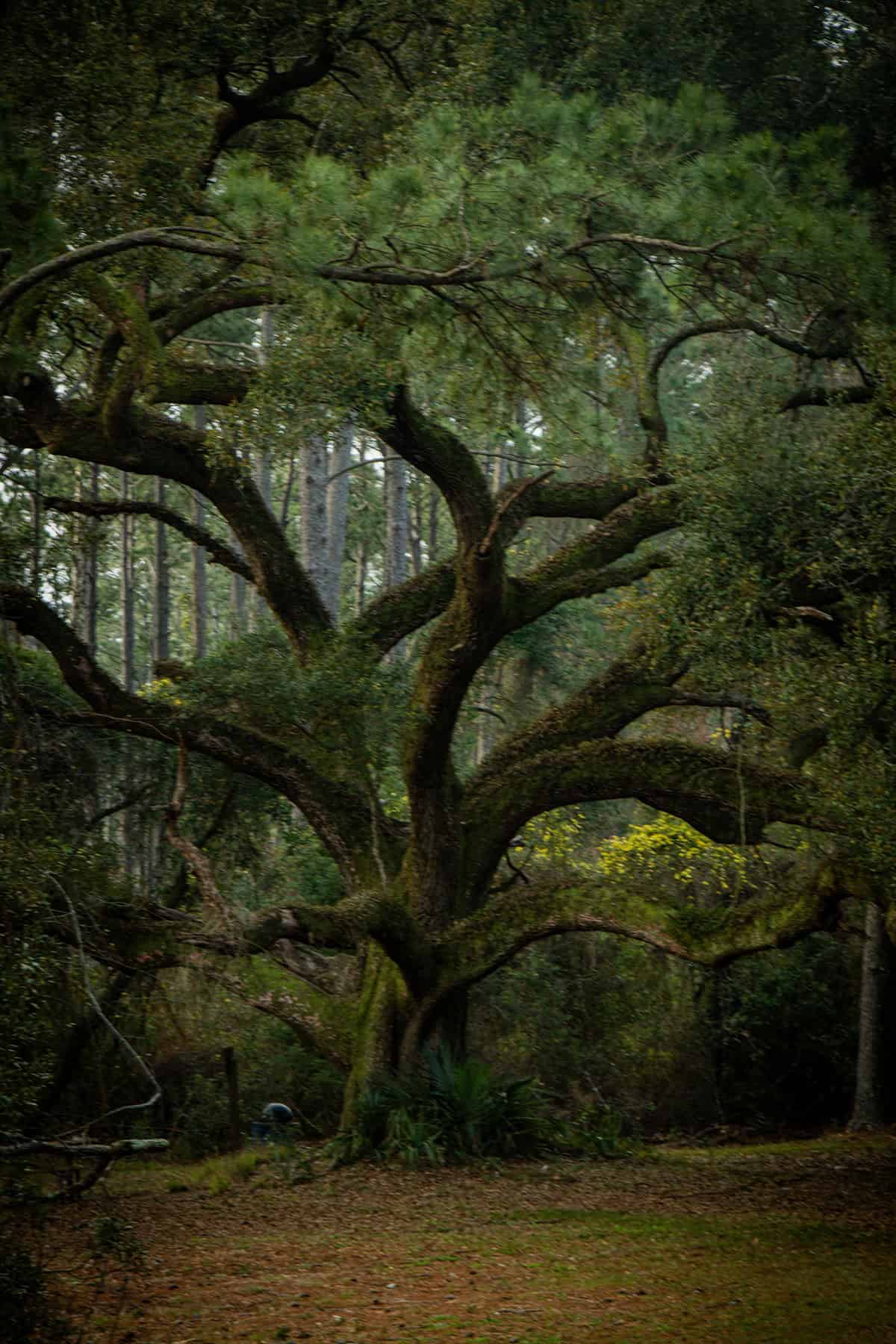
The Live Oak remains evergreen in warm climates and can grow into a massive shade tree. It needs space for its wide spread and strong root system. It does best in full sun to partial shade with well-drained soil.
The Dwarf Chinquapin Oak stays small enough for limited spaces. It grows in sunny sites with rocky or sandy soil and tolerates dry conditions. This makes it suitable for landscapes where larger oaks would not fit.