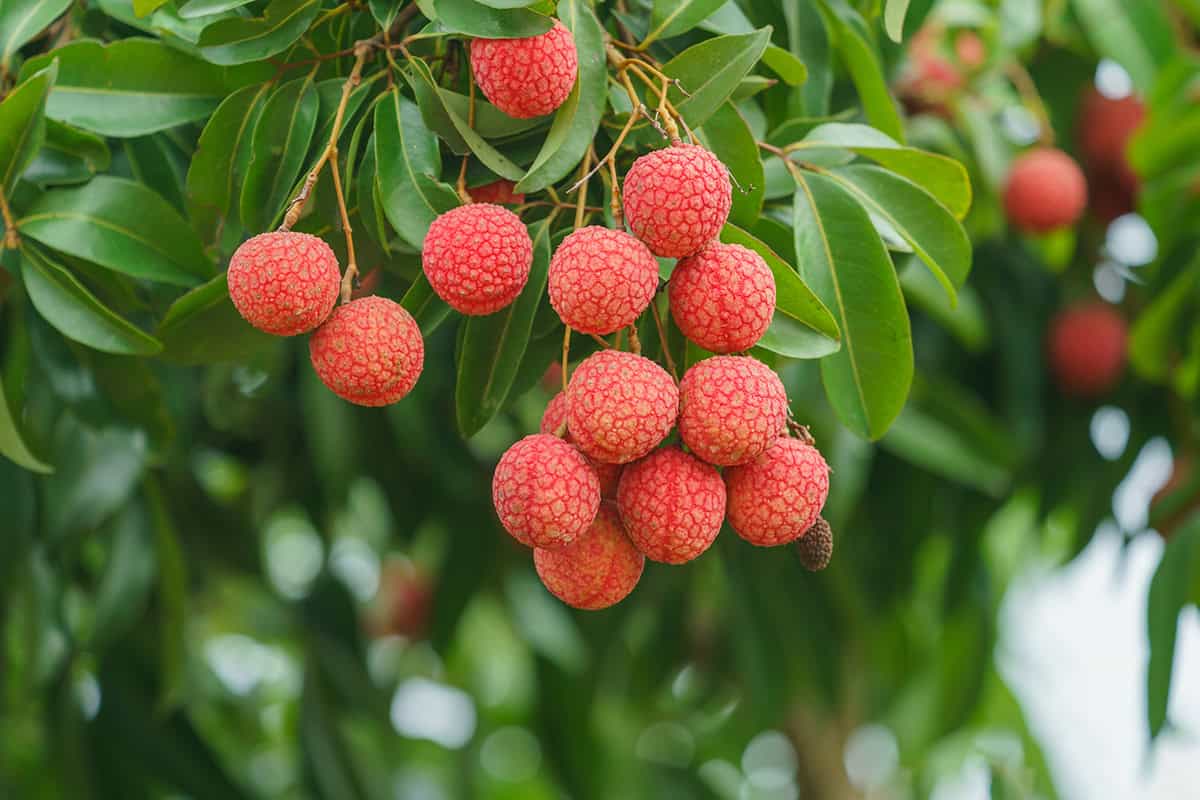
Lychee trees can be a real treat if you get the basics right—think glossy leaves, clusters of sweet red fruit, and an overall lush vibe in your garden or even on a sunny balcony. If you’re lucky enough to live somewhere warm, or you’ve got space for a hefty container, you might just pull it off. The trick is to respect their tropical origins and not cut corners with light, soil, or water.
To get started, plant lychee in full sun and well-drained, acidic soil. Keep the water coming, but don’t drown them, and use balanced fertilizer in a climate where frost isn’t an issue. When these needs are met, you’ll see stronger roots and fewer headaches. You’ll also want to stay on top of pruning, pests, and the usual humidity and temperature quirks.
This walkthrough digs into every step, from planting to picking fruit, with plenty of practical advice. You’ll get a sense of what’s ahead, how to sidestep the usual pitfalls, and which varieties might actually fit your space. If you stick with it, your tree could keep going for years—maybe even decades.
Table of Contents
Quick Care Summary
Lychee’s not for the lazy: it wants steady sun, warmth, and soil that drains fast. In return, you get a striking evergreen that’s happiest where winters are mild. Pay attention, and the fruit set (and tree health) will usually follow.
- Light: Needs full sun—don’t skimp.
- Soil: Acidic, sandy, drains well, with just enough organic matter.
- Water: Young trees need regular drinks; mature ones want steady moisture from bloom through harvest.
- Temperature: Subtropical warmth; frost is a no-go.
- Humidity: Moderate to high is best.
- Fertilizer: Use a balanced type during growth; skip nitrogen right before bloom on mature trees.
- Propagation: Air layering or grafted trees; seeds are unpredictable.
- USDA Zones: 10A–11.
- Fruiting Season: Mostly May to July, but can shift a bit.
Give your tree breathing room—at least 25 feet from big structures or other trees. After harvest, trim it back to keep things manageable and protect those lower branches. Don’t let the mower or trimmer bang up the trunk, and keep grass away from the base so the roots can do their thing.
Plant Overview
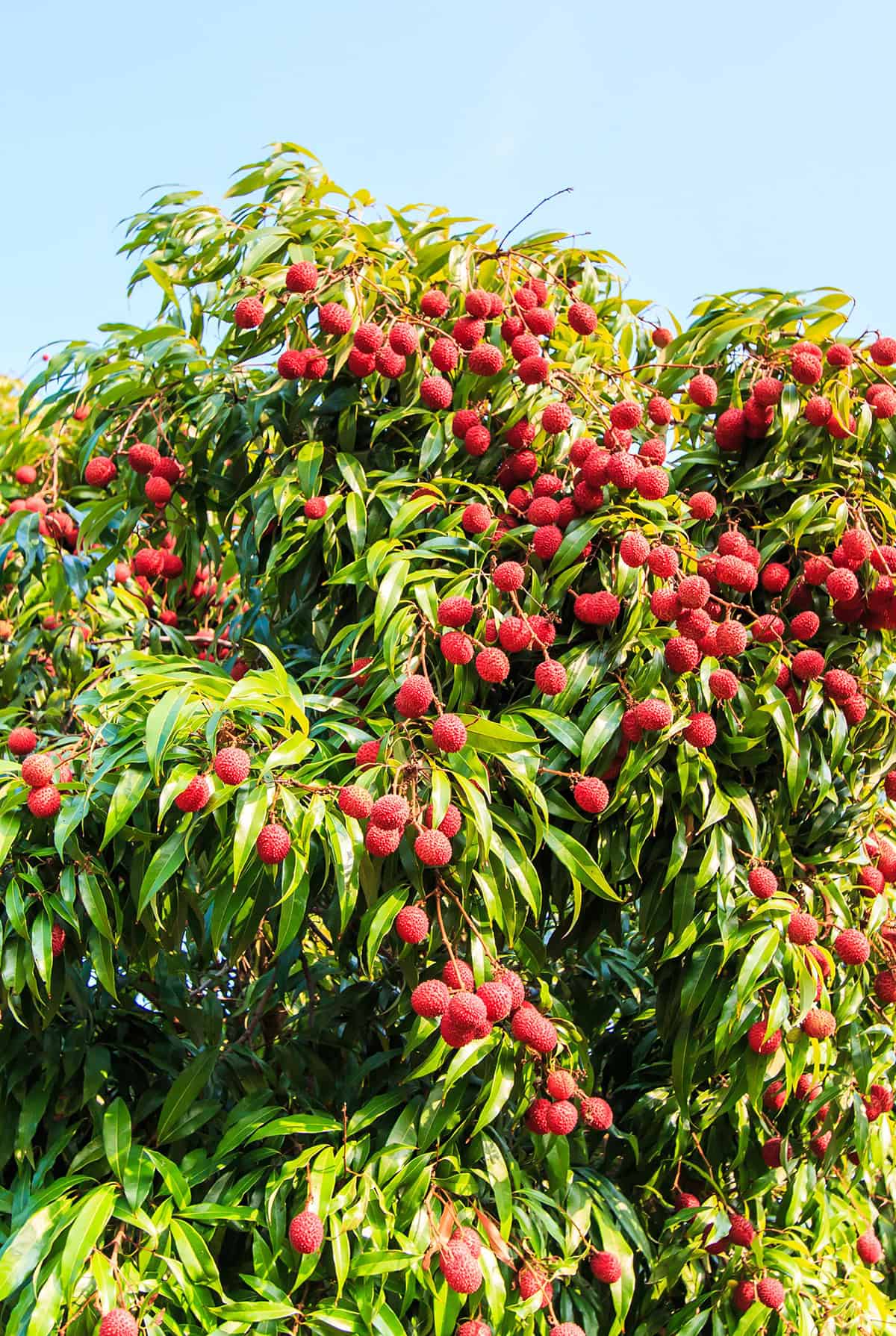
Under the scientific name Litchi chinensis, this evergreen member of the soapberry family (Sapindaceae) is grown for its juicy, translucent fruit and its lush, spreading canopy. Warm climates with gentle winters and humid summers are its comfort zone.
Given good conditions, the canopy thickens into a rounded form, sometimes stretching 30 to 50 feet in every direction. Pruning can rein that in, but the tree starts off slow. Care in the early years shapes its structure and future fruit production.
Clusters of pale flowers pop up in spring, leading to rough-skinned, pinkish-red fruit by early summer. Bees and flies handle most of the pollination work. If you really want a bumper crop, plant a couple of different varieties nearby.
Plant Details
- Botanical name: Litchi chinensis
- Common names: Lychee, litchi
- Plant type: Evergreen tropical fruit tree
- Mature size: 30–50 ft tall and wide (smaller with pruning)
- Growth rate: Slow to moderate
- Toxicity: Fruit is edible; seeds are not
- Native region: Southern China
Quick Care Summary
- Light: Full sun
- Soil: Sandy, slightly acidic, well-drained, with organic matter
- Watering: Regular while establishing and during fruiting
- Temperature: Needs warmth, hates frost
- Humidity: Likes it moderate to high
- Fertilizer: Balanced, with less nitrogen before bloom
- Propagation: Air layering or grafted plants
- USDA zones: 10A–11
- Fruiting season: Late spring to early summer
Lighting Needs
When it comes to lighting, intensity makes all the difference. Lychee craves direct sun—six to eight hours at a minimum. Trees left in shade get leggy, flower less, and their branches tend to weaken over time.
Open spots with southern or western exposure outdoors are ideal. Young trees don’t mind some afternoon shade in their first year, but after that, ramp up the sunlight to help them build a solid canopy. In hot climates, they’ll shrug off the summer sun without much fuss.
Indoor growers face a different challenge. You’ll need a bright, south-facing window—no curtains, no obstructions. If sunlight just isn’t cutting it, a good full-spectrum grow light running 10–12 hours a day can fill the gap.
Low light? Expect sparse leaves and disappointing blooms. Too much shifting between shade and sun? That’ll stress your tree and probably lead to leaf drop. Pick a good spot and stick with it.
Watering Requirements
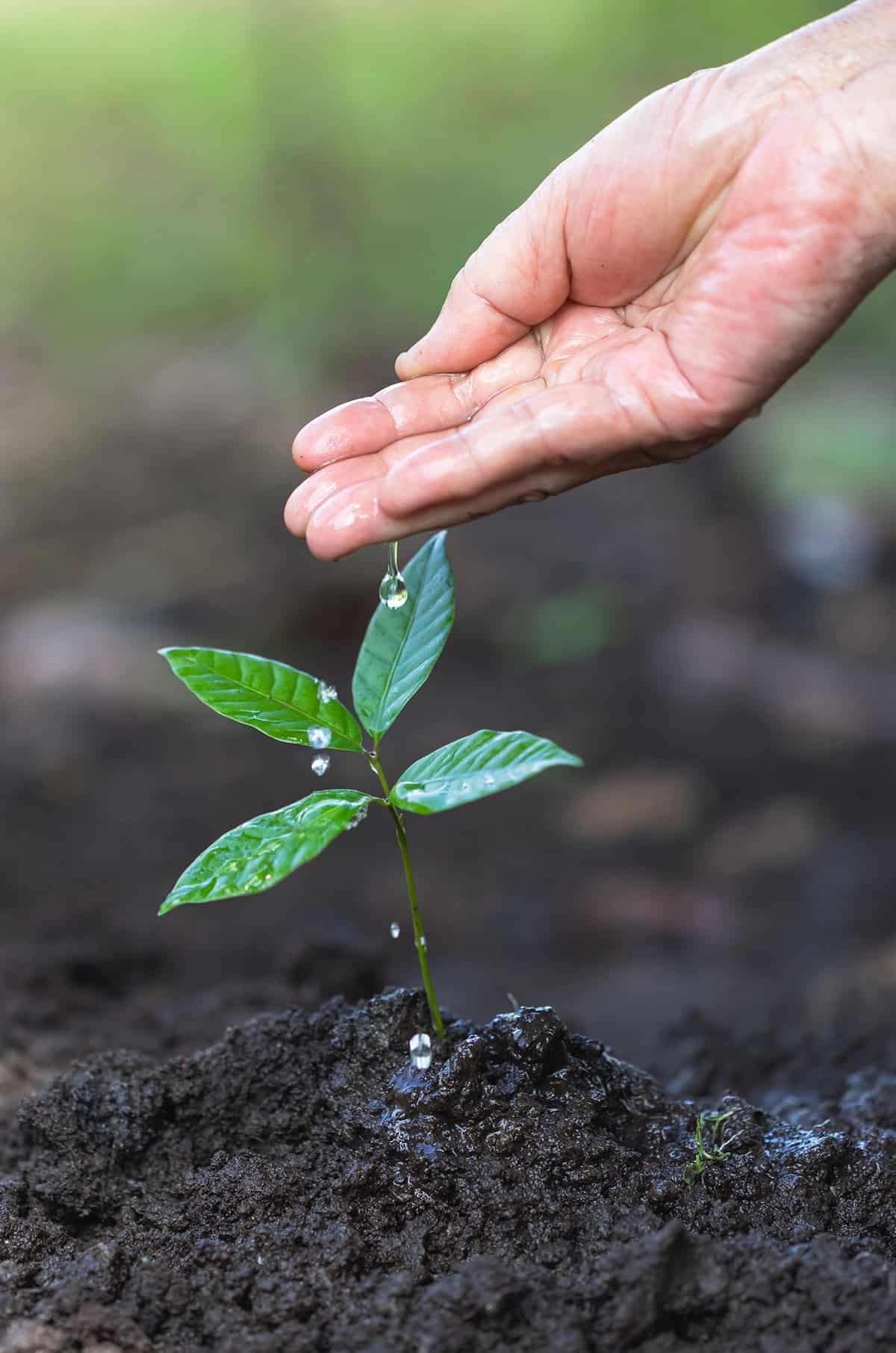
Moisture levels can make or break a lychee tree, especially in the early years. Young plants demand regular watering—two or three times weekly if it’s dry out. The goal is to keep the root zone damp but never swampy.
For new plantings, deep watering is key. You want moisture reaching a foot or so into the soil. Wait until the top few inches dry out before watering again.
Once established, lychee can handle short dry spells, but steady moisture during flowering and fruiting makes all the difference in yield and fruit size. Cut back on watering in late fall and winter if rain is reliable. In humid places, mature trees might get by on rainfall alone, but always adjust for your specific conditions.
Overwatering is a common pitfall—roots rot and fruit suffers if the soil stays soggy. Make sure the site drains well, and don’t let water pool around the trunk.
A layer of mulch (two to six inches deep) over the roots helps keep moisture in and weeds out. Just don’t let mulch pile up against the trunk—leave an eight to twelve-inch gap.
Soil Preferences
Roots need room to breathe, so drainage is everything. Heavy clay soils that stay soggy after rain spell trouble for lychee. Instead, go for a loose, sandy loam that drains quickly but still holds enough moisture.
Slight acidity helps with nutrient uptake. If you can, keep the pH between 5.5 and 6.5. In more alkaline soils, yellowing between leaf veins (iron chlorosis) often pops up.
Before planting, dig a hole wide—three or four times the width of the root ball, not just deep. Loosen the surrounding soil to make it easier for roots to spread.
Mix compost in evenly if you’re using it, but don’t create a soggy pocket around the roots. Keep the planting level with or just above the surrounding ground to avoid rot.
If your site drains poorly, mound up the planting area. Elevating the roots encourages airflow and helps fend off disease.
Temperature and Humidity
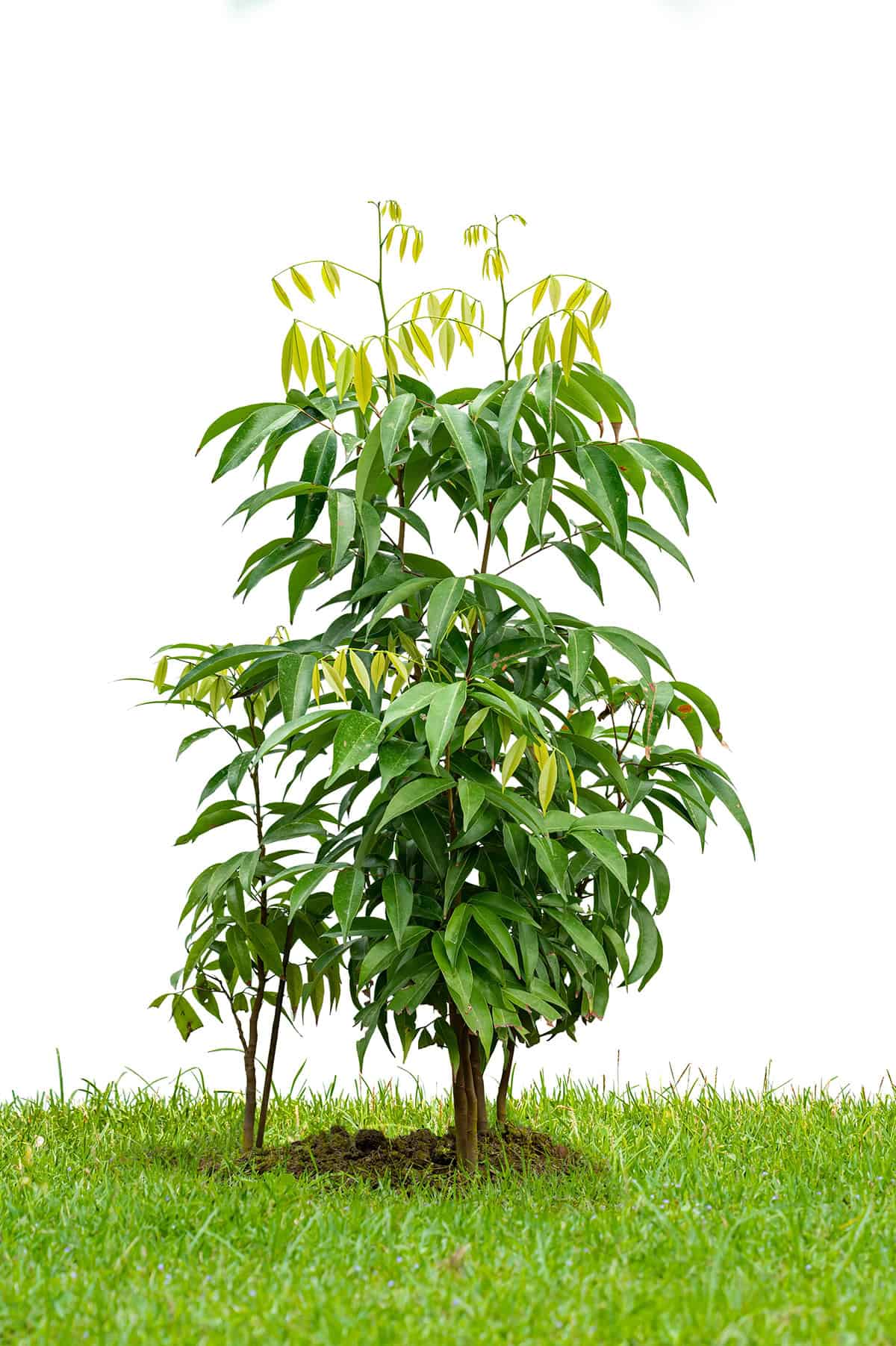
Lychee likes it warm, but not scorching. The sweet spot is somewhere between 64°F and 90°F (18°C to 32°C). Within that range, you’ll see strong shoots and healthy leaves.
This tree’s picky about climate. It wants a dry, cool winter—just not a frosty one—to trigger blooming. Places with gentle winters and hot, humid summers tend to work out best.
Young plants can get zapped by even brief dips below freezing (28°F to 32°F, or -2°C to 0°C). Older trees survive short drops to 25°F (-4°C), but long cold spells can still cause damage. It’s worth shielding young ones for their first few winters.
Unlike apples or peaches, lychee doesn’t need a ton of winter chill. What it does need is a stretch of cool, dry weather to set buds. Skip that, and you’ll likely get a light crop.
Humidity helps, especially in summer, supporting both fruit and foliage. Too much wetness at the roots, though, is bad news. Good airflow and drainage are your best friends here.
Fertilizer Application
Fertilizing is all about timing and moderation. In the early years, use a balanced product with moderate nitrogen, phosphorus, and potassium, plus magnesium. Apply about a quarter to half a pound every two months for trees under four years old.
Once fruiting starts, ease up on nitrogen from late summer through winter—too much can stunt flowering. After harvest, resume with a balanced mix to replenish what the tree spent.
For mature trees, two to four feedings during the growing season usually does the trick. Scatter fertilizer under the canopy, but steer clear of the trunk itself. Water thoroughly after each application so nutrients reach the roots.
Keep an eye out for micronutrient issues, especially in alkaline soils. If leaves turn yellow with green veins, an iron chelate drench can help. Foliar sprays with zinc and manganese come in handy if you spot deficiencies.
Don’t go overboard late in the season. Heavy feeding then just pushes leafy growth at the expense of flowers. Slow and steady wins the race here.
Growing in Containers
Container growing is totally doable if you’re outside the lychee comfort zone or just short on space. Grafted varieties like ‘Mauritius’ are a solid bet for fruit.
Start with a hefty pot—15 to 25 gallons at least—and make sure drainage holes are plentiful. As your tree grows, size up the pot to keep roots from getting cramped.
Fill with a well-drained, slightly acidic mix. Sandy soil with some organic matter works well; avoid heavy stuff that holds water. Put the pot in full sun—six to eight hours of direct light is non-negotiable. Indoors, a bright window or grow lights are essential.
Water when the top two inches of soil dry out. Keep things evenly moist, not soggy. After harvest and in cooler months, you can ease off a bit.
During the growing season, feed with balanced fertilizer. If leaves start showing signs of deficiency, add iron, manganese, or zinc. Skip the nitrogen bomb just before flowering—it can mess with fruit set.
Prune after picking to keep the tree between 6 and 10 feet. Cut back strong vertical shoots and encourage side branches.
If a cold snap threatens (below 28°F), move the container indoors or to a sheltered spot. Insulating the pot or placing it near a warm wall helps protect the roots.
Potting and Repotting
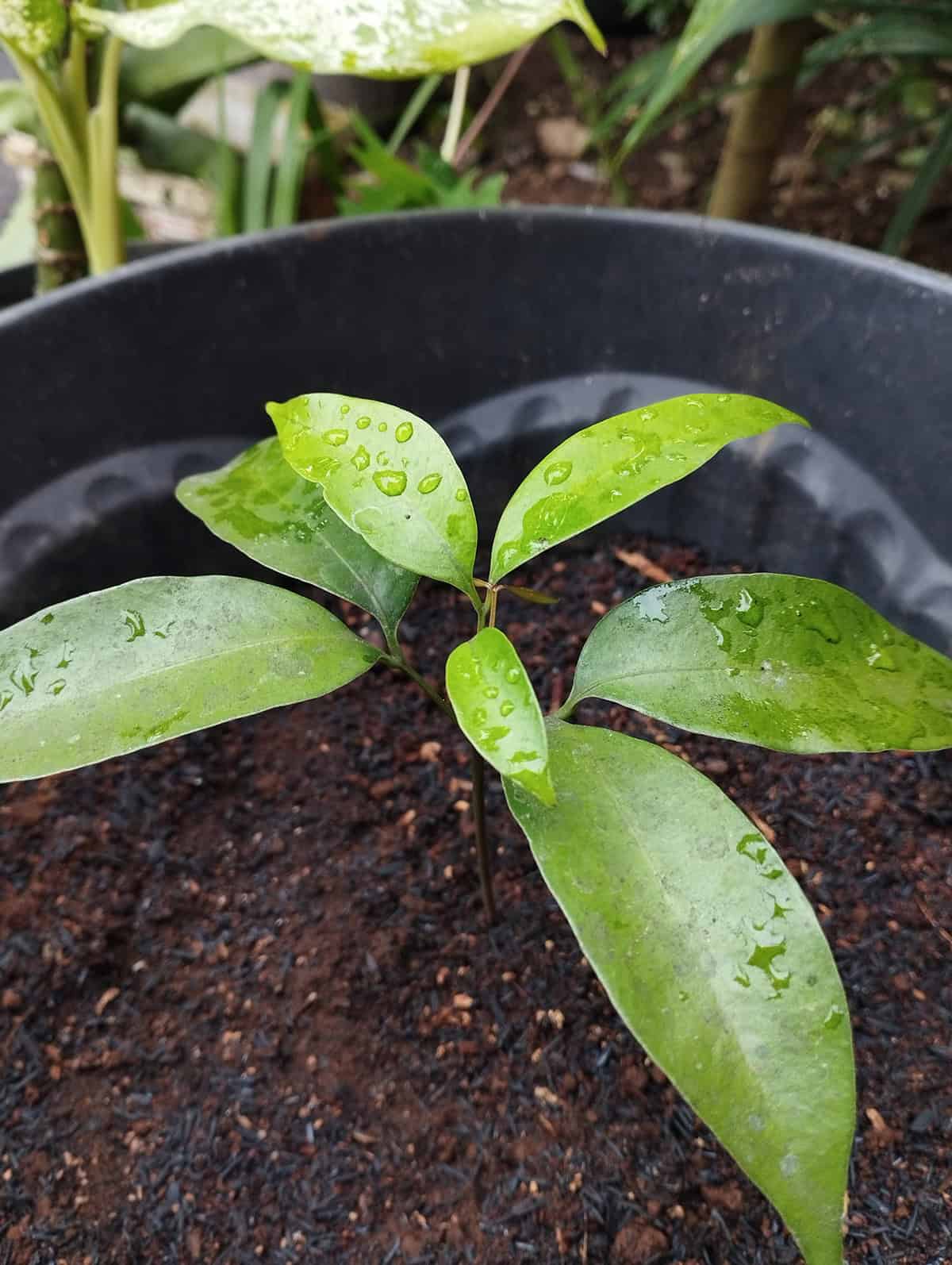
Lacking garden space or living in a cooler zone? Container lychee is an option. Pick a roomy pot with good drainage and fill it with a slightly acidic, well-draining mix that’s not too rich.
Set the tree so the top of the root ball is level with or just above the soil surface. Don’t bury the trunk. Press the soil in gently and water deeply to settle everything.
Repotting is a must every year or two for younger trees. Move up to a pot just a few inches wider each time—going too big too fast can lead to soggy soil and stressed roots.
When you repot, check the roots for circling or damage, and trim as needed. Try to keep the root ball as intact as possible to avoid shocking the plant.
After moving to a new pot, give it a spot in full sun but out of strong wind for a few days. Water when the top inch dries out. Hold off on fertilizer for a few weeks; fresh potting mix usually has enough nutrients, and the roots need time to settle.
Pruning Techniques
Pruning isn’t just about keeping things tidy—it’s about shaping, light access, and future fruit. The best time is right after harvest, late spring or early summer. Trim branch tips back by 6 to 12 inches to keep the canopy manageable, cutting just above an outward-facing bud.
In the early years, focus on structure. Pick three or four main limbs spaced evenly around the trunk. Shorten any overly vertical shoots to push the tree into making side branches. An open center lets light reach the inner canopy.
Older trees just need a light touch. Remove anything dead, weak, or crossing. Avoid hacking off big limbs unless absolutely necessary. Never top the tree—doing so weakens it and slashes future fruit.
Harvesting often doubles as a light prune, since you snip fruit clusters with a bit of stem. This encourages new shoots for next year’s crop. Always use sharp, clean tools to avoid spreading disease. Go easy on the heavy cuts—pairing hard pruning with high nitrogen can mean fewer flowers next season.
Propagation Methods
Air layering is the go-to for most home growers. It’s straightforward and gives you a new tree identical to the parent—same fruit quality, same yield. Pick a healthy branch, wound the bark, wrap it with moist medium, and seal it up until roots show. Once you see roots, cut it free and pot it up.
Layered trees start producing fruit faster than seedlings—sometimes in three to five years. Grafting is another option, but it’s trickier and needs compatible rootstock. For most folks, air layering is the practical route.
Growing from seed is possible, but don’t expect a clone of the parent. Fruit quality and timing can be all over the place, and you’ll wait eight to ten years for a harvest. If you’re set on trying seeds, plant them fresh after harvest and keep them in well-drained, slightly acidic soil. Warmth helps with germination. For reliable fruit, though, stick with air-layered plants.
Fruiting and Harvest
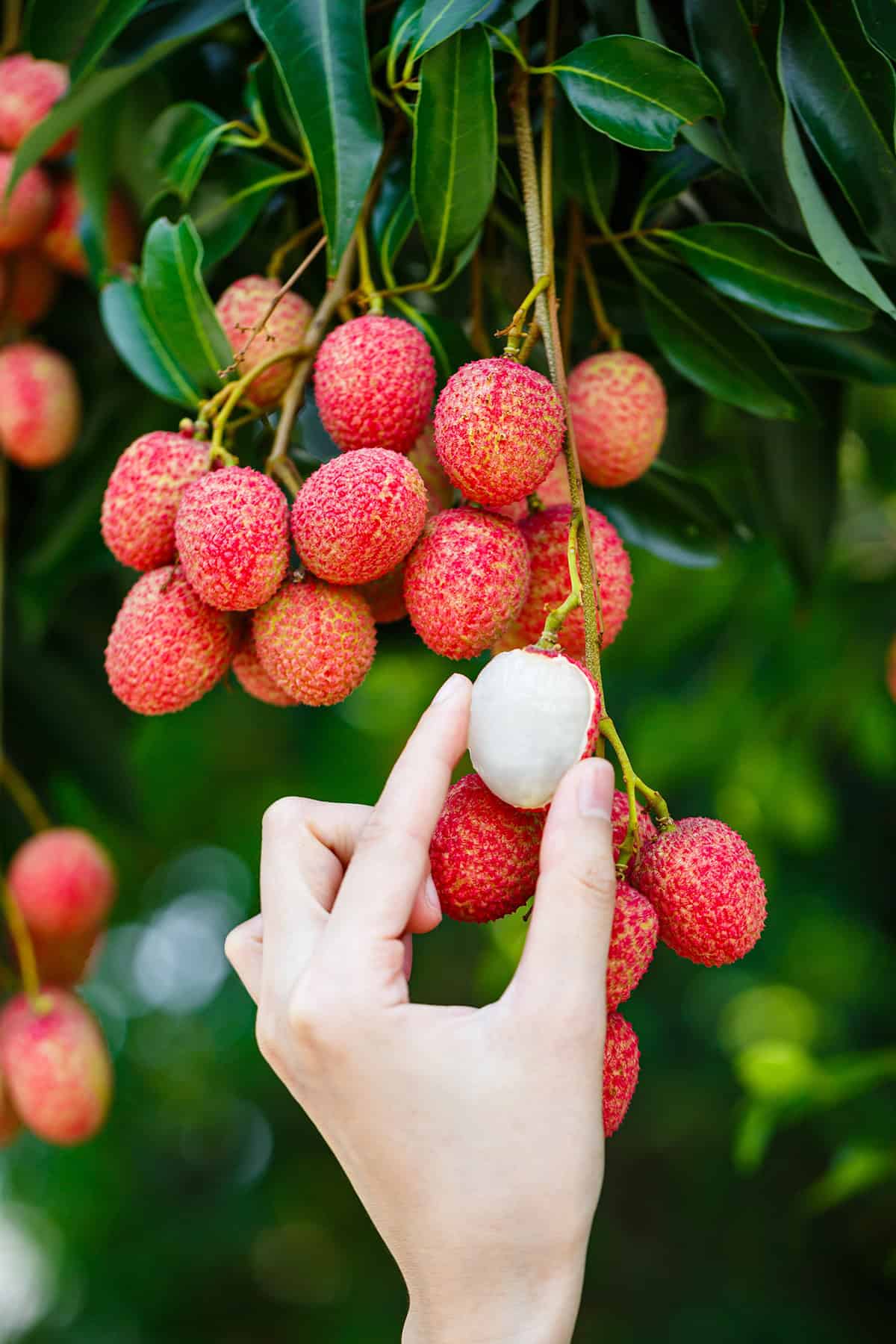
A lychee tree’s journey to fruiting can feel like a test of patience—grafted or air-layered specimens might surprise you with clusters after three to five years, while those grown from seed tend to drag their feet even longer, often with unpredictable results.
Come late winter or the first hints of spring, flower clusters emerge, drawing in bees and flies. These tiny visitors do most of the pollinating heavy lifting. You’ll see more fruit if you’ve got a couple of different varieties mingling in the yard, but even a solo tree will usually set a decent crop, unless the weather throws a cold, wet wrench into the works.
Hand-pollination? Most backyard growers can skip it. As long as pollinators are buzzing around, fruit set takes care of itself. Still, a stretch of bad weather during bloom can really cut into your harvest.
Ripening happens right on the tree—there’s just no shortcut to that sweet, floral flavor. Watch for fruit turning from green to shades of pink or red, with skin that feels firm but not rigid. Inside, the juicy white flesh wraps around a single, glossy brown seed.
Harvesting season rolls in from May through July in warmer zones, and sometimes the trees go all out, sometimes not so much. Crops can be a bit unpredictable year to year.
When it’s time to pick, snip the fruit clusters off with clean pruners, leaving a bit of stem attached. Yanking them by hand tends to tear the skin and mess up next year’s buds. Handle the clusters with care—lychees bruise easily.
Freshly picked lychees should head straight to the fridge. They’ll last about a week, maybe a little longer, but honestly, they’re at their best when eaten soon after harvest.
Common Problems
First hints of trouble on a lychee tree usually come from pests. Sap-sucking insects—scale, aphids, mealybugs—can leave leaves sticky and streaked with sooty mold. Sometimes a strong blast of water is enough to knock them back; other times, you’ll need to reach for approved treatments.
In warmer regions, the lychee erinose mite can be a nightmare. This barely visible pest warps leaves and leaves fuzzy, felt-like patches underneath. Vigor drops and fruiting suffers. Pruning out damaged branches and, where it’s allowed, using sulfur sprays can help keep things in check.
Humidity and poor airflow open the door to fungal problems. Anthracnose leaves dark blotches on leaves, blossoms, or fruit, especially in sticky weather. Soggy, poorly drained soil sets the stage for root rot—roots start to fail, and the tree struggles to take up nutrients. Good drainage and smart watering habits go a long way to avoiding these headaches.
If leaves start turning yellow, something’s off—maybe too much water, not enough nutrients, or roots sitting in soggy soil. Sudden fruit drop? Could be drought, damaged roots, or pest stress. Regular checks, steady watering, and balanced feeding help keep most of these issues from getting out of hand.
Varieties
Warm afternoons, the scent of fresh leaves, and the anticipation of fruit—these are what draw gardeners to lychee. Yet, not every variety will reward your patience, especially if your winters swing between mild and unpredictable. Success hinges on choosing a cultivar that actually fits your climate, not just one that looks good in catalogs.
In Florida’s subtropical neighborhoods, it’s usually ‘Mauritius’ and ‘Brewster’ you’ll spot in backyards and small groves. ‘Mauritius’ seems to win favor for its regular crops, especially when the weather cooperates with a chilly, dry winter. The fruit? Medium-sized, bright red, and just the right balance of sweet and tart. A bonus—this tree tolerates a good pruning, making it manageable even in tight spaces.
‘Brewster’ leans toward drama: larger fruit, a punchier taste, and a tree that doesn’t know when to stop growing. Its sprawling canopy fills out quickly. But unless your winters reliably deliver a cold snap, don’t count on a bumper crop every year. Some seasons, it just sits back and takes a break.
In places like Hawaii, where true cold barely registers, the game changes. Only certain cultivars will even consider setting fruit. Timing fertilizer and water with care becomes crucial, and the local ag folks usually have opinions on what’ll survive the heat and humidity. It’s worth checking in with them before planting anything.
Oddly enough, growing two or more varieties close together sometimes bumps up your chances for a decent harvest. Pollinators—bees, flies, whoever’s buzzing around—help carry pollen from tree to tree, which, under the right circumstances, makes all the difference.