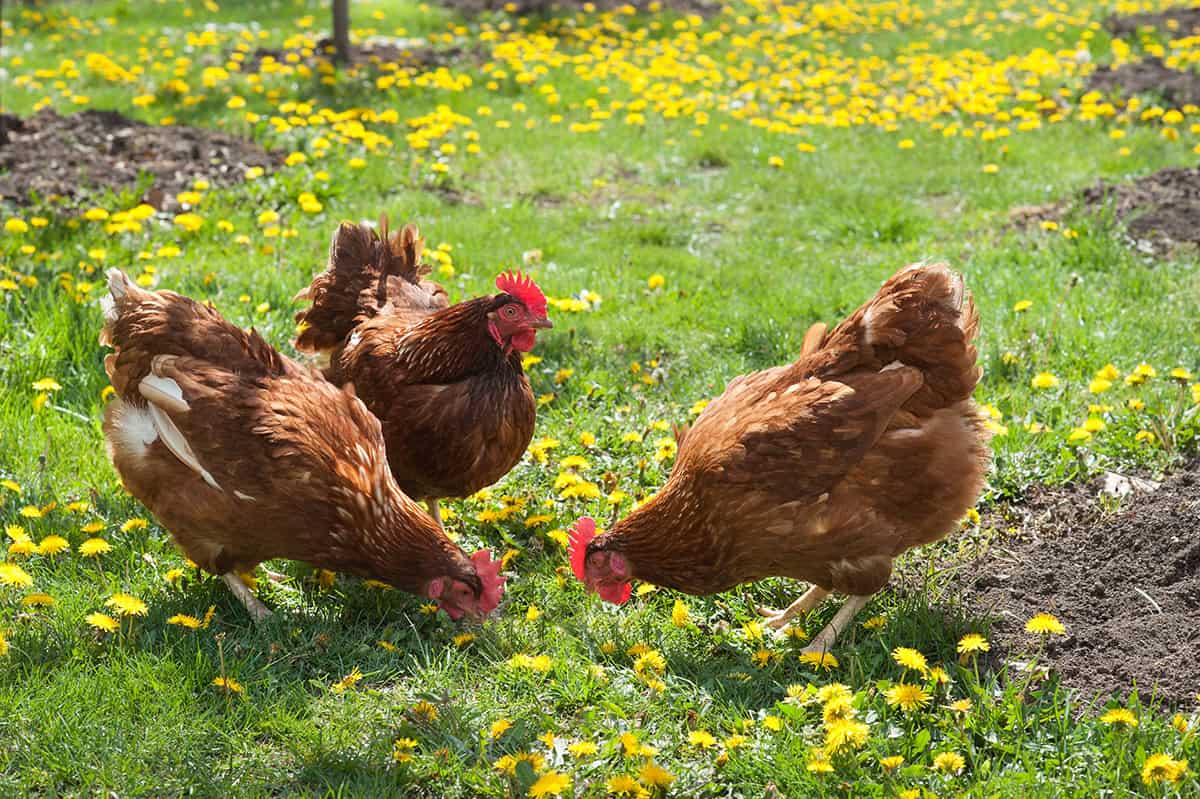
Chickens peck at nearly everything in a garden bed, which means every flower near the run needs to be safe to eat.
The twenty blooms in this roundup pass that test, and many double as treats, pest deterrents or herbs for the kitchen.
Marigolds kick off the list, partly because the petals deepen the color of egg yolks.
Table of Contents
Marigold
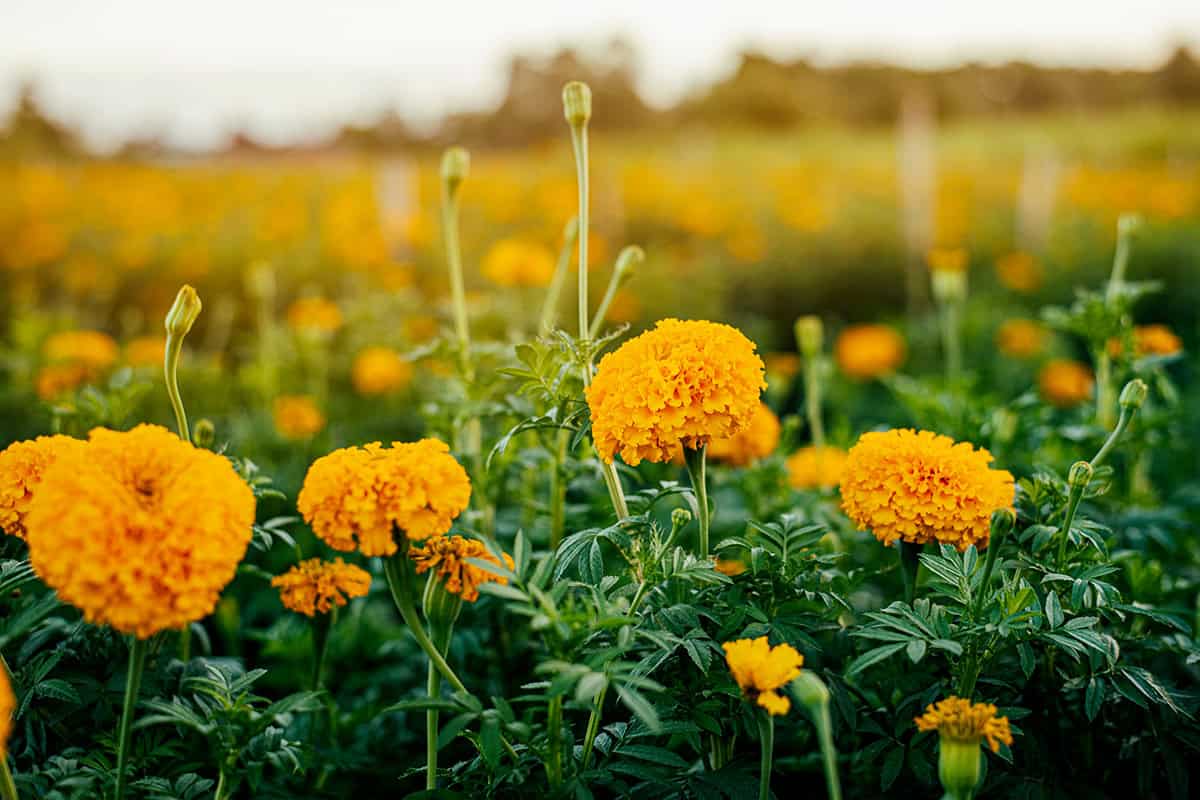
French and African marigolds (Tagetes) grow fast from seed and bloom in bold orange and yellow from early summer until frost. Chickens nibble the petals safely, and commercial poultry feeds use marigold extract to deepen yolk color.
Plant seedlings after the last frost in full sun. The strong scent may discourage some garden pests, and the open blooms draw bees and hoverflies.
Nasturtium
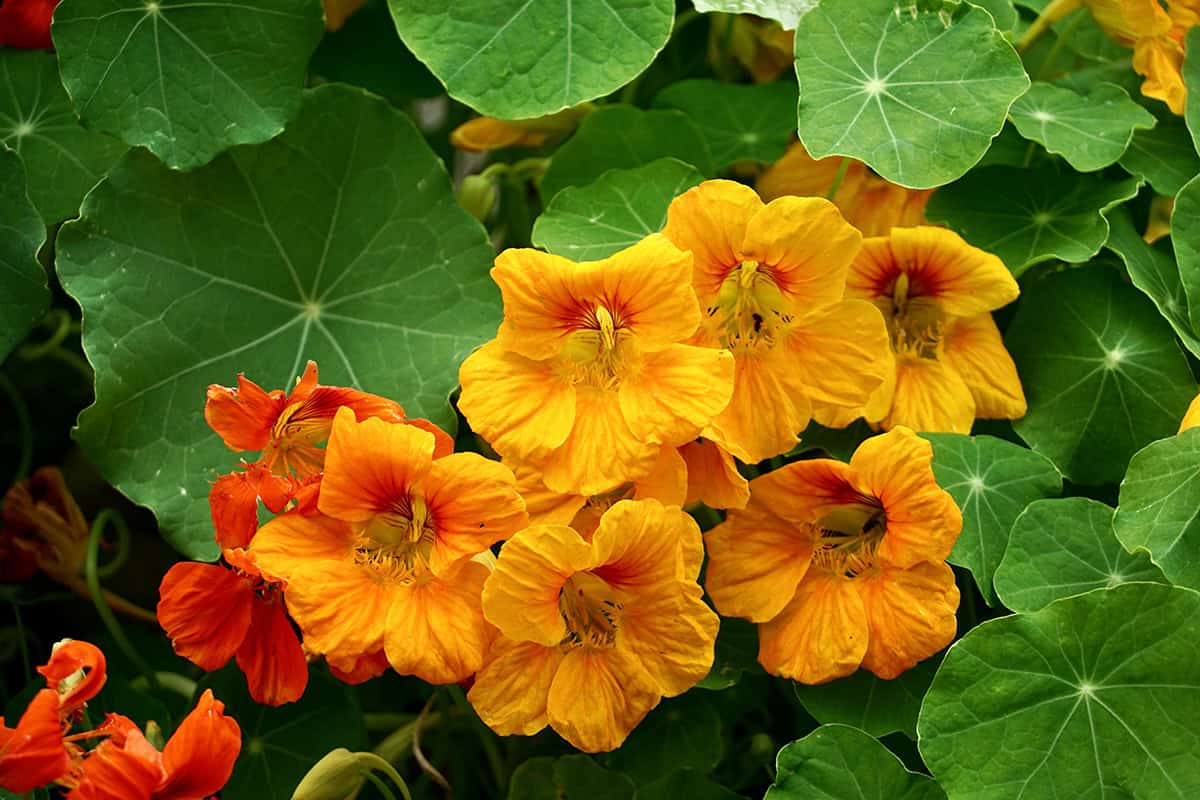
Nasturtium leaves, flowers and seeds are all edible, for chickens and people alike. The peppery leaves supply vitamins A and C, and many hens peck them eagerly.
Sow seeds directly in sun or part shade in average, well-drained soil. Rich soil produces leaves at the expense of flowers. The sprawling vines shade the edges of a run, and nasturtiums attract aphids away from nearby vegetables, which makes them a handy trap crop.
Calendula (Pot Marigold)
Calendula, or pot marigold, belongs to a different family from Tagetes marigolds. Its orange and yellow petals are edible for chickens and people, and they add color to salads and teas.
It grows easily from seed in cool weather and self-sows freely. Herbalists use the petals in balms for minor skin irritation, and the flowers draw bees and other pollinators from spring into fall.
Chamomile
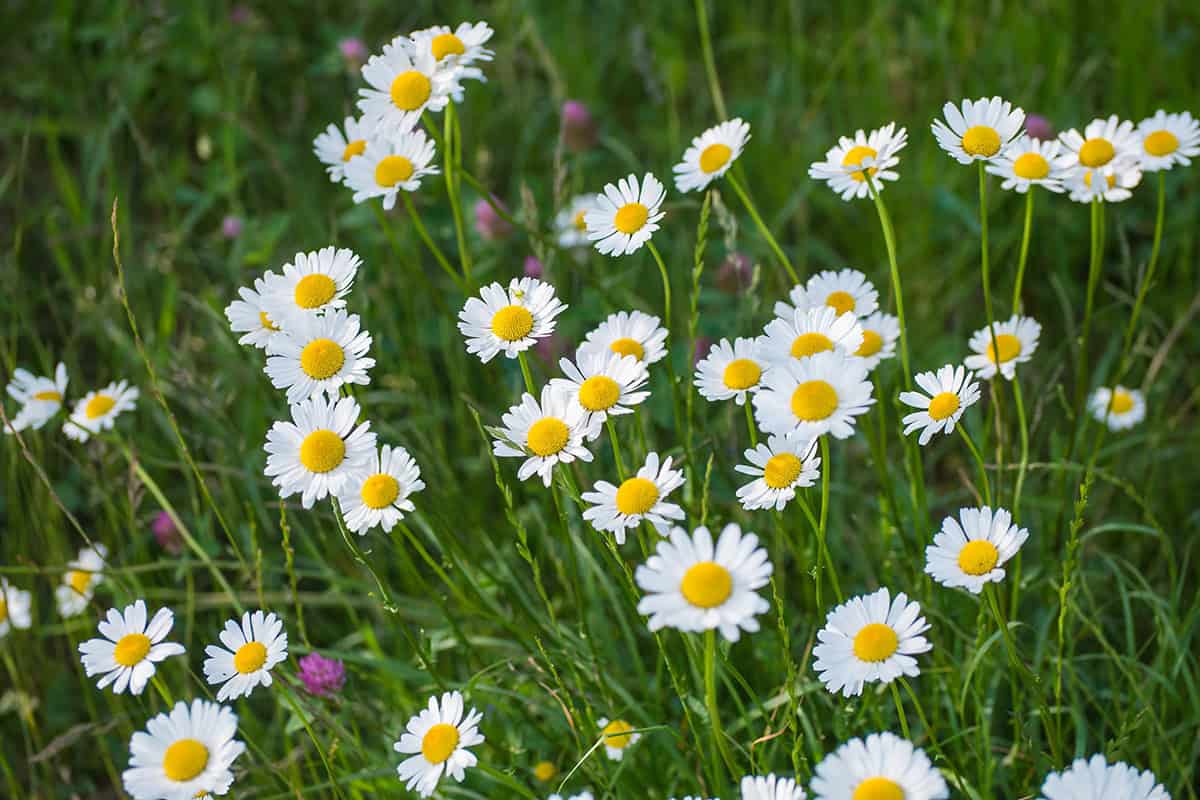
German chamomile grows as a tall annual from seed in sunny, well-drained soil. Roman chamomile forms a low perennial mat that handles light foot traffic.
Chickens peck at both types safely, and many keepers tuck dried chamomile into nest boxes for its pleasant scent. Claims about calming hens rest on tradition more than research, but the plant does no harm and the flowers make a soothing tea for the gardener.
Lavender
Chickens tolerate lavender well, though most hens show little interest in eating the leaves. Its strong fragrance freshens the coop area, and dried sprigs in nest boxes may help repel some insects.
Plant lavender in full sun and sharp-draining soil, since wet roots kill it fast. It handles heat and drought once established and returns for years in USDA zones 5 to 9, with the exact range set by the variety.
Rose Petals
Chickens treat rose petals as a safe, pretty snack. Hens peck them straight from the bush or from a handful scattered in the run.
Use petals only from roses grown free of pesticides and systemic fertilizers, since florist roses carry heavy chemical residue. Fresh petals hold the most vitamin C. Treat them as an occasional snack, on top of a complete layer feed.
Sunflower
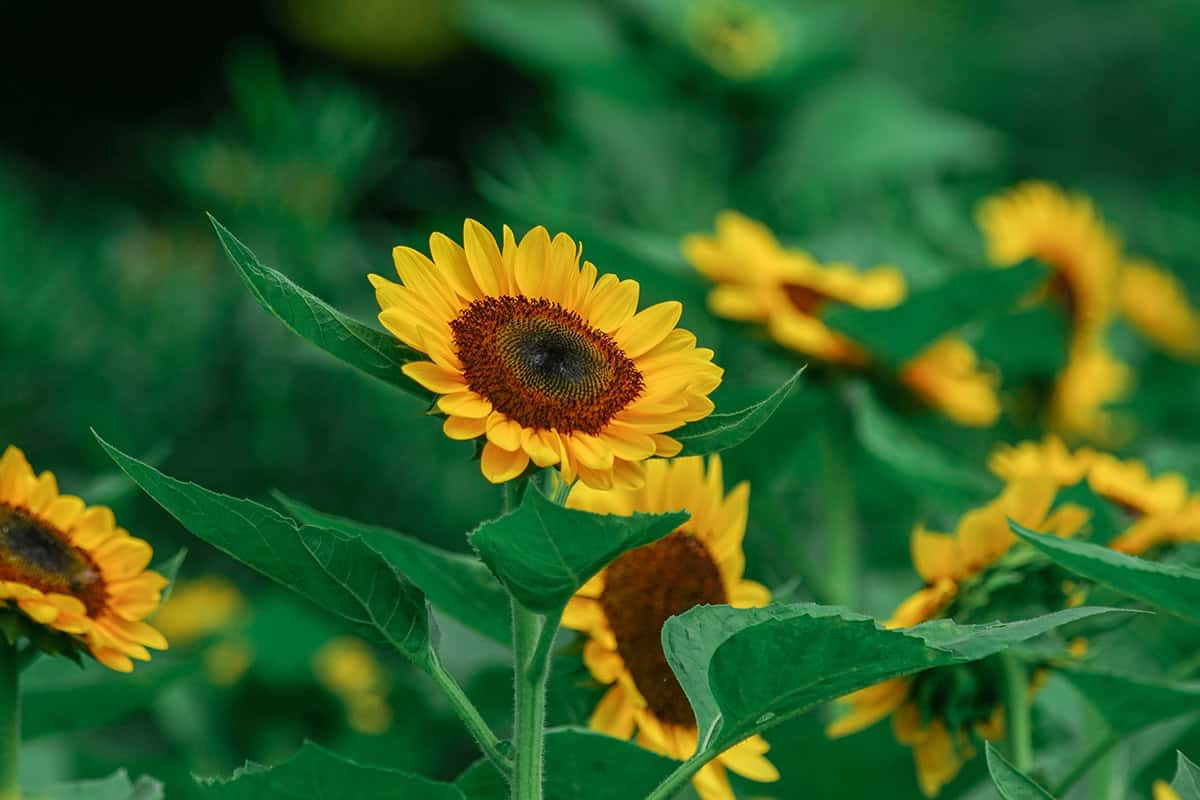
Sunflowers pull double duty near a coop. Tall stalks cast shade over the run in summer, and the ripe seed heads make a high-energy treat in fall.
Hang a dried head in the run and let the hens pick out the seeds, which occupies them for hours. Seeds run high in fat, so hand them out as a treat a few times a week. Plant in full sun after the last frost, and fence young seedlings until they grow out of pecking range.
Hibiscus
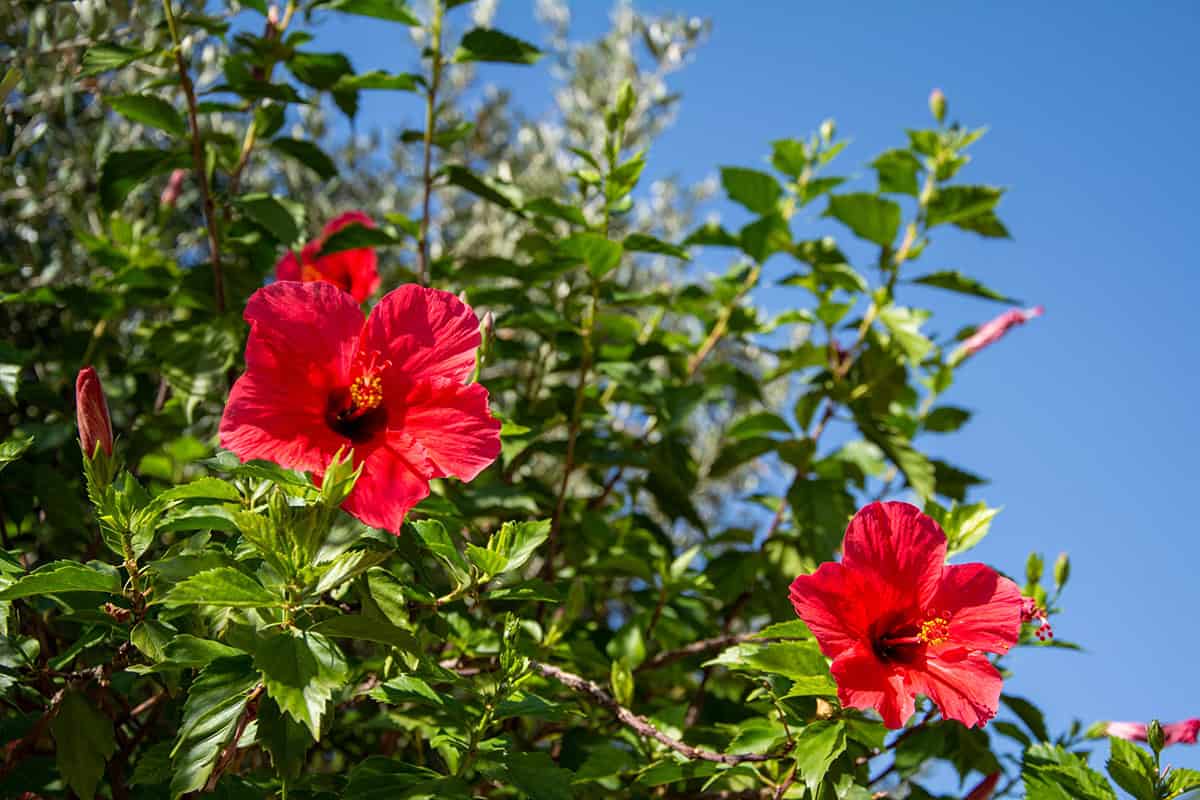
Hibiscus flowers and leaves are safe for chickens, and many hens eat the soft petals. Bold color around a run in warm climates comes as a bonus.
Tropical hibiscus needs full sun, well-drained soil and steady water, and it dies at freezing temperatures. In colder regions, grow it in a pot and move it indoors for winter, or plant hardy hibiscus (Hibiscus moscheutos), which survives zone 4 winters.
Echinacea (Coneflower)
Purple coneflower (Echinacea purpurea) is a native North American perennial that chickens leave alone or peck at harmlessly. The sturdy, daisy-like blooms last from midsummer into fall.
It grows in full sun and average, well-drained soil and tolerates drought once established. Bees and butterflies visit the flowers, which means more insects for foraging hens. Leave the seed heads standing in fall for goldfinches.
Bee Balm (Monarda)
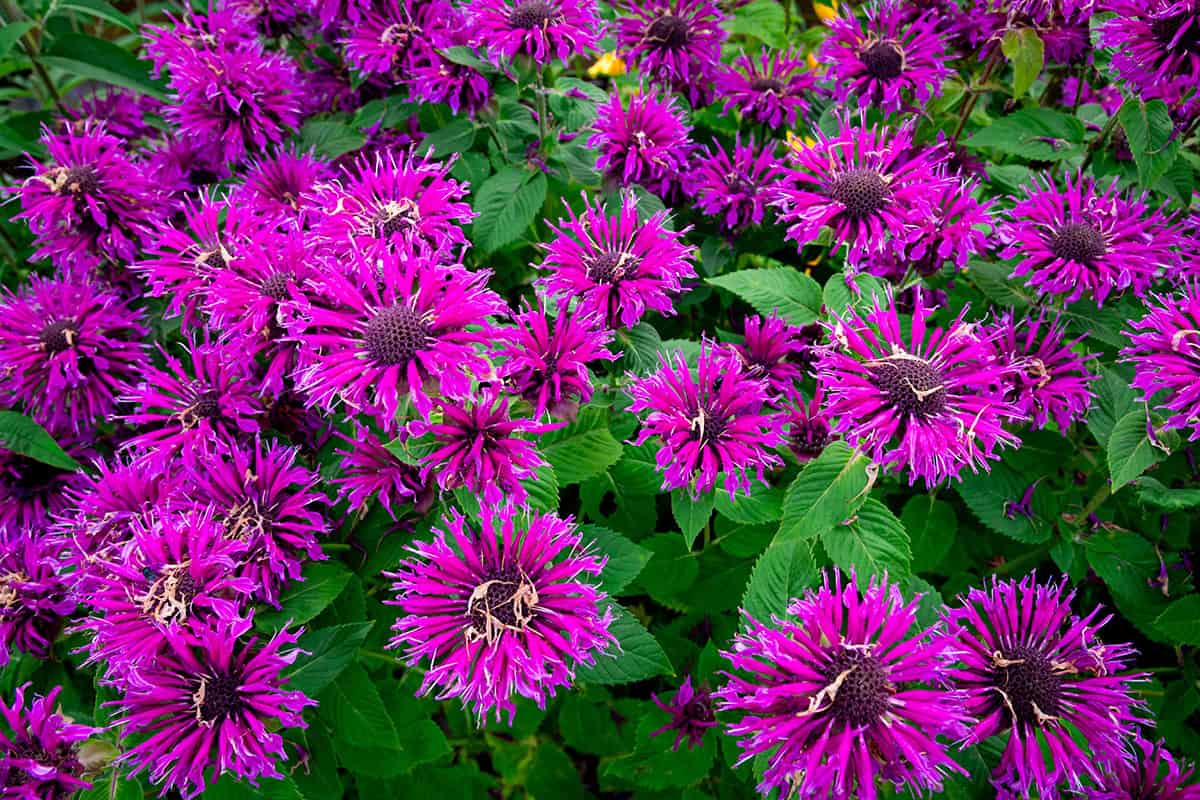
Bee balm carries shaggy red, pink or purple flowers that draw bees, butterflies and hummingbirds. The leaves have a minty, oregano-like scent, and both leaves and flowers are safe for chickens.
Plant it in full sun to part shade with average moisture and good airflow, since crowded clumps develop powdery mildew. Bee balm spreads by underground runners, so divide clumps every few years. Dried leaves tucked into nest boxes smell pleasantly herbal.
Pansies
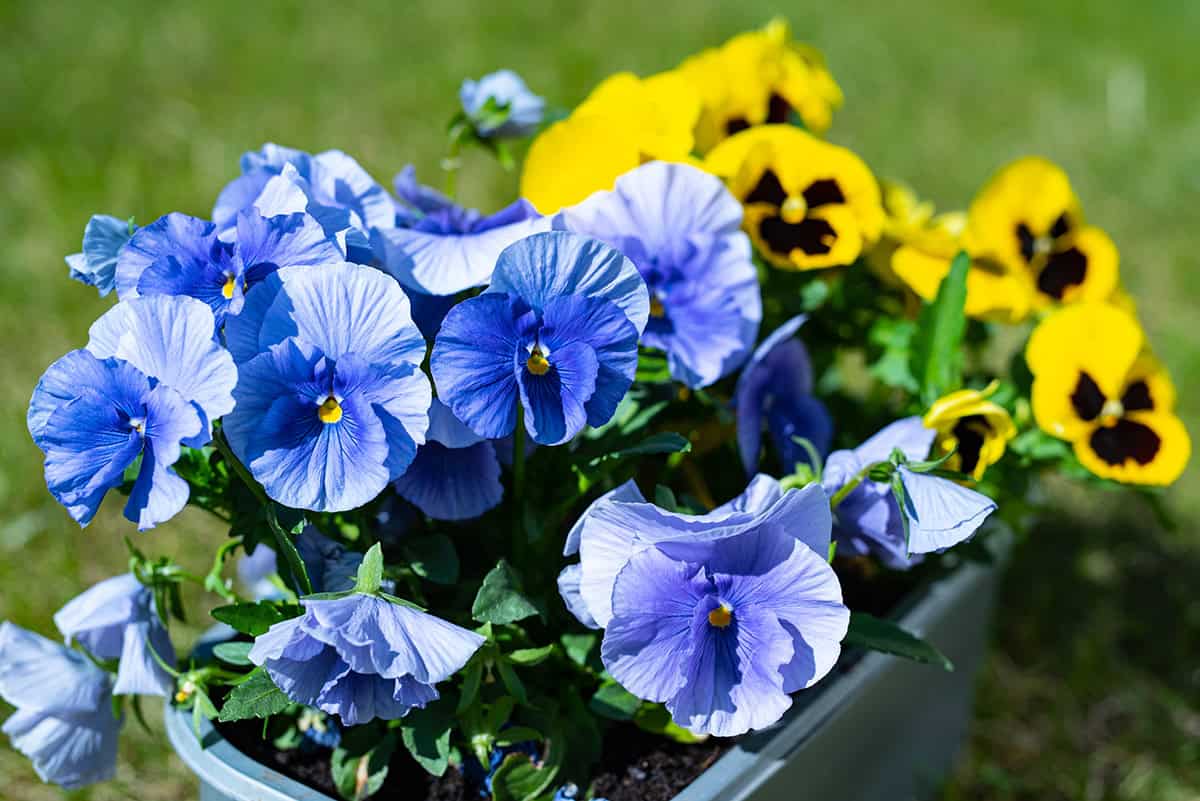
Pansies and their smaller cousins, violas, are edible flowers safe for chickens. Hens peck at both the blooms and the leaves, so plant extras or protect a few with wire.
Pansies grow best in cool weather and bloom through mild winters in the South and from early spring in the North. Buy plants from growers who skip systemic pesticides, or start them from seed, since treated nursery plants carry residues harmful to birds.
Bachelor’s Buttons (Cornflower)
Bachelor’s buttons (Centaurea cyanus) produce bright blue, pink or white flowers on wiry stems. Chickens eat the petals safely.
This annual grows easily from seed sown in early spring or fall, in full sun and average soil. It handles poor, dry ground and self-sows readily. Butterflies and bees visit the flowers, and cut stems last a week or more in a vase.
Dandelion
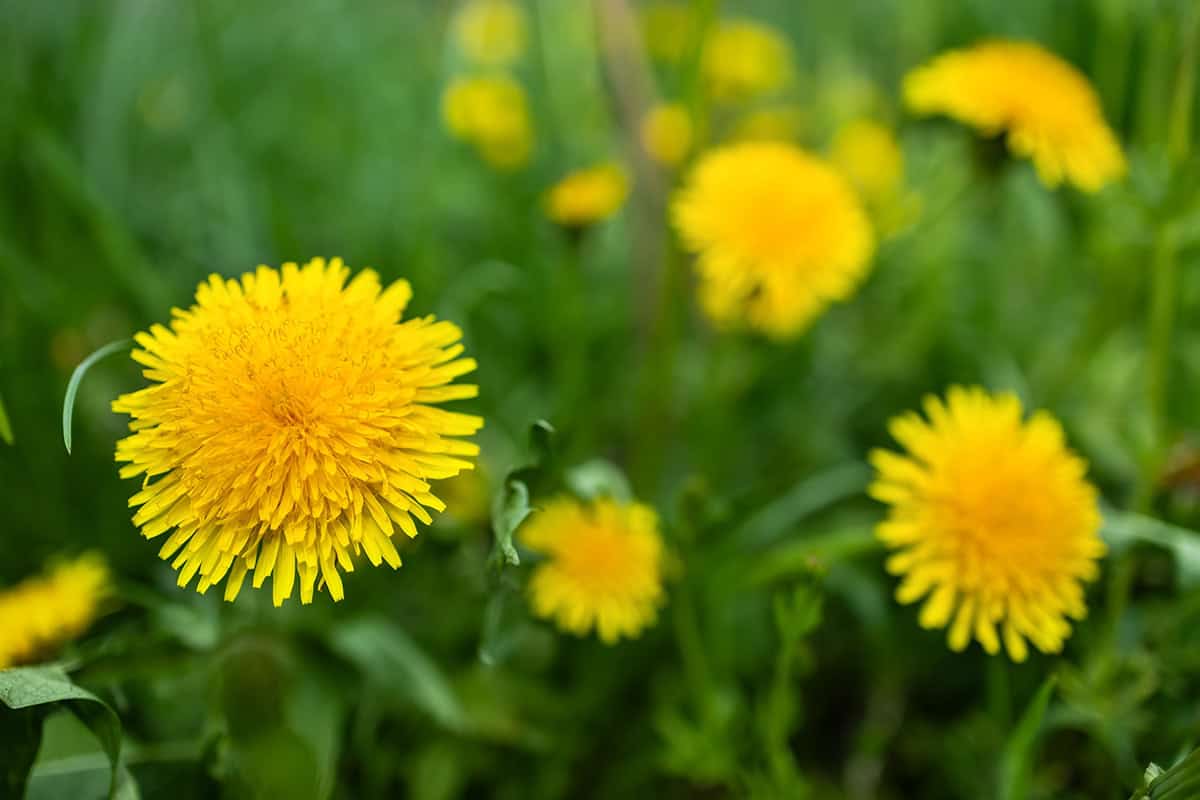
Every part of the dandelion is edible for chickens, from the flower to the root. The leaves supply vitamins A, C and K, plus calcium.
Many backyard keepers let dandelions grow freely in the run or toss pulled weeds to the flock. The early spring flowers also feed bees when little else blooms. Skip any dandelions from lawns treated with herbicides.
Clover Blossoms
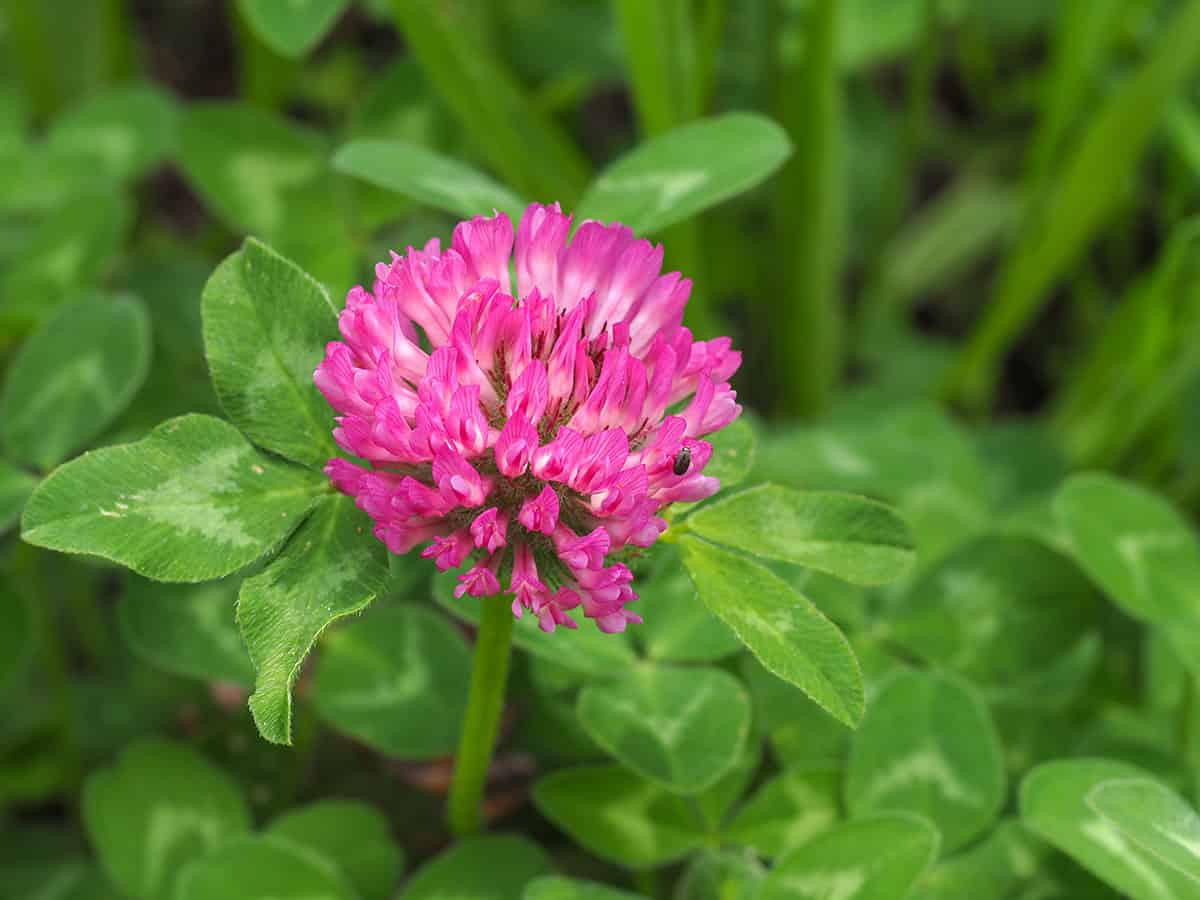
White and red clover are safe, nutritious forage for chickens. The leaves and blossoms supply protein, and free-range hens graze clover patches eagerly.
Clover fixes nitrogen in the soil and grows well in lawns, pastures and chicken yards. Sow white clover in a rotated run to rebuild ground cover between flocks. Avoid feeding moldy hay or wilted, damp clover, since mold harms poultry.
Violets
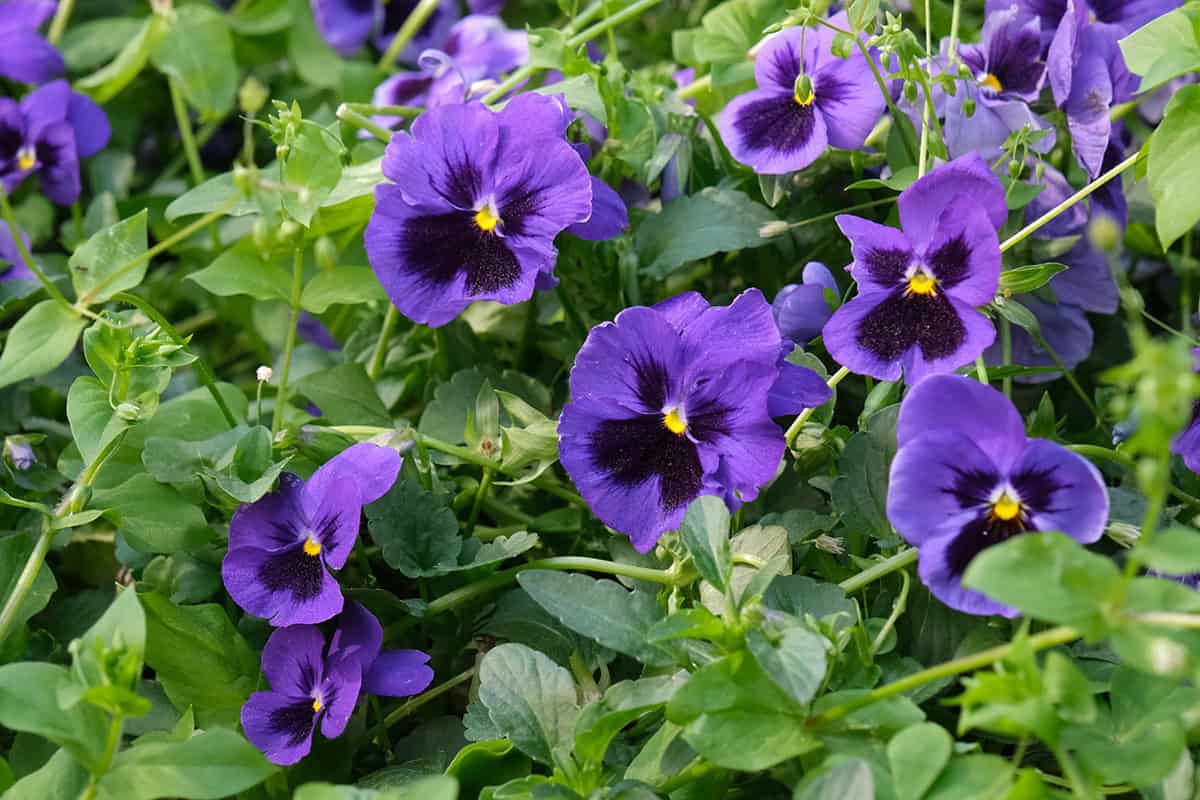
Wild violets (Viola sororia) and sweet violets are safe for chickens, and the leaves and flowers both carry vitamin C. Hens peck at them as they forage.
Violets prefer partial shade and moist soil, which makes them a good ground cover under trees near the coop. They spread on their own and need almost no care. Plant them only in untreated soil, free of lawn chemicals.
Borage
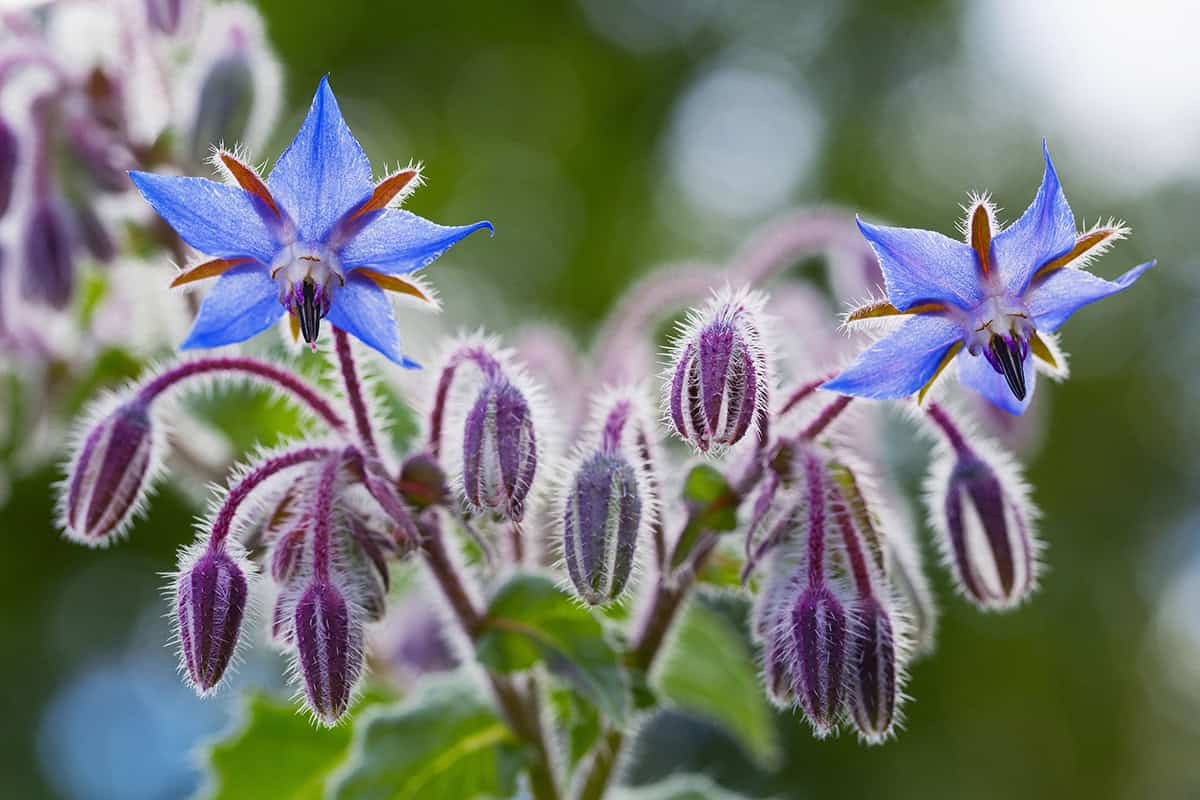
Borage grows clusters of star-shaped, sky-blue flowers on fuzzy stems. Its leaves and flowers are safe for chickens, though the bristly leaves put some hens off.
This annual herb thrives in sun and dry, average soil and self-sows year after year. Bees adore it, and the flowers bloom from early summer into fall. Borage sprawls to about 2 feet wide, so plant it with room to spread.
Mint Blossoms
Mint leaves and its small white, pink or lavender blossoms are safe for chickens. Many keepers scatter fresh or dried mint in nest boxes and around the coop, since the scent may discourage mice and some insects.
Mint spreads aggressively by runners, so grow it in pots or a bottomless bucket sunk into the ground. It handles sun or part shade and moist soil. Cut stems regularly for kitchen use, and toss the trimmings to the flock.
Lemon Balm Flowers
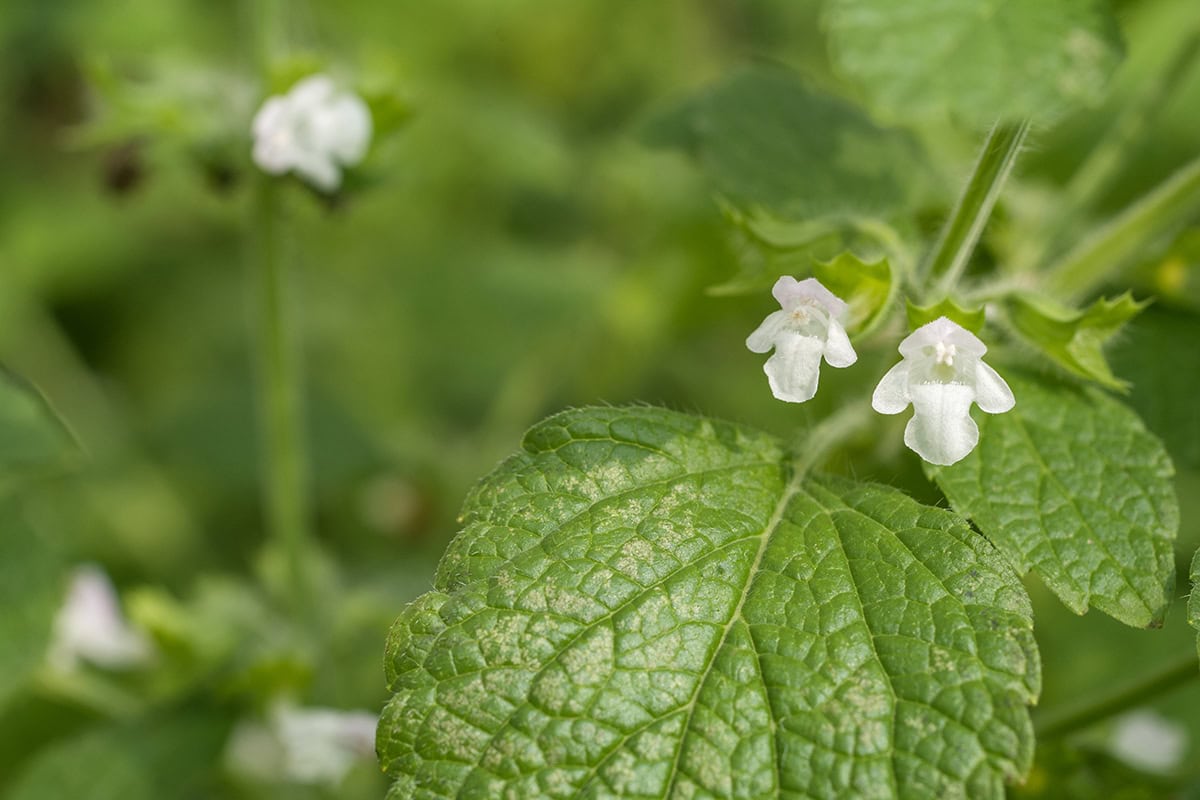
Lemon balm (Melissa officinalis), a member of the mint family, produces small white to pale yellow flowers and leaves with a bright lemon scent. Chickens eat both safely.
The plant grows up to 2 to 3 feet tall in sun or part shade and returns each year in zones 4 to 9. Bees visit the tiny flowers. Shear the plant after flowering to prevent heavy self-seeding and encourage fresh leaves.
Basil Flowers
Basil leaves and flowers are safe for chickens and add variety to their foraging. Pinching the flower spikes also helps the gardener, since it pushes the plant to produce more leaves.
Plant basil after the last frost in full sun and well-drained soil, about a foot apart. Toss the pinched flowers to the hens or scatter them in the run. Grow basil free of pesticides if the flock has access.
Dill Flowers
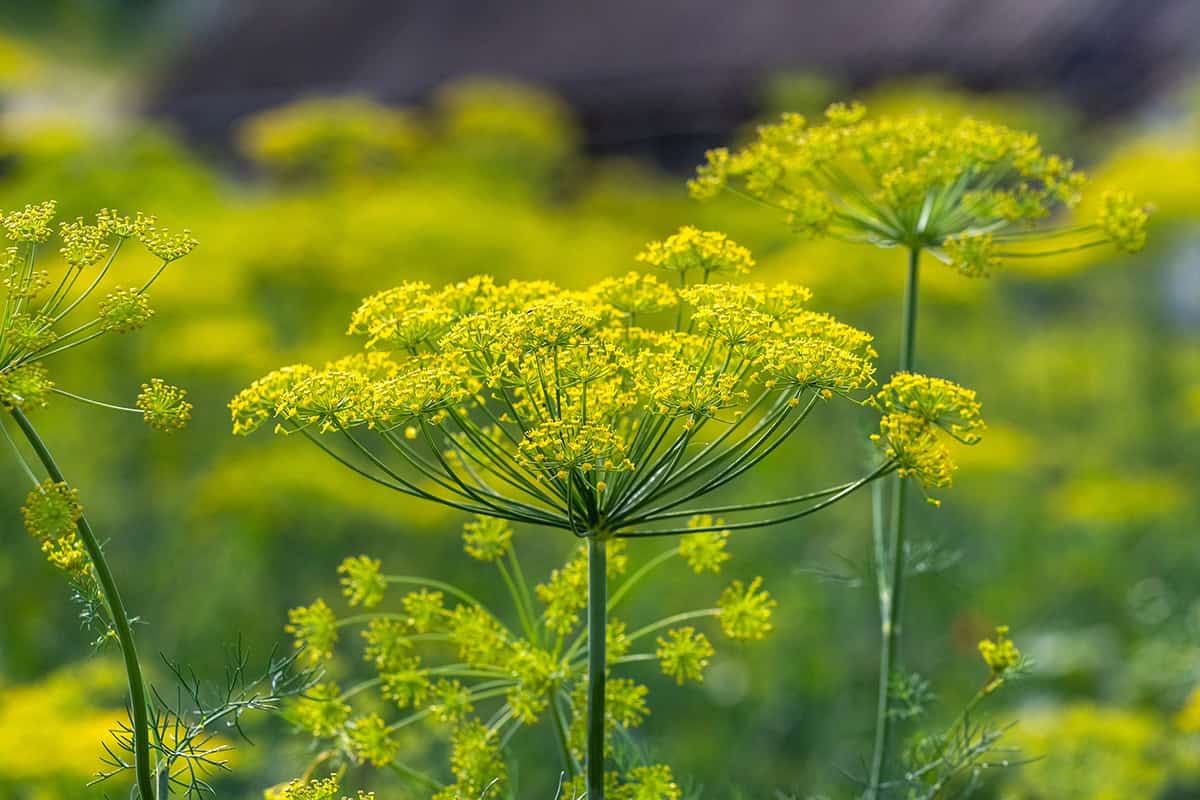
Dill’s flat, yellow flower umbels and feathery leaves are safe for chickens, and many hens enjoy the flavor. Fresh or dried sprigs scattered in the run add variety to their diet.
Sow dill directly in full sun and well-drained soil, since it dislikes transplanting. The flowers attract ladybugs, lacewings and parasitic wasps, all helpful predators in a vegetable garden. Swallowtail caterpillars feed on the leaves too, so plant extra for them.