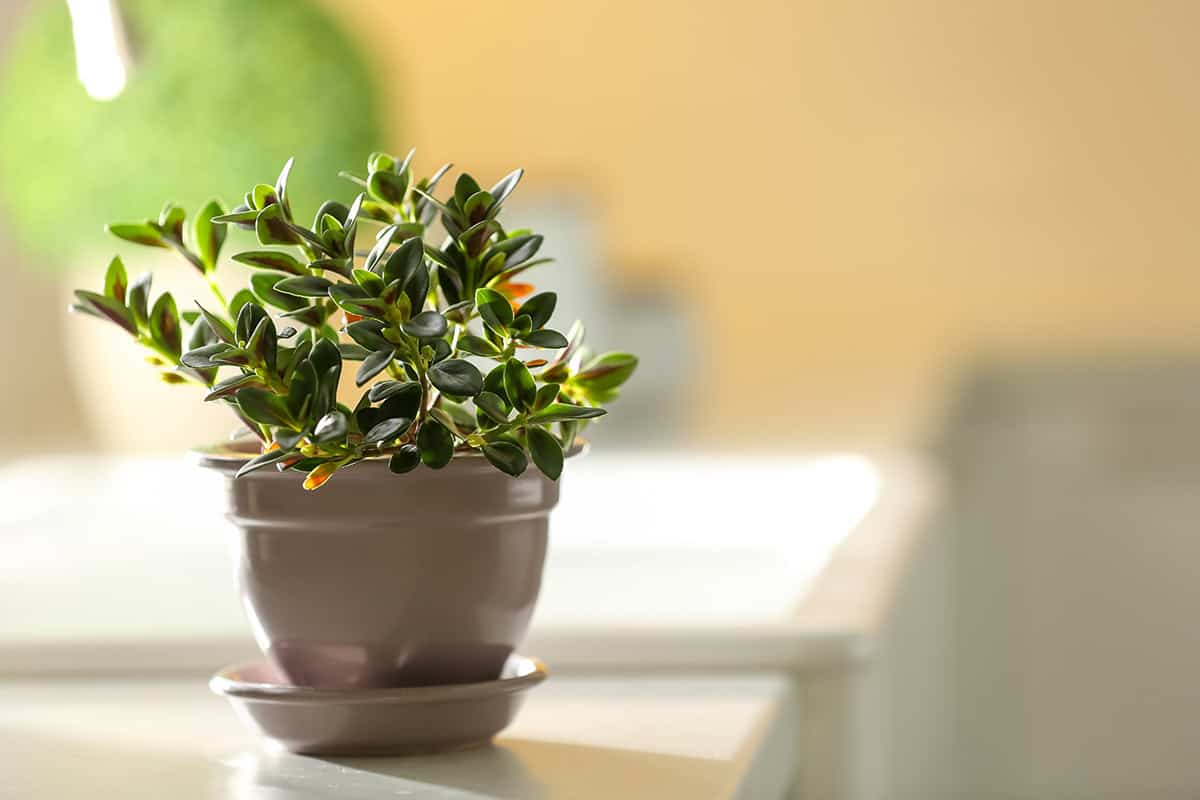
Bright orange flowers shaped like tiny leaping goldfish line the stems of Nematanthus and Columnea, two related plants that share the goldfish nickname.
Both are epiphytes from tropical American rainforests, which means airy roots and humid air are what they crave. In steady warmth and bright, filtered light, they flower on and off for much of the year.
A plant that sulks and refuses to bloom is a common complaint, and the troubleshooting notes trace the usual causes.
Table of Contents
- Light
- Soil
- Water
- Temperature And Humidity
- Fertilizer
- Propagation
- Pruning
- Potting And Repotting
- Common Problems & Troubleshooting
- Plant Varieties
- Frequently Asked Questions
- What is the ideal lighting condition for an indoor goldfish plant?
- How do you propagate a goldfish plant?
- What type of fertilizer should be used for a goldfish plant and how often?
- How frequently should a goldfish plant be watered?
- What are the common reasons for a goldfish plant’s leaves falling off?
- Can goldfish plants thrive indoors and what are their temperature requirements?
Light
Goldfish plants need bright, gentle light. Direct sun scorches the leaves, and a window with filtered light is ideal.
East-facing windows with soft morning light are a good choice, and bright north windows are fine as well. Hang a sheer curtain over a south or west window. In dark homes, LED shop lights or grow lights fill the gap, especially in winter.
Under artificial light, 12 to 14 hours a day is enough. Rotate the pot a quarter of the way around every week or so for even growth. Stretched, floppy stems mean the plant wants more light.
Leaf color is a useful guide. Pale or yellow leaves suggest too much sun, and long, floppy stems suggest too little. Adjust the spot until the plant looks healthy.
Soil
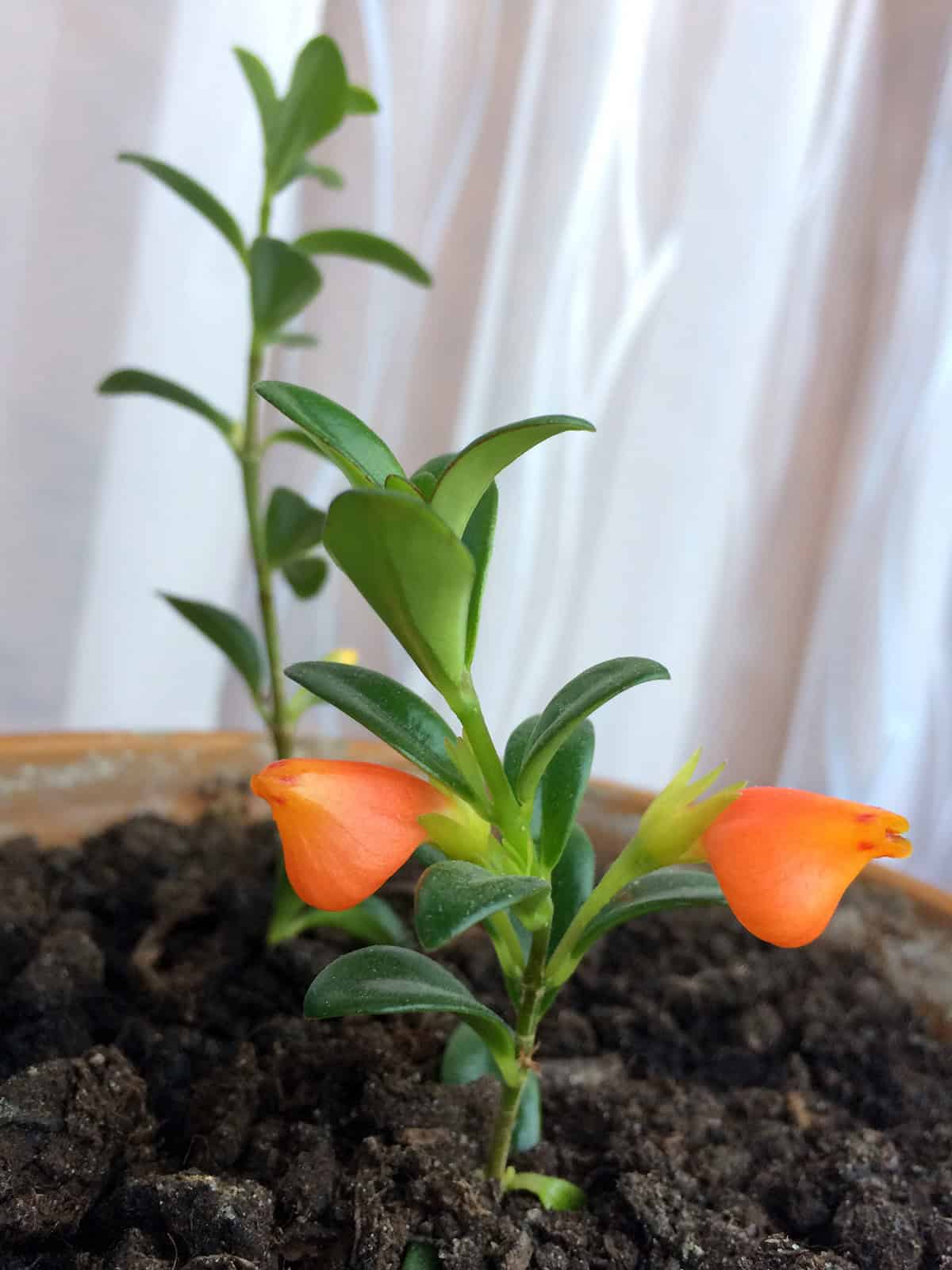
Goldfish plants need loose, airy soil that drains well, since heavy, dense mixes suffocate their epiphytic roots.
A blend of peat moss, perlite and pine bark is a good choice. Garden soil compacts in pots and holds too much water.
African violet potting mix is another good option, since it is fluffy and fast-draining. Let the top inch dry before watering again.
A little organic matter lightens the mix and adds nutrients. Replace the soil every couple of years to refresh the roots and prevent problems.
Water
Goldfish plants are sensitive to watering mistakes. Wait until the top inch of soil is dry before watering, and use room-temperature water, since cold water shocks the roots and spots the leaves.
Aim for damp soil that is never soggy. Standing water leads to root rot quickly, so empty the saucer after every watering.
Extra humidity makes a big difference. In dry homes, set the plant near a shallow tray of pebbles and water to raise moisture around the leaves.
Spring and summer growth calls for more frequent watering. In winter, growth slows and the plant needs less.
Hard tap water with heavy mineral content causes buildup over time, and filtered water is a safer long-term choice.
Temperature And Humidity
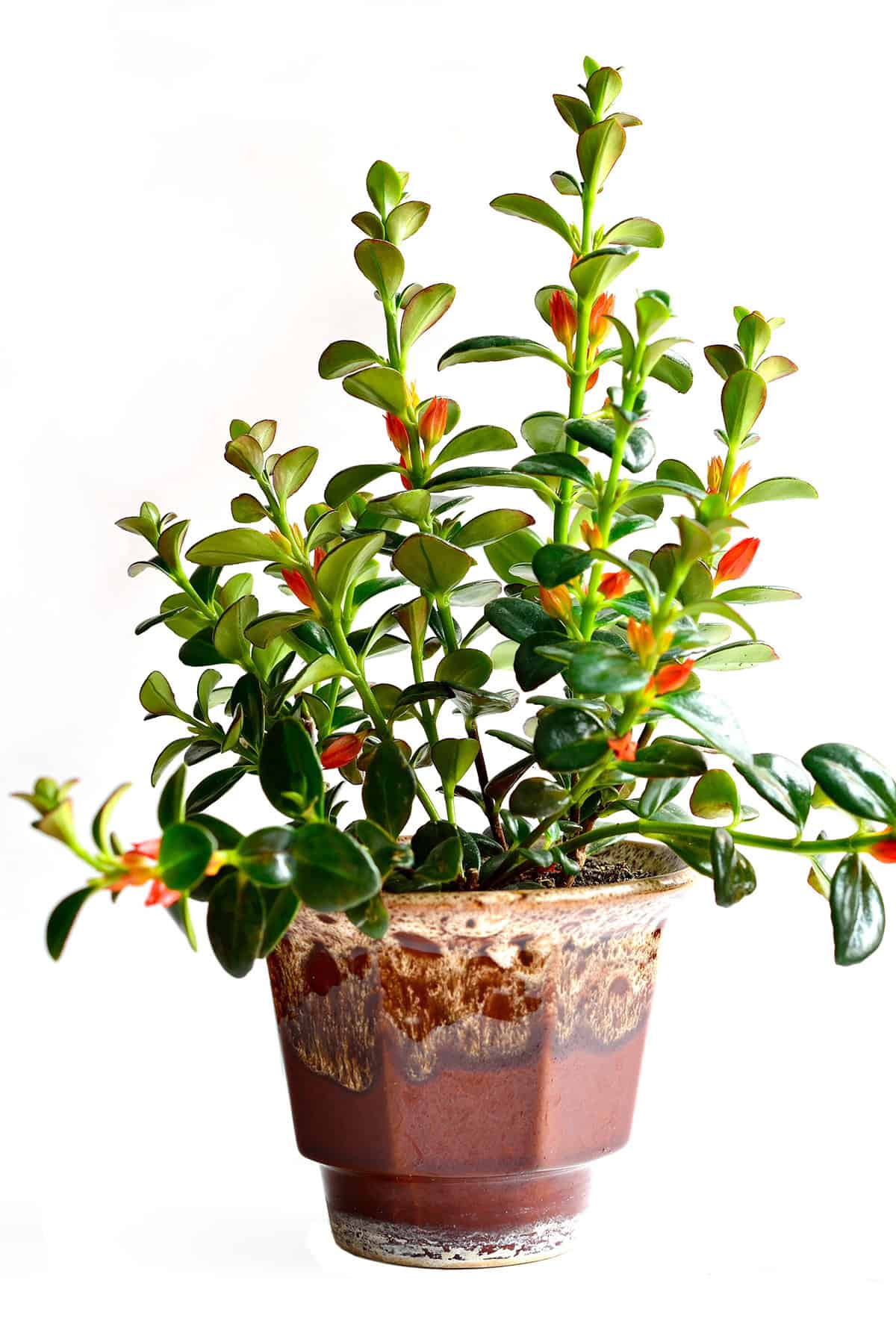
Goldfish plants prefer warm, steady conditions, with days between 70°F and 80°F and nights no lower than 60°F.
Large temperature swings stress the plant. Place it away from drafty windows and heat vents for healthy leaves.
Humidity matters too. Dry air crisps and curls the leaf edges, so aim for at least 50 percent humidity.
Grouping plants together or setting a tray of water nearby raises humidity. Misting helps briefly, and a humidifier is the best investment for homes with dry winter air.
Fertilizer
Feed goldfish plants during spring and summer with a balanced liquid fertilizer such as 10-10-10 or 20-20-20, or a bloom formula a little higher in phosphorus.
Dilute to half strength and feed every two to four weeks. Overfeeding burns the roots, so a lighter hand is safer. Stop feeding in fall, when growth slows.
Fish emulsion and seaweed extract are gentle organic options. Water the plant before fertilizing to protect the roots.
Burnt leaf edges or a white crust on the soil signal overfeeding. Flush the pot with plain water and cut back.
Propagation
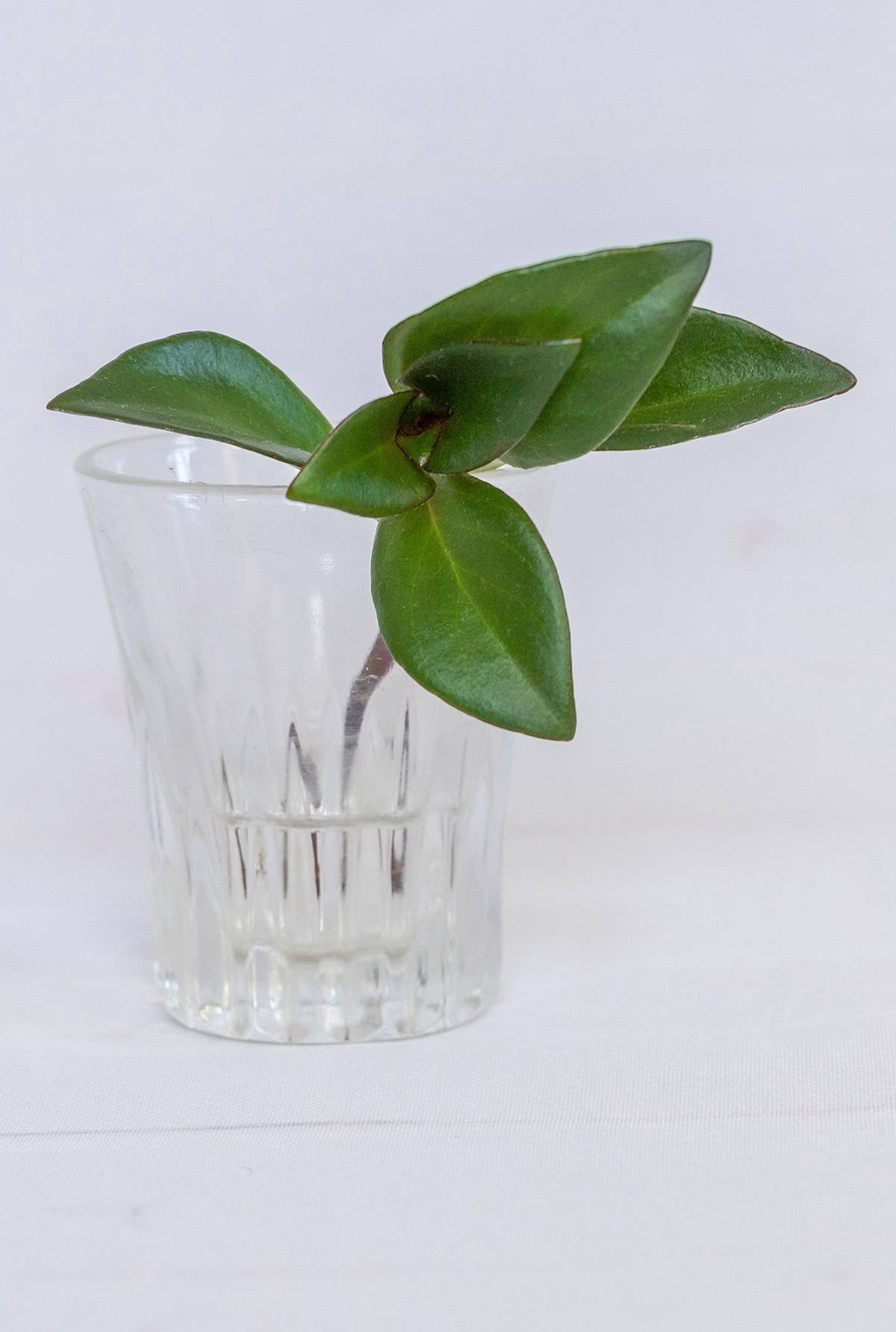
Goldfish plants propagate easily from stem cuttings. Choose stems with no flowers and at least two leaf nodes from a healthy, mature plant.
Snip just below a node with a clean tool, strip the lower leaves and set the cutting in water or moist potting mix. Roots appear within a few weeks.
Bright, indirect light is essential for new cuttings, since direct sun dries them out. A loose plastic bag over the cutting raises humidity.
Once roots form, move the cutting to a small pot with well-draining mix. Water lightly and add a small stake if needed. New leaves appear within a month or so.
Hold off on fertilizer until new growth appears. Start several cuttings at once to improve the odds, and plant two or three together in one pot for a fuller plant.
Pruning
Regular pruning produces a bushier, tidier goldfish plant.
Use clean, sharp scissors to cut back stems that grow too long or leggy, and remove dead or yellow leaves.
Cut just above a leaf node, where new growth sprouts and fills out the plant.
Remove no more than a third of the plant at once, and allow time to recover between trims.
Thin crowded stems for better air and light.
Prune right after a flush of flowers, or in spring and early summer, when the plant is actively growing and recovers fastest. New flowers form on fresh growth, so pruning also leads to more blooms.
Potting And Repotting
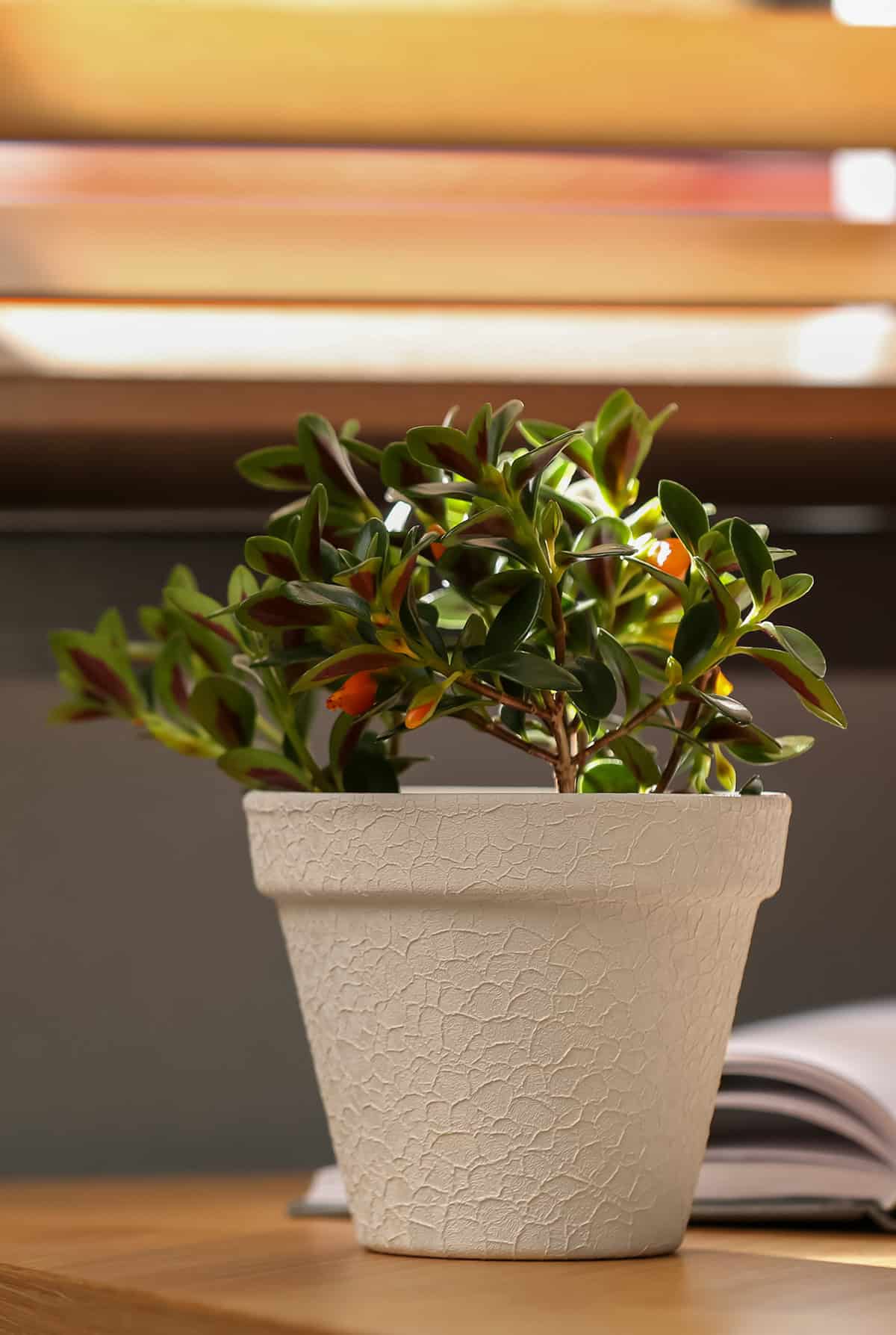
A pot with drainage holes is essential to prevent soggy roots. Terracotta pots breathe and let excess moisture escape, a helpful feature for these plants.
Use a fresh, well-draining mix made for houseplants or tropicals. Garden soil is too heavy and carries pests.
Repot when the plant looks cramped or growth slows. Roots poking out of the holes or soil that dries out very fast are signs, and every couple of years is enough. Goldfish plants bloom best when slightly root-bound.
Move up only one pot size. Set the root ball at its original depth, water it in and let the soil settle.
Fresh mix replaces old, compacted soil that drains poorly, and repotting is a good time to check for root rot or pests.
Common Problems & Troubleshooting
Droopy goldfish plants point to watering trouble, from too much or too little. Check the soil first, since soggy and bone-dry soil both stress the plant.
Brown tips come from dry air. Move the plant away from air vents and add a pebble tray for extra humidity.
Yellow leaves suggest poor drainage or root rot. Check that the pot drains well and empty the saucer after watering.
Pale or tiny leaves are a sign of too little light. Move the plant closer to a window with filtered sunlight.
Sticky spots or small insects on the leaves point to aphids or mealybugs. Rinse the plant gently with lukewarm water, and use insecticidal soap if needed.
Leaf drop follows temperature swings and drafts. Steady room temperatures away from cold breezes prevent it.
Wilting in damp soil means the roots are short of air. Let the soil dry a bit between waterings.
Slow growth and few flowers point to a lack of nutrients or light. Feed with a balanced fertilizer monthly during spring and summer, in moderation.
Plant Varieties
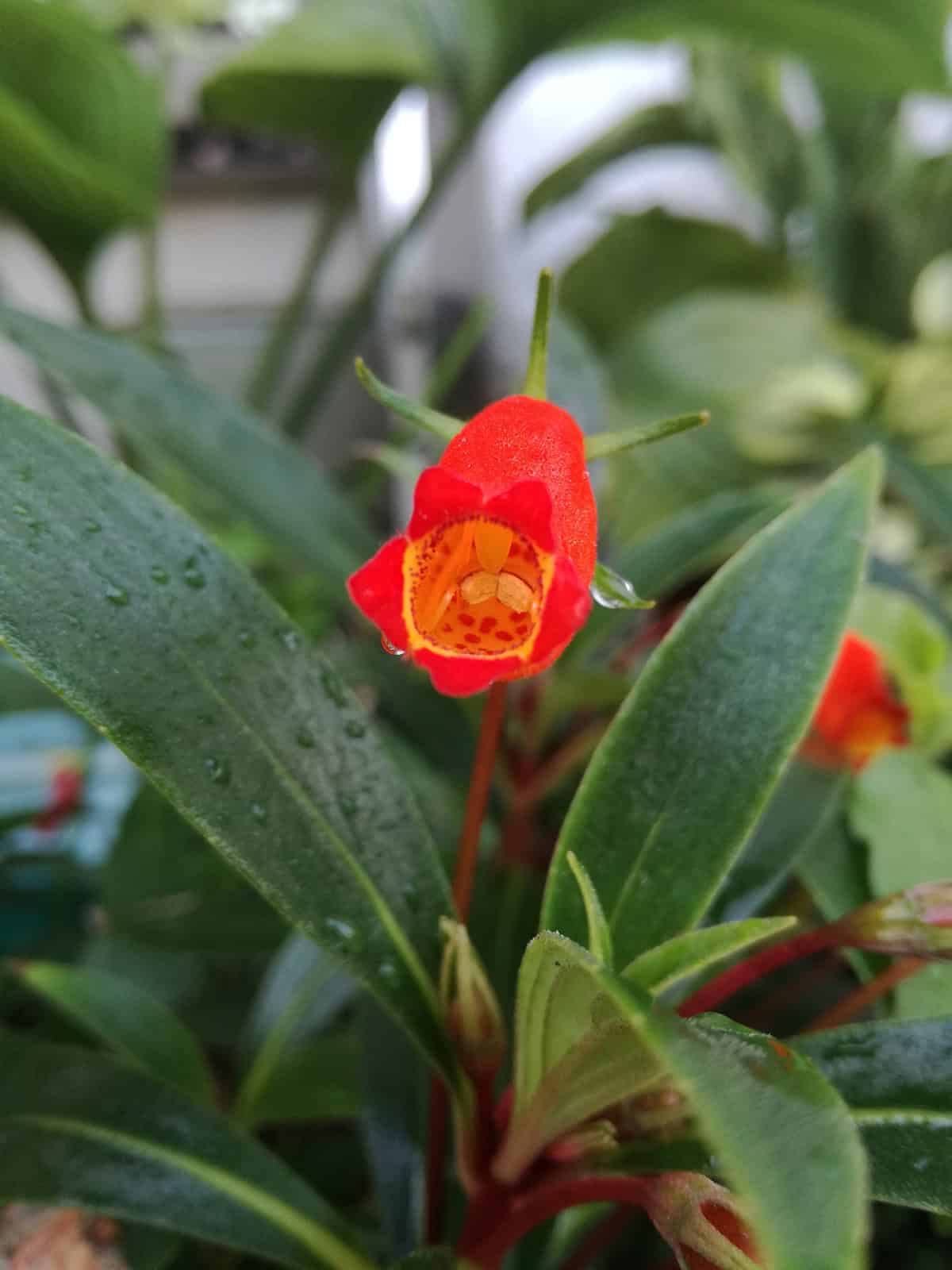
Several plants go by the name goldfish plant, each with its own flower color, leaf shape and habit.
Nematanthus gregarius is the classic, with glossy, dark green leaves and small orange flowers that puff out like tiny fish. Its compact, trailing habit fits shelves and small hanging pots.
Columnea gloriosa, also known as flying goldfish plant, has larger red-orange tubular flowers and fuzzy leaves on long trailing stems that look great in hanging baskets.
Columnea microphylla has tiny, round leaves and a long, cascading habit, and it blooms heavily with good care.
Some cultivars have fuzzy leaves, variegated foliage or reddish undersides for extra interest.
Choose based on your space and the look you want, since most types adapt well indoors. Goldfish plants are non-toxic to cats and dogs.
Frequently Asked Questions
Light, propagation, fertilizer, watering and leaf drop top the list of goldfish plant questions.
What is the ideal lighting condition for an indoor goldfish plant?
Bright, indirect light near a window with filtered sun is best. Direct sun burns the leaves, and too little light means fewer blooms and slower growth.
How do you propagate a goldfish plant?
Take stem cuttings from healthy growth with sharp scissors, and root them in water or clean, moist potting mix. Roots appear in two to four weeks.
What type of fertilizer should be used for a goldfish plant and how often?
A balanced, water-soluble houseplant fertilizer is a good choice. Feed every two to four weeks at half strength during active growth, since heavy doses damage the roots.
How frequently should a goldfish plant be watered?
Water when the top inch of soil is dry, and aim for lightly moist soil the rest of the time. Overwatering risks root rot, and underwatering leads to wilting or crispy leaves.
What are the common reasons for a goldfish plant’s leaves falling off?
Sudden temperature changes, drafts, low humidity and overwatering are the main causes of leaf drop. Poor light and pests also play a part, and the plant recovers once the cause is fixed.
Can goldfish plants thrive indoors and what are their temperature requirements?
Goldfish plants thrive indoors at temperatures between 65°F and 80°F. Place them away from cold drafts and hot heaters, since steady temperatures lead to better growth and more blooms.