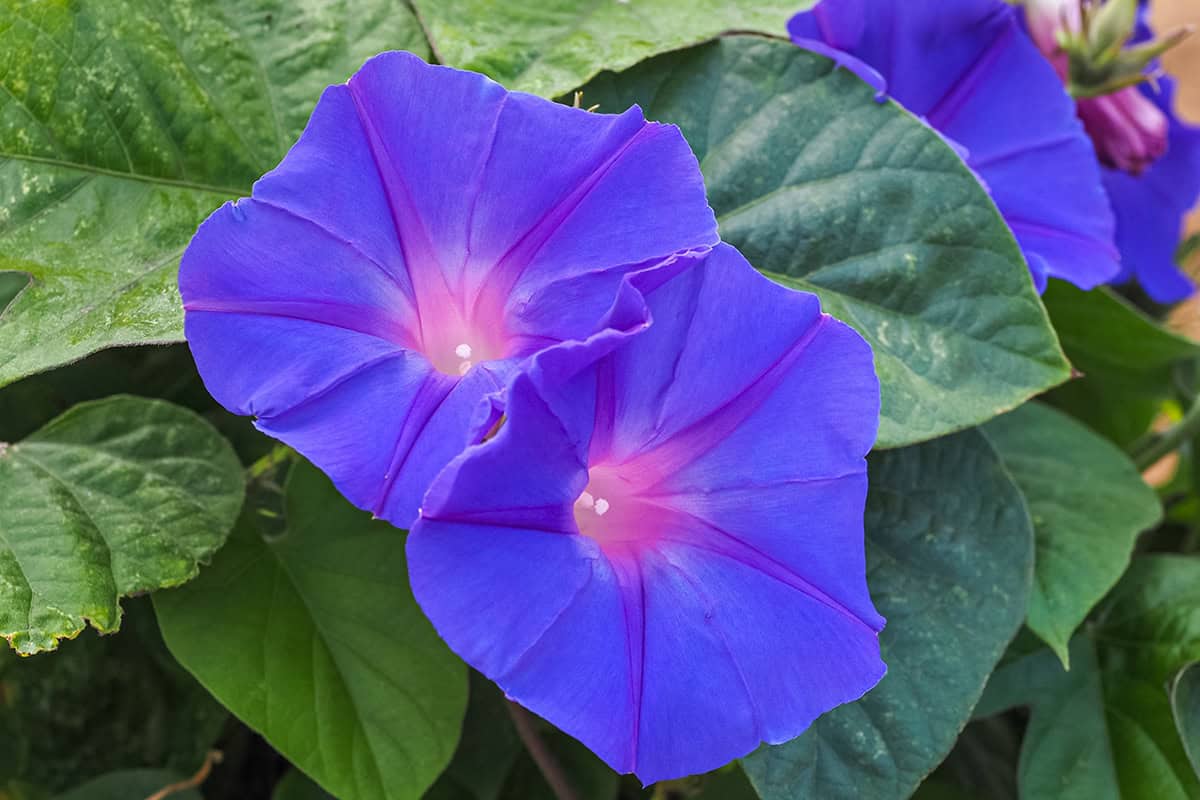
Each morning glory flower opens at dawn, lasts a single day and folds shut by afternoon, yet a healthy vine produces a fresh crop every morning for months.
The vines race up a fence or trellis in a single summer and ask for little beyond sun, warm soil and something to climb. Most of the trouble comes from too much kindness, especially rich soil and heavy fertilizer.
Nicking the hard seed coat before sowing is the first trick worth knowing, and the planting steps describe two easy ways to do it.
Table of Contents
Choosing The Right Morning Glory Variety
Seed racks carry many morning glories, each with its own growth habit and flower color. Popular types include Ipomoea tricolor, Ipomoea purpurea and Ipomoea nil, and ‘Heavenly Blue’, a tricolor cultivar, is the classic sky-blue choice.
Flowers come in blue, purple, white, red, pink and a few bicolors, so check the seed packet for the exact shade.
Vine length ranges widely. Vigorous types stretch 10 to 20 feet, while compact types top out much lower. For fast fence coverage, choose a vigorous type.
Climate also matters. Some varieties handle heat and humidity better, and others prefer cooler regions, so local extension recommendations are worth checking.
Common morning glory (Ipomoea purpurea) reseeds heavily and is listed as a noxious weed in some states. For less cleanup, choose less aggressive types such as Ipomoea nil cultivars and remove seedpods before they ripen.
When And Where To Plant Morning Glory
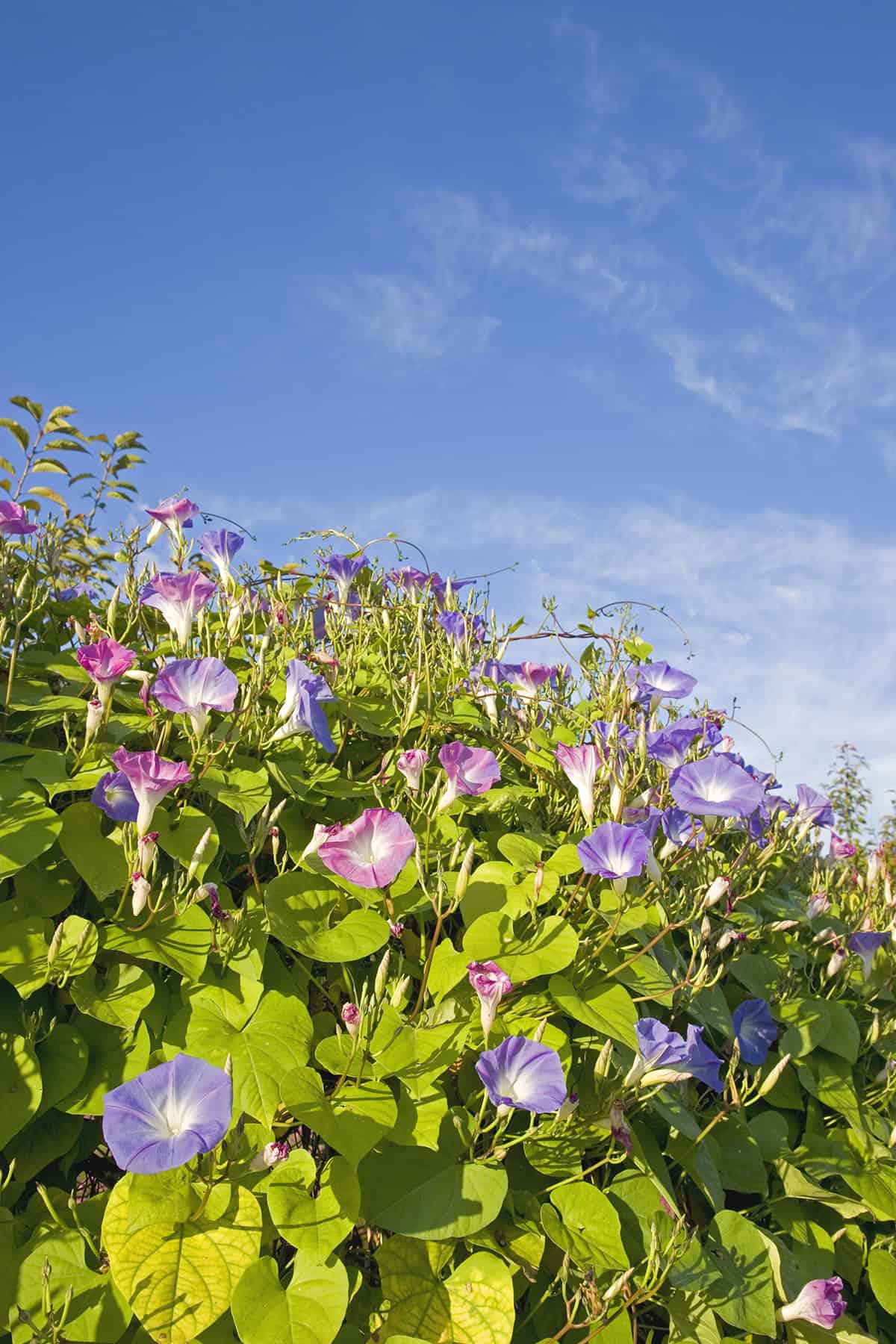
Sow morning glory seeds outdoors after the last frost, once the soil has warmed, since cold snaps kill seeds and seedlings. Late spring is a safe window in most regions.
Full sun is essential, with at least six hours of bright light a day. Shady spots and north-facing walls produce few flowers.
Well-drained soil is a must. Loam, sandy soil and even some clay are fine, though waterlogged, dense ground stunts growth.
Leave plenty of room, since the vines spread across fences, trellises and arbors quickly.
Sow seeds next to the support they will climb. By midsummer, vines cover fences, arches and trellises completely.
Plant away from small beds and delicate neighbors, since morning glory reseeds and competes for space.
Preparing The Soil
Morning glories need soil that drains well and holds a little moisture, never the swampy kind.
Choose a sunny patch, since full sun makes a big difference in growth and flowering. The vines survive in poor soil, and a little compost improves its structure.
Avoid heavy clay and spots where water sits after rain, because soggy roots rot.
Loosen the top six to eight inches of soil with a fork or shovel, and mix in organic matter if drainage is poor. Aim for crumbly soil.
Skip strong fertilizers, which produce lots of leaves and few flowers. A little compost once a year is plenty.
In containers, use a quality potting mix in a pot with drainage holes, and water so the mix is moist with no standing water at the bottom.
Clear rocks, roots and debris before planting so the roots spread freely.
How To Plant Morning Glory Seeds
Start with fresh seeds from a reliable source, or collect them from established plants. The seeds are toxic, so store them away from children and pets.
Morning glory seeds have a hard coat. Nick each one gently with a nail file or soak them in water for 12 to 24 hours to soften the shell and speed up sprouting.
Plant after the last frost date in a sunny spot with well-draining soil. Average or even poor soil is fine.
Sow seeds about ¼ to ½ inch deep and roughly 6 inches apart. Cover them lightly and water gently.
Water so the soil is moist and never soggy until seedlings appear, within one to two weeks in warm weather.
Install a trellis, fence or arbor as soon as seedlings emerge, since the vines start climbing fast.
Weed around young plants so they get full access to water and light.
Supporting Morning Glory Vines
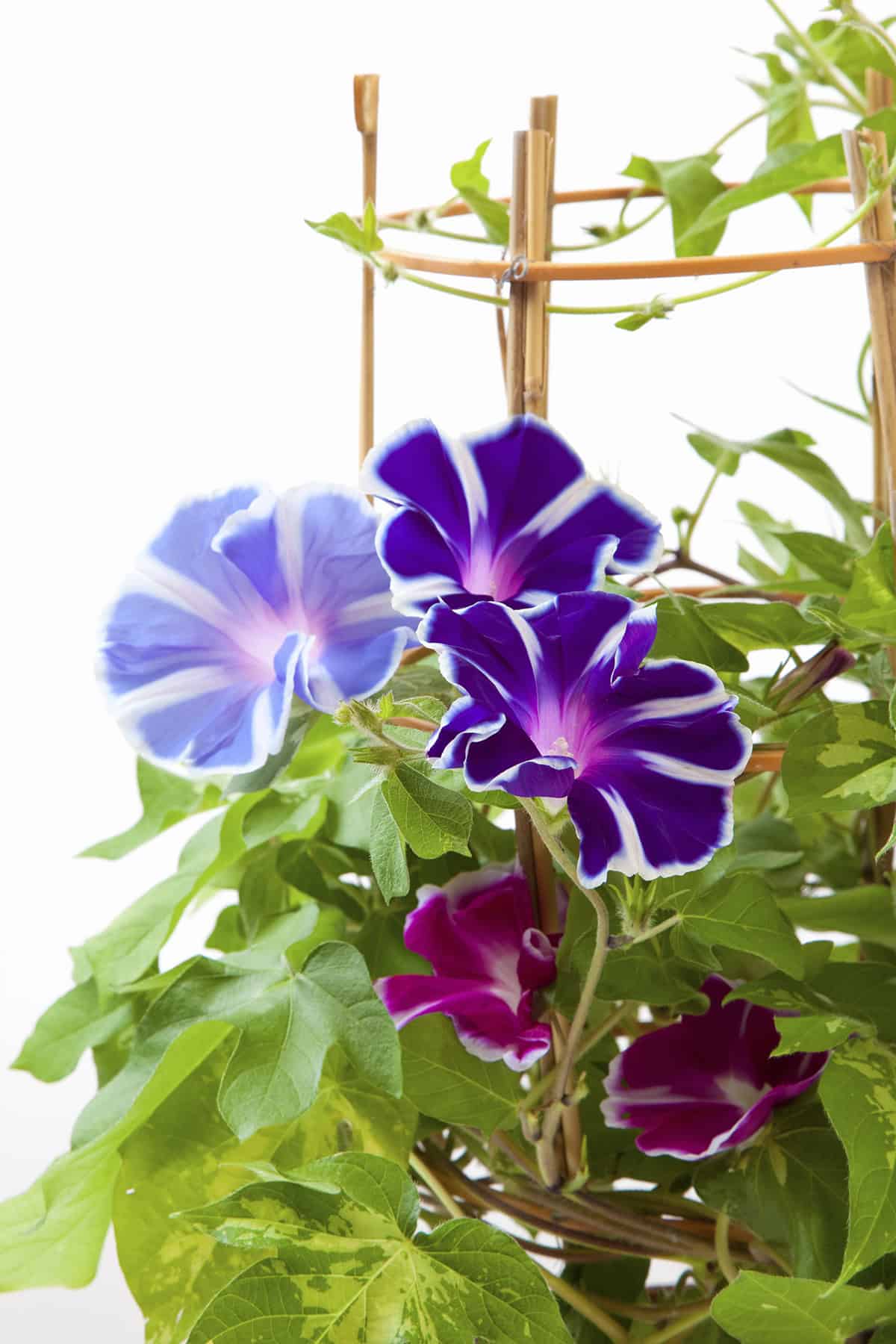
Fast, tall growth calls for sturdy support. Install a trellis, fence or arbor before planting to avoid untangling vines from the ground later.
Place the support close to the seeds. Morning glories twine naturally and grab on with little help, and supports 6 to 8 feet tall show off the full height of the vines.
Wood, metal and plastic mesh are all fine, though flimsy stakes topple under the weight of mature vines.
Twist wandering vines gently onto the support by hand, and they climb on their own from there.
Space plants so leaves and blooms have room, since crowding means fewer flowers and more pests. Check now and then and redirect any stray stems.
Watering And Feeding
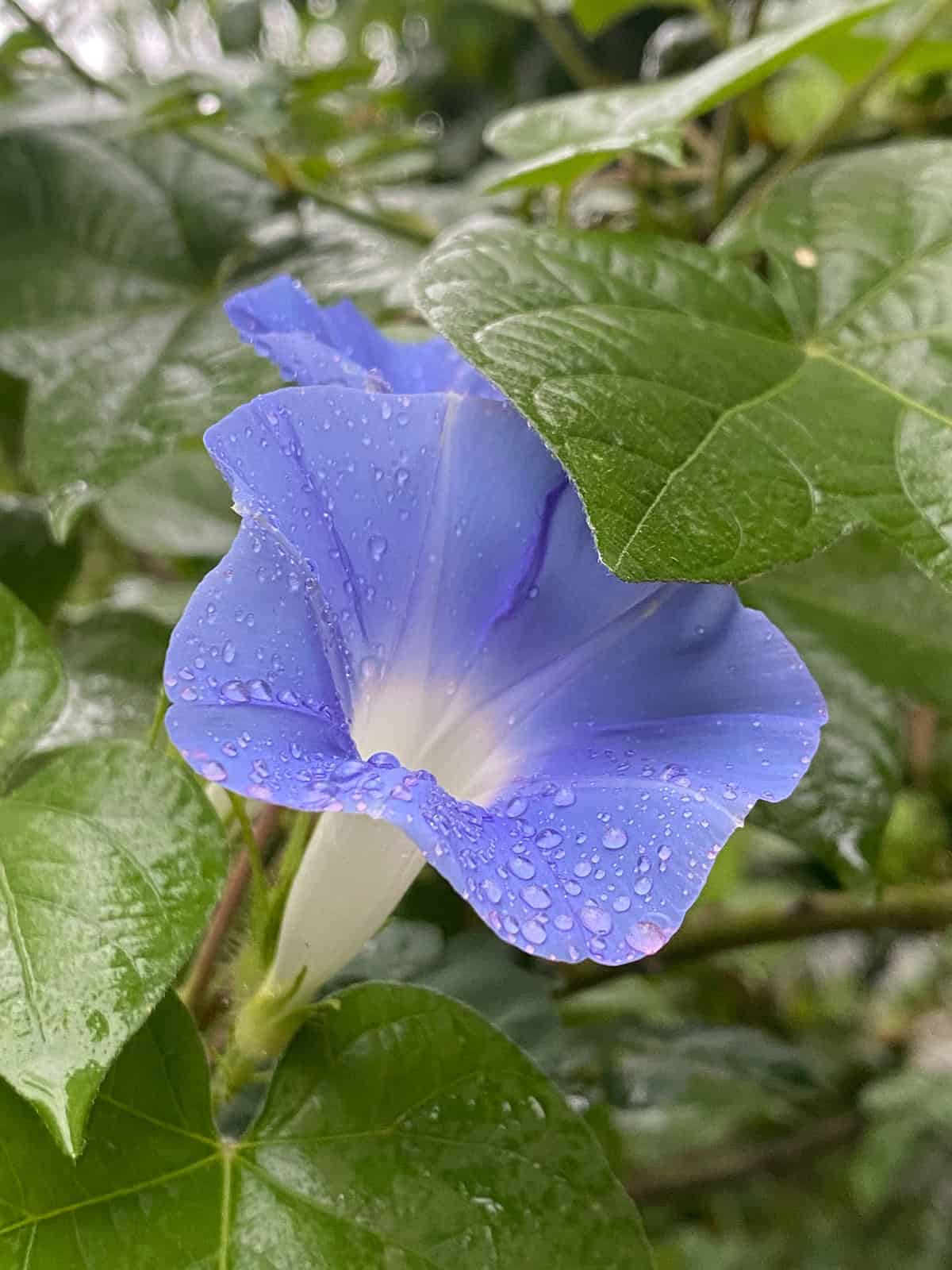
Morning glories like evenly moist soil that is never soggy. Water when the top inch is dry, and water deeply and less frequently to build strong roots.
Standing water rots the roots, so check drainage and avoid splashing the leaves. Water early in the day so the foliage dries quickly.
Little fertilizer is needed. Overfeeding produces leafy vines with few blooms, and average soil is fine.
A light dose of balanced fertilizer at planting is enough for most gardens, and soil with compost needs no extra feeding.
The vines tolerate heat and sun well. During hot spells, check the soil more frequently, since new growth suffers when it dries out.
Yellow leaves or weak flowering call for a soil test before more fertilizer. Excess nitrogen feeds leaves at the expense of flowers.
Sunlight And Temperature Needs
Six to eight hours of direct sun produces the best morning glories. Less light leads to leggy vines and sparse blooms.
Southern and western exposures are ideal, since shade cuts flowering sharply.
Warmth matters too, so plant outdoors only after frost danger has passed.
Cold nights and late frosts kill young plants. Days between 65°F and 85°F and nights above 50°F are ideal.
Summer heat and city warmth pose no problem, though cold, wet soil stalls growth.
Cover young plants at night during a late cold snap. Container vines started indoors need a bright, south-facing window until planting time.
Common Problems And How To Fix Them
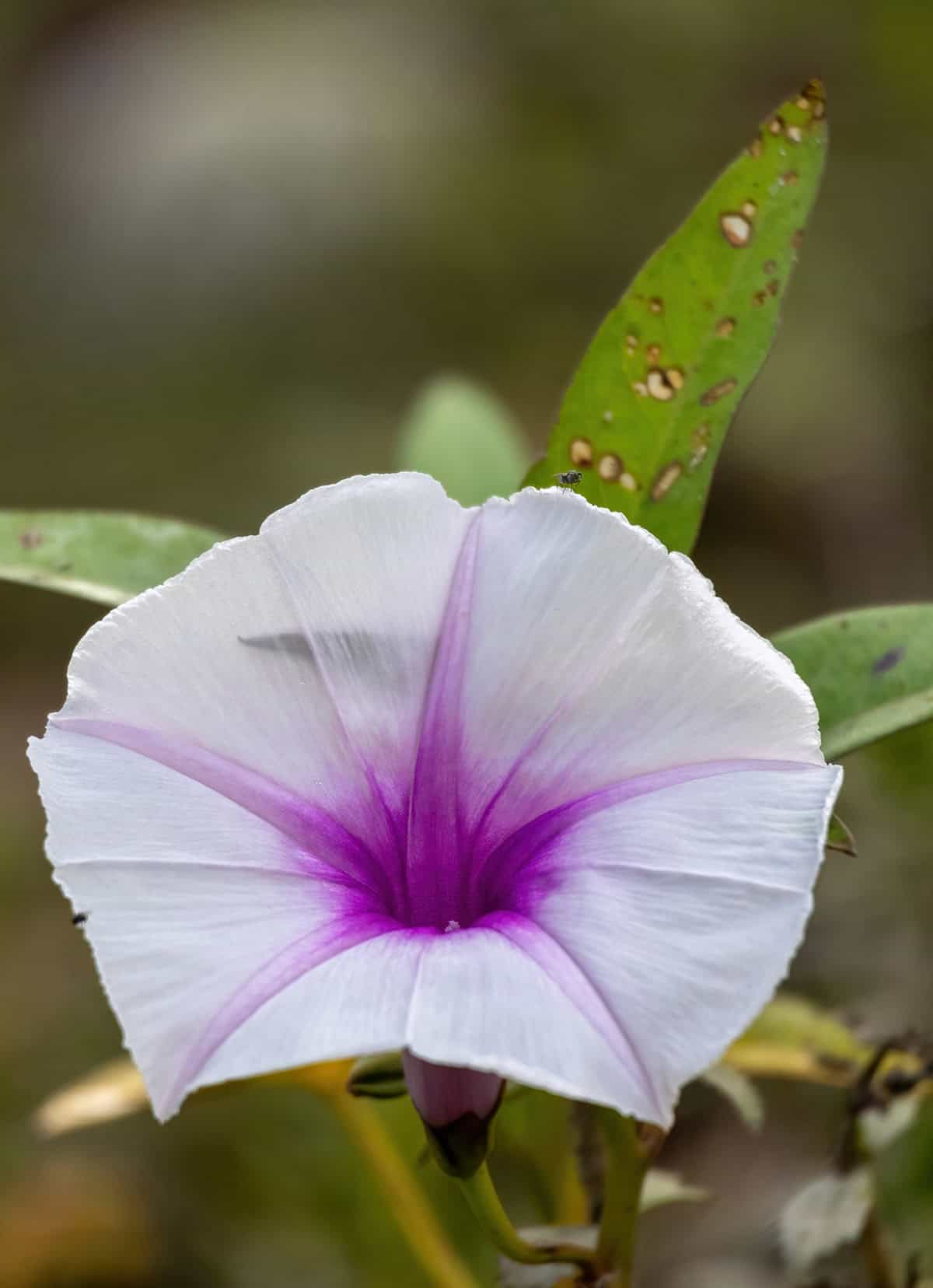
Aphids, spider mites and caterpillars occasionally attack, and the signs are curled or yellow leaves or insects on the stems. A strong spray of water or insecticidal soap handles most infestations.
Weak growth and poor flowering point to poor soil or too much shade, since morning glories need sun and good drainage.
Yellow leaves and root rot signal overwatering. Let the soil dry between waterings and avoid soggy spots.
Vines that fail to climb need better support, such as a fence, trellis or stakes.
Field bindweed looks similar but is a persistent perennial weed with small white or pink flowers and deep, spreading roots. Pull it by hand, roots and all, as soon as you spot it.
Thin heavy crops of volunteer seedlings early, and remove faded flowers before seedpods form to cut down on self-seeding.
When And How To Deadhead Or Prune
Deadheading and light pruning produce a healthier vine with more blooms and a tidier look.
Pinch or snip faded flowers above the first set of healthy leaves to direct energy into new blossoms and prevent seedpods. Clean scissors or garden snips are best.
Prune to control size or remove thin, damaged stems. Cutting back tangled or overgrown sections prevents the vine from smothering its neighbors and encourages bushier growth.
Late spring and early summer, when fresh growth appears, are the best times to prune. During peak bloom, remove withered flowers as you spot them.
Small, regular cuts are better than one heavy cut, and the vine responds with healthier leaves and more flowers all season.