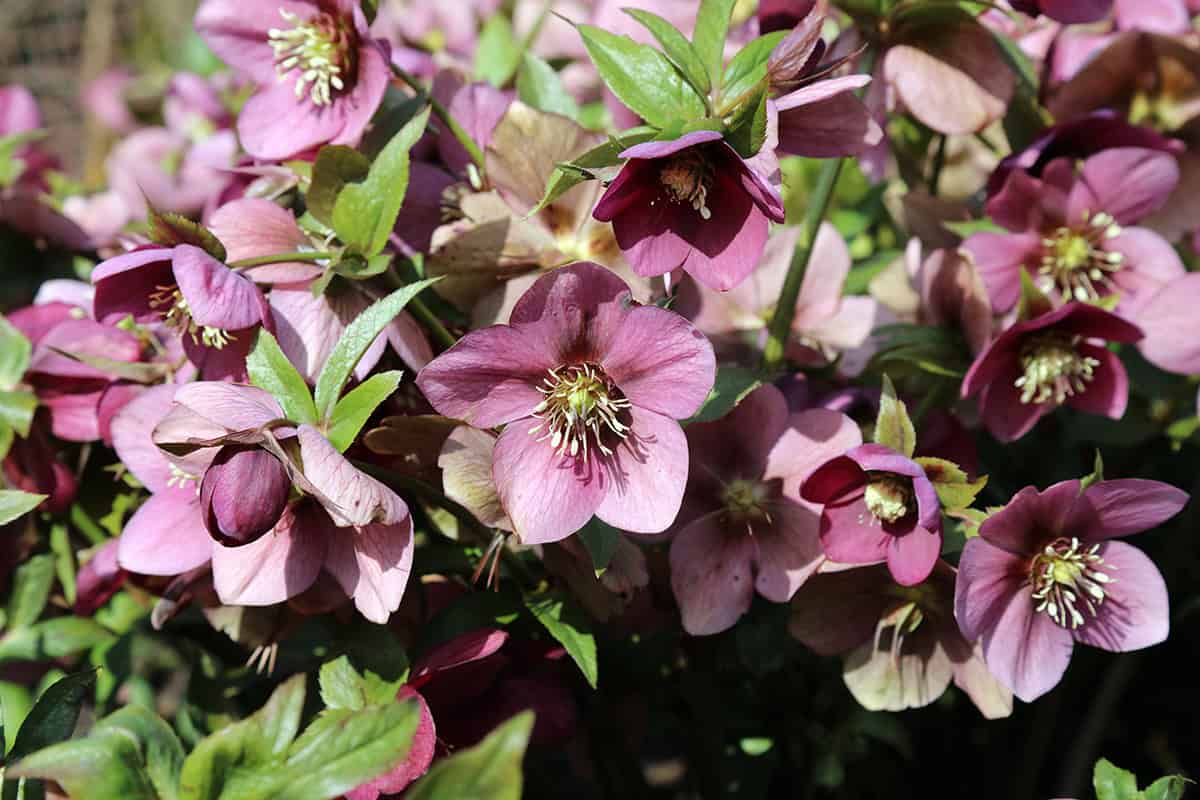
Hellebores push flowers up through melting snow, and sedum seed heads hold their shape under a coat of frost. Cold-climate gardens hold a surprising amount of color, provided the plants were chosen for it.
Every perennial on this list survives freezing winters and returns each spring. Light, soil and care notes sit with each plant, which makes the right pick for a cold corner easy to spot.
Table of Contents
- 25 Common Frost-Resistant Perennial Plants
- Hellebore (Lenten Rose)
- Sedum (Stonecrop)
- Lamb’s Ear
- Coneflower (Echinacea)
- Russian Sage
- Coral Bells (Heuchera)
- Catmint (Nepeta)
- Peony
- Bee Balm (Monarda)
- Daylily (Hemerocallis)
- Yarrow (Achillea)
- Black-Eyed Susan (Rudbeckia)
- Hosta
- Columbine (Aquilegia)
- Bleeding Heart (Dicentra)
- Creeping Phlox
- Lupine
- Gaillardia (Blanket Flower)
- Bergenia
- Artemisia
- Astilbe
- Brunnera
- Coreopsis
- Penstemon
- Japanese Anemone
25 Common Frost-Resistant Perennial Plants
Frost-hardy perennials return year after year in cold climates with very little help. The 25 plants here cover sun and shade, dry and moist soil, and bloom times from late winter into fall.
Hellebore (Lenten Rose)
Hellebores produce some of the first blooms of the year. The flowers open in late winter or early spring while snow still lingers. Their leathery evergreen leaves shrug off hard freezes.
The nodding flowers come in white, pink, purple, green and near-black. Plant them in partial shade with rich, well-drained soil. Deer and rabbits leave them alone, a real advantage in rural gardens.
Mulch lightly in fall and cut away tattered old leaves in late winter, just before the flowers rise, for a cleaner display.
Sedum (Stonecrop)
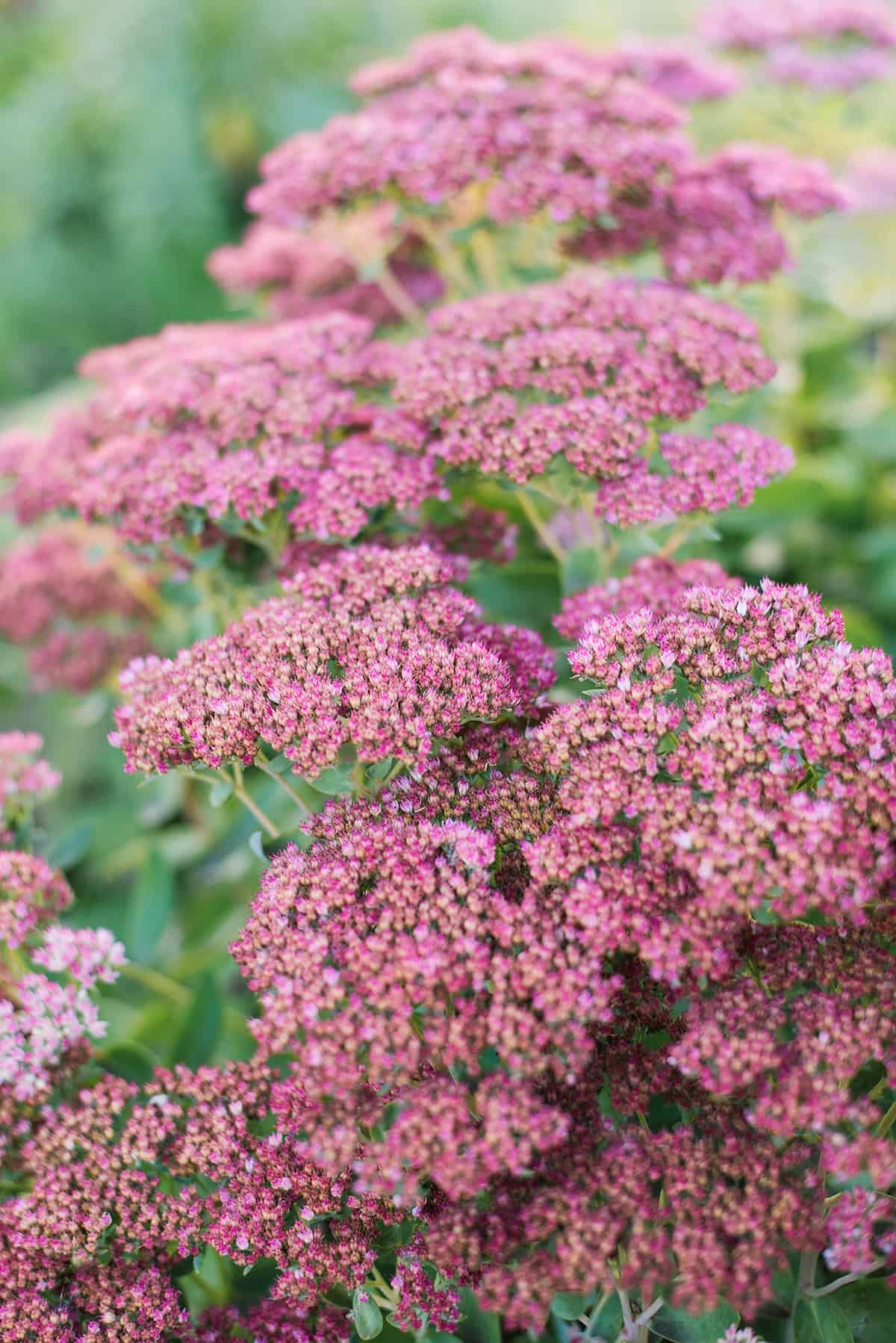
Thick, succulent leaves store water and help sedum survive both cold and drought. Low, mat-forming types fill rock gardens, and taller upright varieties such as ‘Autumn Joy’ anchor borders.
Star-shaped flowers open in late summer and fall and draw bees and butterflies. The dried flower heads hold their shape through winter and look striking with a dusting of frost.
Poor, rocky soil with sharp drainage is ideal. Division every few years is the only regular care, and sedum thrives in borders, rock gardens and containers.
Lamb’s Ear
Soft, silvery leaves covered in fine hairs make lamb’s ear a favorite for edging. That woolly coat helps protect the foliage from cold and drying winds, and the plant spreads into dense mats that crowd out weeds.
Small purple flower spikes appear in early summer, though the foliage is the real draw and lasts well into fall.
Grow it in full sun with well-drained soil, since wet winters rot the crowns. Tidy up dead leaves in early spring. ‘Big Ears’ is a reliable variety with larger leaves and fewer flower stalks.
Coneflower (Echinacea)
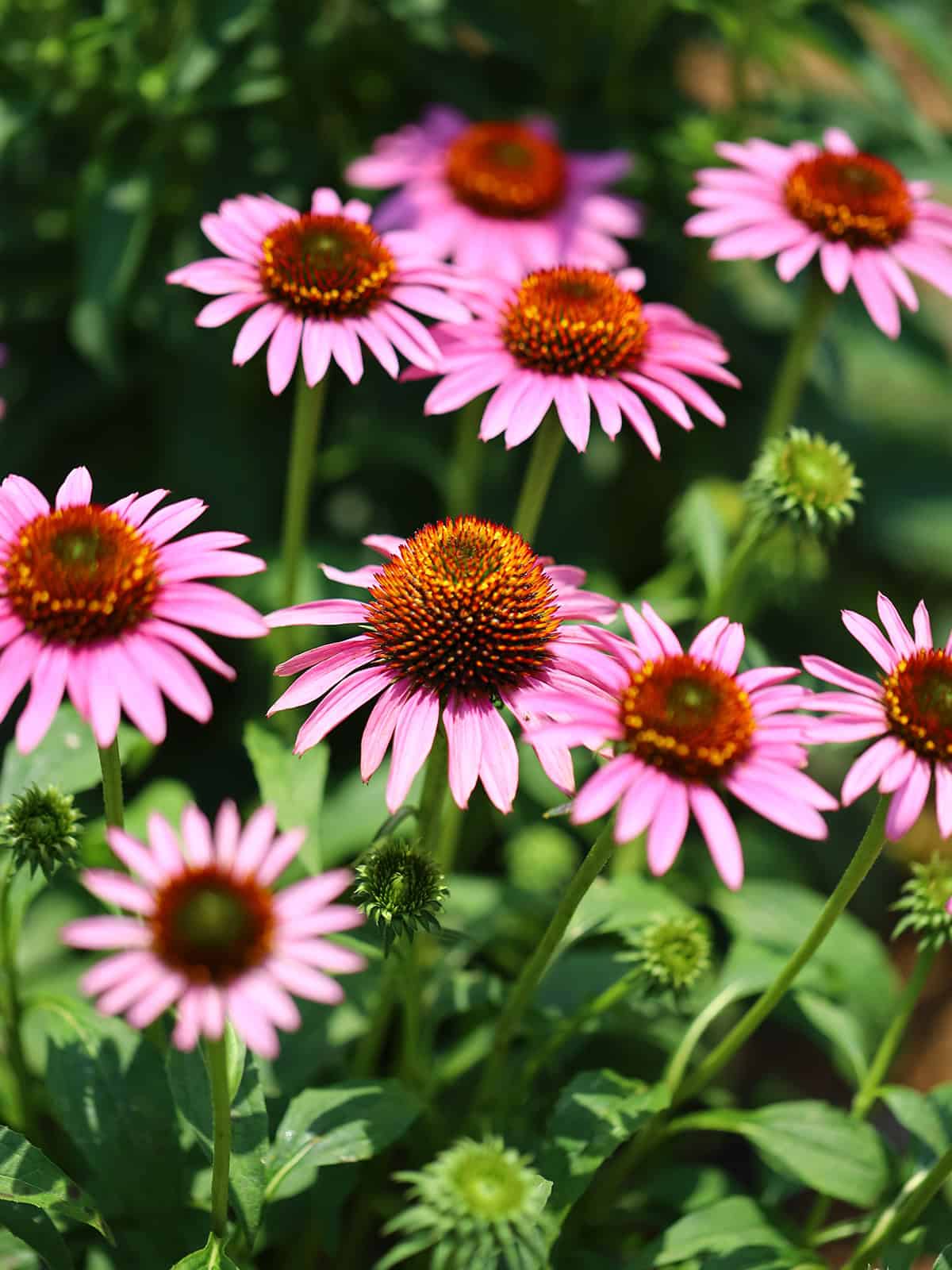
Coneflowers stand on strong stems with large, daisy-like blooms. Cold winters and poor soil pose little problem, which makes them dependable in northern gardens. Flowering runs from midsummer into fall.
Colors include purple, pink, white, orange and yellow. Bees and butterflies visit constantly, and the seed heads left standing in winter feed goldfinches.
Full sun and average, well-drained soil are best. Established plants need little water, and occasional deadheading extends the bloom.
Russian Sage
Silvery stems and clouds of lavender-blue flowers make Russian sage a standout in late summer. Its woody base and aromatic leaves stand up to frost, heat and drought, and deer and rabbits ignore it.
Blooms appear in midsummer and continue until the first hard frost. The airy, see-through habit blends well with ornamental grasses and other late bloomers.
Plant in full sun and well-drained soil, and water only during long dry spells once established. Cut the stems back to about 6 inches in early spring for strong new growth.
Coral Bells (Heuchera)
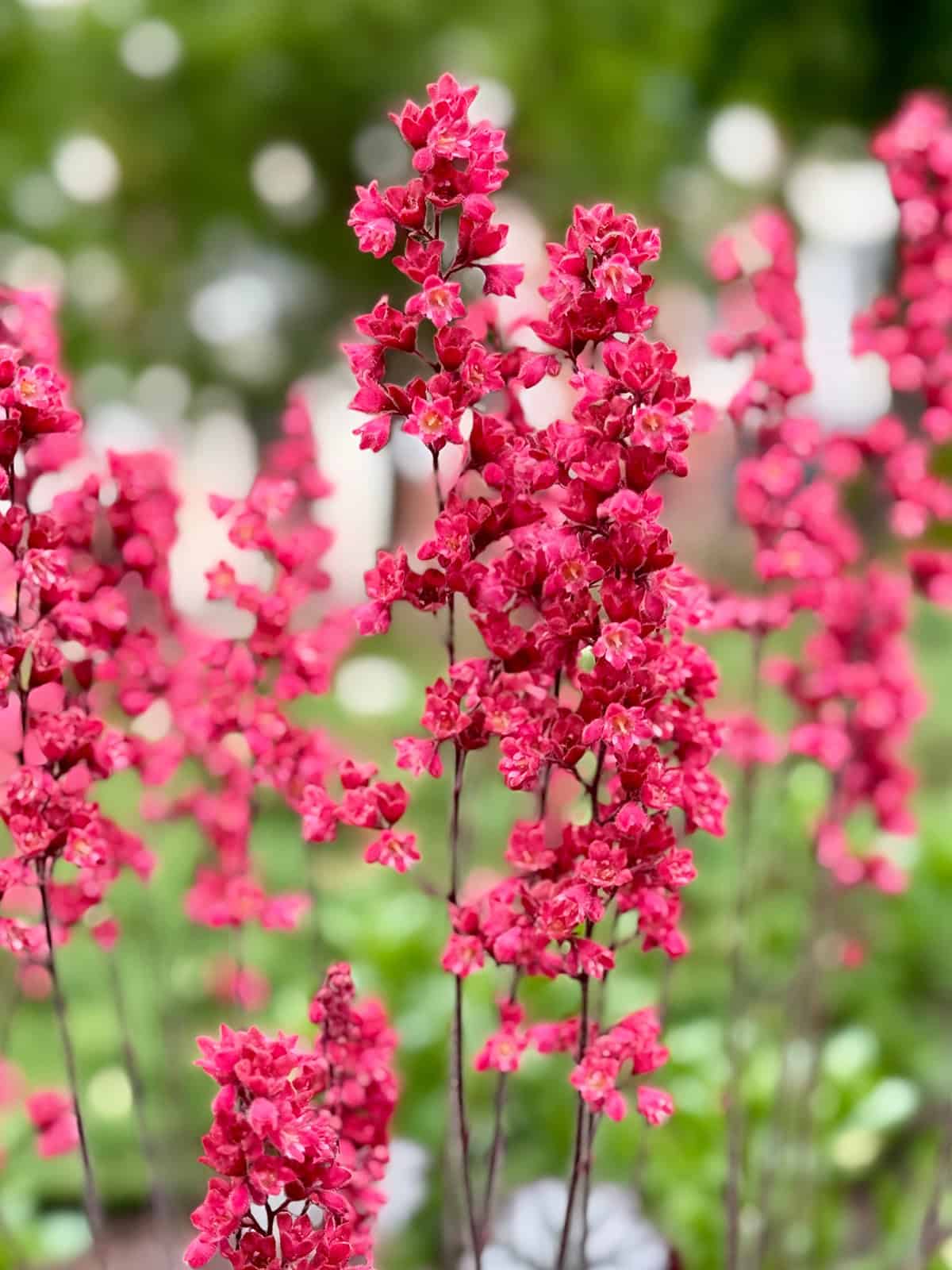
Coral bells grow mainly for their colorful, ruffled leaves, in shades of burgundy, bronze, amber, lime and silver. Many varieties hold their foliage through winter in milder zones.
Small, bell-shaped flowers rise on wiry stems in late spring and attract hummingbirds and bees.
Partial shade and moist, well-drained soil produce the best leaf color. In very cold regions, a light mulch prevents frost heaving, which pushes shallow roots out of the ground. Divide clumps every three or four years once the crowns grow woody.
Catmint (Nepeta)
Catmint is one of the toughest perennials for frosty sites. Its gray-green foliage and masses of lavender-blue flowers fill borders from late spring into early fall, and the aromatic leaves discourage deer and rabbits.
Strong roots handle both heat and cold, and the plant regrows each spring with no winter protection.
Plant in full sun with well-drained soil. Shear the plants back by about half after the first flush of flowers, and a second round of blooms follows within a few weeks.
Peony
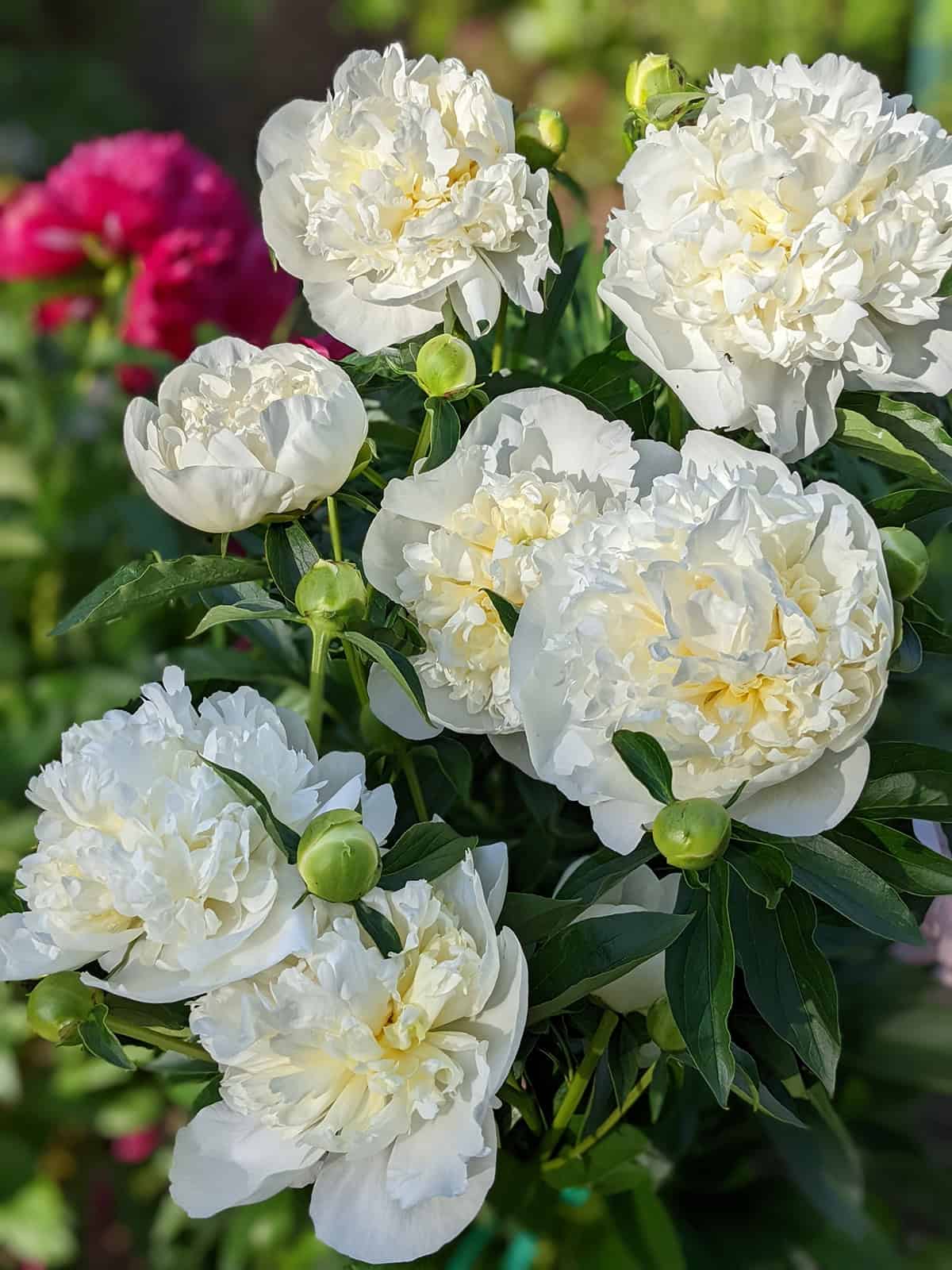
Peonies are among the best-loved cold-hardy perennials, with large, lush flowers in late spring and early summer. Colors range through white, pale pink, coral and deep red.
Cold winters are actually essential, since peonies need a period of winter chill to bloom well. The red shoots emerge in early spring and tolerate late frosts.
Choose full sun and rich, well-drained soil, and plant the buds, or eyes, no more than 2 inches below the surface. Established plants bloom for decades. Cut the foliage to the ground in fall.
Bee Balm (Monarda)
Showy, fragrant flower clusters in red, pink, purple and white attract bees, butterflies and hummingbirds to bee balm all summer. It is hardy across USDA zones 3 to 9.
The minty leaves discourage deer and rabbits. Bee balm spreads by underground runners into thick clumps that fill gaps in beds.
Moist, rich soil and full sun to partial shade produce the most flowers.
Powdery mildew is common in humid summers, so plant mildew-resistant varieties such as ‘Jacob Cline’ and leave space for airflow. Cut plants back after flowering for a tidy shape.
Daylily (Hemerocallis)
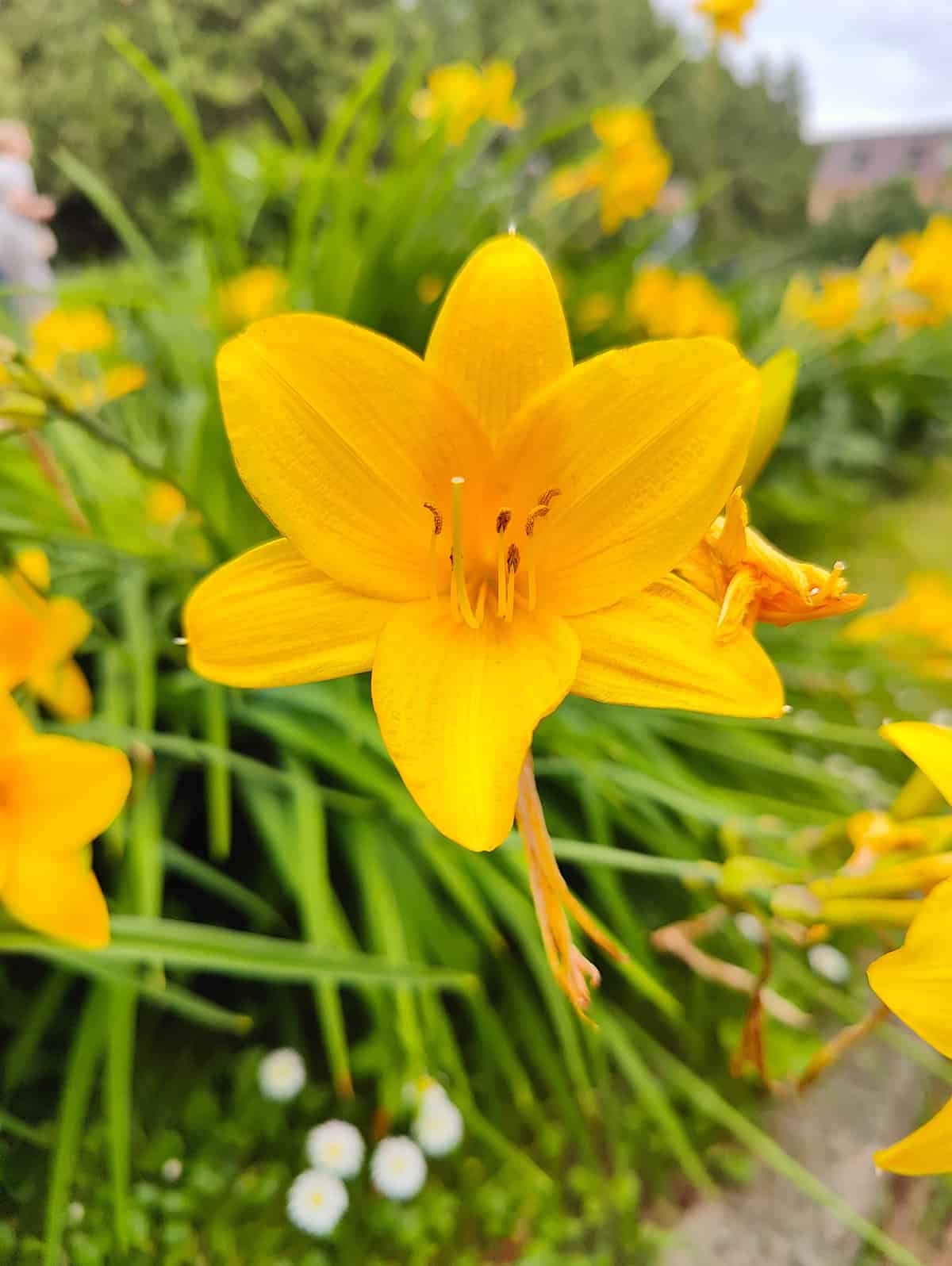
Daylilies are famous for their toughness. They survive winter cold, summer drought and poor soil, and each flower stalk carries a series of blooms that open for a single day each.
The arching foliage dies back after frost, and fresh shoots appear early in spring. Reblooming varieties such as ‘Stella de Oro’ flower on and off from early summer into fall.
Full sun produces the most flowers, though daylilies tolerate partial shade. Divide crowded clumps every few years to maintain vigorous growth and bigger displays.
Yarrow (Achillea)
Yarrow combines flat-topped flower clusters with finely cut, fernlike foliage. Its tolerance for drought and frost makes it a garden workhorse, and blooms in white, yellow, pink, red and terracotta appear all summer.
Pollinators flock to the nectar-rich flowers, and the sturdy stems hold up in wind. The foliage looks good well into fall after light frosts.
Plant in sunny, well-drained sites, and avoid rich soil, which leads to floppy stems. Deadheading spent flower heads encourages another round of blooms.
Black-Eyed Susan (Rudbeckia)
Black-eyed Susan adds bright gold to late summer gardens. The daisy-like flowers with dark brown centers handle chilly nights and early frost spells.
This North American prairie native dies back in winter and regrows vigorously in spring. Many types self-seed freely and fill out borders and meadow plantings.
Full sun produces the best flowering, and average to dry soil is fine. Leave some seed heads standing for winter birds, and cut the rest back in spring.
Hosta
Hostas grow broad, ribbed leaves in green, blue, gold and variegated patterns, and they thrive in partial to full shade. Frost kills the foliage in late fall, though the roots survive severe cold.
Lavender or white flower spikes appear in summer. Slugs and deer are the main pests, and blue-leaved varieties with thick leaves resist slugs best. Small varieties fit containers and edging.
Moist, well-drained soil and regular watering produce the lushest leaves. Divide clumps in spring as the shoots emerge.
Columbine (Aquilegia)
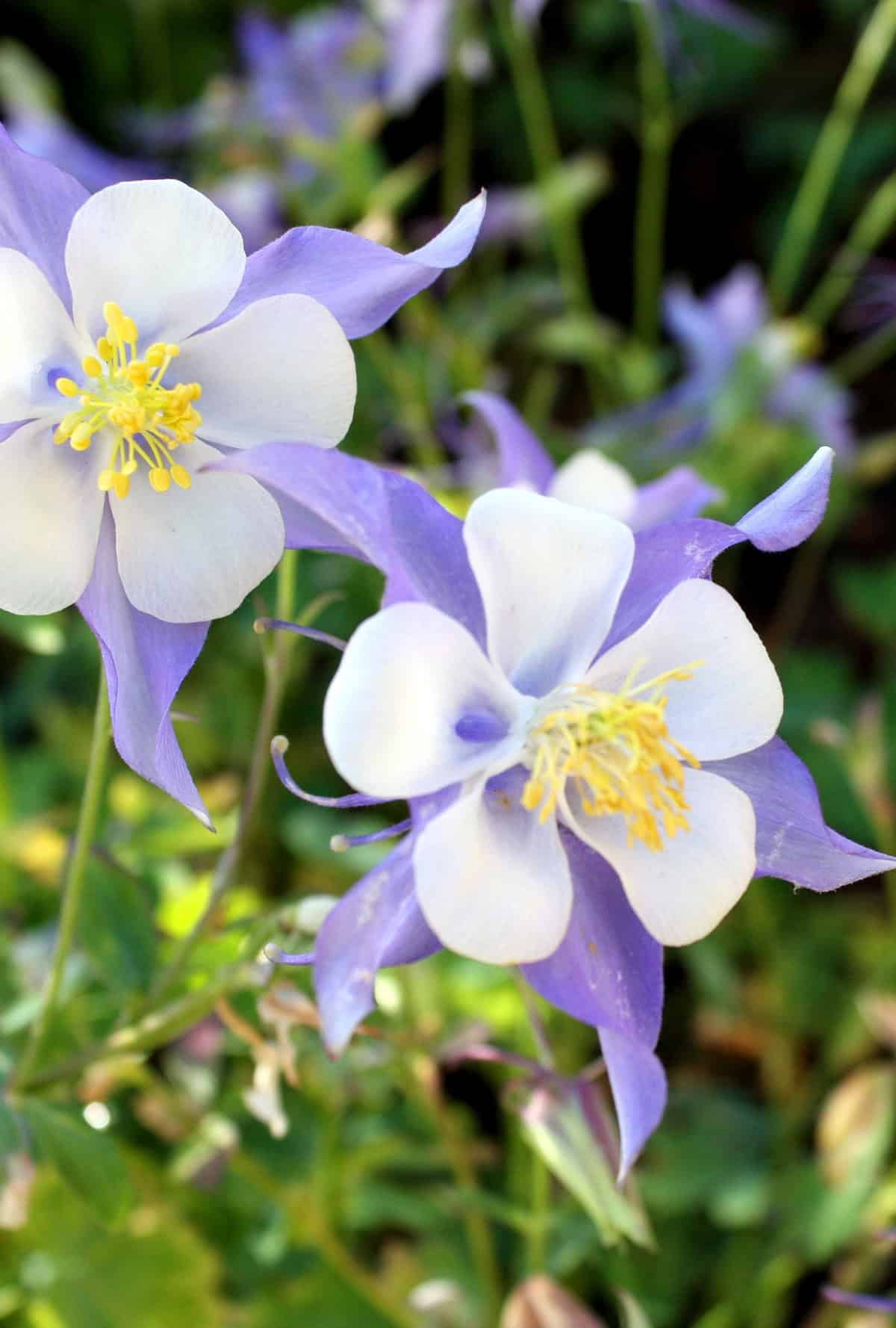
Nodding, spurred flowers make columbine a charming spring perennial, and the two-toned blooms attract hummingbirds and bees. Despite their delicate look, the plants handle late frosts with little harm.
Columbine adapts to sun or part shade in well-drained soil. Plants reseed freely and naturalize in woodland and wildflower gardens.
Established plants need little care. Remove spent flower stalks to limit seedlings, and cut back foliage marked by leaf miners after bloom for a fresh flush of leaves.
Bleeding Heart (Dicentra)
Arching stems of pink or white heart-shaped flowers appear in spring on bleeding heart, a classic for cool, moist, shaded spots. The plant is fully hardy despite its fragile look.
In summer heat, the old-fashioned type dies back and goes dormant until the following spring, so plant hostas or ferns nearby to fill the gap. A layer of mulch protects the roots in very cold climates.
Rich, moist, well-drained soil with a slightly acidic pH supports healthy growth. Avoid moving established plants, since they resent root disturbance.
Creeping Phlox
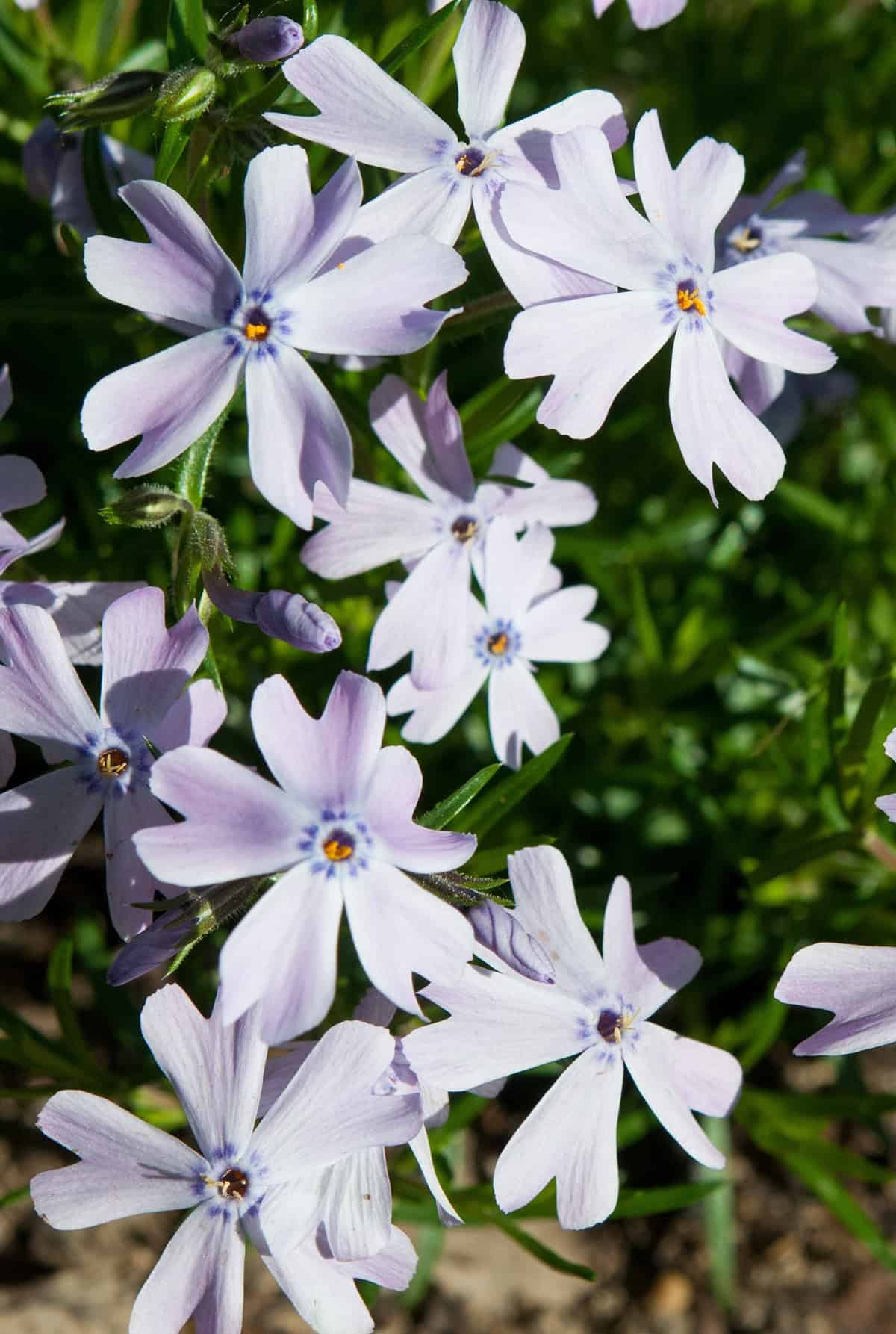
Creeping phlox forms a dense carpet of needle-like leaves that smothers itself in flowers in mid to late spring. Colors include pink, purple, lavender-blue and white.
Its low habit protects the crowns from cold. Trim the plants lightly after flowering for a neat shape. Creeping phlox fills gaps between stones and spills over walls, and much of the foliage holds its green through winter.
Full sun and well-drained soil are best. Established plants handle cold winters and short dry spells.
Lupine
Lupines produce tall spikes of pea-like flowers in blue, purple, pink, yellow and white. A deep taproot anchors them, and fresh foliage appears each spring after hard winters.
As legumes, lupines fix nitrogen and improve poor soils. They prefer cool summers and well-drained, slightly acidic soil in full sun.
Deadhead spent spikes to encourage side shoots. Lupines resent transplanting because of the taproot, so start them from seed or small plants. They are short-lived and benefit from a few new plants every couple of years.
Gaillardia (Blanket Flower)
Blanket flower bears bold, daisy-like blooms in red, orange and yellow. It tolerates freezing winters as well as hot, dry summers.
Flowering starts in early summer and continues into fall, and regular deadheading triggers more blooms. The gray-green leaves are slightly fuzzy.
Gaillardia thrives in poor, sandy soil with excellent drainage, and rich or wet soil shortens its life. Water only during long droughts. It is a great choice for exposed, sunny sites.
Bergenia
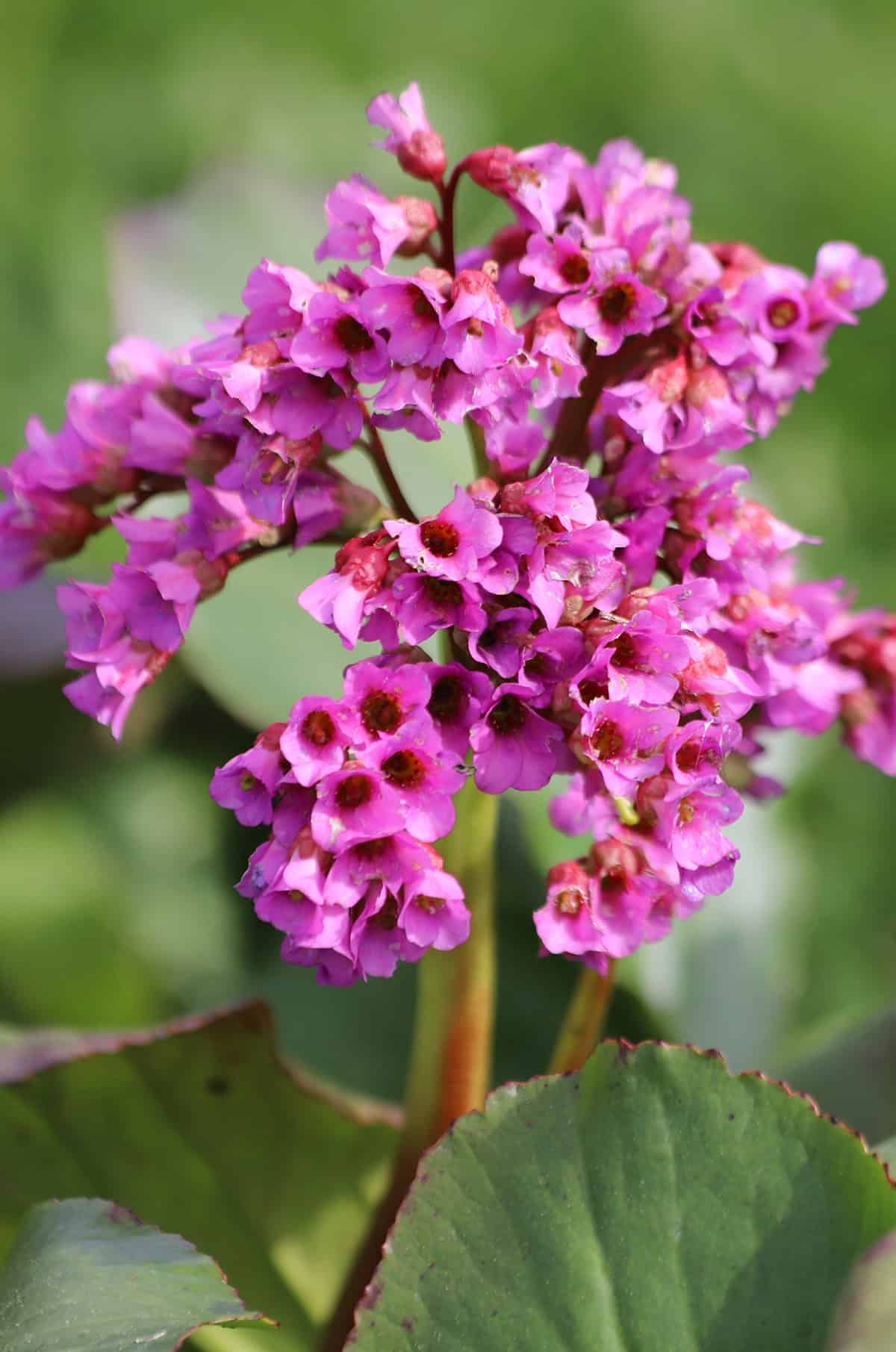
Bergenia’s large, glossy, cabbage-like leaves earned it the common name pigsqueak, and they flush red or bronze in cold weather. Clusters of pink or magenta flowers rise on thick stems in early spring.
The leathery foliage is evergreen to semi-evergreen and adds color all winter. Bergenia grows best in part shade and handles full sun with enough moisture.
Established plants tolerate dry spells and severe cold. Remove tattered old leaves in early spring. It makes a good edging along paths or ground cover under trees.
Artemisia
Feathery, silver-gray foliage makes artemisia hard to miss. Its strong scent repels deer and rabbits, and most types handle frost, drought and rocky soil.
The silvery leaves serve as a soft backdrop for brighter flowers and hold their color after hard frosts.
Plant in well-drained soil with full sun, since wet winter soil causes rot. A light trim in spring holds the shape compact. ‘Powis Castle’ and ‘Silver Mound’ are popular choices for borders.
Astilbe
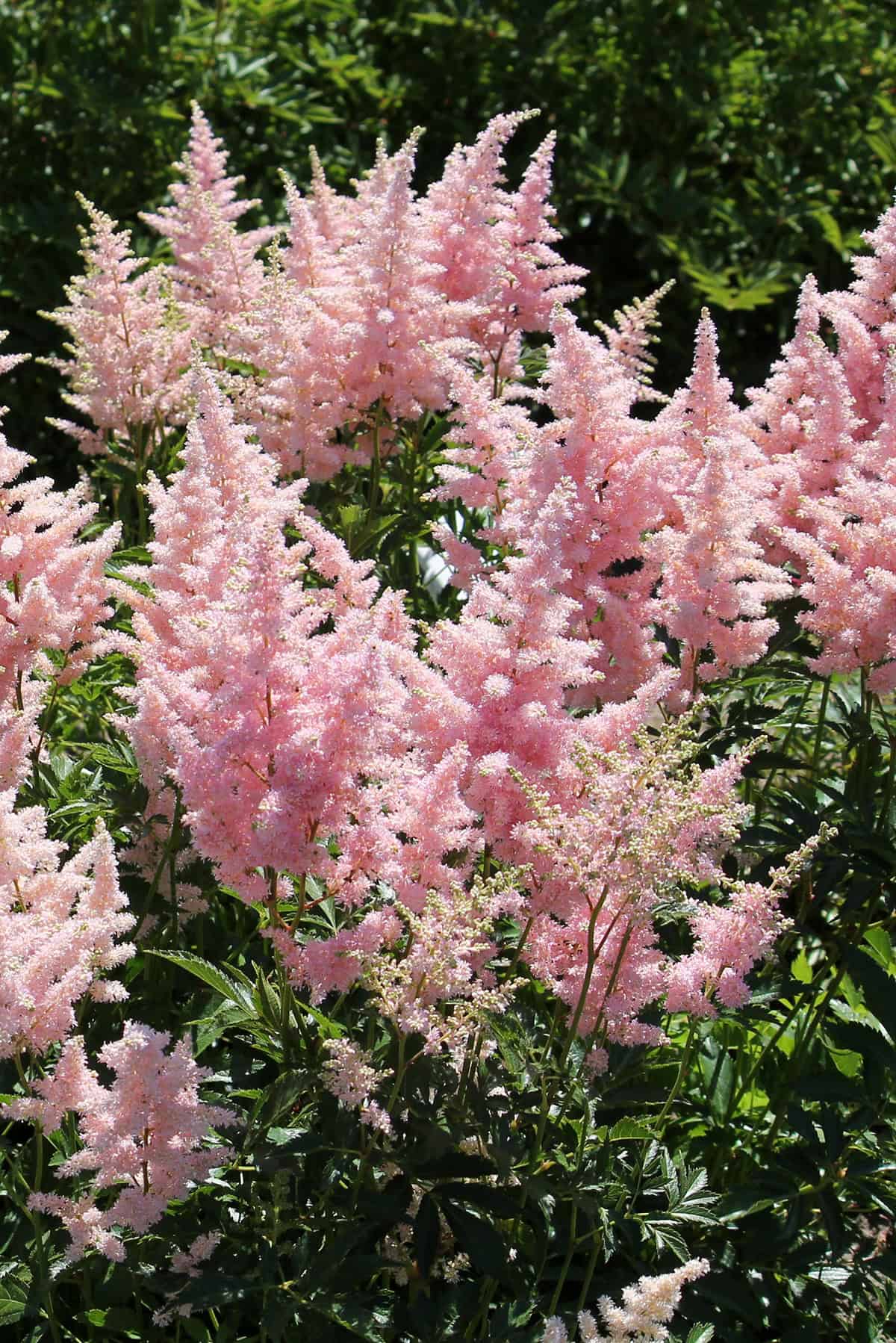
Astilbe loves a shady, damp spot and produces feathery plumes in pink, white, red and lavender. The finely divided foliage emerges in spring and handles late frosts.
Flowers appear in early to midsummer, and the dried plumes add interest when left standing into winter.
Moist, rich soil is essential, and the leaves scorch quickly during droughts. Water during dry spells, and divide clumps every three or four years to maintain flowering.
Brunnera
Heart-shaped leaves, many splashed or veined with silver, light up shady corners where brunnera grows. In early spring, sprays of tiny sky-blue flowers resembling forget-me-nots float above the foliage.
The leaves handle late freezes and look fresh through summer in shade. Brunnera pairs naturally with hostas and ferns in a woodland bed.
Rich, moist soil and partial to full shade are best. Care is minimal. Clear away old leaves in fall or early spring, and expect few pest or disease problems.
Coreopsis
Cheerful daisy-like blooms in yellow, gold, red and pink cover coreopsis from early summer into fall. It handles cold snaps, heat and poor soil.
Shear spent flowers regularly to extend the show. Several types self-seed and form new patches.
Full sun is essential. Established plants tolerate drought, though they need good drainage in winter. Threadleaf types such as ‘Moonbeam’ are among the longest-lived.
Penstemon
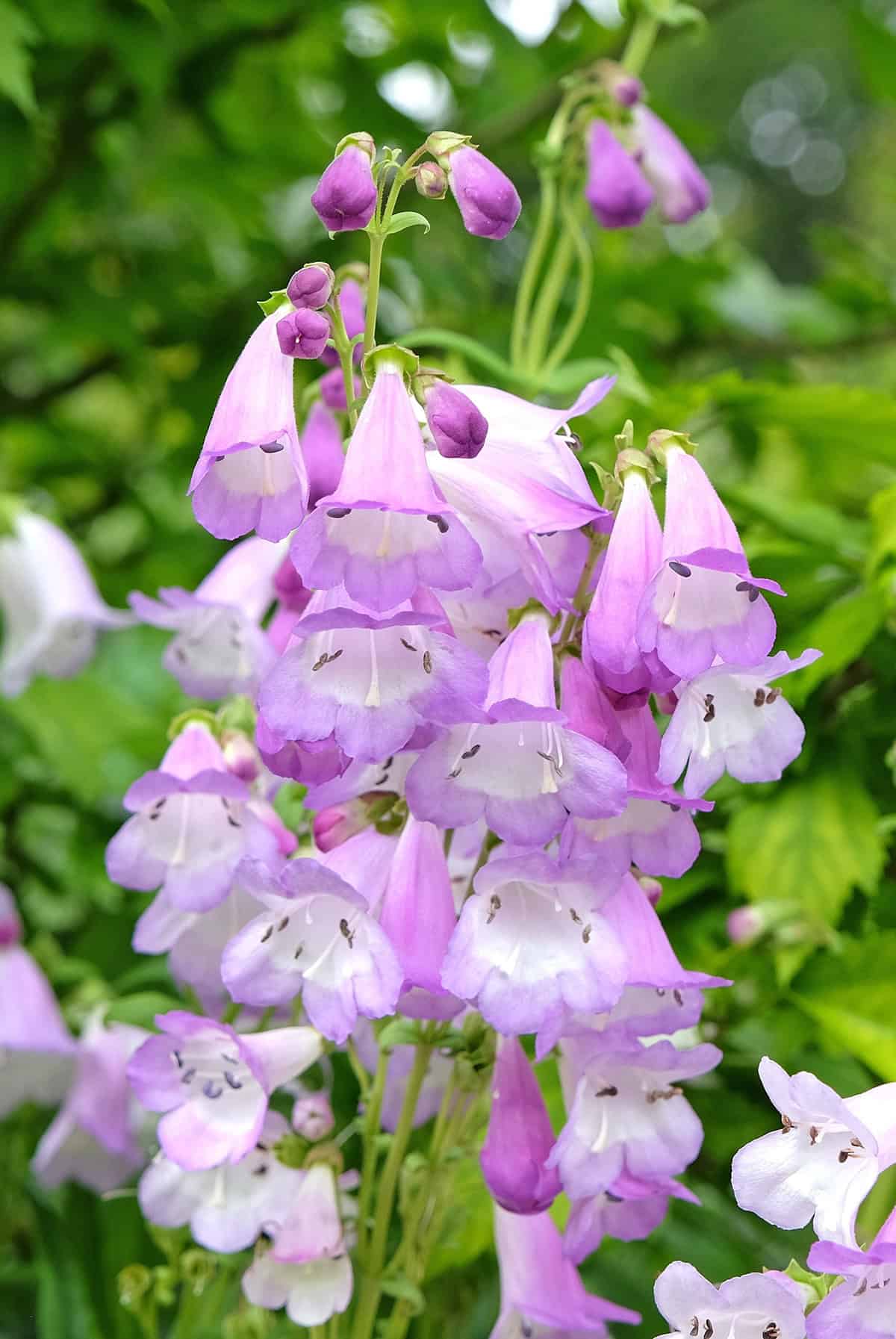
Tubular flowers in red, blue, purple, pink and white make penstemon a magnet for hummingbirds and bees. Many species are very cold-hardy.
Most types need full sun and sharp drainage, and wet winter soil is the main cause of losses. Tall varieties benefit from support or a trim after blooming.
Established plants need little care. Deadhead spent stalks to encourage more blooms, and replace older plants every few years, since many penstemons are short-lived.
Japanese Anemone
Tall, airy stems topped with pink or white blooms make Japanese anemone one of the stars of late summer and fall. The foliage looks good after early frosts, and the plants return reliably each spring.
Partial shade or full sun is fine with moist, well-drained soil. Over time the plants spread by underground roots into graceful drifts, and they need space to roam.
Care is simple. Cut back dead stems after frost and divide clumps every few years. For dependable color at the end of the season, few perennials compare.