December gardens look bare in most places, though the soil is still workable in many regions until the first hard freeze.
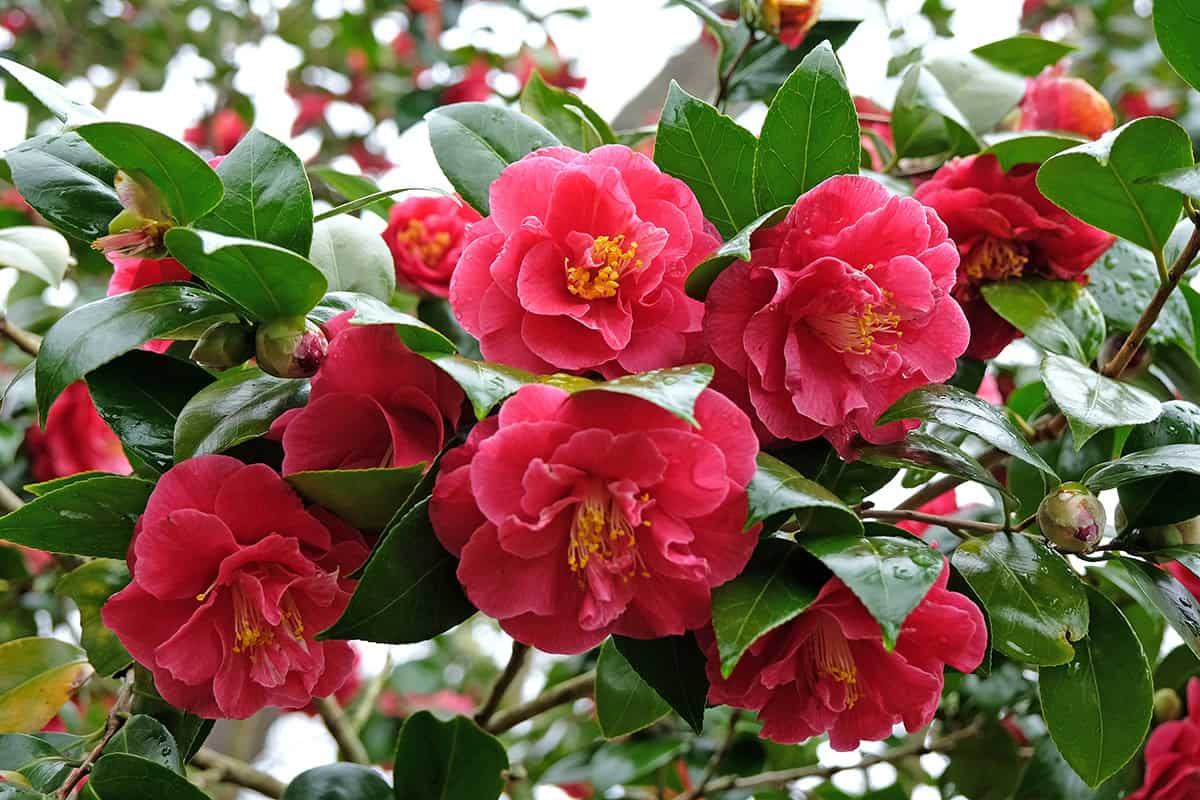
Camellias, hellebores and winter jasmine open flowers in the coldest weeks of the year. Indoors, amaryllis and paperwhite bulbs planted now bloom in time to brighten January.
Two of the picks never leave the house, and the notes on each entry spell out which ones belong in a pot by the window.
Table of Contents
- Flowers to Plant in December
- Camellias
- Hellebores (Christmas Rose)
- Amaryllis (Indoors or Sheltered Outdoors)
- Paperwhites (Narcissus)
- Pansies
- Violas
- Snapdragons
- Sweet Alyssum
- Calendula
- Cyclamen
- Stock (Matthiola)
- Winter Jasmine (Jasminum nudiflorum)
- Wallflowers (Erysimum)
- Primroses
- Ornamental Kale & Cabbage
- Sweet Peas
- Iceland Poppies
- Larkspur
- Anemones
- Ranunculus
- Daffodil Bulbs
- Tulip Bulbs
- Hyacinth Bulbs
- Crocus Bulbs
- Grape Hyacinths (Muscari)
- Snowdrops (Galanthus)
Flowers to Plant in December
A surprising number of plants thrive in cool weather. Hardy annuals, spring bulbs and a few winter-blooming shrubs all go into the ground now in mild climates, and forced bulbs add color indoors everywhere.
Camellias
In mild regions, camellias are a winter highlight. Rose-like blooms in red, pink and white open when most of the garden is dormant, and sasanqua and japonica types cover fall through early spring.
Acidic, well-drained soil and partial shade are best, and mulch holds the roots cool and moist. Avoid spots with harsh afternoon sun, which scorches the leaves.
Water during dry spells, and prune lightly after flowering to tidy the shape. Planted in a good spot, camellias grow into large, long-lived garden anchors. Most are hardy in USDA zones 7 to 9.
Hellebores (Christmas Rose)
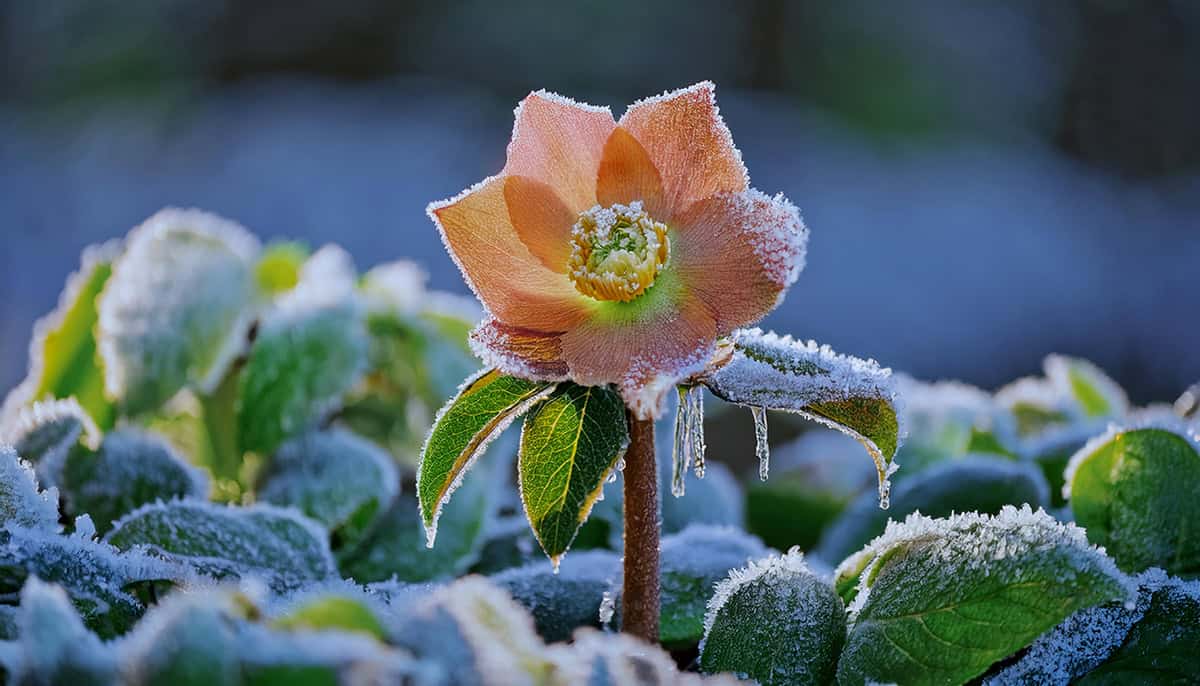
Christmas rose (Helleborus niger) flowers in early winter, around the holidays in mild years, and Lenten rose follows in late winter. The nodding blooms come in white, pink, purple and green.
Plant in partial shade under trees or large shrubs, in rich, moist, well-drained soil. Established plants are tough and need little care.
Cut back old, tattered leaves before the flowers appear so the blooms stand out. Deer and rabbits leave hellebores alone.
Amaryllis (Indoors or Sheltered Outdoors)
Amaryllis bulbs are a classic for big, dramatic indoor flowers in winter. Pot them in early December, and blooms appear six to ten weeks later.
Choose a pot just a bit wider than the bulb, and leave the top third of the bulb above the soil. Water lightly at first, then evenly once growth appears.
In USDA zones 8 to 10, amaryllis also grows outdoors in a sheltered spot. After flowering, cut back the flower stalk and leave the leaves in place, since they feed next year’s bulb.
Paperwhites (Narcissus)
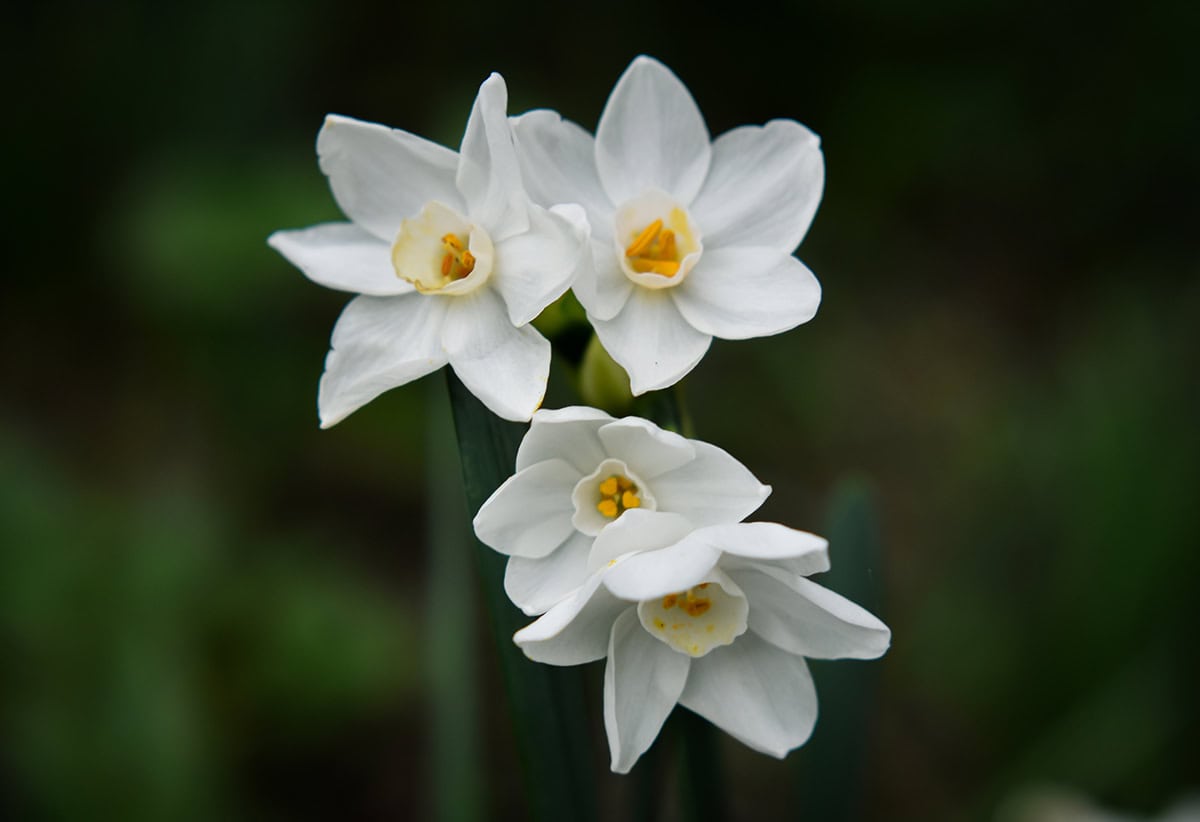
Few bulbs are as foolproof as paperwhites for indoor winter color, with clusters of fragrant white flowers on tall stems.
Plant the bulbs in soil or in a dish of pebbles with water just below their bases, so the roots reach the water and the bulbs never sit in it. Flowers open in four to six weeks.
Tall stems flop easily. Crowd the bulbs together or add a stake, and once shoots reach a couple of inches, water with a weak solution of one part gin or vodka to seven parts water, which shortens the stems.
Pansies
Pansies thrive in cool weather, with flowers in countless colors, many with dark, face-like blotches.
Plant them in sun and well-drained soil in beds or pots. Water regularly, avoid soggy soil and deadhead for more blooms.
Pair them with bulbs for a layered look. Pansies shrug off light frost and recover quickly.
Violas
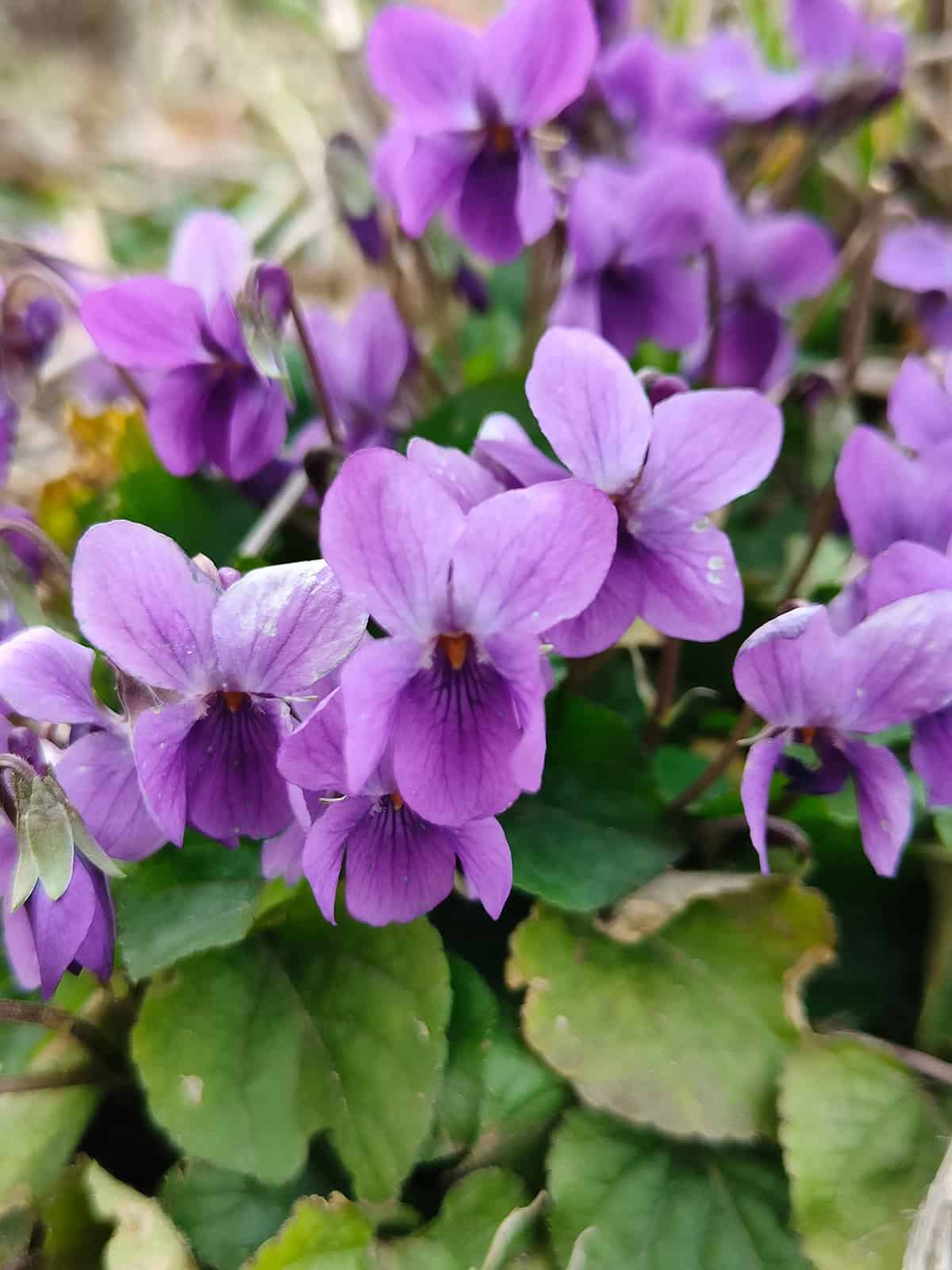
Smaller than pansies, violas outlast them in cold weather and spread nicely as edging.
Full sun to partial shade is fine, in moist, never soggy, soil. Deadheading prolongs the bloom.
Violas mix well with other cool-season flowers, and their compact size fits containers, baskets and borders.
Snapdragons
Tall snapdragon spikes add height and color and handle chilly weather well. In mild climates, they bloom through winter.
Full sun and rich, well-drained soil are best. Water during dry spells and stake taller types.
Colors range from soft pastels to bold reds and yellows. Pinch back young plants for bushier growth and more flowers.
Sweet Alyssum
Tiny, fragrant flowers cluster on sweet alyssum, and the honey scent is strongest on sunny days, even in winter.
The plant grows happily in beds, borders and containers. Sun is best, though it tolerates some shade, as long as the soil drains well.
Cut back leggy plants and they recover quickly. Sweet alyssum reseeds, so new plants appear the following year.
Calendula
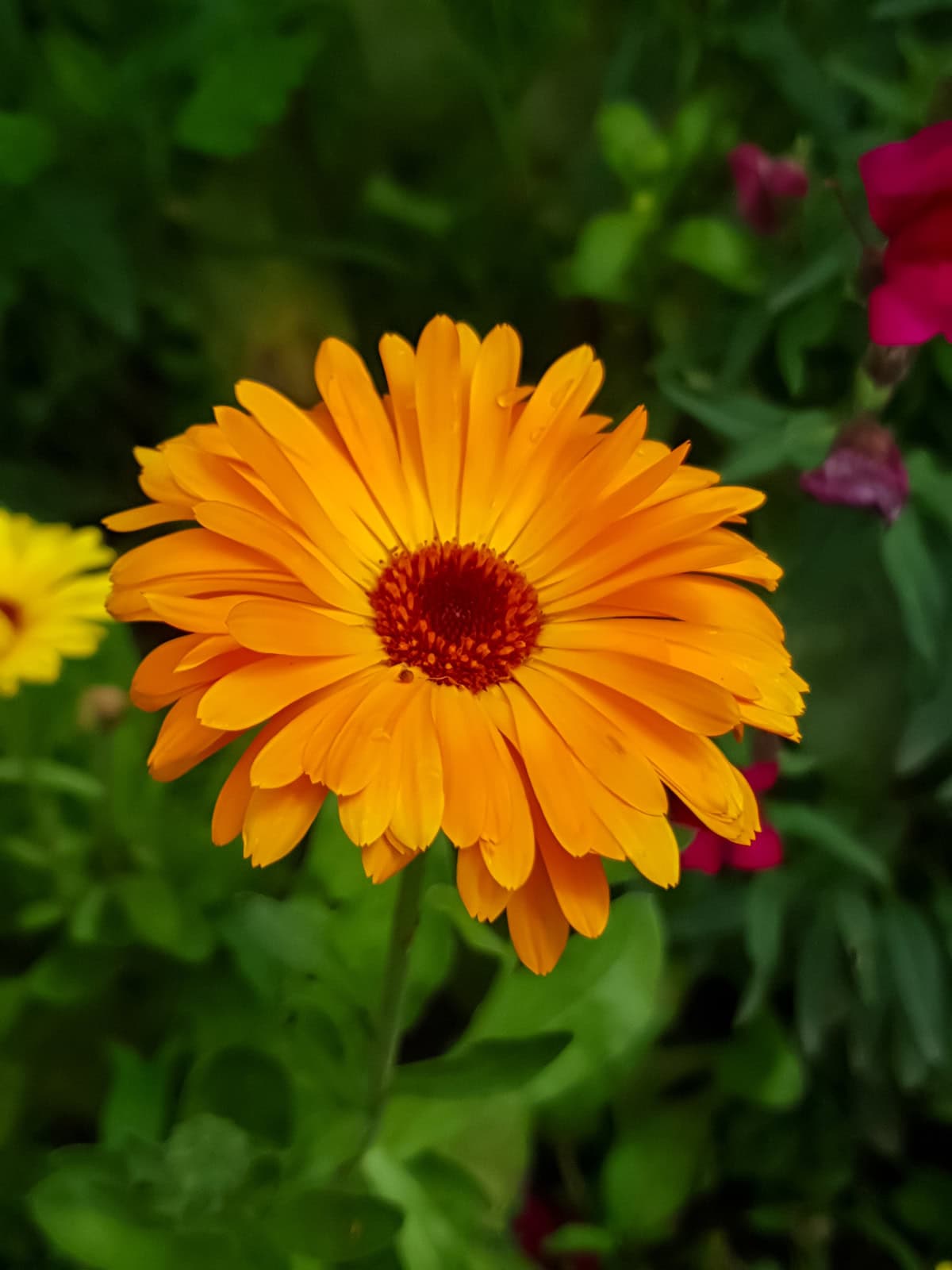
Calendula, or pot marigold, adds bright yellow and orange to winter gardens in mild climates and handles cold well.
Plant in sunny, well-drained spots. Seed reaches flowering in about six to eight weeks, and deadheading prolongs the bloom.
The flowers last well in a vase, and the edible petals garnish salads and add color to rice and soups.
Cyclamen
Indoors, cyclamen ranks as a winter favorite, with flowers that hover above patterned leaves in pink, red and white.
Cool, bright rooms away from heaters are best. Water enough for evenly moist soil, in a pot with good drainage.
Outdoors, florist cyclamen grows only in mild climates with shade. After blooming, the leaves die back and the tuber rests until the next season.
Stock (Matthiola)
Most gardeners grow stock for its fragrance, with spikes of white, pink, purple or red flowers that scent the air in cool weather.
Full sun and fertile, well-drained soil are best. Water regularly, and support taller types.
Stock fits borders and cutting gardens. The clove-like scent is strongest in the evening.
Winter Jasmine (Jasminum nudiflorum)
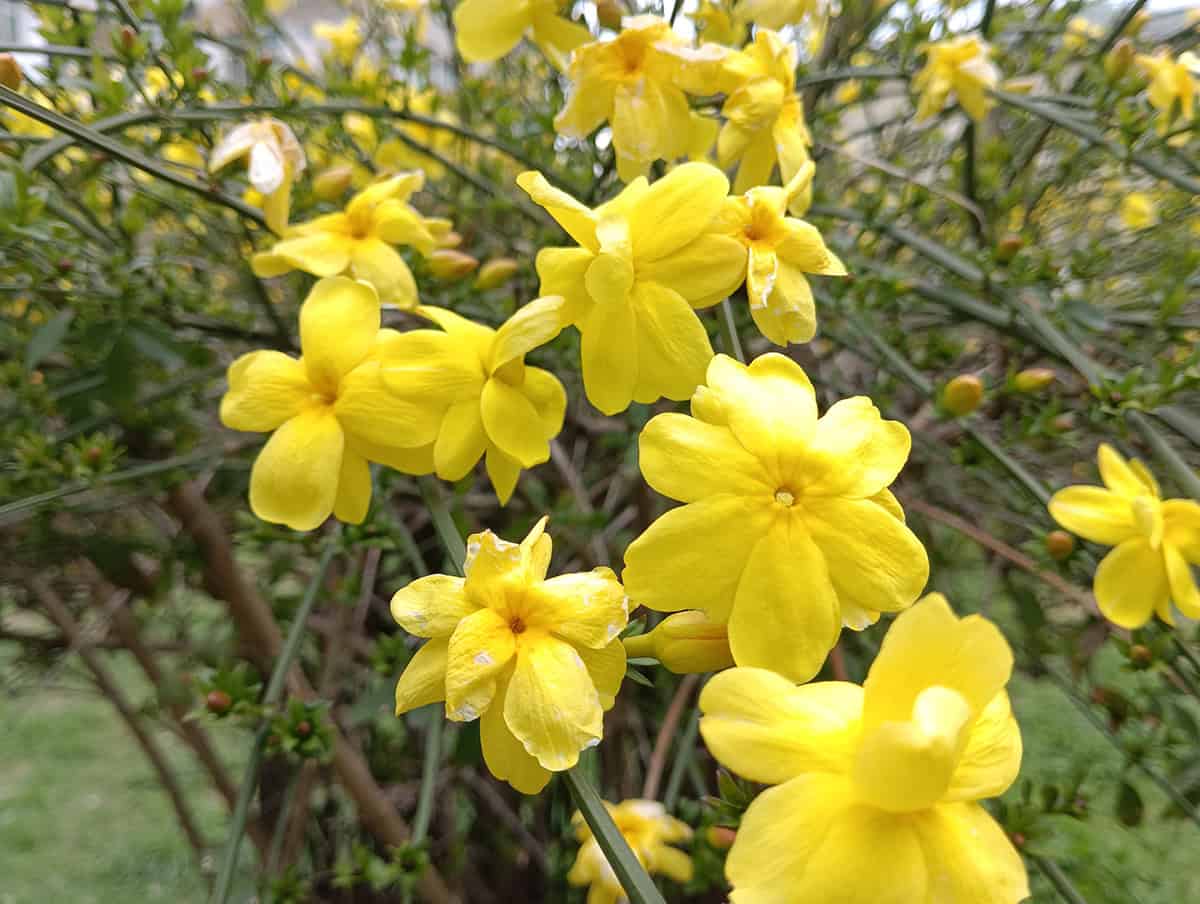
Winter jasmine flowers in the cold, with bright yellow blooms on bare green stems that cheer up the gloomiest days. Unlike other jasmines, the flowers have no scent, and the shrub is hardy in USDA zones 6 to 10.
Train it on walls or fences with a little guidance, or let it spill over a bank. It tolerates most soils as long as they drain well.
Prune after flowering for a tidy shape. Few other shrubs bloom this early, which makes it a welcome sight.
Wallflowers (Erysimum)
Tough and fond of cool weather, wallflowers produce fragrant clusters in yellow, orange, purple and red.
Full sun and soil that drains well are essential, since heavy, soggy ground causes rot. Water sparingly.
Gardeners grow most types as biennials, sown one year to bloom the next. Deadheading stretches the season into spring.
Primroses
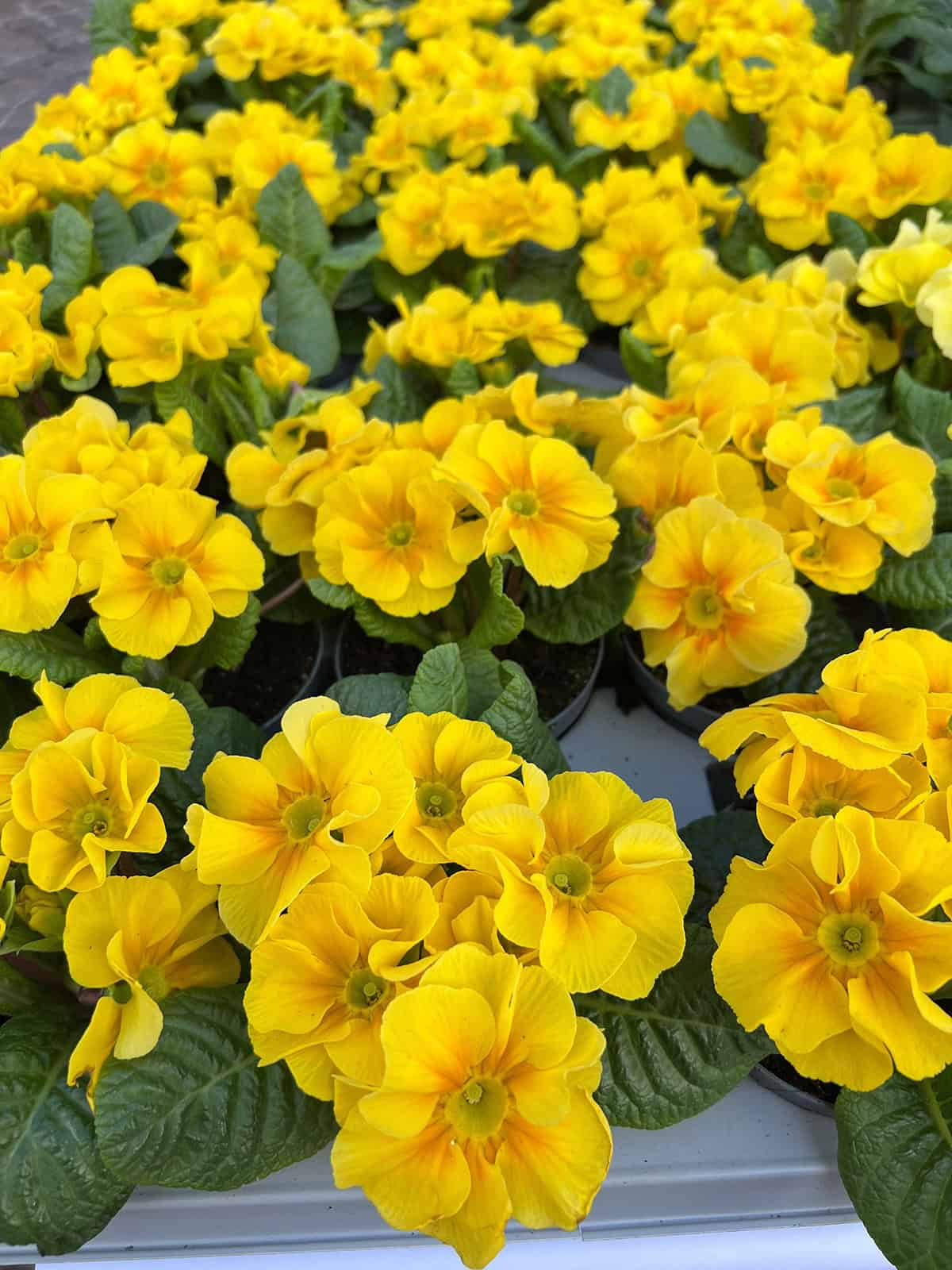
Primroses flower in late winter or early spring with bright red, yellow, blue and white blooms while the garden is still asleep.
Partial shade and rich, moist soil are best, and mulch holds the roots cool and damp. Water before the soil dries out.
Use them in borders, containers or naturalized areas, and pick off faded blooms for more color.
Ornamental Kale & Cabbage
Ornamental kale and cabbage are grown for leaves, though their purple, pink and white color rivals any flower and brightens as the weather gets colder.
Full sun produces the best color. The plants handle frost and even a dusting of snow, which only adds to the effect.
Use them in beds, borders or pots, and pull off ragged outer leaves for a tidy look.
Sweet Peas
Climbing sweet peas perfume the air with flowers in nearly every color, and they love cool weather.
Sow seeds in late fall or early winter in zones 8 and warmer, and in early spring elsewhere. Provide a trellis, and choose a sunny, fertile spot.
Pick the flowers frequently for a steady supply. Watch for slugs and snails, which love the seedlings.
Iceland Poppies
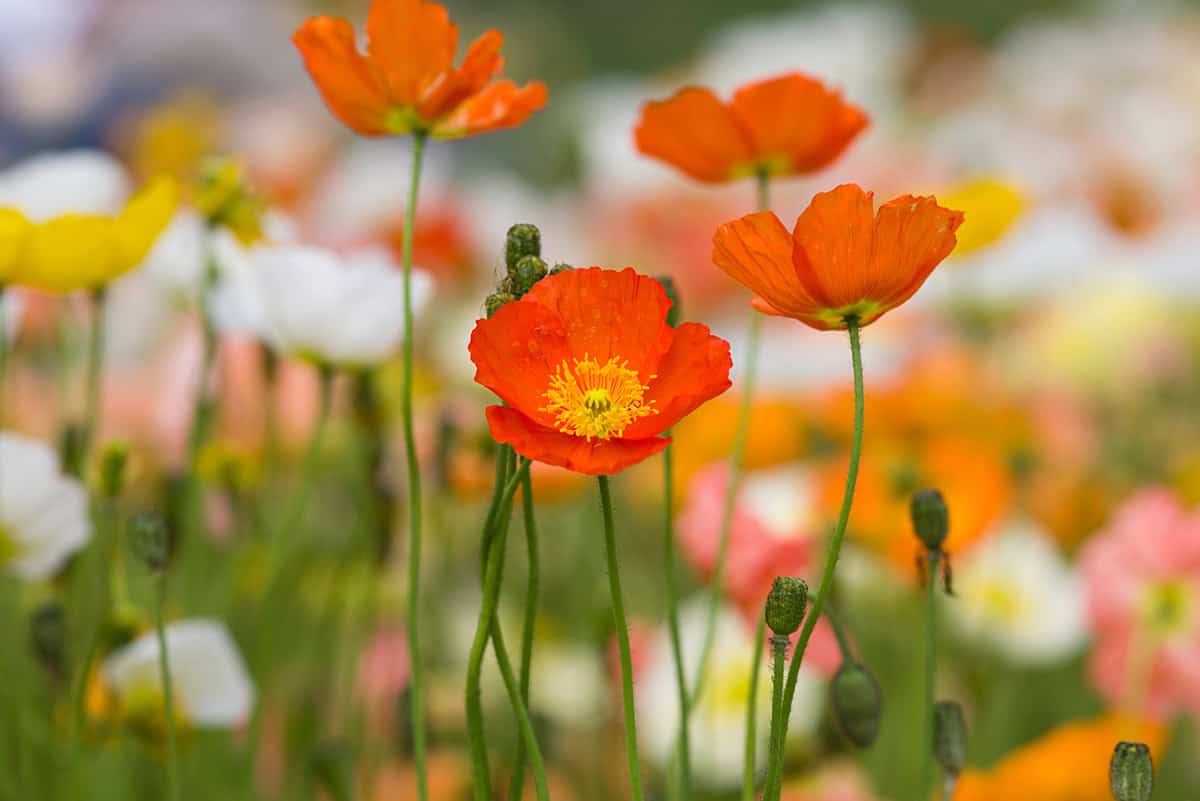
Delicate petals in orange, yellow, pink and white and soft, gray-green leaves make Iceland poppies a winter favorite in mild climates.
Full sun and well-drained soil are best. The plants dislike heat and thrive in cool weather, and direct sowing produces the best results.
Pick the flowers in early morning, just as the buds crack open, for the longest vase life. Handle the fragile stems gently.
Larkspur
Tall spikes of blue, purple, pink or white make larkspur a strong vertical accent in cool-weather beds.
Sow seeds directly in fall or early winter in full sun and fertile, well-drained soil. Thin seedlings for room.
Stake stems in windy spots. Larkspur is toxic if eaten, so plant it away from children and pets.
Anemones
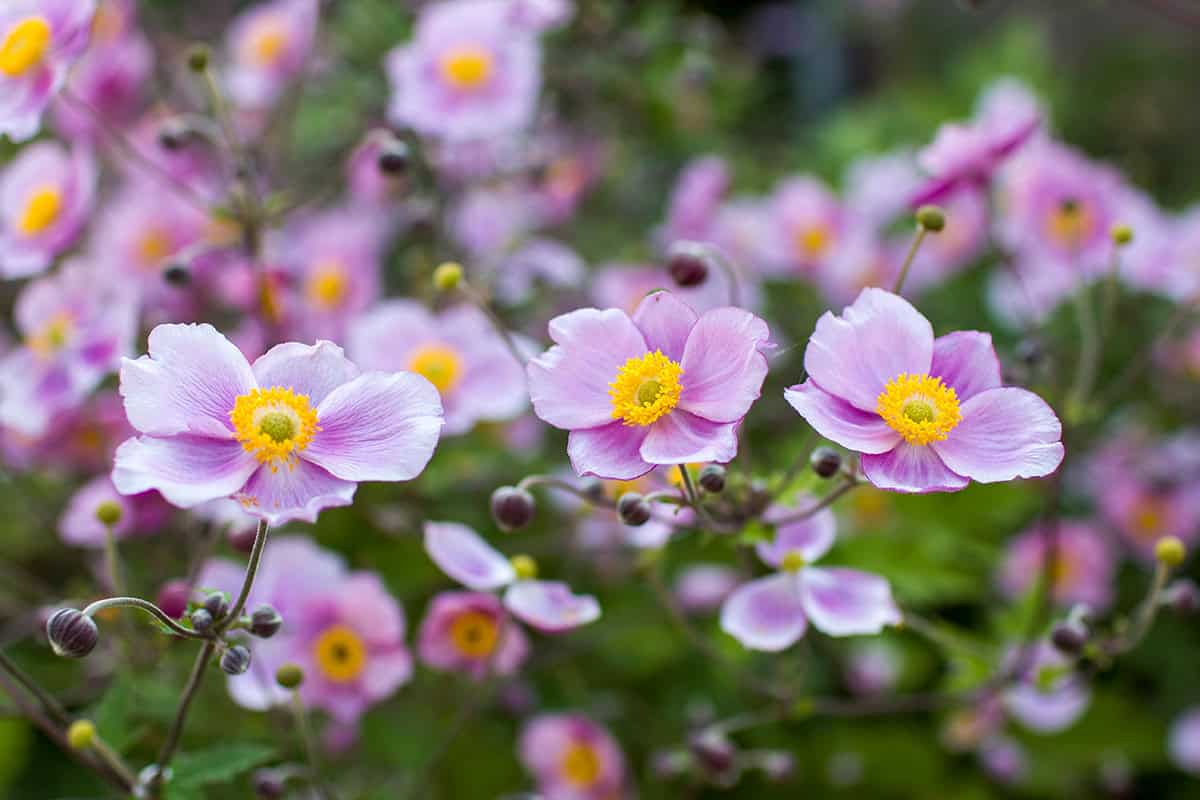
Anemones bloom in late winter or early spring, with timing set by the planting date, and the flowers come in bold red, blue and purple.
Plant the corms in well-drained soil in sun or light shade, after soaking them for a few hours to speed sprouting. Water regularly during active growth.
Use them in borders, pots and cutting gardens. In mild climates, they return for several years with little effort.
Ranunculus
Ranunculus produces bright, rose-like blooms that are favorites for bouquets and garden displays.
Plant soaked corms claws down in sunny, well-drained soil, with space between them for airflow.
Flowers open from late winter into spring in mild climates. Water so the soil is moist and never soggy, and snip off spent flowers for a longer show.
Daffodil Bulbs
Yellow, white or orange trumpets make daffodils a spring classic, and bulbs planted in fall or early winter return year after year.
Well-drained soil in sun or partial shade is ideal. Plant bulbs about three times as deep as they are tall, pointed end up, and water them in.
Let the foliage die back naturally after bloom, since it feeds next year’s flowers.
Tulip Bulbs
Tulips come in countless colors and shapes. Plant the bulbs before the ground freezes, in late fall or early winter.
Choose a sunny, well-drained spot, and plant bulbs pointed end up about 6 to 8 inches deep. Water thoroughly after planting.
Most tulips bloom best in their first year. In warm climates, pre-chill bulbs for 12 to 16 weeks before planting for good flowers.
Hyacinth Bulbs
Dense, fragrant spikes of blue, pink, white or purple make hyacinths an early spring standout.
Sun and well-drained soil are key. Plant bulbs 4 to 6 inches deep, water once and avoid soggy spots.
Forcing hyacinths indoors in water or soil is also easy. Wear gloves, since the bulbs irritate skin.
Crocus Bulbs
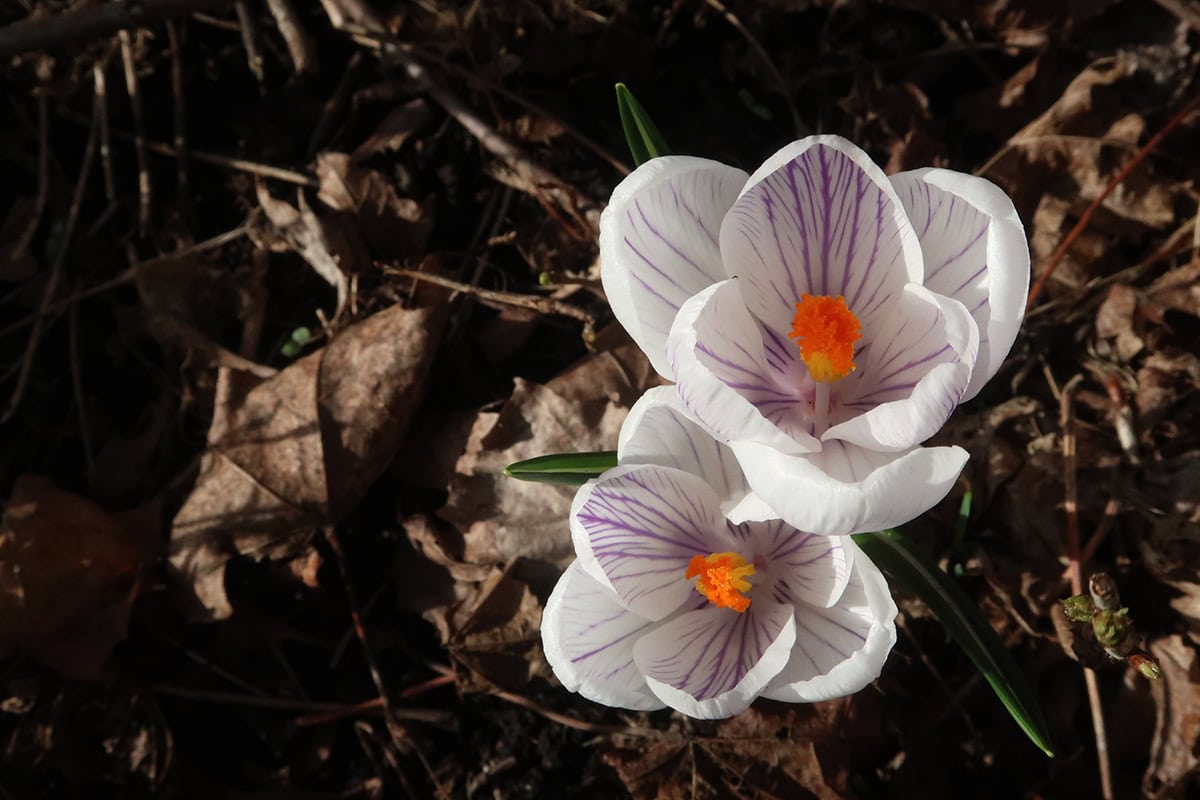
Purple, yellow or white crocuses rank among the first spring flowers and push through the snow in many years.
Plant the corms in fall or early winter in sunny, well-drained spots. They naturalize well in lawns, rock gardens and borders.
Established crocuses need little care. Let the foliage fade naturally to feed the corms.
Grape Hyacinths (Muscari)
Grape hyacinths form carpets of tiny blue, grape-like flowers in spring and spread easily over time.
Plant bulbs in fall or early winter in sun or partial shade. Most soils are fine as long as they drain well.
Big drifts produce the best effect, and established clumps return year after year with no help at all.
Snowdrops (Galanthus)
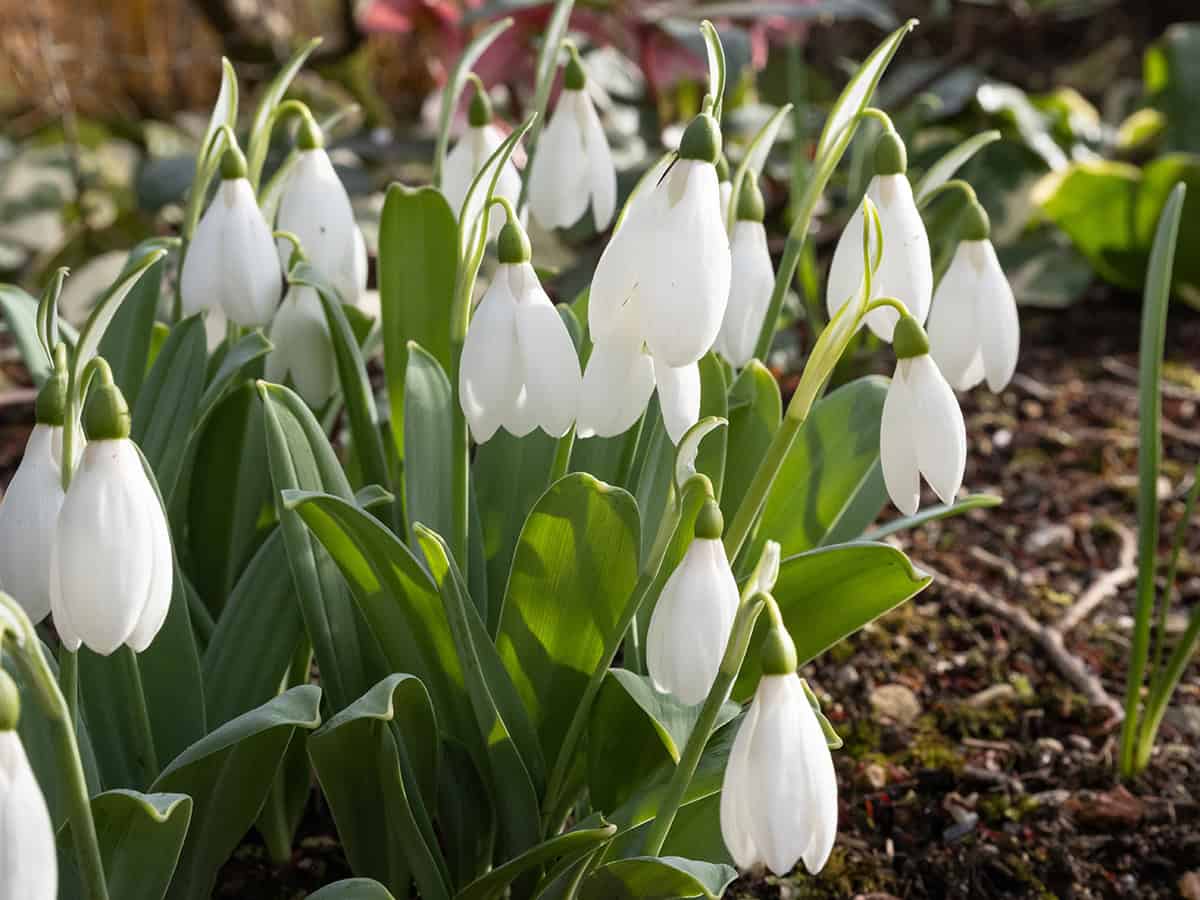
White, drooping snowdrop flowers push through the last patches of snow in late winter, a sign that the cold months are nearly over.
Plant bulbs in fall or early winter in soil that drains well and holds a little moisture. Dappled shade beneath trees or shrubs is ideal. Snowdrops also transplant well in spring right after blooming, while the leaves are still green.
Left alone, snowdrops multiply in cool climates. Divide the clumps only when flowering declines.