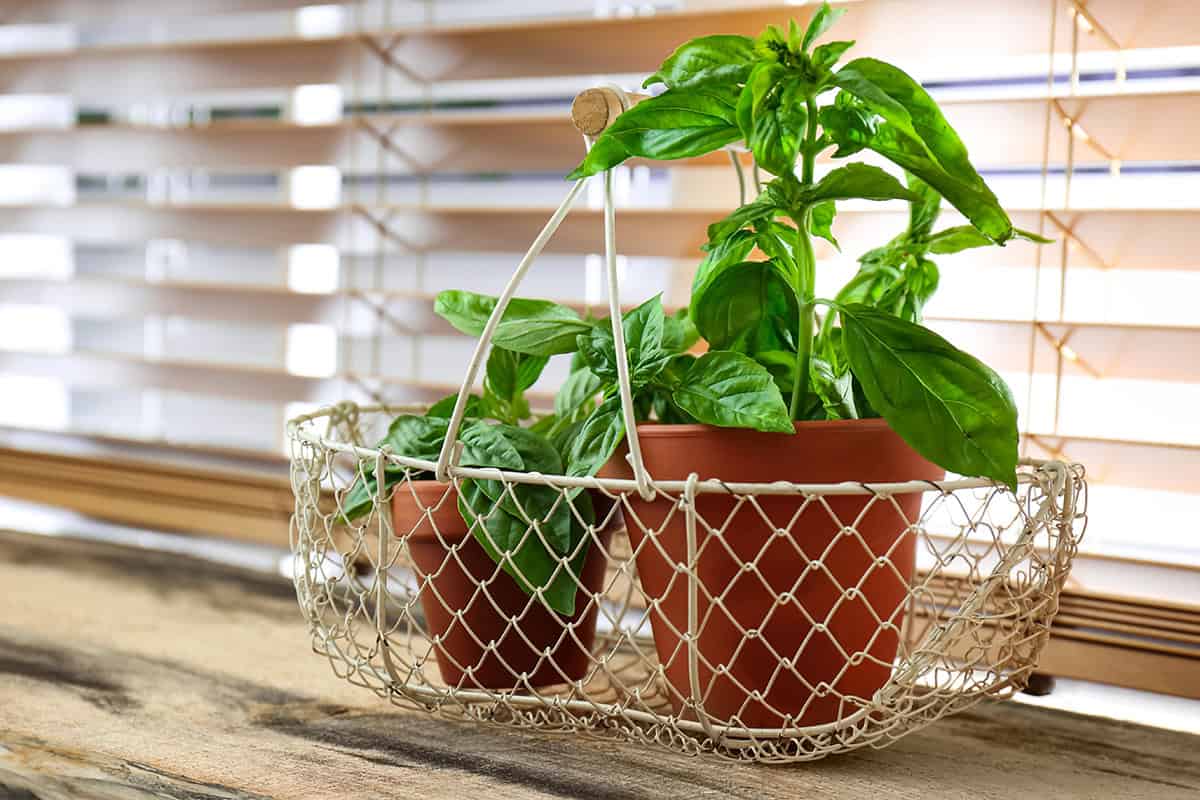
Fresh basil just works indoors, and it’s honestly pretty rewarding to have those leaves right there for your cooking. You’re in charge of the light, the warmth, the watering—all that. That control really keeps the flavor up and the plants from getting all leggy.
To keep basil happy inside, give it loads of bright light, keep it warm, use a pot that drains fast, don’t let it dry out (or get soggy), feed it lightly, and snip the tips often. These habits keep the plant chugging along and the leaves coming.
This guide gets into picking the right basil types, sorting out light (from windows or lamps), pots, soil, starting from seed, and how to thin without making the plant freak out. You’ll also get tips on watering, feeding, pruning, and some quick fixes for pests or sad-looking growth.
Table of Contents
First Things First
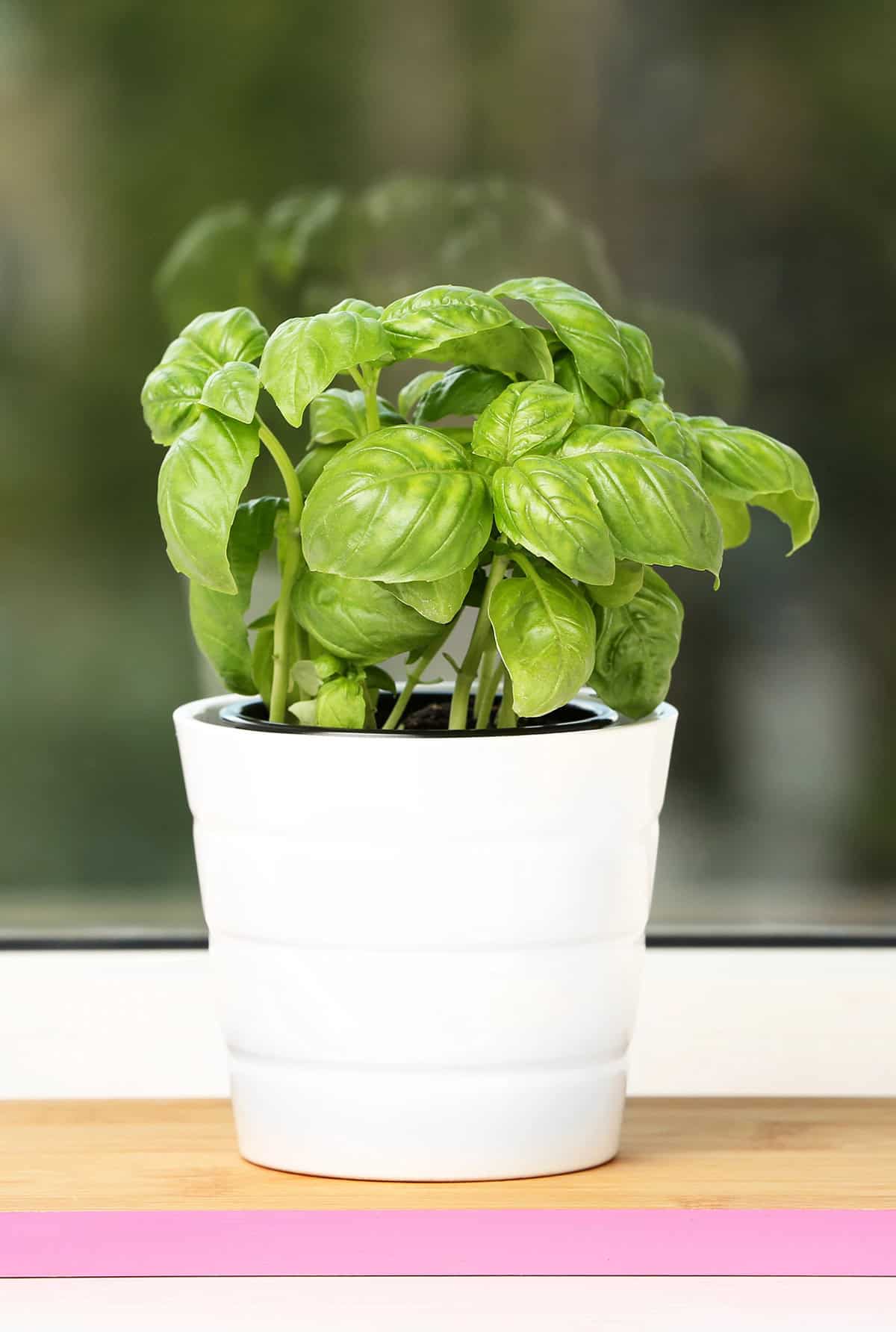
Getting basil to thrive inside comes down to light, warmth, watering, and not expecting miracles. Meet those needs and you’ll have good basil for quite a while.
What Basil Needs Indoors
Light is the big one. South- or west-facing windows are your best bet—basil wants at least six hours of direct sun. Not enough light? Stems get stringy, leaves shrink, and the flavor just isn’t the same.
Keep it warm, too. Daytime temps should be in the 70s (Fahrenheit), and definitely avoid cold drafts at night. Soil should be moist but not soggy, and the pot absolutely has to drain well.
Pick a pot with drainage holes and fill it with loose, rich soil. Feed a little, every few weeks, using diluted liquid fertilizer. Pinch off the tips now and then so it stays bushy instead of shooting up and flowering.
How Long Basil Lasts Inside
Basil’s not immortal indoors. With decent care, you’ll get leaves for half a year, maybe a bit longer. After that, stems toughen up and leaves get smaller.
Snipping the tops often helps stretch out its lifespan. Don’t let it flower—just keep cutting above a leaf pair. Fresh shoots will keep coming for a while.
Once it starts looking tired and slow, it’s usually easier to start over from seed or cuttings than to try reviving the old plant.
Best Basil To Grow Indoors
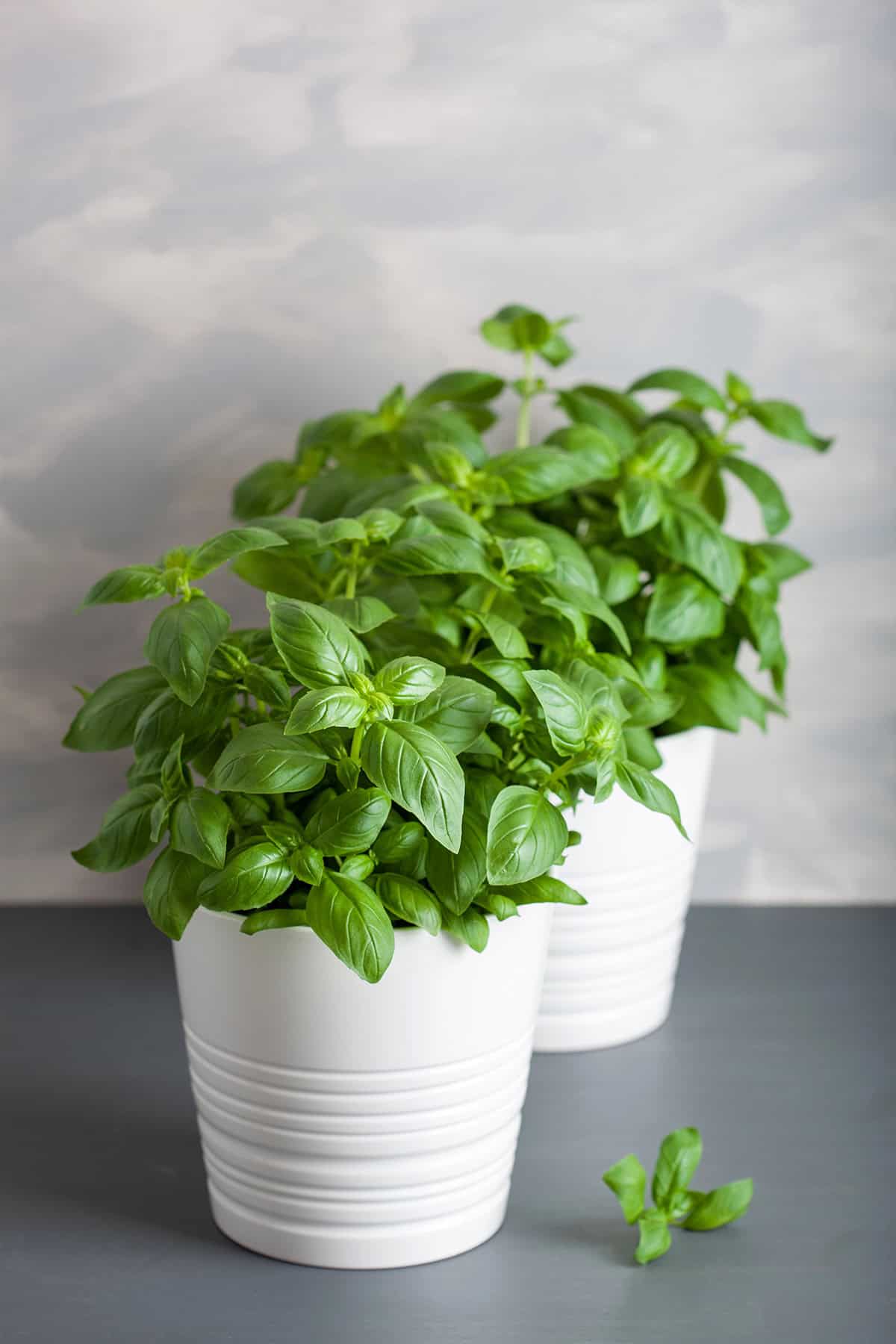
Some basil types just do better inside. Go for compact, bushy varieties that don’t mind living in a pot. The right choice makes a big difference in flavor and how long the plant lasts.
Reliable Varieties For Pots
Small, tidy basils are the way to go. Greek basil and Spicy Globe are both great—stay short, branch out, and handle window light better. They bounce back fast after you harvest, too.
If you want classic flavor, Genovese basil works but needs more trimming to keep it under control. It’ll get tall if you slack off on the pruning, but the leaves are big and tasty.
Thai basil and lemon basil can do well in pots as long as they get enough light. They’re a little sturdier, with more intense scents. If you want something different, purple basil looks cool, but it’s a bit fussier about light and takes longer to get going from seed.
Seeds Vs. Grocery Store Basil
Starting from seed gives you way more control—pick your variety, spread them out right, and use a decent pot. Seed-grown plants seem tougher and adjust better to indoor conditions.
Basil from the grocery store is usually jammed in one pot, roots all tangled, and often pretty stressed. You can try splitting them up, but honestly, some will probably die off.
Store basil is fine for a quick fix, but if you want a steady supply, seeds are the way to go. Less risk of disease, and the plants just handle indoor life better.
Light
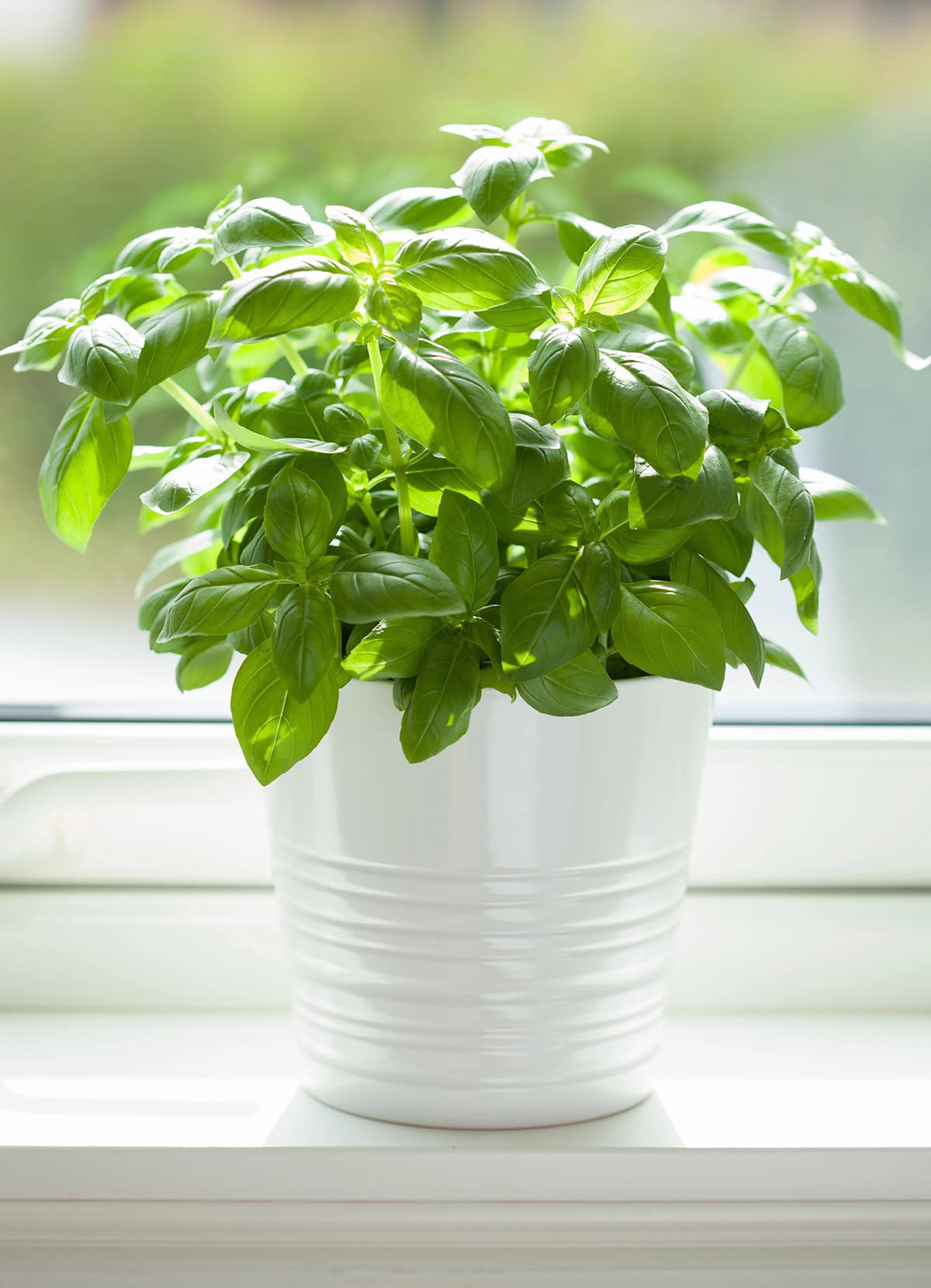
Light makes or breaks indoor basil. The window you pick, any extra lights you use, and catching problems early matter more than fertilizer or fancy pruning tricks.
Best Window Directions
South-facing windows are usually the best. Aim for at least five or six hours of direct sun, plus as much bright light as you can get the rest of the day. East-facing windows can work, especially for smaller plants.
West-facing windows blast with afternoon sun, which can scorch leaves in summer. If the edges get crispy, scoot the pot back. North windows? Usually not enough light for decent basil.
Glass cuts some of the sun, so keep the window clean and spin the pot every few days. That way, the plant grows evenly instead of leaning one way.
Simple Grow Light Setup
If you’re short on sun, a basic LED shop light or grow light does the trick. Hang it six to twelve inches above the leaves—closer is better, but don’t fry the plant.
Set a timer for twelve to fourteen hours a day. Basil likes long, steady light, not quick bursts. As it grows, raise the light so it doesn’t get burned.
One light can cover a few small pots, but don’t crowd them or you’ll get floppy side growth. Give them a real night—turn the light off each day so the plant can rest.
Signs Basil Needs More Light
If the plant’s stretching out, with big gaps between leaves, it’s not getting enough light. Stems will start leaning toward the window or lamp almost right away.
Leaves might stay small and pale, and the flavor drops off even if you’re watering right. If growth is slow but it’s warm, that’s another clue light is lacking.
Move it closer to the window or set up a light as soon as you notice. Waiting too long usually means the plant won’t really bounce back.
Pot + Soil
The pot and soil you pick decide how happy your basil’s roots are—and roots are everything. Indoors, you want steady conditions, quick drainage, and enough room for roots to spread a bit.
Right Pot Size And Drainage
Don’t skimp on pot size. One plant needs a pot at least eight inches wide and deep. That gives roots space and helps keep moisture more even.
Drainage holes are a must. Water has to escape fast, or the roots will rot. Use a saucer if you’re worried about spills, but dump out any standing water after you water.
Pot material matters, too. Plastic hangs onto moisture longer, so it’s good in dry homes. Clay dries out faster—nice if your place is warm and gets lots of sun.
Don’t cram a bunch of plants together. That just stresses them out and slows growth. Give each basil its own pot if you want it to thrive.
Potting Mix That Drains Well
Soil should be loose and drain quickly, but still hold a bit of moisture. Skip heavy garden soil—it turns to concrete inside after a few waterings.
Look for a potting mix made for containers. It should feel light and springy. That way, air gets to the roots and the soil doesn’t pack down.
Mix in some compost or bark if you want, but avoid anything too sandy or fine—it’ll just clog things up. Start with a mild, all-purpose mix; you can always add a bit of fertilizer later once the plant is growing well.
Planting And Thinning
Getting basil going indoors means sowing at the right depth, keeping things warm, and thinning early so the plants don’t crowd each other. That’s what gets you good roots and bigger leaves.
How To Sow Seeds
Grab a shallow container with drainage and fill it with light potting mix. Don’t pack it down—just smooth the surface. Basil seeds like warmth, so try to keep the soil around 70°F.
Scatter seeds on top and cover with about an eighth of an inch of soil. Give them some space—two inches apart is plenty. Press down gently so they stay put.
Spritz the surface to keep it damp, not soaked. You’ll usually see sprouts in a week or two if things stay warm and steady.
How To Thin For Fuller Plants
Once seedlings are a couple inches tall, it’s time to thin. Too many in one pot just means tiny leaves and spindly stems.
Snip out the weaker ones so each remaining plant has three or four inches of space. Don’t yank them—just cut at the soil line so you don’t mess up the roots of the keepers.
After thinning, make sure they get good light. More space means stronger, bushier plants and better harvests later on.
Watering
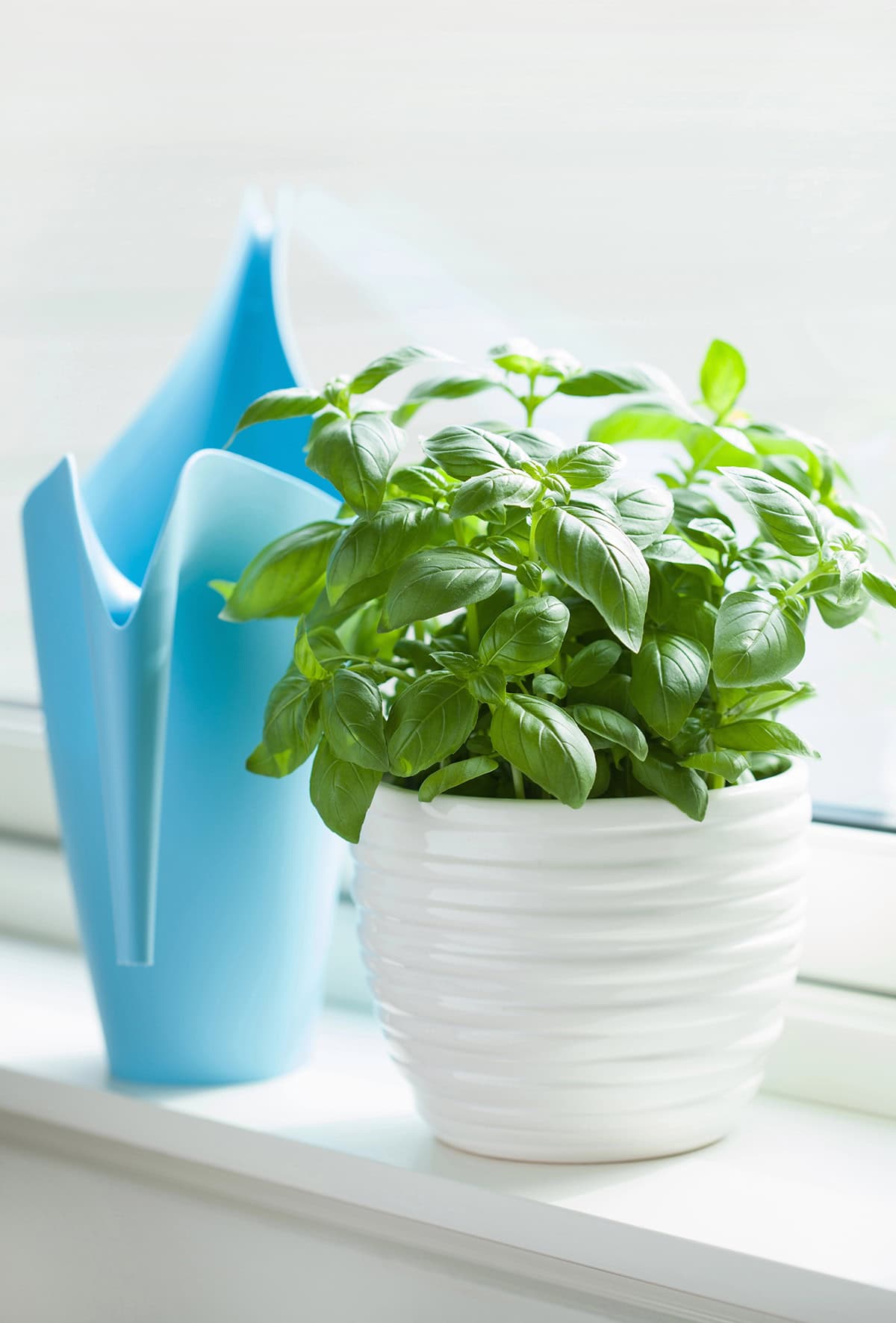
Basil inside likes steady moisture but hates wet feet. Paying attention to when and how you water makes all the difference.
When To Water
Stick your finger in the soil before watering. If the top inch is dry but it’s still cool underneath, go ahead and water. That keeps the roots happy and avoids drama.
Usually, you’ll need to water every few days, but it depends on light, pot size, and how warm your place is. More sun and heat means faster drying.
Use water that’s not too cold, and water until you see it drain out the bottom. Dump the saucer after. This helps prevent salt buildup and keeps moisture even.
Water in the morning if you can—it gives the plant time to use the water when the light’s best. Watering late can leave the soil soggy overnight, which isn’t great.
Avoiding Root Rot And Droop
Too much water is worse than not enough. Roots need air along with moisture, so don’t let the soil stay soggy or you’ll get rot.
Always use pots with drainage and a loose mix. Heavy soil just holds water too long. A light mix dries at the right pace.
If leaves droop, check the soil. Dry soil causes limp but still firm leaves; wet soil means soft stems and dull, floppy leaves.
Don’t just water on a schedule—watch the plant and feel the pot. If it feels heavy, it probably doesn’t need more water yet.
Feeding
Indoors, basil likes a little food now and then, not a ton all at once. A simple feeding routine keeps leaves soft and growth steady.
Simple Fertilizer Schedule
Basil burns through nutrients in a pot, so hit it with a diluted liquid fertilizer every couple weeks. Go for a balanced type, like 10-10-10, but use half what the label says.
Water the plant first, then add the fertilizer mix. That way, you don’t burn the roots or stress the plant.
If the plant’s under strong light, keep up with the schedule. If light is lower, stretch out the time between feedings—too much fertilizer just makes weak stems and bland leaves.
When To Stop Feeding
Ease up on fertilizer when the plant slows down, especially in winter. Otherwise, the extra nutrients just sit there and can mess with the roots.
Skip feeding right after a big prune, too. Let the plant recover and put out new growth first. Once you see healthy new leaves, you can start feeding again.
Every few months, flush the soil with plain water to wash out any buildup. Let it drain out completely. It keeps the roots in good shape.
Pruning + Harvesting
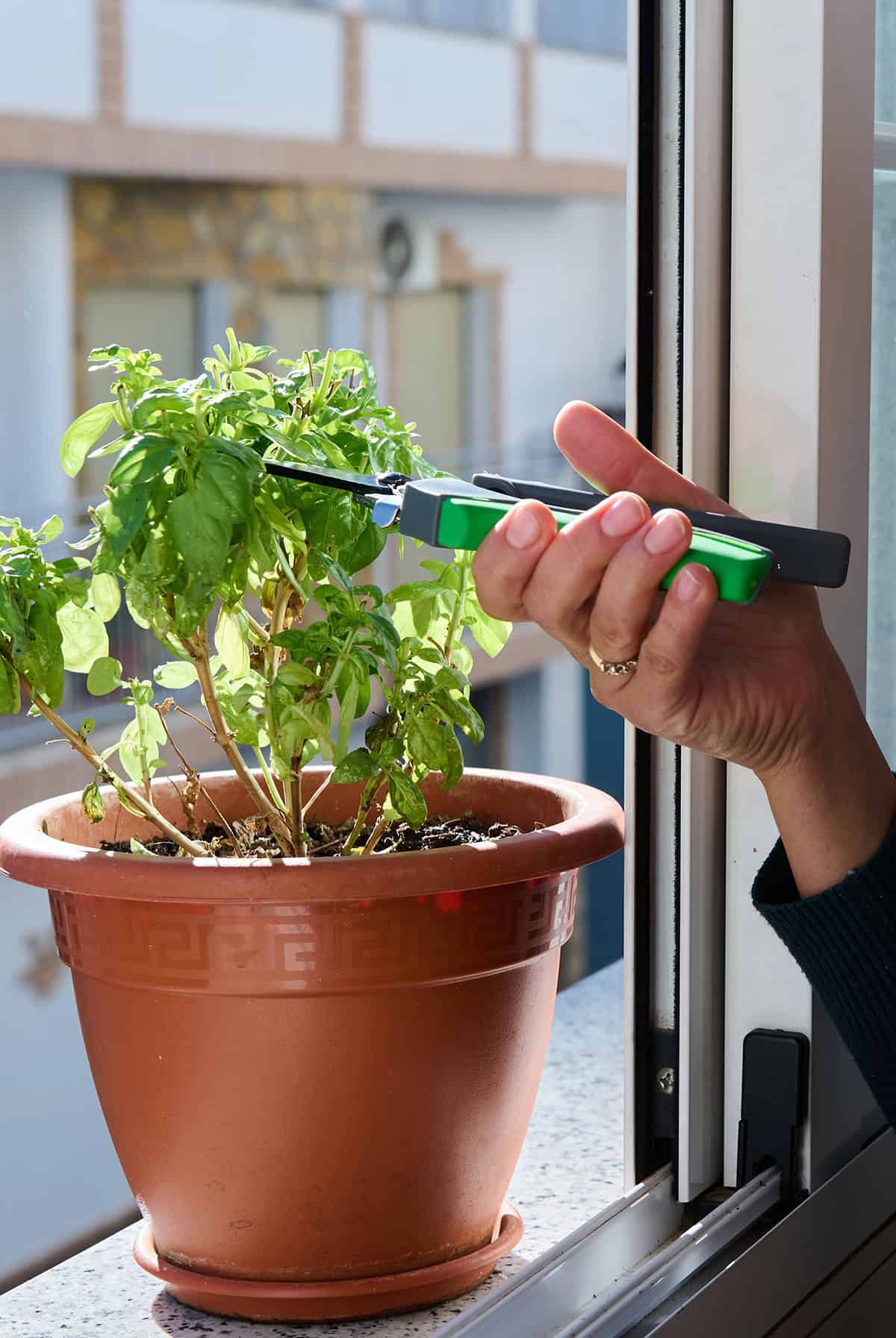
Basil indoors stays happiest when you cut it regularly and with a bit of strategy. Smart pruning shapes the plant and keeps the leaves coming longer.
Pinching For Bushy Growth
Start pinching once the plant hits six to eight inches tall. Snip off the top just above a leaf pair—this makes two new stems grow from that spot.
Do this every week or two. More pinching means more side branches and more leaves. It also helps avoid those floppy, light-hungry stems.
Use clean scissors or snips for each cut—less damage, less chance of disease. Make the cut close to the node but don’t rip the stem. Structure matters indoors, since light can be tricky.
How To Harvest So It Keeps Growing
Wait until the plant has several sets of good leaves before you start harvesting. Take whole stem sections instead of just picking single leaves. Always cut above a node with a couple healthy leaves left below.
Don’t take more than a third of the plant at once. That keeps the roots balanced and avoids stressing the plant. With good light, it’ll bounce back in a few days.
Try to harvest from different spots each time so the plant stays even. Lots of small harvests are better than hacking off half the plant in one go.
Preventing Flowering
Once basil starts making flowers, you’re losing those big, tasty leaves. Indoors, it’s usually stress from dim corners or skipped trims that pushes it to bud. Yank any flower as soon as you spot it—don’t wait.
Chop the stem a bit below where the flower’s forming, not just the tip. That moves the plant’s attention back to leaf production. You’ll notice the flavor stays punchier if the flowers never get a chance.
Keep the light steady and stay on top of trimming. Check your basil every week, and don’t let it get ahead of you. If you’re consistent, you’ll get a longer run before it decides it’s done.
Common Problems And Fixes
Most of the time, basil indoors tanks because of weak light, watering slip-ups, or the occasional pest. Usually, once you figure out what’s off—sun, soil, temperature—you can turn things around pretty quickly.
Leggy Basil And Small Leaves
If you’ve got tall, stretched-out stems with barely any leaf action, that’s almost always too little light. Basil really wants tons of brightness, way more than a lot of houses actually get. South windows are your best bet, but let’s be honest, sometimes it’s still not enough.
Try moving the plant as close to the window as you can—like, almost touching the glass. If daylight’s not cutting it, a grow light for twelve to fourteen hours helps a lot. Keep the light right above the leaves, not off to the side.
Don’t forget to prune. Snip just above a pair of leaves every week or two. That’s what gets you bushier plants and bigger leaves. Warm rooms help too; chilly spots just slow everything down and make the stems floppy.
Yellow Leaves And Drooping
Seeing yellow leaves? Usually, that’s from watering too much or lousy drainage. Basil likes things damp, not soggy. The roots need to breathe.
Double-check your pot—it’s gotta have holes, and water should drain out fast. Let the top inch of soil dry out before you water again. Go for a light, well-draining mix, never heavy garden soil.
Cold air can make basil droop even if you’re watering right. Don’t park it near frosty windows or blasting vents in winter. If you keep it warm and toss any yellowed leaves, you’ll give the healthy parts a better shot.
Indoor Pests (Aphids, Mites)
It’s wild how quickly tiny bugs make themselves at home indoors—aphids love to huddle on new shoots, and mites? You’ll spot their pale specks and those sneaky little webs under the leaves.
Give your plants a close look every few days, especially where growth is fresh. Early on, blasting leaves with a good, strong spray of water can knock most pests right off. You’ll probably need to repeat this a few times before they finally give up.
Still seeing bugs? Time to bring out the insecticidal soap or neem oil—make sure you coat both sides of the leaves. Keep the plant away from others while you’re at it, and wipe down the area nearby so you’re not inviting them back.