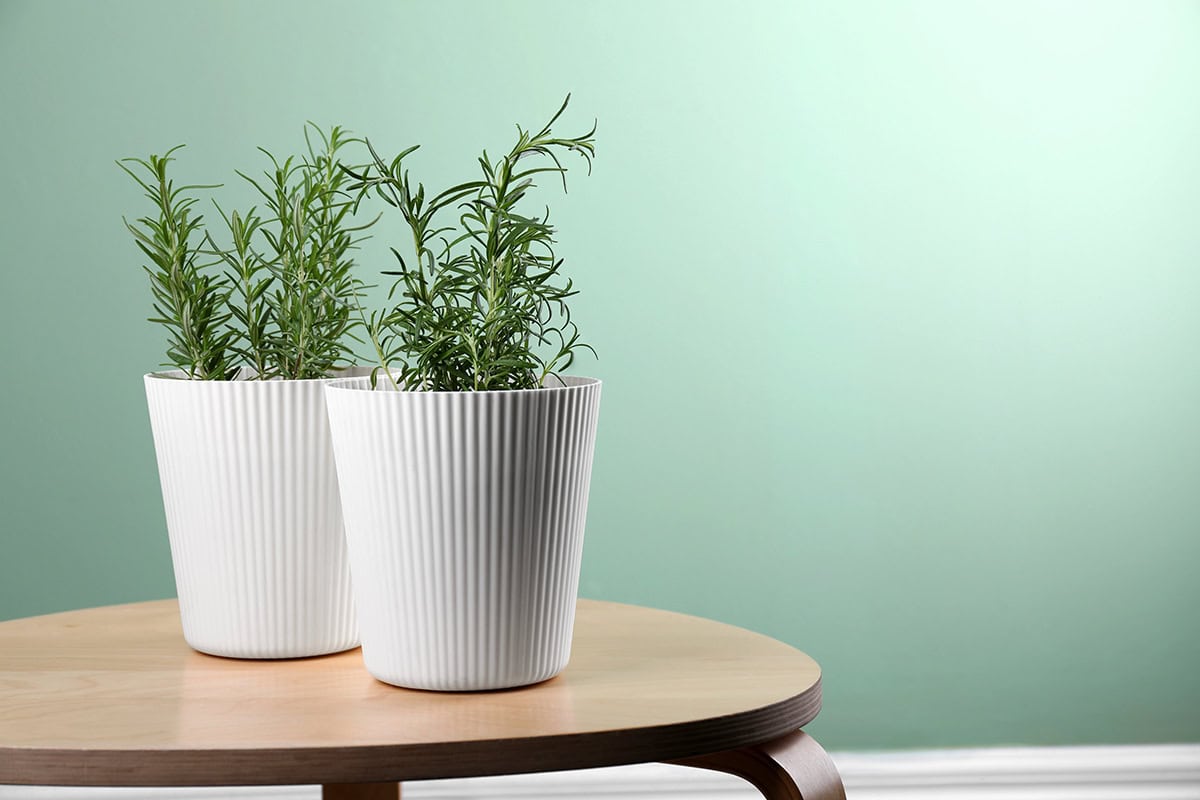
Fresh rosemary can actually thrive inside if you get the basics right. It’s all about strong light, not drowning it, keeping things cool, and giving it the occasional haircut. Give rosemary a bit of attention and it’ll keep tossing out fragrant stems for you all year. It’s a plant that wants balance more than anything else.
Start off with choices that let roots breathe and air move. Light is the make-or-break factor—where you put it matters every single day. Watering is something you’ll want to hold back on, since soggy soil spells trouble fast. A little fertilizer here and there is enough; don’t overdo it.
Trimming helps keep things bushy and encourages new growth. Snip a few sprigs as you need them, but don’t go wild all at once. If something’s off, rosemary usually shows you, so you can step in before things get ugly.
Table of Contents
Planting
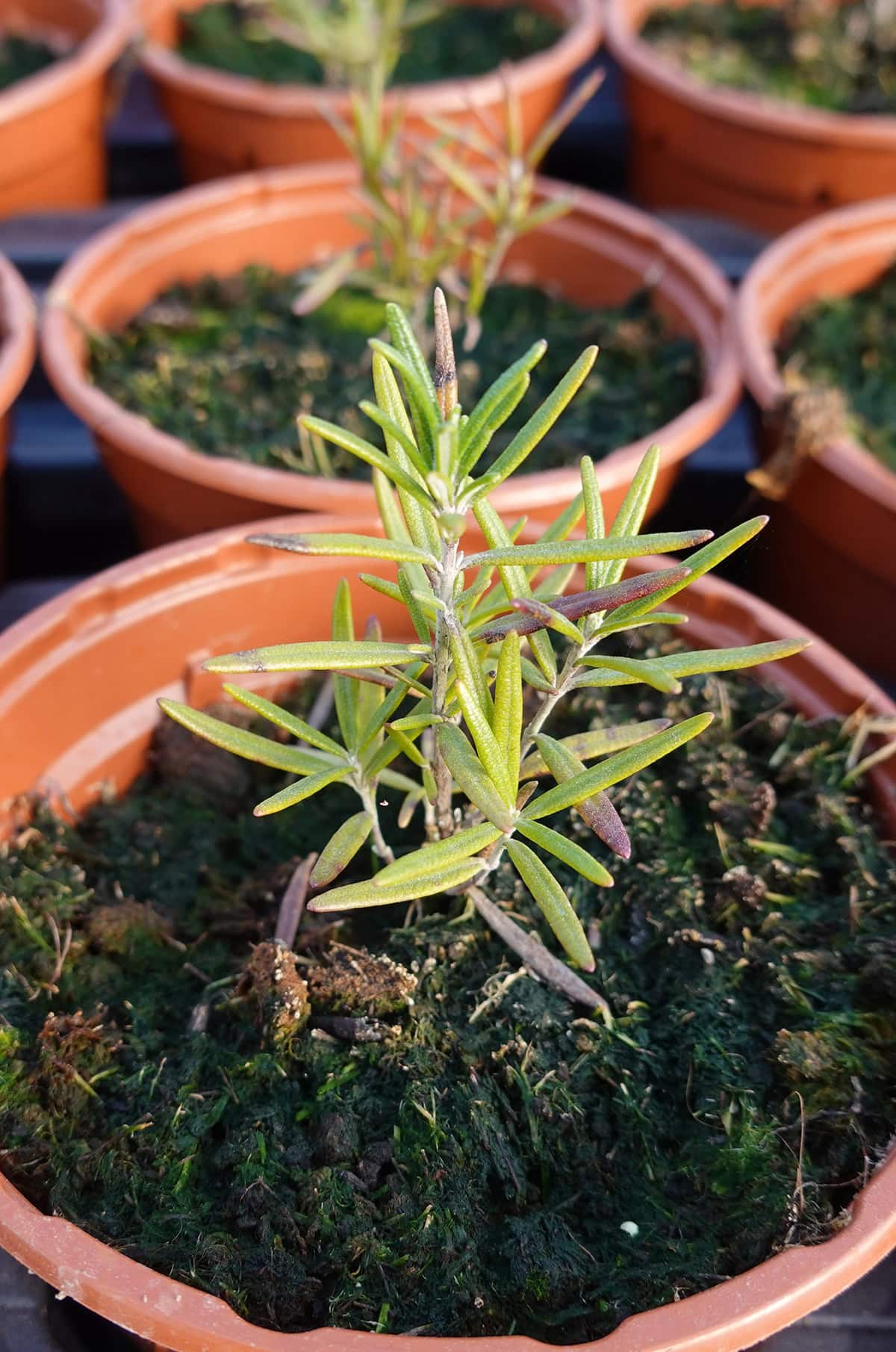
Getting rosemary to settle in indoors starts with the right pot, soil, and how you start the plant. Each choice makes a difference for roots, moisture, and how well it grows. A good setup saves you headaches later.
Container And Drainage
Pick a pot that gives the roots some room—think at least 10–12 inches wide and deep. If you go shallow, roots get cramped and the soil stays wetter than you want.
Drainage holes are a must. Water needs an easy exit, or you’ll end up with mushy roots.
Terracotta or clay pots are a solid choice since they let moisture escape from the sides. Plastic pots tend to hold onto water longer, so you need to be extra careful. Always use a saucer, but dump any leftover water right after watering.
Soil
Rosemary hates wet feet. Go for a loose, fast-draining mix to keep the roots happy. Heavy, dense soil just stresses it out.
Grab a potting mix for herbs or containers, then add in some coarse sand or fine gravel to keep things airy. Regular garden soil is a no-go indoors—it compacts too much.
The right mix should feel light and crumbly, not sticky. Aim for a pH around 6.5 to 7.5. Skip anything loaded with peat or moisture-holding stuff.
Seeds Or Cuttings
Sure, you can start rosemary from seed, but honestly, cuttings are way less hassle and much quicker. Seeds take their sweet time and aren’t always reliable indoors.
With cuttings, you know what you’re getting. Snip a 4–6 inch stem from a healthy plant, strip off the lower leaves, and stick it in moist, airy soil.
Keep the soil just barely moist until you see roots—usually in two to four weeks. Once it’s settled in, treat it like a grown plant and ease up on watering.
Light
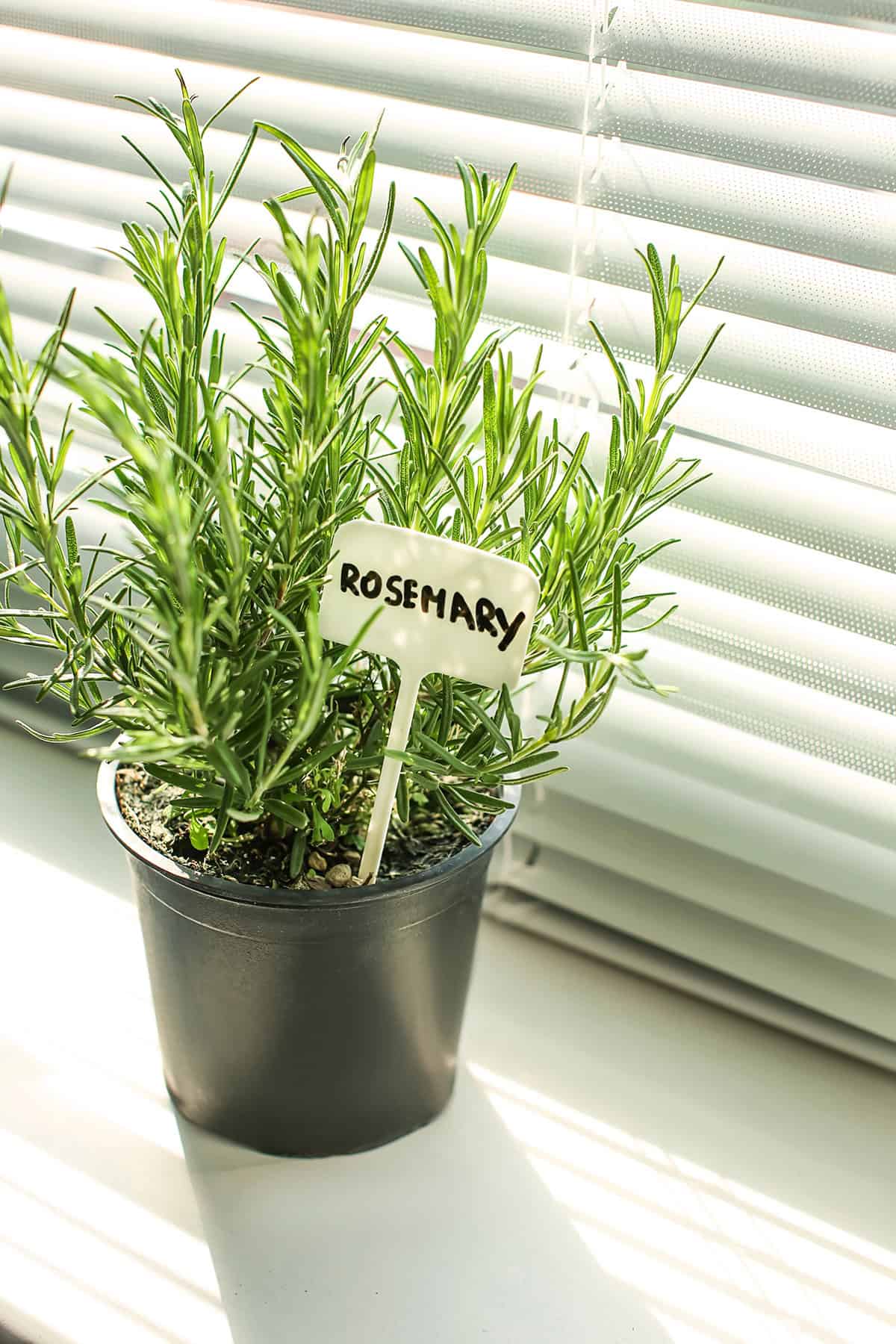
Rosemary is all about sunlight. You’ll want at least 6 to 8 hours of direct sun every day. A south-facing window is usually your best bet, but bright east or west windows can work if nothing’s blocking the light.
If your rosemary starts looking leggy or the leaves go pale, it’s probably not getting enough sun. Spin the pot every few days so all sides get their turn. It’s a little thing, but it helps keep growth even.
Not enough natural light? No worries—grow lights can fill in the gaps. Aim for 14 to 16 hours under artificial light if you need to. Keep the light close enough to matter, but not so close it fries the leaves.
Water
Let the soil dry out a bit between waterings. Wait until the top couple of inches are dry to the touch before you add more. Overwatering is the fastest way to kill indoor rosemary—dry spells are less risky.
When you do water, go slow until it drains out the bottom. Dump any extra water from the saucer so the roots aren’t sitting in a puddle. In winter, indoor air gets pretty dry, so don’t be surprised if you see brown tips. That’s usually from the air, not under-watering.
How often you water depends on the season and light. Plants by bright windows or under grow lights dry out faster than those in cooler spots. Usually, watering every week or two is about right, but always check the soil first.
Feeding
Rosemary indoors isn’t a heavy feeder. A light, diluted fertilizer now and then is better than piling it on. Too much food just makes the stems soft and messes with the flavor. It actually likes things a bit lean.
Use a balanced liquid fertilizer at half strength during spring and summer, about every four to six weeks. Once fall hits and light drops, stop feeding. Low light plus extra fertilizer is a recipe for trouble.
Watch the plant. If the leaves are pale, it might want a little boost. If growth gets floppy or you see a white crust on the pot, you’re probably overdoing it. Flush the soil with water if salts build up.
Smaller pots run out of nutrients sooner, so fresh potting mix each year helps. That way, you don’t have to fuss with fertilizer as much.
Pruning
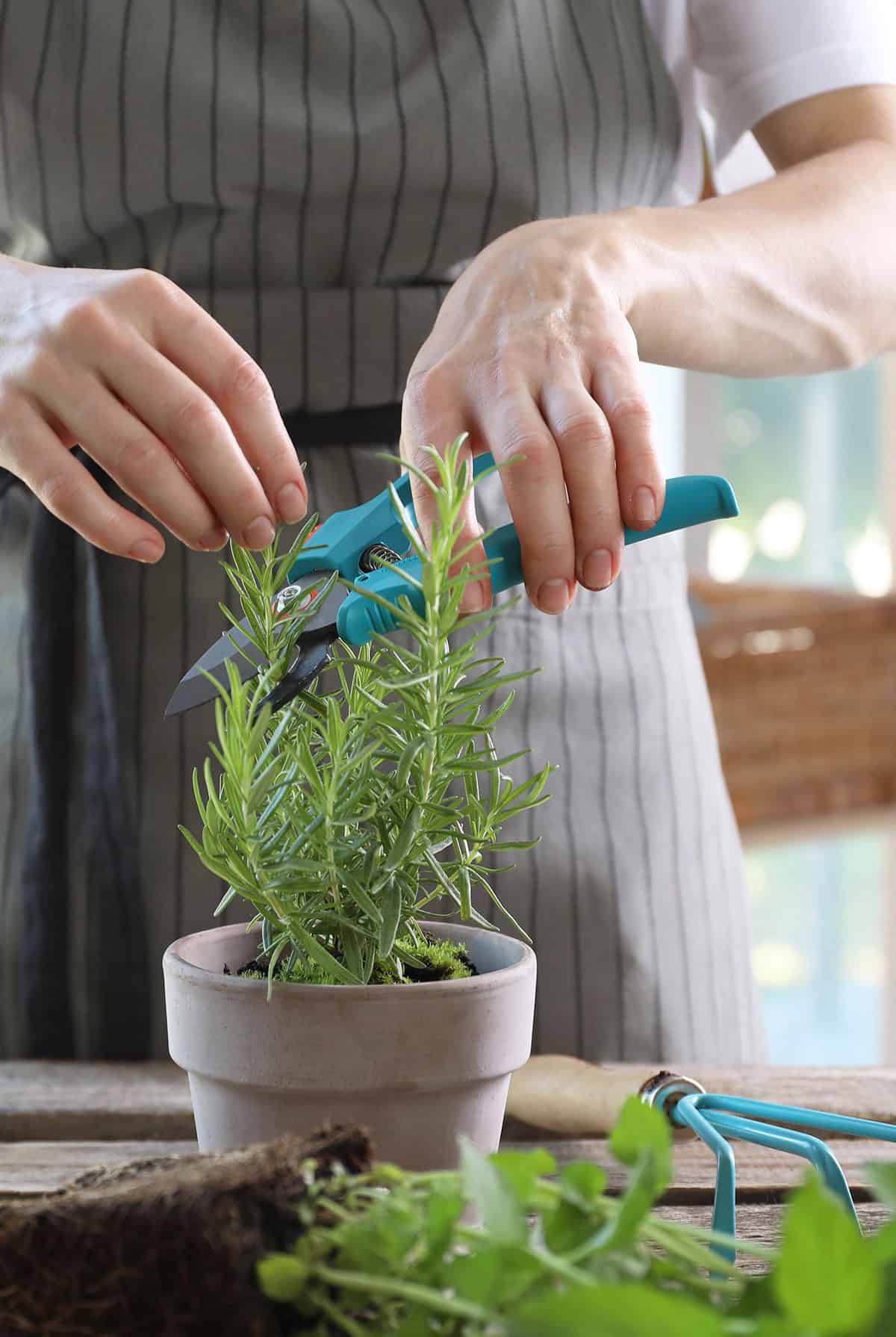
Snipping here and there keeps rosemary bushy and productive indoors. Take a little at a time once it’s growing well—focus on the green, flexible stems. That’s where new shoots come from, and it keeps air moving through the plant.
Use sharp, clean scissors and never take more than a third off at once. Cut just above a leaf node to push growth outward. After it flowers, a heavier trim can help thicken things up. Don’t chop into bare wood; it rarely bounces back from that.
Fresh trimmings are great to use right away, or just stash them in the fridge for a bit. It’s better to prune a little and often than to go all in once in a while. Give the plant a few weeks between sessions for best results.
Harvest
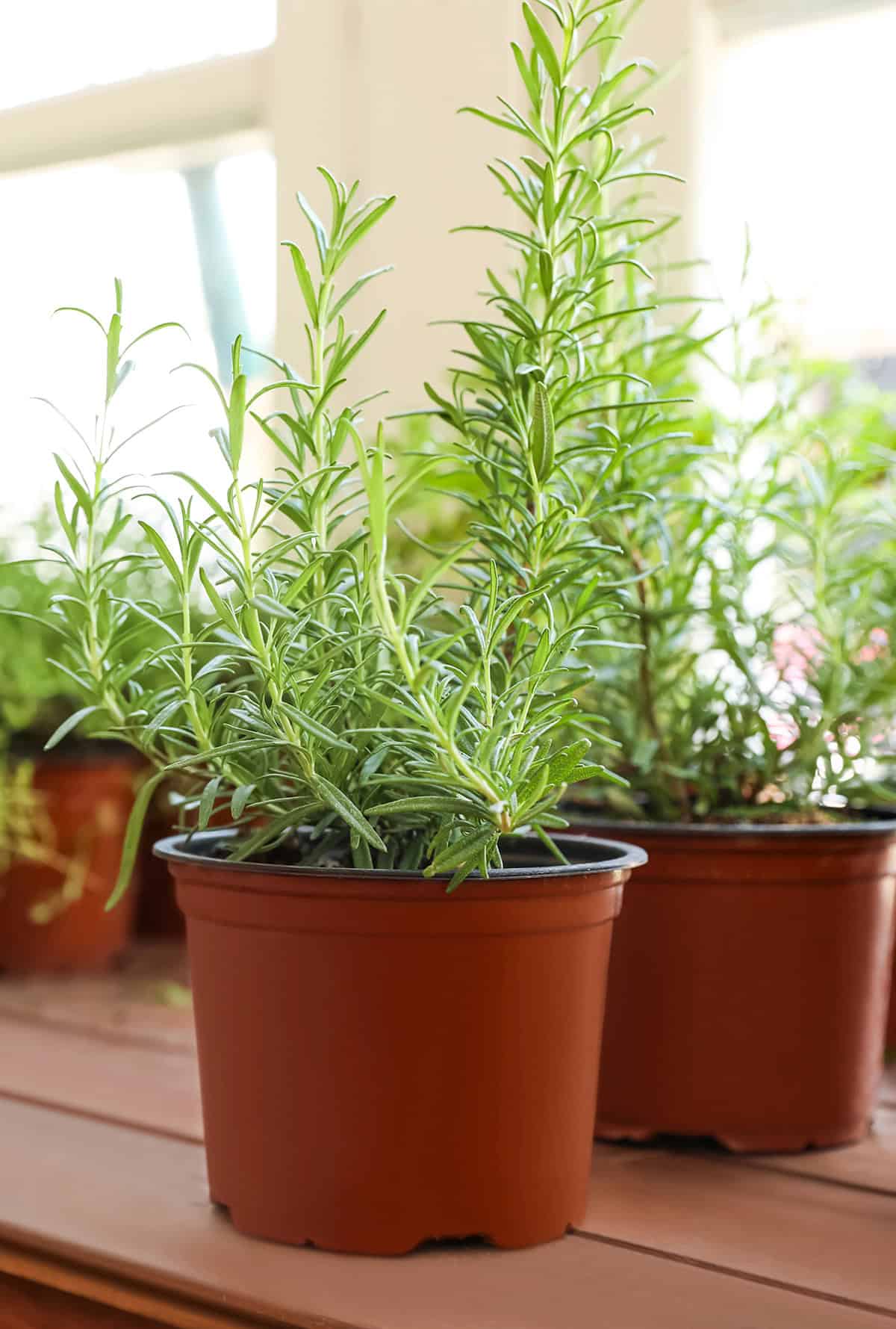
Once the stems are long enough, you can snip rosemary pretty much whenever you want. Indoor plants handle frequent light harvests just fine, and it actually helps keep them neat.
Grab clean scissors and cut three-to-four-inch sprigs from the soft tips. Don’t cut into the woody parts if you want the plant to keep its shape.
For short-term storage, wrap fresh sprigs in a dry towel and pop them in the fridge—they’ll last a couple weeks. If you’re after shelf life, dry the sprigs instead.
Try to harvest before the plant flowers for the best flavor. If growth slows or the plant looks stressed, give it a break. More light means it’ll bounce back from harvests faster.
Problems
Water’s at the center of a lot of headaches. If you go overboard, roots start to rot and fungus shows up uninvited. Soggy soil? That’s a recipe for limp, sad leaves. Letting the pot dry out a bit between waterings does wonders, honestly.
Then there’s the whole indoor air situation. Dry heat leaves you with crispy leaf tips and stems that snap if you look at them wrong. But if it’s too humid and air doesn’t move, powdery mildew can creep in. Bright light and a bit of airflow seem to keep things in check, at least most days.
And pests—yeah, they’re more of a thing indoors than you’d hope. Aphids, mealybugs, whiteflies, spider mites… they all love a stressed-out plant. Usually, you’ll spot sticky gunk or leaves looking pale before you catch the bugs themselves. A quick rinse or gentle wipe can often keep things from getting out of hand.
Light and temperature matter too. Not enough light? Stems get leggy and colors fade. If the room’s too warm in winter, plants just sort of sulk. A cool, sunny window usually helps keep things tidy and might even coax out a few flowers now and then.