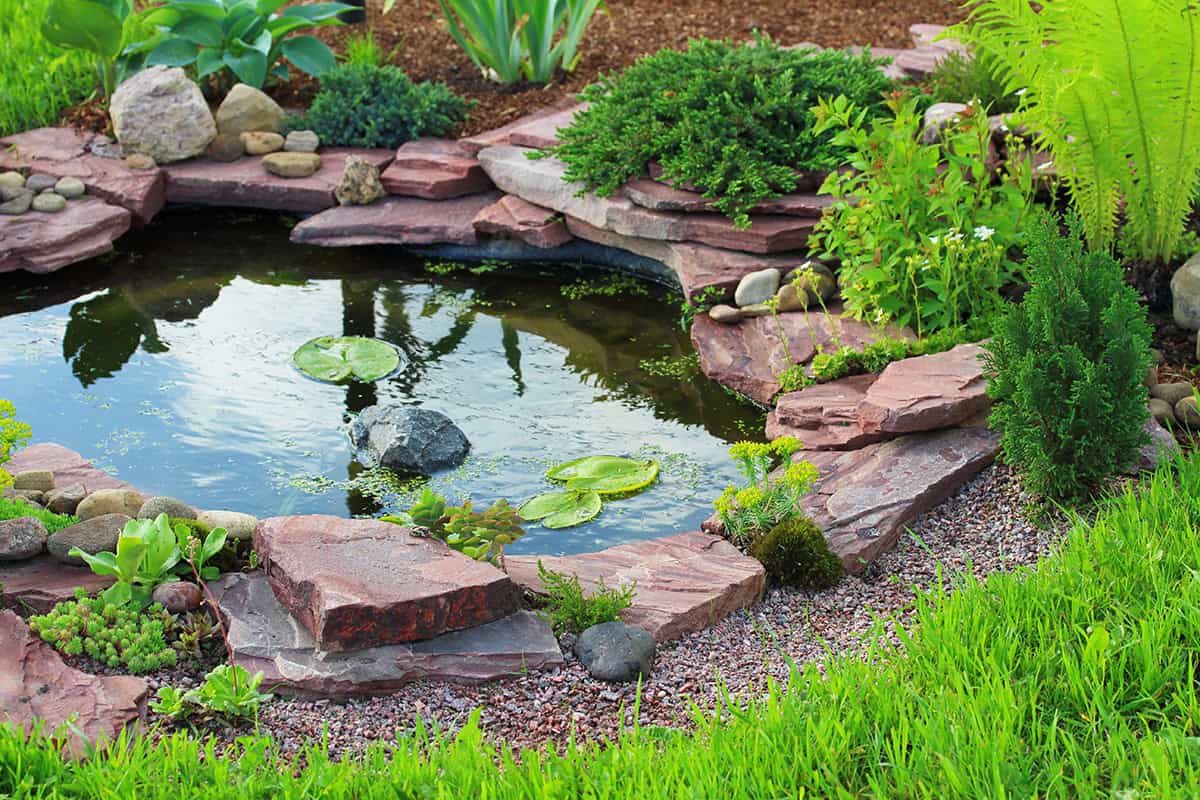
A pond without plants is like a stage without scenery—it works, but it’s missing something. The right greenery not only makes your pond look stunning but also supports birds, bees, and other wildlife. Here are 22 plants that do it best.
Table of Contents
Marginal & Moisture-Loving Plants
You can create a thriving, low-maintenance pond edge by selecting marginal and moisture-loving plants. These species excel at absorbing excess water, stabilizing soil, and providing seasonal interest.
Iris laevigata (Japanese Water Iris)
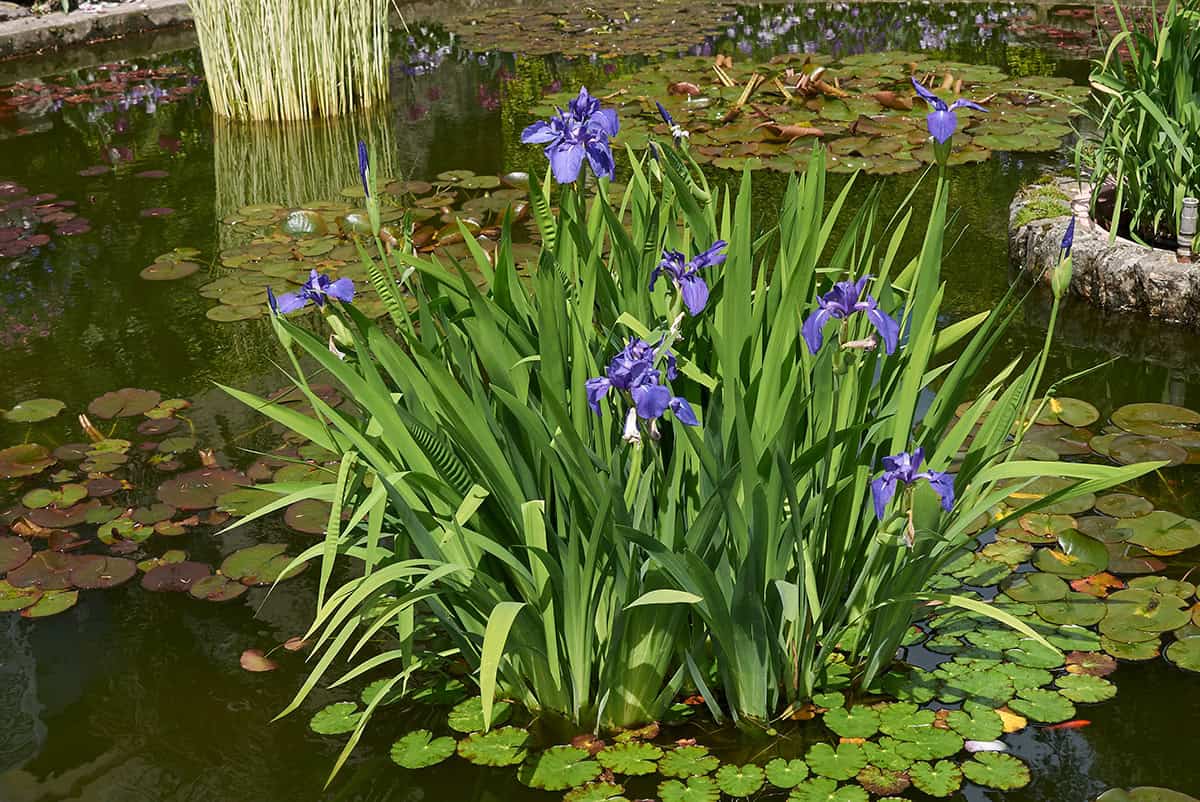
Late spring can leave pond edges looking fairly ordinary until Japanese Water Iris starts flowering. Large blue-purple blooms rise above the waterline and immediately draw attention across the garden.
Even after the flowers fade, the upright foliage continues providing structure around the pond. Plant it where the roots can stay consistently wet for the strongest display.
Marsh Marigold (Caltha palustris)
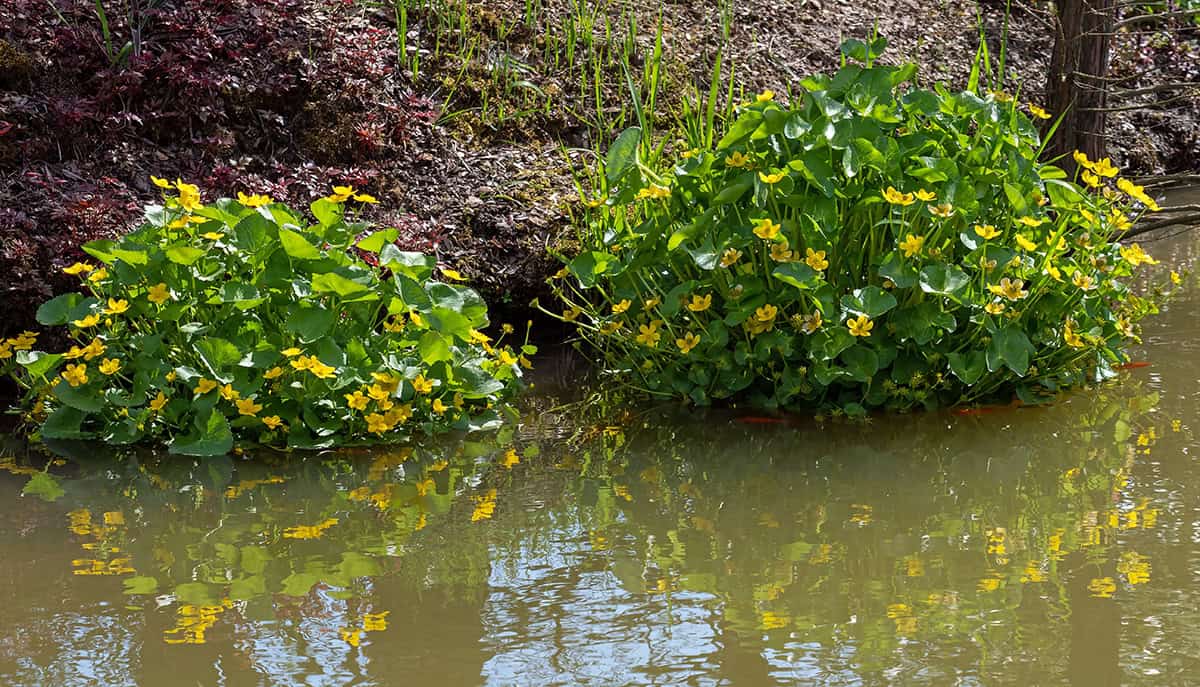
Spring ponds can look bare for weeks. Marsh Marigold fixes that with bright yellow flowers that appear much earlier than many other pond plants. Tuck it into wet soil near the water’s edge, where the cheerful color can reflect across the pond surface.
Pickerelweed (Pontederia cordata)
Pickerelweed features long, spear-shaped leaves and upright spikes of violet-blue flowers. You’ll notice flowers appear from early summer to fall. This plant thrives in shallow water up to a foot deep.
It’s well-suited for the edge of your garden pond where its extensive root system holds soil and limits erosion. Pickerelweed attracts pollinators and supports aquatic life by providing shelter for young amphibians and insects.
This plant is easy to grow and resilient. It can adapt to fluctuating water levels. To encourage dense growth, divide large clumps every few years.
Creeping Jenny (Lysimachia nummularia)
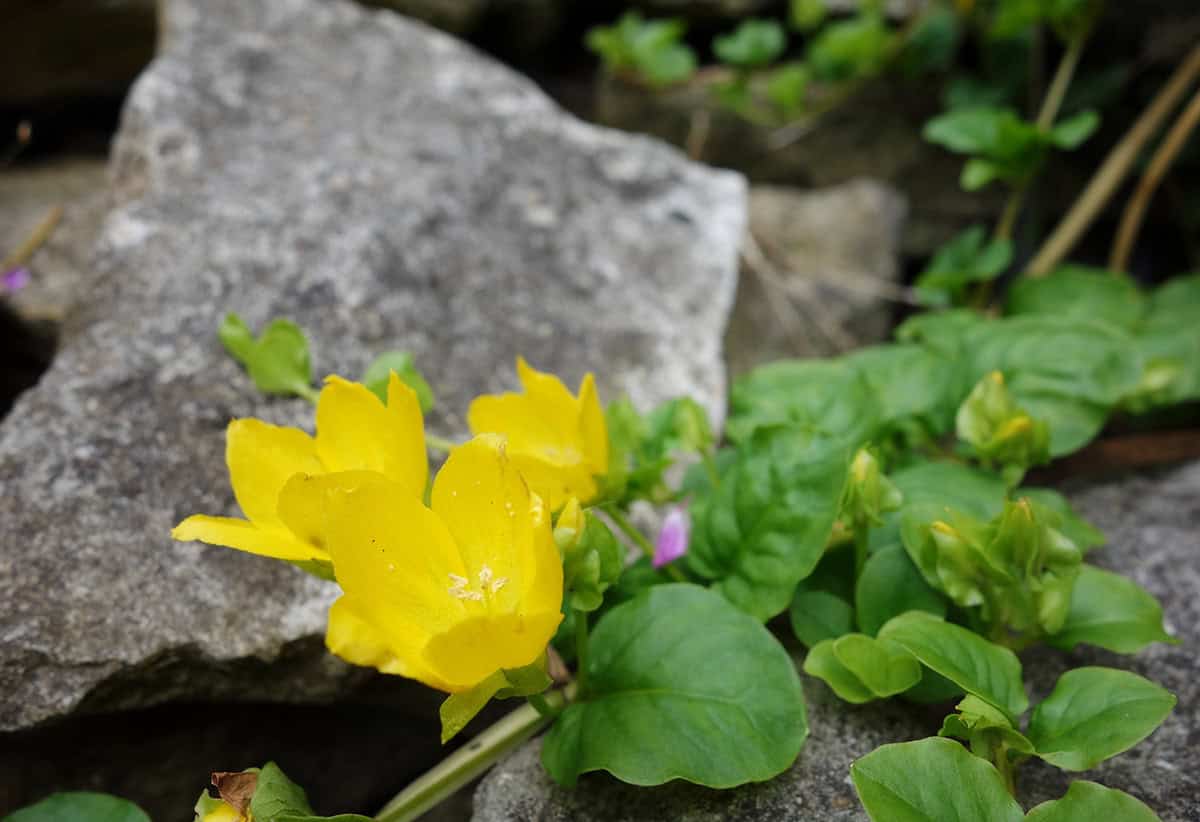
Bright chartreuse foliage makes Creeping Jenny hard to miss. The stems spread quickly across damp ground and drape naturally over rocks and pond edging. A small planting can cover a surprising amount of space within a season. Tiny yellow flowers appear in late spring, though the foliage remains the main attraction.
Cardinal Flower (Lobelia cardinalis)
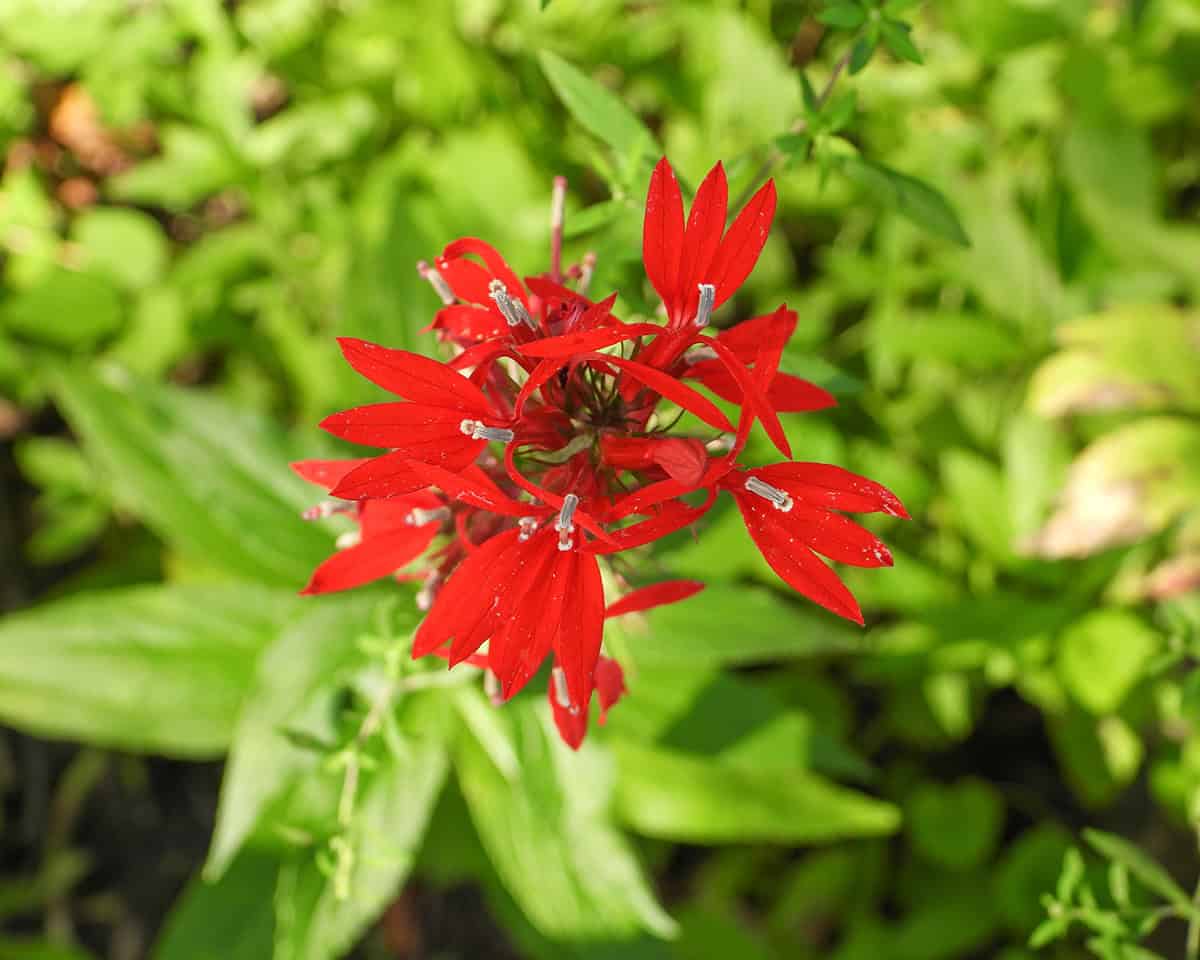
Cardinal Flower produces tall spikes of vivid red flowers from mid-summer to fall. Hummingbirds visit these blooms often, making it ideal if you want wildlife near your pond. It prefers consistently moist to wet soil along pond edges or in shallow water.
The dark green foliage forms a medium-sized clump. This plant grows best in sun or dappled shade but benefits from afternoon shade in hot climates. The color and form offer strong vertical interest in mixed borders.
This perennial tolerates cold winters. Add mulch each year to lock in soil moisture. Divide every few seasons to keep it vigorous and spreading nicely.
Bog & Wetland Plants
Bog and wetland plants can handle moist soil and occasional flooding. Many of the best plants for around a garden pond thrive in these conditions and offer bold textures and unique colors.
Hosta
Hosta grows well in shady, moist spots. You can choose from varieties with blue, green, or variegated leaves. The bold foliage stands out around the edges of a pond.
This plant needs rich soil with plenty of organic matter. Its leaves can reach a large size, creating a lush look. Deer may browse the leaves, so consider protection if needed.
Lavender or white flowers appear in summer, sitting above the leaves on tall stalks. Hosta returns each spring and spreads slowly.
Ligularia
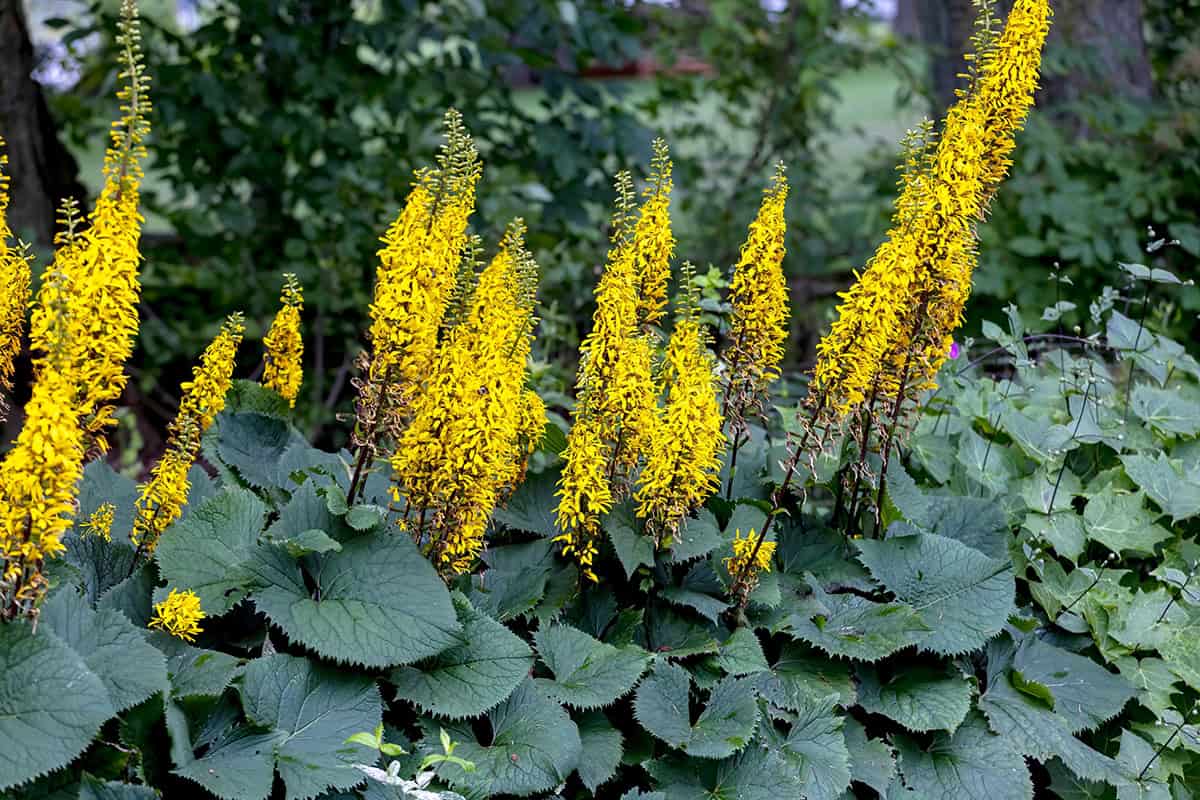
Large leaves make Ligularia easy to spot even before flowering begins. Some varieties produce foliage nearly as impressive as Elephant Ear, though with a completely different shape. Yellow or orange blooms appear above the leaves during summer.
Dry soil quickly causes problems, which is why pond edges are such a good location. Partial shade usually produces better-looking foliage than intense afternoon sun.
Established plants become much broader than many people expect when first planting them. The leaves remain the main attraction for much of the growing season.
Astilbe
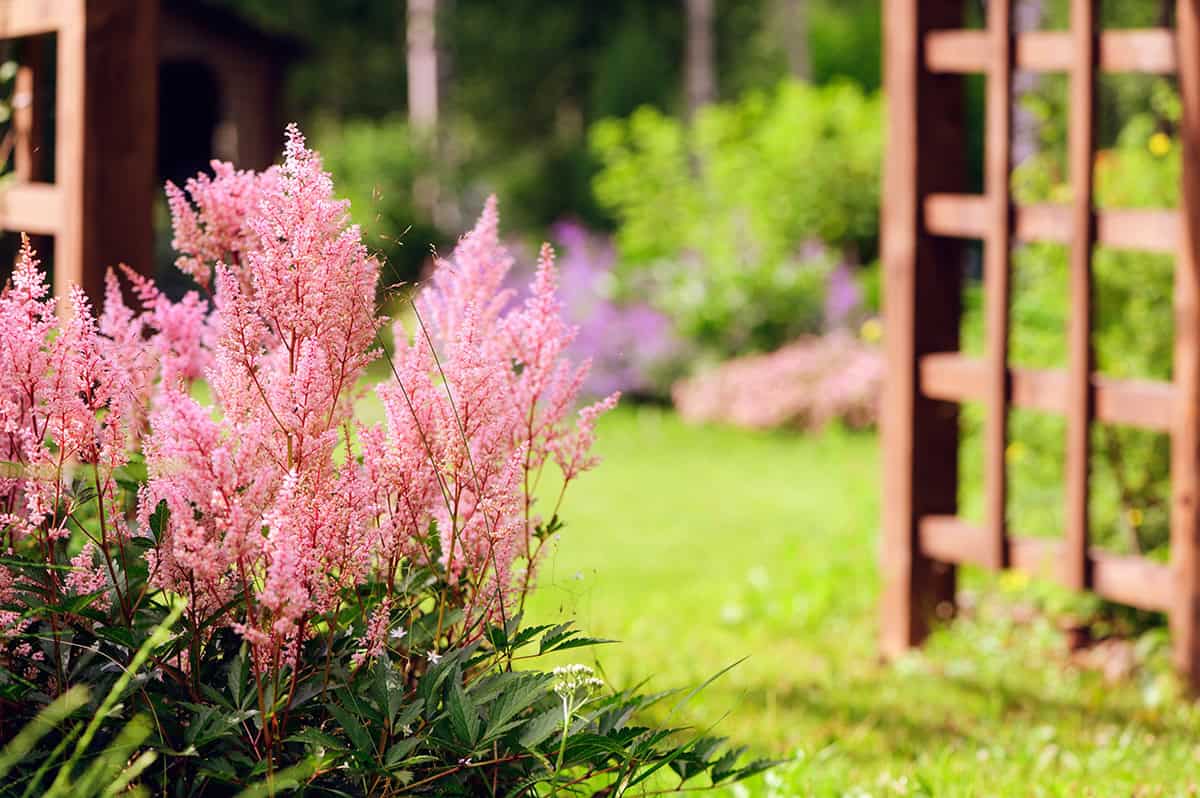
Astilbe looks very different from broad-leaved pond plants. The foliage has a lighter, finer appearance, while the flower plumes rise above it in shades of pink, red, white, and purple. Blooming usually arrives in early or midsummer depending on the variety.
Rich soil and steady moisture produce the fullest growth. The flowers dry well on the plant and continue looking attractive after peak bloom. Several colors planted together create a softer look than many bold-flowering perennials. Ferns, hostas, and astilbes usually combine naturally around shaded ponds.
Elephant Ear (Colocasia or Alocasia)
Few pond-side plants develop leaves as large as Elephant Ear. A young plant purchased in spring may look completely different by midsummer. Warm weather, rich soil, and steady moisture encourage rapid growth.
Green varieties create a lush appearance, while black-leaved selections feel much more dramatic. Colocasia generally tolerates wetter conditions than Alocasia.
Individual leaves may grow wider than a person’s torso under good conditions. A small group quickly dominates the surrounding planting. Frost usually ends the display unless the tubers are lifted and stored.
Siberian Iris (Iris sibirica)
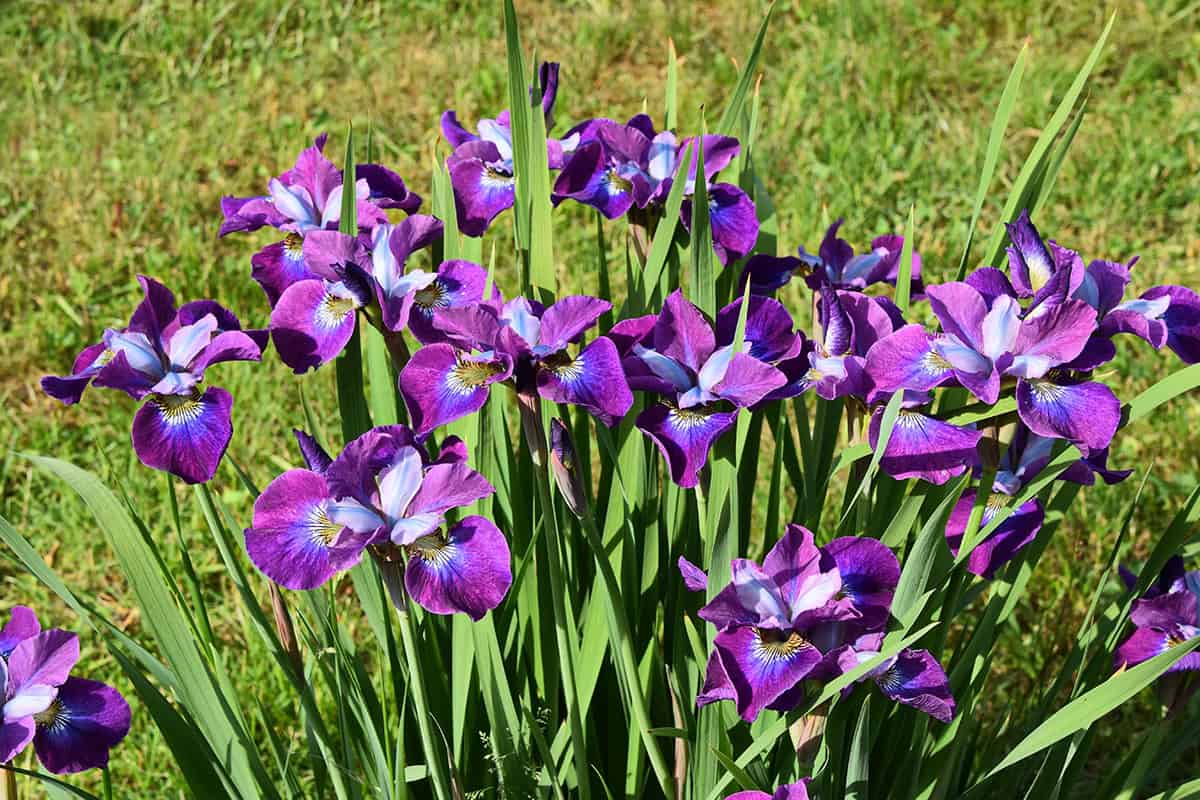
Siberian Iris relies more on graceful foliage than oversized flowers. The leaves form tidy clumps that remain attractive for most of the season.
Blue, purple, and white blooms appear in late spring and early summer. Unlike many pond plants, the foliage rarely looks heavy or bulky. Moist soil encourages stronger flowering and healthier growth. Mature clumps gradually widen without becoming difficult to manage.
The narrow leaves pair nicely with hostas, astilbes, and ornamental grasses nearby. Even after blooming ends, the plant continues contributing to the overall planting.
Grasses & Textural Plants
Grasses and textural plants bring movement and contrast to your garden pond. Their unique forms create structure and highlight water’s edge with layered textures and subtle colors.
Japanese Forest Grass (Hakonechloa)
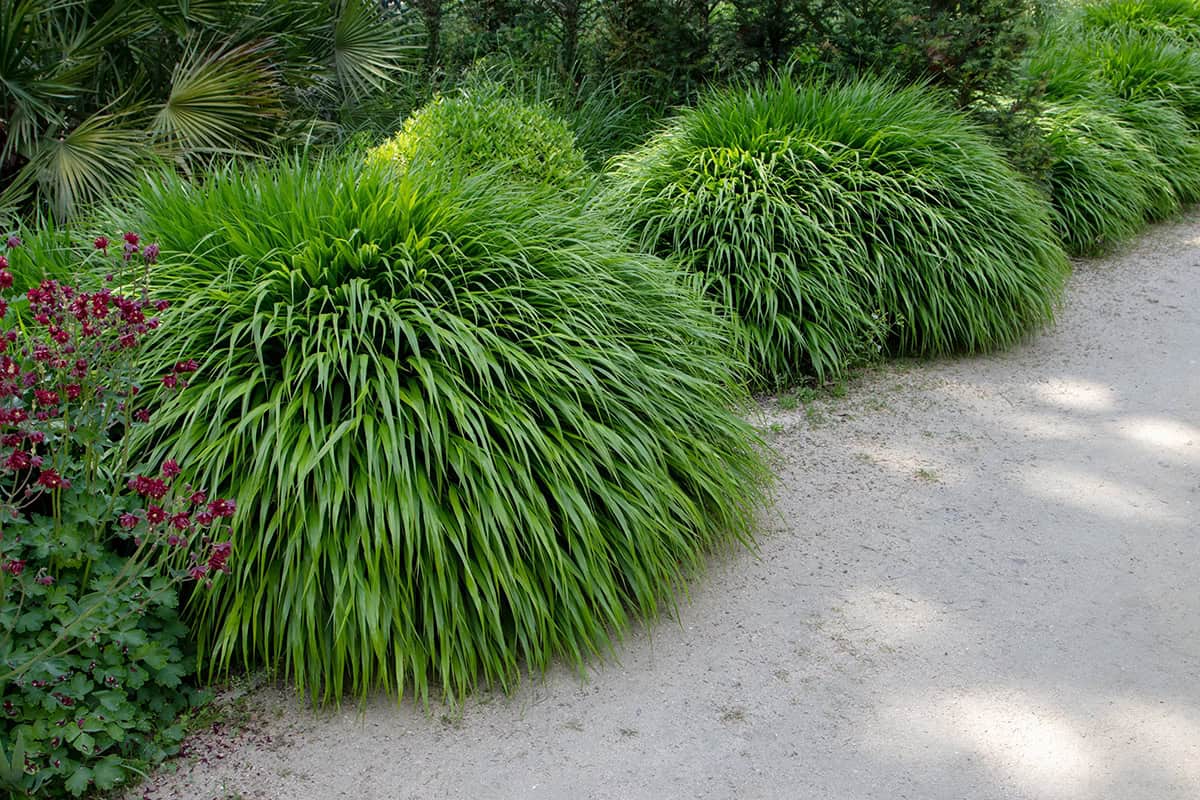
Japanese Forest Grass grows in soft, arching clumps that look very different from upright ornamental grasses. The foliage flows outward rather than upward, creating a relaxed appearance along shaded pond paths and borders.
Golden varieties brighten darker corners where many flowering plants struggle to stand out. Green forms blend naturally into woodland-style settings. Growth stays slow and controlled, so the plant rarely overwhelms neighboring perennials.
Moist soil keeps the foliage looking fresh through the growing season. Cooler temperatures later in the year usually deepen the color. A mature clump has a completely different presence than a newly planted division.
Papyrus (Cyperus papyrus)
Papyrus stands out with tall, thick green stems topped by clusters of fine, radiating threads. Ancient Egyptians once used this impressive plant to make paper. In your pond garden, Papyrus can serve as a dramatic focal point or privacy screen.
This is a true water plant. You can plant it directly in shallow pond edges or submerge pots in the water. Papyrus thrives in both sun and partial shade but requires consistent moisture year-round.
In mild climates, it stays green through winter. For colder regions, you’ll need to move it indoors before frost. The plant can reach 5-8 feet depending on growing conditions, easily making it one of the tallest textural choices for a pond.
Blue Fescue (Festuca glauca)
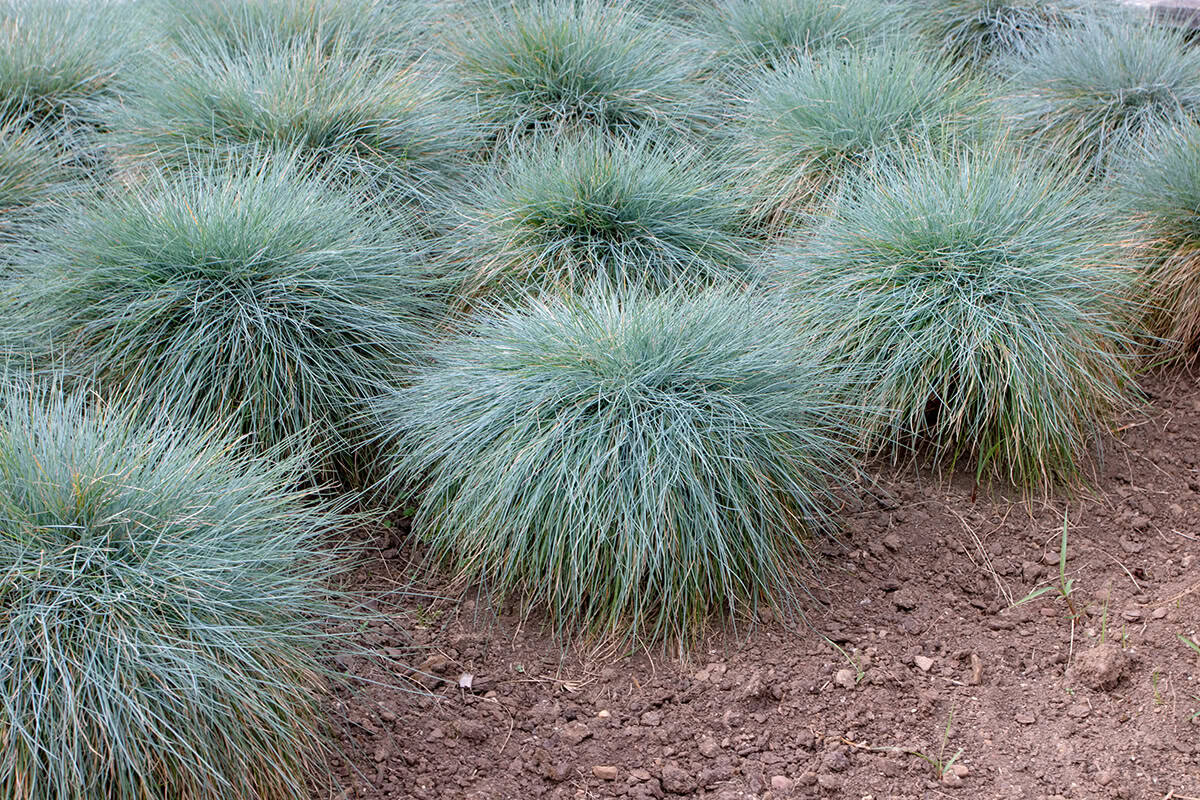
Blue Fescue offers a cool contrast with its fine, spiky blue-gray foliage. This compact ornamental grass creates neat, rounded clumps, rarely exceeding 12 inches in height. Its color pops against darker pondside plants.
It tolerates full sun and prefers well-drained soil, but it can handle light shade. Blue Fescue dislikes heavy, waterlogged ground. Place it slightly above the pond’s wettest areas for best results.
Maintenance is minimal. Remove dead foliage in early spring for a tidy look. Its drought tolerance and low height make it suitable for the pond’s outer edge or areas without standing water.
Sweet Flag (Acorus calamus)
Sweet Flag grows in clumps of sword-shaped, glossy leaves. The bright green foliage resembles iris but you can distinguish it by its sweet fragrance when crushed. This plant does well in moist or boggy soil and even shallow water.
Use Sweet Flag to stabilize pond banks or fill wet spots. It tolerates both sun and partial shade, though brighter light produces stronger growth. The rhizomes spread slowly, building dense mats that resist erosion.
Unlike invasive grasses, Sweet Flag behaves politely in gardens. It adds vertical lines and a clean look to pond margins. This plant is also valued for its aromatic qualities and historical medicinal uses.
Corkscrew Rush (Juncus effusus ‘Spiralis’)
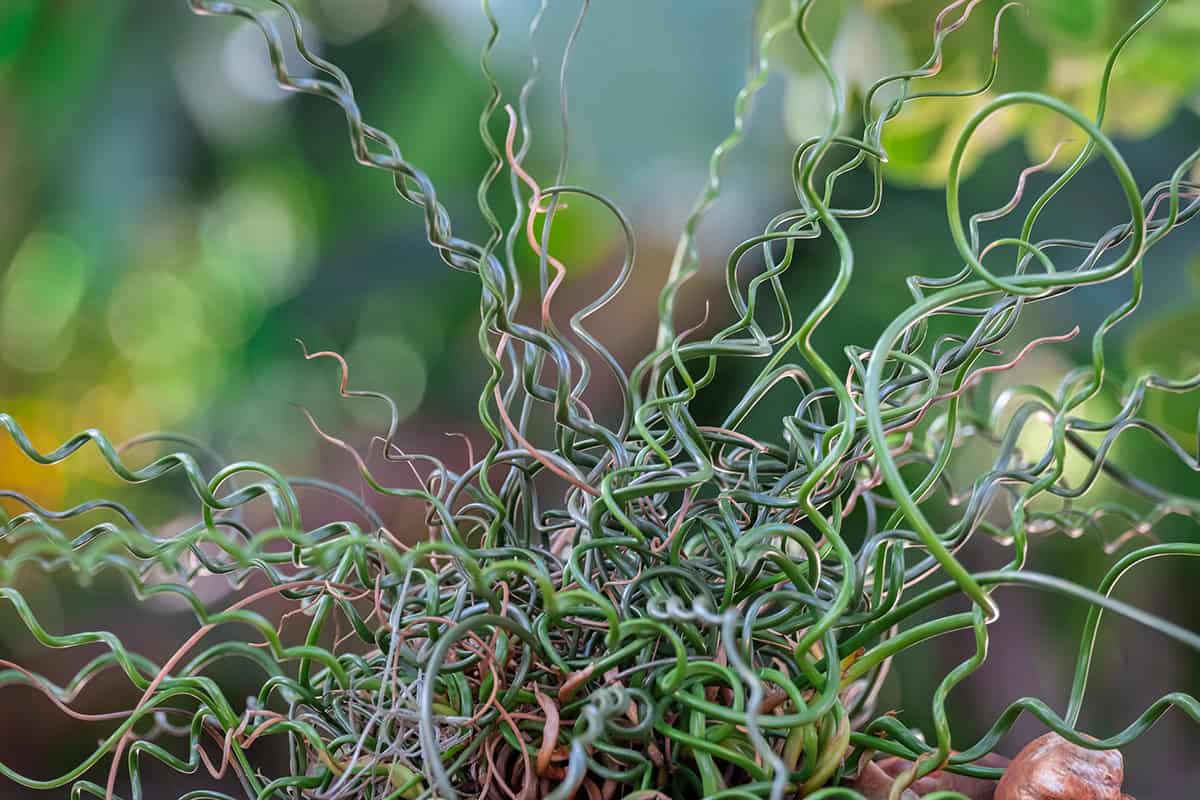
Straight stems are nowhere to be found on Corkscrew Rush. Every stem twists, curls, and loops in a different direction. The unusual shape immediately catches attention among more traditional pond plants. Wet soil and shallow water support the healthiest growth.
Containers help keep the plant contained in smaller gardens. The stems remain interesting even when no flowers are present. Modern pond designs frequently include it because of its unusual form. Few plants create the same reaction from visitors seeing them for the first time.
Flowering Perennials For Color
Planting flowering perennials around your garden pond gives long-lasting color, attracts pollinators, and supports a healthy ecosystem. You’ll find choices that handle wet spots, need little maintenance, and fill your pond’s edge with blooms across the seasons.
Daylilies (Hemerocallis)
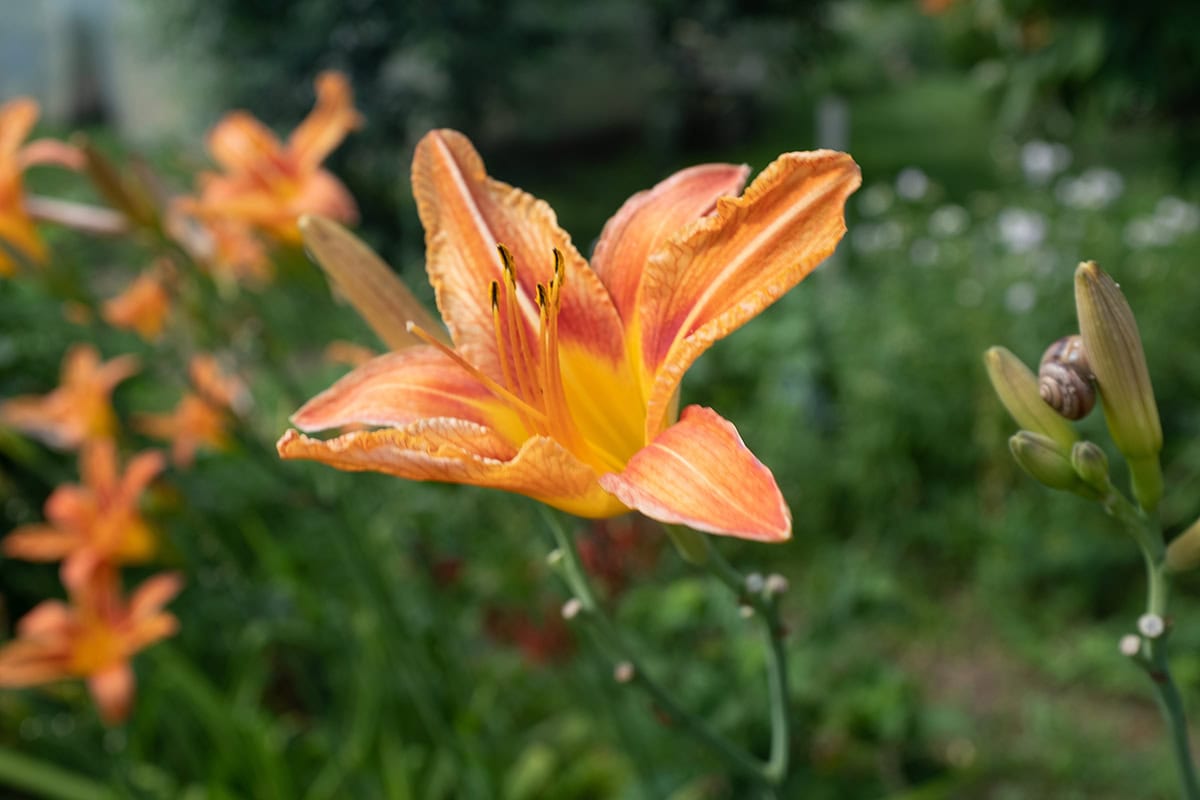
Hundreds of flowers from a single mature clump are not unusual. Daylilies keep producing new buds for weeks, which explains why they remain so popular in pond-side gardens. Yellow and orange varieties tend to be the most common, though far more colors exist.
Damp soil encourages stronger growth and larger flower displays. Older clumps usually outperform newly planted ones.
Bee Balm (Monarda)
Bee Balm brings bold color to the pond edge and attracts bees, butterflies, and hummingbirds. The flower heads appear in summer and show vivid shades of red, pink, purple, or white. The mint-scented foliage adds extra sensory interest.
Give Bee Balm consistent moisture, and it thrives in soil that stays evenly damp. It grows best in full sun but can handle some shade. Powdery mildew can be an issue, so don’t crowd the plants and try to maintain air movement.
These perennials spread easily. Thin the clumps every couple of years to keep them in check. Snip off faded blooms to extend flowering, or let them go to seed if you enjoy wildlife. Leaves and flowers are both edible and sometimes used in tea.
Joe Pye Weed (Eutrochium)
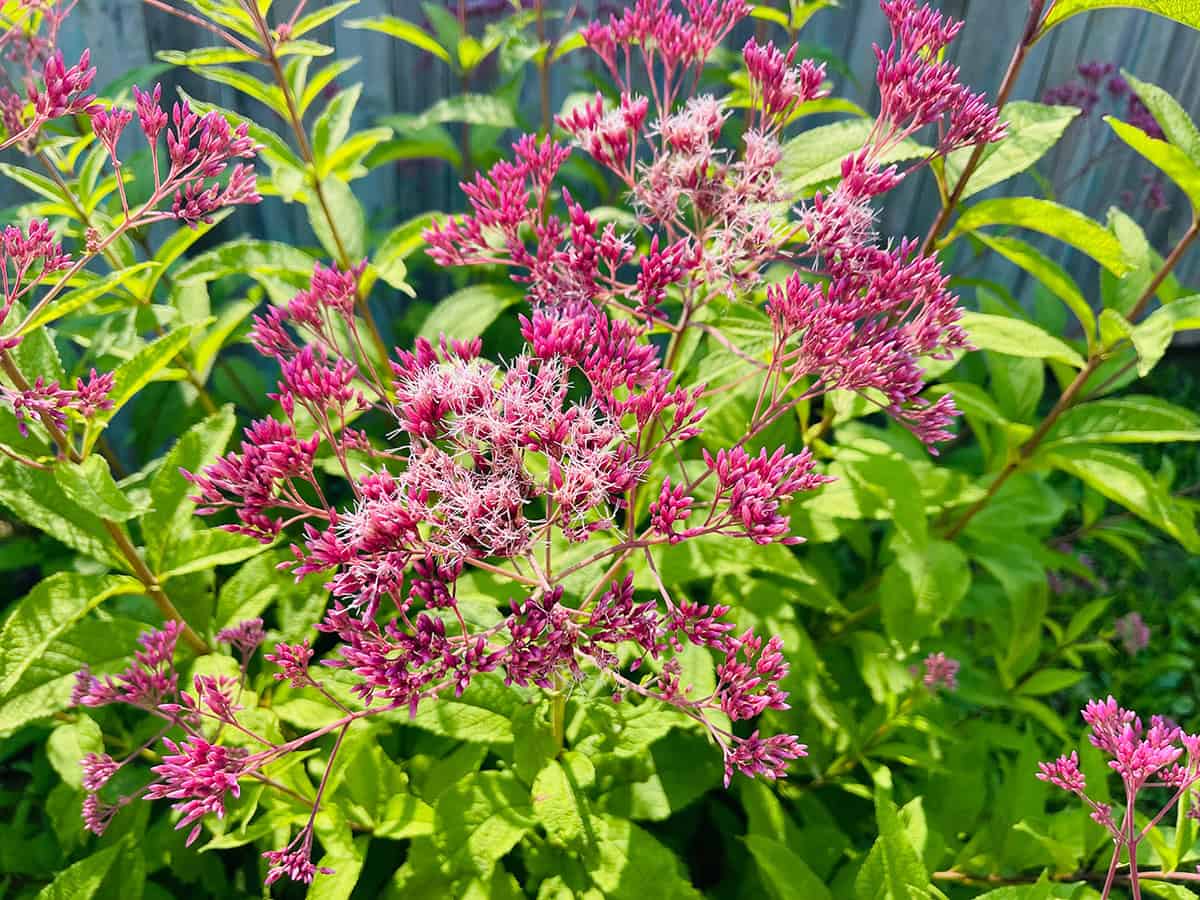
Late summer can leave pond borders looking a little tired after many early bloomers finish. Joe Pye Weed steps in at exactly the right time with large clusters of dusty pink flowers. The plant grows much taller than most pond-side perennials, making it useful near the back of the border.
Butterflies gather around the blooms throughout the flowering season. Established plants bring height without looking stiff or formal, which is why they fit naturally into wildlife ponds and cottage-style gardens.
Black-Eyed Susan (Rudbeckia)
Bright yellow petals hold their color from midsummer well into fall. The dark centers create a strong contrast that remains visible from across the garden. Black-Eyed Susan handles damp pond-side soil better than many people expect.
Bees visit the flowers throughout the blooming period. Seed heads later attract birds looking for food. The blooms continue appearing long after many neighboring plants have stopped flowering.
Lupines

Lupines are known for their upright spikes of vibrant flowers in blues, purples, pinks, and whites. The leaves are distinctive—palm-like and adding unique texture. They bloom mostly from late spring to early summer.
They do best in well-drained, moist, or slightly acidic soil, making them suitable near most ponds. Lupines prefer full sun but tolerate some afternoon shade. They fix nitrogen in the soil, so they can improve soil quality for other plants.
Deadheading prolongs bloom time, and you can let some seed for naturalizing. However, roots resent disturbance, so choose a permanent spot when planting. Lupines also appeal to bees and other pollinators, supporting your pond’s ecosystem.
Groundcovers & Fillers
Adding groundcovers and fillers near a garden pond helps suppress weeds and stabilize soil. These low-growing plants soften the edge of the water while providing habitat for beneficial insects.
Ajuga (Bugleweed)
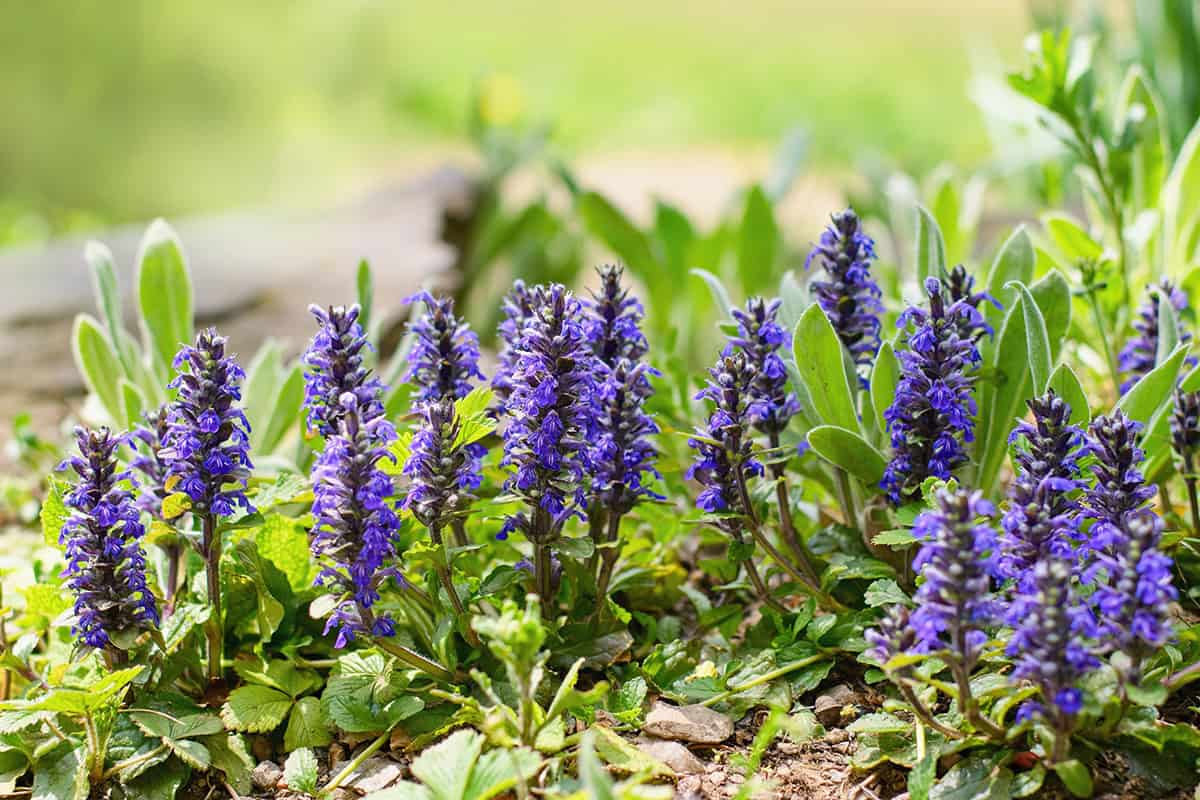
Ajuga is a hardy groundcover that adapts well around a garden pond. It grows close to the ground and forms dense mats of foliage. The leaves range from deep green to burgundy, giving you a splash of color even when flowers are absent.
In spring, Ajuga sends up spikes of blue or purple flowers. These flowers briefly attract pollinators. Ajuga spreads by runners, filling bare spaces quickly. It helps reduce soil erosion and competes well with weeds.
This plant prefers moist, well-drained soil. Partial shade is ideal, but Ajuga also tolerates sunnier pond edges. Occasionally, it may need dividing if it outgrows its space. Trim spent flowers to keep things tidy. Deer usually avoid Ajuga.
Ferns (e.g., Lady Fern, Ostrich Fern)
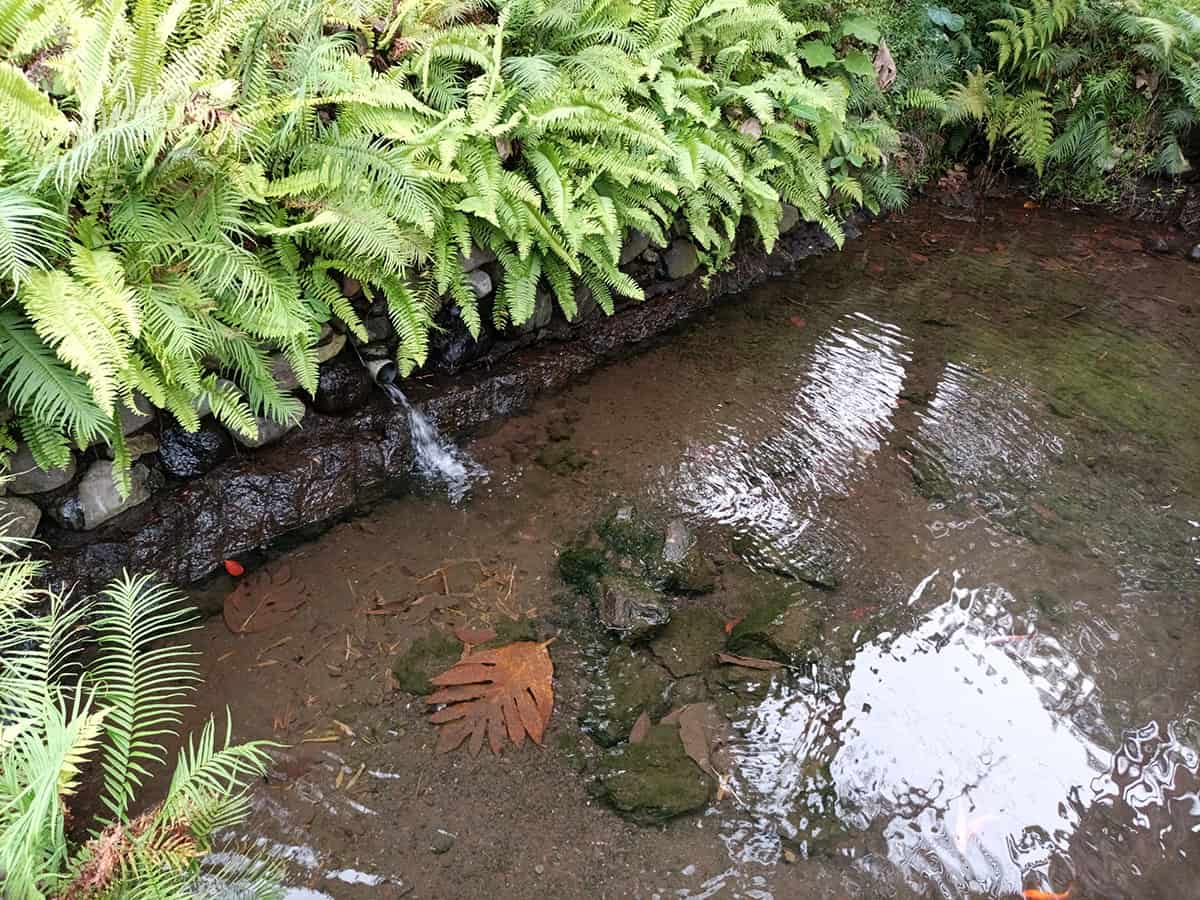
Ferns give a garden pond a natural, wild look. Lady fern or ostrich fern have feathery fronds in bright green shades. These ferns like moist, rich soil, and cool roots. They do well in part shade and protect the soil from washing away in heavy rain.
Unlike some aggressive groundcovers, ferns expand slowly. They fill in gaps under shrubs and along shaded banks. Mature ferns reach up to three or four feet, so space them accordingly.
Ferns don’t bloom, so use them for texture rather than flowers. They draw fewer pests and need little care beyond the occasional cleanup of dead fronds. Try not to let them dry out, especially in summer months.